There’s something a little unfair about pork chops.
They’re one of those ingredients almost everyone has cooked at some point. They’re easy to find, usually affordable, and on paper they seem like the kind of thing that should just work without much effort. And yet, somehow, they’ve picked up a reputation for being dry, boring, or just forgettable. A lot of people try them once, overcook them slightly without even realizing it, and then quietly move on to something else 🍖
But the issue isn’t really the pork chops themselves. It’s how they’re approached.
When they’re cooked properly—even in a very simple way—they turn into one of the most practical and satisfying meals you can make. They don’t require complicated preparation, they don’t take much time, and they adapt easily to different flavors depending on what you feel like eating. The problem is that they’re also easy to get wrong if you treat them like an afterthought.
Once you understand a few basics, though, things start to shift.
Pork chops stop feeling like just “something quick to cook” and start working more like a foundation. You can keep them simple, or you can build on top of them with sauces, spices, or sides. They don’t lock you into one version, which makes them easier to come back to again and again.
And that’s really the key. In everyday cooking, people don’t actually need more variety—they need meals that consistently make sense. Something that works even when you’re tired, when you don’t feel like measuring everything, or when you’re just trying to get dinner done without turning it into a whole project.
Pork chop dinners tend to land right in that space.
They’re quick enough for weeknights, flexible enough to adjust without breaking the dish, and reliable enough that you don’t have to second-guess yourself every time. Over time, they become less about following a recipe and more about knowing what to do.
If you look closely, the pork chop meals that actually stay in rotation usually share a similar set of qualities. Not in a strict or technical way, but enough that you start to recognize a pattern:
| Category | What It Looks Like in Practice 🍳 | Why It Matters in Everyday Cooking |
|---|---|---|
| Speed | Ready in about 20–30 minutes | Fits into busy schedules without stress |
| Simplicity | Straightforward steps, minimal prep | Reduces effort on low-energy days |
| Juiciness | Cooked properly, stays tender inside | Prevents the dish from feeling disappointing |
| Flavor Flexibility | Works with sauces, marinades, spices | Keeps meals from getting repetitive |
| One-Pan Potential | Cooked in a skillet, oven, or grill | Makes cleanup easier |
| Ingredient Accessibility | Uses common, easy-to-find ingredients | No need for extra planning |
| Texture Contrast | Golden crust with a juicy interior | Makes the dish more satisfying |
| Adaptability | Pairs well with different sides | Works with whatever you have available |
| Meal Prep Friendly | Can be reheated if handled properly | Saves time later |
| Balance | Combines protein, carbs, and vegetables | Feels like a complete meal |
| Consistency | Produces reliable results with practice | Builds confidence in cooking |
| Customization | Easy to adjust seasoning and flavors | Prevents boredom over time |
| Cost Efficiency | Affordable and filling | Practical for regular cooking |
| Visual Appeal | Slightly crisp, golden finish | Makes the meal more enjoyable |
| Effort-to-Reward Ratio | Feels worth the time and effort | Encourages repetition |
When a meal checks enough of these boxes, something changes.
You stop thinking of it as a recipe you need to follow. Instead, it becomes something you understand. You don’t measure everything as carefully, you don’t check instructions step by step—you just start cooking and adjust along the way.
That’s usually the point where a dish becomes part of your routine.
The pork chop meals that follow are built around that exact idea. They’re not complicated, and they’re not trying to impress anyone.
They’re simply the kind of meals that work—and that’s exactly why people keep coming back to them 🍽️
🍽️ 12 Pork Chop Dinners Worth Repeating
1. Macau Pork Chop Sandwich 🥪
At first glance, this feels more like something you’d grab from a street vendor than a proper dinner you’d plan at home. A fried pork chop inside a soft bun doesn’t sound particularly impressive, and honestly, it doesn’t try to be. But once you actually eat it, the appeal becomes very obvious—and it’s hard to ignore after that.
The whole idea of this dish is built on contrast, and that’s what makes it work so well. The pork chop is cooked until the outside turns golden and slightly crisp, while the inside stays juicy and tender. Then it’s placed inside a soft, slightly sweet bun that absorbs just enough of that richness without falling apart. It’s simple, but everything has a role.
What’s interesting is how satisfying it feels without being complicated. There’s no layering of multiple components, no delicate balance you have to maintain. It’s straightforward, but still feels complete. That combination is harder to achieve than it seems.

Another reason this sandwich tends to stick around is how quickly it comes together. Once the pork chop is ready, the rest takes almost no time. It’s one of those meals that fits into real life—you don’t need to plan ahead or prepare much in advance.
It also has that slightly addictive quality where you don’t get tired of it as quickly as you’d expect. Maybe it’s the texture, maybe it’s the balance, maybe it’s just the fact that it’s easy to make again without thinking too much.
Over time, you stop treating it like a recipe and more like a method you understand. You adjust small things depending on what you have or how you feel, and it still works.
The details that usually make the biggest difference are:
- slightly flattening the pork so it cooks evenly and doesn’t dry out
- keeping the oil at the right temperature so the crust forms properly
- choosing a bun that’s soft but not too delicate
None of this is complicated, but together it changes the result quite a bit.
Tip: Pound the pork slightly before cooking—it helps it cook evenly and keeps the texture more tender.
2. Crispy Pork Chop Sandwich 🍔
This version takes a similar idea but pushes it further into comfort food territory. The coating becomes the main focus here, and you notice it immediately from the first bite.
That crisp outer layer creates a completely different experience. It’s not just about flavor—it’s about texture. You get that initial crunch, followed by juicy meat underneath, and that contrast is what makes the sandwich feel satisfying in a more direct way.
But getting that balance right matters more than people expect.
If the coating is too thick, it starts to feel heavy and a bit overwhelming after a few bites. If it’s too thin, you lose that crunch that makes the whole thing worth it. When it’s done properly, though, everything lines up: crisp outside, tender inside, and a structure that actually holds together.
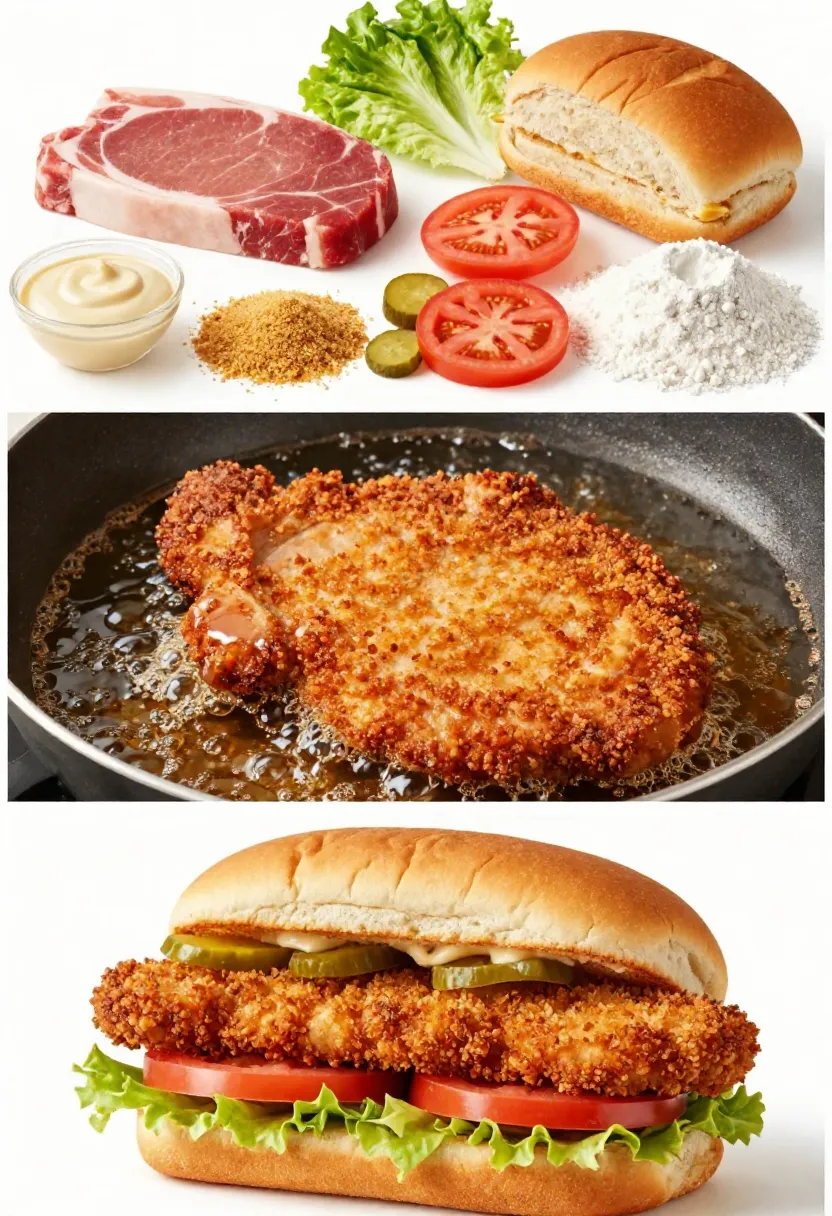
It’s also the kind of meal that feels slightly indulgent, even though it doesn’t require much extra work. It’s still simple, still quick enough to make on a normal day, but it leans more into that “this is exactly what I want right now” feeling.
Another thing that makes it repeatable is how flexible it is. You can keep it minimal, or you can adjust it slightly depending on what you have—add something fresh, something acidic, or just change the bread. It adapts without losing its identity.
Over time, you start noticing that small details matter more than the recipe itself:
- how well the coating sticks to the meat
- how hot the oil is when you start frying
- and whether you give it enough time to develop that golden crust
These aren’t complicated steps, but they’re what turn a decent sandwich into one you actually want to make again.
Tip: Let the coating rest briefly before frying—it helps everything set and creates a more even, crisp texture.
3. Vietnamese Lemongrass Pork Chops 🌿
This is where pork chops start to feel noticeably different—lighter, fresher, and a bit more balanced overall.
Instead of relying on richness or heaviness, this version builds flavor through the marinade. Lemongrass brings a fresh, slightly citrusy note, garlic adds depth, and together they create something that feels aromatic rather than intense. It’s a different kind of satisfaction—less heavy, more layered.
When the pork cooks, the edges begin to caramelize slightly, which adds a subtle sweetness and a bit of contrast. That combination of fresh, savory, and lightly sweet flavors gives the dish a sense of balance that makes it easy to come back to.
It’s also one of those meals that doesn’t feel tiring, even if you eat it more than once in a week. It pairs naturally with simple sides like rice or vegetables, which makes it very practical for everyday cooking.
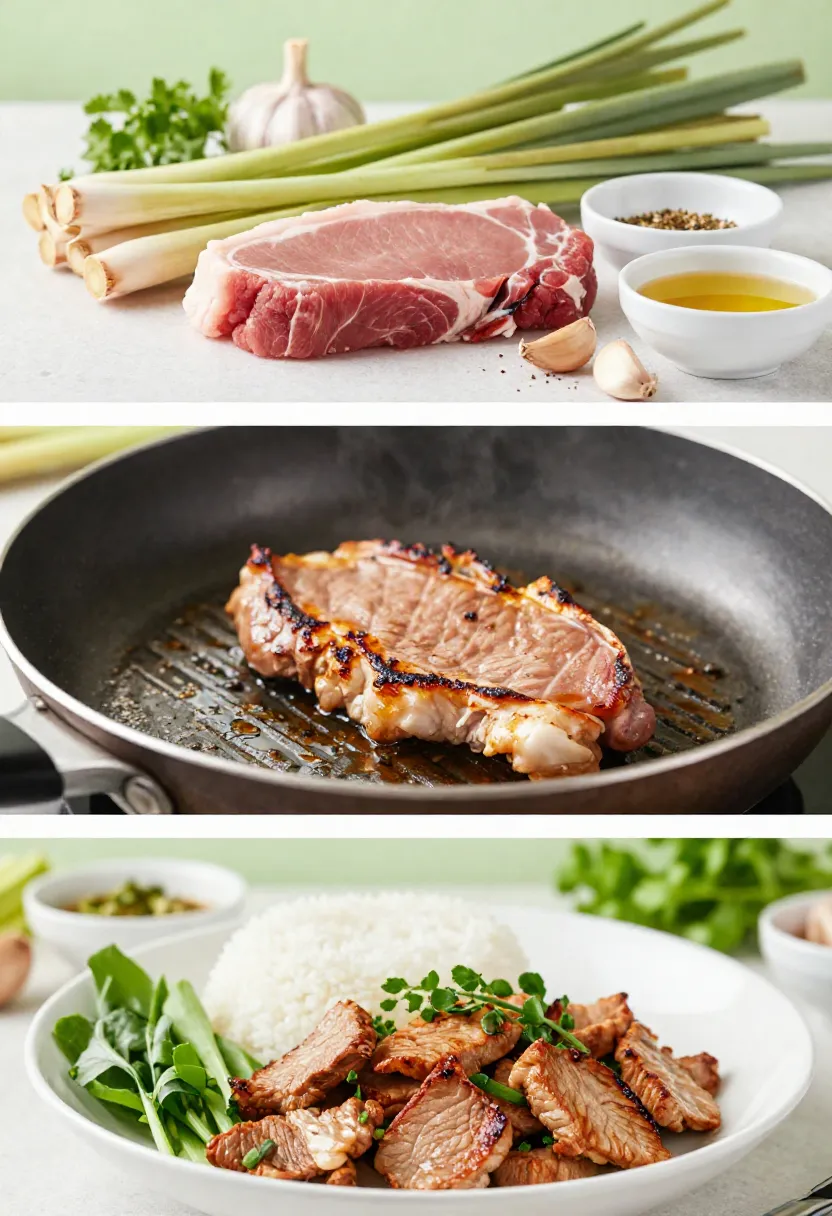
The marinade plays a much bigger role here than in most pork chop dishes. It’s not just an addition—it defines the entire flavor. And the longer it sits, the more noticeable the difference becomes.
After making it a few times, you start to notice patterns:
- shorter marinades still work, but feel a bit lighter and less developed
- longer marinades create deeper, more rounded flavor
- slightly higher heat helps create that caramelized edge
None of these steps are difficult, but they change how the dish turns out in subtle ways.
It’s still simple—but it feels more intentional.
Tip: If you have time, let it marinate longer—it doesn’t add effort, but it noticeably improves the flavor 🌿
4. Honey Mustard Pork Chops 🍯
This version sits right in that middle ground where everything feels balanced without trying too hard.
The combination of honey and mustard is familiar, but it works for a reason. The honey adds a gentle sweetness that rounds things out, while the mustard cuts through it with a bit of sharpness and acidity. Together, they create a sauce that feels complete without becoming too rich.
What makes this dish especially reliable is how consistent it is. You know what you’re going to get, and it almost always delivers. That might not sound exciting, but in everyday cooking, that kind of predictability is actually a big advantage.
It’s also quick. There’s no long process, no complicated timing. You cook the pork chops, bring the sauce together, and everything comes together naturally. It fits easily into evenings when you don’t want to spend too much time cooking but still want something that feels like a proper meal.
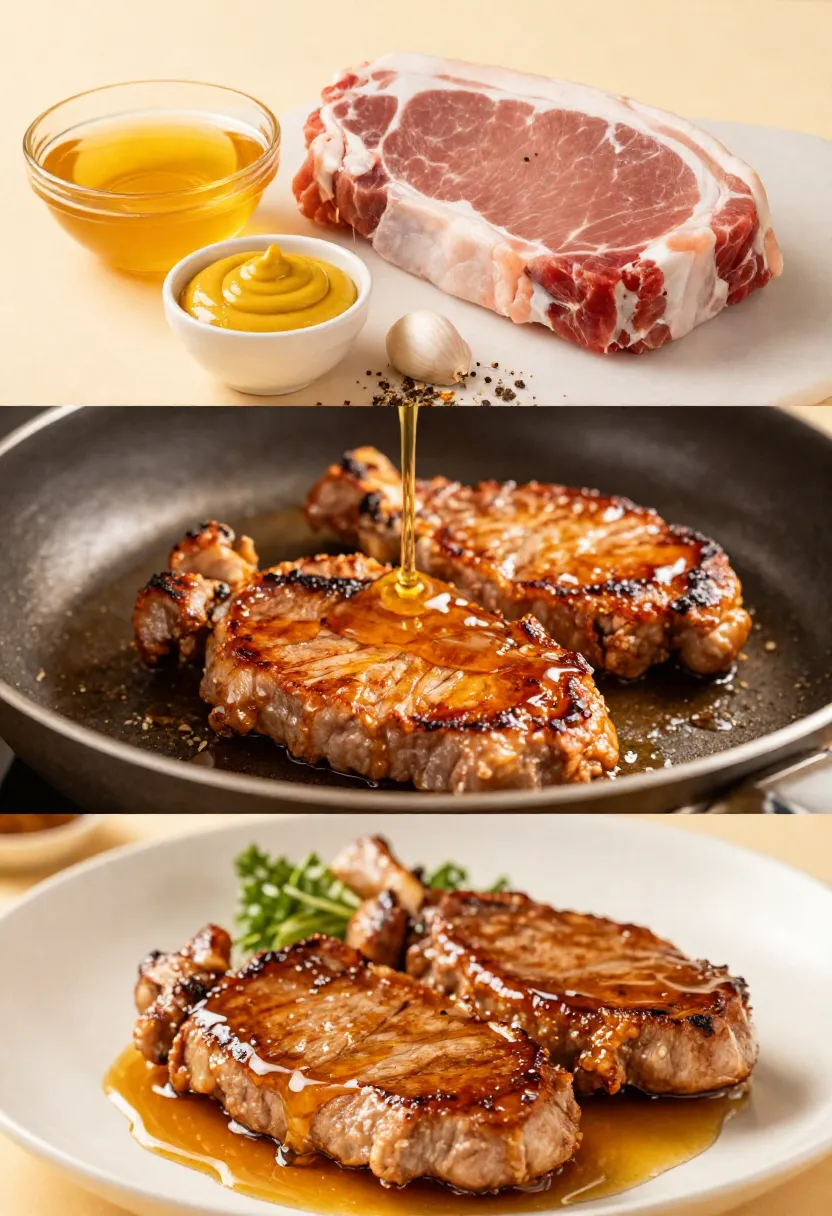
At the same time, it doesn’t feel basic. The sauce adds enough character to keep it interesting, even though the method itself stays simple.
Once you’ve made it a couple of times, you start adjusting it without thinking:
- a bit more mustard if you want it sharper
- a bit more honey if you want it softer
- slightly less reduction if you prefer a lighter sauce
These small changes keep it from feeling repetitive.
It’s one of those meals that doesn’t stand out dramatically—but it quietly becomes something you rely on.
Tip: Don’t let the sauce cook too long—it thickens quickly and can become overpowering if reduced too much 🍯
5. Strawberry Balsamic Pork Chops 🍓
This is one of those combinations that feels slightly confusing at first. Strawberries and pork don’t immediately sound like something that should go together. It’s not an obvious pairing, and if you’ve never tried anything similar, it might even feel like a bit of a risk.
But once you actually cook it, it starts to make sense surprisingly quickly.
The key here is contrast, but not in an aggressive way. The strawberries bring a soft, natural sweetness that feels light and almost subtle when cooked down. It’s not sugary—it’s more rounded, more gentle. Then the balsamic vinegar comes in and shifts everything slightly. It adds acidity, a bit of sharpness, and a deeper, almost slightly caramelized note that keeps the whole thing from drifting too far into sweetness.
Together, they balance each other out in a way that feels more natural than expected.
What makes this dish interesting is that it doesn’t rely on heaviness. A lot of pork chop recipes lean into richness—cream, butter, thick sauces. This one goes in a different direction. It feels lighter, brighter, and a bit more layered, even though the process itself is still simple.

It’s also one of those meals that you don’t necessarily cook all the time—but when you do, it stands out just enough to feel refreshing. It breaks routine without making things complicated.
Another thing worth mentioning is how forgiving it actually is, despite sounding a bit unusual. You’re not dealing with precise timing or fragile steps. It’s still a straightforward pan-based dish, just with a slightly different flavor profile.
Over time, you start noticing the small adjustments that shape the result:
- using strawberries that are ripe but not overly soft keeps the flavor clean
- adding balsamic gradually helps avoid that overly sharp, acidic edge
- keeping the sauce slightly loose instead of over-reducing it keeps everything balanced
And those small choices are what keep the dish from feeling either too sweet or too intense.
It’s not the kind of meal you make out of habit—but it’s exactly the kind you remember when your usual rotation starts to feel repetitive.
Tip: Taste as you go with the sauce—once it becomes too sweet or too sharp, it’s harder to bring it back into balance 🍓
6. Pork Chops with Apple Pan Sauce 🍎
This is one of those combinations that feels almost familiar before you even cook it.
Pork and apples have been paired together for a long time, and there’s a reason that idea keeps coming back. It’s not because it’s exciting—it’s because it works in a very steady, reliable way.
Apples bring a natural sweetness, but more importantly, they also carry a light acidity. That balance is what makes the dish feel complete. The sweetness softens the richness of the pork, while the acidity keeps everything from becoming too heavy.
What makes this version especially practical is how the sauce comes together. You’re not making anything separately. It builds directly in the same pan after cooking the pork, using the flavor that’s already there. Those browned bits at the bottom—those are doing a lot of work, even if you don’t think about them much.
It’s a very efficient kind of cooking.
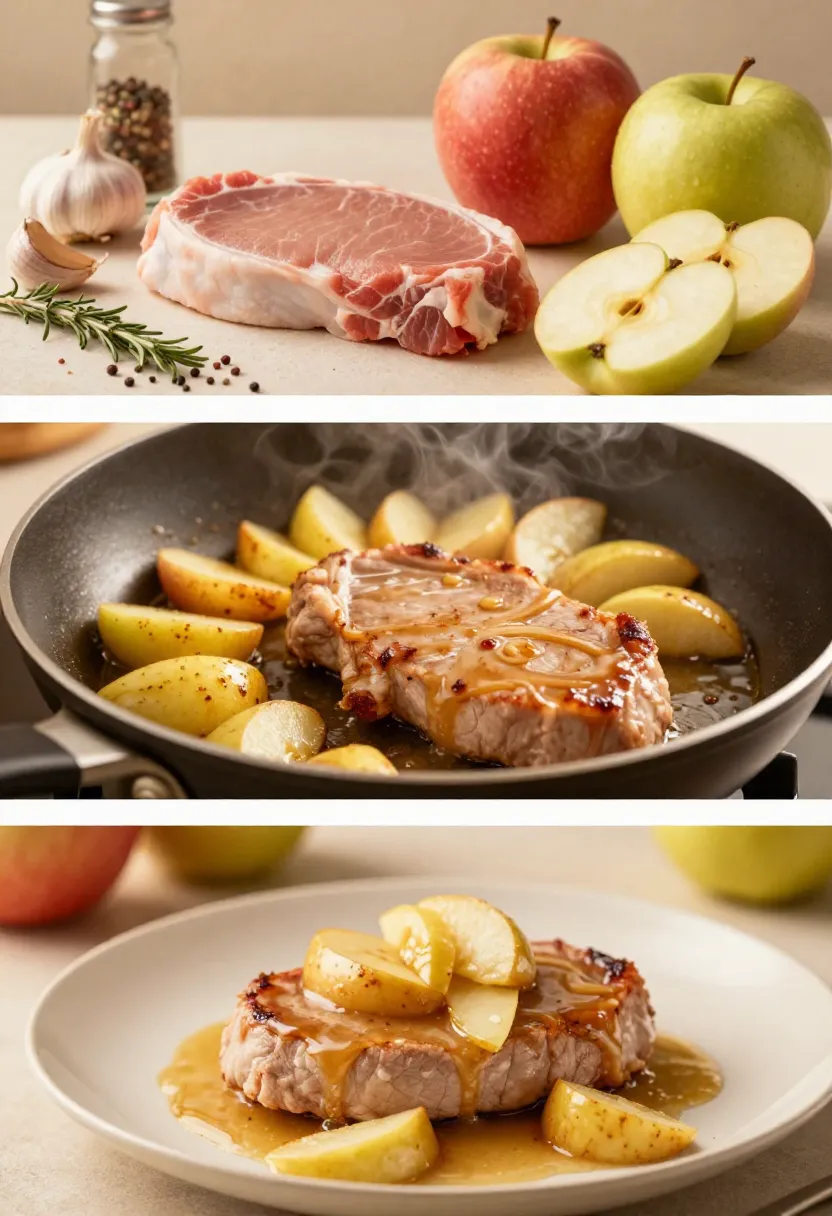
Another thing that stands out is how flexible it feels. You can keep it very simple, almost minimal, or you can adjust it slightly depending on what you want. Add herbs, change the level of sweetness, let the sauce reduce more or less—it all works without changing the core of the dish.
It’s also one of those meals that doesn’t need much support. You don’t have to build an entire plate around it. Even with something basic on the side, it still feels like a complete dinner.
After making it a few times, you start to understand what actually affects the outcome:
- apples that are slightly tart create a better balance than very sweet ones
- letting the sauce reduce just enough gives it body without making it heavy
- and not rushing the pork itself keeps everything from drying out
None of these steps are difficult, but they shape the final result in a way that’s easy to notice.
This is the kind of dish that doesn’t stand out dramatically—but it quietly becomes something you rely on because it never really fails.
Tip: Go for apples with a bit of sharpness—they keep the dish from leaning too far into sweetness 🍎
7. Breaded Fried Pork Chops 🍳
This is comfort food in its most direct form.
There’s nothing subtle about it, and it doesn’t pretend to be anything else. You’re getting a crispy, golden coating on the outside and juicy meat on the inside, and that’s exactly what you expect. No surprises, no complexity—just something that works.
And sometimes, that’s exactly what you need.
What makes this version stick around isn’t creativity—it’s reliability. Once you get the basic method right, it turns out the same way every time. There’s a kind of comfort in that predictability, especially when you’re not in the mood to experiment.
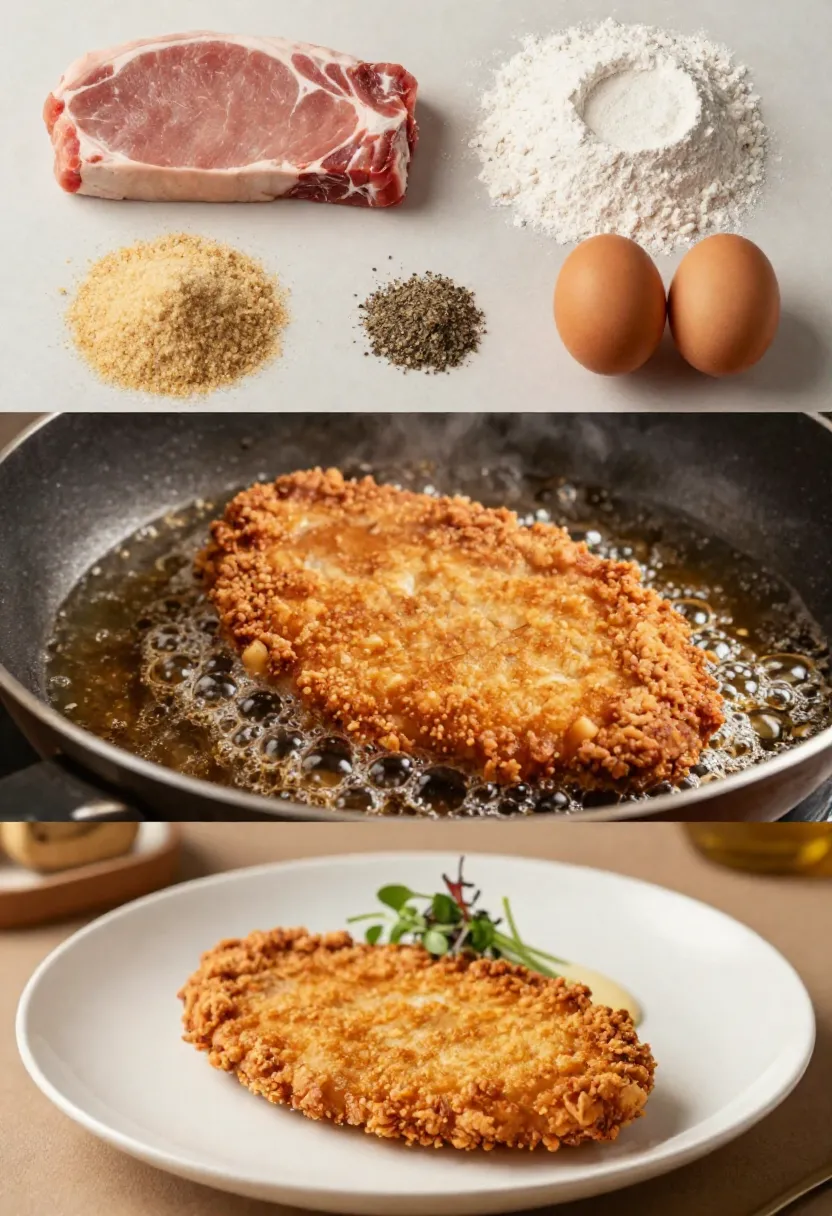
At the same time, it’s not as “effortless” as it might seem. The process is simple, but small details have a noticeable impact on how it turns out.
The texture, for example, depends on a few key things:
- how evenly the coating is applied
- how well it adheres before frying
- and whether the oil temperature stays consistent
If the oil is too low, the coating absorbs too much and becomes heavy. If it’s too high, the outside browns too quickly before the inside is fully cooked. There’s a small window where everything lines up properly.
But once you get a feel for it, it becomes second nature.
Another thing that makes this dish repeatable is that it doesn’t require much thinking. You don’t need to adjust flavors constantly or balance multiple components. You just focus on getting the texture right, and everything else follows.
It’s the kind of meal you come back to when you want something solid, filling, and familiar.
Tip: Try not to rush the frying—steady heat is what gives you that clean, crisp texture instead of something oily 🍳
8. Grilled Pork Chops 🔥
Grilling changes pork chops in a way that’s subtle but very noticeable once you pay attention to it.
There’s a slight smokiness, a bit of char on the edges, and a cleaner, more open flavor compared to pan cooking. It feels less heavy, even though the ingredients are exactly the same. That shift alone makes it worth having in your rotation.
What’s interesting is how little you actually need to make this work. You don’t need a complicated marinade, you don’t need a sauce, and you don’t need extra steps. The grill itself does most of the work.
And that simplicity is part of the appeal.
It’s also one of the easiest ways to make pork chops feel different without changing much. If you’re used to cooking them in a pan, grilling immediately adds variety without adding complexity.

This version works especially well when you want something lighter. It pairs naturally with fresh vegetables, simple sides, or anything that doesn’t compete too much with the main flavor.
At the same time, it still feels satisfying. You’re not sacrificing anything—you’re just shifting the balance slightly.
Over time, a few details start to stand out more:
- higher heat helps create that char while keeping the inside juicy
- turning at the right moment prevents uneven cooking
- and letting the meat rest afterward makes a bigger difference than expected
None of this is complicated, but it’s what turns a basic grilled chop into something you actually enjoy eating.
It’s also one of those meals that fits well into different situations. Quick dinner, casual meal, something slightly more relaxed—it works across all of them.
Tip: Let the pork rest for a few minutes after grilling—it helps the juices settle and keeps the texture noticeably better 🔥
9. Skillet Pork Chops with Greens 🥬
This is the point where a dish starts to feel more balanced in a very real, noticeable way—not just in theory, but while you’re actually eating it.
On their own, pork chops can lean a bit heavy. Especially if they’re well-seared, with that golden crust and a bit of fat. It’s satisfying, but after a few bites, you start to feel it. That richness builds up.
And that’s exactly where the greens step in—not as decoration, but as something that actually changes how the dish works.
They bring freshness, a slight bitterness, and a completely different texture. That combination cuts through the richness of the pork and resets everything between bites. So instead of feeling heavy, the dish stays balanced all the way through.
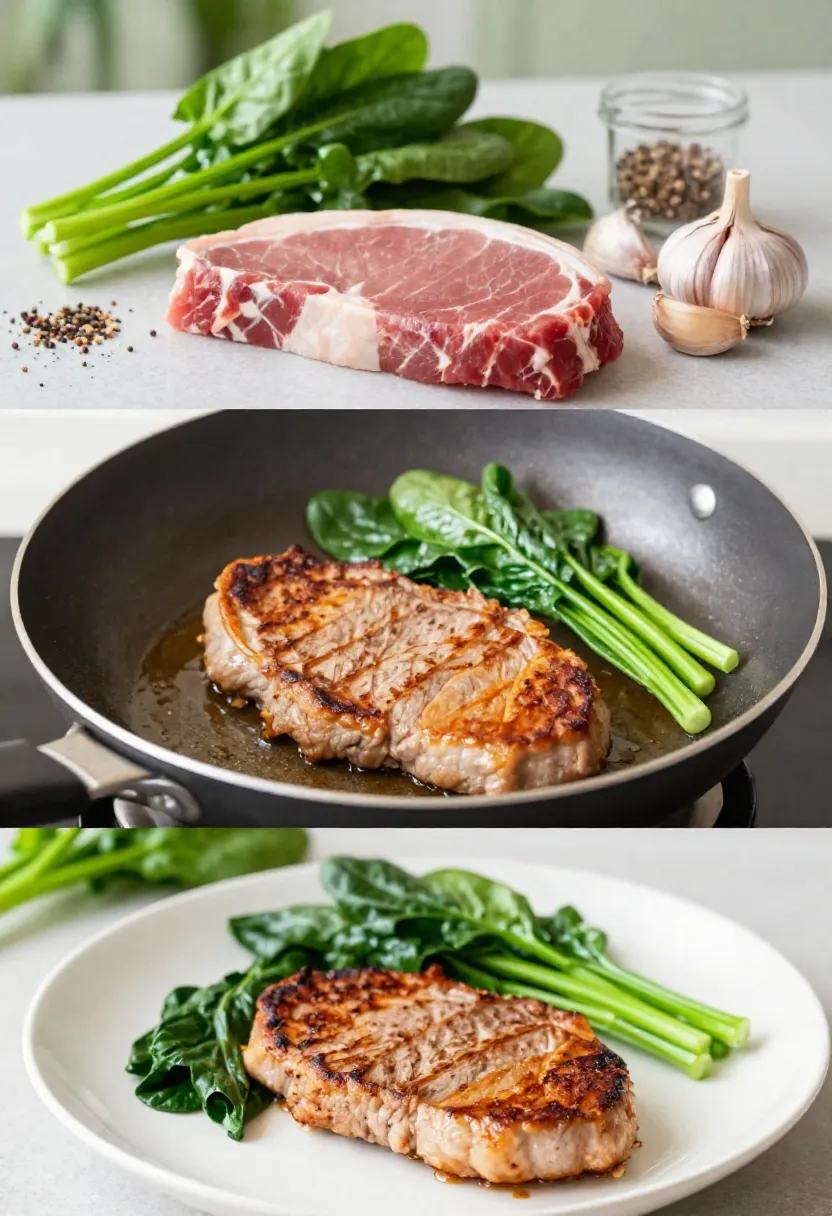
What’s interesting is how small this addition is. You’re not adding a sauce or changing the whole structure. Just greens. But somehow, it shifts the entire experience.
It also makes the dish feel more complete without extra effort. You’re not cooking multiple separate components—you’re building something cohesive in one pan, which makes it practical for everyday cooking.
Over time, you start to notice that the type of greens actually matters more than you’d expect:
- softer greens like spinach blend into the dish and feel more subtle
- sturdier greens add texture and a bit more contrast
- slightly bitter ones balance the richness better than very mild ones
And then there’s timing.
If the greens cook too long, they lose everything that makes them useful here. They become soft, a bit dull, and the contrast disappears. But if you add them at the right moment, they stay vibrant and do exactly what they’re supposed to do.
It’s one of those meals that doesn’t feel dramatic, but quietly solves a problem—how to make something rich without it becoming too much.
Tip: Add the greens right at the end and let them soften just slightly—they should stay fresh and visible, not melt into the dish 🥬
10. Air Fryer Pork Chops 🍖
This one is all about convenience—but not in a lazy or compromised way. More like in a “this actually makes everyday cooking easier” kind of way.
The air fryer simplifies a process that usually requires more attention. No standing over a pan, no dealing with oil splatter, no extra cleanup afterward. You still get a decent crust, you still get a solid texture—but with less effort.
And that’s what makes it stick.
Because the biggest barrier to cooking isn’t usually skill—it’s energy. On some days, you just don’t feel like managing multiple steps or watching a pan closely. This removes that friction.
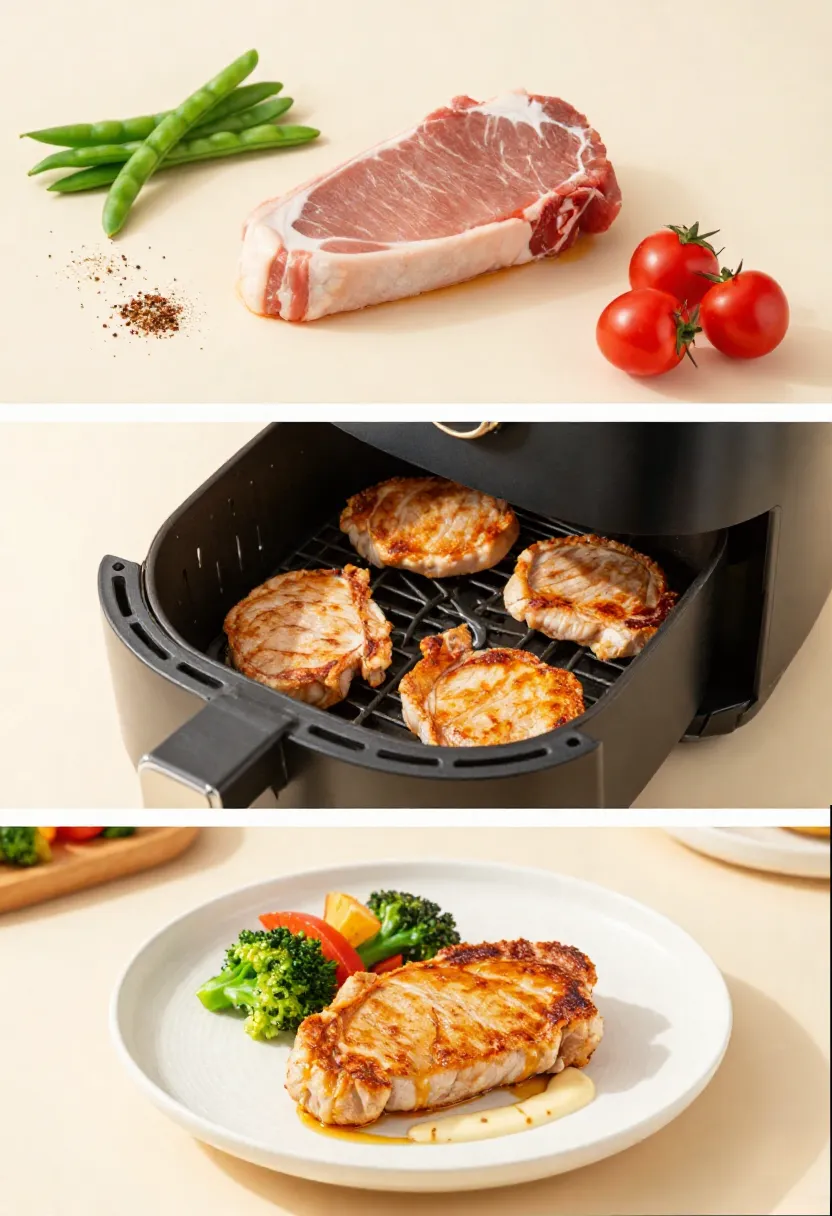
At the same time, it’s not completely hands-off. There are still small things that affect how it turns out:
- spacing between the pork chops matters more than expected
- thickness changes the cooking time quite a bit
- and a light coating or seasoning helps create better texture
If you ignore those, the result can feel a bit flat. But once you get used to it, the process becomes very predictable.
Another advantage is consistency. You tend to get similar results every time, which builds confidence without requiring much effort. That’s a big part of why meals like this stay in rotation.
It’s not the most exciting method, but it’s one of the most practical ones. And in real life, that matters more than people admit.
You’re not trying to impress anyone—you’re just trying to make something that works, quickly and reliably.
Tip: Leave space between the pieces—good airflow is what creates that slightly crisp exterior instead of something soft 🍖
11. Garlic Pork Chops 🧄
Garlic is one of those ingredients that feels almost too simple to mention—but once you cook with it properly, you realize how much it actually does.
It doesn’t dominate the dish, but it changes how everything comes together. The aroma alone shifts the experience before you even start eating. It makes the dish feel warmer, deeper, more complete.
And the best part is—you don’t need much of it.
This version works because it keeps things focused. You’re not adding layers of ingredients or building a complicated sauce. You’re just using garlic at the right moment, in the right way, and letting it do its job.
Combined with a good sear on the pork, it creates something that feels richer than it actually is. The outside develops that golden crust, the inside stays juicy, and the garlic fills in the gaps between those textures.
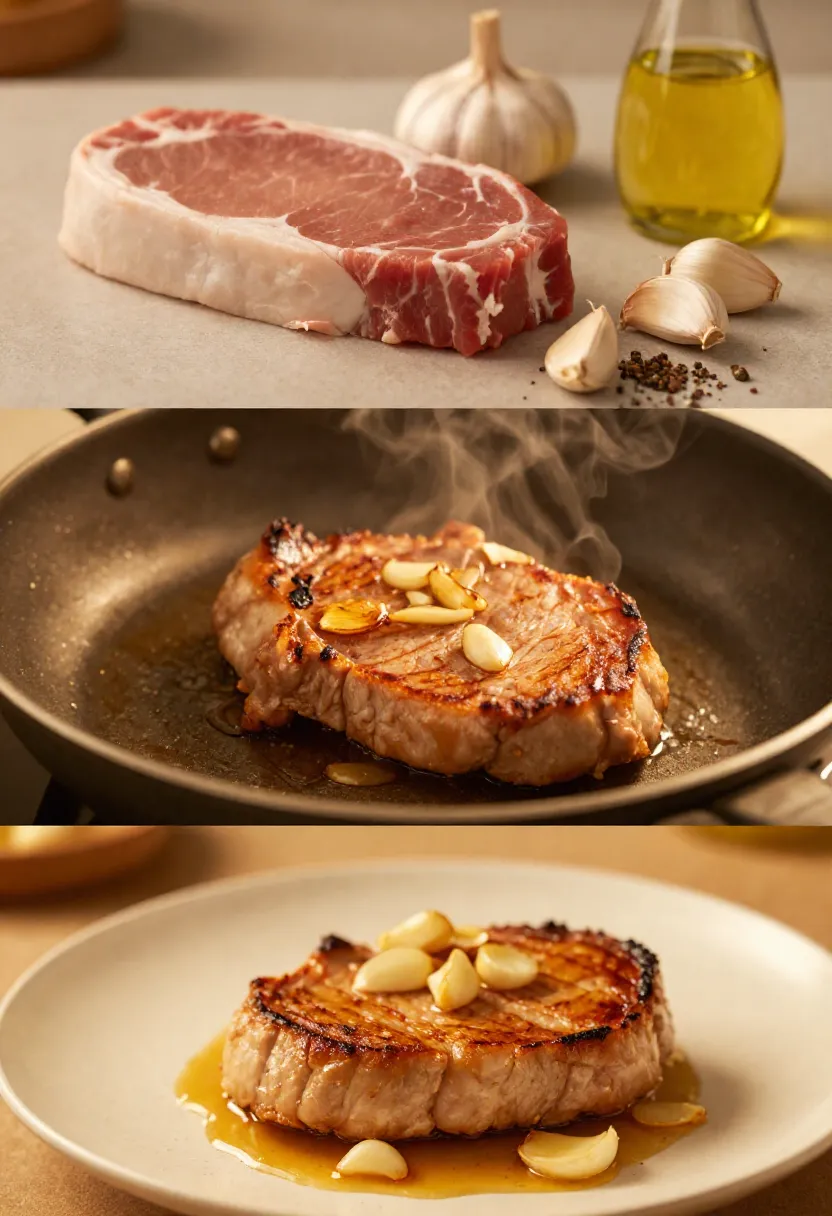
It’s also one of the easiest dishes to repeat because it doesn’t depend on precision. You don’t need exact measurements or strict timing—just a general sense of when things look and smell right.
But there are still a few small details that matter:
- garlic burns quickly if added too early
- too little can make the dish feel flat
- too much can overpower everything else
Finding that balance doesn’t take long, but once you do, it becomes instinctive.
This is the kind of dish you fall back on without thinking too much. Not because it’s exciting—but because it always works.
And honestly, that’s usually enough.
Tip: Add garlic toward the end and let it cook briefly—it should smell rich and warm, not sharp or burnt 🧄
12. Simple Pan-Seared Pork Chops 🍽️
This is the foundation of everything else.
No sauces, no extras, no distractions—just pork chops, heat, and timing. And for that reason, it’s often the version people struggle with the most. There’s nothing to hide behind here. If something is off, you notice it immediately.
But once you get it right, everything else becomes easier.
The process itself isn’t complicated, but it does require a bit of patience. You need to give the meat enough time to develop a proper crust, which means resisting the urge to move it too soon. That’s where most mistakes happen.
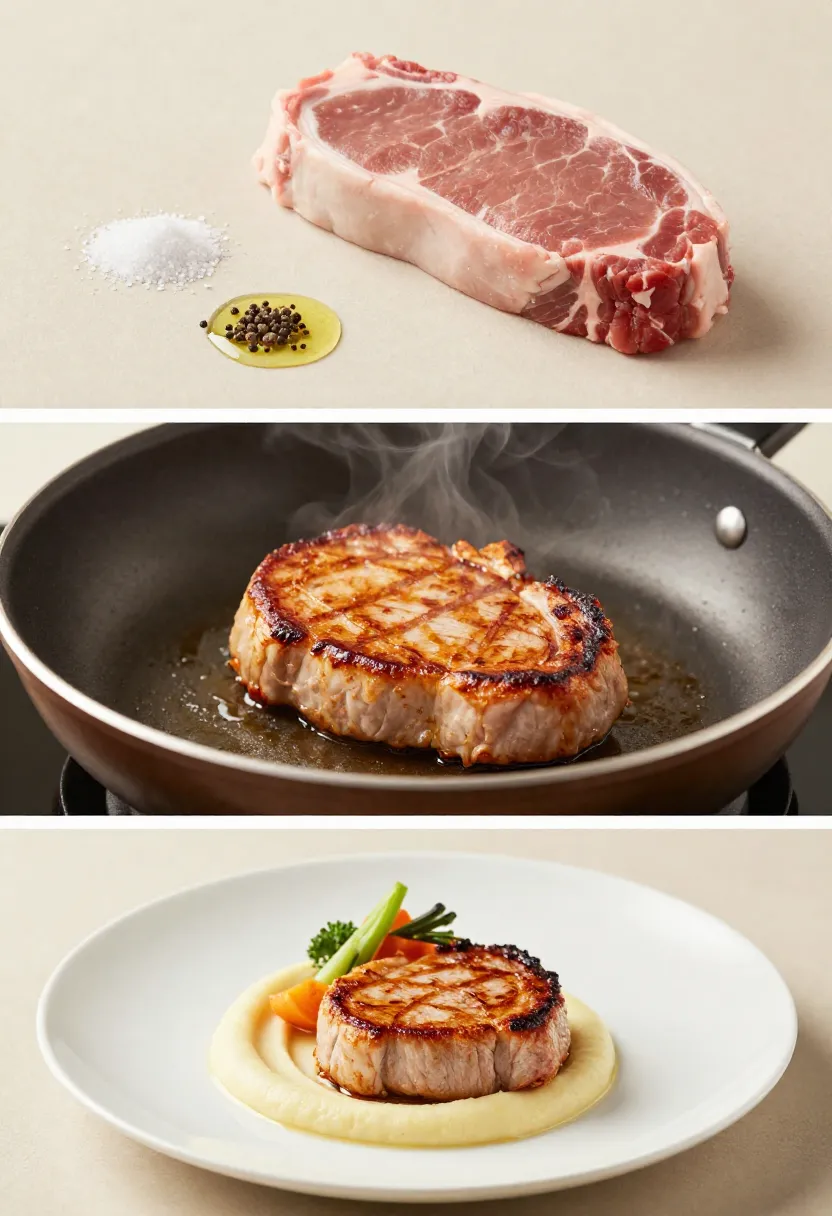
It’s not about doing more—it’s about doing less, but at the right moment.
When it works, the result is surprisingly satisfying. The outside gets that golden, slightly crisp texture, while the inside stays juicy and tender. And because there’s nothing covering it up, you actually notice those details more.
There’s also something very straightforward about this version. You’re not relying on extra ingredients or techniques. You’re just cooking something properly—and that alone is enough.
Over time, you start picking up on the small things that really matter:
- medium heat gives you more control than high heat
- leaving the meat undisturbed helps build a better crust
- and letting it rest at the end improves the texture more than expected
These are simple adjustments, but they completely change the result.
This is the version that teaches you the most. Once you’re comfortable with it, everything else—sauces, marinades, variations—starts to feel much easier.
Tip: Don’t rush it—good texture comes from patience, not higher heat 🍽️
💛 Why Pork Chop Dinners Stay in Rotation
Pork chop meals tend to stick around not because they’re the most exciting thing you can cook, but because they solve a very real, everyday problem. They give you something satisfying without turning dinner into a full project that requires time, planning, and too much attention.
And honestly, that matters more than people like to admit.
They cook relatively quickly, they don’t depend on complicated techniques, and once you understand a few basic principles—heat, timing, and balance—you can rely on them without overthinking every step. That alone makes a big difference on days when you’re low on energy or just not in the mood to figure things out.
What also makes them valuable is how adaptable they are. You can keep things very simple, or you can adjust flavors depending on what you have or what you feel like eating. You’re not locked into one version, which makes it easier to come back to them without getting bored.
Over time, something else starts to happen.
You stop following instructions so closely. You don’t measure everything, you don’t double-check every step—you just cook. You recognize how the meat looks when it’s ready, how it feels in the pan, how the flavor comes together. It becomes more intuitive, less rigid.
And that’s usually where confidence in cooking starts to build.
It’s not about learning more recipes. It’s about understanding a few meals well enough that you can rely on them. Meals that don’t fail you when you’re tired, distracted, or just trying to get something decent on the table without too much effort.
That kind of consistency is what keeps these dishes in rotation.
If you look at it more practically, meals like this tend to share a few important qualities:
- they don’t require too much decision-making
- they work with ingredients you already have
- they deliver consistent results without perfect precision
- and they feel worth the effort every single time
That last point is probably the most important one. If something doesn’t feel worth it, you won’t come back to it—no matter how good it looks on paper.
Pork chop dinners pass that test.
They’re not trying to impress anyone. They’re not built around complexity or trends. They’re built around function—meals that make sense in real life, not just in theory.
And in the end, those are usually the ones that stay.
Not perfect. Not complicated.
Just reliable meals you keep coming back to—almost without thinking 💛