Eating more greens sounds easy until you open the fridge, stare at a bag of spinach, and realize you do not actually want another plain salad.
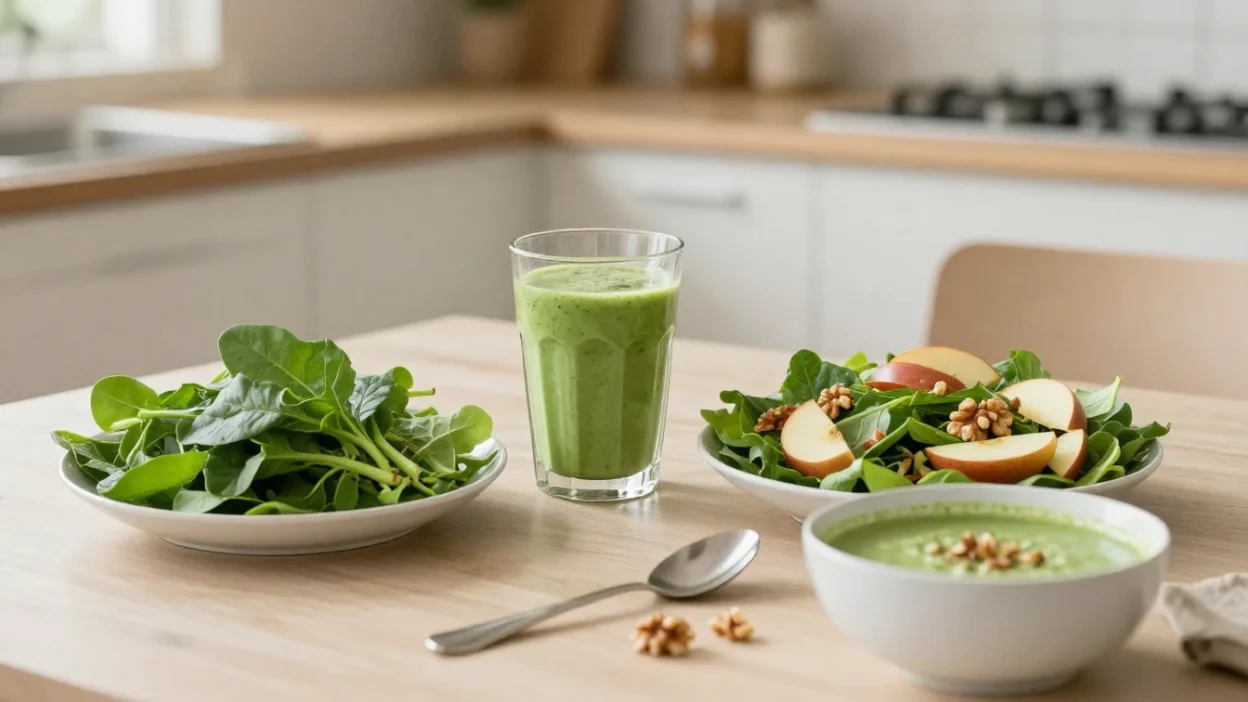
That is where simple salads, smoothies, and soups can help. Greens do not have to sit on the side of the plate like a health assignment. They can be blended into a creamy smoothie, folded into a warm bowl of soup, tossed with crunchy apples and walnuts, or stirred into a meal you already love.
The trick is to stop treating greens like something you “should” eat and start making them taste good enough to repeat. A handful of spinach here, a chopped cucumber salad there, a quick green soup on a tired evening. Small habits count, especially when they fit into real life.
Why eating more greens can feel harder than it sounds
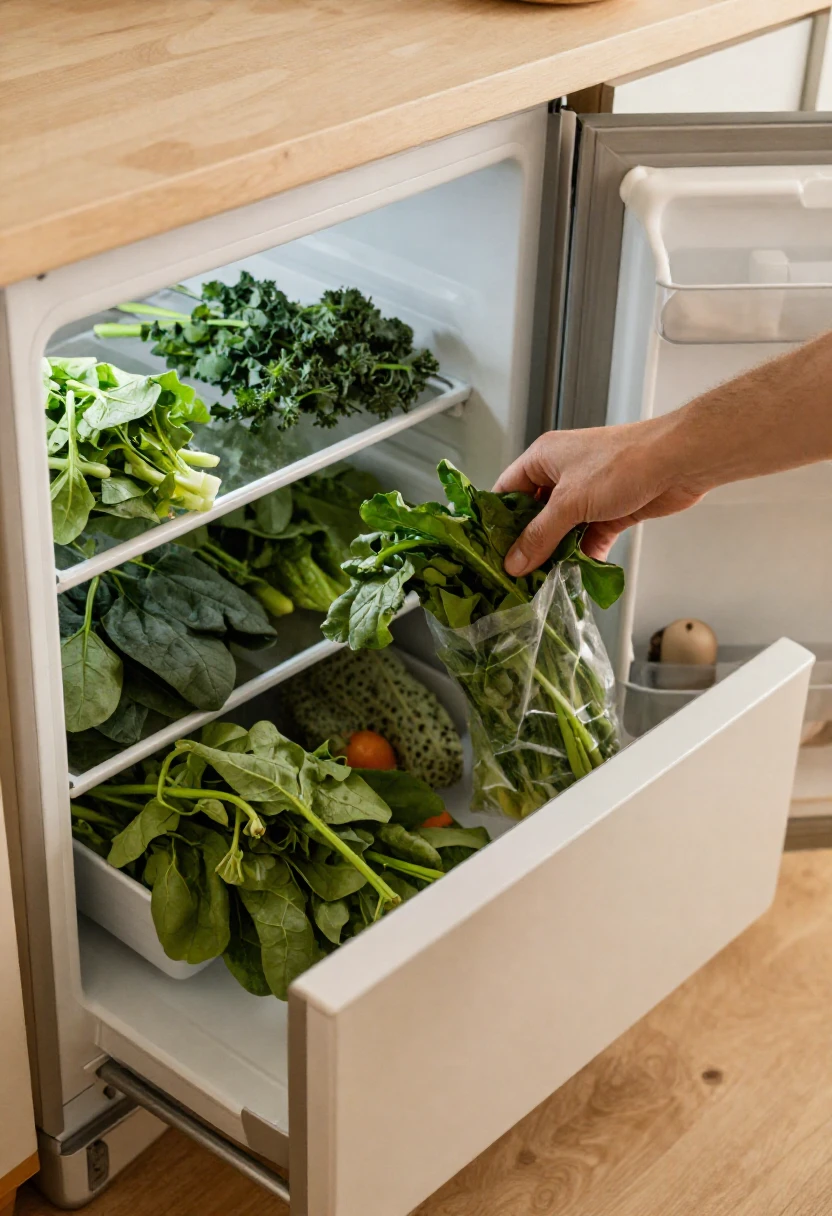
Most people do not struggle with greens because they hate vegetables. They struggle because greens can be fussy.
They wilt too quickly. They can taste bitter. They sometimes feel like they need a whole separate recipe, and honestly, nobody wants to wash five kinds of lettuce after a long day just to build a bowl that still leaves them hungry an hour later.
I think this is why so many good intentions die in the crisper drawer.
You buy kale because it looks like the responsible choice. You imagine yourself making bright, crunchy salads all week. Then Tuesday gets busy, the leaves start looking tired, and suddenly takeout sounds much easier.
The problem is not always taste
Taste matters, of course. But with greens, the bigger problem is often texture.
Raw kale can feel tough if it is not massaged or sliced thinly. Spinach can turn slimy if it sits too long in dressing. Romaine is crisp and fresh, but it can feel boring on its own. Arugula has that peppery bite, which is lovely with lemon and parmesan, but maybe too sharp if you are expecting something mild.
That is why the same greens can feel completely different depending on how you use them.
Spinach in a banana smoothie almost disappears. Kale with a creamy tahini dressing becomes hearty instead of harsh. Romaine with cucumber, avocado, herbs, and lemon tastes clean and fresh, not like “diet food.”
Greens need help. Not much, but enough.
Prep time can make or break the habit
A salad sounds quick until you remember the washing, drying, chopping, dressing, and cleanup.
This is where a little kitchen laziness can actually be useful. I like greens best when they are easy to grab and use without turning lunch into a project.
A few examples:
- Keep washed spinach ready for smoothies and eggs.
- Slice kale thinly once, then use it for two or three meals.
- Store herbs like parsley or cilantro in a glass of water so they stay alive longer.
- Freeze extra greens before they wilt and use them later in soups or smoothies.
None of this is glamorous. It just works.
The easier greens are to use, the more likely you are to add them without overthinking it.
Boredom is the quiet problem
Even if you enjoy salads, eating the same bowl every day gets old fast.
That is usually the moment when people decide they “failed” at eating more greens. But the real issue is not discipline. It is repetition without enough flavor.
A good green meal needs contrast. Something crisp, something creamy, something acidic, maybe something sweet. Think baby spinach with strawberries and walnuts. Kale with roasted sweet potatoes and a lemony dressing. Romaine with avocado, cucumber, herbs, and toasted seeds.
Smoothies need the same idea. If you blend only greens and water, you will probably not look forward to drinking it. Add frozen mango, banana, yogurt, lemon, ginger, or nut butter, and suddenly the whole thing makes sense.
Green soups can be even easier. Cook onion and garlic, add broth, toss in greens, blend until smooth, and finish with lemon or a swirl of yogurt. It feels cozy, but still fresh.
Smoothies, salads, and soups each solve a different problem
The nice thing about greens is that you do not have to eat them in one specific way.
Smoothies are best when you want something fast and low-effort. They are especially helpful for mild greens like spinach because the flavor blends into fruit, yogurt, or avocado.
Salads are best when you want crunch and freshness. They work better when you build them like a real meal, not a sad pile of lettuce. Add protein, fat, texture, and a dressing you actually like.
Soups are best when your greens are starting to look tired. A handful of spinach, chard, kale, or herbs can disappear into a warm blended soup and still taste bright with enough lemon, garlic, and salt.
That is the whole idea: do not force greens into your meals. Give them a place where they make sense.
The best greens to keep in your kitchen
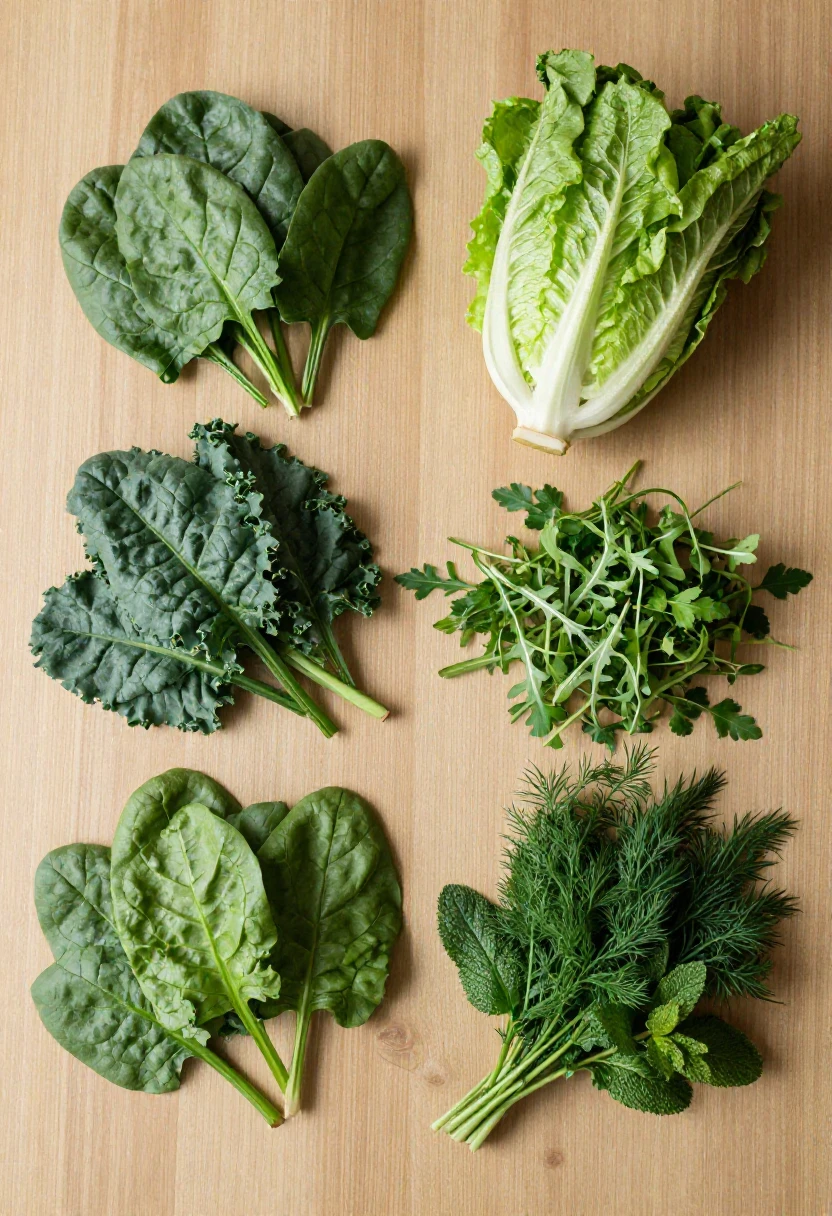
The best greens are the ones you will actually use before they turn into a sad, wet layer at the bottom of the bag.
I know that sounds obvious, but it matters. It is easy to buy three bunches of beautiful greens with very ambitious plans. Then real life happens. So I like to think in categories: one mild green for blending, one sturdy green for salads or cooking, and one “flavor green” for extra brightness.
That gives you options without filling the fridge with things that need attention every single day.
Spinach for mild flavor and easy blending
Spinach is the easiest place to start if you want to eat more greens without changing the taste of your meals too much.
Baby spinach is soft, mild, and quick to use. You can add it to smoothies, eggs, soups, pasta, rice bowls, wraps, and even warm sandwiches. It wilts in seconds, which makes it perfect for those moments when dinner is almost done and you suddenly remember you wanted something green on the plate.
For smoothies, spinach is the quiet helper. A handful blends well with banana, mango, berries, yogurt, almond milk, or avocado. It turns the drink green, but it does not take over the flavor the way kale or arugula can.
A few easy ways to use spinach:
- Blend it into a banana mango smoothie.
- Stir it into soup right before serving.
- Add it to scrambled eggs or an omelet.
- Toss it into hot pasta with olive oil, garlic, and lemon.
- Use it as the base for a soft, simple salad.
If you are new to green smoothies, start with spinach. It is forgiving.
Kale for hearty salads and thicker smoothies
Kale is stronger than spinach, both in flavor and texture. That can be a good thing, but only if you treat it properly.
Raw kale needs a little help. I like to remove the tough stems, slice the leaves thinly, then rub them with olive oil, lemon juice, and a pinch of salt. It sounds like an extra step, but it changes everything. The leaves soften, the bitterness calms down, and the salad feels much easier to eat.
Kale is also useful because it holds up well. You can dress a kale salad ahead of time and it will not collapse the way tender lettuce does. That makes it great for meal prep, lunch bowls, and salads with heavier toppings like roasted sweet potatoes, chickpeas, grains, nuts, or creamy dressings.
In smoothies, kale gives more body and a stronger green flavor. I would not blend it with water and hope for the best. Pair it with fruit that can stand up to it, like banana, pineapple, mango, or pear. Lemon and ginger help too.
Swiss chard, arugula, and romaine for variety
Once spinach and kale feel easy, add variety. Not all greens behave the same way, and that is what keeps things interesting.
Swiss chard is soft enough to cook quickly but sturdier than spinach. The stems can be chopped and cooked a little longer, while the leaves wilt fast. I like it in soups, sautés, and warm grain bowls.
Arugula is peppery and sharp. It is not the green I would hide in a sweet smoothie, but it is wonderful in salads with lemon, olive oil, parmesan, apples, pears, or roasted vegetables. It also works on top of pizza or folded into warm pasta after the heat is turned off.
Romaine is crisp, fresh, and reliable. It does not have the same dark leafy intensity as kale or spinach, but it brings crunch. And crunch matters. A green meal feels much better when it has texture.
Try romaine with cucumber, avocado, herbs, toasted seeds, and a bright dressing. Simple, but not boring.
Fresh herbs make greens taste less “green”
Herbs are the small thing that can make a salad, smoothie, or soup taste intentional.
Parsley, cilantro, basil, dill, and mint can soften the grassy flavor of greens and add freshness without much effort. A handful of parsley in a green soup makes it taste cleaner. Mint in a smoothie with spinach and pineapple feels bright and cooling. Dill in a cucumber salad gives the whole bowl a sharper, fresher edge.
I think herbs are especially useful when you are making savory green blends. Without herbs, a cucumber-spinach smoothie can taste a little flat. Add lemon, dill, and a pinch of salt, and suddenly it feels like something you meant to make.
A simple green shopping list
You do not need ten different greens at once. That usually creates pressure, not better meals.
For a realistic week, try this:
- One bag of baby spinach for smoothies, eggs, and soups.
- One bunch of kale or Swiss chard for salads and warm meals.
- One crisp green like romaine for crunch.
- One bunch of herbs, such as parsley, mint, dill, or cilantro.
That is enough to make smoothies, salads, soups, and quick side dishes without turning your fridge into a farmers market you have to manage.
The goal is not to buy more greens. The goal is to use them.
Sweet green smoothies that do not taste like grass
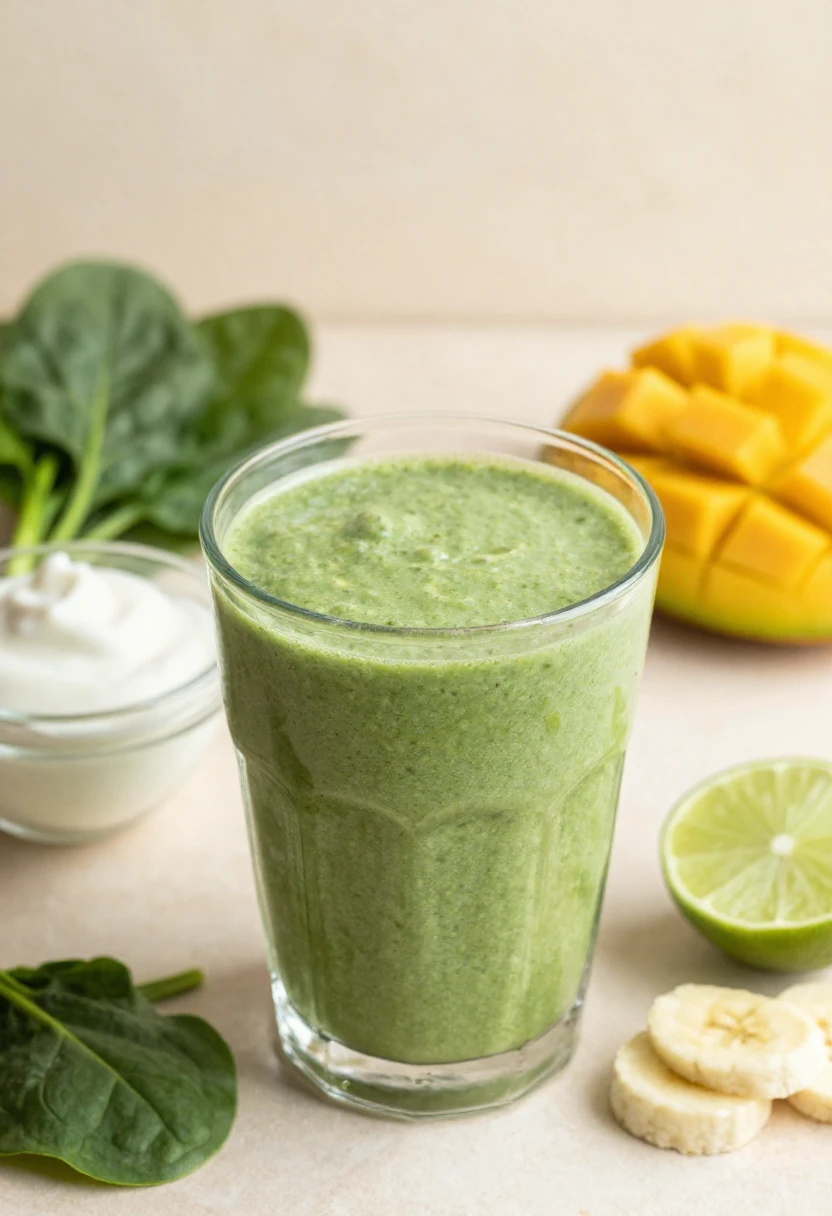
A good green smoothie should not feel like punishment.
I know the “just blend greens with water” advice exists, but I cannot pretend that sounds exciting. If a smoothie tastes like lawn clippings, you probably will not make it again tomorrow. And that matters more than making the “perfect” version once.
The best sweet green smoothies have balance. You need something green, something naturally sweet, something creamy, and something that makes the flavor feel fresh.
Start with a simple smoothie formula
For an easy green smoothie, use this basic formula:
- 1–2 handfuls of greens
- 1 cup fruit
- 1 cup liquid
- 1 creamy ingredient
- A small flavor booster
That might look like spinach, frozen mango, almond milk, Greek yogurt, and a squeeze of lime. Or kale, banana, pineapple, oat milk, and a little ginger.
Once you understand the formula, you do not need a recipe every time. You can build a smoothie around what you already have.
If the smoothie tastes too green, add more fruit or a splash of citrus. If it tastes too sweet, add lemon, lime, or plain yogurt. If it feels thin and watery, add avocado, banana, chia seeds, or yogurt.
Smoothies are easy to fix. That is part of the charm.
Use mild greens first
Spinach is the safest green for sweet smoothies because it blends smoothly and does not fight with the fruit.
Baby spinach works especially well with:
- Banana
- Mango
- Pineapple
- Strawberries
- Blueberries
- Peach
- Apple
- Pear
Kale can work too, but it has more personality. I like kale best with tropical fruit, especially pineapple or mango, because they have enough sweetness and acidity to balance the stronger flavor.
If you are using kale, remove the tough stems first. Those stems can make a smoothie taste bitter and feel stringy, even if your blender is decent.
Arugula, mustard greens, and very bitter greens are harder to use in sweet smoothies. Save those for salads, soups, or savory blends unless you already know you like that sharp flavor.
Choose fruit that balances the greens
Fruit is not there just to make the smoothie sweet. It shapes the whole drink.
Banana makes smoothies creamy and mellow. Frozen mango gives a thick, almost sorbet-like texture. Pineapple brings brightness and covers bitterness better than most fruits. Berries add color and tartness, though they can turn a green smoothie into a slightly muddy shade. Still tasty. Just not always pretty.
A few combinations that usually work:
- Spinach, banana, peanut butter, and milk
- Spinach, mango, pineapple, and coconut water
- Kale, pear, lemon, ginger, and yogurt
- Spinach, strawberries, banana, and oat milk
- Kale, pineapple, avocado, and lime
If you want a softer flavor, go with banana or mango. If you want something fresher, add citrus or pineapple.
Make it creamy so it feels satisfying
A thin green smoothie can taste more like juice than breakfast. That is fine if you want something light, but if you need it to keep you full, add something creamy.
Good options include:
- Greek yogurt
- Avocado
- Banana
- Nut butter
- Chia seeds
- Oats
- Cottage cheese
- Coconut milk
Avocado is one of my favorite smoothie ingredients because it makes the texture silky without adding much flavor. It works beautifully with spinach, cocoa powder, banana, and milk if you want something that tastes closer to a chocolate smoothie than a green one.
Greek yogurt adds tang and protein. Nut butter makes the smoothie richer. Oats make it more breakfast-like, especially with banana and cinnamon.
This is where a green smoothie stops feeling like a drink you tolerate and starts feeling like an actual meal.
Do not forget acid and salt
This is the tiny detail people skip.
A squeeze of lemon or lime can make a green smoothie taste fresher. It cuts through the sweetness and helps the greens taste cleaner. Ginger does something similar, especially with kale or spinach.
And salt? Just a pinch. Not enough to make the smoothie salty, only enough to wake up the flavor. It works the same way it does in baking.
If your smoothie tastes flat, do not immediately add more fruit. Try lemon first. Then taste again.
Easy creamy spinach smoothie
Here is a simple starting point:
- 2 handfuls baby spinach
- 1 frozen banana
- 1/2 cup frozen mango
- 3/4 cup milk or oat milk
- 1/3 cup Greek yogurt
- Squeeze of lime
- Small pinch of salt
Blend until smooth. If it is too thick, add a little more liquid. If it tastes too mild, add more lime.
It is simple, green, creamy, and easy enough to repeat. That is exactly the kind of smoothie that earns a place in the routine.
Savory green smoothies and blended salads
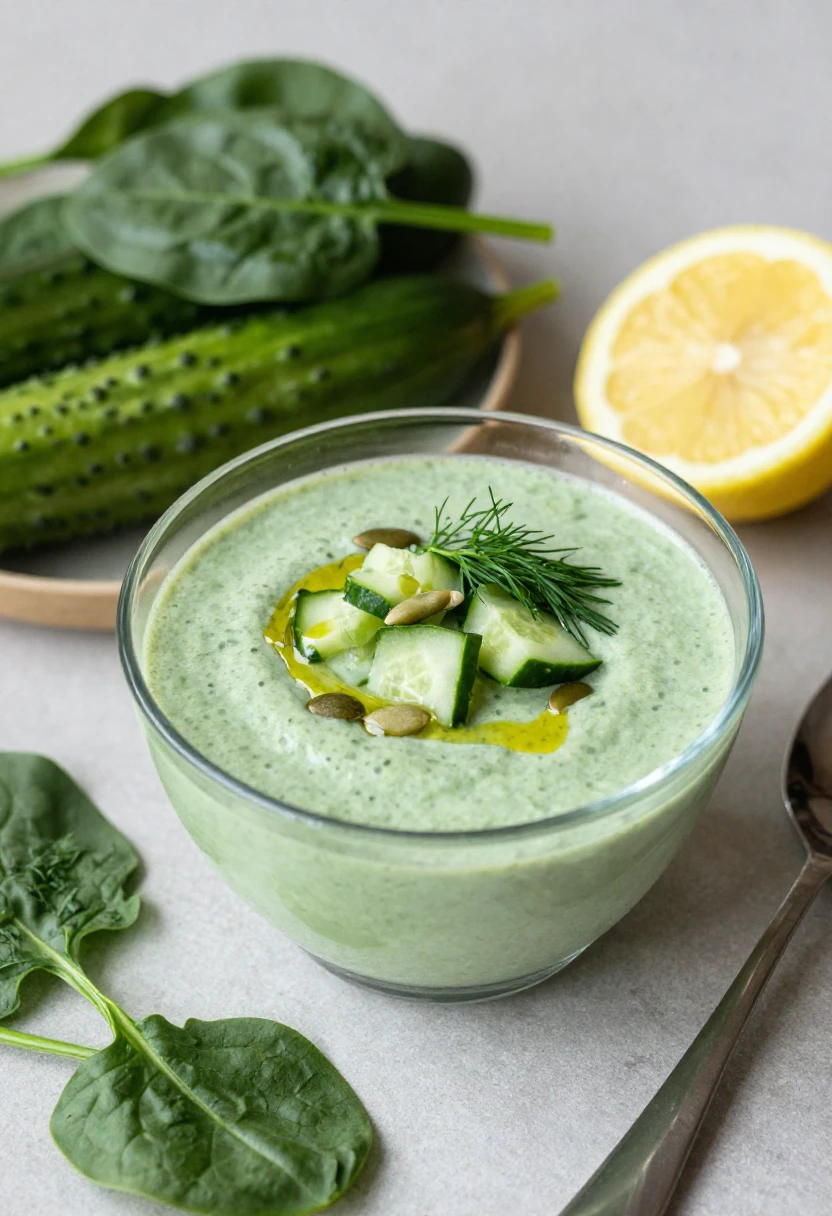
Sweet green smoothies get most of the attention, but savory green blends deserve a place too.
They are not for every mood. I would not make a cucumber-spinach blend when I am craving something cozy and sweet. But on a warm day, or after a heavy meal, a cold savory green smoothie can taste clean, salty, lemony, and surprisingly refreshing.
Think of it less like a “smoothie” and more like a drinkable salad.
When a green drink can feel more like lunch
A savory green smoothie works best when you build it the way you would build a light lunch: vegetables, herbs, acid, salt, and something that gives it body.
Cucumber is the easiest base because it is watery, crisp, and mild. Spinach blends in quietly. Avocado makes the texture creamy. Lemon keeps the flavor bright. Herbs do most of the personality work.
A simple savory blend might include:
- Cucumber
- Baby spinach
- Avocado
- Lemon juice
- Dill or parsley
- A little olive oil
- Salt and black pepper
- Cold water or kefir
That combination tastes much closer to a chilled soup than a fruit smoothie. It is fresh, soft, and cooling, especially if the cucumber is cold from the fridge.
Use herbs generously
Herbs matter more in savory blends than they do in sweet ones.
Without herbs, blended greens can taste a little unfinished. With herbs, they taste like food.
Parsley gives a clean, green flavor. Dill makes everything taste sharper and more summery. Cilantro works beautifully with lime, avocado, and cucumber. Basil pairs nicely with tomato, spinach, and a little garlic. Mint is lovely if you want something extra cooling.
You do not need a perfect recipe. Use what you have, but use enough of it. Two tiny parsley leaves will not change much. A loose handful will.
Add acid before adding more salt
If your savory green smoothie tastes dull, reach for lemon or lime before adding more salt.
Acid lifts the flavor. It makes cucumber taste crisper, spinach taste fresher, and avocado taste less heavy. Vinegar can work too, especially apple cider vinegar or white wine vinegar, but start small. A little goes a long way once everything is blended.
I usually add lemon, blend, taste, then adjust salt after that. It is easier to fix the flavor in that order.
Make it more filling if you need it to last
A cucumber-spinach drink is refreshing, but it may not keep you full for long. If you want it to feel more like a small meal, add something with protein, fat, or fiber.
Good options include:
- Greek yogurt
- Kefir
- Avocado
- White beans
- Hemp seeds
- Chia seeds
- Tahini
- A spoonful of cottage cheese
White beans might sound strange, but they blend into savory soups and smoothies really well. They add creaminess without a strong flavor. Tahini is another good option, especially with lemon, garlic, and parsley.
Just keep the portions reasonable. Too much tahini or too many beans can make the blend heavy and pasty.
Try a chilled cucumber spinach blender soup
This is one of the easiest savory green blends to try first.
You need:
- 1 large cucumber, chopped
- 2 handfuls baby spinach
- 1/2 avocado
- 1/2 cup Greek yogurt or kefir
- Juice of 1/2 lemon
- 1 small handful dill or parsley
- 1 small drizzle olive oil
- Salt and black pepper
- Cold water, as needed
Blend everything until smooth. Add cold water until it reaches the texture you like. Taste it, then add more lemon or salt if it needs a little spark.
Serve it cold, ideally with something crunchy on top: toasted seeds, chopped cucumber, croutons, or even a few crushed crackers if that is what you have.
It is not fancy. But it is the kind of quick green meal that makes sense when cooking feels like too much.
Easy green salad ideas you will actually want to eat
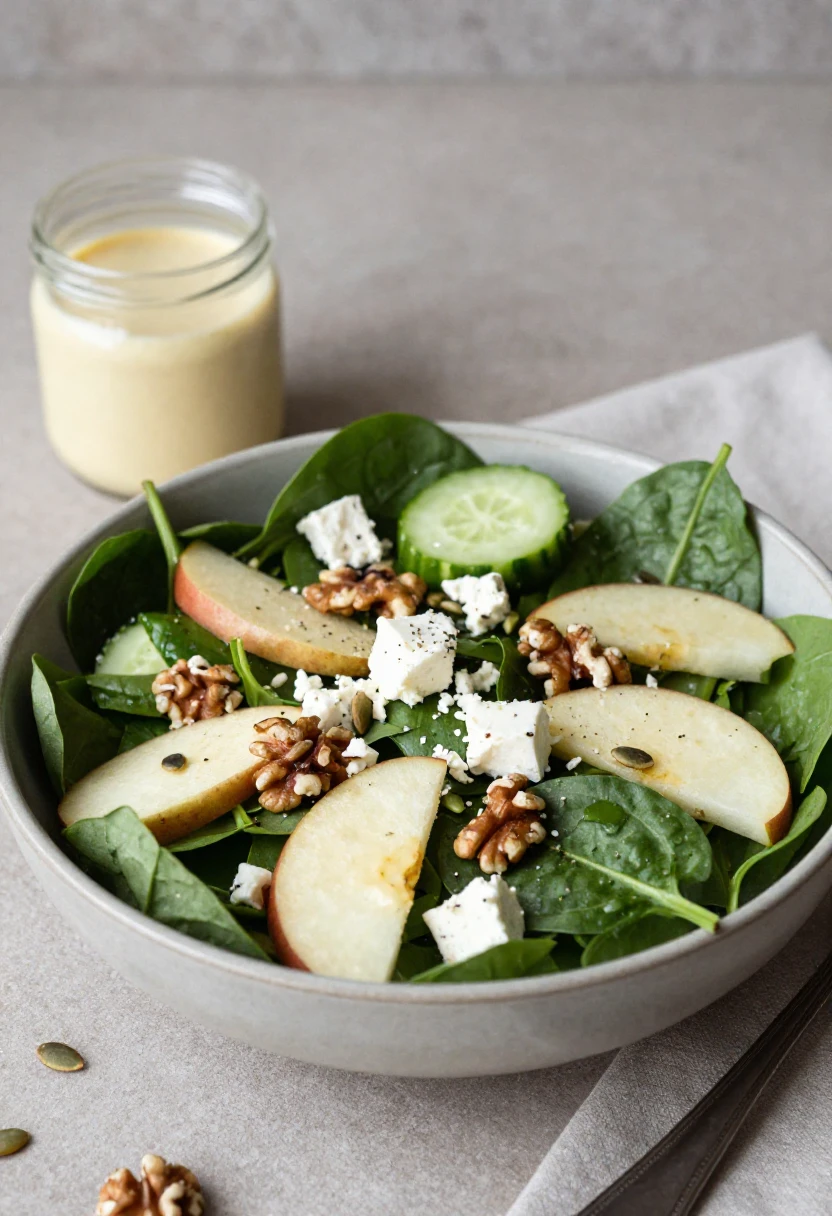
A salad becomes much easier to love when it stops pretending to be just a bowl of leaves.
Greens need texture. They need dressing. They need something sweet, salty, creamy, or crunchy enough to make each bite a little different from the last one. That is the difference between a salad you eat because you bought lettuce and a salad you would actually make again.
I like to build green salads around contrast. Soft spinach with crisp apple. Peppery arugula with creamy avocado. Kale with roasted vegetables and a thick dressing. Romaine with cucumber, seeds, and something tangy.
Once you start thinking this way, salads become less boring almost immediately.
Build the salad around texture
Texture is the first thing I notice in a salad. If everything is soft, the salad feels tired. If everything is crunchy, it can feel dry and unfinished.
You want a mix.
Start with greens, then add one or two things that change the bite:
- Cucumber
- Radish
- Apple
- Pear
- Toasted walnuts
- Pumpkin seeds
- Roasted chickpeas
- Croutons
- Shredded carrots
- Thinly sliced cabbage
Even a simple spinach salad feels better with sliced apple and toasted nuts. Romaine wakes up with cucumber and pumpkin seeds. Kale becomes much more enjoyable with roasted chickpeas or sweet potatoes because the leaves are sturdy enough to hold heavier toppings.
Do not underestimate crunch. It does a lot of work.
Add sweetness when the greens are bitter
Some greens have a natural bite. Kale, arugula, mustard greens, and radicchio can all taste sharp or bitter, especially if you eat them plain.
A little sweetness helps.
You do not need to turn the salad into dessert. Just add one ingredient that softens the bitterness:
- Apple with kale
- Pear with arugula
- Strawberries with spinach
- Roasted carrots with Swiss chard
- Sweet potato with kale
- Dried cranberries with romaine or cabbage
Fruit works especially well with lemony dressings, goat cheese, feta, walnuts, and seeds. Roasted vegetables bring a deeper sweetness, the kind that makes a salad feel more like dinner.
One of my easiest combinations is kale, roasted sweet potato, apple, pumpkin seeds, and tahini lemon dressing. It is filling, colorful, and sturdy enough to sit in the fridge for a few hours without turning soggy.
Use creamy dressing for stronger greens
Strong greens often need a stronger dressing.
A very light vinaigrette can be lovely on tender lettuce, but kale or cabbage usually needs something with more body. Creamy dressings cling to sturdy leaves better and make the whole salad feel more satisfying.
Good creamy dressing bases include:
- Greek yogurt
- Tahini
- Avocado
- Hummus
- Cashew cream
- Olive oil with mustard and lemon
Tahini lemon dressing is one of the easiest. Mix tahini, lemon juice, water, garlic, salt, and a little maple syrup or honey if you want balance. At first it may look like it is seizing up. Keep whisking and add water slowly. It turns smooth again.
For kale, I like to add the dressing early and massage it into the leaves. It sounds fussy, but it only takes a minute. The leaves soften, the dressing gets into all the little curls, and the salad becomes much nicer to eat.
Make the salad filling enough
A green salad can be fresh and still leave you hungry. That is usually a sign it needs more substance, not that salads are useless.
To make a salad feel like a meal, add at least one filling ingredient:
- Eggs
- Chicken
- Tuna
- Chickpeas
- Lentils
- Beans
- Quinoa
- Brown rice
- Roasted potatoes
- Cheese
- Avocado
A spinach salad with cucumber and lemon is a side dish. Add eggs, chickpeas, avocado, and seeds, and now it can be lunch.
This is where people often go too light. A few leaves and a splash of dressing will not carry you through the afternoon. Add enough protein, fat, and fiber so the salad actually does its job.
Try a simple apple walnut green salad
This is a good everyday salad because it is crisp, slightly sweet, and easy to change.
You need:
- 4 cups mixed greens or baby spinach
- 1 apple, thinly sliced
- 1/3 cup walnuts, toasted if possible
- 1/4 cup crumbled feta or goat cheese
- 1 small cucumber, sliced
- 2 tablespoons pumpkin seeds
For the dressing:
- 3 tablespoons olive oil
- 1 tablespoon lemon juice
- 1 teaspoon Dijon mustard
- 1 teaspoon honey
- Salt and black pepper
Whisk the dressing in a small bowl. Toss the greens with a little dressing first, then add the apple, cucumber, walnuts, cheese, and seeds. Add more dressing only if the salad needs it.
The apple gives sweetness, the walnuts add crunch, and the cheese makes it feel less like a “healthy obligation.” That matters. Food should still taste like something you want.
Warm and cozy ways to use greens
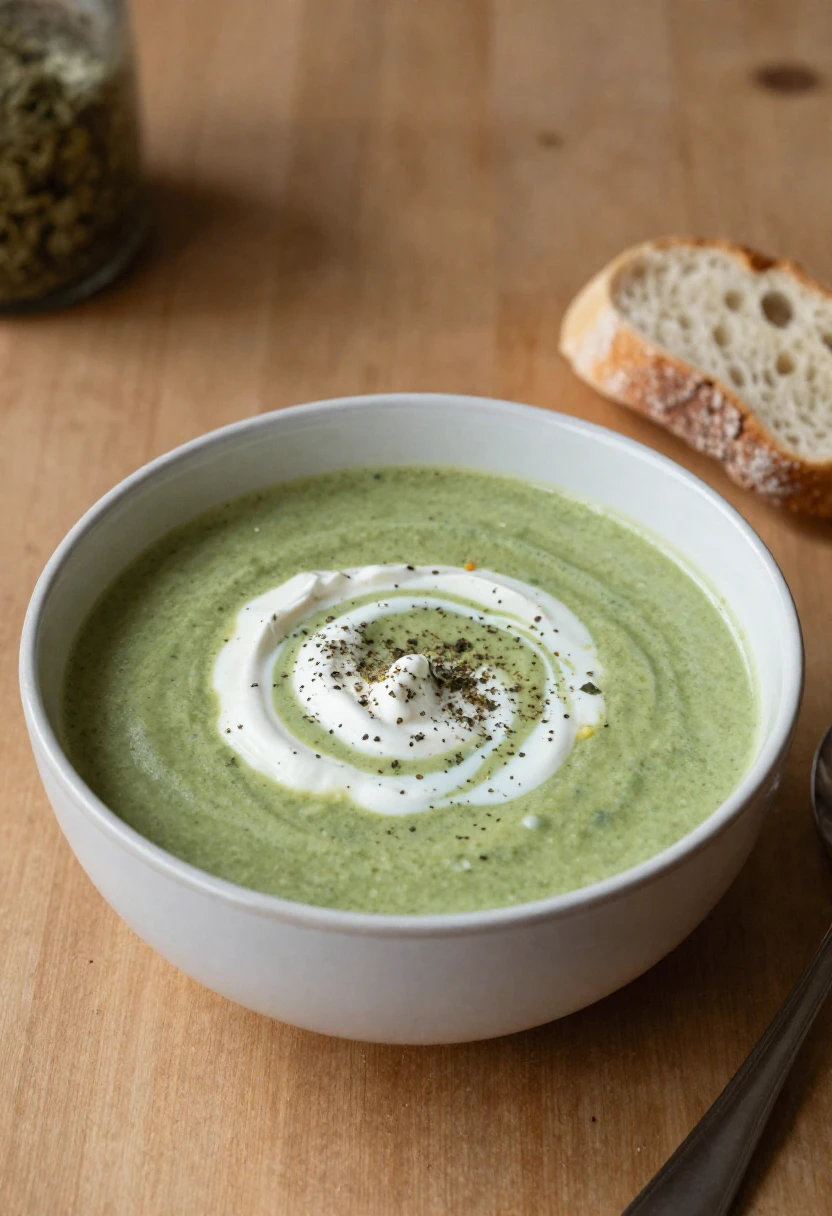
Salads and smoothies are useful, but some days you want food that feels warm and settled.
That is where cooked greens are underrated. A handful of spinach in soup. Kale stirred into beans. Swiss chard folded into pasta. Greens do not always need to be crisp and raw. Sometimes they are better when they soften into something comforting.
This is also the easiest way to use greens that are close to wilting. If the leaves are not pretty enough for a salad but still smell fresh and look safe to eat, cook them. Heat is forgiving.
Add greens to soup at the end
Soup is one of the best places for greens because the broth does most of the work.
You can make a simple vegetable soup, lentil soup, chicken soup, white bean soup, or creamy blended soup, then add greens near the end. Spinach needs only a minute or two. Kale and Swiss chard need a little longer, but not much.
The timing matters. If you add delicate greens too early, they lose their color and taste dull. Add them at the end, stir until they soften, then finish with lemon juice or a little vinegar.
That small hit of acid makes the soup taste brighter, especially if the greens are earthy.
A few easy soup combinations:
- White beans, spinach, garlic, broth, and lemon
- Lentils, kale, carrots, cumin, and tomato
- Potato, leek, spinach, and Greek yogurt
- Chicken broth, rice, Swiss chard, and herbs
- Broccoli, spinach, peas, and basil blended smooth
The soup does not have to be complicated. Greens are often the last handful, not the whole project.
Stir greens into pasta, rice bowls, and eggs
This is my favorite lazy method because it does not feel like making a separate vegetable side.
When pasta is hot, toss in spinach with olive oil, garlic, lemon, and parmesan. The leaves wilt from the heat, and you get something fresher without cooking another pan.
Rice bowls work the same way. Add greens while the rice is still warm, then top with eggs, beans, chicken, tofu, avocado, or tahini sauce. Kale is better if you sauté it first, but spinach and chard can soften right into the bowl.
Eggs are another easy place to hide greens in plain sight. Add spinach to scrambled eggs, fold chopped herbs into an omelet, or bake greens into a frittata with leftover vegetables.
A good rule: if the meal is warm and a little plain, greens can probably go in.
Sauté greens with garlic when you need a fast side
Sautéed greens are simple, but they need enough flavor.
Start with olive oil and garlic. Add the greens, a pinch of salt, and cook until they soften. Finish with lemon juice, chili flakes, or a small pat of butter if you want them richer.
Spinach cooks down dramatically. A huge pile becomes a small side dish in minutes. Kale and Swiss chard hold more texture, which makes them better with beans, grains, or roasted vegetables.
Do not walk away from the pan for too long. Greens move quickly from tender to overcooked.
Blend greens into creamy soups
Blended green soups can feel light and cozy at the same time.
The base usually starts with onion or leek, garlic, broth, and something that gives body. Potato makes soup creamy without cream. White beans add protein and a smooth texture. Peas bring sweetness. Zucchini keeps things soft and mild.
Then the greens go in near the end.
A simple version:
- Cook onion and garlic in olive oil.
- Add chopped potato and broth.
- Simmer until the potato is soft.
- Add spinach or kale.
- Blend until smooth.
- Finish with lemon, salt, pepper, and yogurt if you like.
The color should stay green and fresh, not gray. That is another reason not to boil the greens forever.
Rescue greens before they wilt
There is always that moment when the spinach looks tired, the kale is softer than it was yesterday, and the herbs are leaning sadly in the fridge.
That is your signal.
Use them now, but do not force them into a raw salad if they are past their best texture. Cook them into soup. Blend them into a smoothie. Sauté them with garlic. Freeze them for later.
For freezing, I like to pack spinach or kale into small bags or containers. You can add the frozen greens straight to smoothies, soups, and sauces. They will not work for salads after freezing, but they are perfect for blended recipes.
Herbs can be chopped and frozen with olive oil in an ice cube tray. Later, drop one cube into soup, stew, pasta sauce, or a skillet of vegetables.
It feels good to save food before it turns into waste. And honestly, it makes eating more greens much easier because you stop waiting for the perfect salad moment.
Simple prep habits that help you eat more greens
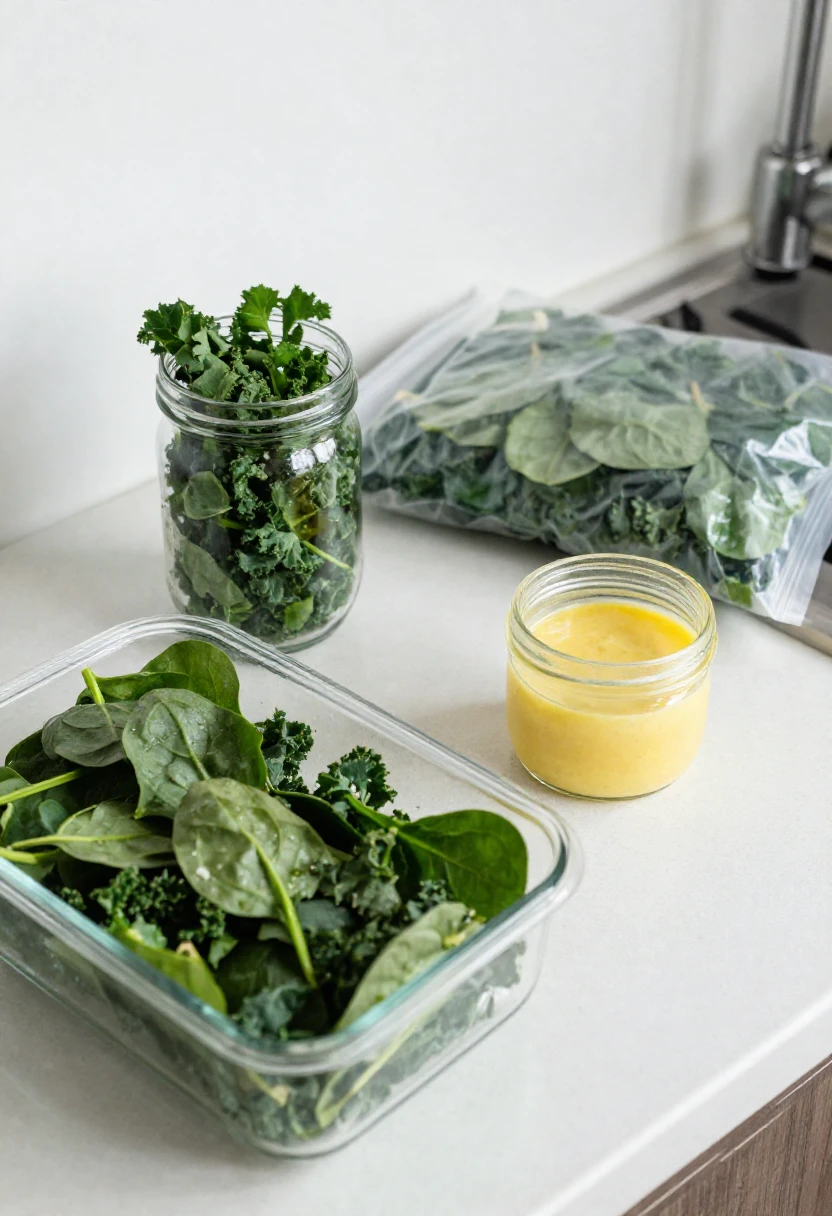
Greens are much easier to eat when they are ready before you are hungry.
That is the unromantic truth. If spinach is washed, herbs are fresh, dressing is mixed, and kale is already sliced, you will probably use them. If everything is sitting there damp, sandy, and bundled in rubber bands, you may keep choosing something easier.
I do not think eating more greens requires a perfect meal prep routine. It just needs a few small shortcuts that remove friction.
Wash and store greens so they last longer
A lot of greens spoil faster because they sit in moisture.
If you buy loose greens or a bunch of kale, chard, romaine, or herbs, wash them only when you have enough time to dry them well. A salad spinner helps, but a clean kitchen towel works too. The important part is not leaving the leaves wet.
For tender greens like spinach or spring mix, I like to add a paper towel to the container or bag. It absorbs extra moisture and keeps the leaves from getting slimy too quickly.
For romaine, kale, and Swiss chard, wrap the leaves loosely in a towel and store them in a bag or container. Do not pack them too tightly. Greens need a little room.
Herbs do best when you treat them almost like flowers. Trim the ends, place them in a glass with a little water, cover loosely with a bag, and keep them in the fridge. Parsley, cilantro, dill, and mint usually last longer this way.
Keep one dressing ready
A good dressing can save almost any green meal.
If you have dressing ready, a bowl of greens turns into lunch much faster. You can toss it with spinach, massage it into kale, drizzle it over a rice bowl, or use it as a sauce for roasted vegetables.
My easiest everyday dressing is lemon, olive oil, Dijon mustard, honey, salt, and black pepper. Shake it in a jar and keep it in the fridge.
For stronger greens, I like something creamier:
- Tahini, lemon, garlic, water, and salt
- Greek yogurt, herbs, lemon, and olive oil
- Avocado, lime, cilantro, and a little water
- Hummus thinned with lemon juice and warm water
The dressing does not need to be complicated. It just needs to be there when you open the fridge.
Freeze greens before they go bad
Frozen greens are not good for fresh salads, but they are perfect for smoothies, soups, sauces, and stews.
If your spinach is still good but you know you will not finish it in time, freeze it. Pack it into a freezer bag, press out extra air, and use it later straight from frozen.
Kale works too, especially if you remove the stems first. You can chop it before freezing so it is easier to toss into soup or a blender.
Frozen greens are useful for:
- Banana spinach smoothies
- Green soups
- Pasta sauce
- Lentil stew
- Rice bowls
- Egg muffins
- Frittatas
This habit feels small, but it saves a lot of food. It also means you always have something green available, even when the fridge looks empty.
Prep one green base for the week
You do not need to prep five different salads. That gets exhausting.
Prep one green base instead.
For example, slice kale thinly, massage it with lemon, olive oil, and salt, then keep it in the fridge. Over the next few days, you can add different toppings: roasted chickpeas one day, apple and walnuts the next, leftover chicken after that.
Or wash and chop romaine so it is ready for quick bowls. Add cucumber, avocado, boiled eggs, tuna, beans, or whatever makes sense.
Spinach is even easier. Keep it clean and dry, then use handfuls throughout the week in smoothies, eggs, pasta, soups, and sandwiches.
One base. Several meals. Much less thinking.
Start smaller than you think
Trying to eat a huge salad every day can backfire quickly.
Start with a handful of greens added to food you already eat. Spinach in eggs. Arugula on toast. Kale in soup. Romaine next to dinner. Herbs in a sauce. A small green smoothie in the afternoon.
Small portions are easier to repeat, and repetition is what changes the habit.
You do not need to become a person who makes enormous salad bowls for every meal. You just need to make greens easier to reach for, easier to enjoy, and easier to finish before they spoil.
A few easy green recipe ideas to try this week
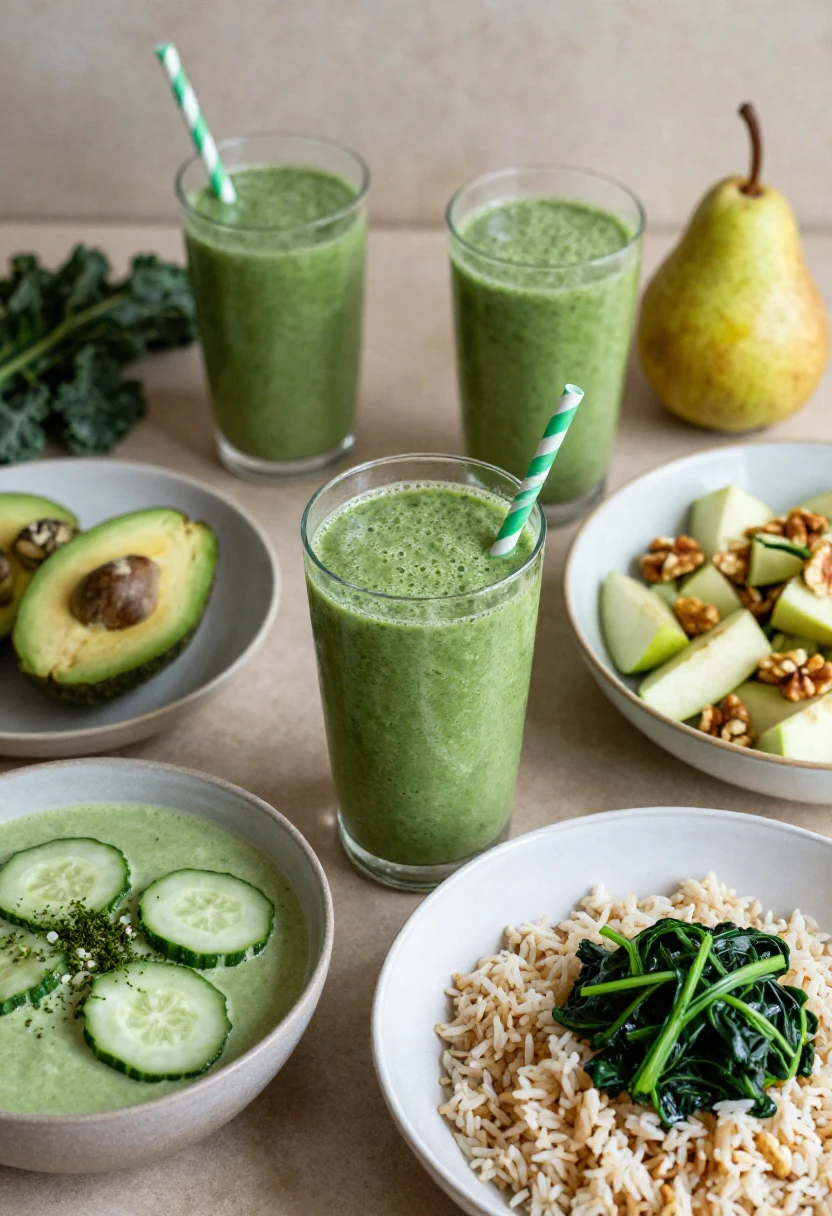
Greens become easier when you stop waiting for the perfect recipe.
You do not need a full plan, a complicated grocery list, or a fridge that looks like a wellness magazine. You need a few simple combinations you can repeat when you have spinach, kale, romaine, cucumber, herbs, or any greens that are getting close to their last good day.
These ideas are flexible. Use them as starting points, not strict rules.
Creamy avocado spinach smoothie
This is the smoothie I would make for someone who says they want to like green smoothies but does not want them to taste too green.
Avocado makes the texture creamy, spinach keeps the flavor mild, and banana gives enough sweetness without needing juice.
You need:
- 2 handfuls baby spinach
- 1/2 ripe avocado
- 1 frozen banana
- 3/4 cup milk, oat milk, or almond milk
- 1 tablespoon chia seeds
- Squeeze of lime
- Small pinch of salt
Blend everything until smooth. Add more liquid if it is too thick.
If you want it colder and thicker, use frozen banana. If you want it more filling, add Greek yogurt or a spoonful of peanut butter.
Kale pear smoothie with lemon and ginger
Kale needs stronger flavors around it, and pear is one of the nicest options. It adds sweetness without making the smoothie taste heavy.
Lemon and ginger keep the drink fresh. This one tastes brighter than a banana-based smoothie, almost like a green juice but creamier.
You need:
- 1 cup chopped kale, stems removed
- 1 ripe pear, chopped
- 1/2 frozen banana
- 3/4 cup cold water or coconut water
- 1 teaspoon grated ginger
- Juice of 1/2 lemon
- 1 tablespoon hemp seeds or chia seeds
Blend until very smooth. Kale can be a little stubborn, so give the blender enough time.
Taste before pouring. If it feels too sharp, add a little more banana. If it feels flat, add more lemon.
Crunchy green salad with apple and walnuts
This is a good salad for days when you want something fresh but still satisfying.
The apple brings sweetness, the walnuts add crunch, and the cheese gives a salty, creamy bite. It works with spinach, mixed greens, romaine, or thinly sliced kale.
You need:
- 4 cups greens
- 1 apple, thinly sliced
- 1/3 cup walnuts
- 1/4 cup feta or goat cheese
- 1 small cucumber, sliced
- 2 tablespoons pumpkin seeds
For the dressing:
- 3 tablespoons olive oil
- 1 tablespoon lemon juice
- 1 teaspoon Dijon mustard
- 1 teaspoon honey
- Salt and black pepper
Toss the greens with a little dressing first. Add the toppings after, then drizzle on more dressing only if needed.
If you are using kale, massage it with a bit of dressing before adding everything else. It softens the leaves and makes the salad taste less rough.
Savory cucumber spinach blender soup
This is the kind of recipe that feels especially good when you do not want to cook.
It is cool, creamy, and fresh, somewhere between a smoothie, a soup, and a blended salad. I like it with toasted seeds or chopped cucumber on top because the crunch makes it feel more like a meal.
You need:
- 1 large cucumber, chopped
- 2 handfuls baby spinach
- 1/2 avocado
- 1/2 cup Greek yogurt or kefir
- Juice of 1/2 lemon
- Small handful dill or parsley
- 1 small drizzle olive oil
- Salt and black pepper
- Cold water, as needed
Blend everything until smooth. Add cold water until it reaches the texture you like.
Taste it carefully. Cold soups need enough salt and acid, or they can taste sleepy. A little more lemon usually fixes that.
Warm rice bowl with wilted greens and tahini sauce
This is one of the easiest ways to turn greens into dinner.
Start with warm rice, then add greens while the rice is still hot. Spinach will wilt right away. Kale or Swiss chard is better if you sauté it first with garlic and olive oil.
You need:
- 1 cup cooked rice
- 2 handfuls spinach, kale, or Swiss chard
- 1 egg, chickpeas, tofu, chicken, or beans
- 1/2 avocado or a spoonful of hummus
- Cucumber, roasted carrots, or leftover vegetables
- Sesame seeds or pumpkin seeds
For the tahini sauce:
- 2 tablespoons tahini
- 1 tablespoon lemon juice
- 1 small grated garlic clove
- Warm water, as needed
- Salt
Whisk the sauce until smooth, adding warm water slowly. It may look too thick at first, then suddenly turn creamy.
Add the greens to the warm rice, top with your protein and vegetables, then drizzle the sauce over everything. It is simple, filling, and easy to change depending on what is already in the fridge.
How to make greens feel like a normal part of your meals
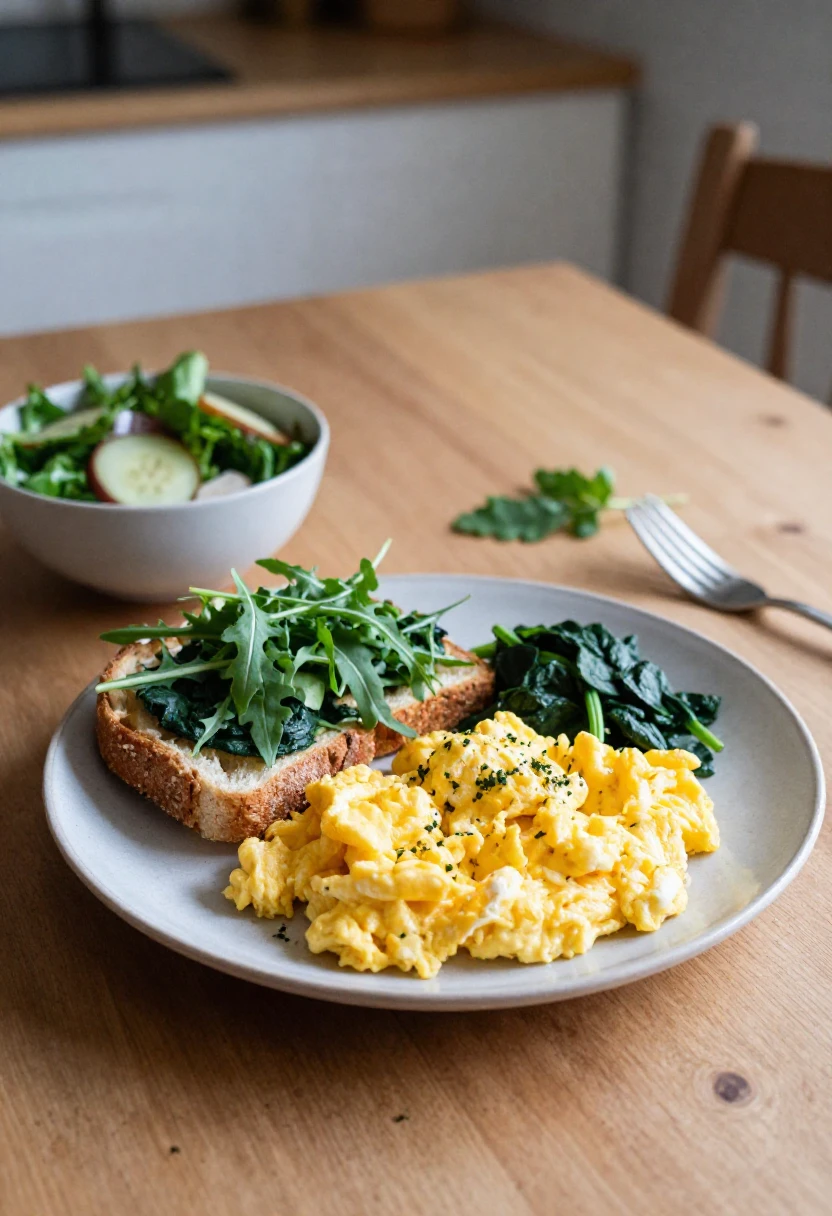
The easiest way to eat more greens is to stop treating them like a separate project.
Greens fit better when they slide into meals you already make. Add spinach to eggs. Put arugula on toast. Stir kale into soup. Toss herbs into a sauce. Blend a handful of greens into a smoothie you already like.
That sounds almost too simple, but it works because it does not require a full personality change.
Add greens to food you already eat
If you already make scrambled eggs, add spinach.
If you already make pasta, stir in arugula or Swiss chard at the end.
If you already make rice bowls, add chopped kale, romaine, herbs, or baby spinach.
If you already make smoothies, start with one handful of greens and keep the rest of the recipe familiar.
This matters because habits are easier to build when they attach to something you already do. A huge new salad routine might last three days. A handful of spinach in your usual eggs can last for months.
A few easy add-ins:
- Spinach in eggs, soup, pasta, and smoothies
- Arugula on toast, pizza, pasta, and grain bowls
- Kale in soups, stews, rice bowls, and hearty salads
- Romaine in wraps, tacos, chopped salads, and lunch bowls
- Herbs in dressings, sauces, soups, and savory smoothies
You do not need every meal to become green. Just give greens more chances to show up.
Use flavor first, nutrition second
This may sound backwards for a healthy eating article, but I think it is the only way greens become a real habit.
If the food tastes good, you repeat it. If it only feels “good for you,” it becomes something you push through until you eventually stop.
So start with flavor.
Add lemon to kale. Add garlic to sautéed spinach. Add pear to arugula. Add avocado to romaine. Add dill to cucumber. Add tahini to a warm rice bowl. Add ginger to a green smoothie.
Greens are flexible, but they need seasoning. Salt, acid, fat, crunch, herbs, and sweetness all help.
A plain bowl of leaves can feel like a chore. A kale salad with roasted sweet potato, pumpkin seeds, apple, and creamy dressing feels like food.
That is the difference.
Repeat combinations that already work
There is no prize for inventing a new green recipe every day.
Once you find a few combinations you like, repeat them. I think this is where a lot of healthy eating advice gets too complicated. Variety is nice, yes, but reliability is better during a busy week.
Maybe your repeat meals are:
- A spinach banana smoothie in the morning
- A romaine cucumber salad with lunch
- A warm rice bowl with wilted greens for dinner
- A blended green soup when vegetables need using up
That is enough.
You can change the fruit, dressing, toppings, or protein when you get bored. But the base can stay familiar. Familiar food is easier to make when you are tired, hungry, or not in the mood to think about nutrition.
Let greens be imperfect
Sometimes the salad will be basic. Sometimes the smoothie will turn an odd color. Sometimes you will throw spinach into soup because it is about to wilt and you do not want to waste it.
That still counts.
Eating more greens does not have to look beautiful every time. It does not need to match the picture in your head. A handful of greens stirred into pasta is useful. A few herbs in a sauce are useful. A small side salad next to leftovers is useful.
The habit gets easier when you stop waiting for the perfect version.
Conclusion
Eating more greens becomes much easier when you make them practical, not precious.
Use spinach for quick smoothies and eggs. Keep kale for hearty salads and soups. Add romaine when you want crunch. Keep herbs around when food needs a little lift. And when your greens start looking tired, cook them, blend them, or freeze them before they go to waste.
Small green habits add up. One handful at a time is still progress.
FAQ
What is the easiest green to start with?
Spinach is usually the easiest. It has a mild flavor, blends well in smoothies, wilts quickly into warm meals, and works in salads, soups, eggs, pasta, and rice bowls.
How can I make green smoothies taste better?
Use a mild green like spinach, add sweet fruit such as banana or mango, include something creamy like yogurt or avocado, and finish with lemon or lime. A tiny pinch of salt can also make the flavor less flat.
Are cooked greens still healthy?
Yes, cooked greens are still a great choice. Cooking changes the texture and can reduce volume, which often makes greens easier to eat. Add delicate greens near the end of cooking so they keep more color and flavor.
How do I stop greens from going bad so quickly?
Keep them dry, store them with a paper towel or clean kitchen towel, and avoid packing them too tightly. If you know you will not use them in time, freeze them for smoothies, soups, sauces, or stews.