Healthy living can look expensive from the outside.
You see the price of fresh berries, the “better” olive oil, the gym membership, the glass meal prep containers, the protein snacks with clean packaging, and it is easy to think, well, this is not exactly a budget-friendly lifestyle.
But most of the money-saving side of healthy living is not fancy at all.
It is the soup you make on Sunday and eat again on Monday. The banana you pack before leaving home, so you do not buy a pastry with your coffee. The walk to the store instead of a short drive. The leftovers you actually use because you planned dinner with tomorrow’s lunch in mind.
A healthy lifestyle can save you money every week because it changes the small habits that quietly drain your budget. Not in a dramatic way. More like a slow tightening of the leaks.
You cook a little more. You waste a little less. You buy fewer sugary drinks, convenience meals, and random snacks. You start noticing which foods keep you full and which ones leave you hungry again an hour later.
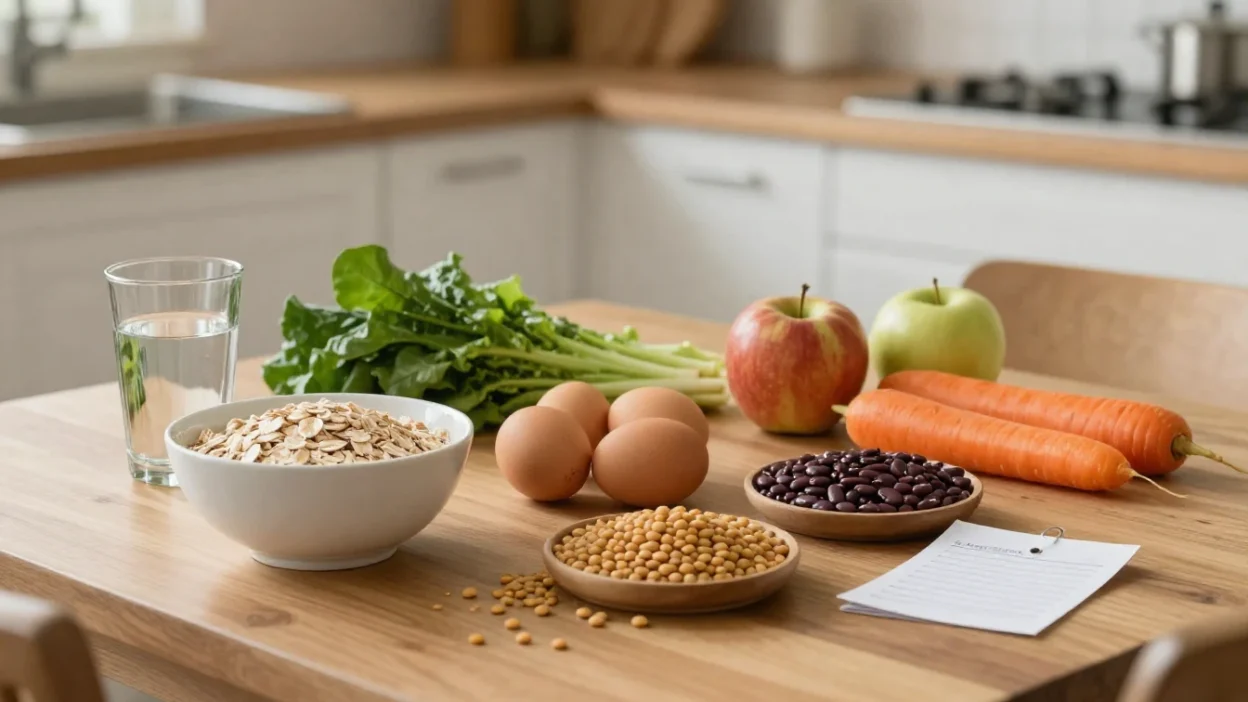
And the best part is that you do not need to turn your life into a strict wellness project. You can start with very ordinary choices: oats, eggs, beans, vegetables, water, walking shoes, a few repeatable meals, and a fridge that makes sense when you open it.
That is where the savings begin. Not with perfection, but with a routine you can actually live with.
Healthy eating can make your grocery budget calmer
Food is usually the first place people notice their spending getting messy.
Not because they are buying anything outrageous. It is more often the small things: one takeout lunch, one “quick” coffee and snack, one forgotten bag of salad, one delivery order because there is nothing ready at home. None of it feels like a big decision in the moment. By Friday, though, it adds up.
Healthy eating helps because it gives your week a little more structure. You do not need a perfect meal plan. You just need enough food at home to make the easier choice feel obvious.
Cooking at home changes the math
A homemade meal does not have to be cheaper every single time, especially if you are buying specialty ingredients for one recipe. But simple home cooking usually stretches much further than takeout.
A pot of lentil soup can become dinner, lunch, and one freezer portion for a tired night. A tray of roasted vegetables can sit next to eggs in the morning, rice at lunch, and chicken or beans at dinner. Cooked potatoes, pasta, rice, oats, and beans are not glamorous foods, but they are exactly the kind of foods that make a grocery budget feel less chaotic.
There is also the “second meal” effect.
If you cook with leftovers in mind, tomorrow’s lunch is already halfway done. That matters. A packed lunch does not have to be sad or dry. It can be last night’s chili with extra avocado, rice with roasted vegetables and yogurt sauce, or pasta warmed in a pan with a splash of water and a little cheese.
Small effort, real savings.
Simple ingredients are often the real money-savers
The healthiest budget foods are usually the ones people overlook because they seem too plain.
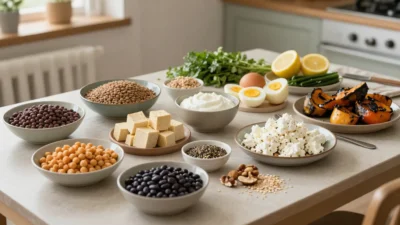
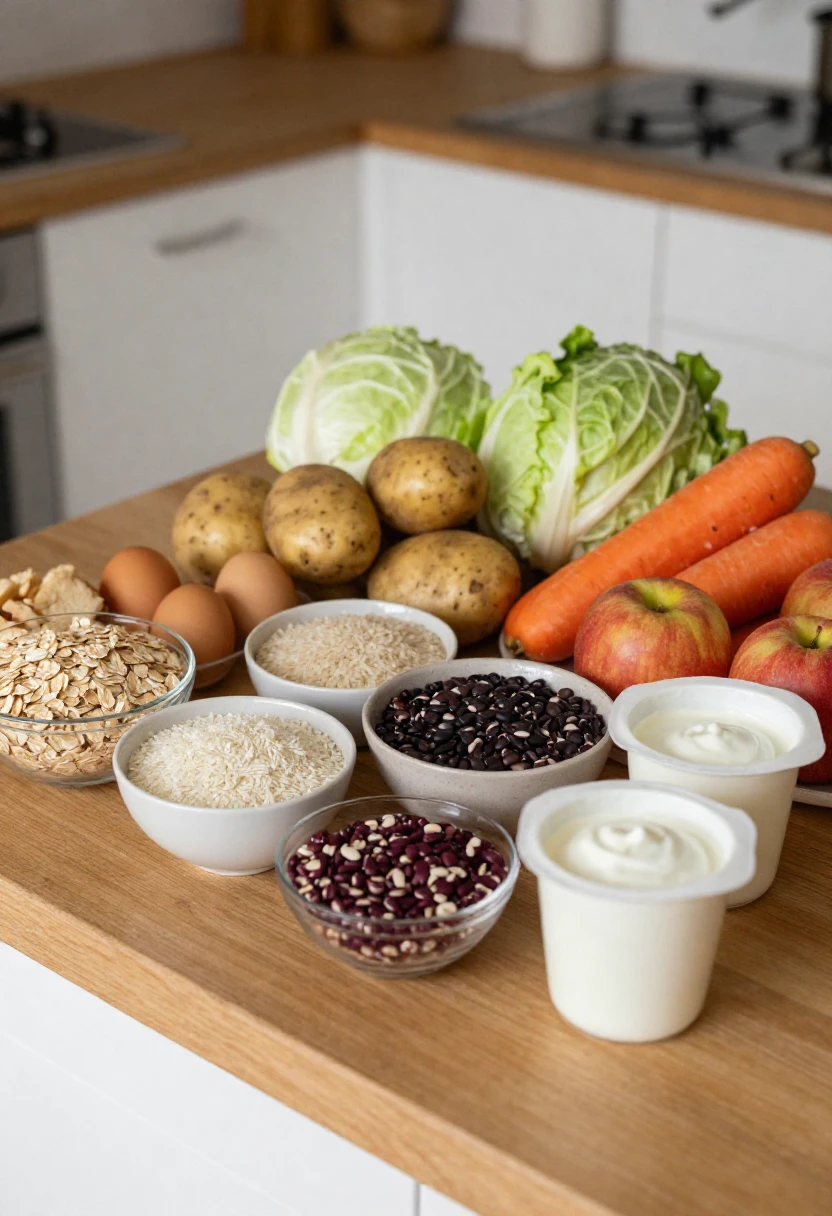
Oats. Eggs. Lentils. Beans. Frozen vegetables. Rice. Potatoes. Cabbage. Carrots. Apples. Yogurt. Canned tuna or sardines, if you eat fish.
These ingredients work because they are flexible. You can turn them into breakfast, lunch, dinner, or something in between. They also keep you full, which is where the money-saving part becomes very practical.
A bowl of oatmeal with banana and peanut butter can carry you through the morning better than a sweet pastry. Lentil soup with bread is more filling than a snack plate that leaves you hunting for something else an hour later. Eggs with potatoes and vegetables feel like real food, not “diet food.”
And that is important. Food that feels too light or too strict usually leads to more spending later, because you end up buying something extra.
Fewer impulse snacks, fewer small leaks
A healthy lifestyle can save you money every week by cutting down the purchases you barely notice.
The bottled drink. The protein bar you bought because you skipped breakfast. The office snack. The pastry beside the coffee machine. The delivery smoothie that costs more than the fruit in your fridge.
You do not have to remove all of these. That would be annoying, and honestly, not very fun. But replacing even a few of them makes a difference.
Keep a small backup plan:
- a banana or apple in your bag
- yogurt in the fridge
- nuts or roasted chickpeas in a small container
- boiled eggs for quick breakfasts
- leftovers packed before you go to bed
- a reusable bottle of water
This is not about being strict. It is about not letting hunger make all your money decisions for you.
When you have something simple ready, you buy fewer emergency snacks. And most of the time, those emergency snacks are the ones that cost more and satisfy you less.
Meal planning helps you waste less food
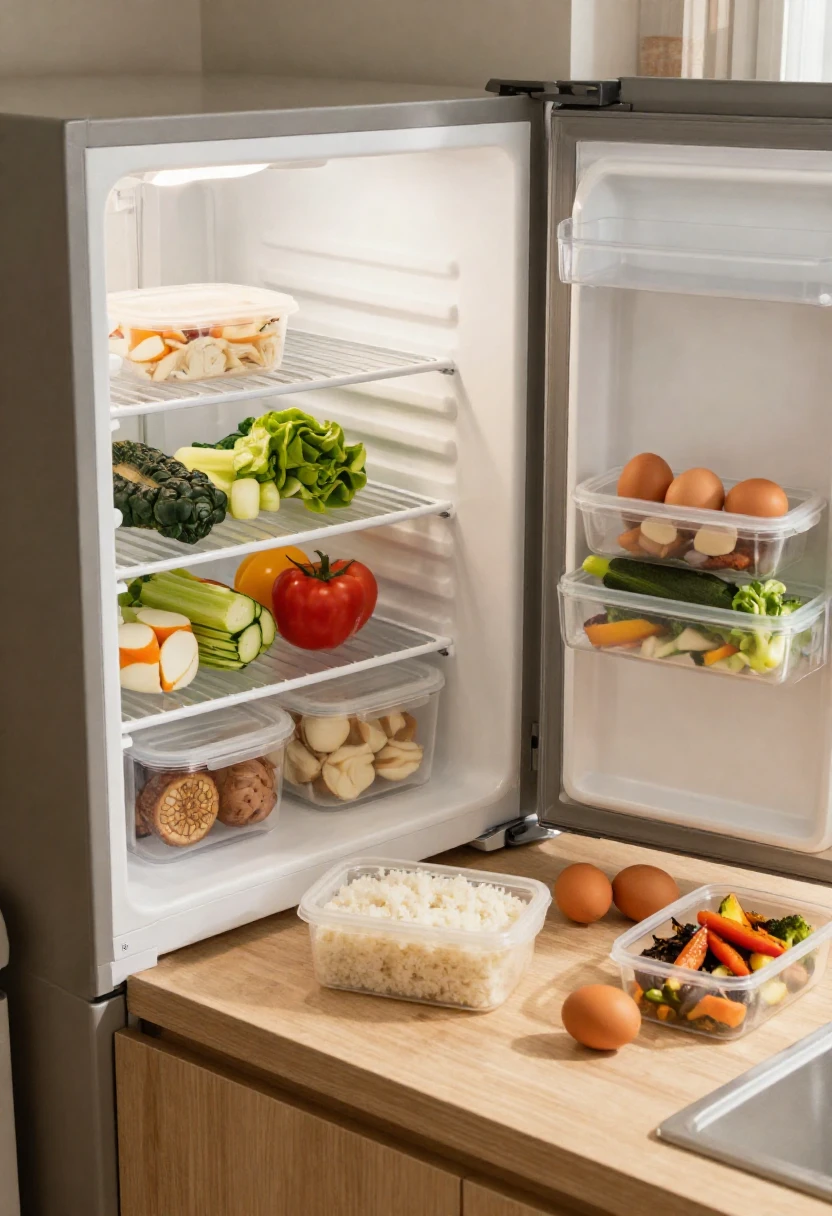
Food waste is one of those budget problems that does not always feel like spending.
You already paid for the spinach, so when it turns slimy in the back of the fridge, it feels like a kitchen problem. But really, that is money leaving the house in a very quiet, very annoying way.
The same thing happens with half-used herbs, forgotten yogurt, soft cucumbers, leftover rice nobody touched, and vegetables bought with good intentions but no actual plan.
Meal planning helps because it gives your food a job before it has a chance to disappear into the fridge fog.
Food waste is money in the trash
Most of us do not waste food because we do not care. We waste it because the week changes.
You planned to cook on Tuesday, but work ran late. You bought lettuce for salads, then the weather turned cold and you wanted soup. You opened a can of chickpeas for one meal and forgot the rest. It happens.
That is why a realistic plan works better than a perfect one.
Instead of planning seven different dinners, plan three or four meals that can bend a little. Think of meals that share ingredients:
- roasted vegetables for dinner, then wraps the next day
- rice for stir-fry, then rice bowls
- boiled eggs for breakfast, then salad topping
- cooked chicken for dinner, then soup or sandwiches
- lentils for soup, then a thicker stew with potatoes
This way, one ingredient does not depend on one recipe. If plans change, the food still has somewhere to go.
Build meals around what you already have
Before you write a grocery list, open the fridge.
Not in a quick, hopeless way. Actually look. Move the jars. Check the drawer. See what needs to be used first.
Maybe you have two carrots, half a cabbage, eggs, cooked rice, and a little yogurt. That is enough for a fried rice-style dinner with a quick yogurt sauce. Maybe you have potatoes, onions, frozen peas, and canned beans. That can become a simple hash, soup, or tray bake.
This habit saves money because it stops you from buying duplicates. It also keeps you from treating your kitchen like it is empty when it is just badly organized.
A good weekly question is: What needs to be eaten first?
Start there, then shop around it.
A small weekly prep routine that does not feel exhausting
Meal prep gets a bad reputation because people picture five identical containers lined up in the fridge. I get why that looks efficient. I also get why many people quit after one week.
A better version is lighter.
Cook one thing that makes the week easier. That is enough.
You could:
- cook a pot of rice or quinoa
- roast a tray of vegetables
- wash and dry greens
- boil a few eggs
- make a simple dressing
- chop carrots, cucumbers, or cabbage for quick sides
None of this locks you into a strict menu. It just lowers the effort later.
When dinner is half-started, you are less likely to order food because you are tired. When vegetables are already washed, you are more likely to add them to a plate. When rice is cooked, a quick bowl becomes possible in ten minutes.
That is the kind of meal planning that actually saves money: not a color-coded spreadsheet, just a kitchen that gives you fewer excuses.
Walking, biking, and moving more can reduce daily costs
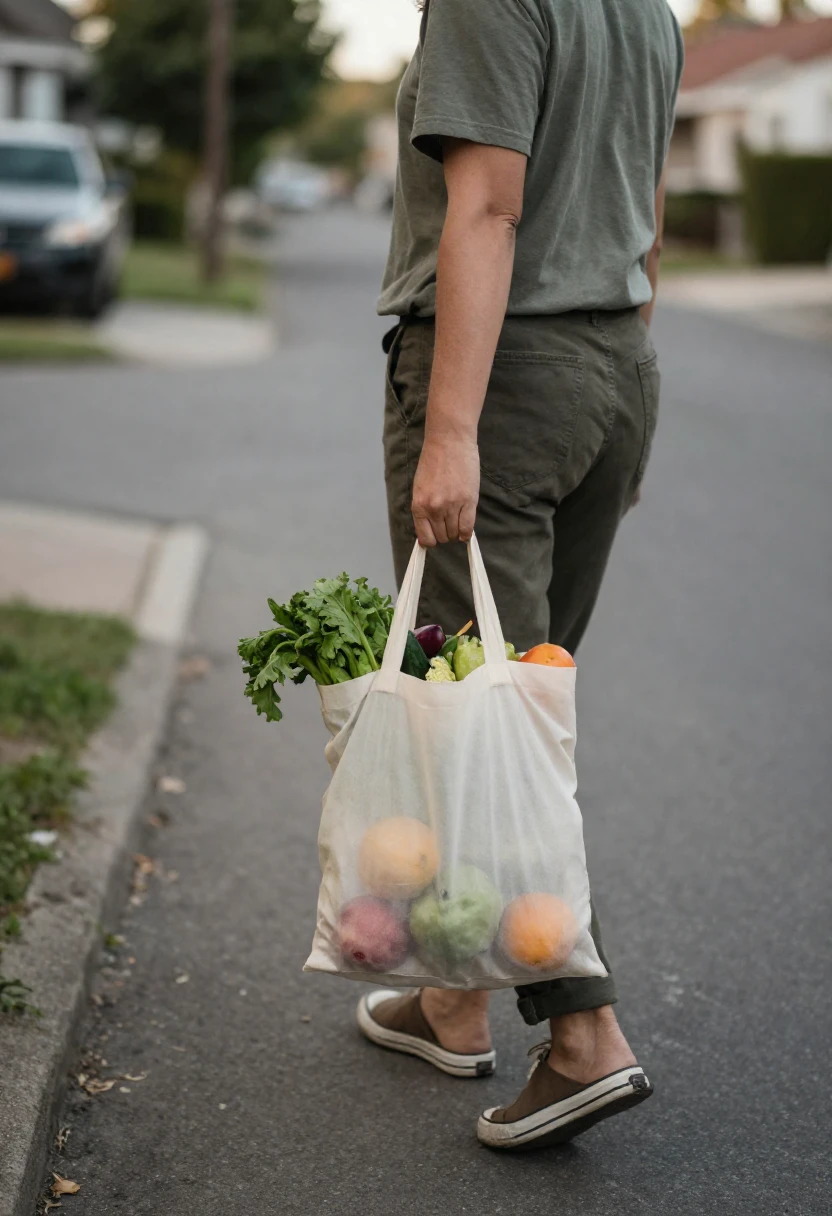
A healthier lifestyle is not only about what goes into your cart. Sometimes it is about how often you reach for your car keys.
Not every place makes walking or biking easy, of course. Some neighborhoods are built for it, some are not. Weather, distance, safety, and time all matter. But when short trips are realistic, using your body a little more can save money in a way that feels almost too simple.
A walk to the store. A bike ride to pick up a few groceries. Taking the stairs instead of driving to a gym you barely use. These are not dramatic changes, but they can soften the cost of daily life.
Not every trip needs a car
Short car trips can feel harmless because they are quick. Five minutes here, ten minutes there. But fuel, parking, maintenance, and small convenience stops add up.
There is also the strange thing that happens when you drive for one small errand: you often buy more than you planned.
You go in for milk and leave with chips, a drink, a bakery item, and something from the “special offer” shelf. Walking or biking naturally limits that. You buy what you can comfortably carry, which is usually closer to what you actually need.
That can be a good thing.
A small grocery walk also changes the way you shop. Instead of one huge, stressful trip where half the produce gets forgotten later, you can pick up fresh food in smaller amounts. A few apples. One bag of greens. A loaf of bread. Eggs. Yogurt. Vegetables for two dinners, not a fridge full of ambition.
Movement can replace paid convenience
Convenience is expensive because it solves a problem quickly.
You are tired, so you order dinner. You do not want to walk, so you pay for a short ride. You forgot a snack, so you buy whatever is closest. None of these choices are wrong on their own. Life happens.
But movement gives you more options.
If the store is a fifteen-minute walk away, you may be more willing to pick up ingredients instead of ordering delivery. If you can bike to a local market, a small grocery run becomes part of your day instead of another task. If you take a walk after lunch, maybe you skip the second coffee because your energy comes back a little on its own.
That last one sounds tiny, but tiny is where weekly savings usually hide.
A healthier routine does not need to replace every paid convenience. It just needs to replace a few of them often enough to matter.
The hidden bonus: better energy for home cooking
This is the part people do not always connect.
Movement can make cooking feel easier.
Not always. If you are exhausted, you are exhausted. But a short walk can sometimes clear the heavy, stuck feeling that makes dinner seem impossible. You come home with a little more appetite, a little more patience, and maybe enough energy to chop an onion instead of opening an app.
I have found that cooking is much easier when the day has not been one long sit. Even ten or fifteen minutes outside can change the mood of the evening.
And when cooking feels less annoying, you do it more often.
That is where the food savings come back in. More home-cooked meals. Fewer emergency orders. Less food wasted because you actually use what you bought.
Movement helps the budget indirectly, but it still helps. Especially when it supports the habits that keep you fed without overspending.
This is the part of healthy living that is easy to misunderstand.
A better routine does not magically protect you from every health problem, and it would be dishonest to pretend it does. Food, sleep, stress, genetics, work, income, and plain bad luck all play a role.
But your daily habits can still make life less expensive in practical ways.
When you sleep better, you are less likely to run on coffee and sugar all day. When you eat regular meals, you are less likely to buy random snacks because you are starving at 4 p.m. When you move a little, cook more often, and drink enough water, your week usually feels less chaotic.
And chaotic weeks are expensive weeks.
Sleep, food, and stress affect everyday choices
Poor sleep has a sneaky way of spending your money for you.
You wake up tired, skip breakfast, buy a large coffee, grab something sweet, feel hungry again, order lunch, and promise yourself you will cook dinner. By evening, you are too drained to do it.
So dinner becomes delivery.
Nothing about that day feels dramatic. It just feels normal. But repeat it a few times, and your budget starts to show it.
A simple routine can interrupt that pattern. Not a perfect morning routine with ten steps. Just enough structure to stop the day from falling apart before lunch.
That might mean:
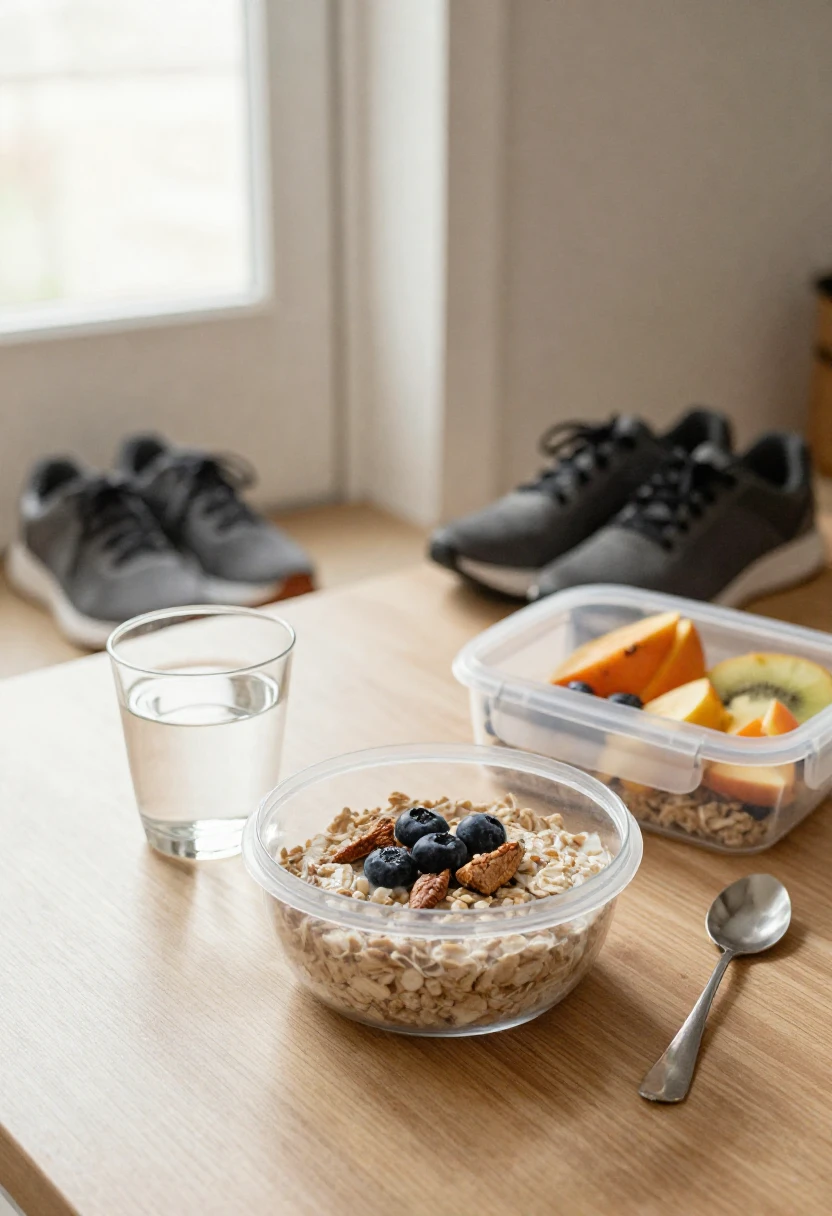
- making overnight oats before bed
- keeping eggs and toast ready for quick breakfasts
- packing leftovers as soon as dinner is over
- setting a water bottle where you can actually see it
- going to bed before you reach the “too tired to care” stage
The goal is not to become a different person. The goal is to make the next decent choice easier.
Prevention is not glamorous, but it matters
Most healthy habits are boring in the best possible way.
Eat enough protein. Add vegetables. Drink water. Walk. Sleep. Cook at home more often. Keep meals regular. Do not let every stressful day turn into a fast-food day.
None of that sounds exciting. But it can reduce the number of times you need to “fix” a rough week with expensive convenience.
You may still buy takeout. You may still have days when dinner is toast, cheese, and whatever fruit is left. That is fine. Healthy living should have room for real life.
What changes is the default.
If your default meal is a simple rice bowl, soup, eggs with vegetables, or pasta with beans, you spend less than if your default is delivery. If your default drink is water, tea, or homemade coffee, you spend less than if every drink comes in a bottle or paper cup.
Prevention often looks like being boring on purpose.
Healthy habits make consistency easier
Consistency is where the savings get easier to see.
When you know what you usually eat for breakfast, you stop buying random breakfast foods that never get used. When you repeat two or three lunches, your shopping list becomes shorter. When you cook dinners that share ingredients, the fridge feels less like a mystery box.
There is comfort in that.
You do not stand in the grocery aisle wondering what a “healthy person” would buy. You already know what works for you: oats, yogurt, eggs, lentils, rice, frozen vegetables, apples, potatoes, chicken, beans, whatever fits your taste and budget.
That kind of routine makes healthy living cheaper because it removes decision fatigue.
You buy food you know how to use. You cook meals you know you will eat. You waste less. You panic-order less. You stop treating every week like a brand-new project.
A healthy lifestyle can save you money every week not because every choice is perfect, but because your ordinary choices become steadier.
You do not need expensive wellness products to live healthier
One of the easiest ways to make healthy living feel unaffordable is to confuse it with wellness shopping.
The powders. The bars. The special drinks. The matching containers. The expensive snacks that look beautiful in a pantry but somehow disappear in two days and do not replace an actual meal.
Some of those products can be useful. Many are just expensive shortcuts with nice packaging.
A healthy lifestyle can save you money every week when you stop buying things that only make you feel organized for a moment and start buying food you will actually cook.
Skip the “healthy lifestyle starter pack”
You do not need to rebuild your kitchen overnight.
You do not need ten kinds of seeds, a smoothie subscription, fancy electrolyte packets, or snacks that cost more because the package is beige and calm-looking.
Healthy food can be very normal.
It can be:
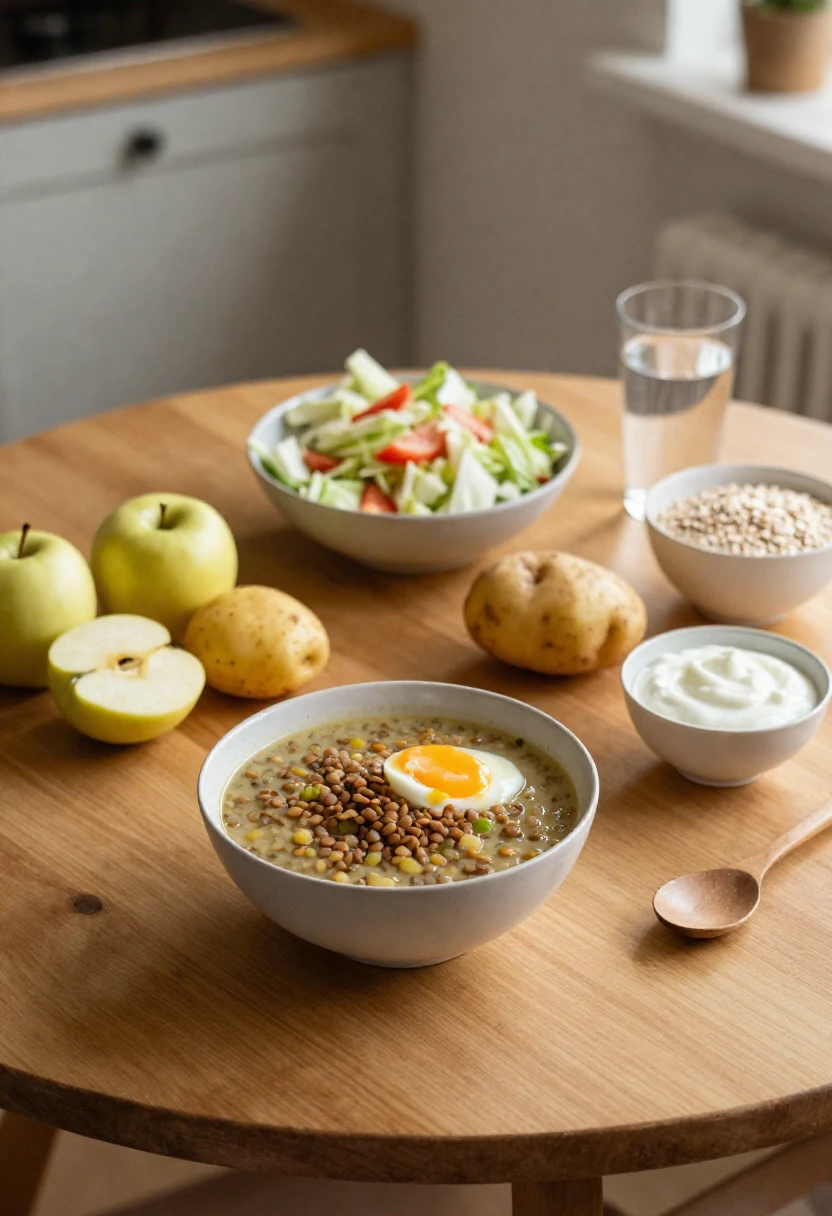
- oatmeal with banana
- eggs with potatoes
- lentil soup
- rice and beans
- cabbage salad
- frozen vegetables in a stir-fry
- yogurt with fruit
- tuna on toast
- baked potatoes with cottage cheese
- homemade soup with whatever vegetables need using
None of this looks like a polished wellness ad. That is probably why it works.
The foods that save money are usually simple, repeatable, and easy to turn into more than one meal. They are also less likely to sit untouched because you bought them for one complicated recipe and never felt like making it again.
Spend where it actually helps
There are a few things worth buying if they make healthy habits easier.
Not everything. Just the things you will use again and again.
A sharp knife can make cooking less frustrating. A sturdy pan can help you cook faster and ruin less food. A few reusable containers can make leftovers easier to pack. A comfortable pair of walking shoes can turn short errands into something you actually do on foot.
These are not exciting purchases, but they support the routine.
That is the difference.
A tool that helps you repeat a good habit can save money. A product that only makes you feel like you are about to start a new life usually does not.
I like to ask one question before buying anything “healthy”: Will this make my normal week easier, or am I just buying the mood?
That question has saved me from a lot of very pretty pantry mistakes.
Choose upgrades slowly
Healthy living gets expensive when you try to change everything at once.
You buy new groceries, new snacks, new supplements, new workout clothes, new containers, new drinks, and by the end of the week you are tired, annoyed, and not even sure what helped.
Start smaller.
Replace one takeout lunch with leftovers. Swap one bottled drink for water or homemade tea. Cook one simple dinner that gives you lunch the next day. Walk one short errand instead of driving. Use the vegetables you already bought before buying more.
Small changes do not feel impressive, but they are easier to keep.
And once a habit starts saving money, it often pays for the next one. Fewer coffee-shop breakfasts can cover better groceries. Less delivery can cover a good pan. Less food waste can cover higher-quality ingredients you actually enjoy.
That is how healthy living becomes affordable: not through one big reset, but through small upgrades that earn their place in your week.
Budget-friendly healthy meal ideas to start with
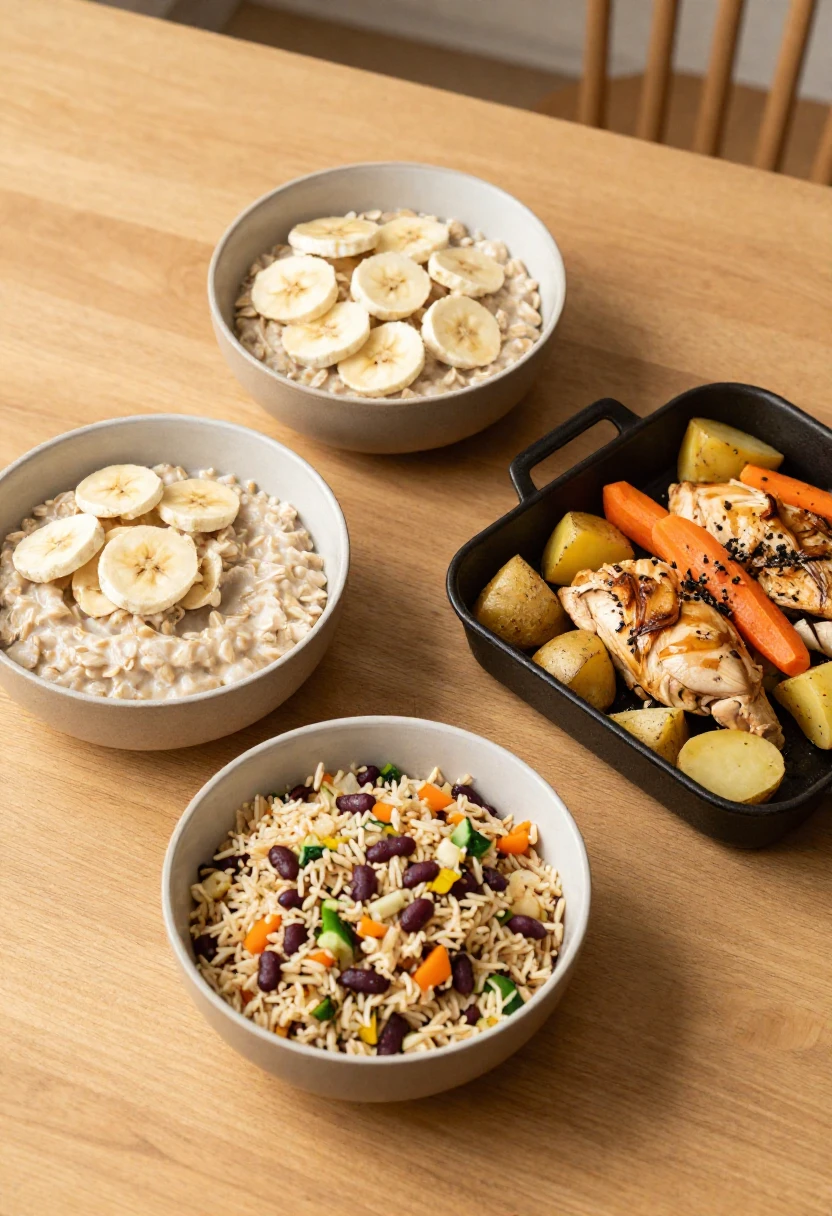
The easiest way to save money with healthy eating is to stop chasing completely new meals every day.
That sounds boring, I know. But repeat meals are what make a routine affordable. You learn what ingredients you need, how much food your household actually eats, and which leftovers you are willing to open the fridge for the next day.
Start with meals that are cheap, filling, and flexible. Nothing too delicate. Nothing that needs twelve ingredients you will only use once.
Breakfast ideas
Breakfast is where a lot of small spending sneaks in.
A coffee is one thing. A coffee plus a pastry plus a bottled drink for later can turn into a habit that costs much more than it feels like in the moment.
You do not need a complicated breakfast to avoid that. You need something easy enough to make when your brain is still half asleep.
Try:
- oatmeal with banana, cinnamon, and peanut butter
- eggs with toast and leftover vegetables
- Greek yogurt with apples, frozen berries, or granola
- cottage cheese with fruit
- overnight oats in a jar
- a smoothie with frozen fruit, yogurt, and oats
- boiled eggs with whole-grain toast
My favorite budget trick is to make breakfast from ingredients that can also work somewhere else. Eggs can become dinner. Yogurt can become sauce. Oats can go into smoothies or homemade muffins. Fruit can become a snack.
That way, breakfast food does not become its own separate category of spending.
Lunch ideas
Lunch is usually where leftovers can do the most work.
If you cook dinner and pack a portion before cleaning the kitchen, you save yourself from the next day’s “I’ll just buy something quickly” moment. That moment is rarely quick and almost never cheap.
Good lunch ideas include:
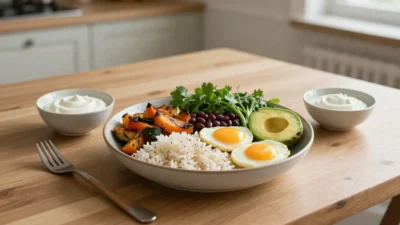
- rice bowls with beans, vegetables, and yogurt sauce
- lentil soup with bread
- chickpea salad wraps
- leftover roasted vegetables with eggs
- pasta salad with tuna, beans, or chicken
- baked potatoes with cottage cheese or beans
- cabbage slaw with grilled chicken or chickpeas
A good lunch should have enough substance to keep you from needing a second lunch. Add protein, add fiber, add something with texture. Soft rice, creamy sauce, crunchy cabbage, warm beans. It does not need to be fancy, but it should feel like a real meal.
Dinner ideas
Dinner is the meal that can either protect your budget or completely break it.
That sounds dramatic, but it is true. When dinner feels too hard, delivery starts looking reasonable. So the best healthy dinners are not the most impressive ones. They are the ones you can make when you are tired.
Try keeping a few of these in rotation:
- sheet-pan chicken with potatoes and vegetables
- bean chili with rice
- vegetable pasta with lentils or tuna
- stir-fry with frozen vegetables and eggs
- potato and egg skillet
- lentil curry with rice
- soup with beans, vegetables, and leftover chicken
- baked sweet potatoes with yogurt sauce and chickpeas
The goal is to cook meals that leave something behind. A little extra rice. Half a tray of vegetables. Two portions of soup. Those leftovers are not an accident. They are part of the savings.
A healthy lifestyle can save you money every week when dinner stops being a daily emergency and becomes something you already know how to handle.
Conclusion
Healthy living does not have to begin with a big grocery bill, a complicated meal plan, or a full kitchen reset.
Most of the real savings come from ordinary habits repeated often enough to matter. Cooking one more dinner at home. Packing leftovers before the fridge swallows them. Walking a short errand. Drinking water instead of buying another sweet drink. Using the vegetables you already have before buying more.
None of it feels dramatic in the moment.
But by the end of the week, these small choices can change how your money moves. Less delivery. Less food waste. Fewer impulse snacks. Fewer “I have nothing to eat” moments when there is actually food at home.
A healthy lifestyle can save you money every week because it makes your routine steadier. You do not need to be perfect. You just need a few habits that make the cheaper, healthier choice easier to repeat.
Start there. One meal, one walk, one packed lunch, one less wasted bag of greens.
That is enough to begin.
FAQ
Is a healthy lifestyle always cheaper?
Not always. Some healthy products are expensive, especially specialty snacks, supplements, prepared meals, and trendy wellness foods. But a healthy lifestyle built around simple home cooking, walking, water, leftovers, and basic ingredients can often lower weekly spending.
How can I eat healthy if groceries are expensive?
Focus on flexible, filling foods: oats, eggs, potatoes, rice, beans, lentils, frozen vegetables, cabbage, carrots, apples, yogurt, and canned fish or chicken if you eat them. Plan meals around what you already have at home before buying more.
What healthy habit saves the most money first?
Cooking at home usually makes the biggest difference. Even replacing two takeout meals a week with simple dinners and leftovers can create visible savings without changing everything at once.
Do I need meal prep to save money on food?
No. You do not need a full meal prep system. A lighter version works well: cook one grain, roast one tray of vegetables, boil a few eggs, or make a pot of soup. The goal is to make the next meal easier, not to pack every meal for the week.