There comes a point every winter when I start craving something different.
Not lighter, exactly. Just… fresher.
After weeks of soups simmering on the stove, bubbling casseroles coming out of the oven, and comfort food that leans heavily on cream, cheese, or potatoes, I begin looking for something that still feels nourishing but wakes everything up a little. I don’t suddenly stop wanting cozy meals—it is winter, after all—but I start missing crisp textures, bright flavors, and vegetables that still taste like themselves instead of disappearing into a sauce.
That’s usually when this winter farro salad returns.
It happens almost the same way every year. I’ll be walking through the market, noticing piles of Brussels sprouts, butternut squash, fresh citrus, and pomegranates stacked beside one another. Somehow those ingredients always seem to belong together. Before I even realize it, there’s a bag of farro in my basket too, and dinner has already started forming in my head.
The funny thing is that this salad never feels like a compromise.
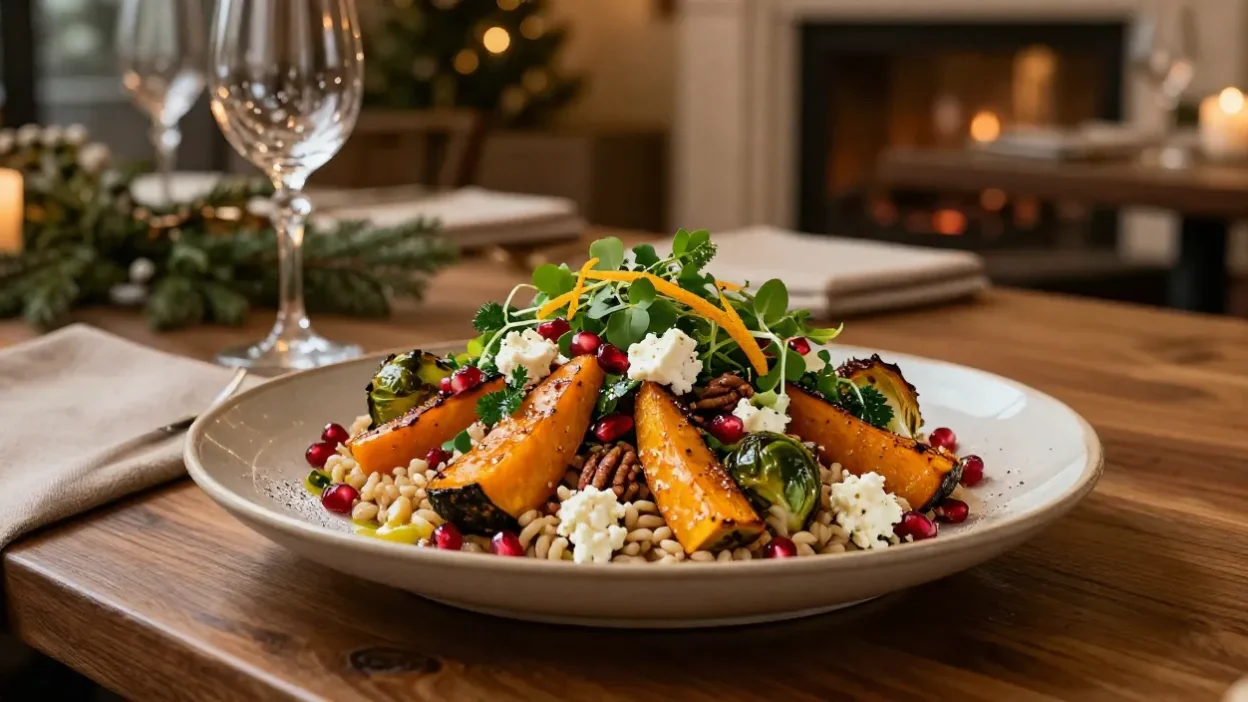
Some people hear the word “salad” in January and immediately imagine cold lettuce pulled straight from the refrigerator. This couldn’t be further from that. Most of the bowl is warm. The vegetables come straight from the oven with beautifully caramelized edges, the farro still holds a little warmth, and the citrus dressing lightly coats everything while it’s still fresh enough to soak into the grains.
It feels comforting in an entirely different way.
I think that’s why I never get tired of making it. Every forkful offers something slightly different. One bite leans sweet because of the roasted squash. The next is bright with citrus. Then you catch the salty feta, crunchy pecans, juicy pomegranate seeds, or those deeply browned Brussels sprouts that almost taste nutty after roasting. None of the ingredients are fighting for attention. They simply take turns.
I’ve served this salad at holiday dinners where roasted turkey was the main event, packed leftovers into lunch containers for busy weekdays, and even turned it into dinner with a piece of grilled salmon or roasted chicken on the side. Somehow it fits every occasion without ever feeling too casual or too formal.
That’s surprisingly rare.
Some recipes only work because everything around them is carefully planned. This one feels much more relaxed. It looks beautiful on a large serving platter, but it doesn’t demand perfection. The vegetables don’t have to be cut into identical pieces. The herbs can fall naturally across the top. Even the vinaigrette finds its own way into every corner of the bowl instead of sitting neatly on the surface.
Honestly, I think that’s part of its charm.
Winter cooking often asks us to slow down a little, and this recipe seems to understand that. While the vegetables roast, the kitchen gradually fills with the smell of caramelizing squash, toasted Brussels sprouts, warm garlic, and citrus waiting to be squeezed into the dressing. It’s the kind of aroma that makes people wander into the kitchen asking what’s for dinner before you’ve even started assembling the salad.
I’ve learned not to rush that part.
The vegetables always look done a few minutes before they actually are. Another five minutes in the oven deepens their color, brings out more sweetness, and creates those crisp little edges that make the finished salad taste so much richer. It’s one of those small details that’s easy to overlook until you’ve made the recipe a few times.
🥗 I usually find myself making this salad when:
- roasted vegetables sound more appealing than raw ones;
- holiday leftovers need something bright alongside them;
- I want lunches that actually taste better the next day;
- friends are coming over for a relaxed winter dinner;
- the market is overflowing with squash, Brussels sprouts, citrus, and pomegranates.
Some recipes belong to one holiday.
Others quietly become part of an entire season.
This one has become part of mine.
🍊 Why winter ingredients taste better together
For the longest time, I thought salads simply disappeared once winter arrived.
As soon as the weather turned cold, my shopping basket filled with potatoes, onions, carrots, pasta, and bread instead. Salads felt like something I’d return to when tomatoes became sweet again and basil started growing in the garden. Winter was for roasting, braising, and baking.
Then one evening I tossed roasted vegetables into cooked farro almost without thinking.
It wasn’t planned. I simply had leftovers sitting on the counter and wanted something lighter than another bowl of soup. Looking back, I’m glad I did because that one meal completely changed the way I think about winter salads.
Roasting transforms vegetables in a way that’s almost magical.
Brussels sprouts lose much of their bitterness as their outer leaves become crisp and deeply browned. Butternut squash turns creamy inside while the edges caramelize into little pockets of concentrated sweetness. Red onions soften until they’re mellow enough to almost melt into the dressing. Every vegetable develops more personality than it ever had raw.
Farro deserves just as much credit.
If you’ve never cooked with it before, don’t expect rice or quinoa. Farro has a satisfying chew that stays intact even after it’s dressed, making every bite feel substantial without becoming heavy. Its naturally nutty flavor works beautifully with roasted vegetables because neither ingredient tries to overpower the other. Instead, they quietly reinforce each other.
The dressing matters more than people sometimes realize.
It isn’t there to hide the vegetables. Quite the opposite. A simple citrus vinaigrette wakes everything up after roasting, adding brightness exactly where the salad needs it most. I usually taste it once before pouring it over the bowl, then again after everything has been tossed together. Somehow it always changes once it meets the warm farro.
Then come the finishing touches.
Pomegranate seeds aren’t just there because they look festive, although they certainly do. Every little burst of juice cuts through the richness of the roasted vegetables. Toasted pecans add buttery crunch. Feta softens the sharper citrus notes while parsley brings enough freshness to keep the whole salad feeling lively instead of heavy.
It’s all surprisingly balanced.
One mistake I made the first few times was adding the feta while everything was still piping hot. It melted more than I wanted, disappearing into the grains instead of staying in creamy little pieces throughout the bowl. Now I let the vegetables cool for just a few minutes first. The salad is still warm, but every ingredient keeps its own texture.
That small adjustment made a much bigger difference than I expected.
| Ingredient | Why It’s Here | Texture | Flavor Contribution |
|---|---|---|---|
| Farro | Hearty foundation | Chewy | Nutty, wholesome |
| Brussels sprouts | Roasted depth | Crisp edges, tender center | Earthy, caramelized |
| Butternut squash | Natural sweetness | Soft and creamy | Sweet, rich |
| Pomegranate | Bright contrast | Juicy bursts | Sweet-tart freshness |
| Feta | Creamy balance | Soft and crumbly | Salty, tangy |
| Pecans | Crunch | Crisp | Buttery, toasted |
| Fresh parsley | Fresh finish | Tender | Bright and herbal |
| Citrus vinaigrette | Brings everything together | Light | Fresh, vibrant acidity |
Looking at the bowl, nothing feels unnecessary.
Every ingredient has a job to do, and together they create something that somehow tastes brighter than winter usually feels.
❄️ The salad that makes winter dinners feel brighter
There are meals that make you want to curl up on the sofa afterward.
Then there are meals that somehow leave you feeling warm, satisfied, and still full of energy.
This salad has always belonged to the second group for me.
I think that’s because it offers comfort without relying on heaviness. The roasted vegetables satisfy that craving for something warm, while the farro gives the meal enough substance to feel complete. At the same time, fresh herbs, citrus, and pomegranate keep every bite lively enough that dinner never feels repetitive.
That’s a balance I appreciate more every year.
I’ve also come to love how forgiving this recipe is. Some salads demand to be eaten the second they’re dressed or they quickly lose their texture. This one almost seems happier after a little time together. I often roast the vegetables earlier in the afternoon, cook the farro while the oven is still warm, and whisk the vinaigrette before anyone arrives. When dinner rolls around, everything comes together in just a few minutes.
In fact, I sometimes think it tastes even better the next day.
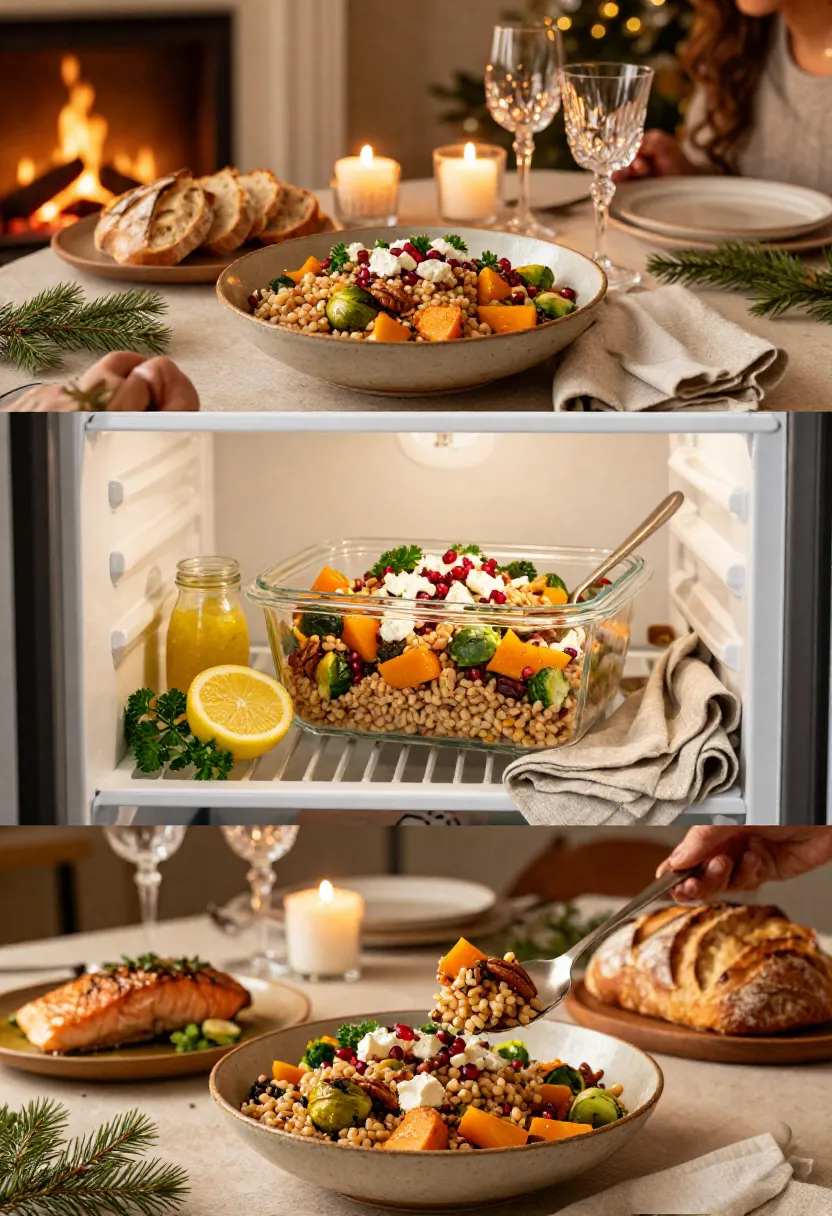
The grains absorb more of the citrus dressing overnight, the roasted vegetables settle into the other flavors, and every bite feels even more connected than it did the evening before. Opening the refrigerator the next day and finding a bowl of leftover farro salad waiting for lunch always feels like a small reward.
I wish more recipes worked that way.
It’s also incredibly easy to turn into a complete meal. Some evenings I’ll serve it with roasted salmon. Other nights it’s grilled chicken or slices of steak. And every now and then, especially after the holidays, I’ll simply pile it into a bowl, crumble a little extra feta over the top, and call it dinner without adding anything else.
Honestly, I’ve never felt like it needed much more.
🥣 This salad usually becomes part of my winter routine when:
- I need a wholesome lunch that keeps well for several days;
- holiday dinners call for something colorful and fresh;
- roasted vegetables are already filling the oven;
- gray afternoons make bright flavors especially welcome;
- dinner needs to feel comforting without becoming too heavy.
By the time winter slowly gives way to spring, I’ve usually made this recipe more times than I realize.
And every single year I find myself wondering the same thing.
Why do I wait until the weather turns cold before remembering just how good farro can be?
🥗 Winter Farro Salad Recipe
Some recipes come and go with the seasons. You make them once, enjoy them, and somehow forget about them until the following year. This isn’t one of those recipes. Winter farro salad has become something I look forward to making as soon as the weather turns cold enough for roasted vegetables to sound like dinner.
I think what keeps drawing me back is the balance. It has all the warmth and comfort I want during the colder months, but it never feels heavy. Roasted squash becomes sweet and creamy, Brussels sprouts caramelize around the edges, chewy farro gives every bite substance, and bright citrus dressing keeps the entire bowl feeling fresh. Add creamy feta, crunchy pecans, and bursts of pomegranate, and suddenly every forkful tastes just a little different from the last.
One thing I’ve learned after making this salad countless times is that the vegetables deserve patience. It’s tempting to pull them from the oven the moment they’re tender, but another five or six minutes makes a remarkable difference. The edges become deeply golden, the natural sugars caramelize, and those little browned bits add an incredible depth of flavor that ties the entire salad together.
The farro deserves a little attention too.
Don’t overcook it. You want the grains to stay pleasantly chewy instead of becoming soft like rice. That slightly nutty bite is one of the reasons this salad feels so satisfying, and it holds up beautifully if you’re making it ahead for lunches or holiday gatherings.
🧀 Ingredients
For the salad
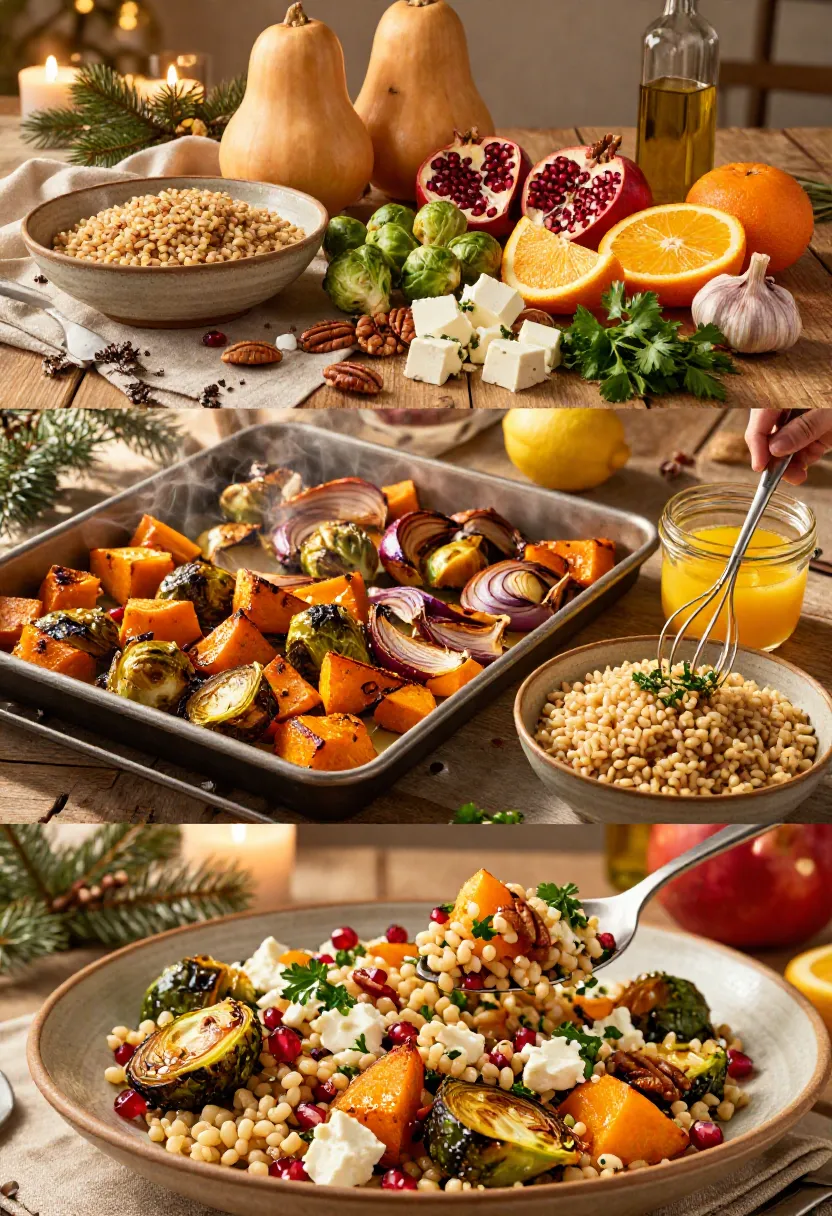
- 1 cup uncooked farro
- 4 cups vegetable broth or water
- 1 small butternut squash, peeled and cut into ¾-inch cubes
- 12 ounces (340 g) Brussels sprouts, trimmed and halved
- 1 small red onion, sliced into wedges
- 2 tablespoons extra-virgin olive oil
- Salt and freshly ground black pepper
- ½ cup crumbled feta cheese
- ½ cup pomegranate arils
- ½ cup toasted pecans, roughly chopped
- ¼ cup chopped fresh parsley
For the citrus vinaigrette
- ¼ cup extra-virgin olive oil
- 2 tablespoons fresh lemon juice
- 2 tablespoons fresh orange juice
- 1 tablespoon Dijon mustard
- 1 tablespoon maple syrup or honey
- 1 small garlic clove, finely grated
- Salt and freshly ground black pepper
👩🍳 Instructions
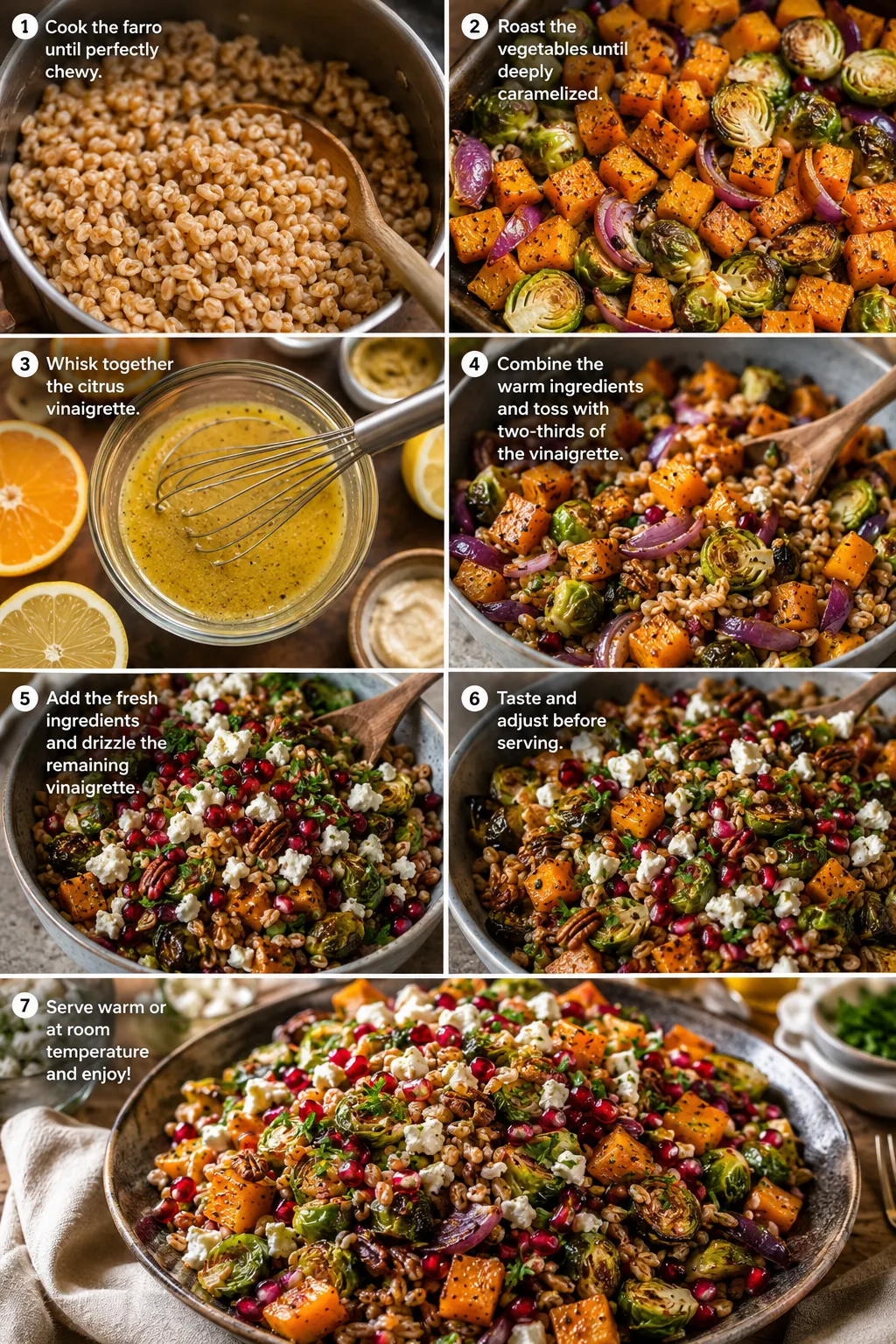
- Cook the farro until perfectly chewy. Bring the vegetable broth or water to a boil in a medium saucepan. Stir in the farro, reduce the heat to a gentle simmer, and cook for about 25 to 30 minutes, or according to the package directions, until the grains are tender but still pleasantly chewy. Drain any excess liquid if needed, then spread the farro onto a baking sheet or large plate to cool slightly. This keeps the grains fluffy instead of clumping together.
- Roast the vegetables until deeply caramelized. Preheat the oven to 425°F (220°C). Toss the butternut squash, Brussels sprouts, and red onion with olive oil, salt, and black pepper. Spread everything into a single layer on a large baking sheet, making sure the vegetables have enough space to roast rather than steam. Bake for 25 to 30 minutes, turning halfway through, until the squash is tender and the Brussels sprouts are beautifully browned with crisp edges. Don’t rush this step—the extra color creates incredible flavor.
- Whisk together the citrus vinaigrette. While the vegetables are roasting, combine the olive oil, lemon juice, orange juice, Dijon mustard, maple syrup, grated garlic, salt, and pepper in a small bowl or jar. Whisk or shake vigorously until the dressing becomes smooth and slightly creamy. Taste it before setting it aside. If you’d like a little more brightness, add another squeeze of lemon. If the citrus feels especially sharp, another drizzle of maple syrup balances everything beautifully.
- Combine the warm ingredients. Transfer the cooked farro to a large serving bowl and add the roasted vegetables while they’re still warm. Pour about two-thirds of the vinaigrette over the mixture and gently toss until every grain and vegetable is lightly coated. Let the salad sit for five minutes so the farro can absorb some of the dressing before adding the remaining ingredients.
- Add the fresh ingredients. Scatter the crumbled feta, pomegranate arils, toasted pecans, and chopped parsley over the salad. Toss very gently so the feta stays in creamy pieces and the pomegranate remains intact. Drizzle the remaining vinaigrette over the top and give everything one final light toss.
- Taste and adjust before serving. This is my favorite part because the salad always changes slightly after it’s mixed together. Taste a forkful and adjust with another pinch of salt, freshly cracked black pepper, or an extra squeeze of lemon juice if needed. Sometimes I’ll add another handful of parsley too—it brightens everything beautifully.
- Serve warm or at room temperature. Transfer the salad to a large serving platter or bowl and finish with a few extra pomegranate seeds, toasted pecans, crumbled feta, and fresh parsley for a colorful presentation. It’s wonderful served immediately while the vegetables are still slightly warm, but it’s equally delicious at room temperature and arguably even better the following day after the flavors have had time to mingle.
✨ Helpful Tips
- Roast the vegetables until they’re deeply golden for the richest flavor.
- Cook the farro until it’s tender but still pleasantly chewy.
- Spread the cooked farro out to cool slightly so it stays light and fluffy.
- Toast the pecans for a few minutes before adding them to bring out their buttery flavor.
- Let the warm farro sit with the dressing for a few minutes before adding the feta and pomegranate.
- Assemble the salad a few hours ahead if you’re serving it for a holiday meal—it tastes even better after the flavors have had time to develop.
- Finish with an extra squeeze of fresh lemon juice just before serving to brighten the entire salad.
🥘 What to serve with winter farro salad
One of the reasons I make this salad so often is that it fits into almost any winter menu without feeling like an afterthought. It’s hearty enough to stand on its own for lunch, yet elegant enough to sit beside a holiday roast or a simple Sunday dinner. Somehow it manages to bridge that gap between everyday cooking and special occasions, which isn’t something every side dish can do.
Because the farro and roasted vegetables already bring plenty of warmth and substance, I usually pair the salad with proteins that are simply prepared rather than heavily seasoned. Roast chicken is probably my favorite because its crispy skin and juicy meat contrast beautifully with the bright citrus vinaigrette. Roasted salmon works just as well, especially when the rich fish meets the sweet squash and tart pomegranate. If we’re grilling despite the cold weather, thick pork chops or herb-marinated steak turn this salad into a meal that feels both rustic and a little elegant.
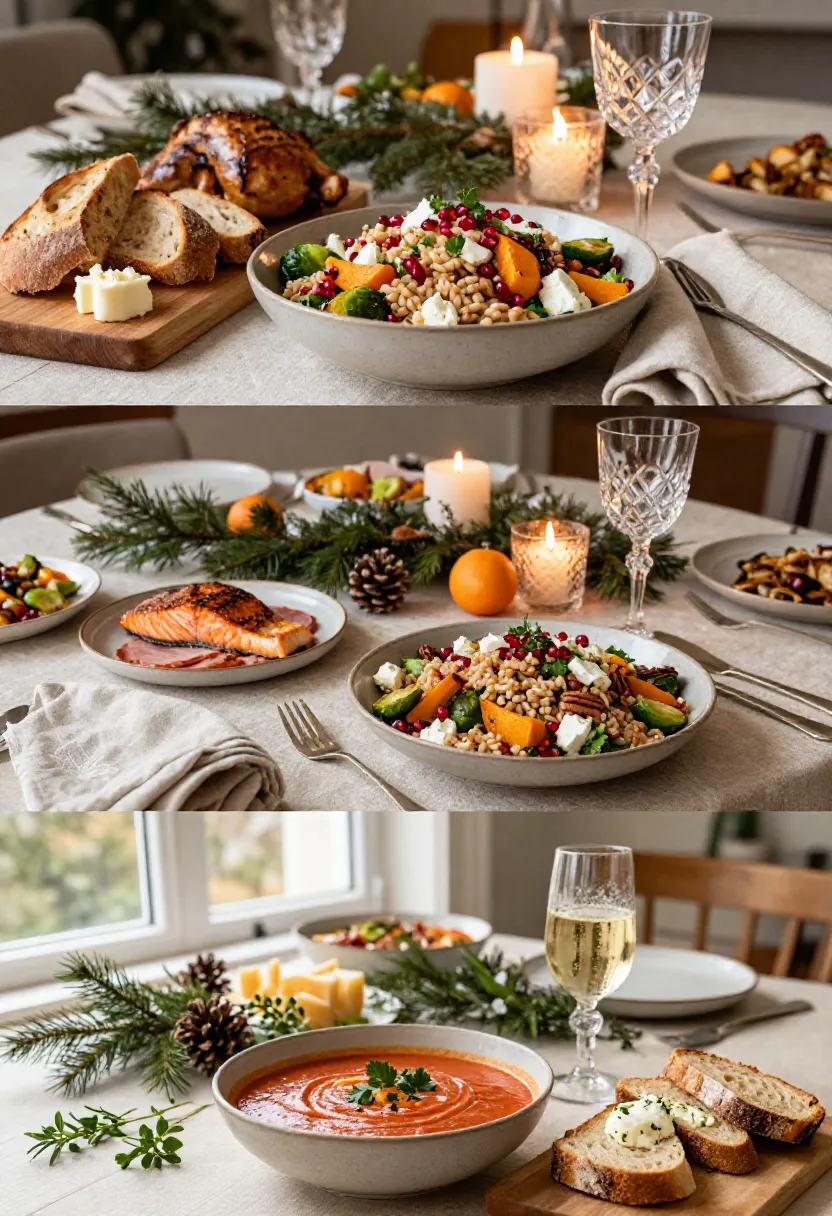
When family gathers during the holidays, this salad almost always earns a place somewhere near the center of the table. It sits comfortably beside roasted turkey, glazed ham, or prime rib without competing for attention. Instead, it gives everyone something fresh to balance the richer dishes, and I’ve noticed it’s often the bowl people return to halfway through the meal when they’re looking for another spoonful of something bright.
I also love serving it as part of a relaxed weekend lunch. Add a loaf of warm sourdough, a wedge of good cheese, a bowl of roasted tomato soup, and suddenly you’ve created one of those meals that encourages everyone to linger around the table long after lunch should have ended.
🥂 Some of my favorite pairings include:
- herb-roasted chicken or turkey;
- roasted salmon or grilled trout;
- grilled pork chops or sliced steak;
- baked ham with a light maple glaze;
- roasted tomato soup or creamy squash soup;
- warm artisan bread with whipped butter;
- Chardonnay, Pinot Gris, sparkling apple cider, or citrus-infused sparkling water.
The nice thing is that this salad never competes with what’s around it. It simply brings balance to the table. Whether you’re serving a quiet family dinner or a festive holiday feast, it adds color, texture, and freshness in a way that makes the whole meal feel more complete.
✨ Easy ways to make it your own
One of my favorite things about this recipe is that it never feels locked into one version. Once you’ve made it once or twice, you start noticing little opportunities to change it depending on what’s in season or what happens to be waiting in the refrigerator. Some of those changes become happy accidents that end up making regular appearances every winter.
The roasted vegetables are probably the easiest place to experiment. Butternut squash is wonderfully dependable, but I’ve swapped it for delicata squash, roasted sweet potatoes, and even cubes of roasted carrots when that’s what I had on hand. Each version brings its own personality, yet the warm, earthy foundation of the salad stays exactly the way I like it.
Cheese is another ingredient that’s surprisingly flexible. Feta gives the salad its signature salty contrast, but creamy goat cheese creates a softer finish that melts ever so slightly into the warm farro. Shaved Parmesan adds a nuttier flavor, while blue cheese turns the salad into something a little bolder—especially alongside toasted walnuts and extra black pepper.
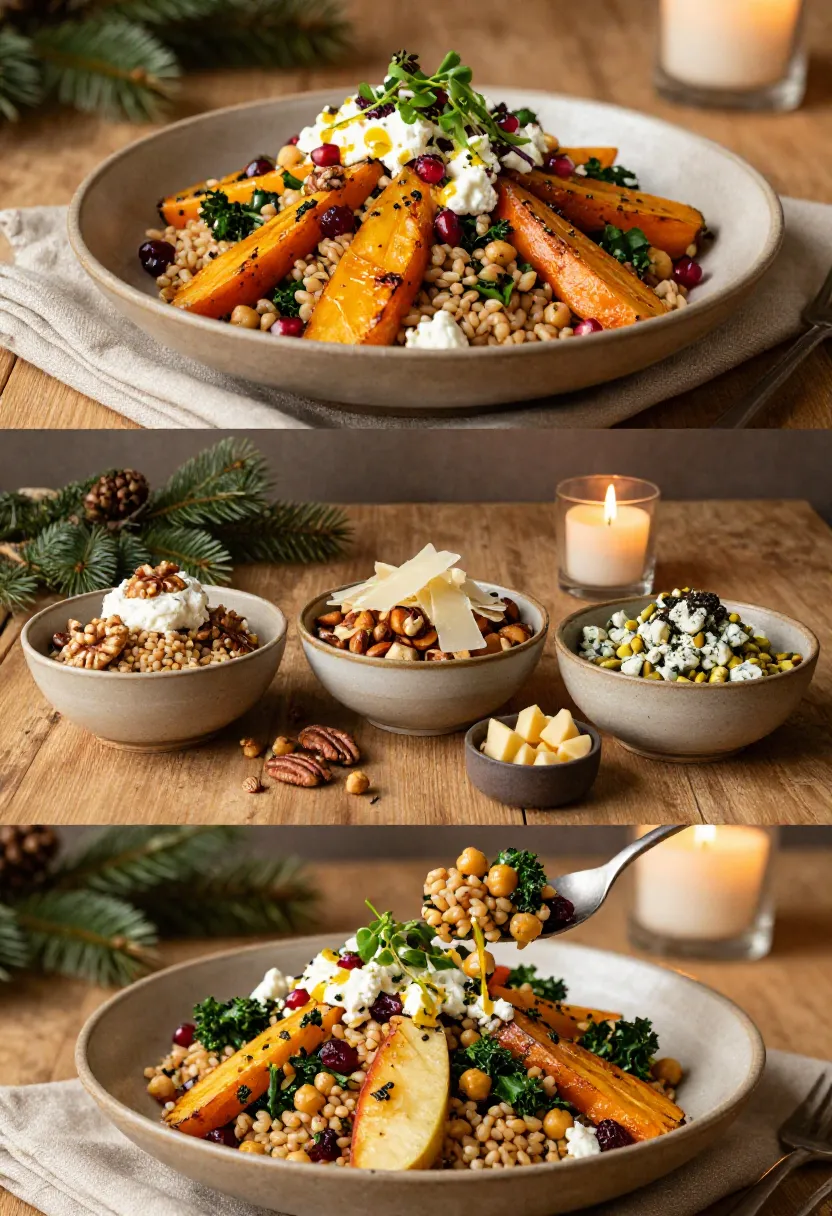
I also like changing the nuts depending on the occasion. Pecans remain my favorite because of their buttery sweetness, but toasted walnuts bring a deeper, earthier flavor that’s perfect on especially cold evenings. Pistachios make the salad brighter and more colorful, while roasted hazelnuts give it an almost festive feel around the holidays.
🍂 A few easy ways to customize this salad:
- replace butternut squash with sweet potatoes, delicata squash, or roasted carrots;
- swap feta for goat cheese, Parmesan, or blue cheese;
- use toasted walnuts, pistachios, or hazelnuts instead of pecans;
- add roasted apples or pears for gentle sweetness;
- stir in baby kale or spinach while the farro is still warm;
- finish with dried cranberries instead of pomegranate during late winter;
- add roasted chickpeas for extra texture and plant-based protein.
One of my favorite versions happened almost by accident after a holiday dinner. There were two roasted Honeycrisp apples left on the baking tray, and rather than letting them go to waste, I chopped them into the salad the next afternoon.
The apples had softened just enough to become almost buttery, adding little pockets of sweetness that worked beautifully with the citrus dressing and salty feta.
I’ve made it that way several times since.
That’s usually how the best recipe variations begin—not from carefully planning something new, but from making good use of what’s already in the kitchen.
❤️ The winter salad I look forward to every year
Every season seems to bring one recipe that quietly becomes part of your routine.
Not because anyone tells you to make it.
Simply because, somewhere along the way, you realize you’ve been craving it again.
This winter farro salad has slowly become exactly that for me.
The first bowl usually appears sometime after the holidays, when I’ve had my fill of rich casseroles and heavy comfort food but still want meals that feel warm and satisfying. Once it makes that first appearance, it tends to stay in regular rotation until the first signs of spring begin showing up at the market.
I think what keeps me coming back is how balanced it feels. It’s comforting without being heavy, colorful without trying too hard, and substantial enough to leave you completely satisfied. Every bowl is filled with ingredients that actually taste like the season they’re meant for, and that’s something I appreciate more every year.
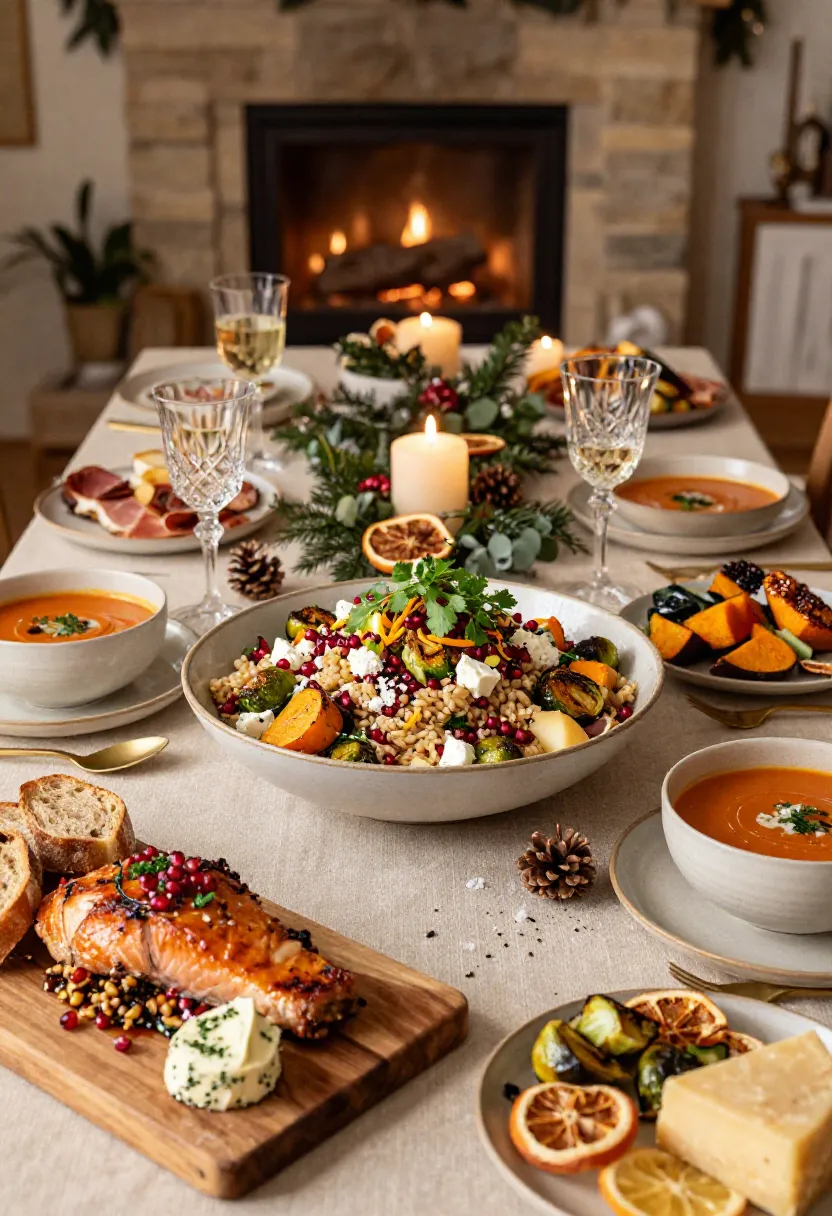
I’ve also noticed that this recipe has a way of changing people’s minds about grain salads. Anyone expecting something dry or overly healthy usually changes their opinion after the first few bites. Warm roasted vegetables, chewy farro, creamy feta, crunchy pecans, and bright citrus dressing don’t feel like compromise food. They simply taste good together.
🤎 If I had to explain why this salad returns to my table every winter, I’d probably say it’s because:
- it’s hearty enough for dinner but light enough for lunch;
- perfect for meal prep and holiday gatherings alike;
- packed with seasonal ingredients at their very best;
- easy to prepare ahead without losing its texture;
- colorful enough to brighten even the grayest winter afternoon.
Some winter recipes stay on the table for one holiday and quietly disappear until next year.
Others become part of the season itself.
This farro salad has become one of those recipes in my kitchen. It appears whenever the oven is already roasting vegetables, whenever friends gather around the table, or whenever I need a reminder that winter cooking can feel just as fresh and vibrant as anything we make in the middle of summer.
And somehow, no matter how many times I make it, the serving bowl always seems to come back just a little emptier than I expected.