
You’ve probably had that moment before. You’re standing in a store aisle or scrolling online, looking at bottles with promises like better energy, stronger immunity, healthier skin, or more balanced nutrition. And somewhere between the multivitamins, protein powders, magnesium capsules, and greens blends, one simple question starts to form: Do I actually need this, or would real food do more for me?
It’s an easy question to ask and a surprisingly hard one to answer. Supplements are often marketed as a quick way to fill nutrition gaps, and many people use them for vitamins, minerals, protein, or general wellness support. The reference article presents supplements as add-ons meant to help cover nutrient needs and also emphasizes that people should seek advice before choosing one.
But real life is rarely that neat. Some days you cook fresh meals and feel on top of everything. Other days breakfast is coffee, lunch happens late, and dinner is whatever you can pull together in ten minutes. That’s usually where the supplement question becomes personal. You’re not just asking what is healthier in theory. You’re asking what makes sense for your body, your routine, your budget, and your actual habits.
The truth is, this is not a battle between “good” and “bad.” Real food and supplements do not have to be enemies. In many cases, food should come first. In others, a carefully chosen supplement can be useful. What matters most is understanding the difference, knowing when support is helpful, and being honest about whether you need nourishment, convenience, or a little of both.
In this guide, we’re going to look at what supplements really do, where they can help, where they fall short, and why a plate of real food still offers something a pill never fully can. By the end, you’ll have a much clearer sense of what the better choice is for you — not in general, but in real everyday life.
Following your requested workflow and tone requirements.
Why So Many People Turn to Supplements

The moment you start wondering if food is enough
For a lot of people, interest in supplements does not begin with science. It begins with a feeling.
You feel tired even after a full night of sleep. Your meals have become rushed and repetitive. Your skin looks dull, your energy dips in the afternoon, or your workouts leave you feeling more drained than strong. Maybe you notice that you have been skipping vegetables, relying on takeout, or living on coffee and convenience snacks for longer than you want to admit.
That is usually the moment when supplements start to look appealing.
A small capsule or powder can seem like a simple fix for the parts of life that feel messy. It offers the comfort of structure. Even if your meals are all over the place, taking something “healthy” can make you feel like you are at least doing one good thing for your body.
And honestly, that feeling is understandable. When life gets busy, most people are not searching for perfection. They are searching for reassurance.
Common reasons people buy supplements
People reach for supplements for all kinds of reasons, and many of them sound completely reasonable at first.
Some want more energy. Others want stronger immunity, better digestion, healthier hair and skin, or help with recovery after exercise. Some people use supplements because they are trying to lose weight, build muscle, or support a specific stage of life such as pregnancy, aging, or a very stressful period.
Then there are the practical reasons.
Maybe you do not always have time to cook balanced meals. Maybe you are following a restricted diet and worry that something is missing. Maybe you are trying to eat better, but your appetite is low, your schedule is chaotic, or your grocery routine is not exactly inspiring. A protein shake or multivitamin can feel easier than planning, shopping, washing, chopping, and cooking.
There is also the emotional side of it, which people do not always talk about. Buying a supplement can feel hopeful. It can feel like a fresh start, a better habit, a cleaner version of yourself. A green powder on the counter or a new bottle on the kitchen shelf can quietly say, I’m trying to take care of myself now.
That matters too. Wellness is not only about nutrients. It is also about intention.
The promise supplements make — and why it sounds appealing
Supplements are attractive because they promise efficiency.
Why spend time figuring out how to eat more iron-rich foods when there is an iron tablet? Why think about protein at every meal when you can scoop it into a shaker bottle? Why worry about whether your week included enough nutrients when a multivitamin seems to cover everything in one go?
That kind of promise is powerful, especially when your life already feels full.
Supplements are packaged as solutions. They look neat, measured, controlled, and modern. There is no peeling, cooking, or cleanup. No wilted spinach in the fridge. No guilt about the berries you meant to eat three days ago. Just a capsule, a chewable, or a scoop that suggests health can be simplified.
And sometimes, that convenience is genuinely useful. But convenience can also blur the bigger picture.
The risk is not that supplements exist. The risk is that they can make it easy to believe that nutrition is only about isolated ingredients. You start focusing on vitamin C, magnesium, or collagen, while forgetting the deeper question: How are you actually eating day to day?
Because real nourishment is rarely built from one magic product. It is built from patterns. From breakfasts that keep you steady, lunches that satisfy you, dinners that leave you feeling cared for instead of just full. It is built from the slow, less glamorous things that do not come in shiny packaging.
That is why supplements become so popular. They offer speed, clarity, and hope in a part of life that often feels complicated. But before you decide whether they are the better option, it helps to understand what they really are — and what they are not.
What Health Supplements Actually Are
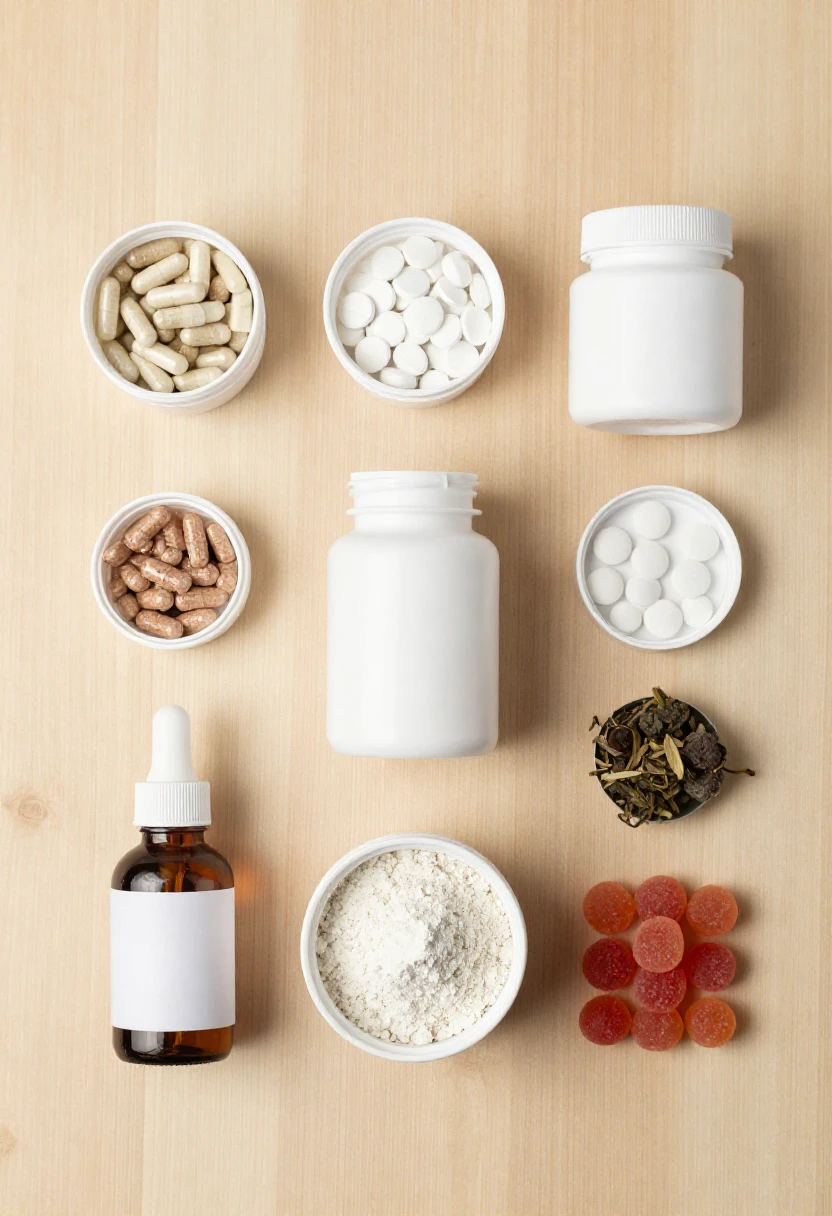
Vitamins, minerals, protein powders, herbal blends, and more
The word supplements gets used so often that it can start to sound vague, almost like one big category of “healthy stuff.” But in reality, supplements cover a wide range of products, and they are not all trying to do the same thing.
Some are very familiar:
- Vitamins like vitamin D, vitamin C, or B12
- Minerals such as iron, magnesium, calcium, and zinc
- Protein powders made from whey, pea, soy, or other sources
- Omega-3 supplements for fatty acids
- Probiotics for gut support
- Herbal blends with ingredients like turmeric, ashwagandha, or ginseng
- Meal replacement products designed for convenience rather than full meals
They come in every form you can imagine too. Capsules, tablets, gummies, powders, liquids, chewables, drink mixes, and bars. Some are marketed for very specific goals, like sleep, focus, digestion, immunity, or exercise recovery. Others are sold as all-in-one wellness support, promising to cover a little bit of everything.
That variety is part of what makes supplements confusing. Two products can sit side by side on a shelf and look equally helpful, even though one may be useful in a specific situation and the other may be mostly clever branding.
How supplements are meant to support your diet
At their core, supplements are meant to do exactly what their name suggests: supplement your diet.
They are not supposed to become the entire foundation of how you nourish yourself. Their role is usually to help fill a gap, support a particular need, or provide something that may be harder to get consistently from food alone in certain situations.
For example, someone with a confirmed deficiency may need targeted support. Someone with increased protein needs may use a protein powder for convenience. A person following a restrictive eating pattern may need help meeting specific nutrient requirements. In those cases, supplements can play a practical role.
That basic idea is also reflected in the reference article, which frames health supplements as products people use to help support the vitamins, minerals, and other nutrients their bodies need, while also stressing the importance of choosing them carefully and with guidance when possible.
Used thoughtfully, supplements can be helpful tools. The key word there is tools. A tool can be useful, but it still depends on how and why you use it.
Why “support” is not the same as “replace”
This is where people often get tripped up.
There is a big difference between supporting your diet and replacing real food with products. A supplement may give you one nutrient, or a few. Real food gives you a much broader experience of nourishment.
Think about a bowl of Greek yogurt with berries, nuts, and oats. Yes, it contains protein. But it also gives you texture, satisfaction, fiber, flavor, and the feeling that you actually ate something real. It slows you down for a moment. It fills your stomach. It becomes part of a meal.
Now compare that to swallowing a capsule or mixing a powder into water. That might be useful in certain moments, but it is not the same experience, and it does not always deliver the same benefits.
A supplement can help with one piece of the puzzle. Real food tends to do more quiet work in the background:
- It helps you feel full and satisfied
- It often contains multiple nutrients working together
- It supports healthy eating habits over time
- It brings enjoyment, routine, and real-life sustainability
That is why it helps to think of supplements as assistants, not substitutes. They may have a place in your routine, but they are not a shortcut to replacing the depth and balance that real meals can offer.
And that brings us to the most important part of this conversation: why real food still matters so much, even when supplements seem easier.
Real Food First: What Your Body Often Needs Most
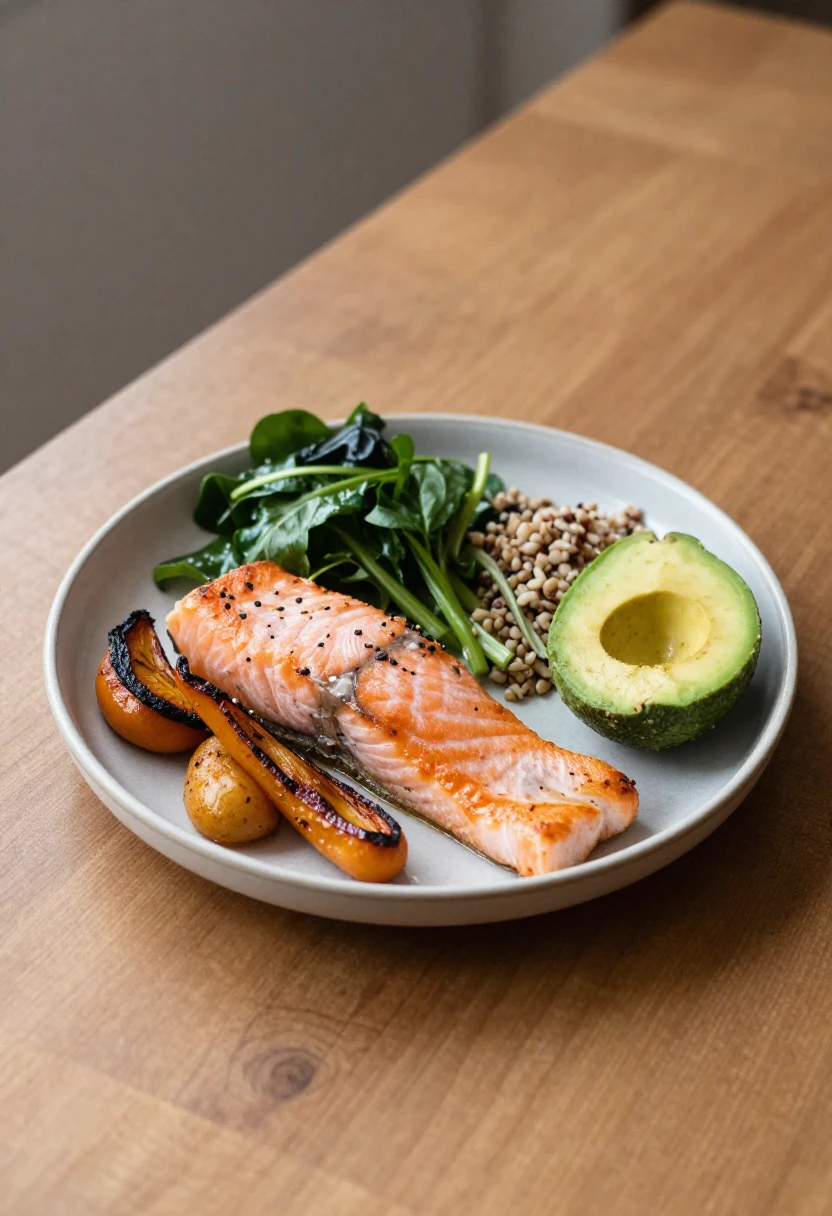
Why whole foods offer more than isolated nutrients
When you eat real food, you are usually getting more than one nutrient at a time. That matters more than it may seem.
An orange is not just vitamin C. Lentils are not just iron. Salmon is not just protein. Eggs are not just a source of B vitamins. Whole foods arrive as complete packages, carrying a mix of nutrients, textures, water, natural compounds, and energy that your body can use in different ways.
That is one reason food tends to do such a strong job of supporting health over time. It does not isolate one benefit and put it in a capsule. It gives your body a wider nutritional picture.
This is where supplements often feel a little too narrow. A tablet may deliver one vitamin very efficiently, but it usually cannot recreate the complex way real foods nourish you. Food works in layers. It supports not only your nutrient intake, but also your hunger cues, your digestion, your satisfaction, and your daily habits.
And honestly, that fuller experience matters.
There is a big difference between swallowing a supplement because you skipped breakfast and sitting down to avocado toast with eggs, fruit, and a cup of tea. One may help you feel like you checked a health box. The other actually feeds you.
Fiber, satiety, taste, and food synergy
One of the biggest things supplements cannot easily replace is the physical experience of eating.
Real food fills space in your stomach. It gives you crunch, softness, warmth, freshness, richness, sweetness, and comfort. It can leave you energized and steady instead of hungry again twenty minutes later. That sense of fullness and satisfaction is not just emotional. It is part of how your body regulates appetite and stays balanced through the day.
Then there is fiber, something many people do not get enough of and something whole foods deliver far better than most supplement routines. Fruits, vegetables, beans, whole grains, nuts, and seeds do more than carry nutrients. They help support digestion, fullness, and the kind of steady eating rhythm that makes you feel better overall.
There is also what people sometimes call food synergy — the idea that nutrients in whole foods work together in ways that isolated ingredients cannot fully mimic. You do not need to turn that into a science lecture to understand it. You can feel it in real life.
A spinach salad with olive oil, chickpeas, pumpkin seeds, and roasted vegetables does not just offer separate nutrition facts. It becomes a meal that supports you on multiple levels at once. It tastes good. It satisfies hunger. It gives your body a wide mix of helpful things in one natural setting.
That is something a handful of pills rarely manages.
What a balanced plate can do that a pill cannot
A balanced plate does not just prevent deficiencies. It helps build a lifestyle.
It teaches you what feeling nourished actually feels like. It helps you notice how your body responds to meals. It creates rhythm in your day. It often improves energy, focus, mood, digestion, and fullness in ways that are hard to get from supplements alone.
A simple balanced plate might include:
- Protein to help you stay full and support muscles
- Colorful vegetables or fruit for vitamins, minerals, and fiber
- Whole grains or complex carbs for steady energy
- Healthy fats for flavor, satisfaction, and nutrient absorption
It does not have to be fancy. It can be soup and toast with a side salad. A grain bowl with chicken and roasted vegetables. Yogurt with fruit and seeds. Rice, beans, avocado, and sautéed greens. These meals may look ordinary, but they do quiet, important work.
Supplements can support health in certain situations. But a pill cannot teach you how to build a meal. It cannot replace the comfort of warm food on a stressful day. It cannot help you reconnect with hunger, fullness, routine, and enjoyment in the same way real food can.
That is why food-first remains such a smart foundation. Not because supplements are always bad, but because your body usually needs more than a dose. It needs real nourishment, repeated often enough to become part of your life.
When Supplements Can Genuinely Be Helpful
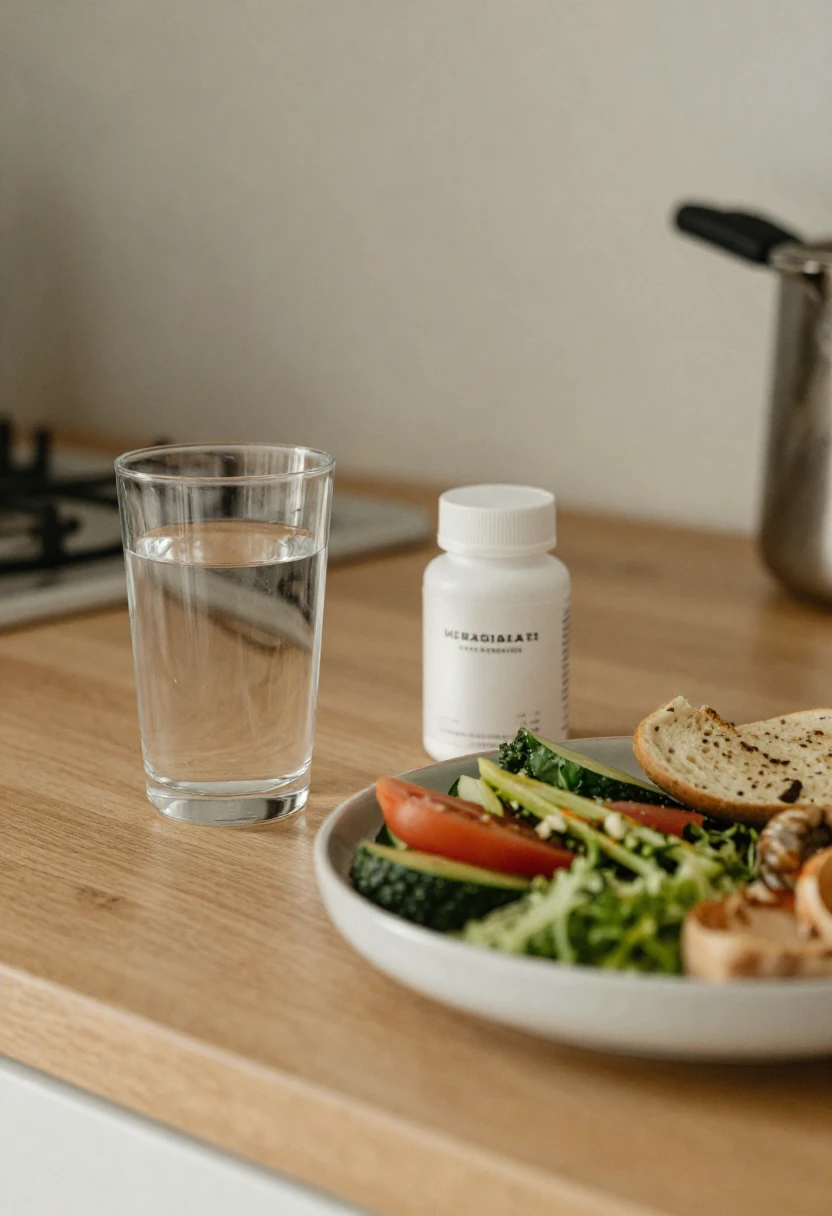
Nutrient deficiencies confirmed by a professional
This is one of the clearest cases where a supplement can make real sense.
If you have a confirmed nutrient deficiency, food still matters, but food alone may not always be the fastest or most practical way to correct the problem. In situations like that, a targeted supplement can serve a real purpose instead of becoming just another wellness purchase. The NIH Office of Dietary Supplements describes supplements as products meant to supplement the diet, and it encourages people to discuss them with a doctor, dietitian, or pharmacist so choices are based on actual needs rather than guesswork. (ods.od.nih.gov)
That difference matters more than people think.
There is a huge gap between saying, “I’ve been tired lately, maybe I need something,” and saying, “My levels are low, and I need support.” The first is a feeling. The second is information. And when you are working from real information, supplements stop being random and start becoming useful.
Life stages with higher needs
There are also times in life when your body simply needs more support.
Pregnancy is one of the best-known examples. The NHS recommends a folic acid supplement before pregnancy and through the first 12 weeks, because it can help reduce the risk of neural tube defects, and it notes that getting the recommended amount from food alone can be difficult. The NHS also notes that some people may need vitamin D supplements depending on their situation. (nhs.uk)
This is where the “food versus supplements” conversation becomes more realistic. Sometimes it is not about choosing one and rejecting the other. Sometimes it is about understanding that a good diet is the base, while a supplement helps cover a need that food may not fully meet on its own.
And that can happen in other seasons of life too. Growing children, older adults, and people going through recovery or big physical demands may need more thoughtful support than a general wellness routine provides. The point is not to panic-buy a shelf full of products. The point is to recognize that your needs are not always the same in every phase of life.
Restricted diets, low appetite, recovery, and specific health goals
Supplements can also be helpful when eating patterns make certain nutrients harder to get consistently.
For example, the NHS notes that people following a vegan diet need to pay close attention to nutrients such as vitamin B12, vitamin D, iodine, iron, calcium, and omega-3 fats. That does not mean a vegan diet is automatically unhealthy. It means planning matters, and in some cases, supplementation can be a sensible part of that plan. (nhs.uk)
There are also everyday situations that are less dramatic but still real. Maybe your appetite has been low for weeks. Maybe you are recovering from illness. Maybe your schedule is so erratic that meals are inconsistent, and you are trying to meet higher protein needs after exercise. In moments like these, a supplement can sometimes help bridge the gap while you work on rebuilding a stronger food routine.
That is the key idea to hold onto: a supplement is most useful when it solves a specific problem. Not when it is bought out of guilt. Not when it replaces the hard but important work of eating better. And not when it is used as a shortcut for habits that need more care.
When chosen with intention, supplements can absolutely help. But they work best when they are supporting a real need — not standing in for the nourishing foundation your body still depends on every day.
Signs You Should Not Self-Prescribe Random Supplements

More is not always better
This is one of the biggest mistakes people make with supplements: assuming that if a little might help, more must help more. In reality, many supplements contain active ingredients that can have strong effects on the body, and the risk of side effects goes up when you take high doses, combine multiple products, or use supplements instead of prescribed treatment. The NIH Office of Dietary Supplements notes that some supplements can increase bleeding risk, affect anesthesia, or interact with medicines in ways that cause real problems. (Office of Dietary Supplements)
And sometimes the danger is not abstract at all. Too much vitamin A can cause headaches, liver damage, reduced bone strength, and birth defects, while excess iron can cause nausea, vomiting, and damage to organs. That is why “just in case” supplementing can quietly become harmful, especially when you are not sure what your body actually needs. (Office of Dietary Supplements)
The risk of overlap, mega-doses, and unnecessary products
A lot of people do not realize how easy it is to double up. You might take a multivitamin in the morning, a magnesium blend at night, a hair-and-skin formula in between, and a fortified protein drink after a workout. On paper, each product looks harmless. Together, they can push your intake much higher than you intended. The NIH warns that vitamins, minerals, and other ingredients are often added to foods and drinks too, so you may already be getting more than you think. (Office of Dietary Supplements)
This is where a supplement routine can start to look healthy while actually becoming messy. A cabinet full of bottles can create the illusion of control, but if those products are overlapping, unnecessary, or chosen without a clear reason, they can add cost, confusion, and risk without truly improving your nutrition. That is usually a sign to pause and simplify instead of adding one more thing. (Office of Dietary Supplements)
Why labels and marketing can be misleading
Supplement packaging is often designed to make you feel safe fast. Words like natural, clean, herbal, standardized, or supports immunity can sound reassuring, but they do not automatically prove that a product is safe, effective, or even especially useful for you. The NCCIH notes that “natural” does not always mean “safe,” and it also says that terms such as standardized, verified, or certified do not necessarily guarantee product quality or consistency. (NCCIH)
There is also an important behind-the-scenes detail most shoppers never see: the FDA says it does not approve dietary supplements before they are marketed, and it generally does not review supplement claims or labeling before sale the way it does for medicines. At the same time, strong evidence behind supplement claims is often limited, and some products have even been found to contain ingredients not reflected honestly by the marketing. That does not mean every supplement is bad. It means you should read labels with a calmer, more skeptical eye and resist the urge to trust the front of the bottle more than the facts. (U.S. Food and Drug Administration)
The safest mindset is simple: do not self-prescribe based on fear, trends, or attractive packaging. If a supplement solves a real, specific need, it may be worth considering. If it is vague, stacked on top of three similar products, or bought because you feel guilty about your diet, that is usually a sign to step back.
Food vs Supplements: How to Know Which Option Fits You Best
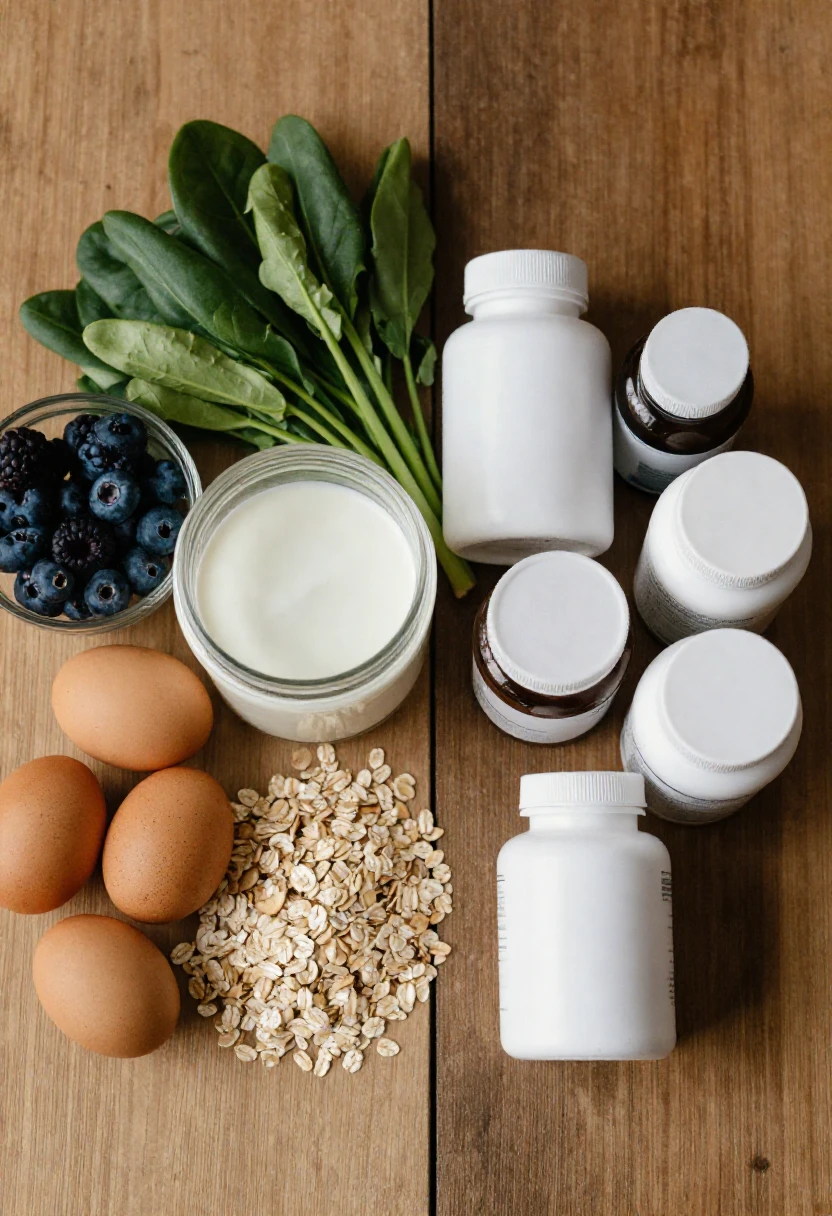
Questions to ask yourself before buying anything
Before you add a supplement to your routine, it helps to slow down and ask a few honest questions.
Not the kind of questions inspired by marketing. The real ones.
- What am I hoping this will fix?
- Do I actually know there is a gap, or am I guessing?
- Could food solve this in a simpler way?
- Am I looking for support, or am I looking for a shortcut?
- Have I been feeling off for a reason that has nothing to do with supplements at all?
Sometimes what feels like a nutrient problem is really a lifestyle pattern in disguise. You feel tired, so you assume you need vitamins. But maybe you are under-eating, skipping meals, sleeping badly, or relying on too much caffeine and not enough real food. You feel low on energy, so you buy powders and capsules, when what your body may actually need is a real lunch and a more regular rhythm.
That is not meant to dismiss how you feel. It is meant to help you look at the bigger picture before spending money on something that may not address the real issue.
Are you solving a real need or reacting to clever marketing?
This is where things get personal.
Supplement marketing is very good at taking normal human worries and turning them into product categories. Feeling tired becomes an “energy support” problem. Stress becomes a “cortisol balance” problem. Dull skin becomes a collagen issue. A busy week becomes proof that your body needs a powder, gummies, and three different capsules.
Sometimes a supplement truly is useful. But sometimes it is just dressed up to feel urgent.
A good way to tell the difference is to notice the emotion behind the purchase.
Are you choosing something because:
- you have a clear reason
- you understand what it is for
- it fits a real need in your life
Or are you buying it because:
- the label made you feel behind
- social media convinced you everyone else is taking it
- you feel guilty about your eating habits
- you want one product to compensate for a stressful routine
That second list is more common than most people like to admit.
And it makes sense. When you are tired, overwhelmed, or trying to take better care of yourself, a supplement can feel like a very manageable answer. It is much easier to order capsules than to admit you have not had a proper breakfast all week. Easier to buy a green blend than to build a dinner habit that works on busy evenings.
But the better choice is usually the one that addresses the truth of your situation, not the one that sounds the most impressive.
Building a simple decision-making framework
If you want to make this easier, think in three steps: Need, food, support.
1. Start with the need
Ask yourself what the actual issue is. Low energy? Poor meal structure? A restricted diet? A diagnosed deficiency? Recovery after illness? A specific stage of life? The clearer the need, the easier the decision becomes.
2. Look at food first
Can you improve this with real food in a realistic way?
For example:
- Low protein intake → add eggs, yogurt, beans, fish, tofu, chicken, or cottage cheese
- Low fruit and vegetable intake → build one meal a day around produce instead of trying to change everything at once
- Weak breakfast habits → choose simple repeat options you can actually maintain
- Afternoon crashes → create a more balanced lunch with protein, fiber, and healthy fats
This is often where the biggest changes happen. Not in dramatic overhauls, but in practical upgrades you can repeat.
3. Use support when it truly helps
If food alone is not enough, or if your situation is specific, then a supplement may make sense. That is where it belongs — as support, not as the main character.
A protein powder can help when meals are inconsistent or protein needs are higher. A targeted vitamin or mineral may help when there is a known gap. A carefully chosen supplement can make life easier in certain seasons. But it works best when it is built on top of a real foundation instead of trying to replace one.
The better option is not always “food only,” and it is not always “take a supplement.” More often, it is this: build your routine around real food, then use supplements carefully when there is a clear reason.
That approach is calmer, smarter, and usually much more sustainable.
How to Choose a Supplement Wisely
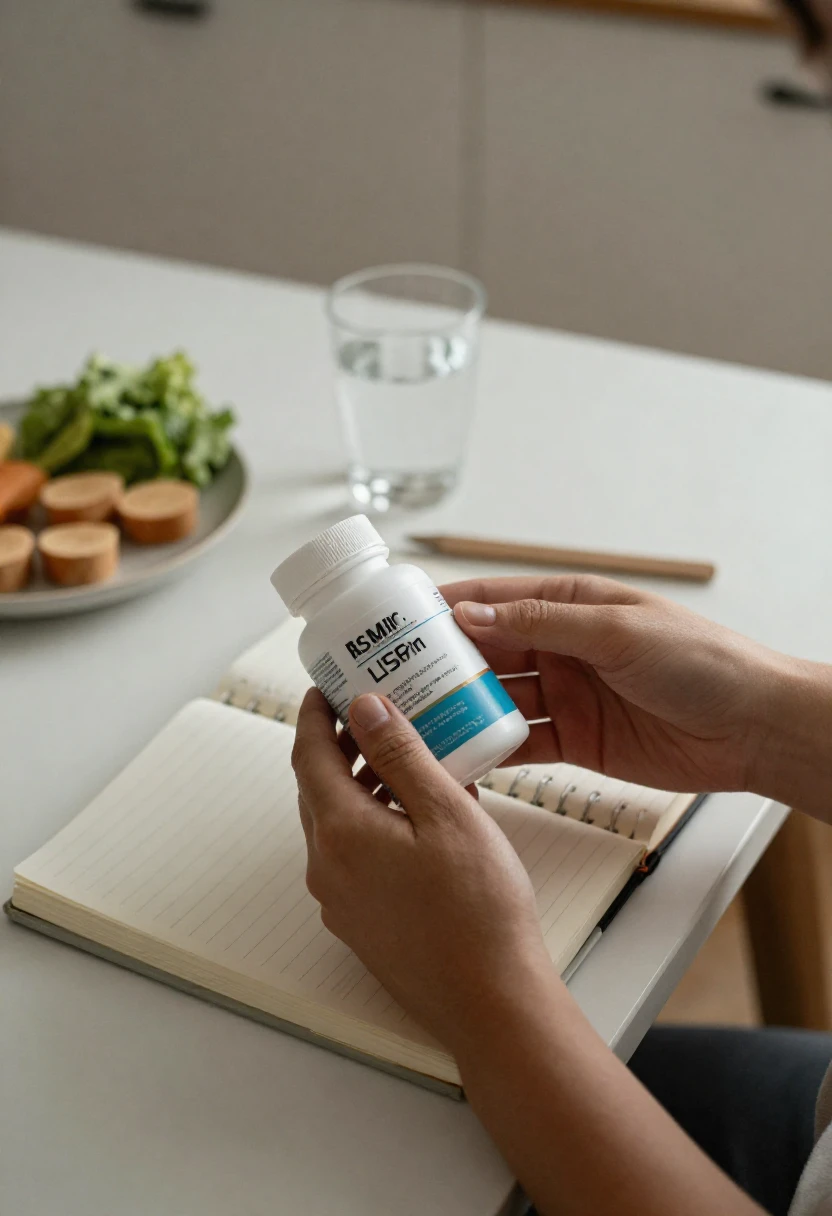
Read the ingredient list, not just the front label
The front of a supplement bottle is designed to catch your attention. It highlights benefits, clean-looking words, and reassuring phrases that make the product feel simple. But the real story is usually on the back.
That is where you want to look for the Supplement Facts panel, the serving size, the number of servings, and the exact amount of each dietary ingredient. The FDA says this panel should list those details, and except for ingredients in a proprietary blend, it should also show how much of each dietary ingredient is in a serving. That matters because a product can sound gentle and balanced on the front while delivering far more of something than you expected. (U.S. Food and Drug Administration)
This is also the moment to notice whether the formula feels clear or unnecessarily complicated. If the ingredient list is packed with overlapping nutrients, flashy extras, or vague blends that leave you guessing, that is worth taking seriously. In many cases, simpler is easier to understand and easier to use well. You want to know what you are taking and why, not feel like you need a magnifying glass and a chemistry degree just to make sense of the label.
Look for quality testing and transparent sourcing
One of the hardest parts of buying supplements is that a polished label does not automatically mean a trustworthy product. The NIH Office of Dietary Supplements notes that several independent organizations offer quality testing, and products that pass can sometimes display a seal from groups such as NSF International, U.S. Pharmacopeia (USP), or ConsumerLab. These seals can indicate that the product was properly manufactured, contains the ingredients listed on the label, and does not contain harmful levels of contaminants. But the same source also makes an important point: these seals do not guarantee that a product is safe or effective for you. (Office of Dietary Supplements)
That is why transparency matters just as much as branding. A better supplement choice usually comes from a company that clearly tells you what is in the product, how much is in each serving, and what kind of quality checks it uses. You are not looking for perfection. You are looking for fewer mysteries.
Know when professional guidance matters most
There are times when choosing a supplement on your own is probably not the smartest move.
The NIH Office of Dietary Supplements advises people not to self-diagnose and to check with a healthcare provider before taking a supplement, especially if they take medicines, use other supplements, or have health conditions. It also warns people to be particularly cautious during pregnancy or while nursing, and with children, because many supplements have not been well tested in those groups. (Office of Dietary Supplements)
In real life, that means expert guidance matters more when the situation is more specific. If you are pregnant, managing a medical condition, taking prescription medication, planning surgery, or trying to correct what you believe is a deficiency, that is the moment to stop guessing. A good supplement can be helpful. A poorly chosen one can waste your money at best and create problems at worst.
A wise approach is not dramatic. It is calm. Read carefully. Keep it simple. Look for quality. And when your situation is not straightforward, let a qualified professional help you decide what actually belongs in your routine.
The Most Common Supplement Mistakes People Make
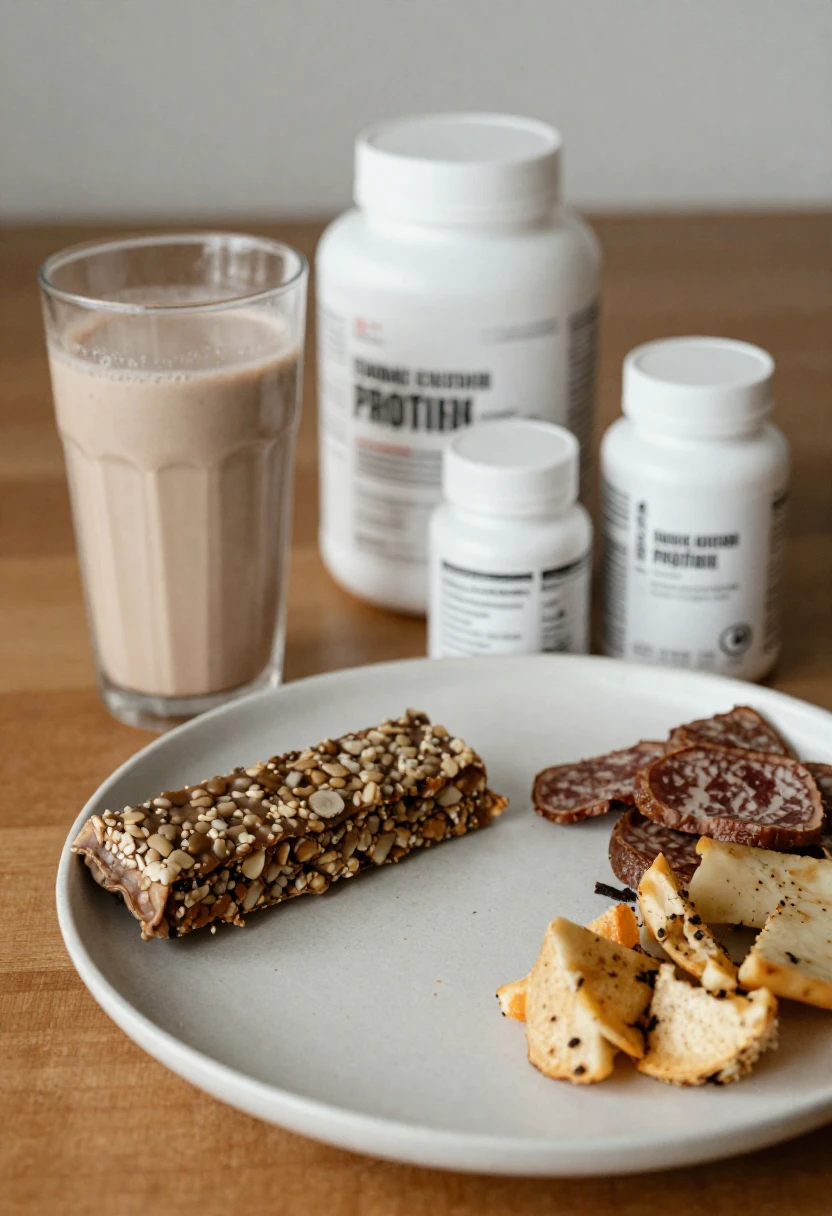
Taking too many at once
This happens more often than people realize. A multivitamin here, a magnesium blend there, a protein powder after workouts, maybe something for skin, sleep, or stress on top of that. What starts as a simple wellness routine can quickly turn into a crowded shelf of products with overlapping ingredients.
The problem is not only cost. It is confusion. The NIH and FDA both warn that some ingredients can be harmful in high amounts or when used in combination with other supplements, medicines, or even certain foods. That means piling products together “just to be safe” can quietly create the opposite result. (U.S. Food and Drug Administration)
A smarter approach is usually much simpler: know exactly why each product is there. If you cannot explain its purpose clearly, it may not belong in your routine.
Replacing meals with powders and bars
Convenience products can absolutely have a place. A protein shake after a workout, a supplement drink during a hectic day, or a nutrition bar when you are traveling can be useful in the right moment. But they become a problem when they start standing in for the variety of foods that make up a nourishing diet.
The FDA specifically advises people not to substitute a dietary supplement for the variety of foods important to a healthy diet. That is such an important reminder because a supplement may deliver isolated nutrients, but it does not fully replace the fiber, satisfaction, pleasure, and food patterns that come from real meals. (U.S. Food and Drug Administration)
If your routine depends more on shakes, bars, and powders than on actual breakfasts, lunches, and dinners, that is usually a sign to step back and rebuild a stronger food foundation.
Expecting quick results without changing daily habits
This may be the most human mistake of all.
When you are tired, stressed, or not feeling your best, it is tempting to hope one product will turn things around. A bottle feels easier than changing how you shop, cook, eat, sleep, or recover. But supplements rarely do their best work in isolation. The evidence for using supplements to prevent or treat nutrient deficiency is much stronger than the evidence for broad promises about fixing complex health problems on their own. (NCCIH)
That means a supplement may support your routine, but it usually cannot carry the whole routine for you. If your meals are inconsistent, your sleep is poor, or your diet lacks variety, no capsule can fully compensate for that.
The most effective mindset is also the least flashy: let habits do the heavy lifting, and let supplements play a supporting role when there is a real reason for them. That is slower than a miracle promise, but it is far more honest — and usually far more helpful.
A Smarter, More Balanced Approach to Wellness
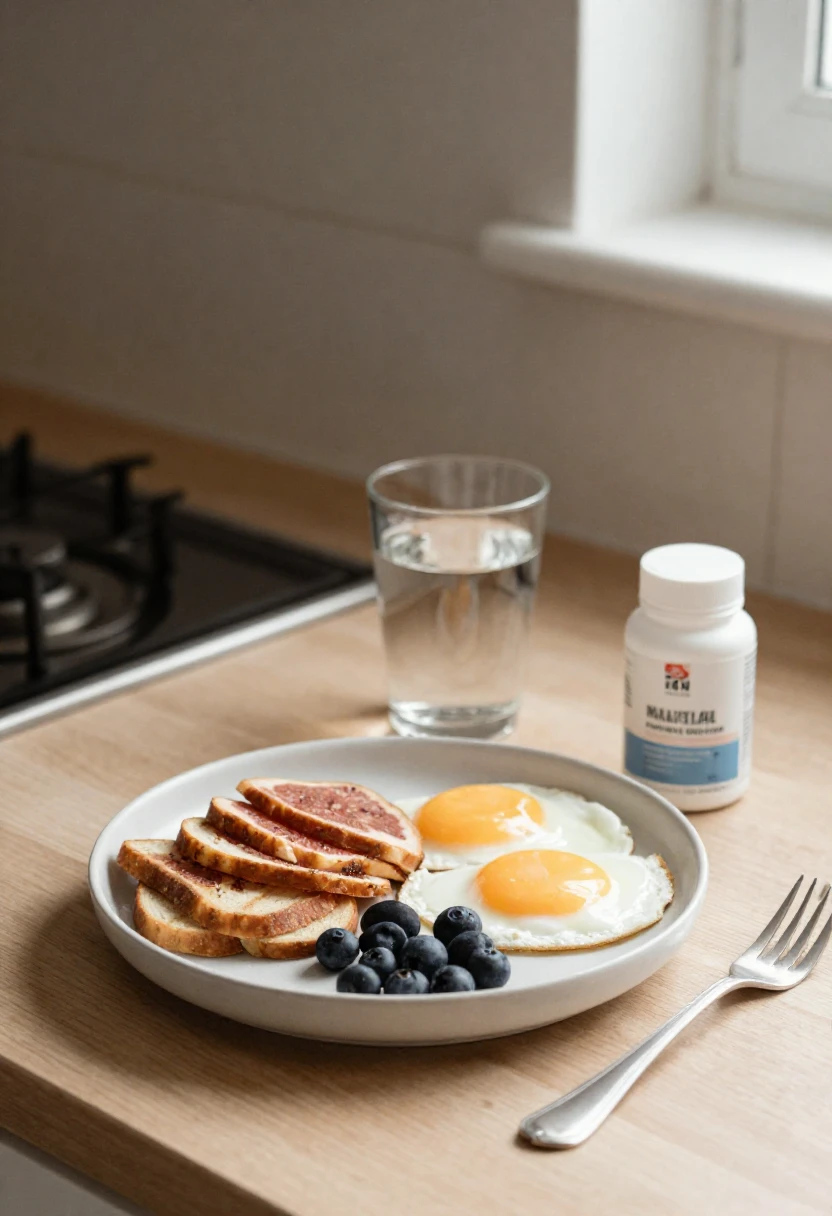
Start with food habits you can actually keep
The healthiest routine is usually not the most impressive one. It is the one you can repeat on an ordinary Tuesday when you are busy, tired, and not especially motivated.
That is why a smarter wellness approach often starts with simple food habits instead of a long supplement list. The NHS says a balanced diet includes a variety of fruit and vegetables, higher-fibre starchy foods, protein sources, and some dairy or alternatives, and it also reminds people that you do not have to get the balance perfect at every single meal—what matters is the overall pattern across the day or even the week. (nhs.uk)
That idea is incredibly freeing. It means your goal does not have to be “eat perfectly.” Your goal can be something much more realistic, like:
- keeping a few reliable breakfasts on hand
- making lunch a little more balanced
- adding vegetables to dinners more often
- choosing snacks that actually satisfy you
Those habits may sound basic, but basic habits are often the ones that quietly change how you feel.
Use supplements to fill gaps, not create dependence
Supplements make the most sense when they support a routine that already has some structure, not when they become the routine itself.
The Office of Dietary Supplements says dietary supplements are meant to supplement the diet, and Harvard’s Nutrition Source puts it plainly: supplements are generally intended to complement a healthy lifestyle, not replace core behaviors like eating well, sleeping well, and taking care of yourself consistently. (The Nutrition Source)
That is such an important shift in mindset.
A supplement can help fill a gap. It can make certain situations easier. It can support a clear need. But it should not leave you feeling like your health depends on a bottle in the cabinet. If you feel anxious without your powders, gummies, capsules, and blends—but your meals are still chaotic—that is often a sign that the balance has tipped in the wrong direction.
Real wellness usually feels steadier than that. It rests on meals, rhythms, and habits first, with supplements stepping in only where they are actually useful.
Focus on consistency, not perfection
One of the biggest reasons people give up on healthy eating is that they expect it to look perfect. They imagine clean, beautifully planned meals every day, and when real life does not match that picture, they swing back toward quick fixes.
But official nutrition guidance does not ask for perfection. The Dietary Guidelines for Americans describes a healthy dietary pattern as a customizable framework, not a rigid prescription, and the NHS makes a similar point with the Eatwell Guide by emphasizing overall balance across time rather than flawless eating at every meal. (Dietary Guidelines)
That means a more balanced wellness routine might look like this:
- mostly real meals, with room for convenience when needed
- a few smart repeat habits instead of constant overthinking
- one targeted supplement if there is a clear reason for it
- less guilt, less chasing trends, and more trust in steady routines
That kind of approach may not feel flashy, but it is usually what lasts. And in nutrition, the things that last are often the things that help most.
Who Might Benefit Most From a Food-First Plan

People with hectic schedules
When life is busy, supplements can feel like the more realistic option. And to be fair, sometimes they are convenient. But people with packed schedules often benefit the most from a food-first plan because what they usually need is not more products — it is more stability.
If your days feel rushed, eating real food can become surprisingly random. Breakfast gets skipped, lunch happens late, and dinner turns into whatever is fastest. In that kind of routine, a supplement may seem helpful, but it often does not solve the deeper problem: you are underfed, under-prepared, or relying too much on convenience without enough real nourishment.
A food-first plan helps busy people create anchors.
Maybe that means:
- keeping two or three easy breakfasts on repeat
- building simple lunches around protein, carbs, and produce
- stocking quick dinner basics like eggs, yogurt, frozen vegetables, rice, beans, or rotisserie chicken
- choosing snacks that actually hold you over instead of just filling a gap for ten minutes
That kind of structure does more for your everyday energy than a random handful of pills usually can.
Families trying to eat better on a budget
This is another group that often gets pulled toward supplements for the wrong reasons.
When you are feeding more than one person, nutrition has to be practical. It has to stretch. It has to work on ordinary grocery trips, not just in ideal wellness fantasies. And in many cases, a food-first plan is simply the better investment.
A carton of eggs, a bag of oats, beans, lentils, rice, potatoes, yogurt, bananas, peanut butter, frozen berries, canned fish, and seasonal vegetables can go much further than a collection of trendy powders and gummies. These foods are not glamorous, but they are deeply useful. They help you build real meals, real snacks, and real routines.
That matters for families because nutrition is not just about isolated nutrients. It is about teaching patterns:
- what a satisfying breakfast looks like
- how to build a balanced plate
- how to keep healthy food visible and easy to reach
- how to make everyday meals feel normal instead of complicated
Supplements may still have a place in specific situations, but for many households, the biggest win comes from making real food simpler, more affordable, and easier to repeat.
Anyone who wants simpler, calmer nutrition choices
Some people are just tired of the noise.
Tired of wondering whether they need collagen, magnesium, greens powders, probiotics, adaptogens, protein blends, or a drawer full of capsules with hard-to-pronounce names. Tired of feeling like health has become a full-time research project. Tired of buying things that promise a lot and quietly end up forgotten in the cupboard.
That is where a food-first plan can feel like a relief.
It brings you back to a few grounding questions:
- Did I eat enough today?
- Did my meals include protein, fiber, and some color?
- Am I relying on products more than actual food?
- What one food habit would make my week feel easier?
Those questions are not flashy, but they are powerful. They turn wellness into something calmer and more human. Less chasing. More noticing. Less pressure to optimize every detail. More trust in the basics.
For people who want a healthier relationship with food and wellness, that shift can be just as important as any nutrient.
A food-first plan is not about rejecting supplements completely. It is about putting them in the right place. When real food becomes the foundation, everything else gets clearer. You stop looking for magic. You start building support. And that usually leads to choices that feel better, cost less, and last longer.
Conclusion
When you strip away the marketing, the shiny labels, and the promise of an easier shortcut, the answer is usually simpler than it first seems: real food should come first.
That does not mean supplements are useless. They can be genuinely helpful in the right situation, especially when they are chosen to support a clear need. But they work best as supporting tools, not as replacements for meals, variety, or everyday nourishment. Official guidance from the NIH and FDA makes the same basic point: supplements are meant to supplement the diet, not take the place of a healthy way of eating. (Office of Dietary Supplements)
So if you have been wondering what the better choice is for you, a good place to start is not the supplement aisle. It is your real life. Your breakfasts. Your lunches. Your habits on busy days. Your energy, your routine, and the small food choices you can actually keep. That is where lasting wellness usually begins.
And then, if a supplement truly has a role to play, it can step in quietly and usefully — exactly where it belongs.
FAQ
Can supplements replace healthy meals?
Not really. Supplements can help fill certain gaps, but they are not meant to replace the variety of foods that make up a healthy diet. Real meals offer more than isolated nutrients — they also provide fiber, satisfaction, and a broader mix of nourishment that pills and powders do not fully recreate. (Office of Dietary Supplements)
Are “natural” supplements always safe?
No. “Natural” does not automatically mean safe. The NCCIH specifically warns that natural products can still cause side effects, liver injury, or other harm, and they can interact with medicines too. (NCCIH)
When might a supplement actually make sense?
A supplement may be useful when there is a clear reason for it, such as a confirmed nutrient deficiency, a specific life stage, or a diet pattern that makes certain nutrients harder to get consistently. In those cases, supplements are usually most helpful when they are chosen carefully and, when needed, with professional guidance. (Office of Dietary Supplements)
Should you talk to a professional before taking supplements?
Yes, especially if you take medications, have a health condition, are pregnant, or are thinking about using several products at once. The NIH advises checking with a doctor, dietitian, or pharmacist because supplements can interact with medicines and are not risk-free just because they are sold over the counter. (Office of Dietary Supplements)