There’s something almost comforting about chocolate before you even take the first bite. It can be the small square you reach for after dinner, the little treat tucked into a busy afternoon, or the thing that makes an ordinary day feel softer and a bit more generous. And honestly, that’s part of why people love it so much. Chocolate is not just food. It’s habit, pleasure, mood, and memory all wrapped into one.
The problem is that chocolate often gets pushed into two extreme categories: either it is a guilty pleasure you should avoid, or it is suddenly marketed as a superfood that can do no wrong. Real life sits somewhere in the middle. The healthier way to eat chocolate is usually not about giving it up. It is about choosing better chocolate, understanding what is in it, and enjoying it in a way that still feels good afterward. The reference article especially points toward darker chocolate with higher cacao, less added sugar, and fewer extras as the smarter direction.
That is good news, because it means you do not have to break up with chocolate to eat well. You just need to become a little more selective. A rich piece of dark chocolate can feel completely different from a sugary candy bar that leaves you wanting more twenty minutes later. Once you start paying attention to cacao content, ingredient quality, and portion size, chocolate becomes easier to fit into a balanced way of eating.
In this guide, we’ll talk about which chocolate is actually the better choice, what to look for on the label, what makes dark chocolate stand out, and how to enjoy chocolate in a way that feels satisfying instead of excessive. Because you deserve a way of eating that has room for pleasure too — and yes, that can absolutely include chocolate.
Why Chocolate Feels So Hard to Resist
The comfort, ritual, and craving side of chocolate
Chocolate rarely shows up in your life as “just food.” It is usually attached to a moment. Maybe it is the square you unwrap while the house finally gets quiet. Maybe it is the thing you buy at the checkout line because the day felt long and slightly annoying. Maybe it is tied to birthdays, baking bowls, holiday tins, or the smell of something warm in the oven.
That is part of why chocolate can feel so powerful. You are not only craving sweetness. You are also craving comfort, pause, reward, and familiarity. A small piece can feel soothing in a way that plain fruit or crackers often do not. It melts slowly, tastes rich, and asks you to pay attention for a second.
And honestly, that is not something you need to feel guilty about. Enjoying chocolate does not mean you are doing something wrong. It just means the experience is doing more than feeding hunger. It is giving you a little pleasure, and that matters too.
Why chocolate does not have to be an “all or nothing” food
A lot of people treat chocolate like it belongs in one of two boxes. It is either a forbidden food that ruins your healthy eating plan, or it is sold as a wellness miracle that should be eaten with zero limits. Neither approach feels especially helpful in real life.
The reference article makes a simpler point: there are healthier ways to eat chocolate, and some forms are clearly better choices than others. In other words, the goal is not to fear chocolate. The goal is to become more selective about the kind you eat and how often you eat it.
That shift matters. Because once chocolate is no longer “bad,” you can stop having that dramatic last-supper mindset around it. You do not need to eat half the bar because tomorrow you plan to be “good.” You can have a little, enjoy it properly, and move on with your day.
What “healthy chocolate” really means
Healthy chocolate does not mean chocolate with perfect marketing, fancy wrapping, or a label full of buzzwords. It usually means something much more practical: more cacao, less sugar, fewer unnecessary extras, and better overall ingredient quality. The source article especially points toward dark chocolate, raw cacao, and simpler chocolate products without added milk fats or heavy sugar as the better direction.
That is a useful way to think about it. A rich square of dark chocolate after dinner lands very differently from a highly processed candy bar that is mostly sugar with a little cocoa mixed in. One feels satisfying. The other often keeps the craving going.
So before we even talk about brands, labels, or cacao percentages, this is the real starting point: chocolate can stay in your life, but it helps to stop thinking of all chocolate as the same. That one mindset change makes every choice after it much easier.
Not All Chocolate Is Created Equal
The difference between dark, milk, and white chocolate
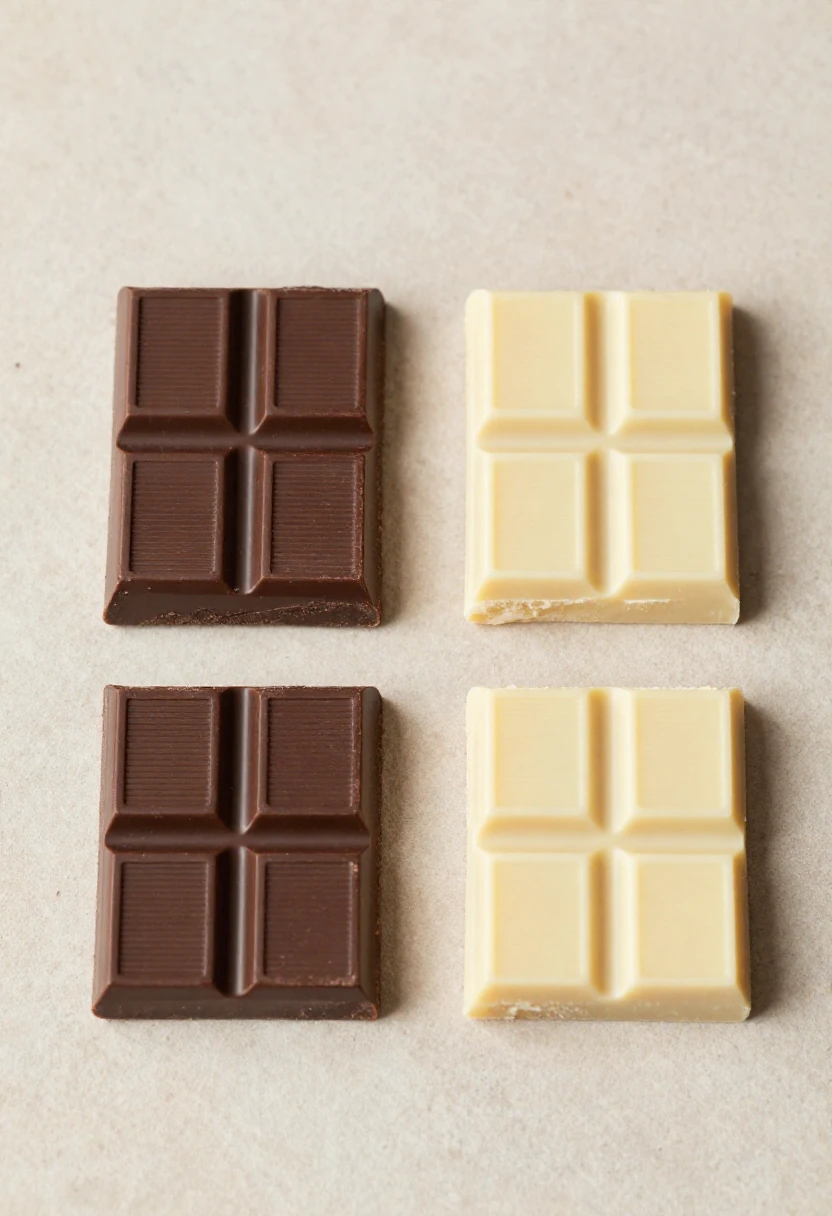
When people say they love chocolate, they can be talking about very different things. A deep, slightly bitter square of dark chocolate is not the same experience as a creamy milk chocolate bar, and neither of them is really the same as white chocolate. They may all live in the same aisle, but nutritionally and ingredient-wise, they can be far apart.
The reference article makes that distinction pretty clearly by pointing readers toward chocolate with significant cacao content, especially dark chocolate with at least 70% cacao, as the healthier direction.
Dark chocolate usually contains more cocoa solids and less sugar than milk chocolate, which is a big reason it tends to feel richer and more satisfying. Milk chocolate, on the other hand, often brings in more sugar and milk-based ingredients, which can soften the flavor but also move it further away from what makes cacao appealing in the first place. White chocolate is its own category entirely, since it does not contain cocoa solids in the same way dark chocolate does, so it is usually more about sweetness and creaminess than cacao itself.
If you have ever eaten a small piece of dark chocolate and felt surprisingly satisfied, you already know this difference in a very real way. It is denser, more intense, and less likely to disappear mindlessly while you are scrolling on your phone.
Why cacao percentage matters more than fancy packaging
Chocolate packaging can be very convincing. Words like artisan, premium, gourmet, or luxury can make a bar sound healthier than it is. But none of those words tell you what you actually need to know.
A much better place to look is the cacao percentage. The source article specifically highlights dark chocolate with at least 70 percent cacao as the healthiest form of chocolate, because higher cacao content is tied to the qualities people usually want when they are trying to choose a better bar.
That number matters because it gives you a quick clue about what the chocolate is built from. In general:
- Higher cacao usually means a more intense chocolate flavor
- Higher cacao often means less room for added sugar
- Higher cacao usually signals a product that is closer to the cacao bean itself
That does not mean every high-percentage bar will taste amazing to you. Some are smooth and layered, while others are sharp and very bitter. But if your goal is to eat chocolate in a healthier way, cacao percentage tells you far more than a polished wrapper ever will.
How added sugar changes the nutritional picture
This is where chocolate can quietly stop being a smart treat and turn into something much less balanced. The reference article warns against bar chocolates with milk, butterfat, and sugar added, noting that these extras can turn chocolate into a dense source of calories and can outweigh the benefits people are hoping to get from it.
And that makes sense in everyday life too. A chocolate bar that is mostly sugar with a little cocoa mixed in tends to do two things:
- It tastes good very fast
- It often leaves you wanting more, not less
That is a completely different experience from eating a smaller amount of a richer dark chocolate that actually feels satisfying. One feels like a quick rush. The other feels more like a deliberate treat.
So when you are choosing chocolate, it helps to ask a very simple question: am I buying chocolate, or am I buying sugar dressed up as chocolate? That one question can save you from a lot of disappointing choices.
What Makes Chocolate a Better Choice
The role of cacao and the compounds people usually want from chocolate
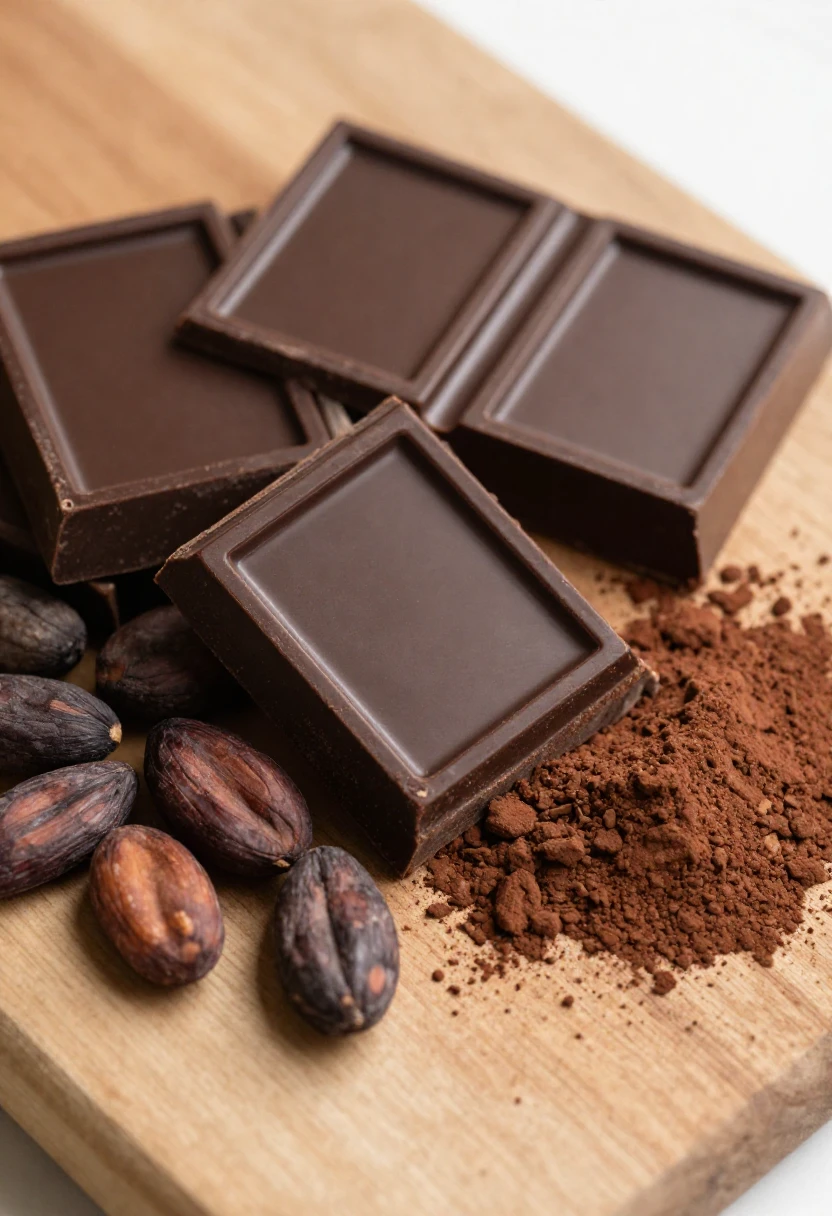
When people talk about chocolate being a smarter treat, they are usually not talking about the sweetest candy bar on the shelf. They are talking about cacao — the part of chocolate that gives it depth, bitterness, and many of the qualities that make it feel more substantial than plain sugar. The reference article frames this clearly: chocolate with significant cacao, especially dark chocolate, is the kind people usually mean when they talk about health-related benefits, and raw cacao is highlighted for its fatty acids, antioxidants, minerals, flavonols, and magnesium.
That helps explain why one type of chocolate can feel rich and satisfying, while another feels more like a quick sugar rush in a shiny wrapper. The closer a product stays to cacao itself, the more it tends to line up with the kind of chocolate this article is encouraging you to choose.
Why simpler ingredient lists usually win
A better chocolate choice is often a simpler one. The source article recommends choosing chocolate where cocoa butter and cacao are the stars, while being cautious with bars that pile on milk, butterfat, sugar, and artificial ingredients. That is a very practical rule, because once the extras start taking over, the chocolate itself becomes less central.
You can usually feel that difference even before you read the label carefully. A simpler dark chocolate tends to taste fuller, a little bolder, and more grown-up somehow. A highly processed bar often tastes sweet first and chocolatey second. And that matters, because when sweetness is doing all the work, you often end up eating more without feeling especially satisfied.
A good shopping mindset is this:
- Look for cacao and cocoa butter near the top of the ingredient list
- Be cautious with bars built around sugar first
- Treat long lists of fillers and extras as a sign to pause
It is not about chasing perfection. It is about choosing chocolate that still feels like chocolate.
How quality and portion often matter more than quantity
One of the nicest things about better chocolate is that you often need less of it. The source article points readers toward dark, more bitter chocolate as the stronger option nutritionally, and that bitterness is part of why it tends to slow you down. It is richer, more intense, and less likely to disappear by the handful without you noticing.
This is where the healthier approach starts to feel realistic instead of restrictive. You do not need a giant serving if what you are eating actually tastes satisfying. A small square of deep, slightly bitter dark chocolate after dinner can feel more complete than a much larger amount of sweet milk chocolate eaten absentmindedly in front of a screen.
That is really the shift this whole article is building toward: better chocolate is not about eating more because it sounds healthy. It is about choosing something richer, cleaner, and more intentional, so even a little feels worth it.
Why Dark Chocolate Usually Comes Out on Top
What to look for in a truly dark chocolate bar
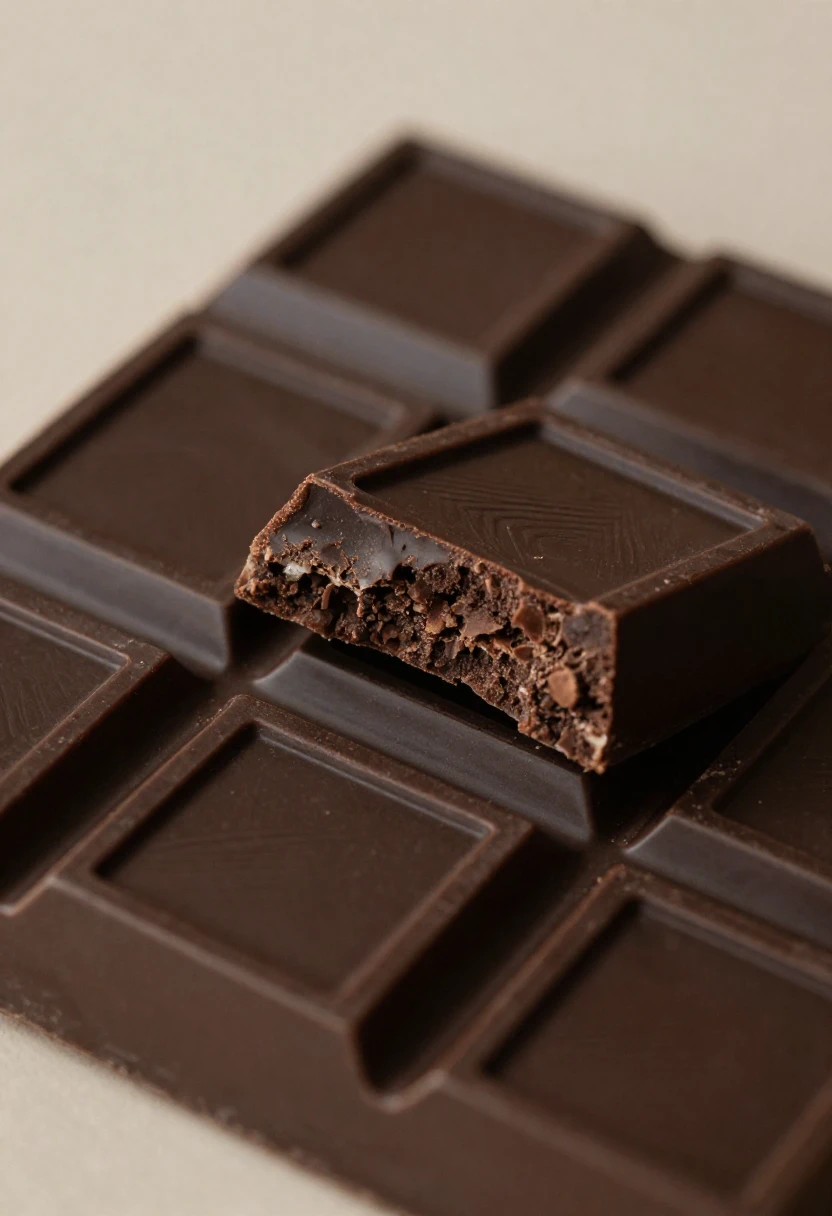
If you want chocolate to feel more like a thoughtful treat and less like candy, dark chocolate is usually where that shift begins. The reference article points to dark chocolate as the healthiest form of chocolate and says it should contain at least 70% cacao. That is a useful benchmark because it nudges you toward chocolate that is richer in actual cacao and usually lower in sugar than sweeter alternatives.
When you are standing in the store, a good dark chocolate bar usually looks simple on paper. You want the chocolate itself to be doing the heavy lifting, not a long list of sweeteners and fillers. The source also recommends bar chocolate where cocoa butter and cacao are present, while avoiding bars with butterfat, milk, and extra sugar added in.
A practical way to shop is to keep an eye on a few things:
- 70% cacao or higher is a strong place to start
- Shorter ingredient lists are usually a better sign
- Cacao and cocoa butter should sound like the main event
- Less sugar usually means a more balanced chocolate experience
That does not mean every dark bar will taste the same. Some are velvety and smooth. Others are earthy, intense, or almost fruity. But once you start choosing bars with higher cacao, you usually notice that chocolate begins to taste deeper and more satisfying.
How bitterness can be a sign of more cacao
This is the part that surprises people at first. We spend so much time around sweet chocolate that bitterness can feel like something is wrong, when really it can be a clue that you are tasting more of the cacao itself. The source article says this very directly: good chocolate is bitter, and if you want to get the most out of pure cocoa or cacao, you should be ready for that stronger taste.
Bitterness is not always harshness. Sometimes it is what makes chocolate feel layered and interesting instead of flat and sugary. It slows you down a little. You take a smaller bite. You let it melt. You notice more. That is a completely different kind of eating experience from a very sweet bar that disappears in minutes and somehow still leaves you wanting another one.
In real life, this matters because richer chocolate often makes portion control feel easier without forcing it. You are not relying on willpower quite as much. The chocolate itself is helping you slow down.
Easy ways to enjoy dark chocolate if you are used to sweeter treats
If you are used to milk chocolate, jumping straight into a very dark bar can feel like walking into cold water too fast. You do not have to turn it into a personal challenge. It is fine to ease into it.
A gentler way to start is to make dark chocolate feel inviting instead of intimidating:
- Try a bar that is just over 70% cacao before going darker
- Eat it after a meal, when you are less likely to chase sweetness
- Pair it with berries, nuts, or yogurt to soften the bitterness
- Let one or two squares melt slowly instead of chewing quickly
The source also notes that when cacao is heated, darker cocoa retains more nutrients through processing, which is another reason dark chocolate tends to come out ahead when you are choosing among more processed options.
And that is really why dark chocolate keeps winning this conversation. It is not because it is trendy or because you are supposed to pretend it tastes like dessert from childhood. It wins because it usually gives you more cacao, less sugar, more depth, and a more satisfying experience overall when compared with sweeter chocolate products.
Raw Cacao, Cocoa Powder, and Chocolate Bars Explained
What raw cacao is and why some people prefer it
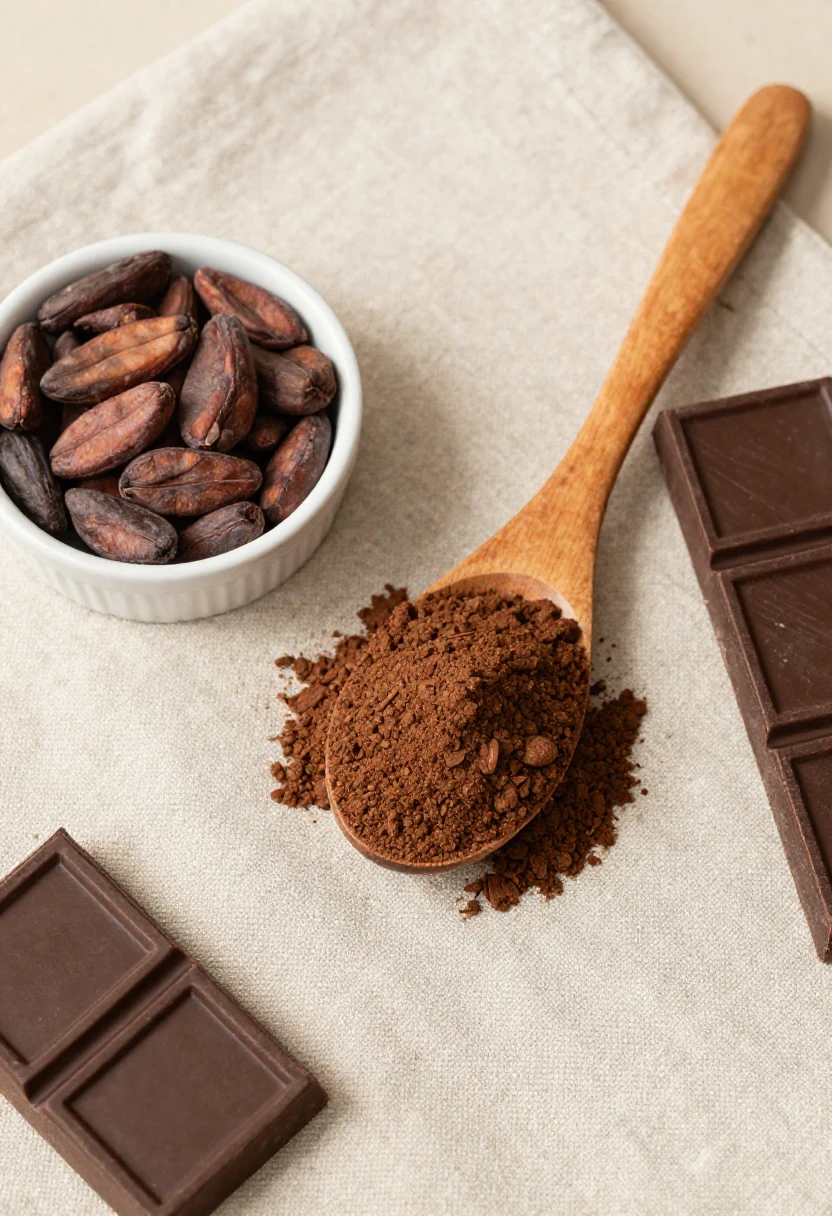
The reference article treats raw cacao as the strongest option if you want the most direct, least-fussy form of chocolate. It describes raw cacao as a way to get chocolate’s healthy fats along with antioxidants, minerals, flavonols, and magnesium, which is why it presents raw cacao as the “best way” to have chocolate when you can manage it.
That does not mean raw cacao has to become your whole personality or that you need to start eating bitter spoonfuls of powder to be healthy. It just means that when chocolate stays closer to the cacao bean, it often stays closer to the qualities people are actually looking for. Raw cacao feels less like candy and more like an ingredient with some depth to it.
For a lot of people, raw cacao makes the most sense in small everyday ways:
- stirred into oatmeal
- blended into a smoothie
- mixed into energy bites
- sprinkled into homemade yogurt bowls
It is a practical kind of chocolate, not a dramatic one.
Cocoa powder vs cacao powder: what is the real difference
The source article draws a simple line here. It says that if you are buying chocolate in powder form, it should be processed directly from cacao beans, and it also suggests that once cacao is heated, darker cocoa retains more nutrients throughout processing.
So in the spirit of this reference piece, the difference is less about trendy packaging and more about how close the product stays to cacao itself. Cacao powder fits the article’s “less processed, closer to the bean” mindset, while cocoa powder can still be a solid option, especially when you choose a darker version and keep an eye on how heavily it has been processed.
The easiest way to think about it is this:
- Cacao powder fits the article’s more natural, minimally altered direction
- Cocoa powder can still work, especially if it is dark and simple
- The more processing and extras involved, the further you usually move from the article’s idea of healthier chocolate
And honestly, this is one of those places where common sense helps. If the powder is mostly there to add a chocolate note to your breakfast or baking, great. If it is loaded with sugar and flavorings, that is a different product entirely.
When a chocolate bar makes more sense than powders or nibs
Not everybody wants chocolate as a wellness ingredient. Sometimes you just want a piece of chocolate after dinner, and that is completely fair. The article makes room for that too. It says that if you are choosing bar chocolate, you should skip bars with butterfat, milk, and added sugar and instead choose chocolate built around cocoa butter and cacao.
That is a helpful reminder because powders and nibs are not always the most realistic answer. A good chocolate bar can be the better choice when you want:
- a simple dessert
- a small satisfying treat
- something you can portion easily
- chocolate that feels enjoyable, not medicinal
The trick is making sure you are choosing a bar that still lines up with the healthier direction of the article. That usually means darker chocolate, fewer extras, and less sugar crowding out the cacao.
So no, you do not need to live on cacao nibs to eat chocolate well. Sometimes the healthiest choice is simply the one that fits your real life and still keeps the focus on actual cacao instead of added sweetness and filler ingredients.
Ingredients That Can Make Chocolate Less Healthy
Added sugar and why it adds up fast
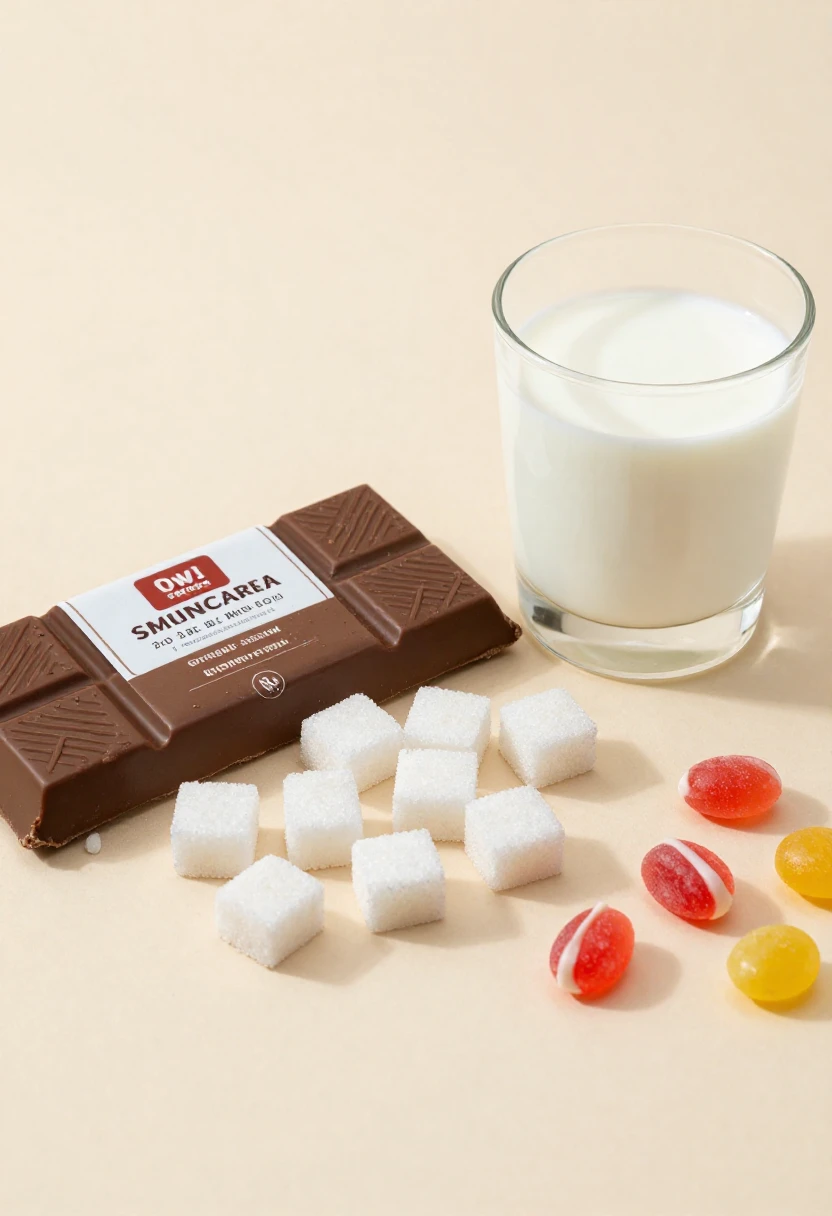
Sugar is usually the first thing that quietly changes chocolate from a satisfying treat into something that feels more like candy. The reference article is very clear on this point: when you choose bar chocolate, added sugar can tip the balance in the wrong direction, turning chocolate into a much heavier source of calories and crowding out the qualities people are actually looking for in cacao.
You can feel that difference in real life. A very sweet chocolate bar often gives you that quick, happy first bite, but then it keeps pulling you back for more. It does not always feel rich or grounding. It just feels easy to keep eating. That is why better chocolate often feels less dramatic and more steady. It tastes like chocolate first, not sugar first.
A simple rule that helps:
- Less added sugar usually means a more balanced bar
- More cacao flavor usually means a more satisfying bite
- Very sweet bars are often harder to stop eating mindlessly
Healthy chocolate does not need to taste punishing or joyless. But it should still taste like chocolate.
Milk fats, fillers, and heavily processed extras
This is another place where chocolate can slowly drift away from being a smart choice. The source article recommends skipping bar chocolates with butterfat or milk added, and it also warns against letting artificial ingredients pile up around the cacao. Its reasoning is simple: those extras can outweigh the benefits people hope to get from chocolate in the first place.
That does not mean every ingredient beyond cacao is automatically bad. It means the more a bar relies on creamy fillers, added fats, and sweet extras, the less it tends to feel like a clean, cacao-forward product. You start with chocolate, and somewhere along the way it becomes dessert candy in disguise.
When you read a label, it helps to pause and ask:
- Is this built around cacao and cocoa butter?
- Or is it built around sugar, milk solids, and filler ingredients?
That tiny pause at the shelf can save you from a lot of chocolate that sounds luxurious but is really just overbuilt.
What Dutch-processed chocolate means for everyday choices
Dutch-processed chocolate sounds elegant, and in baking it definitely has its place. But the reference article specifically says it is not the healthiest form of chocolate. It explains that Dutch processing uses an alkaline base to make chocolate less acidic, and that this processing causes chocolate to lose a lot of flavonols, which the article treats as part of what makes chocolate appealing from a health perspective.
For everyday eating, that means this: if your goal is to choose chocolate that stays closer to the qualities of cacao itself, the reference article would push you away from Dutch-processed options and toward darker, simpler chocolate instead.
You do not need to overcomplicate it. The general pattern is enough:
- More processing often means more distance from the original cacao
- More added milk, sugar, and filler ingredients usually means a less balanced bar
- Simpler, darker chocolate is usually the cleaner choice
And honestly, that is the heart of this section. Chocolate does not usually become less healthy because of one dramatic thing. It happens through small additions — a little more sugar, a little more milk fat, a little more processing — until the cacao is no longer the main character.
How to Read a Chocolate Label Like You Know What You’re Doing
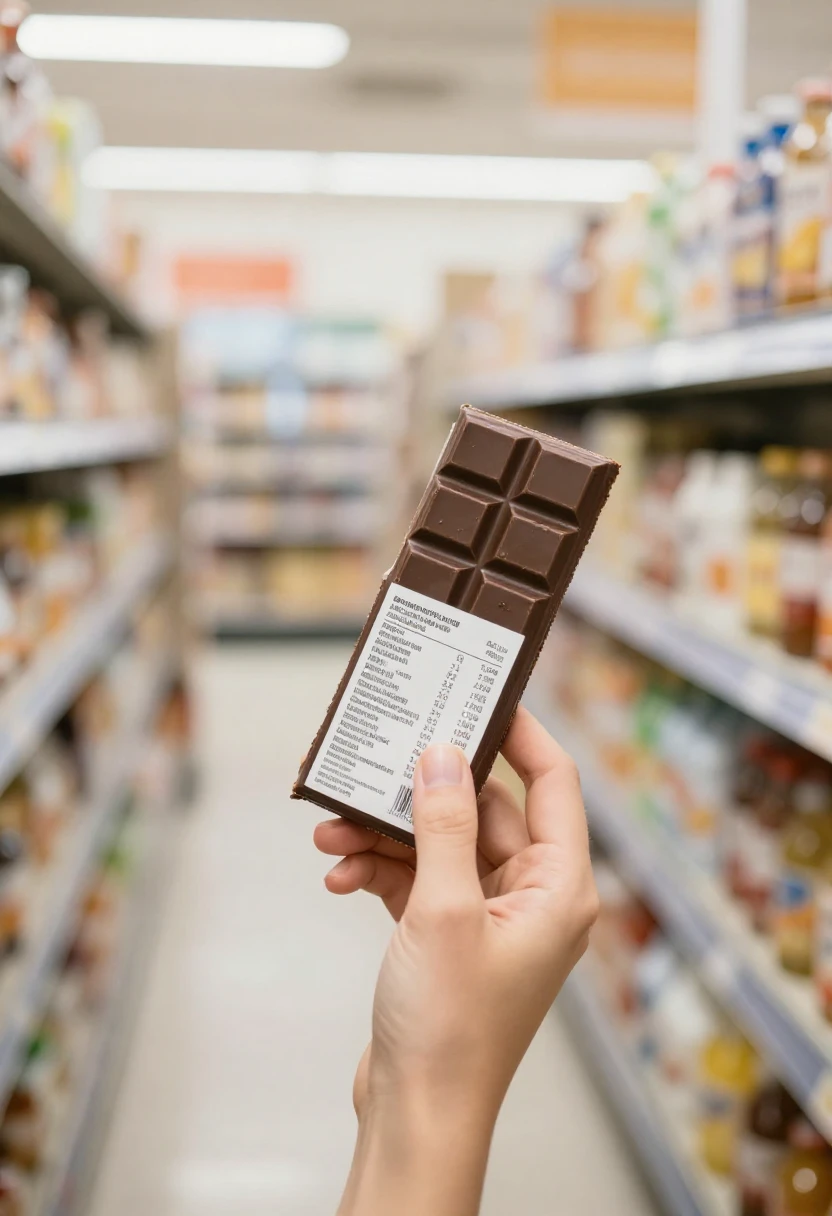
The first three ingredients to check
A chocolate label can look polished and impressive, but the real story is usually in the ingredient list. The reference article keeps coming back to one simple idea: if you want healthier chocolate, look for products built around cacao and cocoa butter, not bars weighed down by milk, butterfat, sugar, and artificial extras.
So when you pick up a bar, start by scanning the opening ingredients with one question in mind: Does this sound like chocolate, or does it sound like dessert filler pretending to be chocolate?
A smarter bar usually points you toward ingredients like:
- cacao
- cocoa mass or cocoa solids
- cocoa butter
A less balanced bar often leans harder on:
- sugar
- milk solids
- butterfat
- long lists of added flavorings or artificial ingredients
The source also recommends choosing chocolate that is organic and, when you are buying powders or nibs, looking for products processed directly from cacao beans. That fits the same overall pattern: the closer the product stays to cacao itself, the more it lines up with the healthier direction of the article.
Red flags hidden behind “premium” or “gourmet” wording
This is where chocolate gets sneaky. A wrapper can say premium, luxury, artisan, or gourmet and still give you a bar that is mostly sweetness, milk, and extras. The reference article never treats branding as proof of quality. Instead, it points readers back to what actually matters: cacao percentage, ingredient simplicity, and the absence of added milk, butterfat, and excess sugar.
That is a good rule to keep in your back pocket, especially when packaging starts doing a lot of emotional work. Fancy gold foil does not tell you whether the chocolate is a better nutritional choice. Neither does a pretty picture of cacao pods on the front.
A few quiet red flags are worth watching for:
- the bar sounds luxurious, but the cacao content is low
- the ingredient list reads more like a candy bar than chocolate
- sweetness and creamy fillers seem to matter more than cacao
- the bar is Dutch-processed, which the source says is not the healthiest option because that processing can reduce flavonols
In other words, trust the label details more than the mood the packaging is trying to sell you.
A quick shopping checklist for better chocolate
If you do not want to stand in the aisle overthinking every bar, keep it simple. The source article gives enough direction to turn healthier chocolate shopping into a quick habit: choose dark chocolate with at least 70% cacao, consider organic options, choose raw cacao when that fits your routine, go for darker heated cocoa, and avoid Dutch-processed chocolate along with bars loaded with milk, butterfat, sugar, and artificial ingredients.
Here is the practical version:
- Choose dark chocolate, ideally 70% cacao or higher
- Look for cacao and cocoa butter as central ingredients
- Go organic when possible
- Choose raw cacao for powders, nibs, or simple recipes if you enjoy it
- Expect some bitterness in more cacao-rich chocolate
- Skip Dutch-processed options if your goal is a less altered form of chocolate
- Put back bars with lots of sugar, milk, butterfat, or artificial extras
That is really all you need. You do not have to memorize every label term or turn chocolate shopping into homework. Once you know what better chocolate tends to look like, the decision gets much easier — and a lot less influenced by shiny packaging.
The Healthiest Ways to Enjoy Chocolate at Home
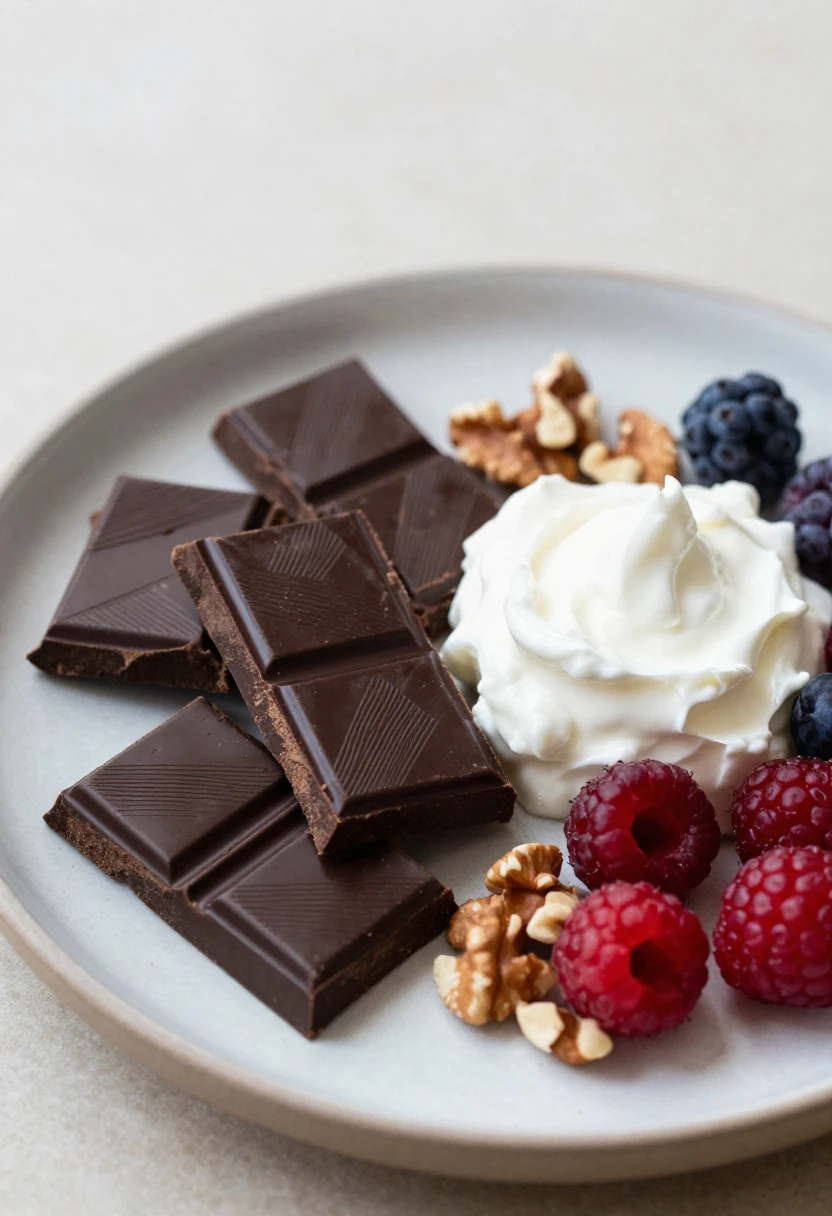
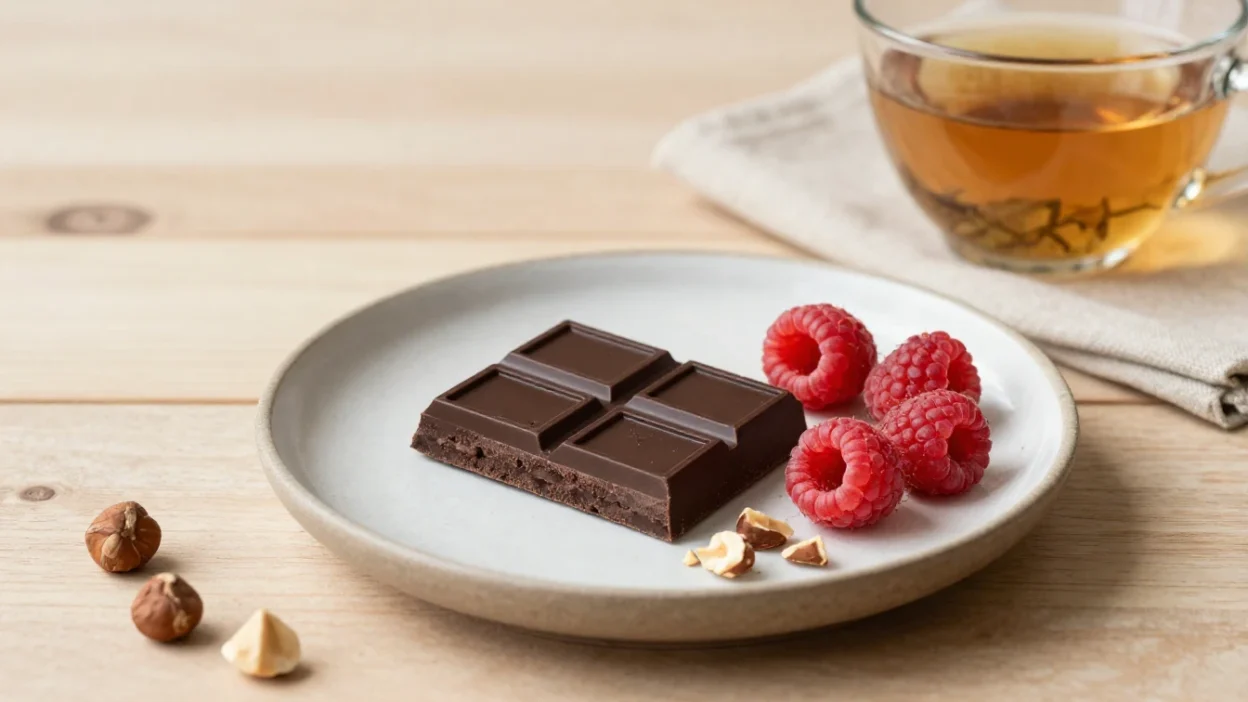
Pairing dark chocolate with fruit, nuts, or yogurt
One of the easiest ways to make chocolate feel more balanced at home is to stop treating it like a lonely, last-minute snack. When you pair a small amount of dark chocolate with something naturally satisfying, it starts to feel less like a sugar hit and more like a real treat you chose on purpose.
This works especially well with things that already feel simple and familiar:
- sliced strawberries or raspberries
- a handful of almonds or walnuts
- plain or lightly sweetened Greek yogurt
- apple slices with a few dark chocolate shavings on top
The idea is not to make chocolate boring. It is to make it feel a little more complete. A square of dark chocolate next to berries can feel fresh and rich at the same time. A few chopped pieces over yogurt can turn an ordinary snack into something that feels almost dessert-like, but still calm and balanced.
And this direction fits the spirit of the reference article well. It keeps the focus on darker chocolate with more cacao, while naturally helping you avoid the milk-heavy, sugar-loaded bar situation the article warns against.
Using cacao in smoothies, oats, and homemade snacks
Chocolate also becomes much easier to work into everyday eating when you think of it as an ingredient, not only a packaged treat. The source article specifically recommends raw cacao when possible and says that cacao powder should be processed directly from cacao beans. It also notes that darker heated cocoa retains more nutrients through processing.
That opens up a lot of easy, real-life options at home. You can stir cacao into foods you already make instead of always reaching for a bar. For example:
- blend cacao powder into a banana smoothie
- add a spoonful to overnight oats
- mix it into chia pudding
- use it in homemade energy bites
- stir a little into plain yogurt with cinnamon
This kind of chocolate use feels different. It is softer, more everyday, and less likely to send you into that “well, I already started, so I may as well keep going” mood that can happen with ultra-sweet snacks. You still get the flavor and comfort of chocolate, but in a form that feels steadier.
How to build a satisfying treat without turning it into a sugar bomb
This is the part that makes the whole healthier-chocolate idea actually work. A satisfying treat usually has enough flavor, enough richness, and enough intention to make a small portion feel like enough. A sugar bomb does the opposite. It is loud at first, then weirdly unsatisfying, and suddenly half of it is gone.
The source article keeps the formula pretty simple: choose chocolate with at least 70% cacao, expect a bit of natural bitterness, avoid Dutch-processed chocolate, and skip bars weighed down by milk, butterfat, extra sugar, and artificial ingredients.
At home, that can look like this:
- one or two squares of dark chocolate after dinner
- dark chocolate with berries and nuts on a small plate
- Greek yogurt with cacao and cinnamon
- warm oats with cacao and banana instead of a frosted pastry
- homemade trail mix with just a few dark chocolate pieces, not a bag full of candy-coated extras
The small details matter more than people think. Put the chocolate on a plate. Sit down for it. Let it melt a little. Taste it properly. That sounds almost too simple, but it changes the experience. When chocolate feels intentional, you usually need less of it to feel happy.
And honestly, that may be the healthiest shift of all. Not making chocolate forbidden. Not pretending it is a magic health food. Just learning how to enjoy it in a way that still feels good afterward.
How Much Chocolate Is Reasonable
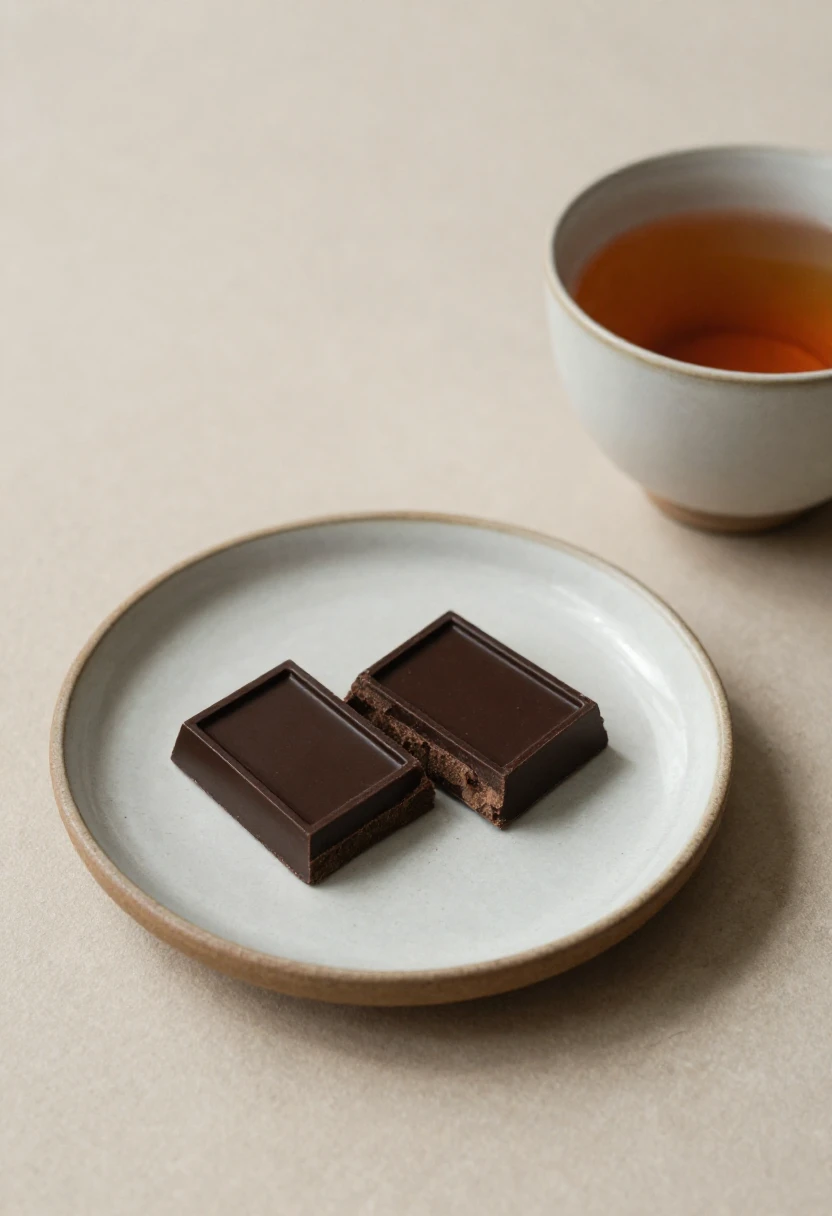
Why a small portion can feel more satisfying than mindless snacking
One of the most useful things about choosing better chocolate is that you usually need less of it. The reference article keeps steering you toward dark chocolate with at least 70% cacao, along with the idea that good chocolate is often more bitter and more cacao-forward. That richer taste naturally slows you down and can make a small portion feel more complete than a big serving of very sweet chocolate.
You can feel this difference pretty quickly in real life. A couple of squares of dark chocolate after dinner often feels deliberate and satisfying. A soft, sugary chocolate snack eaten straight from the package tends to disappear without much thought. It is not only about calories. It is about how the chocolate behaves once you start eating it.
That is why portion size becomes easier when the chocolate itself has more depth. You are not trying to force moderation with sheer discipline. The flavor is helping you stop.
Daily chocolate habits that feel balanced, not restrictive
A balanced chocolate habit usually looks simple, not strict. It is less about rules and more about rhythm. The source article suggests choosing chocolate with significant cacao, avoiding bars loaded with milk, butterfat, sugar, and artificial ingredients, and treating darker, simpler chocolate as the better everyday option.
That can turn into a very realistic routine:
- one or two squares after a meal
- dark chocolate with fruit or nuts instead of a large dessert
- cacao in oats or yogurt when you want chocolate flavor in a steadier form
- buying smaller bars so your portion is built in
The goal is not to act like chocolate needs to be earned. It is to make it ordinary enough that it stops feeling chaotic. When chocolate has a place in your routine, it usually loses some of that frantic “eat it now before you regret it later” energy.
Signs your chocolate routine may need a reset
Chocolate stops feeling balanced when it becomes automatic, oversized, or weirdly unsatisfying. If you are reaching for it several times a day without really tasting it, or if sweeter bars leave you craving more instead of feeling content, that is usually a sign that the type of chocolate or the way you are eating it needs a little adjustment.
The reference article gives a helpful framework for that reset: move back toward dark chocolate, choose products centered on cacao and cocoa butter, and avoid bars weighed down by added sugar, milk, butterfat, and heavy processing, including Dutch-processed chocolate if your goal is the least altered option.
A reset does not have to be dramatic. Sometimes it is just:
- switching from very sweet chocolate to a darker bar
- serving a small portion on a plate instead of eating from the wrapper
- pairing chocolate with something simple like berries or yogurt
- noticing whether you actually want chocolate, or just want a break
That is the real sweet spot: enough chocolate to enjoy, not so much that it stops feeling good. And for most people, that ends up being less about a perfect number and more about choosing chocolate that is rich enough, satisfying enough, and intentional enough that a little genuinely feels like enough.
When Chocolate Stops Being a Healthy Choice
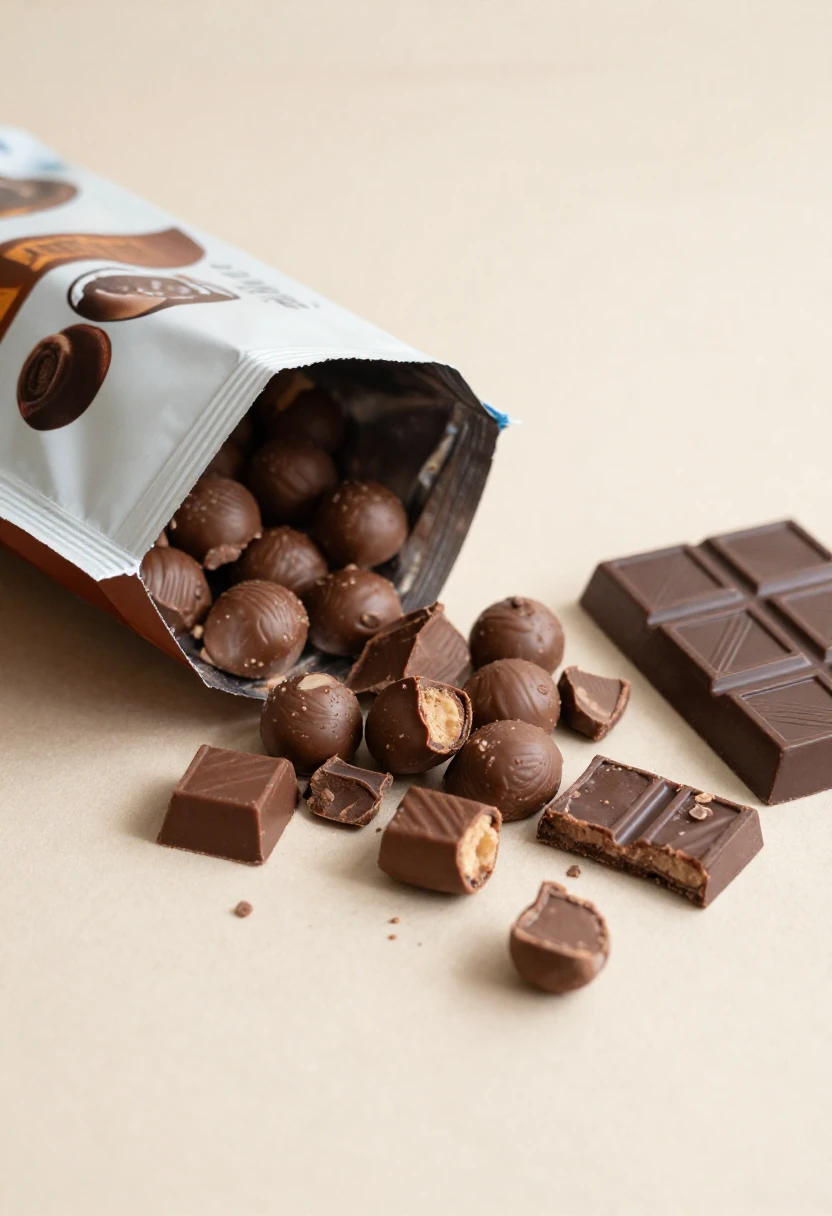
Dessert marketing vs real nutrition
Chocolate stops being a healthy choice when the wrapper is doing more work than the ingredients. The reference article keeps the standard surprisingly simple: better chocolate should center cacao, lean toward dark chocolate with at least 70% cacao, and avoid loading the product with milk, butterfat, sugar, and artificial extras.
That matters because a lot of chocolate is marketed in a way that sounds nourishing, premium, or even a little virtuous, while the actual ingredient list tells a different story. A glossy package can make a bar feel elevated, but if it is mostly sweetness, added fats, and fillers, it is no longer the kind of chocolate this article is encouraging you to choose.
This is the quiet turning point: chocolate stops acting like a rich, satisfying treat and starts acting more like candy when cacao becomes secondary. And once that happens, it is much easier to eat a lot without feeling especially content afterward.
Emotional eating, late-night snacking, and oversized portions
Chocolate is not a problem because it tastes good. It becomes less healthy when it turns into something automatic — the snack you reach for without tasting, the late-night handful that turns into half a bar, the reward that shows up every time you feel tired, stressed, or irritated.
The source article does not spend time on emotional eating directly, but its advice points toward a helpful solution: choose bitter, darker, more cacao-rich chocolate, because that kind of chocolate naturally asks you to slow down more than sweet, milk-heavy bars do. It also warns that added sugar and milk can turn chocolate into a huge reserve of calories, which is exactly why oversized portions get so easy with sweeter products.
You can usually tell when your chocolate habit has drifted a little if:
- you eat it straight from the package without noticing how much is gone
- you want something sweet, not necessarily chocolate itself
- the bar feels easy to overeat because it is more sugary than satisfying
- chocolate has become your default answer to stress, boredom, or exhaustion
None of that means you need a dramatic reset. It just means the way you are eating chocolate may no longer be supporting the balanced, intentional approach you actually want.
How to enjoy chocolate without guilt or overdoing it
The healthiest relationship with chocolate is usually not built on guilt. It is built on clarity and choice. The reference article’s core message is that there is a healthier way to eat chocolate: go for organic options when possible, consider raw cacao, choose dark cocoa if heated, expect some natural bitterness, avoid Dutch-processed chocolate if you want the least altered option, and skip bar chocolates loaded with milk and sugar.
In real life, that can look very calm and realistic:
- buy better chocolate, not just more chocolate
- keep portions small and deliberate
- eat it when you can actually taste it
- choose chocolate that feels rich enough to satisfy you
- let it be a pleasure, not a food you swing between worshipping and regretting
That is where chocolate stays in the healthy zone. Not because it becomes a miracle food, and not because you never have more than a perfect amount. It stays there because you stop treating all chocolate as equal and start choosing the kind that still feels like chocolate first — deep, slightly bitter, cacao-forward, and worth slowing down for.
A Simple, Real-Life Approach to Eating Chocolate Well
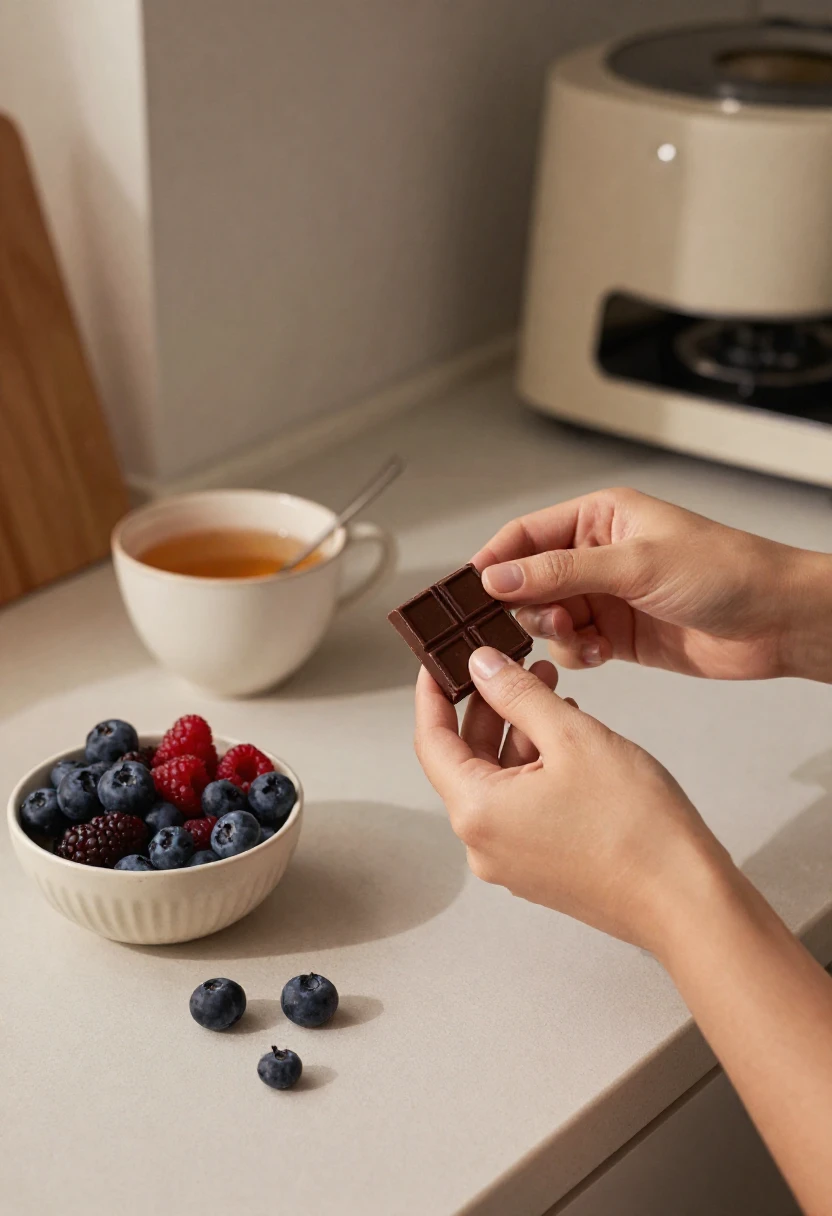
Choose better chocolate, not perfect chocolate
A healthy way to eat chocolate does not begin with perfection. It begins with better choices. That is what makes the reference article feel practical. It is not asking you to swear off chocolate or pretend that cravings disappear when you start eating well. It is simply pointing you toward better forms of chocolate — more cacao, less sugar, fewer unnecessary extras, and less processing when possible. That includes choosing dark chocolate with at least 70% cacao, considering raw cacao, and being cautious with bars that lean heavily on milk, butterfat, sugar, and artificial ingredients.
That mindset is a relief, honestly. Because most people do not need a stricter food life. They need a more realistic one. You do not have to become the kind of person who only eats unsweetened cacao nibs and talks about antioxidants at parties. You just need to get a little pickier about the chocolate you bring into your kitchen.
That might mean:
- choosing a small dark chocolate bar instead of a giant candy-style one
- keeping cacao powder on hand for oats, smoothies, or yogurt
- skipping bars that are mostly sugar and creamy filler ingredients
- getting comfortable with chocolate that tastes a little more deep and bitter, and a little less like frosting
That is not perfection. That is just a smarter default.
Make it intentional, slow, and enjoyable
One of the healthiest things you can do with chocolate has nothing to do with nutrition labels. It is slowing down enough to actually enjoy it. Richer chocolate naturally helps with that because it has more presence. The reference article even notes that good chocolate is bitter, which means it is not built for fast, mindless eating in the same way ultra-sweet chocolate often is.
And that changes everything.
When you eat chocolate intentionally, a small amount starts to feel more generous. You notice the texture. You notice the way it melts. You notice when you have had enough. That sounds simple, but it is often the difference between feeling satisfied and feeling like you somehow missed the moment even after finishing a large serving.
A few habits can make chocolate feel more intentional right away:
- break off one or two pieces instead of bringing the whole bar with you
- eat it after a meal or as part of a planned snack
- pair it with berries, yogurt, or nuts if you want it to feel more balanced
- sit down for it instead of eating it absentmindedly while doing three other things
Chocolate is one of those foods that rewards attention. And once you start giving it that attention, you often need less to enjoy it.
A realistic takeaway you can actually stick with
If this whole article had to come down to one real-life takeaway, it would be this: keep chocolate, just upgrade the way you choose it.
The source article gives a clear path for doing that. Choose organic chocolate when possible, look for dark chocolate with 70% cacao or more, consider raw cacao for the least altered option, go for darker cocoa if it has been heated, and avoid Dutch-processed chocolate along with bars loaded with milk, butterfat, extra sugar, and artificial ingredients.
That may sound like a lot when you list it out, but in practice it becomes very simple:
- buy chocolate with more cacao
- buy chocolate with less sugar
- choose chocolate with fewer extras
- enjoy small amounts on purpose
- let chocolate be part of your life, not a fight inside your head
Because that is the healthiest approach in the long run. Not fear. Not obsession. Not calling chocolate “bad” one day and “clean” the next. Just knowing what makes one option better than another, and choosing the kind that leaves you feeling good when the moment is over.
Chocolate can absolutely fit into a balanced way of eating. You do not have to give it up. You just have to stop letting the sweetest, most processed version of it make all the decisions.
Conclusion
Chocolate does not have to be the thing you “quit” to eat well. In fact, a healthier chocolate habit is usually much simpler than that. It starts with choosing better chocolate — more cacao, less sugar, fewer unnecessary extras — and enjoying it in a way that feels satisfying instead of automatic.
A small piece of dark chocolate after dinner, a spoonful of cacao in your oats, or a simple chocolate-and-berries snack can absolutely fit into a balanced routine. The goal is not perfection. It is learning how to keep chocolate in your life without letting the sweetest, most processed version of it take over.
When you choose chocolate with a little more care, you get to keep the pleasure and feel better about the choice afterward. And honestly, that is the kind of healthy eating most people can actually live with.
FAQ
Is dark chocolate really healthier than milk chocolate?
Usually, yes. Dark chocolate tends to contain more cacao and less sugar, which makes it a better choice than milk chocolate in most cases. The reference article especially recommends dark chocolate with at least 70% cacao.
How much chocolate can you eat and still keep it balanced?
For most people, a small portion works best — something like one or two squares of a rich dark chocolate bar. The exact amount matters less than the habit. If the chocolate is satisfying and intentional, you are much less likely to overdo it.
What should I look for on a chocolate label?
Look for chocolate that focuses on cacao and cocoa butter, and be cautious with bars that are heavy in sugar, milk, butterfat, and artificial extras. Higher cacao percentage and shorter ingredient lists are usually a good sign.
Is raw cacao better than regular chocolate?
According to the reference article, raw cacao is one of the best options because it stays closer to the cacao bean and provides the qualities people usually want from chocolate in a less altered form. It can be a great choice in smoothies, oats, yogurt, or homemade snacks.