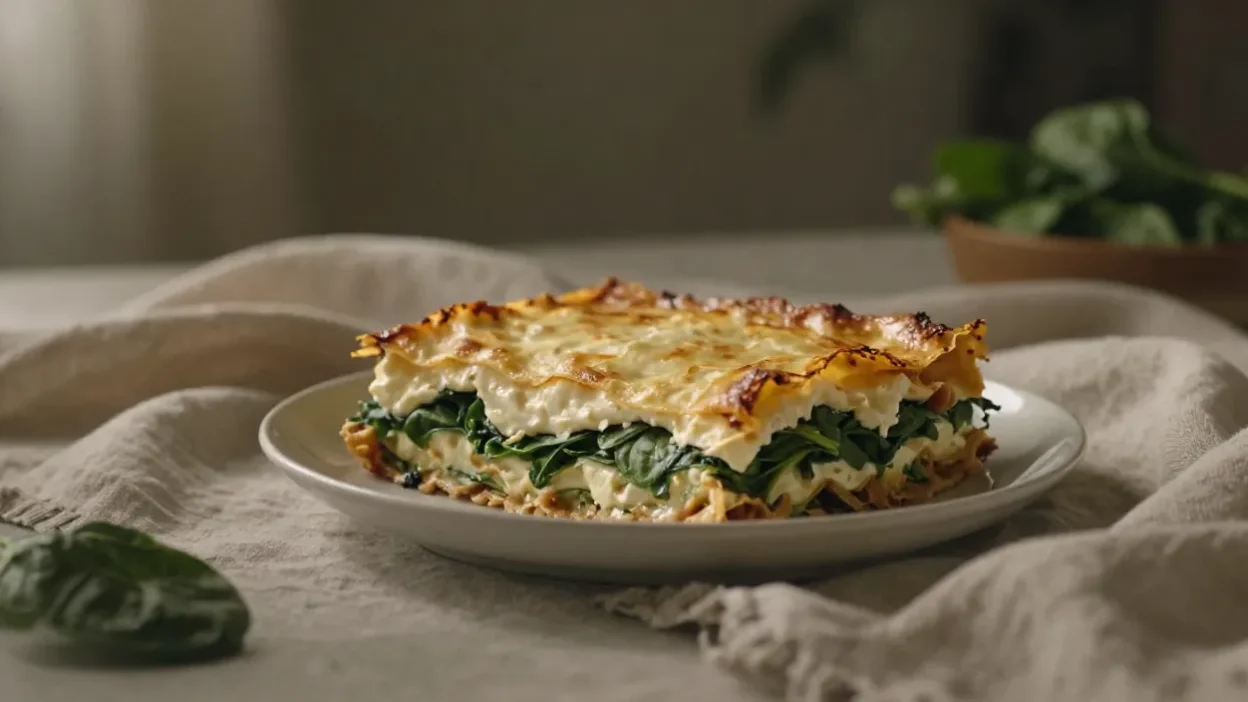
Not every comforting dish has to be heavy, packed with meat, or overloaded with cream to feel satisfying. In fact, some of the most memorable meals are built on surprisingly simple combinations — the kind you don’t overthink while cooking, but end up thinking about later. Spinach and ricotta lasagne fits right into that space. It’s soft, layered, gently creamy, and comforting without crossing that line where you feel like you’ve eaten too much.
There’s also something very “real life” about it. It doesn’t feel like a special-occasion dish that requires perfect timing or expensive ingredients. You can make it slowly, without rushing, maybe with music playing in the background, or even while being a bit distracted. And somehow, it still turns out good. That’s part of its charm.
It works in different situations too, which is probably why people keep coming back to it. You might cook it when you need something reliable, or when you want to share food that feels homemade without being complicated. Or honestly, sometimes it’s just about the leftovers — because this is one of those dishes that settles overnight and tastes slightly better the next day. Not dramatically different, just… deeper, more blended.
What really makes it stand out is the balance it manages to achieve without making a big deal out of it. It doesn’t rely on strong, dominant flavors to carry the dish. Instead, everything is softer, more layered. The ricotta melts into the pasta and smooths everything out, while the spinach quietly adds depth in the background. You don’t get one sharp flavor — you get a combination that feels complete. And that’s often more satisfying in the long run.
🍝 The Story Behind the Layers
Lasagne is one of those dishes that people think of as traditional, but if you look a little closer, it’s actually incredibly flexible. It’s less about a fixed recipe and more about a method — layering ingredients in a way that creates something cohesive by the time it comes out of the oven.
At its core, it’s simple: pasta, filling, sauce. But within that structure, there’s a lot of room to adapt. Different regions, different families, even different moods can change what goes into those layers. That’s probably why lasagne has lasted so long — it’s easy to adjust without losing its identity.
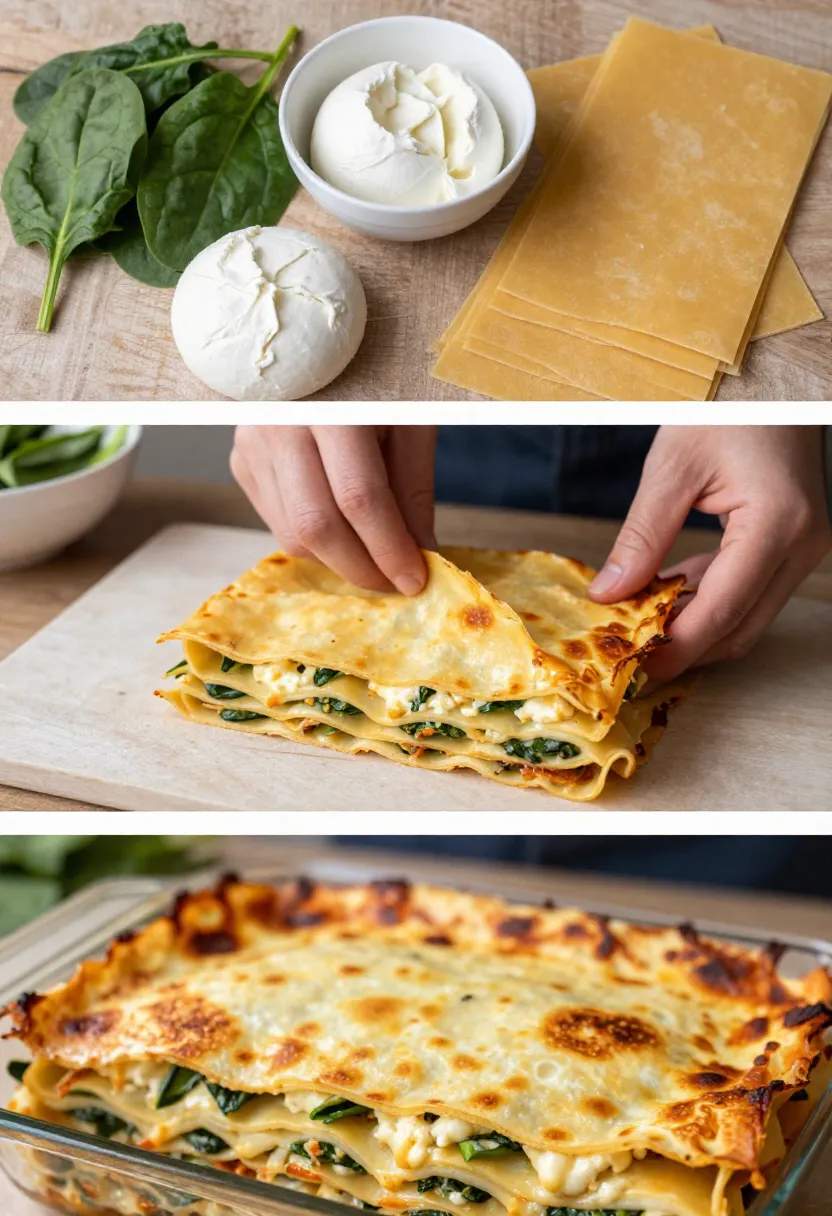
The spinach and ricotta version feels like it came from practical cooking rather than careful planning. It’s the kind of dish that makes sense when you think about what’s available. Greens, cheese, pasta — nothing complicated, but together they create something that feels complete. In many traditional kitchens, especially across Italy, dishes like this weren’t considered alternatives to meat-based meals. They were simply part of everyday cooking.
Over time, this variation has moved far beyond its origins. Now you’ll find it in all kinds of places, from casual home kitchens to more polished restaurant menus. The way it’s prepared can vary quite a bit, but the idea stays the same.
Some common differences you’ll notice include:
- rustic versions with generous layers and a bit more sauce
- more structured versions with cleaner, defined layers
- additions like béchamel for extra richness
- or simpler approaches that let the ricotta filling do most of the work
Even with all these variations, the core idea doesn’t really change. It’s still about taking a few ingredients that work well together and layering them in a way that feels natural, not forced.
🧀 Why Spinach and Ricotta Feel So Right Together
There’s a reason this combination shows up so often in different dishes. It’s not just about tradition or habit — it actually works on multiple levels, even if you don’t immediately notice it.
Ricotta is soft, mild, and slightly sweet. It doesn’t try to dominate the dish, which is exactly why it works so well here. It creates a kind of neutral, creamy base that smooths everything out. On its own, it might feel a bit too subtle, but that’s where spinach comes in.
Spinach adds contrast. It has a light bitterness and an earthy flavor that cuts through the richness of the cheese. Not in a sharp or aggressive way — more like a quiet balance that keeps things from becoming too heavy. When the two are combined, especially after baking, the result feels both light and satisfying at the same time.
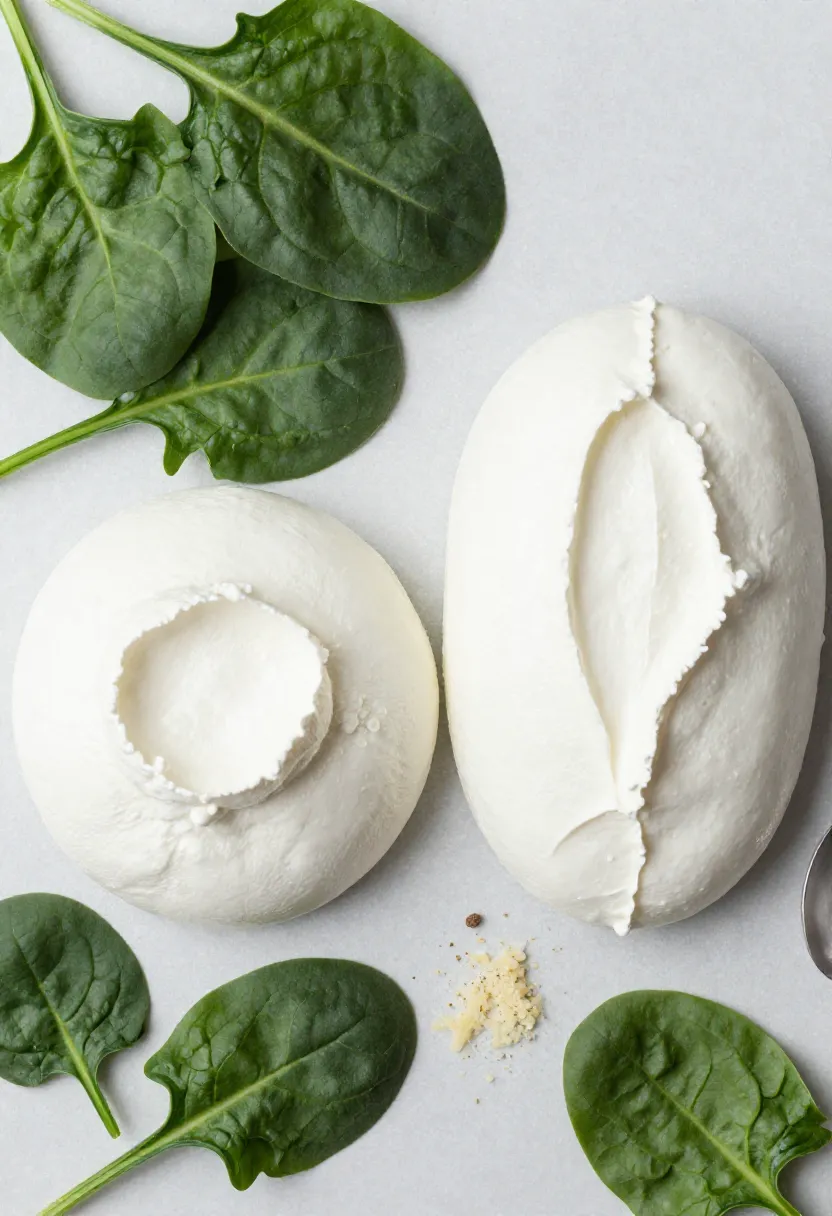
Texture plays a bigger role than people usually expect. The ricotta mixture softens and almost becomes airy in the oven, especially if it’s mixed well beforehand. The pasta layers give structure, holding everything together so it doesn’t fall apart when you cut into it. And then there’s the sauce, which connects all the layers and keeps them from feeling dry.
A few small details can really affect how everything comes together:
- spinach needs to be properly drained, otherwise the filling becomes watery
- ricotta should be creamy, not overly wet or grainy
- seasoning matters more than it seems, especially salt and a small pinch of nutmeg
- the amount of sauce should be balanced — enough to keep things moist, but not so much that the layers lose structure
None of these steps are difficult, but skipping them changes the final result more than people expect. When everything is done right, the lasagne feels cohesive — not too heavy, not too light, just balanced in a way that makes you want another bite without really thinking about it.
🧾 Ingredient Roles at a Glance
| Ingredient | What it does in the dish | Why it matters in the final result |
|---|---|---|
| Ricotta cheese | Adds creaminess and softness | Forms the base of the filling |
| Spinach | Brings depth and slight bitterness | Balances the richness of the cheese |
| Tomato sauce | Adds moisture and acidity | Connects all the layers |
| Lasagne sheets | Provides structure | Keeps the dish stable and sliceable |
| Cheese topping | Adds flavor and texture | Creates that golden, slightly crisp top |
Send the next part when you’re ready — we’ll keep building it in the same tone 👍
🍅 Spinach and Ricotta Lasagne Recipe
There’s something quietly satisfying about this version of lasagne. It doesn’t try to impress with complexity, yet it still delivers a deep, well-rounded flavor that feels complete. The layers come together in a way that feels natural — creamy ricotta, soft pasta, rich tomato sauce, and just enough cheese on top to bring everything into balance.
What’s nice about this recipe is how forgiving it is. You don’t need perfect technique or exact precision. The first time you make it, you can follow the steps closely. After that, you’ll probably start adjusting things without even thinking — a bit more sauce here, a little extra cheese there. It’s one of those dishes that slowly becomes your own over time.
🛒 Ingredients
For the tomato sauce:
- 2 tablespoons olive oil
- 1 medium onion, finely chopped
- 3 cloves garlic, minced
- 800 g canned tomatoes
- A small handful of fresh basil (or 1 teaspoon dried)
- Salt and black pepper to taste
For the filling:
- 500 g ricotta cheese
- 300–400 g spinach (fresh or frozen, well drained)
- 50–70 g grated Parmesan cheese
- 1 egg (optional)
- A pinch of nutmeg
- Salt and pepper
For assembly:
- 9–12 lasagne sheets
- 120–150 g mozzarella or additional Parmesan
👨🍳 Preparation Steps
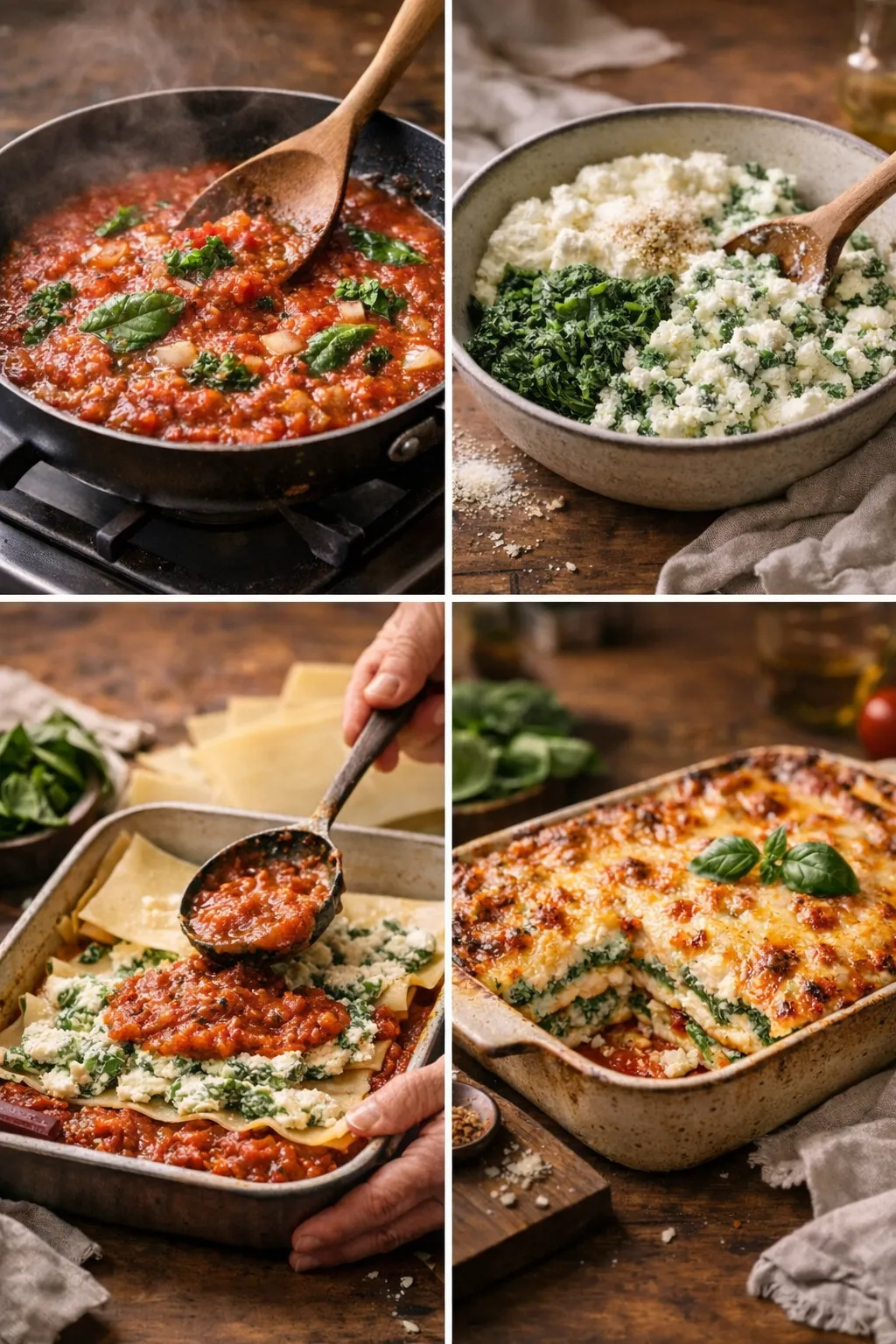
- Heat the olive oil in a pan over medium heat. Add the chopped onion and cook slowly until it softens and turns slightly golden — this step builds the base flavor, so it’s worth not rushing. Stir in the garlic and cook for another minute until fragrant.
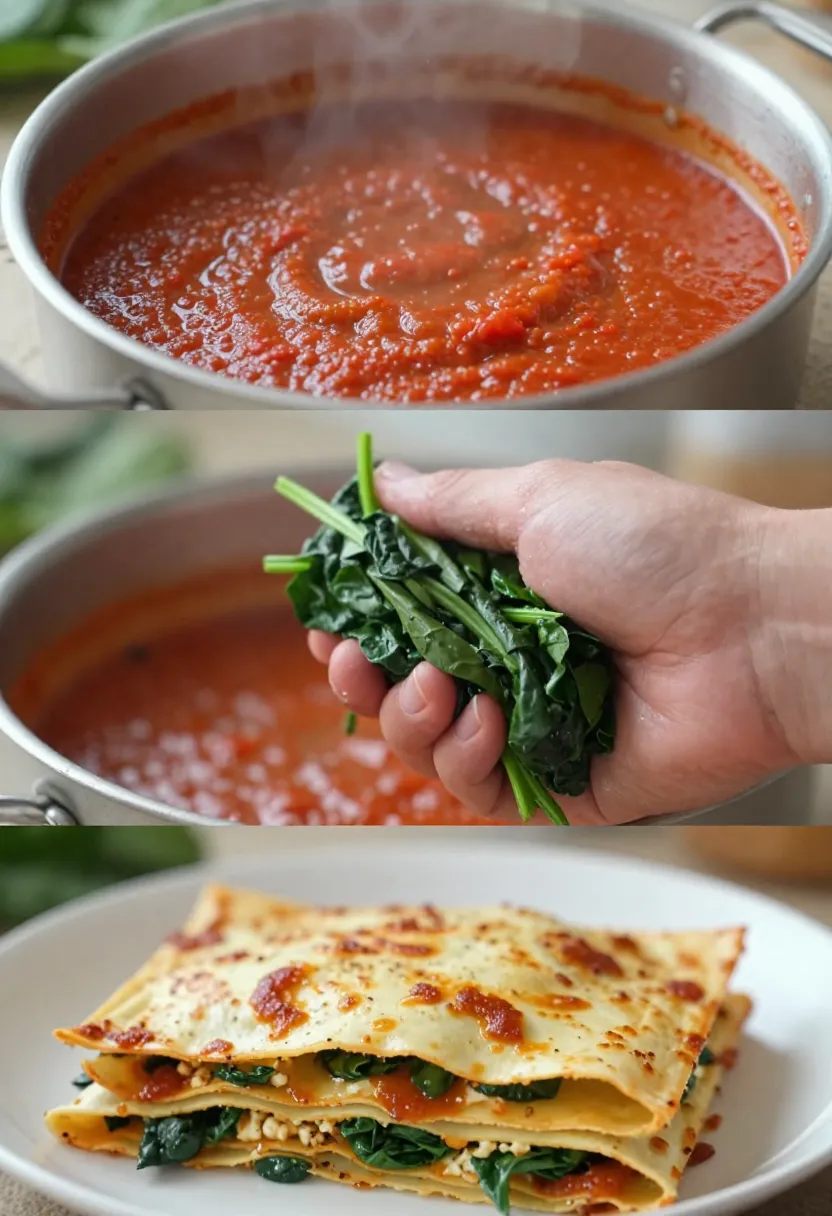
- Pour in the canned tomatoes, breaking them up with a spoon if needed. Add basil, salt, and pepper, then let the sauce simmer gently for about 30–40 minutes. Stir occasionally. You’re looking for a thicker, richer texture — not too watery, but still easy to spread.
- Prepare the spinach. If using fresh, cook it down in a pan until wilted, then let it cool slightly and squeeze out as much liquid as possible. If using frozen, thaw it completely and do the same. This step matters more than it seems — too much moisture can affect the whole dish.
- In a large bowl, combine ricotta, spinach, grated Parmesan, egg (if using), nutmeg, salt, and pepper. Mix until smooth and evenly combined. The mixture should feel creamy but not runny.
- Preheat the oven to 180°C and lightly grease a baking dish. Spread a thin layer of tomato sauce across the bottom — this prevents sticking and helps the first layer cook evenly.
- Start layering: place lasagne sheets over the sauce, then add a portion of the ricotta mixture, followed by another layer of sauce. Repeat this process, building up layers until all ingredients are used. Try to keep the layers relatively even, but don’t stress about making them perfect.
- Finish with a final layer of tomato sauce and sprinkle mozzarella or Parmesan over the top. This will form that golden, slightly crisp layer as it bakes.
- Bake for 40–50 minutes, until the top is golden and bubbling around the edges. If it starts browning too quickly, you can loosely cover it with foil for part of the cooking time.
- Remove from the oven and let it rest for at least 10–15 minutes before cutting. It might be tempting to dive in immediately, but giving it time to settle makes a big difference in texture and how neatly it slices.
💡 A Few Small Tips That Actually Help
- Don’t skip draining the spinach — it’s one of the most common reasons lasagne turns out watery
- Taste your sauce before assembling; a small adjustment here changes the whole dish
- If your ricotta seems too wet, let it sit in a sieve for a bit
- Slightly undercook the layers rather than overbake — it continues setting after you take it out
- And honestly, don’t worry if the layers aren’t perfectly neat… it still tastes the same 😄
🔥 Small Details That Change Everything
At first glance, spinach and ricotta lasagne doesn’t seem like a dish that requires much attention to detail. It’s layered, baked, and generally forgiving. But if you’ve ever had a version that felt just okay and another that you couldn’t stop thinking about, the difference usually comes down to a few small decisions along the way.
The sauce is probably the easiest place to see this. It’s very tempting to rush it — especially if you’re hungry or short on time. Technically, it will still work. But a quickly cooked sauce often tastes a bit sharp or unfinished. When you let it simmer longer, even just an extra 15–20 minutes, something changes. The acidity softens, the flavors blend, and it starts to taste more rounded. It’s not dramatic, but it’s noticeable in every bite.
Moisture is another quiet factor that can completely change the result. Spinach is tricky in that way — it looks dry, but it rarely is. If too much water ends up in the filling, the lasagne won’t hold together properly. Instead of clean layers, you get something softer, almost loose. Not terrible, just… not quite right. Taking a moment to press or squeeze the spinach properly can feel like an unnecessary extra step, but it’s one of those things you only skip once before realizing it matters.
Then there’s seasoning, which tends to get underestimated. Ricotta is naturally mild, which is part of why it works so well here, but it also means it needs support. Without enough salt, it can taste flat. Without a bit of contrast — like black pepper or a tiny pinch of nutmeg — it doesn’t quite come alive. You’re not aiming for bold flavors, just enough to give the filling some character.
Even layering plays a role. It’s easy to get carried away and add too much filling or too much sauce in one layer, thinking it will make the dish richer. In reality, it can throw off the balance. Keeping things relatively even — not perfect, just consistent — helps everything cook and set the way it should.
If you step back, a few small habits tend to make the biggest difference:
- giving the sauce enough time instead of rushing it
- making sure the spinach is as dry as possible before mixing
- tasting components (especially the filling) before assembling
- keeping layers balanced rather than overloaded
None of this is complicated. It’s more about paying a bit of attention at the right moments. And once you’ve done it a couple of times, it becomes almost automatic.
🍽️ Serving Ideas and Pairings
Spinach and ricotta lasagne is quite complete on its own, which is probably why people often serve it without much else. It has creaminess, structure, and enough flavor to carry a meal. But pairing it with something simple can make the whole experience feel more balanced and, in a way, more intentional.
Freshness is usually the easiest direction to go. A light salad, for example, does more than just “add greens” to the plate. The slight acidity from a vinaigrette cuts through the richness of the cheese and resets your palate between bites. Without it, the lasagne can start to feel a bit heavy halfway through, even if it’s well made.
Warm sides can work too, especially if you’re leaning into a slower, more relaxed kind of meal. Roasted vegetables bring a different texture — slightly crisp on the outside, soft inside — and a deeper flavor that complements the softness of the lasagne without competing with it.

And then there’s garlic bread. It’s not essential, but it’s hard to ignore how well it fits. There’s something about having a warm, slightly crispy slice on the side that makes the whole meal feel more complete. Maybe it’s just habit, maybe not — either way, it works.
Serving style also matters more than people expect. Letting the lasagne rest properly before cutting doesn’t just help with slicing — it actually changes how the dish feels when you eat it. The layers settle, the filling firms up slightly, and each portion holds together instead of spreading across the plate.
If you’re putting together a simple but balanced meal, a few options tend to work particularly well:
- a crisp green salad with lemon or vinegar-based dressing 🥗
- roasted vegetables like zucchini, eggplant, or carrots
- garlic bread if you want something a bit more comforting
- something light to drink, even just sparkling water or a mild white wine
It doesn’t need to be complicated. In fact, it’s usually better when it isn’t.
❄️ Storage, Leftovers, and Final Thoughts
One of the reasons people keep coming back to this dish is how well it holds up after cooking. Some meals are best eaten immediately and lose something over time — this isn’t one of them. Spinach and ricotta lasagne actually benefits from a bit of rest, both right after baking and even more so the next day.
After sitting overnight in the fridge, the flavors have time to settle into each other. The tomato sauce softens into the pasta, the ricotta mixture firms up slightly, and the whole dish becomes more cohesive. It’s not a completely different experience, but it feels more “put together,” if that makes sense.
The texture improves in a practical way too. It becomes easier to slice, easier to reheat, and generally less delicate to handle. That’s part of what makes it such a good option for meal prep or cooking ahead when you know you won’t have much time later.
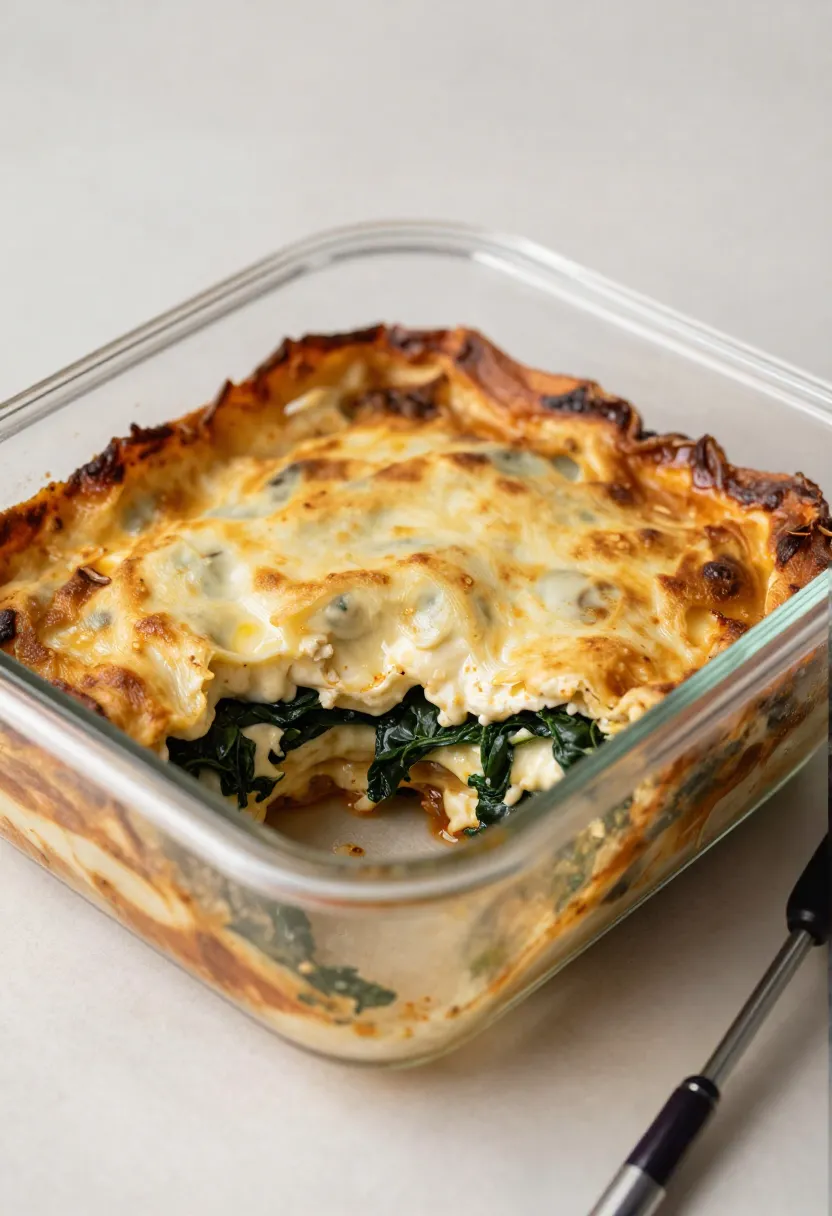
Storing it is simple. Once cooled, it can go straight into the fridge, where it will keep well for a few days. Freezing is also a good option, especially if you divide it into portions. That way, you don’t have to reheat the entire dish at once.
Reheating is where you get a bit of choice. The oven gives you the best texture — it warms everything evenly and brings back a bit of that golden top layer. But realistically, a microwave is often what people use, especially during busy days. It might soften the layers more than you’d like, but the flavor is still there, which is what matters most.
A few practical things that tend to help over time:
- let the lasagne cool before storing to avoid excess moisture
- use airtight containers to keep the texture from drying out
- reheat slowly in the oven if you have time
- freeze in portions for easier use later
In the end, this dish isn’t about precision or trying to get everything exactly right. It’s more about creating something that feels reliable and comforting without requiring too much effort. The kind of food you can come back to again and again, adjusting small things each time without really thinking about it.
And that’s usually how it sticks. Not because it’s perfect, but because it works — consistently, quietly, and in a way that fits into everyday life 🙂