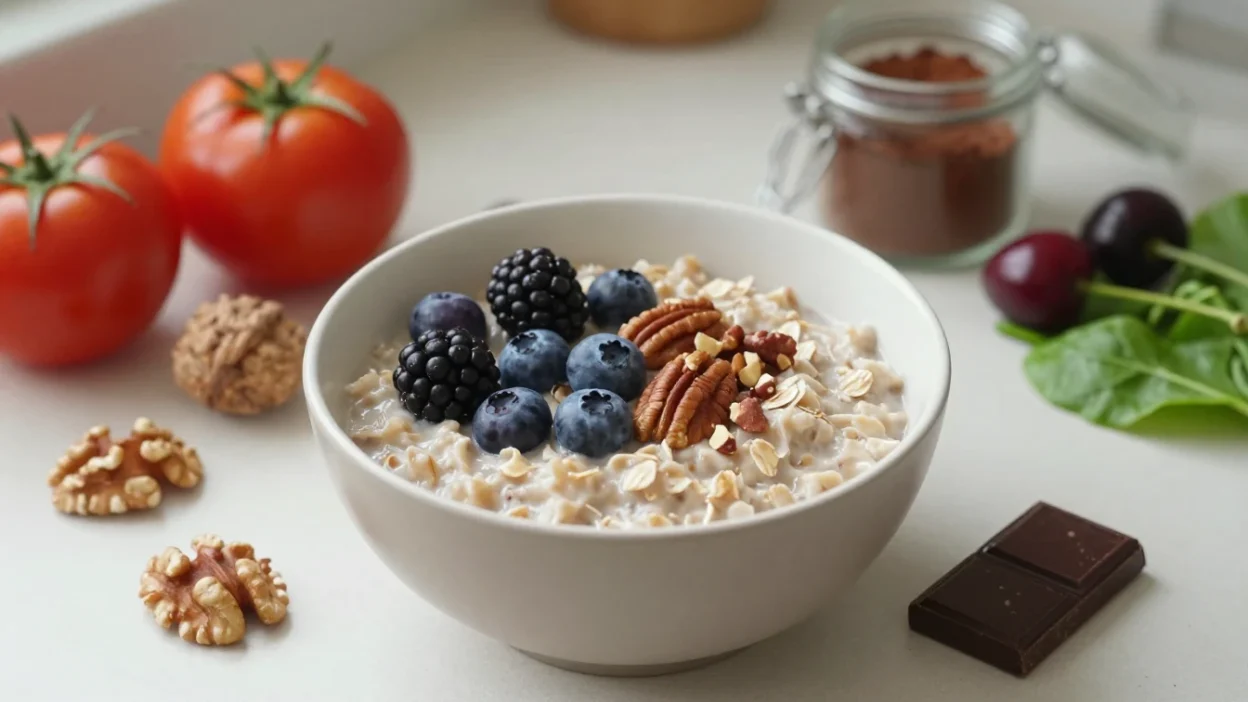
A bowl of oatmeal looks a lot more interesting when you scatter blueberries over the top. Add a few pecans, maybe a spoonful of cocoa or cinnamon, and suddenly breakfast feels less like a habit you are trying to “fix” and more like something you actually want to eat.
That is the easiest way to think about antioxidant-rich foods. They are not magic foods. They are not a promise that you can eat one perfect berry smoothie and somehow undo years of late nights, stress, and skipped vegetables. They are simply foods that help your body handle everyday wear and tear a little better.
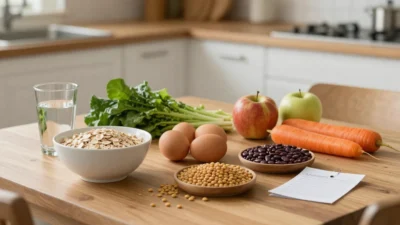
Most of them are wonderfully ordinary: berries, beans, nuts, colorful vegetables, dark leafy greens, cocoa, herbs, spices, and even prunes. The kind of ingredients you can add to meals without changing your whole life.
And honestly, that is the part I like most. Eating for healthy aging does not have to look clinical or joyless. It can be a pot of tomato and bean soup on a cold evening. A black bean salad with lime and avocado. Greek yogurt with cherries. Roasted carrots with walnuts. A square of dark chocolate after dinner because food should still feel like pleasure.
The goal is not to chase the “highest antioxidant food” and build your entire diet around it. That gets boring fast. A better approach is to eat more color, more plants, and more variety, then repeat the meals that make you feel good.
So, let’s keep this practical. You’ll find antioxidant-rich foods worth keeping in your kitchen, simple ways to cook them, and easy meal ideas that make healthy aging feel like everyday eating rather than another strict rule.
What antioxidants actually do in your body
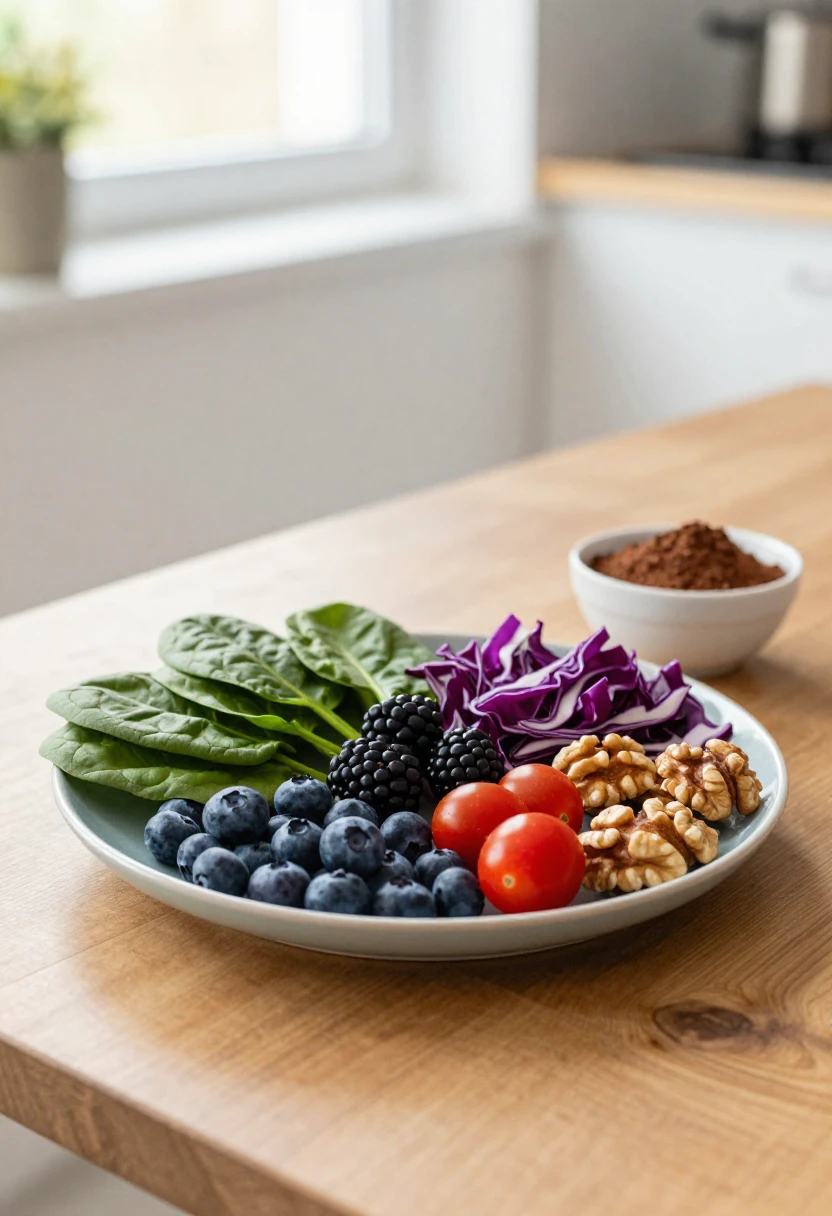
Antioxidants and free radicals, explained simply
Your body is busy every second, even when you are doing something very ordinary, like walking to the kitchen for coffee or reheating leftovers. Cells use oxygen, food gets turned into energy, your immune system responds to germs, and your body repairs small bits of damage along the way.
During those normal processes, your body can produce molecules called free radicals. You also meet them through things like pollution, cigarette smoke, too much alcohol, poor sleep, and too much UV exposure. Free radicals are not automatically “bad.” Your body uses them for some normal functions. The problem starts when there are too many of them and your body cannot keep up.
That imbalance is called oxidative stress. Over time, oxidative stress can affect cells and is often discussed in connection with aging and long-term health. This is where antioxidants come in. They help neutralize free radicals and support the body’s own repair systems. Harvard’s Nutrition Source explains that antioxidants can help stabilize free radicals and are also involved in cell-protective processes. (The Nutrition Source)
I like to think of antioxidant-rich foods as part of your daily maintenance routine. Not dramatic. Not glamorous. More like brushing your teeth, drinking water, getting outside for a walk, and eating actual color on your plate.
A handful of berries does not cancel out a week of poor sleep. But berries at breakfast, beans at lunch, vegetables at dinner, nuts in a salad, herbs in your sauce, and cocoa in your oatmeal? That starts to look like a pattern your body can work with.
Why antioxidant foods are better than relying on pills
The most useful antioxidant foods usually bring a lot more to the table than antioxidants alone. Fruits, vegetables, whole grains, nuts, seeds, herbs, spices, and cocoa are all plant-based sources of antioxidants, and many of these foods also give you fiber, vitamins, minerals, and other plant compounds. Mayo Clinic lists plant foods as the best antioxidant sources and notes that they often come with other nutritional benefits too. (Mayo Clinic)
That matters because food works as a package.
A blueberry is not just one antioxidant. It has water, fiber, color-giving plant compounds, a little natural sweetness, and a texture that makes yogurt or oatmeal better. Beans are not just “healthy.” They are filling, cheap, pantry-friendly, and easy to turn into soup, chili, tacos, or salad. Pecans give you crunch and richness, so a basic bowl of oats feels more satisfying.
Supplements are different. They usually isolate one nutrient or a few compounds in a concentrated form. That can be helpful for some people in specific situations, especially when a doctor recommends it. But for everyday healthy aging, high-dose antioxidant supplements are not the same thing as eating a colorful, varied diet. The National Center for Complementary and Integrative Health notes that the body makes some antioxidants, while additional antioxidants come from foods such as fruits, vegetables, and grains; antioxidant vitamins are also sold as supplements, but supplements should not be treated as automatically better. (NCCIH)
So if you are trying to eat more antioxidants, start in the kitchen before you start in the supplement aisle.
Add berries to breakfast. Keep beans in the pantry. Use more herbs. Roast vegetables until they actually taste good. Keep walnuts or pecans around for salads and grain bowls. Stir cocoa into oatmeal. Buy frozen cherries when fresh ones are out of season.
Small, repeatable choices beat one expensive bottle every time.
The best antioxidant-rich foods to keep in your kitchen
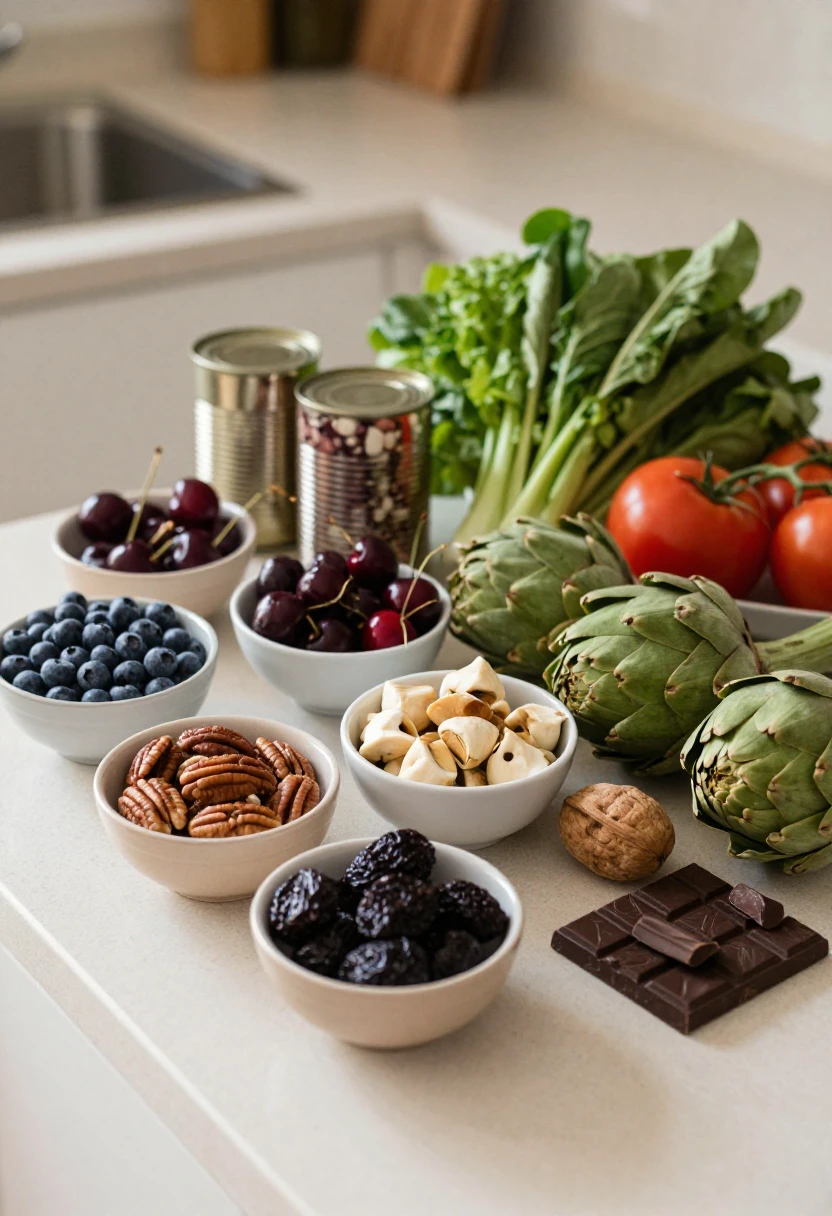
Berries: blueberries, blackberries, cranberries, and cherries
Berries are probably the easiest place to start because they do not ask much from you.
You can eat them fresh, frozen, cooked into oatmeal, blended into smoothies, or scattered over yogurt when you have about two minutes and no patience for a “proper” breakfast. Frozen berries are especially useful because they are picked when ripe, they do not spoil in three days, and they make healthy eating feel less dependent on perfect grocery timing.
Blueberries are the classic choice, but do not stop there. Blackberries have that deep, jammy flavor. Cranberries are tart enough to wake up a grain salad. Cherries taste almost like dessert, especially with Greek yogurt and a little cocoa.
A few easy ways to use them:
- Stir frozen blueberries into hot oatmeal during the last minute of cooking.
- Add blackberries to yogurt with walnuts or pecans.
- Toss dried cranberries into a salad with greens, beans, and goat cheese.
- Simmer frozen cherries with a splash of water and spoon them over plain yogurt.
I would not overcomplicate berries. You do not need an expensive smoothie bowl with six toppings. Sometimes the best version is just berries, yogurt, and something crunchy.
Beans: red kidney beans, pinto beans, and black beans
Beans do not get enough credit in antioxidant conversations. Berries look prettier on Pinterest, I get it. But beans are the quiet workhorse.
They bring fiber, plant protein, minerals, and satisfying texture. They also make meals feel complete without needing a complicated recipe. A can of black beans can become tacos. Red kidney beans can turn into chili. Pinto beans can be mashed with garlic, cumin, and lime for a quick side dish that tastes far better than it looks.
This is one of the reasons I like keeping different beans in the pantry. They rescue meals.
If dinner is looking thin, add beans. If a salad will not keep you full, add beans. If soup tastes good but feels too light, add beans and let it simmer for ten more minutes.
Good kitchen staples:
- Black beans for tacos, rice bowls, eggs, and salads.
- Red kidney beans for chili, tomato soups, and hearty stews.
- Pinto beans for burrito bowls, dips, and quick mashed bean sides.
- White beans for pasta, tomato sauce, soups, and greens.
A simple black bean bowl is one of my favorite low-effort meals: rice, black beans, salsa, avocado, lime, and whatever vegetables are around. It is not fancy. It works.
Nuts: pecans and walnuts
Pecans and walnuts are small, but they change a meal quickly.
Pecans have a buttery, almost sweet flavor, which makes them especially good with oatmeal, roasted squash, carrots, apples, and salads. Walnuts taste a little earthier and work well with beets, greens, yogurt, whole-grain toast, and pasta.
The trick with nuts is portion size. They are nutrient-rich, but they are also easy to eat by the handful while standing in the kitchen. I usually treat them like a finishing ingredient rather than the main event.
Add a small handful to:
- Oatmeal with berries.
- A spinach salad with apples.
- Roasted carrots with a lemony dressing.
- Greek yogurt with cinnamon.
- Whole-grain pasta with greens and garlic.
Toasting helps too. Put pecans or walnuts in a dry skillet for a few minutes until they smell warm and nutty. Watch them closely because they go from perfect to burnt in a way that feels personal.
Prunes and dried fruits
Prunes are not glamorous. They have a reputation problem. But they are useful, naturally sweet, pantry-stable, and surprisingly good when you stop treating them like medicine.
Chopped prunes can add depth to oatmeal, roasted vegetables, grain bowls, and even savory stews. They work especially well with cinnamon, orange zest, walnuts, carrots, pork, chicken, and warm spices.
The key is balance. Dried fruit is concentrated, so you do not need much. A few chopped prunes or dried cherries can make a bowl of plain oats taste richer without turning it into candy.
Try them this way:
- Chop prunes into oatmeal with cinnamon and pecans.
- Add dried cherries to a salad with greens and walnuts.
- Pair prunes with roasted carrots and a little orange juice.
- Add a few chopped dried fruits to homemade trail mix.
If you think you dislike prunes, try warming them first. Simmer them for a few minutes with water, cinnamon, and a bit of lemon juice. They soften into something closer to compote, and suddenly they make sense.
Artichokes and deeply colored vegetables
Artichokes are one of those foods people forget about unless they live somewhere fresh artichokes are common. But jarred or canned artichoke hearts are easy to keep around, and they can make a quick meal feel more intentional.
Add them to salads, pasta, grain bowls, omelets, or white bean dishes. They have a slightly tangy, savory flavor that plays well with lemon, olive oil, parsley, garlic, and feta.
But antioxidant-rich eating should not depend on one vegetable. The bigger goal is color and variety.
Think about:
- Dark leafy greens like spinach, kale, and Swiss chard.
- Red cabbage, which stays crisp and beautiful in salads.
- Tomatoes, especially cooked into sauces and soups.
- Carrots, sweet potatoes, and winter squash.
- Bell peppers, broccoli, beets, and eggplant.
A good rule: if your meal looks beige, add color. Not because beige food is bad. Some of my favorite foods are beige. But a plate with beans, greens, tomatoes, herbs, and olive oil usually gives you more to work with than plain toast or plain pasta alone.
Cocoa and dark chocolate
Cocoa deserves a place here, but with a little honesty.
Yes, cocoa contains antioxidant compounds. No, that does not mean every chocolate dessert is suddenly a wellness food. A brownie is still a brownie. A delicious one, hopefully.
The more practical move is to use cocoa in ways that add flavor without too much sugar. Unsweetened cocoa powder can make oatmeal, smoothies, yogurt bowls, and chia pudding taste deeper and more satisfying. Dark chocolate can also fit nicely, especially if you enjoy a small piece after dinner instead of turning it into a negotiation with yourself.
Simple ideas:
- Stir cocoa into oatmeal with cherries.
- Add cocoa powder to a smoothie with banana and peanut butter.
- Mix cocoa into Greek yogurt with a little honey.
- Keep a few squares of dark chocolate for dessert.
- Shave dark chocolate over berries.
This is the part of healthy eating I do not like to make too strict. Food should still have pleasure in it. If a square of dark chocolate helps you end the day feeling satisfied, that counts for something too.
How cooking changes antioxidants in food
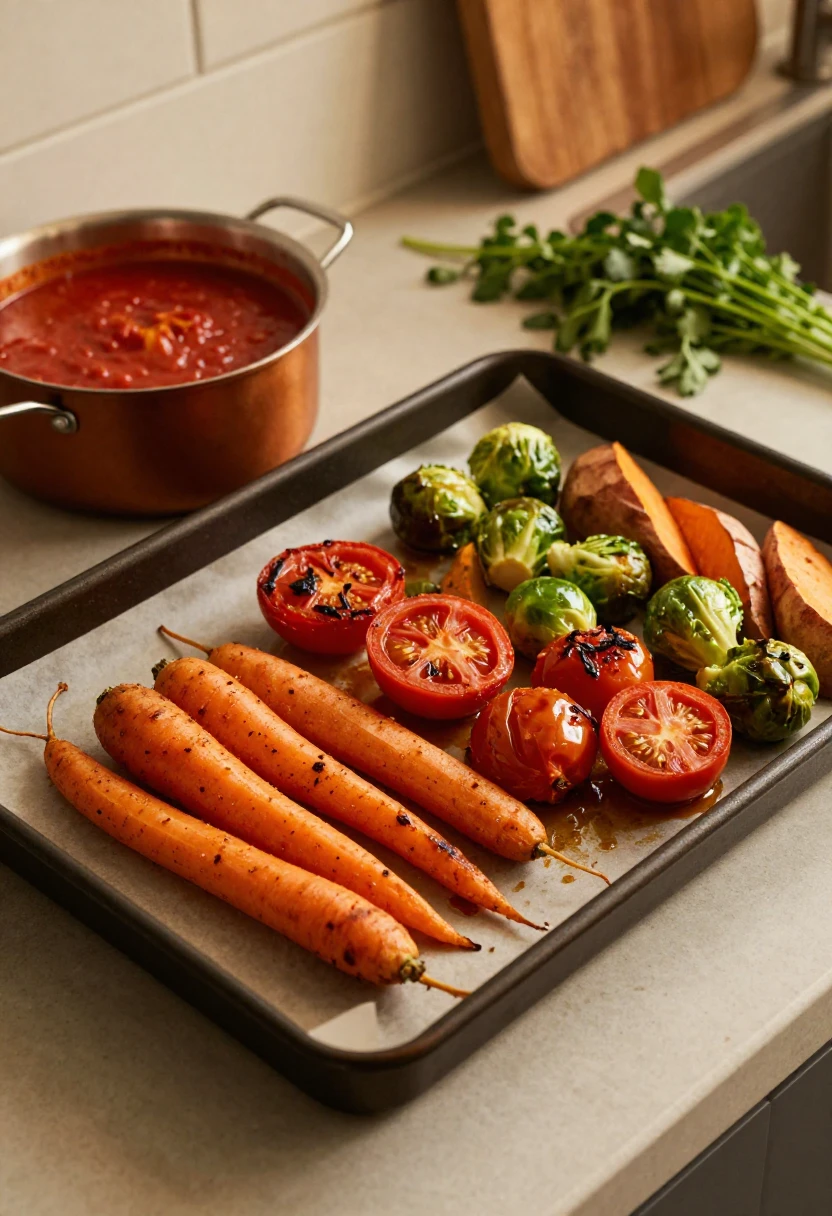
Steaming, roasting, and sautéing can be your friends
A lot of people hear “antioxidants” and immediately worry they are ruining everything by cooking vegetables.
I would not stress about it that way.
Yes, heat can change some nutrients. Vitamin C, for example, is sensitive to heat and water. Some plant compounds may decrease with long cooking. But cooking can also make certain foods easier to digest, easier to eat in larger amounts, and in some cases more useful nutritionally. A review on cooking methods and vegetable nutrients found that boiling, steaming, microwaving, and other methods can affect vitamins differently depending on the vegetable and the nutrient. The practical takeaway is simple: cooking method matters, but there is no single perfect rule for every food. (PMC)
Steaming is a good everyday option because it softens vegetables without washing away as much flavor into the water. Broccoli, green beans, carrots, and leafy greens all do well with a short steam. Stop while they still look bright and have a little bite.
Roasting is different. It uses dry heat, so vegetables brown at the edges and taste sweeter. That matters. A tray of roasted carrots, onions, Brussels sprouts, or sweet potatoes is much easier to love than a pile of sad boiled vegetables.
Sautéing can also be useful, especially when you cook quickly with olive oil, garlic, and herbs. Spinach wilts in minutes. Cabbage softens but still keeps some texture. Bell peppers get glossy and sweet. Add lemon juice or vinegar at the end, and the whole dish tastes more alive.
My rule is not “raw is always better.” My rule is: cook vegetables in a way that makes you actually want to eat them again tomorrow.
Boiling is not always the best choice
Boiling has its place, especially for soups, stews, beans, potatoes, and tougher vegetables. But if you boil vegetables in a big pot of water and then pour that water down the drain, some water-soluble nutrients can go with it.
That does not mean boiled vegetables are useless. It just means you should be thoughtful.
For vegetables you want to serve as a side, steaming or roasting often gives you better texture and flavor. For soups, boiling or simmering makes more sense because you keep the cooking liquid. If nutrients move into the broth, you still eat them.
That is why tomato soup, bean stew, lentil soup, vegetable broth, and minestrone are such practical meals. Nothing precious gets wasted. The flavor stays in the pot.
A few easy swaps:
- Instead of boiling broccoli until soft, steam it briefly and finish with olive oil, lemon, and salt.
- Instead of boiling carrots plain, roast them until the edges caramelize.
- Instead of boiling greens alone, add them to soup during the last few minutes.
- Instead of draining every bit of bean cooking liquid, use some of it to thicken soups or stews.
And if you love boiled vegetables because that is what you grew up eating, keep them. Just do not cook them until they lose all color and personality.
Tomatoes are the exception people forget
Tomatoes are the reason I never like blanket nutrition rules.
Raw tomatoes are wonderful, especially in summer with salt, olive oil, and basil. But cooked tomatoes have their own advantage. Lycopene, the red carotenoid in tomatoes, becomes more bioavailable from thermally processed tomato products because heating helps release it from the tomato’s structure. (PMC)
That is good news if you love tomato sauce.
You do not need to make anything complicated. Cook canned tomatoes with olive oil, garlic, onion, herbs, and a pinch of salt. Add white beans and spinach for a quick dinner. Spoon it over whole-grain pasta. Turn it into shakshuka with eggs. Simmer it with lentils for soup.
Tomato paste is useful too. Let it cook in olive oil for a minute or two before adding liquid. It darkens slightly, tastes less sharp, and gives soups or sauces a deeper flavor.
A few tomato-rich meal ideas:
- Tomato sauce with white beans and spinach.
- Lentil soup with canned tomatoes and carrots.
- Shakshuka with eggs, peppers, and herbs.
- Whole-grain pasta with tomato paste, garlic, and olive oil.
- Bean chili with tomatoes, kidney beans, and cocoa.
So yes, eat raw salads. Eat fresh berries. Enjoy crunchy vegetables. But do not be afraid of heat. A warm meal can still be full of antioxidant-rich foods, and sometimes cooking is exactly what makes those foods easier to enjoy.
Easy ways to add more antioxidants to everyday meals
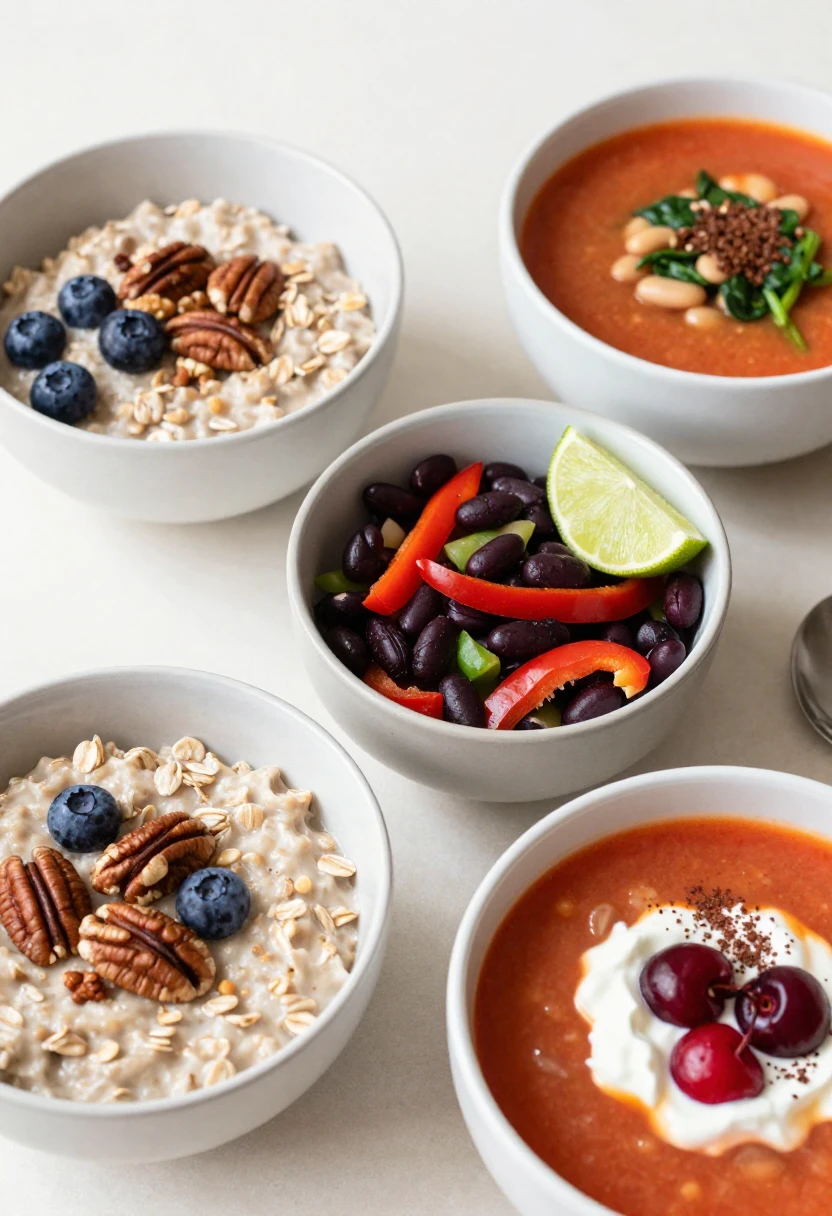
Breakfast ideas
Breakfast is the easiest place to add antioxidant-rich foods because you do not have to cook a full recipe. You can mostly add things on top of what you already eat.
If you make oatmeal, add berries. Fresh berries are lovely, but frozen blueberries are the more realistic choice most of the year. I like adding them while the oats are still cooking, so they soften and turn the oatmeal a little purple. It looks messy in the best way.
Then add something crunchy. Pecans, walnuts, pumpkin seeds, or even a spoonful of peanut butter make the bowl more filling.
A few easy breakfast ideas:
- Oatmeal with blueberries, pecans, cinnamon, and a little milk.
- Greek yogurt with cherries, cocoa, and walnuts.
- Whole-grain toast with avocado, tomato, black pepper, and seeds.
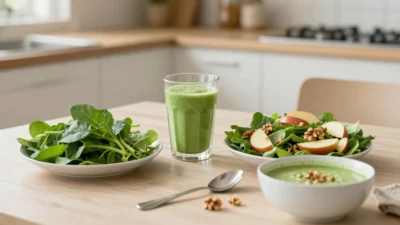
- Smoothie with berries, spinach, banana, and plain yogurt.
- Chia pudding with blackberries and chopped dark chocolate.
The goal is not to make breakfast complicated. Just add color and texture where you can.
If your usual breakfast is toast, put tomato or berries on the side. If it is yogurt, add cherries or cocoa. If it is eggs, add spinach, salsa, or black beans. Small upgrades count.
Lunch ideas
Lunch is where beans really help.
They make salads less sad. They make soups more filling. They turn leftovers into something that feels like a meal instead of a collection of random containers from the fridge.
A black bean salad is one of the simplest options. Mix black beans with bell pepper, corn, red onion, cilantro, lime juice, olive oil, salt, and a little cumin. Add avocado if you have it. Eat it with rice, greens, tortillas, or just a spoon.
For a grain bowl, start with brown rice, quinoa, farro, or whatever grain you like. Add artichoke hearts, white beans, greens, roasted vegetables, and a lemony dressing. This is the kind of lunch that tastes better after sitting for a bit, which makes it good for meal prep.
You can also build lunch from leftovers:
- Roasted carrots + white beans + walnuts + greens.
- Tomato soup + lentils + spinach.
- Rice + black beans + salsa + avocado.
- Pasta + artichokes + tomatoes + chickpeas.
- Leftover roasted vegetables + dried cranberries + feta.
A good lunch should keep you full without making you feel like you need a nap right away. Beans, vegetables, whole grains, and a little healthy fat usually do that better than a plain salad with dressing.
Dinner ideas
Dinner is where antioxidant-rich foods can feel cozy instead of “healthy.”
Think tomato sauce, chili, roasted vegetables, bean soup, warm grain bowls, sautéed greens, and pasta with vegetables. These are not punishment meals. They are the kind of meals that smell good while they cook.
Chili is a great example. Red kidney beans, black beans, tomatoes, onion, garlic, spices, and maybe a little cocoa powder if you like deeper flavor. It is hearty, easy to reheat, and forgiving. You can make it with meat, without meat, extra vegetables, or whatever beans are in the pantry.
Tomato-based dinners are another easy win. Cook canned tomatoes with olive oil, garlic, herbs, and a pinch of salt. Add spinach and white beans, then serve it with whole-grain pasta or toasted bread. It tastes like more effort than it takes.
A few dinner ideas I would happily repeat:
- Bean chili with tomatoes, peppers, and spices.
- Whole-grain pasta with tomato sauce, spinach, and white beans.
- Roasted sweet potatoes with black beans, avocado, and salsa.
- Lentil soup with carrots, tomatoes, garlic, and herbs.
- Salmon or chicken with roasted vegetables and a walnut salad.
- Shakshuka with tomatoes, peppers, eggs, and parsley.
A quick note: herbs and spices matter. Parsley, oregano, basil, cinnamon, cumin, paprika, turmeric, ginger, and garlic all add flavor, and many bring their own plant compounds too. More importantly, they make healthy food taste less flat.
Snack ideas
Snacks are where people often accidentally go all or nothing. Either it is a very “clean” snack that does not satisfy anything, or it is a snack that turns into a full second lunch.
Antioxidant-rich snacks can sit somewhere in the middle.
Try fruit with fat or protein, because it holds you longer. Apple slices with nut butter. Berries with Greek yogurt. A few dates or prunes with walnuts. Dark chocolate with strawberries. Hummus with carrots and bell peppers.
Simple snack ideas:
- Apple slices with peanut butter or almond butter.
- Greek yogurt with blueberries and cinnamon.
- Trail mix with walnuts, pecans, dried cherries, and pumpkin seeds.
- Dark chocolate with berries.
- Hummus with red pepper strips, carrots, and cucumbers.
- Cottage cheese with cherries or sliced peaches.
- A small bowl of tomato soup with white beans if you want something warm.
I especially like the dark chocolate and berries option because it feels like a real treat. Not a fake dessert. Not a “healthy alternative” that makes you wish you had eaten the thing you wanted in the first place.
Just berries, chocolate, and a quiet moment. That can be enough.
A simple antioxidant-rich meal formula
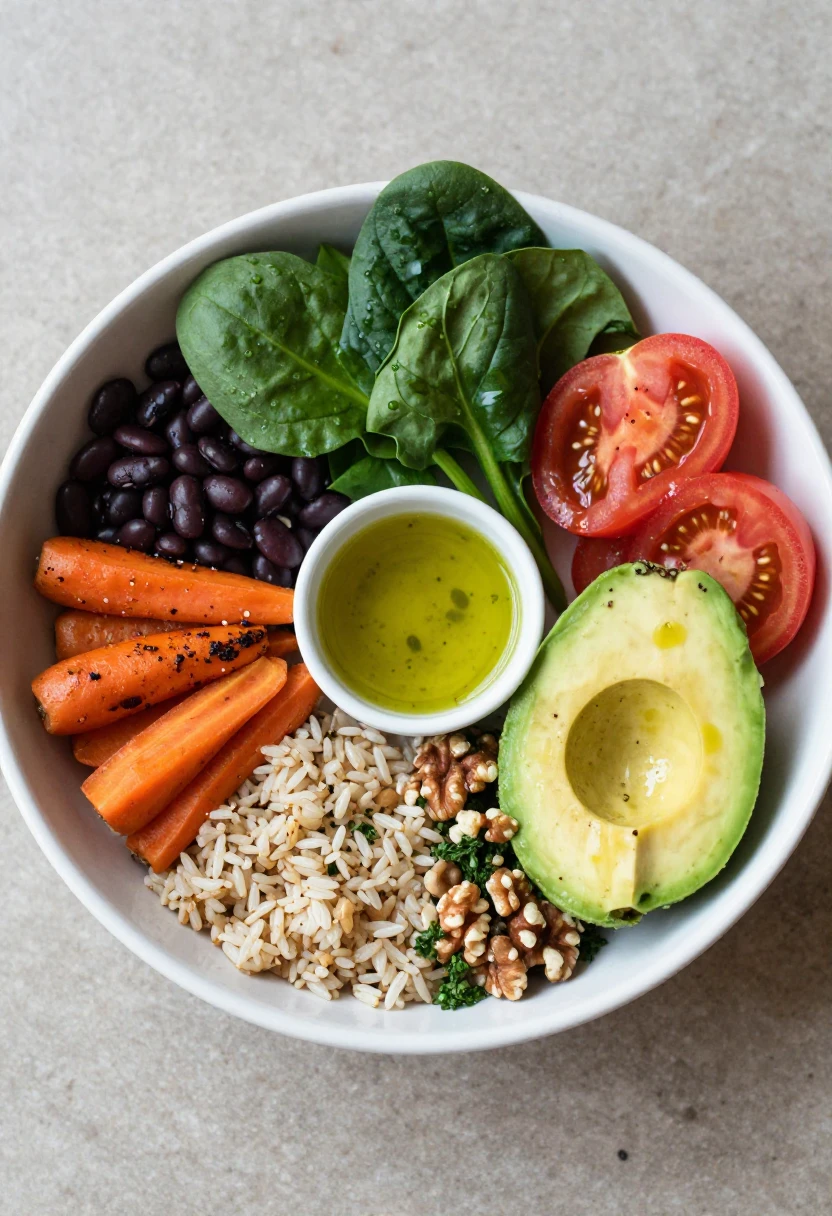
Start with one colorful plant food
The easiest way to build an antioxidant-rich meal is to start with color.
Not a complicated nutrition chart. Not a list of “approved” foods taped to the fridge. Just color.
Look at the meal and ask: where is the red, purple, green, orange, or deep brown coming from?
That might be blueberries in oatmeal, tomatoes in soup, red cabbage in a salad, spinach in eggs, black beans in a rice bowl, carrots on a sheet pan, or cocoa in a smoothie. Color is not a perfect nutrition rule, but it is a useful kitchen shortcut. It nudges you toward more plants without making every meal feel like homework.
A few easy color starters:
- Blueberries or blackberries for breakfast.
- Tomatoes or red peppers for lunch.
- Spinach, kale, or parsley for dinner.
- Red cabbage or carrots for crunch.
- Cherries, prunes, or cocoa when you want something sweet.
This is especially helpful on busy days. If lunch is just leftovers, add a handful of greens. If dinner is pasta, add tomato sauce and spinach. If breakfast is plain yogurt, add berries and walnuts.
Small things. Repeated often.
Add protein and fiber
Color gives the meal freshness, but protein and fiber make it last.
This is where beans are so useful. They bring both. Black beans, kidney beans, lentils, chickpeas, and white beans can turn vegetables into a real meal, not just a side dish pretending to be lunch.
But beans are not the only option. Eggs, plain Greek yogurt, fish, chicken, tofu, cottage cheese, lentils, and whole grains can all help a meal feel more complete.
Think of it this way: if you eat only fruit for breakfast, you may feel hungry an hour later. Add yogurt and nuts, and suddenly it holds you. If you eat only roasted vegetables for dinner, they may taste good but leave you wandering back into the kitchen. Add beans, eggs, fish, or chicken, and it becomes dinner.
Some simple combinations:
- Berries + Greek yogurt + walnuts.
- Tomato soup + white beans.
- Roasted vegetables + lentils.
- Black beans + rice + salsa.
- Spinach + eggs + whole-grain toast.
- Cherries + cottage cheese + cocoa.
This is not about making meals heavy. It is about making them steady.
Finish with healthy fat and flavor
Healthy food fails when it tastes unfinished.
You can have the best vegetables in the world, but if they are under-salted, dry, and sitting sadly on a plate, nobody is excited. That is where fat and flavor come in.
A little olive oil can make tomatoes taste sweeter. Nuts give salads crunch. Avocado softens a spicy bean bowl. Seeds make yogurt or oatmeal feel less plain. Lemon juice, vinegar, herbs, garlic, and spices can wake up almost anything.
Good finishing touches:
- Olive oil and lemon juice.
- Walnuts or pecans.
- Avocado.
- Pumpkin seeds or sesame seeds.
- Fresh parsley, basil, cilantro, or dill.
- Garlic, cumin, paprika, cinnamon, ginger, or black pepper.
- A spoonful of yogurt sauce or tahini dressing.
I usually taste the meal right before serving and ask one question: does it need brightness?
Most of the time, the answer is yes. Lemon juice, vinegar, herbs, or a pinch of salt can turn a flat meal into something you actually want to finish.
Example meal combinations
Once you understand the formula, antioxidant-rich meals become much easier to improvise.
Start with color. Add protein and fiber. Finish with fat and flavor.
Try these:
- Oatmeal with blueberries, pecans, cinnamon, and milk.
- Greek yogurt with cherries, cocoa, and walnuts.
- Black beans with rice, salsa, avocado, and lime.
- Tomato soup with white beans, spinach, and olive oil.
- Roasted carrots with lentils, parsley, walnuts, and lemon dressing.
- Whole-grain pasta with tomato sauce, artichokes, and greens.
- Eggs with spinach, tomatoes, black pepper, and whole-grain toast.
- Dark chocolate with berries after dinner.
None of these meals are trying too hard. That is the point.
You do not need to rebuild your diet in one week. Add berries to breakfast. Put beans in soup. Keep nuts for texture. Use tomato sauce more often. Make vegetables taste good enough that you want them again.
That is how antioxidant-rich eating becomes normal.
What to know before taking antioxidant supplements
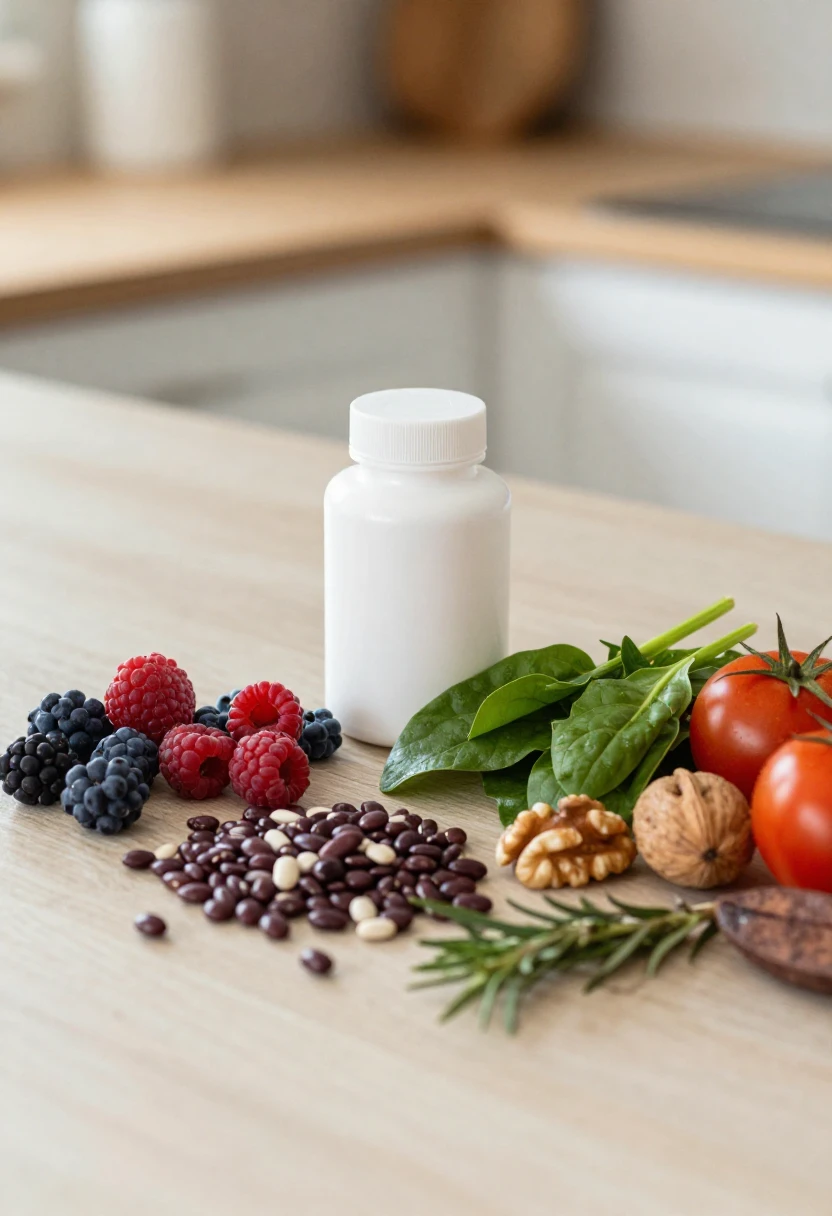
More is not always better
Antioxidant supplements can sound tempting because they make healthy aging feel simple. Take a capsule, cover your bases, move on.
I understand the appeal. Real food takes shopping, washing, chopping, cooking, and a little planning. A bottle on the counter feels much easier.
But antioxidants do not work like extra credit. More is not automatically better, especially when nutrients are taken in high doses and separated from food. The National Center for Complementary and Integrative Health notes that research has not shown antioxidant supplements to be broadly helpful for preventing chronic disease, and the U.S. Preventive Services Task Force recommends against beta-carotene or vitamin E supplements for preventing cardiovascular disease. (NCCIH)
That does not mean every supplement is dangerous or useless. It means antioxidant supplements should not be treated like a shortcut around diet, sleep, movement, medical care, or common sense.
There is also the issue of interactions. The NIH Office of Dietary Supplements notes that vitamin E supplements can increase bleeding risk in some situations, and supplements may interact with medications or medical treatments. (Office of Dietary Supplements)
So before taking a high-dose antioxidant supplement, especially if you take medication, smoke, are pregnant, have a medical condition, or are going through treatment, it is worth asking a healthcare professional first.
Not glamorous advice. Still good advice.
When supplements may make sense
There are times when supplements are useful. A deficiency, a restricted diet, a medical condition, a doctor’s recommendation, or a specific nutrition gap can make supplementation reasonable.
But that is different from taking antioxidants “just in case.”
If your meals are low in fruits, vegetables, beans, nuts, whole grains, herbs, and seeds, the first step is usually not a mega-dose pill. The first step is making food easier to repeat.
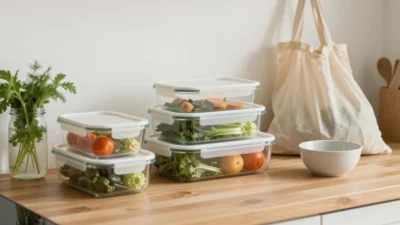
Keep frozen berries in the freezer. Keep canned beans in the pantry. Buy pre-washed greens if that helps. Use jarred artichokes. Keep walnuts where you can see them. Add tomato sauce to quick dinners. Choose the practical version of healthy eating, not the perfect one.
Supplements may fill a gap. Food builds the pattern.
And the pattern matters more.
The food-first approach
A food-first approach does not mean you have to cook from scratch every day or eat a salad at every meal.
It means most of your antioxidants come from actual foods: berries, beans, leafy greens, tomatoes, nuts, seeds, cocoa, whole grains, herbs, spices, and colorful vegetables. Mayo Clinic lists plant-based foods as the best sources of antioxidants and points out that these foods often bring fiber, vitamins, minerals, and other benefits along with them. (Mayo Clinic)
That is why a bowl of chili can be more useful than it looks. Kidney beans, tomatoes, peppers, garlic, onion, cumin, paprika, maybe a little cocoa. Nothing about it screams “wellness,” which is probably why I like it. It is just dinner.
Same with oatmeal. Oats, blueberries, pecans, cinnamon. Or yogurt with cherries and walnuts. Or pasta with tomato sauce and spinach.
These meals are not built around one isolated nutrient. They are built around food that tastes good enough to come back to.
That is the better long-term strategy: make antioxidant-rich eating normal, repeatable, and enjoyable. Then, if you need a supplement for a real reason, it becomes support, not the whole plan.
Common mistakes when trying to eat more antioxidants
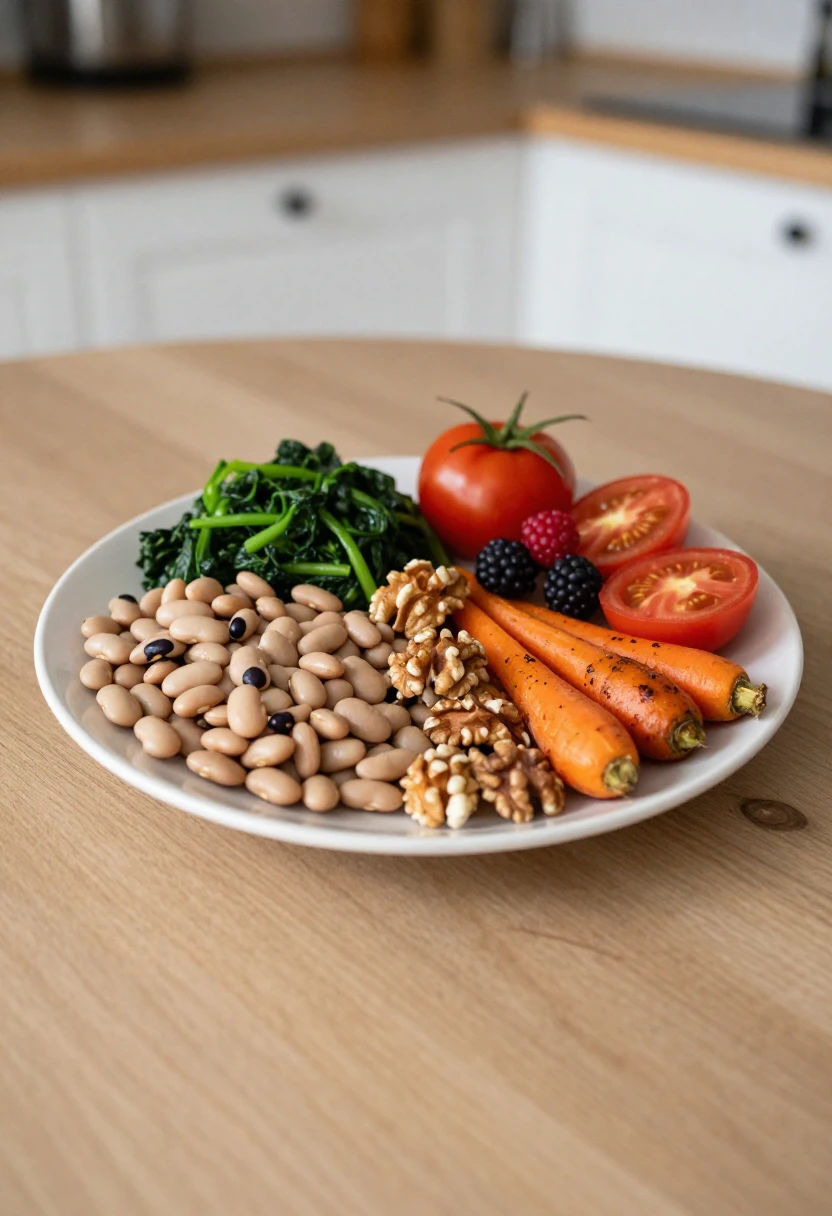
Only focusing on berries
Berries are wonderful, and yes, they deserve a regular spot in your kitchen. But they are not the whole story.
A lot of people hear “antioxidants” and picture blueberries immediately. I do too, honestly. They are easy, pretty, and they make almost anything look healthier. But if berries are the only antioxidant-rich food you reach for, your meals can still end up feeling repetitive.
Beans count. Pecans count. Walnuts count. Cocoa counts. Tomatoes, artichokes, spinach, red cabbage, herbs, spices, prunes, lentils, carrots, and peppers all bring something useful to the table.
The better question is not “Did I eat blueberries today?”
It is: “Did I eat a mix of plant foods this week?”
That gives you more room to enjoy food. Maybe one day it is oatmeal with blackberries. Another day it is chili with kidney beans and tomatoes. Another day it is roasted carrots with walnuts. A good pattern has variety, not pressure.
Forgetting about consistency
One perfect smoothie will not do much if the rest of the week is mostly takeout, rushed snacks, and meals eaten standing at the counter.
No judgment. We have all had those weeks.
But antioxidants work best as part of a regular eating pattern. Small habits matter more than occasional dramatic ones. You do not need a fridge full of expensive produce. You need a few foods you can repeat without getting tired of them.
Try something simple:
- Add berries to breakfast three times a week.
- Eat beans at lunch or dinner a few times a week.
- Keep walnuts or pecans for salads and oatmeal.
- Use tomato sauce, leafy greens, and herbs in quick dinners.
- Choose dark chocolate with fruit when you want something sweet.
This is the kind of routine that quietly adds up.
Healthy aging is not built from one impressive meal. It is built from what you do most days, especially when life is not perfectly organized.
Eating antioxidant foods in ways you do not enjoy
Please do not force yourself to eat kale if you hate kale.
There are too many good foods in the world for that.
If raw kale feels tough and bitter to you, try spinach in eggs, red cabbage in slaw, roasted broccoli with lemon, tomato sauce with white beans, or sautéed greens with garlic. If plain beans bore you, turn them into chili, tacos, dips, soups, or a warm bowl with rice and salsa. If you dislike tart cranberries, use cherries or blueberries instead.
The goal is not to prove that you can suffer through “healthy” food. The goal is to make nourishing food taste good enough that you come back to it.
A few easy fixes:
- Add acid: lemon juice, lime juice, vinegar, or pickled onions.
- Add crunch: nuts, seeds, toasted chickpeas, or cabbage.
- Add richness: olive oil, avocado, yogurt sauce, or tahini.
- Add warmth: garlic, cumin, cinnamon, paprika, ginger, or chili flakes.
- Add sweetness carefully: roasted carrots, berries, prunes, dates, or a little honey.
Sometimes a food does not need to be replaced. It just needs better seasoning.
Treating antioxidants like a cure-all
Antioxidant-rich foods are helpful, but they are not a shield against everything.
A bowl of berries does not replace sleep. Green tea does not cancel smoking. Dark chocolate does not fix stress. Beans and vegetables are good for you, but they still work best inside a bigger picture that includes movement, hydration, rest, and regular medical care when you need it.
That might sound less exciting than a “top 10 miracle foods” list, but it is more honest.
Food supports your body. It does not control every outcome.
So eat the berries. Cook the beans. Use herbs generously. Enjoy tomato soup, roasted vegetables, walnuts, cocoa, and colorful salads. But do it because these foods make your meals better and support a healthier pattern, not because one ingredient is supposed to do all the work.
That is a much calmer way to eat.
Conclusion
Eating more antioxidant-rich foods does not have to feel like a project.
You do not need a perfect smoothie recipe, a cabinet full of powders, or a grocery cart that looks like it belongs in a wellness magazine. Start with foods you can actually keep around and use often: frozen berries, canned beans, tomatoes, leafy greens, pecans, walnuts, cocoa, herbs, spices, and colorful vegetables.
That is enough to begin.
Add blueberries to oatmeal. Stir white beans into tomato soup. Put black beans in a rice bowl. Roast carrots until the edges brown. Keep dark chocolate for the nights when you want something small and satisfying after dinner.
Healthy aging is built from ordinary meals repeated over time. Not perfect meals. Just better ones, made often enough that they become part of how you eat.
FAQ
What food has the most antioxidants?
There is no single food you need to chase. Berries, beans, nuts, cocoa, artichokes, leafy greens, tomatoes, herbs, spices, and colorful vegetables can all help you eat more antioxidants. Plant-based foods are generally the best sources, and they also bring fiber, vitamins, minerals, and other useful plant compounds. (Mayo Clinic)
A better goal is variety. Blueberries at breakfast are great, but so is chili with kidney beans and tomatoes, spinach in eggs, walnuts on a salad, or cocoa stirred into oatmeal.
Are antioxidant supplements better than antioxidant foods?
Usually, no. Antioxidant-rich foods give you more than isolated compounds. They come with fiber, flavor, texture, vitamins, minerals, and the kind of variety that makes a diet easier to maintain.
Antioxidant supplements may be useful in specific medical situations, but they are not a replacement for a balanced diet. NCCIH notes that antioxidants come from foods as well as supplements, but supplement research has not shown broad disease-prevention benefits for most people. (NCCIH)
If you are considering high-dose supplements, especially with medication or a health condition, ask a healthcare professional first.
Can cooking destroy antioxidants?
Cooking can change nutrients, but that does not mean cooked food is “bad.” Some nutrients are sensitive to heat or water, while other compounds may become easier for your body to use after cooking.
The practical answer is to use a mix of raw and cooked foods. Eat berries, salads, and fresh fruit, but also enjoy roasted vegetables, tomato sauce, bean stews, sautéed greens, and soups.
Taste matters too. If roasting vegetables makes you eat them more often, that is a win.
How can I eat more antioxidants every day?
Start with one small habit that fits your meals already.
Add berries to breakfast. Keep beans in the pantry. Use tomato sauce for quick dinners. Add spinach to eggs or pasta. Snack on fruit with nuts. Sprinkle herbs over soups and salads. Choose dark chocolate with berries when you want something sweet.
You do not need to change everything at once. One colorful addition per meal is a good place to start.
Стаття завершена. Далі можна переходити до SEO block.