You can eat regularly, rarely skip meals, and still feel like something is off.
Maybe you know the feeling. You finish breakfast, but by mid-morning you are already reaching for something sweet. Lunch looks decent enough, yet an hour later your energy drops and your focus gets fuzzy. Dinner fills your stomach, but not in that deep, steady way that leaves you feeling satisfied and calm. It is frustrating, especially when it seems like you are doing what you are supposed to do — eating enough, grabbing convenient options, trying not to overthink it.
The truth is, being full is not always the same as being nourished.
Modern diets make this easy to miss. Food is everywhere, portions are often large, and quick meals are built for speed, taste, and convenience. But many of those meals are light on the things your body quietly depends on every day: fiber, healthy fats, minerals, quality protein, and real whole-food variety. You may be getting plenty of calories while still missing key nutrients that help you feel steady, energized, and well.
That is why so many people feel caught in a strange middle ground. You are eating, but you are still tired. You are snacking, but you are still unsatisfied. You are trying to make better choices, but the results do not always match the effort. It is not because you are lazy or doing everything wrong. More often, it is because your meals are not giving your body what it is truly asking for.
The good news is that this is usually fixable in simple, realistic ways. You do not need a harsh reset, an expensive supplement routine, or a refrigerator full of trendy health foods. Often, the biggest difference comes from learning where modern eating habits fall short — and making a few smart changes that bring real nourishment back to your plate.
In this article, you will see three common ways the modern diet can leave your body undernourished, along with three practical ways to fix it without making food stressful or complicated.
What It Means to Be Undernourished in a World Full of Food
It sounds almost contradictory, does it not? How can someone be eating enough — or even too much — and still be missing what their body needs?
But this happens all the time.
A modern diet can be high in calories and low in nourishment. That usually means your meals give you plenty of fast energy, salt, sugar, and convenience, but not enough of the nutrients that support steady energy, digestion, hormones, focus, and long-term health. On the surface, everything looks fine. You ate breakfast. You had lunch. You grabbed a snack. You made dinner. Yet your body may still be running low on the basics that help you actually feel well.
Calories Are Everywhere, Nutrients Are Not
Walk into almost any grocery store, café, airport, gas station, or office break room, and you will find plenty of food that is easy to grab and easy to overeat. Muffins, crackers, sweetened yogurt, chips, frozen meals, pastries, sugary drinks, protein bars that taste more like candy bars. None of these foods are automatically “bad,” but many of them are built to be convenient and appealing first, not deeply nourishing.
That is where the problem begins.
A meal can look normal and still be missing key things like:
- Fiber, which helps with fullness, digestion, and blood sugar balance
- Healthy fats, which support hormones, brain health, and satisfaction
- Micronutrients, such as magnesium, potassium, folate, and iron
- Enough protein, especially earlier in the day
- Whole-food variety, which helps cover nutritional gaps naturally
This is why a breakfast of a sweet coffee and a pastry may feel fine for about 40 minutes, then suddenly leave you shaky and hungry. It is why lunch can be a packaged sandwich and snack crackers, yet still somehow not feel like enough. Your stomach got food, but your body did not get much to work with.
Why Modern Eating Habits Create Quiet Nutrient Gaps
Most nutrient gaps do not come from one dramatic choice. They come from small, repeated patterns.
A rushed breakfast.
A packaged lunch.
A snack eaten in the car.
A takeout dinner after a long day.
A vegetable side skipped because you are tired.
A piece of fruit replaced with something shelf-stable and sweet.
None of that sounds extreme. That is exactly why it is so easy to miss.
Modern life pushes you toward foods that are quick, tasty, and effortless. And when you are busy, stressed, or mentally overloaded, convenience often wins. That is human. But over time, these patterns can slowly push out the foods that carry more nutritional weight — things like beans, lentils, leafy greens, eggs, fish, oats, nuts, seeds, berries, yogurt, and deeply colored vegetables.
You may not notice the shift right away. It often shows up quietly through signals like:
- Energy crashes in the afternoon
- Constant cravings for sugar or salty snacks
- Feeling hungry soon after meals
- Digestive sluggishness
- Brain fog or irritability
- That vague feeling of “I’m eating, but I don’t feel good”
This is the tricky part: many people assume these feelings are just part of being busy or getting older. Sometimes they are not. Sometimes your meals simply need more substance.
Being nourished is not about eating perfectly. It is about giving your body meals that do more than just fill space. When your plate includes the right balance of real food, your body usually responds in ways you can feel — steadier energy, better fullness, fewer cravings, and a more grounded relationship with food.
And one of the biggest reasons modern diets fall short starts with something many people eat every single day: too many refined carbs and not enough real, sustaining food.
Nutrient Gap #1 — Too Many Refined Carbs, Not Enough Real Food
One of the biggest problems in the modern diet is not that people eat carbs. It is that so many of those carbs come in forms that are stripped down, fast-digesting, and not very satisfying.
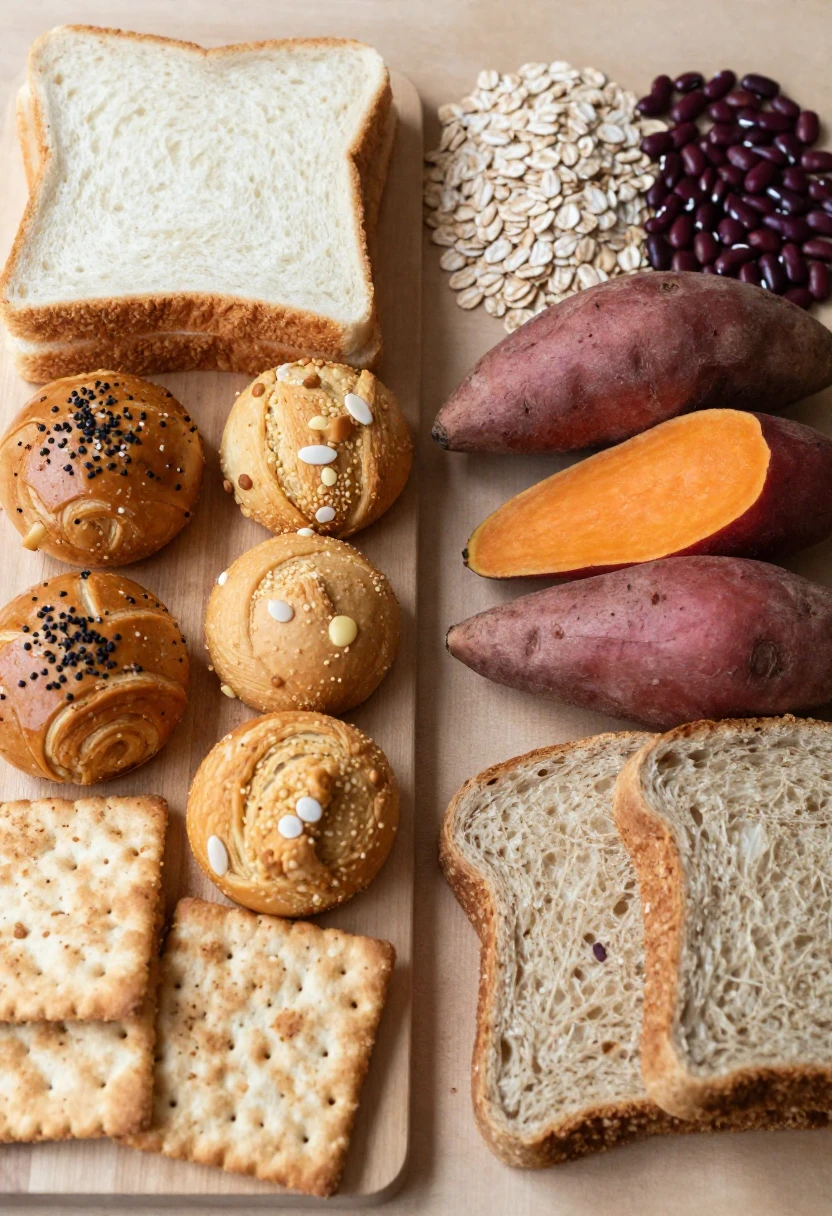
Think about how easy it is to build a whole day around foods like toast, cereal, crackers, flavored yogurt, pastries, white bread sandwiches, granola bars, or takeout rice bowls with barely any vegetables. These foods are familiar, convenient, and often comforting. But when they dominate your meals, they can leave your body running on quick fuel without much staying power.
Why Refined Carbs Leave You Hungry Again
Refined carbohydrates digest quickly. That means they can raise your blood sugar fast, give you a short burst of energy, and then drop you right back into hunger, cravings, or that heavy afternoon slump.
You have probably felt this before. Maybe breakfast was a muffin and coffee, and by 10:30 you were already thinking about snacks. Or lunch looked decent on paper, but it was mostly bread, chips, or noodles, and your body started asking for more not long after.
That is not a lack of willpower. It is often just biology.
When a meal is built mostly around refined carbs and does not include enough fiber, protein, or healthy fat, it usually does not keep you full for very long. You get a quick lift, then the crash. And once that pattern repeats day after day, it becomes easy to feel like you are always chasing the next thing to eat.
Signs Your Meals Need More Substance
Sometimes the problem is not how much you are eating. It is what your meals are missing.
A carb-heavy, low-nutrient eating pattern often shows up like this:
- You feel hungry again soon after meals
- You snack constantly, even when you ate not long ago
- Your energy rises and falls all day
- You crave sweets in the morning or afternoon
- You feel mentally foggy after eating
- Your meals look filling, but they do not feel satisfying
It can be surprisingly subtle. A bowl of cereal. A bagel on the go. A sandwich with very little protein. Pasta without vegetables or beans. Toast for dinner because the day got away from you. None of these choices are unusual. But when they happen often, your diet starts to lose depth.
Your body does not just want food volume. It wants steady fuel.
How to Fix It in Real Life
The good news is that you do not need to cut carbs out or start eating like a different person. You just need to make your carbs work harder for you.
Start by choosing more whole or minimally processed carbohydrate sources, and pair them with foods that slow digestion and improve satisfaction.
Here are a few simple upgrades:
- Swap white bread for whole grain or seeded bread
- Choose oats instead of sugary breakfast cereals
- Use brown rice, quinoa, barley, or sweet potatoes more often
- Add beans or lentils to soups, salads, bowls, and pasta dishes
- Pair fruit with yogurt, nuts, or nut butter instead of eating it alone
- Build meals with carbs + protein + healthy fat + fiber whenever possible
That last point matters most. A slice of toast on its own will never satisfy you the way toast with eggs and avocado can. A plain bowl of pasta is different from pasta with olive oil, greens, white beans, and grilled chicken. The goal is not to make food complicated. It is to make it more complete.
A helpful way to think about it is this: carbs are not the problem, but lonely carbs often are.
When you start pairing carbohydrates with real, nutrient-dense foods, something shifts. You feel full for longer. Your energy becomes steadier. Cravings quiet down. Meals stop feeling like temporary fixes and start feeling like actual support.
And once that happens, the next gap in the modern diet becomes easier to spot too: not enough fiber for digestion, fullness, and long-lasting energy.
Nutrient Gap #2 — Not Enough Fiber for Digestion, Blood Sugar, and Fullness
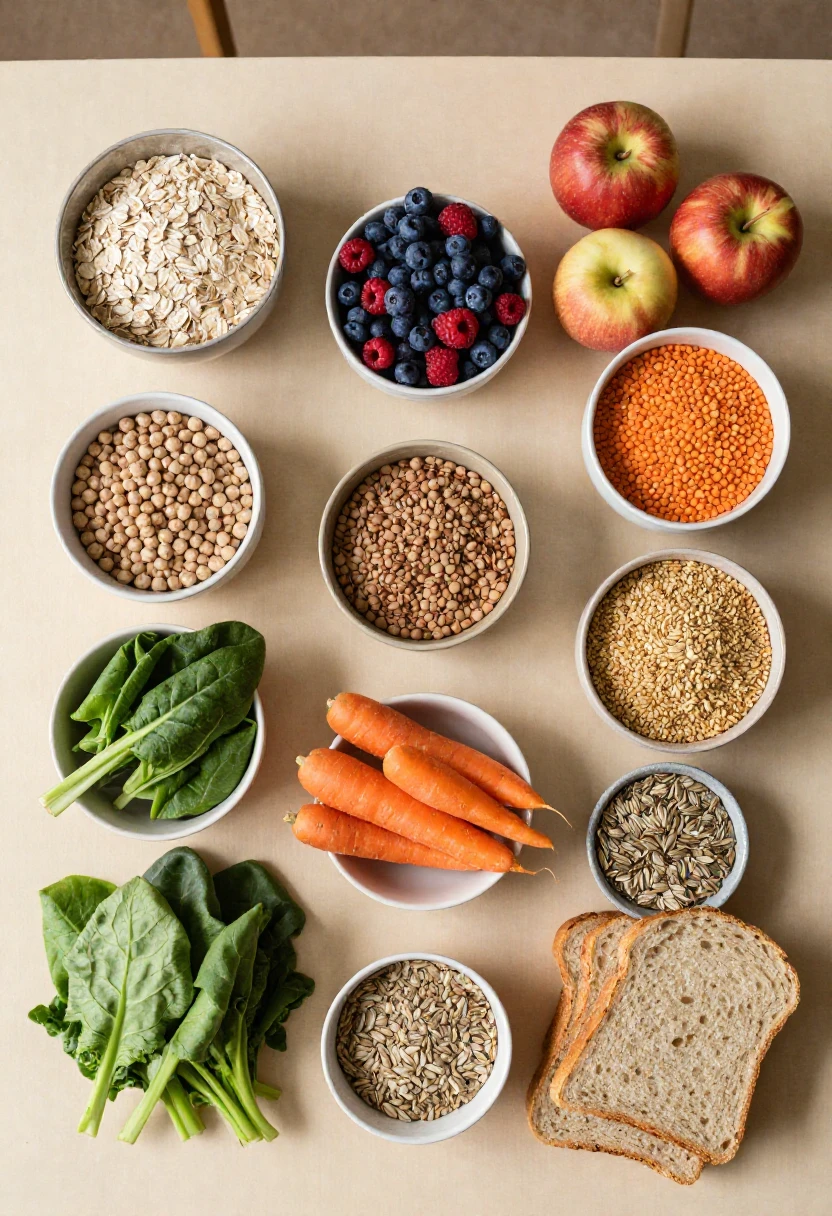
Fiber does not get the same attention as protein or vitamins, but it quietly does a huge amount of work for your body.
It helps support digestion, keeps meals satisfying, slows down how quickly sugar enters your bloodstream, and plays an important role in gut health. And yet, in many modern diets, fiber is one of the first things to disappear.
Not dramatically. Just gradually.
A white bagel instead of oatmeal. Crackers instead of fruit. A sandwich with barely any vegetables. Pasta without beans or greens. A snack bar in place of a real meal. Day by day, whole plant foods get pushed aside, and fiber intake drops without most people even realizing it.
Why Fiber Matters More Than Most People Think
Fiber is one of those nutrients you often notice only when you are not getting enough.
When your meals are low in fiber, you may feel:
- Hungry again too quickly
- Bloated or sluggish
- Less satisfied after eating
- More drawn to sugary snacks
- Stuck in a cycle of energy dips and cravings
That happens because fiber helps create a slower, steadier eating experience. It adds bulk to meals, supports healthy digestion, and helps your body process food in a way that feels more balanced. A fiber-rich meal tends to stay with you. It does not vanish 45 minutes later and leave you staring into the pantry.
There is also something deeply practical about fiber: it usually comes packaged inside foods that bring other benefits too. Beans give you minerals and plant protein. Berries offer antioxidants. Vegetables bring vitamins, water, and texture. Whole grains add lasting energy. When you eat more fiber, you are rarely improving just one thing.
Common Ways Fiber Disappears From the Plate
A low-fiber diet often looks completely normal from the outside.
It can look like:
- Breakfast made from refined cereal, toast, or pastries
- Lunch built around white bread, wraps, or packaged foods
- Snacks that come from boxes instead of plants
- Dinners that are mostly meat and starch with little color
- Days with very few beans, lentils, fruit, seeds, or vegetables
This is especially common when life gets busy. Fresh food can feel like effort. Shelf-stable food feels easy. And when you are tired, convenience usually wins over intention.
There is no shame in that. But it helps explain why so many people eat enough food and still feel oddly unsatisfied. Their meals may be missing the kind of texture, bulk, and depth that fiber naturally brings.
Easy Ways to Eat More Fiber Without Forcing It
The best way to eat more fiber is not to obsess over numbers. It is to make small, repeatable upgrades to the foods you already eat.
Try ideas like these:
- Add berries, sliced pear, or chia seeds to breakfast
- Choose oats instead of sugary cereals more often
- Toss beans or lentils into soups, pasta sauces, grain bowls, or salads
- Keep apples, carrots, cucumbers, or oranges where you can actually see them
- Use whole grain bread, brown rice, or quinoa when it fits naturally
- Add one extra vegetable to meals you already make
One of the easiest tricks is to stop asking, “What should I cut out?” and start asking, “What can I add here?”
Could your toast use some avocado and tomato?
Could your lunch use a handful of greens?
Could your pasta take a scoop of white beans or roasted broccoli?
Could your afternoon snack be fruit plus nuts instead of crackers alone?
Those tiny additions matter more than people think.
When fiber comes back into your diet consistently, meals start to feel different. You feel fuller. Digestion often improves. Energy becomes more stable. Food stops feeling like a quick fix and starts feeling like real support.
And once you start paying attention to what creates satisfaction, another common modern diet problem becomes impossible to ignore: many people are either eating the wrong kinds of fat, or not enough nourishing fat at all.
Nutrient Gap #3 — Fear of Fat Leads to the Wrong Kinds of Fat
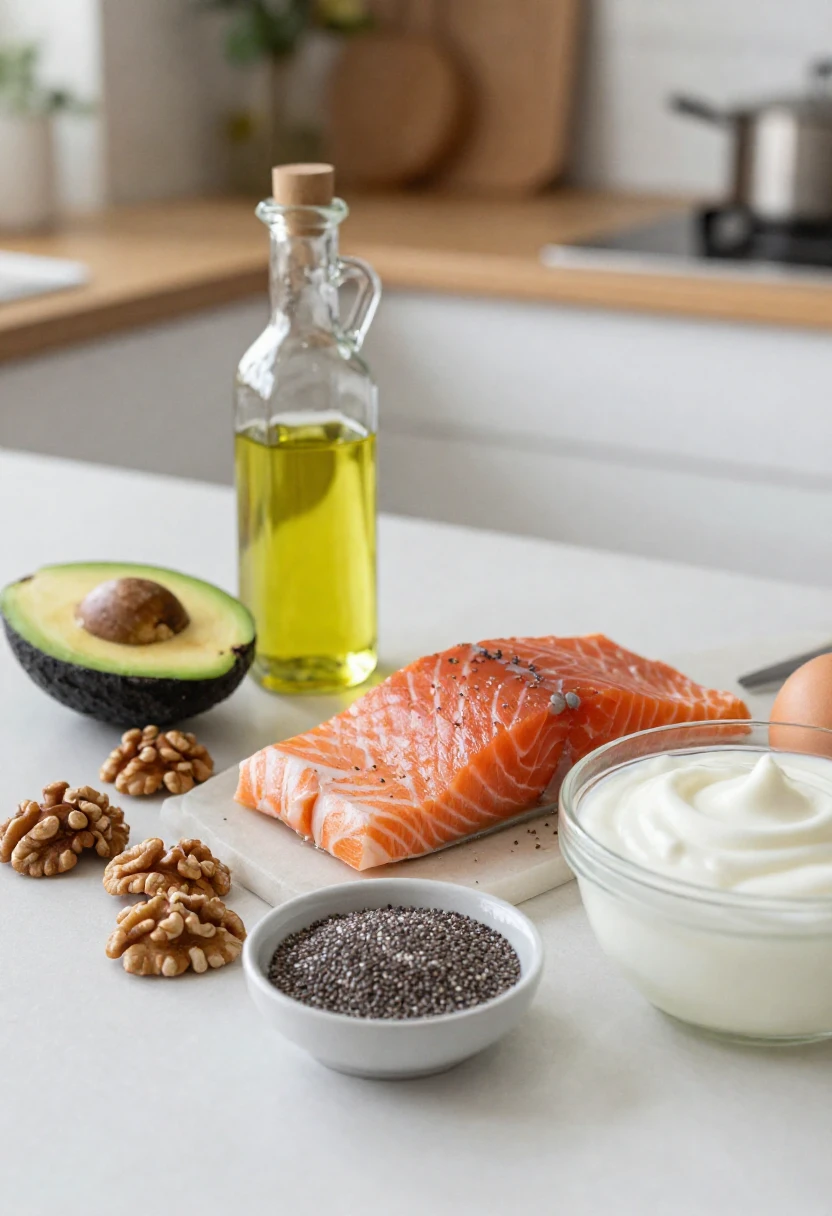
Fat has had a confusing reputation for years.
For a long time, people were taught to fear it, avoid it, or choose anything labeled “low-fat” without thinking much about what replaced it. That is part of why so many modern diets ended up packed with refined carbs, sugary snacks, and ultra-processed products that promise lightness but do not actually leave you feeling well.
The truth is, your body needs fat. Not huge amounts of greasy, heavy food. Not endless fried snacks. But real, nourishing fats that help support your brain, hormones, skin, energy, and ability to feel satisfied after a meal.
Not All Fats Work the Same Way
This is where things often get oversimplified.
Fat is not one single thing. The fats in salmon, walnuts, olive oil, avocado, chia seeds, and yogurt do not affect your body in the same way as the fats in heavily processed pastries, deep-fried fast food, or packaged snack foods.
Some fats help meals feel grounding and complete. Others tend to show up in foods that are easy to overeat and hard to feel satisfied by.
Supportive fats can help:
- Keep you full longer
- Support hormone production
- Improve absorption of certain vitamins
- Support brain and heart health
- Make meals taste better and feel more satisfying
That last point matters more than people admit. A meal with no healthy fat often feels flat, both physically and emotionally. You finish it, but it does not quite land. Then the urge to snack shows up an hour later.
Where Modern Diets Go Wrong
Many people end up in one of two patterns.
The first is eating too little nourishing fat because they still believe fat is the problem. They choose fat-free yogurt, dry salads, low-fat snacks, plain rice cakes, and meals that technically look healthy but feel joyless and unsatisfying.
The second is getting plenty of fat, but mostly from ultra-processed foods. Things like fries, chips, packaged desserts, fast food, frozen appetizers, and baked goods. These foods are common, convenient, and often delicious, but they do not offer the same kind of nourishment as fats from whole or minimally processed foods.
This is why someone can eat rich foods regularly and still be missing the fats their body actually needs.
A diet low in quality fats may show up as:
- Meals that never feel fully satisfying
- Frequent snacking after “healthy” meals
- Low energy or mental fog
- Cravings for rich, salty, or crunchy foods
- A sense that something is missing from the plate
Sometimes that “something” is literally just enough good fat to make the meal complete.
How to Bring Healthy Fats Back to Your Plate
You do not need to drown everything in oil or start counting grams. The goal is simply to include small, reliable sources of nourishing fat in a way that feels natural.
Some of the easiest options include:
- Avocado on toast, grain bowls, or salads
- Olive oil in dressings, roasted vegetables, or simple cooking
- Nuts and seeds added to yogurt, oatmeal, salads, or snacks
- Nut butter with fruit or whole grain toast
- Fatty fish like salmon, sardines, or trout
- Eggs as an easy, satisfying staple
- Plain yogurt or other minimally processed dairy, if it works for you
These are not fancy wellness foods. They are ordinary ingredients that make meals feel more complete.
A salad with chickpeas, vegetables, and olive oil will usually satisfy you more than a dry salad with low-fat dressing. Oatmeal with chia seeds and walnuts feels different from oatmeal made with nothing but water. Roasted vegetables with tahini or olive oil are more comforting than vegetables eaten as an afterthought.
The difference is not just taste. It is nourishment.
When you stop treating fat like something to fear and start choosing better sources of it, food often becomes more peaceful. Meals last longer. Cravings ease up. You stop wandering back into the kitchen looking for the thing that was missing.
And when refined carbs, low fiber, and poor-quality fats all start stacking up together, the result is something many people know well: you eat enough, but still feel tired, snacky, and never quite satisfied.
Why These Nutrient Gaps Can Leave You Tired, Craving More, and Never Fully Satisfied

This is the part many people find surprisingly reassuring: if you often feel tired, snacky, or unsatisfied after eating, it does not automatically mean you are overeating, undereating, or doing everything wrong.
Sometimes it simply means your meals are not giving your body the kind of support it needs.
When refined carbs, low fiber, and poor-quality fats start showing up together, they create a pattern that feels familiar to a lot of people. You eat, but your energy does not last. You snack, but nothing really hits the spot. You try to be “good,” yet by evening you are standing in the kitchen looking for something crunchy, sweet, or comforting.
That is not random. Your body is responding to what it has — and what it is still missing.
The Everyday Symptoms People Often Ignore
Nutrient gaps do not always look dramatic. More often, they show up as ordinary problems people brush off for months or even years.
Things like:
- Feeling hungry soon after meals
- Afternoon energy crashes
- Cravings for sugar, bread, or salty snacks
- Brain fog or trouble focusing
- A sense of being full, but not satisfied
- Wanting something else even after you just ate
It is easy to blame yourself for these feelings. A lot of people do. They assume they need more discipline, more control, or a stricter plan.
But your body is not a machine that responds only to calories. It responds to meal quality, balance, timing, and nourishment. When those things are off, appetite can get louder, energy can wobble, and food can start feeling emotionally messy.
You may have had days like this:
Breakfast was quick and mostly carbs.
Lunch was something convenient but light on vegetables or protein.
By mid-afternoon, you were tired enough to want coffee and a snack.
Dinner happened late, and suddenly you felt like eating everything in sight.
That is not a moral failure. That is often the natural result of undernourishing meals stacked across the day.
Why Your Body Keeps Asking for More Food
Your body is incredibly smart.
When meals are missing fiber, protein, healthy fats, or enough whole-food substance, your appetite often does what it is designed to do: it keeps nudging you to keep looking. It is not always asking for more volume. Sometimes it is asking for better fuel.
That is why eating a large amount of low-quality food can still leave you unsatisfied. Your stomach may be full, but your body has not gotten the steady, grounding nutrition that helps it relax.
This is also why balanced meals tend to feel calmer. When you eat food that includes:
- Slow-digesting carbohydrates
- Enough fiber
- A solid source of protein
- Healthy fats
- Some real color and variety
…something changes. Hunger becomes more predictable. Cravings soften. Energy feels less chaotic. You stop feeling like you are constantly recovering from your last meal.
And perhaps most importantly, you start trusting your body again.
That trust matters. Because once you understand that many cravings and crashes are not just about “wanting junk,” but about missing nourishment, food starts to feel less confusing. You stop fighting yourself so much. You start building meals that actually work for you.
The good news is that fixing this does not require a total diet makeover. Often, it comes down to a few smart shifts you can repeat every day — which is exactly where we are going next: three simple ways to fix the modern diet without starting over.
3 Simple Ways to Fix the Modern Diet Without Starting Over
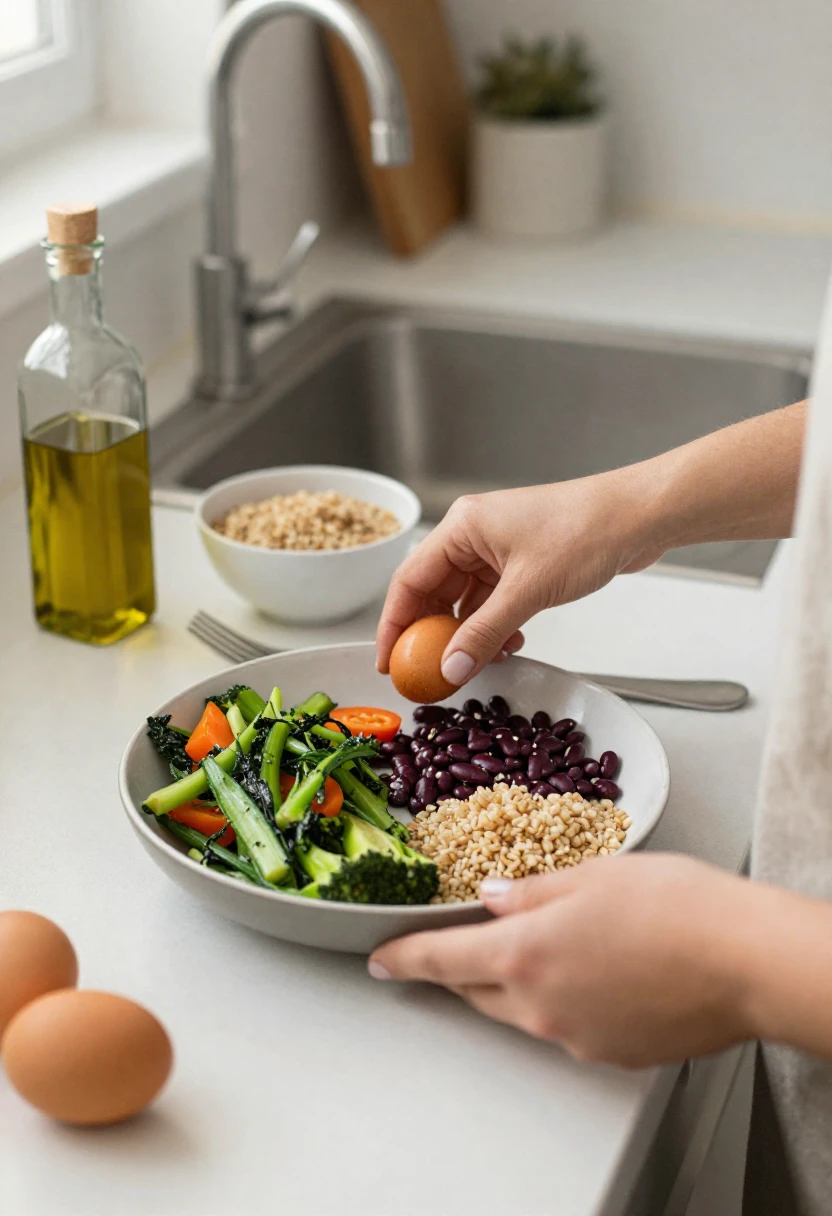
This is where healthy eating gets easier.
When people realize their diet is missing key nutrients, they often assume the solution has to be dramatic. A full pantry reset. A strict meal plan. A long list of foods to avoid. A Monday-morning version of themselves who suddenly loves meal prep and never gets tired.
Real life usually does not work that way.
The most effective changes are often the ones that feel almost ordinary. They fit into your schedule. They use foods you already know. They do not ask you to become perfect overnight. They simply help your meals do a better job.
Build Your Plate Around Whole Foods First
You do not need every meal to look like a wellness magazine spread. But it helps to make whole or minimally processed foods the center of more meals, instead of treating them like an optional extra.
That might mean:
- Choosing oatmeal with fruit and seeds instead of a pastry
- Building lunch around eggs, beans, chicken, fish, or yogurt
- Adding vegetables, lentils, or greens to meals you already make
- Using whole grains or potatoes instead of relying only on white bread or snack foods
A simple way to think about it is this: start with the food that actually nourishes you, then build around that.
For example:
- Instead of asking, “What is quick?” ask, “What will actually hold me?”
- Instead of starting with crackers, start with fruit, yogurt, nuts, eggs, or leftovers
- Instead of making carbs the whole meal, make them part of a more complete plate
This shift sounds small, but it changes a lot. When whole foods come first, nutrient gaps naturally get smaller.
Add Before You Remove
This may be the most helpful mindset of all.
A lot of people approach healthy eating like punishment. They focus on cutting things out, being stricter, or trying to resist foods they enjoy. That often creates stress, not consistency.
A gentler and more realistic strategy is to ask: What can I add to make this meal more nourishing?
That question opens the door to better eating without turning food into a fight.
You can add:
- A handful of spinach to eggs or pasta
- Berries or chia seeds to yogurt or oatmeal
- Beans to soup, salad, tacos, or rice bowls
- Avocado or olive oil to a meal that feels flat
- Nuts or seeds to snacks that need more staying power
- An extra vegetable to dinner, even if it is frozen and simple
This approach works because it feels kind, not extreme. And over time, those additions start to crowd out what was missing before. Meals become more balanced without feeling forced.
Make Practical Swaps You Can Actually Keep
You do not need a “perfect” grocery cart. You need a few smart defaults.
The best changes are the ones you can repeat on busy Tuesdays, tired Thursdays, and lazy Sundays. That means choosing swaps that fit your life instead of chasing an ideal version of healthy eating.
Some realistic examples:
- Swap sugary cereal for oats or a higher-fiber option
- Swap white toast alone for toast with eggs, nut butter, or avocado
- Swap chips as a snack for fruit and nuts, or hummus with crackers and vegetables
- Swap plain pasta dinners for pasta with beans, greens, olive oil, and protein
- Swap low-fat flavored yogurt for plain yogurt with fruit
- Swap “nothing for breakfast” for something small but balanced
You do not have to do all of this at once. Even one or two changes repeated often can make your meals feel very different.
That is what matters most: not intensity, but repetition.
Healthy eating becomes sustainable when it feels like support rather than pressure. The goal is not to build a diet that looks impressive for three days. It is to build one that helps you feel better week after week.
And once you understand how to do that, it becomes much easier to picture what nourishing eating actually looks like in daily life. So next, let’s make it concrete with a simple day of eating that covers more nutrients without feeling complicated.
A Simple Day of Eating That Covers More Nutrients
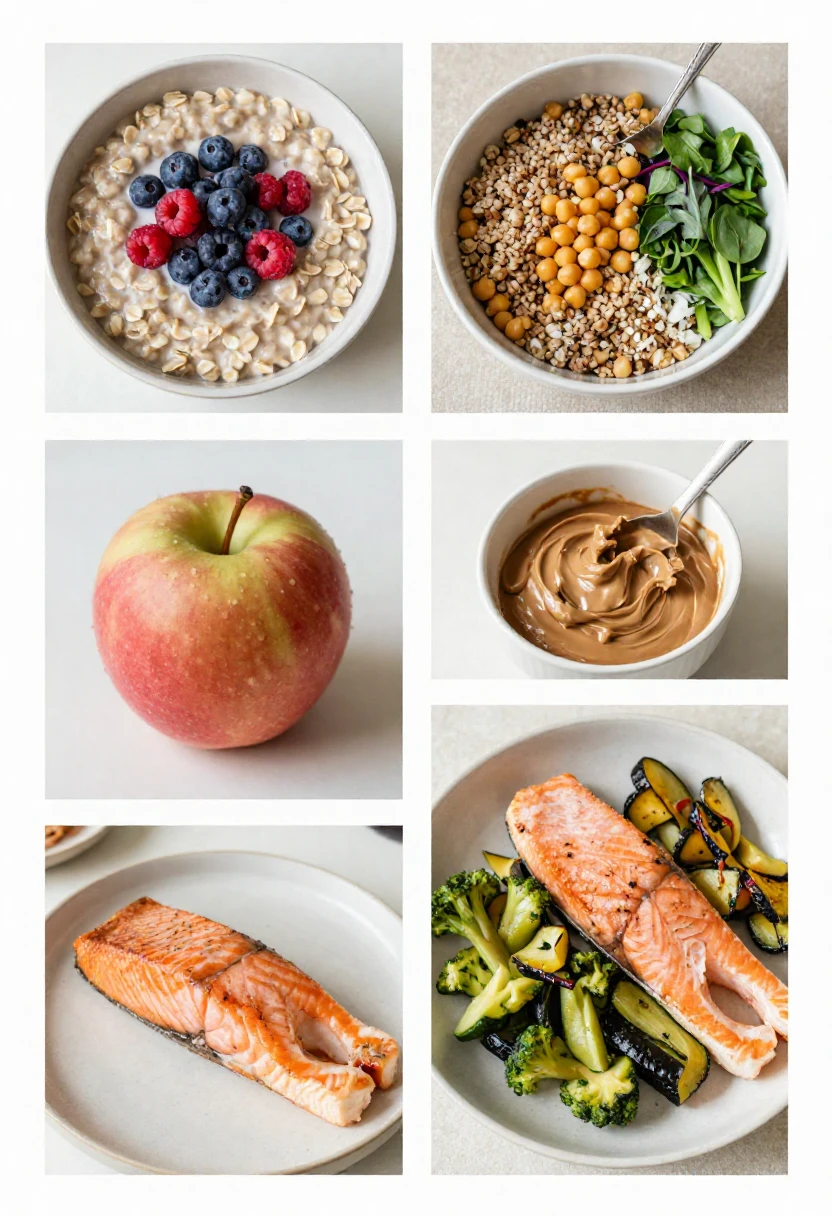
Sometimes healthy eating sounds sensible in theory, but feels vague when you try to picture it on a real Tuesday.
What does a more nourishing day actually look like when you are busy, hungry, and not interested in turning every meal into a project?
Usually, it looks much simpler than people expect.
The goal is not perfection. It is to build meals that include steady carbohydrates, fiber, protein, healthy fats, and real whole-food variety. When those pieces come together, your body tends to feel the difference. You stay fuller longer. Energy becomes more even. Food stops feeling like something you are constantly trying to manage.
Here is one easy example.
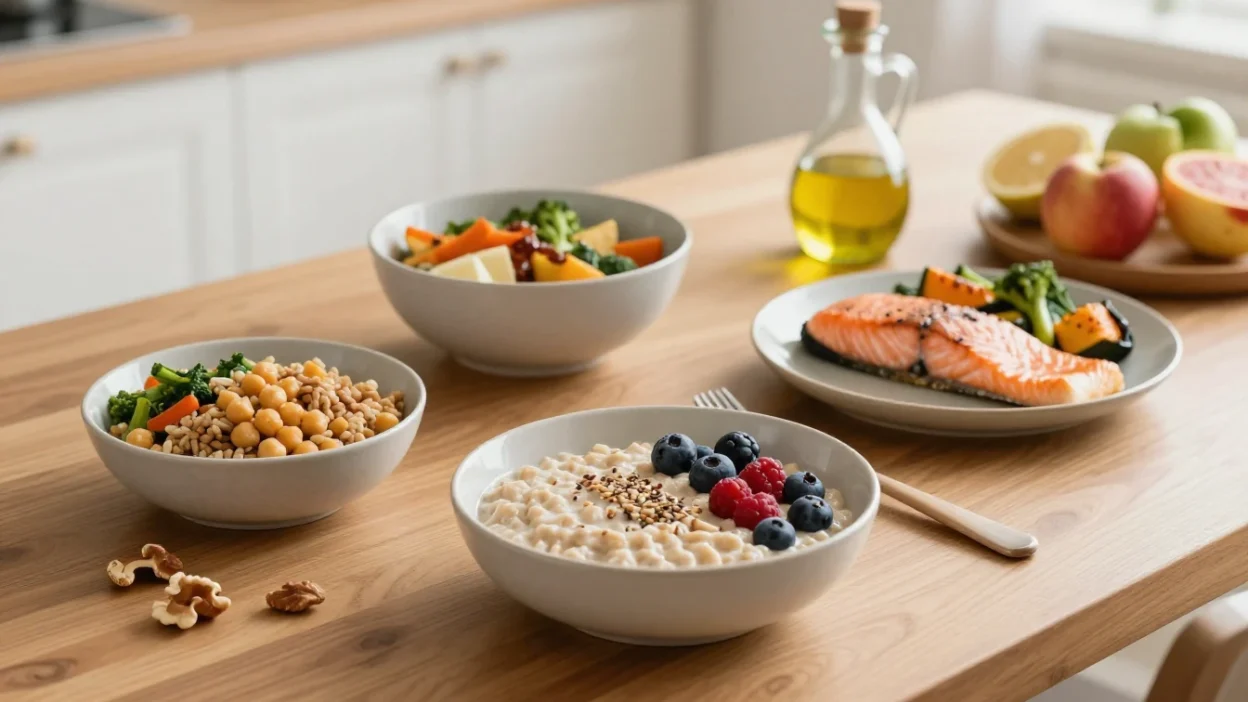
Breakfast
A nourishing breakfast might be:
Oatmeal topped with berries, chia seeds, walnuts, and plain yogurt
Why this works:
- Oats give you slow-digesting carbs and fiber
- Berries add freshness, color, and antioxidants
- Chia seeds and walnuts bring healthy fats and extra staying power
- Yogurt adds protein and makes the meal feel more complete
This kind of breakfast feels very different from grabbing a pastry on the go. It is warm, filling, a little creamy, a little sweet, and much more likely to carry you through the morning without that sharp crash.
If oatmeal is not your thing, the same idea can show up in other ways:
- Whole grain toast with eggs and avocado
- Greek yogurt with fruit, seeds, and nuts
- A smoothie with berries, spinach, nut butter, and protein-rich yogurt
The important part is not the exact recipe. It is giving your morning meal more substance.
Lunch
A balanced lunch might be:
A grain bowl with brown rice or quinoa, roasted vegetables, chickpeas, greens, olive oil, and grilled chicken or tofu
Why this works:
- Whole grains offer lasting energy
- Vegetables and greens add fiber, texture, and nutrients
- Chickpeas bring fiber and plant protein
- Olive oil adds healthy fat and satisfaction
- Chicken or tofu helps make the meal steady and filling
This is the kind of lunch that helps you feel fed instead of just patched together.
It also does not need to be fancy. A grain bowl can come from leftovers. Roasted vegetables can be frozen. Chickpeas can come from a can. Olive oil and lemon can be the dressing. Nourishing meals are often built from ordinary ingredients arranged a little more thoughtfully.
Snack
A useful snack might be:
An apple with nut butter
or
Plain yogurt with walnuts and cinnamon
A good snack is not just something to quiet hunger for 10 minutes. It should help bridge the gap between meals without sending you into another energy dip.
That is why snacks work better when they include a mix of:
- Carbohydrates for energy
- Protein or fat for staying power
- Some real-food texture and substance
Other easy options include:
- Carrots and hummus
- Cottage cheese with fruit
- Whole grain crackers with cheese
- A boiled egg and a piece of fruit
Simple is enough.
Dinner
A satisfying dinner might be:
Salmon with roasted vegetables and quinoa or lentils
Why this works:
- Salmon offers protein and omega-3 fats
- Roasted vegetables bring fiber, color, and comfort
- Quinoa or lentils add slow carbs, minerals, and more fullness
This kind of meal feels grounding. It is the sort of dinner that lets your body exhale a little. You eat it, and you feel like you actually had dinner — not just something fast that leaves you wandering back into the kitchen later.
And if salmon is not realistic every week, the same structure still works with:
- Chicken and sweet potatoes
- Lentil stew with greens
- Eggs, roasted vegetables, and whole grain toast
- Bean chili with avocado
- Stir-fried tofu with rice and vegetables
The pattern matters more than the exact ingredients.
What This Kind of Day Really Shows
A nourishing day of eating does not have to be trendy, expensive, or rigid.
It simply helps you include more of what modern diets often miss:
- More fiber
- Better-quality fats
- Steadier carbohydrates
- Enough protein
- More whole foods overall
And maybe most importantly, it helps meals feel calm. Less frantic snacking. Less random grazing. Less of that vague feeling that you ate, but did not really get what you needed.
That is where healthy eating starts to feel less like a rulebook and more like self-respect.
Because when your food supports you properly, everyday life often feels easier too. And that brings us to the final practical piece: small changes that make healthy eating feel easier, more natural, and much more doable in real life.
Small Changes That Make Healthy Eating Feel Easier
This is where things start to feel more real.
Most people do not struggle with healthy eating because they do not care. They struggle because good intentions often fall apart in ordinary moments — when the fridge looks empty, when work runs late, when everyone is hungry at once, when cooking feels like one more thing you do not have energy for.
That is why the best nutrition advice is not just about what is healthiest on paper. It is about what helps you eat well more consistently, with less effort.
Shop Differently So Better Choices Feel Easier
Healthy eating becomes much more realistic when your kitchen quietly supports it.
You do not need to buy everything organic, trendy, or expensive. You just need a few staples that make nourishing meals easier to pull together, even on tired days.
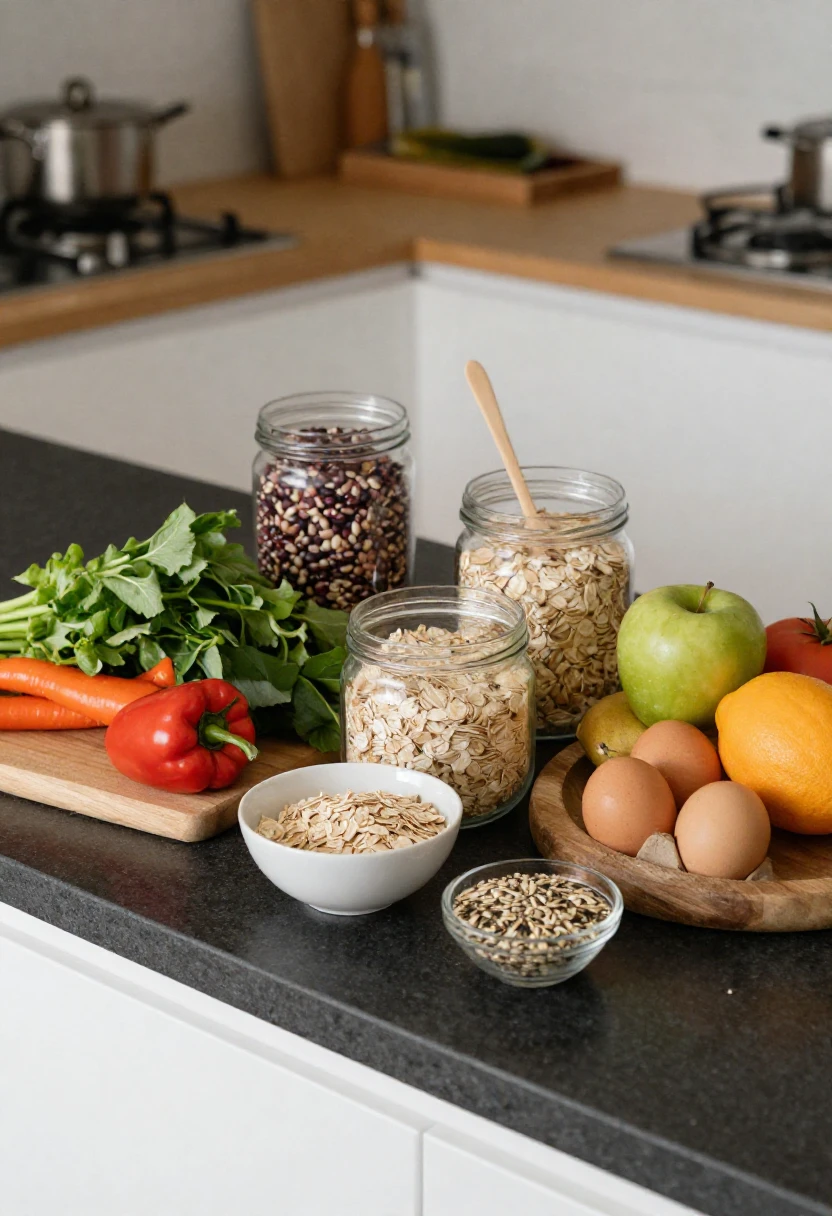
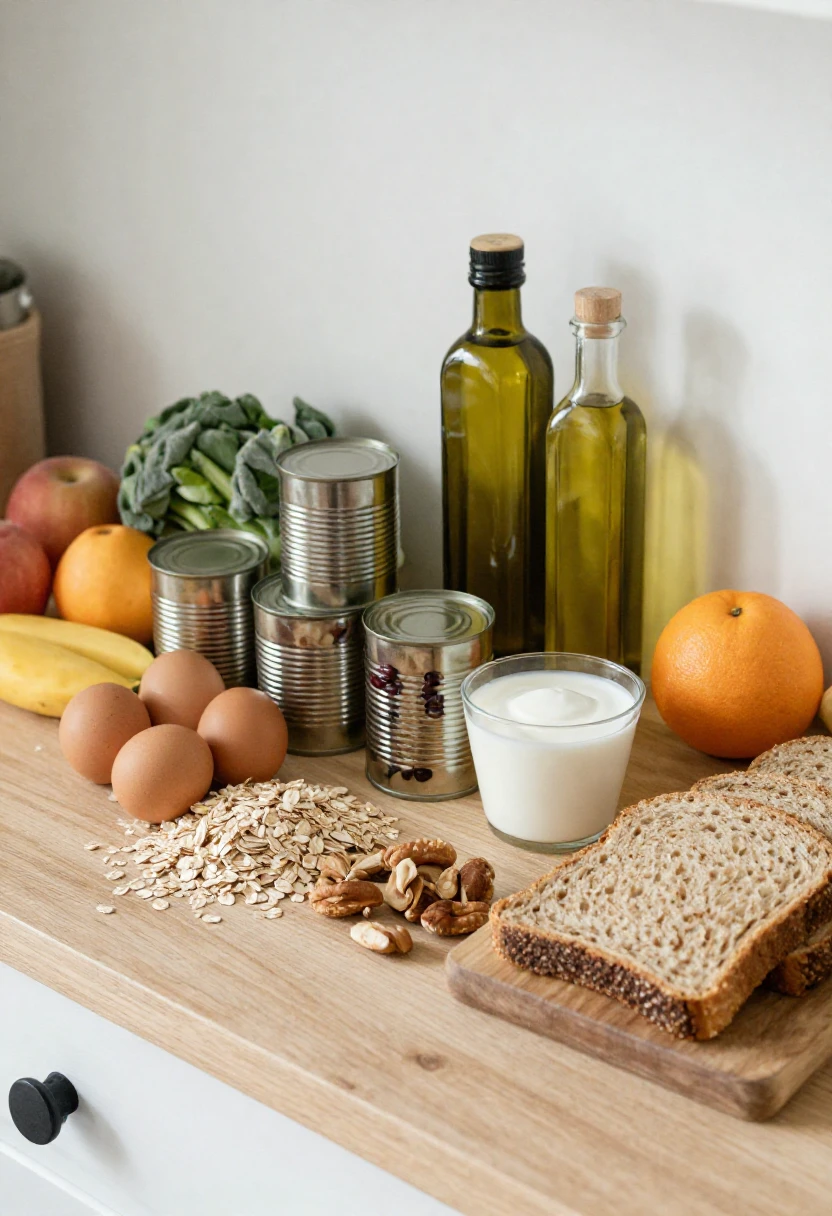
A helpful grocery rhythm often includes:
- A few proteins like eggs, yogurt, beans, tofu, chicken, or fish
- Fiber-rich carbs such as oats, potatoes, brown rice, whole grain bread, or quinoa
- Healthy fats like olive oil, nuts, seeds, avocado, or nut butter
- Produce that actually gets eaten, whether fresh or frozen
- A few simple extras like hummus, canned lentils, frozen vegetables, or soup ingredients
One of the smartest things you can do is stop shopping for your ideal self and start shopping for your real life.
If you are not going to roast three trays of vegetables every Sunday, that is fine. Buy bagged greens, frozen broccoli, baby carrots, cherry tomatoes, or pre-cooked beets. If canned beans help you eat more fiber, they count. If frozen berries make breakfast easier, they count too.
Convenience is not the enemy. Used well, it is one of the best tools you have.
Cook a Little, Benefit a Lot
You do not need to become someone who cooks every meal from scratch.
Even making two or three simple meals at home each week can improve the quality of your diet more than people expect. Homemade meals tend to give you more control over ingredients, more whole foods, and a better chance to include fiber, protein, and healthy fats in the same plate.
And cooking does not have to mean recipes with 14 steps.
It can look like:
- Roasting vegetables while rice cooks
- Boiling eggs for quick breakfasts or snacks
- Making a pot of lentil soup
- Baking salmon and potatoes on one tray
- Stirring beans into pasta sauce
- Putting together a grain bowl from leftovers
These are not glamorous meals. They are the kind of meals that quietly make life easier.
A fridge with cooked rice, washed fruit, boiled eggs, or roasted vegetables in it feels different from a fridge full of random ingredients with no clear next step. It creates momentum. It lowers the barrier between hunger and a better choice.
Stop Chasing Perfection
This may be the shift that matters most.
A lot of people make healthy eating harder by turning it into a test. One missed workout, one takeout meal, one weekend dessert, and suddenly the whole thing feels ruined. That mindset makes food stressful, and stress rarely leads to better habits.
Your diet does not need to be flawless to support your health. It needs to be good often enough.
That means:
- Some meals will be beautifully balanced
- Some meals will be basic but decent
- Some meals will just get the job done
All of that can still be part of healthy eating.
What matters is the overall pattern. Are you giving your body more real food than before? Are you building meals with more substance? Are you making choices that help you feel steadier, fuller, and more energized most of the time?
That is progress. And progress is what changes how you feel.
When healthy eating becomes simpler, gentler, and more practical, it stops feeling like a project. It starts feeling like part of daily life — something that supports you quietly, meal by meal.
And that is really the heart of it. You do not need a perfect diet to feel better. You just need a more nourishing one, built from small choices your body can actually benefit from day after day.
Conclusion
If your diet has been leaving you tired, snacky, or never quite satisfied, the problem may not be that you are eating too much or trying too little. It may simply be that your meals are missing some of the things your body relies on most: fiber, nourishing fats, steady carbohydrates, protein, and real whole-food variety.
The good news is that fixing this does not have to be dramatic. A more nourishing diet often starts with small changes that feel almost ordinary — adding beans to lunch, choosing oats over sugary cereal, keeping fruit where you can see it, cooking one simple dinner instead of ordering out again.
Those choices may seem small, but your body notices them.
Healthy eating is not about perfection. It is about building meals that help you feel more steady, more energized, and more at ease in your own body. And when food starts doing that, everything else feels a little easier too.
FAQ
How can I tell if my diet is missing important nutrients?
Some common signs include low energy, frequent cravings, feeling hungry soon after meals, brain fog, digestive sluggishness, and never feeling fully satisfied after eating. These do not always mean a serious deficiency, but they can be clues that your meals need more balance and nutrient density.
What are the most common nutrient gaps in a modern diet?
Many modern diets are low in fiber, healthy fats, whole-food variety, and sometimes quality protein and key minerals. This often happens when meals rely heavily on refined carbs, packaged snacks, and ultra-processed convenience foods.
Do I need supplements to fix a poor diet?
Not always. In many cases, improving your everyday meals can make a big difference. Foods like beans, oats, vegetables, fruit, nuts, seeds, eggs, yogurt, and fish can help fill common gaps naturally. Supplements may help in some cases, but food should usually be the foundation.
What is the easiest first step to improve my diet?
A good place to start is to add more real food to one meal a day. For example, you could make breakfast more balanced with oats, fruit, and yogurt, or improve lunch by adding vegetables, beans, and a healthy fat. Small changes done consistently often work better than a full diet overhaul.