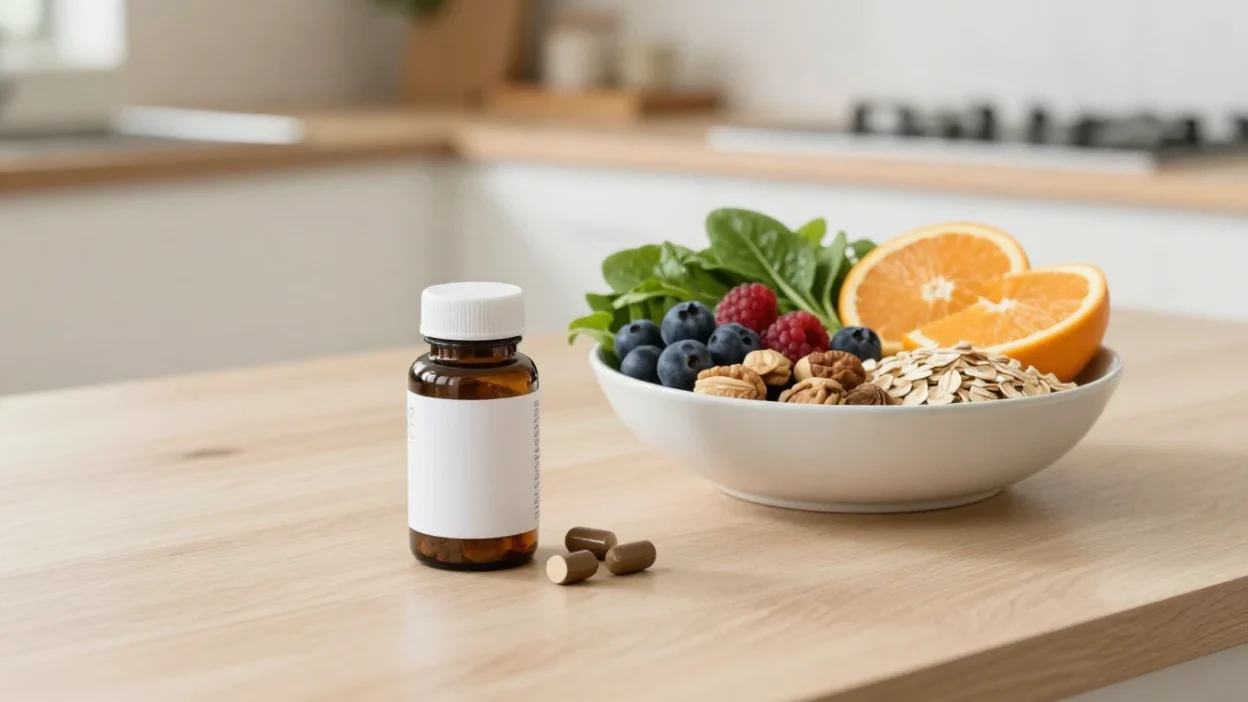
A bottle of vitamins can feel harmless. It sits next to your coffee mug, your breakfast bowl, maybe your little stack of “I’m trying to take better care of myself” things. A magnesium capsule for sleep. Vitamin D because winter has been long. A probiotic because your stomach has been acting strange. Herbal tea, collagen powder, hair gummies, turmeric capsules. Nothing dramatic.
That is exactly why dietary supplements can be tricky.
Most people do not take them because they want to replace real food or ignore their health. They take them because they want to feel better, fill a possible gap, or support something that already matters to them: energy, digestion, immunity, bones, sleep, skin, mood, recovery. And sometimes, a supplement really can be useful.
But “useful” and “automatically safe” are not the same thing.
Food works slowly and messily, in the best way. A bowl of lentil soup gives you fiber, minerals, protein, water, texture, and warmth. A supplement gives you a concentrated dose of something specific. That can help when your body actually needs it, but it can also become too much, interact with medication, or distract you from the boring basics that matter more than a capsule.
I’m not against supplements. I have used them myself, and I understand the appeal of a simple fix when you are tired or your diet has not been perfect. But I do think they deserve more respect than we usually give them. Before you add another bottle to the shelf, it helps to ask a few plain questions: Why am I taking this? Is the dose reasonable? Could it interact with anything? Do I actually need it?
This guide will walk you through what dietary supplements are, when they may help, when they can be risky, and how to choose them with a little more common sense. Not fear. Not hype. Just a calmer way to look at the bottle before you open it.
What dietary supplements actually are
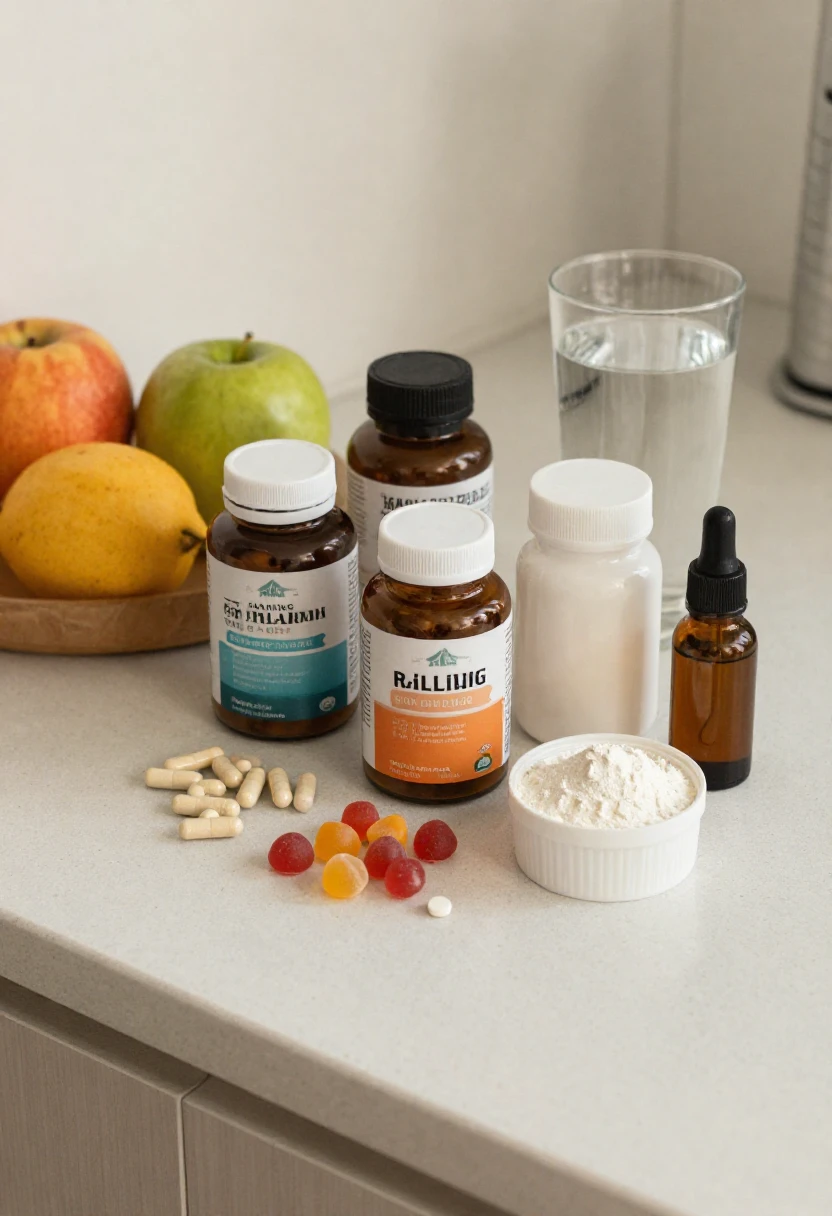
Dietary supplements are products made to add something to your diet, not replace the diet itself. That sounds obvious, but it is where a lot of confusion starts. A supplement can be a vitamin capsule, a mineral tablet, a herbal tincture, a protein powder, a probiotic, a gummy, a greens blend, or a little packet you stir into water before breakfast.
The NIH Office of Dietary Supplements describes them as products that may include vitamins, minerals, herbs and botanicals, probiotics, and other ingredients meant to supplement what you eat. They are not medicines and are not meant to diagnose, treat, prevent, or cure disease. (Office of Dietary Supplements)
That distinction matters.
A vitamin D capsule may help someone whose level is low. Iron may be needed for someone with a diagnosed deficiency. B12 can be important for people who avoid animal foods. But that does not mean every tired person needs a drawer full of supplements.
Sometimes you need a supplement.
Sometimes you need lunch.
Vitamins, minerals, herbs, powders, and gummies
The supplement aisle has become oddly cheerful. Bright bottles, clean labels, pastel gummies, powders that promise a better morning. It does not look intimidating. It looks like self-care.
But inside those bottles, the products can be very different from each other.
A basic vitamin C tablet is not the same thing as a concentrated green tea extract. A gentle fiber supplement is not the same thing as a “fat burner.” A magnesium powder before bed is not the same thing as a herbal blend with five plants, caffeine, and a proprietary formula you cannot fully understand from the label.
Common dietary supplements include:
- vitamins, such as vitamin D, vitamin C, B vitamins, and vitamin A
- minerals, such as magnesium, calcium, zinc, iron, iodine, and selenium
- herbs and botanicals, such as turmeric, echinacea, ashwagandha, valerian, ginkgo, and milk thistle
- probiotics, often marketed for digestion and gut health
- protein powders, collagen powders, greens powders, and fiber powders
- specialty products, such as sleep blends, energy blends, beauty supplements, and workout formulas
Some are simple. Some are not.
That is why I like to look at supplements less like “healthy extras” and more like concentrated tools. A tool can help, but you still need to know what it does before you use it every day.
Why people take them
Most supplement habits start with a normal human feeling: “Something feels off.”
You feel tired. Your hair is shedding more than usual. Your stomach feels unsettled. You keep getting muscle cramps. Your sleep is messy. Your skin looks dull. You saw someone online say magnesium changed their life, and suddenly the bottle is in your cart.
I get it. Food and health can feel confusing, and supplements offer a neat answer. One capsule. One scoop. One small ritual that feels productive.
People often take supplements for:
- energy
- immunity
- sleep
- digestion
- bone health
- hair, skin, and nails
- stress support
- workout recovery
- nutrient gaps
- “just in case” health insurance
The “just in case” part is where I get cautious.
A supplement works best when there is a clear reason behind it. “My doctor found low vitamin D” is a reason. “I eat vegan and need B12” is a reason. “I keep seeing this on TikTok” is not enough, especially if the product is expensive or has a long ingredient list.
Supplements are not the same as food
A bowl of oatmeal with berries and walnuts is not just “carbs plus antioxidants plus omega-3.” It is breakfast. It has fiber, texture, warmth, chew, minerals, plant compounds, and enough substance to carry you through the morning.
A supplement is narrower.
That can be useful. If you need vitamin D, taking vitamin D directly may make sense. If you need B12, fortified foods or a supplement can be practical. If your diet is limited for a while, a supplement can help cover a gap.
But food gives your body a wider package.
An orange gives you vitamin C, yes, but also water, fiber, acidity, aroma, and that sticky little burst when you pull the segments apart. Beans give you magnesium, potassium, protein, fiber, and a meal that actually fills you. Sardines give you protein, omega-3 fats, calcium if you eat the soft bones, and a salty richness that works beautifully on toast with lemon.
No capsule gives you dinner.
This is why “food first” still makes sense, even if it sounds boring. Supplements can support your diet, but they do not fix a pattern of skipping meals, sleeping four hours, drinking too little water, or living mostly on coffee and snacks grabbed between tasks.
Before adding another supplement, it is worth asking one very unglamorous question:
What would improve first if I ate a proper meal more often?
Are dietary supplements safe?
The honest answer is: some are, some are not, and a lot depends on the person taking them.
That sounds less satisfying than “yes” or “no,” but it is closer to real life. A basic multivitamin taken as directed is very different from a high-dose herbal extract, a weight-loss capsule, or a stack of five different products you bought over several months and forgot to compare.
Dietary supplements can be helpful when they are matched to a real need. They can also cause problems when the dose is too high, the label is unclear, or the supplement interacts with medication. NCCIH notes that supplements may interact with medications or pose risks for people with certain medical conditions, people preparing for surgery, pregnant or nursing people, and children. (NCCIH)
So the better question is not “Are supplements safe?” It is:
Is this supplement safe for me, at this dose, with my health history, my medications, and my actual diet?
That question is less catchy. But it is much more useful.
“Natural” does not always mean gentle
The word “natural” does a lot of work on supplement labels. It makes a product feel softer, safer, closer to food. A leaf on the package, a beige label, a little phrase about ancient traditions, and suddenly the bottle feels almost harmless.
But the body does not care whether an active compound came from a plant, a lab, or a mineral deposit. It cares what that compound does.
Herbal supplements can affect sleep, blood pressure, digestion, liver enzymes, bleeding risk, hormones, or how your body handles medications. That does not make herbs bad. It just means they are active.
Think about coffee. It is natural. It is also powerful enough to make your hands shake if you drink too much. Peppermint is natural, but it can bother some people with reflux. Grapefruit is food, but it can interact with several medications. Nature is not weak.
The same idea applies to herbal capsules and extracts. A cup of mild herbal tea is one thing. A concentrated extract taken every morning is another.
The dose matters more than people think
A nutrient from food usually arrives with company.
Take spinach. It gives you folate, magnesium, potassium, fiber, water, and plant compounds. You chew it, digest it, and eat it as part of a meal. A capsule gives you a direct amount of one thing, sometimes far above what you would casually get from food.
That can be useful when a deficiency is real. It can be too much when you are guessing.
This is especially important with nutrients that can build up or cause issues in high amounts. Fat-soluble vitamins like A, D, E, and K are often discussed with more caution because the body handles them differently than water-soluble vitamins. Minerals like iron, iodine, zinc, and selenium also deserve respect. More is not automatically better.
Iron is a good example. If someone is truly low in iron, the right supplement can make a big difference. But taking iron “just in case” is not a small decision. The NIH Office of Dietary Supplements includes information on iron’s health risks from excessive intake and possible medication interactions in its professional fact sheet. (Office of Dietary Supplements)
I think of supplements like salt in cooking. A little can fix the whole dish. Too much ruins it.
Some supplements are low-risk, others need more caution
Not every supplement belongs in the same risk bucket.
A simple vitamin D supplement at a reasonable dose, recommended after a blood test, is not the same as a “detox cleanse” with ten herbs and no clear amounts. A fiber powder with a short ingredient list is not the same as a high-stimulant energy blend. A prenatal vitamin chosen with a clinician is not the same as a random hormone-support supplement from an ad.
Products that usually deserve extra caution include:
- weight-loss supplements, especially if they promise fast results
- detox or cleanse products, especially teas and laxative-style formulas
- energy blends, especially with caffeine or stimulant-like ingredients
- muscle-building or performance products with unclear ingredients
- high-dose single nutrients, especially if taken long-term
- herbal extracts, especially when mixed with medication
- proprietary blends, where the label hides the exact amount of each ingredient
The phrase “proprietary blend” always makes me pause. Sometimes it is harmless branding. Sometimes it means you cannot tell how much of each active ingredient you are actually taking.
And if you cannot tell what is in the product, you cannot really judge the risk.
Supplements can also be unnecessary
This part is less dramatic, but it matters: many supplements are not dangerous. They are just not doing much for the person taking them.
That can still be a problem.
Money goes into bottles instead of groceries. A supplement routine gets treated like a health plan. Someone buys hair gummies but eats very little protein. Someone takes an immunity blend but sleeps five hours a night. Someone uses a greens powder but rarely eats actual vegetables because the powder feels like it “covers” them.
I do not say that to shame anyone. Honestly, I understand the appeal. A scoop in water is easier than washing kale, cooking lentils, and planning meals.
But supplements work best when they fill a specific gap. They are much less impressive when they are used to paper over a daily routine that is running on fumes.
Before you assume you need another product, look at the simple stuff first:
- Are you eating enough protein?
- Are you getting fiber most days?
- Do you eat fruits and vegetables in a normal, repeatable way?
- Are you drinking enough water?
- Are you sleeping enough for your body to recover?
- Are you skipping meals and then trying to fix the crash with capsules?
A supplement can support your health. It cannot outwork a week of barely eating real meals.
The safest supplement is the one with a clear reason
The safest supplement routine is usually boring. One or two products. Clear purpose. Reasonable dose. No dramatic claims. No mystery blends. No “I take this because everyone online does.”
Something like this:
“I take vitamin D because my blood level was low.”
“I take B12 because I eat vegan.”
“I take iron because my clinician told me I need it.”
“I use protein powder on days when I cannot get enough protein from meals.”
“I take a prenatal vitamin because I am planning pregnancy and my doctor recommended it.”
That kind of routine makes sense. It has a reason behind it.
The risky version is different. It grows slowly. A multivitamin. Then magnesium. Then zinc. Then a sleep blend. Then a hair gummy with more biotin. Then a greens powder with added vitamins. Then an immunity packet when winter starts.
Suddenly, you are not taking “a few supplements.” You are taking overlapping ingredients every day without really knowing the total dose.
That is where careful label reading starts to matter. Not in a paranoid way. Just in a grown-up kitchen-table way: turn the bottle around, read the amounts, and ask whether it still makes sense.
How supplements are regulated
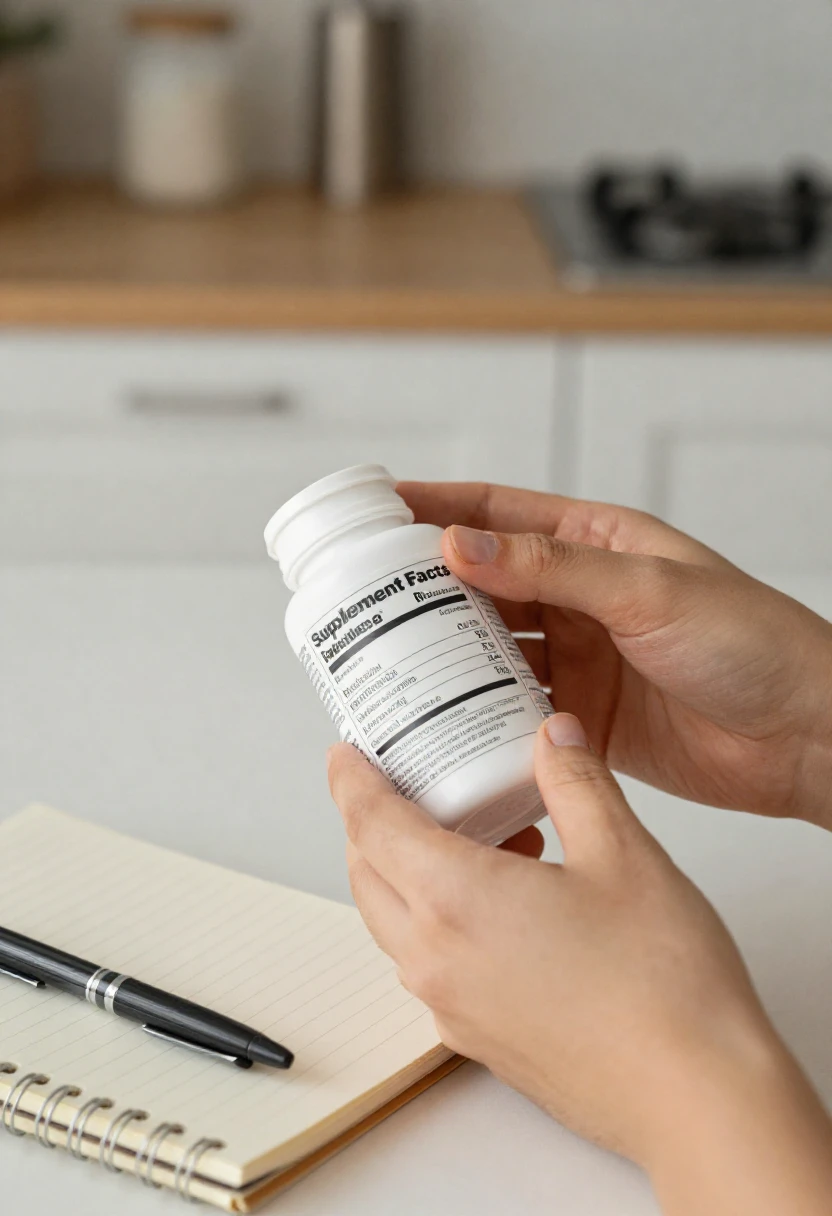
Supplement labels can look very official. The fonts are clean, the claims sound polished, and the bottle may sit on the same shelf as products you already trust. It is easy to assume that someone approved every promise before the product reached the store.
That is not quite how it works.
In the United States, dietary supplements are regulated as a category of food, not like prescription or over-the-counter drugs. FDA explains that it does not approve dietary supplements or their labeling before they are sold to the public. Companies are responsible for making sure their products are safe and properly labeled. FDA can take action later if a product is unsafe, misbranded, or making illegal claims. (U.S. Food and Drug Administration)
That does not mean every supplement is suspicious. It means you, the buyer, need to read labels with a little more attention.
Why supplement labels can sound convincing
Supplement marketing has its own language.
You will often see phrases like:
- “supports immune health”
- “promotes relaxation”
- “helps maintain healthy joints”
- “supports metabolism”
- “promotes digestive balance”
- “helps support energy”
These claims sound medical-adjacent, but they are usually not the same as saying a product treats a disease. FDA calls many of these structure/function claims. They describe how an ingredient may affect the normal structure or function of the body, but they cannot legally claim to diagnose, treat, cure, or prevent disease unless the product meets drug requirements. (U.S. Food and Drug Administration)
That is why the small print matters.
You have probably seen the familiar disclaimer on supplement labels: the statement has not been evaluated by FDA, and the product is not intended to diagnose, treat, cure, or prevent any disease. It is easy to skip over that sentence because it appears so often. But it tells you something important: the marketing claim may be allowed, but it is not the same as a proven treatment plan.
So when a bottle says “supports calm,” read it as “this product is being marketed for relaxation,” not “this will fix anxiety.” When a gummy says “supports hair growth,” read it as “this contains nutrients associated with hair health,” not “this will solve hair loss.”
The difference matters, especially when the problem you are trying to fix might need bloodwork, medication, or a real diagnosis.
Why FDA approval is not the same for supplements and drugs
A medication has to go through a much stricter path before it can be sold for treating a condition. A dietary supplement does not work that way.
For supplements, the company is generally responsible for safety, labeling, and truthful claims before the product reaches you. FDA’s role is different from pre-approving every bottle. It can inspect, issue warnings, remove unsafe products, and act against companies that make false or illegal claims, but that often happens after a product is already on the market. (U.S. Food and Drug Administration)
This is one reason I get nervous around dramatic supplement promises.
A normal, boring label is usually more trustworthy than a loud one. “Vitamin D3, 25 mcg” is clearer than “sunshine energy immune miracle blend.” A brand that explains its dose, ingredients, testing, and warnings is doing more useful work than a brand that fills the label with dreamy wellness language.
I like boring labels. Boring is underrated.
Why third-party testing matters
Third-party testing is not a magic shield, but it is a good sign.
It means an outside organization has checked something about the product, such as whether it contains what the label says, whether it meets certain quality standards, or whether it has been screened for specific contaminants. This can be especially helpful with products where quality varies a lot: protein powders, herbal extracts, sports supplements, and high-dose vitamins or minerals.
Look for signs that are specific and verifiable, not vague.
Helpful phrases may include testing by organizations such as USP, NSF, or ConsumerLab, depending on the product and market. You can also look for lot numbers, clear contact information, transparent ingredient amounts, and a brand website that does more than repeat the same marketing lines from the bottle.
Less helpful phrases include:
- “doctor trusted” with no explanation
- “clinically inspired”
- “ancient formula”
- “pharmaceutical grade” without proof
- “clean” with no details
- “tested for purity” with no named tester or report
That last one bothers me. Tested by whom? For what? When?
A supplement label should not make you feel like you need detective training. But a little healthy skepticism can save you from buying products that are mostly packaging, promise, and powdered hope.
The label is your first safety check
Before you take a supplement, turn the bottle around and read the Supplement Facts panel.
Check:
- the serving size
- the amount per serving
- the percent Daily Value, if listed
- active ingredients
- other ingredients, such as sweeteners, fillers, colors, or binders
- warnings
- caffeine or stimulant content
- whether it duplicates something you already take
The NIH Office of Dietary Supplements notes that supplement labels list active ingredients, amount per serving, and other ingredients, and that a healthcare provider may recommend a different serving amount than the manufacturer suggests. (Office of Dietary Supplements)
This is especially useful with gummies and powders. Gummies can contain added sugar and may encourage people to take more because they taste like candy. Powders can hide a surprisingly long ingredient list behind a fruity flavor. “Greens” blends sometimes include extra vitamins, herbs, probiotics, digestive enzymes, and caffeine-containing extracts in the same scoop.
I am not saying you need to be afraid of them.
Just read the label like you would read a recipe before cooking it. You want to know what is going in before you commit.
When supplements may be useful
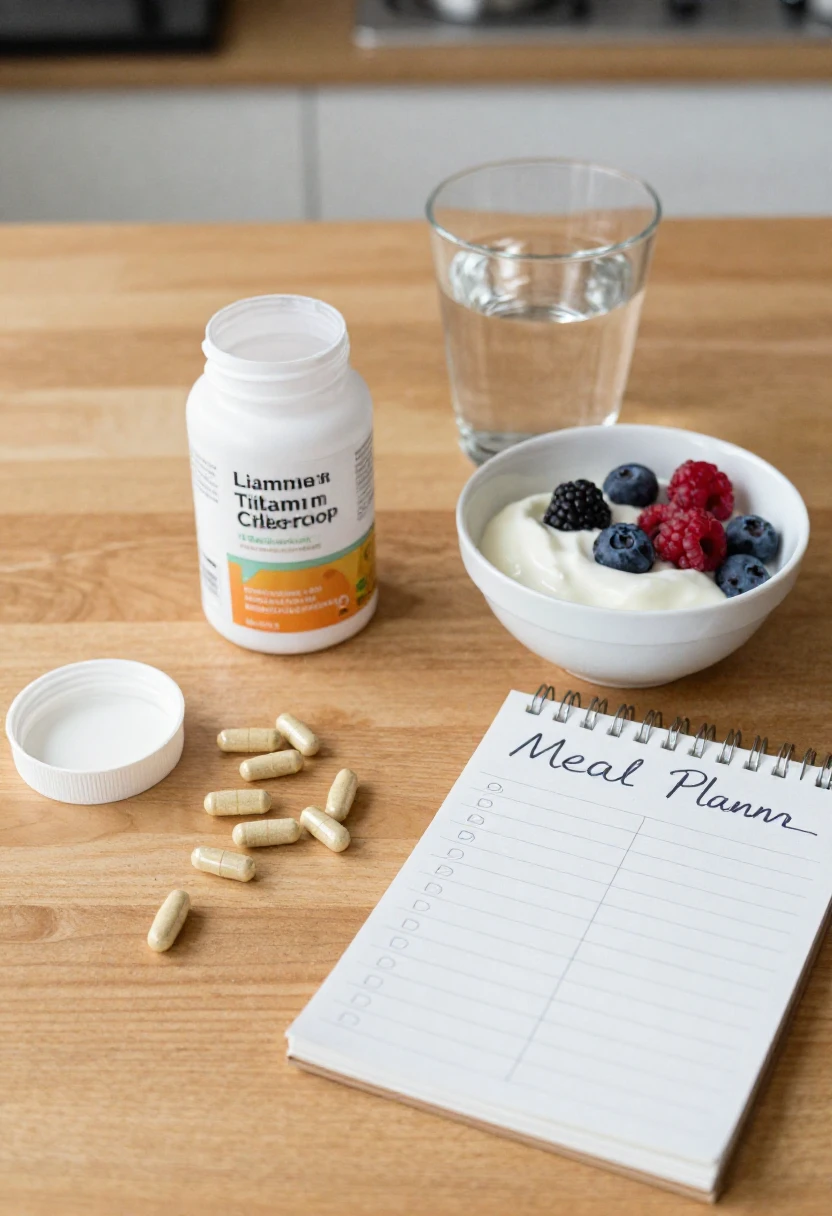
Supplements make the most sense when they solve a clear problem.
That is the part I wish more labels would say out loud. Not every supplement needs to be part of your daily routine. Not every tired week means you need a new bottle. But when there is a real gap, a dietary restriction, a life stage, or a medical reason, the right supplement can be practical.
I like to think of supplements as backup support, not the main character. Food still carries the meal. Sleep still matters. A walk outside still does things no capsule can do. But sometimes, your body needs something specific, and food alone may not be enough or may not be realistic right now.
When a real deficiency is found
This is probably the cleanest reason to take a supplement: testing shows you are low, and your healthcare provider recommends a plan.
Vitamin D is a common example. Low vitamin D can happen when intake stays low over time, sun exposure is limited, absorption is poor, or the body has trouble converting vitamin D into its active form. NIH notes that limited sunlight and low dietary intake can contribute to deficiency risk. (Office of Dietary Supplements)
Iron is another one. If you are low in iron, especially with symptoms like unusual fatigue, weakness, dizziness, shortness of breath, or heavy periods, guessing is not ideal. Bloodwork matters here because both too little and too much iron can be a problem.
B12 is similar. A supplement can be very useful when someone has low B12 or follows a diet that makes B12 harder to get. Vegans and some vegetarians have a higher risk of B12 deficiency because natural food sources of B12 are mostly animal foods; fortified foods and supplements can help reduce that risk. (Office of Dietary Supplements)
This is where supplements shine. Not as a vague wellness habit, but as a direct answer to a direct need.
When your diet has clear gaps
Sometimes the gap is not mysterious. You can see it in the way you eat.
If you do not eat fish, you may need to think more carefully about omega-3 fats. If you avoid dairy and do not use fortified alternatives, calcium and vitamin D may deserve attention. If you eat vegan, B12 is not optional in the long run. If your meals have been small, repetitive, or restricted for weeks, a basic supplement may help while you rebuild a better routine.
There is no shame in that.
Real life is not a perfectly arranged plate every day. People travel. People get busy. People lose appetite. People go through stressful months where dinner is toast, eggs, and whatever fruit is left in the bowl.
A supplement can be a bridge during those periods. The mistake is treating the bridge like a permanent home.
For example, protein powder can be useful if breakfast is usually rushed and you struggle to get enough protein. But it should not become the only protein you rely on. You still want eggs, yogurt, fish, chicken, tofu, beans, lentils, cottage cheese, or whatever fits your style of eating.
A greens powder might add some nutrients, but it does not give you the same chewing, fiber, water, and fullness as a plate of actual vegetables. I know, washing vegetables is less glamorous than shaking a scoop into a glass. Still true.
During certain life stages
Some life stages come with different nutrient needs. Pregnancy is the obvious one.
Folic acid is a good example because timing matters. The American College of Obstetricians and Gynecologists recommends that most women of reproductive age take a daily supplement with at least 400 mcg of folic acid to help prevent neural tube defects. (ACOG) That is not the kind of thing you want to figure out after the fact.
Older adults may also need closer attention to certain nutrients, including vitamin D, calcium, protein, and B12, depending on diet, absorption, medications, and health status. People recovering from illness, surgery, or periods of poor appetite may need temporary support too.
This does not mean everyone in those groups should self-prescribe a big supplement stack. It means the conversation is worth having with a doctor, dietitian, or pharmacist.
And yes, pharmacists are underrated here. If you take medication, a good pharmacist can often spot supplement interactions you might miss.
When food alone is difficult for practical reasons
There are seasons when “just eat better” is technically true and completely unhelpful.
Maybe you are caring for a newborn. Maybe work is swallowing your day. Maybe you are traveling, recovering from an illness, or dealing with low appetite. Maybe cooking feels like too much, and the best you can do is soup, toast, yogurt, and a banana.
In those moments, supplements can help cover the basics while you get back to steadier meals.
A few practical examples:
- A basic multivitamin may help during a short period of poor appetite.
- Protein powder can make breakfast easier when cooking is not happening.
- Electrolytes may help when you are sweating heavily or recovering from a stomach bug, depending on the situation.
- Vitamin D may be useful during months with little sun exposure, especially if your level is low.
- B12 is important if you avoid animal foods.
The goal is not to build a huge routine. The goal is to support yourself without pretending that supplements can do everything.
A good supplement habit should make your life simpler, not turn your kitchen counter into a pharmacy.
When supplements can become risky
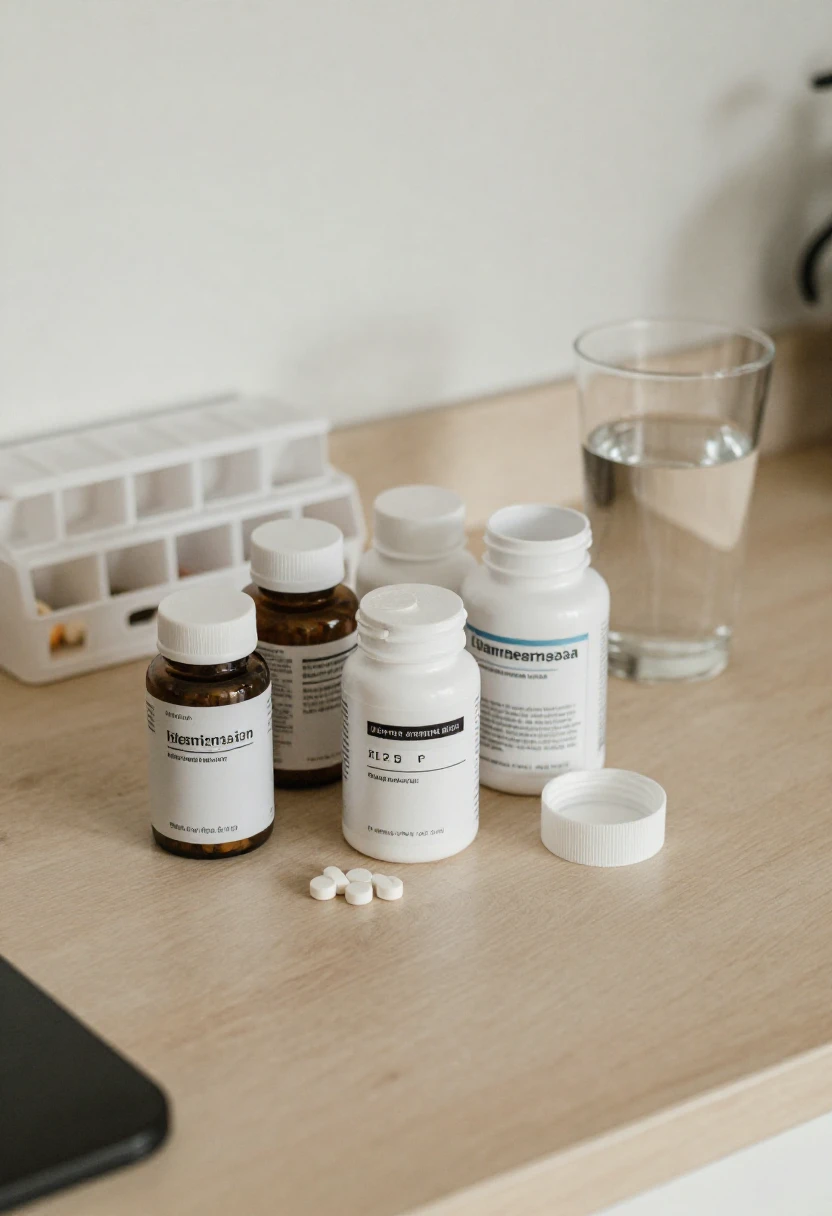
Supplements usually become risky in one of three ways: the wrong product, the wrong dose, or the wrong combination.
That is the part people often miss. A supplement may be fine for one person and a bad idea for another. Your friend may take an herbal sleep blend and feel great. You may take the same thing and feel groggy, nauseous, or run into a medication interaction.
Health is annoyingly personal that way.
The risk also grows when supplements are treated like snacks. One gummy here, one powder there, one “immune support” packet when you feel run down. Individually, none of it may look extreme. Together, the stack can get messy.
Mixing supplements with medication
This is the biggest reason to slow down.
Dietary supplements can interact with prescription and over-the-counter medications. FDA warns that combining supplements with medications can sometimes cause dangerous or even life-threatening effects, and gives St. John’s wort as an example because it can make some medicines less effective, including certain medicines used for heart disease, depression, HIV/AIDS, organ transplants, and birth control pills. (U.S. Food and Drug Administration)
That does not mean every supplement-medication mix is dangerous. It means you should not guess.
Be especially careful if you take medication for:
- blood pressure
- blood thinning or clotting
- depression, anxiety, or sleep
- diabetes
- heart disease
- seizures
- cancer treatment
- organ transplant care
- birth control
- HIV/AIDS
Surgery is another moment when supplements matter. NIH notes that some supplements can increase bleeding risk or change how your body responds to anesthesia. (Office of Dietary Supplements) That is why doctors often ask about vitamins, herbs, teas, and “natural” products before a procedure.
And yes, you should mention the boring ones too. The fish oil. The turmeric. The magnesium. The sleep gummy. The “just a tea” tea.
Taking too many products at once
Supplement stacking can sneak up on you.
You start with a multivitamin. Then you add vitamin D. Then zinc during cold season. Then hair gummies. Then a greens powder. Then a magnesium drink. Nothing feels excessive because each product has its own little reason.
But the labels may overlap.
Your multivitamin may already contain zinc, vitamin A, vitamin D, selenium, iodine, and B vitamins. Your hair gummies may add more biotin and zinc. Your immune packet may add more vitamin C, zinc, and vitamin D. Your greens powder may include extra vitamins plus herbal extracts.
Suddenly, you are taking several doses of the same nutrients every day.
NIH warns that side effects are more likely when supplements are taken at high doses, instead of prescribed medicines, or when many different supplements are taken together. (Office of Dietary Supplements) That last part is important because “many different supplements” does not always look dramatic from the outside. Sometimes it is just a tidy row of bottles beside the kettle.
A simple fix: put every supplement you take on the table once in a while and compare the labels. It is not glamorous, but it works.
High doses and long-term use
High-dose supplements deserve more respect than they usually get.
Some nutrients are water-soluble, which means your body can usually get rid of extra amounts more easily. Even then, high doses can still cause side effects. Other nutrients, especially fat-soluble vitamins like A, D, E, and K, are handled differently by the body and can build up more easily over time.
Minerals can also become too much. Iron, iodine, selenium, zinc, and calcium are not casual “more is better” nutrients. They all have jobs. They also have limits.
This is where the percent Daily Value on the label can be useful. If one serving gives you 500%, 1,000%, or more of something, pause. There may be a reason for that dose, but it should be a real reason, not just a bigger number that looks more powerful.
More is not more healthy.
Sometimes more is just more work for your body.
Weight-loss, detox, and energy supplements
Some supplement categories deserve a raised eyebrow right away.
Weight-loss products, detox teas, bodybuilding formulas, sexual enhancement supplements, and high-energy blends have a long history of aggressive marketing. FDA has warned about tainted products marketed as dietary supplements, including products promoted for weight loss, bodybuilding, sexual enhancement, sleep, diabetes, arthritis, and joint pain. FDA says it has identified over a thousand such products in recent years with hidden drugs or chemicals, including prescription drug ingredients, banned drugs, controlled substances, and untested active ingredients. (U.S. Food and Drug Administration)
That is not a small issue.
The red flags are usually easy to spot once you know what to look for:
- “works instantly”
- “doctor hated secret”
- “melt fat fast”
- “detox your liver”
- “no diet or exercise needed”
- “natural alternative to prescription medication”
- dramatic before-and-after images
- no clear ingredient amounts
- no real company information
I would be especially careful with anything that promises fast body changes or uses shame as a sales tactic. Good health advice usually sounds calmer than that.
Replacing medical care with supplements
A supplement can support your health. It should not become a reason to delay care when something feels wrong.
Fatigue, hair loss, stomach pain, low mood, irregular periods, dizziness, unexplained weight changes, chest symptoms, and persistent sleep problems can all have many possible causes. Some are nutrition-related. Some are not.
If you keep buying supplements for the same problem and nothing changes, that is information. Your body may be asking for a better answer than another bottle.
This is not about panic. It is about not letting wellness marketing talk you out of paying attention.
A supplement routine should make you feel more informed and supported, not more confused, more anxious, or more dependent on products you barely understand.
Herbal supplements: extra things to check
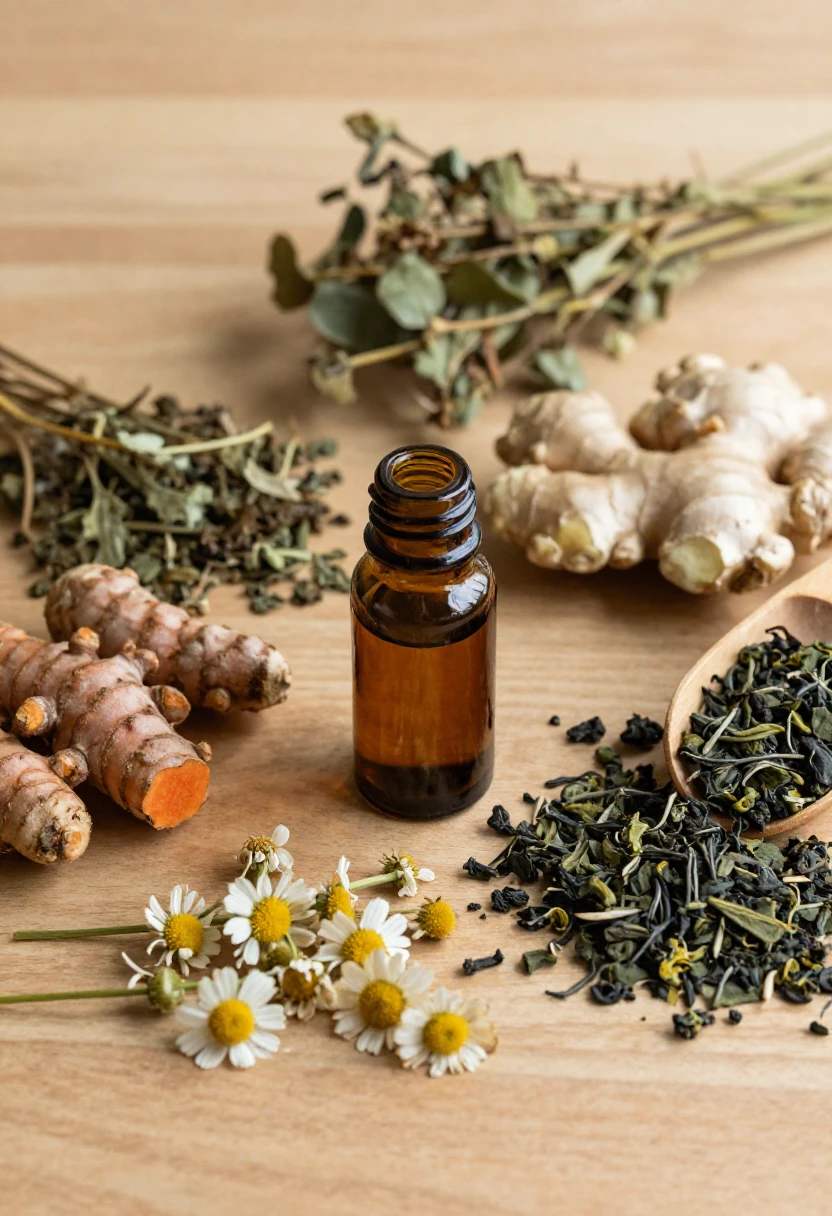
Herbal supplements feel familiar because herbs belong in the kitchen too.
Mint tea after dinner. Ginger when your stomach feels off. Turmeric in soup. Chamomile before bed. Rosemary on roasted potatoes. These are normal, cozy, everyday things. So when the same plant shows up in a capsule, it is easy to assume the capsule is just a stronger version of tea.
Sometimes that is partly true.
But a concentrated herbal extract is not the same as a sprinkle of spice or a mug of something warm. The dose is different. The extraction method is different. The way you take it is different. And if you take it every day, your body gets a much more regular exposure than it would from an occasional cup of tea.
NCCIH keeps a “Herbs at a Glance” resource with fact sheets on common botanicals, including what research says, possible side effects, and cautions. That is a useful place to look because herbs can have real effects, including interactions with medication. (NCCIH)
Why herbs can feel gentle but act strongly
There is nothing wrong with using herbs. I cook with them constantly. A little thyme in beans, ginger in broth, parsley over eggs, mint in yogurt sauce. Herbs make food better.
The issue is concentration.
A turmeric capsule may contain a concentrated curcumin extract, sometimes paired with black pepper extract to improve absorption. That is not the same as adding turmeric to lentil soup. A green tea extract capsule is not the same as drinking green tea with breakfast. A valerian sleep supplement is not the same as a bedtime routine with a cup of tea and a book.
The more concentrated the product, the more you need to think about dose, timing, health conditions, and medication.
St. John’s wort is the classic example. It is an herb, but NCCIH warns that it interacts with many medicines and can weaken the effects of some life-saving drugs or cause dangerous side effects. (NCCIH) That is not “just a plant.” That is a plant doing something strong enough to matter.
Common herbal supplements people use
You will see the same herbs again and again in wellness products.
Some of the most common ones include:
- echinacea, often marketed for immune support
- ginkgo biloba, often marketed for memory or circulation
- St. John’s wort, often marketed for mood support
- turmeric or curcumin, often marketed for inflammation and joint support
- ashwagandha, often marketed for stress support
- valerian, often marketed for sleep
- milk thistle, often marketed for liver support
- green tea extract, often used in energy or weight-loss products
Some people use these without problems. Others do not tolerate them well. Some should avoid certain herbs completely because of medication, pregnancy, liver issues, surgery, blood pressure concerns, or other health factors.
That is why I do not love the phrase “safe for everyone.” Almost nothing active is safe for everyone.
Herbal blends can hide the details
A single-ingredient herbal supplement is easier to judge than a blend.
With a blend, you may see ten herbs listed together under one total amount. The label might say “calming botanical complex” or “metabolism support blend,” but not show how much of each herb you are actually getting.
That makes it harder to answer basic questions:
- How much ashwagandha is in this?
- How much caffeine is in the green tea extract?
- Is the valerian dose mild or strong?
- Am I getting the same herb from another product?
- Could any of these herbs interact with my medication?
This is where “proprietary blend” becomes frustrating. It sounds professional, but for the person taking the supplement, it can mean less clarity.
I would rather buy the boring product that tells me exactly what is inside.
Red flags with herbal products
Some herbal products are careful, transparent, and well-labeled. Others lean hard on mystery and miracle language.
Be cautious when a product:
- promises to cure or treat serious conditions
- claims to work instantly
- uses phrases like “ancient secret” or “doctor won’t tell you”
- has no clear dosage
- hides amounts inside a proprietary blend
- has no third-party testing or quality information
- claims to replace medication
- uses dramatic before-and-after images
- is sold only through pushy ads or questionable marketplaces
FDA has warned that some products marketed as supplements may contain hidden drugs or chemicals, especially in categories like weight loss, bodybuilding, sexual enhancement, sleep, diabetes, arthritis, and joint pain. (U.S. Food and Drug Administration)
That does not mean every herbal product is bad. It means the louder the promise, the slower you should move.
A good herbal supplement should not need to scare you, flatter you, or make you feel foolish for asking questions. It should tell you what is inside, how much to take, who should avoid it, and where to find more information.
That is not too much to ask from a bottle you are putting into your body.
How to choose supplements more safely
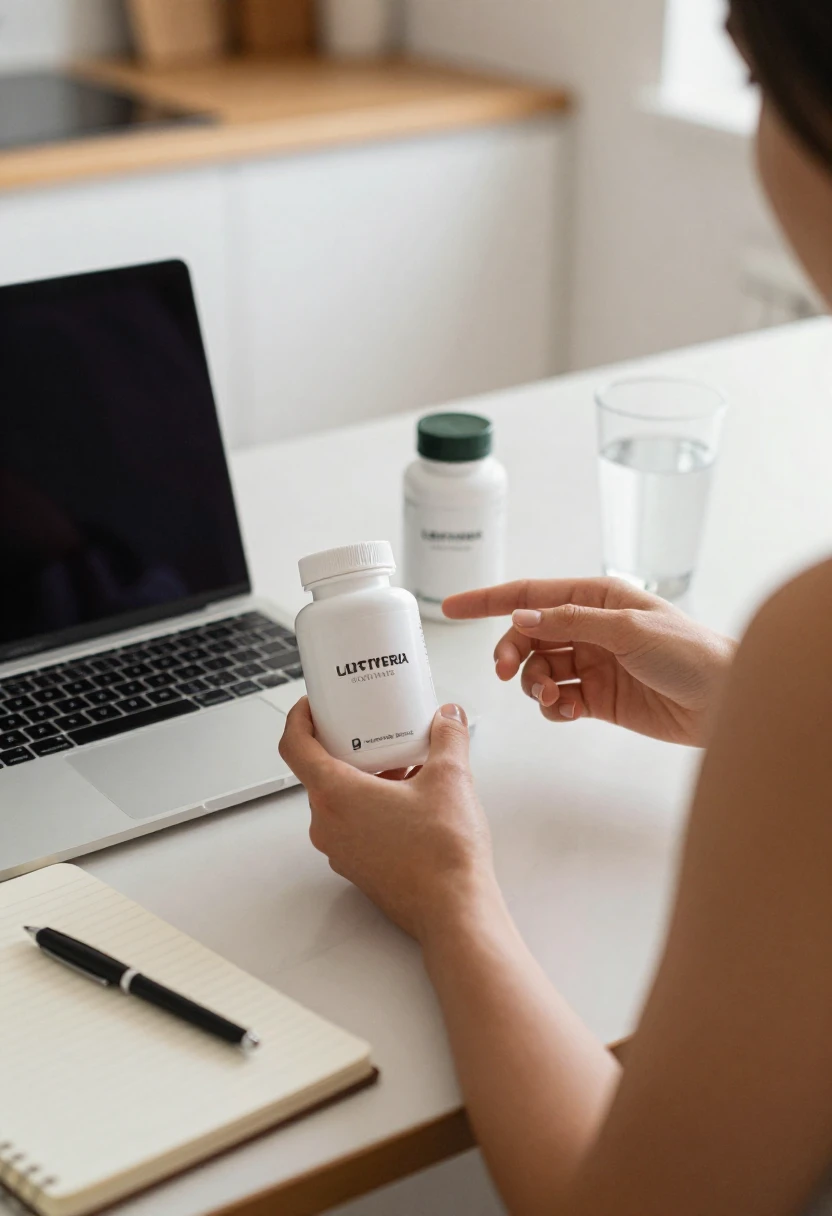
Choosing a supplement should feel a little like choosing food for a recipe. You do not need to panic over every detail, but you do want to know what you are putting in.
A pretty bottle is not enough. A friend’s recommendation is not enough. A dramatic promise on the front label is definitely not enough.
FDA advises consumers to be informed, read supplement labels carefully, and talk with a doctor, pharmacist, or other healthcare professional before buying or using a supplement. That is especially important if you take medication, have a health condition, are pregnant or nursing, or are shopping for a child. (U.S. Food and Drug Administration)
The safer approach is simple: start with the reason, check the label, check the dose, and check whether the product makes sense for your body.
Start with the reason, not the bottle
Before you buy anything, ask yourself what problem you are trying to solve.
Not the vague version. The real version.
“I want more energy” is a feeling. It may be related to sleep, stress, low iron, low vitamin D, not eating enough, dehydration, thyroid issues, blood sugar swings, or a schedule that would exhaust almost anyone.
“I want better digestion” could mean constipation, bloating, reflux, food intolerance, low fiber, too much alcohol, stress, or something that needs medical attention.
A supplement might help. But it helps more when you know what you are aiming at.
Try asking:
- What am I hoping this supplement will do?
- Is there a simpler food habit that would help first?
- Do I have symptoms that should be checked?
- Have I had bloodwork, or am I guessing?
- How will I know if it is working?
That last question matters. If you do not know what “working” looks like, it is easy to keep taking something forever because stopping feels risky.
I like supplements with an exit plan. Not always, of course. Some people need long-term B12, vitamin D, or other targeted support. But for many products, it helps to decide: “I’ll try this for eight weeks, track how I feel, and reassess.”
Otherwise, your shelf slowly becomes a museum of old health intentions.
Check the ingredient list carefully
The front of the bottle is marketing. The back of the bottle is where the useful information lives.
Look for the Supplement Facts panel. NIH explains that supplement labels list active ingredients, the amount per serving, and other ingredients such as fillers, binders, and flavorings. Supplements also come in many forms, including tablets, capsules, gummies, powders, drinks, and energy bars. (Office of Dietary Supplements)
Read the serving size first. One serving may be two gummies, three capsules, or one large scoop. Then check the amount per serving, not just the ingredient name.
Pay special attention to:
- added caffeine
- added sugars in gummies
- large doses above the Daily Value
- duplicate nutrients you already take
- herbal blends with unclear amounts
- “proprietary blends”
- allergens
- warning statements
- instructions about taking with food
Gummies deserve their own little warning. They are easy to like because they taste good. That is also the problem. If a child can mistake them for candy, store them like medicine. If you can mistake them for candy, be honest with yourself too.
Look for clear dosage and testing
A supplement does not need to look fancy. It needs to be clear.
A good label tells you:
- the exact active ingredient
- the amount per serving
- how often to take it
- who should avoid it
- whether it has been tested
- how to contact the company
Third-party testing can be helpful because supplement quality can vary. It does not prove that a supplement is right for you, but it may show that the product has been checked for certain quality standards. NIH’s Office of Dietary Supplements also maintains resources and fact sheets to help consumers look up supplement ingredients and understand safety, quality, and use. (Office of Dietary Supplements)
What I do not love is vague testing language.
“Tested for purity” sounds nice, but who tested it? “Clinically inspired” sounds impressive, but what does that mean? “Doctor trusted” by which doctors? “Pharmaceutical grade” according to what standard?
Clear beats dramatic every time.
Buy from brands that are easy to verify
I would be careful with mystery brands that exist only inside a social media ad.
That does not mean small brands are automatically bad. Some are thoughtful and transparent. But you should be able to find basic information without digging through a maze.
A more trustworthy brand usually makes it easy to find:
- company contact information
- full ingredient lists
- dosage details
- allergen information
- quality or testing information
- warnings
- batch or lot numbers
- a normal return or customer service process
Be extra cautious with products from random marketplace listings, especially if the product promises fast weight loss, detox, sexual enhancement, bodybuilding results, or dramatic “before and after” changes. NCCIH notes that many products in these categories have not been proven safe or effective, and safety concerns may include interactions, direct toxicity, or contamination with active pharmaceutical ingredients. (NCCIH)
A supplement should not feel like a secret deal in a dark alley. If the seller makes it hard to verify what you are buying, that is your answer.
Keep your doctor or pharmacist in the loop
This is the least exciting advice in the article, and maybe the most important.
Tell your healthcare provider what you take. All of it. Vitamins, minerals, herbal capsules, powders, teas, gummies, tinctures, protein blends, sleep products. Even the one you only take “sometimes.”
NCCIH warns that supplements may interact with medications or pose risks if you have certain medical problems or are going to have surgery, and many supplements have not been tested in pregnant women, nursing mothers, or children. (NCCIH)
A pharmacist can be especially helpful if you take medication. They can check interactions in a way that is much more practical than trying to decode everything alone at midnight with six browser tabs open.
And if your doctor does not ask about supplements, bring it up anyway. Put the bottles in a bag if you have to. It may feel awkward for two minutes. That is better than accidentally mixing the wrong things for months.
Food first: what to improve before adding pills
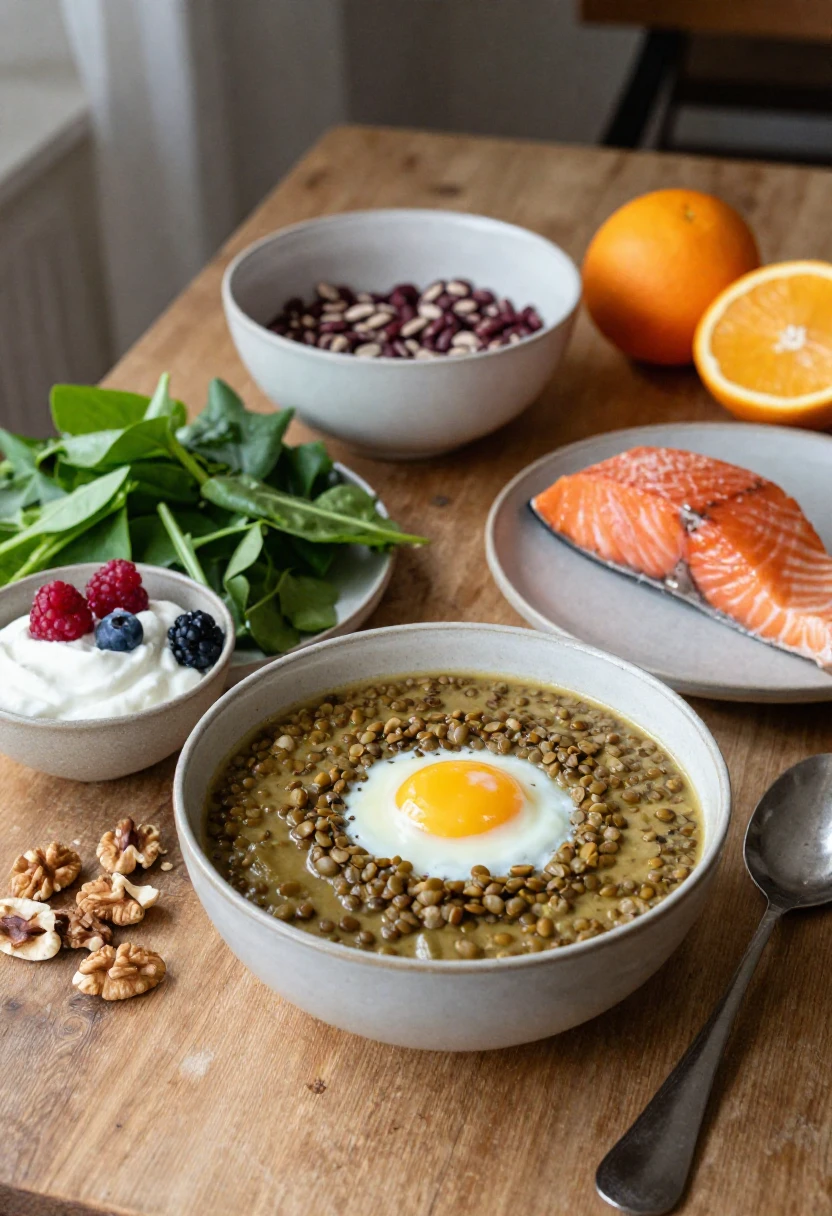
Food first sounds boring until you remember what food actually does.
A real meal gives your body more than one isolated nutrient. It gives you protein, fiber, water, minerals, fats, texture, flavor, and enough satisfaction to stop you from grazing through the pantry an hour later. That is hard to fit into a capsule.
The current Dietary Guidelines for Americans emphasize whole, nutritious foods and recommend limiting highly processed foods, added sugars, and refined carbohydrates. That does not mean your meals need to be perfect. It means the foundation still matters: vegetables, fruit, protein foods, dairy or fortified alternatives if they fit your diet, whole grains, beans, nuts, seeds, and healthy fats. (USDA Food and Nutrition Service)
A supplement can fill a gap. It cannot build the whole house.
Build a better plate before building a supplement shelf
Before adding another bottle, look at what your meals have looked like lately.
Not in a judgmental way. Just honestly.
Maybe breakfast has been coffee and a few bites of toast. Maybe lunch keeps turning into crackers at your desk. Maybe dinner is fine, but vegetables only appear when you remember to buy salad greens. That happens. The goal is not to feel guilty. The goal is to notice what might be missing before you assume the answer is a capsule.
A simple plate does not need much:
- a protein source
- something high in fiber
- a fruit or vegetable
- a fat that makes the meal satisfying
- enough actual food to keep you full
That could be eggs with whole-grain toast and tomatoes. Greek yogurt with berries, walnuts, and oats. Lentil soup with olive oil and a piece of bread. Salmon with potatoes and cucumber salad. Beans over rice with avocado and salsa. Nothing fancy. Just food that does its job.
I would rather see someone eat a repeatable, decent lunch five days a week than buy six supplements for “energy” while barely eating until 3 p.m.
Nutrients that are easier to get from everyday food
Some nutrients are surprisingly easy to improve with ordinary meals.
Fiber is a good example. The CDC notes that fiber supports digestive health, helps you feel fuller longer, and can help with blood sugar and cholesterol control. Fruits, vegetables, whole grains, legumes, nuts, and seeds are all good sources. (CDC)
You do not need a perfect high-fiber meal plan. Start with beans in soup. Add oats to breakfast. Put berries on yogurt. Keep apples around. Use whole-grain bread if you like it. Add lentils to a tomato sauce. Small habits count because fiber works best when you actually eat it regularly.
Other nutrients can come from normal kitchen staples too:
- Protein: eggs, fish, poultry, Greek yogurt, cottage cheese, tofu, beans, lentils
- Magnesium: pumpkin seeds, almonds, cashews, black beans, spinach, whole grains
- Calcium: yogurt, milk, cheese, fortified plant milks, calcium-set tofu, canned fish with bones
- Omega-3 fats: salmon, sardines, trout, chia seeds, flaxseed, walnuts
- Iron: meat, seafood, beans, lentils, spinach, fortified cereals, pumpkin seeds
- Potassium: potatoes, bananas, beans, yogurt, tomatoes, leafy greens
- Vitamin C: citrus, strawberries, kiwi, bell peppers, broccoli
The nice thing about food is that one ingredient often brings several nutrients at once. Beans give you protein, fiber, iron, magnesium, and potassium. Yogurt gives you protein and calcium. Sardines give you protein, omega-3 fats, and calcium if you eat the soft bones.
A supplement gives you one neat line on a label. Food gives you a whole little package.
A simple weekly food check
You do not need to track every bite to understand your diet better.
Once a week, maybe before grocery shopping, ask yourself a few plain questions:
- Did I eat protein most days?
- Did I eat vegetables more than once or twice?
- Did I get any beans, oats, whole grains, fruit, nuts, or seeds?
- Did I drink enough water?
- Did I have actual meals, or mostly snacks?
- Did I sleep enough for any supplement to matter?
That last one is rude, but fair.
If you are sleeping five hours a night, skipping lunch, drinking coffee instead of water, and eating most meals in a hurry, supplements may not be the first thing to fix. They might still help in a specific case, but they cannot carry the whole routine.
Start with one boring improvement.
Add protein to breakfast. Cook a pot of lentil soup. Keep frozen vegetables around. Put walnuts and fruit next to your yogurt. Buy canned salmon or chickpeas for fast lunches. Make dinner easier before making your supplement routine more complicated.
When food first is not enough
Food first does not mean food only.
Some people need supplements even with a good diet. Vegans need reliable B12. Some people need vitamin D because their levels are low. Pregnant people are often advised to take specific prenatal nutrients. Iron deficiency needs proper attention. Certain health conditions, medications, surgeries, or absorption problems can change nutrient needs.
This is why the phrase “just eat healthy” can be too simple.
A better version is: build the best food routine you realistically can, then use supplements for the gaps that still make sense.
That keeps supplements in their proper place. Helpful, sometimes necessary, but not magical.
A practical supplement safety checklist
The safest supplement routine is usually the least exciting one.
One clear reason. One reasonable dose. A label you can understand. No mystery blends. No dramatic promise that makes you feel like your whole life will change by Friday.
That may sound too simple, but simple is exactly what you want here. FDA advises people to talk with a doctor, pharmacist, or other healthcare professional before buying or using supplements because some can interact with medicines or with other supplements. (U.S. Food and Drug Administration) NIH also notes that supplement labels should list the active ingredients, the dose per serving, and other ingredients like fillers, binders, and flavorings. (Office of Dietary Supplements)
So before a new bottle becomes part of your morning routine, slow down and do a quick check.
Before you buy
Start with the least glamorous question:
Do I know why I want this?
Not “it seems healthy.” Not “everyone is taking it.” Not “the ad followed me around the internet for three days.” A real reason.
Maybe your bloodwork showed low vitamin D. Maybe you eat vegan and need B12. Maybe your doctor recommended iron. Maybe protein powder helps you get breakfast on busy mornings. Those are clear reasons.
Then check the product itself.
Ask:
- What problem am I trying to solve?
- Is this nutrient or herb actually related to that problem?
- Can I get this from food first?
- Does the label show the exact dose?
- Is the dose close to a normal daily amount, or is it extremely high?
- Does it include a proprietary blend?
- Is there third-party testing or quality information?
- Is the brand easy to verify?
- Does the product make medical-sounding promises?
That last one is important. A supplement that says it “supports relaxation” is already in soft marketing territory. A supplement that says it can cure anxiety, reverse disease, melt fat, or replace medication is waving a red flag at you.
I would also be careful with urgency. If the page says the product is almost sold out, the price expires in ten minutes, and doctors supposedly hate this secret, close the tab. You are buying a supplement, not escaping a spy movie.
Before you take it
Once you have the product, read the label again. Actually read it.
I know. Tiny print, boring panel, lots of numbers. Still worth it.
Check:
- serving size
- dose per serving
- percent Daily Value
- directions for use
- warnings
- caffeine or stimulant ingredients
- allergens
- added sugar, especially in gummies
- whether it should be taken with food
- whether it overlaps with other supplements you already use
This is where a lot of accidental overuse happens. Someone takes a multivitamin, a hair gummy, a greens powder, and an immune packet without realizing several of them contain zinc, vitamin D, vitamin A, or selenium.
One bottle may be fine.
Four bottles may be too much.
NCCIH also warns that “natural” does not always mean safe and notes that some dietary supplements have been linked with serious problems, including liver injury and emergency room visits. (NCCIH) That does not mean you should be scared of every capsule. It means you should treat active ingredients like active ingredients.
If you take medication, ask a pharmacist or doctor before starting. This matters even more if you take blood thinners, antidepressants, blood pressure medication, diabetes medication, sedatives, birth control, seizure medication, cancer treatment, or transplant-related medication.
And if you are pregnant, nursing, preparing for surgery, managing a chronic condition, or buying for a child, do not wing it.
After you start
A supplement should not become background noise the second you begin taking it.
Pay attention for the first few weeks. Not obsessively. Just enough to notice whether your body is saying yes, no, or “please stop experimenting on me.”
Track simple things:
- digestion
- sleep
- mood
- energy
- skin changes
- headaches
- nausea
- dizziness
- heart racing
- new rashes
- changes in appetite
- anything that feels unusual
If a supplement makes you feel worse, stop and ask for advice. Do not push through side effects because the label looks healthy.
Also, give the supplement a fair test if it is safe to do so. Taking something once every six days and then deciding it “doesn’t work” may not tell you much. On the other hand, taking it for months with no clear benefit is not wise either.
Pick a review point. Maybe four weeks. Maybe eight. Ask yourself:
Is this helping enough to keep taking it?
If the answer is “I have no idea,” that is an answer.
Keep a simple supplement list
This is a small habit that can save a lot of confusion.
Keep a note on your phone with:
- supplement name
- brand
- dose
- how often you take it
- why you take it
- when you started
- any side effects
Bring that list to medical appointments. Show it to your pharmacist. Update it when you stop something.
It sounds almost too basic, but most people do not remember every product they take, especially the occasional ones: sleep gummies, herbal teas, electrolyte packets, protein powders, seasonal immune blends. Those count too.
Your body does not separate “serious medicine” from “wellness stuff I bought at the grocery store.” It processes what you give it.
The kitchen-table rule
Here is my favorite rule because it is simple enough to remember:
If you would feel awkward explaining why you take a supplement, you may not have a good reason yet.
Not always. Sometimes the reason is private, and that is fine. But if your explanation is mostly “I saw it online” or “the bottle sounded healthy,” pause before making it a daily habit.
A good supplement choice should make sense when you say it out loud:
“I take this because my bloodwork showed I was low.”
“I take this because I do not eat animal products.”
“I take this because my doctor recommended it.”
“I use this protein powder when I cannot get a real breakfast.”
“I take this short-term while my appetite is low.”
That kind of clarity is boring in the best way. It means the supplement has a job. And once it has a job, you can decide whether it is doing that job or just taking up space beside the coffee.
Conclusion
Dietary supplements are not automatically good or bad. They are tools. Sometimes a tool is exactly what you need, especially when there is a real deficiency, a specific diet pattern, a life stage, or a recommendation from a healthcare professional.
But a supplement should not ask you to stop thinking.
The safest way to use supplements is to stay clear and practical. Know why you are taking it. Read the label. Check the dose. Be careful with herbal blends and high-dose products. Tell your doctor or pharmacist what you use, especially if you take medication, have a health condition, are pregnant or nursing, or are preparing for surgery.
And keep food in the center of the picture.
A bowl of soup, a plate of eggs and vegetables, yogurt with berries, beans over rice, salmon with potatoes, lentils with olive oil and lemon. These foods do more than fill nutrient boxes. They feed you in a way a capsule never will.
So before you add another bottle to the shelf, pause for a minute. Ask what job it is supposed to do. If the answer is clear, the dose makes sense, and it fits safely with the rest of your life, it may be useful. If the answer is vague, rushed, or based mostly on a pretty label, leave it on the shelf for now.
Your body deserves more than powdered promises.
FAQ
Are dietary supplements safe to take every day?
Some dietary supplements can be safe to take daily, but it depends on the supplement, the dose, your health, your diet, and any medications you use. FDA does not approve dietary supplements for safety and effectiveness before they are marketed, so daily use should be based on a clear reason, not just habit. (U.S. Food and Drug Administration)
A basic supplement recommended by your healthcare provider is very different from taking several high-dose products or herbal blends every day. When in doubt, bring the bottle or a photo of the label to your doctor or pharmacist.
Can herbal supplements interact with medication?
Yes. Herbal supplements can interact with medications, and some interactions can be serious. NCCIH notes that dietary supplements may interact with medications or pose risks for people with certain medical problems or before surgery. (NCCIH)
St. John’s wort is one of the better-known examples because it can affect how the body handles several medicines. But it is not the only one. If you take prescription medication, check before starting any herbal supplement.
Are expensive supplements better than cheaper ones?
Not always. Price does not prove quality.
A better supplement is usually one with a clear ingredient list, reasonable dosage, transparent labeling, and third-party testing when possible. A cheap supplement can be poor quality, but an expensive supplement can also be mostly branding, flavor, and promises.
Look at the back label, not just the front of the bottle.
Should I take supplements if I already eat healthy?
Maybe, but not automatically.
A good diet lowers the chance of some nutrient gaps, but it does not rule them out. You may still need a supplement if you have low vitamin D, follow a vegan diet and need B12, are pregnant or planning pregnancy, have absorption issues, take certain medications, or have a confirmed deficiency. NIH’s supplement fact sheets cover safety, recommended amounts, and interactions for specific nutrients and ingredients. (Office of Dietary Supplements)
If your meals are varied and you feel well, do not add supplements just because they are popular. Start with a reason, not a trend.