Food allergies and safe cooking are closely connected, even if most of us do not think about allergies while chopping vegetables or packing lunch. For many people, food is comfort: a warm piece of toast, a creamy pasta sauce, a homemade cookie passed across the table. But for someone with a serious food allergy, one hidden ingredient or one shared spoon can turn an ordinary meal into a medical emergency.
A food allergy happens when the immune system reacts to a food as if it were harmful. That reaction can be mild, but it can also be severe and life-threatening, which is why food allergy safety deserves more than a quick “does this have nuts?” at the end of cooking. (CDC)
The tricky part is that food allergies are easy to misunderstand. People often use the same words for very different things: allergy, intolerance, sensitivity, stomach upset, gluten problem, dairy problem. I have heard people say, “I’m allergic to milk,” when they mean lactose makes them bloated. I have also seen the opposite, where someone downplays a real allergy because they do not want to be difficult at dinner.
That is where safe habits matter. Reading labels. Keeping cutting boards clean. Asking before you cook. Not guessing. These small kitchen choices may feel boring, but they are exactly what make food safer for someone who cannot “just have a little.”
This guide keeps things simple and practical. We will look at what food allergies are, how they differ from food intolerance, which signs should never be ignored, and how to cook at home without turning every meal into a stressful checklist. Food should still feel welcoming. It just needs a little more care.
What a food allergy actually is
A food allergy is not simply a food you dislike, a food that feels heavy, or a food that upsets your stomach once in a while. It is an immune system reaction. Your body sees a specific food protein as a threat and reacts against it.
That reaction can show up in different ways. For one person, it may mean itching around the mouth or a rash. For another, it may affect breathing, blood pressure, or several body systems at once. That is why food allergies need to be taken seriously, even when the food itself looks harmless.
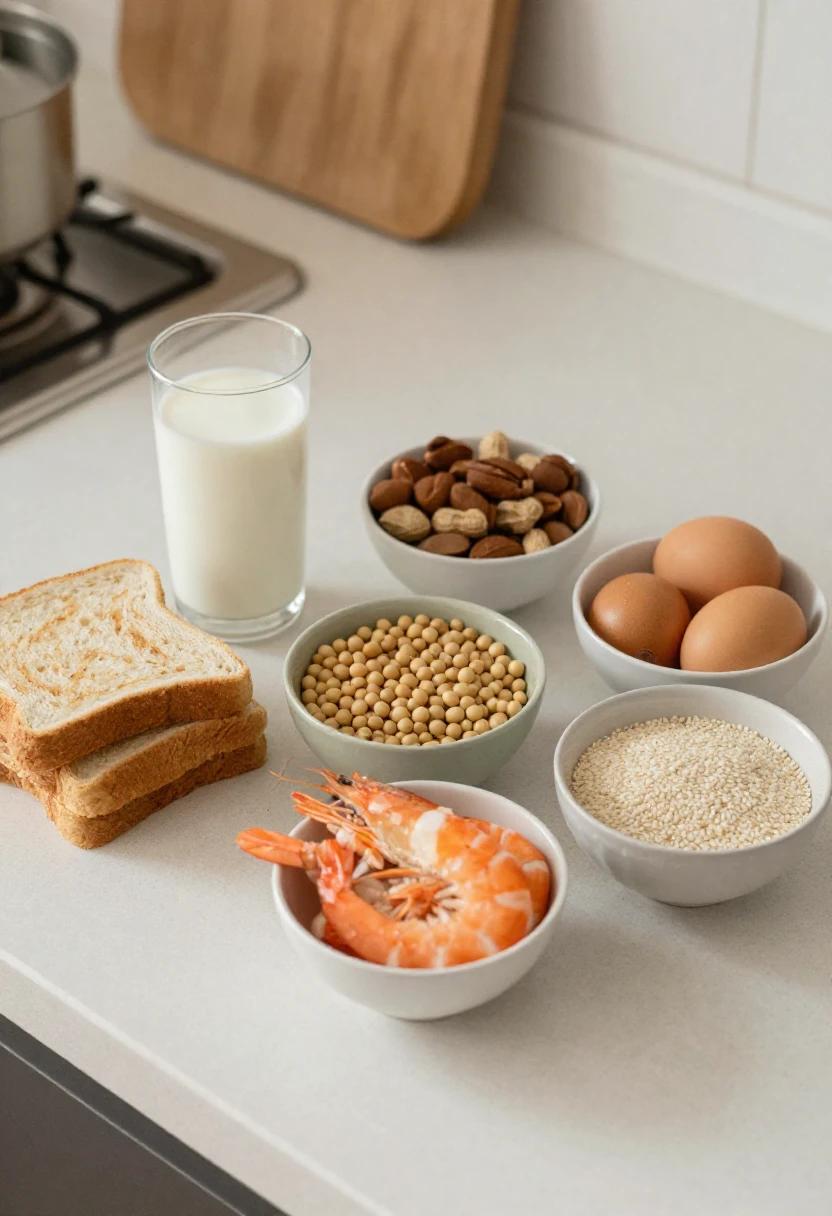
A peanut butter sandwich, a shrimp appetizer, a glass of milk, or a cookie with egg in the dough can all be ordinary foods in one kitchen and risky foods in another.
Food allergy is an immune reaction
The key word here is immune.
With a true food allergy, the immune system gets involved. It reacts to a food protein as if that protein should not be there. This is very different from saying, “That meal made me feel too full,” or “Creamy sauces do not sit well with me.”
Food allergies can be unpredictable, too. A person may have had a mild reaction before and still be at risk for a stronger reaction another time. That does not mean everyone with a food allergy should live in fear, but it does mean that casual guessing is not enough.
In the kitchen, this changes how we think. We are not only asking, “Does this taste good?” We are also asking:
- What ingredients are in this?
- Did this touch an allergen?
- Was the spoon, pan, board, or knife clean?
- Could there be a hidden ingredient in the sauce, dressing, spice blend, or packaged food?
That last one matters more than people expect. Allergens are not always obvious. Milk can hide in crackers. Egg can show up in dressings. Wheat can be in soy sauce. Sesame can be in breads or seasoning blends. Nuts can appear in pesto, granola, desserts, and even salads.
Why food allergies are different from “food not agreeing with you”
Almost everyone has had a meal that did not sit well. Maybe the food was too rich. Maybe you ate too fast. Maybe raw onion, beans, dairy, or spicy food made your stomach complain later.
That is uncomfortable, but it is not automatically an allergy.
Food intolerance usually means the body has trouble digesting or processing something in the food. Lactose intolerance is a classic example. A person may feel bloated, gassy, or uncomfortable after milk or ice cream because their body has trouble digesting lactose, the natural sugar in milk.
A milk allergy is different. With milk allergy, the immune system reacts to milk proteins. That can involve skin symptoms, swelling, breathing symptoms, vomiting, or a more serious allergic reaction.
Same food category. Very different problem.
This is why language matters. If someone says they have an allergy, believe them. Do not test it. Do not say, “There is only a little.” Do not scrape nuts off the top and call the dish safe. A tiny amount may still be enough to cause a reaction for some people.
And if you are the person trying to understand your own symptoms, it is worth getting proper medical guidance instead of guessing. Food can be emotional enough without adding confusion to every meal.
Common food allergens to know
Food allergies can happen with many foods, but several allergens come up again and again in everyday cooking.
The most common ones include:
- Milk
- Eggs
- Peanuts
- Tree nuts, such as almonds, walnuts, cashews, pistachios, and hazelnuts
- Wheat
- Soy
- Fish
- Shellfish
- Sesame
These ingredients show up in more places than you might expect. A cake may contain milk, egg, wheat, and nuts all at once. A stir-fry sauce may contain soy and wheat. A smoothie bowl may have nut butter, almond milk, granola, and sesame seeds on top. Even a simple salad can become risky if it includes crumbled cheese, toasted nuts, or a dressing made with hidden ingredients.
This does not mean you need to panic in the kitchen. It means you need to slow down a little.
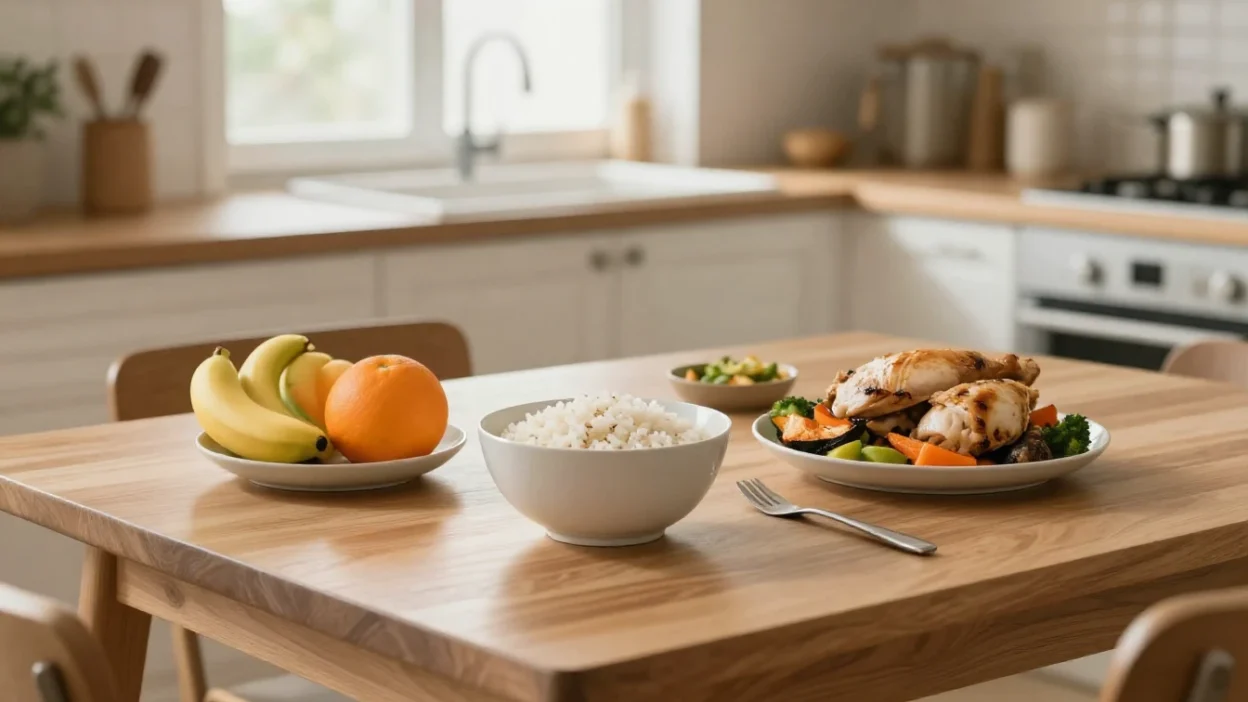
If you are cooking for someone with a food allergy, simple food is often safer. A baked potato with olive oil and herbs is easier to check than a casserole with ten ingredients. Plain rice, roasted vegetables, grilled chicken, fruit, beans, or a simple soup can be easier to manage than anything with multiple sauces, toppings, and packaged mixes.
Simple does not mean boring. It means clear. And when allergies are involved, clear is kind.
Food allergy vs food intolerance
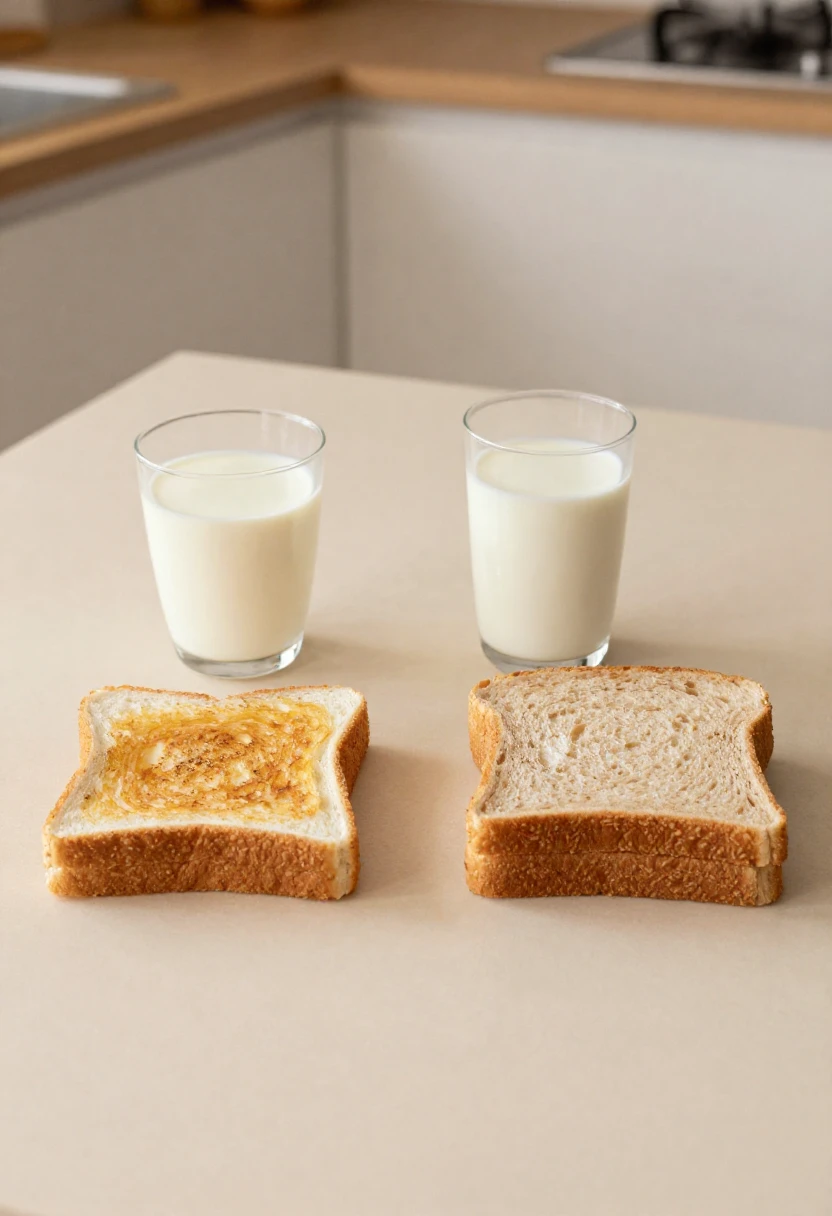
Food allergy and food intolerance often get mixed together in everyday conversation. I understand why. Both can make eating feel complicated. Both can make someone avoid a food. Both can turn a normal dinner into a careful negotiation.
But inside the body, they are not the same thing.
A food allergy involves the immune system. A food intolerance usually involves digestion. The American Academy of Allergy, Asthma & Immunology explains that intolerance happens when the body cannot properly break down or handle a food, often because of enzyme issues or sensitivity to certain food chemicals. Food allergy, on the other hand, involves an allergic immune response. (AAAAI)
That difference matters because the risk level can be very different.
With some intolerances, a person may be able to eat a small amount and feel okay. With a serious allergy, even a little exposure can be dangerous. This is why you should never treat someone’s allergy like a preference or a picky eating habit.
Lactose intolerance is not a milk allergy
Milk is one of the easiest examples because people use the words loosely.
Someone with lactose intolerance has trouble digesting lactose, the natural sugar in milk. They may feel bloated, gassy, cramped, or uncomfortable after drinking milk or eating ice cream. It is unpleasant, and for some people it can be miserable, but it is not the same as an allergic reaction.
Someone with a milk allergy reacts to milk proteins. Their immune system treats those proteins as a threat. The American College of Allergy, Asthma & Immunology notes that milk allergy can cause symptoms such as hives, stomach upset, vomiting, bloody stools, and in severe cases, anaphylaxis. (ACAAI Patient)
So if a guest says, “I have a milk allergy,” do not use butter “just for the pan.” Do not add a splash of cream and assume it will be fine. Do not pick the cheese off a salad.
A milk allergy means the food needs to be made without milk ingredients and without cross-contact from dairy.
Celiac disease is not the same as wheat allergy
Gluten can make things even more confusing.
Celiac disease is an autoimmune condition where eating gluten can damage the small intestine over time. Gluten is found in wheat, barley, and rye. Mayo Clinic describes celiac disease as an immune reaction to gluten that can harm the lining of the small intestine and interfere with nutrient absorption. (Mayo Clinic)
A wheat allergy is different. It is an allergy to proteins in wheat. That means the immune system reacts to wheat as an allergen. MedlinePlus also separates wheat allergy from gluten sensitivity and celiac disease, noting that wheat allergy can cause symptoms such as itchy eyes or trouble breathing and does not damage the small intestine the way celiac disease can. (MedlinePlus)
Then there is non-celiac gluten or wheat sensitivity, where a person may have symptoms after eating gluten or wheat but does not test positive for celiac disease. The Celiac Disease Foundation describes this as a separate condition, with symptoms that improve when gluten is removed. (Celiac Disease Foundation)
This is why “gluten-free” does not automatically mean “safe for every allergy.” A gluten-free cookie can still contain milk, eggs, nuts, soy, or sesame. A wheat-free product may still contain barley or rye. A restaurant dish marked gluten-free may still be cooked near wheat flour.
Food labels help, but they are not magic. You still have to read the full ingredient list.
Why guessing can be risky
Guessing is where many kitchen mistakes happen.
It usually starts innocently:
- “I think this sauce is fine.”
- “There are probably no nuts in this.”
- “It only touched the same plate for a second.”
- “I used almond milk instead of regular milk, so it should be safe.”
That last one is a good example. Almond milk may be useful for someone avoiding dairy, but it is not safe for someone with a tree nut allergy. A vegan dessert may avoid eggs and dairy, but it may include cashews, almond flour, or sesame tahini. A “healthy” granola bar can contain peanuts, tree nuts, soy, milk, wheat, and sesame in one tiny square.
When allergies are involved, guessing is not kindness. Checking is kindness.
Read the label. Ask the person. Keep the packaging. Use clean utensils. And when you are not sure, say so honestly. I would rather hear “I’m not confident this is safe for you” than be handed a dish with a hopeful smile and a hidden ingredient.
Signs that a reaction may be serious
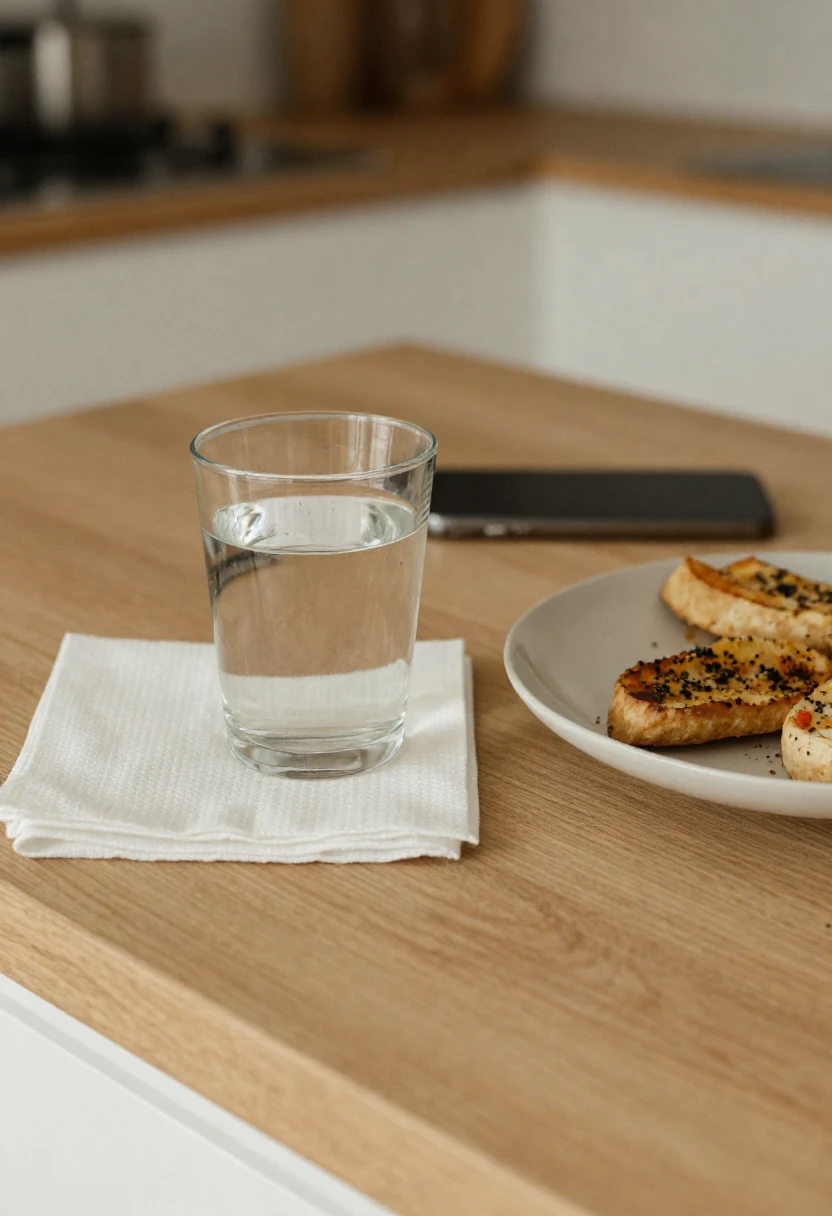
Food allergy symptoms do not always look the way people expect. They are not always dramatic at first. Sometimes the first sign is a child rubbing their mouth. Sometimes it is a few hives. Sometimes it is stomach pain that starts soon after eating.
And sometimes the reaction moves fast.
Symptoms can appear within minutes, though they may also show up within a few hours after eating the allergen. The FDA notes that food allergy symptoms often happen from a few minutes to a few hours after eating the problem food. (U.S. Food and Drug Administration)
This is one reason food allergies can feel so unsettling. You may be halfway through a meal, washing dishes, or driving home from a restaurant when the first symptoms appear.
Mild symptoms people often notice
Mild symptoms can still be scary, especially if you have never seen an allergic reaction before. They may include:
- Itching or tingling in the mouth
- A few hives or mild skin itching
- A runny or itchy nose
- Mild nausea or stomach discomfort
- Redness or flushing
FARE, a food allergy education organization, lists mild symptoms such as itchy mouth, a few hives, mild itch, runny nose, sneezing, and mild nausea or stomach discomfort. (FoodAllergy.org)
Even when symptoms seem mild, you should take them seriously. Watch closely. Follow the person’s allergy action plan if they have one. If the person is a child, do not leave them alone to “see what happens.”
A small reaction can stay small. But it can also change.
Symptoms that need urgent attention
Some symptoms are warning signs that the reaction may be severe. These are not “wait and see” moments.
Get emergency medical help if there is:
- Trouble breathing
- Wheezing or coughing that does not stop
- Tightness in the throat
- Swelling of the lips, tongue, face, or throat
- Repeated vomiting
- Dizziness, faintness, or sudden weakness
- A rapid or weak pulse
- Confusion or a sense that something is very wrong
Mayo Clinic lists food allergy symptoms that can include swelling of the lips, face, tongue, or throat, trouble breathing, vomiting or diarrhea, dizziness, lightheadedness, fainting, and anaphylaxis. (Mayo Clinic)
Anaphylaxis is a severe allergic reaction that can be life-threatening. It can affect breathing, blood pressure, skin, digestion, and the heart. Mayo Clinic describes anaphylaxis as a reaction where blood pressure can drop suddenly and airways can narrow, blocking breathing. (Mayo Clinic)
If someone has been prescribed an epinephrine auto-injector, their doctor or allergy plan should guide when to use it. Do not hide the reaction, delay calling for help, or try to fix severe symptoms with water, rest, or “just a little fresh air.”
Food allergy emergencies are not the time to be polite or embarrassed. Act quickly.
Why timing matters
Timing gives important clues.
If symptoms begin soon after eating, especially after a known allergen or a food with uncertain ingredients, treat the situation seriously. A reaction can start with the skin or stomach and then involve breathing or circulation. It can also look different from one person to another.
One person may get hives first. Another may vomit. Another may cough, become pale, or say their throat feels strange.
This is why I do not like the phrase “they seem fine.” Fine can change quickly.
If you are cooking for someone with a known food allergy, ask in advance what their emergency plan is. For a child, ask the parent or caregiver. For an adult, let them tell you what they need. Some people carry medication. Some avoid certain kitchens completely because cross-contact risk is too high.
It is better to ask one awkward question before dinner than to wish you had asked it later.
How to get proper help

If you suspect a food allergy, the safest next step is not to remove half your kitchen overnight. It is to get proper help.
Food reactions are confusing. A rash after lunch may be allergy, or it may be something else. Stomach pain after pasta may point to wheat, gluten, sauce ingredients, portion size, stress, or a completely unrelated issue. This is where guessing can make life harder than it needs to be.
A qualified doctor or allergist can look at your symptoms, timing, medical history, and possible triggers. Testing may include a skin-prick test or a blood test for allergy-related IgE antibodies, but a positive test alone does not always confirm a food allergy. Mayo Clinic notes that test results need to be interpreted alongside history and symptoms. (Mayo Clinic)
Start with a qualified medical professional
Start with someone trained to diagnose allergies, especially if the reaction involved breathing, swelling, repeated vomiting, dizziness, or symptoms that came on quickly after eating.
A good appointment is not only about running a test. The details matter:
- What exactly did you eat?
- How soon did symptoms start?
- What symptoms appeared first?
- Did you exercise, drink alcohol, take medication, or feel sick that day?
- Has this happened before?
- Did anyone else eating the same meal feel unwell?
Those questions may feel tedious, but they can help separate a true allergy from intolerance, food poisoning, reflux, anxiety, or another condition that only looks food-related from the outside.
And please be careful with random “food sensitivity” tests sold online. Some tests can create a long list of foods to avoid without proving you are allergic to them. That can make eating stressful and unnecessarily restrictive.
Why food diaries can help
A food diary is not a diagnosis, but it can make the appointment much more useful.
For a week or two, write down:
- What you ate and drank
- Ingredients, sauces, toppings, and packaged foods
- The time you ate
- When symptoms started
- What the symptoms looked like
- How long they lasted
- Any medication you took
Do not make it fancy. A note on your phone is enough.
The most helpful entries are specific. “Sandwich” does not tell much. “Wheat bread, turkey, cheddar, mayo, mustard, lettuce, packaged cookie” gives your doctor something to work with.
Sometimes the pattern is obvious. Sometimes it is not. That is normal. Food reactions can be messy, especially when meals include many ingredients.
Be careful with “miracle cures”
Food allergy is not a place for kitchen experiments or miracle advice from a comment section.
If someone says a supplement, detox, cleanse, or “gut reset” will cure a serious food allergy, be skeptical. Very skeptical. Some treatments for specific allergies do exist under medical supervision, but that is different from trying random methods at home.
The everyday safety habit for food allergies is still avoidance of the confirmed allergen, plus a clear emergency plan when needed. Food Allergy Research & Education explains that elimination diets should be done while a doctor monitors symptoms, and suspected foods may be reintroduced only as part of a guided process. (FoodAllergy.org)
That matters because cutting out foods on your own can backfire. You may remove foods you do not need to avoid. You may miss the real trigger. You may make family meals harder for no good reason.
So yes, listen to your body. Keep notes. Take symptoms seriously.
But let a professional help you sort the clues. That is how food becomes safer without making your whole life smaller.
Safe cooking at home with food allergies
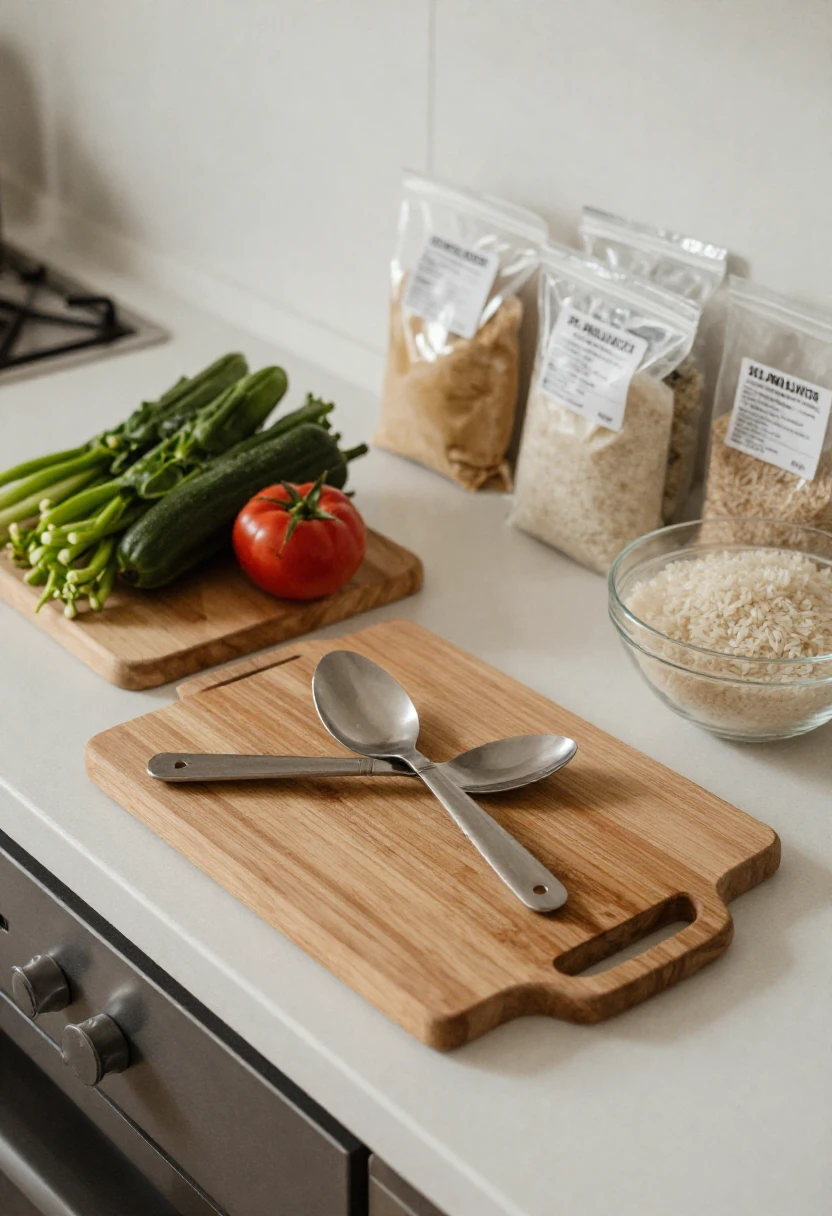
Safe cooking with food allergies is mostly about control. Not control in a tense, joyless way. More like knowing what is on your cutting board, what went into the sauce, and whether the spoon you grabbed was already used in the peanut butter jar.
Home kitchens can be very safe for people with allergies, but only when you slow down and build a few habits. The FDA says people with food allergies should read labels and avoid the foods they are allergic to, and U.S. packaged food labels must identify major food allergens used as ingredients. (U.S. Food and Drug Administration)
That helps, but labels are only one part of the kitchen story.
Read labels every time
This is the habit that feels annoying until it saves you from a mistake.
Read the label even if you have bought the same product before. Recipes change. Factories change. “New and improved” can mean a new allergen. A familiar cracker, bread, sauce, chocolate, broth, seasoning mix, or plant-based product may not be the same as the last package in your pantry.
Do not stop at the front of the package either. “Dairy-free,” “vegan,” “gluten-free,” or “natural” does not tell you everything you need to know. Turn the package around and read the ingredient list.
Watch for allergens in places that seem harmless:
- Milk in chips, crackers, bread, instant mashed potatoes, or dark chocolate
- Egg in dressings, pasta, baked goods, and some breaded foods
- Wheat in soy sauce, soups, gravies, and spice mixes
- Nuts in pesto, granola, cereals, desserts, and salad toppings
- Sesame in buns, crackers, hummus, tahini sauces, and seasoning blends
Sesame deserves extra attention because it became the ninth major food allergen recognized under U.S. federal law, and foods containing sesame have required allergen labeling on packaged foods and dietary supplements since January 1, 2023. (U.S. Food and Drug Administration)
My rule is simple: if I cannot clearly understand the label, I do not serve it to someone with that allergy.
Avoid cross-contact in the kitchen
Cross-contact happens when an allergen accidentally gets transferred to a food that should be safe. This is not the same as germs spreading from raw chicken. You cannot always cook an allergen away. If peanut butter gets into a “safe” smoothie, heating it does not fix the problem.
This is where everyday kitchen tools matter.
Before cooking allergy-safe food, wash counters, cutting boards, knives, spoons, measuring cups, mixing bowls, pans, and serving utensils well with soap and water. FARE recommends thoroughly cleaning kitchen surfaces and equipment before preparing food for someone with allergies, and some families keep separate utensils or dishes for safe foods. (FoodAllergy.org)
A few practical habits help:
- Cook the allergy-safe food first, before the kitchen gets messy.
- Use a clean cutting board and knife.
- Open a fresh jar if the old one may have crumbs or traces from another food.
- Keep safe food covered and away from splatters.
- Use separate serving spoons.
- Wash your hands after touching the allergen.
- Do not reuse oil, pans, trays, or water that touched an unsafe food.
The shared jar problem is real. A knife goes from regular bread into jam, then back into the jar. Now the jam may have wheat crumbs. A spoon touches yogurt, then dips into fruit compote. Now the compote may contain milk. Someone spreads peanut butter, then uses the same knife in honey. You get the idea.
It is small stuff. But with allergies, small stuff counts.
Cook simple meals when safety matters most
Complicated food is harder to check. That does not make it bad, but it does raise the chance of missing something.
If you are cooking for someone with a food allergy and you are not used to it yet, start with simple meals built from plain ingredients:
- Roasted potatoes with olive oil, salt, and herbs
- Plain rice with grilled chicken and vegetables
- Lentil soup made from whole ingredients
- Baked fish with lemon and a simple salad
- Fresh fruit
- Beans, rice, avocado, and salsa with checked labels
- Oatmeal made with a safe milk alternative, if oats are safe for that person
The goal is not to make the meal look “special allergy food.” The goal is to make it clear. Fewer ingredients mean fewer labels to check and fewer places for allergens to hide.
Sauces are where I get extra cautious. So many of them are little mystery jars: mayonnaise, salad dressing, marinades, curry paste, barbecue sauce, pesto, broth, spice blends. They can be perfectly safe, or they can carry the one ingredient you are trying to avoid.
When in doubt, make the sauce yourself. Olive oil, lemon juice, salt, garlic, herbs. It is not fancy. It works.
Safe food can still taste good. It just needs to be honest food, with no surprises hiding in the corners.
Hosting someone with food allergies
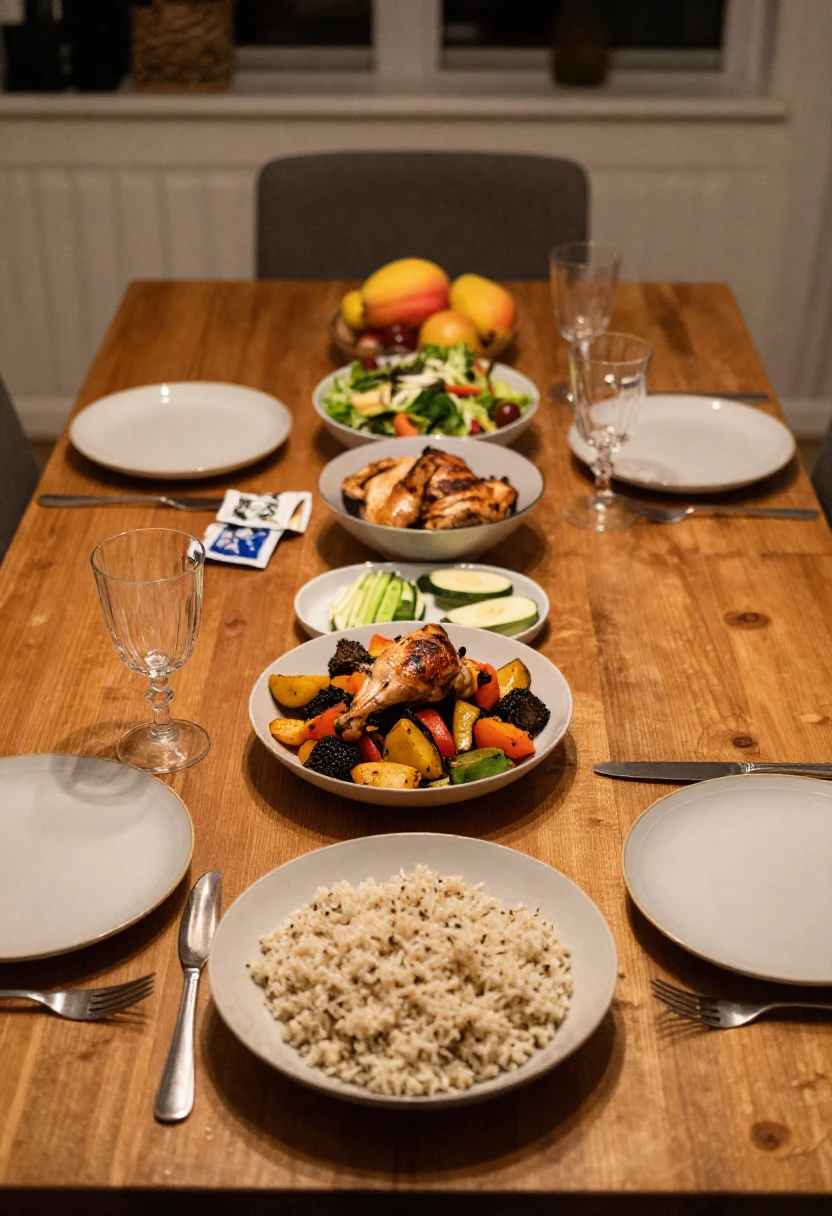
Hosting is where food allergy safety becomes personal. It is one thing to read a label for yourself. It is another thing to cook for someone else and realize that your usual “a little of this, a little of that” style may not work this time.
That does not mean you have to panic or build a restaurant-level allergy station in your kitchen. Most guests with food allergies do not expect perfection from a home cook. They want honesty, care, and a chance to make safe choices.
The most helpful thing you can do is talk before you cook.
Ask before you cook
Do not guess what someone can eat. Ask directly and early, before you have already planned the whole menu.
A simple message works:
“Hey, I’m making dinner on Saturday. Can you remind me what you need to avoid, and how strict we need to be about cross-contact?”
That last part matters. Some people need to avoid the ingredient itself. Others also need to avoid shared utensils, shared fryers, shared cutting boards, or foods made in the same space. FARE explains that cross-contact happens when an allergen is accidentally transferred from one food to another, and that preventing it means paying attention to hands, utensils, surfaces, and food preparation. (FoodAllergy.org)
Once you know the allergy, plan the meal around it instead of trying to fix every dish at the end. If someone is allergic to peanuts, maybe skip the peanut sauce entirely. If someone has a milk allergy, make the mashed potatoes with olive oil and broth from the start instead of making one tiny “safe” portion in a separate bowl after the butter has already been everywhere.
I also like to ask what brands or foods the person already trusts. A parent of a child with allergies may have a short list of safe crackers, pasta, bread, chocolate, or plant-based milk. Use that list. It saves everyone from standing in your kitchen squinting at tiny ingredient text five minutes before dinner.
Keep packaging until the meal is over
This sounds small, but it helps a lot: keep the packaging.
Do not empty crackers into a bowl and throw the box away. Do not toss the sauce jar before the guest arrives. Keep the bread bag, broth carton, spice blend container, chocolate wrapper, pasta box, and anything else with an ingredient list.
Food labels are an important safety tool for people with allergies. The FDA says labels help consumers avoid ingredients they are allergic to by reading the ingredient list and allergen labeling. (U.S. Food and Drug Administration)
Keeping the package gives the guest, or the parent of a child, the chance to check for themselves. It also takes pressure off you. You do not have to remember every ingredient in the salad dressing. You can simply say, “Here’s the bottle. Please check it.”
If you make something homemade, write down what went into it. Nothing formal. A sticky note is enough:
- chicken
- olive oil
- lemon juice
- garlic
- salt
- black pepper
- rosemary
That little note can make someone feel much safer than a cheerful “I’m pretty sure it’s fine.”
Do not take it personally
This may be the hardest part for a generous cook.
You make a meal. You want people to enjoy it. Then someone with an allergy asks questions, skips a dish, eats only the food they brought, or says they cannot eat anything from your kitchen.
It can sting for a second. I get that.
But it is not a comment on your cooking. It is not a lack of gratitude. It is someone protecting their body, or their child’s body, in a situation where a mistake could be serious.
If a guest brings their own food, welcome it. If a parent sends a lunchbox for their child, do not make a big deal of it. If someone says, “I’m not comfortable eating that,” the kindest answer is, “No problem at all.”
For larger meals, you can make things easier by setting allergy-safe food in a separate area, covering dishes, and using separate serving utensils. Michigan Medicine recommends steps like keeping foods covered, using separate labeled serving utensils, and setting allergy-friendly dishes apart from other food. (michiganmedicine.org)
The goal is not to make the allergic person feel like the center of attention. The goal is to let them eat, talk, laugh, and sit at the table like everyone else.
That is good hosting. Not the perfect centerpiece. Not the most impressive dessert. Just a table where people feel considered.
Eating out with food allergies
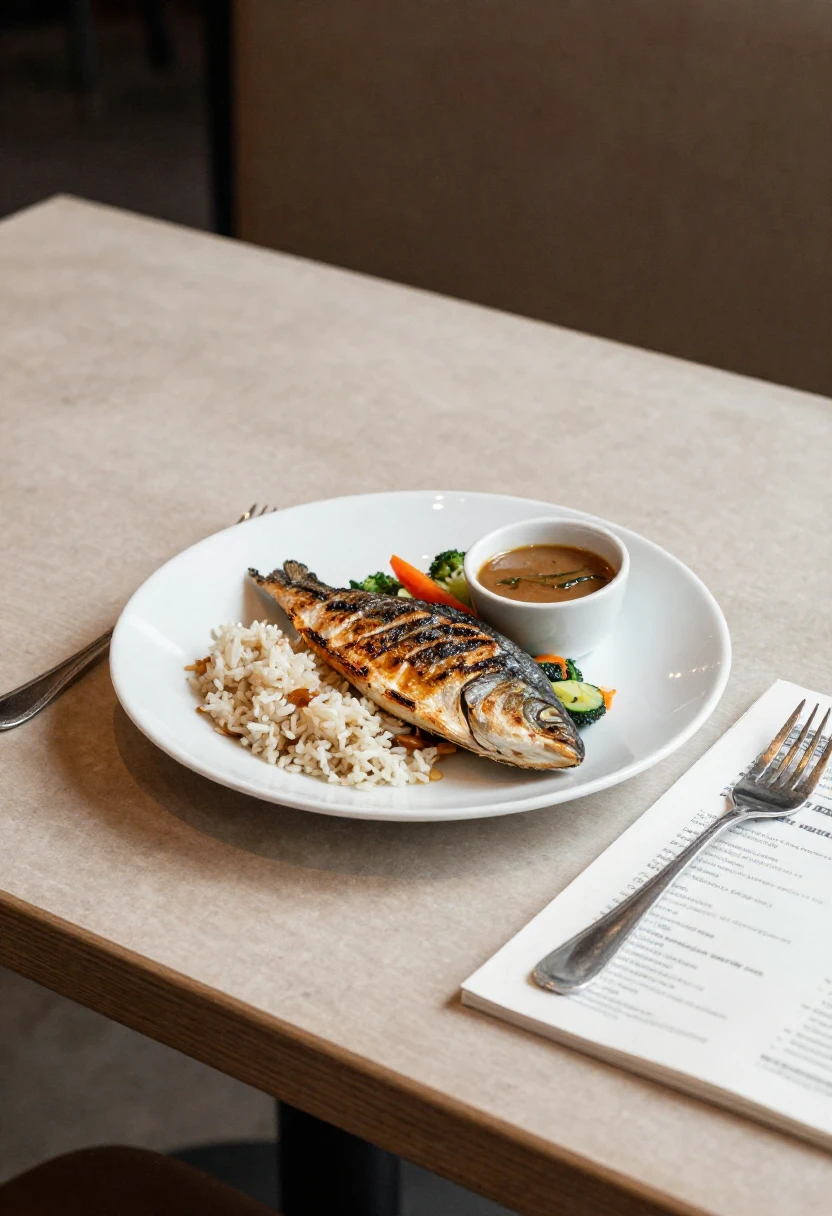
Eating out with food allergies takes a different kind of planning. At home, you can check the label, wash the knife, and decide exactly what goes into the pan. In a restaurant, you are trusting a kitchen you cannot see.
That does not mean you should never eat out. It means the conversation has to happen before the food arrives, not after.
FARE recommends calling the restaurant ahead of time and asking to speak with a manager or chef so you can decide whether the restaurant can safely accommodate the allergy. (FoodAllergy.org)
Call ahead when possible
The best time to ask allergy questions is not during the dinner rush, when the host is juggling reservations and the kitchen is already loud.
Call earlier in the day if you can. Ask simple, direct questions:
- Can your kitchen accommodate this allergy?
- Do you use shared fryers?
- Are sauces, marinades, or dressings made in-house?
- Can the meal be prepared with clean utensils and a clean surface?
- Who should I speak with when I arrive?
If the answer feels vague, listen to that feeling. “It should be fine” is not the same as “Yes, we can prepare that safely, and here is how we do it.”
I would rather choose a simpler restaurant with clear answers than a beautiful menu where nobody seems sure what is in the food.
Choose simpler dishes
Restaurant food often has more hidden ingredients than home cooking. Butter in rice. Flour in sauces. Nut oil in dressing. Soy sauce in marinades. Sesame seeds on a bun that did not mention sesame in the menu description.
Simple dishes are easier to check.
A grilled protein with plain rice and vegetables may be safer than a layered pasta dish, fried appetizer, or creamy soup with a long ingredient list. Fried foods deserve extra caution because shared fryers can create cross-contact if the same oil is used for allergen-containing foods.
Sauces are another place to slow down. Ask for them on the side, or skip them if the staff cannot confirm the ingredients. A lemon wedge, olive oil, salt, and herbs may not sound exciting, but they are easier to understand than a house dressing with a “secret recipe.”
And no, this does not mean the person with allergies is being difficult. They are doing the mental work most people never have to do at a restaurant.
Speak clearly with the staff
Say “allergy,” not “preference.”
That one word matters. If you say, “I do not eat peanuts,” someone may hear it as a choice. If you say, “I have a peanut allergy,” the risk is clearer.
Tell the server before ordering. Ask whether they can speak with the kitchen. Some people also use a written chef card that lists the allergy and what needs to be avoided. FARE recommends telling the manager or waiter about allergies before being seated and using a chef card that can be shown to the chef on duty. (FoodAllergy.org)
A clear sentence helps:
“I have a severe allergy to sesame. I need to avoid sesame seeds, sesame oil, tahini, and any cross-contact. Can the kitchen safely prepare this dish?”
If the staff seems rushed, annoyed, or uncertain, it is okay to leave. Really. You are not being dramatic. A restaurant that cannot answer allergy questions may not be the right restaurant for that meal.
The goal is not to make dining out tense. It is to make it honest. Good restaurants would rather know about the allergy before they cook than find out after something goes wrong.
Food allergies in children
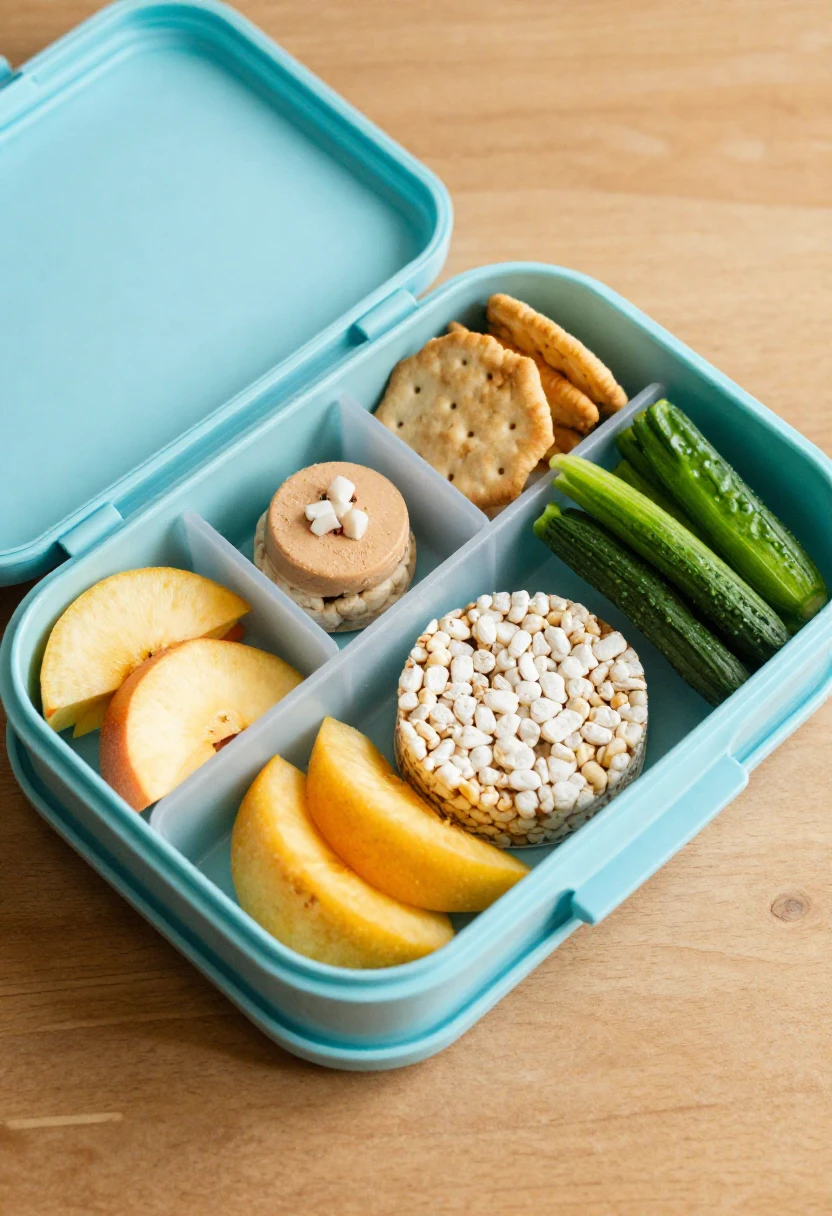
Food allergies feel especially tender when children are involved. Adults can usually explain what is happening in their bodies. A child may only say, “My tongue feels funny,” or “My tummy hurts,” or suddenly become quiet at the table.
That is why children need simple rules, prepared adults, and a school environment that treats food allergy safety as normal, not dramatic. The CDC recommends that schools and early childhood programs have plans to prevent allergic reactions, respond to emergencies, train staff, educate families, and maintain a safe environment for children with food allergies. (CDC)
School snacks and shared food
Shared food is one of the biggest everyday issues for children with food allergies.
A cupcake at a birthday party. Crackers passed between friends. A lunchbox trade. A “just taste this” moment at recess. To most kids, it feels harmless. To a child with a serious allergy, it may not be.
That is why many schools and classrooms have rules about not sharing food. It is not about making lunch less fun. It is about making sure every child can sit at the table without worrying that a snack has an unsafe ingredient.
For younger children, labels and ingredient lists are too much to manage alone. They need adults to check food, keep unsafe snacks separate, and make sure teachers, cafeteria staff, and caregivers know the plan.
A good school food allergy setup usually includes:
- A written allergy action plan
- Clear communication with teachers and staff
- Safe snacks when needed
- No food sharing
- Handwashing before and after eating
- Adults who know where emergency medication is kept
That last part matters. A food allergy plan is only useful if the adults nearby know what to do with it.
Teaching children without scaring them
Children with food allergies need to understand their allergy, but they should not feel like every meal is a threat.
The language can be simple:
- “Do not trade food.”
- “Ask an adult before eating something new.”
- “Only eat food from home or food that your safe adult says is okay.”
- “Tell someone right away if your mouth, throat, skin, or stomach feels strange.”
I like rules that children can actually remember. Long explanations usually disappear the minute cookies show up in the classroom.
For very young kids, repetition helps. You are not trying to give one perfect lecture. You are building a habit, the same way you teach them to look both ways before crossing the street.
And yes, children without allergies should learn these rules too. They do not need a scary lesson. They just need to know that some friends cannot eat certain foods, and sharing snacks is not always safe.
Kindness matters
Food allergies can make children feel different. They may have to bring their own cupcake to a party, skip a treat at school, sit near an adult at lunch, or ask questions that other kids do not have to ask.
This is where kindness does a lot of quiet work.
A child should not be teased for carrying an epinephrine auto-injector. They should not be pressured to “try just one bite.” They should not be made to feel rude for saying no to food. FARE’s classroom resources focus not only on protection, but also on helping students with food allergies feel welcome and ready to learn.
What to keep in mind every day
Food allergy safety is not one big heroic act. Most of the time, it is a handful of small habits repeated again and again.
Read the label. Wash the knife. Ask the question. Keep the safe food separate. Do not pressure someone to take “just one bite.” These things are not dramatic, but they matter.
The hard part is that allergies can make ordinary food feel less ordinary. A cookie is not just a cookie when it might contain nuts. A sandwich is not simple if the knife touched cheese first. A sauce is not harmless if nobody knows what went into it.
So the everyday goal is not fear. It is awareness.
Avoidance is still the main safety habit
For confirmed food allergies, avoiding the allergen is still the basic daily safety habit. That sounds obvious, but real life makes it messy.
Allergens can hide in packaged foods, restaurant sauces, bakery items, school snacks, shared jars, and “homemade” dishes where nobody wrote down the ingredients. The American College of Allergy, Asthma & Immunology advises people with food allergies to avoid the food they are allergic to, read labels carefully, and watch for cross-contact risks. (ACAAI Patient)
Avoidance does not mean living suspiciously around every plate of food. It means building routines that make mistakes less likely.
At home, that may look like:
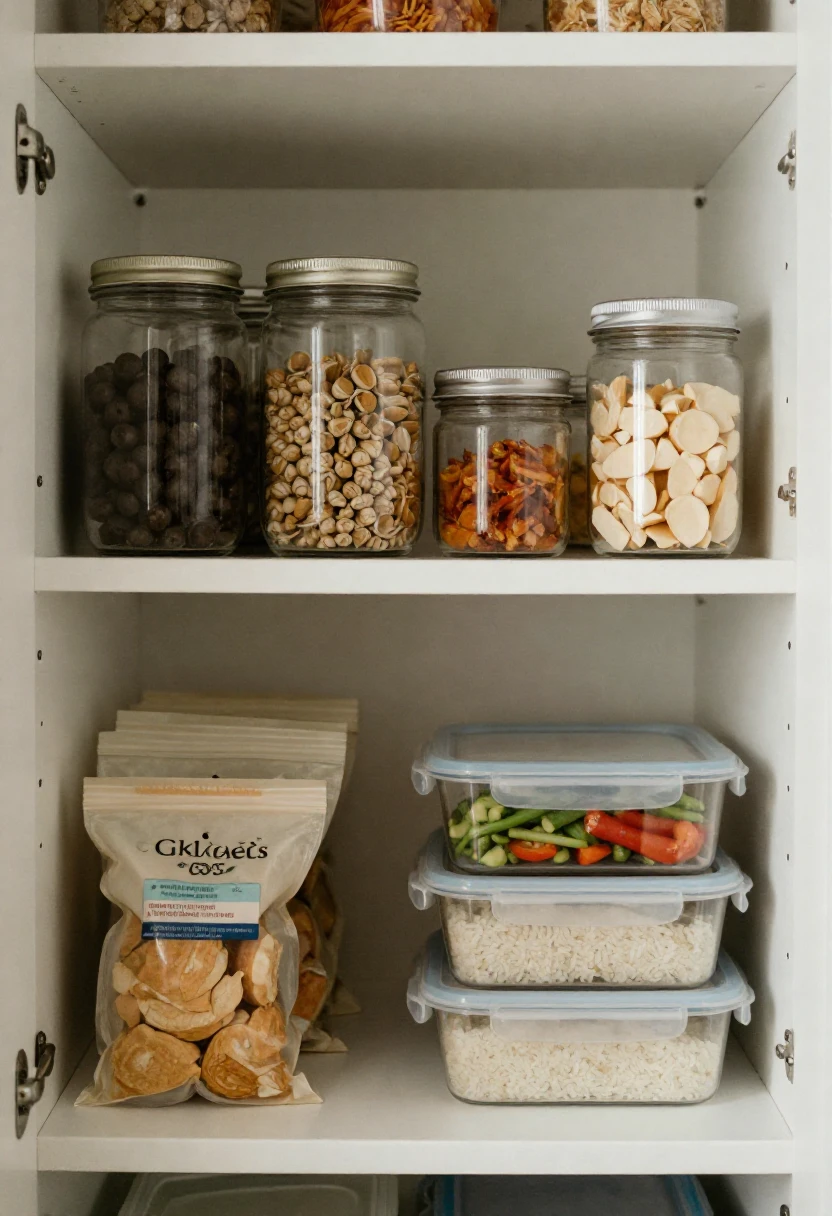
- Keeping allergy-safe foods on a separate shelf
- Labeling containers clearly
- Using a clean spoon every time
- Storing nut butters, seed spreads, or dairy products away from safe foods
- Teaching everyone in the house not to double-dip into shared jars
I especially like the separate-shelf habit. It is not fancy, but it removes a lot of last-minute thinking. When you are tired and making breakfast, clear systems help more than good intentions.
Emergency plans matter
If someone has a serious food allergy, there should be a plan before anything happens. Not a vague “we’ll figure it out.” A real plan.
That plan may include which symptoms to watch for, when to use prescribed medication, who to call, where the medication is kept, and what to tell emergency services. FARE’s Food Allergy & Anaphylaxis Emergency Care Plan is designed to outline recommended treatment during an allergic reaction and includes emergency contact details and physician sign-off. (FoodAllergy.org)
For people prescribed epinephrine, access matters. ACAAI notes that people should carry their epinephrine auto-injector or have immediate access to it because seconds count during anaphylaxis. (ACAAI Patient)
This is where friends and family can help without making things awkward.
You can ask:
“Where do you keep your auto-injector, and what should I do if you have a reaction?”
That sentence may feel serious. Good. It is serious. But it is also caring.
For children, caregivers, teachers, coaches, and relatives should know the plan too. The CDC recommends that schools and early care programs develop steps for responding to food allergy emergencies, including staff training and epinephrine administration according to the school or program’s emergency plan. (CDC)
The best emergency plan is the one people actually understand before they need it.
A little awareness can make meals safer
You do not need to become an allergy expert to be a safer cook. You do need to stop treating allergies like preferences.
That is the line I keep coming back to.
A preference is “I do not like mushrooms.”
An allergy is “This food can hurt me.”
Once you understand that difference, your kitchen habits change naturally. You ask before adding toppings. You do not scrape cheese off and pretend the salad is dairy-free. You do not use the same spoon in two dishes. You keep the package nearby. You tell the truth when you are not sure.
And honestly, that last one is underrated.
“I’m not sure this is safe” is a helpful answer. It gives the person a choice. It respects their body. It avoids the fake comfort of guessing.
Food should bring people together, but togetherness does not mean everyone has to eat the exact same thing. Sometimes it means making space for the person who brings their own meal. Sometimes it means choosing a simpler recipe. Sometimes it means skipping the nut topping so everyone can relax a little.
That is not a loss. That is hospitality with better attention.
Conclusion
Food allergies can make everyday meals feel more complicated, but safe cooking does not have to feel cold or clinical. Most of it comes down to attention.
Read the label. Ask before you cook. Keep utensils clean. Avoid cross-contact. Believe people when they tell you a food is not safe for them.
That last part matters most to me. Food is supposed to make people feel welcome, not pressured. If someone brings their own snack, checks a package twice, or says no to a dish you worked hard on, they are not being rude. They are taking care of themselves.
A safer kitchen is not always the most impressive one. Sometimes it is the kitchen with a clean cutting board, a simple meal, and a host who says, “Tell me what you need, and I’ll do my best.”
FAQ
Is food allergy the same as food intolerance?
No. A food allergy involves the immune system and can sometimes cause severe reactions. A food intolerance usually affects digestion and may cause symptoms like bloating, cramps, or discomfort, but it is not the same immune response. The CDC describes food allergy as a specific immune response to certain foods, and that response can be severe or life-threatening. (CDC Archive)
Can you outgrow a food allergy?
Sometimes. Many children outgrow allergies to milk, egg, soy, or wheat, but allergies to peanuts, tree nuts, fish, and shellfish are more likely to continue into adulthood. Regular follow-up with an allergist can help you understand whether an allergy is changing over time. (AAAAI)
What should I cook for someone with food allergies?
Start with simple food made from clear ingredients. Roasted potatoes, rice, grilled chicken, beans, vegetables, fresh fruit, and homemade sauces are usually easier to check than casseroles, packaged mixes, or dishes with many hidden ingredients. Ask the person what they can safely eat, keep packaging nearby, and use clean tools.
Is “may contain” on a label important?
Yes, especially for people with serious allergies. “May contain” and similar advisory statements are voluntary, but they are used when there may be a chance of allergen cross-contact during production. The FDA explains that advisory statements like “may contain” or “produced in a facility” may appear when a food allergen could be present because of shared equipment or processing. (U.S. Food and Drug Administration)
Can cooking or baking remove a food allergen?
Do not rely on heat to make an allergen safe. Cooking may change food texture or flavor, but it does not reliably remove the risk for someone with a true food allergy. If a person is allergic to an ingredient, the safer answer is to avoid that ingredient completely unless their doctor has given different instructions.