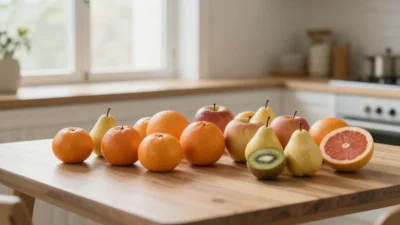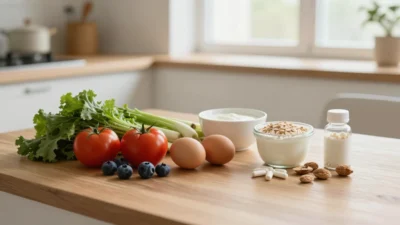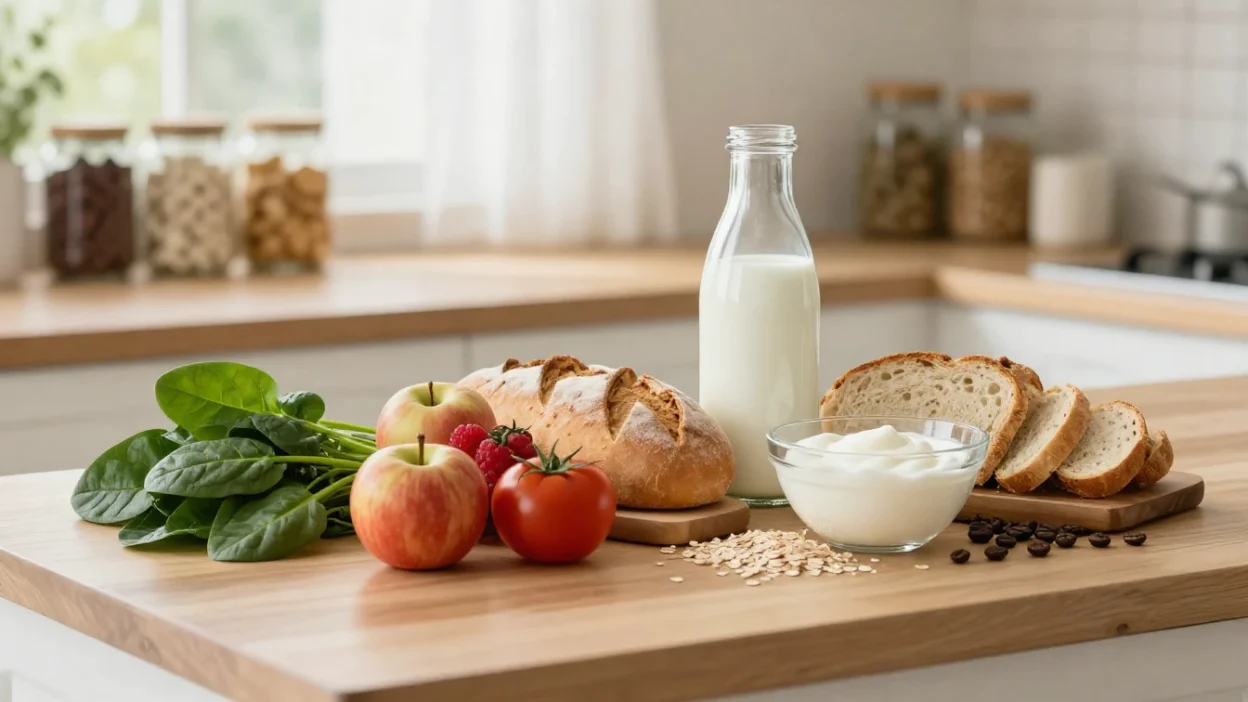
You do not need to turn your whole kitchen into an organic-only zone to eat well. For most people, that idea feels expensive, overwhelming, and a little unrealistic. What helps more is knowing which foods are actually worth prioritizing—the ones you buy often, eat regularly, and bring into your routine week after week.
That is where organic shopping can start to feel less like a trend and more like a practical choice. Some foods tend to matter more because you eat the peel, use them daily, or buy them for your family again and again. A bag of spinach for quick lunches. Apples tossed into a work bag. Coffee you drink every morning before your brain fully wakes up. These small habits add up.
This article is not about chasing perfection or making you feel guilty about what is in your cart. It is about helping you shop smarter. You will see which organic foods are often the best place to begin, how to make those choices on a budget, and how to build a cleaner, healthier diet in a way that still feels easy to live with.
Why Organic Food Matters More Than You Might Think
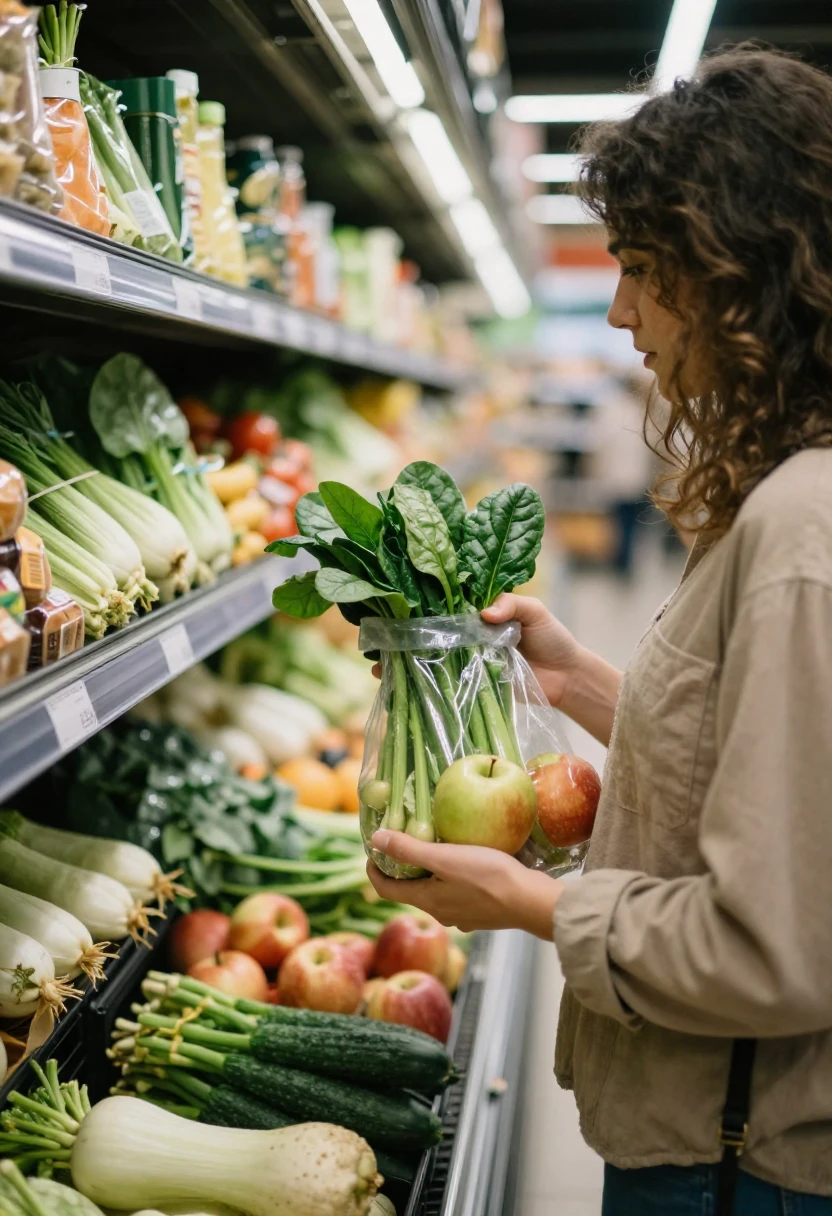
For a lot of people, organic food brings up one immediate thought: it costs more. And that is true. But the bigger question is whether it offers enough value to make certain foods worth choosing more carefully.
The answer is not the same for every item in your grocery cart.
Organic shopping tends to matter most when you are buying foods you eat often, foods with delicate skins, or foods that become part of your daily routine without much thought. Think about the things you reach for almost automatically—your morning coffee, the spinach for smoothies, the apple you eat in the car, the tomatoes you chop into lunch. These are the foods that quietly show up again and again.
What people usually mean when they say “eat cleaner”
Most people are not asking for a perfect diet when they say they want to eat cleaner. They usually mean something much simpler:
- More whole foods
- Fewer heavily processed products
- Ingredients that feel easier to trust
- A way of eating that feels lighter and more natural
That is one reason organic foods appeal to so many shoppers. They often feel like part of a broader shift toward eating with more intention. Not stricter. Not obsessive. Just more aware.
Maybe you have had that moment standing in the produce aisle, holding two cartons of strawberries or two bags of spinach, wondering whether the organic one is actually worth it. That small pause says a lot. You are not trying to be perfect. You are just trying to make a better choice where it counts.
Why some foods are worth buying organic first
Not every organic product deserves top priority. Some simply matter more than others.
A smart approach is to focus on foods that are:
- Eaten frequently
- Consumed with the skin or peel
- Used by the whole family
- Hard to wash or prepare thoroughly
- Part of your everyday staples
This is why produce like apples, leafy greens, berries, and tomatoes often comes up in organic shopping conversations. These foods tend to be used often and eaten in ways that make them feel more worth the upgrade.
It is also why everyday drinks and dairy products can become part of the conversation. If something shows up in your life every single morning or every week without fail, even a small improvement may feel meaningful over time.
A practical approach if your grocery budget is limited
You do not need to buy everything organic to make your diet healthier. In fact, trying to do that all at once usually backfires. It turns grocery shopping into a stressful math problem, and nobody needs that on a Tuesday evening.
A better approach is to start with two or three foods you buy all the time.
For example, that might be:
- Spinach
- Apples
- Coffee
Or maybe for your household, it is:
- Milk
- Tomatoes
- Berries
That kind of choice feels realistic. You are not overhauling your life. You are simply upgrading the foods that matter most in your own kitchen.
And that is really the heart of this article: organic eating works best when it feels practical, personal, and sustainable. Not performative. Not all-or-nothing. Just thoughtful.
How to Decide Which Organic Foods Are Worth the Extra Cost
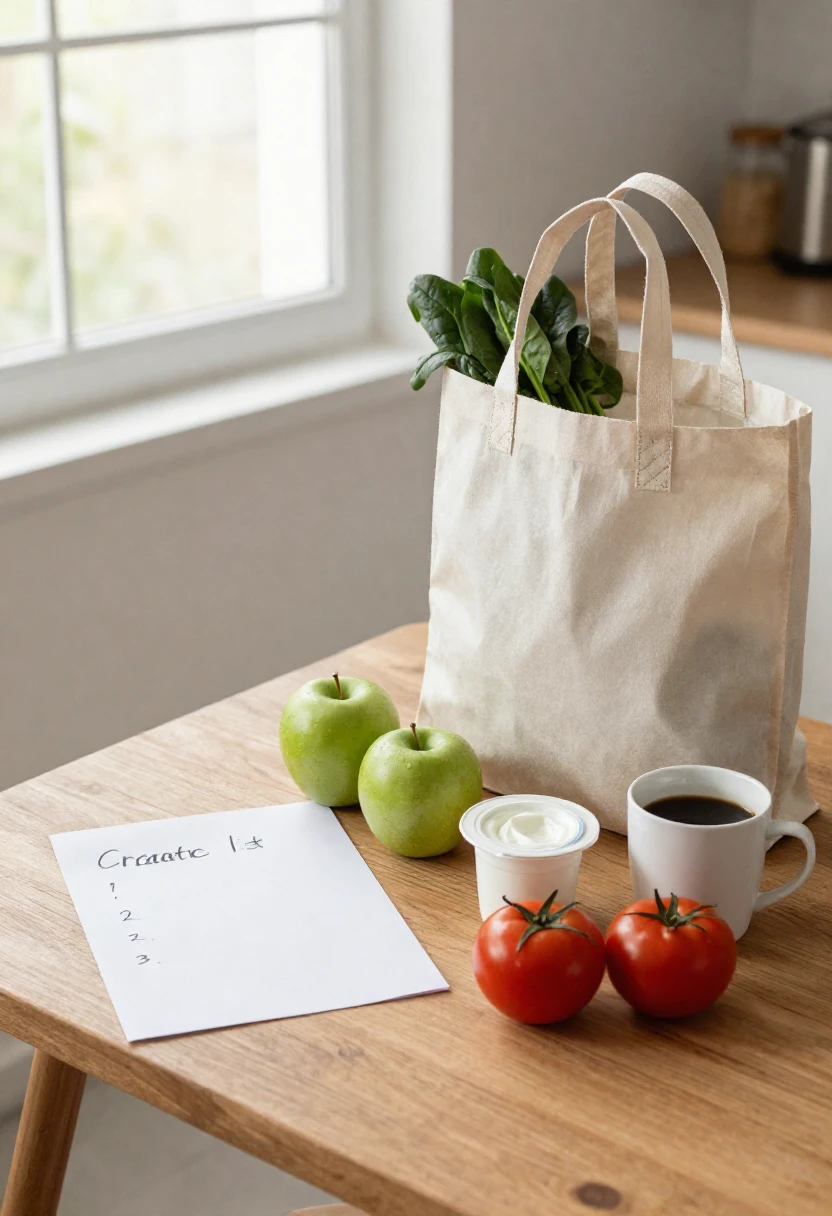
Organic labels can be helpful, but they do not answer the question most people are really asking in the store: Is this one actually worth paying more for?
That decision gets easier when you stop looking at organic food as one big category and start thinking about your own habits. The smartest choices usually come from noticing what you buy often, what you eat most, and what disappears from your kitchen almost as soon as you bring it home.
Foods you eat often versus foods you buy occasionally
A food you eat once in a while does not carry the same weight in your routine as something you buy every single week.
That is why frequency matters so much.
If you drink coffee every morning, toss spinach into lunch three times a week, and keep apples in a bowl on the counter for easy snacks, those foods naturally become stronger candidates for buying organic. They are simply more present in your diet.
On the other hand, a vegetable you buy once every few weeks may not need to be high on your organic priority list. That does not make it unimportant. It just means your budget may go further when you focus on the foods that show up again and again.
A simple way to think about it is this:
- Daily foods deserve more attention
- Weekly staples come next
- Occasional items can be flexible
That one shift can make organic shopping feel much more manageable.
Thin-skinned produce, leafy vegetables, and everyday staples
Some foods tend to feel more worth prioritizing because of the way you eat them.
Leafy greens are a good example. Spinach, lettuce, arugula, and kale are delicate, often eaten raw, and hard to scrub the way you might scrub a potato or peel a banana. The same goes for thin-skinned fruits like apples, berries, and grapes. You usually eat the outside along with everything else, so they often end up high on people’s lists.
Then there are the everyday staples that may not look dramatic in your cart but matter because you use them constantly. Tomatoes for sandwiches and salads. Milk for cereal and coffee. Yogurt for breakfast. Coffee beans that start every morning in the same familiar way.
These foods earn their place not just because of what they are, but because of how often they become part of your life.
Why frequency matters more than perfection
This is where a lot of healthy shoppers get stuck. They think the goal is to make the perfect grocery list.
It is not.
The goal is to make better choices more often, in a way you can actually maintain.
That might mean you buy organic spinach but regular onions. Organic apples but not every fruit. Organic yogurt for your kids, but conventional cheese when it is on sale. That is still a thoughtful, health-conscious way to shop.
A realistic organic strategy often looks like this:
- Choose organic for a few foods you use all the time
- Stay flexible with everything else
- Let your real eating habits guide your spending
That approach may not look impressive in a social media grocery haul, but it works in real life. And real life is where healthy eating has to happen.
The best organic choices are not the most expensive ones or the trendiest ones. They are the ones that fit naturally into your routine and help you build a cleaner diet without making every shopping trip feel like a test.
Organic Coffee: A Small Upgrade That Adds Up
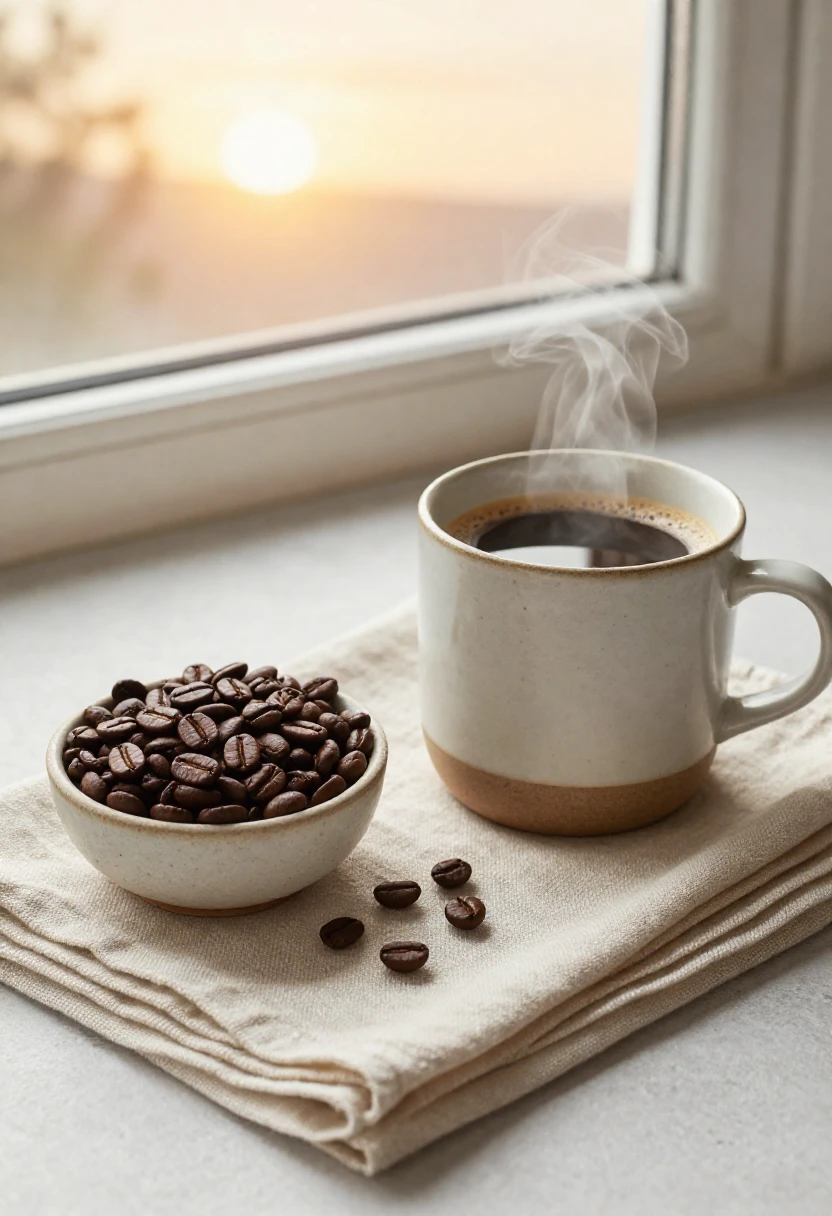
Coffee is one of those foods people rarely think of as a “food choice” in the same way they think about apples or spinach. But when something is part of your morning almost every single day, it deserves a place in the conversation.
For many people, coffee is not occasional. It is a ritual. It is the mug you wrap your hands around before the house gets noisy. It is the quiet five minutes before email, errands, or school drop-off. And because it shows up so often, organic coffee can be one of the simplest upgrades to make.
Why coffee is one of the most frequently consumed foods
You might only eat strawberries once or twice a week. You might buy grapes when they look especially good. But coffee? That is often daily.
That frequency matters.
A food or drink that becomes part of your routine every morning has a different weight than something you buy once in a while. Even if the change feels small, it repeats itself over and over. That is why many health-conscious shoppers choose to start with coffee before they start swapping half the produce drawer.
If you drink:
- One or two cups every day
- Coffee all year round
- The same brand week after week
then organic coffee may be one of your most practical switches.
The appeal of organic beans for daily drinkers
Part of the appeal is simple: you use it so often that it feels worth being more selective.
Organic coffee can also fit naturally into a broader wellness routine. If you already care about the quality of your breakfast, your snacks, or your dairy choices, upgrading your coffee does not feel extreme. It feels consistent.
And there is something satisfying about that choice. You are not changing your whole life. You are just making your daily cup feel a little more intentional.
For some people, this shift starts with whole beans from a local market. For others, it is just spotting an organic option on the grocery shelf and deciding to try it next week. No dramatic reset. Just a better habit, one scoop at a time.
What to look for when buying organic coffee
You do not need the fanciest bag in the store to make a good choice. Start with the basics:
- Choose organic-certified coffee when possible
- Pick the roast you genuinely enjoy
- Buy whole beans if freshness matters to you
- Check whether it fits your brewing style
- Look for a brand you can afford regularly
That last point matters more than people think. The best organic coffee is not the one you buy once because the packaging looked beautiful. It is the one you actually enjoy drinking and feel good about buying again.
A realistic approach could be:
- organic coffee at home
- regular coffee when you are out
- or a mix of both depending on your budget
That still counts as thoughtful eating.
And honestly, there is something nice about knowing that one of the most repeated parts of your day—something as ordinary as coffee—can also be one of the easiest places to make your diet feel cleaner and more considered.
Organic Apples: A Simple Family Staple to Prioritize
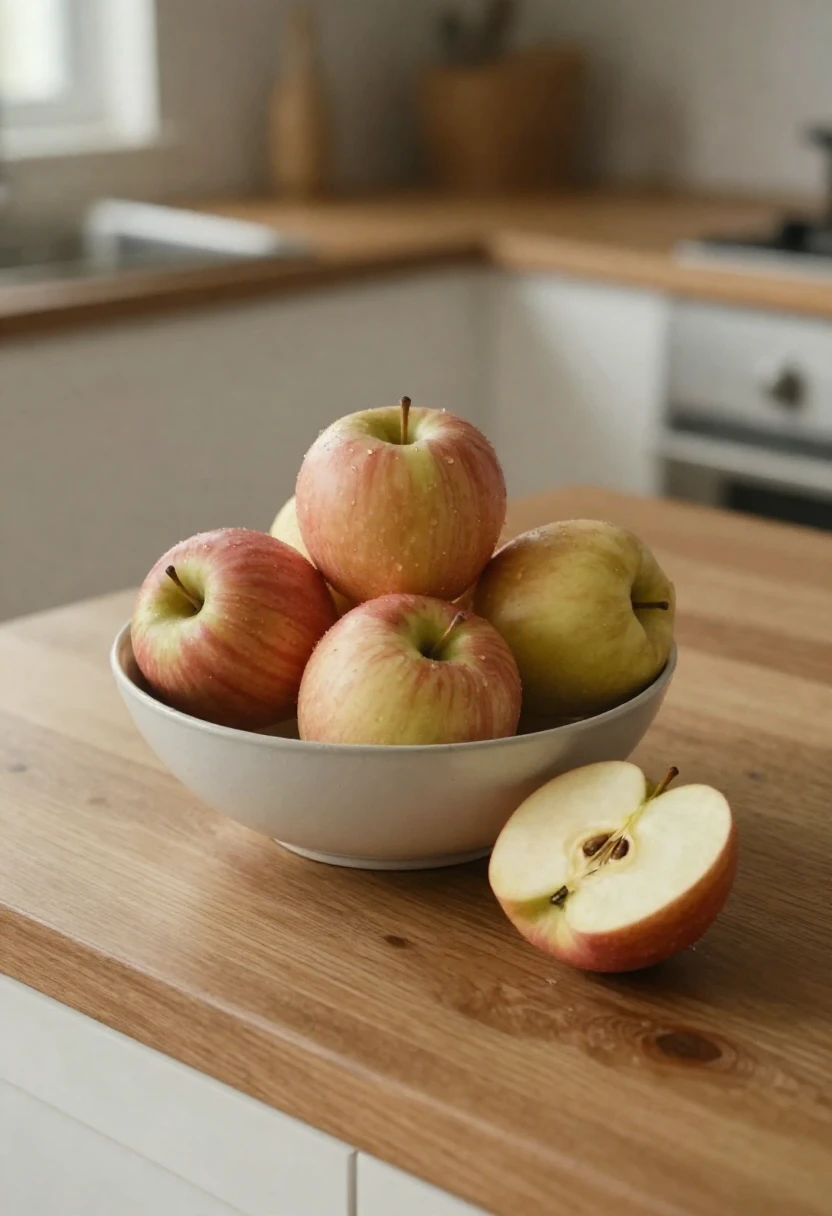
Apples are one of the easiest healthy foods to keep around, which is exactly why they matter so much here. They are the kind of snack that ends up everywhere—on the kitchen counter, in lunch boxes, in tote bags, in the cup holder of the car when you forgot to eat earlier.
That everyday convenience is what makes apples such a smart place to start with organic shopping. When a food becomes part of your routine without much effort, even a simple upgrade can feel worthwhile.
Why apples are such a common healthy snack
Some healthy foods require planning. Apples do not.
You do not need to cook them, blend them, season them, or turn them into something else. You just rinse, grab, and eat. That simplicity is part of their strength. When life gets busy, the foods that stay easy are the ones you actually keep eating.
Apples also work for almost everyone in the house:
- A quick snack for busy afternoons
- A lunchbox fruit that travels well
- A light bite before errands or workouts
- A naturally sweet option when you want something fresh
Because they are so convenient, they often show up several times a week. And once a food becomes that regular, choosing the organic version can start to make more sense.
The case for choosing organic when you eat the skin
Unlike fruits you peel and toss aside, apples are usually eaten whole, skin and all. That is one reason they often land high on organic priority lists.
And let’s be honest—most of us are not peeling apples at the sink with the precision of a pastry chef. We are slicing one quickly for the kids, biting into one between meetings, or eating one while standing in the kitchen deciding what to make for dinner. Apples are a real-life food, not a perfect-life food.
Because the skin is part of the experience, many shoppers feel more comfortable choosing organic here, especially if apples are something they buy every week.
It is a small shift, but one that fits naturally into daily life.
Easy ways to use organic apples beyond snacking
Apples do a lot more than sit in a fruit bowl looking wholesome. They can quietly make everyday meals feel fresher, brighter, and more satisfying.
A few easy ideas:
- Slice them into oatmeal with cinnamon
- Add them to yogurt with walnuts
- Toss them into a green salad with cheese and seeds
- Bake them with a little butter and spice for dessert
- Pair them with nut butter for a filling snack
This is another reason apples are worth prioritizing. They are not a niche “health food” you buy with good intentions and forget in the fridge. They are flexible, familiar, and easy to use.
When a food is that practical, buying organic can feel less like a wellness statement and more like a sensible grocery decision. Apples earn that spot because they show up often, get eaten whole, and fit into the rhythm of everyday healthy eating.
Organic Tomatoes: A Better Choice for Everyday Cooking
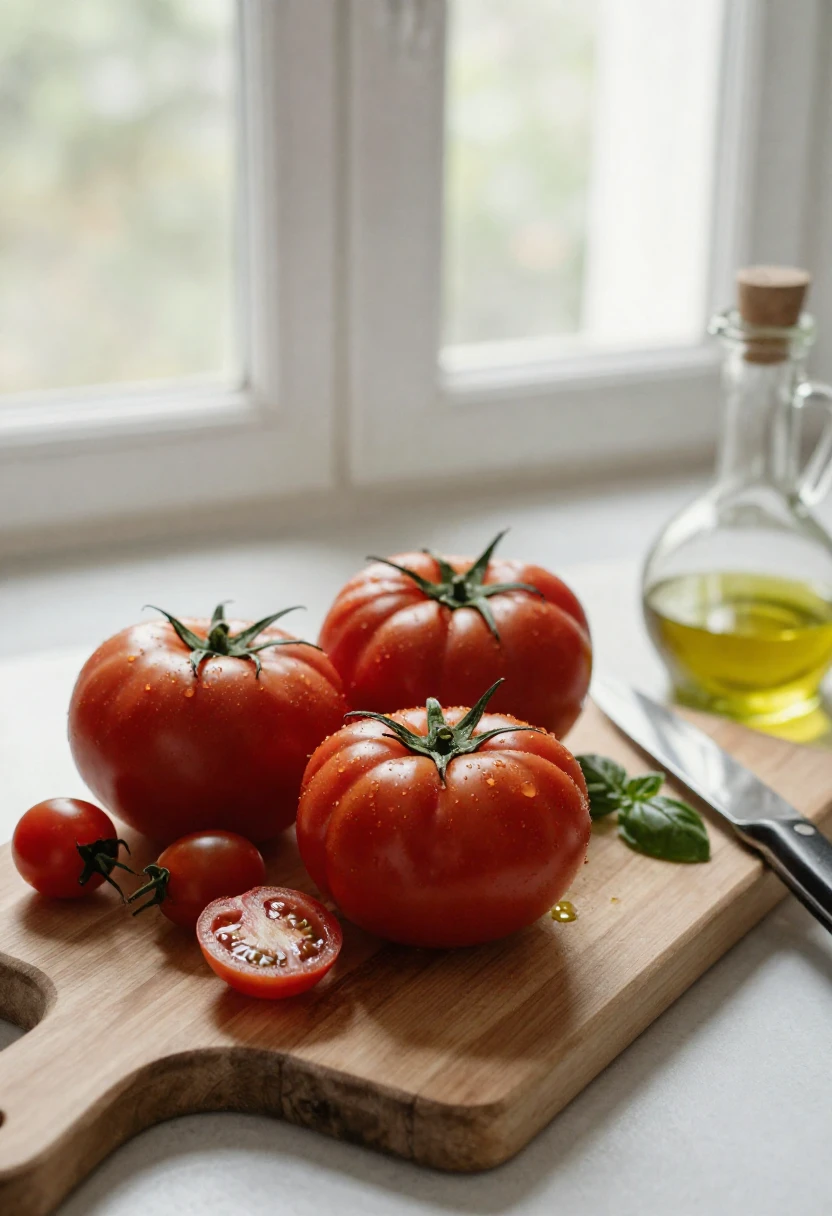
Tomatoes have a way of ending up in almost everything without you even planning it. They are in salads, sandwiches, pasta sauces, grain bowls, soups, and quick lunches made from whatever is left in the fridge. That kind of everyday usefulness is exactly what makes them worth thinking about when you are deciding which organic foods to prioritize.
They may not feel as obvious as berries or leafy greens, but tomatoes are one of those quiet kitchen staples that show up again and again.
Why tomatoes are a kitchen staple in so many meals
Tomatoes are one of the most flexible foods you can buy. They can be fresh and juicy in a salad, slow-cooked into something rich and comforting, or sliced onto toast with olive oil and a pinch of salt when you need lunch fast.
That versatility matters because it usually means you are eating them often.
You might use tomatoes in:
- Simple weekday salads
- Pasta sauces and soups
- Sandwiches and wraps
- Egg dishes and grain bowls
- Roasted vegetable trays
When a food works this hard in your kitchen, upgrading it to organic can feel like a smart move rather than an indulgence.
Fresh, canned, cherry, or sauce — which organic option makes sense
This is where it helps to be practical. Tomatoes are not just one product. They come in several forms, and each one fits a different kind of cooking life.
Fresh organic tomatoes are great if you slice them often for salads, sandwiches, or snack plates.
Organic cherry tomatoes make sense if you toss them into lunch boxes, roast them for dinner, or eat them straight from the container while standing at the counter.
Organic canned tomatoes can be one of the best values if you cook soups, stews, or pasta regularly.
Organic tomato sauce or passata is useful when you need dinner to happen fast and still want a cleaner pantry staple.
You do not need every version in your cart.
A more realistic approach is to ask yourself:
- Which tomato product do I use most?
- What actually gets eaten in my home?
- Where would organic make the biggest difference in my weekly routine?
For one household, that might be canned tomatoes for batch cooking. For another, it is cherry tomatoes for packed lunches and salads. The best choice is the one that matches how you really cook.
Easy meal ideas that make tomatoes shine
One of the best things about tomatoes is how quickly they can turn simple ingredients into a meal that feels complete.
A few easy favorites:
- Tomato toast with olive oil, soft cheese, and herbs
- A quick pasta with garlic, tomatoes, and basil
- Chopped tomatoes added to scrambled eggs
- Cucumber, tomato, and feta salad
- Roasted tomatoes served with chicken, beans, or grains
There is also something comforting about the smell of tomatoes cooking on the stove. It fills the kitchen in that warm, homey way that makes even a rushed evening dinner feel more grounded.
That is part of why tomatoes are worth prioritizing. They are not a once-in-a-while “healthy” purchase. They are an everyday ingredient that helps real meals come together. And when a food plays that kind of role in your routine, choosing organic can feel like a sensible, lasting upgrade.
Organic Spinach and Leafy Greens: High on Nutrition, High on Priority
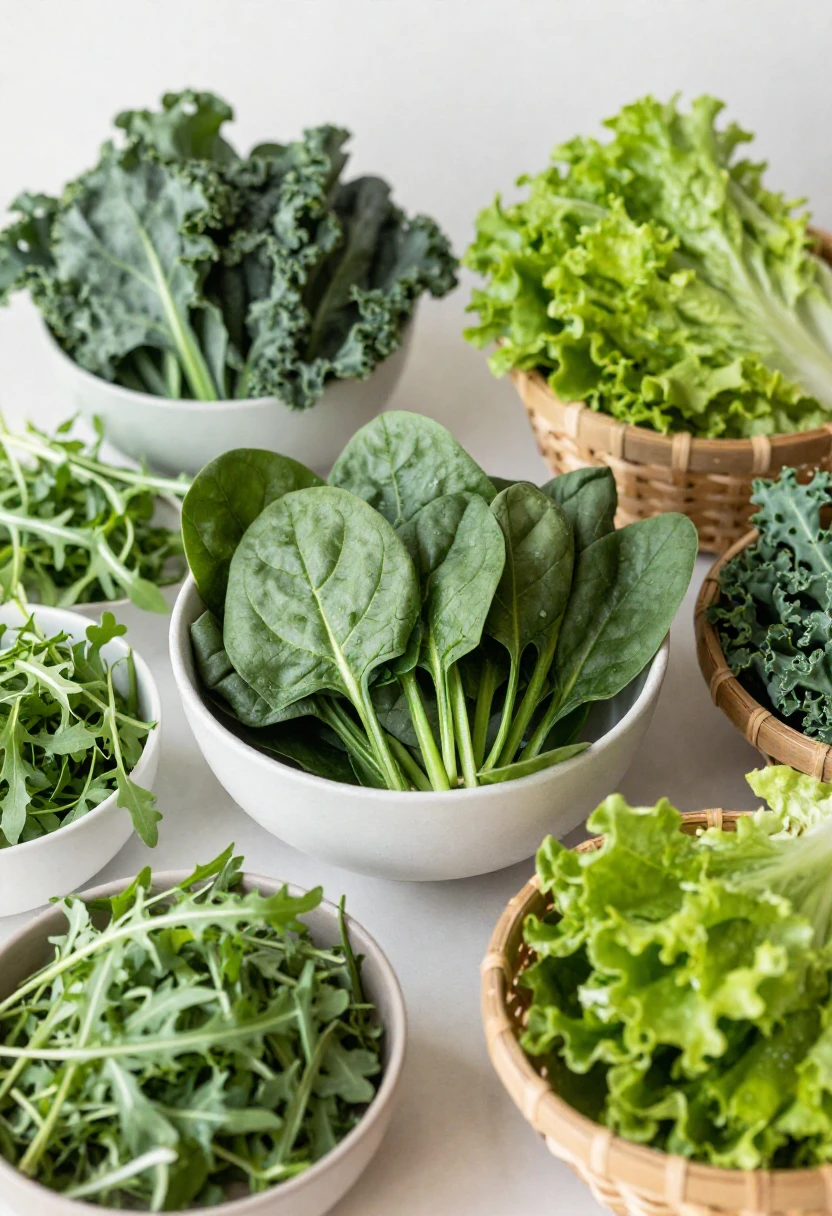
If there is one category of organic food that many healthy eaters choose to prioritize early, it is leafy greens. Spinach, kale, arugula, lettuce, mixed greens—they look light and uncomplicated, but they do a lot of work in a healthy diet.
They slip into smoothies, salads, omelets, grain bowls, wraps, and quick side dishes. They are often the first thing people buy when they are trying to eat better. And because they are used so often, they can be one of the most practical places to go organic.
Why spinach often lands on healthy shopping lists
Spinach has a way of making healthy eating feel easier.
It does not need much effort. You can toss a handful into scrambled eggs, blend it into a smoothie, stir it into soup, or build a quick lunch around it with whatever else you have in the fridge. It is one of those foods that makes you feel like you are doing something good for yourself without turning the meal into a project.
That is part of why spinach becomes a staple so quickly.
It is often used for:
- Smoothies and juices
- Quick salads
- Egg dishes and omelets
- Soups, pasta, and rice bowls
- Simple side dishes with garlic and olive oil
When a food shows up this often, upgrading it to organic can feel like a very reasonable choice.
Kale, arugula, lettuce, and microgreens worth considering
Spinach is not the only green that earns a place here. Other leafy vegetables can matter just as much, especially if they are part of your usual routine.
Kale works well in salads, soups, and sautéed dishes.
Arugula adds a peppery bite to sandwiches, pizzas, and grain bowls.
Lettuce and mixed greens are often the base of quick everyday lunches.
Microgreens may be small, but they are frequently used as fresh toppers for eggs, toast, and salad plates.
What all of these greens have in common is how easy they are to eat regularly. They fit into meals without demanding much. And because they are delicate, they are not the kind of produce you can peel or scrub aggressively.
That makes them feel more worth prioritizing for many shoppers.
The benefit of choosing organic for greens you eat raw
Leafy greens are often eaten raw or only lightly cooked, which is one reason they come up so often in organic conversations.
A bowl of salad, a handful of spinach in a smoothie, arugula layered into a sandwich—these foods usually go from package to plate with very little in between. Even when you wash them, they still feel different from produce with a thick peel or outer layer you remove before eating.
There is also the frequency issue again. Greens are not usually a once-a-month purchase. If you are someone who buys a fresh box or bag every week, that choice repeats itself often.
A simple way to think about it:
- If greens are part of your everyday meals, they are worth a closer look
- If you eat them raw often, organic may feel more worthwhile
- If they are one of your top healthy staples, they belong high on your list
And there is something else, too. Fresh greens are often tied to your best intentions. They are what you buy when you want lunches to feel lighter, dinners to feel fresher, and your body to feel a little better after a few too many takeout meals.
So when you choose organic spinach or leafy greens, it does not feel flashy. It feels sensible. It feels like one of those quiet choices that supports the kind of eating you are already trying to build.
Organic Dairy Products: What Makes Them Worth Considering
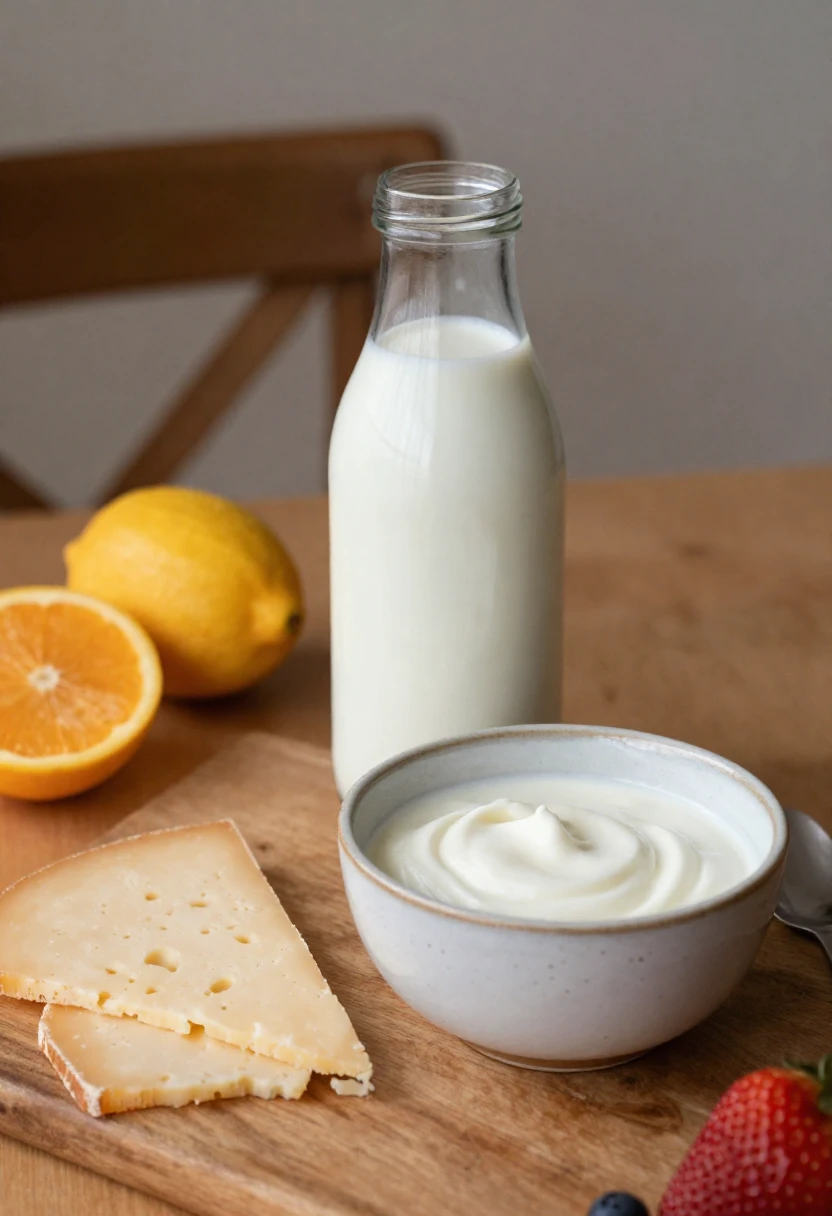
Dairy can be a little different from produce when you are thinking about organic choices. You are not comparing skins, peels, or leafy surfaces. You are looking at foods that often live in your fridge year-round and quietly become part of breakfast, snacks, baking, coffee, and quick dinners.
That everyday presence is what makes dairy worth talking about. Milk, yogurt, cheese, and butter may not always get the same attention as berries or spinach, but for many households, they are used just as often. And when a food becomes that regular, even a small upgrade can feel meaningful.
Milk, yogurt, and cheese as everyday foods
Dairy has a way of weaving itself into the day without much effort.
Milk gets poured into cereal, coffee, oatmeal, and pancake batter. Yogurt becomes breakfast on busy mornings or a quick snack between meals. Cheese ends up in sandwiches, eggs, pasta, salads, and those last-minute dinners when you are trying to make something satisfying from very little.
These are not special-occasion foods. They are real-life staples.
That matters because organic choices tend to make the most sense when they apply to foods you actually use often. A carton of milk that gets emptied every few days. Yogurt cups your kids ask for on repeat. A block of cheese you grate into everything from soups to baked vegetables. These are the kinds of foods that can make organic shopping feel practical rather than performative.
A few common dairy staples worth thinking about:
- Milk for daily drinks, cereal, and cooking
- Yogurt for breakfast, snacks, and sauces
- Cheese for lunches, dinners, and everyday flavor
- Butter for baking and simple home cooking
When dairy plays this kind of role in your home, choosing organic in one or two categories can be a very manageable place to start.
What some shoppers look for in organic dairy
People choose organic dairy for different reasons, and not all of them are dramatic. Sometimes it is not about chasing the “perfect” food. It is just about feeling a little more comfortable with what you buy most often.
For some shoppers, organic dairy feels like a better match for the rest of the way they eat. If you already pay attention to produce, pantry staples, or the quality of your coffee, dairy can feel like a natural next step.
Others focus on the foods they or their family eat most. Maybe your child has yogurt every school morning. Maybe milk is something your household goes through quickly. Maybe cheese is less frequent, so it lands lower on the priority list. That kind of thinking is useful because it keeps your choices tied to real habits.
When people look at organic dairy, they often think about:
- How often they use it
- Who in the household eats it most
- Whether it is a daily staple or an occasional extra
- Which version gives them the most value for the money
And honestly, that last point is important. Organic dairy can cost more, so it helps to focus on the item that makes the biggest difference in your actual routine.
For one person, that might be switching to organic yogurt because it is eaten almost every day. For another, it could be milk for coffee, cereal, and cooking. Some people skip organic cheese altogether because they buy it less often or only use small amounts. That is not doing it wrong. That is just shopping realistically.
How to choose the best option for your household
This is where your own kitchen matters more than any trend.
The best organic dairy choice is not necessarily the most expensive one or the one that sounds the most impressive. It is the one that fits smoothly into your life, gets used consistently, and feels worth buying again.
A few simple ways to narrow it down:
- Start with the dairy product you buy most often
- Choose the one used by the whole household
- Prioritize breakfast staples first
- Compare store brands before assuming organic is out of reach
- Buy one organic dairy item consistently instead of several occasionally
That last approach often works best. One reliable swap tends to be more sustainable than five inconsistent ones.
For example:
- If your family eats yogurt every morning, start there.
- If milk is your most-used dairy item, choose organic milk first.
- If cheese is something you use only occasionally, leave it flexible for now.
This kind of decision-making may sound simple, but that is exactly why it works. Healthy eating usually gets easier when you stop trying to optimize everything and start paying attention to what already happens in your kitchen.
There is also something comforting about dairy in general. A bowl of yogurt with fruit before the day gets busy. Warm milk in oatmeal. Cheese melting into pasta on a tired evening when you need dinner to feel easy and familiar. These are small, ordinary moments, but they are part of how people actually eat.
So when you think about organic dairy, do not think of it as another rule to follow. Think of it as a way to be a little more selective with the foods that already matter in your life. That mindset keeps the choice grounded, useful, and much easier to stick with over time.
Other Organic Foods That Can Make a Real Difference
Once you have covered the obvious staples like coffee, apples, leafy greens, tomatoes, and dairy, there are a few other foods that can be worth moving up your organic list. These are not necessarily the first swaps everyone makes, but they can matter quite a bit if they are foods you buy often.
This is where organic shopping starts to feel personal. Your priority list may not look exactly like someone else’s, and that is a good thing. The best choices usually come from the foods you actually eat, not the ones that just sound healthy on paper.
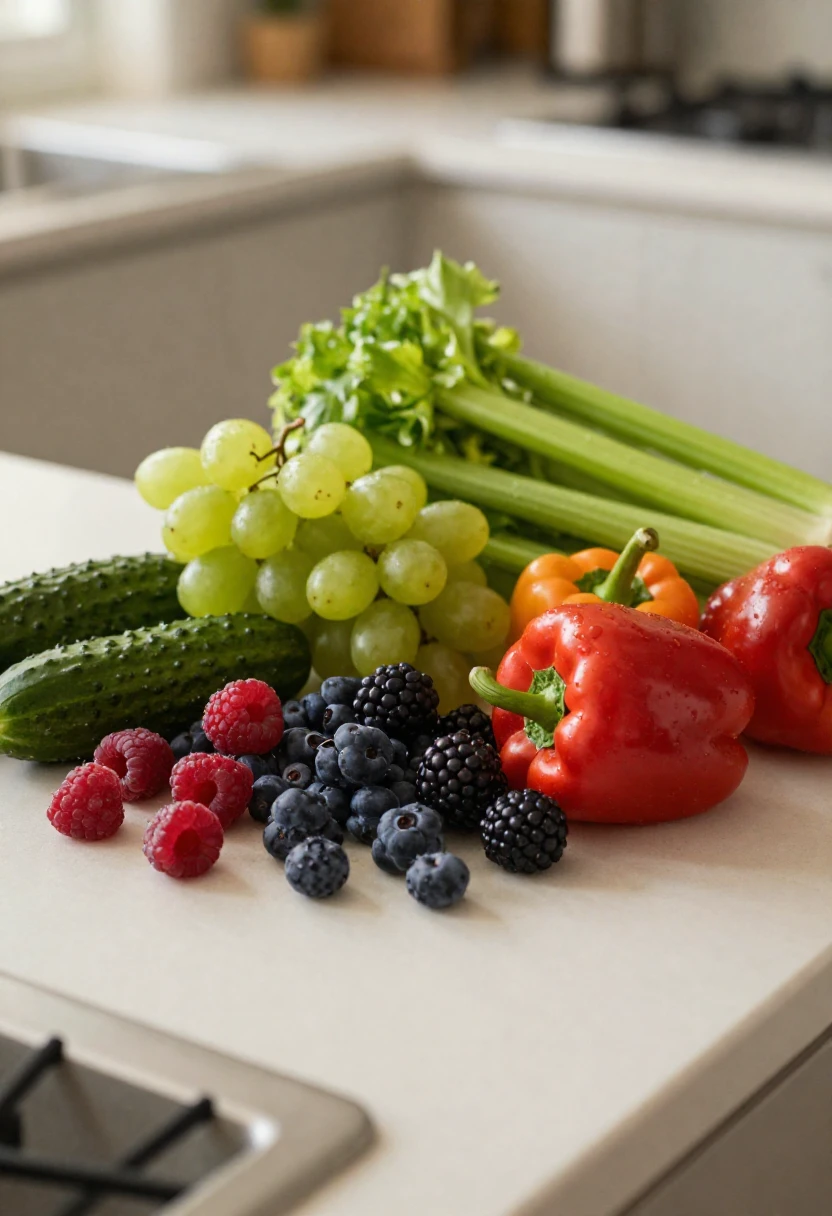
Berries and grapes for frequent fruit eaters
Berries and grapes are the kind of foods people buy with good intentions and then end up eating faster than expected. A handful of blueberries over breakfast. Strawberries added to yogurt. Grapes rinsed and left in a bowl where everyone reaches for them all afternoon.
These fruits are easy, sweet, and convenient, which is exactly why they can become regular parts of your week.
If your household goes through fruit quickly, these can be smart organic picks because they are often eaten whole, with very little prep beyond washing. You are not peeling them or trimming much away. They usually go straight from container to snack, lunchbox, smoothie, or breakfast bowl.
A few common ways they show up:
- Berries in oatmeal or yogurt
- Grapes packed into lunch boxes
- Strawberries blended into smoothies
- Blueberries used in baking or pancakes
- Fresh fruit bowls for quick snacking
If you buy these often, organic versions may feel like a natural next step.
Cucumbers, peppers, and celery for salad lovers
If your fridge is always stocked for quick salads and crunchy snacks, this category may matter more to you than you expect.
Cucumbers, bell peppers, and celery are classic “healthy food” staples because they are refreshing, easy to slice, and simple to pair with dips, hummus, sandwiches, and lunch plates. They also tend to get eaten regularly in homes where lighter meals and snack boards are part of the routine.
These foods make sense to prioritize when:
- You snack on them several times a week
- They are packed into lunches often
- You use them raw more than cooked
- They are part of your go-to salad ingredients
There is something very real-life about a cucumber cut up on a plate next to leftovers, or a few pepper strips grabbed while dinner is cooking. These are not glamorous health foods. They are practical ones. And that is often what makes them worth the organic upgrade.
Organic pantry staples you may want to swap in slowly
Not every organic choice has to come from the produce section. Pantry staples can matter too, especially when they form the base of meals you make all the time.
This might include:
- Oats
- Rice
- Beans
- Pasta
- Nut butters
- Flour
- Tomato sauce
- Broth
These are not always the first items people think about, but they can be useful places to make gradual changes, especially if you cook at home often. The key word here is gradual.
You do not need to replace your whole pantry in one shopping trip. In fact, that is probably the fastest way to overspend and feel annoyed by the whole process.
A better approach is to swap things in slowly:
- Buy organic oats when your current bag runs out
- Try organic peanut butter next time you restock
- Choose organic canned beans for one or two meals a week
- Keep an eye out for store-brand pantry basics at a better price
This kind of slow shift works because it fits into the rhythm of normal life. No grand reset. No dramatic purge of your cupboards. Just a few thoughtful upgrades that build over time.
And that is what makes these “other” organic foods important. They remind you that healthier eating is not only about the obvious produce drawer stars. Sometimes it is also about the berries you toss into breakfast, the cucumber you slice without thinking, or the oats you cook on a quiet morning when you want something simple and nourishing.
How to Build an Organic Grocery List Without Overspending
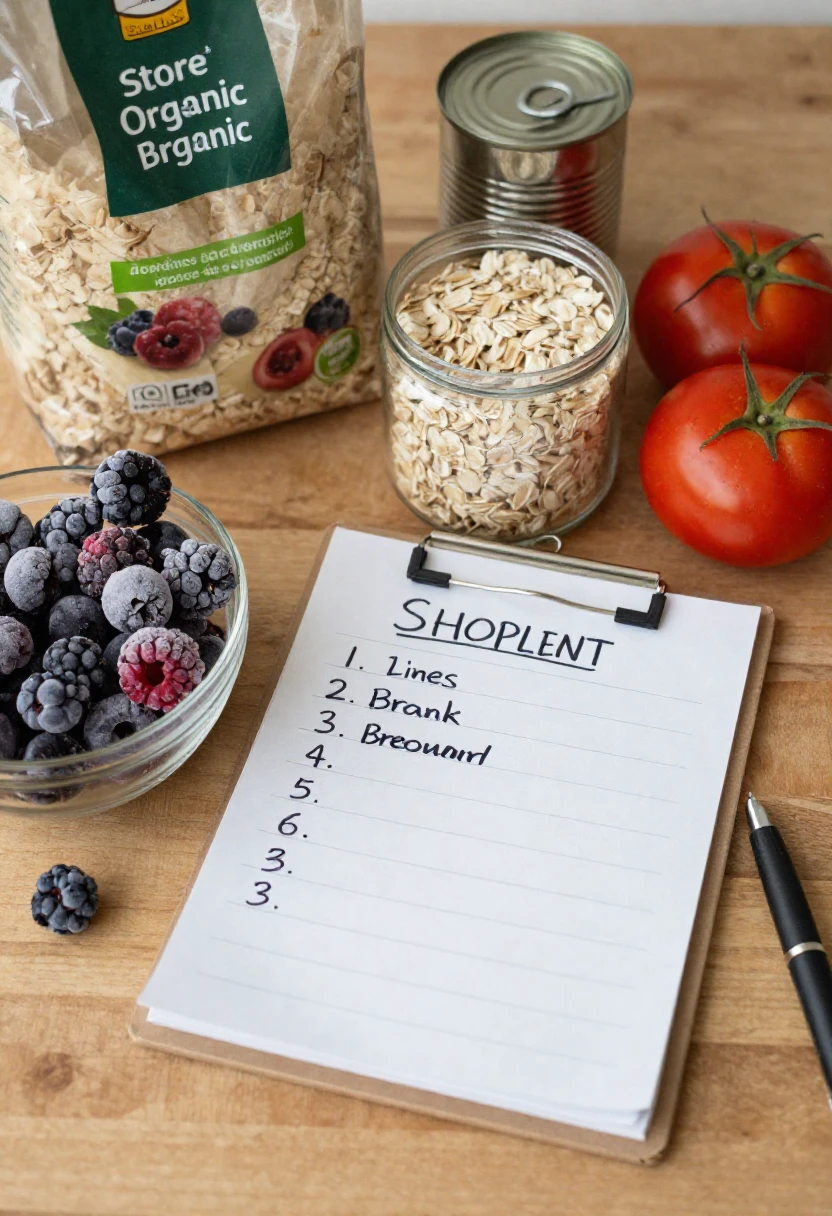
One of the fastest ways to make healthy eating feel stressful is to treat organic shopping like an all-or-nothing mission. That is usually the moment when the grocery total climbs, your enthusiasm drops, and the whole idea starts to feel harder than it needs to be.
A better plan is much simpler: build your list around the foods that matter most to your routine, and let the rest stay flexible.
That is how organic shopping becomes sustainable. Not by buying everything. By choosing well.
Start with your most-used foods
The easiest way to keep your grocery budget under control is to start with the foods you buy again and again.
Look at your usual week. What disappears first?
Maybe it is spinach for smoothies and salads. Maybe it is apples for snacks, yogurt for breakfast, or tomatoes for lunches and quick pasta dinners. Those repeat purchases are where organic choices often make the most sense, because they are tied to foods you genuinely use.
A simple way to build your list is to split it into tiers:
Top priority
- Foods you eat daily
- Foods your family eats often
- Foods you buy almost every week
Second priority
- Foods you enjoy regularly but not constantly
- Ingredients used in a few meals each week
Flexible
- Occasional produce
- Specialty items
- Foods you buy mostly on impulse or for variety
This keeps you from spending extra on foods that sound healthy but do not really matter in your routine.
Shop seasonally and compare frozen versus fresh
Organic shopping gets easier when you stop expecting every item to be available at the perfect price all year long.
Seasonal produce often gives you better value, better flavor, and a more realistic way to buy organic without stretching your budget too far. Fresh berries in peak season, apples when they are abundant, tomatoes when they actually taste like tomatoes—these are the moments when organic shopping can feel especially worth it.
It also helps to remember that fresh is not your only option.
Frozen organic fruit and vegetables can be a smart choice when:
- fresh organic produce is expensive
- you do not want food to spoil quickly
- you use ingredients for smoothies, soups, or cooked meals
- you want healthy staples ready at any time
Frozen spinach, berries, and even some vegetable blends can be especially useful. They take pressure off your week and make it easier to keep good ingredients on hand, even when life gets chaotic.
When store-brand organic products are enough
This is one of the most underrated ways to save money: you do not need premium branding to make a good choice.
A lot of shoppers assume organic automatically means boutique packaging, trendy labels, and prices that make you put the item right back on the shelf. But store-brand organic products can often give you what you need at a more reasonable price.
This can be especially helpful for:
- milk
- yogurt
- oats
- beans
- pasta
- tomato products
- frozen fruit and vegetables
The goal is not to buy the most impressive version. It is to buy the version you can realistically keep buying.
That is what makes a healthy grocery habit last.
And honestly, there is something freeing about that. You stop shopping for the fantasy version of yourself—the one with the unlimited food budget and the picture-perfect pantry—and start shopping for your actual life. The one where dinner still needs to happen on busy evenings, breakfast has to be quick, and the best food choices are the ones that work on ordinary days.
When you build your organic list this way, it becomes much less about restriction and much more about rhythm. A few thoughtful priorities. A few smart swaps. A cart that reflects how you really eat. That is more than enough to move your diet in a healthier, cleaner direction.
Easy Everyday Meals Built Around Organic Staples
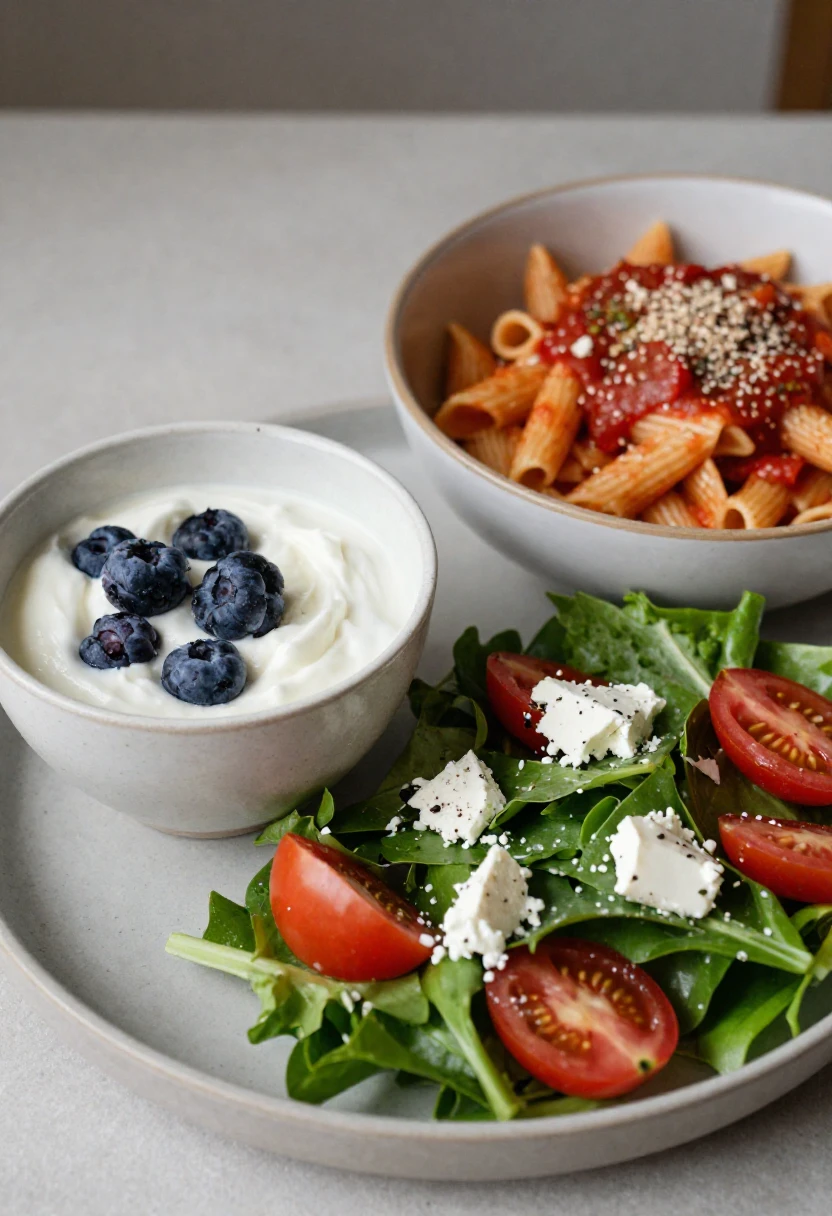
One of the best things about buying organic foods strategically is that they do not need to sit in your kitchen looking virtuous and untouched. They can become part of meals you already know how to make—the kind you throw together on sleepy mornings, rushed lunch breaks, or evenings when you want dinner to feel simple but still good.
That is really the sweet spot: healthy food that fits real life.
A simple organic breakfast
Breakfast is often the easiest place to start because it tends to repeat itself. Most people rotate through a small number of meals, which means even one or two organic swaps can become part of the routine very quickly.
A few easy breakfast ideas:
- Organic yogurt with berries, oats, and nuts
- Oatmeal topped with sliced organic apples and cinnamon
- Toast with nut butter and fresh fruit
- Scrambled eggs with organic spinach and tomatoes
- A smoothie with spinach, frozen berries, and yogurt
There is something comforting about a breakfast that feels both quick and a little nourishing. A bowl of warm oats on a cool morning. Cold yogurt with sweet berries when you do not feel like cooking. These are small meals, but they set the tone for the day.
A quick lunch built from greens, tomatoes, and dairy
Lunch is where organic staples can really shine because many of them work well with almost no effort.
A handful of greens, a few sliced tomatoes, some cucumber, a piece of cheese, leftover grains, a spoonful of beans—suddenly you have lunch. Not a trendy lunch. Not a complicated lunch. Just one that feels fresh, balanced, and easy to repeat.
Some quick lunch combinations:
- Salad with organic greens, tomatoes, cucumber, and feta
- Wrap with spinach, cheese, sliced peppers, and hummus
- Toast topped with tomatoes, soft cheese, and herbs
- Grain bowl with greens, roasted vegetables, and yogurt dressing
- Apple slices, cheese, and a handful of nuts for a light plate
These kinds of lunches work because they are flexible. You do not need a recipe every time. You just need a few ingredients that make healthy choices easier.
A cozy dinner that keeps things realistic
Dinner is often the meal where good intentions meet actual exhaustion. This is exactly why organic staples help most when they are simple to use.
You do not need elaborate wellness recipes after a long day. You need ingredients that can turn into something comforting without much drama.
A few realistic dinner ideas:
- Pasta with organic tomato sauce and sautéed spinach
- Soup made with organic tomatoes, beans, and greens
- Roasted vegetables with rice and yogurt sauce
- Omelet with spinach, tomatoes, and cheese
- A grain bowl with cooked greens, roasted tomatoes, and a simple protein
And sometimes dinner is even simpler than that. A warm bowl of pasta. Tomatoes bubbling in a pan with garlic. Greens wilting into soup while you clear off the counter. These are not glamorous moments, but they are the ones that make healthy eating feel possible.
That is why organic staples matter. They are not just items to buy. They are ingredients that help ordinary meals feel a little cleaner, fresher, and more nourishing—without asking you to become a different person to use them.
Common Mistakes People Make When Buying Organic
Organic shopping can be a smart, thoughtful part of a healthier diet. But it can also get surprisingly confusing once you are standing in the store trying to make decisions in real time. That is usually when good intentions turn into one of two things: overspending or overthinking.
The good news is that most of the common mistakes are easy to fix once you notice them.
Assuming everything has to be organic
This is probably the biggest trap.
A lot of people start learning about organic food and immediately feel like they need to replace everything at once. Every apple, every carton of milk, every bag of oats, every snack, every herb, every ingredient in the pantry. It sounds responsible in theory, but in real life, it usually becomes exhausting.
It also makes healthy eating feel stricter than it needs to be.
The truth is, you do not need an all-organic kitchen to eat well. A few smart priorities can go a long way. Buying organic spinach, apples, and yogurt consistently is often more realistic—and more useful—than buying twenty organic items once and never doing it again.
A better mindset is:
- prioritize, do not panic
- choose what matters most to your routine
- let consistency matter more than perfection
That approach is not only easier on your budget. It is easier on your brain.
Paying more for products that do not matter as much
Not every organic upgrade gives you the same value.
Sometimes people spend extra on items they buy rarely, barely use, or forget about in the fridge. Meanwhile, the foods they eat every single day stay unchanged. That is backward for most households.
If you only buy a certain vegetable once every few weeks, it may not deserve top organic priority. But if your family goes through apples, milk, spinach, or berries constantly, those foods probably deserve more attention.
This is where people often lose money without gaining much practical benefit.
Instead of asking, “What organic foods sound healthiest?” ask:
- What foods do I buy every single week?
- What foods do I eat most often?
- What foods would make the biggest difference in my daily routine?
Those questions usually lead to much smarter choices.
Forgetting that overall diet quality still comes first
This is an important one, because it is easy to get distracted by labels.
Organic food can absolutely be part of a thoughtful, health-conscious diet. But it does not automatically matter more than the overall quality of what you are eating. A kitchen full of organic products does not help much if meals are still built around foods that leave you feeling sluggish, unsatisfied, or disconnected from what your body actually needs.
In other words, organic is not a substitute for balanced eating.
What matters most is still the bigger picture:
- eating more whole foods
- including fruits and vegetables regularly
- building meals with protein, fiber, and healthy fats
- cooking at home when you can
- creating habits you can maintain
Organic food works best when it supports those habits, not when it becomes the whole strategy.
And honestly, that can be a relief. You do not need to shop perfectly to eat meaningfully well. You just need to make thoughtful choices often enough that they start to shape your routine.
That is what keeps organic shopping useful instead of stressful. It stays in its proper place: not as a performance, not as a personality, but as one helpful tool in building a cleaner, healthier way of eating.
A Realistic Way to Eat More Organic Without Stress
At a certain point, organic shopping stops being about labels and starts being about peace of mind. Not perfection. Not control. Just the quiet feeling that you are making a few better choices in a way that fits your actual life.
That is the version that lasts.
Progress over perfection
Perfection sounds motivating for about five minutes. Then real life shows up.
You get busy. The store is out of what you wanted. The organic option costs more than expected. You buy what works, get dinner on the table, and move on. That is normal. That is how people actually live.
The healthiest mindset is not “I need to buy everything organic.” It is “I want to make a few thoughtful choices more often.”
That might mean:
- organic spinach when it is available
- organic apples most weeks
- regular produce when your budget is tight
- one organic dairy staple instead of several
- small upgrades that feel easy to repeat
This kind of flexibility matters because it keeps healthy eating from becoming fragile. You are not failing every time your grocery cart is not perfect. You are just adjusting, which is what sustainable habits always require.
Finding your personal priority list
Your best organic food list may not match anyone else’s, and it does not need to.
Maybe your household goes through milk, apples, and berries constantly. Maybe you drink coffee every morning and eat greens most days but barely buy dairy. Maybe you cook with canned tomatoes all week long and care more about pantry staples than snack foods.
That is exactly why a personal list works better than a trendy one.
A useful way to build your own priorities is to ask:
- What do I buy every week without fail?
- What do I eat most often?
- What foods are part of my healthiest routines?
- Which organic swaps feel worth repeating?
Those questions bring the focus back to your real habits. And once you know your top few foods, shopping becomes much easier. You are no longer trying to decide everything from scratch every time you walk into the store.
Making healthy shopping feel easier, not stricter
The best food habits usually feel supportive, not punishing.
They make your week easier. They help meals come together. They take some of the mental pressure out of trying to “eat better.” That is the energy organic shopping should have too.
A few ways to keep it simple:
- Choose just a few organic staples
- Use store brands when possible
- Buy frozen options for convenience and value
- Stay flexible with the rest of your list
- Focus on consistency, not image
There is something refreshing about letting healthy eating be ordinary. A bag of greens in the fridge. Organic apples on the counter. Yogurt ready for breakfast. Coffee you enjoy every morning. These are not dramatic choices, but they shape your routine in quiet, useful ways.
And in the end, that is what makes organic eating worthwhile. Not the label itself, but the way it can help you build a way of eating that feels a little cleaner, a little more intentional, and still completely livable.
Conclusion
Eating more organic does not have to mean changing everything at once. The smartest approach is usually the simplest one: start with the foods you eat most, choose the swaps that fit your budget, and let your habits guide your decisions.
Coffee, apples, tomatoes, leafy greens, dairy, berries, and a few pantry staples can all be meaningful places to begin. What matters most is not building a perfect cart. It is creating a routine that feels healthy, realistic, and easy to keep.
A cleaner diet is rarely built through big dramatic changes. More often, it comes from small choices you make again and again—choices that work on regular mornings, busy afternoons, and tired evenings too.
FAQ
Is it better to buy all organic foods?
No. For most people, it makes more sense to prioritize a few foods you eat often rather than trying to buy everything organic. That approach is usually more affordable and easier to maintain.
Which organic foods should I buy first?
Start with foods you buy regularly, especially leafy greens, apples, berries, tomatoes, coffee, and dairy staples. The best first choices depend on what you actually eat most often.
Are organic foods always healthier?
Not automatically. Organic food can be a thoughtful choice, but overall diet quality still matters more. Whole foods, balanced meals, and consistent eating habits remain the bigger picture.
How can I eat more organic on a budget?
Focus on a few priority items, compare store brands, shop seasonally, and use frozen organic produce when it makes sense. A small number of consistent swaps often works better than trying to change everything at once.