You notice food differently when you start doing CrossFit.
A light breakfast that used to feel fine suddenly disappears halfway through a workout. Your legs feel heavy during squats. You finish a tough WOD, drink some water, and then spend the rest of the day feeling oddly hollow, like your body is still asking for something.
That is usually where CrossFit nutrition starts to matter.
Not in a strict, obsessive way. You do not need to weigh every grain of rice or turn your kitchen into a meal prep laboratory. But CrossFit asks a lot from your body: lifting, jumping, sprinting, rowing, pushing, pulling, and recovering enough to come back again.
Food becomes part of the training.
The goal is simple: eat in a way that gives you steady energy, stronger workouts, better recovery, and fewer crashes. That usually means enough protein, smart carbs, healthy fats, good hydration, and meals you can actually repeat on a normal week.
No perfect diet required.
Just better fuel.
Why nutrition matters more when you train CrossFit
CrossFit is not one single type of exercise.
Some days feel like strength training. You lift heavy, rest, focus, and try to move the bar well. Other days feel like someone put your lungs in a blender. You jump, run, row, swing kettlebells, do burpees, and wonder why the clock is moving so slowly.
Because the training changes so much, your food needs to support different kinds of effort.
You need energy for intense workouts.
You need protein for muscle repair.
You need fluids and minerals because you sweat more than you think.
And you need enough total food so your body does not feel like it is always trying to catch up.
CrossFit asks a lot from your body
A typical CrossFit week may include squats, deadlifts, Olympic lifts, gymnastics movements, short sprints, longer conditioning pieces, and high-rep bodyweight work.
That combination is exciting, but it is also demanding.
If you under-eat, you may still get through the workout, especially at first. Adrenaline helps. Coffee helps. The group energy helps too.
But eventually, your body keeps score.
You may start noticing things like:
- You feel tired before the workout even starts.
- Your strength stops improving.
- You get sore for longer than usual.
- You crave sugar at night.
- You sleep badly after hard training days.
- You feel hungry all day but never quite satisfied.
- You need more caffeine just to feel normal.
That does not always mean your diet is “bad.” Sometimes it simply means your meals are too small for the amount of work you are asking your body to do.
Food is not just “clean” or “bad”
CrossFit culture sometimes gets tangled up with very strict food rules. Clean eating. No sugar. No bread. No dairy. No this, no that.
But real-life nutrition is more useful than perfect nutrition.
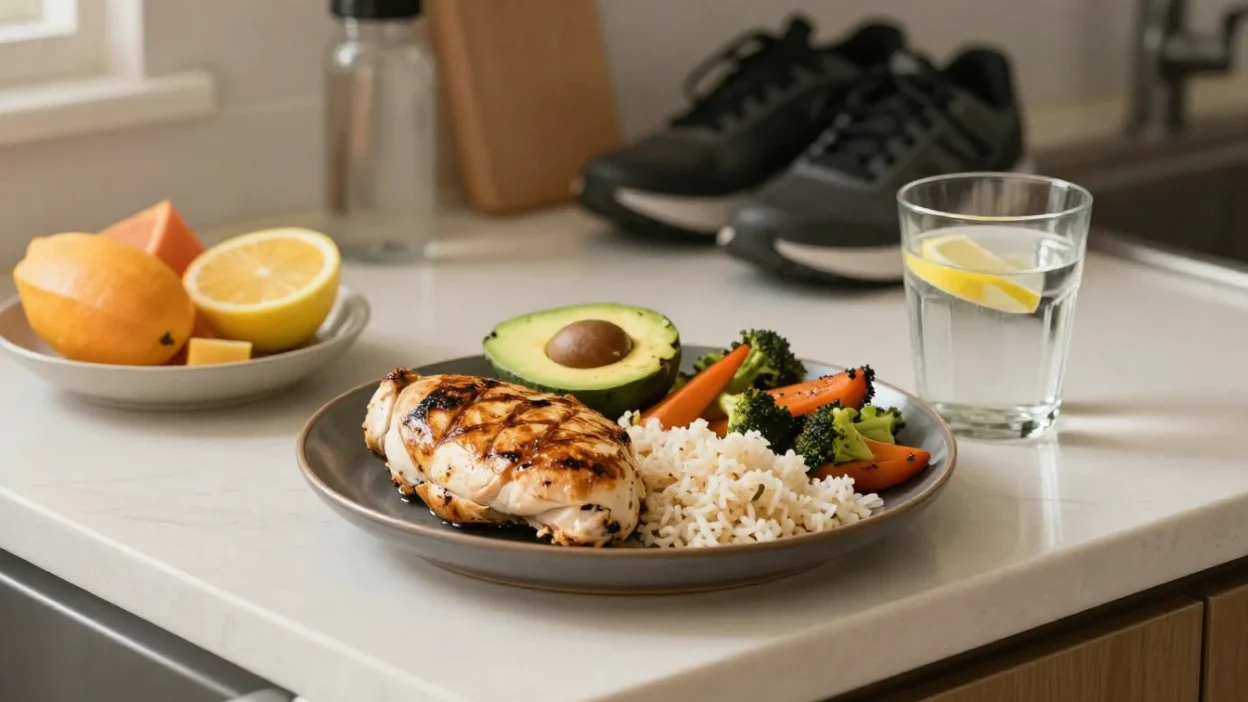
A bowl of rice with chicken, vegetables, olive oil, and sauce can support your training beautifully. So can eggs and toast. So can Greek yogurt with fruit. So can pasta after a brutal evening workout when your body needs carbs and you do not have the patience to cook something complicated.
The question is not, “Is this food perfect?”
A better question is, “Does this meal help me train, recover, and feel good?”
For most people doing CrossFit, the basics matter most:
- Protein at each meal
- Carbs around workouts
- Healthy fats for fullness and steady energy
- Vegetables and fruit for fiber, minerals, and overall health
- Enough water and electrolytes
- Meals that fit your schedule
That last one matters more than people admit. A meal plan that only works when your day is calm is not a meal plan. It is a nice idea.
The signs you may be under-fueled
Under-fueling does not always feel dramatic. It can look very ordinary.
You wake up tired. You train anyway. You get through work. You snack more than planned. You feel sore, but you assume that is just CrossFit. Then the next workout feels flat.
I have seen this pattern a lot with people who are trying to get lean while training hard. They cut calories, reduce carbs, skip breakfast, and still expect their body to perform like it has a full tank.
Sometimes it works for a week or two.
Then recovery gets worse.
A few signs your body may need more fuel:
- Your performance drops for no clear reason.
- You feel cold, irritable, or foggy.
- Your workouts feel harder than they should.
- You are constantly sore.
- You get strong cravings at night.
- You wake up hungry.
- You feel dizzy or shaky during training.
- You are thinking about food all the time.
This does not mean you need to eat huge meals all day. It means your food should match your training better.
For many CrossFit athletes, the first fix is not complicated: add a real breakfast, stop fearing carbs, eat enough protein, and drink more than a few random sips of water.
Protein for strength and muscle repair
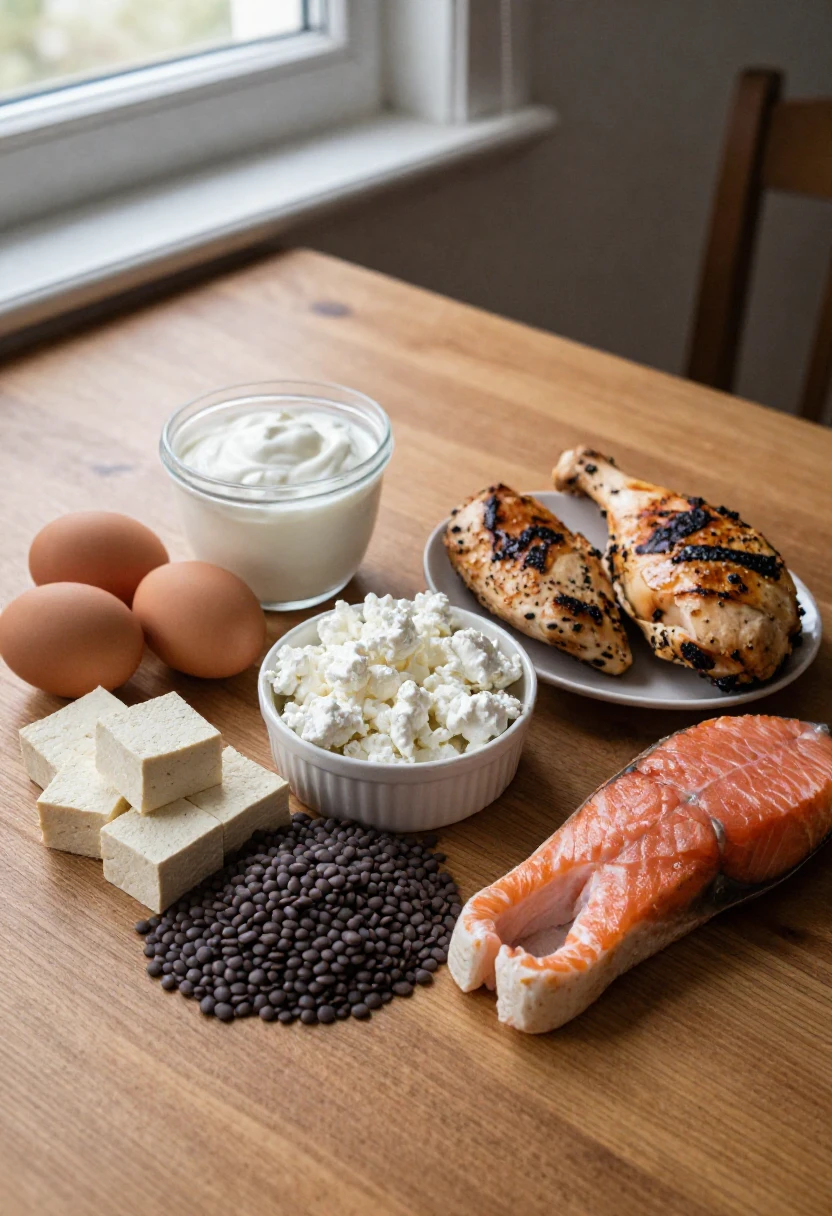
Protein gets talked about so much in fitness that it starts to sound like a supplement ad. But underneath all the noise, the reason is pretty simple.
When you train CrossFit, you create stress in your muscles. That is the point. Heavy squats, pull-ups, cleans, wall balls, push presses, burpees, lunges — all of that work asks your muscles to break down a little and rebuild stronger.
Protein gives your body the material to do that repair.
You do not need to eat like a bodybuilder unless that is your goal. But if your meals are mostly coffee, salad, a few bites of leftovers, and then a huge dinner at night, your recovery may suffer. CrossFit rewards consistency, and protein is one of those quiet habits that helps you show up again without feeling destroyed.
How protein helps after hard workouts
After a hard workout, your body is busy.
It needs to repair muscle tissue, refill energy stores, calm inflammation, and return you to something close to normal. Protein is part of that repair process.
Think of it less like “building massive muscle” and more like patching up the small damage from training. If you do a lot of pull-ups, your back and arms need repair. If you squat heavy, your legs need repair. If you did one of those workouts with thrusters and rowing, honestly, your whole body may want a formal apology.
Protein helps you recover from that.
You may notice better protein intake in small ways:
- You feel less sore after tough sessions.
- You stay full longer between meals.
- Your strength feels more stable.
- You snack less randomly at night.
- Your body composition changes more steadily.
- You do not feel as “empty” after training.
It is not magic. It is not instant. But it is one of the most reliable nutrition basics for CrossFit.
Best protein foods for CrossFit athletes
The best protein foods are the ones you will actually eat often.
That sounds obvious, but it matters. A perfect list does not help if half of it feels unrealistic for your kitchen, budget, or schedule.
Good animal-based protein options include:
- Eggs
- Chicken breast or chicken thighs
- Turkey
- Lean beef
- Fish
- Salmon
- Tuna
- Greek yogurt
- Cottage cheese
- Milk
- Kefir
Good plant-based protein options include:
- Tofu
- Tempeh
- Lentils
- Beans
- Chickpeas
- Edamame
- Soy milk
- Seitan
- Pea protein
- Quinoa with legumes
For CrossFit nutrition, I like protein foods that are easy to combine with carbs. Chicken and rice. Eggs and toast. Greek yogurt and fruit. Lentils and potatoes. Tuna and bread. Tofu and noodles.
That kind of meal actually supports training because it gives you more than one thing your body needs.
Protein alone is useful, but protein with carbs after training is usually better for recovery and energy.
Easy ways to add protein to every meal
You do not have to rebuild your whole diet from scratch. Start by looking at the meals you already eat and ask one simple question:
Where is the protein?
Breakfast is where many people fall short. A piece of toast and coffee may feel fine until you train at lunch or hit an evening class. Then your body starts searching for energy wherever it can find it.
Easy high-protein breakfast ideas:
- Scrambled eggs with toast and fruit
- Greek yogurt with berries, oats, and nuts
- Cottage cheese with banana and cinnamon
- Omelet with spinach and cheese
- Protein smoothie with milk, banana, and peanut butter
- Overnight oats made with Greek yogurt
Lunch can be simple too. You do not need a perfect “fitness meal.” You just need a real plate.
Try:
- Rice bowl with chicken, vegetables, and olive oil dressing
- Tuna sandwich with fruit on the side
- Lentil soup with bread
- Turkey wrap with avocado
- Tofu stir-fry with rice
- Salmon leftovers with potatoes and salad
Dinner is usually easier because most people already expect protein there. The trick is not letting dinner become the only protein-rich meal of the day.
If you eat very little protein until 8 p.m., your body still has to work with that long gap.
A better rhythm is protein spread through the day. Nothing extreme. Just enough at breakfast, lunch, dinner, and maybe one snack.
Protein snacks that do not feel like punishment
Some “fitness snacks” taste like someone tried to turn cardboard into dessert. You do not have to live like that.
Good protein snacks can be normal food:
- Greek yogurt with honey
- Boiled eggs with salt
- Cottage cheese with fruit
- Turkey slices with crackers
- Tuna on toast
- Hummus with pita
- Edamame with sea salt
- Kefir smoothie
- Protein shake when you genuinely need convenience
Protein powder can help, especially after a workout or on busy days. But it should make your life easier, not replace most of your meals.
I would rather see someone eat eggs, yogurt, beans, fish, chicken, tofu, and lentils most of the time, then use protein powder when cooking is not happening.
Because some days, cooking is not happening.
That is real life.
A simple protein habit to start with
If you are not sure where to begin, start with breakfast.
Add one clear protein source to your first meal for a week. Eggs, Greek yogurt, cottage cheese, tofu scramble, a smoothie with protein, whatever fits your taste.
Do not change everything else yet.
Just notice how you feel.
If your morning energy is steadier, your cravings are lower, or your workout feels less miserable, that is useful feedback. Nutrition does not need to be a guessing game. Your body usually gives hints. You just have to pay attention.
Carbs are not the enemy when you train hard
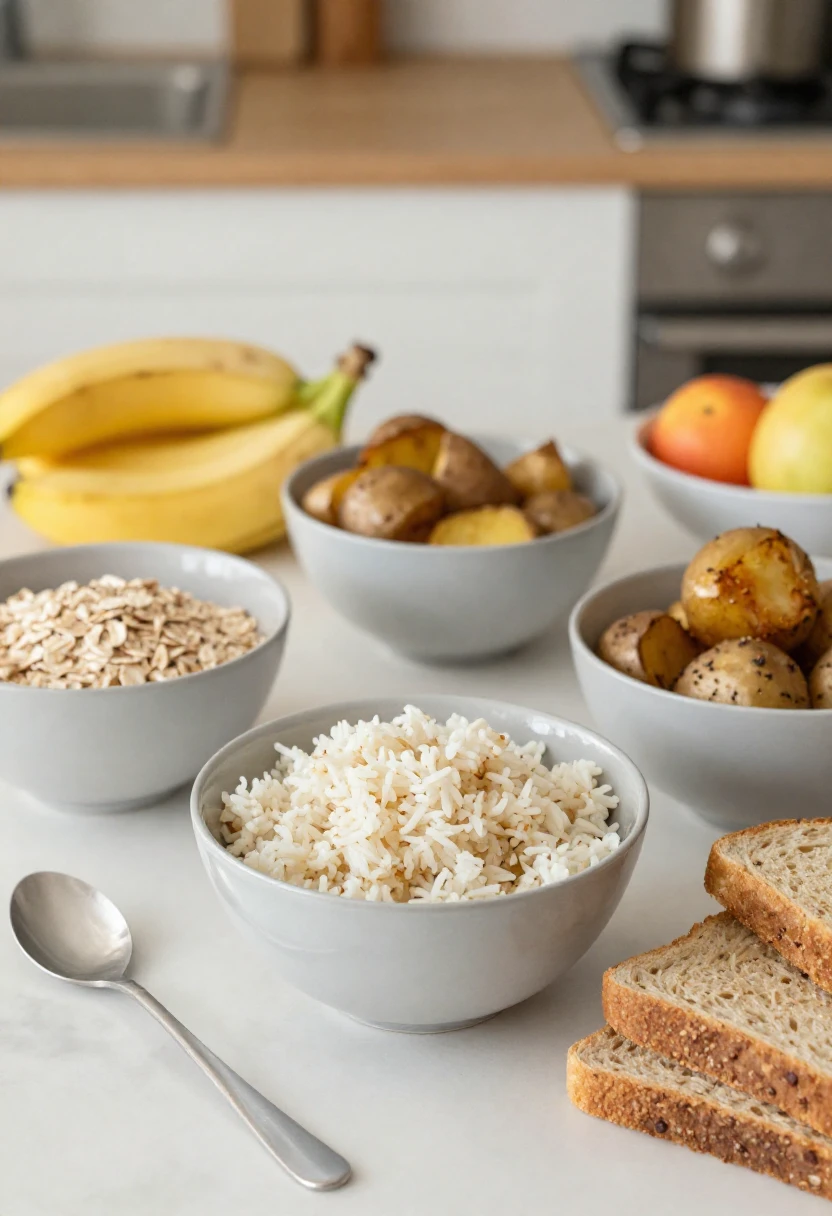
Carbs get blamed for everything.
If someone feels bloated, it must be carbs. If weight loss stalls, carbs get cut first. If a person wants to “eat clean,” bread, rice, pasta, potatoes, and fruit are suddenly treated like suspicious characters.
But CrossFit changes the conversation.
When you train hard, carbs are not just comfort food. They are fuel. Your body uses them during intense work, especially the kind of work that shows up in CrossFit: repeated lifts, rowing intervals, box jumps, burpees, wall balls, and those lovely workouts where the coach says, “It’s only 12 minutes,” and everyone knows that means trouble.
If you constantly train with low carb intake, you may still move. You may still sweat. You may even finish the workout.
But finishing is not the same as performing well.
Why CrossFit workouts need carbs
CrossFit often lives in that uncomfortable zone where your muscles burn and your breathing gets loud. That kind of effort uses stored carbohydrate, called glycogen, as a major energy source.
You do not need to memorize the science to understand the feeling.
You know it when your legs suddenly feel empty during lunges.
You know it when the barbell feels heavier than it should.
You know it when you stare at the pull-up rig and need a full conversation with yourself before starting the next set.
Sometimes that is just a hard workout.
Sometimes it is poor fueling.
Carbs help with:
- Better energy during high-intensity workouts
- Stronger lifting sessions
- Faster recovery after training
- Less extreme hunger later in the day
- Better mood and focus
- More stable performance across the week
For CrossFit nutrition, carbs are especially useful before and after workouts. Before training, they give you energy. After training, they help refill what you used.
That does not mean every meal needs to be a mountain of pasta. It means carbs should have a place in your plan, especially on training days.
Best carbs before and after training
Good workout carbs are usually simple, familiar foods.
Before training, you want something that gives energy without sitting in your stomach like a brick. After training, you can usually eat a more complete meal with protein, carbs, vegetables, and some fat.
Good carb options before CrossFit:
- Banana
- Toast with honey or jam
- Oats
- Rice cakes
- Dates
- Applesauce
- Yogurt with fruit
- Small smoothie
- A small bowl of cereal with milk
- A piece of bread with a little nut butter
Good carb options after CrossFit:
- Rice
- Potatoes
- Sweet potatoes
- Pasta
- Oats
- Quinoa
- Whole grain bread
- Beans
- Lentils
- Fruit
- Tortillas
- Noodles
One of the easiest post-workout meals is a rice bowl. Nothing fancy. Rice, chicken or tofu, vegetables, olive oil, soy sauce, yogurt sauce, salsa, or whatever pulls it together.
Another good option is eggs and toast with fruit. Simple, fast, and much better than just drinking coffee and hoping your body figures it out.
How to choose carbs without feeling heavy
The timing matters.
A huge bowl of pasta 20 minutes before burpees is probably not going to make you feel powerful. It may make you feel like lying down under the rowing machine and reconsidering your choices.
Before a workout, keep carbs easy to digest. Smaller portions usually work better.
If you train early in the morning, try:
- Half a banana
- A slice of toast
- A few dates
- A small yogurt
- A small smoothie
- Coffee plus a small carb snack, not coffee alone
If you train after lunch, your lunch matters more. A balanced lunch with protein and carbs can carry you into the afternoon much better than a tiny salad.
A good lunch before an evening CrossFit class might be:
- Chicken, rice, and vegetables
- Turkey sandwich with fruit
- Lentil soup with bread
- Tofu bowl with noodles
- Tuna wrap with potatoes or fruit on the side
Then, if you need it, add a small snack 60–90 minutes before training.
The goal is to show up with energy, not with a heavy stomach.
Carbs and fat loss can work together
A lot of people start CrossFit because they want to feel stronger, get fitter, and maybe lose some body fat. That is completely understandable.
The mistake is thinking carbs have to disappear for that to happen.
You can lose fat while eating carbs. The amount matters, the total day matters, and your consistency matters. But cutting carbs too hard can make CrossFit feel awful, and when workouts feel awful, consistency gets harder.
Then cravings get louder.
A better approach is to place carbs where they help most.
On training days, eat more of your carbs around workouts. On rest days, you may not need as much, but you still do not need to fear them.
For example:
- Oats or toast before a morning workout
- Rice, potatoes, or fruit after training
- A smaller carb portion at dinner if you trained earlier
- More vegetables and protein on rest days
- Fewer random sweets because your main meals are actually satisfying
This is where nutrition becomes less dramatic. You are not “cutting carbs” or “loading carbs.” You are using them.
That mindset feels a lot calmer.
Simple carb habit to start with
If your workouts feel flat, add one small carb serving before training for a week.
Not a giant meal. Just something simple.
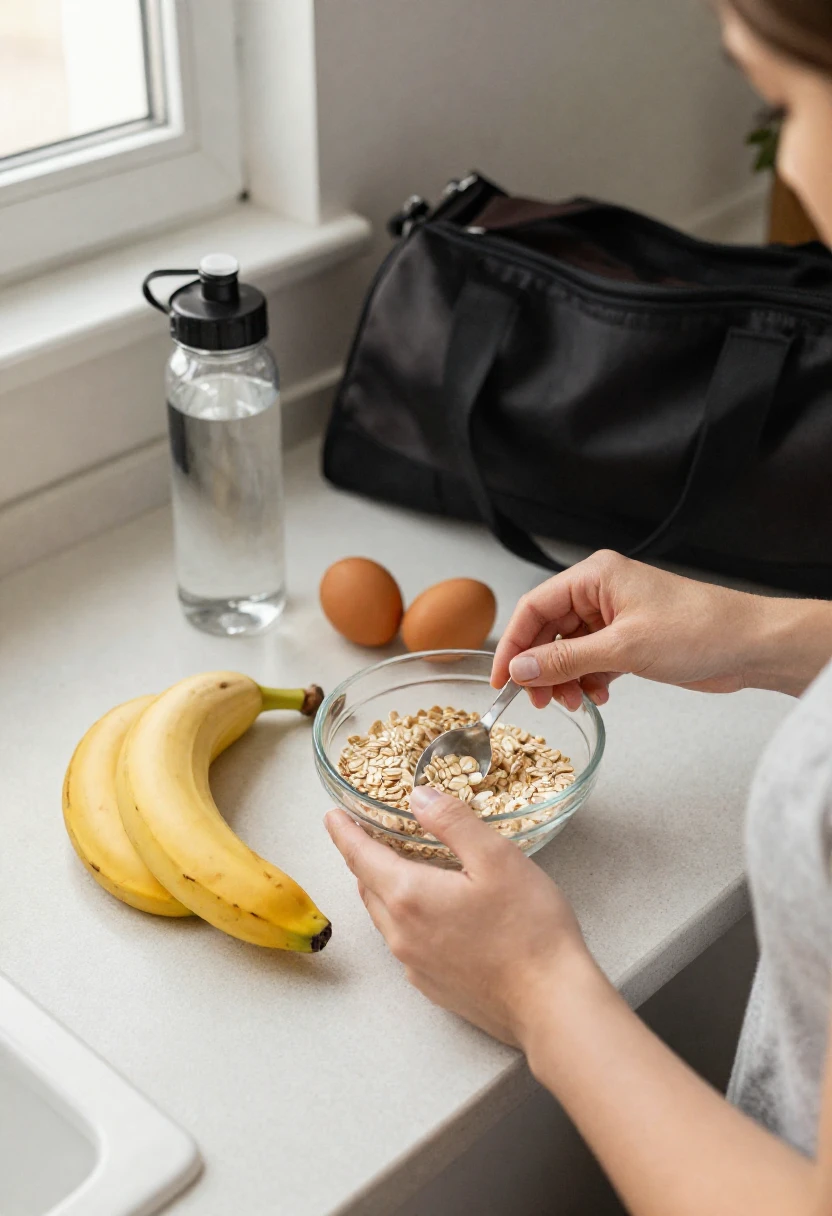
A banana. Toast. A few dates. A small bowl of oats. Fruit with yogurt.
Pay attention to your energy, mood, and recovery. If your workout feels better and your evening cravings calm down, that tells you something.
Your body is not trying to make nutrition complicated. Most of the time, it is asking for enough fuel at the right moment.
Healthy fats for hormones, fullness, and steady energy
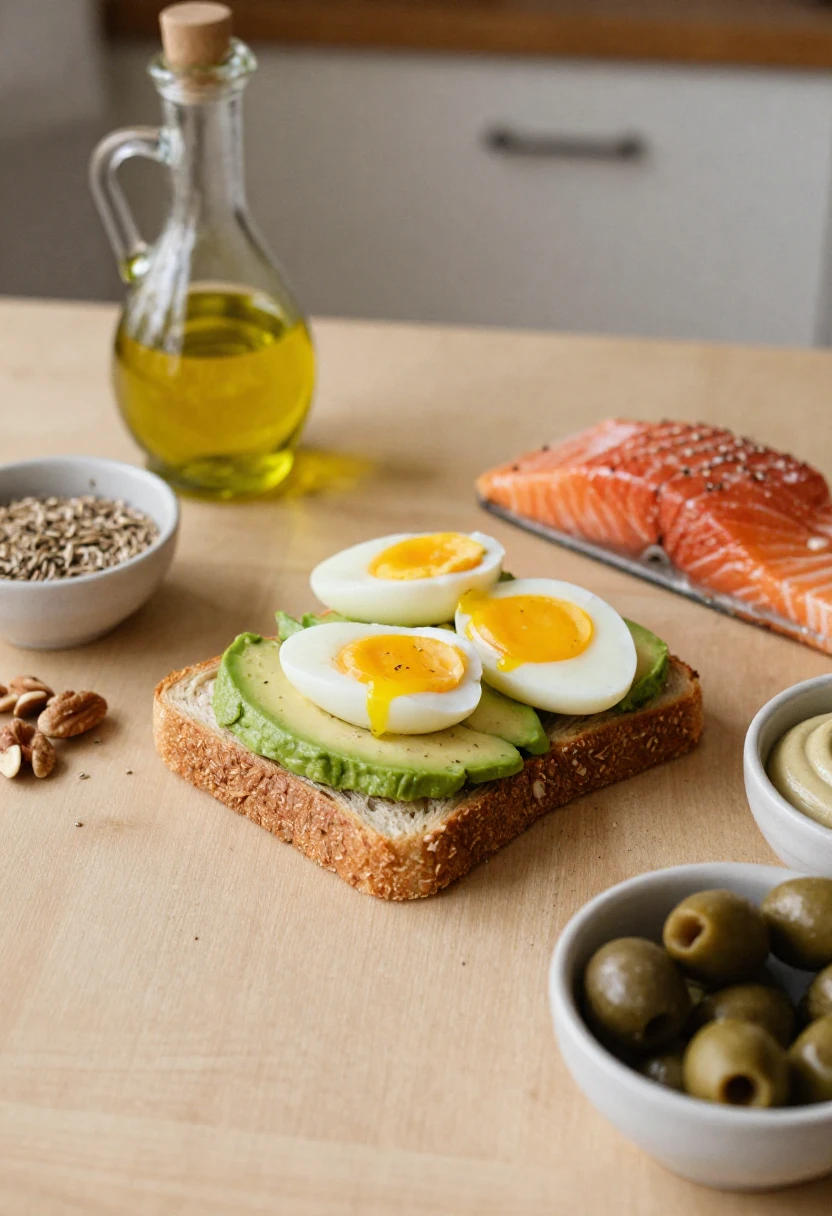
Fat has a strange reputation in fitness nutrition.
Some people avoid it because they think it will slow fat loss. Others add huge spoonfuls of nut butter to everything because it feels “healthy.” The truth is less dramatic.
You need dietary fat. It helps with hormone production, vitamin absorption, fullness, and steady energy between meals. It also makes food taste better, which matters if you want to eat well for more than three days.
But with CrossFit, timing matters.
A meal with avocado, olive oil, salmon, nuts, or eggs can be great. A heavy, high-fat meal right before a workout can feel awful once you start jumping, rowing, or doing burpees.
Nobody wants to taste their pre-workout meal twice.
Why fats matter, but timing matters too
Healthy fats digest more slowly than carbs. That can be useful when you want a meal to keep you full for a few hours.
For example, oatmeal with berries may not hold you very long on its own. Add Greek yogurt, walnuts, or peanut butter, and suddenly breakfast feels more complete. A salad with only vegetables may leave you hungry in an hour. Add chicken, olive oil, avocado, or seeds, and it becomes a real meal.
That slower digestion is helpful during the day.
Right before CrossFit, though, it can backfire.
If you eat a large, fatty meal close to training, your stomach may feel heavy. You may feel sluggish. High-rep movements can make it worse. Running with a stomach full of fried food or a giant creamy meal is not character-building. It is just unpleasant.
A simple rule:
Eat more fat in meals that are farther away from training, and keep pre-workout food lighter.
So if you train at 6 p.m., lunch can include olive oil, avocado, eggs, cheese, salmon, or nuts. Your 5 p.m. snack should probably be easier: banana, toast, yogurt with fruit, or a small smoothie.
Good fat sources to keep in rotation
You do not need fancy oils or expensive wellness products. Normal foods work.
Good fat sources include:
- Avocado
- Olive oil
- Eggs
- Salmon
- Sardines
- Tuna
- Nuts
- Seeds
- Peanut butter
- Almond butter
- Tahini
- Cheese
- Full-fat or 2% Greek yogurt
- Olives
I like fats that bring flavor, not just calories.
Olive oil makes roasted vegetables taste better. Tahini turns lemon juice and garlic into a creamy sauce. Avocado can make a simple egg toast feel like a proper breakfast. Salmon gives you protein and fat in the same meal, which is useful when you do not want to overthink dinner.
Nuts are convenient, but they are easy to overeat straight from the bag. I say that as someone who has definitely turned “a small handful” into half the package. Put them in a bowl. Future you will appreciate the honesty.
Simple meal examples with healthy fats
Healthy fats fit best when they are part of a balanced meal.
Try combinations like:
- Eggs, toast, avocado, and fruit
- Greek yogurt with berries, oats, and walnuts
- Salmon with rice, cucumber, and olive oil dressing
- Chicken bowl with quinoa, vegetables, and tahini sauce
- Lentil soup with olive oil and bread
- Tuna toast with avocado and tomato
- Tofu stir-fry with sesame oil and rice
- Cottage cheese with seeds and fruit
The pattern is simple: protein, carbs, fat, and something fresh.
That might be vegetables, fruit, herbs, lemon juice, salsa, pickles, or a quick salad. Freshness keeps rich foods from feeling too heavy.
After a hard CrossFit workout, a meal like rice, salmon, vegetables, and olive oil can feel deeply satisfying. You get carbs to refill energy, protein for repair, fat for fullness, and enough flavor that it does not feel like “fitness food.”
That is the kind of meal people repeat.
How much fat is enough?
You do not need to count every gram to get this right.
Most people do well by adding a moderate fat source to meals, then adjusting based on hunger, energy, and goals.
For example:
- Add eggs or avocado at breakfast.
- Use olive oil on vegetables or salad.
- Eat salmon or sardines a couple of times a week if you like fish.
- Add nuts or seeds to yogurt or oatmeal.
- Use tahini, pesto, or yogurt-based sauces to make simple bowls taste better.
If your meals are very low in fat, you may feel hungry too soon. Food can start to feel dry and unsatisfying. You may also end up snacking more because your main meals never really land.
If your meals are very high in fat, especially near workouts, you may feel slow or heavy. Fat is calorie-dense, so portions can grow quickly without looking large on the plate.
Neither extreme is necessary.
For CrossFit nutrition, fat should support your meals, not take over the whole plate.
A simple fat habit to start with
Add one good fat source to meals that currently leave you hungry.
If your salad never fills you up, add olive oil, avocado, eggs, salmon, cheese, nuts, or seeds. If your breakfast fades after an hour, add Greek yogurt, nut butter, or eggs. If dinner feels too plain, make a quick sauce with tahini, lemon, garlic, and water.
Then keep pre-workout snacks lighter.
That balance usually works better than trying to eat “low fat” all day or adding fat to everything because it sounds healthy.
Food should help you train hard and live normally. Both matter.
Hydration and electrolytes for sweaty workouts

Hydration sounds boring until you get it wrong.
You can eat a decent meal, sleep well, show up ready, and still feel terrible halfway through a workout because you started under-hydrated. Your mouth gets dry. Your heart rate feels too high. Your grip feels weak. The rower becomes personal.
CrossFit can make you sweat a lot, especially in warm gyms, long conditioning pieces, partner workouts, or anything with running and high reps. And when you sweat, you lose more than water.
You lose sodium and other electrolytes too.
That is why “drink more water” is sometimes only half the answer.
Why water alone may not be enough
Water matters, of course. Most people could drink more of it.
But if you sweat heavily, train in heat, or leave class with salty marks on your shirt, you may also need electrolytes. Sodium is the big one for most sweaty athletes. It helps your body hold fluid and supports muscle and nerve function.
You do not need to turn this into a science project. Just pay attention to how you feel.
You may need more fluids or electrolytes if:
- You get headaches after training.
- You feel unusually drained after sweaty workouts.
- Your muscles cramp often.
- You feel dizzy when standing up.
- You crave salty foods after class.
- Your sweat leaves white marks on your clothes.
- You drink lots of plain water but still feel thirsty.
That last one is common. Someone drinks bottle after bottle of water, but they still feel off because they are not replacing enough sodium.
It is a little like washing everything out without putting anything back in.
How to hydrate before, during, and after CrossFit
The easiest hydration habit starts before the workout.
If you arrive already dehydrated, you are playing catch-up. A few sips during warm-up will not fix a whole day of barely drinking water.
A simple rhythm works better:
Drink water in the morning.
Have fluids with meals.
Drink some water in the hour before training.
Sip during class if the workout allows it.
Drink again after training, especially if you sweated a lot.
Nothing dramatic. Just steady.
For a regular CrossFit session, many people do fine with water before and after. For longer, hotter, or very sweaty sessions, electrolytes can help.
During a workout, you do not need to chug water every two minutes. Too much water sloshing in your stomach is not fun when box jumps appear. Small sips are usually enough.
After training, look at the whole picture. Did you sweat through your shirt? Did you train outside? Was it a long session? Did you feel wiped out afterward?
If yes, add fluids and some salt with your recovery meal.
That can be as simple as rice, eggs, vegetables, and a salty sauce. Or soup. Or a sandwich with pickles. Honestly, soup after a cold-weather workout is underrated.
Easy electrolyte ideas
Electrolytes do not have to come from neon-colored drinks.
You have plenty of normal options:
- Water with a pinch of salt and lemon
- Coconut water with a salty snack
- Electrolyte tablets or powder
- Broth or soup
- Pickles or olives with a meal
- Salted potatoes
- Rice bowl with soy sauce
- Eggs with salt
- Greek yogurt with fruit and a salty meal later
If you like electrolyte powders, use them. They are convenient. Just check the label, especially if you are watching added sugar or caffeine.
Some sports drinks are useful around hard training. Some are basically sweet drinks wearing gym clothes. Context matters.
For most everyday CrossFit workouts, you can keep it simple: water, salty food, and electrolytes when you sweat hard.
Morning workouts and hydration
Morning CrossFit can be tricky because you wake up slightly dehydrated. You have not had fluids for hours, and then you ask your body to lift, jump, row, and move fast.
If you train early, try drinking water soon after waking. Add a small pinch of salt or use an electrolyte drink if you sweat heavily or feel lightheaded.
A small carb snack can help too, especially if you train better with something in your stomach. Banana and water. Toast and coffee. A few dates and electrolytes. Nothing huge.
Coffee is fine for many people, but coffee alone is not hydration. I know, disappointing.
If your early workouts feel rough, do not immediately blame your fitness. Your body may simply need fluid, sodium, and a little energy before you ask it to perform.
Evening workouts and hydration
Evening workouts depend on the whole day.
If you drink almost nothing during work, then rush to class at 6 p.m., your workout may feel harder than it needs to. By that point, hydration is not just about the bottle you bring to the gym. It is about what happened since breakfast.
Keep a water bottle near your desk. Drink with lunch. Add something salty if you tend to sweat a lot. If you train after work, have a proper lunch with carbs, protein, and some sodium instead of a tiny meal that leaves you running on fumes.
This is not glamorous advice, but it works.
CrossFit performance often improves when the boring basics get better.
A simple hydration habit to start with
Start with one full glass of water in the morning and one full glass with each meal.
Then, on training days, add water before class and after class.
If you sweat heavily, add electrolytes or salty food after hard workouts for a week and notice how you feel. Fewer headaches? Less heavy fatigue? Better recovery the next day?
That feedback matters.
Hydration is not about forcing yourself to drink gallons of water. It is about giving your body enough fluid and minerals to handle the work you are doing.
What to eat before a CrossFit workout
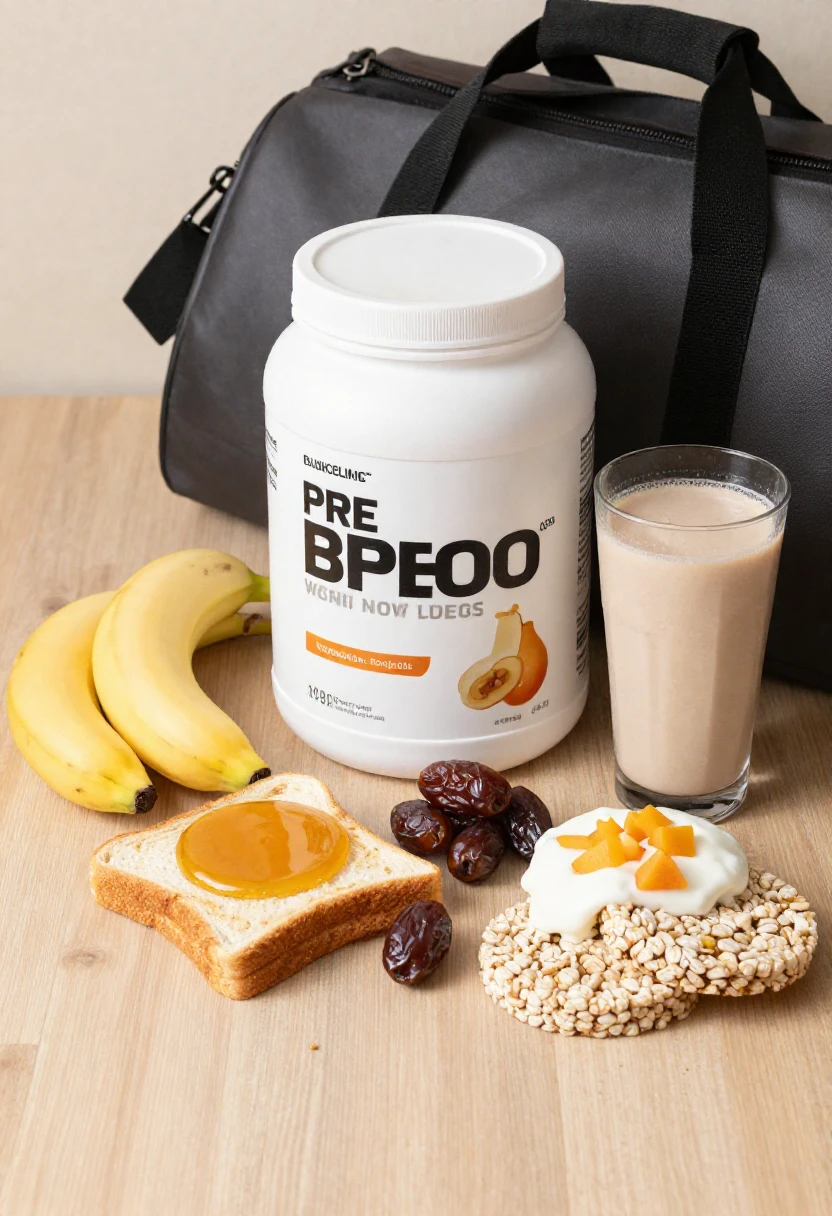
Pre-workout food can be surprisingly personal.
Some people can eat a full meal two hours before class and feel great. Others take three bites too close to training and suddenly every burpee becomes a digestive event. Neither person is wrong. Bodies are annoying like that.
The goal before CrossFit is to show up with enough energy, but not so much food sitting in your stomach that the workout feels uncomfortable.
That usually means easy carbs, a little protein if you tolerate it, and not too much fat or fiber right before class.
If you train early in the morning
Morning CrossFit has its own little drama.
You wake up, maybe not fully human yet, and then expect your body to lift weights and breathe hard before breakfast. Some people love fasted training. Some people feel weak, shaky, or flat without a small snack.
If you train early and feel good with nothing but water or coffee, fine. But if your energy drops quickly or you feel lightheaded, try adding a small carb snack before class.
Good early morning options:
- Half a banana
- A slice of toast with honey
- A few dates
- A small applesauce pouch
- A rice cake with jam
- A small yogurt with fruit
- A few bites of overnight oats
- A small smoothie
Keep it small at first. You are not trying to eat breakfast number one before breakfast number two. You are just giving your body something useful.
If coffee is part of your routine, keep it. Just do not let coffee pretend to be breakfast if your workouts keep feeling rough.
After training, eat a real meal with protein and carbs. Eggs and toast. Greek yogurt with oats and berries. A breakfast burrito. Rice with eggs and avocado. Whatever sounds normal to you at that hour.
If you train after work
Evening CrossFit depends heavily on what you ate earlier.
If lunch was tiny, rushed, or mostly lettuce, a 6 p.m. workout can feel brutal. Not because you lack discipline. Because you are trying to train on fumes.
A solid lunch makes evening training much easier.
Good lunch ideas before an evening workout:
- Chicken, rice, vegetables, and olive oil dressing
- Turkey sandwich with fruit
- Lentil soup with bread
- Tofu noodle bowl
- Tuna wrap with potatoes or fruit
- Eggs, potatoes, and salad
- Bean burrito with salsa and rice
Then, if you need something closer to class, have a light snack about 60–90 minutes before training.
Good pre-workout snacks:
- Banana with a few bites of yogurt
- Toast with jam
- Rice cakes
- Fruit smoothie
- Cereal with milk
- Dates and water
- Small granola bar
- Apple with a small amount of peanut butter
Notice the “small amount” part. A little peanut butter can help. Half a jar will sit in your stomach and make running feel like punishment.
If you train at lunchtime
Lunch-hour CrossFit is tricky because you are often squeezed between work, errands, and whatever meetings decided to multiply that day.
You may not have time for a full meal before class, so breakfast becomes important.
If you train around noon, try to eat a breakfast that includes protein and carbs:
- Oats with Greek yogurt and fruit
- Eggs with toast
- Cottage cheese with banana
- Smoothie with milk, fruit, and protein
- Breakfast wrap with eggs
- Yogurt bowl with granola
Then, if needed, add a small snack mid-morning. Banana, toast, fruit, or a few dates usually works better than something heavy.
After your workout, do not let lunch disappear. This is where a lot of people mess up. They train hard, rush back to work, answer messages, and suddenly it is 3 p.m. and they are starving.
Have something ready.
A rice bowl, sandwich, leftovers, soup, or yogurt with fruit and granola can save the rest of your day from turning into random snacking.
Foods that may sit too heavy
Some foods are perfectly fine in general, but not ideal right before CrossFit.
The problem is not that they are “bad.” The problem is timing.
Foods that may feel too heavy before training:
- Fried foods
- Large portions of meat
- Creamy pasta
- Huge salads with lots of raw vegetables
- Beans right before class
- Big servings of nuts or nut butter
- Very spicy meals
- Heavy cheese-based meals
- Large high-fat breakfasts
- Too much fiber close to training
A big salad sounds healthy, but if it is loaded with raw cabbage, beans, seeds, avocado, and dressing, it may not feel so healthy during box jumps.
Same with beans. Great food. Useful carbs and protein. But for many people, beans are better several hours before training, not right before a workout full of jumping and bracing.
This is where you learn your own body. Keep notes if you need to. Not a full diary, just quick observations.
“Banana before class felt good.”
“Greek yogurt too close to workout felt weird.”
“Big lunch at 2 p.m. was fine for 6 p.m. class.”
“Spicy food before rowing was a mistake I will not repeat.”
That kind of information is more useful than a perfect pre-workout chart.
Simple pre-workout meal ideas
Here are a few easy combinations based on timing.
If you have 30–45 minutes:
- Banana
- Dates
- Toast with honey
- Applesauce
- Rice cake with jam
- Small smoothie
If you have 1–2 hours:
- Greek yogurt with fruit
- Oats with banana
- Toast with egg
- Cereal with milk
- Small turkey sandwich
- Cottage cheese with fruit
If you have 3–4 hours:
- Chicken and rice bowl
- Pasta with lean protein
- Salmon, potatoes, and vegetables
- Tofu stir-fry with noodles
- Lentil soup with bread
- Turkey wrap with fruit
The closer you are to training, the simpler the food should be.
That one rule solves a lot.
A simple pre-workout habit to start with
Pick one pre-workout snack and test it for a week.
Not five different snacks. One.
Try a banana before class. Or toast with honey. Or yogurt with fruit if you prefer something more filling. Keep the rest of your routine mostly the same, then notice how your workout feels.
Do you warm up faster?
Do you crash less?
Do you feel less desperate halfway through the WOD?
Do you recover better afterward?
Pre-workout nutrition is not about chasing the perfect fuel. It is about finding the small meal or snack that helps you walk into class ready, comfortable, and not secretly hungry.
What to eat after a CrossFit workout
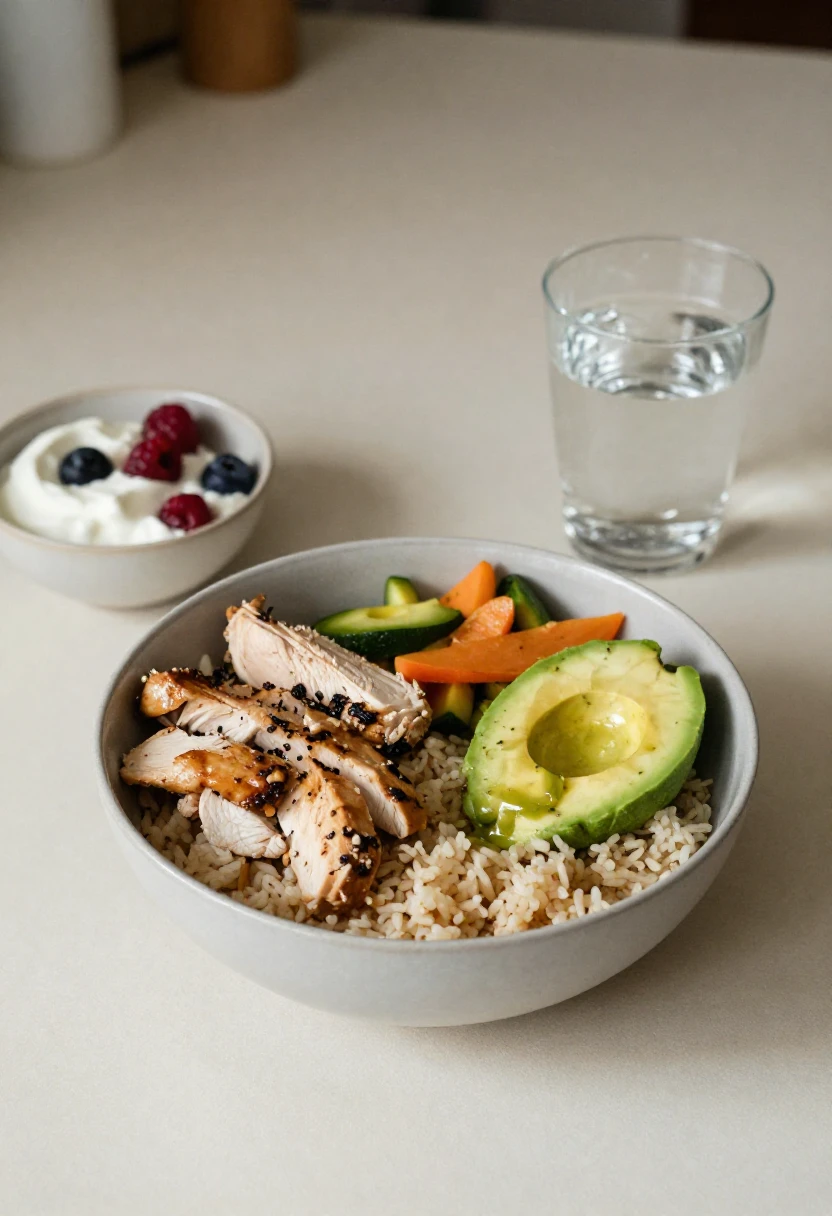
Post-workout food is where many people accidentally make recovery harder.
They finish class, feel sweaty and proud, maybe lie on the floor for a minute, then rush into the rest of the day with only water and coffee. At first, it seems fine. You are not hungry yet. Your body still feels full of adrenaline.
Then two hours later, hunger arrives like it kicked the door open.
That is why your post-workout meal matters. Not because there is a magical 10-minute window where everything falls apart if you miss it, but because your body just worked hard and needs help recovering.
After CrossFit, think simple:
Protein + carbs + fluids.
That formula covers most of what your body needs.
The simple recovery formula
Protein helps repair muscle. Carbs help refill the energy you used during training. Fluids help replace what you lost through sweat.
That is the basic post-workout structure.
You can make it look many different ways:
- Chicken, rice, vegetables, and sauce
- Eggs, toast, and fruit
- Greek yogurt with oats and berries
- Protein smoothie with banana
- Tuna sandwich with pickles
- Salmon, potatoes, and salad
- Tofu bowl with noodles
- Lentil soup with bread
None of these meals need to look like a fitness magazine. They just need to give your body something useful.
After a hard CrossFit session, especially one with lifting and conditioning together, a tiny snack may not be enough. You may need an actual meal. This is especially true if you train in the morning before work or in the evening after a long day.
A protein shake can help when you are busy, but if you keep feeling hungry, tired, or snacky later, add real food too.
A shake is convenient. A meal usually lands better.
Fast post-workout meals
The best post-workout meals are the ones you can make when your brain is only working at 60%.
Because after a rough WOD, nobody wants a complicated recipe with seventeen steps and three pans.
Keep a few easy recovery meals in rotation.
Greek yogurt bowl:
- Greek yogurt
- Banana or berries
- Oats or granola
- Honey
- Nuts or seeds if you want it more filling
This works well after morning training. It is cold, quick, and easy to eat even when you are not ready for a heavy breakfast.
Rice bowl:
- Rice
- Chicken, tofu, tuna, eggs, or beans
- Vegetables
- Soy sauce, salsa, tahini sauce, or yogurt sauce
Rice bowls are hard to beat because they are flexible. Leftover rice, frozen vegetables, and any protein can become a meal in ten minutes.
Eggs and toast:
- Scrambled, boiled, or fried eggs
- Toast or potatoes
- Fruit
- Salt and water on the side
Simple. Reliable. Good after a morning or lunch workout.
Smoothie:
- Milk or soy milk
- Banana
- Protein powder or Greek yogurt
- Oats
- Peanut butter if you need more calories
A smoothie is useful when solid food sounds impossible. Just be careful not to make it so light that you are hungry again in 40 minutes.
Tuna sandwich:
- Tuna
- Bread
- Pickles or cucumber
- A little mayo or Greek yogurt
- Fruit or potatoes on the side
Not glamorous. Very effective.
Some days, effective is enough.
What to do when you are not hungry after training
A lot of people are not hungry right after CrossFit. Hard intervals can do that. Your body is still warm, your heart rate is still high, and food may sound strange for a while.
That is okay.
You do not have to force down a huge meal the second you leave class. But try not to skip recovery completely, especially if your next real meal is far away.
Start small.
Good light options include:
- Chocolate milk
- Greek yogurt
- Banana with a protein shake
- Smoothie
- Cottage cheese with fruit
- Toast with eggs
- Kefir with a piece of fruit
- A small turkey sandwich
- Protein bar plus water
Then eat a proper meal later when your appetite returns.
This works especially well for evening workouts. Maybe you do not want a big dinner immediately after class, but a smoothie or yogurt can hold you over until you shower, calm down, and make something simple.
The worst pattern is training hard, eating nothing, staying awake too late, then waking up tired and starving.
Recovery is not only about muscles. It affects your sleep, your mood, and the next day’s energy too.
Post-workout meals for different goals
Your post-workout meal can change depending on your goal, but the foundation stays the same.
If your goal is strength or muscle gain, make the meal more substantial. Add enough protein and carbs, and do not be afraid of portions. A bowl with rice, beef or tofu, vegetables, olive oil, and sauce makes sense here.
If your goal is fat loss, do not skip the meal. Make it balanced and controlled, not tiny. Protein and carbs after training can help you avoid the evening snack spiral that starts with “just one bite” and ends near the cereal box.
If your goal is performance, carbs matter. A hard training schedule with low carb intake often feels fine until it does not. Then everything feels heavy, your pace drops, and your recovery gets slower.
For most people, a good recovery plate looks like this:
- A palm-sized portion of protein
- A fist or two of carbs, depending on training intensity and goals
- Vegetables or fruit
- Some fat if it fits the meal
- Water or electrolytes
Do not make this too precious. Your plate does not need to be measured with laboratory accuracy. It just needs to make sense.
Recovery food mistakes to avoid
The biggest mistake is not eating enough after hard training.
The second biggest mistake is eating only protein and forgetting carbs.
A plain protein shake after a brutal workout may technically give you protein, but it may not be enough to refill energy. If you keep craving sweets later, your body may be asking for carbs it did not get earlier.
Another mistake is going too heavy right away. If your stomach feels sensitive after training, a greasy meal may not go well. Start lighter, then eat more later.
Also, do not use workouts as a reason to turn every post-training meal into a reward feast. There is nothing wrong with pizza sometimes. Truly. But if every workout ends with a meal that leaves you feeling heavy and sluggish, recovery may not feel great.
The sweet spot is food that feels satisfying and useful.
Rice bowls. Potatoes and eggs. Yogurt and fruit. Soup and bread. Salmon and rice. Tofu noodles. Chicken wraps.
Normal meals. Built better.
A simple post-workout habit to start with
Choose one recovery meal you can repeat after your hardest workout of the week.
Make it easy enough that you do not have to negotiate with yourself.
Maybe it is Greek yogurt with banana and oats after morning class. Maybe it is chicken and rice after evening training. Maybe it is a smoothie on the way home, followed by dinner later.
Try it for two weeks.
Notice your soreness, cravings, sleep, and energy the next day. If those improve, keep going.
Good CrossFit nutrition often feels boring from the outside. But inside your body, it is the difference between dragging yourself through the week and actually feeling ready to train again.
A realistic CrossFit meal plan for one day
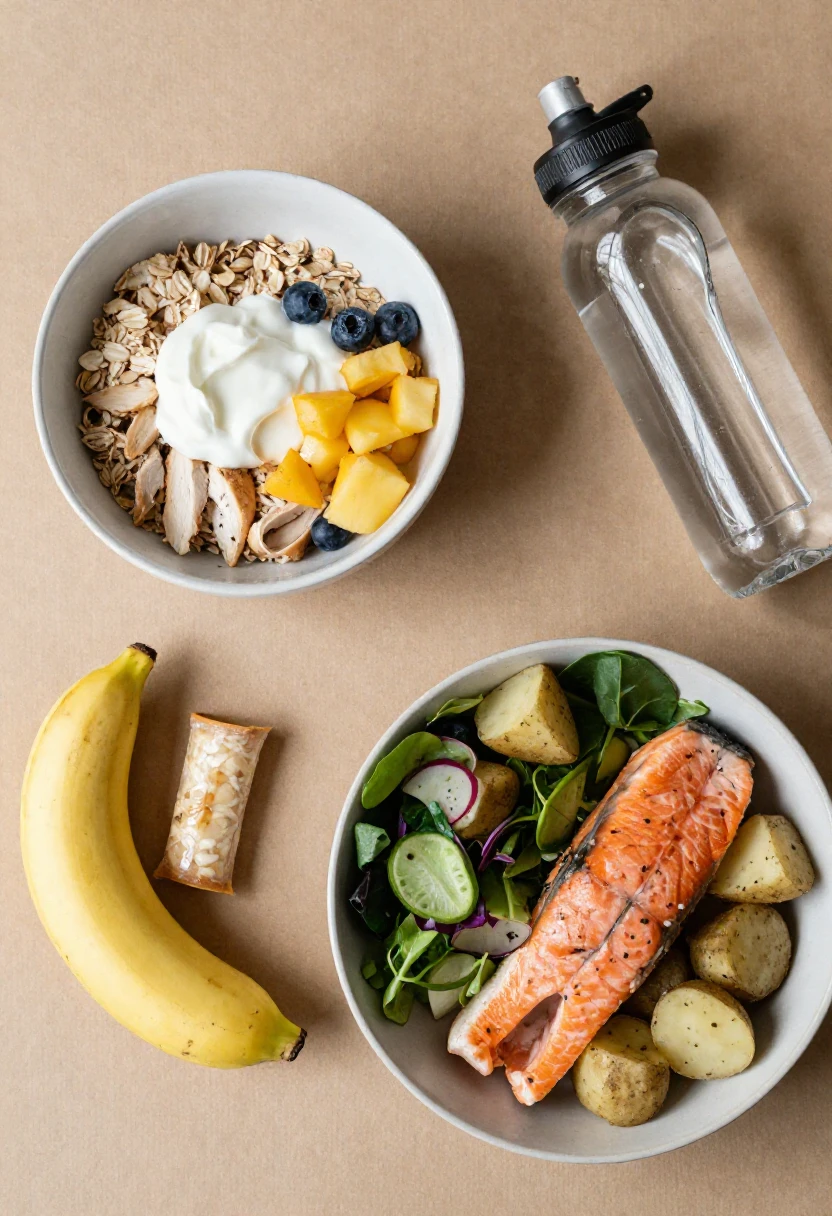
A CrossFit meal plan should not feel like a punishment menu.
No dry chicken in a plastic box. No sad lettuce pretending to be lunch. No schedule that only works if you have unlimited time, perfect motivation, and a fridge that magically refills itself.
A good CrossFit meal plan is simple: enough protein, enough carbs around training, some healthy fats, fruits or vegetables, and fluids throughout the day.
The details change depending on when you train.
A morning workout day will look different from an evening workout day. A rest day will look different too. That is normal. Your food does not need to be identical every day, because your energy needs are not identical every day.
Morning workout example
Morning training needs a little strategy because you are waking up and training before your body has had much fuel.
Some people can train fasted and feel fine. Others feel weak, dizzy, or cranky halfway through the warm-up. If that is you, eat something small before class.
Here is a realistic morning CrossFit day:
Before workout
- Half a banana
- A slice of toast with honey
- Water
- Coffee if you like it
Keep this light. You just need enough energy to avoid feeling empty.
After workout breakfast
- Scrambled eggs
- Toast or roasted potatoes
- Fruit
- Greek yogurt if you need more protein
- Water or electrolytes
This is where recovery starts. Protein helps your muscles repair, and carbs help refill the energy you used.
Lunch
- Chicken rice bowl
- Roasted vegetables
- Olive oil or yogurt-based sauce
- A piece of fruit
Rice bowls are one of the easiest meals for CrossFit nutrition because you can adjust them without changing the whole meal. More rice on harder days. More vegetables on lighter days. Different protein if you are bored.
Afternoon snack
- Cottage cheese with berries
or - Greek yogurt with granola
or - Tuna on toast
This keeps you from arriving at dinner starving.
Dinner
- Salmon or tofu
- Potatoes or quinoa
- Salad with olive oil dressing
- Water or herbal tea
Dinner does not have to be huge if you ate well earlier. It just needs to finish the day properly.
The mistake many morning athletes make is eating too little after class, then wondering why they feel snacky all afternoon. If your workout is early, breakfast matters more than you think.
Evening workout example
Evening CrossFit is often harder to fuel because your workout depends on the whole day.
If breakfast was rushed and lunch was tiny, your 6 p.m. class may feel like punishment. You cannot fix a low-fuel day with one banana in the parking lot.
Here is a better rhythm:
Breakfast
- Oats with Greek yogurt, banana, and cinnamon
or - Eggs with toast and fruit
Start with protein and carbs so your energy does not crash early.
Lunch
- Turkey sandwich with avocado
- Side of fruit or potatoes
- Salad or vegetables
- Water
Lunch should be strong enough to carry you into the afternoon. A tiny salad is usually not enough if you are training later.
Pre-workout snack
About 60–90 minutes before class:
- Banana
or - Toast with jam
or - Rice cakes
or - Small smoothie
or - Yogurt with fruit
This snack should feel easy. Not too heavy, not too greasy, not too full of fiber.
After workout dinner
- Beef, chicken, tofu, or beans
- Rice, pasta, potatoes, or tortillas
- Vegetables
- Salsa, soy sauce, tahini sauce, or olive oil dressing
- Water or electrolytes if you sweated a lot
After an evening workout, dinner may need to be more substantial. You trained after a full day of activity, stress, errands, and probably too many tabs open in your brain.
Feed yourself like that matters.
Later if needed
If dinner was light or you still feel hungry:
- Greek yogurt
- Cottage cheese
- Kefir
- Fruit
- A small bowl of oats
Do not ignore hunger just because it is late. There is a difference between bored snacking and your body asking for recovery food.
Rest day example
Rest days are not “no food” days.
Your body still repairs muscle, restores energy, and adapts from training. That is the whole point of rest. If you under-eat on rest days, you may show up to the next workout already behind.
You may not need as many carbs as you do on hard training days, but you still need balanced meals.
A simple rest day could look like this:
Breakfast
- Greek yogurt with berries, oats, and nuts
or - Eggs with vegetables and toast
Lunch
- Lentil soup with bread
or - Chicken salad with potatoes
or - Tofu bowl with rice and vegetables
Snack
- Fruit with cottage cheese
or - Hummus with pita
or - Boiled eggs and crackers
Dinner
- Fish, chicken, beans, or tofu
- Roasted vegetables
- Rice, potatoes, or quinoa
- Olive oil dressing or avocado
On rest days, I like meals that feel nourishing without being too heavy. Soup is especially good. Lentil soup, chicken soup, bean soup, vegetable soup with bread on the side. It feels calm, but it still gives your body something useful.
Rest is not laziness. It is part of training.
Eat like you want your next workout to feel good.
How to adjust portions without counting everything
You can count macros if you enjoy structure. Some people love it. It gives them clarity.
But you do not have to track every gram to eat well for CrossFit.
A simple plate method works for many people:
- Protein at each meal
- Carbs based on workout intensity
- Vegetables or fruit daily
- Fats in moderate portions
- Water across the day
On harder training days, add more carbs. More rice, more potatoes, more oats, more fruit, more pasta.
On lighter days, keep the protein steady, keep vegetables high, and reduce carb portions slightly if you are less hungry.
That is it.
No drama.
Your hunger, workout quality, recovery, sleep, and mood will tell you a lot. If you are dragging through workouts and craving sugar every night, you may need more fuel. If you feel heavy and sluggish all day, portions or timing may need adjusting.
The goal is not perfection. The goal is feedback.
Simple meal prep for CrossFit weeks
Meal prep does not have to mean five identical boxes lined up like office supplies.
I get bored just looking at that.
A better way is to prep ingredients, not full meals.
Cook:
- One protein: chicken, turkey, tofu, eggs, lentils, or beans
- One carb: rice, potatoes, pasta, quinoa, or oats
- One tray of vegetables
- One sauce: yogurt garlic sauce, salsa, tahini lemon sauce, pesto, or vinaigrette
Then mix meals during the week.
Chicken, rice, vegetables, and salsa becomes a bowl.
Chicken, potatoes, and salad becomes dinner.
Tofu, noodles, vegetables, and peanut sauce becomes lunch.
Lentils, rice, and olive oil dressing becomes a simple recovery meal.
Same ingredients. Different mood.
That makes CrossFit nutrition much easier to keep up with, especially on busy weeks when cooking from zero every night is not happening.
A simple meal plan habit to start with
Pick your hardest training day of the week and plan food around that day first.
Not the whole week. Just that day.
Decide:
- What will you eat before training?
- What will you eat after training?
- What protein is already available?
- What carb is easy to add?
- Do you have water or electrolytes ready?
Once that day feels better, build from there.
Most people do not need a perfect meal plan. They need fewer “I forgot to eat and now I feel terrible” moments.
Building CrossFit nutrition habits that last
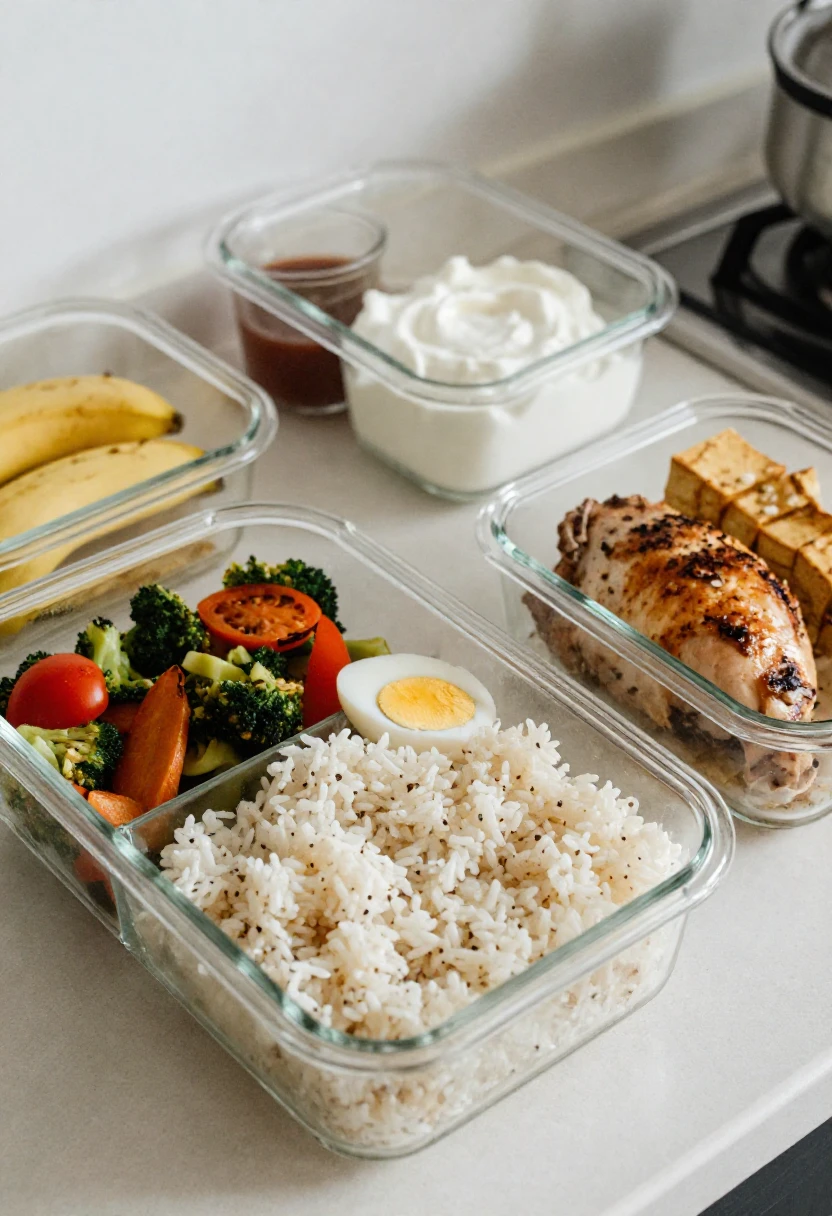
The hardest part of CrossFit nutrition is not knowing that protein, carbs, water, and vegetables matter.
Most people know the basics.
The hard part is doing those basics on a Tuesday when work ran late, your gym bag is still in the car, the sink is full, and dinner sounds like too much effort.
That is where habits matter more than motivation.
A good nutrition routine should make the better choice easier. Not perfect. Easier.
Start with one meal, not your whole life
Trying to fix your entire diet at once usually feels exciting for about four days.
You buy the groceries. You plan the meals. You imagine yourself becoming the kind of person who always has chopped vegetables in glass containers.
Then life happens.
A better approach is to start with one meal that keeps causing problems.
For many CrossFit athletes, that meal is breakfast.
If you train in the morning, breakfast affects recovery. If you train later in the day, breakfast affects your energy, cravings, and lunch choices. Skipping it may work for some people, but if your workouts feel flat or you get ravenous at night, it is worth testing a better first meal.
Start with something repeatable:
- Greek yogurt with oats, berries, and honey
- Eggs with toast and fruit
- Cottage cheese with banana and cinnamon
- Overnight oats with Greek yogurt
- Smoothie with milk, banana, oats, and protein
- Tofu scramble with potatoes
Eat that for a week.
Not forever. Just a week.
See what changes. Maybe your morning feels better. Maybe you snack less. Maybe your evening workout stops feeling like you are dragging yourself through wet cement.
If breakfast is already solid, choose lunch. If lunch is fine, choose the pre-workout snack. One meal at a time is not flashy, but it works.
Keep backup foods at home
CrossFit nutrition falls apart fastest when there is no easy food in the house.
That is when dinner becomes a random handful of crackers, half a protein bar, and whatever you can eat while standing in front of the fridge. We have all been there.
Backup foods save you from that.
Keep a few basics around:
- Eggs
- Greek yogurt
- Cottage cheese
- Oats
- Rice
- Potatoes
- Pasta
- Frozen vegetables
- Canned tuna or salmon
- Canned beans or lentils
- Tortillas or bread
- Bananas
- Peanut butter
- Olive oil
- Soup ingredients
- Electrolyte tablets or mineral water
With those foods, you can build meals even when you did not plan perfectly.
Eggs, toast, and fruit.
Rice, tuna, vegetables, and soy sauce.
Lentil soup with bread.
Greek yogurt with oats and banana.
Beans, tortillas, salsa, and avocado.
Potatoes with eggs and a quick salad.
None of this is glamorous, but it keeps you fed.
And being fed is underrated.
Meal prep without becoming a meal prep robot
Meal prep gets a bad reputation because people imagine dry chicken, plain broccoli, and identical containers stacked like punishment.
It does not have to be that way.
For CrossFit, meal prep works best when you prepare flexible pieces.
Cook a pot of rice. Roast potatoes. Grill chicken thighs. Bake tofu. Boil eggs. Wash fruit. Make one sauce that makes everything taste less boring.
The sauce is important.
A plain bowl of rice and chicken can feel like gym food in the worst way. Add yogurt garlic sauce, salsa, pesto, tahini lemon dressing, or soy-ginger sauce, and suddenly it feels like a meal you might actually want.
Try this simple prep:
- Cook one carb: rice, potatoes, pasta, quinoa, or oats
- Cook one protein: chicken, tofu, turkey, lentils, eggs, or beans
- Prepare one vegetable: roasted broccoli, salad greens, carrots, peppers, cucumber, frozen mixed vegetables
- Make one sauce: tahini lemon, yogurt garlic, salsa, vinaigrette, pesto, or peanut sauce
Then mix and match.
Rice, tofu, vegetables, peanut sauce.
Potatoes, eggs, salad, yogurt sauce.
Chicken, rice, cucumber, salsa.
Lentils, roasted vegetables, olive oil, and bread.
It is not about eating the same meal every day. It is about giving yourself enough prepared pieces so dinner does not start from zero.
Build a pre-workout routine you do not have to think about
Decision fatigue is real.
If every workout day includes a long internal debate about what to eat before class, you will eventually skip it or grab something that does not help.
Pick a default pre-workout snack.
Something like:
- Banana and water
- Toast with honey
- Dates and electrolytes
- Rice cakes with jam
- Yogurt with fruit
- Small smoothie
Make it boring in the best way.
When the snack is automatic, you stop wasting energy deciding. You just eat it, pack your bag, and go.
This is especially useful if you train after work. The gap between lunch and class can get too long, and hunger can sneak up on you. A small snack at the right time can make the difference between feeling sharp and feeling like every rep is happening underwater.
Make recovery food easy to reach
Post-workout recovery should not depend on your best cooking mood.
After a hard WOD, your standards get very specific: food should be quick, filling, and not require emotional strength.
Keep recovery foods ready:
- Cooked rice
- Greek yogurt
- Protein powder
- Bananas
- Eggs
- Canned tuna
- Bread or tortillas
- Leftover chicken or tofu
- Frozen vegetables
- Cottage cheese
- Soup
A recovery meal can be as simple as Greek yogurt, banana, oats, and honey. Or rice with eggs and vegetables. Or a tuna sandwich with pickles and fruit.
You are not trying to impress anyone. You are trying to recover.
And honestly, that kind of simple food often feels better than something complicated.
Do not let weekends erase the week
Weekends can be tricky.
You train hard Saturday morning, then your eating schedule gets loose. Brunch runs late. Dinner becomes snacks. Sunday turns into grazing. By Monday, you feel puffy, tired, and weirdly underfed at the same time.
You do not need strict weekend rules. But it helps to keep a few anchors.
Protein at breakfast.
Water before coffee number two.
A real meal after training.
Some vegetables somewhere.
A grocery check before Monday.
That is enough.
The goal is not to make weekends boring. It is to avoid starting every week from a hole.
A simple habit to start with
Choose one nutrition anchor for the next seven days.
Not ten. One.
Maybe it is:
- Eat protein at breakfast.
- Bring a pre-workout snack.
- Drink water with every meal.
- Prep one carb and one protein.
- Eat a real meal after training.
- Keep Greek yogurt and bananas at home.
Make it almost too easy.
That is how habits stick. You repeat something small until it becomes normal, then you add the next piece.
CrossFit already asks for effort. Your nutrition routine should support that effort, not become another exhausting workout.
Common CrossFit nutrition mistakes
Most CrossFit nutrition mistakes do not look dramatic from the outside.
They look like skipping breakfast because you were busy. Cutting carbs because you want to lean out. Drinking coffee instead of eating. Forgetting water until the afternoon. Training hard, eating too little, then wondering why you feel sore, tired, and annoyed by everyone.
Small things stack up.
The good news is that most mistakes are fixable without a complete diet overhaul.
Eating too little because you want to get lean
This is probably the most common mistake.
Someone starts CrossFit, feels motivated, and decides to “clean up” their diet at the same time. That can be helpful at first. More protein, more vegetables, fewer random snacks, less alcohol, better meals. Great.
But then the cut goes too far.
Breakfast gets smaller. Carbs disappear. Lunch becomes salad with not much else. Dinner is lean protein and vegetables, but no real fuel. The person is training four or five times a week and eating like they are mostly sitting still.
At first, weight may drop.
Then the body pushes back.
Workouts feel harder. Sleep gets worse. Cravings show up. Recovery slows down. Strength stalls. Mood gets sharp around the edges.
There is a difference between a reasonable calorie deficit and under-eating your way through hard training. If fat loss is your goal, you still need enough food to perform and recover.
A better fat-loss plate for CrossFit might look like:
- Protein at every meal
- Carbs around workouts
- Plenty of vegetables
- Moderate fats
- Fewer random extras that do not keep you full
Not tiny meals. Not punishment food.
Just controlled, useful meals that help you train well.
Cutting carbs too aggressively
Carbs are often the first thing people cut when they want faster results.
But CrossFit and very low carbs can be a rough combination, especially if you train hard or often.
You may feel okay during easy movement, but intense workouts are different. Heavy lifting, sprint intervals, rowing, burpees, wall balls, box jumps, and high-rep barbell work all feel worse when your body does not have enough quick fuel.
Signs you may have cut carbs too low:
- Your legs feel heavy early in workouts.
- You dread conditioning pieces more than usual.
- Your strength feels unpredictable.
- You crave sweets at night.
- You feel flat, foggy, or irritable.
- You recover slowly between sessions.
This does not mean you need huge carb portions all day. It means carbs should be placed where they help.
A banana before class. Rice after training. Potatoes with dinner. Oats at breakfast. Fruit with yogurt. Bread with soup.
Simple food. Useful timing.
If you want to lean out, keep carbs smarter, not absent.
Relying too much on supplements
Supplements can be useful. Protein powder can help when you are busy. Creatine can support strength training. Electrolytes can help if you sweat a lot. Caffeine can make a workout feel better when used carefully.
But supplements cannot fix a diet that has no structure.
A protein shake does not replace poor sleep. Pre-workout does not replace lunch. Electrolytes do not make up for drinking almost nothing all day. Fat burners are mostly a distraction, and many of them make people feel jittery, anxious, or worse.
Start with food first.
Before buying another tub, ask:
- Am I eating enough protein?
- Am I eating carbs around workouts?
- Am I drinking enough water?
- Am I sleeping enough to recover?
- Do I have real meals ready after training?
- Am I consistent for more than a few days?
If those basics are missing, supplements will not save the plan.
They may help at the edges. They should not be the center.
Forgetting recovery meals
Some people are careful about pre-workout food but careless after training.
They have the banana, drink the coffee, get through class, then eat nothing for hours. Or they have only a protein shake and call it done.
Then the rest of the day gets messy.
A good recovery meal does not need to be fancy. It just needs protein, carbs, and fluids.
Try:
- Rice with chicken and vegetables
- Greek yogurt with oats and berries
- Eggs with toast and fruit
- Tofu noodles with vegetables
- Tuna sandwich with pickles
- Lentil soup with bread
- Smoothie with banana, milk, oats, and protein
The meal after training affects more than that moment. It affects your next workout, your evening hunger, your sleep, and your mood.
If you keep feeling wrecked the day after training, look at what happens after class. That is often where the answer is hiding.
Eating “healthy” but not enough
This one is sneaky.
A person may eat very nutritious foods and still under-fuel.
Vegetable omelet. Salad. Lean fish. More vegetables. A few almonds. Herbal tea.
On paper, it looks healthy. In real life, it may not be enough for someone doing CrossFit several times a week.
Healthy food still has to provide energy.
If your meals are full of vegetables but low in protein and carbs, you may feel physically full but not properly fueled. That is a strange feeling. Your stomach has volume, but your body still wants energy.
Add the missing pieces.
Put potatoes with the omelet. Add rice to the salad. Eat bread with the soup. Add beans, lentils, chicken, tofu, eggs, yogurt, or fish. Use olive oil or avocado if the meal feels too light.
CrossFit nutrition is not about eating the smallest clean meal possible.
It is about eating enough good food to support the work.
Drinking too little water during the day
A lot of people walk into the gym already dehydrated.
They had coffee in the morning, maybe a few sips of water at lunch, then nothing until class. By the time the warm-up starts, they are already behind.
Hydration is one of those boring habits that pays off quickly.
Keep water visible. Drink with meals. Add electrolytes when workouts are hot, long, or very sweaty. Salt your food if you need it and you do not have a medical reason to avoid sodium.
Do not wait until you are thirsty during burpees. That is late.
Changing everything at once
The all-or-nothing approach feels productive at first.
New meal plan. New supplements. No sugar. No bread. More water. More protein. No alcohol. Food tracking. Meal prep. Early bedtime. Perfect grocery list.
Then by day five, it becomes too much.
A better approach is almost boring:
Fix breakfast first.
Then pre-workout food.
Then recovery meals.
Then hydration.
Then weekend habits.
One layer at a time.
That is how you build a routine you can keep.
A simple mistake-fixing habit to start with
Look at your hardest workout day from the past week and ask what went wrong.
Were you underfed before class?
Did you skip carbs afterward?
Did you drink almost no water?
Did you train after a tiny lunch?
Did you rely on caffeine instead of food?
Pick one fix for the next time.
One.
CrossFit gives you plenty of intensity already. Your nutrition does not need to become another source of stress. It should make training feel more possible.
Supplements: what may help and what to skip
Supplements are tempting because they make nutrition feel easier.
A scoop, a capsule, a bright little tub with intense wording on the label. Suddenly it feels like progress. And sometimes supplements do help. Protein powder can save a busy morning. Creatine has a real place in strength training. Electrolytes can make sweaty workouts feel less draining.
But supplements should sit on top of your nutrition, not replace it.
If breakfast is coffee, lunch is accidental, water is rare, and dinner depends on how tired you are, supplements will not fix the real problem. They may help a little, but they cannot do the work of regular meals.
Food first. Then supplements if they actually solve something.
Protein powder
Protein powder is useful because it is convenient.
That is the honest answer.
It is not better than eggs, chicken, fish, Greek yogurt, tofu, beans, or lentils. It is not worse either. It is just easy.
A protein shake can help when:
- You train early and need something quick after class.
- You struggle to get enough protein at breakfast.
- You are busy between work and the gym.
- Solid food sounds too heavy right after training.
- You need a portable snack.
The mistake is treating protein powder like a full nutrition plan. A shake with water gives you protein, but it may not give you enough carbs, fats, fiber, or overall energy.
If you use protein powder after CrossFit, pair it with something.
A banana. Oats. Milk. Yogurt. Toast. Fruit. A real meal later.
A simple recovery smoothie could be:
- Milk or soy milk
- Banana
- Protein powder
- Oats
- Peanut butter if you need more calories
- Cinnamon or cocoa if you want it to taste less like gym chalk
And yes, taste matters. If your protein powder makes you miserable, you will not use it for long.
Creatine
Creatine is one of the few supplements that many strength athletes keep coming back to.
It may help with repeated high-intensity efforts, strength work, power output, and muscle performance. That makes it relevant for CrossFit because CrossFit often includes heavy lifting, short bursts, repeated sets, and workouts where you need to produce force again and again.
Creatine is not a stimulant. You do not “feel” it like caffeine. It is not a pre-workout buzz.
It works more quietly over time.
Most people take it daily, not only on workout days. The common approach is a small daily dose mixed into water, a smoothie, or any drink you already use.
A few notes:
- It may cause a small increase in scale weight because your muscles hold more water.
- That is not fat gain.
- You still need to drink enough fluids.
- It works best when you take it consistently.
- It will not replace training, sleep, protein, or enough food.
If you compete, take medications, have kidney disease, or have any medical concerns, check with a qualified professional before using it. That is not fear-mongering. It is just sensible.
Electrolytes
Electrolytes are useful if you sweat heavily, train in heat, get headaches after workouts, or feel wiped out despite drinking water.
Sodium is usually the main one to think about for sweaty training. You lose it through sweat, and replacing it can help you feel better after hard sessions.
You may benefit from electrolytes if:
- Your clothes have salty white marks after training.
- You sweat a lot even in short workouts.
- You train in a hot gym.
- You get headaches after class.
- You feel lightheaded.
- You drink water but still feel thirsty.
- You crave salty foods after workouts.
Electrolyte tablets or powders are convenient. You can also use food.
Broth, soup, salted potatoes, rice with soy sauce, pickles, olives, eggs with salt, or a salty recovery meal can all help.
The point is not to drink fancy sports water every day. The point is to replace what you lose when training is sweaty and hard.
Pre-workout supplements
Pre-workout supplements are popular because they feel powerful.
Some give you caffeine. Some give you beta-alanine, which can make your skin tingle. Some include sweeteners, flavors, and a long ingredient list that looks more scientific than it really is.
A pre-workout can help if it gives you energy and does not bother your stomach. But be honest about why you are using it.
If you slept badly, skipped meals, barely drank water, and then take a strong pre-workout to drag yourself through class, that is not fueling. That is borrowing energy from tomorrow.
Before using pre-workout, fix the basics:
- Eat enough during the day.
- Have carbs before training.
- Drink water.
- Sleep enough.
- Use caffeine in a way that does not ruin your night.
If you still want a pre-workout sometimes, choose one with a clear label and avoid stacking it with multiple coffees or energy drinks.
More stimulation is not always better.
Sometimes it is just louder.
Supplements that are usually not worth the hype
Some supplements sound more exciting than they are.
Fat burners, detox teas, sweat wraps, “carb blockers,” metabolism boosters, and cleanse products are usually not where your money should go.
For CrossFit, they are especially distracting because they pull attention away from the habits that actually support performance:
- Eating enough protein
- Using carbs around training
- Drinking enough fluids
- Sleeping well
- Recovering between sessions
- Training consistently
- Managing stress where possible
No tea will detox your weekend. No pill will build your squat. No powder will make up for months of poor sleep and random meals.
That may sound blunt, but it saves money.
The supplement rule
Use supplements to solve a specific problem.
Not because the label looks convincing. Not because someone at the gym said it changed everything. Not because you feel like buying something new will make your routine feel more serious.
Ask:
- What problem am I trying to solve?
- Can food fix it first?
- Is this supplement safe for me?
- Do I understand what is in it?
- Will I use it consistently?
- Is it worth the cost?
Good supplement use is boring and practical.
Protein powder because breakfast is rushed.
Creatine because you train strength regularly.
Electrolytes because you sweat heavily.
Caffeine because it helps and does not ruin sleep.
That is enough for most people.
A simple supplement habit to start with
Before adding anything new, write down what you already do for one week.
Meals. Water. Sleep. Training. Protein. Carbs. Recovery food.
You may discover that you do not need a new supplement. You may need lunch.
And if you do choose a supplement, choose one that fits your real life. The best supplement is the one that supports a routine you can actually keep.
Conclusion
CrossFit nutrition works best when it feels realistic.
You do not need a perfect diet, a complicated macro spreadsheet, or a kitchen full of expensive powders. You need enough food to match the training you are doing. Most of the time, that means protein at your meals, carbs around workouts, healthy fats for fullness, plenty of fluids, and recovery meals that are easy to repeat.
Start small.
Add breakfast if you keep skipping it. Bring a banana before class if you feel flat. Eat a proper meal after hard workouts. Keep water near you during the day. Cook one protein and one carb ahead of time so future-you has fewer excuses.
CrossFit already asks your body to work hard.
Your food should make that work feel stronger, steadier, and a little less like you are dragging yourself through the week on coffee and willpower.
FAQ
What should I eat before CrossFit?
Before CrossFit, eat something that gives you energy without feeling too heavy. Good options include a banana, toast with honey, oats, dates, rice cakes, yogurt with fruit, or a small smoothie.
If you have only 30–45 minutes, keep it light and carb-focused. If you have 1–3 hours, add more protein and make it a fuller meal.
What is the best meal after a CrossFit workout?
A good post-workout meal includes protein, carbs, and fluids. Try chicken and rice, eggs with toast, Greek yogurt with oats and fruit, a tuna sandwich, salmon with potatoes, tofu noodles, or a smoothie with banana and protein.
The goal is to help your muscles repair and refill the energy you used during training.
Should I eat carbs if I want to lose fat with CrossFit?
Yes, you can eat carbs and still lose fat. Carbs are useful for CrossFit because they fuel intense workouts and help recovery.
If fat loss is your goal, focus on portion control and timing. Eat carbs around training, keep protein high, and build meals that keep you full instead of cutting carbs so hard that your workouts suffer.
Is protein powder necessary for CrossFit?
No, protein powder is not necessary. You can get enough protein from foods like eggs, chicken, fish, Greek yogurt, cottage cheese, tofu, beans, lentils, and lean meat.
Protein powder is useful when you need convenience, especially after a workout or on busy days, but it should support your meals, not replace them.
What should I drink during CrossFit?
For most regular workouts, water is enough. If you sweat heavily, train in heat, get headaches after class, or feel drained even after drinking water, electrolytes may help.
You can use electrolyte tablets, mineral water, coconut water with salty food, broth, pickles, salted potatoes, or a recovery meal with enough sodium.