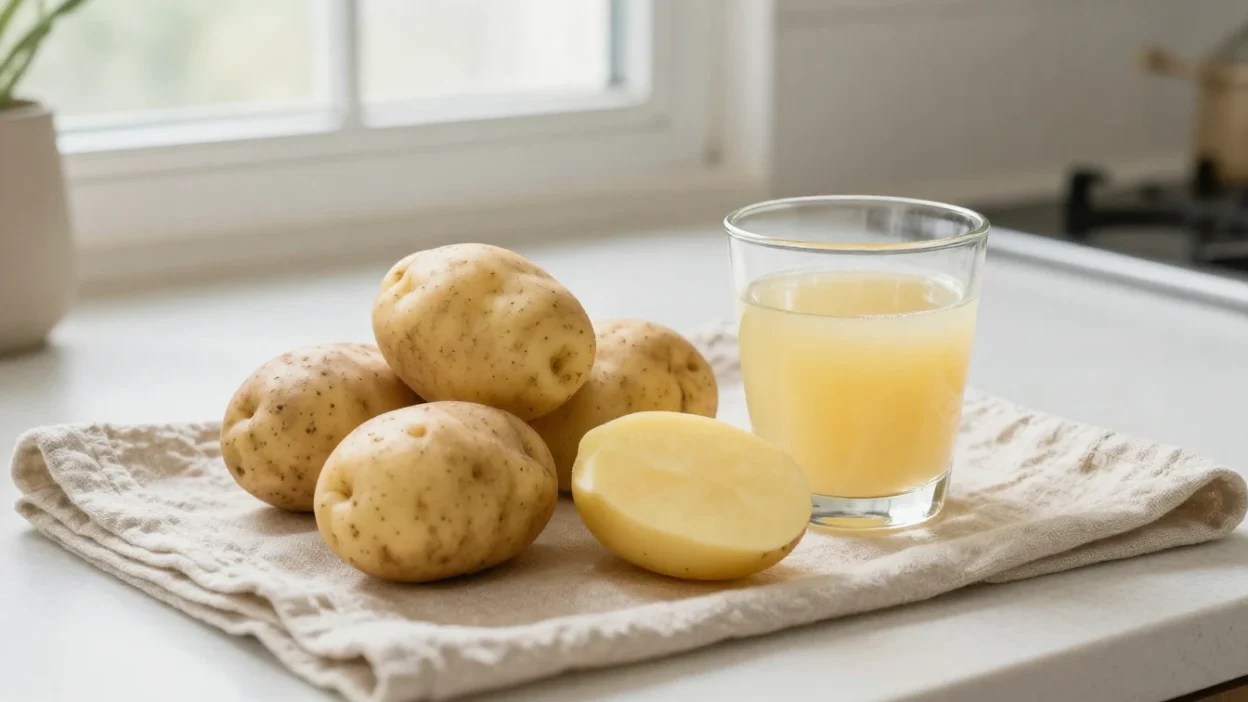
Raw potato juice sounds like the kind of old home remedy someone’s grandmother would mention quietly, usually while peeling potatoes over the sink.
And honestly, that is part of why people are still curious about it. It feels simple. Cheap. Almost too ordinary to be interesting.
You take a raw potato, juice it, and drink a small amount, often for digestion, acidity, or that heavy, uncomfortable feeling in the stomach. Some people swear by it. Others hear “raw potato juice” and immediately wonder if it is safe.
That question matters.
Potatoes are everyday food, but raw potatoes are not the same as baked potatoes, mashed potatoes, or crispy roasted wedges. Raw potato juice may contain some useful compounds, but it also comes with real cautions, especially if the potatoes are green, sprouted, bitter, old, or poorly stored. Food safety agencies warn that potatoes can contain natural glycoalkaloids such as solanine, and higher amounts may cause symptoms like nausea, vomiting, and diarrhea. (European Food Safety Authority)
So, is raw potato juice healthy?
The honest answer is: it may have some potential benefits, especially around digestion, but it is not something to treat casually or drink in large amounts. It is also not a replacement for medical care if you have gastritis, ulcers, reflux, stomach pain, or any ongoing digestive issue.
This guide will walk through what raw potato juice is, why people drink it, what benefits are realistic, what risks to watch for, and how to make it more safely at home.
What is raw potato juice?
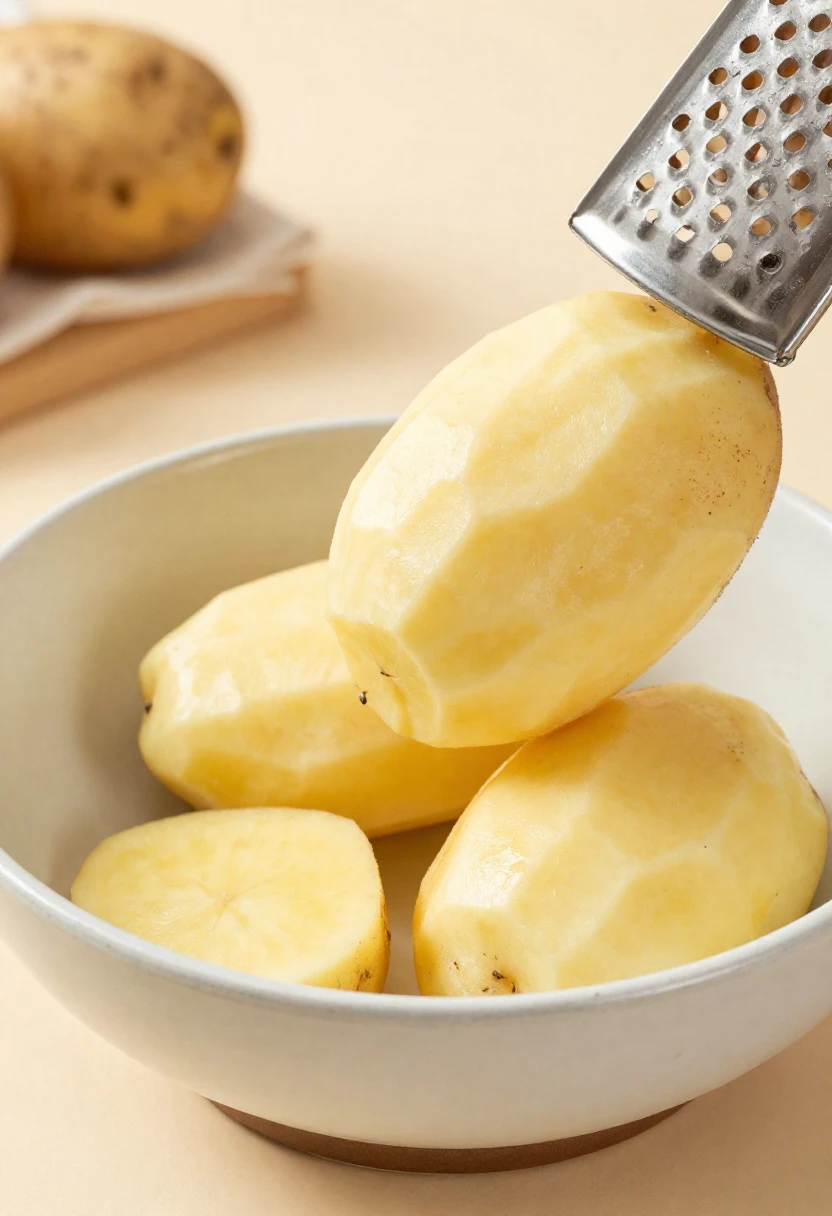
Raw potato juice is exactly what it sounds like: fresh juice pressed from uncooked potatoes.
You can make it with a juicer, a blender, or even a fine grater and cheesecloth. The result is pale, cloudy, slightly starchy liquid with a mild earthy smell. It is not sweet like carrot juice. It is not refreshing like cucumber juice. It tastes more like the inside of a freshly cut potato, only sharper and more mineral.
Some people drink it plain, but most prefer to dilute it with water or mix it with something gentler, like carrot juice or a little apple juice. I get why. Straight potato juice is not exactly something you sip for pleasure.
Why people drink raw potato juice
Raw potato juice is mostly known as a traditional remedy for digestive discomfort. People often use it for:
- occasional acidity
- a burning feeling after meals
- stomach heaviness
- mild nausea
- digestive irritation
- the feeling that the stomach needs something bland and calming
The word “bland” is important here. Potatoes are naturally plain, starchy, and soothing in cooked form, so it makes sense that people started using the raw juice in the same general way.
There is also some early research interest in potato juice and potato extracts for stomach-related issues. For example, one study on spray-dried potato juice discussed its potential as a functional food ingredient for inflammation-related gastrointestinal conditions, although this does not mean fresh raw potato juice has been proven as a treatment. (PMC)
That difference matters.
A promising extract in research is not the same thing as a glass of homemade raw potato juice made in your kitchen.
Raw potato juice is not the same as eating potatoes
Cooked potatoes are familiar, filling, and generally easy to include in a balanced diet. You can boil them, bake them, mash them, roast them, or chill them after cooking for a firmer texture and more resistant starch.
Raw potato juice is different.
It removes most of the fiber. It concentrates the liquid part of the potato. And because it is raw, it needs more care. You have to think about the potato’s condition, color, taste, freshness, and storage.
A good rule: if a potato looks green, has sprouts, feels soft, smells off, or tastes bitter, do not use it for juice. Green areas and sprouting can be linked with higher glycoalkaloid levels, which is why food safety sources recommend avoiding the green parts of potatoes and being cautious with sprouted ones. (ask.fsis.usda.gov)
Raw potato juice nutrition
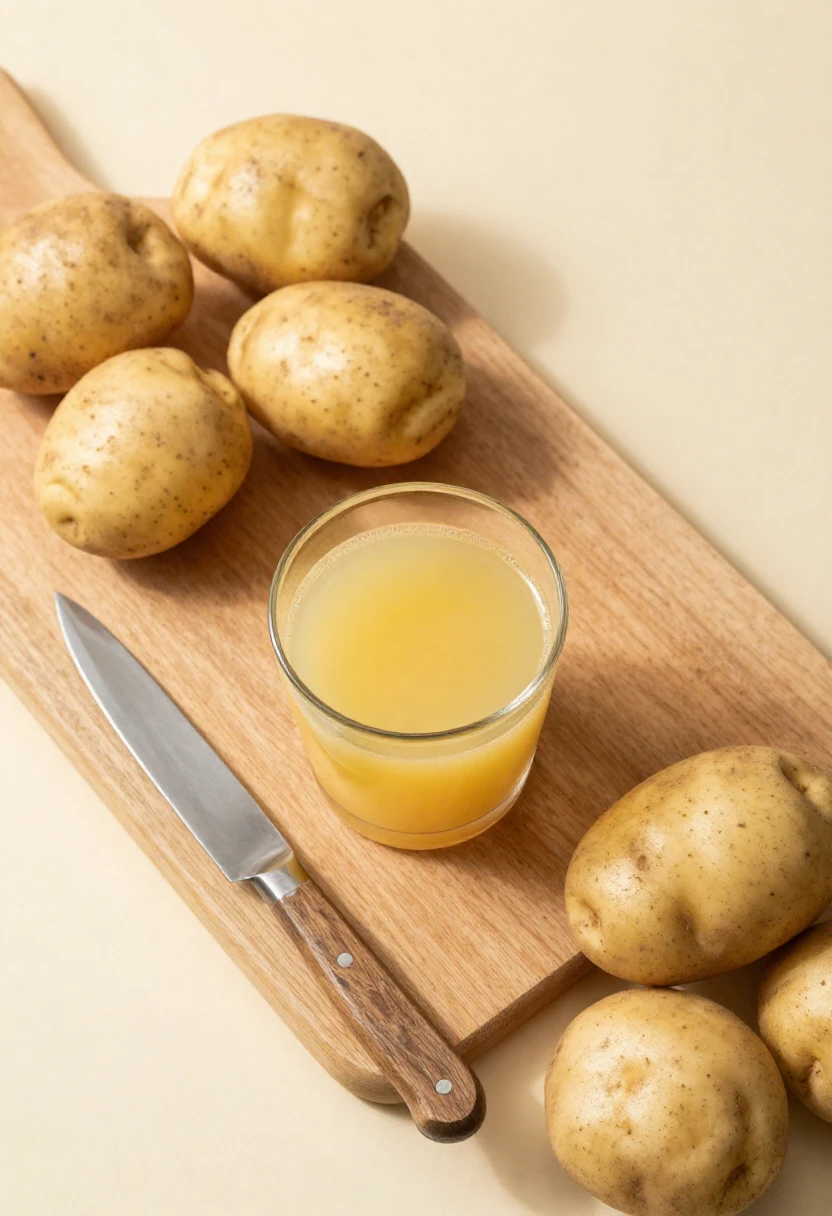
Potatoes do not always get the respect they deserve.
They get blamed for fries, chips, and heavy comfort food, but the potato itself is a simple whole food. A plain potato contains potassium, vitamin C, carbohydrates, water, and small amounts of other nutrients. The problem is usually not the potato. It is the deep fryer, the oversized portion, or the mountain of butter and cheese on top.
Raw potato juice keeps some of the potato’s water-soluble compounds, but it is not a complete replacement for eating the whole potato.
What raw potato juice may contain
Fresh potato juice may provide:
- vitamin C
- potassium
- natural plant compounds
- small amounts of amino acids
- starch from the raw potato
- water-soluble nutrients from the potato flesh
Because the juice is strained, you lose much of the fiber that makes whole potatoes filling. That is one reason I would not think of potato juice as a “better” version of potatoes. It is just a different form.
And in everyday eating, cooked potatoes are usually the more practical choice.
The resistant starch question
You may have heard that potatoes can contain resistant starch, a type of starch that behaves a bit like fiber because it resists digestion in the small intestine.
Raw potatoes naturally contain resistant starch, but most people do not eat raw potatoes for good reason: the texture is unpleasant, digestion can be uncomfortable, and safety depends heavily on the quality of the potato. Cooked and cooled potatoes are usually a more realistic way to enjoy resistant starch in food.
Think potato salad with a light yogurt dressing. Or boiled potatoes chilled and then sliced into a lunch bowl with eggs, greens, cucumbers, and olive oil.
Much nicer than forcing down raw potato juice every morning, right?
What raw potato juice does not do
Raw potato juice is not magic.
It does not “detox” your body. It does not melt fat. It does not cure ulcers. It does not replace medication for reflux, gastritis, or H. pylori. And it should not be used to ignore symptoms like severe stomach pain, vomiting, black stool, unexplained weight loss, or ongoing burning after meals.
Those symptoms need proper medical advice.
What raw potato juice may do for some people is much more modest: it may feel soothing in small amounts. That is useful to know, but it is not the same as a cure.
Possible benefits of raw potato juice
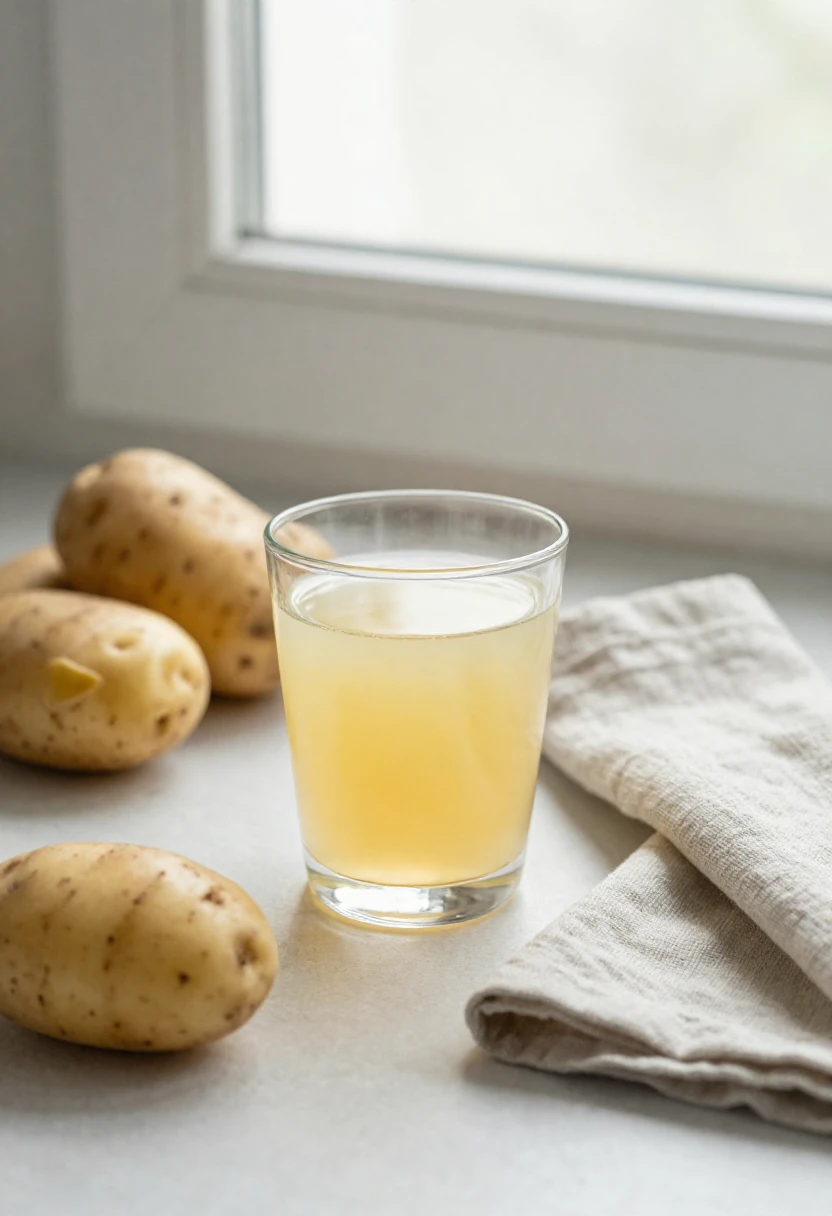
Raw potato juice gets most of its attention because of the stomach.
People do not usually drink it for flavor. They drink it because they want something plain, cool, and gentle when their digestion feels irritated. That is the main reason this remedy has stayed around for so long.
Still, I want to be careful with the word “benefits.” A food can feel helpful without being a proven treatment. Raw potato juice sits in that middle space.
It may feel soothing for occasional stomach discomfort
If your stomach feels hot, acidic, or unsettled, the idea of a bland potato drink makes a strange kind of sense.
Potatoes are mild. They are starchy. They do not have the sharpness of citrus, the heat of ginger, or the bitterness of some herbal remedies. For some people, a small amount of raw potato juice may feel calming, especially when taken diluted.
There is also some limited research around potato juice and dyspepsia, which is the medical word often used for indigestion-like discomfort. In one clinical study, a prepared potato juice product was tested in people with dyspeptic symptoms, and about two-thirds of patients reported some level of benefit. That sounds interesting, but it was not the same as proving that homemade raw potato juice cures stomach problems. (PubMed)
That is the line I would keep in mind.
Helpful for some people? Possibly.
A guaranteed fix? No.
It may support a gentler stomach routine
Sometimes the benefit is not only the juice itself. It is the routine around it.
Someone who starts drinking a small amount of potato juice in the morning may also begin paying more attention to what irritates their stomach: strong coffee on an empty stomach, late heavy dinners, fried foods, alcohol, stress eating, or rushing through meals.
The potato juice gets the credit, but the quieter routine may be doing part of the work too.
If you are using raw potato juice for digestion, I would treat it as one small experiment inside a bigger pattern:
- eat slower
- avoid meals that reliably trigger burning or pain
- stop eating very late at night
- drink enough water
- keep meals simple when your stomach feels sensitive
- talk to a doctor if symptoms keep coming back
That last point matters most. Occasional discomfort after a heavy meal is one thing. Repeated stomach pain is another.
It may contain plant compounds with research interest
Potatoes contain natural compounds that researchers have studied for different possible effects, including antioxidant and anti-inflammatory activity. Potato juice and potato-derived extracts have also been studied as possible functional food ingredients for gastrointestinal inflammation, but this is early and specific research. It does not mean a glass of homemade potato juice works like medicine. (PMC)
I know that sounds less exciting than a viral “drink this every morning” claim.
But it is more honest.
A homemade wellness habit should not be built on exaggerated promises. It should be built on realistic expectations, good ingredients, and a clear sense of when to stop.
Raw potato juice for digestion
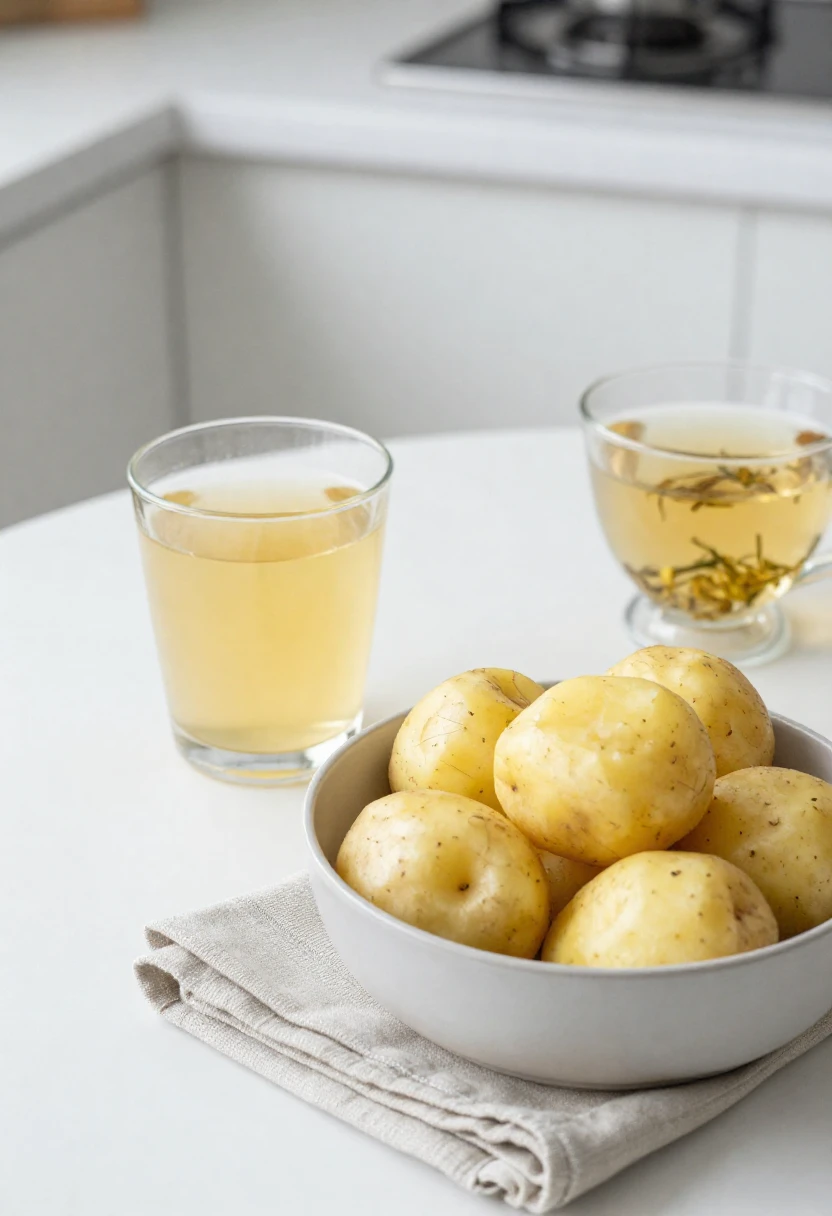
This is where most people land when they search for raw potato juice benefits.
They are not looking for a trendy green juice. They are usually looking for relief.
Maybe their stomach feels sour in the morning. Maybe they get burning after certain meals. Maybe they are trying to calm things down after a week of coffee, stress, and food eaten too quickly. We have all had those weeks.
Raw potato juice may feel gentle for some people, but digestion is personal. The same thing that soothes one stomach can bother another.
Why people connect potato juice with acidity
Raw potato juice has a plain, starchy quality. That makes people think of it as coating or calming the stomach.
Some traditional uses focus on acidity, heartburn, gastritis-like discomfort, and that raw, irritated feeling after eating. The logic is simple: if spicy, oily, acidic foods feel harsh, then something bland may feel easier.
But gastritis and reflux can have different causes. H. pylori infection, certain pain medications, alcohol, stress on the body, and other factors can all play a role. Cleveland Clinic lists nausea, bloating, stomach pain, vomiting, appetite loss, and feeling full quickly among common gastritis symptoms. More serious warning signs can include black stool or vomit that looks like coffee grounds, which may suggest bleeding and needs medical attention. (Cleveland Clinic)
That is why I would never frame potato juice as a treatment for gastritis or ulcers.
It may be something a person tries gently, but it should not delay real care.
When raw potato juice may feel worse
Raw does not automatically mean easier to digest.
Raw potato juice can be unpleasant for some stomachs. It may cause:
- bloating
- nausea
- cramps
- loose stool
- a heavy feeling
- a bitter or burning aftertaste
If that happens, stop. Do not push through it because someone online said it is “cleansing.” Your stomach is allowed to say no.
I would be especially cautious if you already have irritable digestion, a history of food sensitivities, or active stomach pain. A tiny amount is very different from a full glass.
How much should you drink?
There is no official daily amount of raw potato juice.
For a cautious homemade approach, people often start with a very small serving, such as 1–2 tablespoons diluted with water. Some traditional routines use more, but I would not start there.
The goal is not to shock your stomach. The goal is to see how your body reacts.
If it tastes bitter, throw it away. If it makes you nauseous, stop. If your symptoms keep returning, book a proper medical check instead of trying to solve everything with a vegetable juice.
A potato is simple food. Your stomach is not always simple.
Raw potato juice and inflammation claims
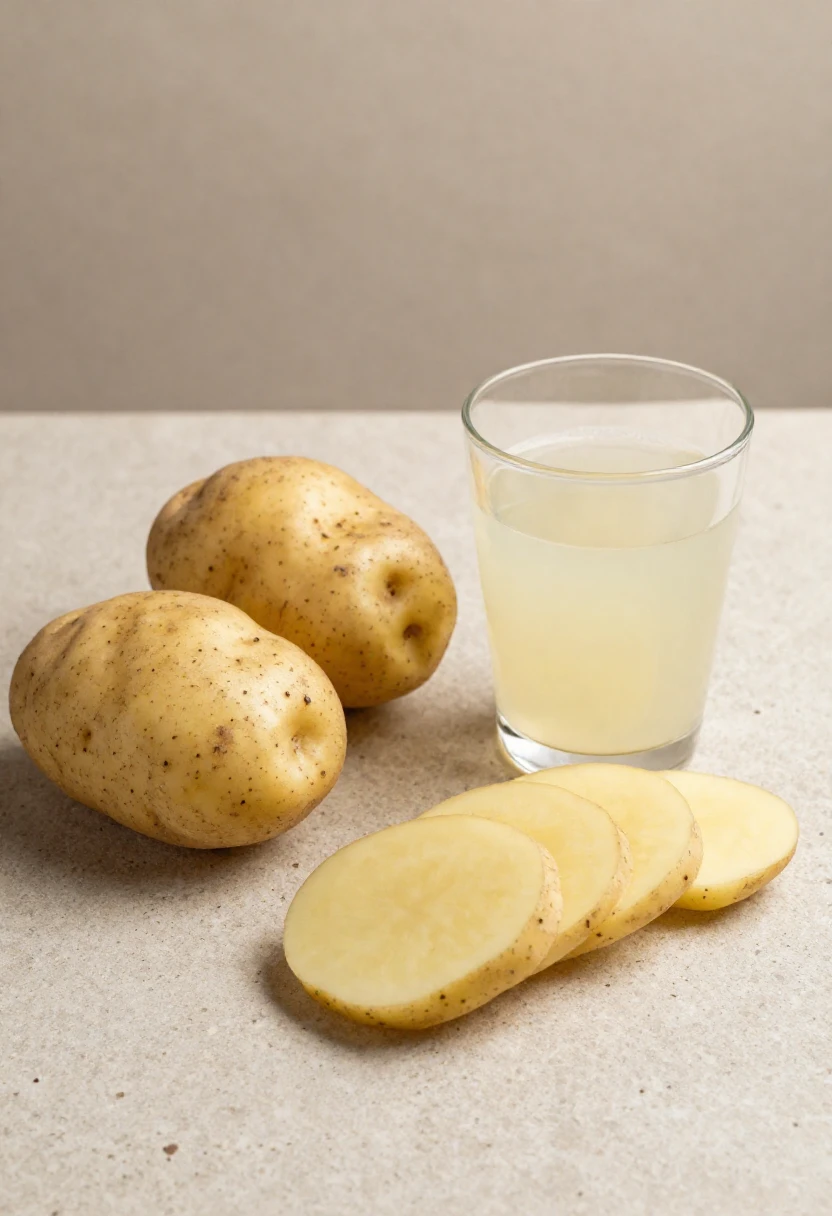
This is where raw potato juice starts to get a little messy online.
You will see claims that it “fights inflammation,” “heals the gut,” “cleanses the body,” or “repairs the stomach lining.” Those phrases sound nice, but they are too big for the evidence we actually have.
Potatoes do contain natural plant compounds. Researchers have looked at potato juice and potato-derived extracts for possible gastrointestinal uses, especially because some compounds may have anti-inflammatory or antioxidant activity. But that does not turn homemade raw potato juice into a treatment. It only means the potato is more chemically interesting than people sometimes assume.
And honestly, most whole foods are.
Traditional use is not the same as proof
I like traditional remedies when they are treated with respect and common sense.
A spoonful of honey in tea when your throat feels scratchy. Plain rice when your stomach is upset. Ginger tea when food feels heavy. These things can be comforting, and comfort has value.
Raw potato juice belongs in that kind of category for some people. It may be part of a gentle routine. It may feel soothing. It may be worth discussing if you are curious and otherwise healthy.
But it should not be treated like a cure for inflammation.
Inflammation is not one single thing. It can be part of gastritis, infection, autoimmune conditions, food intolerance, injury, stress, or something else entirely. A small glass of potato juice cannot answer all of that.
Why “natural” still needs caution
A potato looks harmless. It sits in the kitchen next to onions and carrots, waiting to become dinner.
But potatoes are also nightshade plants, and they naturally produce glycoalkaloids. The main ones in potatoes are alpha-solanine and alpha-chaconine. EFSA notes that glycoalkaloid poisoning can cause acute digestive symptoms such as nausea, vomiting, and diarrhea. (European Food Safety Authority)
That does not mean normal cooked potatoes are dangerous. It means raw potato juice deserves care, especially because you are using the potato in a more concentrated, uncooked way.
The biggest warning signs are simple:
- green skin or green flesh
- sprouts
- a bitter taste
- soft, wrinkled texture
- damaged or bruised areas
- potatoes stored too long in light or warmth
If the potato looks questionable, do not juice it. I would not even debate it.
Safety: who should be careful with raw potato juice
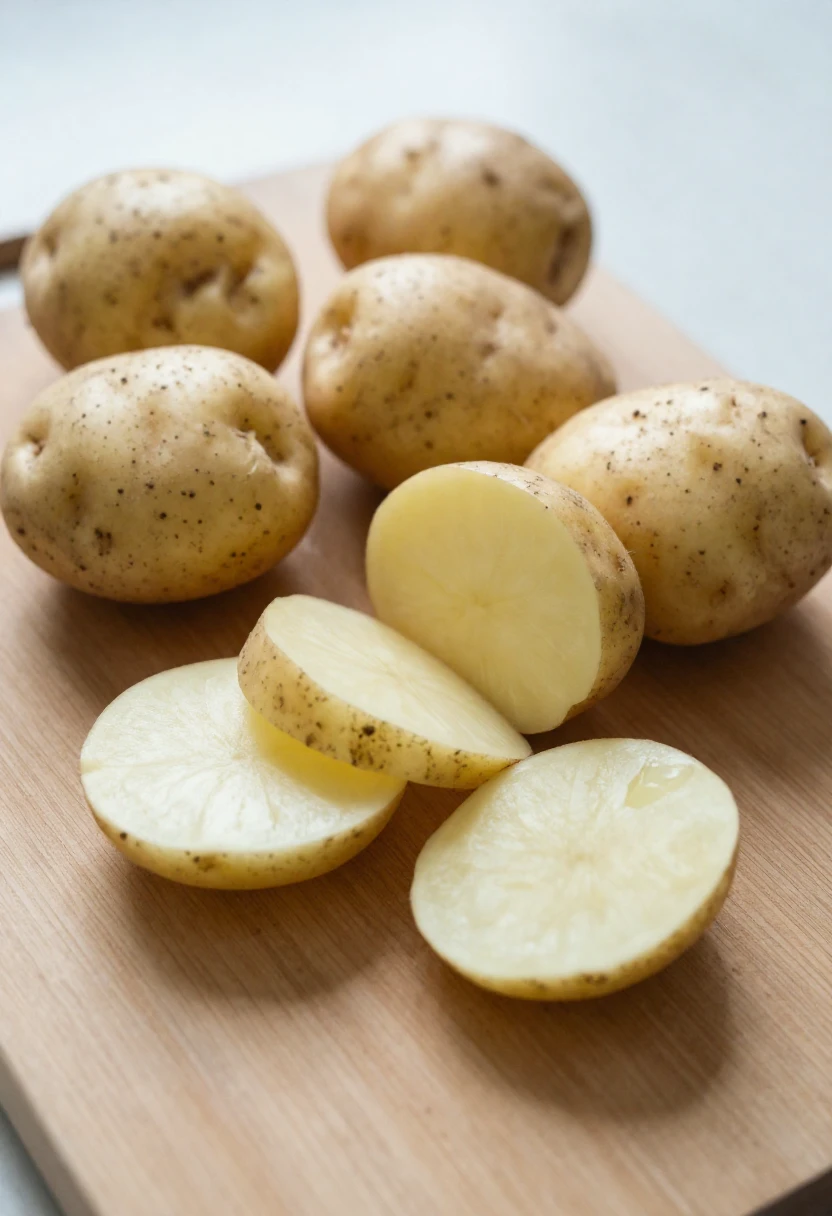
This is the part I would read twice before trying raw potato juice at home.
The risk is not that every sip is dangerous. Plenty of people have used small amounts without a problem. The risk is that raw potato juice can go wrong if the potato is not fresh, if you drink too much, or if your stomach is already sensitive.
Avoid green, sprouted, bitter, or damaged potatoes
Green potatoes are not just “a little unripe.” Green color usually means the potato has been exposed to light. The green itself comes from chlorophyll, but it can be a sign that glycoalkaloids have increased too.
The German Federal Institute for Risk Assessment explains that glycoalkaloids are enriched particularly in green, germinating, and damaged potatoes, as well as in potato peel. It also notes that mild poisoning may cause nausea, stomach pain, vomiting, and diarrhea. (Bundesinstitut für Risikobewertung)
So for raw potato juice, I would be stricter than I might be for cooking.
Use only potatoes that are:
- firm
- pale inside
- not green
- not sprouted
- not bitter
- freshly peeled
- clean and undamaged
If you cut into a potato and it smells strange, looks gray-green, or tastes bitter at the edge of your tongue, throw it away.
No wellness habit is worth gambling with a bad potato.
Be extra careful if your stomach is already irritated
This sounds backwards, because most people try raw potato juice because their stomach is irritated.
But a sensitive stomach can react unpredictably. Something bland can still cause bloating. Something “natural” can still make nausea worse. And if you have gastritis, ulcers, reflux, or recurring stomach pain, you need to know what is actually causing it.
Do not use potato juice to cover symptoms that keep returning.
You should get medical advice quickly if you have warning signs such as vomiting blood, vomit that looks like coffee grounds, black sticky stool, or sudden severe stomach or chest pain. NHS lists these as urgent symptoms that need emergency care. (nhs.uk)
That may sound intense for an article about potato juice, but it matters. A home remedy should never delay proper care when the body is clearly waving a red flag.
Who may want to avoid it
Raw potato juice is probably not the best experiment for everyone.
I would avoid it, or at least speak with a healthcare professional first, if you are:
- pregnant or breastfeeding
- giving it to a child
- dealing with active gastritis, ulcers, or severe reflux
- prone to nausea or diarrhea
- managing kidney disease or potassium restrictions
- taking medication for stomach conditions
- recovering from food poisoning or a stomach infection
Potatoes contain potassium, and while that is usually a good thing in normal food amounts, some people need to monitor potassium closely. If that is you, raw potato juice is not something to add casually.
Start small, not heroic
The internet loves dramatic routines.
Drink this every morning. Take a full glass. Do it for 30 days. Watch what happens.
I would not start there.
If you are going to try raw potato juice, start with a tiny amount, such as one tablespoon diluted in water, and see how your body responds. Do not drink it by the cup. Do not use old potatoes. Do not keep it sitting around in the fridge for days.
Fresh, small, cautious. That is the whole approach.
And if your stomach feels worse afterward, that is your answer. Stop.
How to make raw potato juice at home
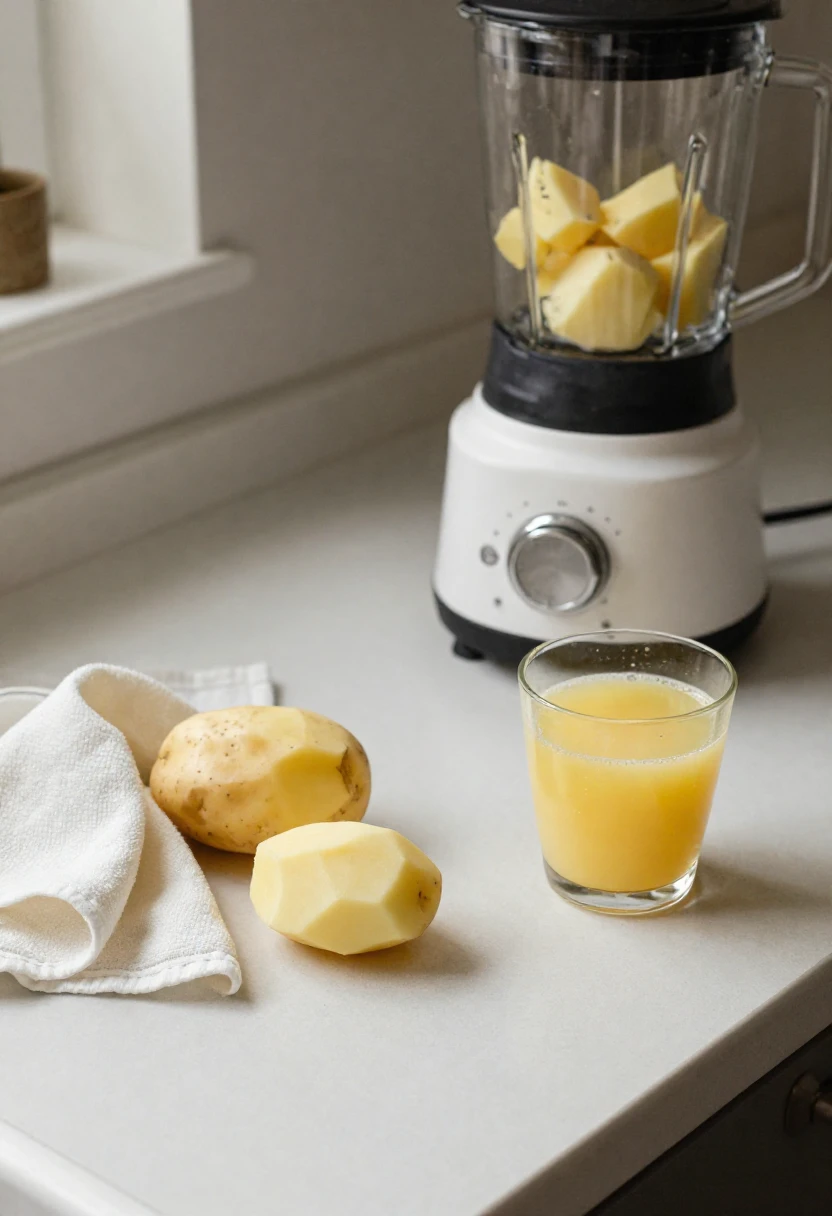
If you still want to try raw potato juice, the safest place to start is with the potato itself.
This is not the time to use the sad potato from the back of the pantry. You know the one. A little soft, a little wrinkled, maybe thinking about growing legs. Save your experiments for firm, fresh potatoes that look clean and normal inside.
For raw juice, I would be picky.
Choose the right potatoes
Use potatoes that are:
- firm to the touch
- smooth-skinned
- free from green patches
- free from sprouts
- not bruised or damaged
- not bitter when cut
- stored away from light
White, yellow, or red potatoes can all work, as long as they are fresh and not green. I would peel them before juicing, especially because glycoalkaloids can be more concentrated in the peel and around damaged or green areas. Food safety sources recommend sorting out green and strongly sprouting potatoes rather than trying to save them. (bfr.bund.de)
If you cut the potato open and see green flesh, dark spoiled areas, or anything that smells strange, stop there.
A fresh potato should smell earthy and clean. Not sour. Not moldy. Not sharp.
Wash and peel well
Raw juice does not get the safety advantage of heat, so washing matters.
Rinse the potato under running water and scrub the skin with a clean vegetable brush. Then peel it. I know some people prefer leaving skins on for nutrients, but for raw potato juice, I would rather reduce the risk and keep the juice gentler.
After peeling, rinse it again quickly and cut away any eyes, bruises, or discolored areas.
If you are using a cutting board, make sure it is clean. Raw potato juice may be a simple home remedy, but it still deserves basic kitchen hygiene.
Use a juicer, blender, or grater
A juicer is easiest. Cut the peeled potato into pieces, run it through the juicer, and collect the liquid.
If you do not have a juicer, use a blender:
- Peel and chop one small fresh potato.
- Add a little cold water.
- Blend until the potato breaks down.
- Strain through cheesecloth or a fine sieve.
- Press gently to collect the juice.
The old-school method works too: grate the peeled potato on the fine side of a box grater, then squeeze the pulp through cheesecloth.
It is messy, but it works.
Drink it fresh
Raw potato juice oxidizes quickly. It can darken, thicken, separate, and taste stronger as it sits.
I would not make a big batch. Make only what you plan to use right away.
Start with a small amount, such as 1 tablespoon diluted with water, especially if you have never tried it before. If it tastes bitter or unpleasant in a way that makes you pause, throw it away. Bitterness is not something to ignore with potatoes.
You can dilute it with:
- cold water
- carrot juice
- cucumber juice
- a small splash of apple juice
I would skip lemon juice at first if your stomach is sensitive. Citrus can be lovely in many drinks, but if you are trying potato juice because of acidity, lemon may defeat the purpose.
A simple raw potato juice recipe
For a cautious first try, keep it plain.
Ingredients:
- 1 small fresh potato
- 2–4 tablespoons cold water
- extra water for diluting
Method:
- Wash and scrub the potato well.
- Peel it completely.
- Cut away any eyes or bruised spots.
- Chop and blend with cold water.
- Strain through cheesecloth or a fine sieve.
- Dilute 1 tablespoon of the juice with water.
- Drink it right away.
Do not force yourself to finish it. This is not a wellness challenge. Your body’s reaction matters more than finishing the glass.
Better ways to use potatoes for everyday health
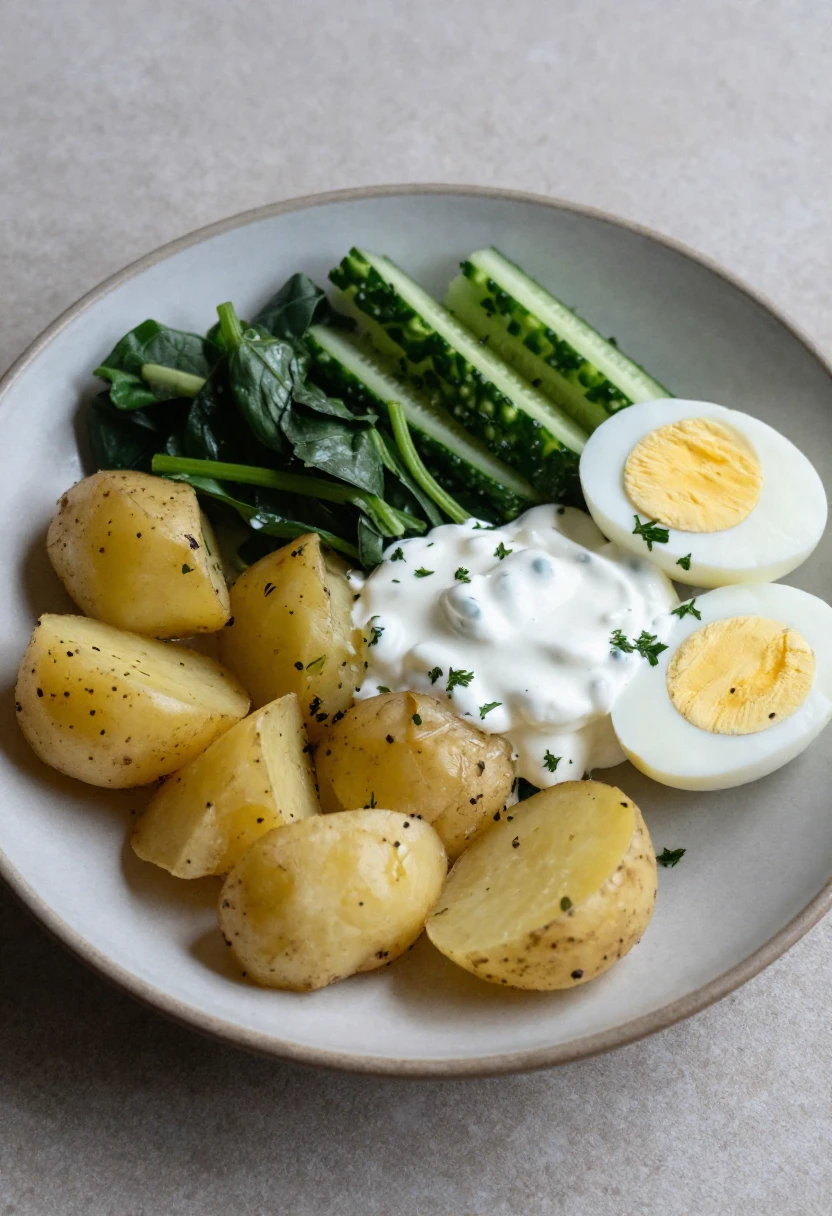
Raw potato juice may be interesting, but cooked potatoes are the version I would choose most often.
They are easier to enjoy, easier to digest for many people, and much easier to turn into real meals. A potato can be plain comfort food, but it can also be part of a balanced plate with protein, vegetables, and healthy fats.
And cooked potatoes taste good. That counts.
Boiled potatoes
Boiled potatoes are simple, but they are underrated.
Serve them warm with olive oil, herbs, salt, and a spoonful of Greek yogurt. Add eggs or fish on the side, and you have a meal that feels calm and filling without being heavy.
If your stomach is sensitive, plain boiled potatoes are often much easier to handle than raw potato juice. No strong seasoning. No frying. No greasy edges.
Just soft, warm food.
Baked potatoes
A baked potato can go in two directions.
It can become a loaded calorie bomb with too much butter, bacon, sour cream, and cheese. Or it can become a balanced meal if you top it with better choices.
Try:
- cottage cheese and chives
- Greek yogurt and cucumber
- tuna and herbs
- beans and salsa
- roasted vegetables
- scrambled eggs
- chicken and a spoonful of yogurt sauce
The potato gives you the filling base. The topping decides whether the meal feels balanced or sleepy.
Cooked and cooled potatoes
Cooked potatoes that cool down form more resistant starch. That does not make them magical, but it does make them useful in everyday meals.
I like cooled potatoes in simple lunch bowls. Slice them and add boiled eggs, cucumbers, greens, olive oil, dill, and a little mustard. It is not fancy, but it keeps you full without that heavy fried-potato feeling.
Potato salad can also be lighter than people think. Use yogurt, mustard, herbs, pickles, celery, and a small amount of olive oil instead of a thick mayonnaise dressing.
Roasted potatoes, but keep them simple
Roasted potatoes are where people usually stop pretending potatoes are “wellness food.”
But they can still fit into a healthy eating pattern. Cut them into wedges, toss with olive oil, garlic, paprika, and salt, then roast until the edges turn golden.
Serve them with a big salad and a protein, not as the whole meal.
That is the trick with potatoes. They are not the problem. The plate around them matters.
Common mistakes to avoid
Raw potato juice is simple to make, which is exactly why people can get careless with it.
The risk usually does not come from one careful tablespoon made from a fresh potato. The risk comes from treating it like a cure, drinking too much, using old potatoes, or ignoring symptoms that need a real diagnosis.
Drinking too much at once
More is not better here.
A full glass of raw potato juice can be rough on the stomach, especially if you are not used to it. The taste alone can be enough to make some people feel queasy, and the raw starch may not sit well.
Start tiny if you try it at all. One tablespoon diluted with water is a much more sensible beginning than a big morning glass.
And if it feels wrong, stop.
Using old, green, or sprouted potatoes
This is the mistake I would take most seriously.
A potato can look mostly fine from one side and still have green patches, sprouts, soft spots, or a bitter taste. For cooked potatoes, some people cut away the bad parts and keep going. For raw juice, I would not be that relaxed.
Green, damaged, and strongly sprouting potatoes can contain higher amounts of glycoalkaloids, and those compounds can cause digestive symptoms such as nausea, vomiting, stomach pain, and diarrhea. (bfr.bund.de)
If the potato looks questionable, do not juice it.
Potatoes are cheap. Your stomach is not.
Treating potato juice like medicine
This is where online wellness advice can become a problem.
Raw potato juice may feel soothing for some people. It may be part of a gentle routine. It may have compounds that researchers find interesting. But it is not a proven cure for ulcers, gastritis, reflux, H. pylori, inflammation, or chronic stomach pain.
If you have symptoms that keep coming back, get checked.
That is especially true if you have burning pain often, unexplained weight loss, vomiting, trouble swallowing, black stool, or pain that wakes you up at night. Home remedies are not meant for guessing games like that.
Ignoring the rest of your diet
A tablespoon of potato juice will not undo the rest of the day.
If coffee on an empty stomach triggers burning, potato juice may not fix that. If late fried dinners make you feel awful, potato juice may not save you. If stress has you eating fast and barely chewing, your stomach may keep complaining.
Sometimes the boring habits do more than the remedy:
- smaller meals
- slower eating
- less alcohol
- fewer late heavy dinners
- enough water
- simple foods during sensitive periods
- medical care when symptoms persist
Not exciting. Usually effective.
Conclusion
Raw potato juice is one of those remedies that sits between tradition and caution.
It may feel soothing for some people, especially in small amounts and especially when the stomach feels irritated. Potatoes also contain nutrients and plant compounds that make them more interesting than their humble reputation suggests.
But raw potato juice is not something I would treat casually.
Use only fresh, firm, non-green potatoes. Peel them well. Start with a tiny diluted amount. Drink it fresh. Avoid bitter, sprouted, damaged, or green potatoes completely. And please do not use potato juice as a substitute for medical care if your stomach symptoms are frequent, painful, or getting worse.
For everyday health, cooked potatoes are still the better kitchen staple. Boiled, baked, roasted, or cooled for salads, they can be filling, affordable, and easy to build into balanced meals.
Raw potato juice may have a place for some people. But potatoes do their best work on a plate.
FAQ
Can I drink raw potato juice every day?
I would not start with daily use. If you want to try raw potato juice, begin with a very small diluted amount and see how your body reacts. Daily use is something to discuss with a healthcare professional, especially if you have digestive problems, kidney issues, or take medication.
Is raw potato juice good for gastritis?
Some people use raw potato juice for gastritis-like discomfort because it feels bland and soothing. But gastritis can have different causes, including infection, medication irritation, alcohol, or other health issues. Potato juice should not replace diagnosis or treatment.
Can raw potato juice be dangerous?
Yes, it can be risky if made from green, sprouted, bitter, damaged, or old potatoes. These may contain higher levels of glycoalkaloids such as solanine, which can cause nausea, vomiting, diarrhea, and stomach pain. (efsa.europa.eu)
Is cooked potato healthier than raw potato juice?
For most people, cooked potatoes are the better everyday choice. They are easier to digest, easier to enjoy, and safer to include regularly in meals. Raw potato juice is more of a cautious traditional remedy than a daily nutrition staple.