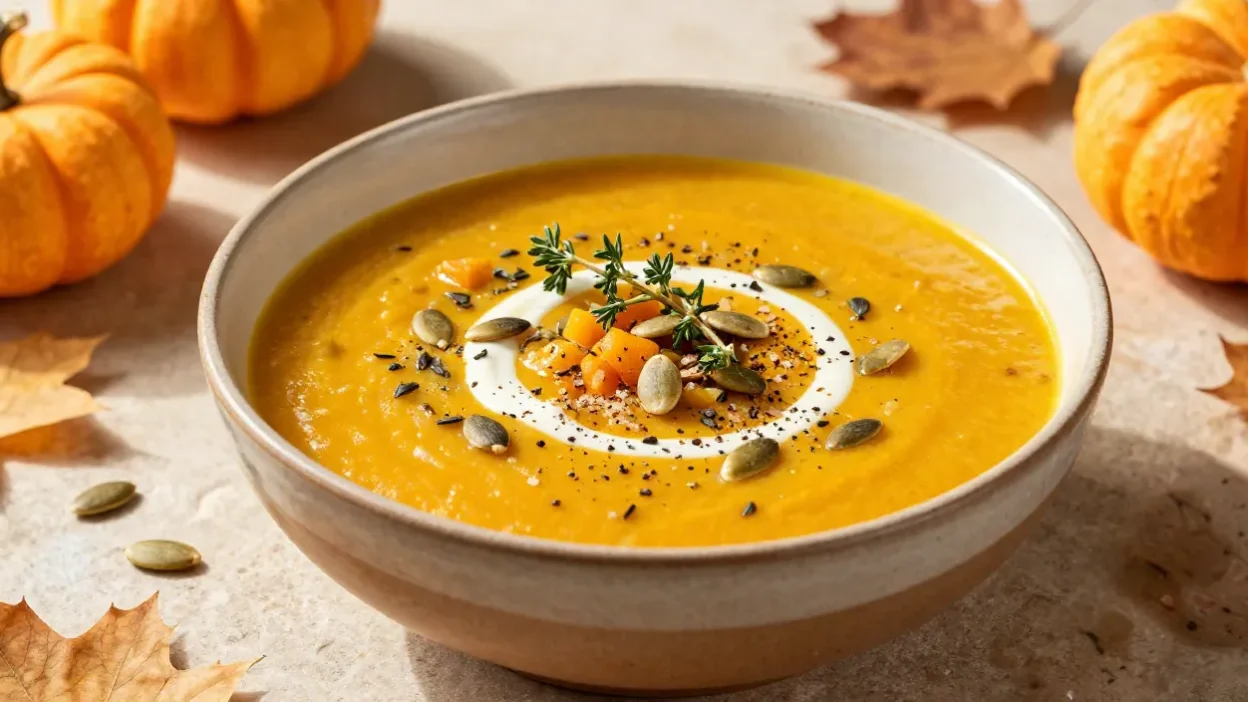
There are some recipes that taste good.
And then there are recipes that completely change the atmosphere of a day.
Pumpkin wild rice soup belongs firmly in the second category.
The first thing people usually notice isn’t the flavor. It’s the smell. Long before the soup reaches the table, the kitchen begins filling with the aroma of onions softening in butter, garlic warming in the pot, herbs releasing their fragrance, and pumpkin slowly blending into the broth. Little by little, the entire house starts feeling warmer.
I’ve always thought soups have a unique ability to slow people down.
Most meals are prepared quickly, eaten quickly, and forgotten surprisingly quickly afterward. Soup behaves differently. It simmers. It asks for patience. The aroma develops gradually, and by the time dinner is ready, people have usually wandered into the kitchen several times asking how much longer it needs.
This particular soup feels especially comforting because it combines several textures that rarely appear together in the same bowl. The pumpkin creates a silky, velvety base that coats every spoonful. The wild rice adds substance and a pleasant chewiness that keeps the soup from feeling too smooth. Vegetables soften into the broth while herbs bring freshness that prevents everything from becoming too rich.
The result lands somewhere between a cozy autumn soup and a genuinely satisfying dinner.
That’s important because some pumpkin soups can feel more like an appetizer than a complete meal. They’re delicious for the first few spoonfuls but don’t always leave you feeling fully satisfied. Wild rice changes that immediately. It gives the soup enough substance to stand on its own without losing the comforting qualities that make pumpkin soup so appealing in the first place.
What I like most is how adaptable the experience becomes depending on the day.
On a rainy afternoon, it feels like comfort food. On a cold winter evening, it feels almost restorative. Serve it with warm bread and it suddenly becomes the kind of meal people linger over much longer than expected. The bowl empties slowly. Conversations stretch out. Someone inevitably goes back for another ladleful while clearing the table.
And honestly, that’s usually a good sign.
The recipes people remember aren’t always the most impressive ones. They’re often the meals that happen to appear at exactly the right moment.
Pumpkin wild rice soup has that quality.
It’s the kind of meal that seems to arrive precisely when people start craving something warm, substantial, and reassuring. Not fancy. Not complicated. Just deeply satisfying in a way that many modern recipes don’t even try to be anymore.
🌾 Why wild rice changes the personality of the soup
Without wild rice, this would still be a very good pumpkin soup.
With wild rice, it becomes something else entirely.
The rice changes both the texture and the rhythm of the meal. Traditional pumpkin soups are often smooth and elegant, but they can occasionally leave you wanting something more substantial. Wild rice solves that problem naturally.
Unlike ordinary white rice, wild rice keeps its shape during cooking. The grains slowly expand, split open slightly, and develop that distinctive texture people immediately recognize. Instead of disappearing into the soup, the rice remains present in every spoonful, creating little pockets of texture throughout the bowl.
And that’s important.
Because pumpkin itself is naturally soft. The vegetables become soft. The broth becomes creamy. Without some contrast, the entire bowl can start feeling one-dimensional after several bites.
Wild rice provides exactly the kind of contrast the soup needs.
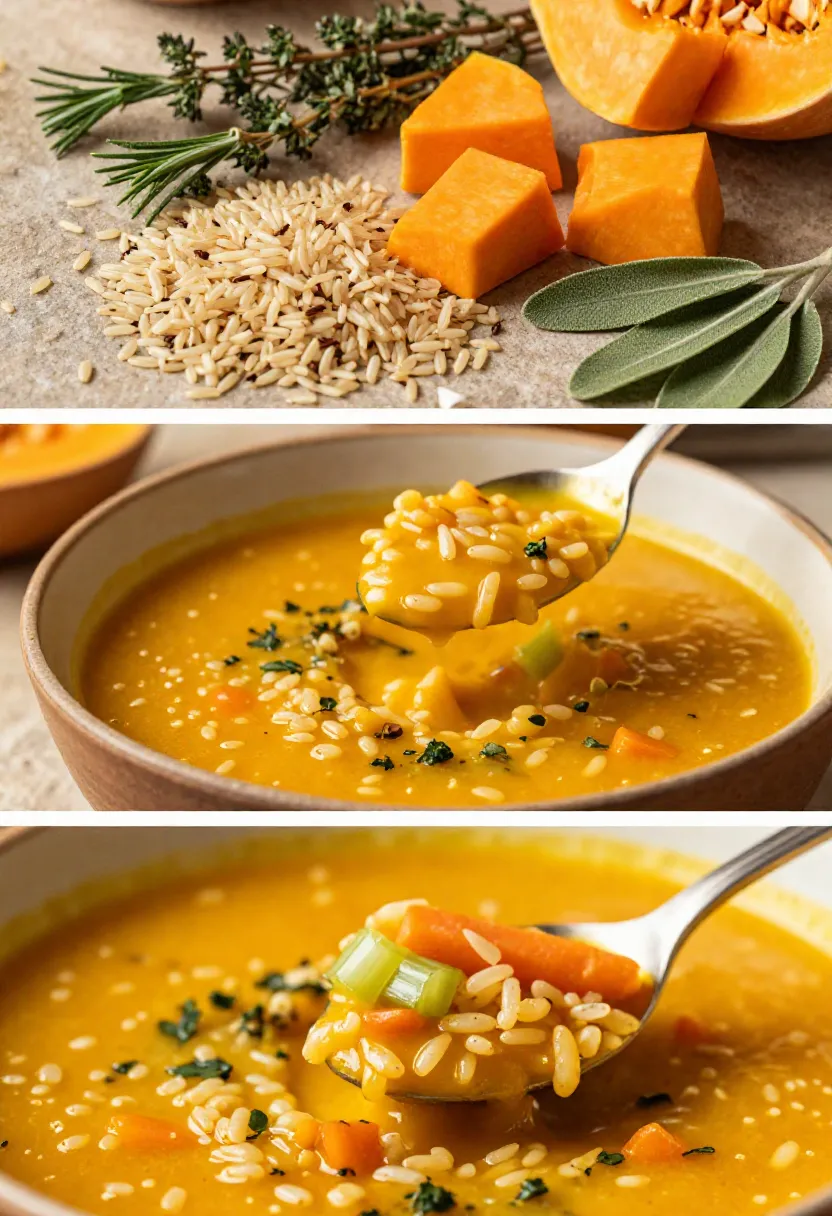
It also contributes a slightly earthy flavor that works surprisingly well with pumpkin. Neither ingredient competes for attention. Instead, they balance each other naturally. The pumpkin brings sweetness and creaminess while the rice contributes nuttiness and structure.
| Ingredient | Flavor contribution | Texture contribution | Why it matters |
|---|---|---|---|
| Pumpkin | Sweet, earthy richness | Smooth and velvety | Creates the soup’s base |
| Wild rice | Nutty, earthy notes | Chewy and substantial | Adds body and contrast |
| Onion & garlic | Savory depth | Soft texture | Build the foundation of flavor |
| Herbs | Fresh aromatic notes | Blend into the broth | Keep the soup balanced |
Texture plays a larger role here than many people realize.
Think about the most memorable soups you’ve eaten. They usually aren’t memorable because of one ingredient. They’re memorable because every spoonful feels slightly different. A little rice here. A piece of vegetable there. A burst of herb flavor in the next bite.
This soup creates exactly that kind of experience.
The rice prevents the bowl from becoming repetitive. It keeps your attention. Every spoonful contains enough variation to stay interesting all the way to the bottom.
And honestly, once you’ve tried pumpkin soup with wild rice, many traditional versions start feeling a little incomplete by comparison.
🧡 Autumn flavors that somehow work all year long
Pumpkin has become so closely connected with autumn that it’s easy to forget how versatile it actually is.
The moment September arrives, pumpkin suddenly appears everywhere. Coffee shops start advertising seasonal drinks. Bakeries fill display cases with pumpkin muffins and breads. Grocery stores stack cans of pumpkin purée near the entrances as if they’re preparing for some kind of annual migration.
And honestly, it’s not difficult to understand why.
Pumpkin has a unique ability to make food feel comforting almost immediately. Part of that comes from its color. Bright orange ingredients naturally create a sense of warmth before anyone even takes a bite. But the flavor plays an equally important role. Pumpkin brings a gentle sweetness that feels familiar without becoming overwhelming. It doesn’t dominate a dish the way stronger vegetables sometimes can. Instead, it creates a foundation that allows other ingredients to shine alongside it.
That’s exactly what happens in this soup.
The pumpkin provides the creamy base, but the wild rice, vegetables, herbs, and broth gradually build layers of flavor around it. Nothing feels out of place. Nothing feels unnecessary. Every ingredient contributes something that helps the bowl feel complete.
I’ve always thought that recipes become truly valuable when they fit into different moments throughout the year.
Some foods belong exclusively to a season. Watermelon rarely feels appealing during a snowstorm. A heavy beef stew doesn’t always sound ideal during a heatwave. But pumpkin wild rice soup somehow manages to move beyond those limitations.
Of course it feels perfect during autumn.
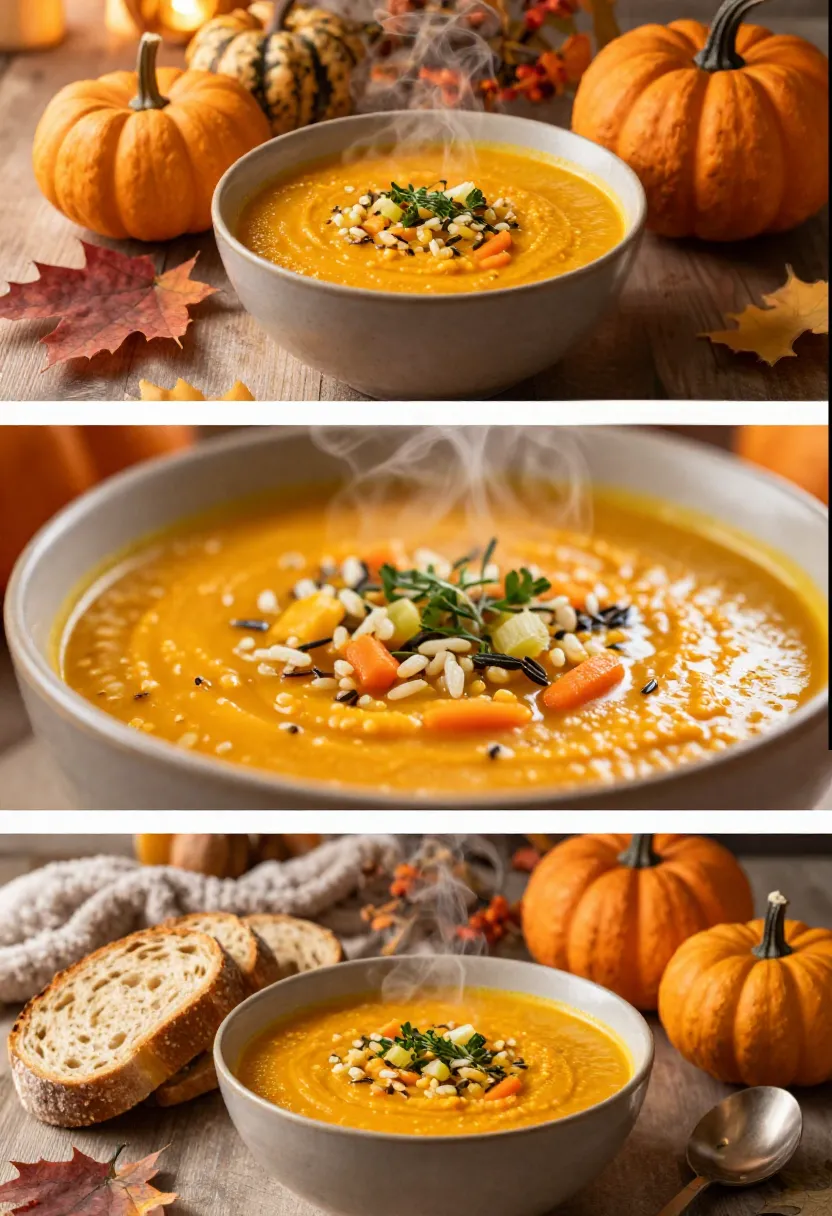
Serve a bowl on a cool October evening while leaves are collecting outside and the pairing feels almost inevitable. The soup practically belongs in that setting. Yet I’ve also made similar soups in January when everything outside looked gray and frozen, and the result felt equally appropriate.
The appeal changes slightly depending on the weather.
During autumn, the soup feels seasonal and comforting. During winter, it becomes something warmer and more substantial. It shifts from being a celebration of the season to becoming a form of comfort against it.
And maybe that’s part of the reason recipes like this last so long.
They’re flexible.
Some people stir cream into the broth for extra richness. Others leave it dairy-free and allow the pumpkin flavor to stay more prominent. Some add mushrooms for deeper earthy notes. Others increase the herbs or vegetables depending on what happens to be in the refrigerator that week.
The soup welcomes those changes surprisingly well.
In fact, I think many of the best home recipes share that quality. They provide structure without demanding perfection. They allow people to adapt them naturally over time until the recipe begins feeling like their own version rather than somebody else’s instructions.
Pumpkin wild rice soup fits comfortably into that category.
You can follow the recipe exactly and end up with a wonderful meal. Or you can make small adjustments, experiment with ingredients, and gradually shape it around your own preferences.
Either way, the result remains remarkably satisfying.
And when the weather starts turning colder, that’s usually all most people are looking for. A meal that fills the kitchen with good smells, warms your hands through the bowl, and somehow makes the evening feel a little more comfortable than it did before dinner started. 🎃🍂🧡
👩🍳 Pumpkin wild rice soup recipe
Pumpkin wild rice soup is one of those recipes that somehow manages to feel both nourishing and indulgent at the same time. The pumpkin creates a rich, velvety broth that feels smooth and comforting, while the wild rice adds enough texture and substance to turn the soup into a complete meal rather than a simple starter.
What makes this soup especially satisfying is the contrast between its different elements. The pumpkin brings natural sweetness and a silky consistency. The vegetables slowly soften as they cook, adding depth and savoriness throughout the broth. Meanwhile, the wild rice remains pleasantly chewy, creating little bursts of texture in every spoonful. Instead of blending into a uniform puree, the ingredients maintain their own character while still feeling connected.
Another reason this soup has become such a favorite during colder months is the way it fills the kitchen with aroma while it cooks. The scent starts with onions and garlic, then gradually develops as herbs, broth, and pumpkin come together in the pot. By the time the rice is tender, the entire house smells like dinner.
I’ve always thought soups like this feel particularly generous. One large pot can feed a family, provide leftovers for the next day, and somehow taste even better after a night in the refrigerator. The flavors continue developing as they rest, making the second bowl every bit as enjoyable as the first.
The recipe also adapts beautifully to different preferences. Some people prefer it thick and almost stew-like. Others add extra broth for a lighter consistency. A splash of cream creates additional richness, while leaving it out allows the pumpkin and herbs to remain more prominent. Either approach works well because the foundation of the soup is already strong.
Whether served on a rainy autumn afternoon, a snowy winter evening, or simply whenever comfort food sounds appealing, pumpkin wild rice soup has a way of making dinner feel a little more relaxed and a lot more satisfying.
Ingredients
For the soup
- 2 tablespoons butter or olive oil
- 1 medium yellow onion, diced
- 2 medium carrots, diced
- 2 celery stalks, diced
- 4 cloves garlic, minced
- 1 teaspoon dried thyme
- 1 teaspoon dried rosemary
- 1 teaspoon rubbed sage
- 6 cups vegetable or chicken broth
- 1 cup uncooked wild rice blend
- 2 cups pumpkin purée
- 1 bay leaf
- 1 teaspoon salt, or to taste
- ½ teaspoon black pepper
- 1 cup milk or heavy cream
- 2 tablespoons fresh parsley, chopped
Optional toppings
- toasted pumpkin seeds
- extra cracked black pepper
- fresh parsley
- grated Parmesan cheese
- crusty bread for serving
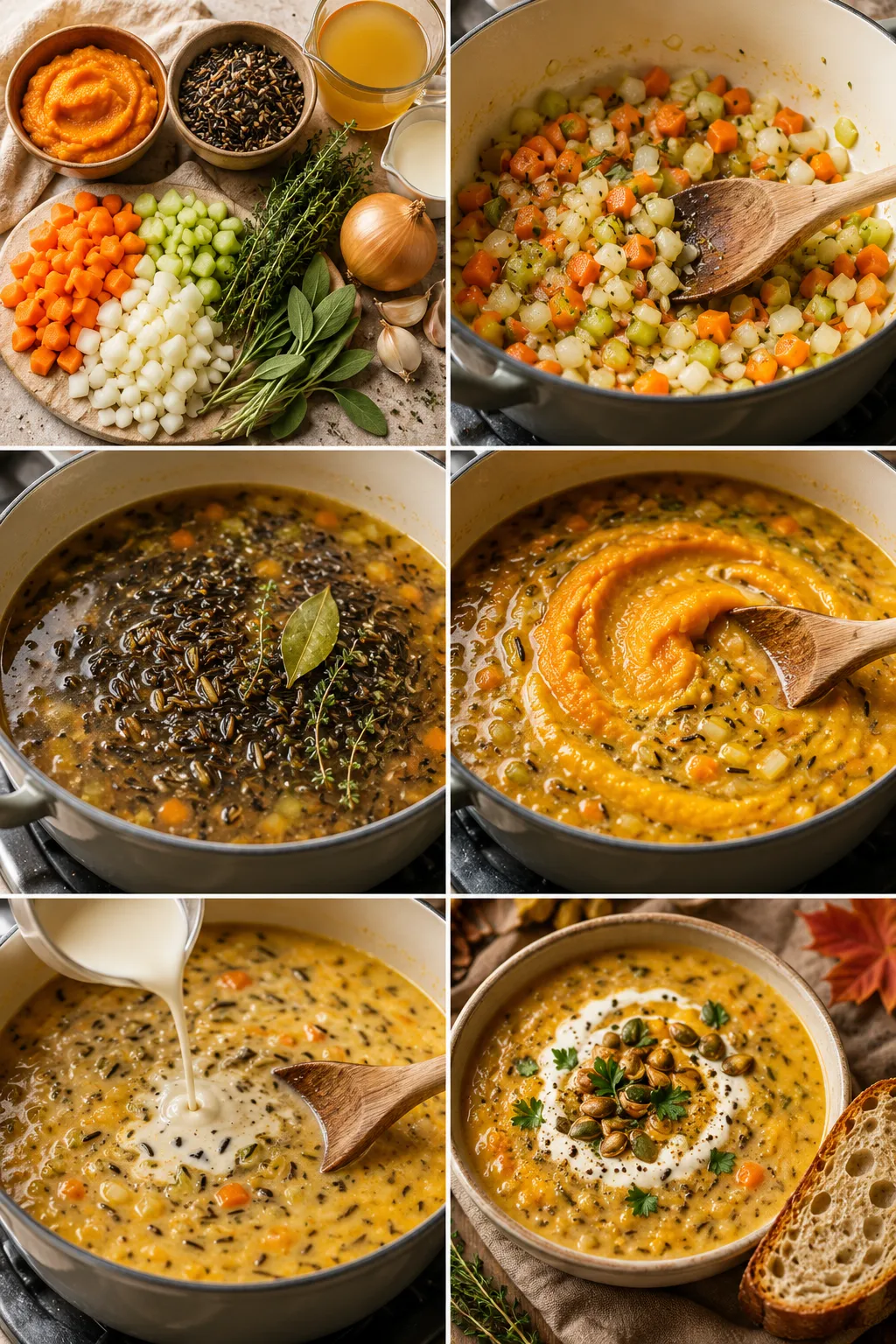
🔥 Step-by-step cooking instructions
🥄 Small cooking tips that make a difference
- Wild rice blends cook at different speeds, so start checking for tenderness around the 40-minute mark.
- The soup often tastes even better the following day after the flavors have had time to develop.
- For a thicker consistency, let the soup simmer uncovered for a few extra minutes before adding cream.
- For extra richness, substitute part of the milk with heavy cream.
- Mushrooms, kale, or spinach make excellent additions if you’d like to add more vegetables.
- A squeeze of lemon juice right before serving can brighten the entire bowl surprisingly well.
- Always keep extra broth nearby when reheating leftovers, as the rice continues absorbing liquid during storage. 🎃🍂🥣
🍞 The best things to serve alongside a bowl of pumpkin wild rice soup
A good soup can easily stand on its own, but there’s something about pumpkin wild rice soup that seems to invite a few extras to the table. Maybe it’s because the broth is rich and creamy without becoming overly heavy. Maybe it’s because the wild rice already gives the soup enough substance to feel like a complete meal while still leaving room for something else alongside it.
Bread is usually the first thing people think of, and honestly, it’s hard to argue with that choice.
A thick slice of crusty sourdough, a warm baguette, rosemary focaccia, or even a simple loaf of whole-grain bread works beautifully here. The soup has just enough creaminess that every piece of bread quickly becomes an excuse to soak up a little more broth from the bottom of the bowl. I’ve even seen people abandon their spoons entirely during the last few bites and simply use bread instead.
The contrast between the crispy crust and the silky pumpkin broth feels especially satisfying.
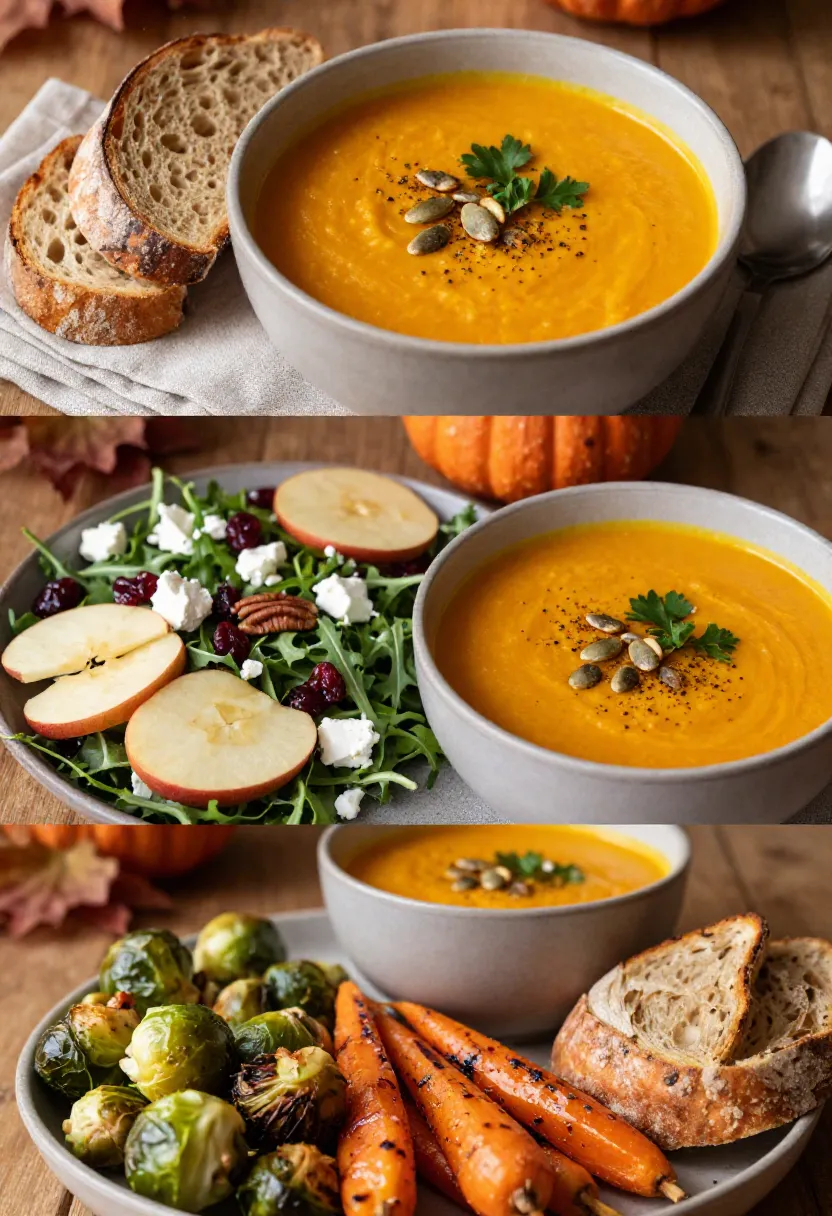
If you’re looking for something lighter, a simple salad works surprisingly well too. The soup already provides warmth, richness, and plenty of comforting flavors, so crisp greens dressed with a bright vinaigrette create balance without competing for attention. Peppery arugula, sliced apples, dried cranberries, toasted pecans, or a little crumbled goat cheese all fit naturally alongside the autumn flavors already present in the soup.
Roasted vegetables make another excellent companion.
Brussels sprouts, carrots, cauliflower, or sweet potatoes bring caramelized flavors that echo the natural sweetness of the pumpkin. The slightly crispy edges add texture while keeping the meal firmly rooted in the same cozy seasonal mood.
Some pairings that work especially well include:
- crusty sourdough bread
- rosemary focaccia
- apple and arugula salad
- roasted Brussels sprouts
- cheddar biscuits
- Parmesan crisps
- toasted pumpkin seeds
- roasted sweet potatoes
I’ve always liked how these kinds of meals encourage people to linger at the table a little longer. The soup stays warm, the bread basket gradually empties, and somebody inevitably decides they have room for “just one more piece” even after claiming they were completely full.
And honestly, if the weather outside is particularly cold, a second bowl is often the best side dish of all.
Pumpkin wild rice soup has a habit of making people reconsider whether they were actually full after finishing the first serving. 🎃🥣🍞
🍄 Small changes that completely transform the soup
One of my favorite things about this recipe is how adaptable it becomes once you’ve made it a few times.
The foundation remains the same — pumpkin, vegetables, broth, herbs, and wild rice — but small adjustments can completely change the personality of the finished dish. Sometimes those changes happen intentionally because you’re craving something different. Other times they happen because you’re trying to use what happens to be sitting in the refrigerator before your next grocery trip.
Both approaches usually lead somewhere delicious.
Mushrooms are probably my favorite addition. Their earthy flavor feels like it was designed specifically to sit beside pumpkin and wild rice. As they cook, they deepen the savory notes of the broth and make the soup feel even more substantial. Cremini mushrooms work beautifully, but wild mushrooms can make the entire pot feel a little more special.
Greens work well too.
A handful of kale stirred in during the final few minutes adds color, texture, and freshness. Spinach softens almost immediately and disappears into the broth while still bringing a little brightness to every spoonful. Neither ingredient dramatically changes the soup, but both help balance the richness.
Protein can transform the soup even further.
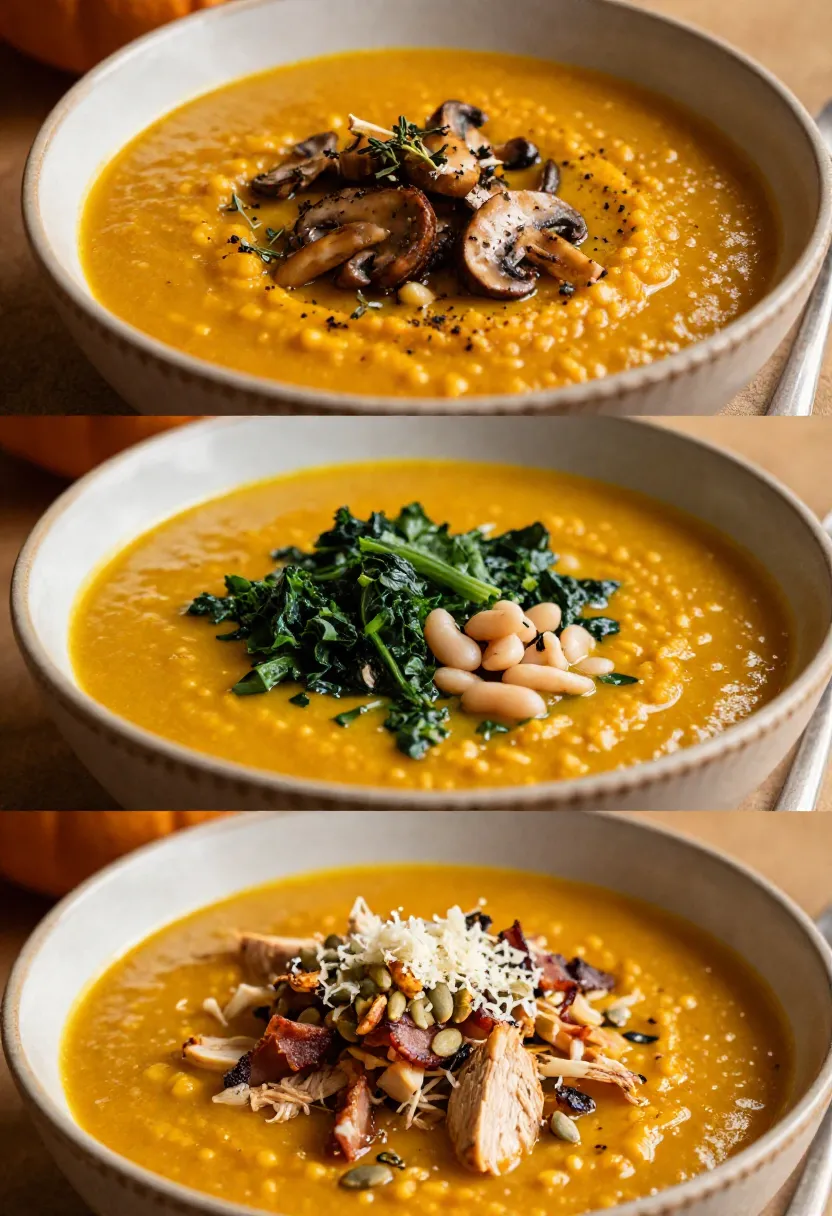
Shredded chicken turns it into an especially hearty dinner. White beans add creaminess and keep the recipe vegetarian. Leftover turkey works beautifully as well, which is one reason versions of this soup often find their way onto tables after holiday gatherings.
A few easy variations worth trying:
- sautéed mushrooms
- baby spinach
- chopped kale
- shredded chicken
- white beans
- smoked paprika
- grated Parmesan
- crispy bacon
- extra sage
- roasted garlic
The herbs deserve special attention too.
Pumpkin soups can handle more seasoning than people sometimes expect. An extra pinch of thyme changes the aroma immediately. Sage deepens the autumn character of the dish. Rosemary adds a woodsy note that feels especially comforting during colder months.
I’ve also found that a small finishing touch can completely change the experience. A spoonful of cream swirled across the surface. A scattering of pumpkin seeds. A little grated Parmesan. Fresh cracked pepper. None of these additions take more than a minute, but they make the bowl feel finished.
And honestly, that’s usually the sign of a recipe worth keeping.
You can make it exactly the same every time and enjoy it. Or you can adapt it depending on the season, your pantry, or simply whatever sounds good that day.
Either way, the soup rarely disappoints.
✨ Why soups like this become part of people’s routines
Food memories are funny.
Years from now, most people won’t remember exactly how many cups of broth went into the pot or whether the rice simmered for forty minutes or forty-five. That’s rarely the part that stays.
What people tend to remember is everything surrounding the meal.
They remember coming inside after being out in the cold and smelling dinner before they even took off their coat. They remember carrying a warm bowl to the couch while rain tapped softly against the windows. They remember family members wandering into the kitchen asking if the soup was ready yet because the smell had already filled the entire house.
Pumpkin wild rice soup feels especially connected to those kinds of moments.
Partly because it takes time to cook. The aroma builds gradually rather than appearing all at once. The vegetables soften slowly. The herbs release their fragrance little by little. The rice expands and opens as it simmers. By the time dinner finally reaches the table, the anticipation has already become part of the experience.
I’ve always thought soups create a different atmosphere than most meals.

People tend to eat them more slowly. Conversations last longer. Second helpings happen more often. The meal feels less rushed somehow. Maybe it’s because a hot bowl naturally encourages people to slow down. Maybe it’s because soup feels comforting in a way that’s difficult to explain but immediately recognizable.
There is also something reassuring about recipes that don’t demand perfection.
The vegetables don’t need to be cut with absolute precision. The rice doesn’t have to be measured down to the last grain. If the soup ends up slightly thicker one day and slightly thinner the next, nobody really minds. In fact, those small differences often make homemade cooking feel more personal.
And that’s probably another reason soups like this survive for years.
They fit into real life.
They work on busy weeknights when people want something simple. They work on slow Sundays when the soup can simmer all afternoon. They work during autumn when pumpkin feels seasonal and during winter when everybody starts craving comfort food on a regular basis.
Eventually, without anybody consciously deciding it should happen, the recipe becomes part of the routine.
Someone requests it when the weather turns cold. Someone else asks whether there’s enough left for lunch tomorrow. A pot appears on the stove a few times each year and gradually becomes associated with a particular season, a certain smell, or a familiar feeling of comfort.
Honestly, those are usually the recipes worth holding onto.
Not because they’re trendy.
Not because they’re complicated.
Because they reliably make ordinary evenings feel warmer, quieter, and just a little more enjoyable than they were before dinner started. 🎃🍂🥣✨