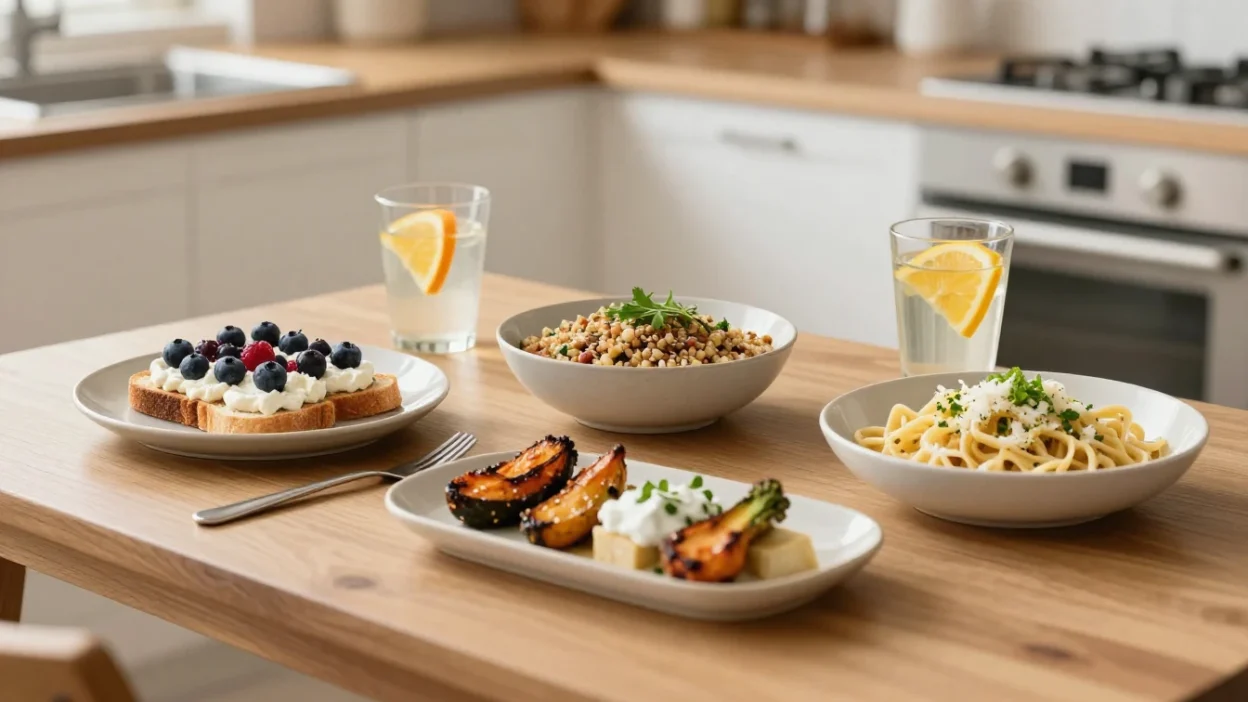
Some meals do their job and nothing more. They fill you up, keep the day moving, and land on the table without much thought. A bowl of oatmeal. A basic sandwich. Plain roasted vegetables. Pasta with the same sauce you’ve made ten times already. There’s nothing wrong with these foods, but after a while, they can start to feel a little tired.
That’s usually not because you suddenly stopped liking them. It’s because your senses love contrast, surprise, and small moments of pleasure. A squeeze of lemon over warm vegetables. A spoonful of chili crisp on eggs. Crunchy seeds over yogurt. Fresh herbs scattered over soup right before you eat. Tiny changes like these can wake up familiar food in a way that feels almost unfairly easy.
The good news is that making everyday meals more exciting does not mean turning your kitchen into a restaurant or adding complicated steps to a busy day. Most of the time, the difference between a forgettable meal and one you actually enjoy comes down to one smart touch: more texture, more balance, more freshness, or a little deeper flavor.
If you’ve been stuck in a cooking rut, this is where things get easier. You do not need a whole new menu. You just need a better way to work with the foods you already make.
Why Everyday Meals Start to Feel Boring

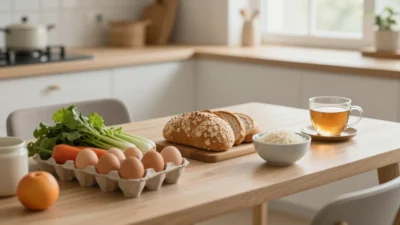
There’s a special kind of disappointment that comes from opening the fridge, seeing perfectly good ingredients, and still feeling uninspired. You have bread, eggs, yogurt, rice, vegetables, maybe some cooked chicken from yesterday — enough to make a meal, but not enough to make you excited about it. So you fall back on the same familiar combination, eat it quickly, and move on.
That feeling is incredibly common. It does not mean you are bad at cooking, lazy, or “doing food wrong.” It usually just means your meals have slipped into autopilot.
The quiet routine of making the same foods on repeat
Most people build their meals around convenience. That makes sense. On busy weekdays, you reach for what is easy, affordable, and already part of your rhythm. You make the same toast in the morning, the same salad at lunch, the same chicken and rice at dinner. At first, that kind of routine feels helpful. It removes decision fatigue.
But eventually, repetition starts to flatten the experience.
You may still like the ingredients themselves, yet the meal no longer gives you that small sense of pleasure that makes eating feel satisfying. It becomes something you check off instead of something you enjoy.
Why flavor fatigue happens even when you like the food
Your brain notices contrast. It likes when something is warm and crisp, creamy and bright, savory with a little acidity. When meals stay too similar for too long, they can start to feel dull — not because the food is bad, but because there is nothing new for your senses to respond to.
That is where flavor fatigue creeps in.
A plain bowl of oatmeal may be comforting once or twice, but after the fifth time in the same form, it loses its charm. The same goes for grilled chicken without a finishing sauce, steamed vegetables without texture, or pasta that tastes soft, salty, and one-note.
Often, what is missing is not effort. It is one of these simple things:
- Brightness, like lemon juice or vinegar
- Texture, like toasted nuts or crispy breadcrumbs
- Depth, like herbs, cheese, roasted garlic, or spices
- Contrast, like sweet with salty or creamy with crunchy
When those elements are absent, meals can taste flat even when the ingredients are perfectly fine.
The good news: small changes can make a big difference
This is the part that makes everyday cooking feel a lot less overwhelming: you do not need to reinvent your meals from scratch.
You do not need a different breakfast every single day. You do not need to learn ten new dinner recipes this week. You do not need a cabinet full of expensive specialty ingredients.
What you need is a new way of looking at familiar food.
Instead of asking, What else can I cook? it often helps to ask:
- What can I add for crunch?
- What would make this taste fresher?
- Does this need something creamy, spicy, or bright?
- What one small touch would make this feel more complete?
That shift changes everything. Suddenly, toast is not just toast — it is toast with ricotta, honey, and crushed pistachios. Rice is not just rice — it is rice with lime, herbs, and crispy shallots. Soup is not just soup — it is soup with a swirl of yogurt and chili oil.
And that is how ordinary food starts becoming food you actually look forward to eating again.
The Easiest Way to Upgrade Food Is to Change Just One Thing
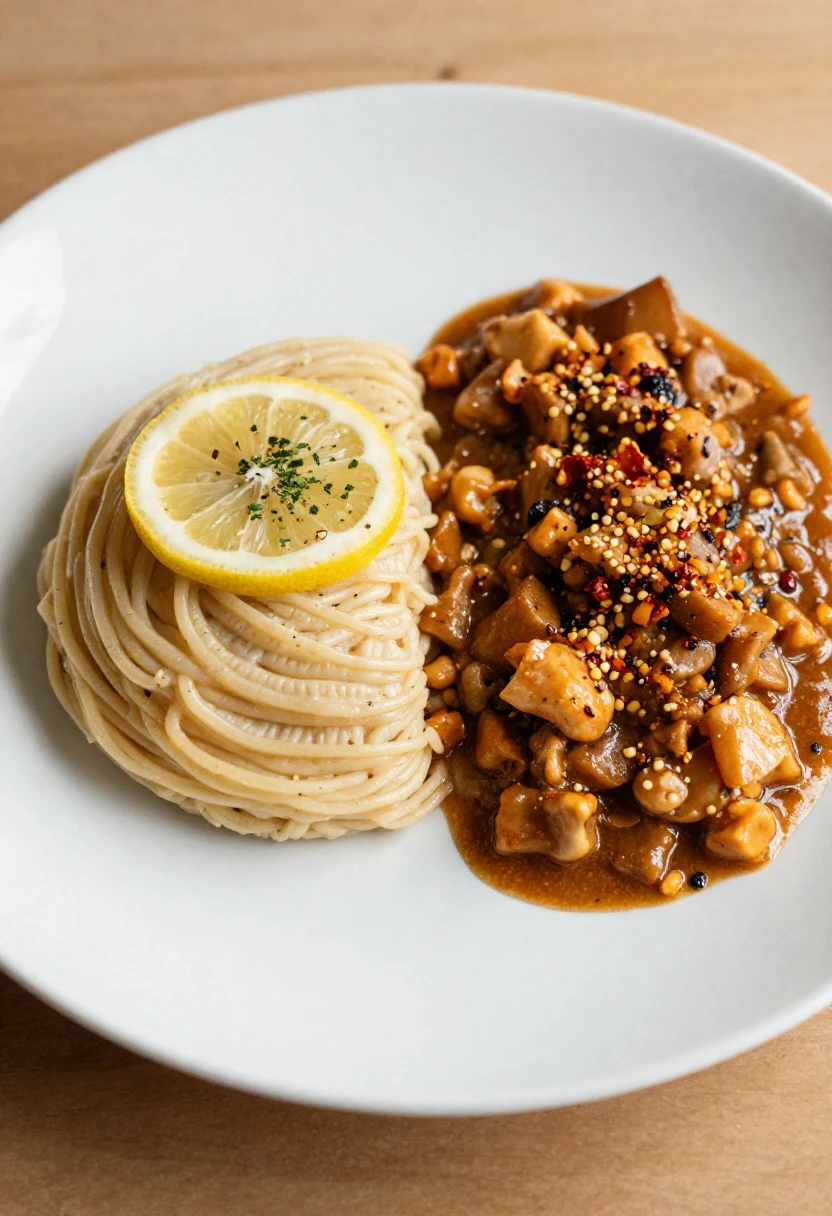
One of the biggest mistakes people make when they want food to feel more exciting is assuming they need a full reset. New recipes. New groceries. New meal plans. A completely different way of cooking.
In real life, that usually lasts about three days.
What works better is much simpler: change just one thing.
That one thing might be a topping, a sauce, a fresh herb, a different texture, or a small contrast that makes the whole plate come alive. It is a tiny shift, but it changes how the food lands. Suddenly, a meal you were barely in the mood for feels more thoughtful, more complete, and a lot more satisfying.
Add a new flavor note: citrus, spice, herbs, or a little heat
Sometimes a meal is not boring because it lacks substance. It is boring because it tastes flat.
This is where a single flavor boost can do a surprising amount of work. A squeeze of lemon over roasted vegetables can make them feel brighter and fresher. Fresh dill can wake up potatoes or eggs. Chili flakes can turn a mild pasta dish into something with personality. Even a spoonful of mustard stirred into a dressing can make lunch taste sharper and more alive.
A few easy examples:
- Lemon or lime for brightness
- Fresh herbs for freshness and aroma
- Chili crisp or hot sauce for warmth and edge
- Smoked paprika or cumin for depth
- Honey or maple syrup for gentle sweetness in dressings or glazes
These are not dramatic changes, but that is exactly why they work so well. They fit into everyday life.
Change the texture: crunchy, creamy, crisp, or melty
Texture is often the thing people forget, even though it can completely change how food feels to eat.
Think about the difference between plain yogurt and yogurt topped with granola and berries. Or soup with nothing on top compared with soup finished with toasted seeds and a swirl of cream. The ingredients may be almost the same, but the experience is not.
When a meal feels too soft, too uniform, or too predictable, texture brings it back to life.
A few easy ways to add it:
- Crunchy: toasted nuts, seeds, crispy onions, breadcrumbs, crackers
- Creamy: yogurt, avocado, hummus, soft cheese, tahini
- Crisp and fresh: cucumber, celery, radish, shredded cabbage
- Melty and rich: grated cheese, warm butter, soft scrambled eggs
Even something as basic as roasted vegetables becomes more interesting when you add creamy feta or crunchy almonds right before serving.
Use contrast to make familiar meals feel new again
Great everyday food often comes down to contrast. That is what keeps each bite from feeling one-dimensional.
A little sweet with something salty. Something warm next to something cool. A creamy base with a crisp topping. Rich food balanced with acid. These pairings feel satisfying because they give your senses more to notice.
You can see it in simple combinations like:
- Toast with ricotta and jam
- Oatmeal with banana and salted peanut butter
- Roasted carrots with yogurt and chili oil
- A turkey sandwich with sharp mustard and crunchy lettuce
- Rice bowls with warm grains, fresh herbs, and pickled onions
These meals are not complicated. They just have balance.
Why tiny upgrades feel more realistic than full recipe overhauls
Most people do not need more ambitious weeknight cooking. They need cooking that feels manageable and still gives a little pleasure.
That is why small upgrades matter so much. They respect your time, your budget, and your energy. You can still make the same eggs, the same pasta, the same soup, the same sandwich. You are not replacing your routine. You are improving it.
And that is a much more sustainable kind of change.
Because once you start thinking this way, you stop asking, What should I cook now? and start asking, What would make this better?
That question is smaller, easier, and often much more useful. It is also the reason simple food begins to feel less repetitive and much more like something you chose with care.
Everyday Ingredients That Instantly Make Food Taste Better
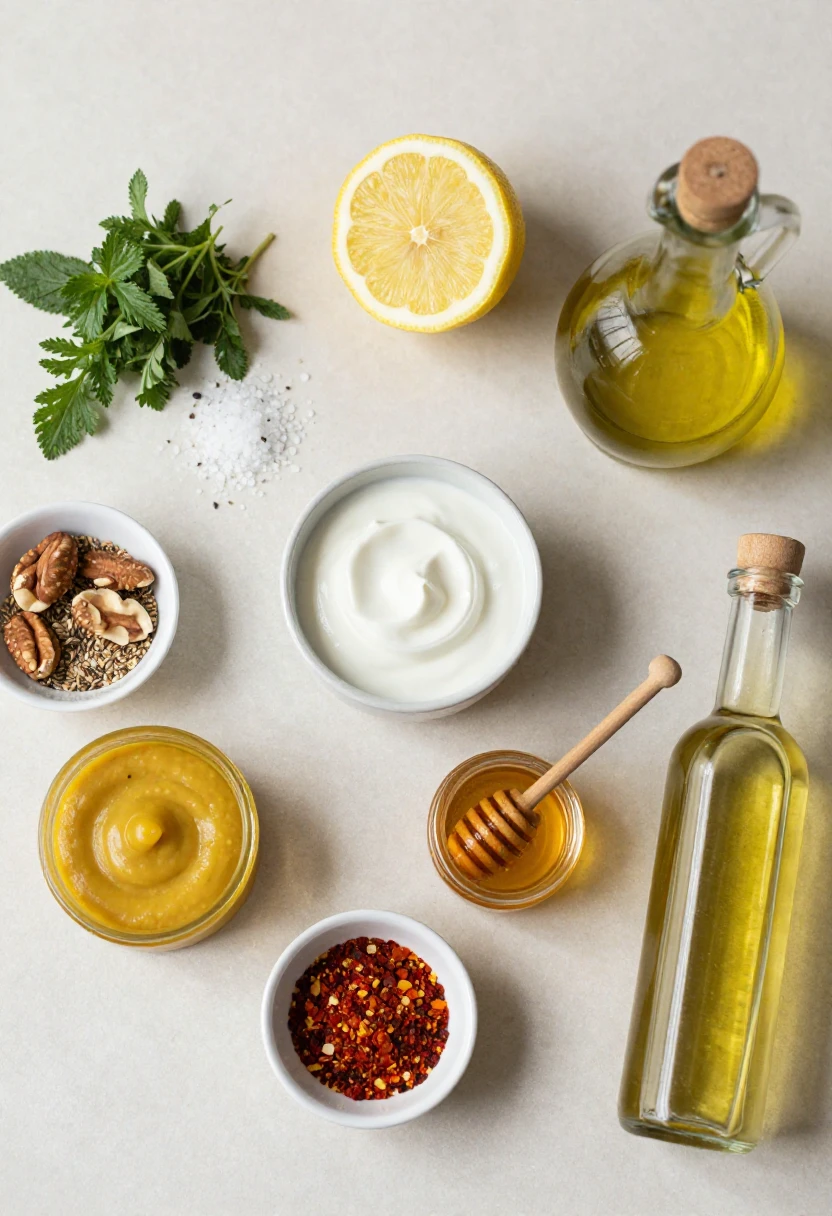
You do not need a gourmet pantry to make simple meals feel more interesting. In fact, some of the most useful upgrades are the kind of ingredients that take almost no effort at all. They sit quietly in the fridge, cupboard, or spice drawer until a plain meal needs a little help.
These ingredients are not there to complicate dinner. They are there to give it more life, more balance, and more personality.
Fresh herbs, lemon zest, and flavored salts
Freshness has a way of making food feel more awake.
A heavy or familiar meal can suddenly taste lighter and brighter with a handful of chopped parsley, dill, basil, cilantro, or green onion. Lemon zest does something similar. It adds fragrance and lift without making food wet or sharp in the way lemon juice sometimes can. Even a pinch of flaky salt with garlic, herbs, or citrus can make a finished dish taste more intentional.
These are the kinds of finishing touches that make food feel less flat:
- Parsley on potatoes, soup, rice, or roasted vegetables
- Dill with eggs, cucumbers, yogurt sauces, or salmon
- Basil on pasta, tomatoes, sandwiches, or beans
- Lemon zest over oatmeal, yogurt, pasta, or roasted broccoli
- Flaky or flavored salt on toast, eggs, avocado, or sliced tomatoes
It is a small move, but it changes the mood of the plate. A bowl of plain rice with herbs and lemon zest feels far more alive than rice left untouched.
Toasted nuts, seeds, and crunchy toppings
When food tastes dull, texture is often the missing piece.
That is why crunchy toppings are so useful. They create contrast, make soft foods more satisfying, and turn simple meals into something that feels layered instead of flat. Toasted almonds on green beans, sunflower seeds on salad, crushed pistachios on yogurt, crispy onions on soup — each one adds a little crackle that wakes the whole dish up.
A few easy choices to keep around:
- Toasted almonds or walnuts for vegetables, salads, oatmeal, or grain bowls
- Pumpkin or sunflower seeds for yogurt, soups, and roasted vegetables
- Sesame seeds for rice, noodles, eggs, or cucumber salads
- Crispy onions or shallots for soups, mashed potatoes, casseroles, or sandwiches
- Toasted breadcrumbs for pasta, baked vegetables, or mac and cheese
These ingredients are especially helpful when a meal feels too soft, too creamy, or too predictable.
Cheese, yogurt, butter, and creamy finishing touches
Some foods do not need more seasoning. They need more richness.
Creamy ingredients can soften sharp flavors, add comfort, and make even a basic plate feel more complete. A spoonful of Greek yogurt on soup or roasted carrots. A little grated Parmesan over warm vegetables. A swipe of goat cheese on toast. A small pat of butter melting into rice or beans. These are simple touches, but they make food feel finished.
Useful creamy upgrades include:
- Greek yogurt for bowls, soups, baked potatoes, and dips
- Feta or goat cheese for vegetables, salads, eggs, and toast
- Parmesan for pasta, beans, greens, and roasted vegetables
- Avocado for sandwiches, grain bowls, eggs, and wraps
- Butter or olive oil to round out grains, vegetables, and warm breads
There is something deeply satisfying about the way creamy and soft elements settle into food. They make meals feel a little more generous, even when the ingredients are very simple.
Pantry boosters like mustard, honey, chili flakes, and vinegars
Some of the best food upgrades are already hiding in your pantry door.
Condiments and simple flavor boosters can rescue a meal in seconds. A little mustard can sharpen a dressing or make a sandwich taste fuller. Honey can round out bitterness or add contrast to salty foods. Chili flakes bring warmth without needing a whole spicy sauce. Vinegar adds the brightness that so many everyday meals are missing.
A few pantry heroes worth leaning on:
- Dijon or whole-grain mustard for dressings, sauces, sandwiches, and roasted vegetables
- Honey or maple syrup for bowls, glazes, yogurt, or balanced vinaigrettes
- Chili flakes or chili oil for eggs, pasta, soup, avocado toast, or roasted vegetables
- Balsamic, red wine vinegar, or apple cider vinegar for salads, lentils, greens, and grain bowls
- Soy sauce or tamari for rice, noodles, sautéed vegetables, and simple marinades
These ingredients work because they bring contrast. They add sharpness, sweetness, heat, or acidity — all the things that stop food from tasting tired.
Once you start using a few of these staples on purpose, everyday cooking feels easier. Not because you are doing more, but because you know exactly how to rescue a meal before it slips into bland territory.
How to Upgrade Breakfast Without Starting From Scratch
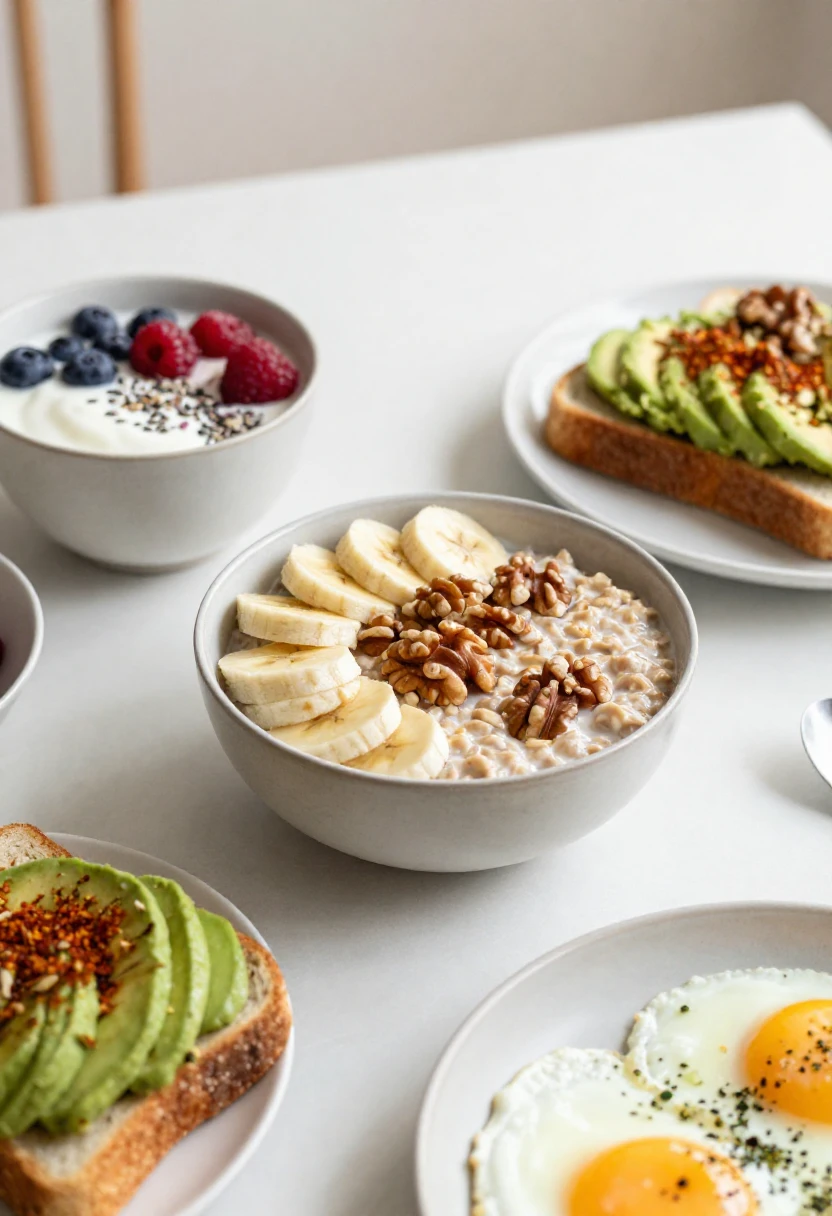
Breakfast is often the meal that becomes most automatic. You wake up, you are not fully in the mood to cook, and you reach for the same few things because they are fast and familiar. Toast. Eggs. Oatmeal. Yogurt. Maybe a smoothie if the morning feels rushed.
That routine can be helpful, but it can also make breakfast feel forgettable.
The good news is that breakfast responds beautifully to small upgrades. You do not need to suddenly start making elaborate brunches on a Tuesday morning. You just need one or two details that make the meal feel fresher, more balanced, or a little more enjoyable to sit down with.
Better oatmeal, yogurt bowls, and toast
These are some of the easiest breakfasts to improve because they already give you a solid base. What changes the experience is what you layer on top.
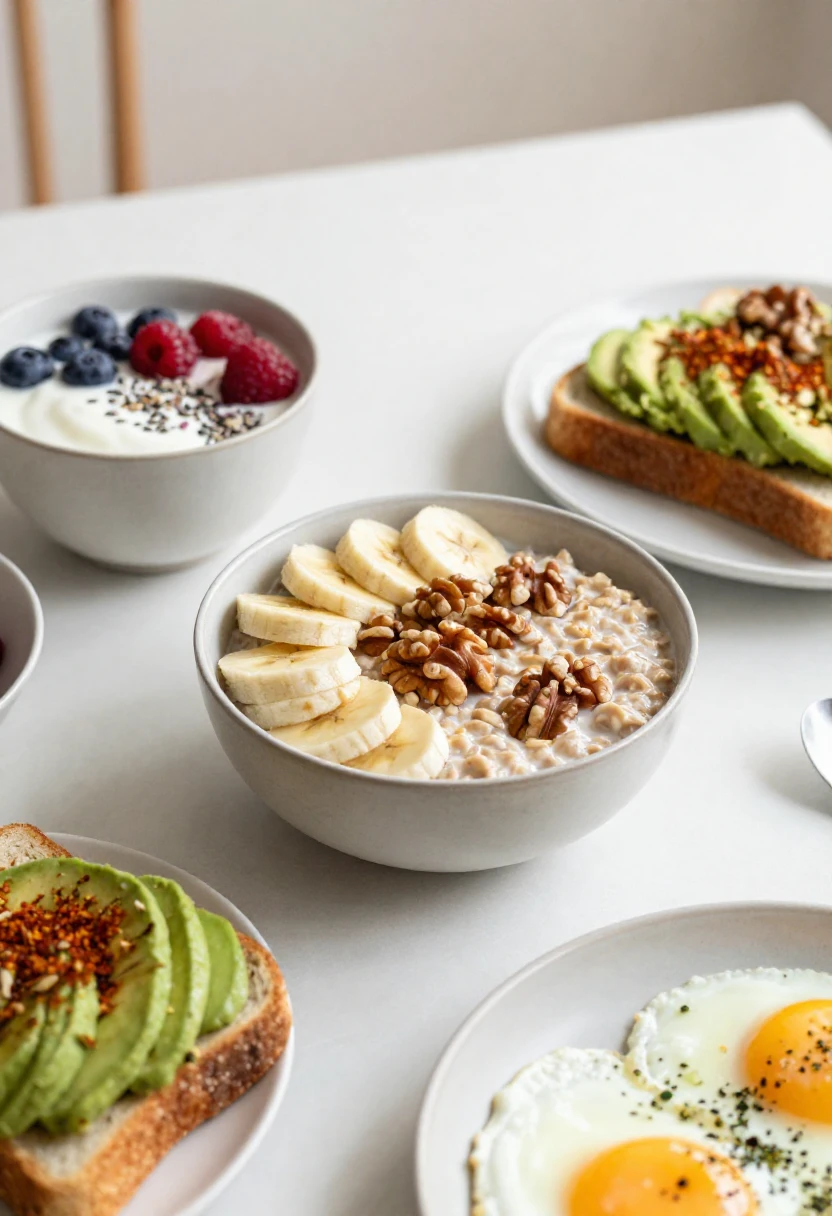
A plain bowl of oatmeal can feel heavy and bland on its own. But add sliced pear, cinnamon, and toasted walnuts, and it becomes warmer, softer, and more interesting. Yogurt can go from basic to satisfying with berries, pumpkin seeds, and a drizzle of honey. Toast becomes much more than toast when it gets a creamy spread, a crunchy topping, or something sweet and salty together.
A few easy combinations that work well:
- Oatmeal + banana + peanut butter + cinnamon
- Greek yogurt + berries + granola + chia seeds
- Toast + ricotta + honey + crushed pistachios
- Toast + avocado + chili flakes + lemon
- Yogurt + apple + walnuts + maple drizzle
These are still simple breakfasts. They just feel more complete.
Simple ways to make eggs feel less repetitive
Eggs are one of the most useful breakfast foods, but they are also one of the easiest to get tired of. Scrambled eggs every morning can start to feel like background noise.
That is where small changes help.
You can keep the eggs and change the mood around them. Add herbs. Add heat. Add something crunchy on the side or something creamy underneath. Even a different finishing touch can make the same eggs feel like a new breakfast.
Try upgrades like these:
- Soft scrambled eggs with chives and goat cheese
- Fried eggs over toast with chili crisp
- Boiled eggs with flaky salt and a yogurt-herb sauce
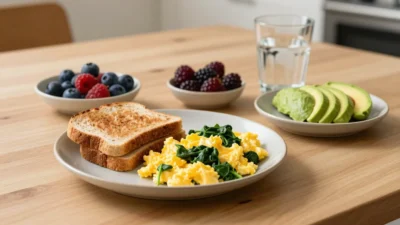
- Eggs with sautéed spinach and grated Parmesan
- Omelet with fresh herbs and a spoonful of salsa
Sometimes the change is not even in the eggs themselves. It is in what you pair with them. A few tomato slices with olive oil, roasted mushrooms, or a piece of toasted sourdough can make the plate feel much more satisfying.
Fruit, spice, and texture combinations that wake up the plate
Breakfast can taste flat when everything is soft, sweet, and one-note. A better breakfast usually includes some contrast.
That might mean adding fruit with a little acidity, a spice with warmth, or a topping with crunch. Blueberries alone are nice. Blueberries with lemon zest and crunchy seeds are more memorable. Toast with almond butter is good. Toast with almond butter, sliced strawberries, and a pinch of sea salt is better.
Useful breakfast boosters include:
- Cinnamon, nutmeg, or cardamom for warmth
- Citrus zest for brightness
- Pumpkin seeds, granola, or nuts for crunch
- Fresh fruit for juiciness and color
- A small pinch of salt to sharpen sweet flavors
These little details can turn a quiet breakfast into something that feels more intentional, even if it only took an extra minute.
A few quick breakfast pairings that feel special on ordinary mornings
Not every breakfast has to be healthy-looking in a polished, picture-perfect way. Sometimes what you really want is something comforting that still feels fresh and thoughtful.
A few pairings that do that well:
- Warm toast with butter, jam, and a little flaky salt
- Cottage cheese with pineapple, mint, and sunflower seeds
- Oatmeal with stewed apples and toasted pecans
- Yogurt with figs or berries and a drizzle of tahini
- Eggs with avocado toast and lemony greens
These meals do not ask much from you. They just prove that breakfast does not have to be brand new to feel good again.
And that is really the heart of upgrading everyday food: keeping the parts that are easy, while giving them enough flavor, texture, and contrast to make you actually enjoy the first few bites.
Easy Lunch Upgrades That Make Midday Meals More Satisfying
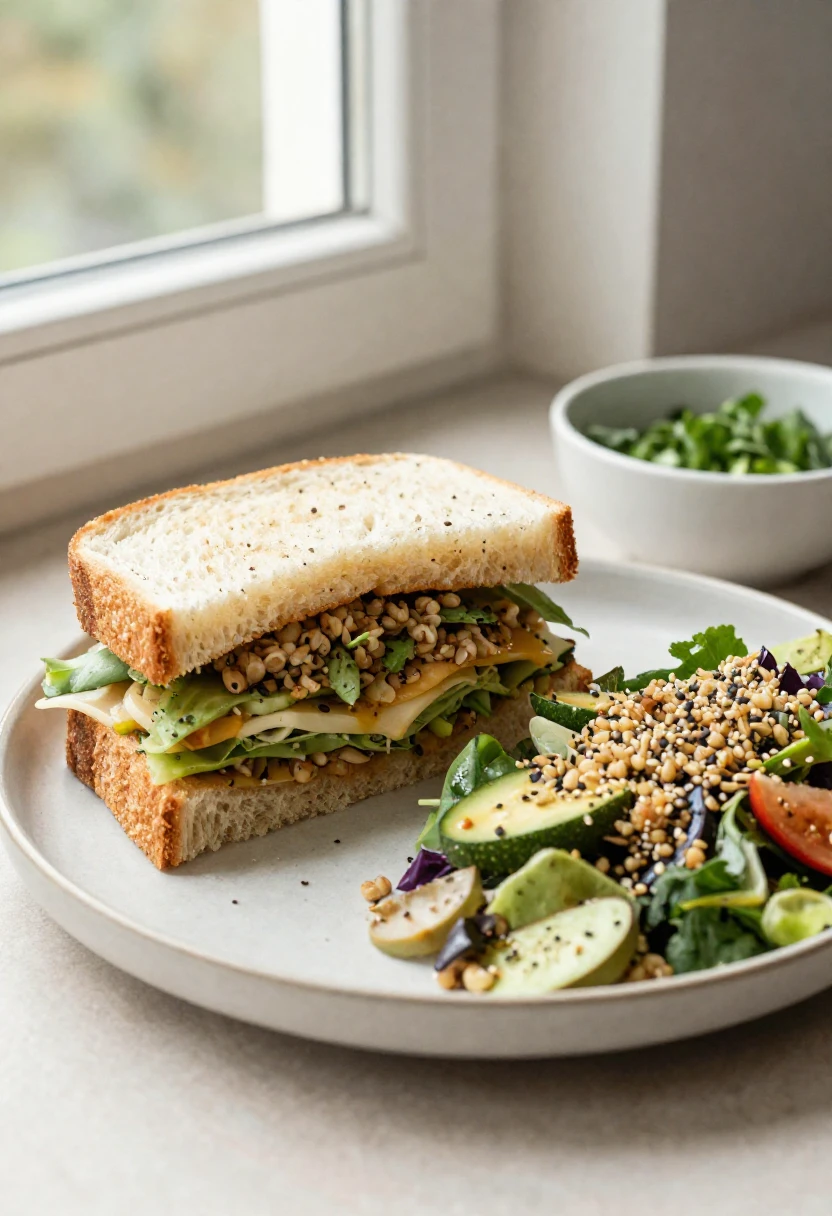
Lunch is often the meal with the least romance. Breakfast gets the comfort factor. Dinner gets the attention. Lunch, on the other hand, tends to happen between emails, errands, half-finished tasks, or whatever else is pulling at your day. It is usually built for speed, not pleasure.
That is exactly why it helps to make lunch a little better.
You do not need a complicated midday recipe to do that. Most of the time, lunch improves when it feels less flat, less rushed, and more complete. A basic sandwich gets sharper and crunchier. A salad becomes more filling. Leftovers stop feeling like a repeat performance and start feeling intentional.
Turning basic sandwiches into something craveable
A sandwich can be fine, and still be forgettable.
Usually, the problem is not the bread or the filling. It is that everything tastes soft, muted, or too similar. Good sandwiches have contrast. They need something crisp, something creamy, something sharp, or something bright enough to cut through the heaviness.
A few simple upgrades can change the whole experience:
- Add crunch with lettuce, cucumber, radish, sprouts, or pickled onions
- Add creaminess with avocado, hummus, soft cheese, or a flavored spread
- Add sharpness with mustard, peppery greens, or a quick slaw
- Add freshness with herbs, tomato slices, or a squeeze of lemon
Think about the difference between a plain turkey sandwich and one layered with whole-grain mustard, arugula, sharp cheddar, and thin cucumber slices. Same idea, same effort level, but a completely different result.
How to build salads with more flavor and substance
A disappointing salad usually fails in one of two ways: it is either too light to satisfy you, or too bland to be worth finishing.
The fix is not always more ingredients. It is better balance.
A satisfying salad usually needs:
- Something fresh like greens, herbs, cucumber, or tomatoes
- Something filling like beans, eggs, chicken, tuna, grains, or cheese
- Something crunchy like seeds, nuts, croutons, or crisp vegetables
- Something punchy like olives, pickled onions, citrus, or a bold dressing
That combination makes a salad feel like a real meal instead of a side thought.
A bowl of greens with chickpeas, roasted vegetables, feta, pumpkin seeds, and a lemony dressing feels much more generous than lettuce with a few tired toppings scattered over it. The same goes for grain salads. Rice, farro, or quinoa become much more exciting when mixed with herbs, crunchy vegetables, and something salty like feta or olives.
Smarter leftovers: giving yesterday’s food a second life
Leftovers are one of the easiest ways to make lunch, but they can also feel repetitive if they look and taste exactly the same as they did the night before.
The trick is not to reheat and repeat. It is to reshape.
A few easy ideas:
- Turn roasted chicken into a wrap with yogurt sauce and greens
- Use leftover vegetables in a grain bowl with herbs and seeds
- Spoon yesterday’s rice into a quick lunch bowl with avocado and chili crisp
- Add leftover roasted potatoes to a salad with mustard dressing
- Fold cooked meat or beans into a quesadilla or toast topping
This kind of lunch feels much less like “I guess I’ll eat this again” and much more like a second version of something good.
Quick lunch add-ons that make a meal feel complete
Sometimes lunch does not need a total upgrade. It just needs a little support.
A bowl of soup feels better with toast rubbed with garlic and olive oil. A sandwich feels more balanced with a crunchy side salad. A grain bowl feels fresher with lemon, herbs, or a spoonful of yogurt. Even something small on the side can make lunch feel less like a patchwork meal.
Helpful add-ons include:
- A few slices of fruit with lime or cinnamon
- A quick cucumber salad with vinegar and herbs
- Toasted nuts or seeds over soup or salad
- A spoonful of hummus, pesto, or yogurt sauce
- Pickles, olives, or something briny for contrast
These are tiny touches, but they change the rhythm of the meal. They make lunch feel more deliberate, and that can shift your whole afternoon a little more than you expect.
Because when lunch tastes good, you are not just getting through the middle of the day. You are giving yourself one more moment that feels cared for instead of rushed.
Simple Dinner Fixes for the Meals You Make All the Time
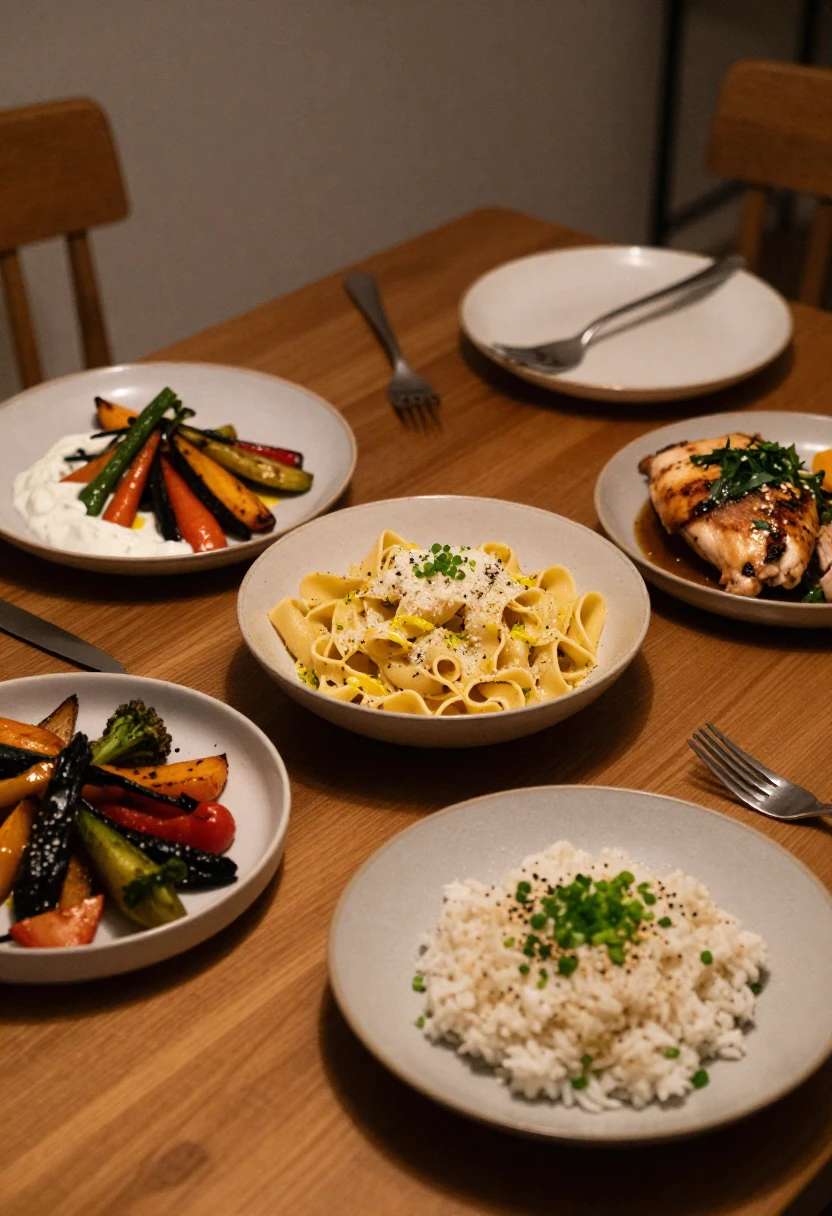
Dinner is where routine settles in hardest. By the end of the day, you are usually not looking for culinary adventure. You want something reliable, filling, and easy enough to get on the table without draining the last bit of your energy.
That is exactly why dinner can start to feel repetitive.
The same pasta. The same chicken. The same rice bowl. The same roasted vegetables. These meals are not a problem in themselves. In fact, having a few dependable dinners is one of the best ways to make everyday cooking manageable. What helps is learning how to make those familiar meals feel a little different without turning them into a project.
How to improve chicken, pasta, rice, and roasted vegetables
These foods are weeknight staples for a reason. They are flexible, affordable, and easy to build around. They also happen to respond really well to finishing touches.
Chicken, for example, often needs one thing more than anything else: something lively on top. A squeeze of lemon, a spoonful of salsa verde, a drizzle of yogurt sauce, or a scattering of chopped herbs can make plain cooked chicken feel far more complete.
Pasta usually improves when you think beyond sauce alone. A basic bowl can become much more satisfying with contrast:
- Toasted breadcrumbs for crunch
- Lemon zest for brightness
- Parmesan for salty depth
- Chili flakes for warmth
- Fresh basil or parsley for freshness
Rice is another food that can fade into the background if left alone. But once you add herbs, a little butter or olive oil, toasted sesame seeds, scallions, or a spoonful of something punchy like chili crisp, it starts to feel like part of the meal instead of just a neutral base.
Roasted vegetables are often one small step away from being truly good. They usually need a contrast after cooking:
- A creamy element like feta, tahini, or yogurt
- A crunchy element like nuts, seeds, or toasted crumbs
- A bright element like vinegar, citrus, or herbs
That is when roasted carrots stop being just roasted carrots and start becoming something you want another spoonful of.
Easy sauces, finishing oils, and toppings that change everything
You do not need a complicated sauce repertoire to make dinner better. Even one or two simple finishing options can rescue a plain meal.
A sauce or topping matters because it adds moisture, contrast, and flavor exactly where you need it. It gives the meal personality.
Some of the easiest dinner upgrades are:
- Garlic yogurt sauce for roasted vegetables, chicken, or grain bowls
- Pesto for pasta, beans, potatoes, or sandwiches
- Tahini-lemon sauce for bowls, greens, and roasted vegetables
- Chimichurri or herb sauce for chicken, fish, steak, or rice
- Chili oil or chili crisp for eggs, noodles, soups, and vegetables
- Good olive oil over beans, toast, soup, or tomatoes
These are the details that make dinner taste less flat and more layered. They also help familiar ingredients feel less repetitive because the base can stay the same while the finish changes.
Making comfort foods feel homemade and a little more special
Comfort food does not need to be fancy to feel memorable. In fact, some of the coziest dinners become better with the simplest little touches.
Mac and cheese feels more grown-up with black pepper and toasted breadcrumbs. Tomato soup feels warmer and more thoughtful with a swirl of cream or basil oil. Mashed potatoes feel fuller with roasted garlic or chopped chives. Even a baked potato can become dinner-worthy with Greek yogurt, herbs, cheese, and something crunchy on top.
There is something lovely about taking a familiar comfort meal and making it feel just slightly more cared for. Not restaurant-perfect. Just better in a way you notice while eating it.
That is often enough.
When store-bought shortcuts actually make dinner better
There is no prize for making every part of dinner from scratch, especially on a weekday.
Sometimes the smartest thing you can do is use a shortcut well. A good hummus can become the base for a grain bowl. Store-bought pesto can bring life to plain pasta or vegetables. Rotisserie chicken can turn into wraps, soups, or quick dinner plates with almost no effort. Frozen vegetables can still taste great if you roast them well and finish them with lemon, cheese, or herbs.
The point is not perfection. The point is making dinner feel satisfying without making it harder than it needs to be.
A realistic kitchen runs on a mix of basics, shortcuts, and a few smart finishing touches. Once you accept that, dinner becomes much easier to enjoy. You keep the structure that works, and you add just enough flavor, texture, or freshness to keep it from feeling like the same meal on repeat.
Snacks, Sweets, and Drinks Deserve an Upgrade Too
Not every food moment happens at the table with a full plate and proper napkin. Some of the most repeated things you eat are the quick ones — the afternoon snack grabbed between tasks, the small sweet thing after dinner, the drink you make almost without thinking.
That is exactly why these small foods are worth paying attention to.
When snacks, sweets, and drinks feel repetitive, the whole day can start to feel a little flat around the edges. But when you make them just slightly better, they bring in those small, pleasant pauses that make everyday eating feel more enjoyable.
Better popcorn, crackers, dips, and simple snack plates
Snacks do not need to be elaborate to feel satisfying. They just need a little more contrast and intention.
Plain crackers become much more interesting with something creamy, something crisp, and something sharp. Popcorn turns into a real treat with better seasoning. A quick snack plate feels far more inviting when it includes a mix of textures instead of three beige things on one plate.
A few easy snack upgrades:
- Popcorn with olive oil, black pepper, Parmesan, or smoked paprika
- Crackers with hummus, cucumber, herbs, or soft cheese
- Apple slices with almond butter and cinnamon
- Toast or crispbread with avocado, lemon, and chili flakes
- Snack plates with cheese, fruit, nuts, olives, and crunchy vegetables
These kinds of snacks feel more satisfying because they give you more than one note. You get creaminess, crunch, salt, freshness, or a little sweetness all at once.
Easy ways to add interest to cookies, brownies, and fruit
Sweet foods often benefit from the same thing savory foods do: contrast.
A brownie tastes richer with a pinch of flaky salt. Cookies feel more special with chopped nuts or a little citrus zest in the dough. Even fruit becomes more exciting when it is paired with something creamy, crunchy, or lightly spiced.
Some easy ideas:
- Strawberries or peaches with yogurt and crushed pistachios
- Apple slices with peanut butter and a drizzle of honey
- Brownies with flaky salt or a spoonful of Greek yogurt on the side
- Cookies served with berries or citrus segments
- Banana with tahini, cinnamon, and cacao nibs
Fruit especially deserves more credit here. It can feel very ordinary when it is just washed and placed in a bowl. But sliced oranges with mint, berries with yogurt, or warm baked apples with cinnamon can feel thoughtful and comforting without much work at all.
Refreshing drink ideas with herbs, citrus, and frozen fruit
Drinks are one of the easiest places to create freshness with almost no effort.
Water with lemon is a start, but there are many small ways to make everyday drinks feel brighter and more enjoyable. A few mint leaves, slices of cucumber, frozen berries, orange wedges, or even a sprig of rosemary can make something very simple feel a little more special.
Easy drink upgrades include:
- Sparkling water with lime and frozen raspberries
- Still water with cucumber and mint
- Iced tea with lemon and fresh basil
- Homemade lemonade with berries or ginger
- Plain water with orange slices and a few crushed mint leaves
These are tiny changes, but they make hydration feel less like a chore and more like part of the pleasure of eating well.
Cozy warm drinks that feel a little more thoughtful
Warm drinks have their own kind of comfort. They slow the day down. They create a pause. They make a kitchen feel softer somehow, especially in the late afternoon or evening.
And just like food, they can often be improved with one small touch.
Try simple upgrades like:
- Coffee with cinnamon or a little vanilla
- Tea with lemon, honey, or fresh ginger
- Hot milk with cocoa and a pinch of cardamom
- Warm herbal tea with orange peel
- Chai-style drinks with extra spice and a little frothy milk
There is something lovely about these details because they ask for so little and give back quite a lot. A better snack, a more interesting piece of fruit, or a warm drink with one thoughtful addition can shift the mood of an ordinary day in a very real way.
And that matters more than people sometimes realize. Everyday food is not only about meals. It is also about those small in-between moments that make you feel cared for, even if you are the one doing the caring.
The Secret to Better Meals Is Often Texture and Balance
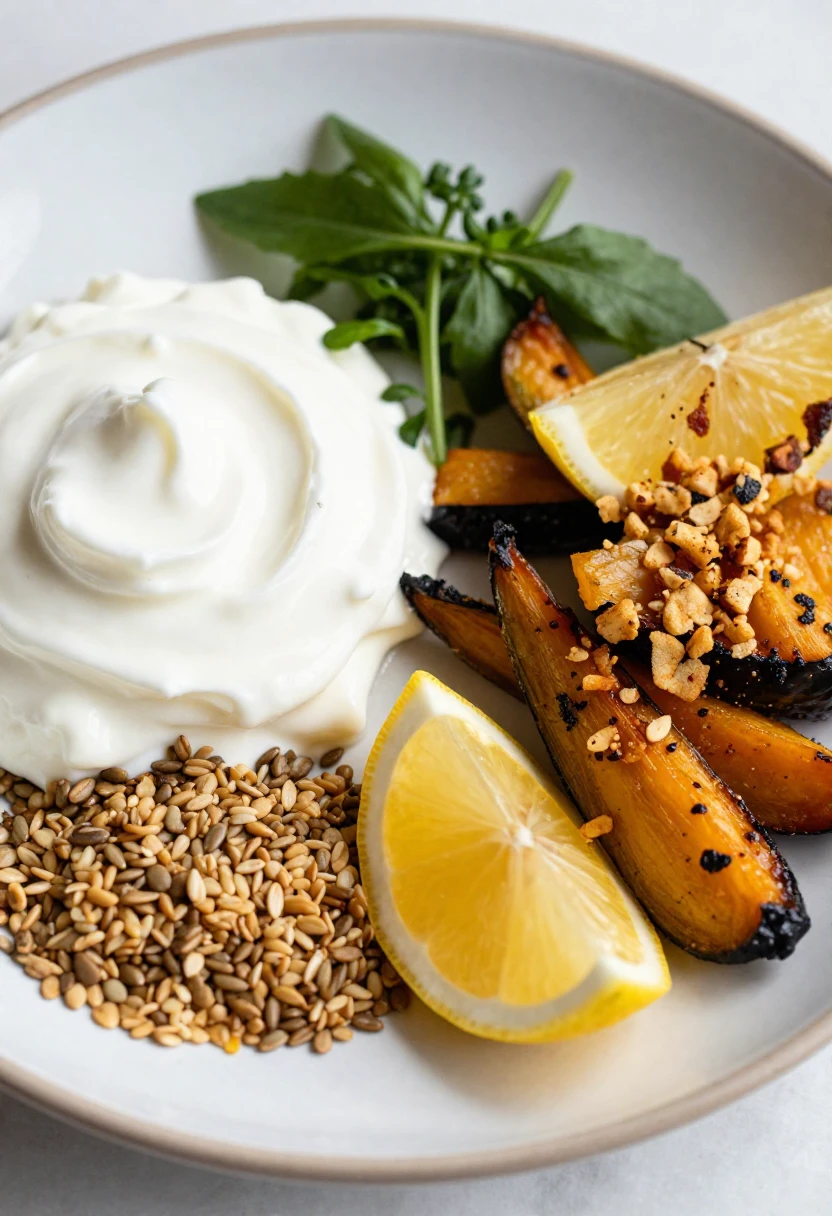
A lot of people think better cooking starts with more ingredients. More spices, more toppings, more sauces, more effort. But many everyday meals do not need more. They need better balance.
That is often the real difference between food that feels flat and food that feels satisfying. It is not necessarily richer or more complicated. It just has contrast. Something creamy with something crisp. Something savory with a little brightness. Something warm and comforting with one fresh, lively note on top.
Once you start noticing texture and balance, you begin to understand why some simple meals feel incredibly good and others feel unfinished.
Why crunchy plus creamy works so well
There is a reason so many delicious foods combine a soft base with something crisp on top. That contrast keeps each bite interesting.
Think of:
- Greek yogurt with granola
- Soup with toasted seeds or crunchy croutons
- Avocado toast with flaky salt and radish
- Roasted vegetables with feta and nuts
- Oatmeal with chopped walnuts or pumpkin seeds
Without contrast, soft foods can blur together. They may still taste fine, but they do not hold your attention in the same way. Add crunch, and suddenly the meal feels more alive.
Creamy textures matter too. They bring comfort, richness, and that satisfying feeling of fullness. But when everything on the plate is creamy or soft, the meal can start to feel heavy. That is why a crisp topping, a fresh vegetable, or even a few toasted crumbs can make such a difference.
The sweet, salty, acidic, and savory balance that makes food pop
Texture is one half of the story. Flavor balance is the other.
Meals often taste dull when they lean too hard in one direction. Too rich without acid. Too bland without salt. Too sweet without contrast. Too savory without freshness. When those elements are balanced well, food feels brighter and more complete.
A few examples make this easy to see:
- Sweet + salty: peanut butter with banana and a pinch of salt
- Rich + acidic: roasted vegetables with yogurt and lemon
- Savory + fresh: eggs with herbs and sliced tomato
- Creamy + sharp: avocado toast with chili flakes and lime
- Warm + bright: pasta with olive oil, Parmesan, and lemon zest
These pairings work because each element helps the other stand out. Instead of everything blending into one note, the flavors create a little movement.
How to stop meals from tasting flat
When food tastes flat, the answer is often not “add more food.” It is “add the missing note.”
Usually that missing note is one of these:
- Acid from lemon, lime, or vinegar
- Salt from cheese, olives, soy sauce, or flaky salt
- Heat from chili flakes, pepper, or hot sauce
- Freshness from herbs, citrus zest, or crisp vegetables
- Texture from nuts, seeds, breadcrumbs, or something raw and crunchy
For example, a bowl of rice and vegetables might feel plain until you add soy sauce and sesame seeds. A sandwich may feel heavy until you slip in something sharp like mustard or pickled onions. A sweet breakfast bowl might need just a little salt or spice to wake it up.
That is what makes everyday cooking easier over time. You stop guessing and start recognizing what the meal is missing.
A simple mental checklist before you serve
Before you put a meal on the table, it helps to pause for five seconds and ask a few quiet questions:
- Does this need something crunchy?
- Does it need something bright or acidic?
- Is there enough salt or depth?
- Would a fresh herb or finishing drizzle help?
- Does everything feel too soft, too heavy, or too one-note?
This kind of check is surprisingly useful because it brings intention into meals that might otherwise stay on autopilot.
You are not trying to make dinner fancy. You are just giving it the final little thing that makes it taste more complete.
And very often, that small final touch is what turns ordinary food into something memorable enough to make again tomorrow — happily.
How to Keep Everyday Cooking Interesting on a Real-Life Schedule
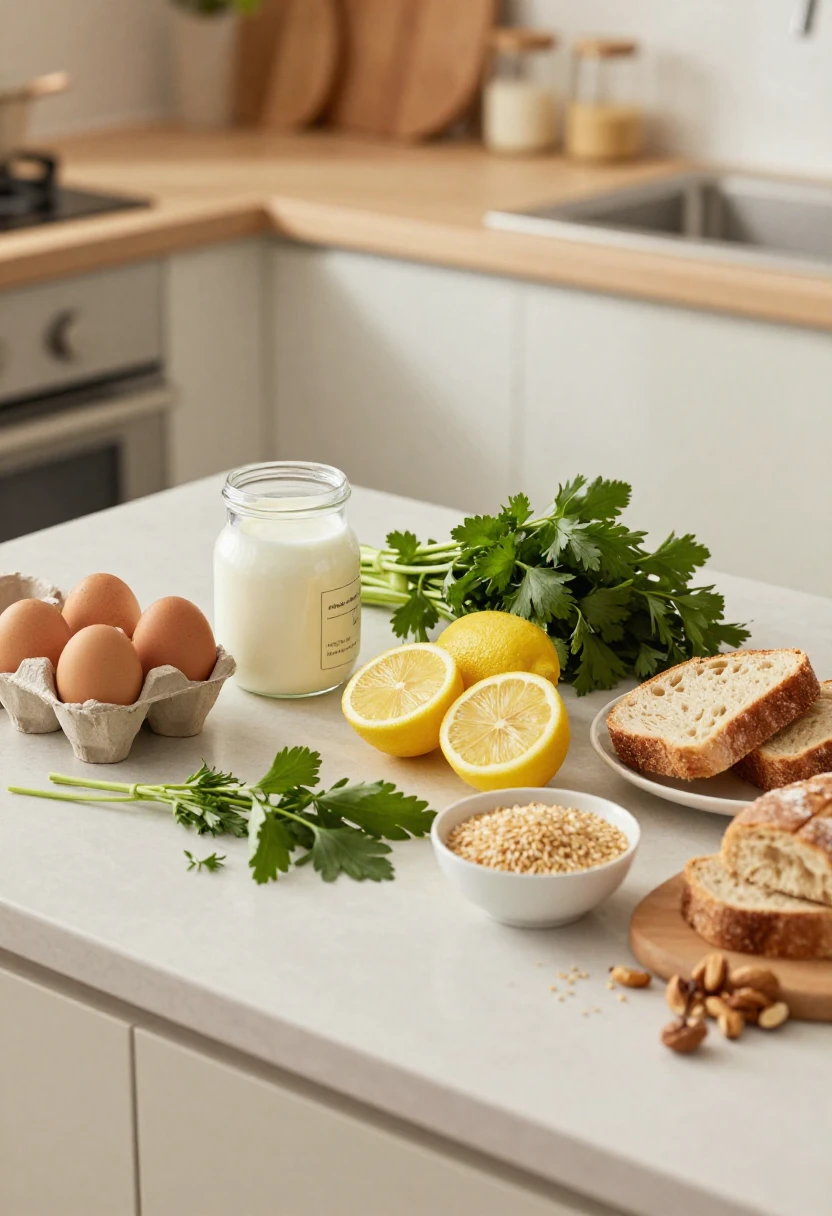
It is one thing to talk about better meals in theory. It is another thing entirely to make them happen on a Wednesday when the sink is half full, the day ran long, and nobody in the house feels especially inspired.
That is why the goal is not to make everyday cooking more ambitious. The goal is to make it more flexible, realistic, and easy to refresh.
When meals stay interesting in real life, it is usually because you are not relying on constant creativity. You are relying on a few simple systems that help familiar food feel new enough.
Create a small rotation of flavor boosters
You do not need twenty condiments or a shelf full of specialty toppings. You just need a few reliable ingredients that you enjoy enough to use again and again.
Think of these as your personal flavor helpers. The things that can rescue plain food when it needs brightness, texture, heat, or richness.
A simple rotation might include:
- One bright element like lemons, limes, or vinegar
- One creamy element like yogurt, hummus, or soft cheese
- One crunchy element like nuts, seeds, or crispy onions
- One spicy element like chili flakes, hot sauce, or chili crisp
- One fresh element like herbs, scallions, or parsley
Once you know what your go-to upgrades are, everyday meals become much easier to adjust without overthinking.
Keep a few flexible ingredients on hand each week
Interesting meals often come from having the right kind of ingredients nearby, not necessarily a long shopping list.
Flexible ingredients are the ones that can move between breakfast, lunch, dinner, and snacks without much effort. They make it easier to build a meal and then improve it with one small twist.
Helpful staples often include:
- Eggs
- Yogurt
- Bread or wraps
- Rice or another grain
- A few fresh herbs
- A lemon or lime
- Cheese
- Nuts or seeds
- One sauce or spread you love
- Fresh vegetables with crunch, like cucumber, radish, or greens
These are the foods that give you options. A single tub of yogurt can become breakfast, a sauce for dinner, or part of a snack plate. Fresh herbs can lift eggs in the morning, salad at lunch, and vegetables at dinner.
Use “base meal + finishing touch” thinking
This is one of the easiest habits for making food feel less repetitive.
Instead of trying to invent a brand-new meal every day, start with a familiar base and then add a finishing touch that changes the mood.
For example:
- Base meal: oatmeal
Finishing touch: berries, tahini, and cinnamon - Base meal: rice and roasted vegetables
Finishing touch: lemony yogurt and toasted seeds - Base meal: eggs on toast
Finishing touch: avocado, chili flakes, and herbs - Base meal: pasta
Finishing touch: Parmesan, lemon zest, and toasted breadcrumbs
The base keeps cooking manageable. The finishing touch keeps it interesting.
That approach is much easier to sustain than trying to be endlessly inventive from scratch.
Make meals feel fresh without spending more money or time
A lot of people assume more interesting meals require more effort, more shopping, or more expensive ingredients. Usually, they do not.
Very often, you are working with the same foods you already buy. You are just using them with a little more intention. A handful of herbs, a squeeze of lemon, a crunchy topping, a better sauce, or a different texture can do more than a whole new recipe sometimes.
That matters, because everyday cooking should support your life, not take it over.
The best meal routines are rarely the most impressive ones. They are the ones that are simple enough to repeat and flexible enough to keep from feeling dull. Once you find that balance, cooking becomes less about chasing novelty and more about making ordinary food feel good again and again.
Common Mistakes That Keep Simple Meals From Reaching Their Potential
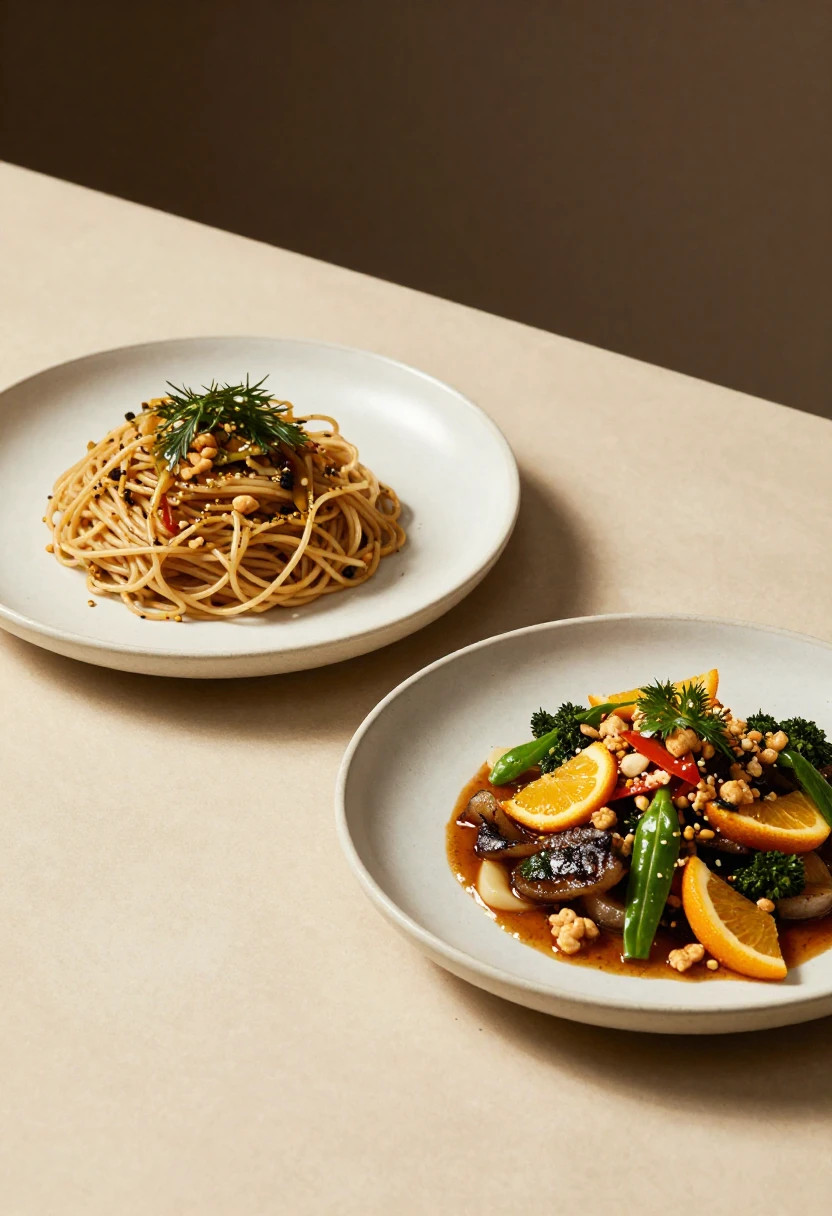
Sometimes a meal is only one small step away from being really good, but that step never happens. Not because you cannot cook, and not because the ingredients are wrong. Usually, it is because the food stops just a little too soon.
That is what makes everyday meals feel forgettable. They are fine, but they never quite get the brightness, texture, or balance that would make them satisfying.
Under-seasoning and playing it too safe
This is probably the most common issue.
A lot of home-cooked food is not bad at all — it is just under-seasoned. It needs more salt, more acid, more herbs, more pepper, or one sharper flavor to bring everything into focus. People often worry about adding too much, so they add too little, and the result is food that tastes muted.
You can see it in simple meals all the time:
- Vegetables that needed salt and lemon
- Rice that needed herbs or butter
- Eggs that needed pepper, chili flakes, or fresh herbs
- Soup that needed acidity or a finishing drizzle
Playing it too safe usually leads to food that tastes flat. Not terrible. Just unfinished.
Using too many add-ins without a clear direction
The opposite mistake happens too.
Once you start learning how to improve simple meals, it is easy to throw everything at the plate at once. Seeds, herbs, sauce, cheese, spice, citrus, nuts, dressing, maybe a second sauce just in case. Instead of making the food better, all those extras can compete with each other.
A few thoughtful touches usually work better than a pile of random ones.
It helps to ask:
- What does this meal actually need?
- Would one good topping be enough?
- Am I adding flavor, or just adding things?
A bowl of roasted vegetables might need yogurt and herbs. It probably does not also need cheese, nuts, honey, chili oil, and breadcrumbs all at the same time.
Forgetting freshness, brightness, or crunch
This is the quiet reason so many homemade meals feel heavier than they need to.
If everything on the plate is soft, warm, rich, and cooked, the meal can start to feel dull even when it is technically flavorful. A fresh element, something acidic, or a crisp topping often gives the food the lift it was missing all along.
Meals especially benefit from:
- Fresh herbs
- Lemon or vinegar
- Raw crunchy vegetables
- Toasted nuts or seeds
- Pickled or briny add-ins
These small details bring contrast, and contrast is what keeps simple food from fading into the background.
Trying to reinvent every meal instead of improving what already works
This mistake sounds ambitious, but it usually leads to burnout.
You do not need to reinvent breakfast, lunch, and dinner every week to keep food interesting. In fact, trying to do that often makes cooking feel harder than it needs to be. You buy ingredients for recipes you only make once, spend more time deciding what to cook, and end up feeling tired of the whole process.
A better approach is to keep your reliable meals and improve them in small, repeatable ways.
That means:
- Keeping a few trusted base meals
- Rotating toppings and flavor boosters
- Using contrast more intentionally
- Letting familiar food evolve instead of replacing it
That kind of cooking is not flashy, but it is the kind that actually lasts.
And in everyday life, sustainable usually beats impressive. A meal does not have to be brand new to feel good. It just has to feel like someone noticed what it needed before serving it.
Everyday Food Can Still Feel Fun
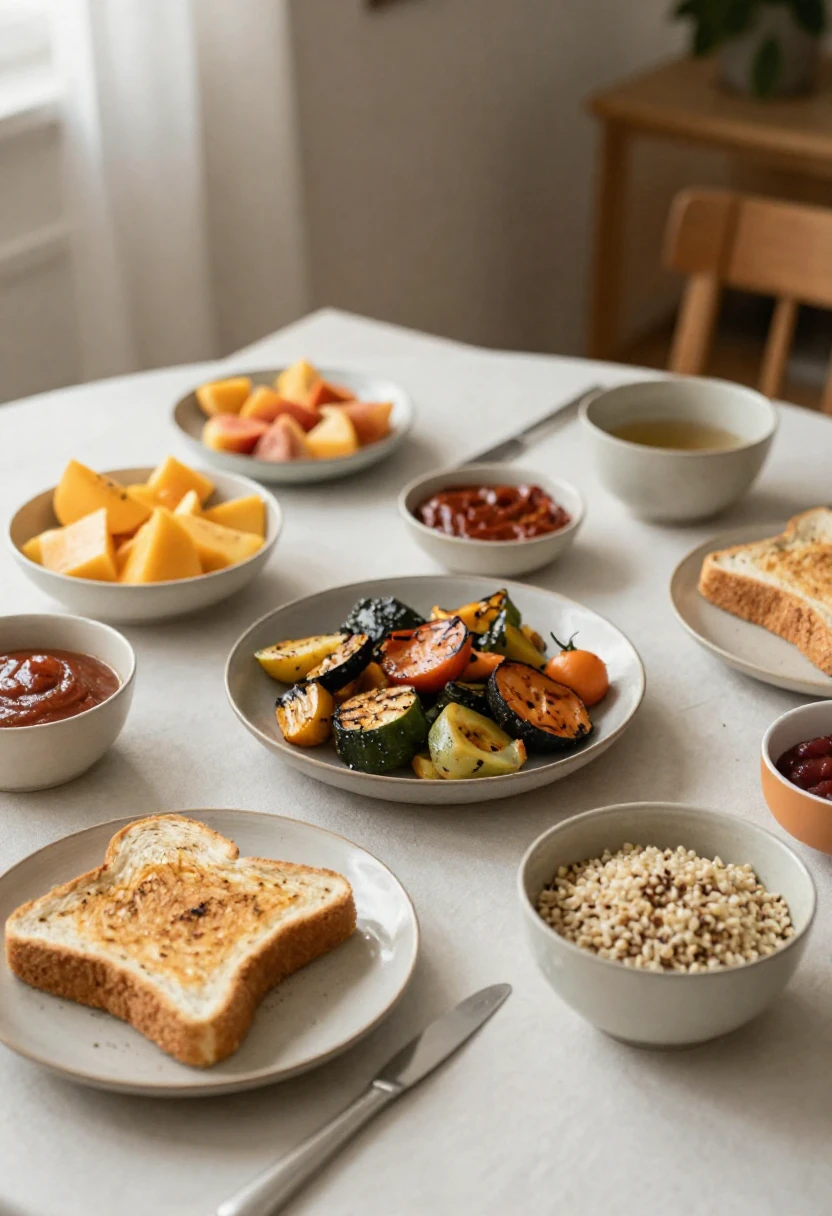
There is a quiet kind of relief in realizing that better meals do not have to come from grand plans, expensive ingredients, or a burst of perfect motivation. They can come from smaller things. A sharper dressing. A softer cheese. A handful of herbs. A squeeze of citrus over something warm. A crunchy topping that makes the whole plate feel more alive.
That is what makes everyday cooking feel hopeful again. You do not need to escape your routine completely. You just need to bring a little more attention to it.
Why good cooking is often about noticing small opportunities
A lot of enjoyable home cooking comes down to noticing.
Noticing that your soup needs brightness. Noticing that your toast could use something crisp on top. Noticing that your pasta tastes good, but would taste even better with lemon zest, Parmesan, and black pepper. These are not dramatic revelations. They are small acts of care.
And over time, those small acts become instinctive.
You start seeing possibilities in foods that once felt ordinary. A plain baked potato becomes a base for yogurt, herbs, and crispy onions. A simple bowl of rice becomes a place for sesame seeds, scallions, and a little chili oil. A basic fruit plate becomes more inviting with mint, citrus, or a spoonful of yogurt.
That is where everyday meals begin to change — not in complexity, but in attention.
A reminder that simple meals do not have to feel dull
Simple food has a bad reputation sometimes, as if “simple” automatically means boring. But that is not really true.
Some of the most comforting, memorable meals are incredibly simple. Good bread with butter and tomatoes. Yogurt with fruit and nuts. A warm bowl of rice with herbs and something spicy. Roasted vegetables with olive oil, salt, and a creamy sauce on the side. These foods are not exciting because they are complicated. They are exciting because they are balanced, satisfying, and made with just enough thought.
Simple meals become dull only when they are left unfinished.
When you add the small finishing touch, the contrast, the freshness, or the texture they were missing, they come back to life very quickly.
Finding your own signature little upgrades
One of the nicest parts of this kind of cooking is that it becomes personal.
Maybe you are someone who always loves lemon and black pepper. Maybe you lean toward fresh herbs and yogurt sauces. Maybe your meals come alive with chili crisp, toasted nuts, or a little flaky salt over something sweet. The more you cook, the more you notice which little upgrades feel like you.
Those become your signatures.
And that is when everyday cooking starts to feel less like a chore and more like a rhythm you understand. You know how to lift a meal when it tastes flat. You know how to make breakfast feel fresh again. You know how to turn leftovers into lunch that actually sounds good.
That kind of confidence is worth a lot.
Because in the end, everyday food does not need to be extraordinary to matter. It just needs to feel good enough that you enjoy sitting down to it. And very often, the difference between boring and brilliant is only one small, thoughtful touch away.
Conclusion
Making everyday food better does not have to mean cooking more, spending more, or constantly chasing new recipes. Most of the time, the biggest difference comes from something small: a little crunch, a brighter finish, a creamy contrast, a sharper dressing, or a topping that makes a familiar meal feel new again.
That is the beauty of simple food. It already has the foundation. You are just learning how to bring it to life.
Once you start noticing what your meals are missing — freshness, texture, balance, or depth — it becomes much easier to turn ordinary breakfasts, lunches, dinners, and snacks into food you actually look forward to eating. And that kind of change feels good not because it is dramatic, but because it fits into real life.
FAQ
How can I make simple food taste better without using complicated recipes?
Start by changing just one element. Add something bright like lemon juice, something crunchy like toasted seeds, or something creamy like yogurt or cheese. Small finishing touches often do more than an entirely new recipe.
What is the easiest way to make meals feel less boring?
Focus on texture and contrast. A meal becomes more satisfying when it has a mix of creamy, crunchy, fresh, rich, or acidic elements instead of tasting soft and flat all the way through.
Which pantry ingredients are best for upgrading everyday meals?
Some of the most useful ones are mustard, chili flakes, olive oil, vinegar, honey, nuts, seeds, and good salt. These ingredients can add sharpness, heat, crunch, depth, or balance in seconds.
Do I need to buy special ingredients to improve everyday cooking?
Not at all. Most upgrades can come from ingredients you may already have, like herbs, citrus, yogurt, cheese, spices, seeds, or a flavorful sauce. The goal is not to buy more. It is to use simple ingredients more intentionally.