You know that strange little moment when you open the fridge, look at perfectly usable food, and still feel like ordering something?
There might be eggs. A bag of salad. Maybe leftover rice, half an onion, a jar of sauce, and some yogurt pushed to the back. Technically, dinner is possible. But your brain is tired, your stomach is already complaining, and the thought of chopping, cooking, cleaning, and deciding what everyone will eat feels heavier than it should.
So you grab your phone.
That small choice says a lot about how modern eating works. We often talk about food as if it is only about discipline, calories, or knowing what is “healthy.” But most food choices happen inside real life. Busy workdays. Long commutes. Kids’ schedules. Stress. Grocery prices. Delivery apps. Childhood habits. The food your family cooked, or did not cook. The snacks you keep within reach when you are too hungry to think clearly.
That is why the way we eat has changed so much.
For many people, meals are no longer built around a quiet kitchen and a predictable dinner table. They are squeezed between meetings, school pickups, errands, late shifts, workouts, homework, and the small exhaustion that builds during the day. Convenience has become part of the meal itself. Not because people do not care about health, but because food has to fit into lives that often feel overpacked.
And still, better eating does not have to mean returning to some perfect version of the past. You do not need to cook every meal from scratch or turn your kitchen into a wellness project. A few repeatable meals, a better stocked pantry, and a calmer way to think about food can make a real difference.
This article looks at why we eat the way we do, how modern life changed our food choices, and how to bring more simple, satisfying home-cooked food back into your routine without making it another thing to feel guilty about.
Why our food choices changed so much
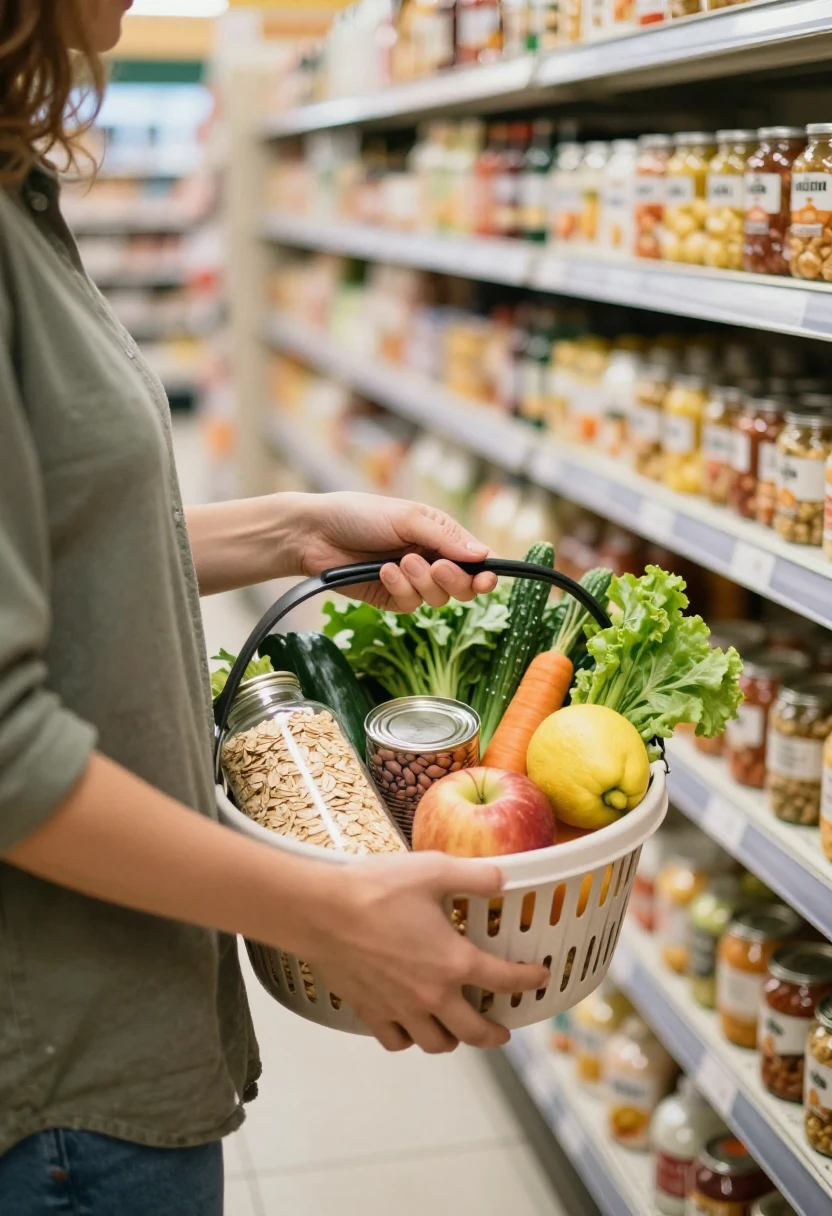
Food used to ask a simpler question: what do we have at home?
Now it asks ten questions at once. Do you want to cook? Do you have time? Is there anything fresh left? Are the kids hungry now? Is delivery faster? Is there a coupon? Would everyone actually eat what you make?
That does not mean eating was perfect before. It was not. But the rhythm around food has changed, and that rhythm affects what ends up on your plate.
Food is everywhere now
We have more food choices than any generation before us.
A regular grocery store can feel like a small food universe: fresh produce, frozen dinners, protein bars, oat milk, imported sauces, meal kits, bakery snacks, ready-made salads, and ten kinds of yogurt. Add delivery apps, drive-throughs, coffee shops, gas station snacks, and office vending machines, and food is almost never far away.
That sounds like a good thing. In many ways, it is. You can buy ingredients from different cultures, find allergy-friendly products, try new flavors, and cook meals your grandparents may never have tasted.
But more choice also means more decisions.
And decisions take energy.
By evening, you may not want freedom. You may want someone to hand you a plate.
More choice does not always mean better eating
A full grocery store does not automatically make dinner easier. Sometimes it makes it harder.
You walk in for “something healthy” and suddenly you are comparing labels, prices, expiration dates, protein amounts, sugar content, and whether your family will complain if you buy the lentil pasta again.
Then there is the quiet pressure of eating well. Buy fresh food. Cook more. Waste less. Avoid too much sugar. Get enough protein. Eat vegetables. Pack lunches. Make it affordable. Make it taste good.
That is a lot to carry while standing under fluorescent lights at 6 p.m.
So people often fall back on what feels safe and familiar:
- the frozen pizza everyone accepts
- the takeout order that never fails
- the cereal that becomes dinner when nobody has energy
- the drive-through meal that solves hunger in ten minutes
These choices are not proof that someone “doesn’t care.” Most of the time, they are shortcuts made by tired people.
Convenience became part of the meal
Modern food is not only competing on taste. It is competing on effort.
A meal that takes 45 minutes, uses three pans, and leaves the sink full has a hard time winning against something that arrives hot in a paper bag. Especially on a Tuesday.
This is where convenience food became so powerful. It does not just feed you. It removes work.
The problem starts when convenience becomes the only kind of food that fits your life. Then your meals can begin to feel less like something you choose and more like something that happens to you because the day ran out of space.
A better approach is not to reject convenience completely. Honestly, that usually does not last.
The better move is to make home cooking more convenient too. Keep frozen vegetables. Use canned beans. Buy pre-washed greens. Cook extra rice. Make eggs for dinner. Turn leftovers into wraps. Keep a sauce you actually like in the fridge.
Because if healthy food takes too much effort every single time, it will lose. Not because you are weak.
The slow disappearance of the family dinner
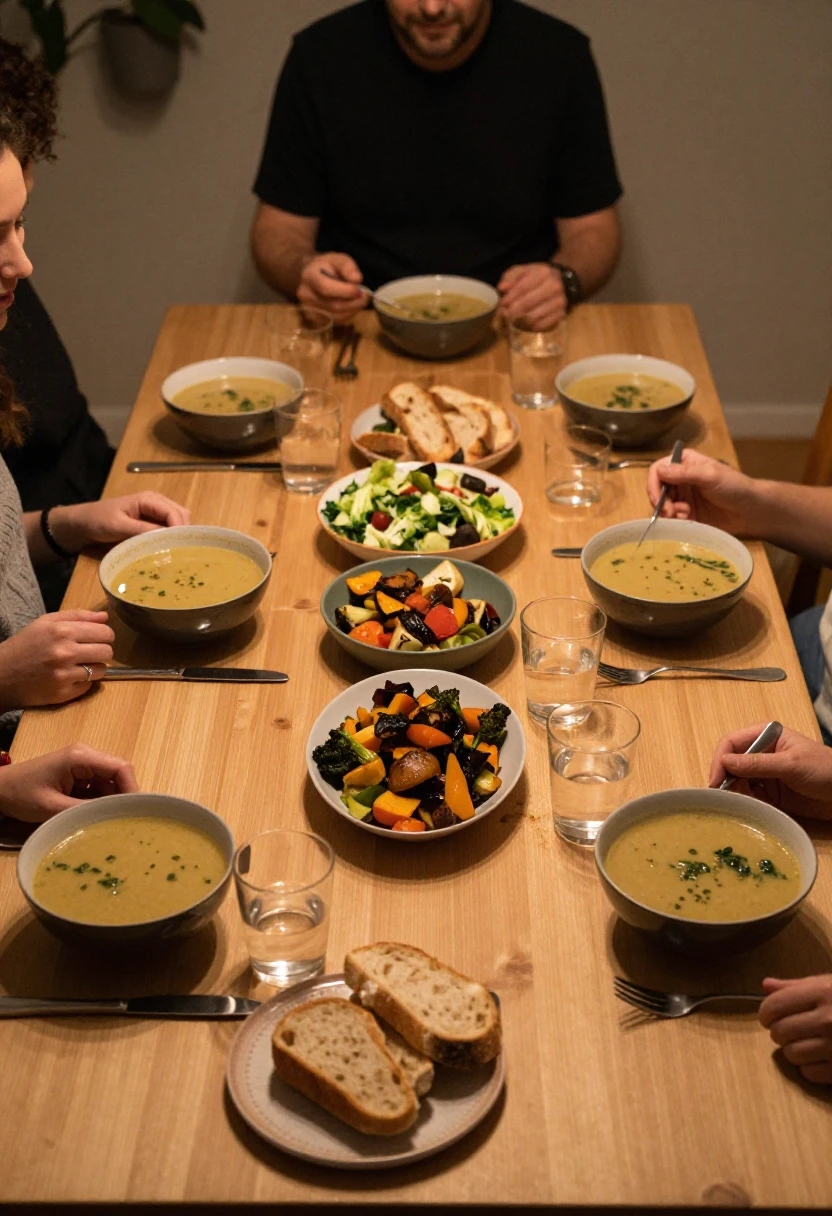
There is something comforting about the idea of everyone sitting down at the same table at the same time.
Plates passed around. Someone reaching for the salt. A child picking out onions. A parent asking, “How was your day?” while half-listening because the pasta water is still boiling.
It sounds ordinary. Maybe that is why it matters.
For a long time, dinner gave the day a clear stopping point. Work ended. School ended. Food went on the table. People ate together, even if the meal was simple.
Now that rhythm is harder to protect.
Dinner used to have a clearer routine
Older family meals were not perfect. I do not like pretending they were always warm, peaceful, and full of meaningful conversation. Plenty of dinners were rushed, quiet, strict, or built around whatever stretched far enough.
But they did have one advantage: a more predictable structure.
Many families had a usual dinner hour. Someone cooked. Everyone knew food would be served at home. The meal did not need to be exciting every night because it was part of the routine.
Soup. Potatoes. Rice. Beans. Chicken. Pasta. Whatever the family knew how to make.
That kind of repetition taught people something important: home food does not have to be impressive to count.
Modern schedules are messier
Now dinner has to compete with everything.
Late meetings. Sports practice. Traffic. Homework. Second jobs. Gym classes. Grocery runs. Phones buzzing on the counter. One person eats at 5:30, another at 8:15, someone else grabs a snack and says they are not hungry.
By the time everyone is home, the idea of making a “real dinner” can feel almost funny.
And when schedules are messy, food becomes scattered too.
You eat standing up.
You snack while cooking.
You reheat something alone.
You order food because it is already late.
You tell yourself tomorrow will be better.
Sometimes it is. Sometimes tomorrow looks exactly the same.
Eating together now takes planning
Family dinner can still happen, but it usually needs a softer definition.
It does not have to mean a perfect meal at 6 p.m. with every person present and every dish homemade. That version may not fit your life right now.
Maybe it means:
- soup on Sunday night
- breakfast together once a week
- a build-your-own taco dinner
- pasta and salad after practice
- everyone eating the same meal, even if not at the same time
- one phone-free dinner when the week allows it
The point is not to recreate an old picture of family life. The point is to give food a little more connection again.
Even one shared meal can change the feeling of the week. Not because it fixes everything, but because it slows everyone down long enough to notice each other.
And sometimes that is the part we are actually hungry for.
Why fast food feels so easy to choose
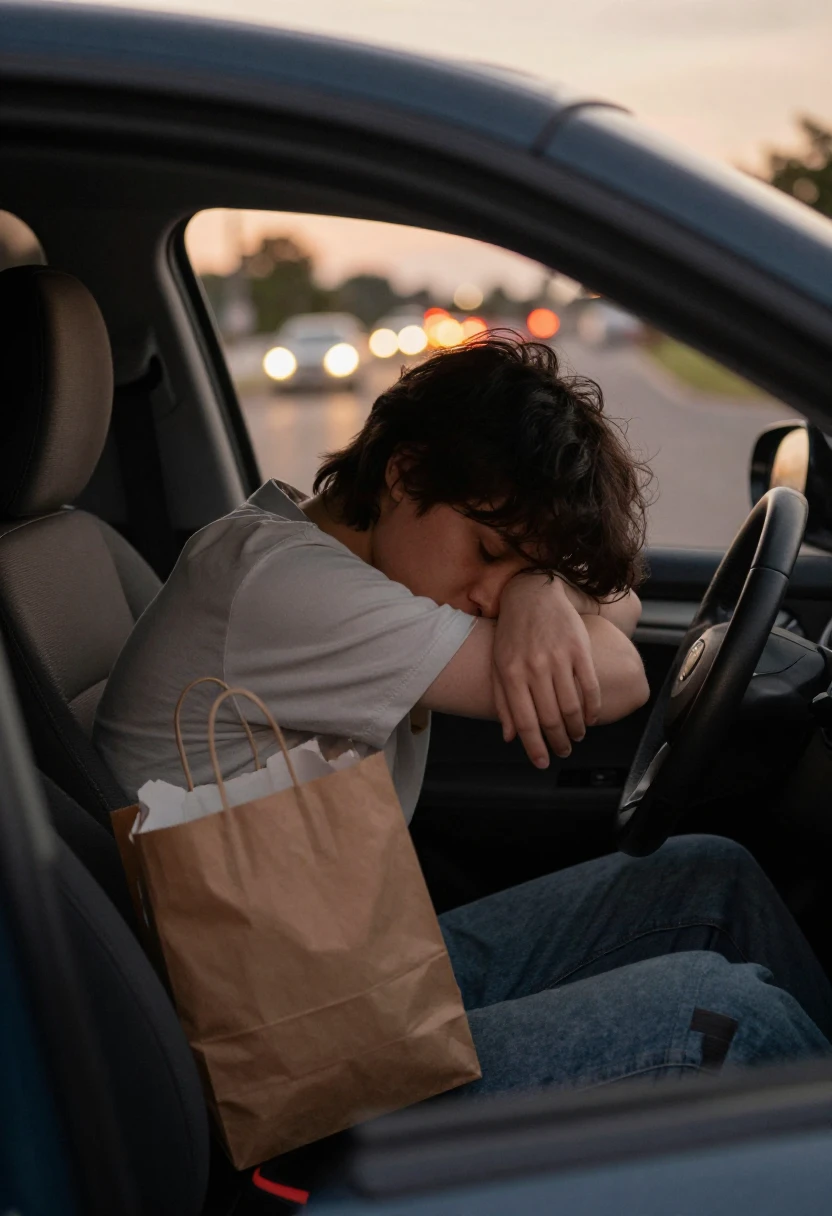
Fast food wins because it understands the tired version of you.
Not the calm Sunday version who buys vegetables with good intentions. Not the organized version who plans lunches and soaks beans overnight. The tired version. The one sitting in the car after a long day, hungry enough to be annoyed by everything.
Fast food knows that person very well.
It is quick, warm, salty, familiar, and easy to say yes to. No recipe. No dishes. No small argument about what to make. Just order, pay, eat.
It solves an immediate problem
Most people do not choose fast food because they carefully compared it with a balanced home-cooked meal and decided nutrition did not matter.
They choose it because there is a problem right now.
Someone is hungry.
Dinner is late.
The fridge looks unhelpful.
You forgot to thaw the chicken.
The kids are asking for food from the back seat.
You still have work emails waiting.
Fast food steps in with a simple promise: I can fix this in ten minutes.
That is powerful.
Home cooking often asks you to think ahead. Fast food does not. It meets you exactly where you are, especially when your patience is thin.
Taste is designed to win
There is also the obvious part: fast food tastes good.
It leans hard on the things our brains notice quickly: salt, fat, sweetness, crunch, creamy sauces, soft bread, melted cheese, fried edges. The flavors are bold and predictable. You know what you are getting before you open the bag.
That predictability matters more than people admit.
A home-cooked meal can disappoint you after you have already spent time making it. The rice turns mushy. The chicken dries out. The vegetables taste flat. The sauce is missing something, but you are too tired to figure out what.
Fast food removes that risk. It may not be the most nourishing choice, but it is rarely surprising.
And when life already feels unpredictable, familiar food feels comforting.
The real issue is repetition
One burger is not the problem. One pizza night is not the problem. One drive-through dinner after a chaotic day is not a personal failure.
The problem is when fast food becomes the default because nothing else is easy enough.
That is when it quietly starts shaping your routine. You stop expecting dinner to come from your kitchen. Kids start seeing takeout as the normal answer to hunger. Your pantry gets emptier. Cooking starts to feel harder because you are out of practice.
It becomes a loop.
You cook less, so cooking feels more difficult.
Cooking feels difficult, so you order more.
You order more, so you cook even less.
Breaking that loop does not require a dramatic reset. Usually, it starts with making one homemade option easier than ordering.
A five-minute omelet. A rice bowl with leftovers. A baked potato with beans and yogurt. Pasta with frozen peas and parmesan. A tuna melt. Soup from the freezer.
Nothing glamorous. Just food that reminds you: dinner can still come from your own kitchen, even on a tired night.
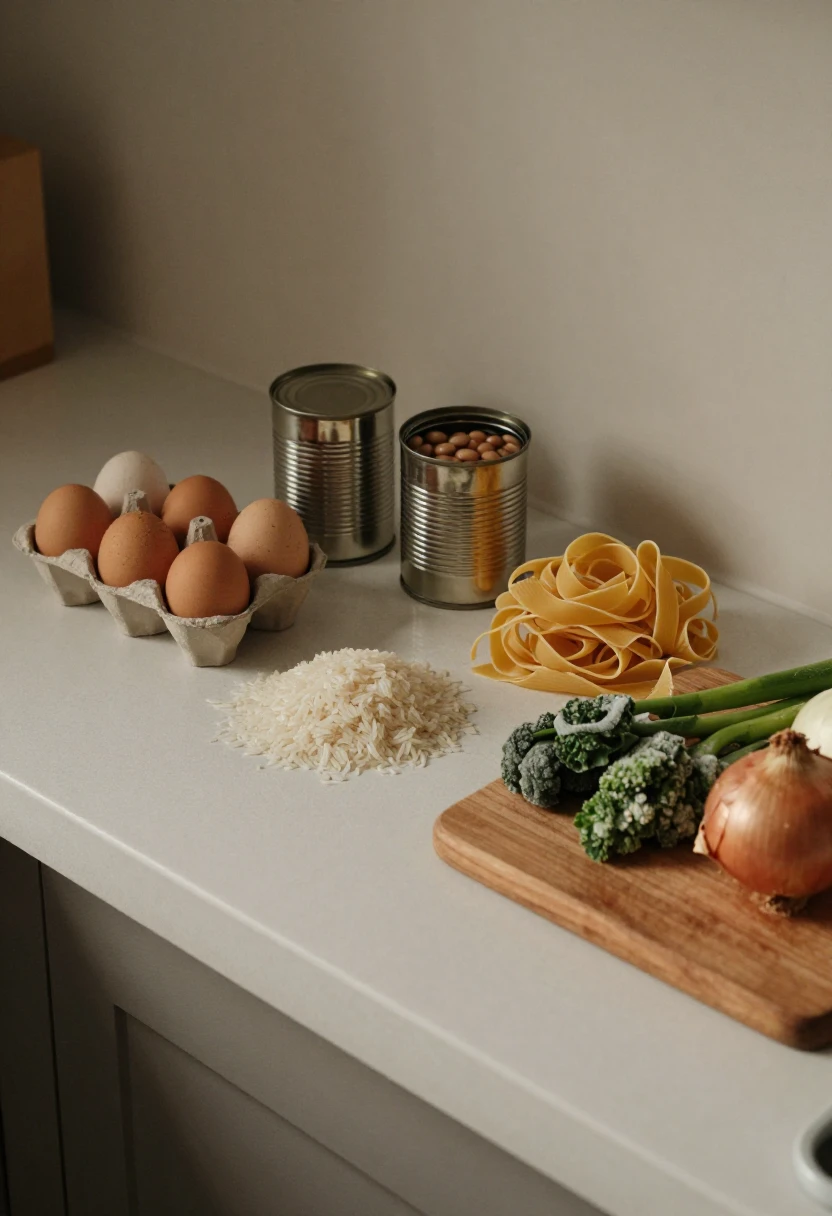
Not cooking at home has an obvious cost: restaurant meals and takeout add up quickly.
But there is another cost that sneaks in more quietly. The kitchen starts to feel unfamiliar.
You forget which meals are easy. You lose the habit of checking what you already have. A few basic ingredients sit around because they no longer look like dinner. Rice, eggs, canned beans, frozen vegetables, pasta, oats. Useful food, but only if you still feel comfortable turning it into something.
That comfort matters more than people think.
Cooking skills fade when we do not use them
Cooking is a skill, but it is also a memory.
You remember how onions smell when they hit warm oil. You remember that eggs keep cooking after you turn off the heat. You learn that soup usually needs more salt than you think, and lemon juice can wake up a flat sauce.
None of this is fancy. It is the small kitchen knowledge that makes food feel possible.
When people stop cooking for a long time, even simple meals can start to feel weirdly intimidating. How long should chicken cook? What can you make with leftover rice? Is this vegetable still good? Can you freeze soup? Why did the pasta sauce taste better last time?
The less you cook, the more every meal feels like a test.
And nobody wants a test at the end of a long day.
Kids learn food habits by watching
Children learn a lot about food before anyone explains nutrition to them.
They notice where meals come from. They see whether vegetables are normal or “the healthy thing” everyone complains about. They watch adults snack, cook, order, rush, sit down, skip breakfast, pack lunch, or eat over the sink.
No lecture is stronger than the everyday pattern.
If kids mostly see food appearing from bags, boxes, drive-through windows, and delivery containers, that becomes normal. Not bad, not dramatic. Just normal.
But when they see food being made, something shifts. They learn that dinner can start as ingredients. They see that carrots get peeled, eggs crack into a bowl, rice absorbs water, and soup tastes better after it simmers.
Even picky kids can benefit from being near that process. They may not eat the broccoli today. Fine. They still saw it cooked. They smelled the garlic. They watched someone put real food on the table.
That counts.
Home cooking builds confidence
The good news is that cooking confidence comes back quickly.
You do not need a complicated recipe or a perfect weekly menu. You need a few meals you can make more than once.
Start with food that forgives mistakes:
- scrambled eggs with toast
- rice bowls with whatever protein you have
- pasta with vegetables and a simple sauce
- vegetable soup with beans or chicken
- baked potatoes with toppings
- quesadillas with cheese, beans, and salsa
- oatmeal with fruit and yogurt
These meals are not impressive in the social media sense. But they teach you timing, seasoning, texture, and how to use leftovers without making food feel like a punishment.
That is what home cooking gives back over time. Not just healthier meals, but the feeling that you can take care of yourself with ordinary ingredients.
And honestly, that feeling is worth a lot.
How to make healthy eating realistic again
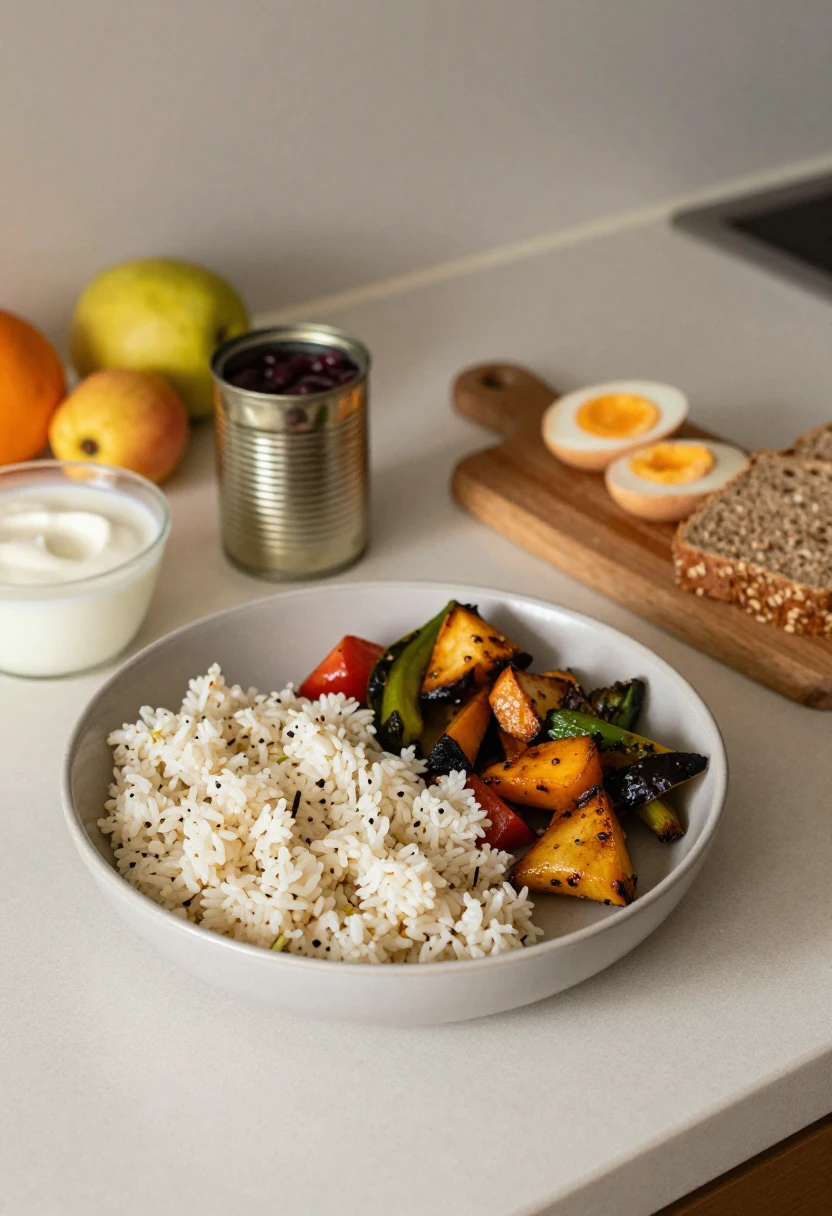
Healthy eating gets easier when you stop treating it like a brand-new project every Monday.
Most people do not need a perfect plan. They need fewer food decisions at the worst possible time of day. Because 7 p.m. hunger is not where great planning happens. That is where you grab crackers, reheat something random, or start scrolling delivery options while standing in the kitchen.
A realistic food routine should help tired-you, not just ideal-you.
Start with meals you can repeat
There is nothing wrong with repeating meals. Actually, it might be one of the best things you can do.
A lot of people think healthy eating means variety all the time. New recipes, colorful bowls, different breakfasts, fresh ideas every week. That sounds nice until Tuesday night arrives and you cannot remember what you bought the zucchini for.
Repeatable meals remove pressure.
Pick a few simple options you can make without measuring everything:
- rice bowls with eggs, chicken, beans, or tofu
- sheet-pan chicken with potatoes and carrots
- pasta with vegetables and a quick tomato sauce
- omelets with toast and salad
- lentil soup or bean soup
- wraps with hummus, turkey, tuna, or roasted vegetables
- Greek yogurt bowls with fruit, oats, and nuts
The trick is to make the structure repeatable, then change the details.
A rice bowl can be chicken and cucumber one day, beans and salsa another day, fried egg and leftover vegetables the next. Same idea. Different flavor. Less thinking.
That is the kind of healthy eating that survives a busy week.
Keep better emergency food at home
Every kitchen needs emergency food.
Not “emergency” in a dramatic way. Just food that saves you when the fridge looks sad and your patience is gone.
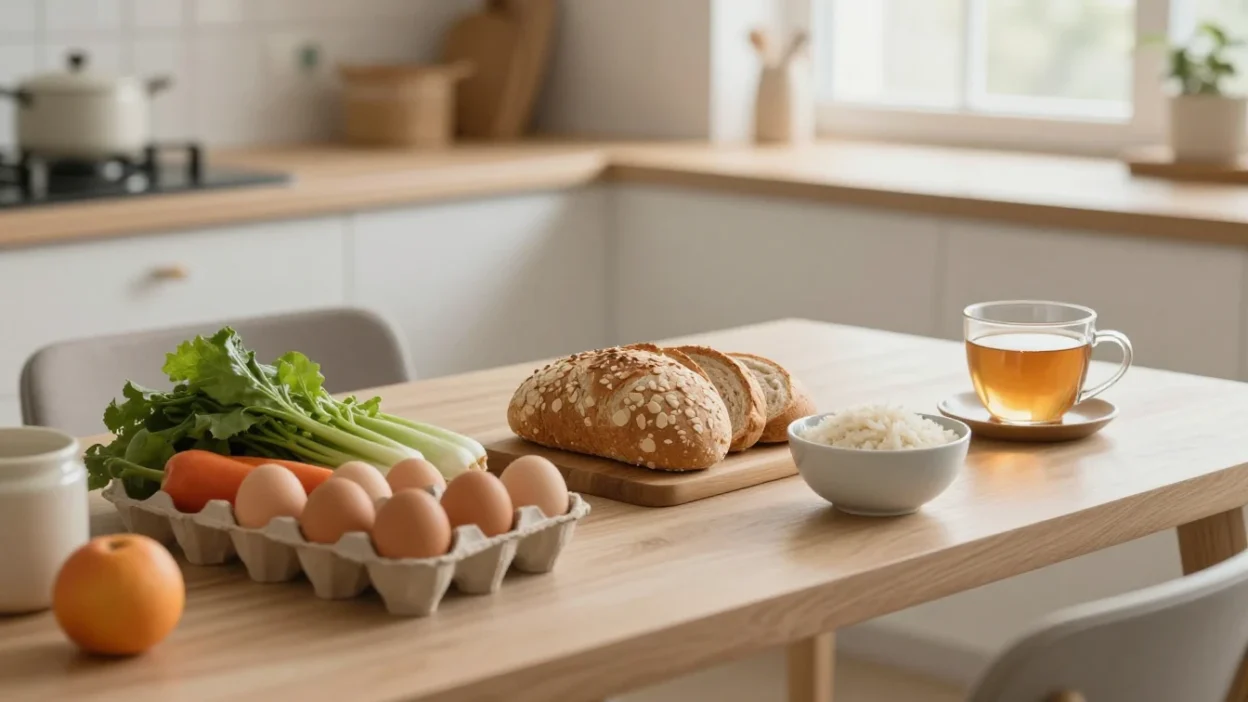
I like keeping ingredients that can turn into a meal without much effort:
- eggs
- canned beans
- canned tuna or salmon
- frozen vegetables
- frozen fruit
- oats
- rice or quick-cooking grains
- whole-grain bread or tortillas
- Greek yogurt
- peanut butter
- pasta
- jarred tomato sauce
- nuts
- apples, bananas, or oranges
These foods are not exciting on their own. But together, they give you options.
Eggs plus toast becomes dinner. Beans plus rice becomes a bowl. Frozen vegetables plus pasta becomes something warm and decent. Yogurt plus fruit and oats becomes breakfast when you forgot to plan breakfast.
A better-stocked kitchen does not mean a full pantry with matching containers. It means you can make food before hunger talks you into ordering.
Make convenience work for you
Convenience is not the enemy. The problem is depending only on convenience foods that do not make you feel good afterward.
There is a middle ground, and it is honestly where most home cooking happens.
Use the shortcut.
Buy the pre-washed greens. Use frozen broccoli. Get the rotisserie chicken. Open the canned lentils. Keep a jar of sauce in the pantry and make it better with garlic, spinach, chili flakes, or a splash of olive oil.
That still counts as cooking.
Sometimes people make healthy eating harder by insisting everything should be fresh, homemade, and done “the right way.” But a bowl made with microwave rice, canned beans, avocado, salsa, and a fried egg is still a better dinner than skipping food and eating chips later.
You are allowed to make it easier.
A few good shortcuts can bring you back into the kitchen instead of pushing you out of it. And once you are there, even for ten minutes, you start rebuilding the habit.
How to bring kids into healthier food habits
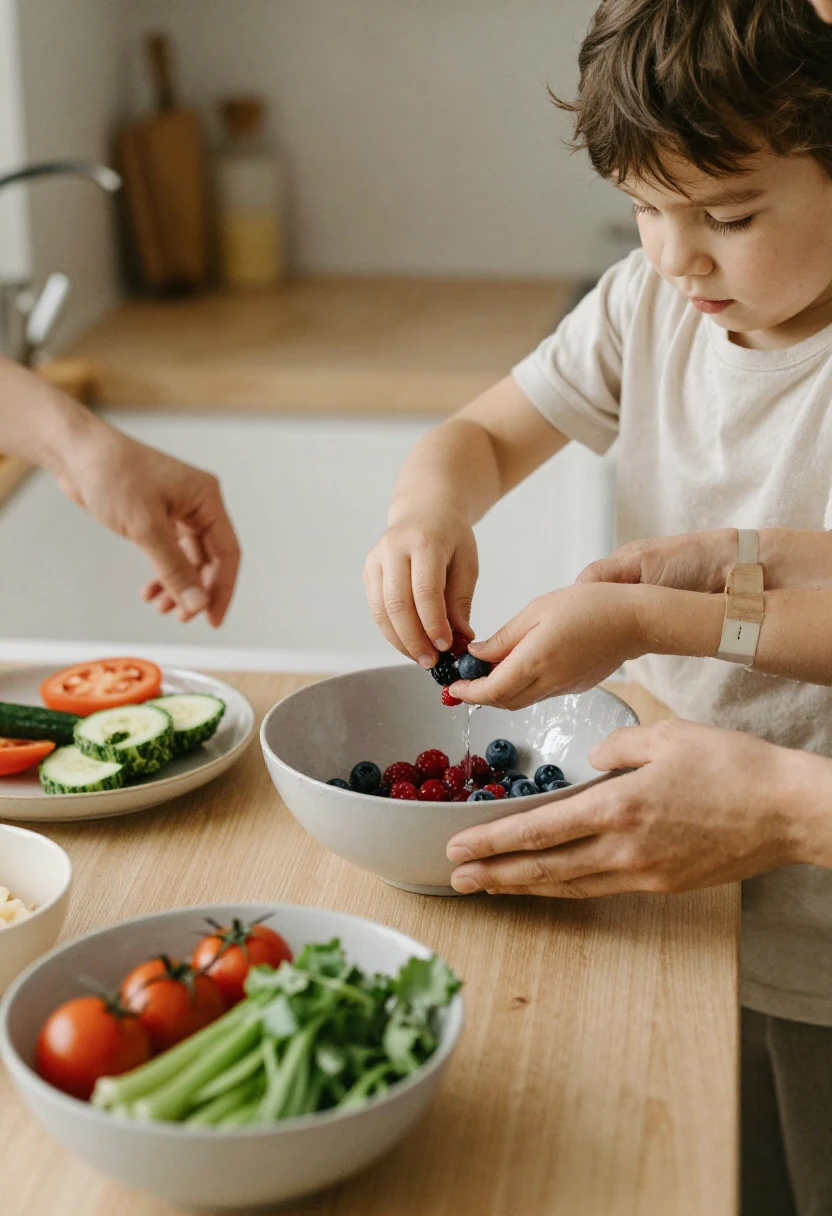
Kids do not learn food habits from one big conversation.
They learn them in tiny, repeated moments. Watching you slice an apple. Seeing you add spinach to eggs. Hearing you say, “This soup needs a little more lemon.” Smelling garlic in a pan before dinner.
It is not always cute, of course. Sometimes they refuse the meal you just cooked. Sometimes they act personally offended by a green speck in pasta sauce. Sometimes they love carrots on Monday and treat them like poison on Wednesday.
That is normal.
The goal is not to raise children who eat perfectly. The goal is to make real food feel familiar.
Let them see food being made
A child who sees food being cooked starts to understand that meals do not magically appear.
They see that potatoes are washed, rice is rinsed, eggs are cracked, vegetables soften in a pan, and soup changes as it cooks. This sounds simple, but it builds comfort.
You do not need to turn every dinner into a cooking lesson. That gets exhausting fast. Just let them be near the process when it makes sense.
They can:
- rinse berries
- tear lettuce
- stir pancake batter
- sprinkle cheese
- choose between apples or oranges
- put yogurt into bowls
- help set the table
- taste the sauce and say what it needs
Will they make a mess? Yes. Almost definitely.
But that mess is part of learning. A child who touches vegetables, smells herbs, and helps build a meal is more likely to see food as something normal, not something mysterious or forced.
Make the kitchen feel normal, not strict
Healthy eating can backfire when it starts to feel like pressure.
If every vegetable comes with a speech about health, kids notice. If dessert becomes the enemy, they notice that too. Food starts to feel like a battle between “good” and “bad,” and that can make meals tense.
A calmer approach works better.
Put vegetables on the table without making them a performance. Serve fruit because it tastes good. Offer water often. Keep snacks simple. Let sweets exist without turning them into a prize for eating broccoli.
The tone matters.
Instead of saying, “You have to eat this because it’s healthy,” try something more ordinary:
- “These carrots are sweet today.”
- “The chicken is a little crispy on the edges.”
- “You don’t have to love it, but you can taste it.”
- “This is what we’re having tonight.”
That kind of language takes some pressure out of the meal.
Kids are allowed to have preferences. Adults do too. But repeated exposure, without drama, gives them a better chance to accept more foods over time.
Build small food rituals
Children remember rituals.
Pancakes on Sunday. Soup when it rains. Taco night. Smoothies after school. Picking a fruit at the grocery store. Making sandwiches together before a picnic. These small routines make food feel connected to comfort, not control.
And rituals do not have to be fancy.
A weekly “build your own bowl” night can be rice, beans, cheese, salsa, cucumber, leftover chicken, and whatever else is in the fridge. Everyone gets some choice, but you are not cooking five different dinners.
A breakfast ritual can be yogurt, fruit, and granola on busy mornings. A lunchbox ritual can be choosing one crunchy thing, one fruit, and one main item.
These patterns help kids know what to expect. They also make healthier food less random.
Over time, that matters. Because childhood food memories do not only come from special holiday meals. They come from the ordinary things that happened again and again.
The bowl of oatmeal before school.
The orange slices after practice.
The soup that smelled like home.
That is where food habits begin.
A softer way to think about better eating
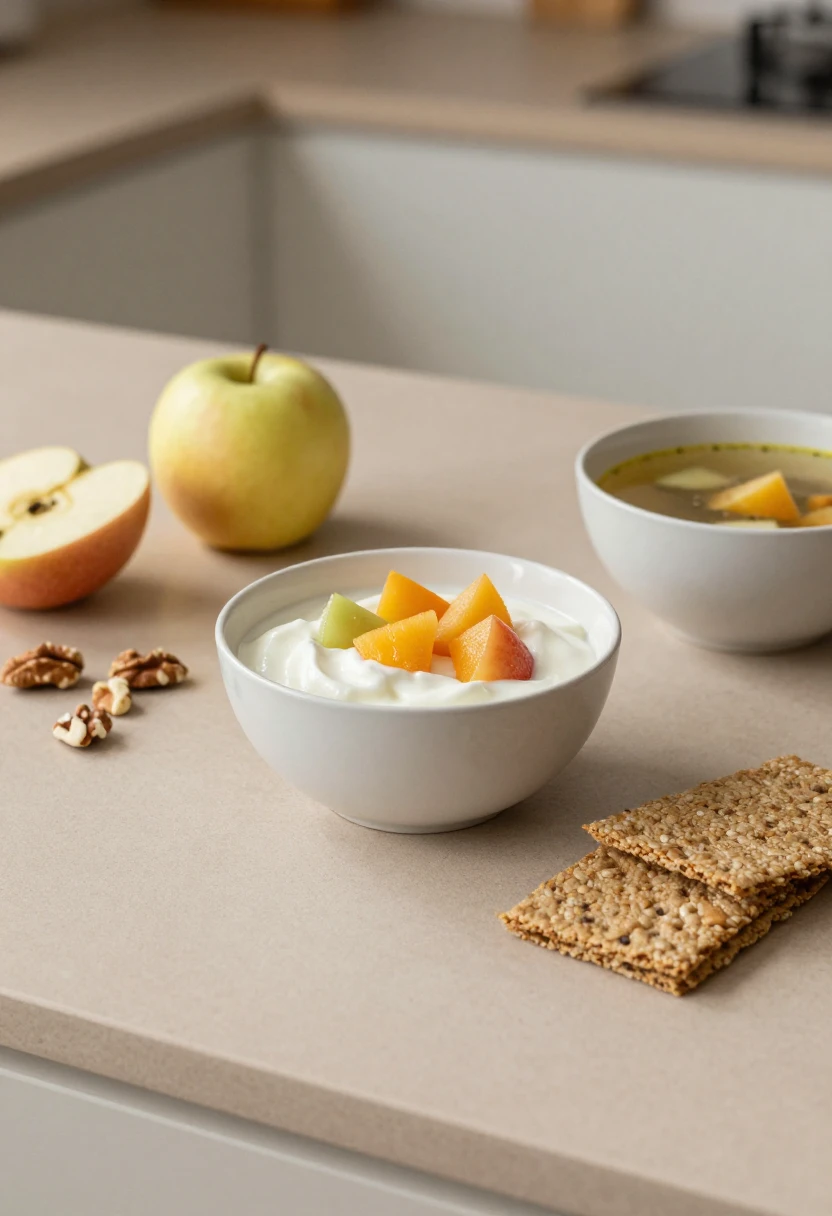
Better eating usually falls apart when it becomes another way to judge yourself.
You ate takeout again.
You forgot the vegetables.
You bought salad and let it wilt.
You packed lunch once, then went back to grabbing something quick.
It is easy to turn all of that into a character flaw. But most food habits are not built from one big decision. They are built from what is easiest to repeat.
So instead of asking, “Why don’t I have more discipline?” ask a better question:
What would make the better choice easier?
Stop blaming yourself for wanting easy food
Wanting easy food is normal.
You are not lazy because you do not want to cook a full dinner after a hard day. You are not failing because a drive-through sometimes feels more realistic than peeling vegetables and washing pans. You are a person with limited energy, and food takes work.
The goal is not to pretend convenience does not matter. It does.
The goal is to make better food feel less like a project.
That might mean eating the same breakfast most mornings. It might mean buying frozen vegetables instead of fresh ones because they will not rot in the fridge. It might mean making sandwiches for dinner and calling that good enough.
Because sometimes it is good enough.
A turkey sandwich with tomato, cucumber, and yogurt on the side may not look like a “wellness meal,” but it can feed you better than skipping dinner and snacking until bedtime.
Change the environment, not just the intention
Good intentions are fragile when you are hungry.
That is why your kitchen setup matters. Not in a perfect pantry, glass-jar, label-maker kind of way. Just in a practical way.
Make the foods you want to eat easier to see and easier to use.
Wash fruit and keep it where people will grab it. Put yogurt at eye level in the fridge. Keep nuts or whole-grain crackers where snacks usually happen. Store chopped vegetables next to hummus or cottage cheese. Freeze soup in portions, not in one giant block that takes forever to thaw.
Small changes help because they remove friction.
If you have to wash, peel, chop, cook, season, and clean before you can eat anything decent, the easier food will win. But if the apple is already washed, the soup is already portioned, or the eggs are right there next to the bread, you have a better chance.
Not a perfect chance. A better one.
That is enough to start.
Better eating starts with one small routine
Big food changes are exciting for about three days.
Then real life comes back.
This is why one small routine usually works better than a complete reset. Choose one thing that would make your week easier and repeat it until it feels normal.
Maybe you:
- make oatmeal every weekday morning
- cook one pot of soup on Sunday
- keep boiled eggs in the fridge
- pack lunch twice a week
- plan one homemade dinner before grocery shopping
- make a fruit-and-yogurt snack after work
- keep frozen vegetables for backup meals
One routine does not sound dramatic. That is the point.
It is small enough to keep.
And once one routine feels easy, you can add another. A better breakfast. A calmer dinner. One less takeout night. More fruit in the house. A meal your kids know and expect.
That is how eating habits change in real life. Not all at once. Not through guilt.
One repeatable choice at a time.
Conclusion
The way we eat changed because life changed.
Most people are not choosing convenience because they do not care about their health. They are choosing it because they are tired, busy, rushed, distracted, or simply out of practice in the kitchen. Food has to fit into real days, not imaginary perfect ones.
But that does not mean home cooking is gone for good.
You can bring it back in small ways. One repeatable breakfast. One soup you know how to make. One dinner that does not require much thinking. One better snack waiting in the fridge. One meal where everyone sits down, even if the table is messy and the timing is not perfect.
That is enough to begin.
Better eating is not about going back to the past. It is about making real food feel possible again in the life you actually have.
FAQ
Why do people choose fast food so often?
People choose fast food because it is quick, predictable, and easy. It solves an immediate problem, especially when you are hungry, tired, or short on time. The issue is not one fast-food meal. The bigger problem is when fast food becomes the easiest option every day.
Is fast food always bad for you?
No. One fast-food meal will not ruin your health. What matters more is your overall pattern. If most of your meals come from fast food, you may miss out on fiber, fresh produce, balanced protein, and home-cooked meals that leave you feeling better long term.
How can I start cooking more at home if I am busy?
Start with very simple meals you can repeat. Eggs with toast, rice bowls, pasta with vegetables, soup, wraps, baked potatoes, and oatmeal are all good places to begin. Keep emergency ingredients at home so cooking feels easier than ordering.
How do I help my kids build better eating habits?
Let them see food being made. Invite them to rinse fruit, stir batter, choose vegetables, or help set the table. Keep the tone relaxed. Kids do not need food lectures at every meal. They need repeated, normal exposure to real food in a calm kitchen.