There is something about a ballpark that makes food feel bigger than it really is. The smell of grilled hot dogs hangs in the air before you even find your seat. Someone a few rows down is balancing a tray of nachos, a giant soda, and a bucket of popcorn like it is a competitive sport. You tell yourself you will “just look,” and then suddenly you are holding a snack you did not even plan to buy.
That is what makes game-day eating so tricky. You are not just hungry. You are excited, a little distracted, maybe hot, maybe thirsty, and fully surrounded by foods designed to tempt you. And honestly, that is part of the fun. A baseball game is not the place where most people want to count every bite or turn down every treat.
The good news is that you do not need to be perfect to eat well at the stadium. You just need a little strategy. When you know how to handle the heat, stay ahead of thirst, and spot the foods that are actually worth your money and appetite, you can enjoy the whole experience without leaving feeling heavy, sluggish, or slightly regretful by the seventh inning. The reference article also centers on hydration, sun awareness, smarter snack choices, lighter food options, and having a plan before you arrive.
Why Eating at a Ballpark Can Be So Tricky
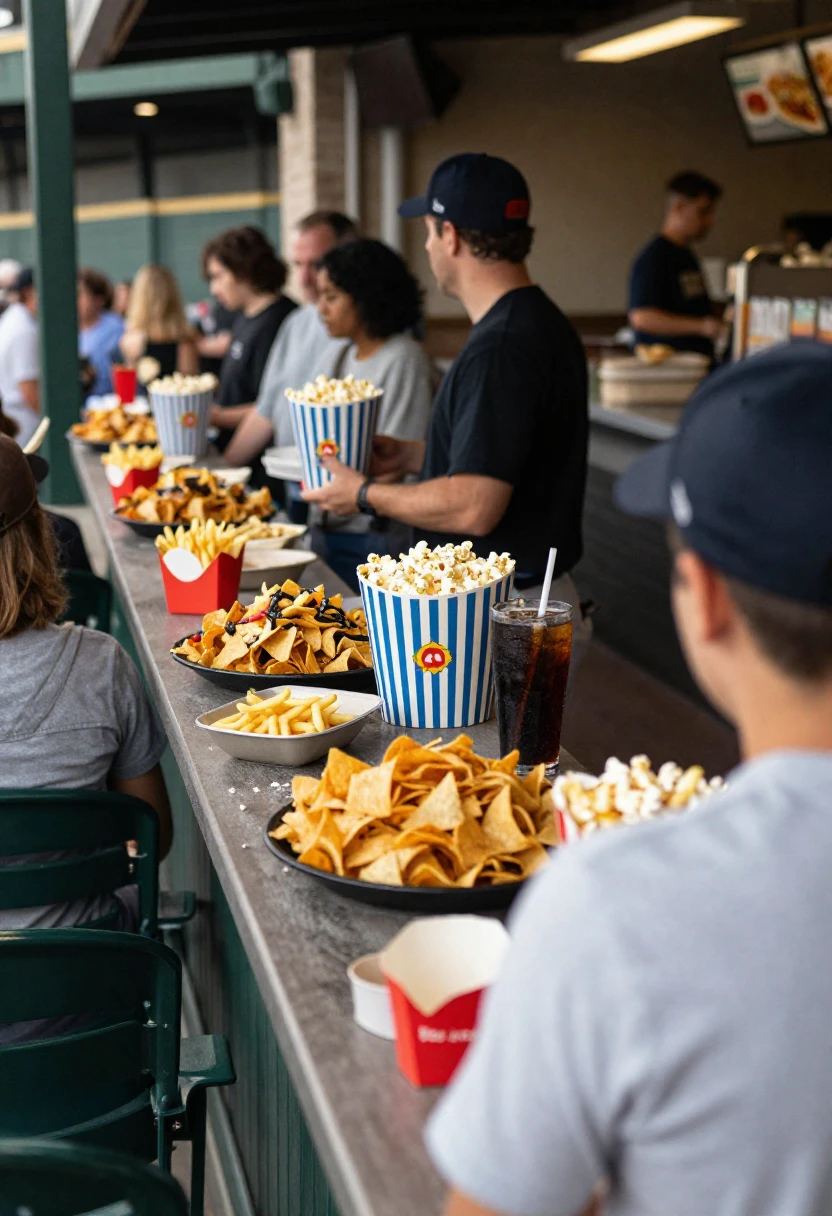
A ballpark is built to keep your attention moving. One minute you are watching warm-ups, the next you are scanning the scoreboard, and then the scent of fried food drifts past and suddenly food feels urgent. It is not always real hunger. Sometimes it is the atmosphere doing what it does best.
The mix of heat, cravings, and convenience
Game days often come with a few things working against you at once:
- Heat can drain you faster than you expect
- Long lines make quick choices more tempting
- Salty, sugary foods seem more appealing when you are tired or distracted
- Big portions look normal because everyone around you has one
That combination matters. When you are hot, thirsty, and overstimulated, you are much more likely to grab the first thing that smells good instead of the thing that will actually leave you feeling satisfied.
Why stadium food is part of the fun — and part of the challenge
Let’s be honest: few people go to a baseball game dreaming about a plain snack and a bottle of water. Part of the experience is enjoying food that feels festive. A hot dog in the stands, a shared basket of fries, cold lemonade on a sunny afternoon — those small rituals are tied to the memory of the game itself.
That is why healthy eating at the stadium is not about saying no to everything. It is about choosing what is truly worth it. Maybe you skip the oversized candy and enjoy the food you actually came for. Maybe you share something rich instead of eating it all yourself. Maybe you decide that one classic ballpark favorite will be more satisfying than random snacking all afternoon.
How a little planning changes the whole experience
The people who feel best after a game are not always the ones who eat the least. Usually, they are the ones who made a few smart choices before the first inning even started.
A little planning can help you:
- Avoid buying food just because you are overwhelmed
- Spend your money on items you will really enjoy
- Stay more comfortable through a long game
- Leave feeling pleasantly full instead of stuffed and sluggish
Think of it this way: when you have a rough idea of what you want to eat and drink, the stadium stops making all the decisions for you. And that alone can make game-day food feel a lot lighter, easier, and more fun.
Healthy ballpark eating starts with awareness, not restriction. Once you understand why stadium food can be so easy to overdo, making better choices becomes much more natural.
Start with Water Before You Even Think About Food
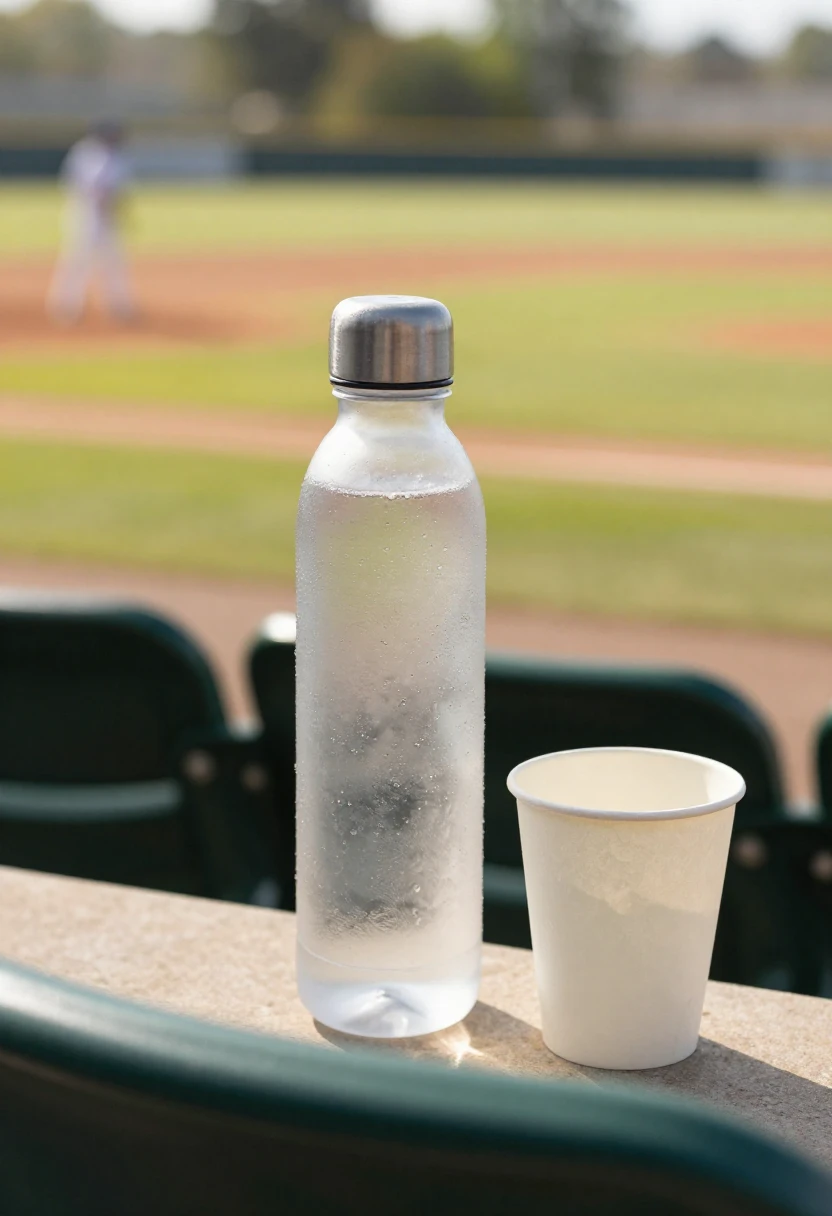
Before you scan the menu board, before you get tempted by the smell of fries, before someone next to you walks by with a giant cup of lemonade — start with water.
It sounds almost too simple, but it changes a lot. The reference article makes this one of its first points for a reason: on a sunny game day, thirst can creep in fast, and your body can easily read that discomfort as hunger instead. It also suggests bringing an empty water bottle and refilling it at fountains when the stadium allows it.
Why dehydration can feel like hunger
This is one of the easiest mistakes to make at a ballpark. You feel off. A little tired. A little headachy. Maybe even suddenly desperate for something salty or sweet. So you assume you need food.
Sometimes, what you really need is water.
When you have been sitting in the sun, walking through the stadium, or talking and cheering for an hour or two, even mild dehydration can make you feel:
- Hungrier than you really are
- More tired and irritable
- Less clear-headed when ordering food
- More likely to crave sugary drinks
That is why the first smart move is not choosing the “healthiest” snack. It is getting yourself comfortable enough to tell the difference between real hunger and just being thirsty.
The best times to drink water during the game
You do not need to carry around a strict hydration schedule, but a little rhythm helps.
A simple way to stay ahead of thirst:
- Drink some water before you enter the stadium
- Take a few good sips once you get to your seat
- Keep drinking through the game instead of waiting until you feel parched
- Have water before buying heavier snacks or meals
That last point matters more than people think. If you pause for water first, you give yourself a moment to decide whether you actually want the food — or whether the heat was making the decision for you.
Simple ways to stay refreshed on hot game days
A few easy habits can make a long game feel much better:
- Bring a refillable bottle if the stadium policy allows it
- Choose water before sugary drinks
- Alternate alcoholic drinks with water
- Take advantage of shade or indoor concourse breaks when needed
- Do not wait for a headache to tell you that you are behind
There is also a money-saving bonus here. Stadium drinks can get expensive fast, especially when you keep buying sweet or frozen options because you are hot. Starting with water helps you feel better and makes it easier to choose food based on what you truly want.
When you are hydrated, your cravings calm down, your energy feels steadier, and the whole food situation becomes easier to manage. It is not the most glamorous game-day trick, but it may be the most useful one.
Don’t Let the Heat Drain Your Energy

A baseball game on a bright afternoon can look dreamy from a distance — blue sky, cold drinks, everyone in a good mood. But after an hour in direct sun, it can start to feel very different. Your face gets warm, your patience gets shorter, and the idea of standing in another line for food suddenly feels like work.
That is where game-day choices often go sideways. The reference article points out that wearing sunglasses, choosing light clothing, and using sunscreen can help protect you from heat and sun exposure, which in turn makes the whole outing more comfortable.
How sun exposure affects appetite, mood, and comfort
When you are too hot, your body is busy coping. You may notice that you feel:
- More drained than hungry
- Less patient when deciding what to eat
- More tempted by icy sugary drinks for quick relief
- More likely to snack mindlessly instead of enjoying your food
It is not just about comfort. Heat changes the way the whole experience feels. A simple meal can feel too heavy. A long line can feel unbearable. And when you are already uncomfortable, you are much less likely to make thoughtful choices.
What to wear and bring for a more comfortable game
A few small things can make a surprising difference:
- Light, breathable clothing
- A hat or cap for extra shade
- Sunglasses to reduce glare and eye strain
- Sunscreen for long outdoor games
- A refillable water bottle, if allowed
- A small bag with easy snacks if stadium rules permit
These are not dramatic wellness hacks. They are just the kind of practical details that help you enjoy the day without feeling wrung out by the third inning.
Why feeling better helps you make better food choices
This is the part people often overlook: comfort supports self-control.
When you are hydrated, shaded, and not overheating, it becomes much easier to slow down and ask yourself a few useful questions:
- Do I actually want a full meal right now?
- Would something lighter feel better in this weather?
- Am I craving food, or am I just overheated?
- Is this snack worth it, or am I buying it because I feel tired?
That small pause can save you from the classic stadium pattern of eating something heavy, feeling even more sluggish afterward, and then needing a sugary drink to perk back up.
A better approach is to treat heat management as part of your food strategy. When your body feels better, your choices usually get better too. And that means you can enjoy your snacks, drinks, and meals because you truly want them — not because the sun has worn you down.
Look at the Menu Before You Buy the First Thing You Smell
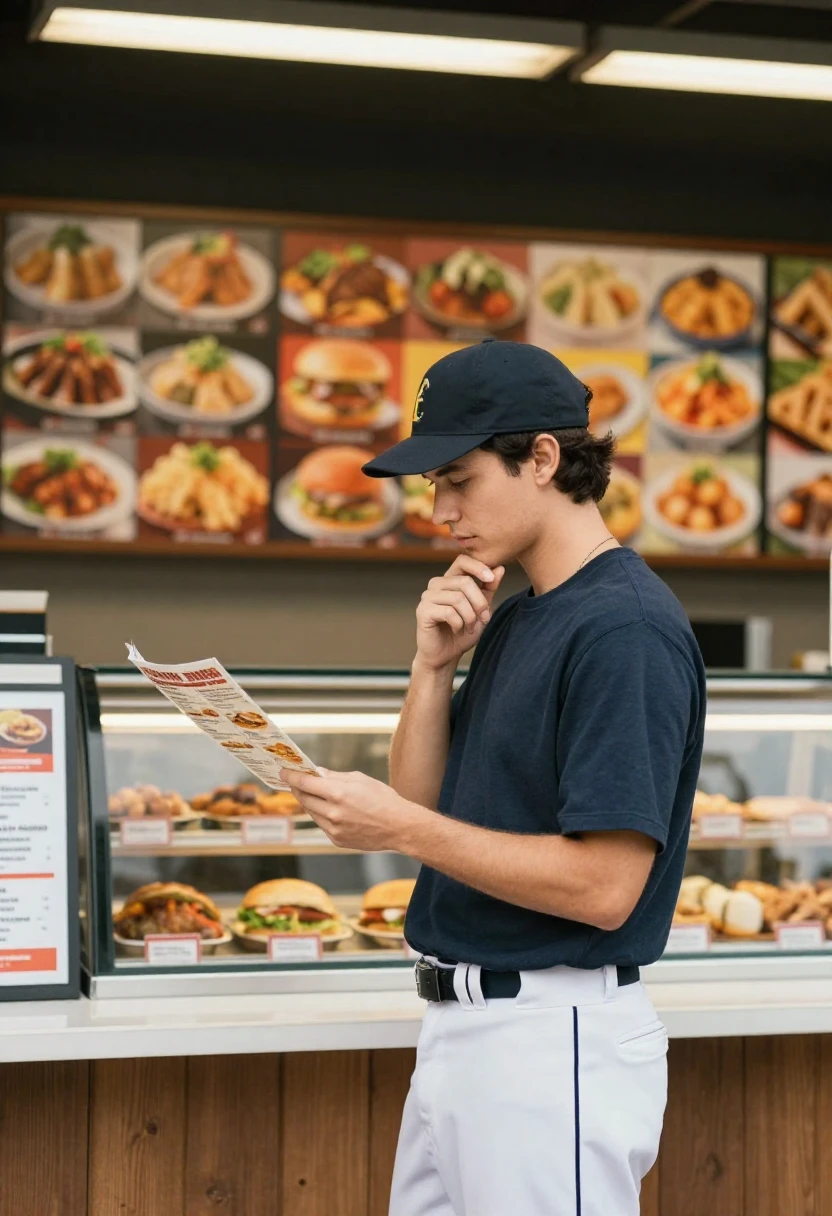
This might be the most underrated healthy-eating trick at a baseball game: do not order the first thing that catches your eye when you are hot, hungry, and half-distracted.
The reference article makes a simple point here under “Careful Snacking” — ballparks are not known for their healthiest food, so it helps to look around, explore your options, and ask a few questions before you indulge.
How to pause before impulse ordering
A stadium is designed to make food feel urgent. You smell popcorn. You see fries. The line is moving. People behind you are deciding fast. It is very easy to go into automatic mode.
That is why a short pause matters.
Before you order, ask yourself:
- Am I actually hungry right now?
- Do I want a full meal or just something small?
- Would this still sound good if I were not standing here smelling it?
- Is there another stand nearby with a better option?
Even a 30-second pause can save you from buying something just because it is right in front of you.
What makes one stadium snack heavier than another
Not all ballpark food hits the same. Some choices leave you satisfied and comfortable. Others feel great for ten minutes and then sit in your stomach for three innings.
Heavier stadium foods are often the ones that are:
- Deep-fried
- Covered in creamy sauces or cheese
- Served in oversized portions
- Paired with a sugary drink without you noticing
That does not mean you can never have them. It just means they are usually better as a deliberate treat, not a rushed default choice.
A quick way to spot the better options
When you scan the menu, look for foods that feel a little more balanced and a little less overwhelming.
A good quick filter is this:
- Choose something grilled instead of fried when possible
- Look for protein-based options that will actually satisfy you
- Pick foods with some freshness, like lettuce, tomato, salsa, or fruit if available
- Think about portion size before you order
- Skip extras you do not truly care about
Sometimes the smartest choice is not the “healthiest” thing on paper. Sometimes it is just the item that sounds enjoyable without making you feel weighed down later.
This is where healthy ballpark eating gets real. It is not about memorizing rules. It is about becoming the person who looks once, thinks twice, and orders on purpose.
Healthier Ballpark Foods That Still Feel Fun
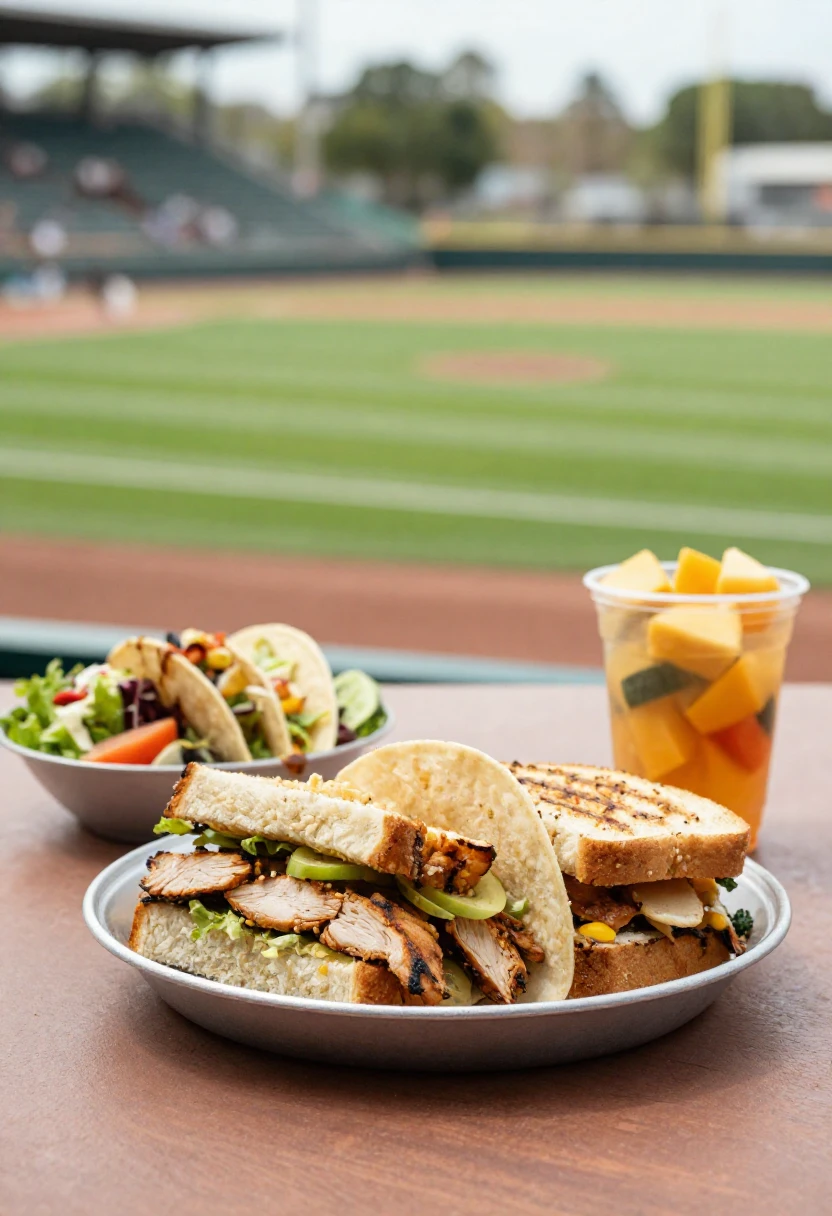
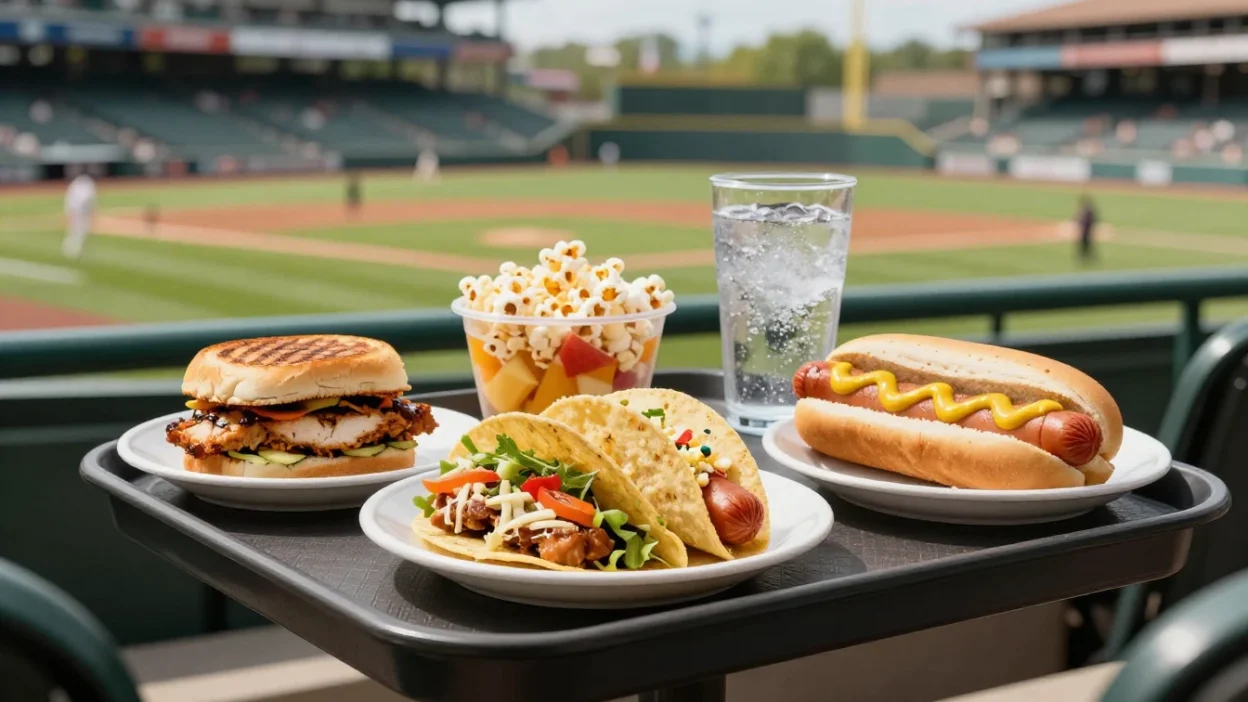
Healthy stadium food does not have to feel like a punishment. You are still at a baseball game. You still want something satisfying, flavorful, and a little festive. The trick is choosing foods that feel like part of the experience without leaving you sleepy, overly full, or desperate for a nap by the middle innings. The reference article points to a few lighter alternatives that are often worth looking for, including a chicken sandwich, salad, or taco instead of defaulting to the heaviest fried options.
Better sandwich and wrap choices
A sandwich can actually be one of the easiest stadium meals to handle well. It feels substantial enough to count as a real meal, but it is usually easier on your stomach than a greasy basket of fried food.
A better sandwich or wrap choice often looks like this:
- Grilled chicken instead of breaded or fried
- A normal bun or wrap instead of extra-heavy add-ons
- Fresh toppings like lettuce, tomato, onion, or pickles
- Sauce on the side when possible
This is the kind of meal that lets you eat, settle in, and keep enjoying the game instead of spending the next hour wishing you had chosen something lighter.
When salads, tacos, or grilled items make sense
Not every stadium salad is exciting, of course. Some look like they were assembled with very little enthusiasm. But when the option is fresh enough, it can be a solid choice on a hot day, especially if it includes protein and actually feels like food rather than decoration.
Tacos can work well too. They often give you:
- Built-in portion control
- Protein that helps you feel satisfied
- Fresh toppings like salsa, cabbage, or lettuce
- A lighter feel than oversized platters
And grilled foods, when available, are often the sweet spot between “healthy” and “still fun.” They usually have the smoky, satisfying flavor you want at a ballpark without the same heaviness you get from deep-fried snacks.
How to enjoy classic stadium food without overdoing it
You do not need to skip every traditional ballpark favorite to eat well. Sometimes the smartest move is simply making the classic choice a little more intentional.
That can mean:
- Ordering one item you genuinely want instead of several random snacks
- Sharing fries or nachos instead of taking on the whole tray yourself
- Pairing a richer food with water instead of a sugary drink
- Choosing a meal you will remember, not just whatever is closest
This is where healthy game-day eating starts to feel realistic. It is not about being the person who says no to everything. It is about being the person who chooses the foods that are actually worth the money, the calories, and the appetite.
A good ballpark meal should leave you feeling satisfied, comfortable, and still ready for the rest of the game. That is a much better goal than trying to eat perfectly in a place built around temptation.
Are Hot Dogs Always the Worst Choice? Not Necessarily
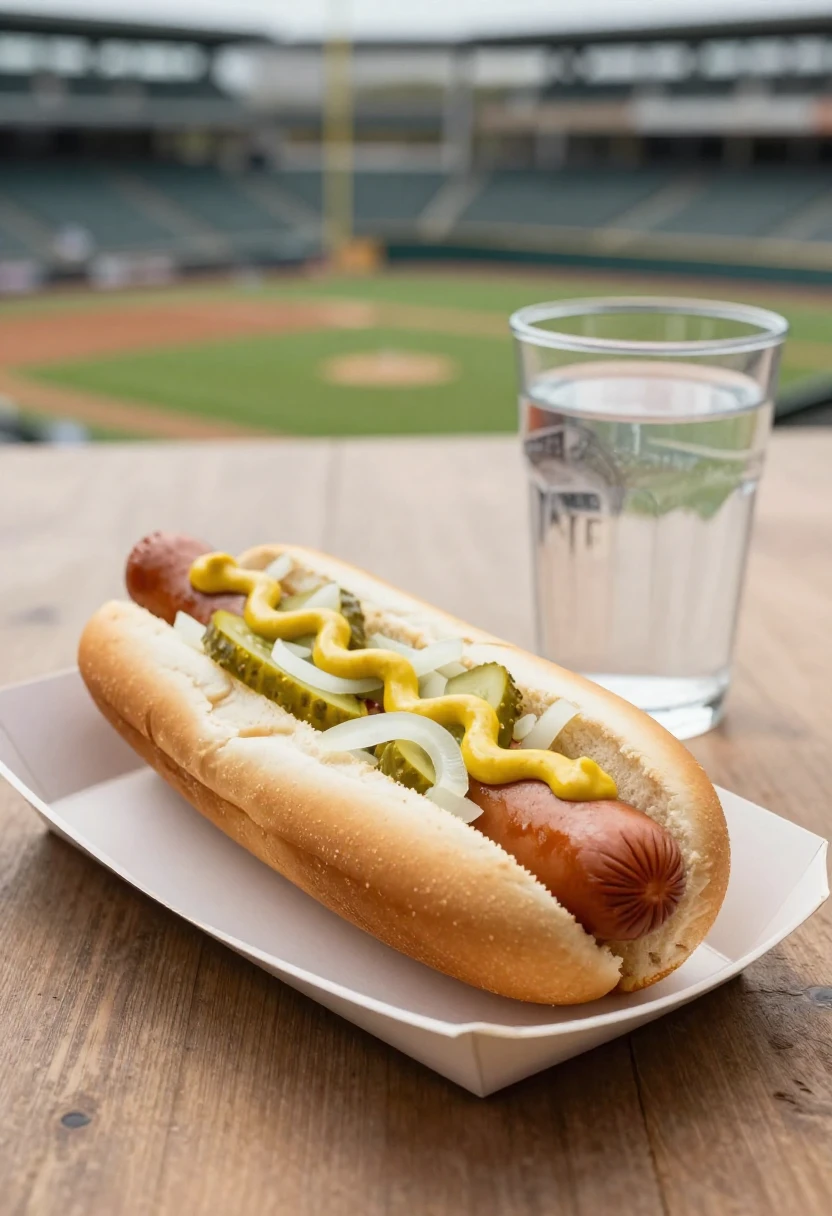
A ballpark without hot dogs barely feels like a ballpark at all. The snap of the bun, the mustard on your fingers, the little moment of satisfaction when you take that first bite in your seat — it is part of the ritual. So if you love the idea of having a hot dog at the game, you do not need to act like that choice automatically ruins everything.
The reference article takes a surprisingly practical angle here. Instead of saying “never order a hot dog,” it suggests choosing a better kind of ballpark dog and specifically mentions Polish sausage as a lower-calorie option compared with some other hot dog choices sold at stadiums.
How portion size and toppings change everything
A hot dog is not always the problem. What often changes the whole meal is everything piled onto it — and everything ordered with it.
A simple ballpark dog can feel very different from one that comes with:
- Extra cheese sauce
- Bacon
- Large buttery sides
- A sugary drink on the side
- A second snack you did not really plan on
That is why one of the smartest game-day habits is to look at the full picture, not just the main item. A classic hot dog can fit into a balanced stadium meal much more easily than a giant combo you barely thought through.
What to look for if you want a lighter hot dog option
If a hot dog is what sounds good, you can still make the choice feel a little lighter and a little more intentional.
A few easy ways to do that:
- Choose the simpler option instead of the overloaded specialty version
- Go easy on heavy toppings
- Add mustard, onions, or pickles for flavor without making it feel too rich
- Pair it with water instead of a sweet frozen drink
- Skip the extra snack unless you are still genuinely hungry
This is where healthy eating becomes more realistic. You are not trying to “out-discipline” the stadium. You are just making one smart decision at a time.
When it’s perfectly fine to enjoy the classic pick
Sometimes the best choice is the one that makes the day feel complete. If you have been looking forward to a hot dog all week, then enjoying one on purpose may be far more satisfying than buying a random snack you do not even care about just because it seems more virtuous.
That matters.
Food satisfaction is part of eating well too. When you choose the thing you truly want — and keep the rest of the meal reasonable — you are much less likely to keep grazing out of restlessness later.
So no, hot dogs are not automatically the enemy. At a ballpark, they can be part of the experience. The real goal is to enjoy the classic favorite without turning one fun food into a heavy, mindless food spiral.
Watch the Drinks — They Add Up Fast
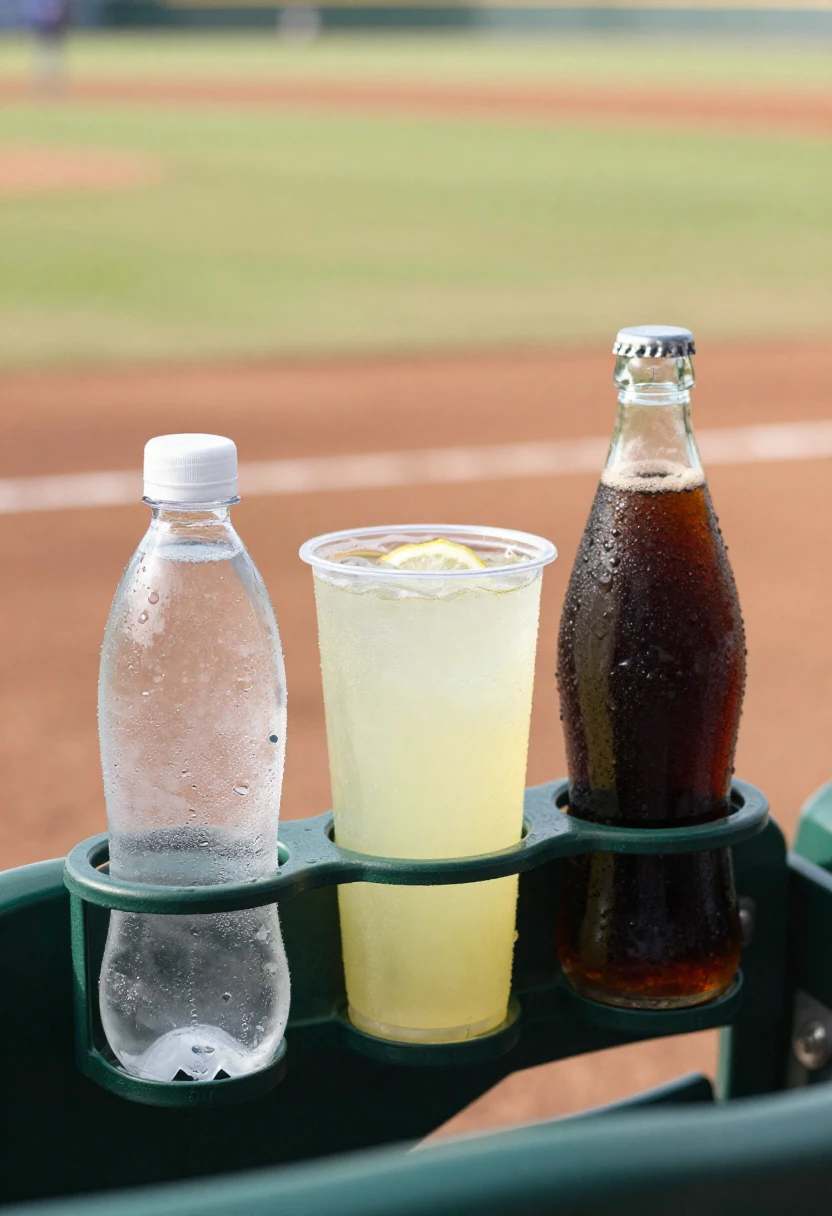
At a ballpark, drinks can seem harmless compared with the food. A soda feels smaller than a plate of nachos. A lemonade sounds refreshing. A frozen drink looks like a reward for sitting in the sun. But once you start paying attention, drinks are often where game-day choices quietly get heavier.
The reference article specifically warns readers to watch the empty calories in soft drinks and alcohol because they can add up quickly over the course of a game.
The hidden sugar in lemonade, soda, and frozen drinks
Sweet drinks can be especially tempting when you are hot and tired. They feel cold, comforting, and instantly satisfying. But they also disappear fast, which makes it easy to underestimate how much you are actually having.
That is where the problem starts.
Many stadium drinks are:
- Much larger than what you would normally drink
- Packed with sugar
- Easy to finish quickly without feeling full
- Often paired with salty food that makes you even thirstier
So instead of solving your thirst, they can sometimes keep the cycle going. You drink something sweet, feel refreshed for a moment, and then still want more.
Alcohol, thirst, and extra calories
A beer at the game can absolutely be part of the experience. For a lot of people, it is. But alcohol can be sneaky in two ways: it adds calories without doing much to satisfy hunger, and it can leave you feeling even more dehydrated in warm weather.
That often leads to a familiar pattern:
- You get thirsty
- You order another drink
- You get snackier
- You stop paying attention to how much you have had
If you are drinking alcohol during the game, the simplest way to keep things balanced is to slow the pace and give your body a little support.
Better drink choices for a long game
You do not need to turn game day into a wellness retreat. You just need a few drink choices that help you enjoy yourself without feeling worn out later.
A few smart options:
- Water first
- Sparkling water if you want something more fun
- Unsweetened iced tea when available
- One drink you truly want instead of several random ones
- Water between alcoholic drinks
This approach keeps the day feeling enjoyable, not restrictive. Maybe you still order the cold lemonade because it sounds perfect in the moment. Great. Just make it a conscious choice, not the automatic answer to every wave of heat or boredom.
Drinks should refresh you, not quietly turn your game-day meal into something much heavier than you intended. Once you start noticing them, they become one of the easiest places to make better choices.
Bringing Your Own Snacks Can Save the Day
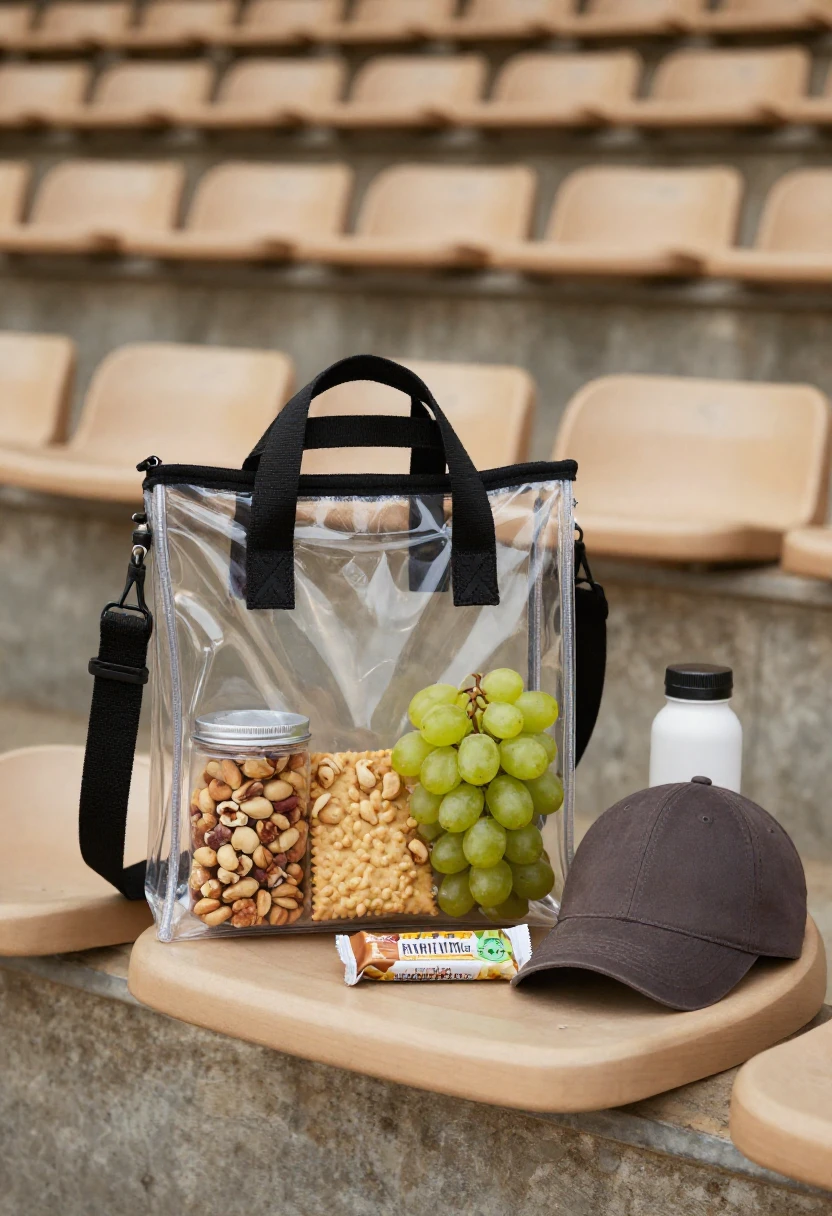
Sometimes the smartest stadium food choice is the one you made before you even left home.
The reference article recommends bringing healthy snacks from home when allowed, pointing out that this can help you avoid relying completely on expensive, heavy concession food. It also notes that some ballparks may let you bring in an empty water bottle, which can make staying hydrated much easier.
Why this can be the easiest healthy option
When you bring your own snack, you remove a lot of the pressure that comes with game-day eating. You are not forced to buy something just because you are suddenly hungry and the nearest stand is selling giant pretzels, candy, and fried food.
That little bit of preparation helps you:
- Avoid impulse purchases
- Save money
- Have something reliable on hand if lines are long
- Balance out richer foods you may still want later
And sometimes that is all you need. A simple snack early in the game can keep you comfortable enough to wait for the meal you actually want instead of buying the first thing available.
Smart portable snacks that travel well
The best ballpark snacks are easy to pack, not too messy, and satisfying enough to hold you over.
A few good options include:
- Apple slices or grapes
- A banana for quick energy
- Trail mix or mixed nuts
- A protein bar you actually enjoy
- Whole-grain crackers
- Roasted chickpeas or another crunchy snack with protein
These are not glamorous ballpark foods, and they do not need to be. Their job is simple: help you stay steady, less impulsive, and more comfortable through the game.
Checking stadium rules before you go
This part matters. Not every stadium has the same policy, so it is worth checking in advance instead of assuming you can bring in whatever you want.
Before game day, look into:
- Whether outside food is allowed
- What kind of bag is permitted
- Whether sealed snacks are preferred
- If empty refillable water bottles are allowed
- Any limits on size or packaging
That two-minute check can save you from standing at security with a carefully packed snack bag you now have to throw away.
Bringing your own food does not mean you cannot enjoy stadium food too. It just gives you more control. Maybe you snack on fruit or nuts early, drink some water, and then later buy the one classic ballpark item you truly want. That kind of balance often feels much better than showing up hungry and hoping for the best.
Make a Simple Game-Day Food Plan
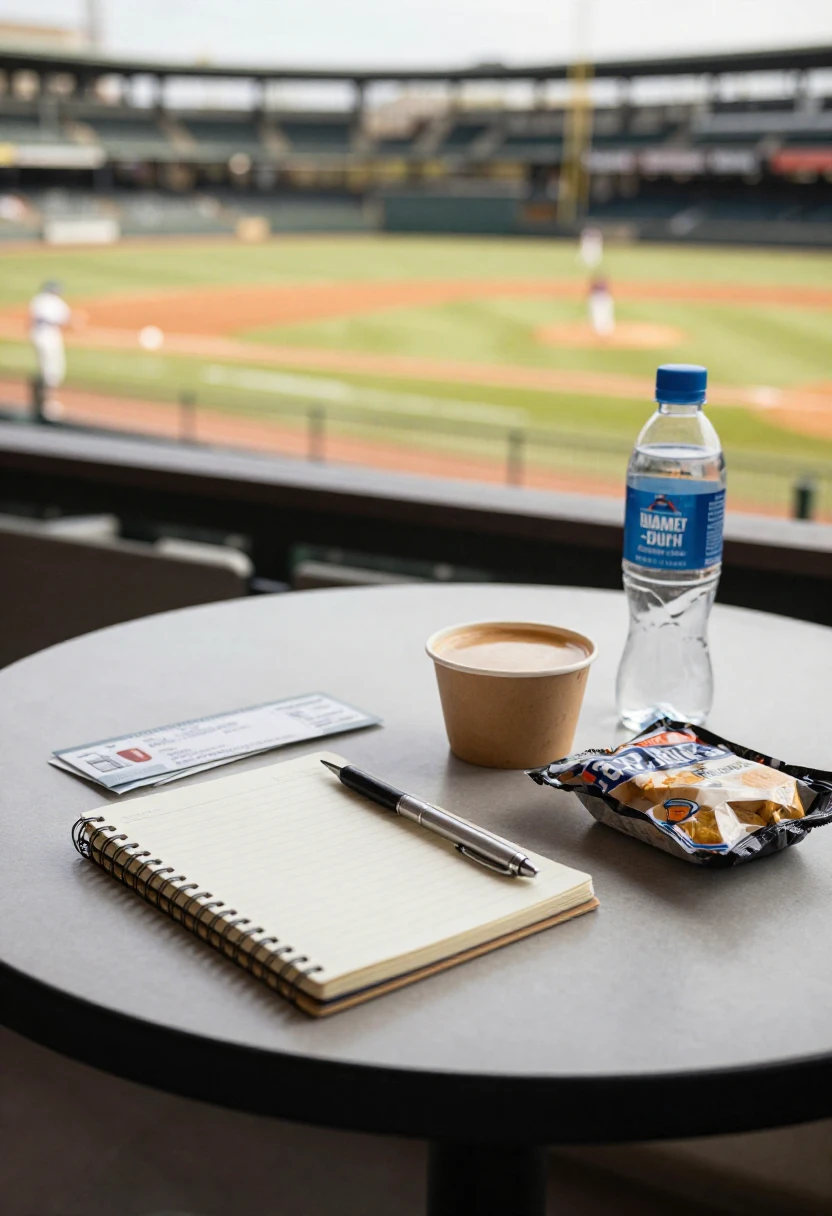
You do not need a strict meal strategy, a calorie app, or a color-coded checklist to eat well at a baseball game. But having some kind of plan before you walk through the gates can make a huge difference.
The reference article touches on this idea by encouraging readers to be prepared, think ahead about food and drinks, and avoid spending too much on impulse choices once they are inside the stadium.
Set your budget before you arrive
Ballpark food has a way of turning into a small financial event before you even realize it. One drink becomes two. A snack turns into a combo. Then someone wants dessert, and suddenly the total feels a little ridiculous.
That is why it helps to decide in advance:
- How much you want to spend on food and drinks
- Whether you are buying a full meal or just snacks
- If you want to save room in the budget for one fun treat
This is not just about money. It also helps you avoid that scattered, grab-whatever mood that usually leads to eating more than you really wanted.
Decide what you really want to splurge on
This part is surprisingly freeing.
Instead of trying to be “good” the whole game and then ending up with random food you did not even enjoy, choose the thing that actually matters to you. Maybe it is the hot dog. Maybe it is the ice cream in the little helmet cup. Maybe it is the cold beer you always associate with summer games.
Pick your moment.
When you do that, it becomes easier to let the rest of your choices stay simple:
- Water instead of multiple sweet drinks
- One satisfying meal instead of constant grazing
- A shared indulgent snack instead of several heavy ones
- A small treat you love instead of a giant one you barely notice eating
That kind of planning feels more satisfying because it is based on enjoyment, not restriction.
How to enjoy the experience without feeling stuffed after inning seven
The goal is not to leave the stadium proud of your discipline. The goal is to leave feeling good.
A simple game-day food plan can help you do exactly that:
- Eat something light before the game if you know you will arrive hungry
- Start with water
- Have a snack or meal at a natural break, not just out of boredom
- Choose one or two foods you truly want
- Pause before ordering more just because the game is long
That last point matters. A baseball game has built-in waiting time. There are innings, breaks, pitching changes, long stretches where your hands feel empty and food seems like the obvious answer. But not every quiet moment needs a snack attached to it.
Sometimes the smartest game-day plan is simply this: stay hydrated, eat on purpose, and leave a little room to enjoy the food that actually feels special.
That is usually enough to help you walk out happy, comfortable, and still able to enjoy the rest of your evening without needing to recover from lunch.
Healthy Ballpark Eating Is Really About Balance
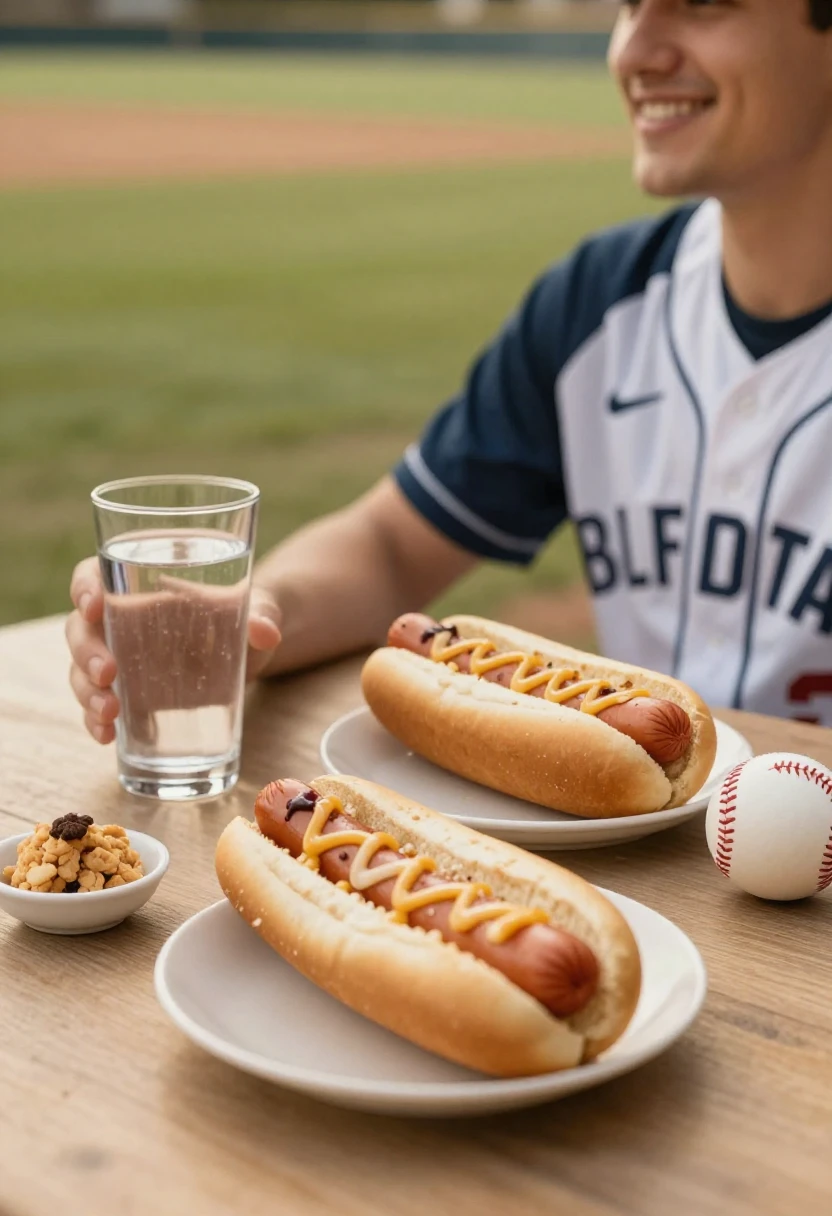
By the time the game is over, the goal is not to feel like you “won” at healthy eating. The goal is to feel good. You want to walk out of the stadium satisfied, comfortable, and happy you enjoyed the day — not overstuffed, sluggish, or wondering why a simple afternoon turned into a food hangover.
That balance-first mindset actually matches the spirit of the reference article. It encourages you to plan ahead, stay hydrated, be careful with snacks and drinks, and still enjoy the ballpark experience without going overboard. It even suggests setting a rough range for the day instead of treating the game like a free-for-all.
You do not need to eat perfectly to eat well
This is where many people get stuck. They think healthy eating at a stadium means one of two extremes:
- Be ultra-strict and miss the fun
- Give up completely and eat whatever is easiest
But there is a much better middle ground.
You can:
- Drink water first
- Choose one meal or snack you really want
- Skip the extras you do not care about
- Bring something from home if allowed
- Let the experience feel fun without making every choice automatic
That is what balance looks like in real life. It is not rigid. It is thoughtful.
How to leave satisfied instead of sluggish
The difference often comes down to a few small habits repeated throughout the game:
- Do not show up starving
- Do not confuse thirst with hunger
- Pause before impulse-ordering
- Choose food that sounds good and feels manageable
- Pay attention to drinks, not just meals
- Stop when you feel satisfied, not when the inning ends
That last one matters more than it seems. Stadium food has a way of becoming background entertainment. You keep nibbling because it is there, because the game is long, because everyone else is eating too. But when you stay just a little more aware, you enjoy the food more and usually need less of it.
Turning game-day eating into a better habit
One baseball game will not define your eating habits, of course. But these moments are where your real habits show up. How you eat when you are excited, distracted, social, hot, or tempted says a lot more than what you do on an ordinary Tuesday at home.
That is why ballpark eating can actually teach you something useful.
It can remind you that:
- Planning helps
- Hydration matters
- Satisfaction matters too
- You can enjoy special food without overdoing it
- Healthy eating works best when it feels realistic
And maybe that is the most helpful takeaway of all. A baseball game does not need perfect food choices. It just needs smart, enjoyable, balanced ones.
Conclusion
A baseball game should leave you with good memories, not a heavy stomach and a vague sense that you ate everything in sight just because it was there. The best ballpark food choices are usually not the strictest ones. They are the ones that help you enjoy the day, stay comfortable in the heat, and still leave room for a little fun.
If you start with water, think ahead, and choose the foods you truly want instead of grabbing whatever is closest, healthy ballpark eating becomes much easier. You do not need to be perfect. You just need a little awareness, a little balance, and enough flexibility to enjoy the moment without overdoing it.
FAQ
What is the healthiest food to eat at a baseball game?
The healthiest option usually depends on what your stadium offers, but grilled sandwiches, wraps, tacos, salads with protein, fruit, and simple snacks are often better choices than heavily fried foods. The goal is to find something satisfying that will not leave you feeling overly full or sluggish.
Can I still eat a hot dog and keep my meal balanced?
Yes. A hot dog can still fit into a balanced game-day meal, especially if you keep the toppings simple and skip unnecessary extras. One classic food you truly want is often a better choice than several random snacks you do not really enjoy.
Is it okay to bring your own snacks to a ballpark?
Often, yes — but it depends on the stadium. Some allow outside snacks and empty refillable water bottles, while others have stricter rules. It is always smart to check the venue policy before you go.
What should I drink during a long game?
Water is usually the best place to start. You can also choose sparkling water or unsweetened iced tea if those are available. If you have soda, lemonade, or alcohol, it helps to treat them as deliberate choices instead of your main source of hydration.