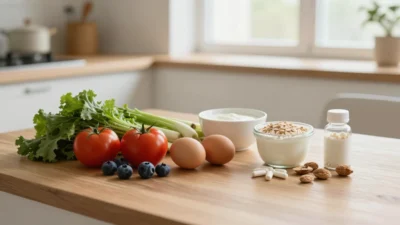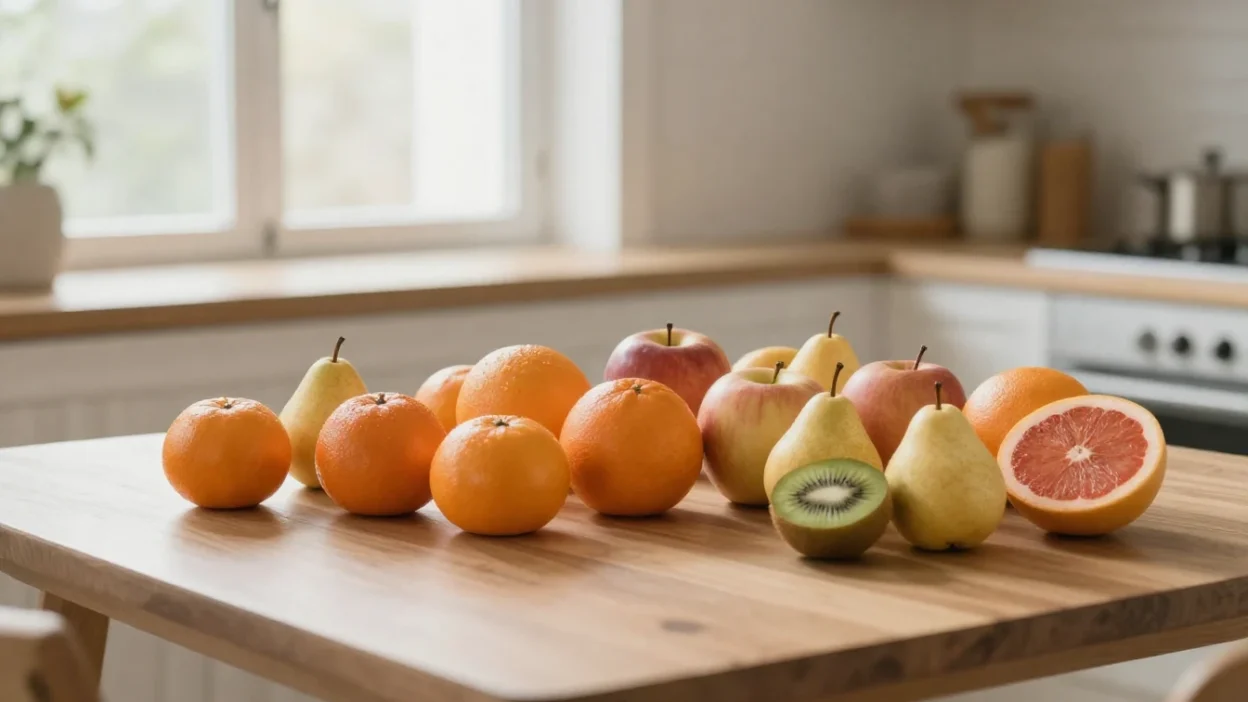
When winter settles in, it can feel like the bright, juicy part of eating disappears with summer. The berries look tired, peaches are long gone, and suddenly everything around you seems beige, roasted, or wrapped in pastry. It is no surprise that many people start reaching for heavier foods and forget that fruit can still have a place on the table.
But winter fruit has its own kind of charm.
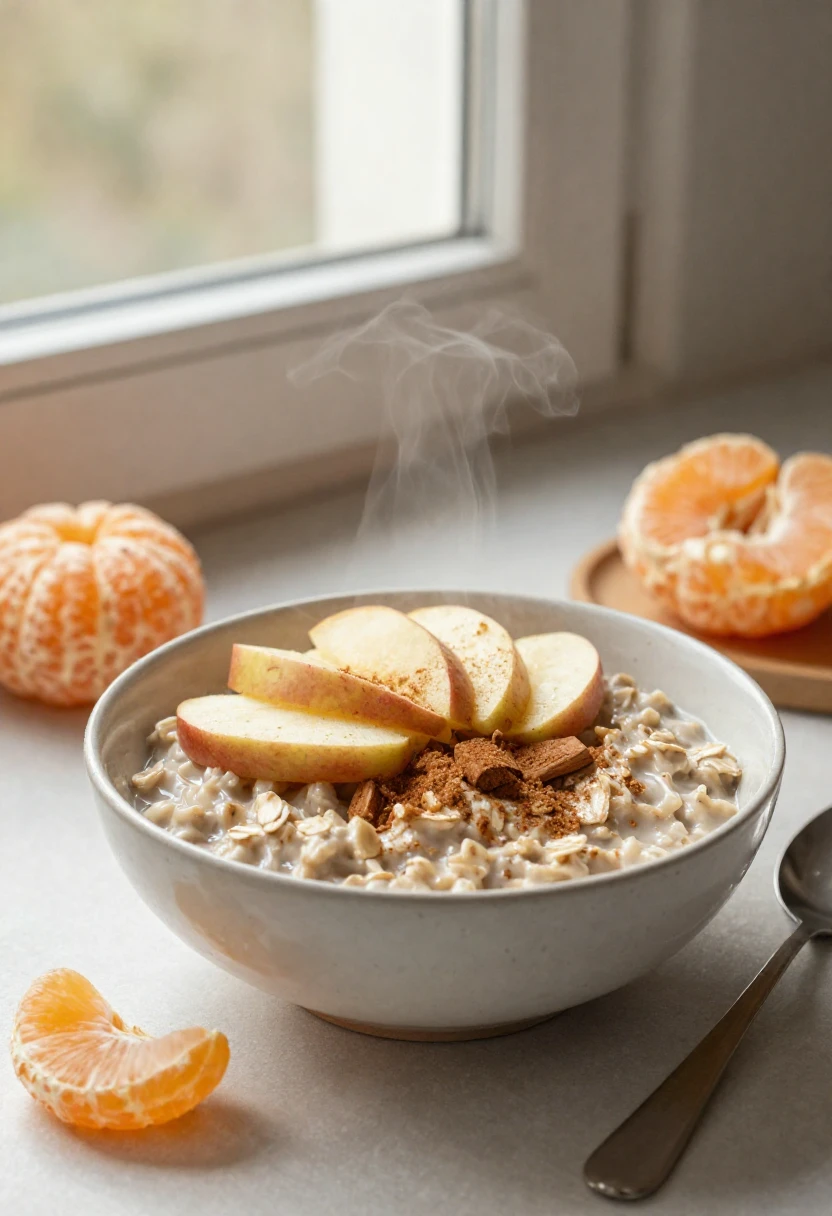
This is the season of sweet mandarins peeled at the kitchen counter, crisp apples tucked into a bag for later, and ruby grapefruit that tastes especially refreshing on a gray morning. It is also the season when fruit can become warmer, softer, and more comforting. A baked pear with cinnamon, warm apples over oatmeal, or spoonfuls of homemade fruit compote can feel just as satisfying as any cold summer bowl.
The trick is not to expect winter fruit to look or behave like summer fruit. Once you stop comparing the seasons, you start noticing what winter does well. It offers cozy textures, deeper flavors, and simple ways to make fruit feel interesting again without forcing yourself to eat something bland just because it is “healthy.”
If you have ever felt stuck buying the same apples and bananas every week, this guide will help you see winter fruit differently. You do not need endless variety to enjoy it. You just need a few smart ideas, a little creativity, and a more seasonal way of thinking about what belongs on your plate.
Why Fruit Still Matters in Winter
It is easy to let fruit slip into the background once the weather turns cold. Summer makes fruit feel obvious. A bowl of cherries on the table, watermelon after dinner, strawberries that taste sweet without any effort. Winter is different. The cravings change. You want soup, toast, pasta, something warm in your hands. Fruit can start to feel like an afterthought.
That is usually where the problem begins.
When fruit disappears from your routine, meals can start feeling heavier and less balanced. Breakfast becomes all carbs. Snacks turn into crackers or sweets. Lunch loses that fresh element that keeps it from feeling flat. You may not notice it right away, but after a while, your eating starts to feel a little one-note.
Fruit helps bring back contrast.
A sliced orange next to warm porridge. Pear with a handful of walnuts in the afternoon. Apple tucked beside a sandwich instead of another packaged snack. These are small choices, but they change how a meal feels. Fruit adds brightness, texture, and a natural sweetness that can make winter food feel more alive.
There is also something comforting about fruit in winter when you stop thinking of it as a cold food only. It can be:
- Baked until soft and fragrant
- Stewed into a simple topping
- Added to warm breakfasts
- Paired with cozy ingredients like cinnamon, oats, yogurt, or nuts
That is what makes fruit worth keeping around in colder months. It does not have to compete with winter food. It can become part of it.
And maybe that is the shift that makes everything easier. Instead of asking, “What fresh summer fruit can I still find?” ask, “How can fruit fit the season I am in now?” That question opens up a lot more possibilities.
When you start looking at winter fruit this way, it stops feeling limited. It starts feeling practical, comforting, and surprisingly enjoyable.
Why People Tend to Eat Less Fruit in Cold Weather
There is a reason fruit starts fading into the background in winter, and it is not because people suddenly stop liking it.
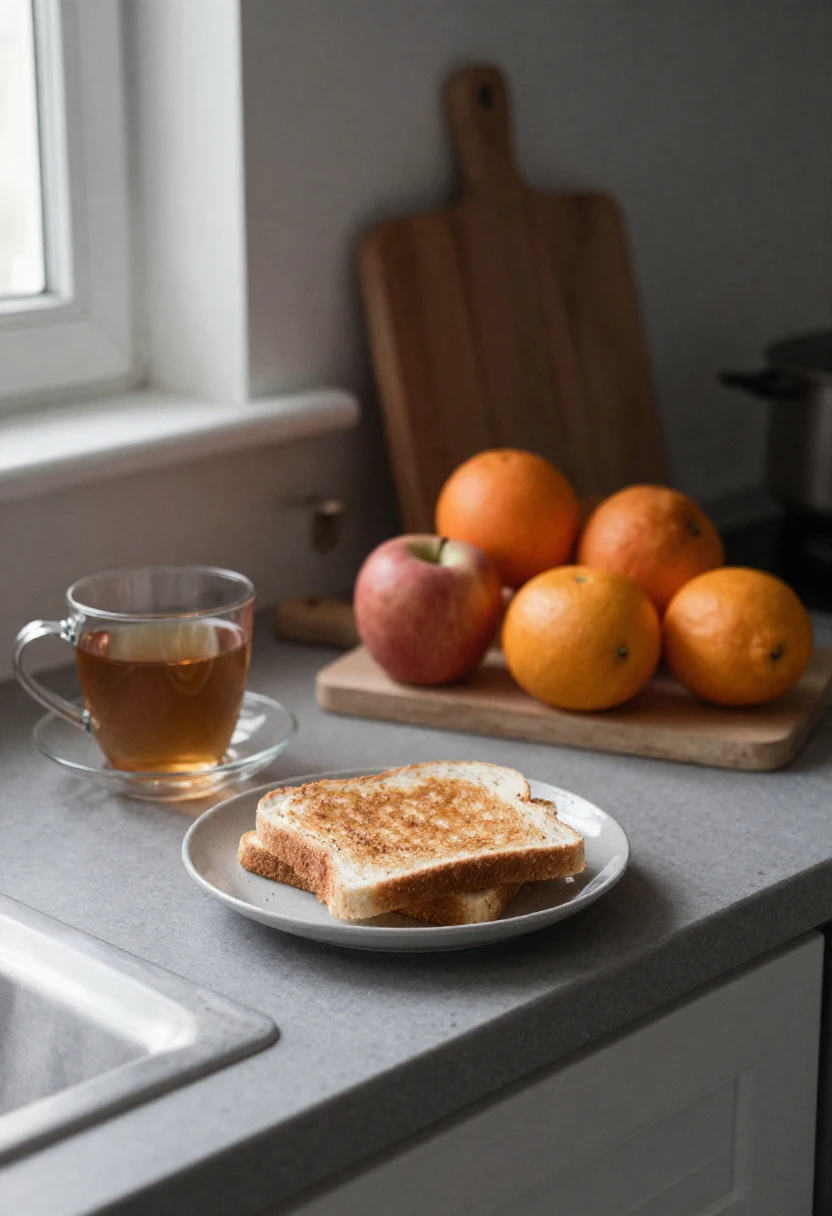
Most of the time, it happens quietly. The weather cools down, your habits shift, and the foods that sound good begin to change. You want warm breakfasts, comforting dinners, and snacks that feel a little more filling. A cold bowl of fruit rarely wins against toast with butter or something fresh from the oven.
That does not mean fruit stops being useful. It just means it needs a different role.
Fewer summer favorites on store shelves
Part of the problem is expectation. People think of fruit through a summer lens. They picture peaches dripping over the sink, juicy berries, melon slices on hot afternoons. Once those disappear, winter can feel like a season of less.
You walk through the produce section and think, That’s it? Apples again?
But winter is not really empty. It is just less flashy. Instead of soft, delicate fruit, you get the kinds that store well, travel better, and hold up in warm dishes. Citrus, apples, pears, kiwi, pomegranate, bananas—these may not have the glamour of peak-summer fruit, but they are versatile in ways people often overlook.
Cravings shift toward warm, rich, comfort foods
Cold weather changes appetite in a very real way. You start wanting food that feels grounding and familiar. A crunchy apple can seem less appealing than something baked, buttery, or creamy. Even snacks change. Instead of grapes or fresh fruit, people reach for cookies, granola bars, cheese, or roasted nuts.
This is where fruit can seem boring, even when the real issue is that it is being eaten the same old way.
A plain apple on a freezing afternoon may not sound exciting. But warm apples with cinnamon, pear on toast with ricotta, or orange slices with dark chocolate after dinner feels completely different. Winter fruit often becomes more enjoyable when it is paired, warmed, or given a little texture.
The myth that fruit is only for spring and summer
A lot of people unconsciously treat fruit as seasonal decoration rather than everyday food. It feels fun in summer, optional in winter. But that mindset makes winter eating feel more limited than it needs to be.
Fruit does not have to be the star of a cold fruit platter to earn its place. In winter, it can show up in quieter ways:
- Stirred into oatmeal
- Layered into yogurt
- Roasted alongside breakfast
- Added to salads or grain bowls
- Turned into a simple snack with nuts or cheese
Sometimes the issue is not availability. It is imagination.
Once you stop expecting fruit to behave like summer fruit, winter becomes easier. You stop chasing strawberries that taste disappointing in January and start enjoying what the season naturally offers. That shift makes fruit feel less like a compromise and more like part of a rhythm that actually works.
And honestly, that is when winter fruit becomes much more enjoyable. Not because it is perfect, but because you start using it in ways that make sense for real life.
The Best Fruits to Eat in Winter
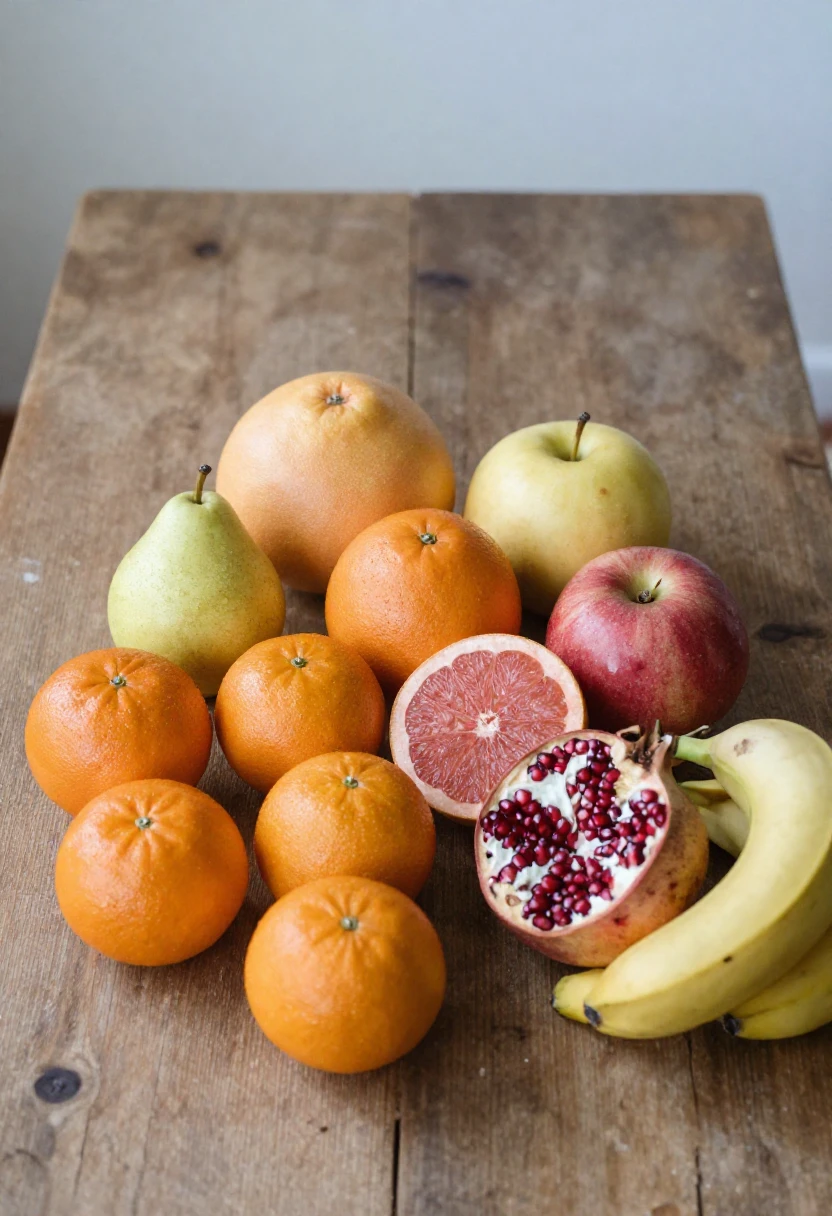
Winter fruit may not look as abundant as summer produce, but it has something else going for it: reliability. These are the fruits that hold up well, taste good in simple meals, and do not need much effort to become part of your day.
Once you stop looking for summer in the middle of winter, you start noticing there is still plenty to enjoy.
Citrus fruits like oranges, mandarins, lemons, and grapefruit
If winter had an official fruit family, citrus would probably win.
There is something especially satisfying about peeling a mandarin when it is cold outside. The scent is bright, the flavor feels clean and sharp, and suddenly a gray afternoon seems a little less dull. Citrus fruits bring a kind of freshness that winter meals often need.
They also work in more ways than people think:
- Mandarins and oranges are easy snacks and lunchbox staples
- Grapefruit feels refreshing at breakfast or after a heavier meal
- Lemons can wake up warm water, salad dressings, grain bowls, and roasted vegetables
- Limes add brightness to soups, sauces, and fruit salads
And sometimes that little burst of acidity is exactly what keeps winter food from feeling too rich for days in a row.
Apples and pears as reliable cold-season staples
Apples and pears are not exciting in a dramatic way, but they are the fruits that quietly carry winter.
They are easy to keep at home, easy to pack, and easy to use in both sweet and savory meals. A crisp apple can still be satisfying on its own, especially when paired with peanut butter or a few nuts. But these fruits really shine when they are warmed up.
Think about:
- Apples sautéed with cinnamon
- Baked pears with yogurt
- Chopped apple stirred into oatmeal
- Pear slices on toast with ricotta
- Apple added to salads with greens and walnuts
This is where winter fruit starts to feel less repetitive. The same apple that feels ordinary on the counter becomes soft, fragrant, and comforting in a pan.
Pomegranate, kiwi, and other bright winter picks
Some winter fruits feel like little surprises.
Pomegranate seeds add color and crunch to meals that might otherwise feel heavy or beige. Scattered over yogurt, oatmeal, or salad, they instantly make the plate look more alive. Kiwi brings a tart, juicy contrast that can be especially welcome when everything else feels soft and rich.
These are the kinds of fruits that break up routine. You may not buy them every week, but they can make winter eating feel more interesting.
A few good options to rotate in include:
- Pomegranate for crunch and color
- Kiwi for brightness and a fresh bite
- Persimmons, if available, for a soft seasonal treat
- Cranberries in cooked dishes, sauces, or baked recipes
Even one “different” fruit in the kitchen can help you feel less stuck in the usual apple-banana cycle.
Bananas and other easy everyday options that work year-round
Not every winter fruit has to be seasonal to be useful.
Bananas are one of those steady, practical foods that make life easier. They work in smoothies, porridge, pancakes, yogurt bowls, and quick snacks. They are also naturally comforting, which makes them fit winter more easily than people sometimes realize.
A sliced banana with peanut butter on toast, or warm oats topped with banana and cinnamon, feels right at home on a cold morning.
Year-round fruits matter in winter because they give you consistency. Even when seasonal choices feel limited, you still have simple options that help keep fruit in your routine without overthinking it.
The goal is not to build the most impressive fruit basket of your life. It is to create enough variety that fruit keeps feeling enjoyable.
A realistic winter fruit rotation might look like this:
- One citrus option
- One crisp fruit like apples or pears
- One softer or brighter fruit like kiwi or banana
- One backup option frozen or dried
That is usually enough to keep things interesting without filling your kitchen with food you will forget to eat.
How to Choose Good Winter Fruit at the Store
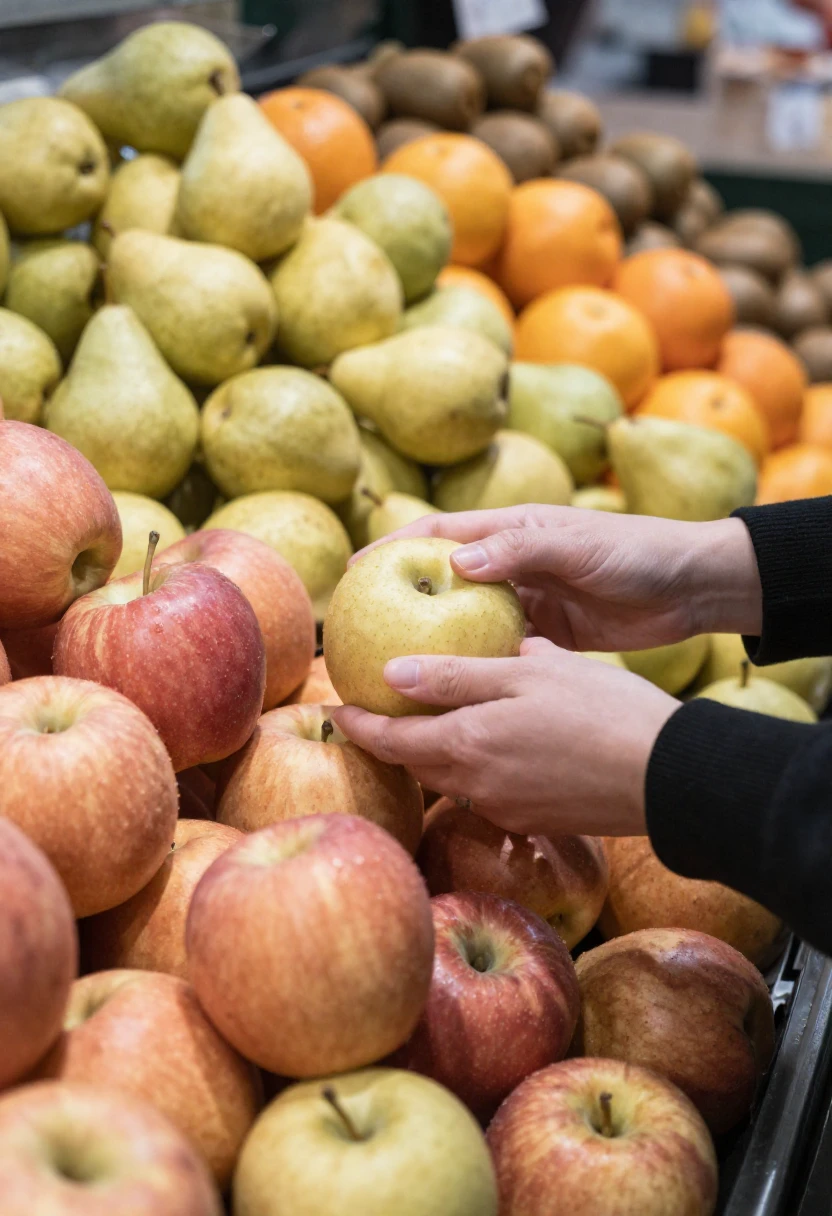
Buying fruit in winter can feel a little hit or miss. Some weeks everything looks decent. Other weeks the produce section feels tired before you even touch a basket. That is why a few small shopping habits make such a difference.
You do not need to become the person who taps every apple and inspects every orange like a produce buyer. But it helps to know what to look for, especially when your choices already feel narrower than they do in summer.
What freshness looks and feels like
Winter fruit often tells you more through texture, weight, and smell than through appearance alone.
A shiny surface does not always mean good flavor. Instead, pay attention to signs that the fruit is still full of life.
Here are a few simple clues:
- Citrus should feel heavy for its size
That usually means it is juicy rather than dry inside. - Apples should feel firm and tight-skinned
Soft spots, wrinkles, or bruising often mean the texture will be mealy. - Pears should not be mushy
A little softness near the stem can be fine if you plan to eat them soon, but overly soft pears can turn fast. - Kiwi should have a slight give, not collapse under pressure
Too firm means not ready; too soft means it may already be past its best. - Pomegranates should feel heavy and look smooth and full
That weight often signals juicy seeds inside.
And then there is smell. Not every fruit gives off a strong scent, but when it does, it matters. A fragrant mandarin or ripe pear usually has more personality than one that smells like nothing at all.
When to buy whole fruit instead of pre-cut
Pre-cut fruit can look convenient, but in winter it is often one of the easiest ways to spend more money for less satisfaction.
Whole fruit usually lasts longer, tastes fresher, and gives you more flexibility. A whole orange or apple can sit in your kitchen for days without much trouble. Pre-cut fruit, on the other hand, often needs to be eaten quickly and can lose texture fast.
Whole fruit is especially worth choosing when:
- You want it to last through the week
- You are trying to avoid waste
- You care about flavor and texture
- You want a more budget-friendly option
Pre-cut fruit can still make sense sometimes, especially for busy days or packed lunches. But as a regular habit, whole fruit tends to work better in winter when you want both value and staying power.
How to shop seasonally without overcomplicating it
A lot of people hear “shop seasonally” and picture something much harder than it really is.
In practice, it can be very simple. You are just choosing the fruits that are more likely to taste good right now, instead of chasing summer fruit that looks pretty but disappoints when you get home.
A simple winter fruit shopping approach could be:
- Pick one citrus fruit for brightness
- Pick one dependable staple like apples or pears
- Pick one fun extra like kiwi or pomegranate
- Add one backup option like frozen berries or dried fruit
That is enough variety for most people. It keeps things interesting without turning grocery shopping into a project.
It also helps to shop with a plan for how you will actually eat the fruit. Not every piece has to be a snack on its own.
Think in terms of real use:
- Apples for oatmeal and lunch
- Pears for yogurt or toast
- Mandarins for an afternoon snack
- Lemons for dressings and warm meals
- Bananas for breakfast and smoothies
That kind of thinking makes fruit feel practical instead of aspirational. You are not buying it because you think you should. You are buying it because you already know where it fits.
And that small shift matters. It is often the difference between a fruit bowl that slowly goes soft on the counter and one that actually gets eaten.
Smart Alternatives When Fresh Choices Feel Limited
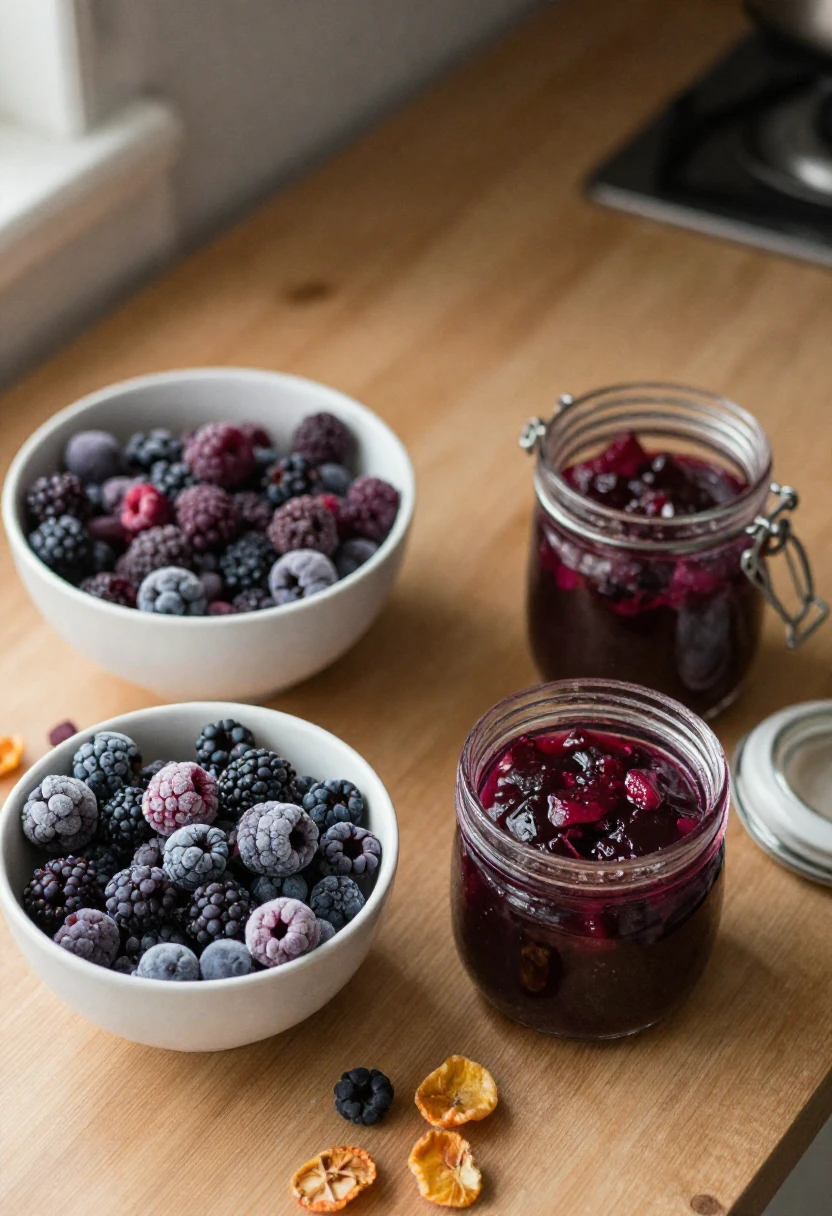
There are weeks in winter when the fruit selection feels uninspiring before you even reach the end of the produce aisle. Maybe the berries look expensive and tired, the pears are rock-hard, and the only apples left are the ones nobody really wanted. That is exactly when it helps to remember that fresh fruit is not your only option.
A good winter fruit routine gets easier when you stop treating “fresh” as the only version that counts.
Frozen fruit and when it makes the most sense
Frozen fruit is one of the most useful things to keep in the kitchen during colder months. It is easy, reliable, and there is something comforting about knowing you have a backup when the fresh options are disappointing.
Frozen berries, mango, cherries, or mixed fruit can work well in:
- Smoothies
- Warm oatmeal
- Yogurt bowls
- Simple sauces or compotes
- Baked dishes like muffins or oats
In winter, frozen fruit often makes the most sense when you want convenience without waste. You use what you need, put the rest back, and do not have to rush through a whole container before it goes soft.
It is also a nice way to keep variety in your meals. Even a small handful of warm berries spooned over porridge can make breakfast feel brighter on a dark, cold morning.
Dried and freeze-dried fruit for convenience
Dried fruit has a different personality than fresh fruit. It is sweeter, chewier, more concentrated, and easy to keep around for weeks. That makes it especially practical in winter, when not every snack needs to come straight from the fruit bowl.
A few useful options include:
- Raisins
- Dates
- Dried apricots
- Prunes
- Freeze-dried berries or apples
These can be added to trail mix, oatmeal, baked goods, or snack plates with nuts and seeds. They are also useful for those busy afternoons when you want something quick but do not feel like peeling, slicing, or washing anything.
Freeze-dried fruit is especially nice if you want something crisp and light. It can add crunch to yogurt, cereal, or even desserts without feeling heavy.
Homemade preserves, compotes, and fruit sauces
This is where winter fruit starts to feel cozy.
When fresh fruit is limited, simple homemade fruit toppings can bring it back into your meals in a way that feels warm and satisfying rather than forced. You do not need a full weekend canning project. Even a small saucepan and ten minutes can get you somewhere good.
Think about:
- Apples simmered with cinnamon
- Frozen berries cooked into a quick compote
- Pear slices softened on the stove
- A homemade fruit sauce for pancakes, oatmeal, or yogurt
There is something very comforting about a spoonful of warm fruit over breakfast when the kitchen is still cold and the windows are foggy. It feels soft, simple, and much more appealing than trying to make yourself eat something that does not fit the season.
Homemade preserves or no-sugar-added jams can also be helpful in small amounts, especially when used to brighten toast, yogurt, or snack plates.
What to watch for with added sugar
Not every fruit product is as simple as it first looks.
Some dried fruits, canned fruits, sauces, and preserves come with a lot of added sugar, syrups, or flavorings that can make them feel less balanced for everyday use. That does not mean you need to avoid them completely. It just helps to pay attention.
A few things to check:
- Choose fruit packed in juice or water instead of heavy syrup
- Look for dried fruit without extra sugar when possible
- Pick preserves with simple ingredient lists
- Notice portion size with sweeter, more concentrated fruit products
The goal is not perfection. It is just to make sure your “fruit option” still feels like a smart, useful part of your routine.
Once you start thinking beyond the fresh produce shelf, winter fruit becomes much less frustrating. You realize you are not limited to whatever looks best that week. You have options that are practical, comforting, and easy to keep around.
And honestly, that is what makes winter eating feel more flexible. Not abundance in the summer sense, but enough variety to keep things enjoyable.
Easy Ways to Eat More Fruit in Winter
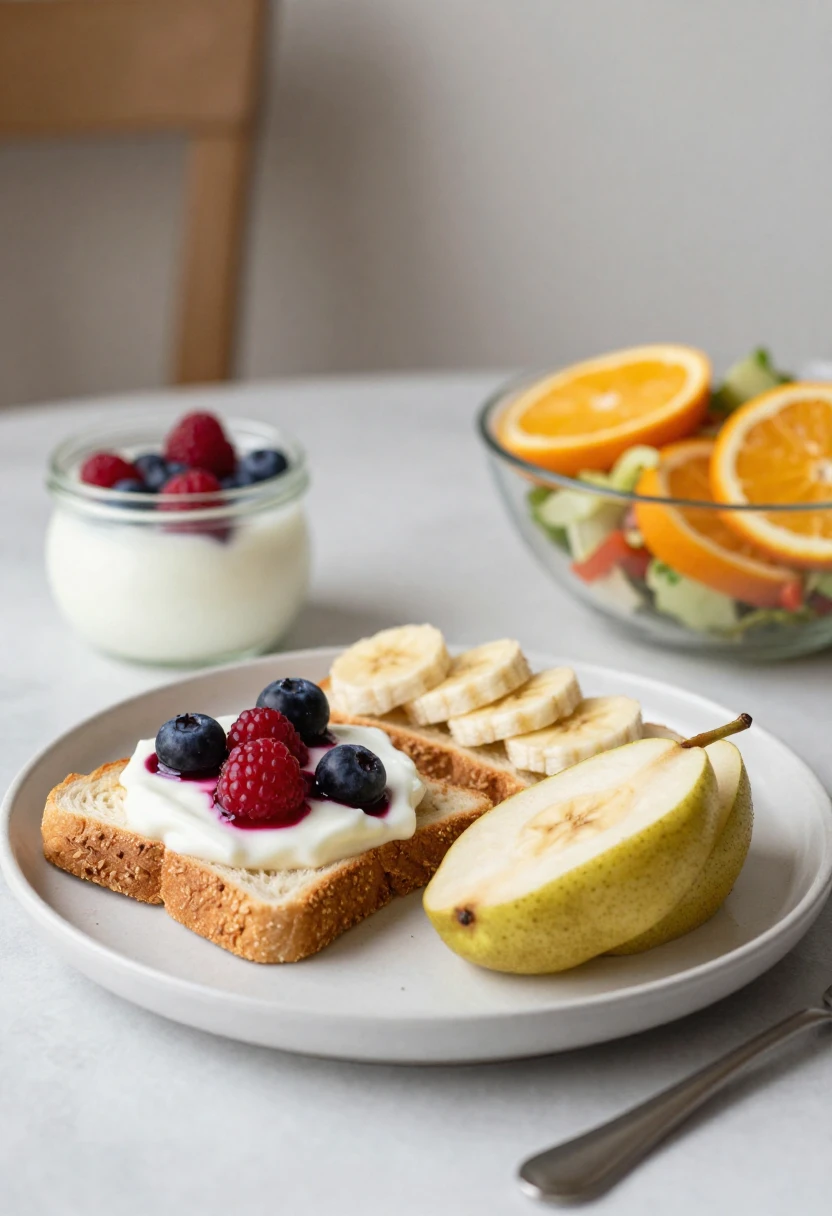
This is usually where things get practical.
Most people do not stop eating fruit in winter because they have made some grand decision. They stop because the usual habits no longer fit. Cold fruit feels less appealing, the good-looking options seem fewer, and the easy summer routines disappear. So the answer is not forcing yourself to eat fruit the same way all year. The answer is giving it a more winter-friendly place in your day.
Add fruit to warm breakfasts like oatmeal, porridge, and yogurt bowls
Breakfast is one of the easiest places to keep fruit in your routine, especially in cold weather.
A warm bowl of oats already has that comforting, cozy quality winter calls for. Fruit adds contrast and sweetness without making breakfast feel like dessert. You do not need anything fancy either.
Some easy combinations:
- Warm apples with cinnamon over oatmeal
- Sliced banana with peanut butter and chia seeds
- Stewed pears on porridge
- Frozen berries warmed and spooned over yogurt
- Chopped dates or raisins stirred into oats while they cook
This kind of breakfast feels grounding and familiar. It is the sort of meal you want when the morning is dark, the floor is cold, and you need something soft and filling before the day starts.
Pair fruit with nuts, seeds, and cheese for simple snacks
A lot of people say fruit does not feel satisfying in winter. Usually, what they mean is fruit on its own does not always feel substantial enough.
That is an easy problem to fix.
Pairing fruit with something richer or more savory gives it more staying power and makes it feel more like a real snack than an afterthought.
Try combinations like:
- Apple slices with peanut or almond butter
- Pear with walnuts
- Mandarin with a few roasted almonds
- Banana with tahini on toast
- Apple or grapes with cheese
These pairings bring texture and balance. You get sweetness, crunch, creaminess, and a little more substance, which is often exactly what winter cravings are asking for.
Use fruit in baked dishes and cozy desserts
Winter is the perfect season to stop thinking of fruit as only raw and cold.
Some of the best fruit moments in winter happen when it goes into the oven or onto the stove. The texture softens, the flavor deepens, and suddenly fruit feels much more in tune with the season.
A few easy ideas:
- Baked apples with cinnamon and oats
- Roasted pears with honey and yogurt
- Berry baked oatmeal
- Banana bread with sliced fruit on the side
- Warm fruit crumble made with apples or frozen berries
These dishes are comforting, but they still keep fruit at the center. That is part of what makes them so useful. They satisfy the desire for something cozy without pushing fruit out of the picture completely.
Blend fruit into smoothies even in colder months
Smoothies are often treated like a summer habit, but they can still work in winter when you adjust them a little.
Instead of making them icy and thin, try building them in a way that feels softer and more filling. Use ingredients that give a creamier texture and a more comforting taste.
A winter-friendly smoothie might include:
- Banana
- Frozen berries or mango
- Greek yogurt
- Nut butter
- Oats
- Cinnamon or ginger
You can even let frozen fruit sit for a few minutes before blending so the drink feels less icy. Some people also like smoothies alongside toast or a warm breakfast rather than as a standalone meal in winter, and that makes a lot of sense.
Add citrus to salads, grain bowls, and roasted vegetables
This is one of the easiest ways to make winter meals feel less heavy.
When everything on your plate is roasted, creamy, or deeply savory, fruit can bring back brightness. Citrus works especially well here because it cuts through richer flavors and wakes everything up.
A few simple examples:
- Orange slices in a salad with greens and nuts
- Mandarin segments in a grain bowl
- Lemon over roasted vegetables
- Grapefruit with avocado and herbs
- Citrus dressing for warm lunch bowls
Sometimes that fresh note is all a winter meal needs to feel interesting again.
And really, that is the bigger idea here. Eating more fruit in winter does not have to mean forcing yourself through cold fruit cups or buying expensive berries out of season. It can be as simple as making fruit feel warmer, easier, and more connected to the way you already want to eat.
That is when the habit starts to stick. Not when it is perfect, but when it feels natural enough to repeat.
Cozy Winter Fruit Ideas You’ll Actually Want to Make
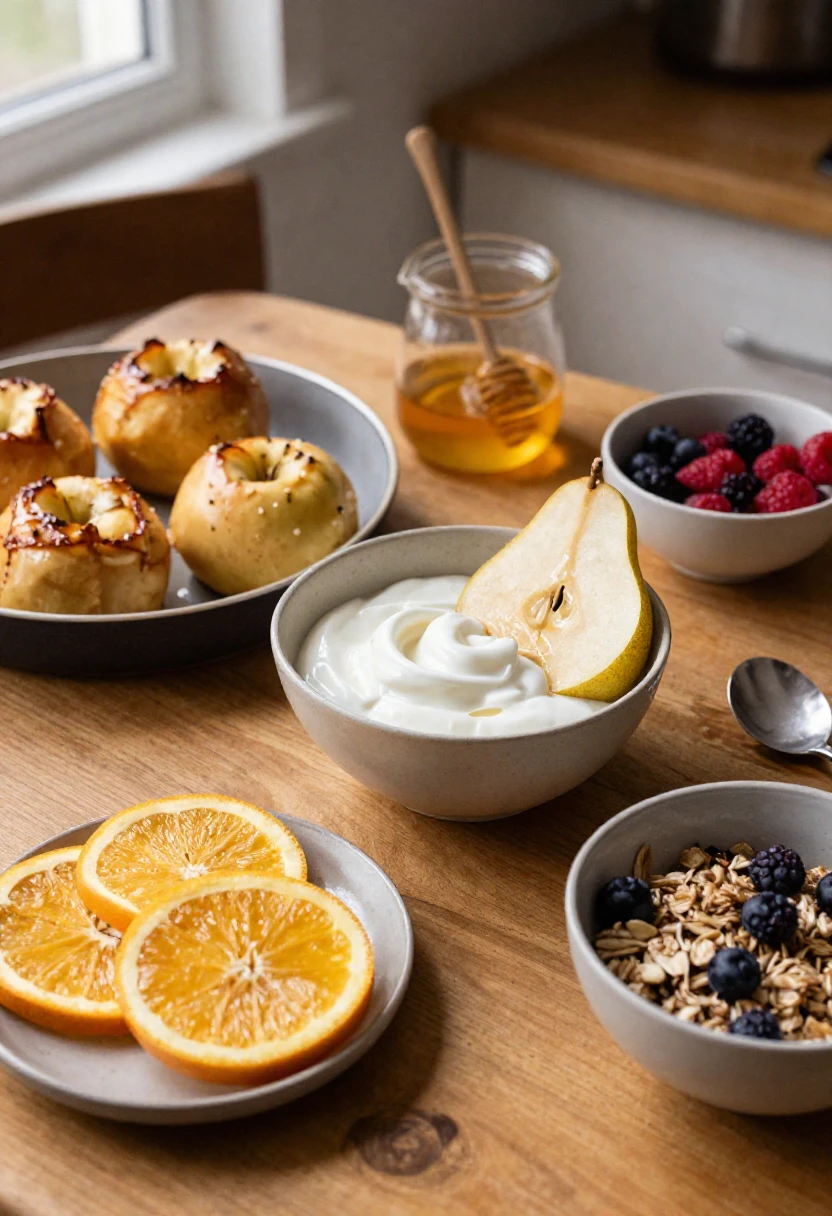
This is where winter fruit gets a lot more fun.
Because sometimes the problem is not that fruit is unavailable. It is that eating it the same basic way every day gets dull. Another apple. Another banana. Another handful of something you grabbed because it was there. That kind of routine can make even good food feel forgettable.
Winter is a good season to give fruit a little more attention.
Not in a complicated way. Not in a “spend two hours making brunch” way. Just in the kind of way that makes your kitchen smell better, your breakfast feel warmer, and your snack feel like something you actually wanted instead of something you settled for.
Warm cinnamon apples
This is one of the easiest winter fruit habits to start, and it instantly makes apples feel less predictable.
All you need to do is slice an apple, toss it into a pan, and let it soften with a little cinnamon. In a few minutes, the fruit turns tender, fragrant, and naturally sweet. It feels like comfort food, but still light enough for an ordinary weekday.
Warm cinnamon apples are especially good:
- Over oatmeal
- With yogurt
- On toast with nut butter
- As a simple dessert after dinner
It is the kind of thing that makes a cold morning feel gentler. You are still eating fruit, but it feels much more seasonal and satisfying.
Citrus salad with mint or honey
Citrus can be one of the brightest things on the table in winter, especially when everything else feels heavier and darker.
A simple citrus salad sounds fancy, but it can be incredibly easy. Slice oranges or grapefruit, arrange them on a plate, and add a little mint, a drizzle of honey, or even a few chopped nuts. That is enough.
The result feels fresh, juicy, and a little elegant without much effort at all.
You can serve it:
- Alongside breakfast
- As a refreshing snack
- After a rich meal
- As part of a winter brunch spread
It is also one of those dishes that looks beautiful without trying too hard, which helps when you are craving something colorful in the middle of a gray week.
Yogurt bowl with pears and nuts
Some winter fruit ideas work because they hit the right balance between fresh and cozy. This is one of them.
Take a bowl of thick yogurt, add sliced pear, sprinkle over walnuts or almonds, and finish with cinnamon or a little honey if you want it. You get creaminess, crunch, sweetness, and enough texture to make it feel complete.
If the pears are very firm, you can soften them first. If they are ripe, use them as they are. Either way, this kind of bowl works well because it feels calm and easy, not overly sweet or complicated.
It is a good reminder that fruit does not need a dramatic recipe to feel interesting.
Toast with ricotta and fruit preserves
There is something especially comforting about toast in winter, and fruit has every right to be part of that picture.
Ricotta on warm toast with a spoonful of fruit preserves can feel like a quiet little luxury, even if you threw it together in five minutes while standing in the kitchen. It works for breakfast, a snack, or even one of those afternoons when you want something small with tea.
A few combinations that work well:
- Ricotta with fig or berry preserves
- Cream cheese with orange marmalade
- Nut butter with sliced banana
- Mascarpone with stewed apples
The contrast is what makes it good: warm toast, creamy topping, sweet fruit, maybe a little crunch on top. It feels cozy without being heavy.
Baked oats with berries or chopped apples
If you want something that feels especially winter-friendly, baked oats are hard to beat.
They are warm, soft, and filling, and fruit fits into them naturally. Chopped apples bring sweetness and texture. Frozen berries create little pockets of flavor that make the whole dish feel brighter.
This is a good option for:
- Slow mornings
- Meal prep for a few days
- Weekend breakfast
- A healthier-feeling sweet snack
And there is something nice about pulling a warm dish from the oven when it is cold outside and knowing fruit is already built into it. You are not trying to add it as an afterthought. It is part of the comfort.
That is really the secret to enjoying fruit in winter. Do not make it fight the season. Let it belong to the season. Warm it, pair it, bake it, stir it into things, or give it a little crunch and richness around it.
Once fruit starts showing up this way, it stops feeling repetitive. It becomes one of the easiest ways to make winter meals feel brighter, softer, and more enjoyable.
The Best Ways to Store Fruit in Winter
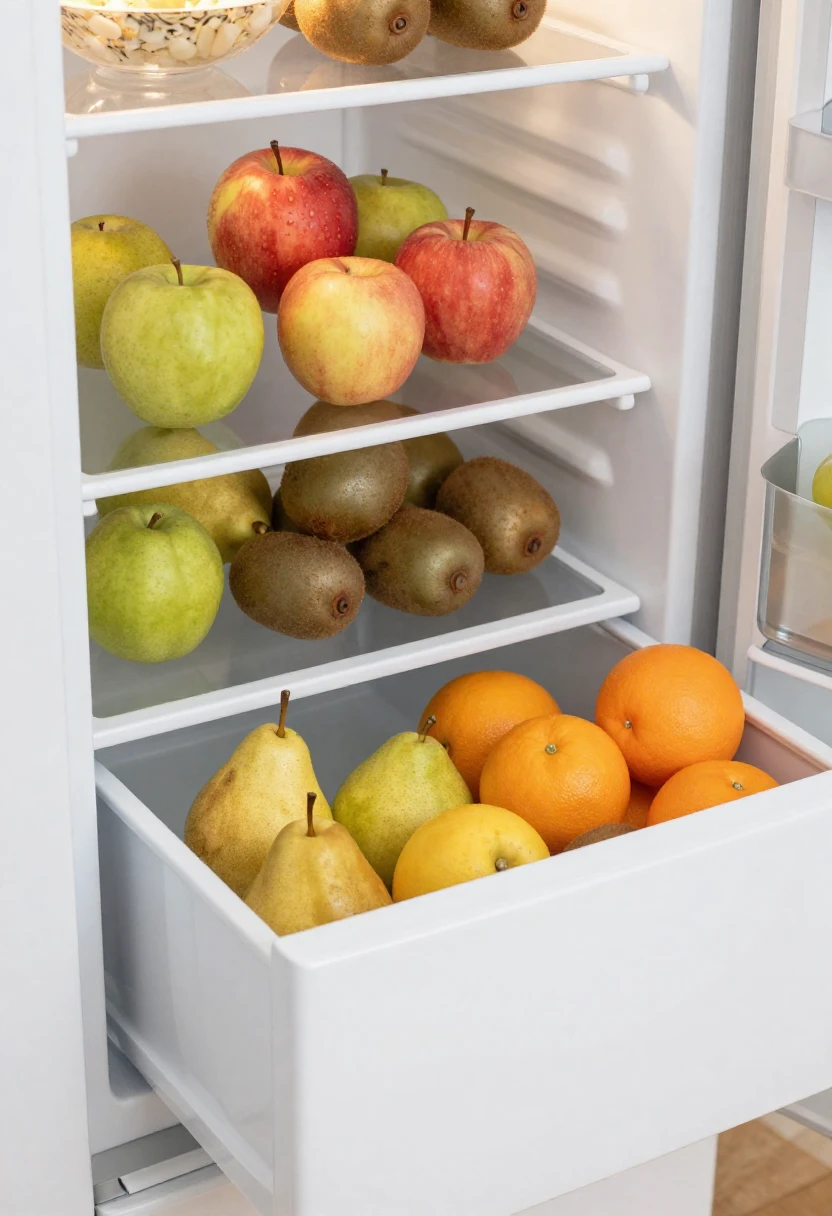
Buying fruit is one thing. Actually getting to eat it before it turns sad on the counter is another.
Winter can be a little deceptive this way. Because the weather is cold, people sometimes assume all fruit will naturally last longer and take care of itself. Some of it does. Some of it absolutely does not. A few simple storage habits can make the difference between fruit that stays fresh and fruit you keep meaning to use until it is too late.
And honestly, this matters more in winter than people think. When your fruit options already feel narrower, wasting what you bought feels even more frustrating.
Which fruits belong on the counter
Some fruits do best when they stay within sight.
If you tuck everything into the fridge, it is easy to forget what you have. A bowl on the counter can be helpful, especially for fruits you want to grab quickly or let ripen naturally.
These usually do well at room temperature for a while:
- Bananas
- Apples for short-term storage
- Pears while they ripen
- Citrus if you plan to eat it soon
- Persimmons, if they need time to soften
The key is location. Keep fruit away from direct heat, bright sun, and that one spot in the kitchen that somehow turns everything warm and tired too fast.
A counter bowl works best when it holds a small amount, not an entire week and a half of groceries piled on top of each other. Fruit bruises more easily when it is stacked, and once one piece starts going bad, the others tend to follow faster than you expect.
Which fruits last longer in the fridge
Some fruits really do better in the refrigerator, especially if you want them to last more than a few days.
Cold storage can help preserve texture and slow ripening, which is useful when you are buying ahead or trying to avoid waste. This is often the smarter choice for fruit that is already ripe or delicate enough to go downhill quickly.
Fruits that usually last better in the fridge include:
- Apples, especially for longer storage
- Pears, once ripe
- Grapes
- Berries, if you buy them in winter
- Pomegranate
- Kiwi
- Cut fruit, always
Citrus can go either way. It is fine on the counter if you will eat it soon, but the fridge helps it last longer. That can be helpful if you like keeping a steady stash of oranges or mandarins around without worrying they will dry out too quickly.
One useful habit is to store fruit where you can still see it. If it disappears into the back of a crowded fridge drawer, it is much easier to forget. And forgotten fruit tends to become “I should probably use that tomorrow” fruit until it is no longer worth saving.
How to avoid waste and use overripe fruit well
This is where winter fruit habits become much more forgiving.
Not every apple has to stay perfectly crisp. Not every banana has to be eaten at the exact right moment. Once fruit gets a little softer, it may still be completely usable. It just needs a different job.
Overripe fruit can easily become:
- Smoothies
- Oatmeal toppings
- Quick compotes
- Baked oats
- Muffins or loaf cakes
- Fruit sauces for yogurt or pancakes
A soft pear may not be great for slicing into a pretty snack plate, but it can be lovely warmed in a pan. Bananas that look too spotty for casual eating are often perfect for baking or blending. Apples that have lost some crispness can still work beautifully when cooked with cinnamon.
This is one of the easiest mindset shifts to make in winter: fruit does not have to be perfect to be useful.
It also helps to buy with real life in mind. If you know you only eat fresh fruit a few times a week, do not buy an ambitious mountain of it just because it looked healthy in your cart. A smaller amount of fresh fruit plus one frozen or dried backup option is often a much more realistic setup.
Because in the end, good storage is not just about preserving produce. It is about making fruit easier to enjoy. When it stays fresh longer, stays visible, and still has a second purpose when it softens, it stops feeling like a chore to manage.
It just becomes part of the kitchen rhythm.
Common Mistakes to Avoid with Winter Fruit
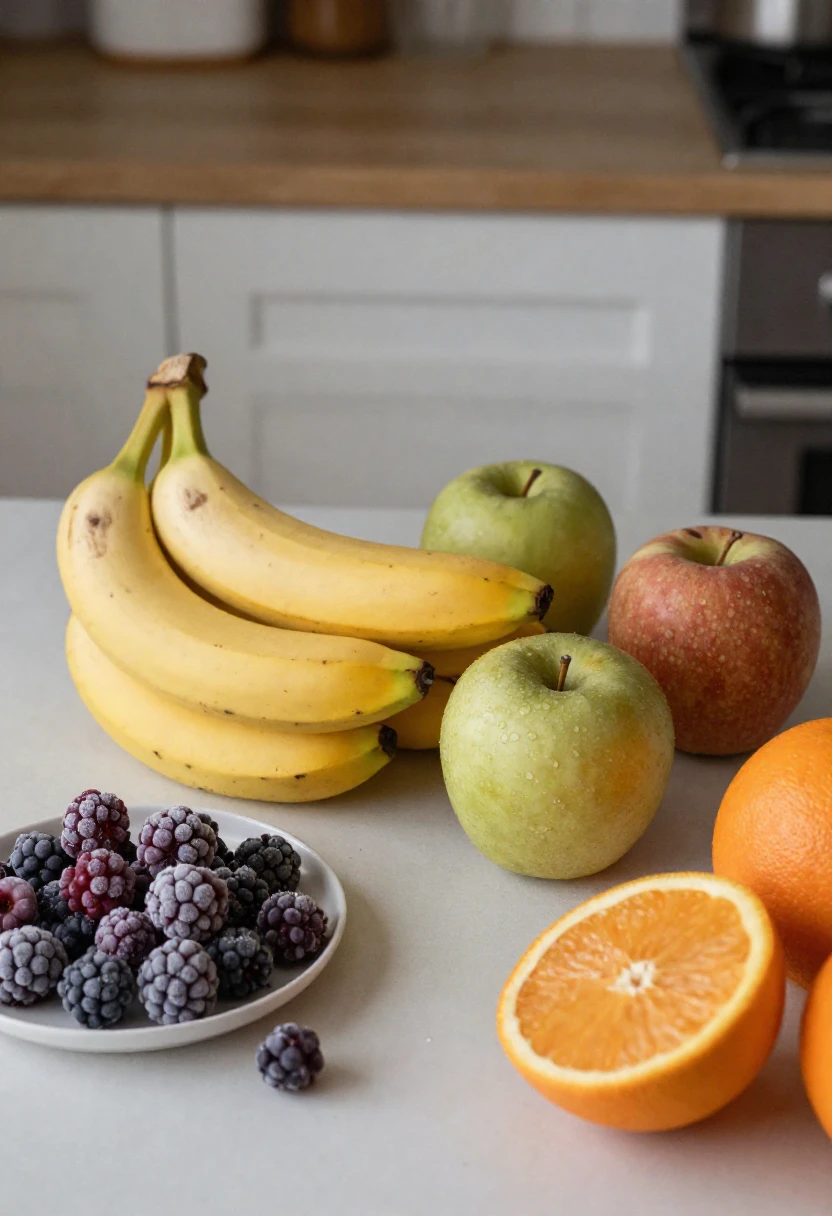
Sometimes winter fruit feels boring not because the fruit itself is the problem, but because a few small habits keep setting it up to disappoint you.
It happens easily. You buy fruit with good intentions, then forget about it. Or you keep choosing the same thing, eating it the same way, and wondering why it feels dull. Or you reach for packaged fruit products that sound healthy but leave you with something much sweeter and less satisfying than you expected.
The good news is that these are easy mistakes to fix.
Buying too much at once
This is probably the most common one.
You go to the store feeling motivated. The apples look good, the mandarins are on sale, the bananas seem practical, maybe you even grab pears because this is the week you are definitely going to eat more fruit. Then a few days pass, life gets busy, and suddenly the kitchen is full of fruit at three different stages of decline.
Winter fruit usually lasts longer than delicate summer produce, but it is not immortal.
A better approach is to buy with a little more honesty. Think about what you will actually eat, not what looks virtuous in the cart.
A realistic routine might be:
- One fruit for quick snacks
- One fruit for breakfast
- One extra option for variety
- One backup choice frozen or dried
That is often more than enough. It keeps the kitchen stocked without turning fruit into a race against time.
Choosing sweetened fruit products without checking labels
Fruit products can be helpful in winter, but they are not all created equally.
Dried fruit, canned fruit, preserves, fruit cups, and flavored fruit snacks can all sound wholesome at first glance. But some of them come loaded with syrups, added sugars, or extra ingredients that make them feel more like candy than a useful fruit option for everyday eating.
You do not need to be overly strict about it. Just pause long enough to notice what you are buying.
A few better habits:
- Choose canned fruit in water or juice instead of syrup
- Look for dried fruit without added sugar when possible
- Pick preserves with short, simple ingredient lists
- Be aware that fruit juices and fruit snacks are not the same as whole fruit
This matters less because fruit with sugar is somehow “bad” and more because it changes how satisfying the food feels. Whole fruit or simpler fruit products usually give you more texture, more balance, and a more natural place in your routine.
Forgetting that simple pairings can make fruit more satisfying
A plain piece of fruit does not always hit the spot in winter. That is not failure. That is just context.
When the weather is cold, people often want food that feels warmer, richer, or more grounding. So if fruit alone feels a little underwhelming, the answer is not to give up on it. The answer is to build around it.
Some of the easiest upgrades are also the most effective:
- Apple with peanut butter
- Pear with walnuts
- Banana on toast
- Mandarin with a handful of nuts
- Warm berries over yogurt or oats
- Ricotta with fruit preserves on toast
These pairings make fruit feel more complete. There is more texture, more flavor, and more staying power. Suddenly it feels less like you are “being healthy” and more like you are eating something genuinely enjoyable.
That small shift makes a big difference.
Because really, enjoying fruit in winter is rarely about finding some magical perfect fruit. It is about using what you have a little better. Buying more realistically. Storing it well. Choosing smarter backups. Pairing it in ways that match the season.
Once you stop expecting fruit to do all the work on its own, it becomes much easier to keep it in your life without getting bored.
A Simple Winter Fruit Routine That Feels Realistic
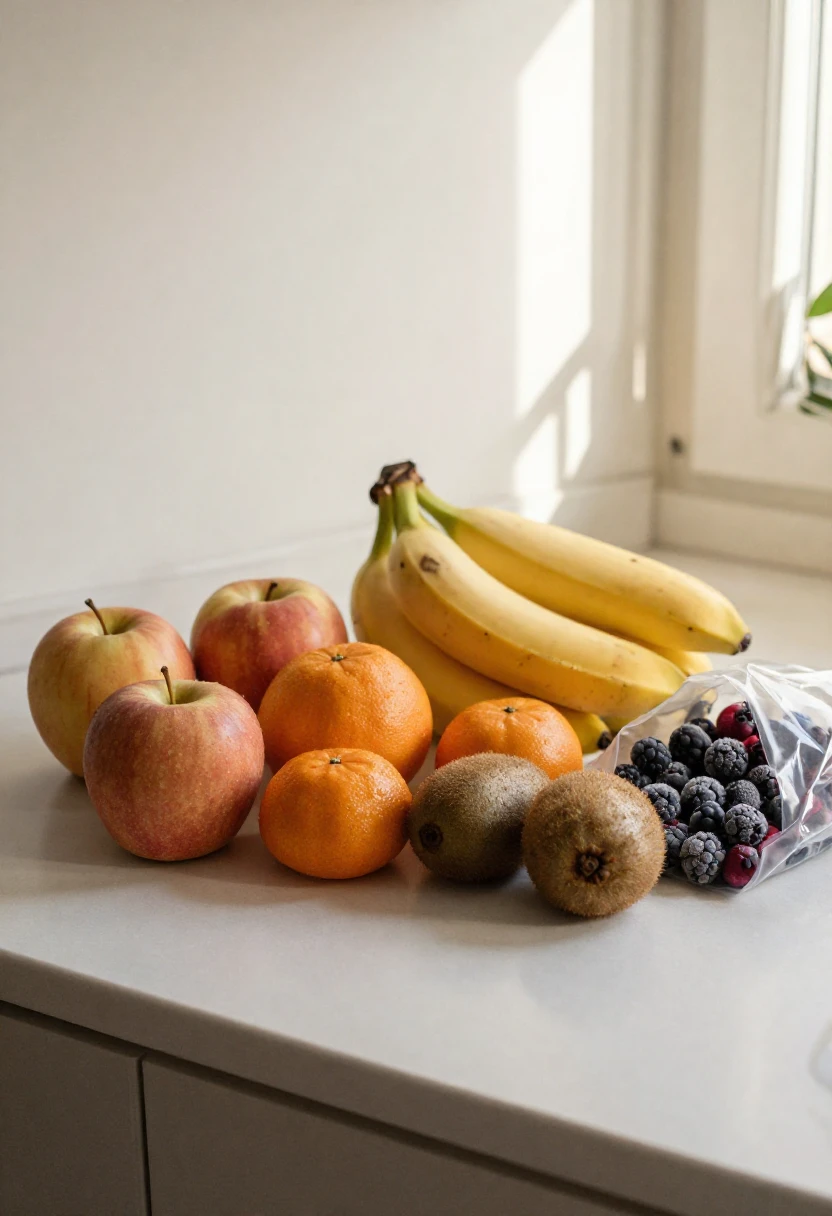
This is where everything comes together.
Because most people do not need a perfect fruit plan for winter. They need one that works on ordinary days, when the weather is cold, the week is busy, and nobody feels like making a beautiful fruit platter just for the sake of it. The best routine is not the most impressive one. It is the one you can actually repeat without thinking too hard.
Keep two fresh options at home each week
You do not need a huge variety to keep fruit interesting.
In fact, having too many options often leads to waste. A simpler setup usually works better. Keeping two fresh fruits in the house at a time gives you enough choice without creating pressure to eat everything at once.
A good combination might be:
- One easy grab-and-go fruit like mandarins, apples, or bananas
- One fruit for meals or snacks like pears, kiwi, or grapefruit
That way, fruit has more than one role in your kitchen. One option can handle busy moments. The other can make breakfast, yogurt, toast, or lunch feel a little more thoughtful.
Store one frozen backup for busy days
This small habit makes winter fruit much easier.
A bag of frozen berries, cherries, or mango can save you on the days when the fresh fruit is gone, underripe, or simply not appealing. It takes the pressure off grocery shopping and gives you something reliable to fall back on.
Frozen fruit works especially well for:
- Smoothies
- Warm oatmeal
- Quick compotes
- Yogurt bowls
- Baked oats
It is one of the simplest ways to make your routine feel flexible instead of fragile.
Build one fruit habit into breakfast or snack time
You do not need to promise yourself fruit at every meal. One steady habit is enough to change the rhythm of your week.
Pick the moment that feels easiest and attach fruit to it.
For example:
- Apple with lunch
- Banana on morning toast
- Mandarin in the afternoon
- Warm berries over weekend oatmeal
- Pear with yogurt after dinner
This works because it removes the daily decision-making. Fruit stops being something you vaguely hope to eat and becomes something that already has a place.
And that is usually what makes healthy habits last. Not motivation, but routine.
Make winter fruit feel comforting, not like a chore
This may be the most important shift of all.
If fruit feels cold, boring, or disconnected from the way you want to eat in winter, you are not going to keep reaching for it. But when it feels soft, fragrant, sweet, and easy to pair with other comforting foods, it stops feeling like an obligation.
That might mean:
- Warming apples with cinnamon
- Adding banana to oats
- Serving citrus after a heavy dinner
- Using preserves on toast
- Pairing fruit with nuts, yogurt, or cheese
These are not dramatic changes. But they make fruit feel like it belongs in winter instead of awkwardly surviving through it.
And really, that is the whole idea. You do not need summer fruit in the middle of January to enjoy eating fruit well. You just need a routine that matches the season you are actually living in.
When you keep it simple, practical, and a little cozy, fruit becomes much easier to enjoy without feeling limited or bored.
Conclusion
Winter does not have to be the season when fruit quietly disappears from your plate. It just asks for a different approach. Instead of chasing the same bright summer habits, you can lean into what winter does well: citrus that feels refreshing, apples and pears that turn cozy when warmed, and simple fruit routines that fit real life.
A bowl of fruit does not need to look exciting to be useful. What matters is that it feels easy to reach for, pleasant to eat, and flexible enough to work with the season. A mandarin in the afternoon, warm apples over oats, frozen berries stirred into breakfast, or toast with ricotta and preserves can all keep fruit feeling enjoyable without making it feel forced.
That is really the key. Do not expect winter fruit to imitate summer. Let it be winter fruit. Once you do, it stops feeling limited and starts feeling comforting, practical, and surprisingly satisfying.
FAQ
Is fruit still healthy to eat in winter?
Yes, absolutely. Fruit can still add freshness, fiber, natural sweetness, and variety to your meals in winter. The best approach is to choose fruits that are in season or easy to use well during colder months, like citrus, apples, pears, kiwi, and bananas.
What are the best fruits to buy in winter?
Some of the best winter-friendly options include:
- Oranges and mandarins
- Grapefruit
- Apples
- Pears
- Kiwi
- Pomegranate
- Bananas
You can also keep frozen berries or dried fruit on hand for extra convenience.
How can I make fruit feel more satisfying in cold weather?
Try pairing fruit with foods that feel a little richer or cozier, such as:
- Nut butter
- Yogurt
- Nuts and seeds
- Cheese
- Oatmeal
- Toast
You can also warm fruit by baking, stewing, or adding it to hot breakfasts.
Is frozen or dried fruit a good alternative to fresh fruit in winter?
Yes. Frozen fruit is great for smoothies, oatmeal, and baked dishes, while dried fruit can work well in snacks and breakfast bowls. Just check labels when needed and choose options without too much added sugar.