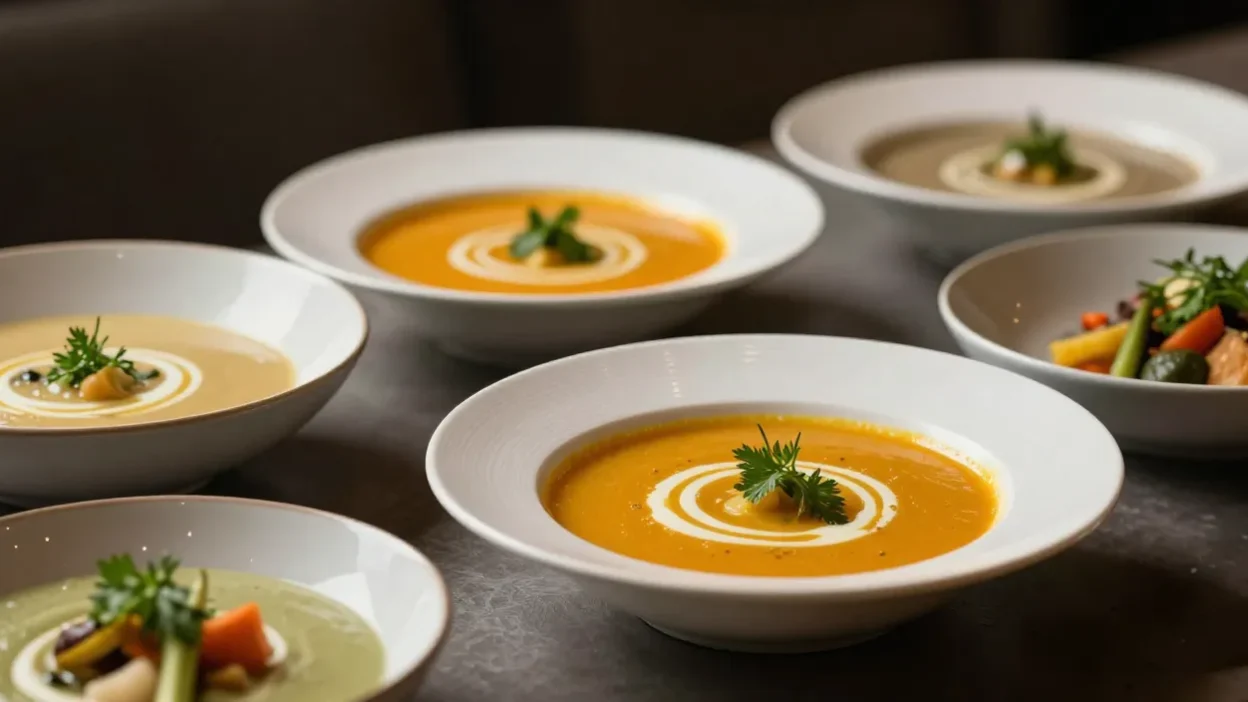
There’s a certain kind of food that doesn’t try to impress you loudly—and somehow ends up being the one you remember much longer than anything elaborate.
Creamy soups fall exactly into that category 🍲
They’re not flashy. You won’t usually see them presented as something extraordinary or complicated. Most of the time, it’s just a pot, a handful of familiar ingredients, and a process that feels almost familiar, almost automatic. And still, the result has this quiet ability to stay with you. Not in a dramatic, “wow” kind of way—but more like something you keep coming back to without even thinking too much about it.
A good creamy soup doesn’t hit you all at once. It kind of builds itself slowly. First comes the warmth—that immediate sense of comfort. Then the texture: soft, smooth, almost calming in a way that’s hard to explain properly. And only after that the flavor starts to unfold. It doesn’t overwhelm, it doesn’t try to stand out too much. It just settles in, balanced and steady. You finish a bowl and don’t feel tired of it, which, if you think about it, is actually not that common.
One of the most common assumptions is that “creamy” automatically means adding a lot of heavy cream. But that’s not really how it works in practice. In many cases, the texture people associate with creamy soups comes from technique rather than from the ingredient itself. And once you notice that, it changes how you approach cooking them.
- blended vegetables like cauliflower, carrots, or squash
- natural starches such as potatoes or rice
- slow cooking, where everything softens and gradually comes together
- simple emulsification using butter or olive oil
All of these can create that smooth, velvety consistency people expect. And often, they do it in a way that feels lighter and more balanced. The soup still feels rich—but not heavy or overwhelming. There’s a difference, and it’s noticeable even if you can’t immediately explain why.
Another thing that makes creamy soups so easy to rely on is how adaptable they are. They don’t require perfect conditions or strict adherence to a recipe. You can adjust them depending on what you have in your kitchen, how much time you’re willing to spend, or honestly—even how tired you are that day.
Sometimes it’s something very simple, thrown together without much thought, just to have a warm meal. Other times, the exact same idea can turn into something more refined, with a bit more attention to detail. And both versions work, which is probably why people keep coming back to them.
Texture also plays a bigger role than it seems at first. Some soups are completely smooth, almost silky to the point where you don’t notice any structure at all. Others keep a bit of texture—small chunks, uneven blending—and that actually makes them feel more natural, less processed. Some feel light, others are thick and deeply comforting. None of these approaches are wrong. It really depends on what feels right in the moment.
If you look at creamy soups a bit more structurally, they’re really about balance. Not precision, not perfection—just getting a few key elements to work together without any of them taking over completely.
| Component | What It Actually Does | Common Examples | What You Notice If It’s Missing |
|---|---|---|---|
| Texture Base | Gives the soup body and thickness | Potatoes, cauliflower, rice | It feels watery and unfinished |
| Fat Element | Adds smoothness and rounds out flavors | Cream, butter, olive oil | Taste feels sharp or slightly empty |
| Liquid Base | Brings everything together | Stock, broth | Ingredients feel separate |
| Aromatics | Build the base layer of flavor | Onion, garlic, leeks | Soup tastes flat |
| Protein (optional) | Makes it more filling | Chicken, seafood, beans | Feels more like a side dish |
| Flavor Enhancers | Add depth and contrast | Herbs, spices, bacon | Everything blends into one note |
| Acid Balance | Keeps the soup from feeling too heavy | Lemon juice, vinegar | Flavor feels dull after a few bites |
| Texture Contrast | Adds a bit of variation | Croutons, crispy toppings | Becomes monotonous |
| Cooking Technique | Develops deeper flavor over time | Roasting, slow simmering | Soup feels basic |
| Resting Time | Helps flavors settle and combine | Short resting period | Slightly disconnected taste |
When all of these elements come together, the soup feels almost effortless. Not because it actually is—but because nothing stands out too much. Everything works quietly in the background, and that’s exactly what makes it feel complete.
And maybe that’s the real appeal.
Creamy soups don’t need to be complicated or impressive to do their job well. They just need a bit of attention in the right places—and after that, they tend to come together in a way that feels natural, almost intuitive. And once you get used to that, you stop overthinking it… which is probably when they turn out best. 🧡
🥄 Top 10 Creamy Soups You Should Try at Least Once
1. 🥔 Loaded Potato Soup
Loaded potato soup is one of those dishes that almost doesn’t need an introduction. Even people who don’t cook much usually have some idea of what it tastes like—and more importantly, how it feels. It’s thick, warm, and filling in a very straightforward, no-surprises way. The kind of meal you turn to when you don’t want to experiment, you just want something that works.
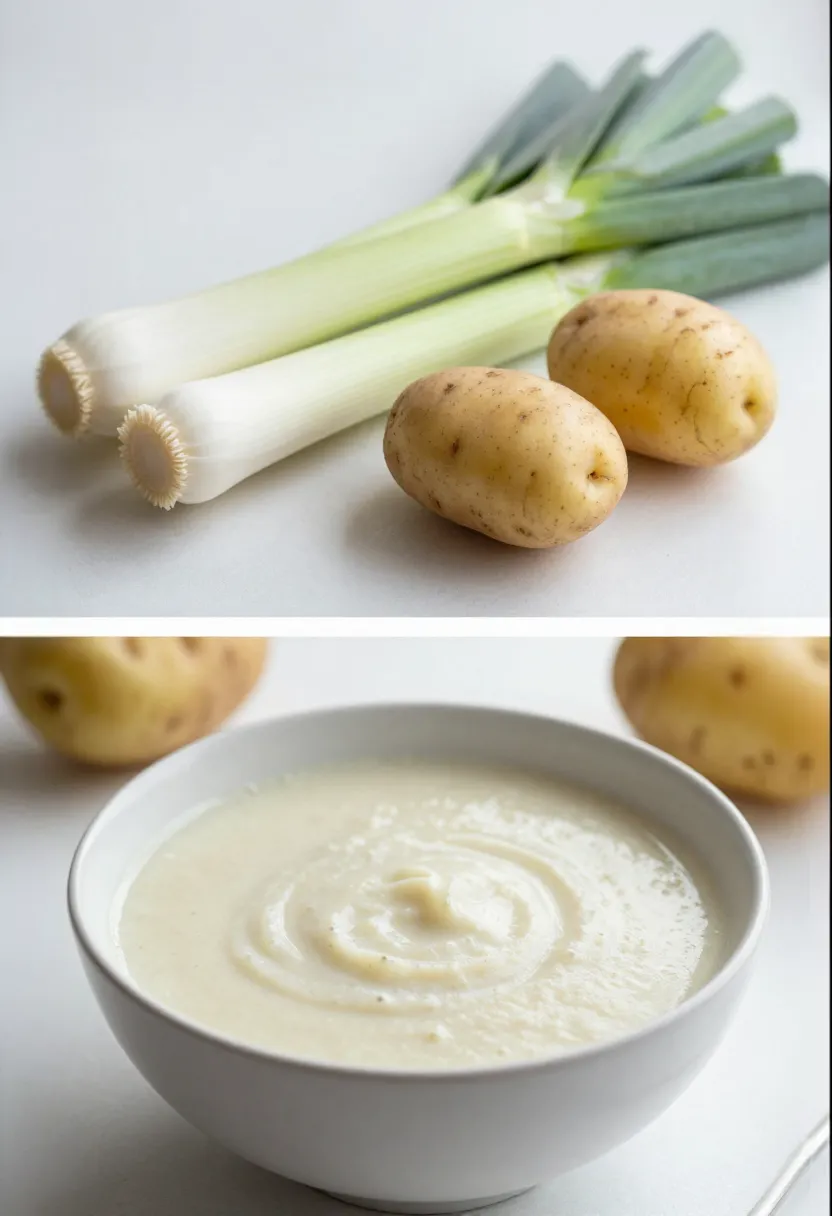
At its core, it’s built on potatoes, and that already does most of the heavy lifting. When potatoes cook down, they naturally release starch, which gives the soup that dense, creamy body without needing too many extra ingredients. It’s not a delicate texture—it’s more substantial, almost spoon-coating, and that’s exactly the point.
What makes this soup stand out, though, is how easily it shifts from simple to indulgent depending on what you add. On its own, it can be very basic. But once you start layering in toppings, it becomes something else entirely. And that’s where people usually make it their own.
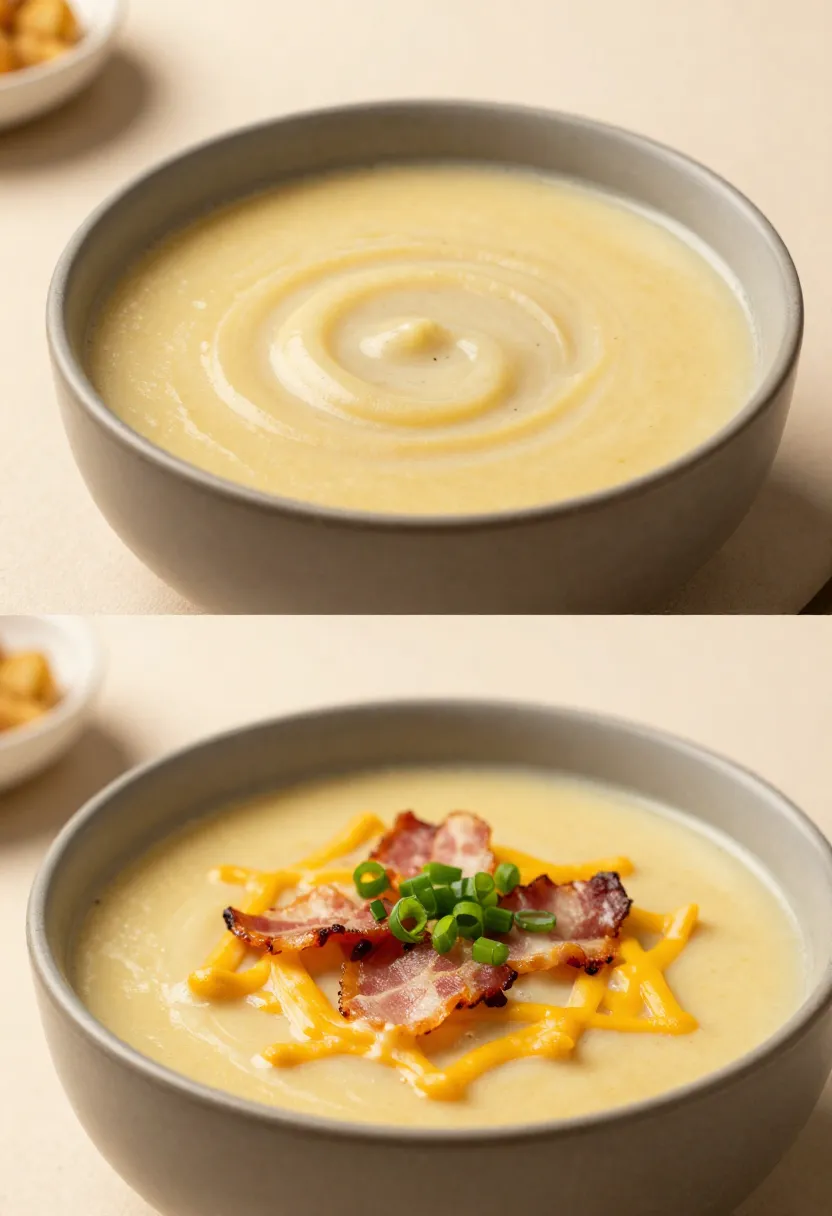
Common additions include:
- shredded cheese that melts directly into the soup
- crispy bacon for saltiness and texture
- sour cream for a bit of tang and smoothness
- green onions or chives for freshness
- sometimes even garlic or caramelized onions for extra depth
The interesting part is how these elements interact. Potatoes give you that solid, grounding base. Fat (whether from cheese, cream, or bacon) softens everything and adds richness. Then toppings bring contrast—something sharp, something fresh, something with a bit of texture. Without that contrast, the soup can feel a little too heavy after a few bites. With it, it stays balanced and actually more enjoyable to eat.
Another small detail that people don’t always expect: this soup tends to improve over time. After sitting for a few hours—or overnight—the texture settles and the flavors blend together more smoothly. It becomes a bit thicker, a bit deeper, and overall just more cohesive. Not always prettier, maybe, but definitely better.
That said, it’s also easy to overdo it. If everything is blended too much, the texture can turn slightly gluey, almost pasty, which takes away from the whole experience. A bit of unevenness—some small chunks left behind—actually makes it feel more natural and more satisfying.
💡 Tip: Leave some potato chunks intact to keep the texture from becoming too smooth or heavy.
2. 🍅 Creamy Tomato Soup
Tomato soup is one of those dishes that almost feels too familiar at first. Most people have tried it at some point, often in a very basic version, so it doesn’t always get the attention it probably deserves. But once you start paying a bit more attention to how it’s made, it quickly becomes clear that it’s not as simple as it seems.
The whole thing really comes down to balance—and it’s a delicate one. Tomatoes naturally bring acidity, and not the soft, subtle kind. It can be sharp, slightly aggressive, sometimes even overwhelming if nothing is there to support it. That’s why creamy elements matter so much here. But interestingly, they’re not meant to dominate. Cream, butter, or even just a bit of olive oil works more like a softener, smoothing out the edges rather than taking over the flavor.
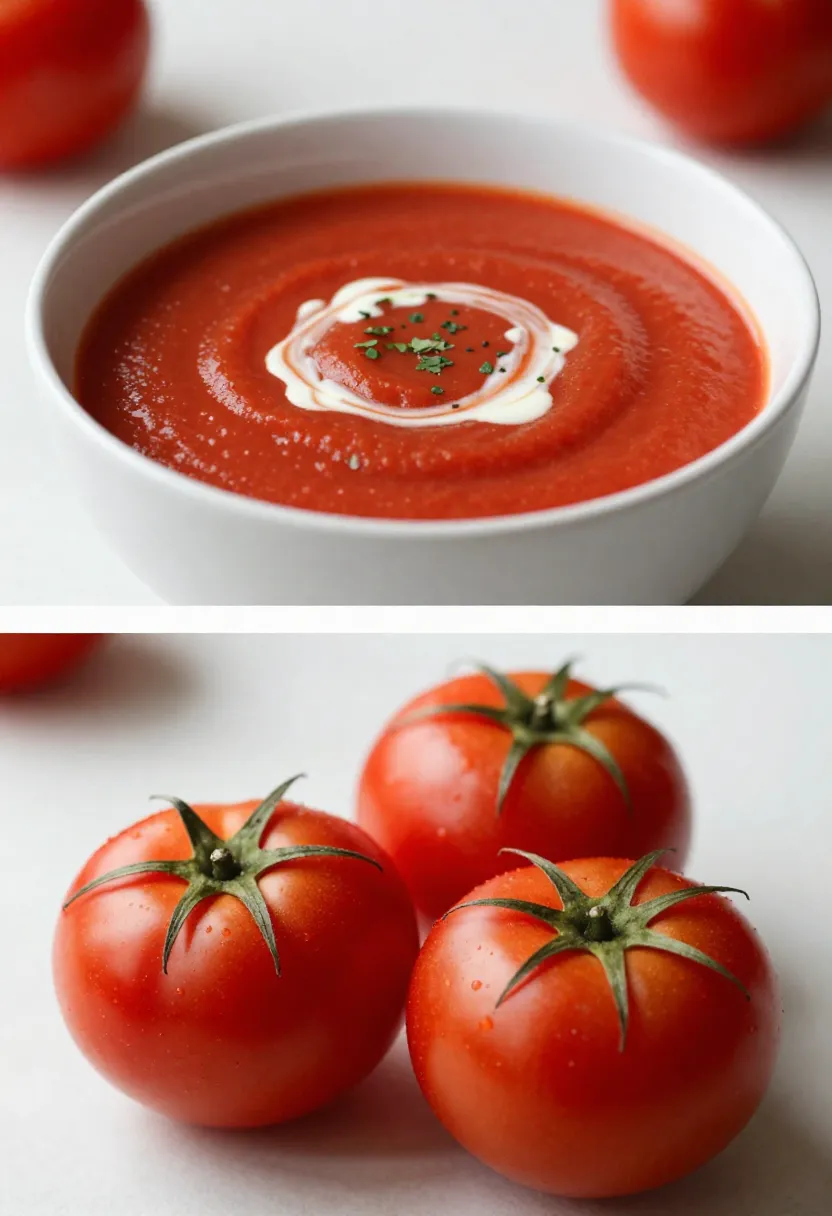
A well-made creamy tomato soup doesn’t feel heavy. In fact, if it does, something probably went wrong. It should feel smooth, slightly mellow, with just a hint of sweetness that balances the acidity rather than replaces it. The goal isn’t to hide the tomatoes—it’s to make them more approachable, more rounded.
The process itself is where a lot of the difference happens. It’s not complicated, but it does require a bit of patience. Rushing through it usually leads to something flat. Letting it develop slowly—starting with aromatics, giving them time to soften, then adding tomatoes and letting everything simmer—creates a much deeper, more cohesive flavor. You don’t necessarily notice each step individually, but you definitely notice when they’re skipped.
Another small but important detail is how flexible this soup can be. It doesn’t really lock you into one style. Depending on how you blend it, it can feel completely different. Some versions are perfectly smooth, almost silky, while others keep a bit of texture, making them feel more rustic and homemade.
There are also a few subtle ways people adjust the flavor depending on preference:
- adding a pinch of sugar to gently soften acidity
- using roasted tomatoes for a deeper, slightly sweeter base
- finishing with butter for a smoother, more rounded taste
- adding a touch of garlic or herbs for extra depth
None of these are required, but each of them shifts the final result just enough to make it feel slightly different every time.
💡 Tip: A small splash of acid at the end might seem unnecessary, but it actually wakes everything up and keeps the soup from tasting too soft or flat.
3. 🍄 Mushroom Cream Soup
Mushroom cream soup feels like a step into something a bit more complex—not complicated in terms of technique, but deeper in flavor.
Mushrooms have this natural ability to create richness without relying heavily on added fat. There’s a certain intensity to them, something earthy and almost meaty, that makes the soup feel more substantial than it actually is. But that depth doesn’t appear automatically. It needs a bit of time and attention.
If mushrooms are cooked too quickly, they release moisture and stay pale, soft, and honestly a bit underwhelming. But if you slow down and let them cook properly—letting that liquid evaporate, letting the edges brown—the flavor becomes noticeably richer. It’s one of those steps that’s easy to rush, but once you’ve done it right, it’s hard to go back.
After that point, the soup doesn’t need much. A bit of butter, some broth, maybe a touch of cream—and suddenly it feels much more refined than you’d expect from such a short ingredient list. It’s not heavy, but it feels full, almost layered in a quiet way.
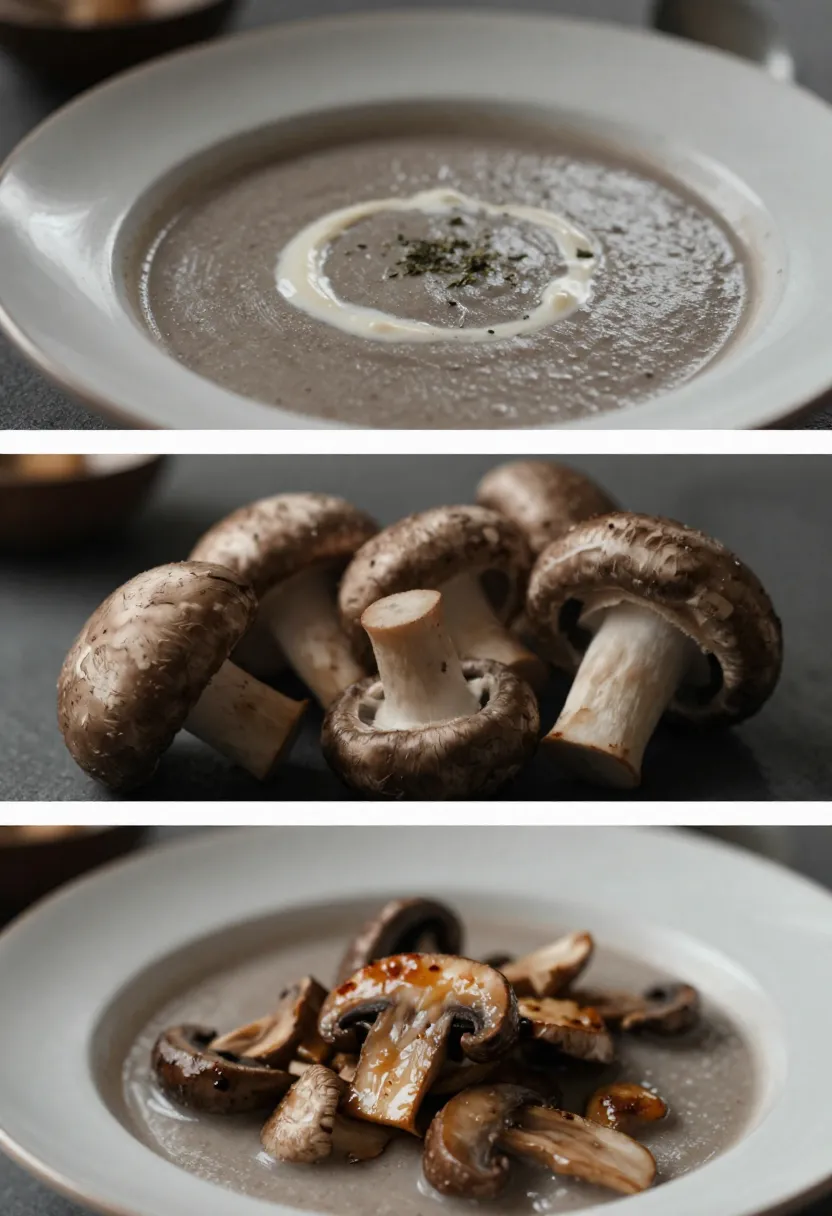
Texture plays a surprisingly important role here too. Some people prefer it fully blended into a smooth, velvety consistency, which gives it a more elegant feel. Others leave small pieces of mushrooms throughout, which adds a bit of texture and makes it feel more grounded and homemade. Neither approach is better—it just changes the experience slightly.
There are also a few ways to deepen or adjust the flavor without overcomplicating things:
- mixing different types of mushrooms for a more layered taste
- adding a splash of cream only at the end to keep it light
- finishing with fresh herbs to lift the earthy notes
- using butter generously at the start for a richer base
All of these are small details, but they build on each other.
What’s interesting about mushroom soup is that it feels rich even when it’s not particularly heavy. It’s more about flavor concentration than actual density, which makes it satisfying without feeling overwhelming.
💡 Tip: Give mushrooms enough time to brown properly—this step alone changes the entire depth of the soup.
4. 🍗 Chicken and Wild Rice Soup
This is one of those soups that quietly crosses the line into being a full meal, even if you didn’t originally plan it that way.
At first glance, it seems straightforward—chicken, rice, broth, something creamy to tie it all together. But once it comes together, it feels much more substantial than expected. It’s filling without being too heavy, and balanced in a way that doesn’t really need anything on the side.
The rice plays a bigger role than people usually expect. As it sits in the soup, it absorbs liquid, softens, and slowly thickens the entire base. Over time, the texture changes—what starts as a lighter broth can turn into something much thicker and more cohesive. That’s not a bad thing, but it’s something you notice, especially if you come back to it later.
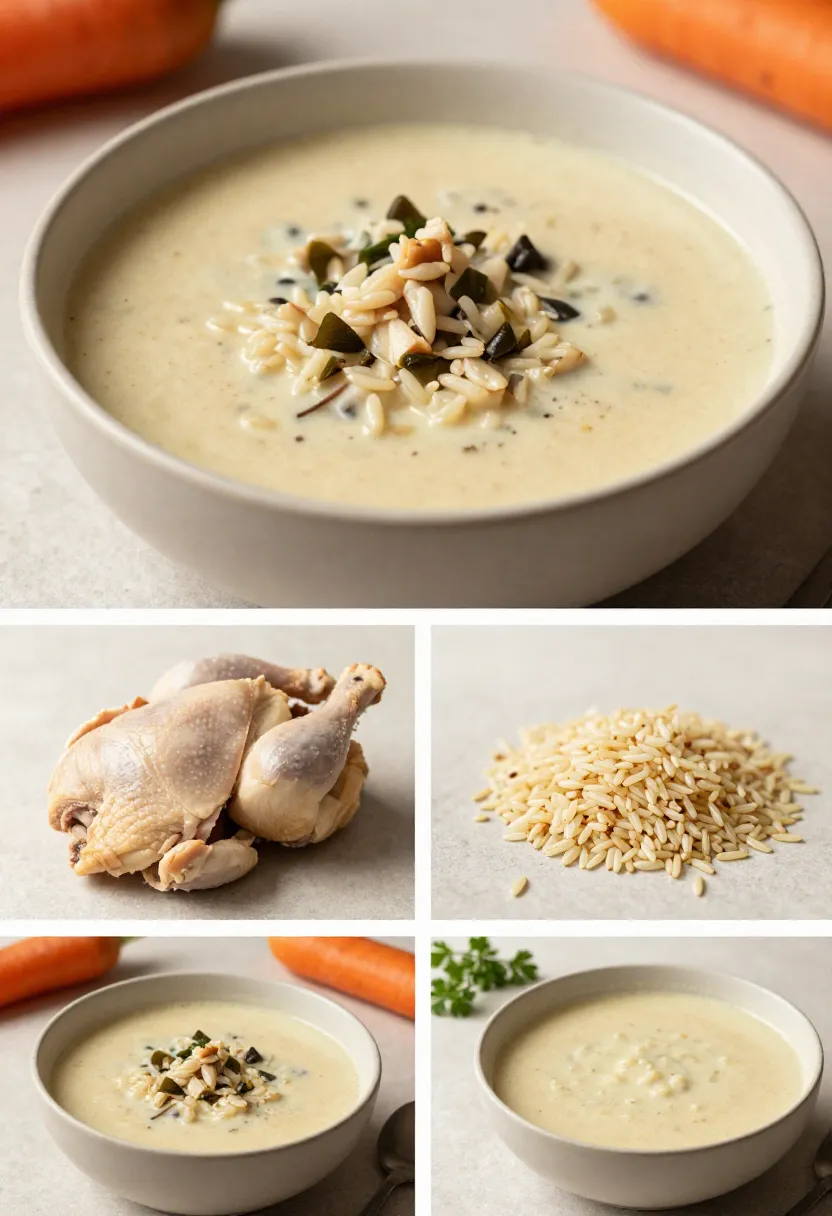
The chicken adds structure and makes the soup feel complete, but it doesn’t dominate. It blends into the overall texture rather than standing out too much. Soft grains, tender pieces of meat, and a creamy base all work together in a way that feels steady and reliable.
One of the reasons this soup is so popular is how practical it is. It stores well, reheats without much effort, and somehow manages to taste just as good—if not better—the next day. The flavors settle, the texture becomes more unified, and everything feels a bit more finished.
There are a few small ways people adjust it depending on preference:
- using different types of rice for slightly different textures
- adding vegetables like carrots or celery for extra depth
- adjusting the amount of cream to make it lighter or richer
- keeping the broth thinner or letting it thicken over time
None of these change the core idea—they just shift how it feels.
It’s the kind of soup that doesn’t try to surprise you. It just works, every time, in a very consistent way.
💡 Tip: Add cooked rice toward the end to keep the texture from becoming too thick as it sits.
5. 🥦 Roasted Cauliflower Soup
Cauliflower is one of those ingredients people tend to overlook. It’s not bold, it’s not particularly aromatic, and on its own it can feel… a bit plain. But that’s also exactly why it works so well in creamy soups. It gives you a base that’s neutral enough to build on, but once you treat it properly, it starts to develop its own character.
And roasting is really where everything changes.
When cauliflower cooks in the oven, especially at a higher temperature, the edges begin to caramelize slightly. That’s where the flavor starts to deepen. It becomes a little nutty, a little sweeter, and overall much more interesting than when it’s simply boiled. It’s not a dramatic transformation—but it’s enough that you notice it immediately in the final soup.
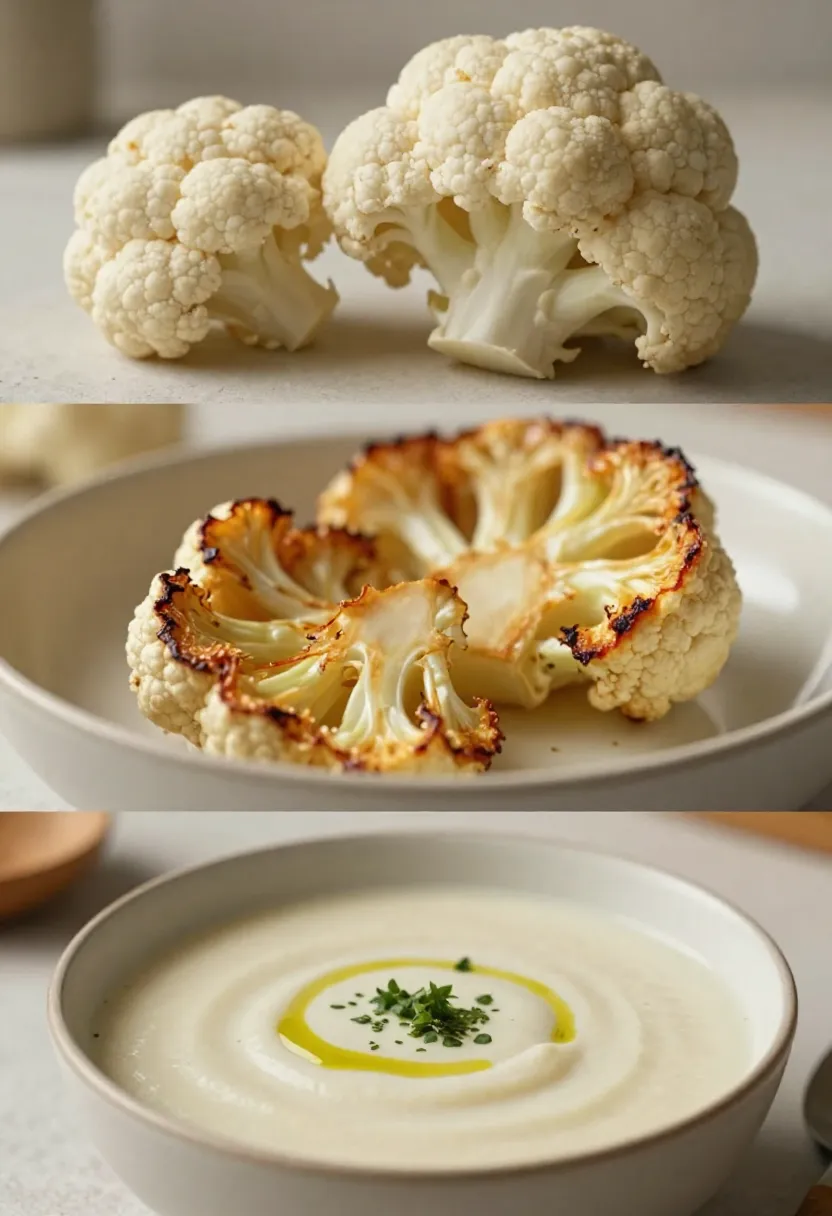
Once blended, it creates a texture that’s surprisingly smooth. Not just “creamy” in a basic sense, but actually soft and almost airy if done right. And the interesting part is that you don’t need much dairy to get there. The structure is already built in, which makes the soup feel rich without being too heavy.
That’s also why this soup is often a go-to for people who want something lighter but still satisfying. It doesn’t sit heavily, and you don’t get that overly full feeling after eating it. It’s filling in a quieter, more balanced way.
Another thing that makes roasted cauliflower soup so appealing is how flexible it is. You can keep it very minimal—just cauliflower, a bit of onion, some broth—and it still works. Or you can push it in different directions depending on what you’re in the mood for:
- adding garlic for a deeper, warmer base
- including leeks for a softer, slightly sweeter note
- using spices like cumin or paprika to give it more character
- finishing with something smoky or sharp to create contrast
Each of these changes the tone of the soup without completely redefining it.
There’s also something about the texture that feels very “clean.” It’s smooth, but not sticky or overly thick. It doesn’t coat your mouth in a heavy way, which makes it easier to eat, especially if you’re not in the mood for something too rich.
💡 Tip: Let the cauliflower roast until it’s properly golden with slightly darker edges—this is where most of the flavor develops.
6. 🥓 Cauliflower and Bacon Soup
This version builds on the same base, but adds something that cauliflower on its own doesn’t quite have—contrast.
Cauliflower is soft, smooth, and relatively mild. Bacon, on the other hand, is the opposite in almost every way. It’s salty, slightly crispy, and has that distinct smoky flavor that immediately stands out. When you combine the two, the soup becomes much more dynamic.
What makes this combination work is the balance between those extremes. The cauliflower softens the intensity of the bacon, while the bacon prevents the soup from feeling too gentle or one-dimensional. You end up with something that still feels creamy and comforting, but with a bit more edge.
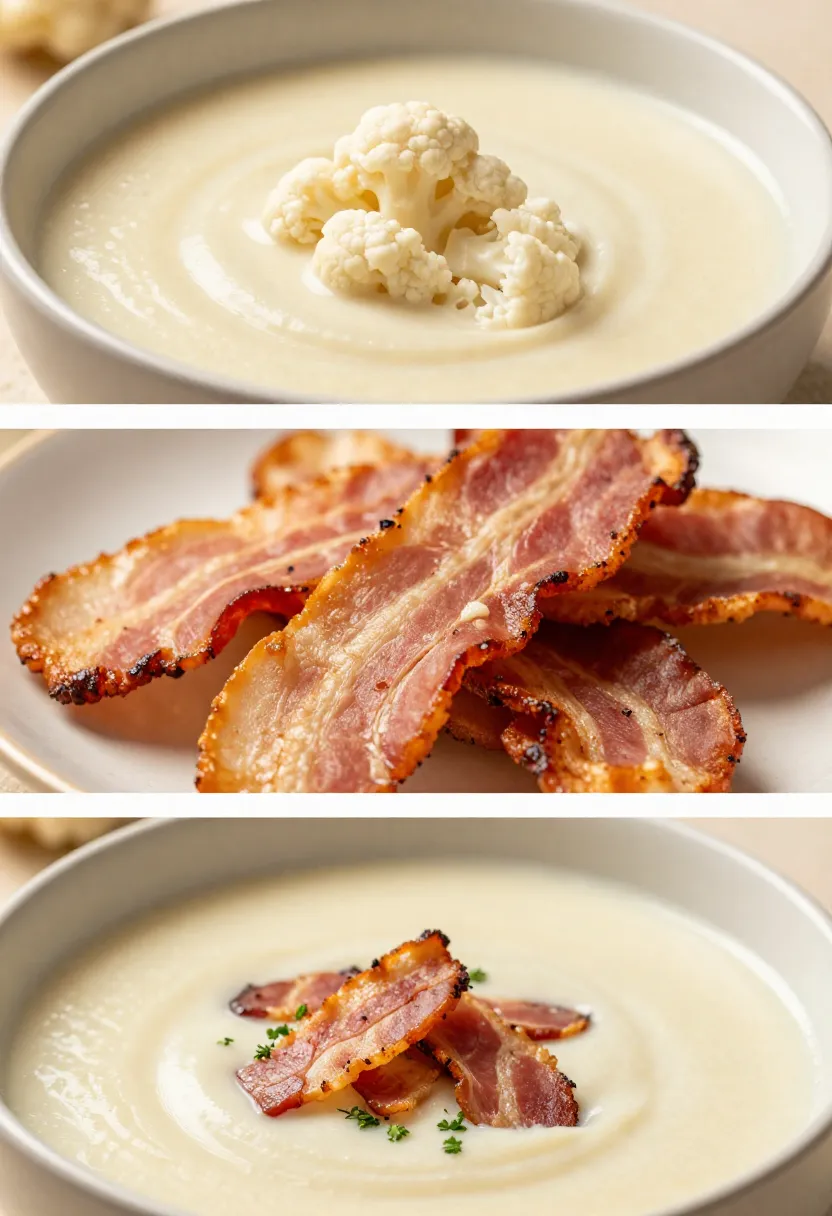
Texture plays a bigger role here than it might seem at first. If everything is blended completely smooth, you lose some of that contrast. But if you keep the bacon slightly separate—or at least add it toward the end—you get small bursts of texture that make each spoonful feel a little different.
It’s also a soup that can easily become too heavy if you’re not careful. Between the natural creaminess of cauliflower and the richness of bacon, it doesn’t need much extra fat. Keeping that balance is what makes it enjoyable rather than overwhelming.
Some small adjustments people often make:
- using less cream to let the bacon stand out more
- adding a bit of garlic or onion to deepen the base
- finishing with herbs to lighten the overall feel
- keeping part of the bacon crispy instead of mixing it all in
These aren’t necessary, but they do help fine-tune the final result.
Another thing worth noting is how satisfying this soup feels without being overly complicated. It’s still simple at its core—but it has enough variation in flavor and texture to keep it interesting all the way through.
💡 Tip: Add bacon at the end or right before serving so it keeps some crispness instead of blending into the soup.
7. 🌲 Wild Mushroom Soup
Wild mushroom soup feels a bit more subtle compared to the others. It doesn’t aim for boldness—it leans more into nuance.
The difference starts with the mushrooms themselves. Wild varieties tend to have more layered, less predictable flavors. They’re not as straightforward as standard mushrooms, and that’s exactly what makes them interesting. The taste doesn’t hit you all at once. It builds slowly, and you start noticing small shifts from one spoonful to the next.
Because of that, the goal here isn’t to create something thick or overly rich. In fact, going too heavy with cream or seasoning can actually take away from what makes the soup special. It’s more about letting those natural flavors come through, without interfering too much.
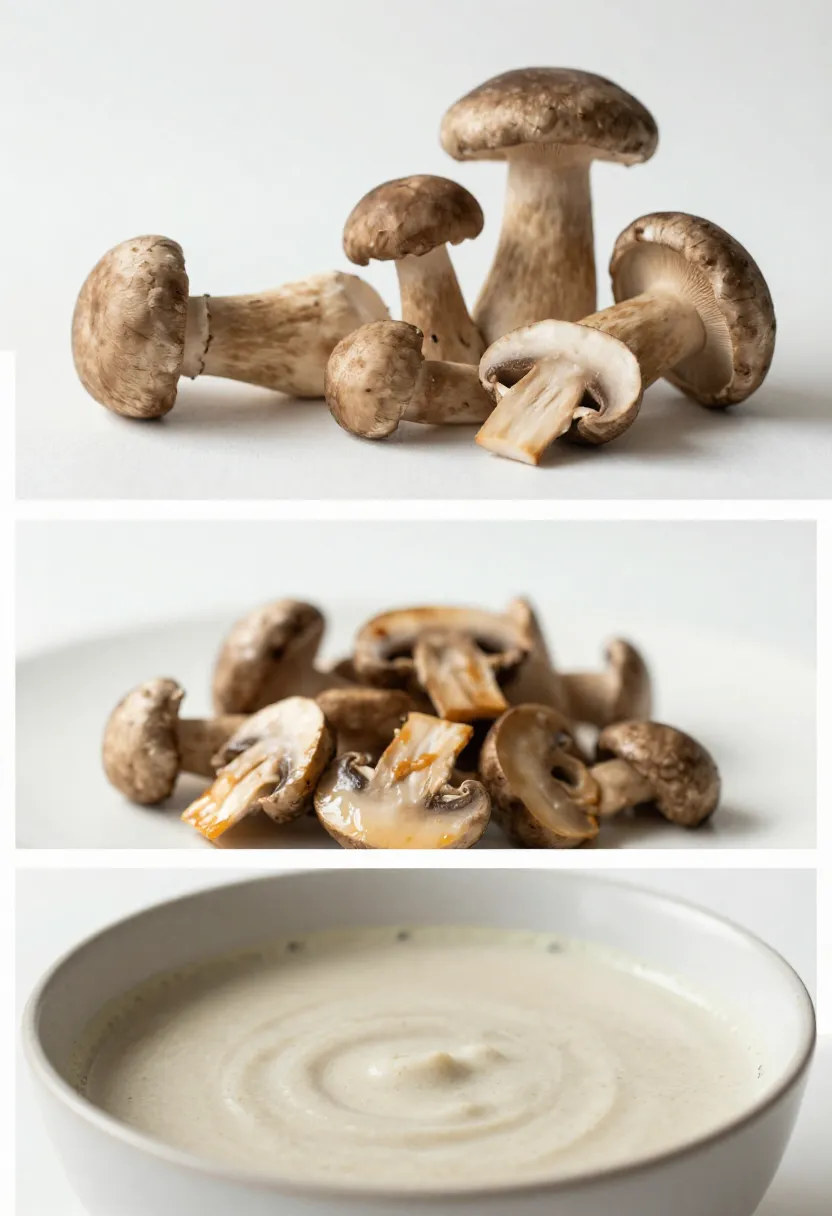
The cooking process reflects that approach. It’s a bit more restrained, a bit more careful. You still want to develop flavor, but without pushing things too far:
- gentle sautéing instead of aggressive browning
- minimal seasoning so the mushrooms stay the focus
- sometimes partial blending to keep a bit of natural texture
There’s also a certain lightness to this soup, even though it’s still technically creamy. It doesn’t feel dense or heavy. Instead, it feels layered and slightly more refined, almost like it belongs somewhere between comfort food and something more elevated.
Texture plays a quieter role, but it still matters. Some versions are smooth, others leave small pieces throughout, and both approaches work in different ways. A smoother version feels more polished, while a slightly textured one feels more natural and less processed.
What makes this soup stand out is that it doesn’t try too hard. It doesn’t rely on strong contrasts or bold additions. It just builds slowly and lets the ingredients speak for themselves.
💡 Tip: Keep seasoning minimal and taste as you go—it’s very easy to overpower the natural flavor of wild mushrooms without realizing it.
🌿 Final Thoughts: Why Creamy Soups Always Find Their Way Back
Creamy soups don’t really depend on trends—and maybe that’s exactly why they never disappear.
They just quietly exist in the background of everyday cooking. You don’t need a special occasion to make them, and you don’t usually overthink the decision. At some point, you just feel like having something warm, something simple, and they naturally come to mind. No pressure, no expectations—just a reliable option that almost always works out.
What makes them different from a lot of other dishes is how easily they fit into real life. You can cook them when you’re tired, when your fridge is half-empty, or when you just don’t feel like dealing with complicated steps. And even then, they tend to turn out… at least good. Sometimes even better than expected, which is always a nice surprise.
There’s also something interesting about how they change over time. A creamy soup right after cooking is one thing—but come back to it a few hours later, or the next day, and it’s often noticeably better. The flavors settle, the texture becomes more stable, everything feels more connected. It’s one of those rare dishes that improves without you doing anything extra.
On a more subtle level, there’s also a kind of emotional effect. Warm, smooth food just feels different. It slows you down a bit. You don’t rush through it the same way you might with other meals. Even if you’re not thinking about it consciously, there’s a small pause there—and that pause matters more than it seems.
Another reason creamy soups keep coming back is their flexibility. You can adjust them in almost any direction without breaking the whole dish:
- make them lighter or richer depending on what you feel like
- keep them vegetarian or add protein to make them more filling
- blend them completely smooth or leave some texture
- use whatever ingredients you already have instead of following a strict plan
There’s no single “correct” version, and that takes away a lot of pressure.
And maybe that’s the real appeal.
Creamy soups don’t demand precision or perfection. They leave room for small changes, for experimenting, for just going with what feels right in the moment. You don’t have to measure everything exactly or follow every step closely.
At some point, you stop thinking in terms of instructions. You start tasting more, adjusting more, trusting your instincts a bit. And the process becomes less rigid, more natural.
And honestly, that’s usually where the best food comes from—not from strict rules, but from paying attention and letting things come together in their own way. 🧡