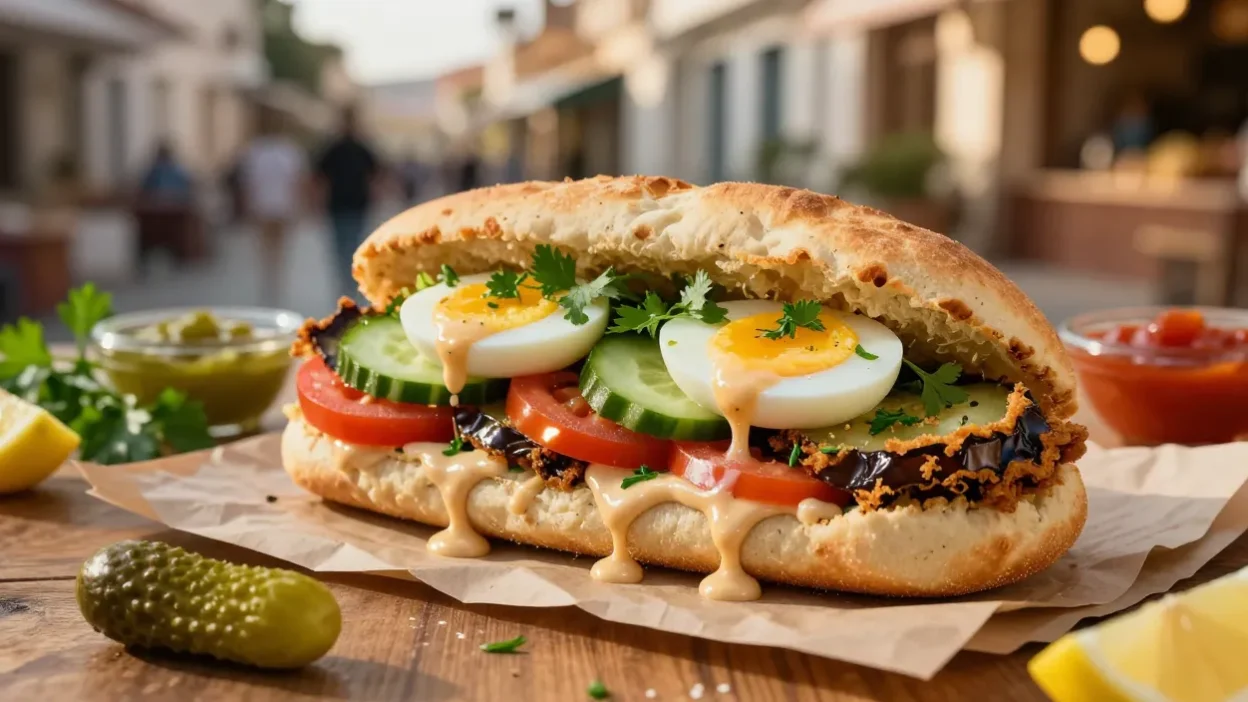
Sabich is one of those sandwiches that sounds slightly confusing until you actually eat it. Fried eggplant. Eggs. Tahini. Pickles. Salad stuffed into warm pita bread. On paper, it feels like too many things happening at once. In reality, that mix is exactly why it works 🥙
The first thing you notice is the smell. Eggplant frying in olive oil changes the whole kitchen atmosphere almost immediately. It smells warm, savory, slightly smoky around the edges, the kind of smell that lingers in the apartment long after dinner is over. Then the tahini comes in with that nutty bitterness, the tomatoes add freshness, and suddenly the sandwich tastes much bigger than its ingredient list.
What I like about sabich is that it never feels overly polished. It’s messy food. Sauce drips out the sides. The pita barely holds everything together. You take one bite and half the filling tries to escape onto the plate. That’s normal. Actually, if a sabich sandwich looks too neat, something probably went wrong 😄
And honestly, that chaotic feeling is part of the experience. Sabich was never meant to be delicate café food arranged carefully with tweezers and microgreens. It’s street food. Built to be eaten quickly, probably while standing outside somewhere busy, trying not to lose half the eggplant onto your shoes.
The sandwich itself has roots connected to Iraqi Jewish communities and later became one of the most recognizable Israeli street foods. Different versions exist everywhere now. Some people add potatoes, others skip them completely. Some overload the pita with herbs until it almost tastes green and peppery. Others lean harder into pickles and sauces.
Then there’s amba sauce — the fermented mango condiment that gives sabich part of its signature flavor. People usually react to it in one of two ways. Either immediate obsession or complete confusion.
I definitely needed a few attempts.
The first time I tried sabich, I actually thought the sandwich sounded too heavy. Fried eggplant plus eggs inside bread didn’t exactly scream “light lunch.” But somehow the acidity from the pickles and the freshness from cucumber and tomato balance everything out before it becomes overwhelming. The sandwich stays rich, but not exhausting.
That balance is probably why people keep craving it again later.
🍆 Why the ingredients work together so well
Sabich looks random until you start paying attention to texture. Every ingredient balances another one. Nothing sits there without a purpose.
The eggplant is soft and rich after frying, almost creamy in the center when cooked properly. Eggs add more richness, but also structure, making the sandwich filling enough to count as an actual dinner instead of a snack. Pickles and salad stop everything from becoming too heavy. Tahini ties the whole thing together while adding depth without overpowering the vegetables.
And the bread matters more than people think. Warm pita stretches slightly and absorbs the sauces without falling apart too quickly. Cold pita? Total disaster. You end up holding a broken sandwich over the sink while tomatoes slide onto the counter and tahini lands on your shirt.
That happened to me more than once, honestly.
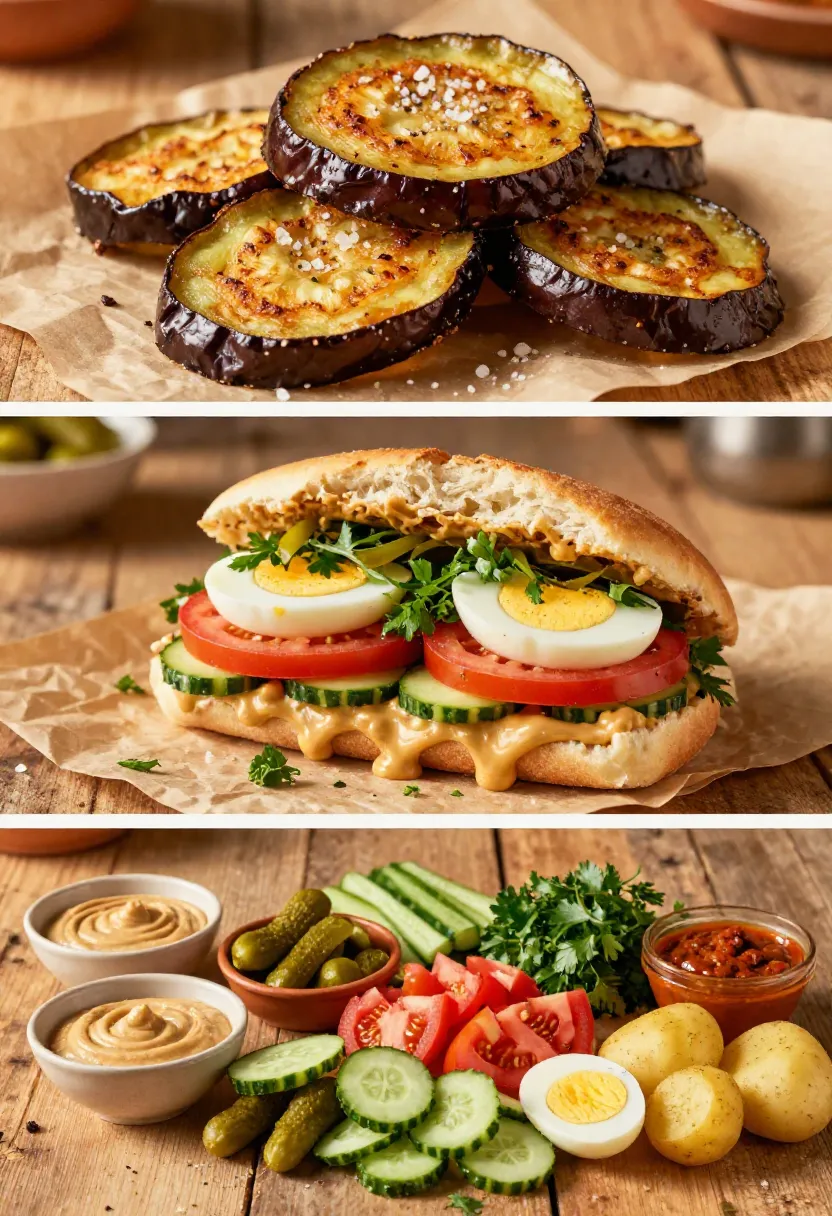
The contrast inside sabich is what makes it addictive. Warm eggplant against cold salad. Creamy tahini against crunchy pickles. Soft eggs against chewy pita bread. Every bite changes slightly depending on what shifts inside the sandwich.
Here’s a much closer look at why each ingredient matters so much:
| 🥗 Ingredient | 👅 Flavor | ✨ Texture | 💡 Why it matters |
|---|---|---|---|
| Fried eggplant | Deep, slightly smoky flavor | Soft and creamy inside | The heart of the sandwich. Gives richness and warmth |
| Boiled eggs | Mild and rich | Smooth and soft | Balances the acidity from pickles and sauces |
| Tahini sauce | Nutty with slight bitterness | Silky and creamy | Connects all the flavors together |
| Pickles | Sharp and salty | Crunchy | Cuts through the richness beautifully |
| Tomatoes | Fresh and slightly sweet | Juicy | Adds brightness and freshness |
| Cucumbers | Clean and refreshing | Crisp | Keeps the sandwich from feeling heavy |
| Fresh parsley | Herbal freshness | Light texture | Adds a green, vibrant finish |
| Potatoes | Mild and comforting | Soft and filling | Makes sabich feel more substantial |
| Warm pita bread | Toasty flavor | Soft and flexible | Holds everything together without overpowering fillings |
| Amba sauce 🥭 | Tangy, fermented, slightly spicy | Thick and saucy | Gives authentic sabich flavor and extra depth |
One thing that surprised me the first time I made sabich at home: the sandwich tastes better when the vegetables aren’t perfectly uniform. Rough tomato chunks, uneven eggplant slices, messy herbs — all of that makes it feel more real and less like restaurant food trying too hard.
Actually, slightly messy ingredients improve the sandwich. Perfect cubes and carefully measured layers somehow make sabich feel less alive.
And sabich really should feel alive.
🔥 The small cooking details that change everything
Sabich isn’t difficult to make, but small cooking details completely change the final result.
The eggplant needs salt before frying. Skipping this step usually leaves the inside slightly spongy and oily. Salting draws out moisture, which helps the slices brown instead of steam in the pan. It takes extra time, yes. But honestly, it’s one of those annoying kitchen steps that actually matters.
You can actually see the difference while cooking. Unsalted eggplant drinks oil aggressively and stays pale longer. Salted eggplant browns faster and develops softer texture inside without becoming greasy.
The oil temperature matters too. If the pan isn’t hot enough, the slices absorb too much oil before developing color. Too hot, though, and the outside burns while the center stays firm. There’s a sweet spot somewhere in the middle where the eggplant turns deeply golden and almost silky inside.
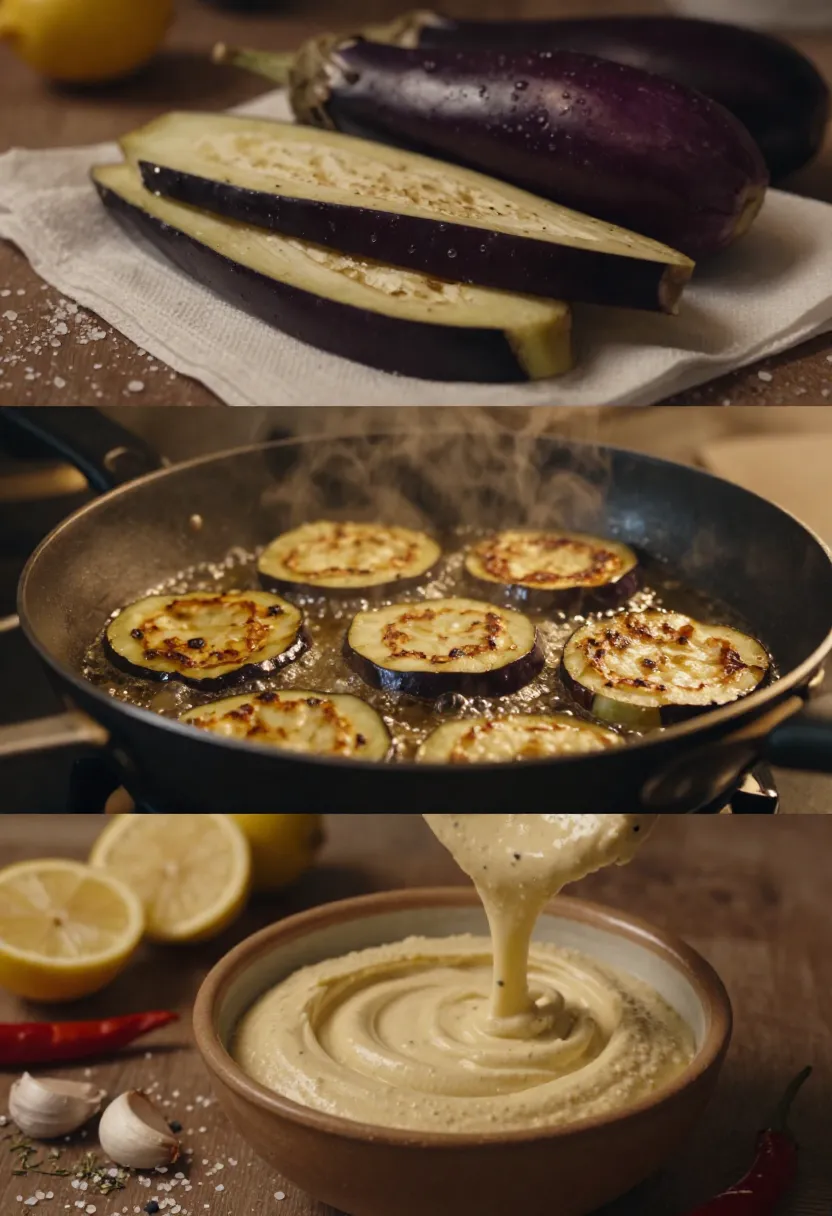
Tahini sauce also needs balance. Too thick and the sandwich feels heavy. Too thin and it disappears into the bread immediately. The best consistency is somewhere in between — smooth enough to drizzle slowly from a spoon.
And tahini behaves strangely sometimes. It looks broken halfway through mixing, almost grainy and stiff, then suddenly smooths itself out once enough water gets added. The first time I made tahini sauce, I thought I ruined it completely.
Turns out that weird stage is normal.
Then there’s the heat level 🌶️ Sabich becomes much better with a little spice. Not enough to overpower everything, just enough warmth in the background. Chili sauce or spicy pickles work perfectly because they wake up the heavier ingredients without dominating the flavor.
Some people fry the eggplant until deeply dark and almost collapsing. Others keep it lighter and firmer. I lean toward darker eggplant because the caramelized edges taste incredible inside pita bread. Slightly messy, slightly overfilled, warm enough that you have to juggle it between your hands while eating. That’s the version worth making.
And honestly, sabich tastes best when eaten immediately. Freshly fried eggplant, warm pita, cold salad, dripping tahini — the contrast disappears if the sandwich sits around too long.
It’s not elegant food.
That’s exactly why people love it.
🥙 Sabich sandwich recipe
This homemade sabich recipe keeps the traditional street-food feeling while still being realistic enough for an ordinary home kitchen. Nothing here feels overly complicated or restaurant-perfect. That’s honestly part of the charm. Sabich has always been the kind of food that feels a little messy in the best possible way — warm pita slightly overloaded with fillings, tahini dripping down the side, fried eggplant soft enough to almost fall apart while you eat.
At first glance, the ingredients look surprisingly simple. Eggplant, eggs, vegetables, tahini sauce, pita bread. Nothing expensive. Nothing especially fancy. But once everything comes together inside warm bread, the flavor feels much bigger than you expect from such basic ingredients.
The fried eggplant does most of the heavy lifting here 🍆 It turns silky and rich once cooked properly, almost creamy inside while the edges stay caramelized and golden. Then the eggs add softness and richness, while tomatoes, cucumbers, and pickles bring freshness that keeps the sandwich from feeling too heavy.
And the tahini sauce really changes everything. Without it, sabich tastes incomplete somehow. The nutty, slightly bitter flavor connects all the ingredients together and gives the sandwich that unmistakable savory depth.
One thing I love about sabich is how relaxed it feels compared to other sandwiches. It’s not food you eat carefully. It’s food you lean over while eating because something will absolutely fall out eventually 😄 The pita stretches to hold everything together for as long as possible, but eventually the tomatoes slide, the tahini drips, and the eggplant starts escaping from the side.
That’s normal.
Actually, the best sabich sandwiches usually look slightly chaotic.
Another reason this recipe works so well at home is flexibility. You can adjust almost everything depending on mood or whatever happens to be sitting in the fridge. Add extra herbs if you want more freshness. Make it spicier with chili sauce 🌶️ Add more pickles if you like sharper flavors. Some people even add roasted cauliflower or cabbage salad for extra texture.
And somehow sabich still tastes like sabich no matter how people personalize it.
The contrast between temperatures also matters more than people realize. Warm eggplant and pita against cold salad and tahini creates that perfect balance between comforting and refreshing. Every bite changes slightly depending on what combination lands together — creamy eggplant, sharp pickle, soft egg, crunchy cucumber, nutty sauce.
That unpredictability makes the sandwich feel alive instead of repetitive.
Honestly, sabich is one of those recipes that quietly becomes addictive after a while. The first time you make it, it feels like an interesting sandwich. Then a few days later you suddenly start thinking about fried eggplant again for absolutely no reason.
And once homemade pita and warm tahini sauce enter the equation, regular sandwiches start feeling a little boring by comparison 🥙
🛒 Ingredients
For the sandwich:
- 2 medium eggplants 🍆
- 4 pita breads
- 4 eggs 🥚
- 2 potatoes, boiled and sliced
- 2 tomatoes, diced 🍅
- 1 cucumber, diced
- 1 small red onion, thinly sliced
- Pickled cucumbers
- Fresh parsley 🌿
- Olive oil for frying
- Salt and black pepper
For the tahini sauce:
- 1/2 cup tahini
- 2 tablespoons lemon juice 🍋
- 1 garlic clove, grated
- Water as needed
- Pinch of salt
Optional additions:
- Amba sauce 🥭
- Chili sauce 🌶️
- Cabbage salad
- Extra herbs
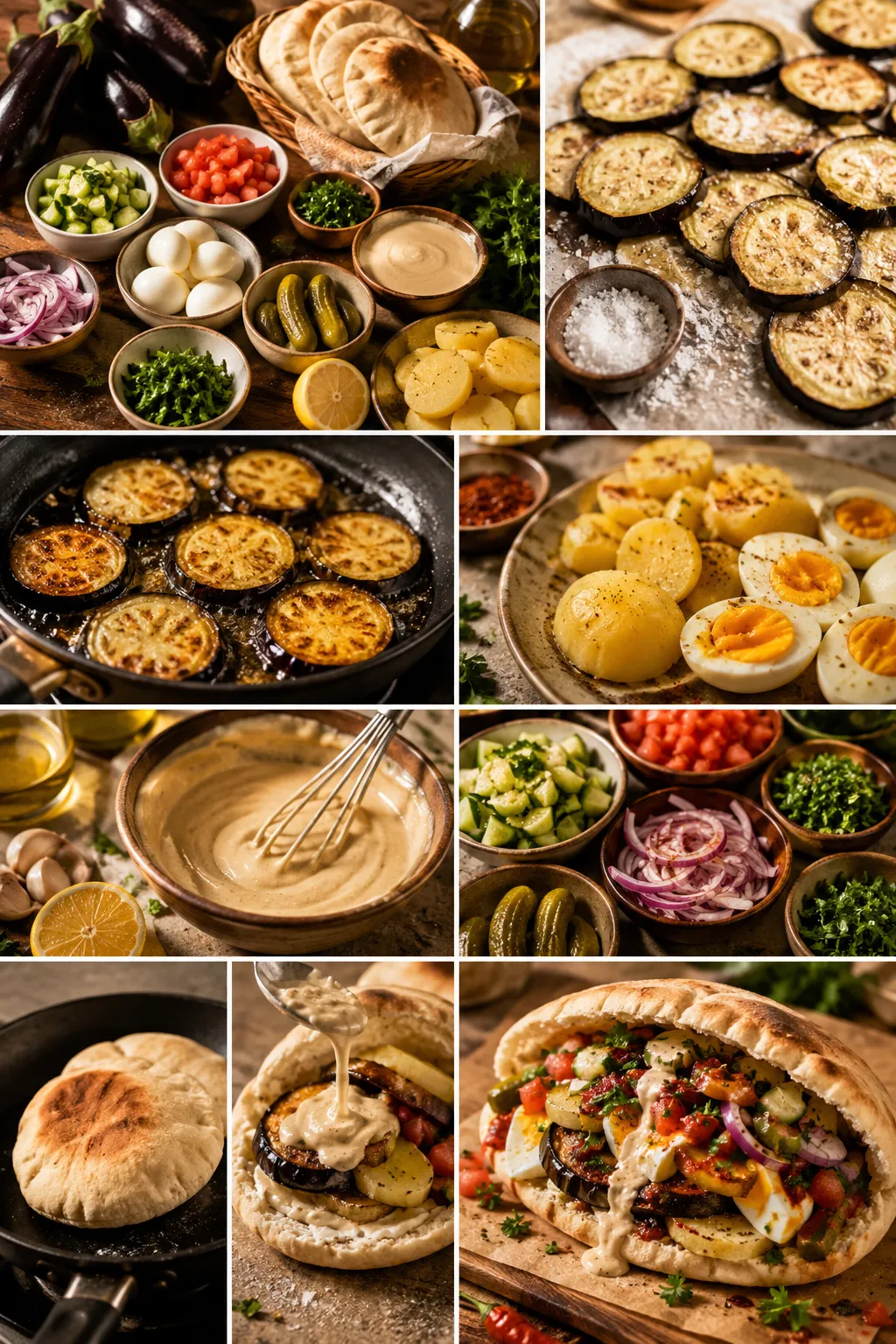
👨🍳 How to make sabich
- Slice the eggplants into rounds about 1 cm thick. Sprinkle both sides with salt and leave them for 20–30 minutes to release excess moisture.
- Pat the eggplant dry with paper towels. Heat olive oil in a frying pan and cook the slices in batches until golden brown and soft inside.
- Boil the eggs until hard-boiled or slightly jammy, depending on your preference. Peel and slice them.
- Mix tahini, lemon juice, garlic, salt, and water in a bowl until smooth. Add water gradually until the sauce becomes creamy and pourable.
- Warm the pita breads in a dry pan or oven for a few minutes.
- Fill each pita with tahini sauce, fried eggplant, potato slices, eggs, tomatoes, cucumber, onion, parsley, and pickles.
- Add amba or chili sauce if you want extra sharpness and heat.
- Serve immediately while the eggplant is still warm.
✨ Small kitchen tips that help
- Salt the eggplant properly or it absorbs too much oil.
- Warm pita bread cracks less while filling.
- Add tahini first so it spreads evenly inside the sandwich.
- Don’t overstuff the pita immediately. Build layers slowly.
- A little lemon juice at the end brightens the whole sandwich 🍋
🍽️ Sabich feels better when eaten casually
Some foods lose their charm once they become too carefully styled. Sabich is the complete opposite of minimalist plating. It should feel slightly overloaded and difficult to eat neatly. If absolutely nothing falls out while eating it, the sandwich probably needs more filling 😄
That’s part of why it works so well for relaxed dinners or slow weekends at home. Sabich creates the kind of atmosphere where people stop caring about perfect presentation after the first few bites. The pita gets warm and soft, tahini ends up on fingers, somebody reaches for extra pickles halfway through building their sandwich, and the kitchen slowly turns into controlled chaos.
Honestly, that casual feeling is part of the recipe itself.
One of the best ways to serve sabich is family-style, with all the ingredients spread across the table instead of assembling every sandwich in advance. Warm pita wrapped in towels. Bowls of tomatoes and cucumbers. Fried eggplant stacked on paper towels while the last batch finishes cooking. Herbs everywhere. Tahini sauce sitting in a bowl with a spoon already dripping onto the counter.
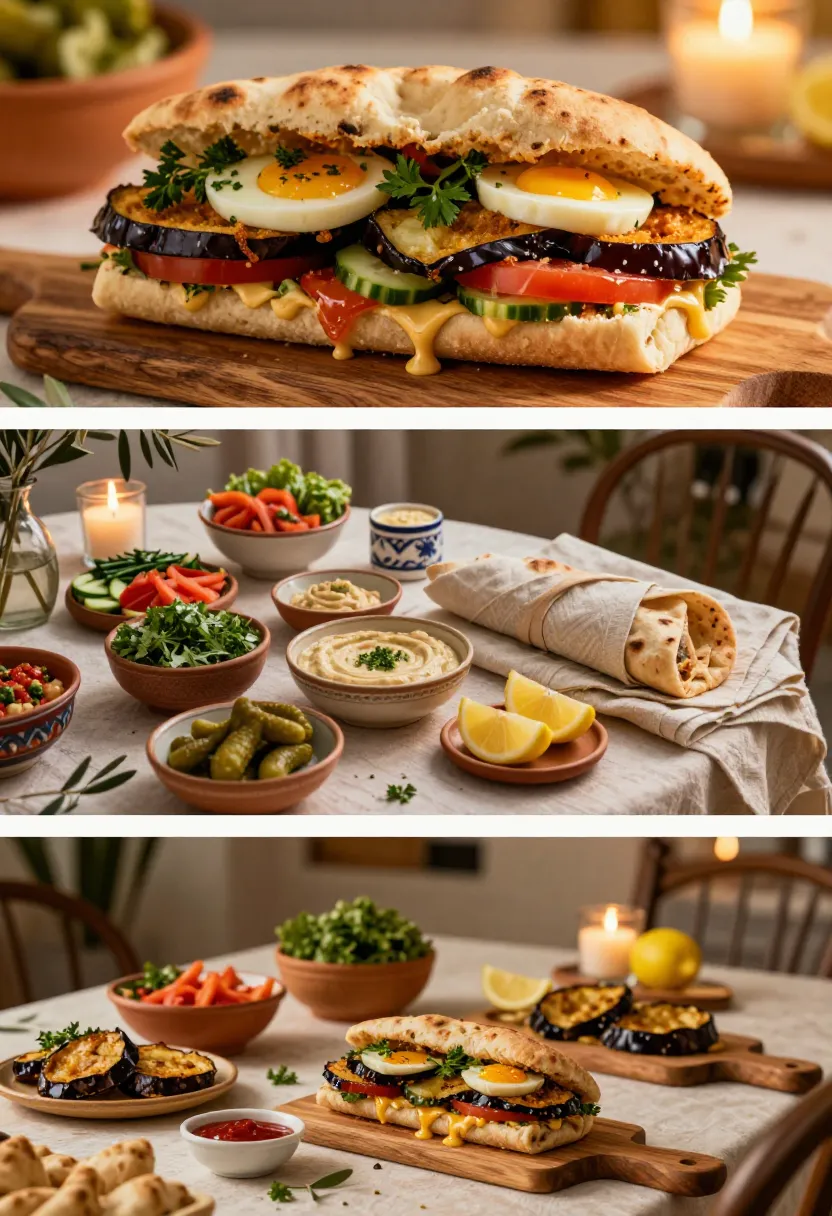
The whole thing feels alive in a way that more polished dinners sometimes don’t ✨
And people always build their sabich differently:
- someone overloads it with eggplant 🍆
- someone doubles the pickles for extra sharpness
- someone adds way too much tahini
- somebody inevitably tears the pita halfway through eating
- another person quietly goes back for a second sandwich even after insisting they were full
That’s probably why sabich works so well socially. It doesn’t feel stiff or formal. The sandwich almost forces people to relax because there’s no elegant way to eat it anyway.
There’s also something comforting about how homemade sabich smells while everything cooks. Frying eggplant fills the kitchen with this warm savory aroma that lingers for hours. Toasted pita smells slightly nutty and yeasty at the same time. Lemon and tahini add brightness in the background. Even before the sandwiches are assembled, the whole kitchen already feels like dinner.
And unlike carefully plated restaurant food, sabich actually gets better when the table looks a little messy. Extra herbs scattered around. Sauce dripped onto the plate. Half-cut lemons sitting beside the pickles. It feels human.
Not staged. Not overly curated for photos. Just real food people genuinely want to eat.
🌞 The sandwich changes depending on the season
Sabich tastes different throughout the year because the vegetables change. Summer versions feel lighter, brighter, and fresher. Winter sabich becomes warmer, softer, and more comforting somehow.
In summer, tomatoes actually matter. Really ripe tomatoes make the sandwich sweeter and juicier, which balances the fried eggplant beautifully. Fresh cucumbers taste colder and crunchier during hot weather too, so the whole sandwich feels more refreshing even though the eggplant is fried.
During colder months, though, sabich naturally shifts into something heavier and more comforting. Potatoes become more important. Warm pita feels softer against cold air. Spicy sauce suddenly makes more sense 🌶️
I also think people cook eggplant differently depending on the season. Summer eggplant usually gets fried lighter and served with more herbs. Winter versions often become darker, softer, and more caramelized around the edges.
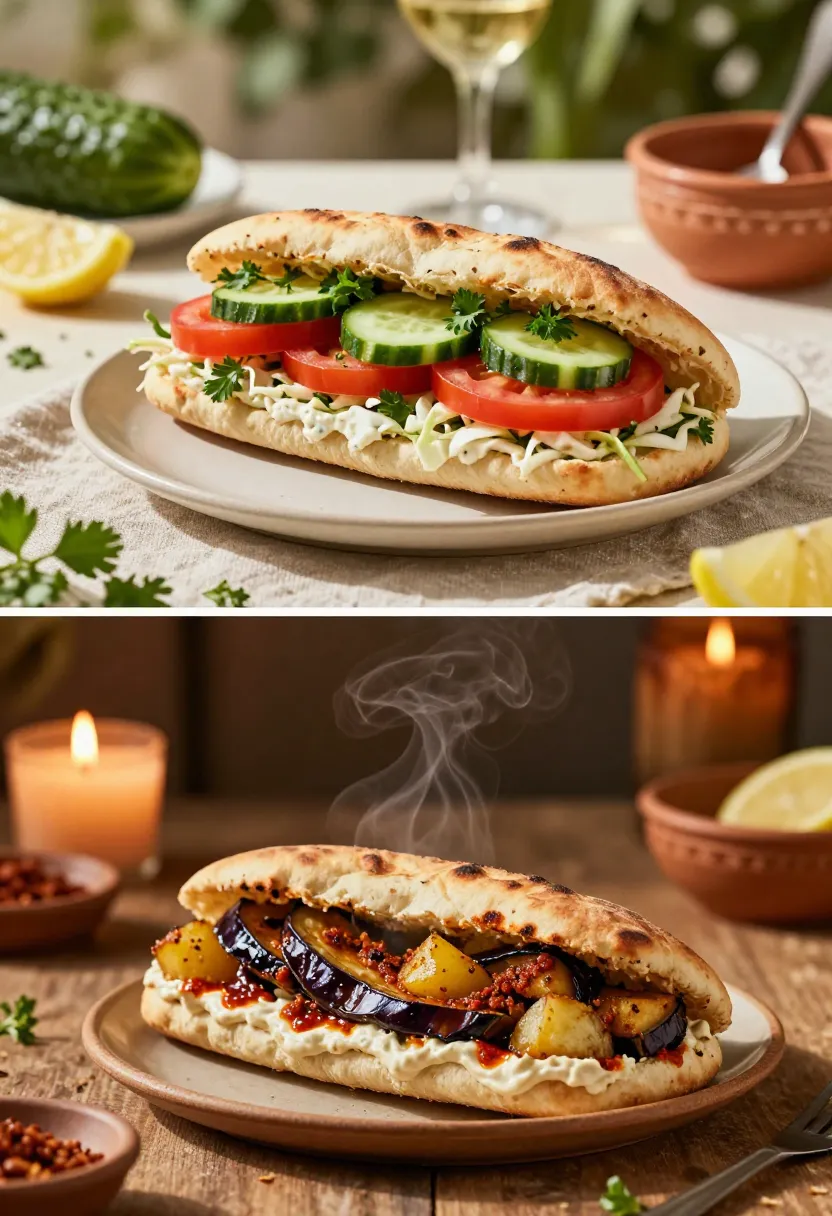
That flexibility is probably one reason sabich stayed popular for so long. It adapts easily without losing its identity. Even small ingredient changes still leave you with something that unmistakably tastes like sabich.
A few seasonal variations work especially well:
| 🌤️ Season | 🥙 Small changes that work well |
|---|---|
| Summer | More cucumber, parsley, fresh tomatoes, lighter tahini |
| Autumn | Extra roasted potatoes and warmer spices |
| Winter | More chili sauce, darker fried eggplant, extra pita |
| Spring | More herbs, lemon juice, cabbage salad |
And leftovers work surprisingly well too. Fried eggplant in the fridge overnight somehow becomes even silkier the next day. The flavor deepens slightly once the oil settles and the inside softens more.
Actually, cold leftover eggplant tucked into warm pita the next morning with tahini and pickles? Weirdly incredible.
Sabich also works differently depending on the time of day. At lunch it feels fresh and filling without knocking you out afterward. Late at night, though, it becomes pure comfort food. Warm bread, rich eggplant, salty pickles, creamy tahini — exactly the kind of thing people crave when they’re tired and hungry.
And because the ingredients are mostly simple pantry and vegetable staples, sabich somehow feels practical even while tasting special.
That combination is harder to pull off than people realize.
❤️ Why people keep coming back to sabich
A lot of sandwiches taste good once and disappear from memory immediately afterward. Sabich doesn’t really do that.
Maybe it’s the texture contrast. Maybe it’s the combination of warm fried vegetables and sharp pickles. Or maybe messy street food simply sticks in people’s minds longer because it feels less controlled and more personal.
Either way, sabich leaves an impression.
You remember the tahini dripping onto your hands. The smell of frying eggplant lingering in the kitchen afterward. The sharp bite from pickles right after the richness of the eggs. Even the sound matters a little — crispy edges of eggplant against soft pita bread and crunchy vegetables.
Some foods taste technically good but emotionally forgettable. Sabich somehow avoids that completely.
Part of it comes from the balance between richness and freshness. Fried eggplant and eggs could easily feel too heavy on their own, but the cucumbers, herbs, tomatoes, lemon, and pickles keep cutting through the richness before the sandwich becomes overwhelming.
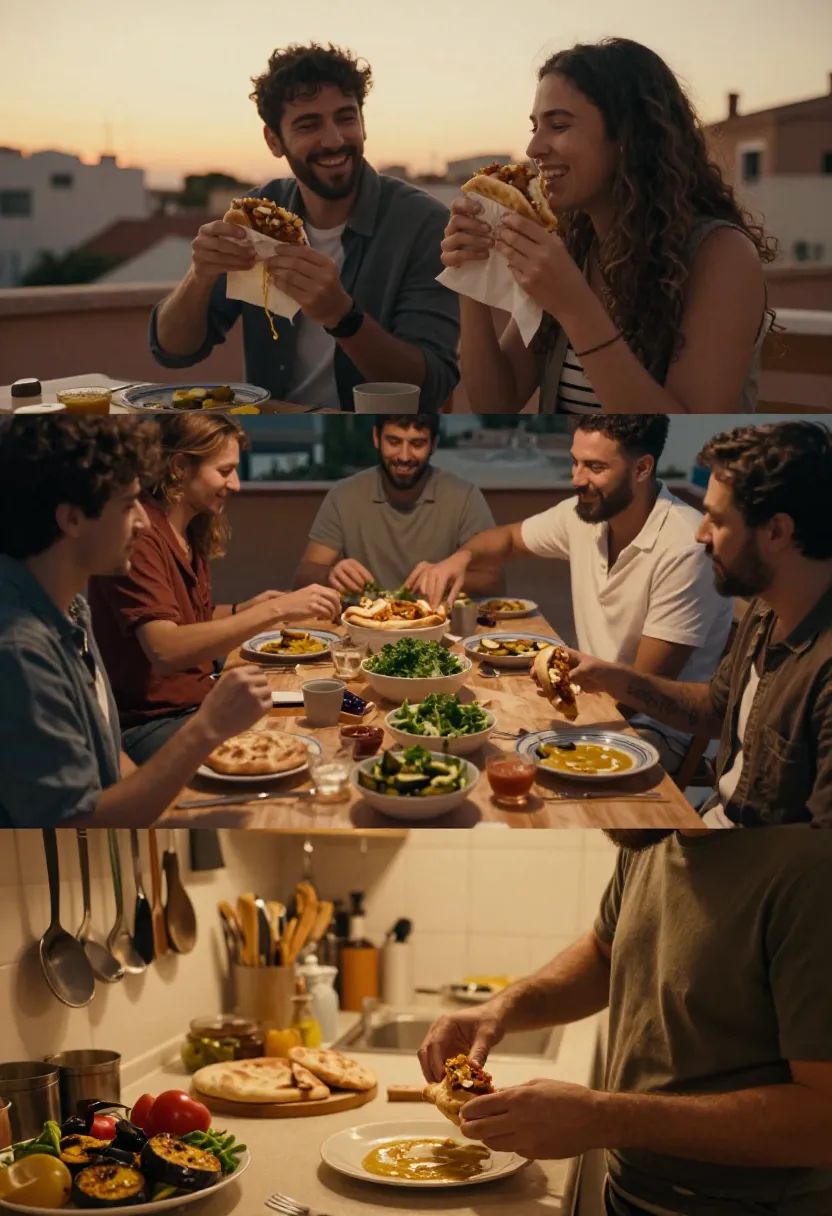
Every bite changes slightly too. One bite tastes mostly like tahini and herbs. Another hits with spice and pickles first. Then suddenly you get creamy eggplant and warm potato together.
That constant variation keeps the sandwich interesting all the way through.
And honestly, sabich feels comforting without becoming boring. That’s harder to achieve than people think. A lot of comfort food becomes repetitive after a few bites because everything tastes soft, rich, and heavy. Sabich stays bright enough to keep pulling you back in for another bite.
I think that’s why people crave it again later without really planning to. A few days pass and suddenly the idea of warm pita, fried eggplant, and tahini starts sounding weirdly specific and necessary 🥙
Then there’s the emotional side of it. Sabich feels connected to real situations instead of feeling like “special occasion food.”
It works for:
- relaxed weekend lunches
- quick dinners with friends
- late-night comfort food cravings
- casual rooftop dinners in warm weather
- standing in the kitchen eating while the second sandwich is still being assembled
That flexibility makes the sandwich feel personal. Everybody remembers sabich slightly differently depending on where they ate it and who they were with.
And maybe that’s the real reason people keep coming back to it.
Not because it’s trendy. Not because it’s complicated. Just because warm pita, crispy eggplant, tahini, and pickles somehow create the kind of meal people genuinely want to eat again.