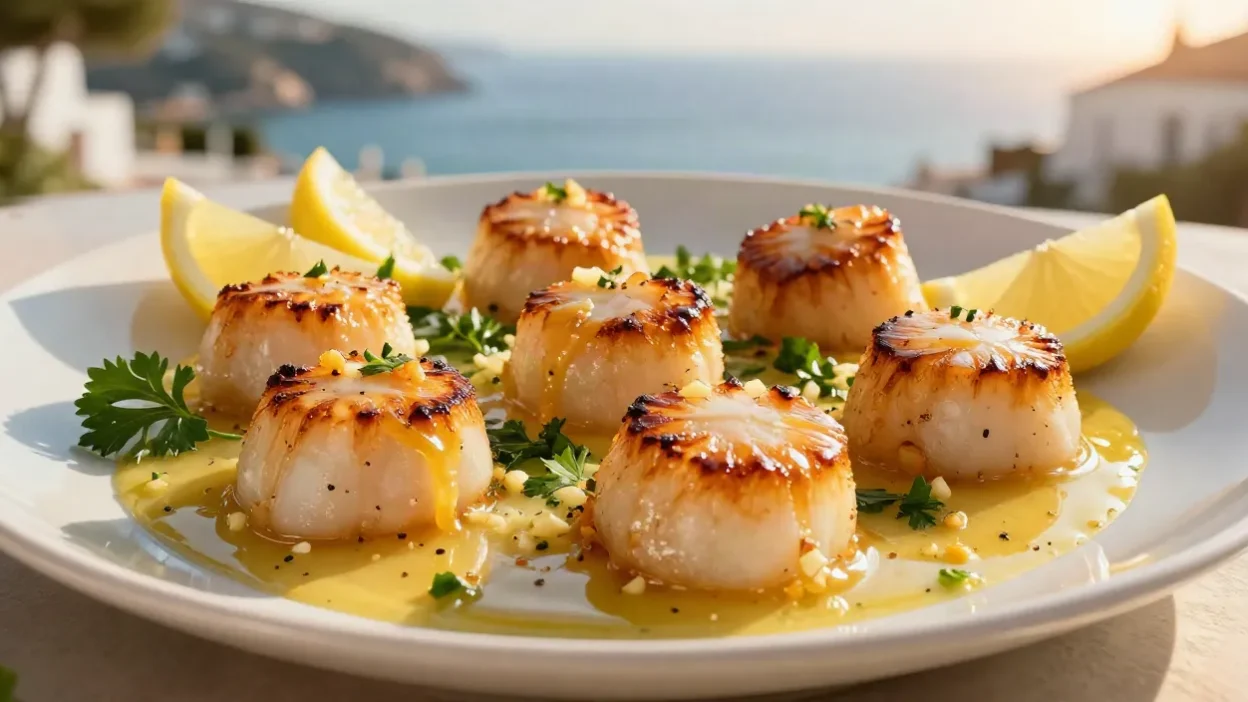
There are some dishes that make an ordinary evening feel like a proper occasion, even when you haven’t planned anything particularly exciting. Seared scallops with lemon garlic butter are exactly that kind of meal. They look elegant on the plate, have a lovely golden crust, and come with a buttery sauce that makes every bite feel rich and satisfying. And yet, the ingredients are simple enough that you don’t need to spend the afternoon preparing everything or make a special trip to find a long list of unusual ingredients.
Scallops have a delicate sweetness that makes them stand out from other seafood. Their texture is tender and almost silky when cooked properly, while the outside develops a beautiful golden-brown surface when it meets a hot skillet. That contrast is part of what makes them so enjoyable. You get a little bit of caramelized flavor on the outside, followed by a soft, juicy center that doesn’t need much embellishment. Honestly, scallops are one of those ingredients where keeping things simple really does make sense. 🌊
The lemon garlic butter brings everything together without overwhelming the seafood. Butter adds richness, garlic gives the sauce its familiar savory aroma, and fresh lemon cuts through that richness with a bright, slightly tangy finish. Each ingredient has a clear purpose, and none of them needs to compete with the natural flavor of the scallops. The result is a dish that feels balanced rather than heavy, with enough buttery goodness to make you want to swipe up every last bit of sauce with a piece of bread.
This is the sort of dinner I’d associate with a cozy date night, a small celebration, or one of those evenings when you simply want to cook something a little different. 🥂 It can look impressive without requiring an elaborate setup, which is a pretty lovely combination. Serve the scallops over pasta, spoon them onto creamy risotto, or pair them with a few roasted vegetables, and suddenly you have a meal that feels thoughtfully put together. You don’t need a table full of dishes, either. Sometimes one beautifully cooked seafood dish is more than enough.
And while scallops might seem like something best left to a restaurant kitchen, they’re surprisingly approachable once you understand what they need. The main trick is to give them a hot pan, enough space, and a little patience. They don’t need constant stirring or flipping, and they certainly don’t need to be fussed over every few seconds. Let them develop that golden crust, turn them once, and finish them with the warm lemon garlic butter. That’s where the magic happens. ✨
A little restaurant-style magic in a skillet 🍳
One of the nicest things about this recipe is how much flavor you can get from such a short ingredient list. There’s no complicated marinade, no long cooking process, and no need to cover the scallops in a thick sauce. Instead, the ingredients work together in a fairly straightforward way: the scallops bring their natural sweetness, the skillet creates that delicious browned exterior, and the lemon garlic butter adds a glossy, savory finish.
The butter is especially important here. It does more than make the sauce taste rich. As it melts around the garlic and lemon, it helps carry those flavors across the scallops, coating their surface with just enough sauce to make each bite feel complete. You want the butter to complement the seafood, not drown it. A little goes a long way, especially when the scallops themselves are cooked well.
Fresh lemon is another ingredient I wouldn’t skip. Scallops have a naturally sweet, delicate flavor, and the acidity from lemon helps keep the buttery sauce from feeling too heavy. It adds a fresh note that makes the whole dish taste brighter. You can adjust the amount to your liking, of course, but even a small squeeze can make a noticeable difference. 🍋
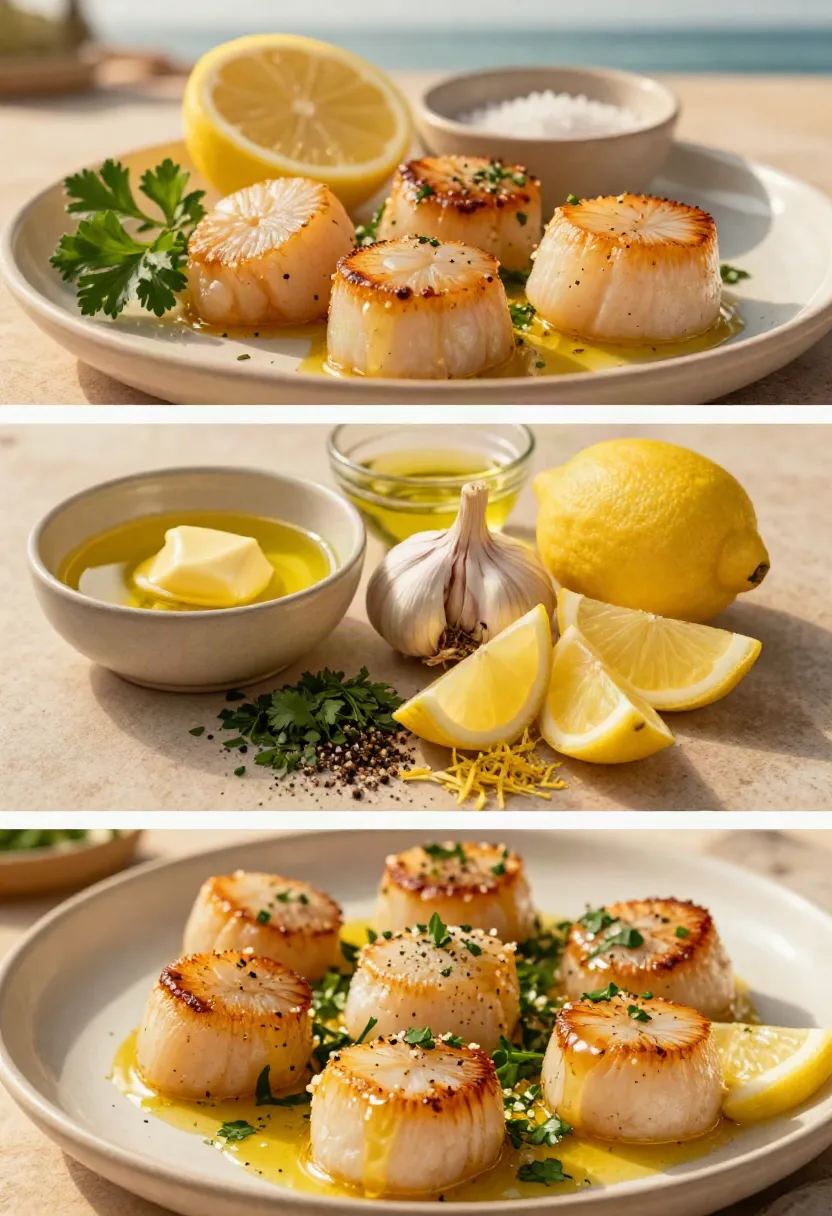
Here’s a closer look at what each ingredient contributes to the finished dish:
Ingredient | What it brings to the dish | How to use it |
|---|---|---|
Sea scallops | The star of the recipe, with a naturally sweet, delicate flavor and tender texture. | Choose large, fresh-smelling scallops. Pat them thoroughly dry before searing so they develop a golden crust. |
Butter | Adds richness and creates a smooth, glossy sauce that coats the scallops beautifully. | Use unsalted butter if possible, so you can control the seasoning. Add it toward the end to keep the flavor fresh and creamy. |
Garlic | Gives the sauce a warm, savory aroma that pairs naturally with the sweetness of the seafood. | Mince or finely chop it, then cook briefly in the butter. Avoid letting it turn dark brown, as burnt garlic can taste bitter. |
Fresh lemon juice | Brightens the buttery sauce and balances its richness with a fresh, tangy flavor. | Add it toward the end of cooking. Start with the recommended amount and adjust to taste if you prefer a more pronounced citrus flavor. |
Lemon zest | Adds fragrant citrus oils and a more concentrated lemon aroma without introducing much extra acidity. | Finely grate only the yellow outer peel, avoiding the bitter white pith. A little goes a long way. |
Olive oil | Helps the scallops sear in the hot skillet and contributes a subtle savory flavor. | Heat it before adding the scallops. Use just enough to lightly coat the pan rather than letting them swim in oil. |
Salt | Enhances the natural sweetness of the scallops and brings the other flavors into balance. | Season shortly before cooking. If using salted butter, start with less and adjust the finished sauce if needed. |
Black pepper | Adds a gentle warmth and a little contrast to the sweet seafood and rich butter. | Use freshly ground pepper for a more aromatic finish. Season lightly so it doesn’t overpower the scallops. |
Fresh parsley | Brings a clean, herbal note and adds a fresh pop of color to the finished dish. | Chop it finely and sprinkle it over the scallops just before serving. It’s optional, but a lovely finishing touch. |
Crusty bread (for serving) | Gives you something to soak up the lemon garlic butter left on the plate. | Serve warm slices alongside the scallops, especially if you’re keeping the rest of the meal simple. |
Sea scallops are usually the most convenient choice for this kind of recipe because they’re large enough to sear individually and serve as the centerpiece of the meal. Smaller bay scallops can also be delicious, but they cook much faster and won’t develop quite the same broad, golden surface. If you’re buying scallops from the seafood counter, look for ones that smell fresh and mild, rather than strongly fishy. Their appearance should be moist but not sitting in a pool of liquid.
If your scallops are frozen, that’s perfectly fine, too. Frozen seafood can be a practical option, especially when fresh scallops aren’t readily available. The important part is to thaw them properly and dry them very well before cooking. Excess moisture is one of the biggest obstacles to getting a good sear. When the surface of the scallops is wet, the liquid collects in the pan and makes it harder for them to brown.
Butter and olive oil have slightly different jobs in this recipe. Olive oil helps with the initial searing, while butter gives the finishing sauce its rich flavor. Combining them at the right stages helps you get the best of both without making the sauce unnecessarily complicated. Once the scallops have developed their crust, the butter, garlic, and lemon can come together in the same skillet, picking up some of the browned flavor left behind by the seafood.
Garlic deserves a little attention, too. It adds plenty of flavor, but it can turn bitter if it gets too dark. That’s why it’s best added toward the end of cooking rather than left in the pan from the very beginning. Once the scallops are nearly ready, the garlic can soften in the warm butter and release its aroma without burning. You’ll notice the difference almost immediately: the kitchen starts smelling wonderfully savory, with that fresh citrus note coming through as the lemon is added.
Parsley is optional, but it gives the finished dish a fresh, clean touch. A small sprinkle makes the buttery sauce look brighter and adds a subtle herbal flavor without taking over. If you don’t have parsley, you can leave it out. The scallops and lemon garlic butter will still be the stars of the plate. 🌿
Why this simple seafood dinner is worth making 🐚
Scallops are often associated with special-occasion dining, but the actual cooking process is much less complicated than their restaurant reputation might suggest. Once your ingredients are ready, the scallops cook quickly, and the sauce comes together in the same skillet. That means less time standing over the stove and fewer dishes to wash afterward, which is always welcome when you’re making dinner at home.
The part that deserves the most attention is getting the scallops ready before they touch the pan. If they’re wet, they’ll struggle to brown properly. If they’re crowded together, they’ll release moisture and steam instead of searing. And if you keep moving them around, you may not give the surface enough time to develop that lovely golden crust. A few small details make a real difference here.
Before you start cooking, it helps to have everything prepared and within reach. Scallops don’t take long, so you won’t want to stop halfway through to mince garlic, search for the lemon, or chop parsley. Get those little jobs out of the way first, and the cooking itself becomes much more relaxed.
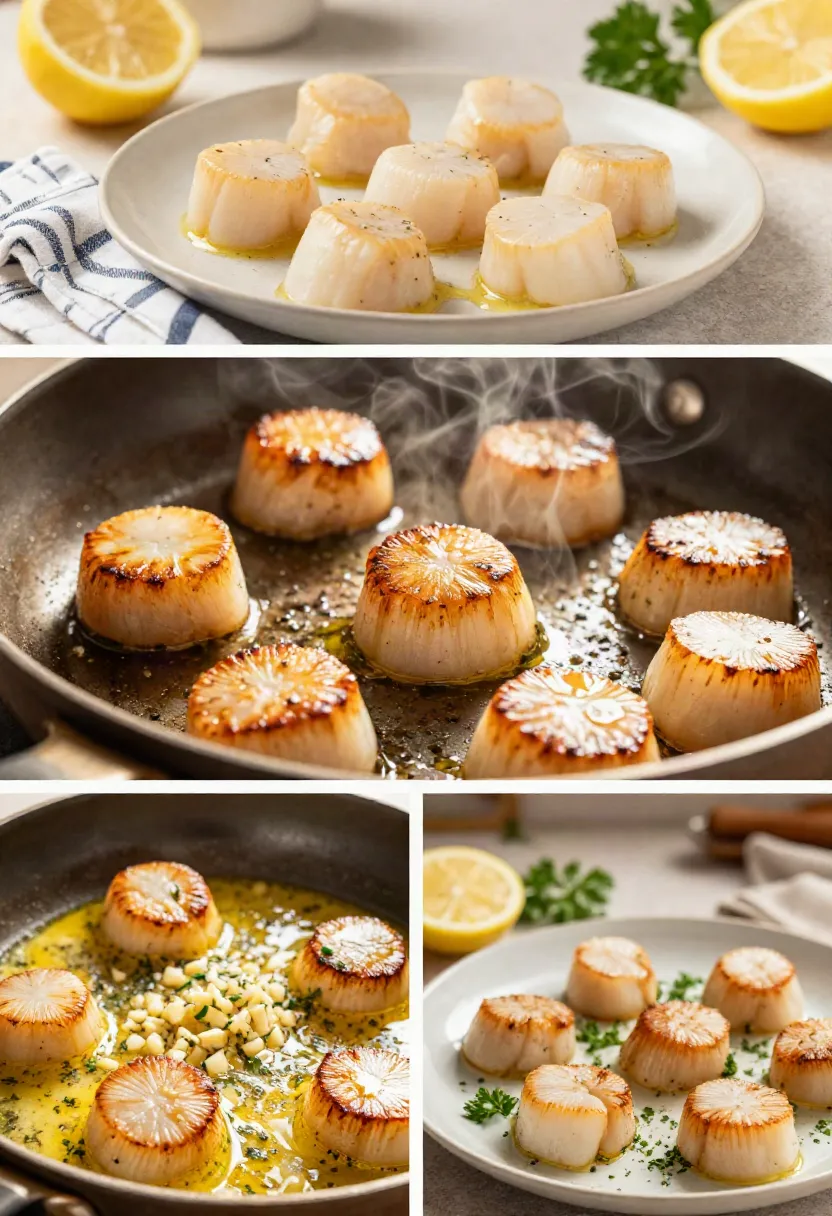
A few things worth remembering:
Dry the scallops thoroughly. Pat them with paper towels on all sides. This is one of the simplest ways to help them brown.
Remove the small side muscle if needed. Some scallops have a firm little piece attached to the side. It can be removed easily with your fingers before cooking.
Let the skillet heat properly. A hot pan helps the scallops develop color instead of slowly releasing liquid.
Leave a little space between them. If necessary, cook in batches rather than crowding the pan.
Avoid moving them too soon. Once they’re in the skillet, give the first side time to sear before turning.
Keep an eye on the garlic. It should become fragrant and lightly softened, not dark brown or burnt.
Add the lemon with a little restraint. Start with the recommended amount, then taste the sauce and adjust if you prefer a brighter finish.
Timing is another reason this recipe works so well for a weeknight dinner. The scallops themselves cook quickly, but that doesn’t mean you should rush every part of the process. Take a moment to dry them properly, heat the pan, and prepare the sauce ingredients. Those few minutes of preparation are more useful than trying to shave a little time off the actual searing.
It’s also worth remembering that scallops continue cooking briefly after they leave the skillet. You want them tender and just cooked through, not firm and rubbery. Their exact cooking time depends on their size, the temperature of the pan, and whether they’re especially thick. Rather than relying only on the clock, pay attention to their appearance and texture. They should develop a golden crust and turn opaque through the center.
Once the scallops are ready, serve them promptly while the sauce is warm and glossy. This isn’t really a dish that benefits from sitting around for a long time. If you’re serving it with pasta, rice, or vegetables, have those ready before you begin searing. That way, everything can come together while the scallops are still at their best.
And don’t overlook the sauce left in the pan. That buttery mixture, with its garlic, lemon, and all those lovely browned bits, is part of what makes the dish so satisfying. Spoon it over the scallops just before serving, and make sure there’s enough for whatever you’re pairing them with. A slice of crusty bread is especially useful here, because leaving that lemon garlic butter behind feels like a bit of a waste. ❤️
For a simple presentation, arrange the scallops on a warm plate, drizzle over the sauce, and finish with fresh parsley and a little extra lemon if you like. There’s no need to overdecorate them. Their golden surfaces and delicate shape already look beautiful, and the glossy butter does most of the work. Add your chosen side dish, bring everything to the table, and enjoy a seafood dinner that feels special without making the evening unnecessarily complicated. 🍋
Seared scallops with lemon garlic butter recipe 🐚🧈🍋
These seared scallops with lemon garlic butter are a lovely way to bring a little restaurant-style feeling to your own kitchen without making dinner complicated. The scallops are quickly cooked in a hot skillet until they develop a beautiful golden crust, while the centers stay tender, juicy, and delicately sweet. Then comes the best part: a warm butter sauce infused with fragrant garlic and fresh lemon, bringing everything together in a way that feels rich but still wonderfully fresh.
What makes this dish so appealing is the contrast between its simple ingredients and the flavor they create together. The scallops have a naturally delicate taste, so they don’t need much seasoning or a heavy sauce. A little olive oil helps them sear, butter adds a silky richness, and garlic gives the pan that irresistible savory aroma. Fresh lemon juice cuts through the buttery flavor with a bright, tangy finish, while a sprinkle of parsley adds a fresh touch just before serving. Every element has a purpose, and the result is a dish that feels balanced rather than overly rich.
The texture is what really makes these scallops special. When cooked properly, they have a lightly crisp, golden exterior that gives way to a soft, tender center. The lemon garlic butter clings to the surface, adding flavor without hiding the seafood itself. And if you serve them with crusty bread, pasta, or creamy risotto, that buttery sauce becomes just as tempting as the scallops. Honestly, it’s hard not to want every last bit of it. 🍋
This recipe is also a wonderful option when you want something that feels a little more thoughtful than an everyday dinner, but you don’t have hours to spend in the kitchen. The preparation is straightforward, the ingredient list is manageable, and the scallops cook in just a few minutes. The most important thing is to have everything ready before you start, because once the skillet is hot, the cooking moves quickly. Drying the scallops well, giving them enough room in the pan, and resisting the urge to move them too soon will help you get that lovely golden sear.
Serve these scallops as a light main course with roasted vegetables or a fresh salad, or make them part of a more indulgent meal with pasta or risotto. They’re equally lovely for a cozy date night, a small dinner party, or simply an evening when you feel like treating yourself to something delicious. Finish with fresh parsley and a squeeze of lemon, bring the skillet to the table while the sauce is still warm, and enjoy every buttery, garlicky bite. ❤️
Ingredients
1 lb (450 g) large sea scallops, side muscles removed
1 tbsp olive oil
3 tbsp unsalted butter
3 garlic cloves, finely minced
1 tbsp fresh lemon juice, plus more to taste
1 tsp lemon zest (optional)
½ tsp salt, or to taste
¼ tsp freshly ground black pepper
2 tbsp chopped fresh parsley
Lemon wedges, for serving
Instructions
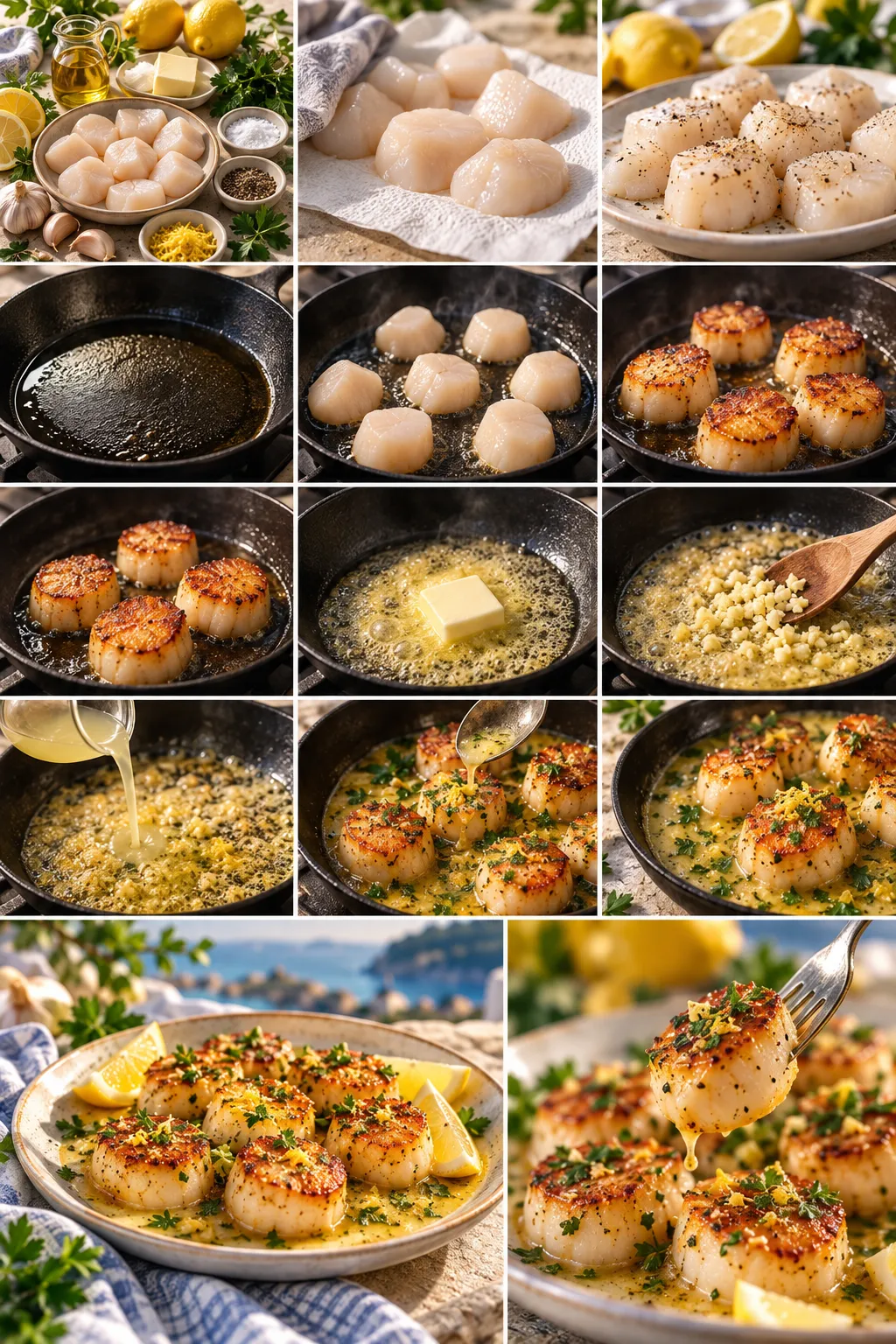
1. Prepare the scallops. If you’re using frozen scallops, thaw them completely in the refrigerator and drain away any liquid. Check each scallop for a small, firm side muscle attached to the edge. If you find one, gently pull it off with your fingers and discard it. Pat the scallops thoroughly dry on all sides with paper towels. Don’t rush this part: removing excess moisture helps the scallops develop a golden crust instead of steaming in the skillet.
2. Season the scallops. Arrange the dried scallops in a single layer on a plate. Sprinkle both sides with salt and freshly ground black pepper, keeping the seasoning fairly light so their natural sweetness remains the main flavor. It’s best to season them shortly before cooking rather than letting them sit for a long time, as salt can draw moisture to the surface.
3. Heat the skillet. Place a large, heavy skillet over medium-high heat and allow it to warm up properly. Add the olive oil and swirl it around so it lightly coats the bottom of the pan. The oil should look shimmering and feel hot, but it shouldn’t be smoking heavily. A properly heated skillet gives the scallops a better chance of forming that lovely golden-brown crust.
4. Arrange the scallops in the pan. Carefully place the scallops into the hot skillet, laying them flat and leaving a little space between each one. You should hear a gentle sizzle as they make contact with the pan. If the skillet is too crowded, the scallops may release moisture and cook unevenly, so work in batches if needed. Once they’re in place, resist the urge to move them around.
5. Sear the first side. Let the scallops cook undisturbed for about 2–3 minutes, depending on their size and thickness. As they cook, the underside should gradually develop a deep golden crust. Avoid lifting them repeatedly to check their color; moving them too soon can interrupt the searing process. If one sticks slightly, give it another moment rather than forcing it away from the skillet.
6. Turn the scallops carefully. Once the first side is nicely browned, use tongs to flip each scallop. The seared surface should look golden and caramelized, while the center will still be finishing its cooking. Cook the second side for approximately 1–2 minutes. Smaller scallops may need less time, while particularly thick ones can take a little longer. Keep an eye on their texture rather than relying only on the clock.
7. Lower the heat and add the butter. When the scallops are nearly cooked, reduce the heat to medium-low. Add the butter directly to the skillet and let it melt around the scallops. As it begins to foam, gently tilt the pan so the melted butter gathers at one side. You can also use a spoon to scoop it up and drizzle it over the scallops, helping them pick up that rich, buttery flavor.
8. Add the garlic. Stir the minced garlic into the melted butter, spreading it around the skillet. Let it cook briefly, just until it becomes fragrant and softens slightly. This usually takes less than a minute, depending on the heat of your pan. Keep the garlic moving gently through the butter and watch its color: it should remain pale golden, not dark brown. Burnt garlic can quickly make the sauce taste bitter.
9. Add the lemon juice and zest. Pour the fresh lemon juice into the buttery garlic mixture and add the lemon zest, if using. The sauce may sizzle briefly as the lemon hits the hot pan. Gently swirl the skillet or stir the sauce with a spoon to combine everything. The lemon brings a fresh, tangy flavor that balances the richness of the butter. If you prefer a more pronounced citrus taste, you can add a little extra juice after tasting.
10. Coat the scallops in the sauce. Spoon the lemon garlic butter over the scallops for a few seconds, allowing the flavors to come together. Turn the heat down further or remove the skillet from the burner if the scallops are already cooked through. You want the sauce warm and glossy, not aggressively bubbling, and the scallops should remain tender rather than becoming firm or rubbery.
11. Check that the scallops are cooked. The scallops should be opaque through the center and tender when gently pressed. If you’re unsure, check the thickest scallop by cutting into it. For food safety, the FDA recommends cooking seafood to an internal temperature of 145°F (63°C). Avoid leaving the scallops in the hot pan longer than necessary, as overcooking can make their texture tough.
12. Finish with parsley and serve. Sprinkle the chopped fresh parsley over the scallops and give the skillet a gentle swirl so the herbs mingle with the sauce. Transfer the scallops to warm serving plates, then spoon the remaining lemon garlic butter over the top. Add lemon wedges on the side for anyone who wants a little extra brightness. Serve immediately while the scallops are warm, tender, and beautifully coated in that buttery sauce. 🍋
A few helpful tips
Dry scallops are the secret to a good sear. If they’re damp, they’ll release moisture and may turn pale instead of golden.
Don’t overcrowd the skillet. Cook in batches if necessary; too many scallops at once can lower the pan temperature.
Keep the garlic pale. It should smell fragrant and savory, not toasted or bitter.
Serve right away. Scallops are at their most tender straight from the skillet, so have your side dishes ready first.
Make it a meal. Pair with pasta, risotto, roasted asparagus, or crusty bread to catch every bit of that buttery lemon sauce. ❤️
What to serve with seared scallops 🍋
These scallops are rich enough to feel satisfying on their own, but pairing them with the right side dish can turn them into a lovely, complete dinner. Since the lemon garlic butter is full of flavor, I usually like to serve it with something that can soak up the sauce or bring a little freshness to the plate. You don’t need anything complicated here; a few well-chosen sides are more than enough.
Creamy risotto is a wonderful option if you’re planning a slightly more indulgent meal. Its soft, velvety texture works beautifully with the tender scallops, and the lemon butter adds a fresh contrast to the richness of the rice. You could also serve them over a simple pasta tossed with olive oil, a little garlic, and fresh herbs. The sauce from the skillet will coat the pasta nicely, making the whole dish feel connected without needing another complicated sauce.
If you’d rather keep things light, roasted asparagus, green beans, or zucchini are all lovely choices. Their fresh, slightly crisp texture balances the buttery scallops, while a squeeze of lemon ties everything together. A simple green salad with a light vinaigrette works well, too, especially for a warm evening when you don’t feel like making a heavy meal. 🥗
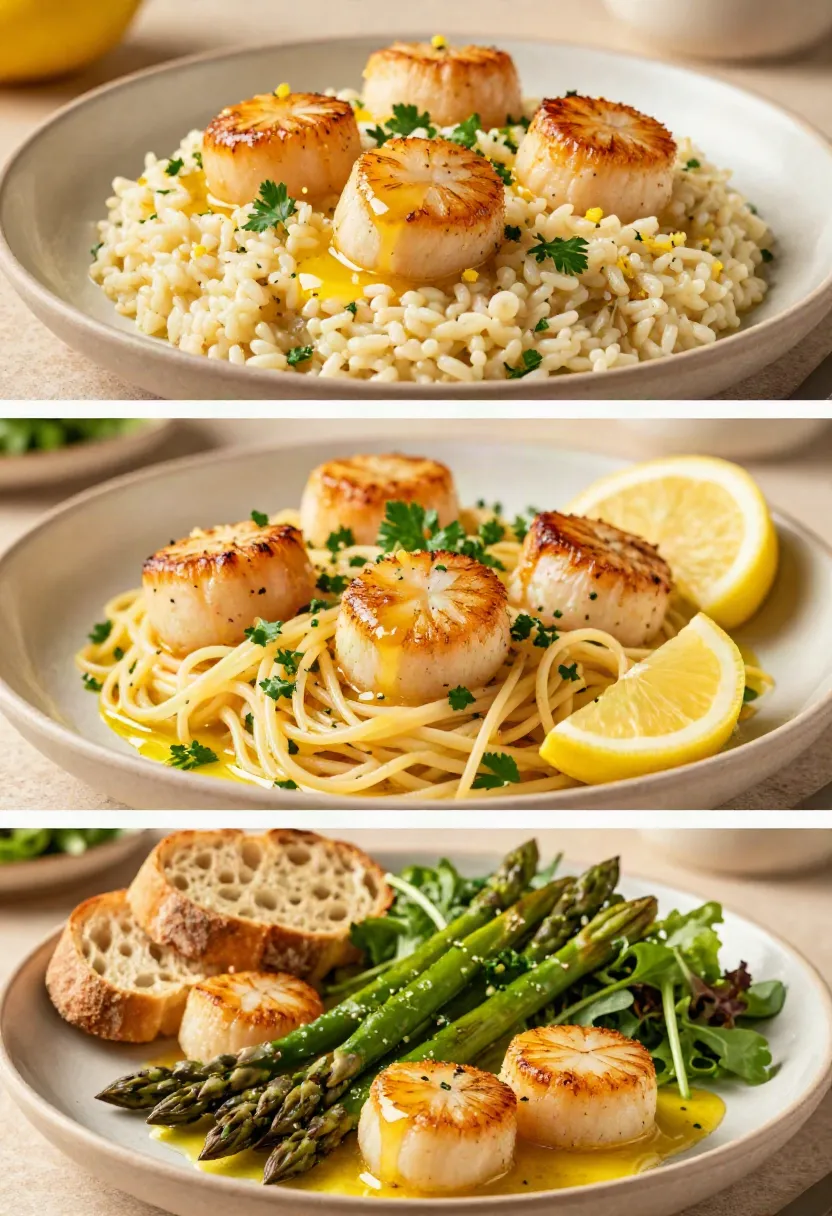
And, of course, there’s crusty bread. It might be the simplest side of all, but it’s particularly good here. The lemon garlic butter left on the plate is far too delicious to waste, and a piece of warm bread makes it easy to enjoy every last bit.
A few delicious ways to serve your scallops:
Creamy Parmesan risotto for a comforting, restaurant-style dinner.
Linguine or angel hair pasta with fresh herbs and lemon.
Roasted asparagus or green beans for a lighter plate.
A crisp green salad when you want something fresh and simple.
Crusty sourdough or French bread for soaking up the buttery sauce.
Whatever you choose, try to have your sides ready before the scallops go into the skillet. They cook quickly and are best served immediately, so having everything else prepared makes dinner feel much more relaxed.
Easy ways to make this recipe your own 🌿
The lemon garlic butter is a classic combination, but there’s plenty of room to adjust the recipe depending on what you enjoy or what you happen to have in the kitchen. Scallops have a delicate flavor, so small changes tend to work better than adding too many strong ingredients at once. Think of the original recipe as a starting point, then make a few little adjustments to suit your meal.
If you love a stronger citrus flavor, add a little extra lemon zest or serve the scallops with fresh lemon wedges. The zest gives the sauce a fragrant lemon aroma, while the juice adds that bright, tangy taste that balances the butter. Just add more gradually and taste as you go, so the acidity doesn’t overpower the natural sweetness of the scallops. 🍋
For a little heat, sprinkle in a pinch of red pepper flakes when you add the garlic to the butter. It gives the sauce a gentle warmth without changing its overall character. If you prefer a more herbal flavor, try adding a small amount of fresh thyme or chives along with the parsley. Both can complement the seafood nicely, though I’d keep the quantities modest.
You can also adjust the richness of the sauce. A little extra butter will make it more indulgent, while a slightly larger squeeze of lemon can give it a lighter, fresher finish. If you’re serving the scallops with pasta or risotto, you might want a little more sauce to drizzle over the entire plate. Just be careful not to add so much liquid that the scallops lose their lovely seared texture.
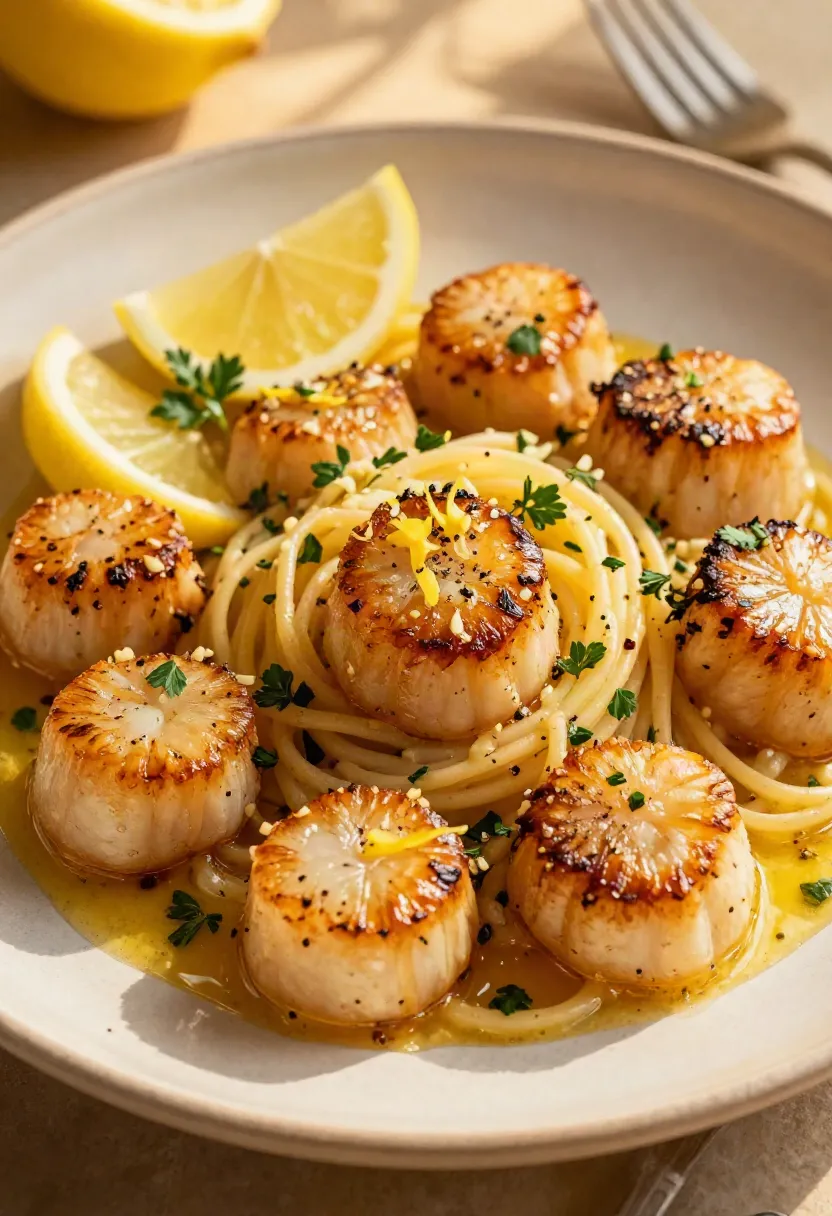
Here are a few simple variations to try:
A little heat: Add a pinch of red pepper flakes to the garlic butter.
Extra lemon: Finish with more fresh lemon juice or a little additional zest.
Fresh herbs: Swap or combine parsley with chives or a small amount of thyme.
A richer sauce: Add a little more butter if you want extra sauce for serving.
A lighter finish: Use a touch more lemon juice and serve with fresh vegetables.
A pasta dinner: Toss cooked pasta with some of the lemon garlic butter and serve the scallops on top.
If you’re cooking for someone who prefers a milder garlic flavor, use two cloves instead of three, or chop the garlic a little more finely so it distributes evenly through the butter. On the other hand, if garlic is one of your favorite flavors, you can add a little extra, as long as you keep an eye on it while it cooks.
One thing I wouldn’t change too much is the cooking method. The golden sear is a big part of what makes these scallops so enjoyable, and overcrowding the pan or adding too much sauce too early can interfere with it. Keep the searing process simple, then have fun with the finishing touches. That way, the scallops remain the star of the dish, no matter which variation you choose.
The kind of seafood dinner you’ll want to make again ❤️
There’s something lovely about having a recipe that feels special without requiring a whole evening of preparation. These seared scallops with lemon garlic butter fit that idea perfectly. They’re elegant enough for a celebration or a date night, but simple enough to make when you’re just in the mood for a delicious seafood dinner at home. A handful of ingredients, a hot skillet, and a little attention are all you really need.
The best part is how much flavor comes from such a straightforward combination. The scallops bring their delicate sweetness and tender texture, the hot skillet gives them that beautiful golden crust, and the butter, garlic, and lemon create a sauce that’s rich, bright, and full of flavor. Nothing feels overly complicated, and each ingredient has a reason to be there. It’s the kind of dish where a few thoughtful details make all the difference.
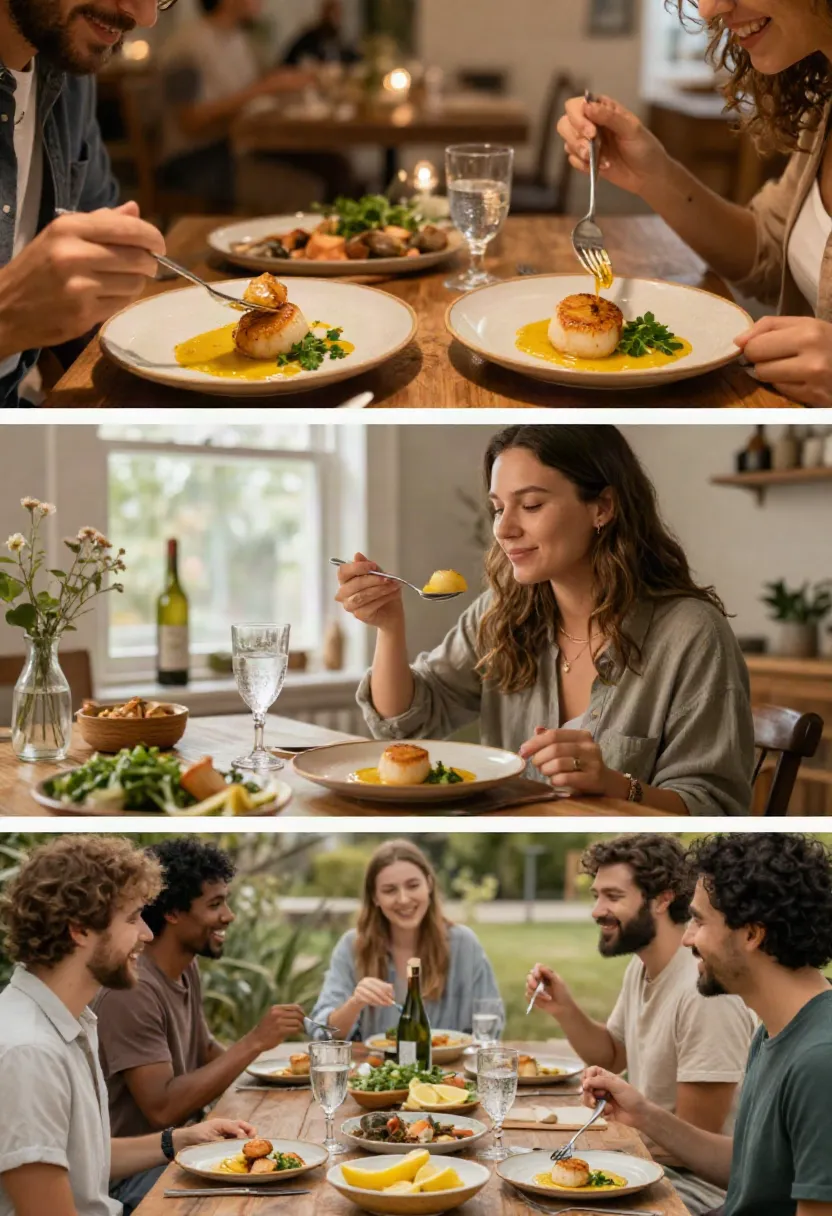
If you’re making scallops for the first time, don’t let the restaurant-style presentation put you off. Focus on the basics: dry the scallops well, give them enough room in the pan, let the first side sear without disturbing it, and keep the garlic from burning. Once you get comfortable with those steps, the rest comes together quite naturally. And even if your scallops don’t look perfectly identical, a good golden crust and a delicious lemon butter sauce go a long way.
I also love how easily this recipe can fit different occasions. Serve it with risotto and roasted vegetables when you want a more substantial dinner, or keep things simple with a green salad and warm bread. You can make the meal feel more festive with a beautifully arranged plate, or just bring the skillet straight to the table for a relaxed evening. Either way, the scallops don’t need much dressing up.
A final little reminder: have your sides ready before you start cooking, and serve the scallops as soon as they’re done. Their tender texture is worth protecting, and the warm lemon garlic butter is at its most inviting straight from the pan. Add a sprinkle of parsley, a squeeze of lemon, and perhaps a piece of crusty bread to catch the sauce.
Simple, buttery, bright, and full of delicate seafood flavor — this is one of those recipes that can turn an ordinary dinner into something you’ll genuinely look forward to making again. 🐚🍋❤️