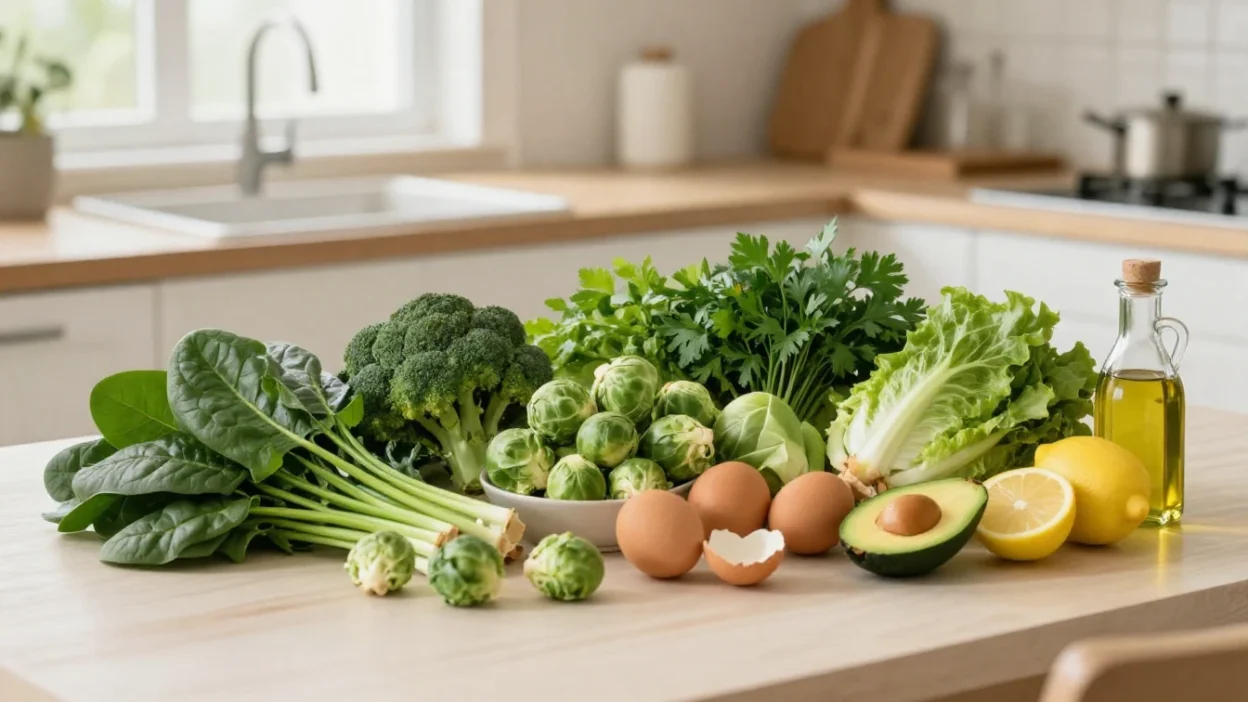
Vitamin K is one of those nutrients most people barely think about until a doctor, a supplement bottle, or a random nutrition article brings it up. It does not get the same attention as vitamin C or vitamin D. It does not sound trendy. And honestly, most foods rich in vitamin K look very ordinary: spinach, kale, broccoli, Brussels sprouts, parsley, cabbage.
But ordinary is not a bad thing.
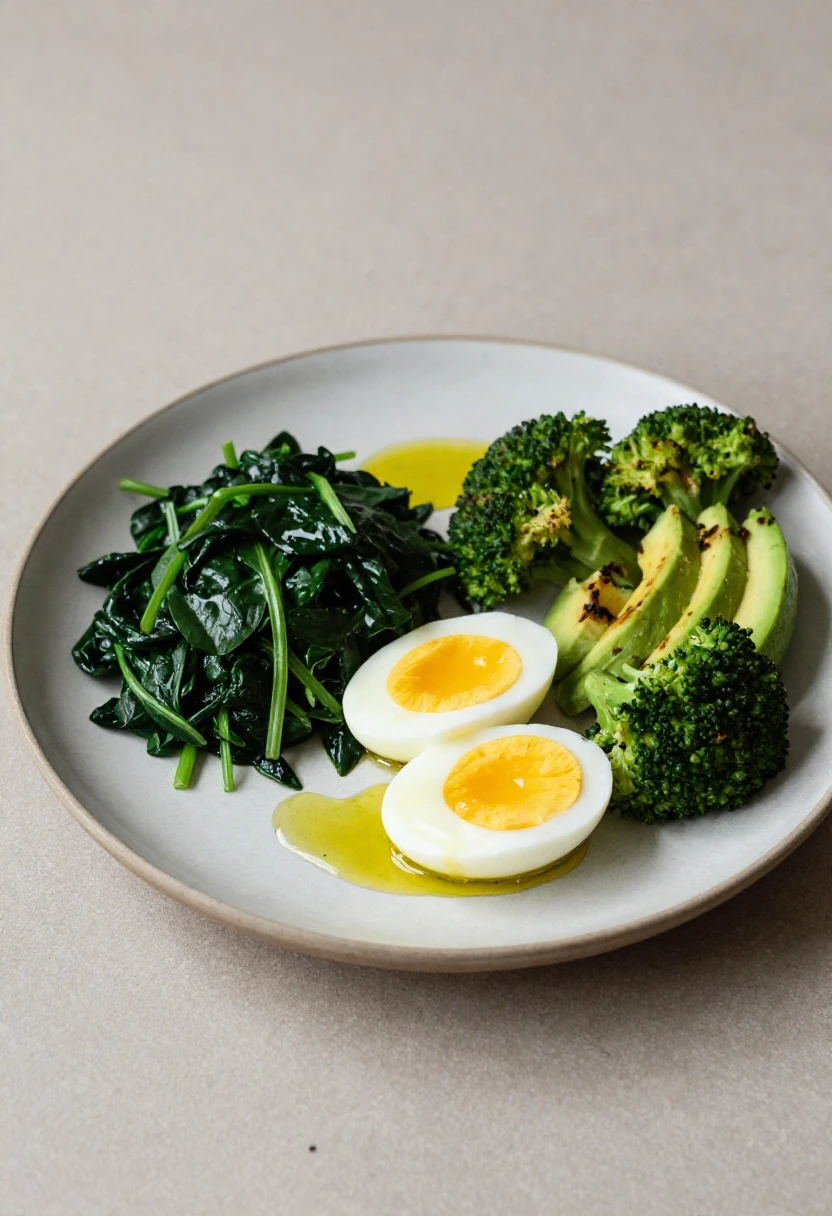
These are the foods that quietly make a meal feel fresher, greener, and more complete. A handful of spinach folded into eggs. Roasted broccoli with crispy edges. A bowl of soup with cabbage that softens into the broth. Nothing dramatic. Just the kind of food that makes your plate work a little harder for you.
Vitamin K is best known for helping your blood clot normally. It is also connected with bone health, which is why you often see it mentioned alongside calcium and vitamin D. But there is a small catch: if you take certain blood-thinning medications, especially warfarin, vitamin K is one nutrient you should not treat casually. More on that later.
For most people, though, the goal is simple: eat more real food, especially leafy greens and green vegetables, without turning every meal into a bitter salad you do not actually want.
Why vitamin K deserves a place on your plate
Vitamin K is not a magic nutrient. No single vitamin fixes your diet, your energy, your bones, or your mood on its own. I always get a little suspicious when one nutrient is made to sound like the missing piece of everyone’s health.
Still, vitamin K matters.
Your body uses it to help make proteins involved in normal blood clotting. That sounds clinical, but think of it this way: when you cut your finger while chopping herbs or nick yourself with a paper edge, your body needs a working clotting system to help stop the bleeding. Vitamin K is part of that process.
It also plays a role in bone health. Bones are not just hard sticks inside the body. They are living tissue, constantly being broken down and rebuilt. Vitamin K helps activate certain proteins involved in that rebuilding process.
Vitamin K1 and vitamin K2, without making it complicated
There are two main forms you will usually hear about:
- Vitamin K1, found mostly in plant foods, especially leafy greens.
- Vitamin K2, found in smaller amounts in some animal foods and fermented foods.
Most everyday conversations about vitamin K foods focus on K1 because it is easy to find in common vegetables. Kale, spinach, collard greens, broccoli, Brussels sprouts, and romaine lettuce are all practical sources.
Vitamin K2 is a little different. You may find it in foods like natto, some cheeses, egg yolks, and fermented foods. Natto is probably the most famous K2-rich food, but I will be honest: it is not everyone’s breakfast dream. Sticky fermented soybeans have a very specific texture and smell. Some people love it. Some people try it once and quietly move on.
And that is fine.
You do not need to force unusual foods into your diet just because they appear on a nutrient chart. If you enjoy them, great. If not, leafy greens and green vegetables are a much easier place to start.
Why food is usually the easiest way to get vitamin K
Vitamin K is naturally found in plenty of everyday foods. That is the nice part. You do not need a complicated wellness routine to eat more of it.
A simple plate might include:
- scrambled eggs with spinach
- chicken with roasted broccoli
- lentil soup with cabbage
- salmon with Brussels sprouts
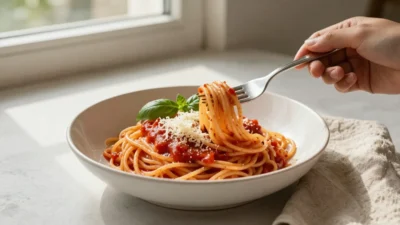
- pasta with garlic, olive oil, and wilted greens
- a grain bowl with kale, avocado, and lemon dressing
Another small detail helps: vitamin K is fat-soluble, which means it pairs well with a little fat in the meal. This does not mean drowning greens in oil. It can be as simple as cooking spinach with olive oil, adding avocado to a salad, serving broccoli with salmon, or sprinkling nuts over greens.
Actually, this is one reason I dislike dry “diet” salads. A pile of raw greens with no dressing is technically virtuous, but it is also the kind of food that makes you stare into the fridge an hour later. Add olive oil, lemon juice, salt, pepper, maybe a little feta or toasted seeds. Suddenly the greens taste like food, not punishment.
A small note about “more” not always being better
With most vitamin K foods, the bigger concern is not toxicity from eating greens. For healthy people, leafy vegetables are generally a good thing.
The concern is medication interaction.
If you take warfarin or another medication where vitamin K intake matters, do not suddenly go from almost no greens to giant kale salads every day without asking your doctor or pharmacist. The issue is usually consistency. Your healthcare provider needs to know what your normal diet looks like so medication can be managed properly.
That does not mean greens are “bad.” It means your intake should not swing wildly from week to week.
For everyone else, foods rich in vitamin K are usually some of the most useful ingredients to keep around. They add color, fiber, texture, and freshness. And they can slip into meals you already make.
The best foods rich in vitamin K
The easiest way to eat more vitamin K is to stop treating greens like a side project. They do not have to be a sad handful of lettuce pushed around the plate. They can be the thing that makes dinner taste better.
A little garlic. A little olive oil. Enough salt. Lemon at the end.
That is usually the difference between “I should eat this” and “I actually want another bite.”
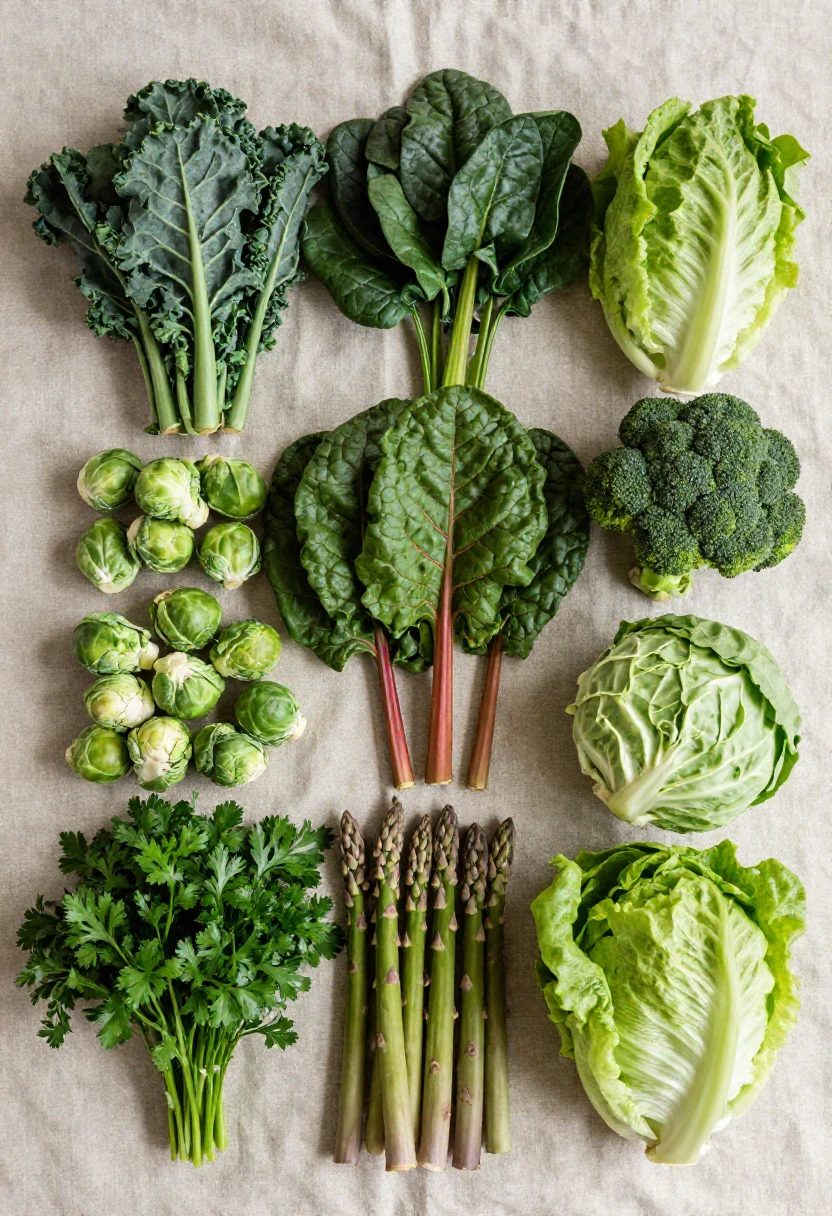
Most foods rich in vitamin K come from the green part of the produce section. Leafy greens are the heavy hitters, but broccoli, Brussels sprouts, cabbage, herbs, and a few smaller foods count too. You do not need to eat all of them. Pick the ones you like and repeat them until they become normal.
Leafy greens that give you the most vitamin K
Leafy greens are the classic vitamin K foods, and for good reason. They are usually rich in vitamin K1, the plant form of vitamin K. Some are bold and bitter. Some are mild enough to hide in almost anything.
Kale is probably the loudest one on the list. It has had its health-food moment for years, but I think kale is best when you stop pretending it is delicate lettuce. Raw kale needs help. Massage it with olive oil, lemon juice, and a pinch of salt, and the leaves soften enough to enjoy. For cooked meals, add chopped kale to soups, bean stews, pasta, or a skillet with sausage and white beans.
Spinach is the easy one. It wilts down quickly, which can feel slightly ridiculous the first time you cook it. A full pan turns into a small green pile in minutes. But that also makes spinach useful. Add it to eggs, smoothies, pasta sauce, curry, soup, or a warm grain bowl. It barely asks for attention.
Collard greens have a deeper, sturdier flavor. They are wonderful in soups and slow-cooked dishes because they do not collapse as fast as spinach. You can cook them with beans, onions, garlic, smoked paprika, or a splash of vinegar at the end. They feel like proper comfort food, not “healthy food” trying too hard.
Mustard greens are sharper and more peppery. Not everyone loves them raw, and honestly, I understand why. Cook them with garlic and olive oil, then finish with lemon or vinegar. The acidity helps balance the bitterness.
Turnip greens are a little earthy and tender when cooked. They work well in soups, stews, and simple sautés. If you buy turnips with the greens still attached, do not throw the tops away. Wash them well, chop them, and cook them like any other leafy green.
Swiss chard has soft leaves and colorful stems. The stems need a few extra minutes in the pan, so chop them separately and cook them first with onion or garlic. Then add the leaves at the end. Chard is nice with eggs, chickpeas, potatoes, and creamy yogurt sauces.
Romaine lettuce and dark leafy lettuce are milder choices. They may not feel as “serious” as kale or collards, but they are easy to eat often, and that matters. A food you enjoy twice a week is more useful than a superfood you buy once and let wilt in the drawer.
Cruciferous vegetables worth adding more often
Cruciferous vegetables are the ones many of us grew up seeing overcooked. Grey-green broccoli. Sulfur-smelling cabbage. Brussels sprouts boiled into surrender.
No wonder people think they hate them.
Cook them properly, though, and they become completely different foods. Roasting helps most of them because the edges brown and the flavor turns sweeter.
Broccoli is one of the most practical vitamin K vegetables. Steam it quickly, roast it with olive oil, or toss it into stir-fries. If broccoli tastes flat, it probably needs salt, acid, or a sauce. Try lemon juice, garlic yogurt sauce, tahini dressing, or a little grated Parmesan.
Brussels sprouts are best when they get browned. Cut them in half, toss with olive oil and salt, and roast until the outside leaves crisp up. I like them with balsamic vinegar, mustard dressing, or something creamy on the side. They also work with beans, chicken, salmon, or roasted potatoes.
Cabbage is underrated. It is cheap, it lasts in the fridge, and it can go in so many directions. Slice it thin for slaw, sauté it with onions, add it to soup, or roast wedges until the edges char a little. Red cabbage, green cabbage, napa cabbage, and savoy cabbage all bring something different to the table.
Bok choy cooks fast and stays juicy. It is great in stir-fries, noodle bowls, miso-style soups, or quick sautés with garlic and ginger. The stems stay crisp while the leaves soften, which gives you two textures in one vegetable.
Herbs and smaller foods that still count
This is where vitamin K gets easier to sneak into normal meals.
Parsley is not just decoration. Chop a handful and add it to soups, roasted vegetables, grain bowls, eggs, beans, tuna salad, or chicken. It makes food taste cleaner and brighter. I especially like it with lemon and olive oil because it wakes up heavier meals.
Asparagus brings a softer, spring-like flavor. Roast it, grill it, or sauté it quickly. It pairs well with eggs, fish, potatoes, pasta, and creamy sauces. Just do not overcook it until it bends sadly on the fork.
Green peas are useful because frozen peas are almost always waiting in the freezer. Add them to rice, pasta, soup, omelets, or mashed potatoes. They bring sweetness and color without much effort.
Sauerkraut can add a little vitamin K, depending on how it is made, and it also brings that salty-sour bite that makes rich food feel less heavy. A spoonful next to eggs, potatoes, sausages, grain bowls, or beans can change the whole plate.
Blueberries and figs are not vitamin K powerhouses compared with leafy greens, but they still contribute a little. More importantly, they make healthy eating feel less strict. Add blueberries to yogurt or oatmeal. Eat figs with cheese, nuts, or toast when they are in season.
What about eggs, cheese, soybeans, and fermented foods?
Vitamin K2 is found in smaller amounts in certain animal foods and fermented foods. This includes foods like egg yolks, some cheeses, soybeans, and natto.
Natto deserves a mention because it is known for being especially rich in vitamin K2. But I would not tell everyone to run out and buy it unless they are curious. It has a sticky texture and a strong fermented flavor. Some people become devoted fans. Others open the container and decide they are not in that season of life.
Eggs and cheese are easier for most kitchens. They will not replace leafy greens as your main vitamin K habit, but they can be part of a balanced diet. Think spinach omelet, salad with a little cheese, or a grain bowl with greens and a soft-boiled egg.
Soybeans and fermented soy foods can also fit well if you enjoy them. Edamame, tofu, tempeh, and miso-style dishes make meals more filling and can pair beautifully with greens.
The easiest vitamin K foods to keep at home
If you want this to become a real habit, start with ingredients that do not require a perfect plan.
Keep a few of these around:
- frozen spinach
- frozen peas
- fresh or frozen broccoli
- cabbage
- romaine or dark lettuce
- parsley
- eggs
- Brussels sprouts
- kale or chard
- sauerkraut
Frozen greens count. Frozen broccoli counts. A bag of peas tossed into rice counts.
Healthy eating gets easier when you stop waiting for the perfect fresh produce moment. Some weeks, the best vegetable is the one you can actually cook before it goes bad.
One of my favorite low-effort combinations is eggs with spinach. Warm olive oil in a pan, add a handful of spinach, let it wilt, then crack in eggs and season everything well. It takes minutes. Add toast, avocado, or leftover potatoes, and it feels like a real meal.
Another easy one: roasted broccoli with anything. Chicken, beans, salmon, tofu, pasta, rice. Broccoli is happy to sit next to almost every dinner, especially if you finish it with lemon juice while it is still hot.
The point is not to chase the highest vitamin K number on a chart. The point is to build meals where vitamin K-rich foods show up naturally.
Can vitamin K foods help with weight management?
This is where we need to be careful.
You may see phrases like “vitamin K foods that burn calories” or “fat-burning greens” floating around online. I get why they are tempting. They sound quick. They sound useful. They make broccoli seem like it is doing cardio for you.
But food does not work that way.
No spinach leaf is sneaking into your body and melting fat while you sleep. No bowl of kale cancels out a week of random snacking. And honestly, I think people deserve better than that kind of promise.
What vitamin K-rich foods can do is much more realistic. They can help you build meals that are bigger, fresher, more filling, and often lower in calories than meals built mostly around refined carbs, heavy sauces, and snack foods.
That may sound less exciting, but it is actually more useful.
Why “fat-burning foods” is the wrong way to think
Weight management is not about finding one special food. It comes from your overall eating pattern, your portions, your activity, your sleep, your stress, your hormones, your schedule, and about a dozen other things that are not solved by adding parsley to dinner.
Still, vegetables help.
Leafy greens, broccoli, cabbage, Brussels sprouts, and similar foods add a lot of volume to your plate without adding many calories. They also bring fiber, water, texture, and chewing time. That matters more than people think.
A tiny bowl of buttery pasta may taste amazing, but it can disappear in five minutes and leave you wanting more. Add sautéed spinach, roasted broccoli, peas, or cabbage to that same meal, and suddenly the plate feels fuller. You are still eating pasta, but the meal has more structure.
That is the kind of change that can actually stick.
Not punishment. Not a sad diet plate. Just more food that works in your favor.
How greens make meals more filling
Greens are not filling in the same way chicken, beans, eggs, fish, tofu, or yogurt are filling. Protein still matters. Fat still matters. Carbs still matter.
But greens help in a different way.
They give your meal volume. A big handful of spinach in soup. Shredded cabbage in a grain bowl. Roasted Brussels sprouts beside salmon. Broccoli mixed into noodles. These additions make the meal look and feel more generous.
And I know that sounds simple, almost too simple. But the visual part matters. A plate that looks abundant feels different from a tiny portion that makes you wonder what else is in the pantry.
Vitamin K-rich vegetables also slow you down a bit. You chew them. You taste bitterness, sweetness, acidity, salt, and browned edges. That gives the meal more interest, which can help you feel satisfied instead of just full.
There is a difference.
Full is physical. Satisfied is the part where you stop hunting for “something else” after dinner.
The best vitamin K foods for lighter meals
If weight management is one of your goals, you do not need to eat plain steamed greens every day. Please don’t. That is how good intentions go to die.
Use vitamin K foods to make normal meals lighter and more colorful.
Try these:
- Add spinach to scrambled eggs instead of eating eggs alone.
- Mix shredded cabbage into tacos, rice bowls, or wraps.
- Roast broccoli until the edges brown, then serve it with chicken, beans, tofu, or fish.
- Add kale to white bean soup or lentil soup.
- Toss peas into rice or pasta for sweetness and color.
- Use romaine or dark lettuce as a crunchy base under leftovers.
- Add parsley to heavy dishes so they taste brighter.
The trick is not to remove everything you enjoy. It is to add enough helpful food that the whole meal changes.
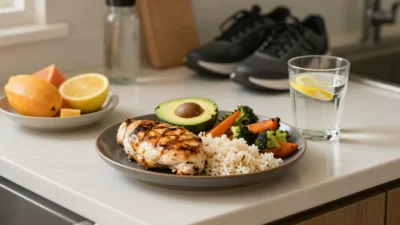
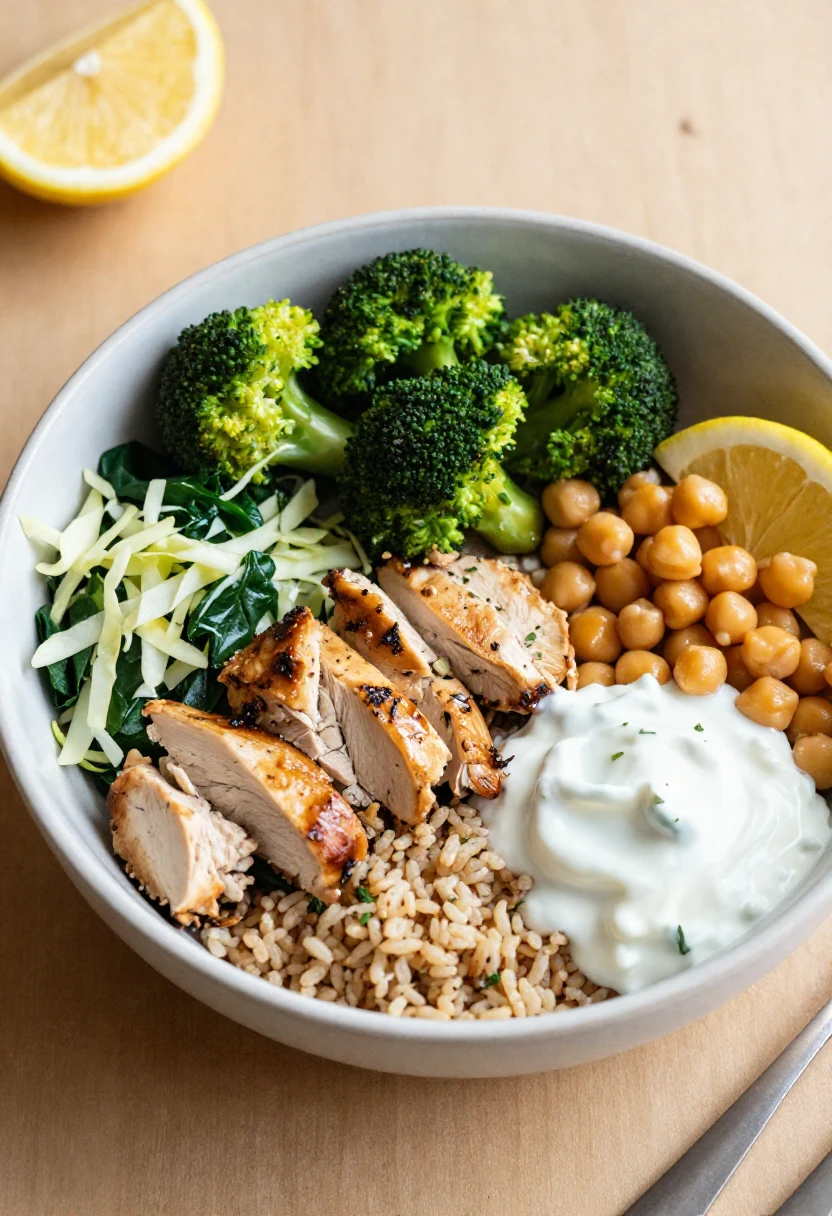
A bowl of rice with chicken is fine. A bowl of rice with chicken, broccoli, herbs, yogurt sauce, and something pickled is better. It has more texture. More flavor. More freshness. You can eat a generous bowl without feeling like you are stuck in diet mode.
Simple meal ideas that do not feel like diet food
I like meals that feel normal. If something tastes like a temporary health project, I usually do not repeat it.
Here are a few vitamin K-rich meals that feel easy enough for real life.
Spinach and egg breakfast skillet
Warm olive oil in a pan, add a handful or two of spinach, then crack in eggs. Season with salt, pepper, and chili flakes if you like heat. Add toast, leftover potatoes, or avocado on the side.
It is fast, warm, and more satisfying than a cold breakfast bar eaten over the sink.
Broccoli chicken rice bowl
Roast broccoli with olive oil, salt, and garlic powder until the edges turn brown. Serve it over rice with chicken, tofu, or chickpeas. Add lemon juice and a spoonful of yogurt sauce or tahini dressing.
This is the kind of bowl that works for lunch because it reheats well and does not feel like “meal prep sadness.”
Kale salad with avocado and lemon
Raw kale can be rough, so treat it properly. Tear the leaves from the stems, add olive oil, lemon juice, and salt, then massage it with your hands for a minute. It softens and turns darker.
Add avocado, roasted chickpeas, grilled chicken, tuna, boiled eggs, feta, or toasted seeds. The salad needs something creamy or crunchy. Otherwise it gets boring fast.
Brussels sprouts with salmon or beans
Cut Brussels sprouts in half and roast them until crisp at the edges. Serve with salmon, white beans, lentils, or roasted potatoes. Finish with mustard dressing, balsamic vinegar, or lemon.
The browned leaves are the best part. I always eat those straight from the pan.
Cabbage soup with beans
Cabbage soup sounds plain until you build it properly. Start with onion, carrot, garlic, and olive oil. Add cabbage, beans, broth, herbs, and a little tomato if you like. Let it simmer until the cabbage softens.
It is cheap, filling, and better the next day.
How to use vitamin K foods without feeling restricted
The easiest approach is to add one green thing to a meal you already eat.
Not five. Not a whole lifestyle overhaul. One.
Add spinach to eggs. Add broccoli to pasta. Add cabbage to soup. Add parsley to roasted potatoes. Add romaine to a sandwich. Add peas to rice.
That tiny habit can do more than a dramatic plan that lasts three days.
Also, let the food taste good. Use olive oil. Use salt. Use garlic. Use lemon. Use sauces. Use cheese if it helps you eat the vegetables. A small amount of flavor is not the enemy.
A plate of dry steamed kale might be low-calorie, but if you hate it, it is not useful. A bowl of sautéed greens with garlic and olive oil is much more likely to become part of your week.
And that is the real win: not finding a food that “burns calories,” but finding foods you can eat often without fighting yourself.
Vitamin K foods, stress, and mood: what is realistic?
Food cannot remove stress from your life. I wish it could.
A bowl of spinach soup will not answer emails, fix sleep, lower bills, or make a difficult week suddenly feel manageable. Anyone who says otherwise is selling a fantasy.
But food can change the way a stressful day feels in your body.
There is a big difference between facing the afternoon after a proper lunch and facing it after coffee, a few bites of toast, and whatever snack was closest. One version of you is still busy. The other version is busy and shaky and strangely angry at 4 p.m.
That is where vitamin K-rich foods can fit in. Not as a cure for stress, but as part of meals that help you feel steadier.
Food will not fix stress, but it can support steadier days
Stress eating gets talked about like it is a lack of willpower, but I think that is too simple. When you are tired, rushed, or emotionally overloaded, your brain wants easy comfort. Sweet, salty, crunchy, creamy. Preferably now.
And sometimes that is fine. Food is allowed to be comforting.
The problem starts when most of the day is built on quick hits and no real meals. You skip breakfast, grab coffee, snack randomly, then hit dinner already exhausted. At that point, a balanced plate feels like a personal attack.
Vitamin K foods help most when they are part of meals with enough protein, carbs, and fat. Spinach by itself is not a meal. Kale by itself is not a personality. But spinach with eggs and toast? That works. Broccoli with rice, chicken, and sauce? Also works. Cabbage with beans and broth? Warm, cheap, filling, and calm in the best way.
The goal is not to eat perfectly when you are stressed. The goal is to make the next meal less chaotic.
The role of whole foods in a calmer routine
Most vitamin K-rich foods belong to a bigger family of foods we already know are useful: vegetables, greens, herbs, legumes, whole grains, fish, eggs, nuts, seeds, yogurt, and fruit.
These foods do not act like medicine. They act more like a foundation. They give your body things it has to work with: fiber, minerals, healthy fats, protein, antioxidants, and steady energy.
Leafy greens also bring folate, a B vitamin often discussed in relation to brain and mood health. That does not mean kale is an antidepressant. It means greens are part of a nutrient pattern that makes sense for overall well-being.
And honestly, the routine matters too.
Washing greens. Chopping herbs. Roasting broccoli until the kitchen smells savory and warm. Stirring cabbage into soup. These are small, physical things. On a rough day, that can help. Not because cooking is always relaxing, because sometimes it is just another task, but because making a real meal can pull you back into your body for a few minutes.
You are not optimizing. You are feeding yourself.
That sounds basic, but it counts.
What to eat on a rough day
On stressful days, I like meals that are warm, forgiving, and hard to mess up. This is not the time for a twelve-step salad with three homemade toppings. This is the time for food that still works even if you are distracted.
Try a few of these.
A warm rice bowl with greens and protein
Start with rice or another grain. Add spinach, kale, bok choy, or broccoli. Add eggs, tofu, chicken, salmon, beans, or leftover meat. Finish with olive oil, yogurt sauce, soy-ginger dressing, tahini, or a squeeze of lemon.
It does not need to be beautiful. It needs to be enough.
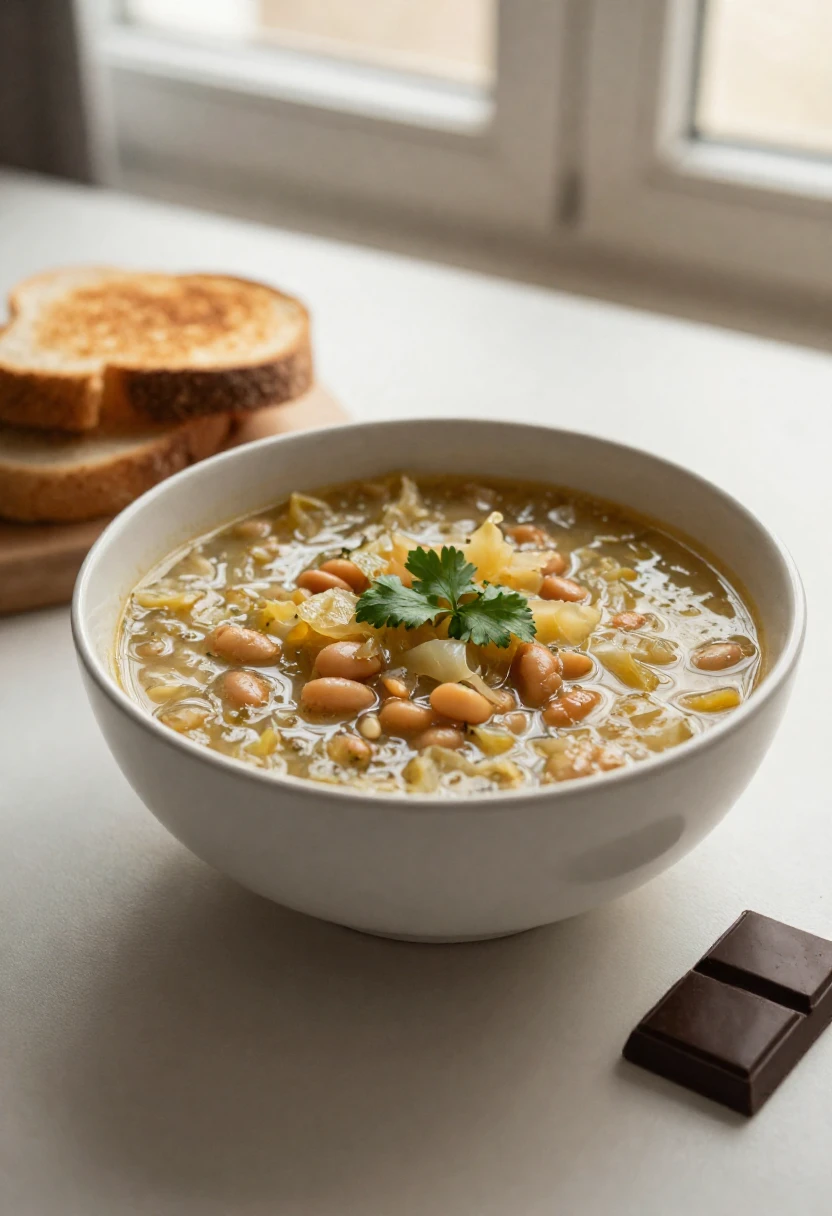
Cabbage and bean soup
Cook onion and garlic in olive oil, add sliced cabbage, beans, broth, and whatever herbs you have. Let it simmer until everything softens. Add lemon juice or vinegar at the end so it does not taste flat.
This is the kind of food that feels better the next day, which is useful when the week keeps being rude.
Eggs with spinach and toast
This is my “I cannot think” meal. Spinach in a pan, eggs on top, toast on the side. Maybe chili flakes. Maybe cheese. Maybe avocado if one is ripe at the exact correct ten-minute window, which is rare but beautiful.
It is not fancy. It works.
Yogurt bowl with berries and nuts
Blueberries contain some vitamin K, though not as much as leafy greens. More importantly, they make yogurt taste good. Add nuts or seeds for crunch, and you have a snack or breakfast that feels put together with almost no effort.
Broccoli pasta
Cook pasta, add broccoli during the last few minutes of boiling, then toss everything with olive oil, garlic, lemon, black pepper, and Parmesan if you like. Add beans, tuna, chicken, or chickpeas if you want more protein.
It tastes like dinner, not a compromise.
Where dark chocolate fits
Dark chocolate often gets pulled into stress and wellness conversations, sometimes a little too aggressively. I like dark chocolate. I just do not think we need to pretend it is a life strategy.
A small piece after dinner can be lovely. It can make a meal feel finished. It can give you that little bitter-sweet moment when you want something but do not want to start a full snack spiral.
That is enough.
Pair it with a balanced day, not with the expectation that it will undo stress. Food is not a magic switch. But small pleasures matter, and anyone who has eaten one square of chocolate quietly in the kitchen already knows that.
A realistic way to think about stress eating
Instead of asking, “What food reduces stress?” ask, “What meal helps me feel less messy right now?”
That answer is usually simple:
- something warm
- something with protein
- something with fiber
- something green or colorful
- something you actually want to eat
Vitamin K-rich foods fit into that pattern easily. Add spinach to eggs. Add broccoli to noodles. Add cabbage to soup. Add parsley to leftovers. Add romaine to a sandwich. Add Brussels sprouts to dinner.
Small things. Repeated often.
That is much more realistic than expecting a vegetable to fix your nervous system.
How to cook vitamin K-rich foods so you actually enjoy them
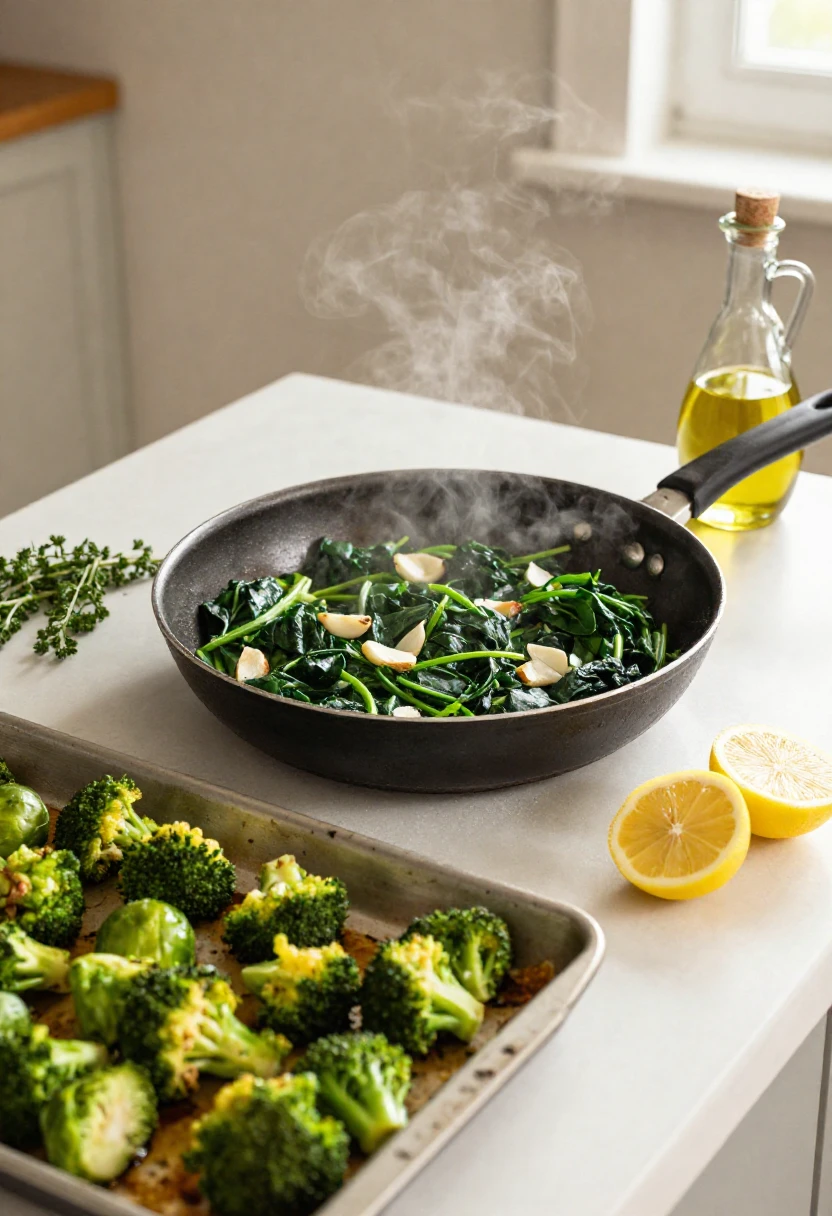
The problem with many vitamin K-rich foods is not the food itself. It is how people cook it.
Spinach gets watery. Broccoli gets limp. Kale feels like chewing a houseplant. Brussels sprouts smell like someone made a mistake in the kitchen.
But give those same foods enough heat, seasoning, acid, and fat, and they become completely different. Greens are not meant to be endured. They are meant to be cooked like you care whether dinner tastes good.
A little technique goes a long way.
Make greens taste less bitter
Some leafy greens are naturally bitter. Kale, mustard greens, collards, turnip greens, and Swiss chard can all have that edge. Bitter is not bad, but it needs balance.
The easiest fixes are:
- lemon juice
- vinegar
- olive oil
- garlic
- onion
- salt
- chili flakes
- yogurt sauce
- toasted nuts or seeds
- a little cheese
Acid is especially helpful. Lemon juice or vinegar cuts through bitterness and makes greens taste brighter. Add it at the end, not at the beginning, so the flavor stays fresh.
Salt matters too. I know that sounds obvious, but under-seasoned greens are one of the main reasons people think they hate them. A small pinch of salt can take sautéed spinach from “wet leaves” to “I could eat this with eggs every morning.”
Garlic is another easy win. Warm olive oil in a pan, add sliced garlic for a few seconds, then add your greens. The smell alone makes the whole thing feel more promising.
For kale salads, massage the leaves. I used to think this sounded ridiculous, like something invented by a wellness retreat with expensive linen napkins. But it works. Tear the leaves from the stems, add olive oil, lemon juice, and salt, then rub the leaves with your hands for a minute. They soften, darken, and lose that scratchy texture.
Cook them without turning everything mushy
Texture is where many green vegetables go wrong.
Spinach only needs a few minutes. Add it to a warm pan and stop cooking as soon as it wilts. If there is too much water in the pan, let it cook off or press the spinach lightly before adding it to eggs, pasta, or sauces.
Swiss chard needs a tiny bit more planning. The stems are firmer than the leaves, so cook them first. Chop the stems, sauté them with onion or garlic, then add the leaves near the end. That way you get tender stems and soft leaves instead of one half raw, one half overcooked.
Broccoli is best when it keeps some bite. For roasting, cut it into florets, toss with olive oil and salt, and spread it out on the pan. Crowded broccoli steams instead of browns. Give it space and let the edges get a little crisp.
Brussels sprouts need high heat. Cut them in half, place them cut-side down if you have patience, and roast until the outer leaves are browned. Those browned leaves are not a mistake. They are the snack you eat before dinner reaches the table.
Cabbage can go two ways. Cook it quickly if you want crunch, or slowly if you want sweetness. Thinly sliced cabbage in a skillet stays bright and crisp. Cabbage simmered in soup becomes soft, mild, and almost silky.
Pair vitamin K foods with healthy fats
Vitamin K is fat-soluble, which means these foods make sense in meals that include some fat. This is also good news for flavor.
You do not need much. A spoonful of olive oil, half an avocado, a few nuts, an egg yolk, a yogurt-based sauce, or a little cheese can make greens more satisfying.
Try these pairings:
- spinach with eggs and olive oil
- kale with avocado and lemon dressing
- broccoli with tahini sauce
- Brussels sprouts with salmon
- cabbage with yogurt sauce
- romaine with olive oil dressing
- parsley with nuts, lemon, and garlic
This is why I do not love dry salads. They may look “clean,” but they often taste unfinished. A good salad needs dressing. It needs salt. It needs something creamy, crunchy, or sharp. Otherwise you are just eating responsibility from a bowl.
Use heat when you want comfort
Raw greens have their place, especially in salads, wraps, and smoothies. But cooked greens are often easier to love.
Warm spinach with eggs feels cozy. Kale in soup feels hearty. Cabbage with beans feels like dinner your grandmother might approve of, even if she would ask why you are taking pictures of it.
Roasting is especially helpful for people who think they dislike green vegetables. Broccoli, Brussels sprouts, cabbage wedges, and asparagus all become sweeter when roasted. The edges brown, the texture improves, and the flavor gets deeper.
A simple roasting formula:
- Cut the vegetables into similar-sized pieces.
- Toss with olive oil and salt.
- Spread them out on a baking sheet.
- Roast until browned at the edges.
- Add lemon juice, vinegar, herbs, or sauce after cooking.
That last step matters. Acid at the end makes roasted vegetables taste more alive.
Add greens to meals you already cook
You do not need a new recipe every time you want more vitamin K foods. Add them to what you already make.
Spinach can go into:
- scrambled eggs
- omelets
- pasta sauce
- soup
- curry
- smoothies
- rice bowls
Kale can go into:
- bean soup
- lentil soup
- grain bowls
- pasta
- warm salads
- sheet-pan meals
Broccoli can go into:
- stir-fries
- pasta
- rice bowls
- casseroles
- omelets
- roasted vegetable plates
Cabbage can go into:
- tacos
- slaw
- soup
- fried rice
- wraps
- skillet dinners
Parsley can go almost anywhere. Chop it finely and throw it over eggs, roasted potatoes, chicken, fish, beans, soup, or grain bowls. It is one of the fastest ways to make leftovers taste less tired.
Do not force the foods you hate
This is where I think healthy eating advice often gets annoying. Someone tells you kale is amazing, so you buy kale, hate it, and then feel like you failed.
You did not fail. You just do not like kale. Or maybe you do not like kale yet. Or maybe you only like it cooked in soup and not raw in salads. That is allowed.
There are plenty of foods rich in vitamin K. You can choose spinach instead of kale. Broccoli instead of Brussels sprouts. Romaine instead of collards. Cabbage instead of chard.
The best vegetable is not always the one with the highest nutrient number. It is the one you will actually eat again.
Who should be careful with vitamin K foods?
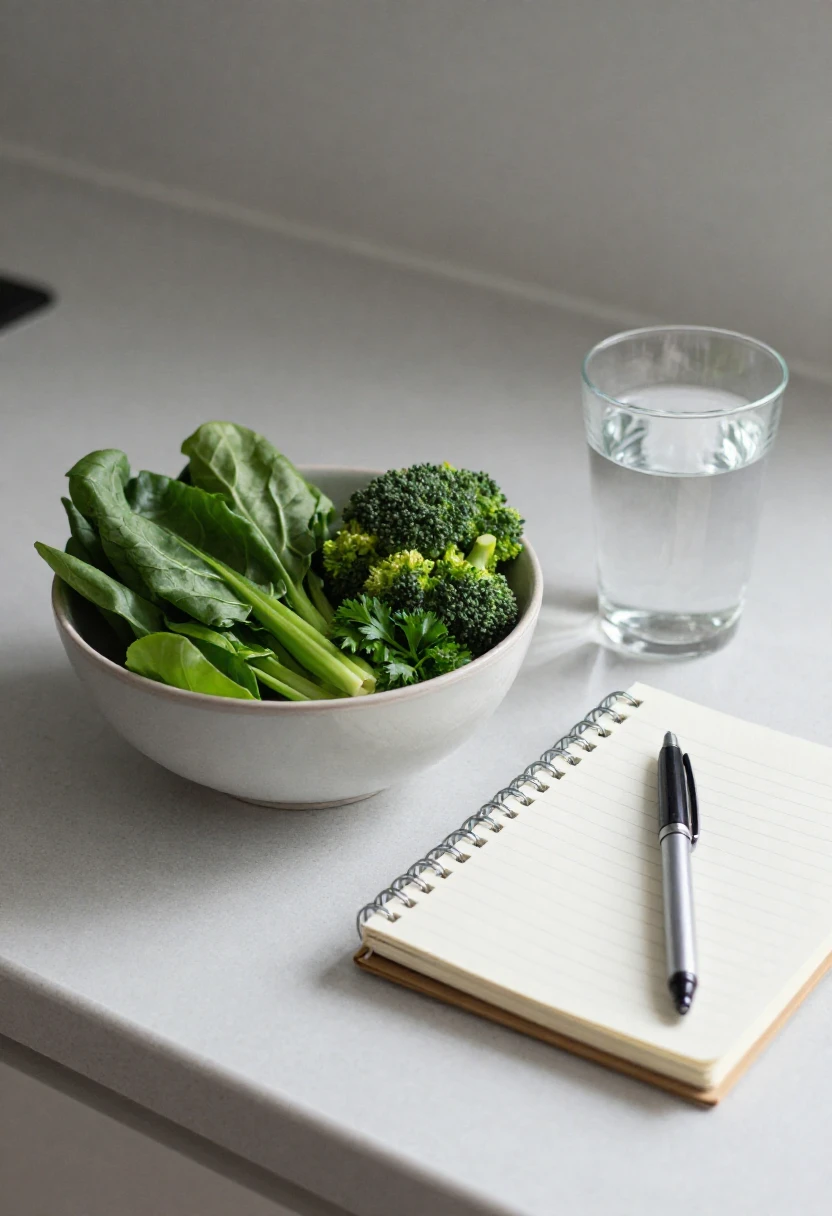
For most people, foods rich in vitamin K are just normal healthy foods. Spinach, broccoli, kale, cabbage, parsley, Brussels sprouts. These are not risky foods by default.
But vitamin K is different from some other nutrients because it is closely connected with blood clotting. That means it can matter a lot if you take certain medications.
This is the part where the advice needs to slow down.
Not panic. Just care.
Blood thinners and why consistency matters
If you take warfarin, or if your doctor has told you to watch your vitamin K intake, do not make sudden big changes to how many leafy greens you eat.
That does not usually mean you must avoid greens completely. In many cases, the bigger issue is inconsistency.
For example, imagine you almost never eat green vegetables, then you suddenly start drinking large spinach smoothies every morning, eating kale salads at lunch, and roasting Brussels sprouts at night. That is a major change. Your healthcare provider needs to know about that kind of shift.
The same goes in the other direction. If you normally eat greens every day and then suddenly stop, that can matter too.
The goal is usually to keep your intake steady enough that your medication can be managed properly. Your doctor, pharmacist, or dietitian can help you understand what that looks like for your situation.
And please do not guess with this one. Blood thinners are not the place for internet improvisation.
Should you avoid leafy greens if you take warfarin?
This is one of the most common questions, and it is easy to understand why. If vitamin K helps with clotting, and warfarin affects clotting, then leafy greens can sound like something to fear.
But the answer is usually not “never eat spinach again.”
The better answer is: talk to your healthcare provider and keep your intake consistent.
A steady diet that includes greens is very different from random swings between no greens and huge amounts of greens. Your medical team may adjust your medication around your usual eating pattern, but they need that pattern to be predictable.
So if you love salads, say that. If you eat broccoli every night, say that. If you want to start eating more greens, ask how to do it safely.
This is not about being perfect. It is about not surprising your body, or your medication.
Be careful with vitamin K supplements
Food and supplements are not the same thing.
Eating broccoli with dinner is one thing. Taking a concentrated vitamin K supplement is another. Supplements can change your intake quickly, especially if you start taking them without checking the dose or thinking about medication interactions.
If you take blood thinners, have a clotting disorder, or are being monitored for INR, ask your doctor or pharmacist before taking vitamin K supplements.
The same goes for multivitamins. Some contain vitamin K, and some do not. It is easy to miss because people often scan the label for vitamin D, magnesium, iron, or B12 and forget to check vitamin K.
I would be especially careful with any supplement that promises bone support, heart support, or “complete” daily nutrition. Those formulas often mix several nutrients together, and vitamin K may be one of them.
When to ask for personalized advice
Ask a healthcare professional before making big changes to your vitamin K intake if you:
- take warfarin or another anticoagulant
- have been told to monitor your INR
- have a clotting disorder
- are preparing for surgery
- take several medications and are unsure about interactions
- want to start a vitamin K supplement
- have a digestive condition that affects nutrient absorption
- have been advised to follow a special medical diet
This does not mean vitamin K foods are dangerous. It means your situation may need more specific guidance than a general food article can give.
There is a big difference between “greens are healthy for many people” and “everyone should eat unlimited greens no matter what medication they take.”
Nutrition advice gets better when it leaves room for real life.
What if you do not take blood thinners?
If you do not take blood-thinning medication and have not been told to limit vitamin K, you probably do not need to overthink this.
Eat greens. Cook broccoli. Add parsley. Roast Brussels sprouts. Keep cabbage in the fridge for soup, slaw, or quick skillet meals.
The more useful question is not, “Am I getting the perfect amount of vitamin K?”
It is, “Can I add one vitamin K-rich food to meals I already like?”
That could be spinach in eggs, kale in soup, broccoli with pasta, cabbage in tacos, romaine in sandwiches, or parsley over roasted potatoes.
Simple counts.
A balanced way to think about risk
Vitamin K is a good example of why nutrition is rarely black and white.
The same food can be helpful for one person and require careful planning for another. Kale can be a great salad base for someone trying to eat more vegetables. It can also be something a person on warfarin needs to eat consistently rather than randomly.
That is not a contradiction. That is context.
So no, vitamin K foods are not something most people need to fear. But yes, they deserve respect if medication is involved.
The safest, most practical advice is this: build steady habits, avoid sudden extremes, and ask your healthcare provider before making major changes if you take medication that interacts with vitamin K.
Easy ways to eat more vitamin K this week
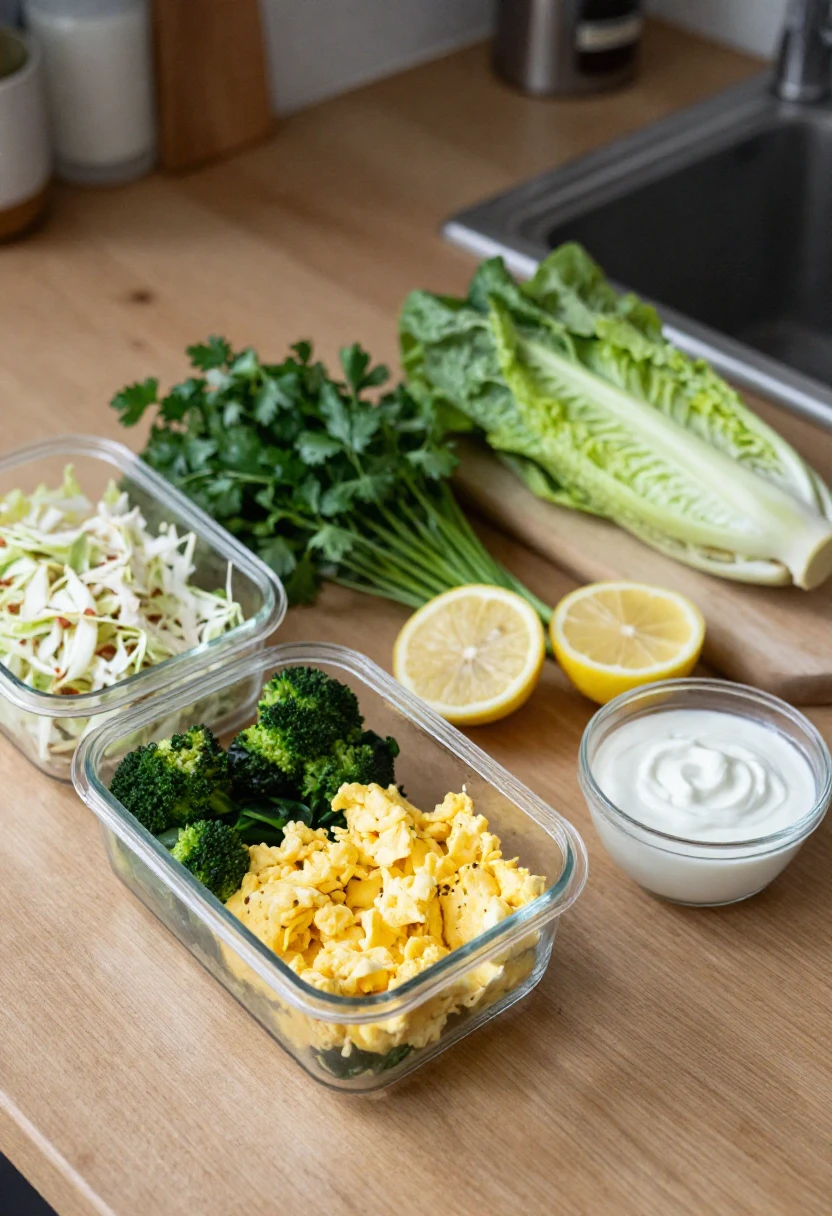
The easiest way to eat more vitamin K is not to redesign your whole diet. That usually sounds inspiring for about ten minutes, then becomes annoying by Wednesday.
Start smaller.
Add one green vegetable to a meal you already make. Add spinach to eggs. Add broccoli to pasta. Add cabbage to soup. Add romaine to a sandwich. Add parsley to almost anything savory.
That is how healthy eating becomes normal. Not dramatic. Just repeated.
Breakfast ideas
Breakfast is a good place to add vitamin K foods because you can keep it simple. You do not need a huge salad at 8 a.m. unless that is genuinely your thing. A handful of greens in eggs or a smoothie is enough to start.
Scrambled eggs with spinach
Warm olive oil or butter in a pan, add spinach, and let it wilt for a minute. Then add eggs and cook gently. Season with salt, pepper, and maybe chili flakes.
This works because spinach becomes soft and almost creamy when cooked with eggs. Add toast, avocado, tomatoes, or leftover roasted potatoes if you want something more filling.
Green smoothie with spinach and berries
Spinach is one of the easiest greens to use in smoothies because it has a mild flavor. Blend it with berries, yogurt, milk or kefir, and a spoonful of nut butter if you want more staying power.
I would not make the smoothie all greens and no pleasure. That kind of smoothie tastes like lawn clippings and regret. Use fruit. Use enough liquid. Make it something you actually want to drink.
Avocado toast with greens and parsley
Toast bread, mash avocado with lemon juice and salt, then add romaine, arugula, spinach, or chopped parsley on top. Add an egg if you want more protein.
Parsley is especially good here. It adds freshness and makes the toast taste brighter without much work.
Breakfast bowl with eggs, greens, and potatoes
If you have leftover potatoes, this is a great way to use them. Warm them in a skillet, add chopped kale or spinach, then top with eggs. A little yogurt sauce or hot sauce makes it feel more like a real breakfast and less like leftovers wearing a new hat.
Lunch ideas
Lunch is where vitamin K foods can help a lot, especially if you tend to crash in the afternoon. A good lunch does not have to be light. It has to be balanced enough that you are not searching for cookies an hour later.
Kale chicken salad
Massage chopped kale with olive oil, lemon juice, and salt. Add chicken, avocado, cucumber, tomatoes, seeds, or a little cheese. If you want carbs, add cooked quinoa, rice, roasted sweet potato, or whole-grain bread on the side.
The massage step matters. Unmassaged kale can feel tough and scratchy. Massaged kale tastes like someone cared.
Broccoli grain bowl
Use rice, quinoa, farro, barley, or whatever grain you like. Add roasted broccoli, chickpeas or chicken, a spoonful of yogurt sauce or tahini dressing, and something sharp like pickled onions, sauerkraut, or lemon juice.
This is one of the easiest lunches to repeat because you can change the protein and sauce without changing the whole idea.
Lentil soup with cabbage
Cabbage and lentils make a simple, filling soup. Start with onion, carrot, and garlic. Add sliced cabbage, lentils, broth, herbs, and a little tomato if you like. Let it simmer until the lentils are tender.
Finish with vinegar or lemon juice. That final splash makes the soup taste awake.
Romaine wrap with leftovers
Use romaine or dark lettuce inside a wrap with leftover chicken, beans, tuna, eggs, roasted vegetables, or hummus. It adds crunch and freshness, especially when leftovers feel a bit heavy.
This is a small trick, but it works. A few leaves of lettuce can make yesterday’s dinner feel like lunch instead of a repeat.
Dinner ideas
Dinner is probably the easiest place to add foods rich in vitamin K because green vegetables fit beside almost everything. You do not need a special “vitamin K dinner.” You just need a green thing on the plate.
Salmon with roasted Brussels sprouts
Cut Brussels sprouts in half, toss with olive oil and salt, and roast until browned. Serve with salmon, potatoes, rice, or a simple salad. Add lemon or mustard dressing at the end.
The browned Brussels sprout leaves are the best part. If you eat half of them from the sheet pan before serving, I support you.
Pasta with spinach, garlic, and olive oil
Cook pasta, then toss it with olive oil, garlic, spinach, black pepper, and Parmesan if you like. Add beans, chicken, tuna, or chickpeas for protein.
Spinach wilts into the pasta and makes the meal feel greener without turning it into a salad. It is also a good way to use spinach that is starting to look tired in the fridge.
Turkey or bean skillet with greens
Cook ground turkey, beans, or lentils with onion, garlic, spices, and chopped greens. Kale, spinach, chard, or collards all work. Serve with rice, tortillas, potatoes, or bread.
This is a flexible dinner, which is code for “I did not plan perfectly, but it still worked.”
Cabbage stir-fry
Slice cabbage thinly and cook it quickly with garlic, ginger, soy sauce, and a little oil. Add eggs, tofu, chicken, shrimp, or edamame. Serve with rice or noodles.
Cabbage stays slightly sweet and crisp when you do not overcook it. It is also one of the most budget-friendly vegetables to keep around.
Broccoli with chicken, tofu, or beans
Roasted or stir-fried broccoli can sit next to almost any protein. Add rice, noodles, potatoes, or a grain bowl base, then finish with a sauce.
Try lemon yogurt sauce, tahini dressing, garlic soy sauce, pesto, or a simple olive oil and vinegar dressing. Broccoli likes sauce. Most of us do too.
Small add-ons that work almost anywhere
Sometimes the easiest vitamin K habits are not full recipes. They are small add-ons.
Keep these in mind:
- chopped parsley over eggs, soup, beans, fish, chicken, or roasted potatoes
- a handful of spinach stirred into soup or pasta
- romaine added to sandwiches and wraps
- steamed or roasted broccoli on the side
- sauerkraut beside eggs, potatoes, rice bowls, or sausages
- frozen peas tossed into rice, pasta, or soup
- shredded cabbage added to tacos, bowls, or slaw
These little additions count because they are easy to repeat.
I especially like parsley for this. It is cheap, bright, and surprisingly useful. Chop it finely and keep it in a container with a paper towel. Add it to anything that tastes too heavy or flat.
A realistic grocery list
If you want to eat more vitamin K foods this week, do not buy every green vegetable in the store. That is how produce drawers become compost projects.
Buy a few options you know you can use.
A simple list might look like this:
- one bag of spinach
- one head of broccoli
- one cabbage or bag of slaw mix
- one bunch of parsley
- one romaine lettuce
- eggs
- yogurt or tahini for sauces
- lemons
- one protein you like
- rice, potatoes, pasta, or bread
This gives you enough flexibility for breakfast, lunch, and dinner without turning your kitchen into a farmers market you now have to manage.
How to make the habit stick
Pick one meal and repeat it.
That is not boring. That is practical.
Maybe it is eggs with spinach. Maybe it is roasted broccoli with dinner. Maybe it is a cabbage soup you make once a week. Maybe it is parsley on everything until the bunch is gone.
The point is to make vitamin K-rich foods familiar. Once they feel normal, you will not need to think about them so much.
Healthy eating gets much easier when the good choices are already built into your usual meals.
A simple vitamin K meal plan idea
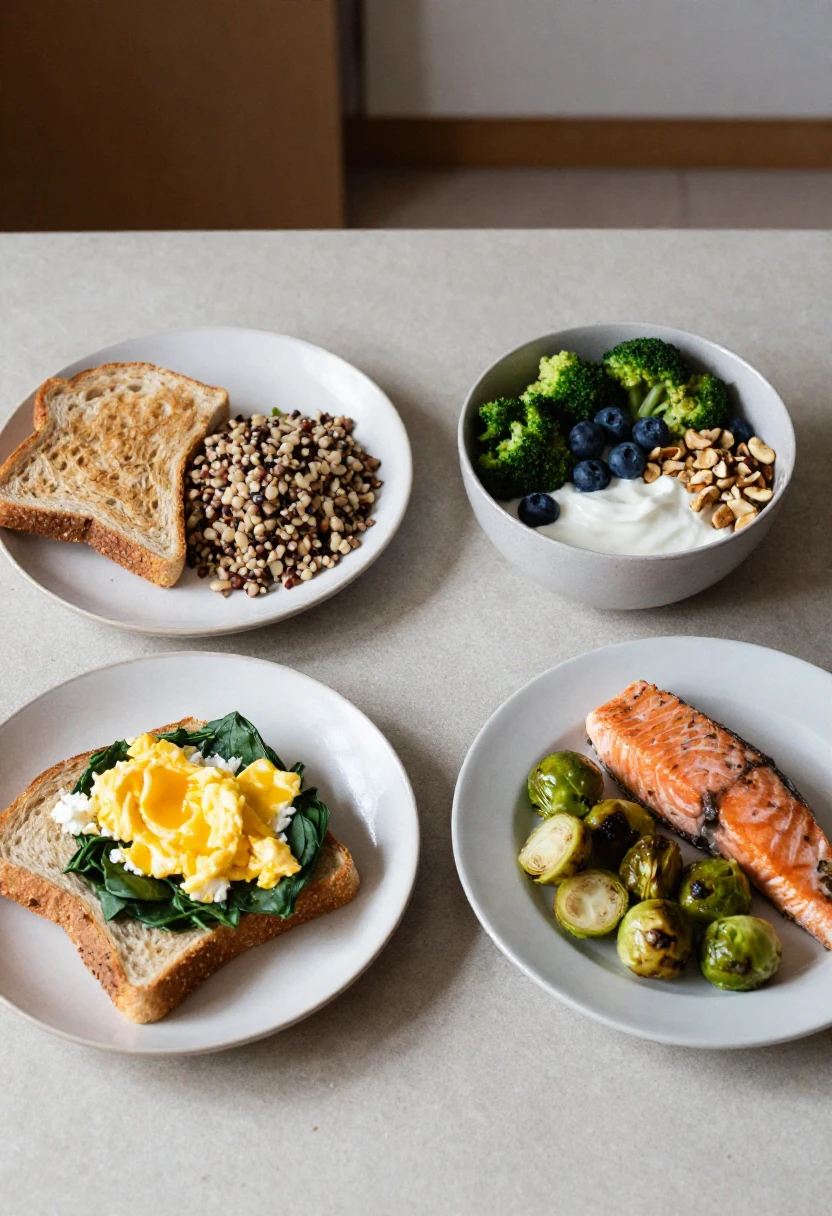
A meal plan does not need to look like a spreadsheet to be useful. In fact, the more perfect it looks, the less I trust it.
Real weeks are messy. You forget to thaw the chicken. The avocado is either rock-hard or suddenly ruined. Someone eats the leftovers you were counting on. You open the fridge and realize the spinach is giving you a deadline.
So instead of planning every bite, think in loose building blocks: one green vegetable, one protein, one filling base, and one sauce or flavor booster.
That is enough.
One-day example without being strict
Here is a simple day built around foods rich in vitamin K. It is not a diet plan. It is just an example of how these foods can fit naturally into meals you might actually want to eat.
Breakfast: spinach eggs with toast
Cook a handful of spinach in olive oil until it wilts, then add eggs. Serve with toast, avocado, tomatoes, or leftover potatoes.
This gives you vitamin K from spinach, protein from eggs, and enough substance to make breakfast feel like breakfast.
Lunch: broccoli grain bowl
Start with rice, quinoa, farro, or any grain you like. Add roasted broccoli, chickpeas or chicken, cucumber, parsley, and a lemony yogurt or tahini sauce.
The broccoli brings vitamin K and fiber. The sauce makes the whole bowl taste intentional instead of like random meal prep.
Snack: yogurt with blueberries and nuts
Blueberries are not as rich in vitamin K as leafy greens, but they still add a little, and they make yogurt taste better. Add walnuts, almonds, pumpkin seeds, or granola for crunch.
This is a nice snack when you want something sweet but still want it to feel like real food.
Dinner: salmon with roasted Brussels sprouts
Roast Brussels sprouts until the edges brown, then serve them with salmon, potatoes, rice, or beans. Add lemon juice or mustard dressing at the end.
This meal feels simple but complete: protein, greens, carbs if you want them, and enough flavor to avoid the “healthy but boring” problem.
A budget-friendly version
Vitamin K foods do not have to be expensive. Kale salads and salmon bowls are nice, but cabbage and frozen spinach are doing a lot of quiet work in real kitchens.
A cheaper day could look like this:
Breakfast: eggs with frozen spinach
Lunch: cabbage and bean soup
Snack: yogurt or fruit
Dinner: rice with broccoli, peas, and tofu or chicken
Frozen vegetables are especially helpful here. Frozen spinach, peas, and broccoli are usually cheaper, last longer, and do not punish you for forgetting about them for two days.
Cabbage is another hero. It sits in the fridge patiently, which I appreciate in a vegetable. You can turn it into soup, slaw, stir-fry, tacos, or a quick side dish.
A no-cook or low-cook version
Some days you are not cooking. That is allowed.
You can still add vitamin K-rich foods without making a proper recipe.
Try:
- romaine in sandwiches or wraps
- bagged slaw mix with rotisserie chicken or beans
- parsley added to tuna salad, egg salad, or hummus toast
- spinach blended into a smoothie
- sauerkraut on the side of eggs, potatoes, or grain bowls
- pre-washed greens tossed with leftovers and dressing
This is not glamorous, but it works. And honestly, a lot of healthy eating happens in these small, unglamorous decisions.
How to adjust it for your kitchen
Use what you already like.
If you hate kale, do not build your week around kale. Use spinach, broccoli, romaine, cabbage, or Brussels sprouts instead. If raw greens feel too cold or harsh, cook them. If cooked cabbage reminds you of bad cafeteria food, roast it or slice it thin for slaw.
The same idea can change based on what is in your fridge:
- no spinach? Use chard, kale, or romaine.
- no broccoli? Use Brussels sprouts, cabbage, or bok choy.
- no salmon? Use eggs, beans, chicken, tofu, or sardines.
- no yogurt sauce? Use olive oil, lemon juice, tahini, pesto, or vinaigrette.
- no fresh greens? Use frozen spinach or peas.
A good meal plan has options. A fragile meal plan falls apart the second one ingredient is missing.
Rotate greens so meals do not get boring
Eating more vitamin K does not mean eating the same salad every day. Please do not do that to yourself unless you genuinely love that salad.
Rotate your greens by texture and flavor.
Use spinach when you want something mild. Use kale when you want structure. Use romaine when you want crunch. Use cabbage when you want something cheap and sturdy. Use broccoli when you want a vegetable that can handle roasting. Use parsley when the meal needs brightness.
This keeps meals from feeling repetitive, even when the pattern stays the same.
For example, the same basic bowl can become three different meals:
Version one: rice, spinach, eggs, avocado, chili flakes
Version two: quinoa, broccoli, chicken, parsley, yogurt sauce
Version three: potatoes, cabbage, white beans, mustard dressing
Same idea. Different mood.
The easiest weekly habit
If you want one simple habit, make a green side dish twice a week.
That could be roasted broccoli, sautéed spinach, cabbage slaw, Brussels sprouts, or a big romaine salad. Make enough for leftovers if the vegetable holds up well.
Then use it everywhere.
Roasted broccoli can go into pasta, bowls, omelets, or wraps. Cabbage slaw can go with tacos, sandwiches, rice bowls, or grilled chicken. Sautéed spinach can go into eggs, soup, toast, pasta, or beans.
This is how vitamin K foods become easy. You stop starting from zero every time you eat.
A gentle reminder about consistency
If you take warfarin or have been told to monitor vitamin K, do not use this meal plan as a reason to suddenly change your diet. Talk with your doctor, pharmacist, or dietitian first.
For everyone else, the main takeaway is simple: add vitamin K-rich foods in ways that feel repeatable.
Not perfect. Repeatable.
One green vegetable at breakfast, lunch, or dinner is already a good start.
Final thoughts
Foods rich in vitamin K are not exotic. They are not a miracle shortcut. They are the green, practical foods that fit into normal meals when you know how to use them.
Spinach in eggs. Broccoli with pasta. Cabbage in soup. Brussels sprouts roasted until the edges crisp. Parsley over potatoes. Romaine tucked into a sandwich.
That is the kind of healthy eating that lasts because it does not ask you to become a different person overnight.
Vitamin K matters for normal blood clotting and bone health, but you do not need to turn every meal into a nutrient calculation. For most people, the better goal is simple: eat more leafy greens and green vegetables in ways that taste good.
Use olive oil. Use garlic. Use lemon. Roast the broccoli. Massage the kale. Add sauce when the meal needs sauce.
And if you take warfarin or have been told to watch your vitamin K intake, do not make sudden changes without medical guidance. Greens can still be part of life for many people, but consistency matters.
Start with one green food you already like. Add it to one meal this week. Then do it again.
That is enough to begin.
FAQ
What food is highest in vitamin K?
Leafy greens are usually the richest everyday sources of vitamin K, especially kale, collard greens, spinach, turnip greens, mustard greens, Swiss chard, and parsley. Broccoli, Brussels sprouts, cabbage, romaine lettuce, and asparagus also provide vitamin K.
If you are trying to eat more vitamin K, start with the greens you actually enjoy. Spinach is easy to add to eggs and smoothies. Broccoli is simple to roast. Romaine works in salads, wraps, and sandwiches. You do not need to force the most intense option if you will not eat it again.
Can I eat vitamin K foods every day?
Most people can eat vitamin K-rich foods every day as part of a balanced diet. Leafy greens and green vegetables also bring fiber, water, minerals, and freshness to meals, so they are useful beyond vitamin K alone.
The main exception is if you take warfarin or have been told to monitor vitamin K. In that case, do not suddenly increase or decrease your intake without checking with your doctor, pharmacist, or dietitian. The issue is usually consistency, not fear of vegetables.
Do vitamin K foods help with weight loss?
Vitamin K itself does not “burn fat.” That claim is too strong.
But many foods rich in vitamin K, like spinach, kale, broccoli, cabbage, romaine, and Brussels sprouts, can support weight management because they add volume, fiber, and texture to meals without many calories. They can help a plate feel more generous and satisfying.
Think of them as helpful ingredients, not magic fat-burning foods. A bowl with rice, chicken, broccoli, herbs, and sauce is more filling than a smaller, less balanced meal. That is where these foods can help.
Should I avoid vitamin K if I take blood thinners?
Do not avoid or increase vitamin K foods on your own if you take warfarin or another blood thinner. Ask your healthcare provider what is right for you.
Many people on warfarin are advised to keep vitamin K intake consistent rather than cutting out greens completely. Sudden changes, like going from no greens to daily kale smoothies, may affect how the medication works.
If you want to change your diet, start by talking with your doctor, pharmacist, or dietitian. Bring examples of what you normally eat, including salads, green smoothies, broccoli, cabbage, herbs, and supplements.