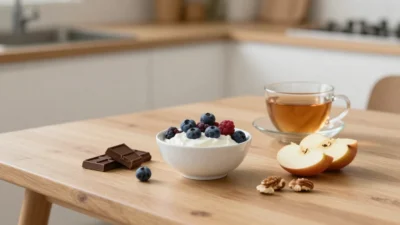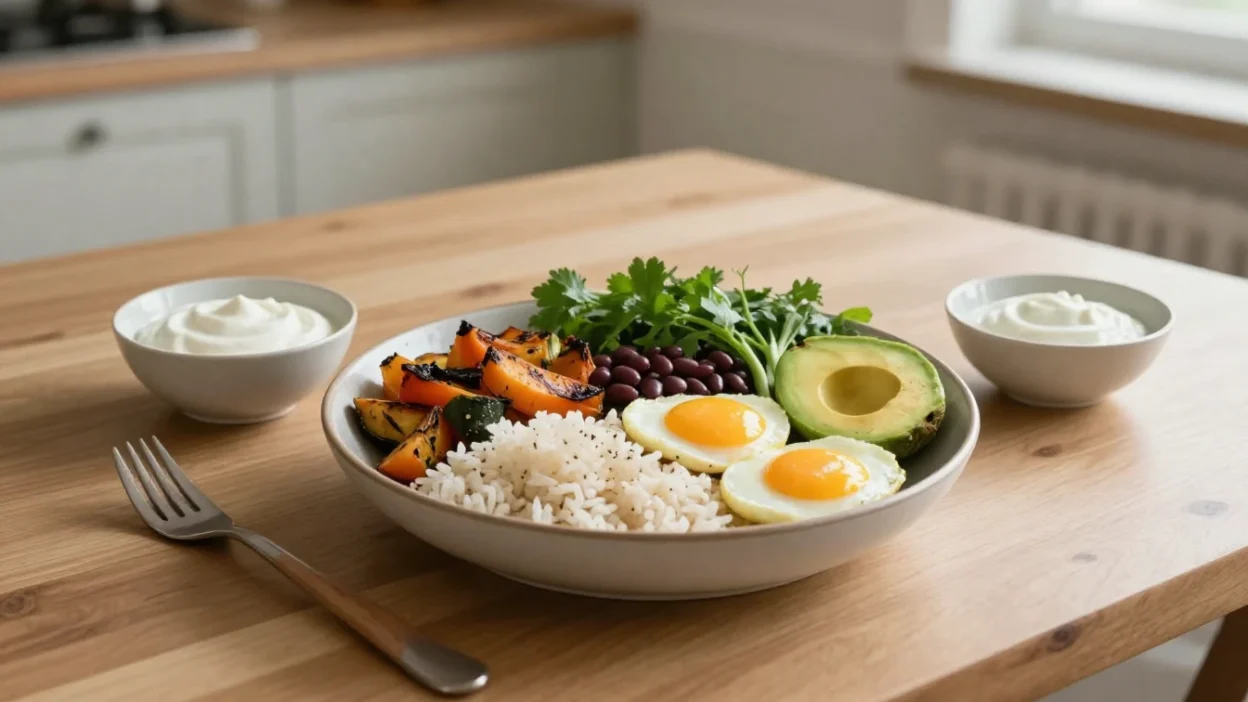
Healthy eating is not one-size-fits-all, and honestly, that is where most of the confusion begins.
One person feels great eating oatmeal every morning. Someone else gets hungry an hour later. One friend swears by salads for lunch, while another needs rice, chicken, and something warm to feel like they actually ate. Then you open social media, and suddenly everyone has a different rule: avoid carbs, eat more carbs, skip breakfast, never skip breakfast, drink green juice, count protein, stop snacking, snack smarter.
No wonder healthy eating starts to feel like a moving target.
I think the better question is not, “Am I eating perfectly?” It is, “Does the way I eat actually support my life?”
That means your food should help you feel steady, satisfied, and able to get through the day without constantly fighting hunger, cravings, guilt, or fatigue. It should fit your body, your schedule, your budget, your culture, and your kitchen skills. A healthy routine that only works when you have two free hours, a fridge full of expensive ingredients, and no stress in your life is not much of a routine.
Food is personal. It always has been.
The goal is not to copy someone else’s “clean” meal plan. The goal is to build a way of eating that feels realistic enough to repeat and nourishing enough to actually help you feel better.
What does healthy eating actually mean?
“Healthy eating” sounds simple until you try to define it.
For one person, it means cooking more meals at home. For another, it means eating enough protein so they stop snacking all afternoon. Someone else may be trying to lower added sugar, manage blood pressure, improve digestion, build muscle, or simply stop ordering takeout five nights a week.
All of those can be valid. But they are not the same goal.
That is why vague advice like “just eat healthy” is not very helpful. Healthy compared to what? For whom? For what purpose?
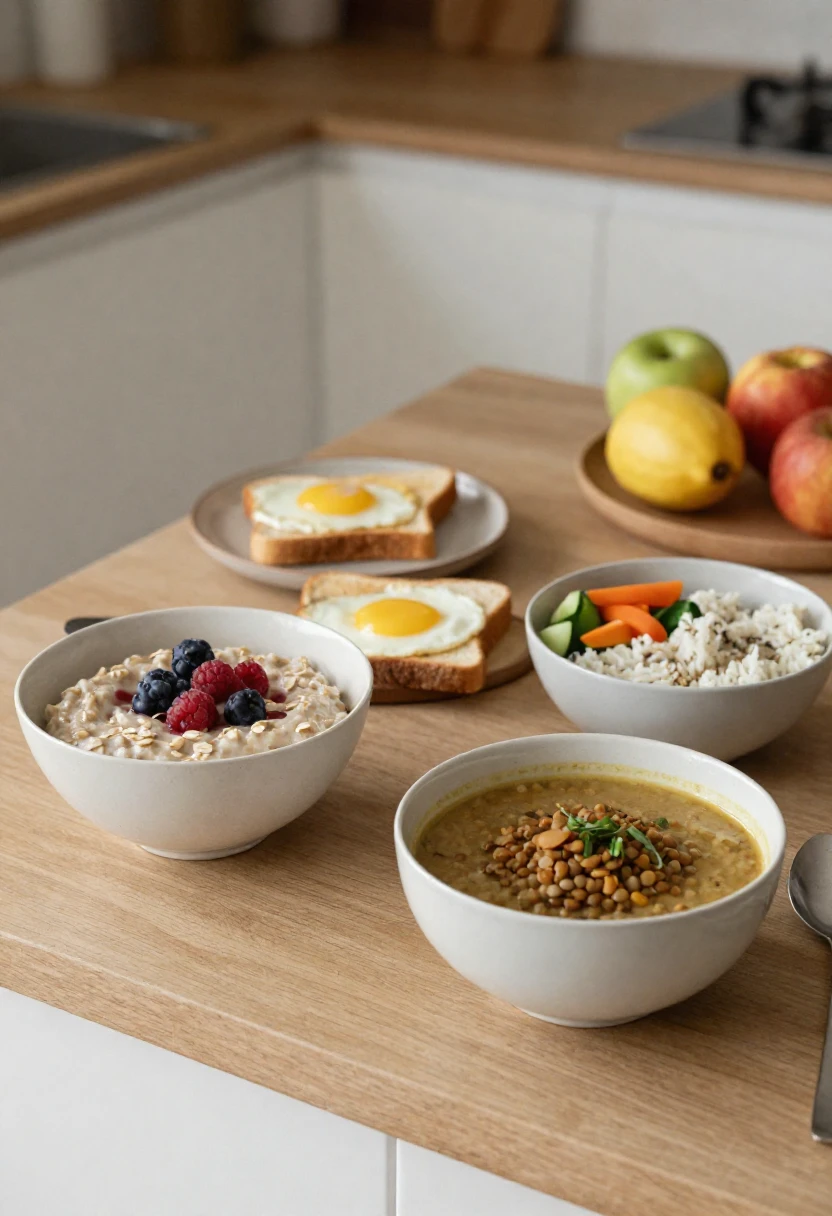
A bowl of lentil soup can be a great healthy meal. So can salmon with potatoes. So can eggs on toast with tomatoes. So can rice, beans, avocado, and salsa. The meal matters, but the context matters too.
If you skip breakfast, drink coffee until noon, then eat a tiny salad and wonder why you want cookies at 4 p.m., the problem may not be that you “lack discipline.” You may simply not be eating enough earlier in the day.
And if your dinner looks beautiful but leaves you hungry an hour later, it may need more protein, more fiber, more fat, or just more food.
Healthy eating should have a purpose
Before changing everything in your kitchen, it helps to ask what you actually want food to do for you.
Maybe you want:
- steadier energy during the day
- fewer intense cravings at night
- meals that keep you full longer
- better digestion
- more home-cooked dinners
- easier breakfasts
- less stress around food
- a routine that supports workouts
- a way to eat well without obsessing over every bite
That purpose gives your choices direction.
For example, if your main issue is afternoon hunger, replacing dinner with steamed vegetables will not fix much. You may need a better breakfast or lunch. If your goal is better digestion, suddenly adding huge raw salads every day may backfire. If you are trying to save money, the “healthiest” plan is not the one with five specialty powders and three kinds of organic berries.
Healthy eating has to solve the problem you actually have.
The problem with copying someone else’s diet
It is tempting to borrow a diet from someone who looks healthy, fit, organized, or confident. I get it. It feels easier when someone else hands you the rules.
But your coworker’s low-carb lunch, your friend’s vegan meal prep, or an influencer’s high-protein breakfast may not match your body or your day.
Maybe they work out at 6 a.m. and you barely sleep enough. Maybe they love raw vegetables and your stomach does not. Maybe they have time to cook lunch, while you eat between meetings. Maybe they enjoy eating the same meal four days in a row, and you would rather chew cardboard by Wednesday.
That does not mean their way is wrong. It means it is theirs.
The best healthy eating style is not the most impressive one. It is the one you can live with when the week gets messy.
Why one-size-fits-all nutrition advice rarely works
Most nutrition advice sounds clean on paper. Eat more vegetables. Choose whole foods. Drink more water. Cook at home. Limit sugar.
None of that is wrong.
The problem starts when those ideas turn into rigid rules that ignore the person trying to follow them.
A healthy eating plan for a 25-year-old runner will not look exactly like a healthy eating plan for a tired parent with two kids, a desk job, and ten minutes to make lunch. Someone recovering from illness may need different meals than someone training hard at the gym. A person with a sensitive stomach may not feel good eating the same “healthy” foods that work beautifully for someone else.
This is where people get stuck. They think they failed the plan, when often the plan never fit them in the first place.
Your body has its own patterns
Your body is not a spreadsheet. It reacts.
You may notice that a sweet breakfast makes you hungry quickly, while eggs or Greek yogurt hold you over longer. Or maybe heavy meals at lunch make you sleepy, but a lighter lunch with a solid snack later works better. Some people feel great with beans and lentils. Others need to add them slowly or their stomach complains all afternoon.
These patterns matter.
Healthy eating becomes much easier when you stop treating your body like it should respond exactly the way someone else’s body does. Appetite, digestion, sleep, stress, hormones, activity level, age, and health history all change how food feels in real life.
Even the same person may need different food on different days.
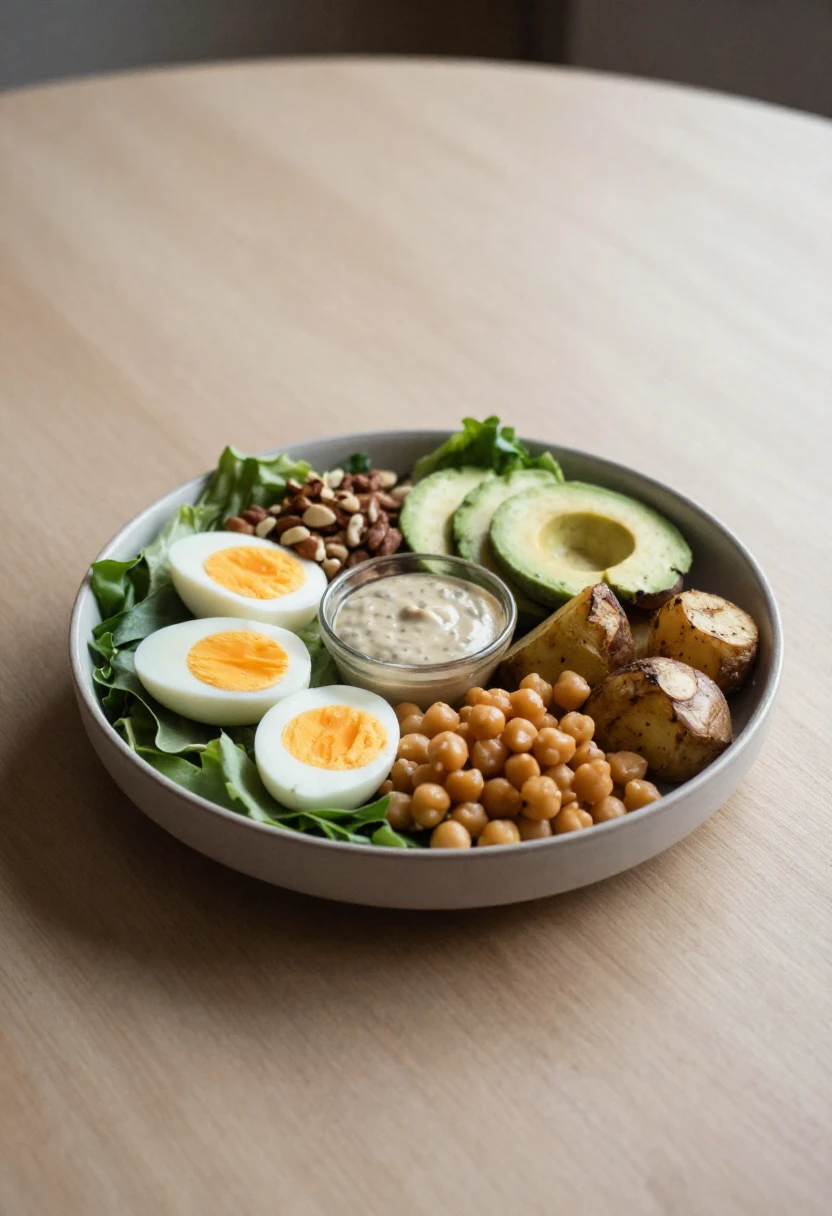
On a slow Sunday, a big salad with roasted vegetables and chickpeas might feel perfect. On a cold, busy Wednesday, you may need soup, bread, and something warm in your hands. That does not mean you made a bad choice. It means your body and your day asked for something different.
Your lifestyle matters as much as your plate
A meal can be nutritious and still be completely unrealistic.
I have seen plenty of “simple” healthy meal plans that somehow require chopping six vegetables, cooking two proteins, making three sauces, and washing half the kitchen afterward. That might be fine once in a while. It is not fine when you are hungry, tired, and already annoyed before you open the fridge.
The best healthy eating routine respects your actual life.
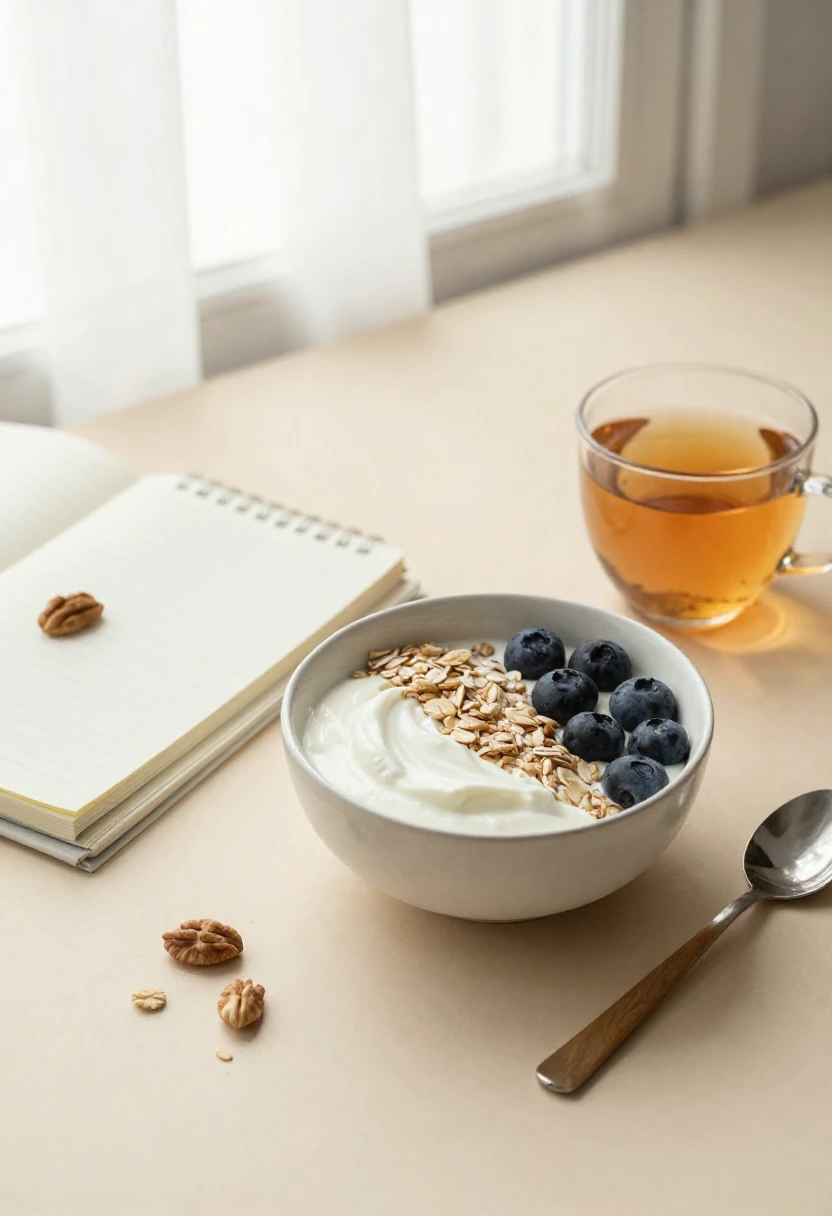
If mornings are chaotic, breakfast needs to be almost automatic. Overnight oats, boiled eggs, yogurt with fruit, toast with peanut butter, or a smoothie you can make half-asleep.
If lunch is rushed, you need meals that pack well and do not turn sad by noon. Grain bowls, wraps, soups, leftovers, tuna salad, chickpea salad, or rice with roasted vegetables.
If dinner is where everything falls apart, build a few backup meals:
- eggs with toast and tomatoes
- pasta with vegetables and cheese
- rice with beans, avocado, and salsa
- baked potatoes with Greek yogurt and tuna
- rotisserie chicken with salad and bread
- frozen vegetables tossed into soup or noodles
These meals may not look like the perfect wellness plate from a photo shoot. Good. They are supposed to feed you.
Your culture and food preferences count too
Healthy eating should not ask you to erase the foods you grew up with.
So many people hear “eat healthy” and imagine a plain bowl of greens, grilled chicken, and maybe a lonely lemon wedge. But healthy food can be rice and beans, borscht, lentil stew, vegetable curry, grilled fish, roasted potatoes, cabbage rolls, shakshuka, chicken soup, or homemade flatbread with yogurt and herbs.
The question is not, “Does this look like a diet meal?”
The better question is, “How can I make this meal work better for me?”
Maybe that means adding more vegetables to a familiar soup. Maybe it means using less oil without making the dish dry. Maybe it means pairing bread with protein so you stay full longer. Maybe it means keeping the traditional meal but adjusting the portion, the side dish, or the frequency.
Food is comfort, memory, family, and habit. A healthy routine that ignores that usually does not last.
And honestly, it should not have to.
Listening to your body without ignoring nutrition
“Listen to your body” sounds nice, but it can also feel confusing.
What are you listening for? Hunger? Cravings? Energy? Digestion? Mood? The sudden need to eat something salty at 10 p.m. while standing in the kitchen with the fridge open?
Body signals are useful, but they need a little interpretation. They are not always clear instructions. Sometimes your body is asking for food. Sometimes it is asking for sleep. Sometimes it is asking for a proper lunch because coffee and a banana were never going to carry you through the day.
The goal is not to eat only by instinct and ignore everything you know about nutrition. It is to combine both: your body’s feedback and some simple food sense.
What “listen to your body” really means
Listening to your body starts with noticing patterns without judging them.
For example, pay attention to:
- which breakfasts keep you full until lunch
- which meals leave you hungry again too quickly
- whether certain foods upset your stomach
- when you feel sleepy after eating
- when cravings show up most often
- whether you snack because you are hungry, bored, tired, or stressed
- how you feel after meals with more protein, fiber, or healthy fats
This does not need to become a full-time tracking project. You do not have to write down every bite unless that helps you.
Just start noticing.
Maybe you realize that toast with jam tastes good but does not keep you full. Add Greek yogurt, eggs, cottage cheese, nut butter, or smoked salmon, and suddenly breakfast works better.
Maybe you notice that a giant raw salad makes you bloated, but soup with cooked vegetables feels great. That is still healthy eating. Your stomach does not care what looks better on Pinterest.
Maybe you find that skipping lunch always leads to evening snacking. That is not a character flaw. That is a pattern.
And patterns can be changed.
When cravings tell you something useful
Cravings are easy to treat like the enemy, but they often have a reason.
If you crave sweets every night, you may not be eating enough during the day. If you crave salty snacks after work, you may be tired, stressed, dehydrated, or simply underfed. If you keep wanting crunchy food, maybe your meals are too soft and boring. Texture matters more than people think.
Sometimes a craving is just a craving. You want chocolate because chocolate tastes good. That is allowed.
But if the same craving keeps showing up at the same time every day, it is worth looking at the meal before it.
A small change can make a big difference:
- Add protein to breakfast.
- Make lunch more filling.
- Drink water before the afternoon coffee.
- Add a real snack instead of waiting until you are starving.
- Stop making dinner so “light” that you need a second dinner later.
I like to think of cravings as information, not instructions. You do not have to obey every craving immediately, but you also do not need to panic over it.
When body signals are not enough
There is one important thing to say clearly: listening to your body does not replace medical advice.
If you have diabetes, food allergies, an eating disorder history, kidney disease, heart disease, digestive disorders, pregnancy-related needs, or any condition that affects nutrition, you may need more specific guidance from a doctor or registered dietitian.
Body awareness is helpful, but it is not magic.
Also, if you have spent years dieting, restricting, overeating, or feeling guilty around food, hunger and fullness signals can feel messy for a while. That does not mean you are broken. It means your body may need time and consistency before those signals feel trustworthy again.
Start gently.
Eat regular meals. Add enough protein and fiber. Keep snacks around that actually satisfy you. Notice what helps. Notice what does not.
Healthy eating is not about controlling your body like a machine. It is about building enough trust that food starts to feel calmer again.
How to build your own version of healthy eating
The easiest way to start eating better is not to throw away everything in your kitchen and pretend you are a different person.
Start with the meals you already eat.
That is usually where the real progress is hiding. Not in a strict plan. Not in a perfect grocery list. In the small adjustments you can make without turning your whole routine upside down.
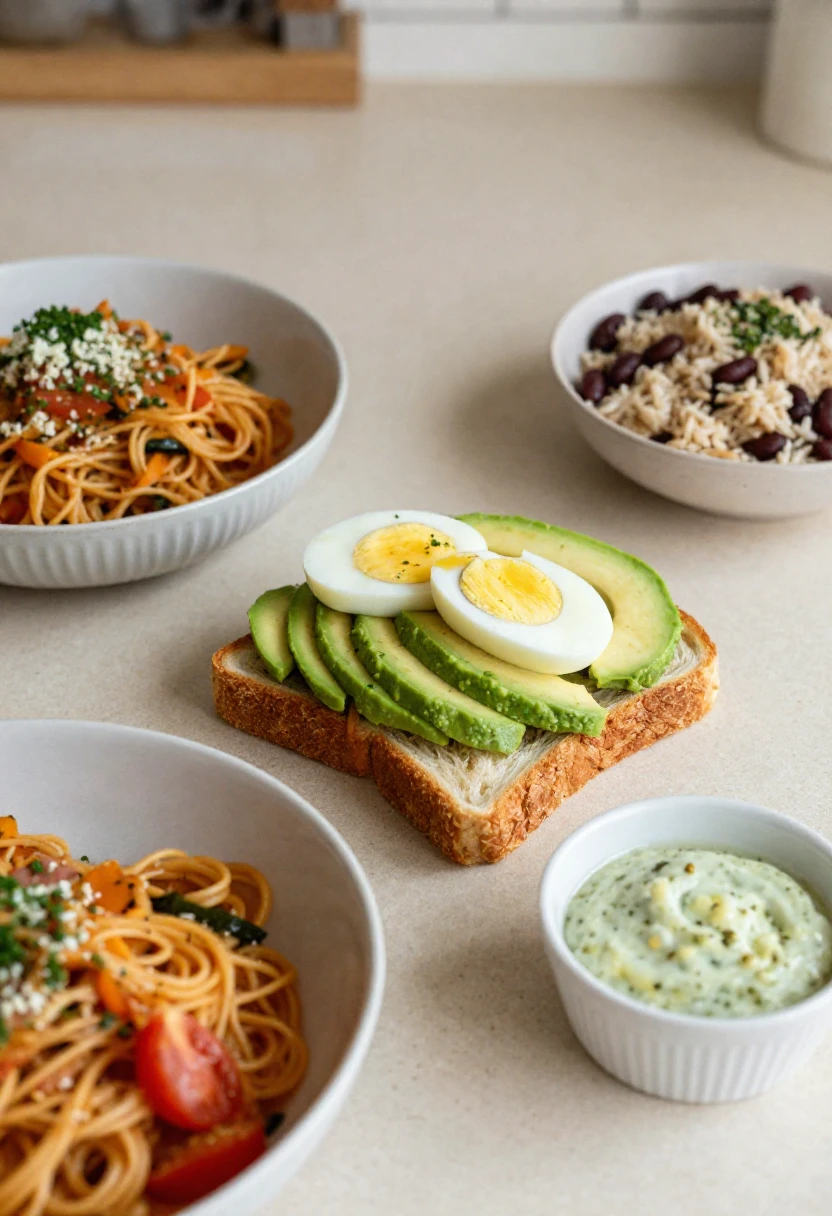
If you like pasta, keep pasta. Add vegetables, protein, and a sauce that makes it feel like dinner, not punishment. If you love toast in the morning, keep the toast and add eggs, cottage cheese, avocado, smoked salmon, or peanut butter. If rice is a regular part of your meals, build around it with beans, chicken, tofu, fish, vegetables, herbs, and something creamy or spicy on top.
Healthy eating works better when it feels like an upgrade, not a punishment.
Start with meals you already eat
Take one meal you make often and improve it slightly.
Not dramatically. Slightly.
A bowl of instant noodles can become more filling with an egg, frozen vegetables, and leftover chicken. A plain sandwich can work better with turkey, hummus, tomato, cucumber, and a side of fruit. A simple baked potato can turn into a full meal with tuna, beans, Greek yogurt, herbs, or cheese.
This approach feels less exciting than starting a brand-new diet, but it is much easier to keep.
Some easy upgrades:
- Add spinach, mushrooms, zucchini, or peppers to scrambled eggs.
- Stir beans or lentils into soup.
- Add Greek yogurt to smoothies for protein.
- Top toast with avocado and egg instead of just butter.
- Keep frozen vegetables for quick dinners.
- Use olive oil, lemon, garlic, and herbs to make vegetables taste better.
- Add nuts or seeds to oatmeal, yogurt, or salads.
- Pair fruit with yogurt, cheese, or nut butter if fruit alone does not keep you full.
The goal is not to make every meal perfect. It is to make your normal meals more supportive.
That word matters. Supportive.
Food should support your energy, your appetite, your digestion, and your mood. It should also support the fact that you may be tired, busy, distracted, or not in the mood to cook something beautiful.
Use the “protein, fiber, color, comfort” method
A healthy meal does not need a complicated formula. I like this simple check:
protein, fiber, color, comfort.
Protein helps keep you full. That can be eggs, chicken, turkey, fish, Greek yogurt, cottage cheese, tofu, tempeh, beans, lentils, tuna, beef, or cheese.
Fiber usually comes from vegetables, fruit, beans, lentils, oats, whole grains, seeds, and potatoes with the skin. It helps meals feel more satisfying and often supports better digestion.
Color is an easy reminder to add plants. Tomatoes, greens, berries, carrots, peppers, cabbage, herbs, roasted squash, apples, cucumbers. It does not have to be fancy. Even a handful of frozen peas in rice counts.
Comfort is the part people forget.
A meal can have protein, fiber, and vegetables and still feel depressing if it is dry, bland, or too small. Comfort might come from warm rice, roasted potatoes, a creamy yogurt sauce, melted cheese, olive oil, a good dressing, crunchy seeds, spicy salsa, or a piece of bread on the side.
Without comfort, healthy eating starts to feel like discipline.
And most people can only live on discipline for so long.
Here is what this method can look like in real meals:
- Oatmeal with Greek yogurt, berries, nuts, and cinnamon.
- Rice bowl with chicken, roasted vegetables, avocado, and salsa.
- Lentil soup with carrots, greens, olive oil, and bread.
- Eggs with toast, tomatoes, spinach, and feta.
- Pasta with tuna, tomato sauce, zucchini, and parmesan.
- Yogurt bowl with fruit, oats, peanut butter, and seeds.
None of these meals are extreme. That is the point.
They are filling, flexible, and easy to change depending on what you have.
Make small changes you can repeat
A small change you repeat for months will do more than a perfect plan you quit after four days.
Start with one meal.
If breakfast is chaotic, fix breakfast first. Choose two options you can rotate without thinking too much. Maybe eggs and toast on some days, yogurt with fruit and oats on others. Once breakfast feels easier, move to lunch or dinner.
If dinner is the problem, pick three backup meals you can make even when you are tired. Not dream dinners. Real dinners.
Something like:
- pasta with vegetables and tuna
- eggs with potatoes and salad
- rice with beans and avocado
- soup with lentils and frozen vegetables
- chicken thighs with potatoes on a sheet pan
Keep the ingredients around. Repeat them. Adjust as you go.
This is how your own version of healthy eating starts to take shape. You notice what keeps you full. You notice what you actually enjoy. You stop buying ingredients that look healthy but die slowly in the back of the fridge.
And little by little, food becomes less dramatic.
You are no longer chasing someone else’s rules. You are building meals that make sense for you.
Signs your current way of eating may not be working for you
Sometimes healthy eating does not feel healthy at all.
You may be choosing the “right” foods, buying the better-looking groceries, ordering the salad, skipping dessert, and still feeling tired, hungry, distracted, or oddly unsatisfied. That is frustrating because it looks like you are doing everything correctly.
But your body gives feedback.
Not always loudly. Sometimes it is subtle. A snack craving every afternoon. A heavy sleepy feeling after lunch. A dinner that looks beautiful but leaves you opening the pantry an hour later. A constant mental debate about whether you “should” eat something.
Those signs are worth noticing. Not because you need to panic, but because they show where your routine may need adjusting.
You feel hungry soon after meals
If you eat and feel hungry again quickly, the meal may not be balanced enough for you.
A smoothie made with only fruit and water may taste fresh, but it might not hold you for long. A plain salad with cucumber, lettuce, and a little dressing may look healthy, but it can leave you searching for crackers by mid-afternoon. Toast with jam can be lovely, but for many people, it needs something more beside it.
Usually, hunger returns quickly when a meal is missing one of the basics:
- enough protein
- enough fiber
- enough fat
- enough total food
This is where small additions help.
Add eggs to breakfast. Add chicken, beans, lentils, tuna, tofu, or cheese to lunch. Add avocado, olive oil, nuts, seeds, or a real dressing if the meal feels too light. Add potatoes, rice, oats, whole-grain bread, or another satisfying carb if you keep feeling empty.
A meal does not have to be huge. It just has to do its job.
You feel tired after eating
Feeling sleepy after every meal can happen for different reasons.
Sometimes the portion is too heavy. Sometimes the meal is mostly refined carbs and not much protein or fiber. Sometimes you waited too long to eat and your body is just exhausted. And sometimes food is not the main problem at all; poor sleep, stress, dehydration, and long screen-heavy workdays can make any lunch feel like a sleeping pill.
Still, it helps to experiment.
If a big lunch makes you sluggish, try a slightly smaller lunch with a planned snack later. If sweet breakfasts leave you foggy, test a more protein-rich option for a week. If skipping meals leads to a heavy dinner and a food coma, try eating more evenly during the day.
Do not change ten things at once. That makes it impossible to know what helped.
Change one thing and watch what happens.
You are constantly thinking about food rules
A healthy routine should make food feel calmer.
If your day is filled with food math, guilt, negotiations, and rules, something may be off. Maybe the plan is too strict. Maybe you are cutting out foods you enjoy. Maybe you are under-eating and calling it discipline. Maybe you have turned every normal meal into a test you can pass or fail.
That is not peaceful. And it is not especially healthy either.
Food choices matter, yes. But they should not take over your whole brain.
You should be able to eat a normal dinner without mentally reviewing every ingredient. You should be able to enjoy cake at a birthday without feeling like the week is ruined. You should be able to choose a simple sandwich on a busy day and move on with your life.
Healthy eating needs structure, but it also needs breathing room.
Your meals look “healthy” but do not satisfy you
This one is common.
A meal can look light, green, and clean but still be a poor fit. A dry salad. A tiny soup. A plate of steamed vegetables with nothing else. A low-calorie meal that leaves you cold, annoyed, and thinking about snacks.
Satisfaction is not a luxury. It is part of eating well.
If your meals do not satisfy you, you will eventually look for satisfaction somewhere else. Usually at night. Usually from the snack shelf. Usually while wondering why your “healthy day” went sideways.
Make the meal better before blaming yourself.
Add roasted vegetables instead of only raw ones. Add warm grains. Add protein. Add crunch. Add a sauce you actually like. Use enough seasoning. Put olive oil on the vegetables. Add feta, yogurt sauce, hummus, nuts, seeds, or avocado.
A satisfying meal has flavor, texture, and enough substance.
Healthy food should not feel like a punishment you survive until the next craving.
Healthy eating without food fear
Healthy eating gets harder when every food starts to feel like a decision about your character.
You eat a salad and feel “good.” You eat fries and feel “bad.” You buy whole-grain bread and feel responsible. You eat a slice of cake and suddenly your brain acts like you have broken some invisible contract.
That kind of thinking is exhausting.
Food choices matter, of course. What you eat most of the time affects how you feel. But turning every bite into a moral judgment usually makes eating more stressful, not healthier.
A cookie is not a failure. A green smoothie is not a personality. They are just foods, and they both fit somewhere in a normal life.
Stop labeling every food as good or bad
The “good food, bad food” mindset sounds simple, but it creates a trap.
Once a food is labeled bad, eating it can feel like losing control. Then one cookie becomes, “Well, I already ruined the day.” One takeout meal becomes, “I’ll start again Monday.” One dessert becomes a reason to tighten the rules tomorrow.
That cycle does not build trust. It builds pressure.
A calmer way to look at food is by asking what it does for you.
Some foods give you steady energy. Some help you stay full. Some add fiber, protein, vitamins, minerals, or healthy fats. Some are there because they taste good, connect you to people, or make a meal feel complete.
That last part counts too.
Birthday cake has a different job than lentil soup. Chips have a different job than roasted salmon. Fresh fruit has a different job than a warm chocolate brownie. You do not need to pretend they are nutritionally equal, but you also do not need to turn one into a hero and the other into a villain.
Most people do better when they think in patterns, not single bites.
What do your meals look like most days? Are you getting enough food? Enough protein? Enough plants? Enough variety? Are you enjoying what you eat, or are you constantly bargaining with yourself?
That tells you much more than one snack ever will.
Processed food is not all the same
“Processed food” gets talked about like one giant category, but that is not very useful.
Frozen vegetables are processed. So are canned beans, Greek yogurt, oats, whole-grain bread, hummus, cheese, tofu, tomato paste, canned tuna, and frozen berries. I use plenty of those foods because they make healthy eating easier.
Then there are foods that are more heavily processed, like candy, soda, packaged pastries, chips, sugary cereals, and many fast-food meals. You may still eat them sometimes, but they usually do not keep you full for long and can be easy to overeat.
The difference matters.
If you try to avoid every processed food, you may make your life unnecessarily hard. Not everyone has time to soak beans, bake bread, make yogurt, cook every sauce from scratch, and lovingly massage kale on a Wednesday night.
Convenience is not the enemy. The trick is choosing convenience foods that help you build better meals.
Canned lentils can become soup. Frozen spinach can go into eggs. Rotisserie chicken can turn into wraps, rice bowls, or quick salads. Whole-grain bread can make breakfast possible when you are late. Tomato sauce can save dinner.
That is not cheating.
That is cooking in real life.
Balance works better than perfection
Perfection is fragile. Balance is more durable.
A perfect plan breaks the moment something unexpected happens: a late meeting, a sick kid, a delayed grocery delivery, a restaurant dinner, a stressful day, a craving that will not leave you alone.
A balanced routine can bend.
Maybe lunch was fast food, so dinner is soup and toast. Maybe breakfast was just coffee, so you make lunch more filling. Maybe you ate dessert because it looked good, and then you move on instead of turning the rest of the day into a punishment.
That is a skill.
Healthy eating is not about making the “best” choice every single time. It is about making enough supportive choices often enough that your body feels cared for.
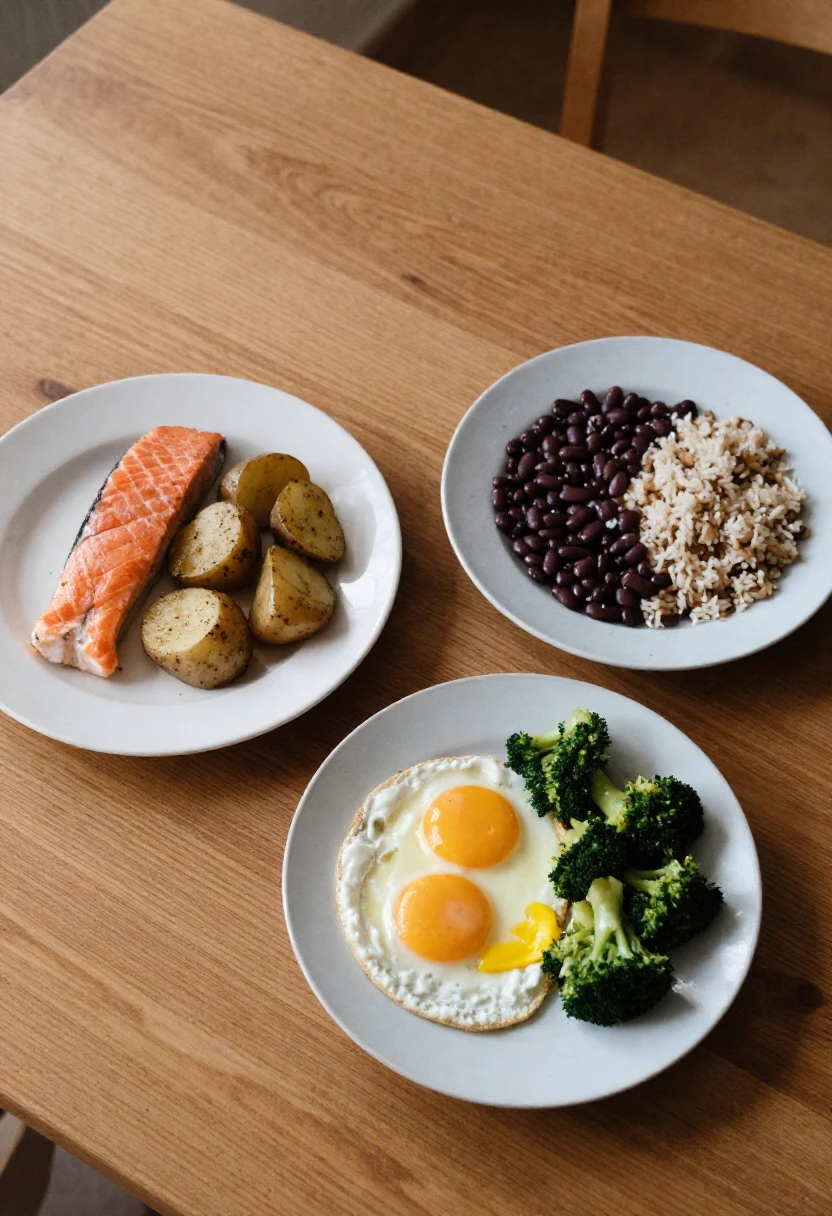
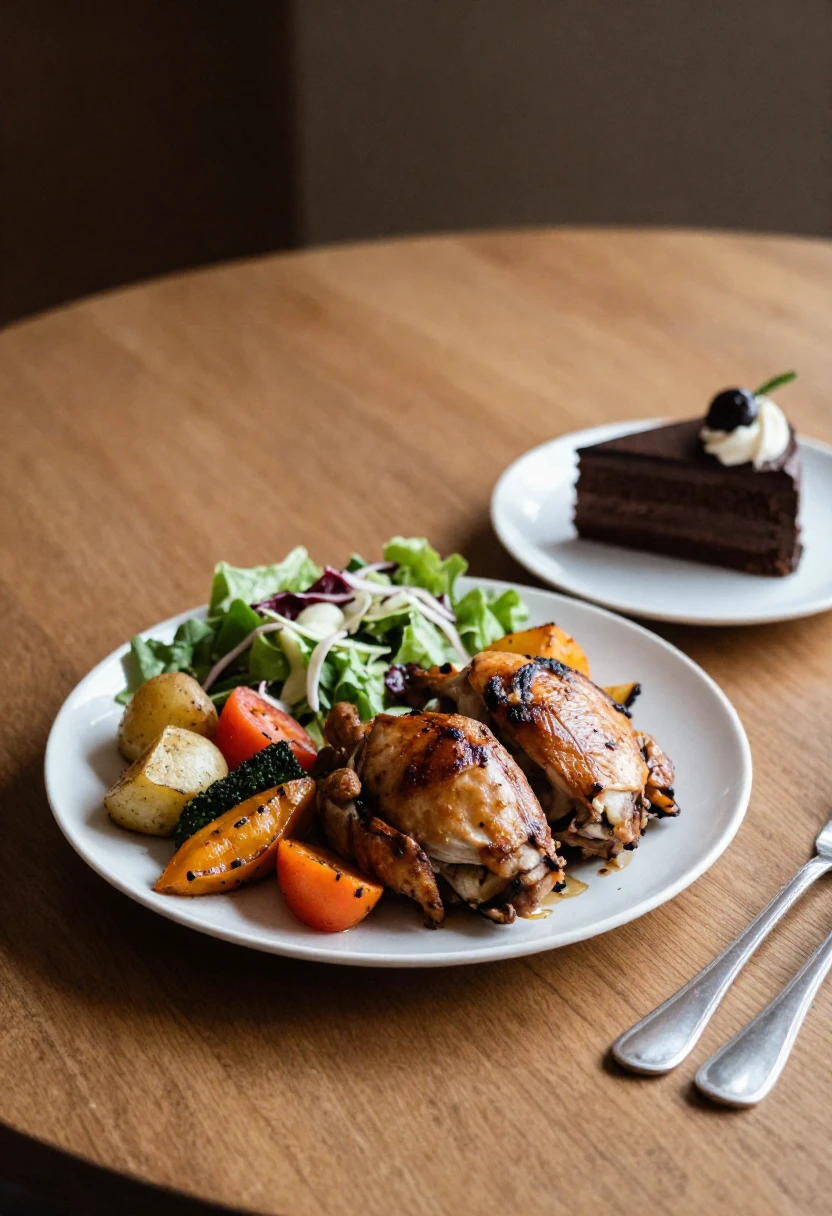
Some days that looks like a colorful dinner with salmon, potatoes, and salad. Some days it looks like scrambled eggs, toast, and a few tomatoes because that is what you had.
Both can belong.
The less fear you bring to food, the easier it becomes to make choices that are honest. Not perfect. Honest.
Simple healthy eating habits that fit real life
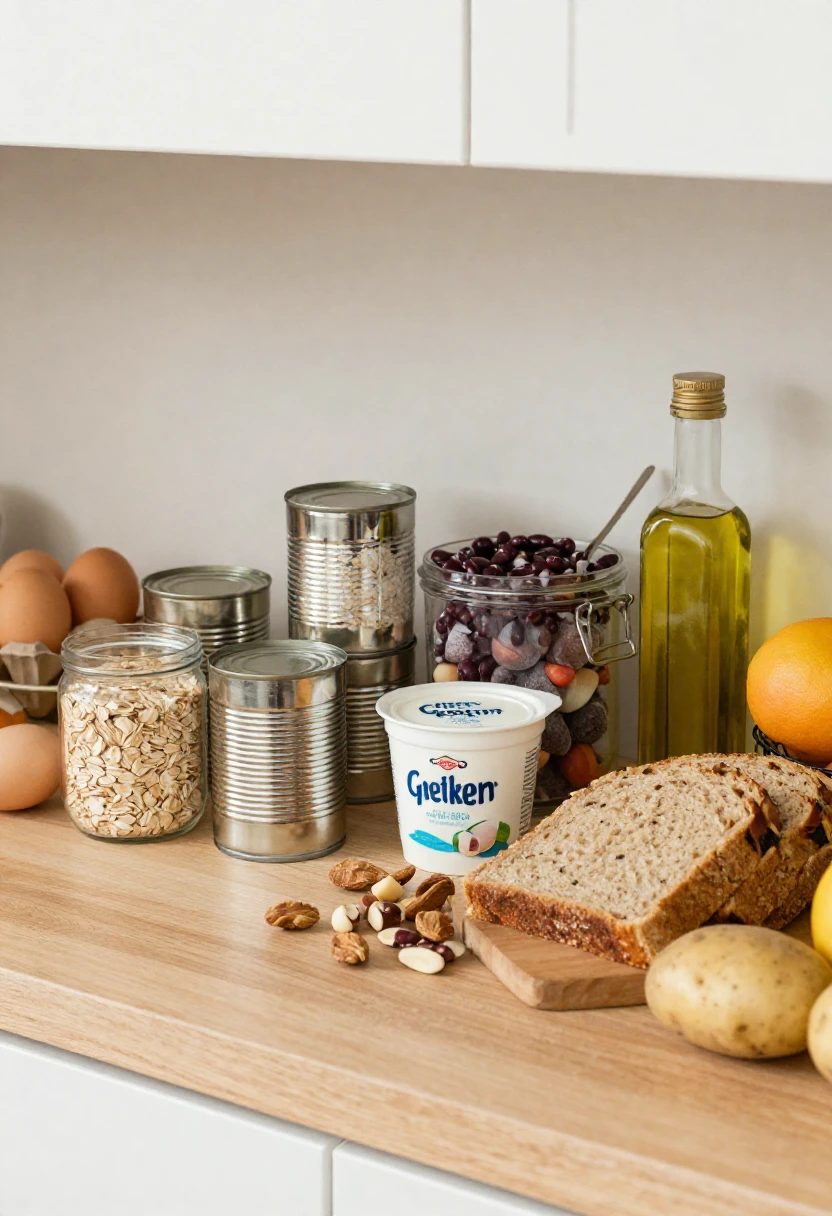
Healthy eating gets much easier when your kitchen helps you instead of testing you.
I do not mean a perfect fridge with glass containers and chopped vegetables lined up like a cooking show. I mean having a few useful foods around so you can make something decent when you are tired, hungry, or not feeling very inspired.
Most people do not fall off track because they “do not care about health.” They fall off because life gets busy and the easiest option wins.
So make the healthier option easier.
Not perfect. Just easier.
Keep easy ingredients at home
A few basic ingredients can save you on the days when you have no plan.
Think of them as your backup team:
- eggs
- oats
- rice
- potatoes
- Greek yogurt
- cottage cheese
- canned beans
- canned tuna or salmon
- frozen vegetables
- frozen berries
- whole-grain bread or wraps
- lentils
- pasta
- olive oil
- nuts and seeds
- fruit that is easy to grab
- chicken, tofu, turkey, or another protein you like
You do not need all of these at once. Start with the ones you actually eat.
If you hate cottage cheese, do not buy cottage cheese because someone online called it a “protein hack.” It will sit in the fridge, quietly judging you, until you throw it away.
Buy the foods that make sense for your meals.
For me, eggs are one of the easiest healthy eating anchors. If there are eggs in the fridge, there is always a meal somewhere: scrambled eggs with toast, boiled eggs with salad, omelet with vegetables, fried egg over rice, egg in a wrap with avocado and salsa.
Frozen vegetables are another quiet lifesaver. They are not glamorous, but they are washed, chopped, and ready. Add them to soup, noodles, rice, eggs, pasta, or a skillet meal. No peeling. No chopping board. No sad vegetable drawer.
Build backup meals for tired days
You need a few meals that do not require motivation.
Motivation disappears at 7 p.m. when you are hungry and your kitchen looks like a problem. That is why backup meals matter. They are the meals you can make almost on autopilot.
Here are a few that work well:
- scrambled eggs with toast and tomatoes
- rice bowl with beans, avocado, salsa, and yogurt
- Greek yogurt with oats, berries, nuts, and honey
- tuna or chickpea salad wrap
- lentil soup with frozen vegetables
- pasta with tomato sauce, spinach, and parmesan
- baked potato with Greek yogurt, tuna, beans, or cheese
- sheet-pan chicken with potatoes and carrots
- oatmeal with peanut butter and banana
None of these meals require a big personality shift. They use normal food. They can be changed depending on what is in the kitchen. They are also more satisfying than picking at random snacks and calling it dinner.
A backup meal should meet three rules:
It should be fast enough for a tired day.
It should be filling enough to count as a meal.
It should be made from ingredients you usually keep around.
That is it.
Make healthy food taste good
This sounds obvious, but it is where many healthy eating plans go wrong.
People remove sugar, reduce oil, skip sauces, avoid salt, cut portions, and then wonder why their food feels like homework. Of course it does. You took out everything that made it satisfying.
Healthy food needs flavor.
Roast vegetables until the edges brown. Add lemon juice at the end. Use garlic, paprika, cumin, dill, basil, chili flakes, black pepper, or whatever spices make sense for the dish. Put a real dressing on the salad. Add olive oil to soup. Stir yogurt with garlic and salt for a quick sauce. Sprinkle feta on eggs. Add pickles or sauerkraut to a sandwich if it needs sharpness.
Texture helps too.
A soft meal can feel boring even when it tastes fine. Add toasted nuts, seeds, croutons, crisp vegetables, roasted chickpeas, or a crunchy side. That little contrast can make a simple meal feel finished.
And please, season your food.
A lot of people think they dislike vegetables, but they may only dislike steamed broccoli with no salt. Roast it with olive oil, garlic, salt, and lemon, and suddenly it becomes a completely different situation.
Healthy eating should not feel like punishment food.
If you want to keep doing it, it has to taste like something you would choose again.
How to know if your healthy eating style is working
A healthy eating style should make your life feel a little easier, not smaller.
That does not mean every meal will be perfect or every day will feel amazing. Food is only one part of how you feel. Sleep, stress, movement, hormones, medication, work, weather, and plain old life all matter too.
But over time, your eating routine should start giving you better signals.
You may feel more steady during the day. You may stop getting desperately hungry at night. You may notice that cooking feels less dramatic because you have a few meals you trust. You may still eat dessert, order pizza, or have rushed days, but you recover faster instead of feeling like everything has fallen apart.
That is a good sign.
Healthy eating is not proven by how strict you are. It shows up in how well your routine supports you when life is normal, busy, boring, stressful, and imperfect.
Look at everyday signals
You do not need to judge your progress by one meal.
Look at patterns over a few weeks.
Some helpful signs:
- You feel full after most meals.
- Your energy feels more stable.
- You are not constantly fighting cravings.
- Your digestion feels more predictable.
- You cook at home a little more often.
- You enjoy your meals instead of just tolerating them.
- You can eat a treat without feeling like the whole day is ruined.
- You have a few reliable meals you can make without overthinking.
- Grocery shopping feels less random.
- You feel less panicked when you get hungry.
That last one is underrated.
When your meals are too light or too chaotic, hunger can feel like an emergency. You grab whatever is closest, eat too fast, and then feel annoyed with yourself. But when your routine has enough structure, hunger becomes easier to handle. You know what to eat. You have options. You are not starting from zero every time.
That is real progress.
Give changes enough time
One healthy dinner will not change your body overnight. One messy weekend will not ruin everything either.
Food works through repetition.
If you add protein to breakfast once, you may or may not notice much. If you do it for two weeks, you can actually see whether it helps your hunger, energy, or cravings. If you start packing a better lunch a few days a week, you may realize your afternoon snack attacks calm down. If you keep vegetables in the freezer, dinner may become less of a production.
Small habits need time to show their value.
Try not to change everything at once. It feels productive at first, but it gets noisy. If you suddenly change breakfast, lunch, dinner, snacks, coffee, sugar, carbs, portions, and workouts, you will not know what is helping or what is making you miserable.
Pick one change and live with it for a bit.
Maybe that change is:
- eating a real breakfast
- adding protein to lunch
- cooking dinner three nights a week
- drinking more water before coffee
- keeping fruit and yogurt for snacks
- adding vegetables to meals you already eat
- planning two backup dinners before the week starts
Give it enough time to become normal.
Then adjust.
Adjust instead of starting over
This is where many people lose momentum.
Something does not work, and they assume the whole plan failed. Breakfast was boring, so they quit. Meal prep tasted dry, so they stop cooking. They eat takeout twice, decide the week is ruined, and promise to restart Monday.
But you do not need to restart. You need to edit.
If your breakfast does not keep you full, add more protein or fat. If your salad leaves you hungry, add chicken, beans, eggs, potatoes, grains, cheese, nuts, or bread. If your meal prep tastes sad by day three, prep ingredients instead of full meals. If you hate raw vegetables, eat cooked vegetables. If you keep skipping lunch, make lunch easier, not more ambitious.
Healthy eating is a long series of small edits.
You try something. You notice. You change it.
That is how you find what works for you.
Not by finding the perfect plan. Not by copying the strictest person online. Not by turning food into a list of rules.
By paying attention and being honest.
Your version of healthy eating should feel like something you can return to, even after a busy week, a holiday, a restaurant meal, or a day when dinner was toast and eggs.
Especially then.
Conclusion
Healthy eating gets much easier when you stop treating it like a universal rulebook.
Your body, your schedule, your appetite, your budget, your culture, and your cooking habits all matter. A meal plan that looks perfect online may be completely wrong for your actual Tuesday night. And a simple dinner of eggs, toast, tomatoes, and fruit may be exactly what you need.
The best version of healthy eating is the one that supports you without making food feel like a daily exam.
Start with one meal. Make it more filling. Add protein, fiber, color, and comfort. Notice how you feel. Then adjust.
That sounds small, but small is usually where the change lasts.
FAQ
Is healthy eating different for everyone?
Yes, healthy eating can look different from person to person. Most people benefit from enough protein, fiber-rich foods, fruits and vegetables, water, and satisfying meals. But the exact foods, portions, timing, and structure depend on your body and lifestyle.
Can I eat processed foods and still eat healthy?
Yes. Not all processed foods are the same. Frozen vegetables, canned beans, oats, yogurt, whole-grain bread, tofu, hummus, and canned tuna can all help you make quick, nourishing meals. The goal is not to avoid every packaged food. It is to build most of your meals from foods that keep you full and make you feel good.
How do I know what foods work best for me?
Pay attention to patterns. Notice which meals keep you full, which ones make you tired, which foods bother your digestion, and when cravings show up. You do not need to track everything forever. A little honest observation can tell you a lot.
Do I need to follow a specific diet to eat healthy?
No, not unless you have a medical reason or a personal preference that works well for you. Many people do better with simple habits than strict diet labels: eating regular meals, adding more protein and fiber, cooking at home more often, and keeping easy ingredients around for busy days.