Skin has a funny way of telling on us.
A few late nights, too little water, too much sugar, a week of rushed meals, and suddenly your face looks a little duller than usual. Not bad. Just tired. Like it could use a quiet morning, a real breakfast, and maybe something green on the plate.
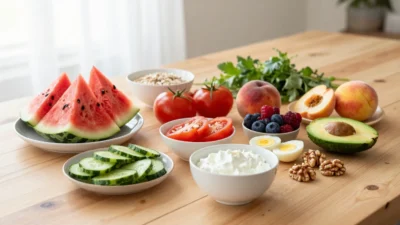
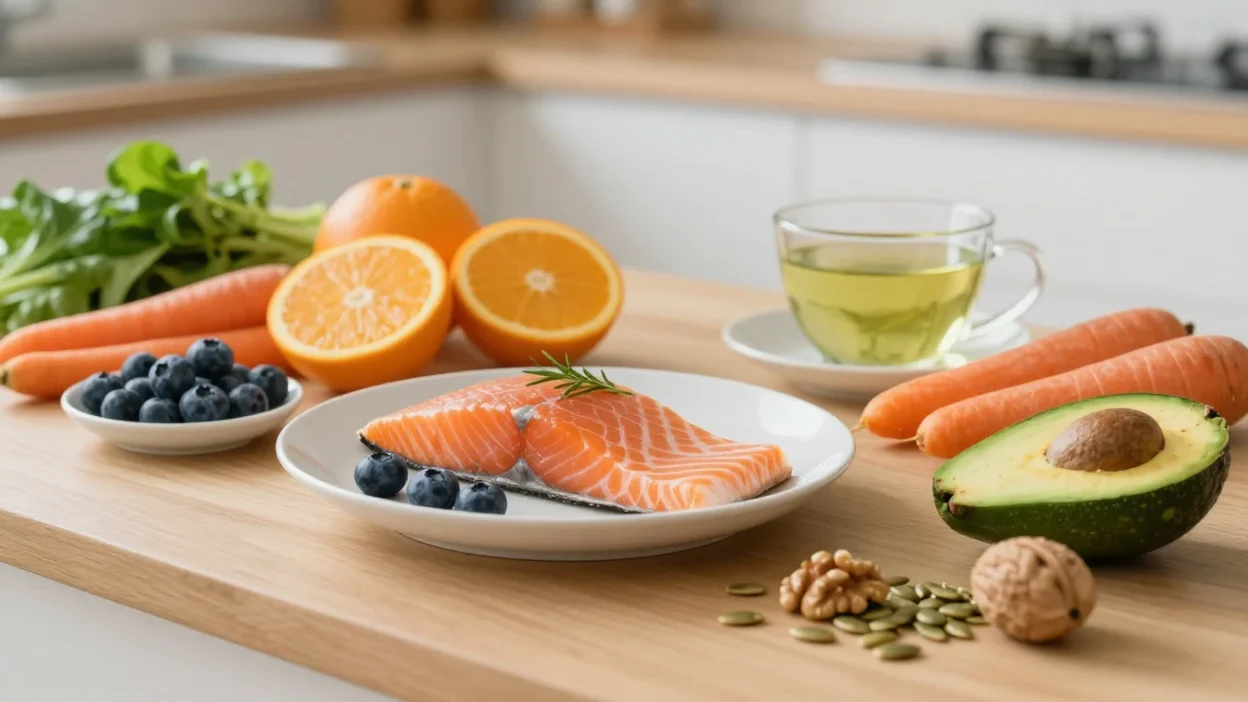
The best foods for healthy skin are not rare powders or expensive “beauty” snacks. Most of them are simple foods you already know: fish, berries, carrots, citrus, nuts, seeds, green tea, and plenty of colorful vegetables. They work in a quieter way than skincare. Food will not give you a glow overnight, but it can support the things your skin depends on every day: hydration, healthy fats, collagen production, antioxidant protection, and steady nourishment.
And honestly, I like that approach better.
A good skin-supporting diet does not have to feel strict. You do not need to build every meal around “perfect” nutrition. You just need to give your body more of the foods that help it repair, protect, and stay comfortable.
Best foods for healthy skin start with everyday meals
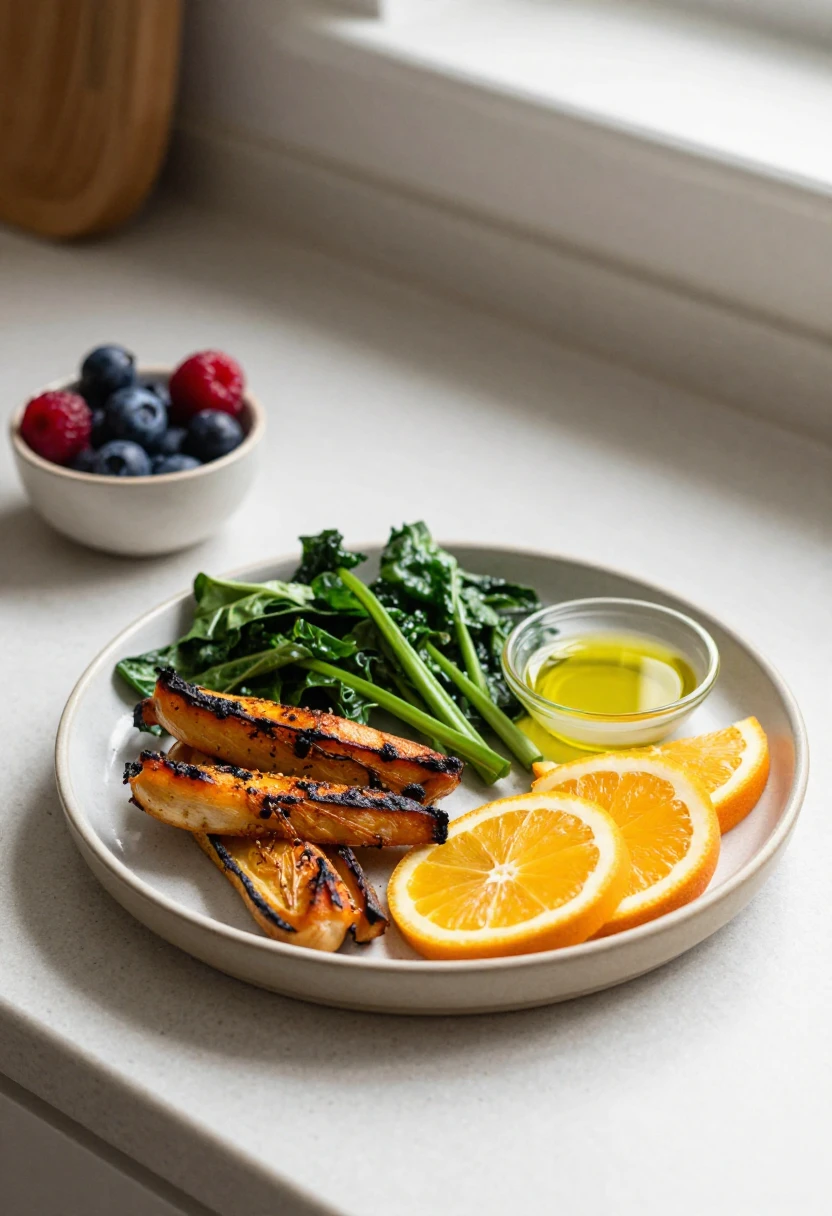
Your skin is not separate from the rest of your body. It is affected by sleep, stress, hormones, sun exposure, hydration, and yes, the way you eat.
That does not mean every breakout or dry patch is caused by food. Skin is more complicated than that. But meals do matter. When your diet is low in healthy fats, vitamins, protein, and fresh produce, your skin may start to look a little less alive. Dryness can feel more noticeable. Dullness sticks around. That natural glow becomes harder to see.
Why your skin reflects more than your skincare routine
Skincare works from the outside. Food works from the inside.
Both matter.
A moisturizer can help your skin feel softer today. A nourishing diet helps give your body the materials it uses to maintain the skin barrier, make collagen, and deal with everyday oxidative stress from sun, pollution, and normal life.
Think of it like cooking.
You can plate a dish beautifully, but if the ingredients are weak, the final result still feels flat. Skin is similar. A good serum can help, but your body still needs protein, healthy fats, vitamins, minerals, and water to do its work.
What healthy skin needs from food
The most helpful skin-friendly foods usually bring one or more of these:
- Healthy fats, especially omega-3 fats, which help support a comfortable skin barrier
- Vitamin C, which your body uses for collagen production
- Vitamin A and beta-carotene, often found in orange and dark green vegetables
- Vitamin E, a fat-soluble antioxidant found in nuts, seeds, and plant oils
- Zinc and selenium, minerals involved in skin repair and protection
- Antioxidants, especially from colorful fruits, vegetables, tea, and herbs
- Water-rich foods, which quietly support hydration along with what you drink
None of this needs to become a science project. A bowl with salmon, roasted sweet potato, greens, olive oil, and lemon already covers a lot. So does Greek yogurt with blueberries, chia seeds, and orange slices.
Simple food can do a lot.
A realistic approach: no perfect diet, just better choices
The easiest way to eat for healthier-looking skin is to repeat a few good habits until they feel normal.
Add berries to breakfast. Keep carrots or sweet potatoes in your weekly rotation. Eat fish once or twice a week if you enjoy it. Use olive oil instead of skipping fats completely. Drink green tea in the afternoon instead of a second sweet drink.
Small choices count because you actually keep them.
That is the part people forget. A strict “glow diet” may sound motivating on Monday, but real life gets involved by Wednesday. The better plan is softer and more repeatable: build meals that taste good, look colorful, and leave you feeling well-fed.
Fatty fish for soft, nourished skin
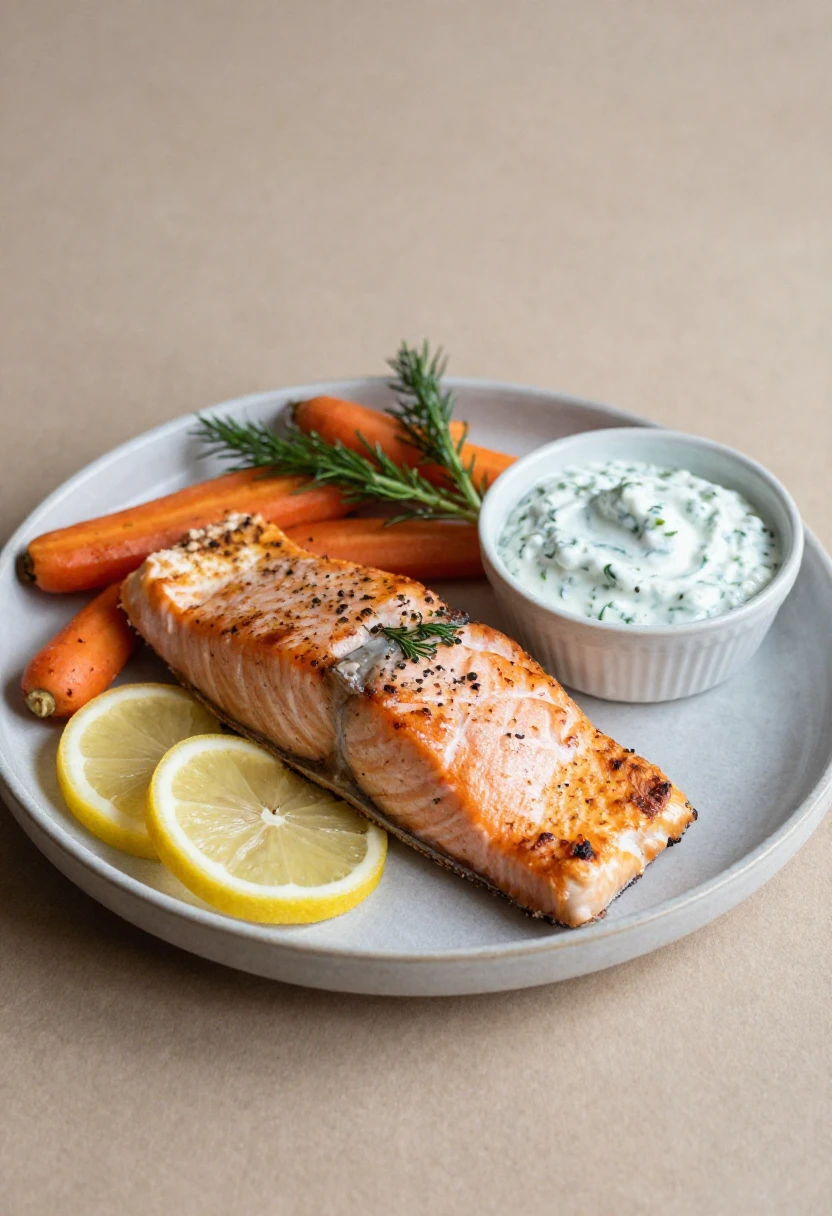
Fatty fish is one of those foods that makes sense for skin once you think about texture.
Salmon, sardines, trout, mackerel, and herring are naturally rich in healthy fats, especially omega-3 fatty acids. These fats help support the skin barrier, which is the outer layer that keeps moisture in and irritants out. When that barrier is not happy, skin can feel tight, flaky, or more reactive than usual.
I think of fatty fish as comfort food for dry skin. Not in a magical way. More like giving your body the kind of fat it can actually use.
Why omega-3 fats matter for your skin barrier
Your skin barrier needs enough fat to stay flexible and comfortable. When people try to eat “clean” by cutting out too much fat, meals can become dry in every sense: dry chicken breast, dry salads, dry snacks, and sometimes dry-looking skin.
Omega-3 fats help balance that out.
They are also linked with the body’s normal inflammatory response, which matters because redness, irritation, and sensitivity often have an inflammatory side. Food will not replace medical treatment for skin conditions, of course, but a diet with more omega-3-rich foods can be a gentle way to support calmer-looking skin over time.
Salmon, sardines, trout, and other easy options
Salmon gets most of the attention, and fair enough. It is easy to cook, easy to find, and works with almost any simple dinner plate.
But it is not the only choice.
You can also try:
- Sardines on toast with lemon, herbs, and a little olive oil
- Trout baked with garlic, parsley, and thin lemon slices
- Mackerel with warm potatoes and cucumber salad
- Herring with rye bread, boiled eggs, or roasted vegetables
- Canned salmon mixed into patties, salads, or rice bowls
Canned fish is underrated. It is cheaper, lasts longer, and saves dinner on the kind of night when fresh fish was never going to happen.
Simple ways to cook fish without making it complicated
The easiest method is baking.
Place salmon or trout on a sheet pan, add olive oil, salt, pepper, garlic, and lemon. Bake until the fish flakes easily with a fork. That is enough. You do not need a complicated marinade or a restaurant-style sauce.
For a skin-friendly plate, pair the fish with foods that bring color and vitamin C:
- roasted sweet potatoes
- steamed broccoli with lemon
- cucumber and tomato salad
- brown rice with herbs
- leafy greens with olive oil dressing
One of my favorite quick combinations is salmon, roasted carrots, and a spoonful of Greek yogurt mixed with lemon juice, garlic, and dill. It tastes fresh, but still feels like a proper meal.
Fatty fish gives the meal richness. The vegetables bring color. The lemon wakes everything up.
That is exactly the kind of food that makes eating for healthy skin feel natural instead of forced.
Colorful berries for antioxidant support
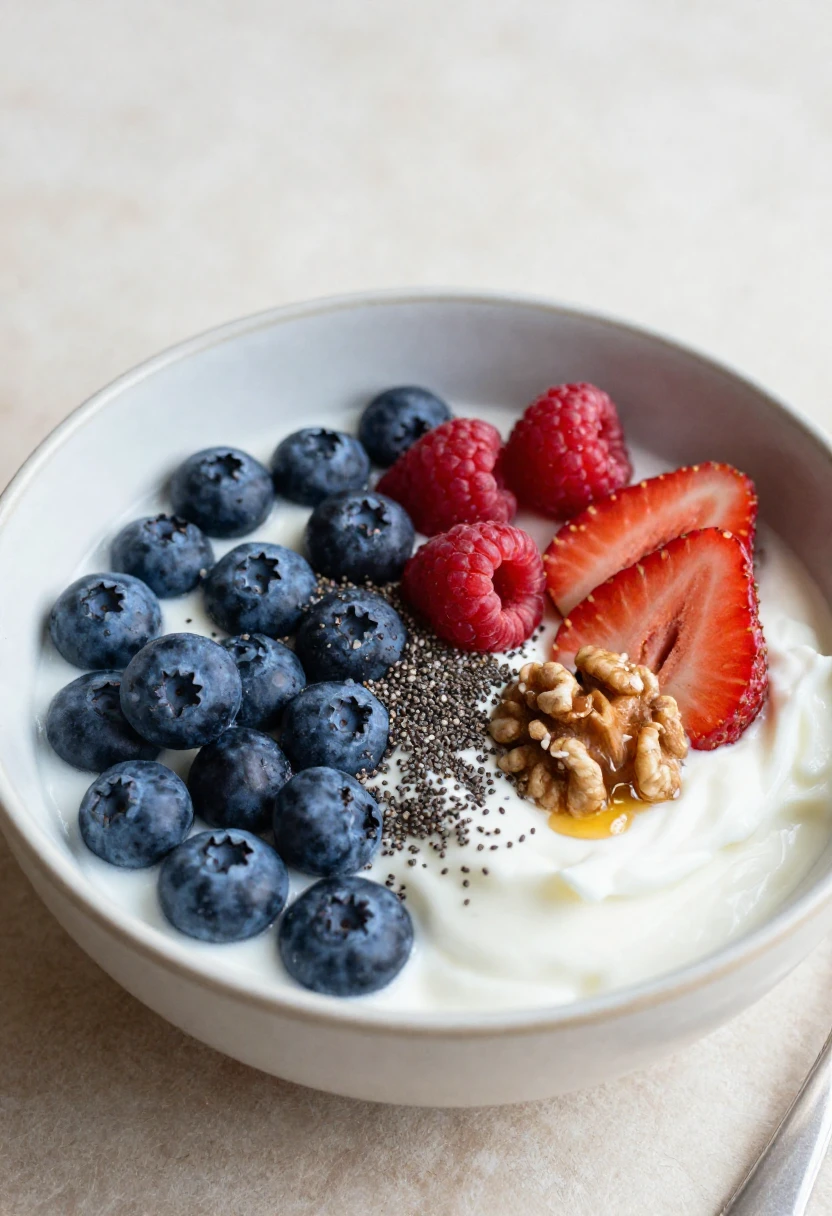
Berries are small, but they do a lot of quiet work.
Blueberries, strawberries, raspberries, blackberries, and cranberries all bring color to the plate, and that color is one of the reasons they are so useful. Deep blue, red, and purple foods tend to be rich in plant compounds that act as antioxidants.
For skin, that matters because your skin deals with stress every day. Sun exposure, lack of sleep, air pollution, alcohol, smoking, and even normal body processes can create oxidative stress. You cannot avoid all of it. You also do not need to panic about it. But eating more antioxidant-rich foods is one simple way to give your body better support.
Berries are one of the easiest places to start.
Why blueberries and other berries are worth keeping around
Blueberries are especially convenient because they work in almost anything.
You can add them to oatmeal, yogurt, smoothies, pancakes, cottage cheese, chia pudding, or a simple bowl of fruit after dinner. Frozen blueberries count too, and sometimes I prefer them because they do not spoil in two days at the back of the fridge.
Strawberries are brighter and juicier. Raspberries are soft and a little tart. Blackberries feel almost wine-like when they are ripe. Each one brings a different flavor, which helps if you get bored eating the same “healthy” food again and again.
That is important. Healthy eating gets easier when the food still feels enjoyable.
How antioxidants help protect skin from daily stress
Antioxidants help your body handle free radicals, which are unstable molecules that can contribute to cell stress. Your skin is exposed to a lot, especially if you spend time outdoors or live in a city.
This does not mean berries are sunscreen. They are not.
You still need sun protection, sleep, and basic skin care. But berries can be part of a diet that helps your skin stay more resilient over time. They bring vitamin C, fiber, water, and different plant compounds that support overall health, not just skin.
And there is something nice about that. You are not eating blueberries because one beauty trend told you to. You are eating them because they taste good and help your body in more than one way.
Easy berry ideas for breakfast, snacks, and desserts
Berries fit best when you make them easy to use.
Try them like this:
- Add blueberries and chia seeds to Greek yogurt.
- Stir raspberries into warm oatmeal near the end of cooking.
- Put sliced strawberries on whole-grain toast with ricotta.
- Blend frozen berries with kefir or yogurt for a quick smoothie.
- Serve blackberries with dark chocolate after dinner.
- Add berries to a salad with spinach, walnuts, and goat cheese.
My favorite lazy version is Greek yogurt, frozen blueberries, a little honey, and crushed walnuts. After a few minutes, the blueberries soften and stain the yogurt purple. It looks prettier than the effort deserves.
That is the kind of healthy skin food I trust most: simple, colorful, and easy enough to repeat.
Orange vegetables for a healthy-looking glow
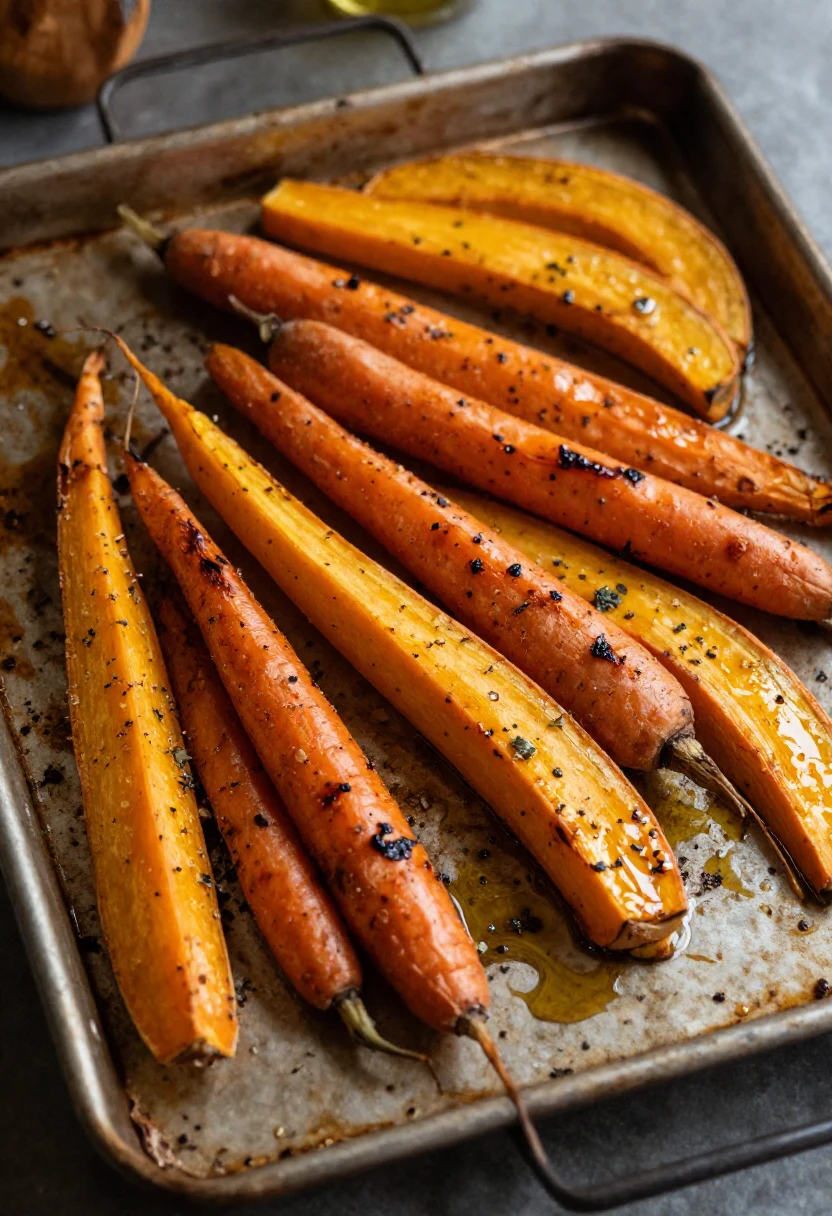
Orange vegetables are some of the most skin-friendly foods you can keep in your kitchen.
Carrots, sweet potatoes, pumpkin, butternut squash, and orange bell peppers get their warm color from carotenoids, including beta-carotene. Your body can turn beta-carotene into vitamin A when needed, and vitamin A plays an important role in normal skin cell turnover.
That sounds technical, but the everyday version is simple: your skin is always renewing itself, and it needs the right nutrients to do that well.
Carrots, sweet potatoes, pumpkin, and beta-carotene
Carrots are the easiest place to start. They are cheap, crunchy, and useful in almost everything. You can eat them raw with hummus, shred them into salads, roast them with olive oil, or add them to soups.
Sweet potatoes are even better when you want something cozy. Roast them until the edges caramelize, and they become soft, sweet, and filling. I like them with salmon, eggs, lentils, or a simple yogurt sauce.
Pumpkin and butternut squash work beautifully in colder months. They give soups and stews that creamy texture without needing much cream. Add ginger, garlic, cumin, or a little chili, and they stop tasting flat.
Why vitamin A matters for dry, dull-looking skin
Vitamin A is involved in how skin cells grow and renew. When your diet is low in vitamin A-rich foods, skin may look dull or feel rougher than usual.
Orange vegetables are a gentle way to support that process. They also bring fiber, water, and a natural sweetness that makes meals more satisfying.
One small note: more is not always better. You do not need to force huge amounts of carrot juice or take high-dose vitamin A supplements unless a healthcare professional tells you to. With food, the goal is balance. A few servings of orange vegetables during the week is a much better habit than overdoing one “beauty” ingredient.
Cozy ways to add more orange vegetables to your meals
Orange vegetables are easy to repeat because they fit into both sweet and savory meals.
Try:
- roasted carrots with olive oil, garlic, and thyme
- sweet potato wedges with paprika and Greek yogurt dip
- pumpkin soup with ginger and toasted seeds
- butternut squash tossed into grain bowls
- carrot and lentil soup with lemon at the end
- mashed sweet potato with eggs for breakfast
My lazy favorite is a tray of carrots and sweet potatoes roasted together. I cut them into rough pieces, add olive oil, salt, black pepper, smoked paprika, and a little garlic powder. They come out browned at the edges and soft in the middle.
Add something protein-rich next to them, and dinner already feels complete.
Orange vegetables do not promise instant glowing skin. Food rarely works like that. But they do give your body steady, useful nutrients, and they make your plate look warmer before you even take the first bite.
Citrus fruits for collagen-friendly vitamin C
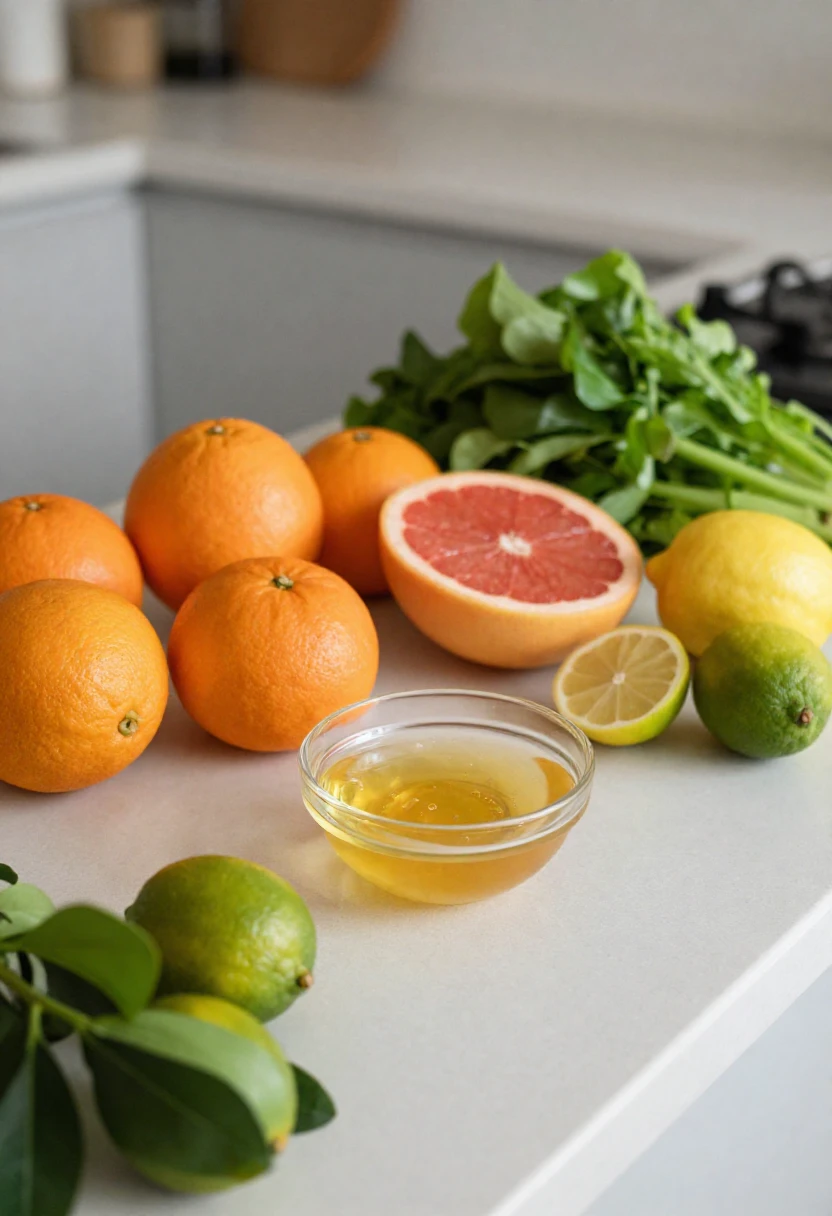
Citrus is one of the easiest ways to make a meal taste fresher. A squeeze of lemon over fish. Orange slices next to breakfast. Grapefruit with a little yogurt. Lime in a salad dressing when everything tastes a bit too heavy.
For skin, citrus matters because it brings vitamin C, and vitamin C is closely connected to collagen production. Collagen is one of the proteins that helps keep skin firm and structured. Your body makes it naturally, but it needs the right nutrients to do that work.
Vitamin C is one of them.
Why collagen needs vitamin C
Collagen gets talked about a lot in beauty products, but your body does not make collagen out of hope and expensive jars. It needs building blocks.
Protein gives your body amino acids. Vitamin C helps with the process of forming collagen properly. That is why citrus fruits, berries, bell peppers, kiwi, and leafy greens are all useful in a skin-friendly diet.
This does not mean one orange will change your skin by tomorrow morning. It will not. But getting enough vitamin C regularly is a smart, simple habit for supporting healthy skin over time.
And the nice part is that vitamin C-rich foods usually make meals taste better too.
Oranges, grapefruit, lemons, and simple kitchen uses
Oranges are the easiest citrus fruit for snacking. They are sweet, juicy, and portable, which makes them more realistic than a complicated “skin glow” recipe you will make once and forget.
Grapefruit is sharper and slightly bitter. I like it with Greek yogurt or sliced into a salad with avocado and greens. It wakes up rich foods.
Lemons and limes are more like kitchen tools than snacks. They add brightness to fish, soups, roasted vegetables, sauces, and grain bowls. If a healthy meal tastes flat, lemon juice is often the missing piece.
A few easy citrus ideas:
- Add orange slices to breakfast with yogurt or oatmeal.
- Squeeze lemon over salmon, sardines, or trout.
- Make a quick dressing with olive oil, lemon juice, mustard, and honey.
- Add lime to avocado toast, tacos, rice bowls, or bean salads.
- Use grapefruit in a salad with greens, walnuts, and a soft cheese.
- Stir lemon zest into yogurt sauce for fish or roasted vegetables.
How to add citrus without making meals too sour
Citrus can go from fresh to harsh if you use too much. The trick is to balance it with fat, salt, or a little sweetness.
Lemon with olive oil tastes rounder. Lime with avocado feels softer. Orange with nuts or yogurt becomes more satisfying. Grapefruit with a drizzle of honey loses some of its sharp edge.
One small kitchen habit I love: add citrus at the end.
If you roast vegetables with lemon juice too early, the flavor can disappear or turn slightly bitter. But if you squeeze lemon over roasted carrots, sweet potatoes, or broccoli right before serving, the whole plate tastes cleaner and brighter.
That is why citrus belongs in a list of the best foods for healthy skin. It helps your body, yes, but it also helps you enjoy the foods that support your skin in the first place.
Green tea as a gentle daily skin-supporting habit
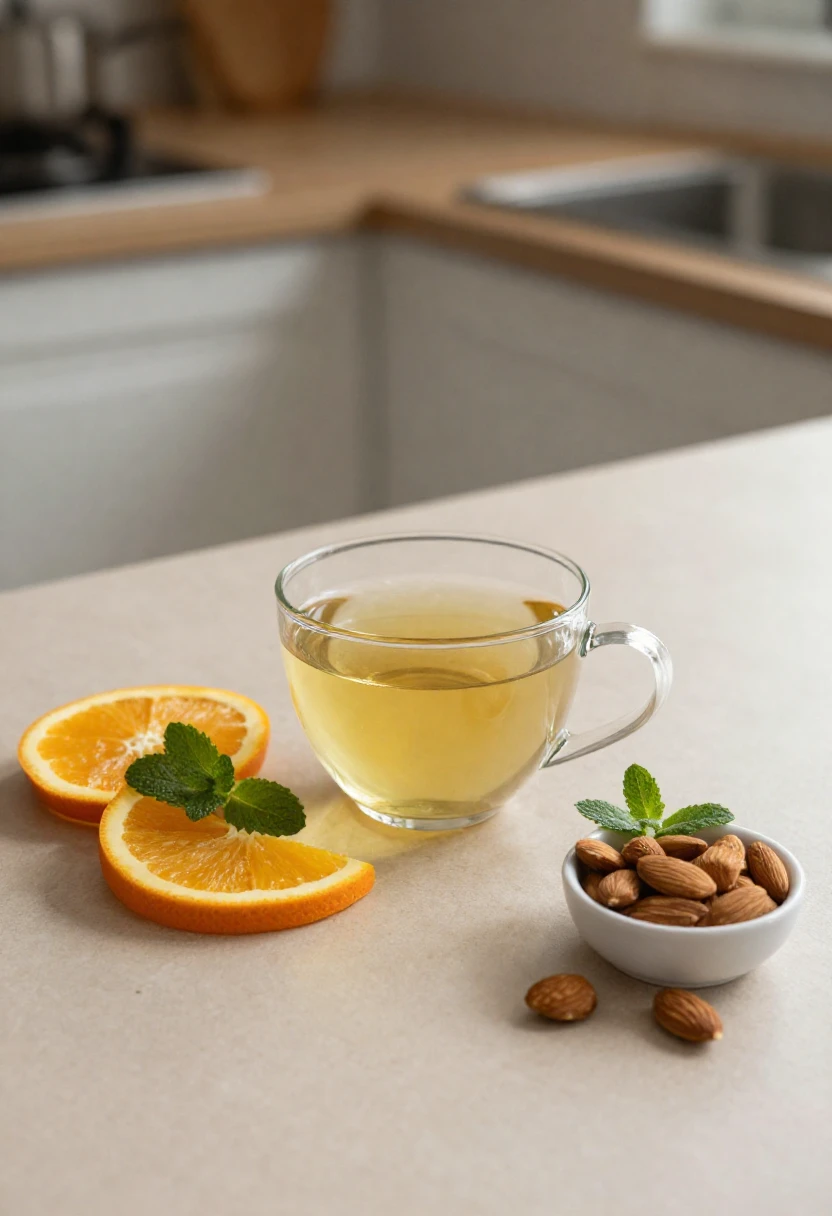
Green tea feels different from most “healthy skin” advice because it is not another food you have to cook. You just make a cup.
It is light, slightly grassy, and calming in a way that makes sense in the afternoon, especially when you want something warm but do not want another sweet coffee drink. And for skin, that swap can be useful.
Green tea contains plant compounds called catechins, which are part of its antioxidant profile. Like berries and colorful vegetables, it helps add more antioxidant-rich choices to your day without much effort.
What makes green tea different from sugary drinks
A lot of drinks that look harmless can quietly add extra sugar to the day: bottled teas, flavored coffees, juices, sweetened matcha drinks, and “wellness” beverages that taste more like dessert.
There is nothing wrong with enjoying them sometimes. But if your skin tends to look puffy, dull, or tired after a week of sweet drinks and low water intake, your drink choices may be worth noticing.
Plain green tea gives you flavor without turning into a sugar habit.
It also helps you drink more fluid during the day, which matters because skin can look less fresh when you are consistently under-hydrated. Water is still the basic choice, of course, but green tea makes hydration feel a little less boring.
Antioxidants, hydration, and a calmer afternoon ritual
I like green tea most as a small pause.
Boil the water, let it cool for a minute, steep the tea, and sit down before answering another message. It is not dramatic. It is just a better afternoon rhythm than grabbing something sweet because you are tired.
Skin does not only respond to nutrients. It also responds to the way you live. Stress, poor sleep, and rushed habits show up eventually. A cup of green tea will not fix a chaotic week, but it can be one small habit that nudges the day in a calmer direction.
That counts.
How to enjoy green tea if you do not love the taste
Green tea can taste bitter if you brew it too hot or too long. That is usually the mistake, not the tea itself.
Try this:
- Let boiling water sit for a minute before pouring it over the tea.
- Steep for 2–3 minutes, not 10.
- Add lemon if you want a brighter flavor.
- Try jasmine green tea if plain green tea tastes too grassy.
- Serve it iced with mint and orange slices.
- Add a small spoon of honey if that helps you switch from sugary drinks.
Matcha is another option, but it depends on how you make it. A simple matcha with milk can be lovely. A large sweetened matcha latte with syrup is more of a treat than a daily skin-supporting drink.
Green tea works best when it stays simple. Warm mug, clean flavor, no pressure. Just one more small choice that supports the bigger picture.
Nuts, seeds, and healthy fats for skin comfort
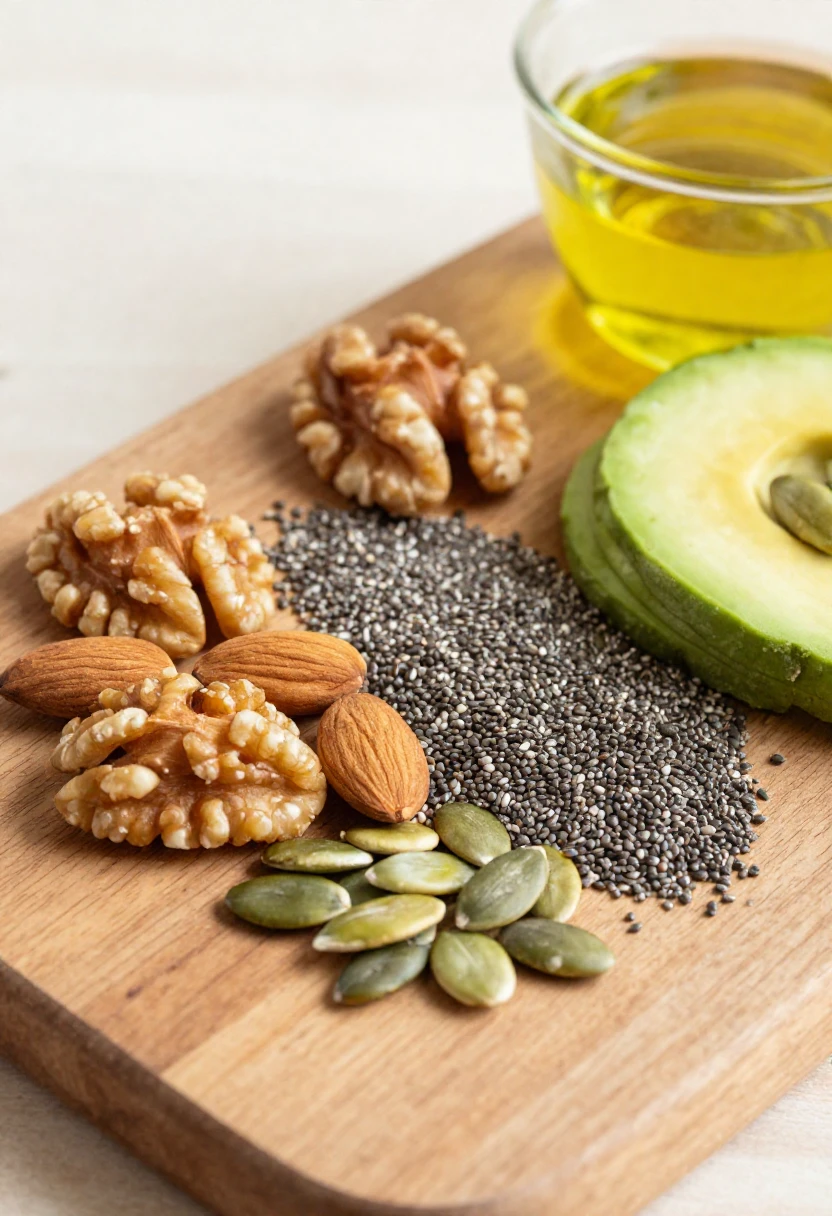
Healthy fats make food taste better, but they also help meals feel more complete.
This matters for skin because a very low-fat diet can leave you feeling unsatisfied, and it may not give your body enough of the fat-soluble nutrients your skin uses. Vitamin E, for example, is found in foods like almonds, sunflower seeds, hazelnuts, and avocado. It works as an antioxidant and pairs well with the colorful foods we already talked about.
A salad with no fat can taste sharp and thin. Add avocado, olive oil, walnuts, or seeds, and suddenly it feels like a meal instead of something you are forcing yourself to eat.
Vitamin E, zinc, and fats that help your skin feel less dry
Nuts and seeds bring a useful mix of nutrients for healthy skin.
Almonds and sunflower seeds are known for vitamin E. Pumpkin seeds bring zinc. Walnuts add plant-based omega-3 fats. Chia seeds and flaxseeds are small, but they help add texture, fiber, and healthy fats to breakfast bowls and smoothies.
These foods are especially helpful when your meals lean too dry or too light. Think plain toast, black coffee, a rushed salad, or a bowl of fruit that leaves you hungry an hour later. Add a spoonful of nut butter, a handful of walnuts, or some seeds, and the meal becomes steadier.
Skin likes steady.
So does your energy.
Almonds, walnuts, chia seeds, pumpkin seeds, and avocado
You do not need huge portions. In fact, nuts and seeds are better in small, regular amounts because they are rich and calorie-dense.
Good everyday options include:
- almonds with fruit as a quick snack
- walnuts stirred into oatmeal or yogurt
- chia seeds soaked into pudding or added to smoothies
- pumpkin seeds sprinkled over soup or roasted vegetables
- sunflower seeds added to salads
- ground flaxseed mixed into oatmeal, pancakes, or muffins
- avocado on toast, grain bowls, eggs, or salads
I like pumpkin seeds on creamy soups because they add crunch. Without them, pumpkin soup can feel a little too smooth and baby-food soft. A handful of toasted seeds fixes that immediately.
Small portions that make meals more satisfying
The easiest way to use nuts and seeds is as a finishing touch.
Sprinkle them over the meal right before eating. They keep their crunch, add flavor, and make the plate feel more intentional. A bowl of yogurt with berries is good. A bowl of yogurt with berries, walnuts, and a little orange zest is better.
Avocado works the same way. It softens spicy foods, makes grain bowls richer, and gives salads a creamy texture without needing a heavy dressing.
For a simple skin-friendly lunch, try this: greens, roasted sweet potato, chickpeas, avocado, pumpkin seeds, and a lemon-olive oil dressing. It has color, fiber, healthy fats, vitamin C, and enough texture to keep you interested.
That is usually the secret. The best foods for healthy skin are easier to keep eating when they make your food more enjoyable, not more restrictive.
Foods that can work against your skin goals
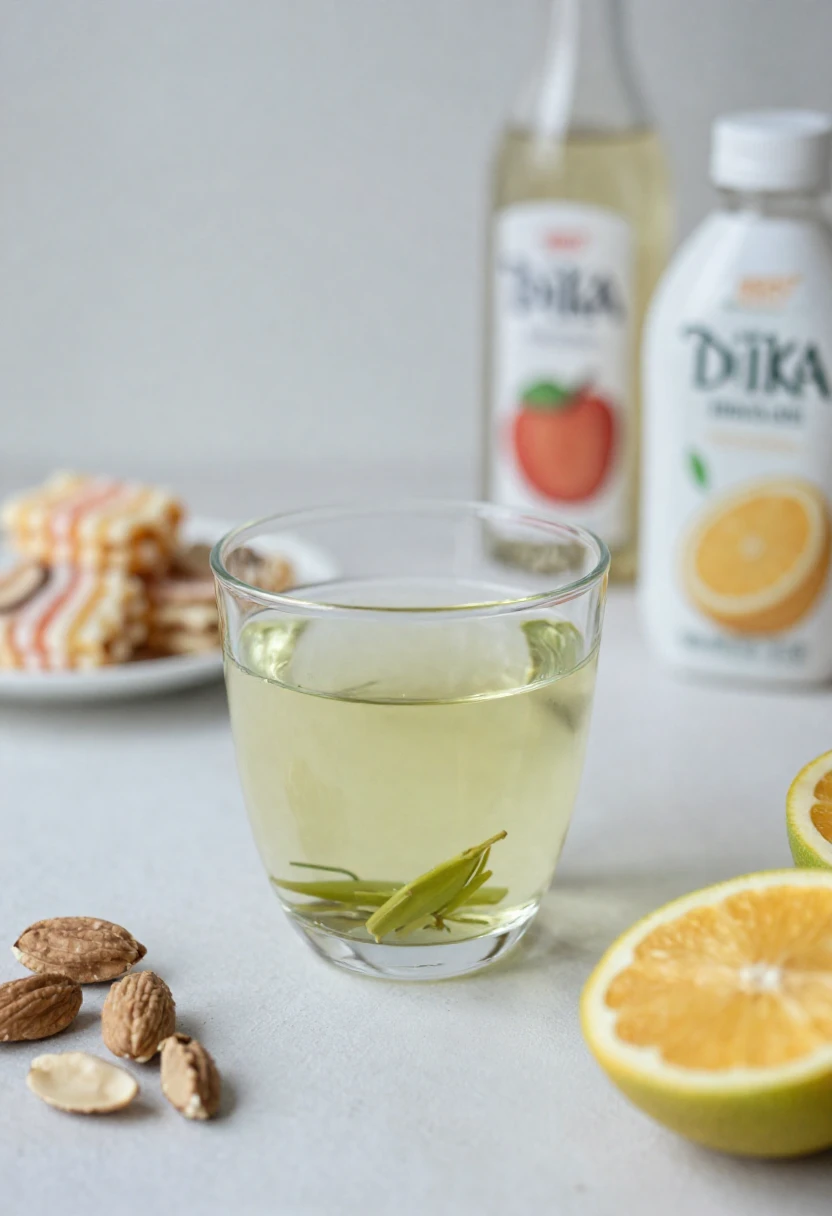
Eating for healthy skin is not only about what you add. Sometimes it also helps to notice what you keep reaching for when you are tired, stressed, or eating on autopilot.
This is where I want to be careful. Food should not become something you fear. A slice of cake will not “ruin” your skin. A salty dinner will not undo your whole routine. Skin changes slowly, and your overall pattern matters more than one meal.
But some foods and drinks can make it harder for your skin to look fresh, especially when they show up too often.
Too much sugar and why it may show up on your skin
Sugar is not automatically evil. Fruit has natural sugar. Honey can be lovely in tea. Dessert belongs in real life.
The issue is the steady stream of added sugar from sweet drinks, candy, pastries, flavored yogurts, breakfast cereals, sauces, and snacks that do not feel like dessert but act like it.
For some people, a high-sugar pattern can make skin look duller or more inflamed. It may also affect how steady your energy feels during the day, which then affects cravings, sleep, and meal choices. Everything connects in annoying little ways.
A more realistic approach is not “never eat sugar.” It is this:
- Choose water, green tea, or unsweetened drinks most of the time.
- Eat sweets after a real meal instead of when you are starving.
- Pair fruit with yogurt, nuts, or seeds so the snack feels more satisfying.
- Notice if certain sugary foods seem to trigger breakouts or puffiness for you.
You do not need to be dramatic about it. Just pay attention.
Alcohol, dehydration, and tired-looking skin
Alcohol can make skin look tired for a few reasons. It can affect sleep quality, increase dehydration, and make your face look puffier the next morning, especially if the drink came with salty food and a late night.
Again, this is not about perfection. A glass of wine with dinner is part of life for many people. The problem is when alcohol becomes the default way to relax every evening, and your skin starts looking dry, flushed, or less rested.
A few small habits help:
- Drink water before bed if you have alcohol.
- Do not drink on an empty stomach.
- Keep salty snacks in check.
- Give yourself alcohol-free evenings during the week.
- Add water-rich foods the next day, like citrus, cucumber, berries, soup, and leafy greens.
The skin often looks better when the body feels less depleted. Not glamorous, but true.
Why balance matters more than strict food rules
The worst skin diet is the one that makes you miserable.
If you cut out everything you enjoy, you will probably think about food all day, then eventually swing back in the other direction. That cycle is exhausting. It also does not teach you how to eat well in a normal, flexible way.
A better question is: what can you add most days?
Add berries to breakfast. Add vegetables to lunch. Add fish once or twice a week. Add olive oil, avocado, nuts, or seeds so your meals are not painfully dry. Add citrus when a meal needs brightness.
Then look at what naturally becomes less frequent. Maybe fewer sweet drinks. Maybe fewer ultra-processed snacks. Maybe less late-night grazing because dinner was actually satisfying.
Healthy skin usually responds better to steady care than strict rules. Your meals do not need to be perfect. They just need to support you more often than they work against you.
A simple one-day skin-friendly meal idea
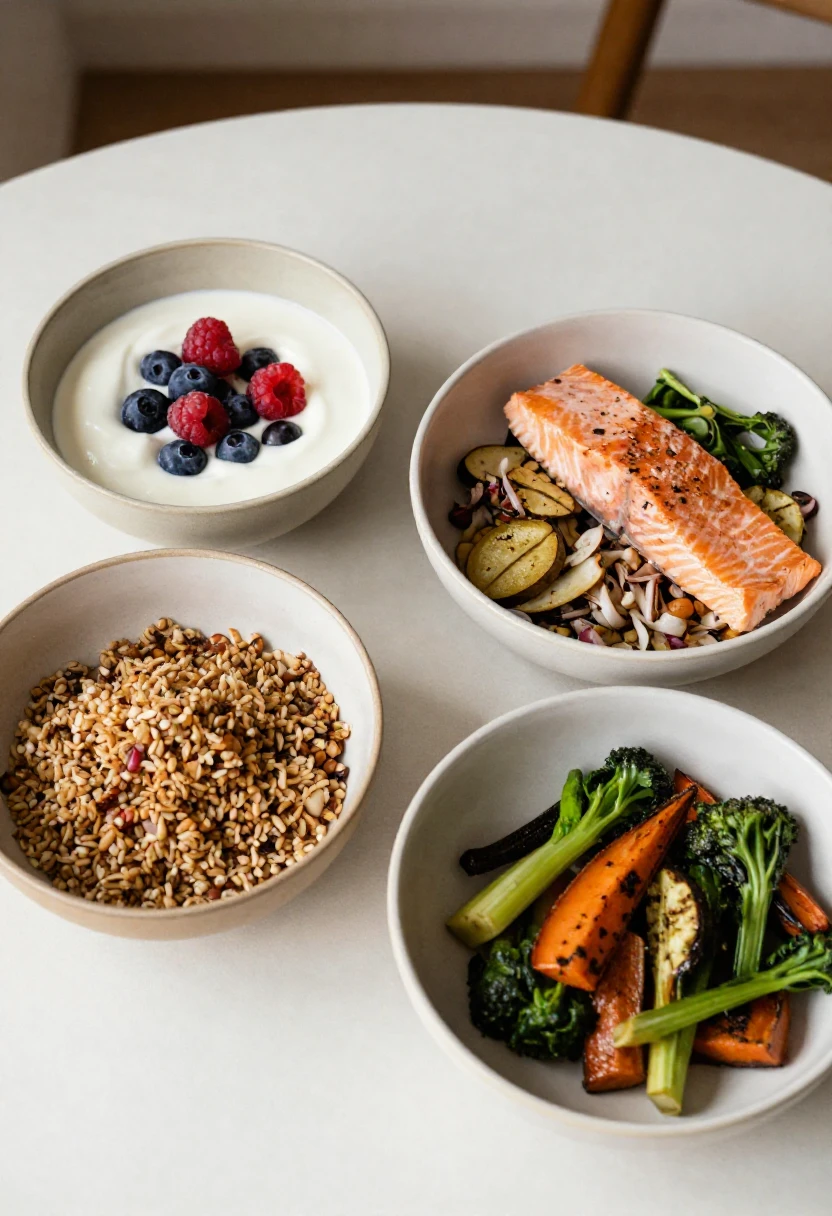
A skin-friendly day of eating should not feel like a punishment.
No tiny portions. No sad lettuce. No pretending that plain steamed broccoli is exciting when you actually want something warm and filling.
The goal is to build meals that give your skin useful nutrients while still feeling like real food. Color, protein, healthy fats, fiber, and enough flavor to make you want to eat this way again tomorrow.
Breakfast: yogurt, berries, seeds, and citrus
A good breakfast for healthy skin can be as simple as a bowl of Greek yogurt with berries.
Add blueberries or strawberries, a spoonful of chia seeds, a few walnuts, and some orange slices on the side. The yogurt gives you protein. The berries and citrus bring vitamin C and antioxidants. The seeds and walnuts add healthy fats and make the bowl more satisfying.
If you like a little sweetness, add honey. Not a flood of it. Just enough to make the tart yogurt taste softer.
Another easy version:
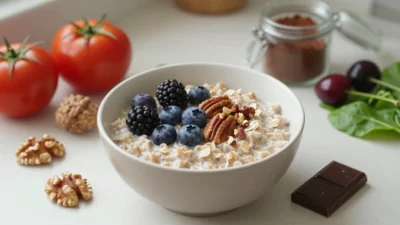
- oatmeal cooked with milk
- blueberries stirred in at the end
- ground flaxseed or chia seeds
- orange zest
- a spoonful of almond butter
It tastes cozy, especially when the blueberries burst and turn the oats slightly purple.
Lunch: salmon or chickpea bowl with vegetables
Lunch is a good place to build a colorful bowl.
For an omega-3-rich option, use salmon. Add brown rice or quinoa, roasted sweet potato, cucumber, leafy greens, avocado, and a lemon-olive oil dressing. It is filling without feeling heavy, and it covers a lot of skin-supporting nutrients in one plate.
If you want a plant-based version, swap the salmon for chickpeas or lentils. Add pumpkin seeds for zinc and crunch. Use the same lemon dressing to keep everything bright.
A simple bowl could look like this:
- cooked rice or quinoa
- roasted carrots or sweet potato
- chickpeas or salmon
- spinach, arugula, or romaine
- avocado
- pumpkin seeds
- lemon juice, olive oil, salt, and pepper
The dressing matters more than people think. Without it, a bowl can taste like separate healthy things sitting next to each other. With lemon, olive oil, and enough salt, it becomes lunch.
Dinner: roasted orange vegetables with greens and healthy fats
Dinner does not need to be complicated.
Roast carrots, sweet potatoes, or butternut squash with olive oil, garlic, paprika, and black pepper. Add a protein you like: fish, chicken, eggs, tofu, beans, or lentils. Then bring in something green, like broccoli, spinach, kale, or a simple salad.
Finish with something fresh.
A squeeze of lemon. A spoonful of yogurt sauce. Chopped parsley. Toasted seeds. These small touches make healthy food feel more generous.
One easy dinner idea:
Roasted sweet potatoes, baked trout, sautéed spinach, and yogurt sauce with lemon and dill. It is soft, warm, bright, and filling. The kind of dinner that feels like it took more effort than it did.
Drinks and snacks that support the same goal
Between meals, keep things simple.
Green tea in the afternoon. Water with citrus slices if plain water feels boring. A handful of almonds with fruit. Carrots with hummus. Cottage cheese with berries. Apple slices with peanut butter.
None of these snacks are glamorous, but they work because they are repeatable.
That is what you want from a healthy skin diet: foods you can return to on normal days, not only when you feel motivated.
How to build a healthy skin diet you can actually keep
The best skin-supporting diet is the one you can live with.
That sounds obvious, but it matters. A lot of people start with a dramatic plan: no sugar, no dairy, no bread, no coffee, no fun. Then two weeks later, they are exhausted, annoyed, and eating cookies over the sink because the whole thing became too strict.
Healthy skin does not need that kind of pressure.
It needs consistency. Not perfection. Consistency.
Start with two or three repeatable foods
If you want to eat more foods for healthy skin, do not rebuild your entire kitchen overnight. Pick a few foods and make them easy to repeat.
Good starter choices:
- berries
- carrots or sweet potatoes
- salmon or sardines
- Greek yogurt
- pumpkin seeds or walnuts
- oranges or lemons
- green tea
- avocado or olive oil
Choose the ones you already like. That is the trick.
If you hate sardines, do not force yourself to become a sardine person because the internet said they are good for skin. Eat salmon, trout, eggs, chia seeds, walnuts, or another food that fits your taste better.
If you forget to eat fruit, keep oranges or berries where you can see them. If vegetables die in your fridge, buy frozen broccoli, spinach, peas, or mixed vegetables. Frozen produce is not a failure. It is a backup plan that actually works.
Make your plate colorful without overthinking it
A skin-friendly plate usually has color.
Not because colorful food is prettier, although it is. Color often means different vitamins, minerals, and plant compounds. Blueberries bring deep purple-blue antioxidants. Carrots and sweet potatoes bring beta-carotene. Citrus brings vitamin C. Greens add folate, vitamin K, and more fiber.
You do not need to count every nutrient.
Just look at the plate.
If everything is beige, add something bright. A handful of greens. A sliced orange. Roasted carrots. Tomato salad. Blueberries on the side. Lemon over the top.
One small change can shift the whole meal.
A plain tuna sandwich becomes better with cucumber, greens, and lemon. Eggs feel fresher with avocado and tomatoes. Rice and chicken taste less boring with roasted sweet potato and a yogurt-herb sauce.
This is where healthy eating becomes more like cooking and less like rules.
Give your skin time, because food is not an overnight fix
Food works slowly.
That can be frustrating if you want instant results, but it is also comforting. You do not need to panic over one imperfect meal, because one meal is not the whole story.
Skin changes over weeks and months. It responds to your general pattern: what you eat most days, how well you sleep, whether you drink enough water, how much stress you carry, how often you protect your skin from the sun.
So give it time.
Add the foods. Repeat them. Notice what makes you feel better. Maybe your skin feels less dry. Maybe your energy is steadier. Maybe breakfast stops being a rushed coffee and becomes yogurt with berries and walnuts. That is already progress.
A natural glow usually does not come from one “superfood.” It comes from taking better care of yourself in ordinary ways, again and again, until those ordinary ways start to show.
Conclusion
Healthy skin usually starts with ordinary choices.
A bowl of yogurt with berries. Salmon with lemon. Roasted sweet potatoes. A handful of walnuts. Green tea in the afternoon instead of another sugary drink. None of these foods are dramatic, but together they give your body more of what your skin uses every day.
The best foods for healthy skin are the ones you can eat often without feeling like you are following a strict beauty plan. Choose colorful produce, healthy fats, enough protein, and simple meals that make you feel good after eating them.
Your skin does not need perfection.
It needs care that you can repeat.
FAQ
What are the best foods for healthy skin?
Some of the best foods for healthy skin include fatty fish, berries, citrus fruits, carrots, sweet potatoes, leafy greens, nuts, seeds, avocado, olive oil, and green tea. These foods provide healthy fats, vitamin C, antioxidants, vitamin E, beta-carotene, and other nutrients your skin uses to stay comfortable and healthy-looking.
Can food really make your skin glow?
Food can support healthier-looking skin over time, but it is not an overnight fix. A balanced diet with colorful fruits and vegetables, enough protein, healthy fats, and good hydration may help your skin look fresher and less dull. Sleep, stress, skincare, hormones, and sun protection matter too.
How long does it take to see skin changes from diet?
Most people should think in weeks, not days. Skin renewal takes time, so one healthy meal will not change everything by tomorrow. A steady pattern of skin-friendly foods may support better texture, hydration, and glow over time.
Are there foods I should avoid for better skin?
You do not need to avoid everything. But if your diet is high in added sugar, alcohol, ultra-processed snacks, and sweet drinks, your skin may look more tired or dull. Start by adding more nourishing foods first, then reduce the foods that seem to work against your skin goals.