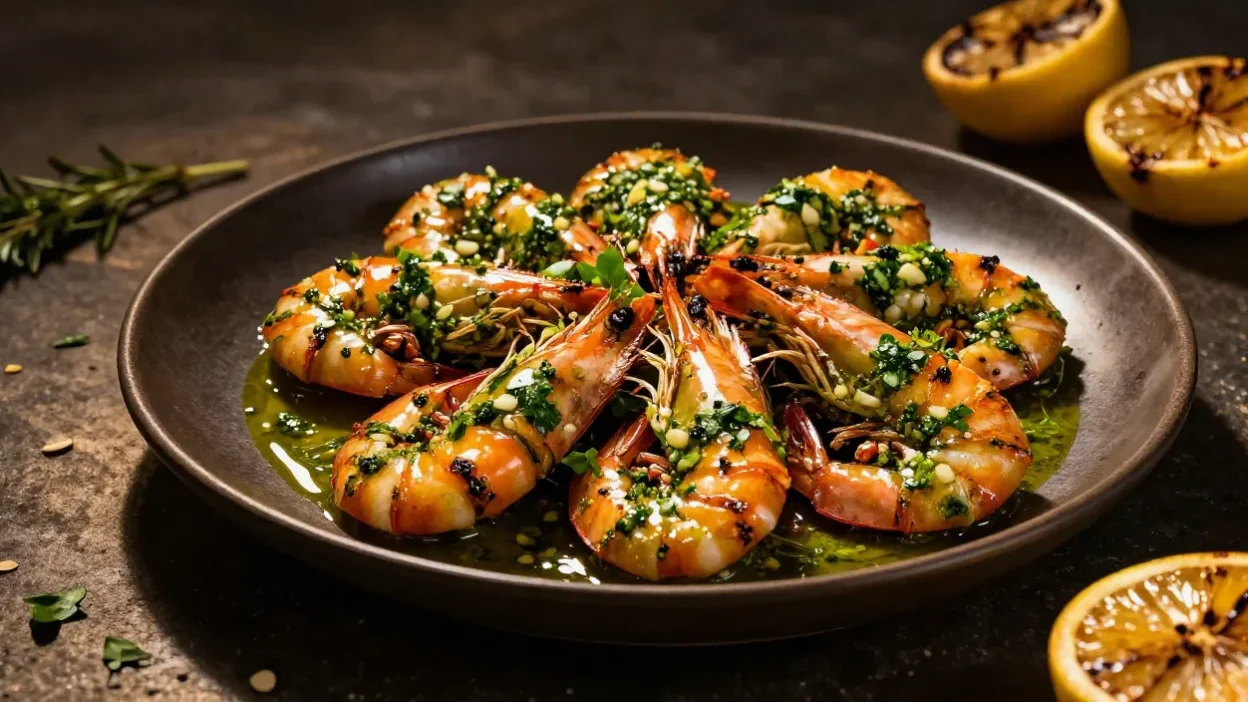
Some shrimp dishes become heavy almost immediately. Thick cream sauces, too much butter, too many ingredients fighting each other in the same pan. After a few bites, the shrimp disappears underneath everything else and the entire dinner starts tasting richer than you actually wanted. Chimichurri shrimp feels completely different from that kind of recipe. 🍤
The sauce stays sharp, fresh, and bright instead of creamy or heavy. Garlic, parsley, olive oil, vinegar, chili flakes, lemon — nothing complicated, but every ingredient pulls the flavor in the right direction. Instead of covering the shrimp, the sauce makes it taste even sweeter and more savory at the same time.
What I like most about this kind of dinner is how naturally it fits real life. Shrimp cooks quickly, chimichurri takes almost no effort, and the whole thing feels impressive without requiring much planning. You can serve it with rice, bread, grilled vegetables, or even toss it into warm tortillas, and somehow it always feels relaxed instead of overly serious. That probably explains why it keeps showing up on my table every summer once the weather gets hot and nobody wants to stand near the oven for an hour. 🌿
I actually started making versions of this during a stretch of humid weather when cooking anything heavy sounded exhausting. Windows open, cold drinks sweating onto the table, everyone already tired before dinner even started. Shrimp worked because the entire meal could be ready before the kitchen heated up. The chimichurri helped even more because it made everything taste fresh instead of oily or dense.
And honestly, the smell alone usually convinces people dinner is going to be good. Fresh parsley getting chopped, garlic hitting olive oil, lemon squeezed over hot shrimp right before serving — the kitchen changes almost immediately.
☀️ Why chimichurri and shrimp work so well together
Shrimp naturally has a soft sweetness once it cooks, and chimichurri balances that sweetness with acidity, herbs, garlic, and a little heat. The contrast matters more than people realize. Without something fresh cutting through the richness, shrimp recipes can start blending together after a few bites. Chimichurri prevents that completely because the flavor keeps shifting while you eat.
Sometimes the parsley stands out more. Then you notice the vinegar. A few bites later the chili flakes finally show up in the background. The sauce keeps moving instead of staying flat, which makes the dish feel lighter and more interesting all the way through dinner.
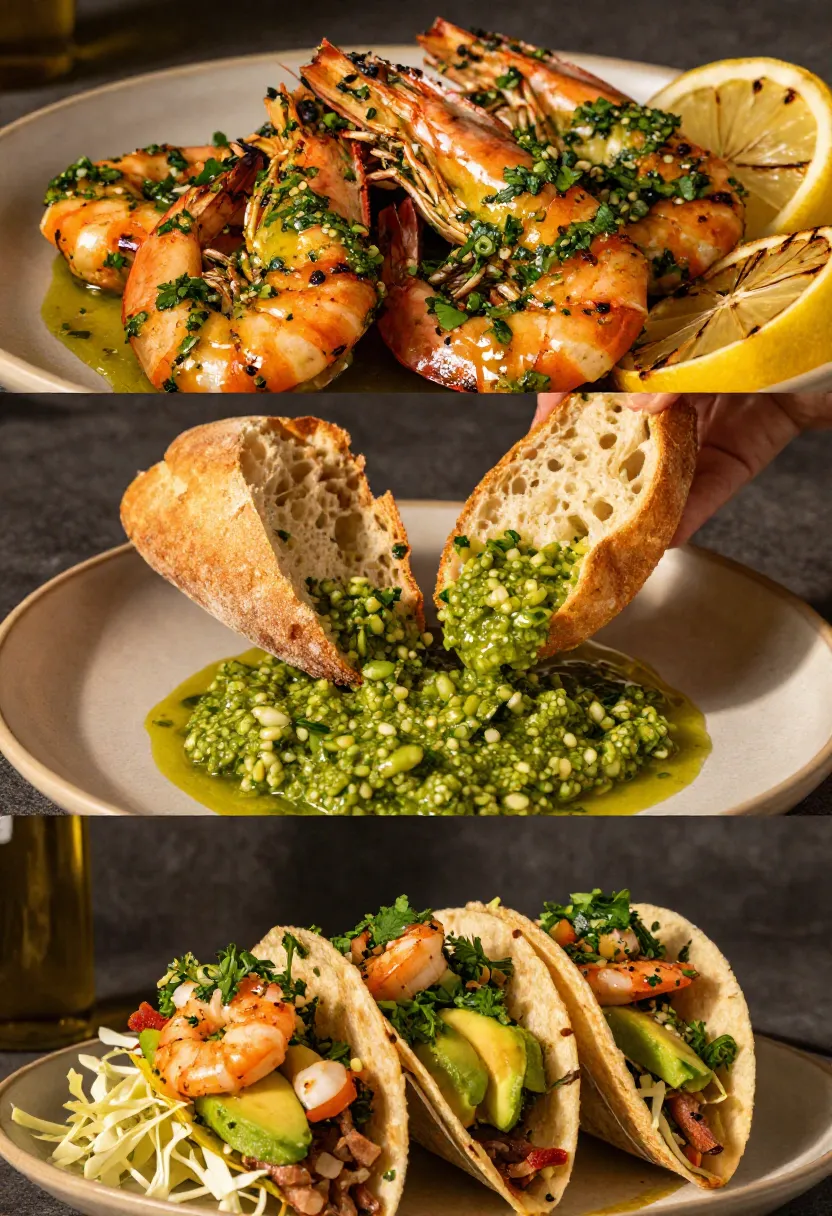
Texture also plays a huge role here. Warm shrimp coated in cool herb sauce creates this balance that somehow makes the meal feel fresh even when you eat it with bread or rice. Once the olive oil mixes with shrimp juices at the bottom of the serving bowl, the sauce becomes even better. That green garlicky oil soaking into warm bread might honestly be the best part of the entire meal.
Another reason this recipe works so well is that nothing about it feels stressful. There’s no long marinade, no complicated sauce reduction, no perfect timing window outside of not overcooking the shrimp. You need a bowl, a skillet, fresh herbs, and maybe fifteen minutes of actual cooking time.
It also adapts easily depending on the situation:
- quick weeknight dinner
- casual dinner with friends
- shrimp tacos
- summer patio meal
- rice bowls
- appetizer for sharing
I made this once for a small outdoor dinner where people originally planned to stay for maybe an hour. Instead everyone kept tearing pieces of bread apart and dragging them through the extra chimichurri while talking long after the shrimp disappeared. Some recipes accidentally create that kind of evening. This is definitely one of them.
The balance between freshness and richness is what keeps the recipe from feeling repetitive. The olive oil softens the garlic, the vinegar cuts through the oil, and the parsley keeps everything tasting green and alive instead of heavy. Even the chili flakes matter more than expected because the slight heat keeps the sauce from tasting too sharp or acidic.
🧄 The small ingredients doing most of the work
One of the interesting things about chimichurri shrimp is how much impact a few simple ingredients can have once they combine together. The ingredient list stays short, but every single component changes the final flavor in a noticeable way.
| Ingredient | What it adds | Texture effect | Why it matters |
|---|---|---|---|
| Fresh parsley | Bright herbal freshness with slightly peppery notes | Keeps the sauce loose and vibrant | The main flavor base of chimichurri |
| Garlic | Sharp savory flavor that softens slightly in oil | Adds texture and depth | Gives the sauce stronger character |
| Olive oil | Smooth richness without heaviness | Helps coat shrimp evenly | Balances acidity and herbs |
| Red wine vinegar | Tangy brightness and clean acidity | Lightens the sauce | Prevents the dish from tasting oily |
| Lemon juice | Fresh citrus finish | Keeps flavors feeling lighter | Makes seafood taste cleaner |
| Chili flakes | Gentle background heat | Small bursts of spice throughout the sauce | Adds warmth without overpowering shrimp |
| Smoked paprika | Mild smoky depth on the shrimp | Creates seasoning crust during cooking | Makes shrimp taste more savory |
| Shrimp | Sweet delicate seafood flavor | Tender and juicy when cooked correctly | The center of the entire recipe |
The simplicity is honestly part of the appeal. There aren’t twenty spices competing with each other or layers of sauce trying too hard to feel complicated. Everything has room to stay recognizable. You still taste shrimp. You still taste herbs. The garlic stays noticeable without completely taking over the plate.
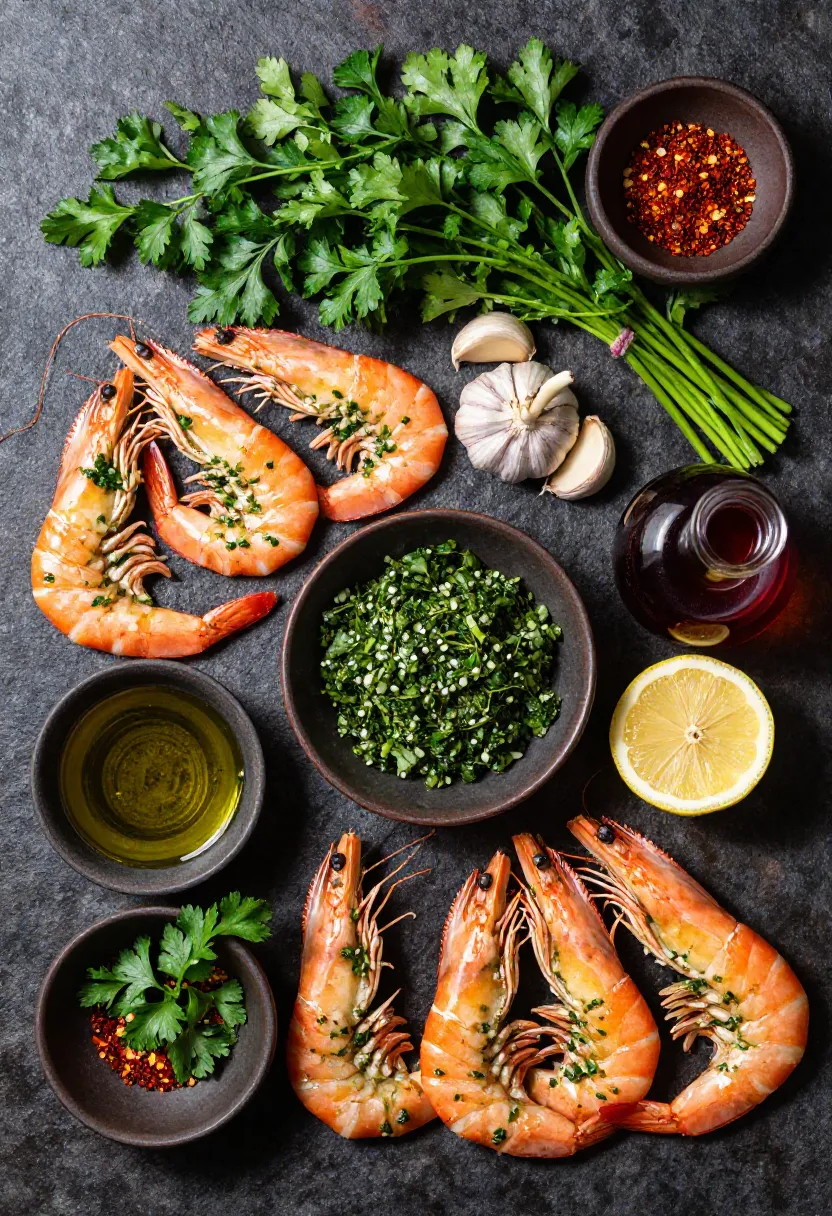
Fresh parsley matters especially here. Dried parsley just disappears into the sauce and adds almost nothing useful. Flat-leaf parsley works best because the flavor stays cleaner and stronger once mixed with oil and vinegar.
The olive oil matters too, although not in the “buy the most expensive bottle possible” kind of way. Since the sauce never cooks, you taste the oil directly, so using one that tastes smooth and fresh makes a big difference.
Even the shrimp size changes the recipe more than expected. Larger shrimp stays juicy longer and develops better browning in the skillet, while smaller shrimp cooks so fast that it’s easier to overdo it accidentally. That little bit of browning around the edges adds deeper savory flavor that works perfectly against the cold herb sauce.
And that contrast is really the entire point of the dish. Warm shrimp, cool chimichurri, fresh herbs, smoky paprika, sharp lemon, soft bread catching the extra sauce underneath everything. Simple ingredients, but together they create the kind of dinner people keep thinking about afterward.
🍳 Chimichurri shrimp recipe
This recipe comes together fast, which is honestly one of the main reasons I keep making it. By the time the skillet gets properly hot, the sauce is already done and dinner is basically halfway finished. 🍤
Once the shrimp hits the pan, everything moves quickly. The garlic starts smelling ridiculously good almost immediately, the shrimp turns pink in a couple minutes, and suddenly the kitchen smells like olive oil, herbs, and lemon. It feels like one of those meals that should take more effort than it actually does.
The shrimp stays juicy in the middle while the edges pick up a little color from the skillet. Then the chimichurri goes over everything right at the end, so the parsley stays fresh and bright instead of turning dull from too much heat. That contrast between hot shrimp and cold herb sauce is what makes the whole thing work.
I usually serve this with bread because nobody can resist the extra sauce sitting underneath the shrimp. It mixes with olive oil, garlic, paprika, lemon juice — basically the kind of sauce people keep dipping into long after dinner should probably be over. 🌿
And the nice thing is that the recipe never feels heavy. You finish eating and still feel good afterward instead of needing twenty minutes on the couch wondering why you made such a rich dinner on a random weeknight.
Sometimes I add grilled vegetables. Sometimes rice. One time we ate the leftovers cold straight from the fridge with toasted bread at midnight and honestly… still great. 🍋
Ingredients
For the shrimp
- 1½ pounds large shrimp, peeled and deveined
- 2 tablespoons olive oil
- 3 garlic cloves, minced
- 1 teaspoon smoked paprika
- ½ teaspoon kosher salt
- black pepper
- lemon wedges for serving
For the chimichurri sauce
- 1 packed cup fresh parsley, finely chopped
- 3 tablespoons olive oil
- 2 tablespoons red wine vinegar
- 2 garlic cloves, finely grated
- ½ teaspoon red pepper flakes
- ½ teaspoon salt
- small squeeze of lemon juice
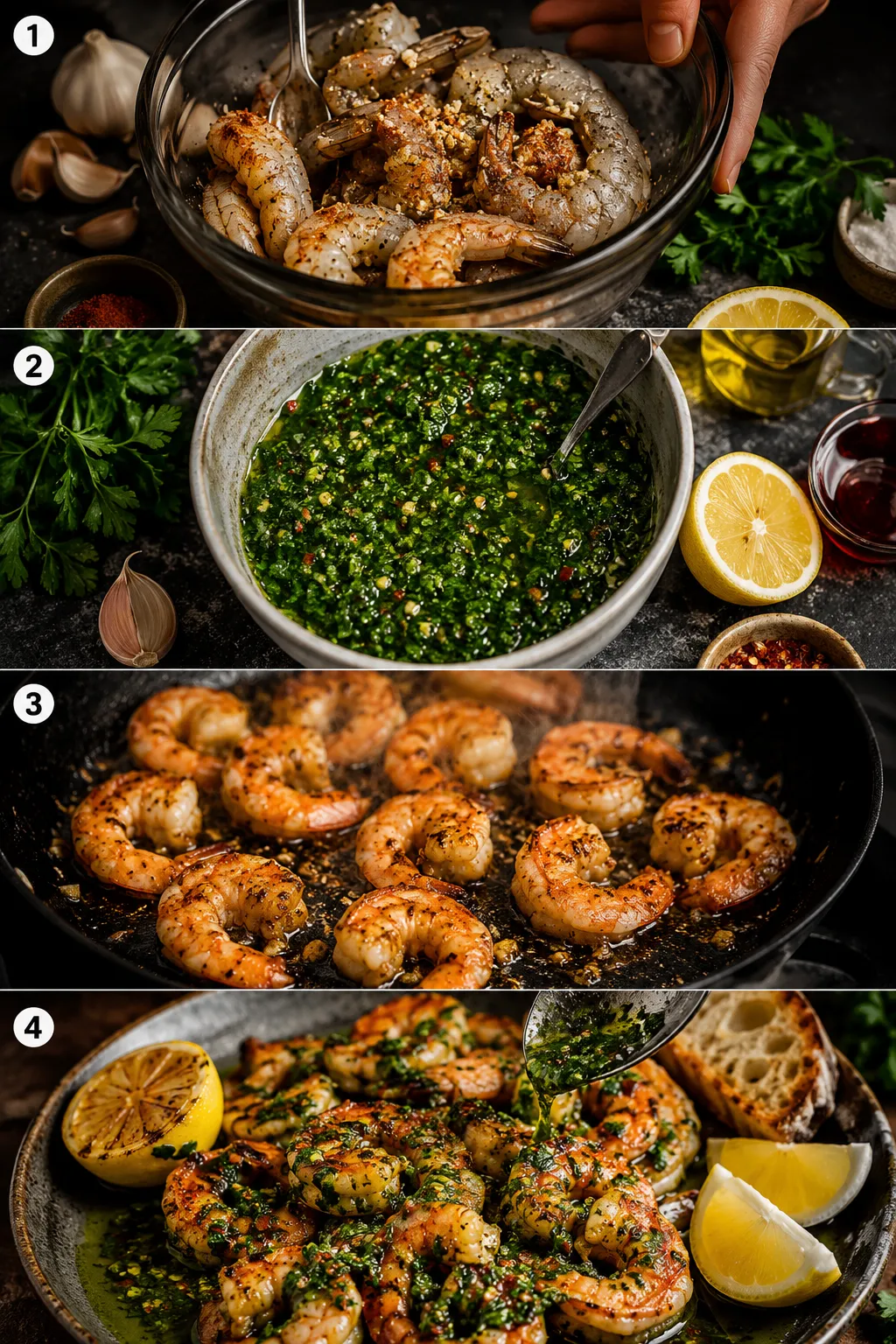
👩🍳 How to make chimichurri shrimp
- Pat the shrimp dry very well with paper towels before adding any seasoning. This step helps the shrimp sear properly instead of steaming in the skillet. Place the shrimp in a bowl and toss with olive oil, minced garlic, smoked paprika, salt, and black pepper until evenly coated. Let it sit for a few minutes while preparing the sauce. 🍤
- In another bowl, stir together chopped parsley, olive oil, red wine vinegar, grated garlic, chili flakes, salt, and a squeeze of lemon juice. The chimichurri might taste sharp at first, but letting it rest for 10–15 minutes helps the garlic soften slightly while the herbs absorb the oil and vinegar more evenly. 🌿
- Heat a large skillet over medium-high heat until properly hot. The shrimp should sizzle immediately once it touches the pan. If the skillet isn’t hot enough, the shrimp releases moisture too quickly and loses that lightly golden surface that adds deeper flavor.
- Arrange the shrimp in a single layer and cook without moving it for about 2 minutes on the first side. Once the underside develops light browning around the edges, flip the shrimp and cook another 1–2 minutes until fully pink and slightly curled. Try not to overcook them because shrimp becomes rubbery surprisingly fast. 🔥
- Remove the skillet from heat and spoon the chimichurri directly over the hot shrimp. The warmth slightly softens the herbs while the olive oil mixes with the shrimp juices and seasoning left in the pan, creating an even more flavorful sauce underneath everything.
- Serve immediately with extra chimichurri and lemon wedges on the side. Warm bread, rice, roasted potatoes, or grilled vegetables all work really well here, especially once they start soaking up the extra garlic herb sauce from the bottom of the serving dish. 🍋
🔥 Small cooking tips that actually help
- Dry shrimp browns much better than wet shrimp. If there’s too much moisture on the surface, the shrimp starts steaming in the skillet instead of developing those lightly golden edges that add extra flavor.
- Let the chimichurri sit for at least 10 minutes before serving. Freshly mixed garlic and vinegar can taste slightly harsh at first, but the sauce becomes smoother and more balanced once everything settles together. 🌿
- Don’t overcrowd the skillet or the shrimp releases too much liquid at once. A crowded pan lowers the heat quickly and prevents proper searing, so cooking in two batches is often worth the extra few minutes.
- Fresh parsley works far better than dried here. Dried parsley loses most of the bright herbal flavor that gives chimichurri its fresh, vibrant taste.
- Add lemon only at the end so the flavor stays clean and sharp instead of fading into the hot pan while cooking. 🍋
🥖 Bread might honestly be the best side dish
Technically, you can serve chimichurri shrimp with rice, vegetables, potatoes, salad, grilled corn, or almost anything that makes sense next to seafood. But warm bread usually wins, and honestly, I don’t think it’s even close. The shrimp is already good on its own, but the real reason bread belongs on the table is the sauce underneath everything. Once the chimichurri mixes with olive oil, paprika, garlic, lemon juice, and the juices left from the shrimp in the skillet, it turns into something people suddenly become weirdly protective about. 🍤
A good crusty baguette works perfectly because it holds up against the oil without instantly turning soggy. Sourdough is great too, especially if it’s slightly toasted so the edges stay crisp while the middle absorbs all the sauce. I’ve even used warm flatbread before because it was the only thing left in the kitchen, and honestly it worked better than expected. The bread doesn’t need to be fancy. It just needs enough structure to drag through the bottom of the serving bowl without completely collapsing halfway there.
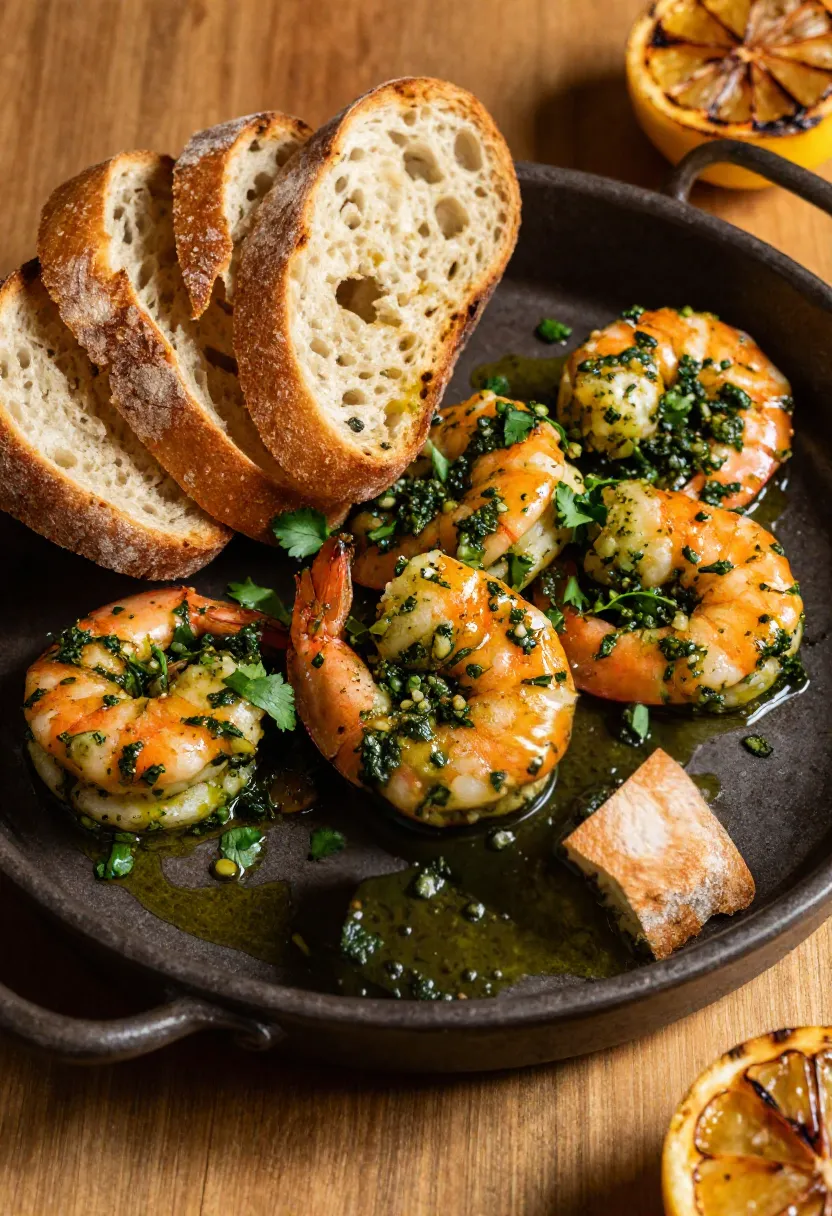
This is also the point where the dinner usually stops feeling formal. You can plate everything carefully at first if you want, but it rarely stays neat for long. Somebody tears off another piece of bread while still chewing. Someone else starts reaching back toward the shrimp before sitting down properly. Then suddenly everyone is leaning across the table trying to scoop up extra chimichurri before it disappears completely.
Those slightly chaotic dinners are usually the memorable ones anyway.
There’s also something satisfying about how simple the whole meal feels. No giant spread of side dishes competing for attention. No complicated sauces layered over more sauces. Just hot shrimp, fresh herbs, warm bread, and enough extra chimichurri that nobody wants to waste even a spoonful of it. 🌿
And honestly, the sauce almost gets better as dinner goes on. The garlic softens slightly in the warm oil, the paprika settles into everything, and the shrimp juices deepen the flavor in a way that tastes richer than the ingredient list would suggest. By the end of the meal, the bottom of the serving dish becomes the most important part of the table.
🌽 Easy variations that change the entire mood of the recipe
One of the best things about chimichurri shrimp is how flexible it becomes once you understand the basic version. The shrimp still cooks the same way and the sauce still comes together in one bowl, but small changes completely shift the mood of the dinner. Sometimes it feels lighter and fresher. Other times it becomes smoky, spicy, or much more filling depending on what gets added around it.
A few easy ideas:
- add avocado for softer texture
- use cilantro instead of parsley
- add grilled corn or charred vegetables
- serve inside warm tortillas
- toss everything with pasta
- increase chili flakes for more heat
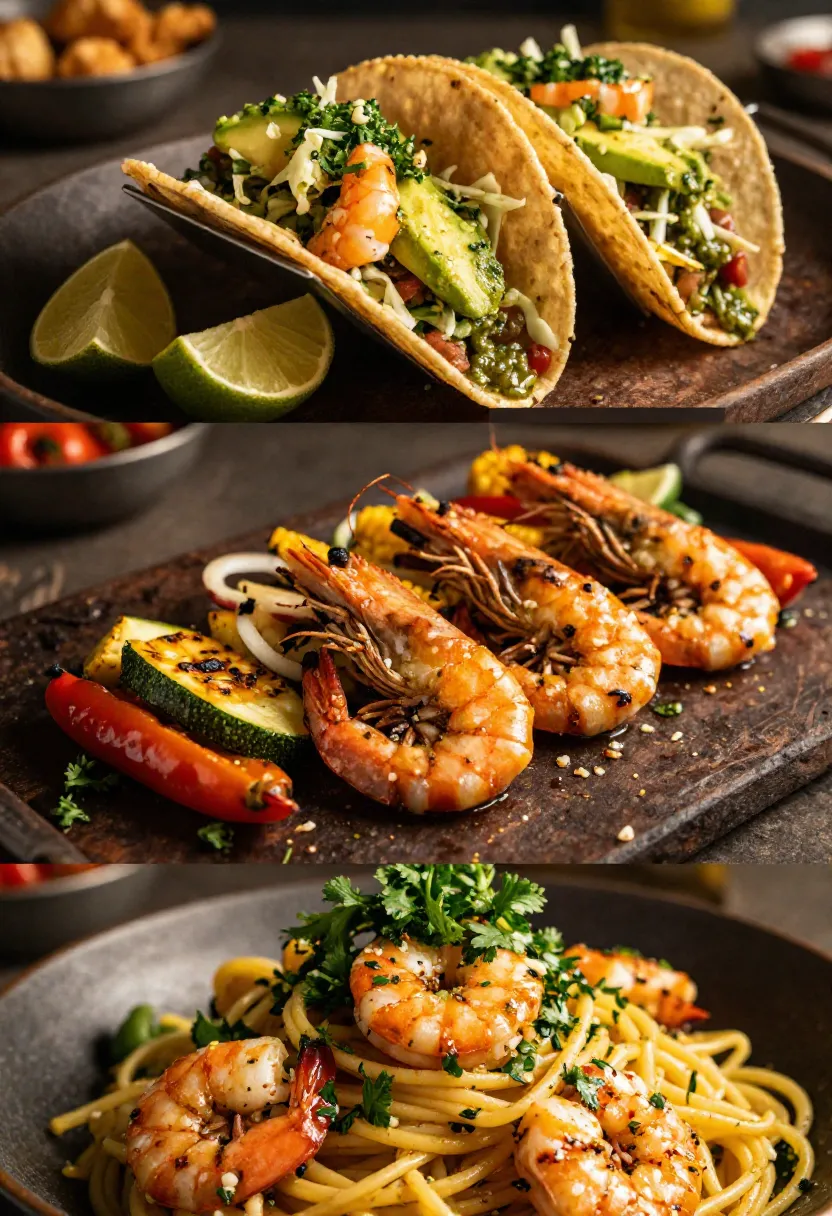
The taco version might honestly be my favorite because it barely needs anything else to feel complete. Warm tortillas, shrimp, shredded cabbage, avocado, extra chimichurri, maybe a squeeze of lime if there’s one nearby. That’s enough. The cabbage adds crunch, the avocado softens the vinegar and garlic a little, and the tortillas soak up all the extra sauce before it runs everywhere. It’s messy food in the best possible way.
Grilled vegetables take the recipe somewhere completely different. Corn, zucchini, onions, and bell peppers work especially well because they bring sweetness and smoky edges that balance the sharp herb sauce. I tried adding grilled corn one summer almost by accident because the grill was already on anyway, and it ended up being one of the best versions of the meal. The sweetness from the corn with the chili flakes and garlic just worked immediately. 🌽
The pasta version sounds slightly strange at first, but it turns out surprisingly good once everything mixes together. Warm pasta absorbs the olive oil and chimichurri, turning the sauce glossy and rich without needing butter or cream. It’s definitely not elegant food though. Parsley ends up everywhere, shrimp slides around the bowl, and somebody always drops sauce on their shirt. Still worth it.
You can also change the flavor by adjusting the herbs themselves. More parsley keeps the chimichurri sharper and greener, while adding cilantro pushes the sauce into a brighter, almost citrusy direction. Extra garlic gives the whole dish stronger steakhouse energy, while extra lemon makes it feel lighter and fresher.
That flexibility is probably why recipes like this stay around for years. They leave enough room to improvise without falling apart completely the second you change one ingredient.
☀️ Why this recipe feels perfect for warm evenings
Some recipes belong to cold weather. Slow braises simmering for hours, baked casseroles bubbling in the oven, thick creamy sauces that make the kitchen warmer and warmer while everyone waits for dinner to finally finish. Chimichurri shrimp feels like the complete opposite of that kind of cooking.
This recipe feels built for open windows, late sunsets, cold drinks on the table, and evenings where nobody wants to spend hours standing over the stove. The shrimp cooks quickly, the sauce stays fresh, and dinner somehow feels relaxed before anyone even starts eating. ☀️
The smell alone changes the atmosphere almost immediately. Garlic hitting warm olive oil, parsley getting chopped, lemon squeezed over hot shrimp right before serving — everything smells bright and fresh instead of heavy. Even after dinner, the kitchen still smells clean and herbal instead of thick with butter or cream.
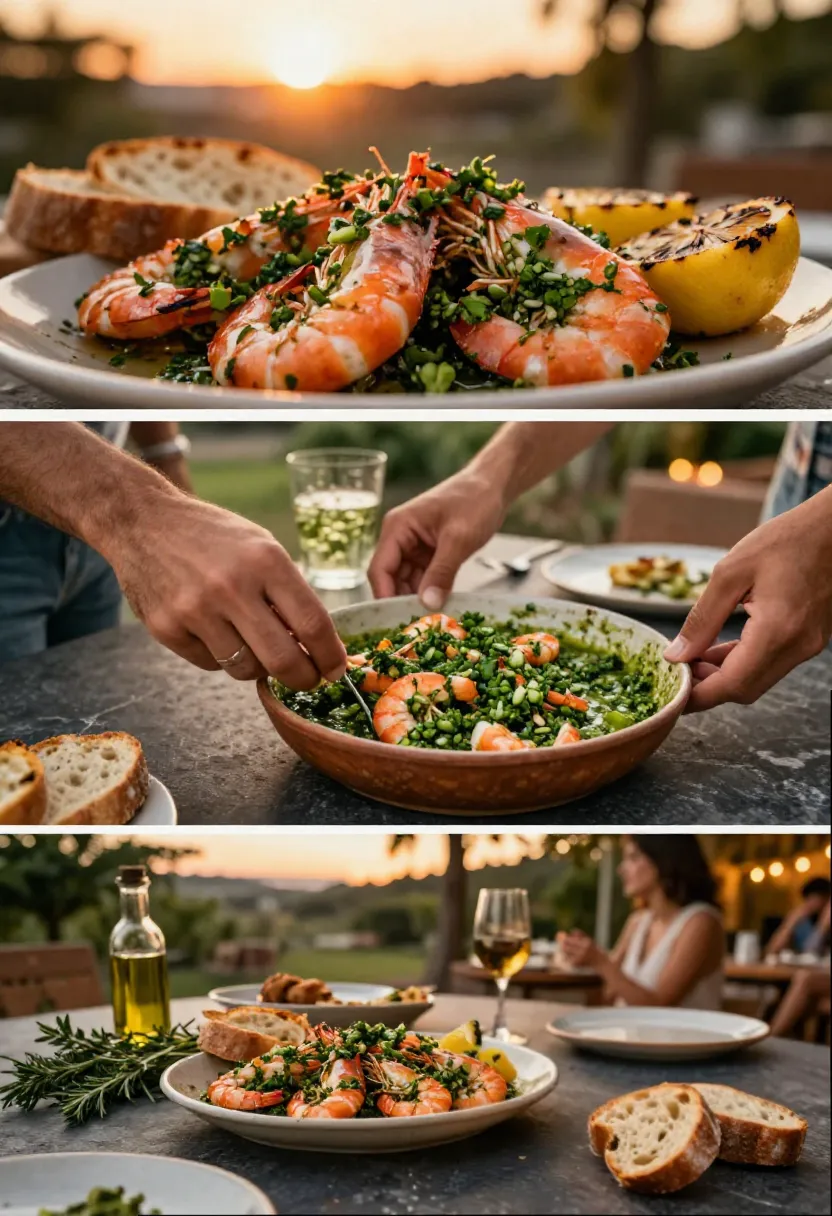
That’s probably another reason this works so well for outdoor dinners. Patio tables, balconies, backyards, late summer evenings where people keep saying they should probably head home soon and then somehow stay another hour anyway. The meal naturally stretches out because nobody feels rushed eating it.
There’s also something social about shrimp recipes in general. Maybe because shrimp disappears quickly enough that everyone keeps reaching toward the center of the table instead of quietly focusing on their own plate. Maybe it’s the bread constantly moving around. Maybe it’s the extra sauce pooling underneath everything that nobody wants to waste.
Either way, this rarely turns into a quiet dinner.
Somebody always asks if there’s more bread left. Somebody else starts spooning extra chimichurri onto potatoes or rice long after they said they were already full. And at some point, people usually stop pretending they’re only taking “one last shrimp.” 🍋
What makes this recipe especially good during warm weather is that it still feels satisfying without becoming heavy. You finish eating comfortably instead of feeling like you need to lie on the couch for the next hour recovering from dinner. The herbs and lemon keep everything tasting fresh, while the garlic and paprika still give enough richness to make the meal feel complete.
Honestly, it tastes like the kind of evening people wish lasted a little longer.