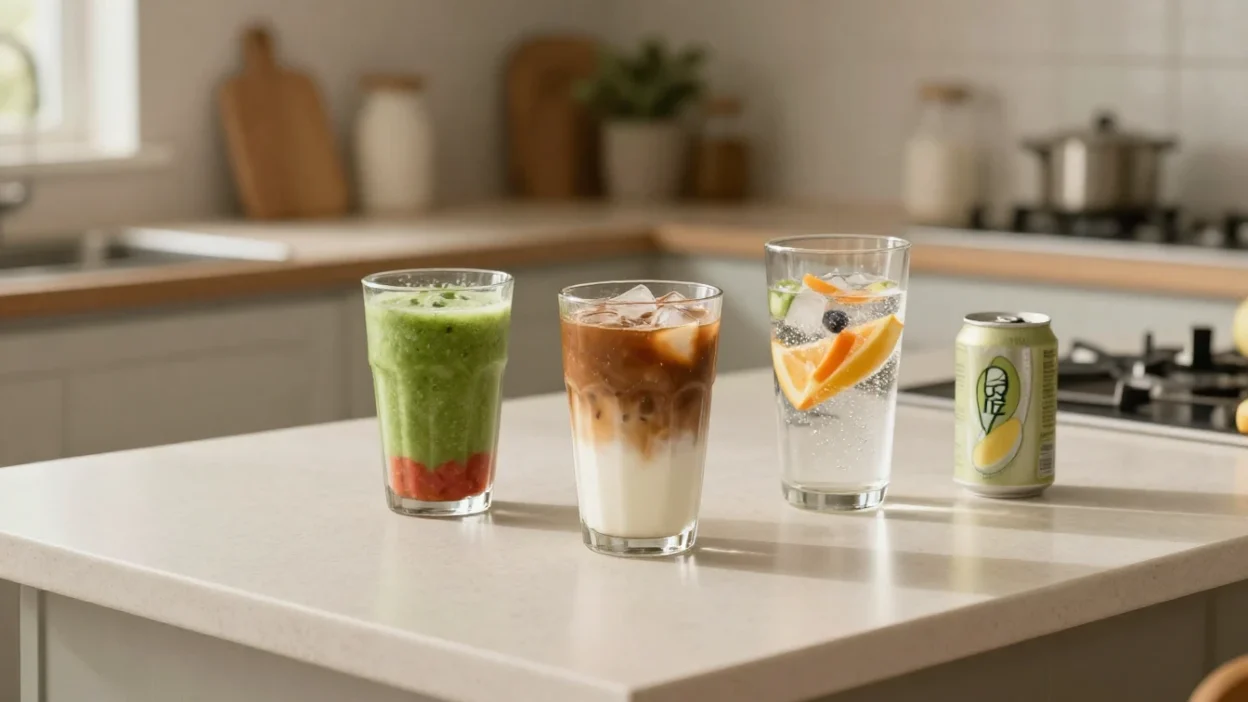
Some drinks look harmless at first glance. A bright fruit smoothie after a workout. A flavored water from the fridge at the store. A creamy coffee you grab when the afternoon starts dragging. They feel lighter than food, so it is easy to treat them like they do not really “count.”
But drinks can sneak a lot into your day without making you feel full. Sugar, sweet syrups, cream, caffeine, artificial sweeteners, and oversized portions can turn a simple sip into something closer to dessert. That does not mean you need to panic over every latte or swear off smoothies forever. I would never say that. A cold sweet coffee on a hot day can be lovely.
The problem is when these healthy-looking drinks become everyday habits and quietly replace water, real meals, or better snacks. You may still feel tired. Still feel hungry. Still crave something sweet an hour later.
This guide is about spotting the drinks that sound better than they are, understanding why they can work against your health goals, and choosing simple swaps that still feel enjoyable. No guilt. No dramatic rules. Just a clearer look at what is actually in the glass.
Why drinks can quietly work against your health
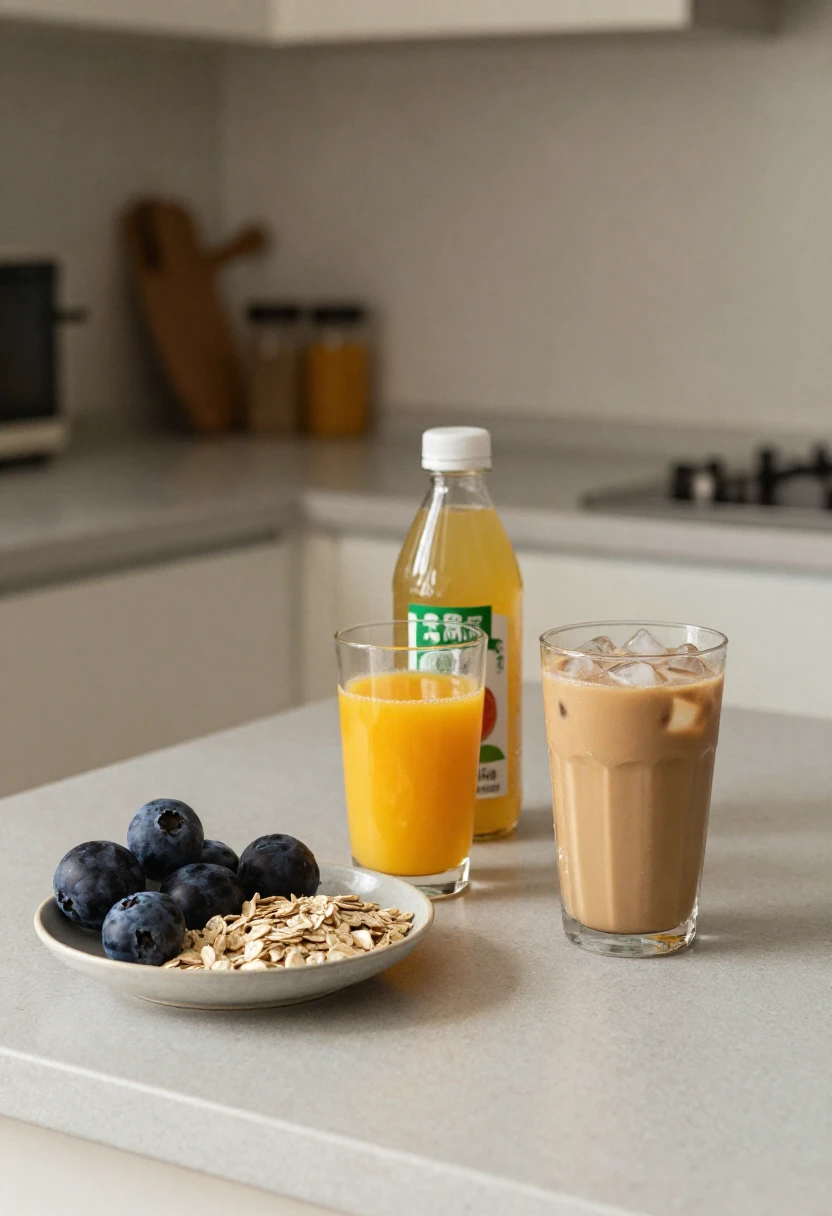
Drinks are tricky because they do not always feel like “real food.” You can finish a sweet coffee in the car, sip a flavored drink at your desk, or drink a smoothie while answering emails, and it barely registers as a meal.
Your body may notice it differently, though.
A drink can give you plenty of sugar or calories without the same fullness you would get from chewing food. Think about eating two oranges compared with drinking a big glass of orange juice. The juice goes down fast. The whole oranges take longer, come with more fiber, and usually feel more satisfying.
That is the main issue with many healthy-looking drinks. They are easy to overdo.
Liquid calories do not always feel filling
A creamy coffee, bottled smoothie, or sweet tea can add up quickly, especially when the portion is large. The frustrating part is that you may still want breakfast or a snack afterward because the drink did not really feel like enough.
This happens a lot with drinks that are sweet but low in protein and fiber. They give you a quick hit of flavor and energy, then leave you looking for something else.
That does not make every calorie in a drink “bad.” Milk, kefir, protein smoothies, and homemade shakes can absolutely have a place in your diet. The difference is whether the drink actually supports your meal or just adds extra sweetness on top of everything else.
Added sugar hides behind healthy words
Labels can be surprisingly convincing. Words like “natural,” “fruit,” “vitamin,” “refresh,” and “energy” can make a drink sound better than it is.
But a fruit-flavored drink is not the same as fruit. Vitamin water is not automatically a smart choice. A smoothie with juice, sorbet, and sweetened yogurt can be closer to a milkshake than a balanced breakfast.
The front of the bottle tells a story. The nutrition label tells you what you are actually drinking.
A simple habit helps: check the added sugar first. If the number is high and the drink is something you have every day, that is where the problem usually starts.
Caffeine can feel helpful until it is not
Coffee and tea are not the enemy. I love coffee, and for many people, a morning cup is a perfectly normal part of the day.
The trouble starts when caffeine becomes the fix for everything: poor sleep, skipped meals, afternoon crashes, long workdays. Energy drinks and oversized coffees can make you feel sharper for a little while, but they can also leave you jittery, restless, or wired at night.
And then the cycle repeats. You sleep badly, wake up tired, reach for more caffeine, and wonder why your energy feels so uneven.
A better drink choice is not always about choosing the “cleanest” option. Sometimes it is about asking a more honest question: am I thirsty, hungry, tired, or just craving something sweet?
Sweet coffee drinks that taste more like dessert
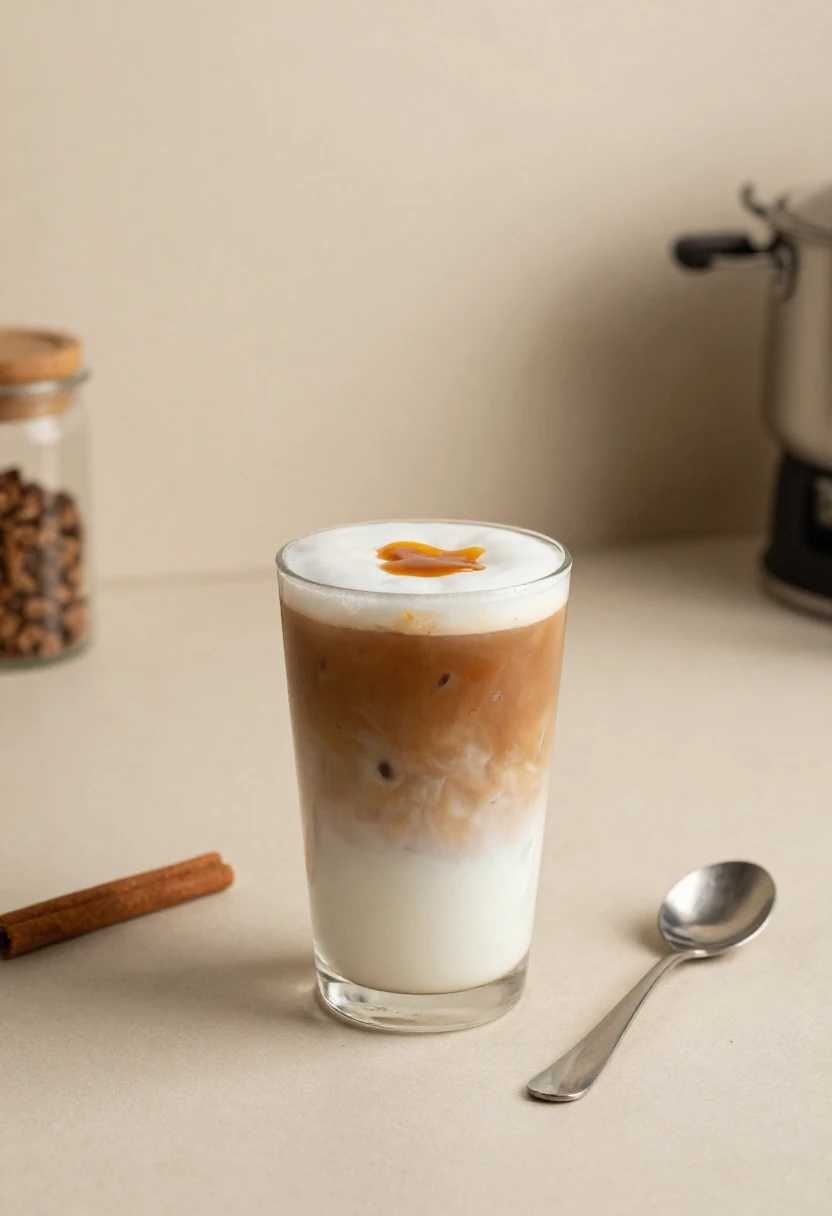
Coffee itself is not the problem. Plain coffee has a strong flavor, a little bitterness, and almost no calories before you add anything to it. The drink changes fast once it turns into a large blended coffee, a whipped coffee, or a flavored latte with syrup and cream on top.
This is where many people get surprised. A coffee drink can look like a normal morning habit but behave more like dessert, especially if it comes with caramel drizzle, sweetened milk, chocolate sauce, whipped cream, or a flavored cold foam.
And honestly, some of them are delicious. That is the point. They are designed to be delicious.
Why flavored coffees add up so fast
The biggest issue with sweet coffee drinks is not one ingredient. It is the stack.
A little milk is fine. A spoonful of sugar is one thing. But then come the syrup, sweetened creamer, topping, whipped cream, and sometimes a larger cup than you would ever pour at home. By the time you finish it, you may have had more sugar than you expected before breakfast even started.
Whipped coffee is a good example. It looks airy and cute, but the classic version often uses instant coffee, sugar, and milk. If you drink it occasionally, fine. If it becomes your daily coffee, the sugar can creep in without feeling obvious.
The same thing happens with bottled coffee drinks. They sit in the fridge next to plain cold brew, so they look like a quick coffee option. Then you turn the bottle around and realize it is closer to sweetened chocolate milk with caffeine.
Better coffee choices that still feel good
You do not have to drink black coffee if you hate it. I never understand advice that starts with suffering. A better plan is to keep the part you enjoy and reduce the extras that do not matter as much.
Try small changes first:
- Order a smaller size instead of the largest one.
- Ask for one pump of syrup instead of several.
- Choose milk or unsweetened milk instead of sweetened creamer.
- Skip the whipped cream if the drink is already sweet.
- Add cinnamon, cocoa powder, or vanilla extract at home for flavor without turning the cup into dessert.
At home, iced coffee can feel special with just cold brew, milk, ice, and a little maple syrup or honey. You control the sweetness, and that makes a big difference.
Sweet coffee is not something you need to ban. Just treat it like what it is: a fun drink, not your main source of morning energy.
Продовжуємо наступний H2-блок.
Smoothies that are more sugar than meal
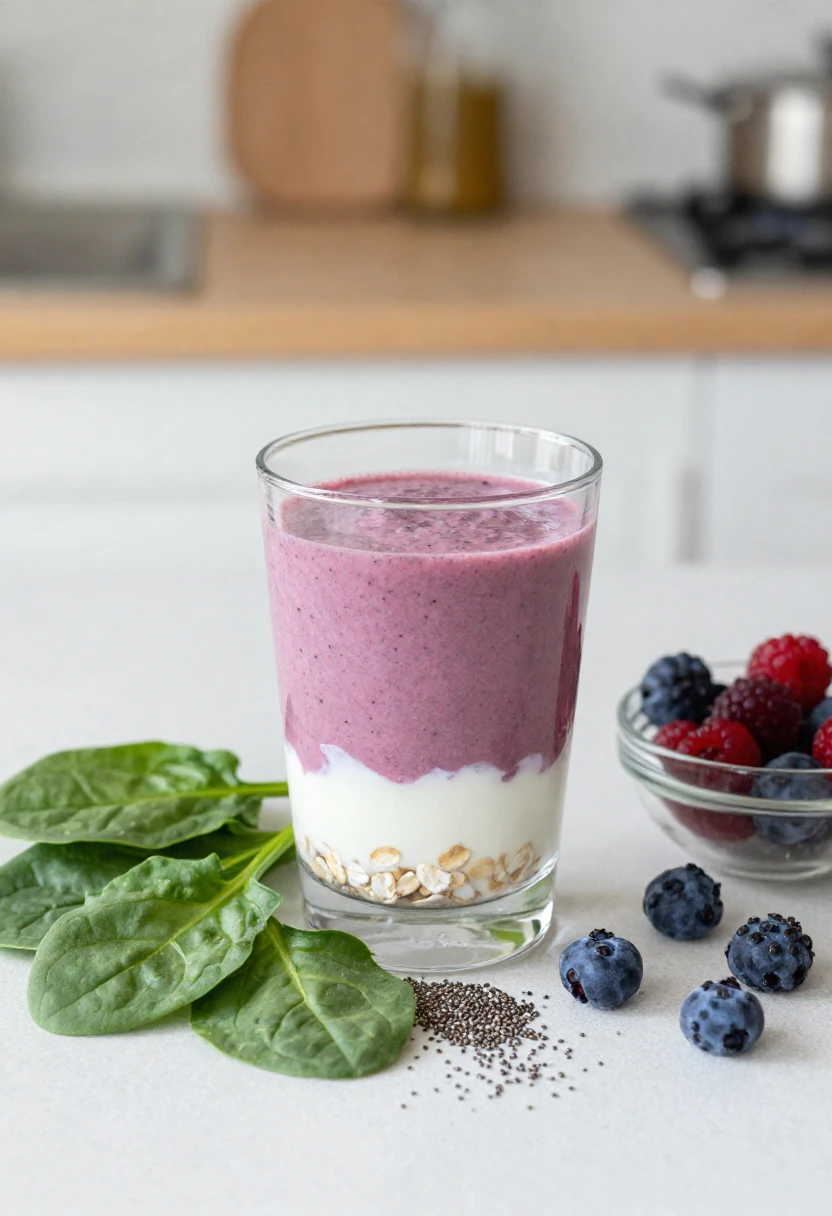
Smoothies have a health halo, and sometimes they deserve it. A homemade smoothie with Greek yogurt, berries, spinach, oats, or peanut butter can be a solid breakfast. It can help when you are rushed, not very hungry in the morning, or trying to use up fruit before it goes soft.
But not every smoothie is automatically healthy.
Some smoothies are basically large cups of fruit sugar with very little protein, fat, or fiber to slow things down. They taste fresh, cold, and bright, so you may not think of them the same way you would think of soda or dessert. Still, your body has to deal with what is inside.
Where smoothies usually go wrong
The biggest smoothie mistake is building the whole drink around fruit and juice.
A banana, mango, pineapple, orange juice, and a spoonful of honey may sound natural, but that is a lot of sweetness in one glass. Add frozen yogurt or sweetened vanilla yogurt, and the smoothie becomes even heavier.
Portion size matters too. A small smoothie can work as a snack. A giant smoothie can contain more sugar than you planned for the whole morning, especially if you are drinking it alongside a meal.
The other problem is texture. A drink goes down fast. If your smoothie has no protein or healthy fat, you may feel hungry again soon after, even though you technically had plenty of calories.
How to build a better smoothie
A better smoothie needs balance. I like to think of fruit as the flavor, not the entire drink.
Start with one portion of fruit, then add something that makes it more filling. Greek yogurt works well because it gives the smoothie creaminess and protein. Kefir is another good option if you like a tangier taste. You can also use milk, unsweetened soy milk, or a scoop of protein powder if that fits your routine.
Then add fiber or fat so the drink actually holds you for a while:
- oats
- chia seeds
- ground flaxseed
- peanut butter
- almond butter
- avocado
- spinach or zucchini
Spinach is the easy one because it disappears into the flavor. Zucchini sounds odd, but frozen zucchini makes a smoothie thick without adding much sweetness. I know, it feels suspicious the first time. It works.
A simple formula is: one fruit, one protein, one fiber or fat, and one unsweetened liquid.
For example, blend Greek yogurt, frozen berries, a spoonful of oats, and milk. Or try banana, peanut butter, chia seeds, and unsweetened soy milk. These still taste good, but they behave more like a snack or small meal instead of a sweet drink in disguise.
Diet soda and the “zero calorie” trap
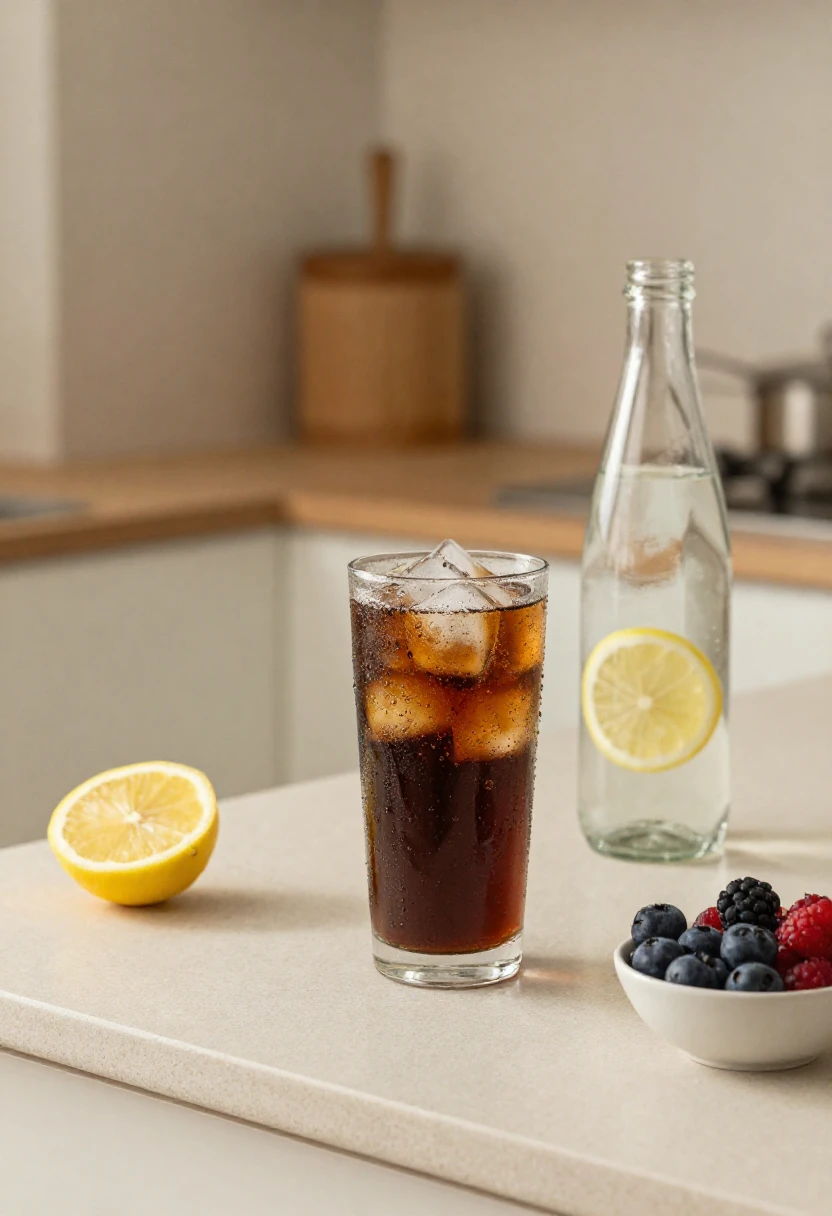
Diet soda is one of those drinks people feel oddly divided about. Some see it as a smart swap because it has no sugar. Others avoid it completely because it tastes too sweet, too artificial, or just makes them want more sweets later.
The honest answer is a little less dramatic: diet soda can be useful for cutting back on regular soda, but it is not the same as building a healthier drinking habit.
If someone drinks several sugary sodas a day, switching to diet soda may lower sugar intake right away. That can be a real improvement. But if diet soda becomes the drink you reach for all day instead of water, tea, or something more neutral, it can still keep your taste buds trained to expect everything sweet.
Why zero calories does not mean nourishing
“Zero calorie” sounds clean and simple, but it only tells you what the drink does not have. It does not mean the drink gives your body anything useful.
Most diet sodas are built around carbonation, flavoring, acids, coloring, caffeine, and artificial or low-calorie sweeteners. That does not automatically make them dangerous in normal amounts, but it does mean they are not doing the same job as water, milk, unsweetened tea, or a homemade drink with real ingredients.
There is also the craving problem. Some people can drink diet soda and move on with their day. Others notice that the sweet taste keeps them wanting candy, cookies, or another sweet drink. I think this is where you have to pay attention to your own pattern instead of following a perfect rule from someone else.
If diet soda helps you drink less regular soda, that is useful. If it makes you crave sweet things all afternoon, it may not be helping as much as you hoped.
Better everyday options
You do not need to replace diet soda with plain water overnight. That sounds good in theory and miserable in practice, especially if you love the fizz.
Start with drinks that give you the same cold, crisp feeling:
- sparkling water with lemon or lime
- unsweetened iced tea
- mineral water with cucumber and mint
- herbal tea chilled over ice
- plain seltzer with a splash of real juice
That splash of juice trick is underrated. A little orange, cranberry, or pomegranate juice in sparkling water gives you flavor and color without turning the whole glass into a sugar bomb.
Another simple move: keep diet soda as an occasional drink, not the default drink. Have it with lunch if you enjoy it, then make water or tea your normal sip between meals. Small boundaries work better than dramatic bans.
Flavored waters that are not really just water
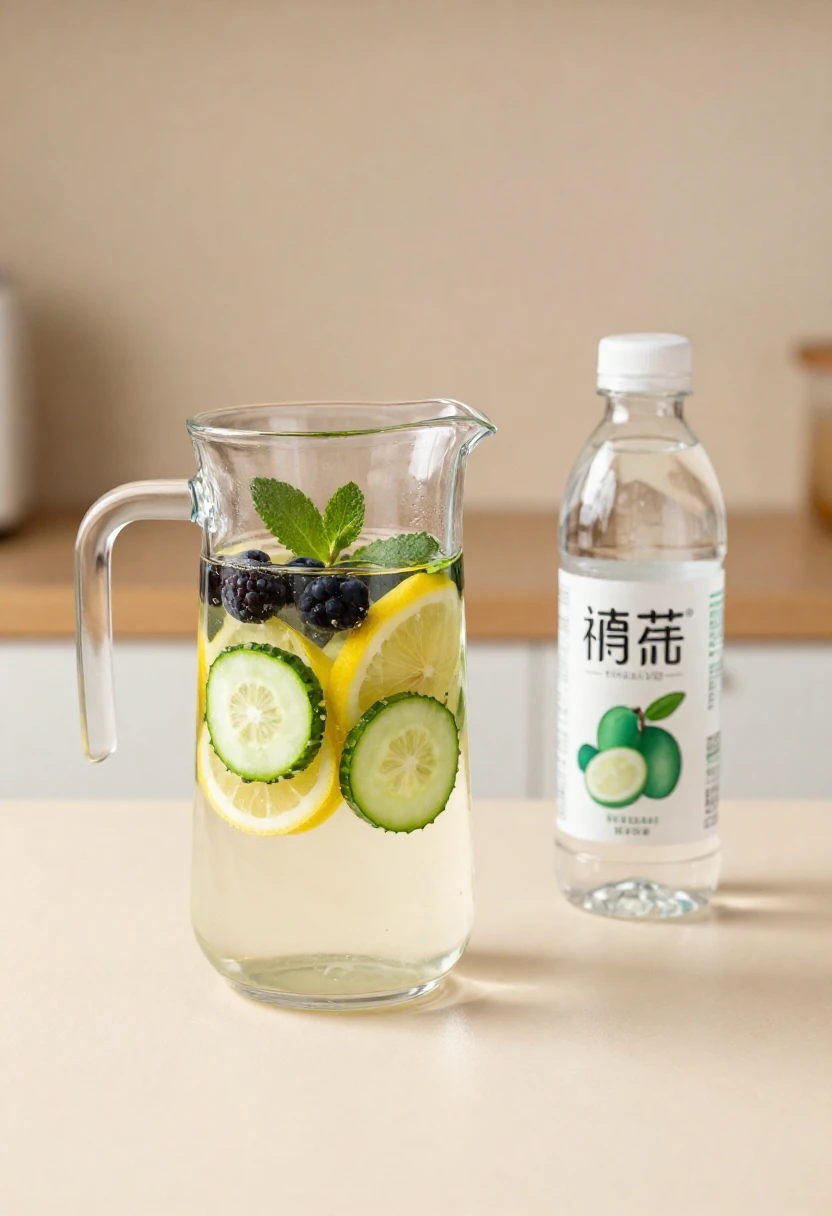
Flavored water sounds like the easiest healthy swap. It has the word “water” right there on the bottle, often with pictures of fruit, leaves, or something clean and spa-like. It feels like a better choice than soda before you even read the label.
Sometimes it is. Plain sparkling water with natural flavor can be a great option if you are bored with regular water.
But some flavored waters are closer to soft drinks wearing a wellness outfit.
How “vitamin” and fruit-flavored drinks can hide sugar
The confusing part is that flavored water comes in many forms. One bottle may be unsweetened sparkling water with a little citrus flavor. Another may have added sugar, fruit juice concentrate, sweeteners, colors, caffeine, or vitamins sprinkled in to make it sound more useful.
That is why the front label can be misleading. “Vitamin,” “antioxidant,” “electrolyte,” and “fruit essence” all sound nice, but they do not automatically make the drink better for everyday sipping.
A drink with added vitamins can still be sweet. A drink with fruit on the label may contain very little actual fruit. And a drink that looks like water may still push your taste buds toward sweet flavors all day.
This matters most when you drink it often. One sweet flavored water here and there is not a big deal. But if you are using it as your main water replacement, the sugar and sweet taste can add up quietly.
What to check on the label
Turn the bottle around and look for three things first: added sugar, serving size, and sweeteners.
Serving size is sneaky. A bottle may look like one drink, but the nutrition label may count it as more than one serving. If the label says there are two servings in the bottle, you need to double the sugar and calories if you drink the whole thing.
For everyday drinking, I would look for:
- zero added sugar
- no or very little juice concentrate
- simple ingredients
- no caffeine unless you actually want caffeine
- a flavor you enjoy without needing it to taste like candy
Sweeteners are more personal. Some people do fine with them. Others find that very sweet drinks, even without sugar, keep cravings loud. Pay attention to what happens after you drink them. Do you feel satisfied, or do you immediately want something sweeter?
Easy homemade flavored water ideas
Homemade flavored water is almost embarrassingly simple, but it works. You get the fresh smell and light flavor without turning water into dessert.
Try a pitcher with cucumber and mint. Or lemon and ginger. Orange slices with a few berries looks beautiful in a glass jar, especially if you are trying to make water feel less boring at lunch.
A few easy combinations:
- lemon and cucumber
- strawberry and basil
- orange and mint
- lime and ginger
- blueberry and lemon
- watermelon and mint
For more flavor, lightly press the fruit or herbs before adding water. Not enough to make a mushy mess, just enough to release the oils and juice. Let it sit in the fridge for 30 minutes, then pour it over ice.
It will not taste like soda. That is actually the point. It tastes clean, cold, and fresh, which is exactly what you want most of the time.
Energy drinks and the quick boost problem
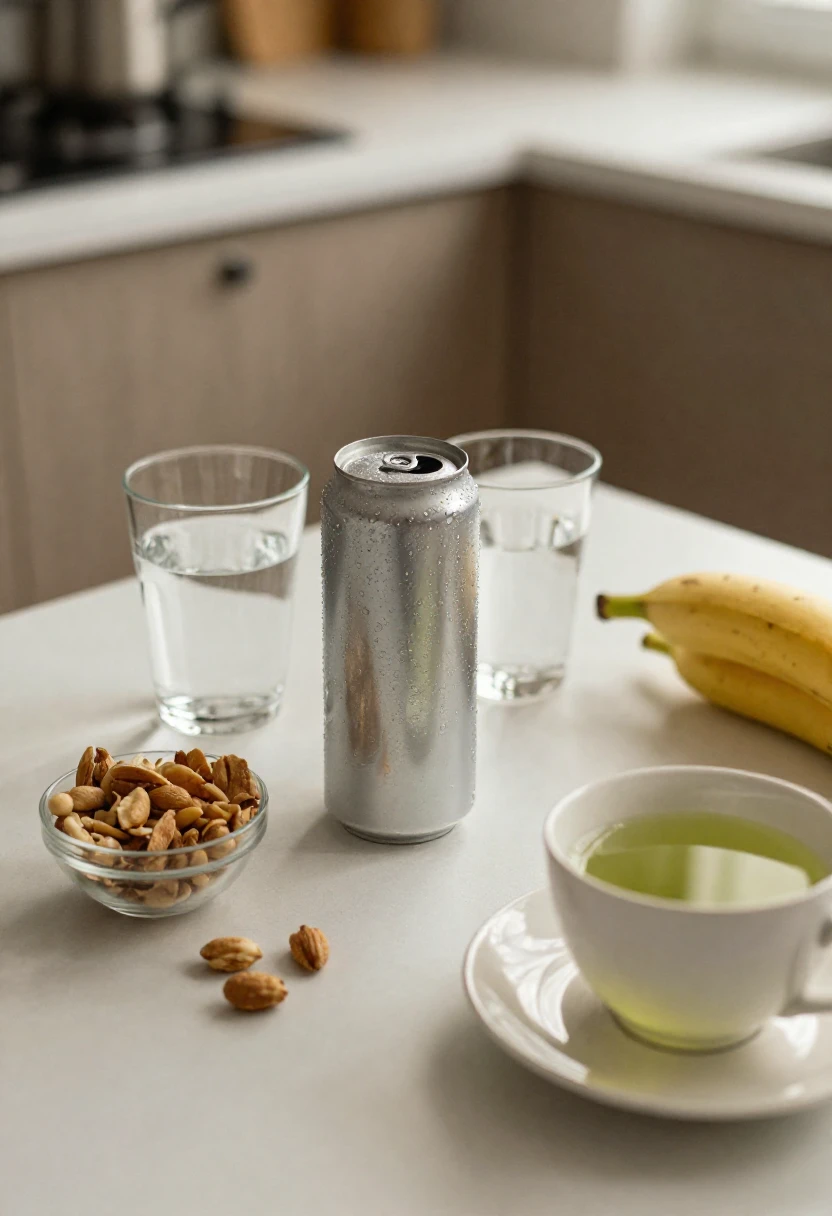
Energy drinks sell a very tempting promise: open the can, take a few cold sips, and suddenly you are sharper, faster, more awake. When you are tired, that promise feels personal.
I get it. There are days when plain water feels insulting and coffee feels too slow. An energy drink seems like the shortcut.
The problem is that most shortcuts have a bill attached.
Sugar, caffeine, and the crash cycle
Many energy drinks combine caffeine with sugar or intense sweeteners. Some also include extras like taurine, guarana, B vitamins, or herbal extracts. The label can make the drink sound almost functional, like it is giving your body a smart little upgrade.
But for many people, the effect is simpler: a spike, then a dip.
If the drink has a lot of sugar, you may feel a quick lift and then feel tired again later. If it has a lot of caffeine, you may feel alert for a while but also jittery, tense, or unable to relax when the day is finally over.
And if you use energy drinks to cover up poor sleep or skipped meals, they stop being a drink choice and start becoming a patch. A noisy one.
Why energy drinks are not a real fix for tiredness
Tiredness usually has a reason. Maybe you slept badly. Maybe lunch was too small. Maybe you have been staring at a screen for four hours without moving. Maybe you are dehydrated and your body is being very obvious about it.
An energy drink can mask that feeling for a bit, but it does not solve the reason behind it.
This is especially true in the afternoon. A big caffeine hit at 4 p.m. may help you finish the workday, then quietly ruin your sleep. The next morning you wake up groggy, reach for another boost, and the loop starts again.
Not ideal.
Better ways to get steady energy
The boring habits work better than the flashy can. Annoying, but true.
Start with water and food before assuming you need caffeine. A snack with protein and fiber can help more than a sweet drink if you are running on fumes. Try Greek yogurt with berries, toast with peanut butter, a boiled egg with fruit, hummus with crackers, or a small handful of nuts.
If you still want caffeine, choose something calmer:
- coffee with milk
- green tea
- black tea
- matcha
- unsweetened iced tea
- a smaller energy drink, if you really enjoy it
The goal is not to become the kind of person who never needs a boost. The goal is to stop using energy drinks as a daily rescue plan.
Save them for rare moments if you like them. For everyday energy, your body usually wants the unglamorous things first: water, real food, movement, and sleep that actually happens.
Frozen cocktails and sweet alcoholic drinks
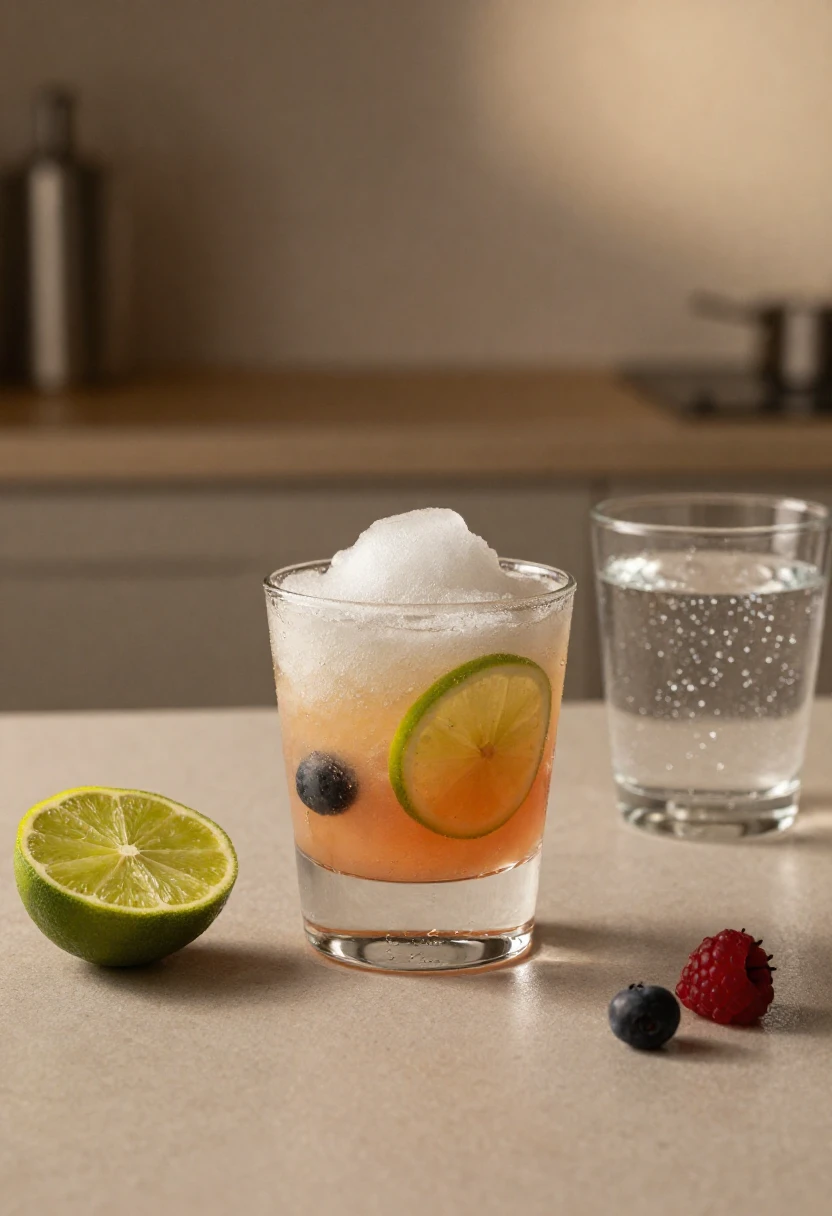
Frozen cocktails can fool you because they look playful, not heavy. A bright strawberry daiquiri, a creamy piña colada, a frozen margarita with a salted rim. They feel like vacation in a glass.
But many sweet alcoholic drinks are built from the same things that make dessert taste good: sugar, juice, syrups, cream, and large portions. Add alcohol on top, and the drink becomes much heavier than it looks.
This does not mean you can never enjoy one. A frozen cocktail by the pool or a sweet drink at dinner can be part of a good night. The issue is treating them like light drinks just because they are cold, fruity, or served with a slice of lime.
Why mixed drinks can be heavier than they look
Alcohol already adds calories, even before mixers. Then come the extras: sweet-and-sour mix, coconut cream, fruit puree, soda, simple syrup, flavored liqueurs, or whipped topping.
The glass matters too. A restaurant cocktail may be much larger than what you would pour at home. Frozen drinks are especially easy to sip quickly because the ice softens the alcohol taste. You may not notice how strong or sweet the drink is until later.
And yes, this is where the “but it has fruit” argument falls apart a little. A mango margarita is not the same as eating mango. A strawberry daiquiri is not a bowl of strawberries. It is a sweet alcoholic drink with fruit flavor.
Lighter choices that still feel festive
You do not have to order plain vodka soda if that sounds sad to you. The better move is to choose drinks with fewer sweet layers.
Good options usually start simple:
- wine spritzer with sparkling water
- tequila with lime and soda
- gin with soda and cucumber
- light mojito with less sugar
- dry wine
- champagne or prosecco
- a small margarita made with fresh lime instead of bottled mix
If you make drinks at home, you have even more control. Use fresh citrus, herbs, sparkling water, muddled berries, or a splash of juice instead of a full cup of sugary mixer.
One of my favorite easy tricks is frozen fruit instead of syrup. Add frozen berries or mango chunks to sparkling water with lime, then add a little alcohol if you want it. The drink still looks pretty, but it does not taste like melted candy.
How to enjoy them without overdoing it
The simplest rule is to slow the drink down. Have water nearby. Eat something with protein before or during the drink. And if the cocktail is very sweet, treat it like dessert rather than something you keep refilling all evening.
You can also alternate. One cocktail, then sparkling water with lime. It still feels like you have something in your hand, which helps more than people admit.
Sweet cocktails are not “bad.” They are just not light wellness drinks. Enjoy the one you really want, skip the ones you drink only because they are there, and let water do some of the work between rounds.
What to drink instead most of the time
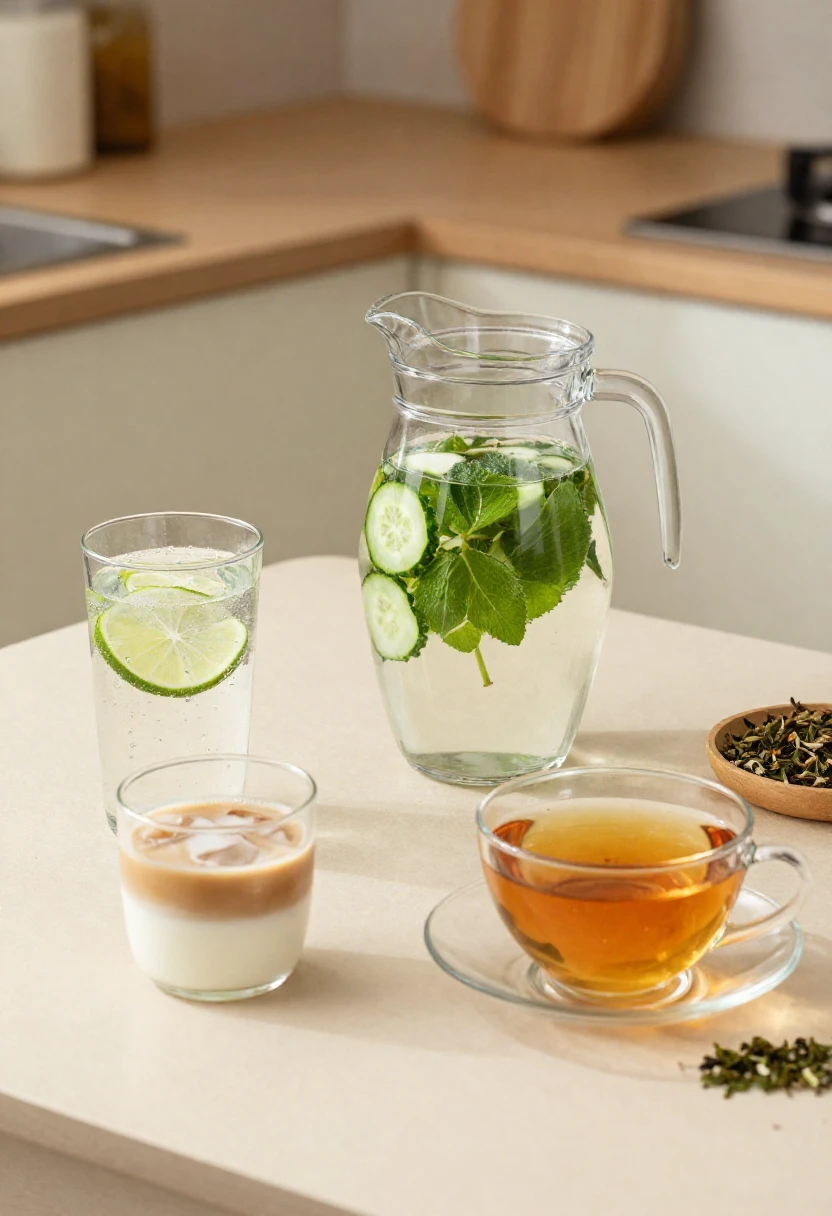
The easiest way to improve your drink habits is not to make every beverage perfect. That gets exhausting fast. The better approach is to have a few simple drinks you genuinely like, then let those become your normal choices.
Most of the time, your drink does not need to entertain you. It needs to hydrate you, go well with food, and not leave you chasing sugar or caffeine all afternoon.
But boring water all day? I understand why people push back on that.
Water does not have to feel plain
Water is still the best everyday drink, but it does not have to taste like nothing. Cold water with ice already feels better than room-temperature water for many people. Add lemon, cucumber, mint, berries, or orange slices, and suddenly it feels more like something you would serve with lunch instead of something you are forcing yourself to drink.
Sparkling water helps too, especially if you are trying to drink less soda. The bubbles make it feel more satisfying. Add lime and a tiny splash of juice if plain seltzer tastes too sharp.
I also like keeping a pitcher in the fridge. It sounds like a small thing, but ready-to-pour cold water makes better choices easier. When you are thirsty, you usually grab what is closest.
Unsweetened tea is underrated
Tea is a quiet hero here. Hot tea, iced tea, green tea, black tea, peppermint tea, hibiscus tea, ginger tea — there are so many options that do not need sugar to taste good.
Unsweetened iced tea with lemon can replace sweet tea if you reduce the sweetness slowly. Start half-sweet if you need to. Then use less sweetener the next time. Your taste buds adjust, but they need a little patience.
Herbal tea is especially useful at night because it gives you something warm and comforting without caffeine. Peppermint after dinner, chamomile before bed, ginger when your stomach feels off. Simple, but nice.
Homemade drinks that still feel special
Sometimes you do not want “just water.” You want a drink that feels like a treat. That is where homemade options help because you control the sweetness.
Try sparkling water with crushed berries and lime. Or iced green tea with peach slices. Or cucumber mint water in a big glass with plenty of ice. Even a homemade lemonade can be lighter if you use fresh lemon and just enough honey or sugar to soften the sharpness.
A few easy ideas:
- sparkling water with lime and frozen berries
- iced hibiscus tea with orange slices
- cucumber mint water
- green tea with lemon and a little honey
- cold brew coffee with milk and cinnamon
- kefir blended with berries
- coconut water cut with plain water and lime
The point is not to remove pleasure from drinks. It is to stop letting every drink taste like candy. Once your normal drinks become less sweet, the occasional sweet coffee, smoothie, or cocktail feels more like a real treat again.
How to cut back without feeling punished
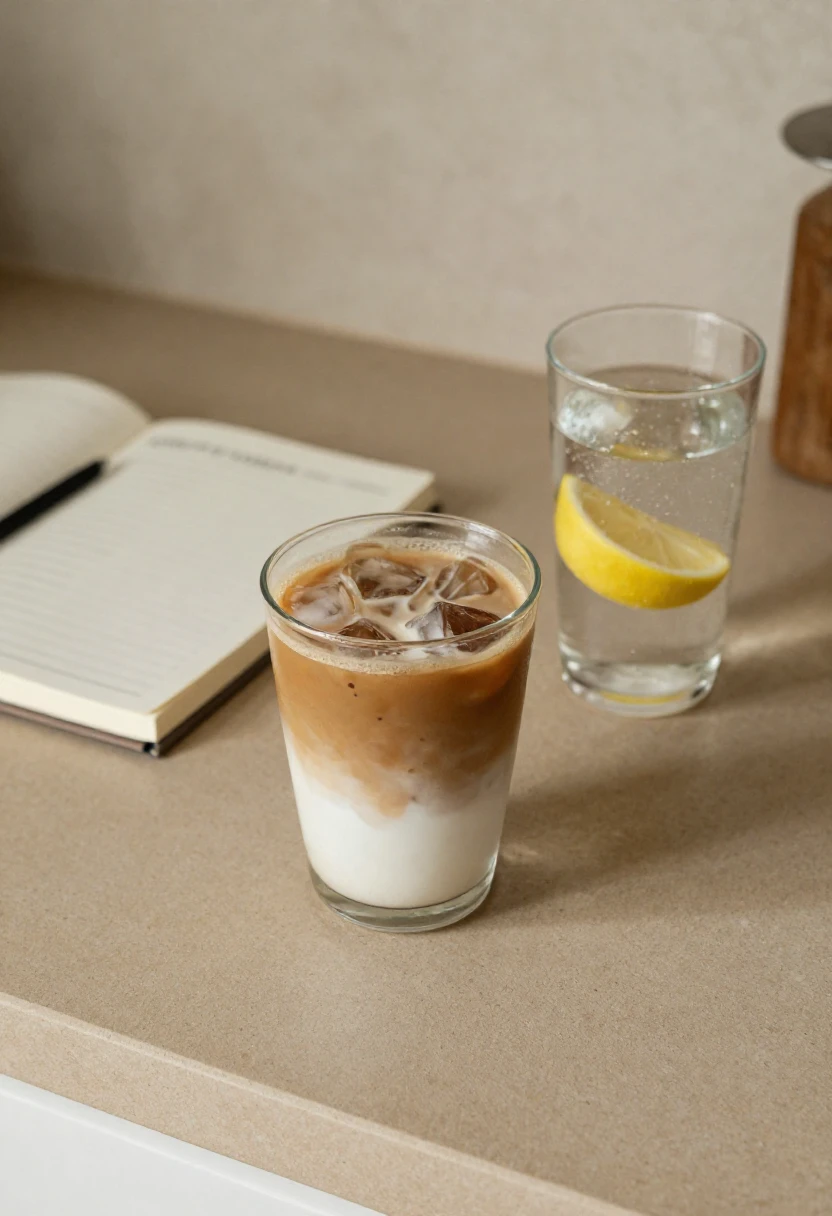
Cutting back on unhealthy drinks works better when it feels normal, not dramatic. The moment you tell yourself, “I can never have this again,” that drink suddenly becomes the most interesting thing in the world.
A more realistic plan is to notice what you drink most often and start there.
Maybe it is the sweet coffee every morning. Maybe it is diet soda all afternoon. Maybe it is a bottled smoothie that feels healthy but never keeps you full. You do not need to fix every drink at once. One small change, repeated often, can make a real difference.
Start with the drink you have most often
The drink you have every day matters more than the drink you have once in a while.
If you order a frozen cocktail on vacation, enjoy it. If you have a sweet coffee every single morning, that is probably the better place to adjust. Daily habits add up quietly, which means small improvements also add up quietly.
You can start by asking:
- What drink do I buy most often?
- Is it replacing water or a real meal?
- Do I feel better or worse after drinking it?
- Am I choosing it because I enjoy it, or because it is just a habit?
That last question is useful. Some drinks are worth keeping because you truly enjoy them. Others are just automatic. The automatic ones are easier to change.
Use smaller portions instead of strict bans
Smaller portions are underrated. You may not need to give up your favorite drink. You may just need less of it.
Order the small latte instead of the large. Split a smoothie with someone. Pour soda into a glass instead of drinking straight from the bottle. Choose one cocktail you actually want instead of sipping three sugary drinks just because the night is long.
At home, use a smaller glass for sweet drinks and a larger glass for water. It sounds almost too simple, but your kitchen habits shape your choices more than willpower does.
Another trick: dilute sweet drinks gradually. Add sparkling water to juice. Add more milk and less syrup to coffee. Brew iced tea and sweeten it lightly instead of buying the bottled version. Your taste buds can adjust, but they usually do better with a slow change.
Keep one fun drink and make the rest simpler
A healthy routine does not have to be joyless. In fact, it should not be. If every drink feels like a punishment, you will eventually run back to the sweetest option and wonder why the plan failed.
Keep one fun drink if it matters to you. Maybe it is a Friday iced latte. Maybe it is a homemade smoothie after a workout. Maybe it is a margarita with dinner once in a while.
Then make your everyday drinks simpler: water, sparkling water, unsweetened tea, coffee with milk, or homemade flavored water.
This balance feels much easier to live with. You still get pleasure, but you are not asking every drink to be dessert, energy, comfort, and entertainment all at once.
And honestly, that is the whole point. Better drink choices should make your day feel steadier, not smaller.
Conclusion
Healthy-looking drinks can be sneaky because they rarely feel like a big decision. You grab one while working, driving, shopping, or trying to get through a tired afternoon. It is just a drink, right?
Sometimes, yes. And sometimes that drink brings more sugar, caffeine, cream, sweeteners, or calories than you expected.
The good news is that you do not need strict rules to make better choices. Start with the drink you have most often. Make it a little less sweet, a little smaller, or a little more filling. Keep the drinks you truly enjoy, but stop letting every sip become dessert in disguise.
Most days, simple drinks work best: water, sparkling water, unsweetened tea, coffee with milk, homemade flavored water, or a smoothie built with protein and fiber. Then, when you do choose the sweet coffee or frozen cocktail, it feels intentional. And honestly, it tastes better that way.
FAQ
Are smoothies unhealthy?
Smoothies are not automatically unhealthy. A smoothie can be a good breakfast or snack if it includes protein, fiber, and a reasonable amount of fruit. The problem starts when it is mostly juice, sweetened yogurt, sorbet, honey, and several portions of fruit in one large cup.
For a better smoothie, use one fruit, Greek yogurt or another protein source, unsweetened liquid, and something filling like oats, chia seeds, flaxseed, or nut butter.
Is diet soda better than regular soda?
Diet soda usually has less sugar than regular soda, so it may help if you are trying to reduce added sugar. But it is still not the same as water, tea, or a more nourishing drink.
Some people drink diet soda without any issue. Others find that the sweet taste keeps cravings going. If diet soda helps you cut back on regular soda, it can be a useful step. Just try not to make it your main drink all day.
What is the healthiest drink besides water?
Unsweetened tea is one of the easiest healthy choices besides water. Green tea, black tea, peppermint tea, hibiscus tea, ginger tea, and chamomile all give you flavor without added sugar.
Sparkling water, homemade flavored water, plain coffee, and milk can also fit well, depending on your needs. The best everyday drink is usually the one you enjoy enough to drink consistently without needing lots of sugar.
How can I stop craving sweet drinks?
Start slowly. If you drink very sweet beverages every day, plain water may taste boring at first. Try reducing sweetness step by step instead of quitting everything at once.
Order fewer pumps of syrup in coffee. Mix juice with sparkling water. Choose unsweetened iced tea and add a little honey yourself. Keep cold water ready in the fridge. Over time, your taste buds adjust, and overly sweet drinks may start to taste heavier than they used to.