Some breakfasts wake you up quickly and disappear from memory just as fast. Coffee, toast, maybe a banana eaten while standing in the kitchen checking your phone before work. These carrot cake pancakes do the opposite. They slow the whole morning down a little, mostly because they smell like something that belongs to a weekend instead of a rushed weekday.
The cinnamon hits first. Then butter warming in the pan, vanilla in the batter, the faint sweetness from the carrots as they cook down. After a few minutes the kitchen starts smelling closer to a small bakery than an ordinary breakfast setup. Not in an overpowering sugary way either. Softer than that. Warmer. More like something homemade that’s been sitting in the oven while coffee brews nearby.🥕
What I like about them is that they still feel believable as breakfast. A lot of sweet pancake recipes cross the line and basically become unfrosted cake with syrup poured over the top. These stay somewhere in the middle. The carrots keep the texture moist without making the pancakes heavy, and the spices carry most of the flavor instead of relying on huge amounts of sugar.
I started making them during one cold weekend when I had too many carrots sitting in the fridge drawer. They were technically still usable, but nobody was excited about eating them anymore. Soup sounded boring. Salad somehow sounded worse. Pancakes ended up being the random solution that worked better than expected.
And honestly, they stayed in rotation after that because they fit slow mornings really well. The kind where coffee gets reheated once or twice because people keep talking instead of drinking it. The kind where someone wanders into the kitchen asking what smells so good before they’re even fully awake yet.
There’s also something nostalgic about the flavor even if you didn’t grow up eating carrot cake pancakes specifically. Cinnamon and butter together do that to people. Same with warm vanilla and maple syrup. The smell alone feels connected to colder weather, oversized sweaters, rainy mornings, and breakfasts that stretch longer than originally planned.
☀️ Why carrot works so well in pancake batter
Carrots do something surprisingly useful in pancakes. Once they cook down into the batter, they almost disappear visually, but texture-wise they change everything. Regular pancakes can dry out pretty fast, especially thick ones. Carrot keeps the inside softer for longer because of the moisture already inside the vegetable itself. It works the same way carrot cake stays tender for days while some plain cakes start tasting stale almost immediately.
The first time I made these, I expected the carrot flavor to stand out more than it actually does. It really doesn’t. The carrots blend into the batter quietly. What they mostly leave behind is softness and a little natural sweetness. The pancakes taste warm and spiced rather than obviously “vegetable-based,” which is probably why people end up liking them even if the idea sounds strange at first.
The size of the carrot pieces matters more than people think, though. Finely grated carrot blends into the batter naturally and softens while cooking. Larger pieces stay firmer and can make the pancakes feel chunky in a weird way. I tried shortcutting the grating once with thicker shreds and ended up with pancakes that felt uneven and awkward to flip. They still tasted fine, but the texture felt messy the whole time.
Fresh carrots matter too. The packaged pre-shredded ones from the store usually feel too dry and stiff for this recipe. Freshly grated carrots release more moisture into the batter and soften much faster once they hit the pan. It’s one of those small differences that sounds unimportant until you actually compare both versions side by side.
The carrots also bring sweetness in a softer way than adding more sugar would. That difference matters here because carrot cake pancakes can become too sugary very quickly if the balance is off. Maple syrup, cream cheese topping, brown sugar, and vanilla already add richness, so the carrots help round things out without pushing the whole thing fully into dessert territory.
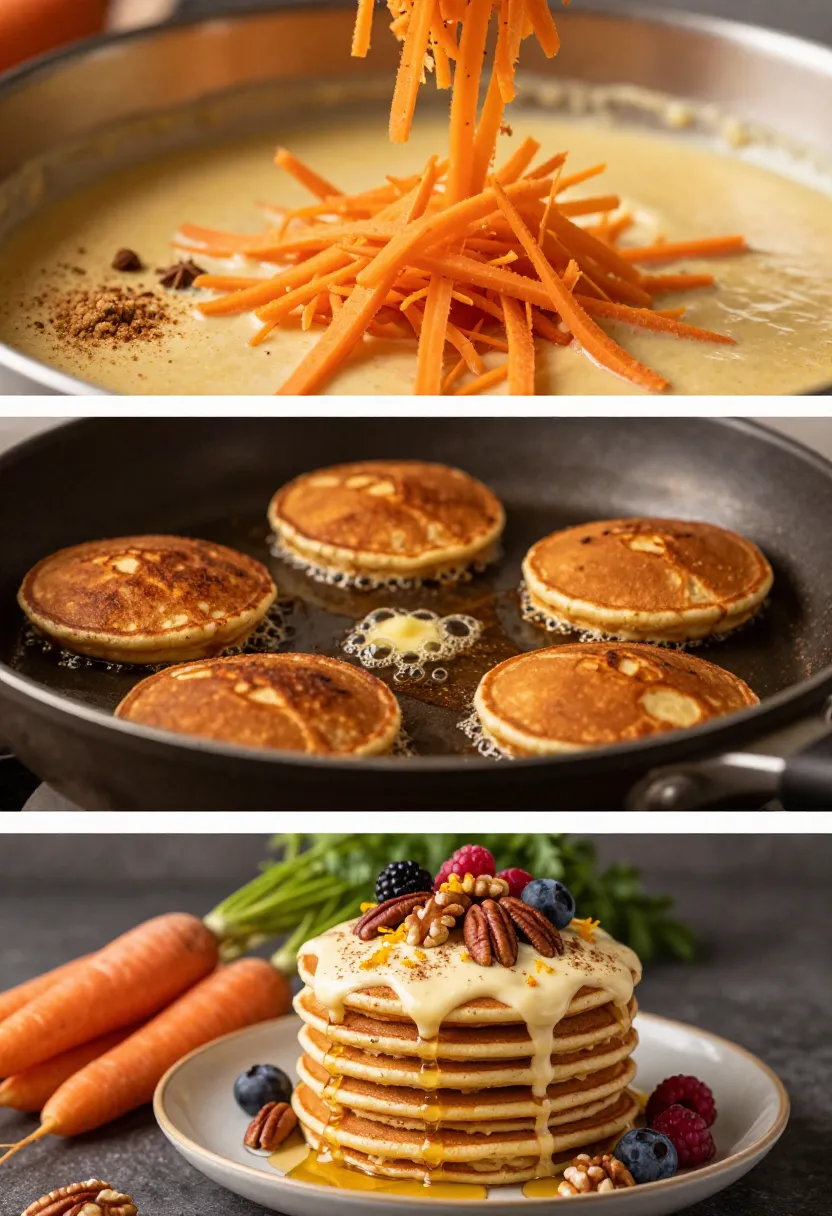
Spices are what actually connect the flavor to carrot cake. Cinnamon does most of the obvious work, but nutmeg and ginger build warmth underneath it. Without those extra layers, the pancakes just taste like ordinary pancakes with carrots hidden inside. Still edible, obviously. Just forgettable.
Brown sugar helps too because it has a deeper flavor than white sugar. Once the pancakes start browning in butter, the sugar caramelizes slightly around the edges and creates that darker bakery-style flavor that works especially well with cinnamon and vanilla.
One thing I noticed after making these a few times: the batter smells stronger than the finished pancakes taste. While mixing everything together, it almost feels like the spice level might become overwhelming. It never really does. Once cooked, the flavors settle down and soften into something warmer and less sharp.
Texture-wise, these pancakes sit somewhere between fluffy diner pancakes and soft cake layers. They aren’t extremely airy. They’re richer than that. Slightly dense in a good way, especially once the edges caramelize in butter while the middle stays warm and tender.
A few details make the carrot flavor work properly instead of feeling random:
- finely grated carrot blends into the batter more evenly
- brown sugar gives deeper flavor than regular white sugar
- cinnamon needs support from nutmeg or ginger
- butter creates better browning than oil
- letting the batter rest improves texture noticeably
The batter itself thickens differently because of the carrots. After resting for five or ten minutes, it becomes slightly heavier and smoother. That’s normal. Actually helpful, because thinner batter spreads too quickly across the pan and makes flatter pancakes with less softness in the center.
Another thing that changes the final texture is cooking temperature. Medium heat works best here because carrots and brown sugar brown faster than plain pancake batter. High heat usually creates pancakes that look done outside while staying too wet in the middle. The smell can fool you into flipping too early too. Better to wait until bubbles fully appear across the surface before touching them.
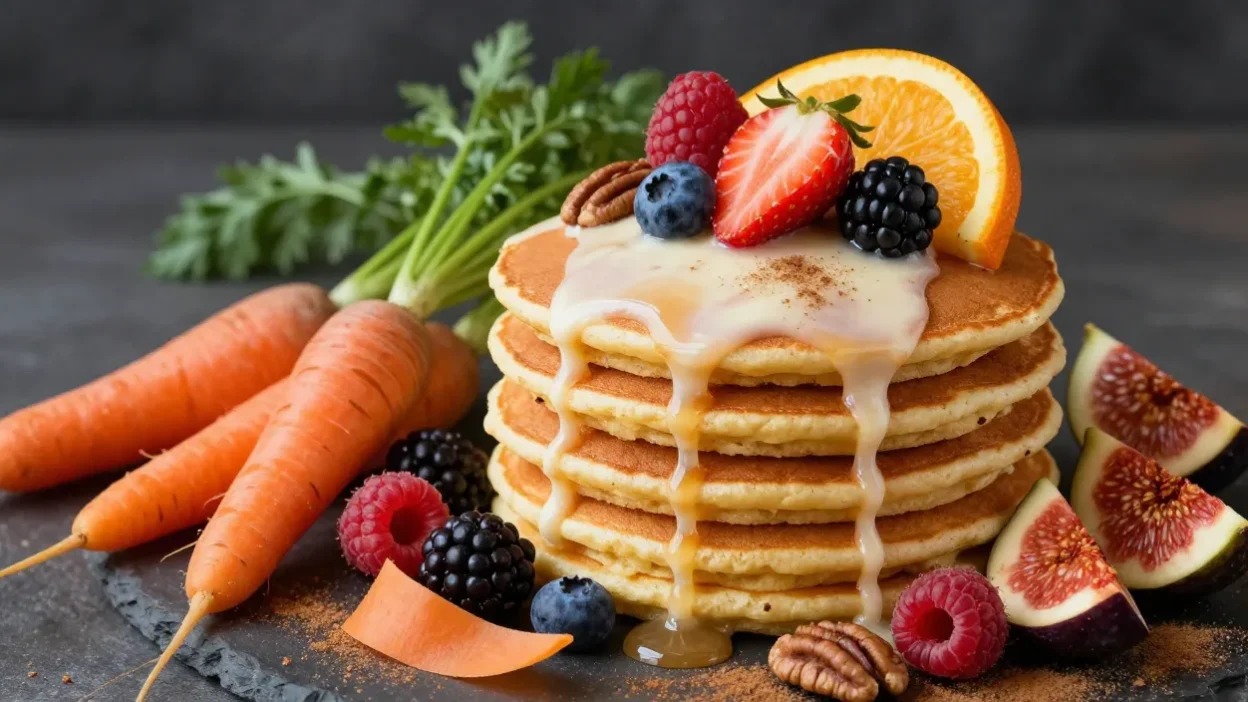
And honestly, these pancakes improve once you stop trying to make them look perfect. Slightly uneven edges, a little extra browning, cream cheese topping dripping down the sides — that’s the version that actually feels homemade and good. Perfectly identical pancakes stacked like restaurant food somehow lose part of the charm.
🧈 The small details that change the flavor
Some recipes technically turn out fine but still feel forgettable once you eat them. Usually the difference comes down to smaller details people skip because they seem unimportant at first.
Butter is one of those details. Melted butter inside the batter adds richness, but butter in the pan creates those darker golden edges that taste almost toasted. Oil works if necessary, but the flavor ends up flatter. With butter, the pancakes smell better while cooking and develop a softer crispness around the outside that makes the texture more interesting.
Vanilla matters in a quieter way. You usually don’t notice it directly, but without it the spice blend tastes sharper and less balanced somehow. A small amount smooths everything out and connects the cinnamon, nutmeg, and brown sugar together into something warmer and rounder.
Salt is another thing people underestimate in sweet breakfasts. Without enough salt, the pancakes taste sugary instead of balanced. Even a tiny pinch keeps the sweetness under control and helps the butter and spices stand out properly.
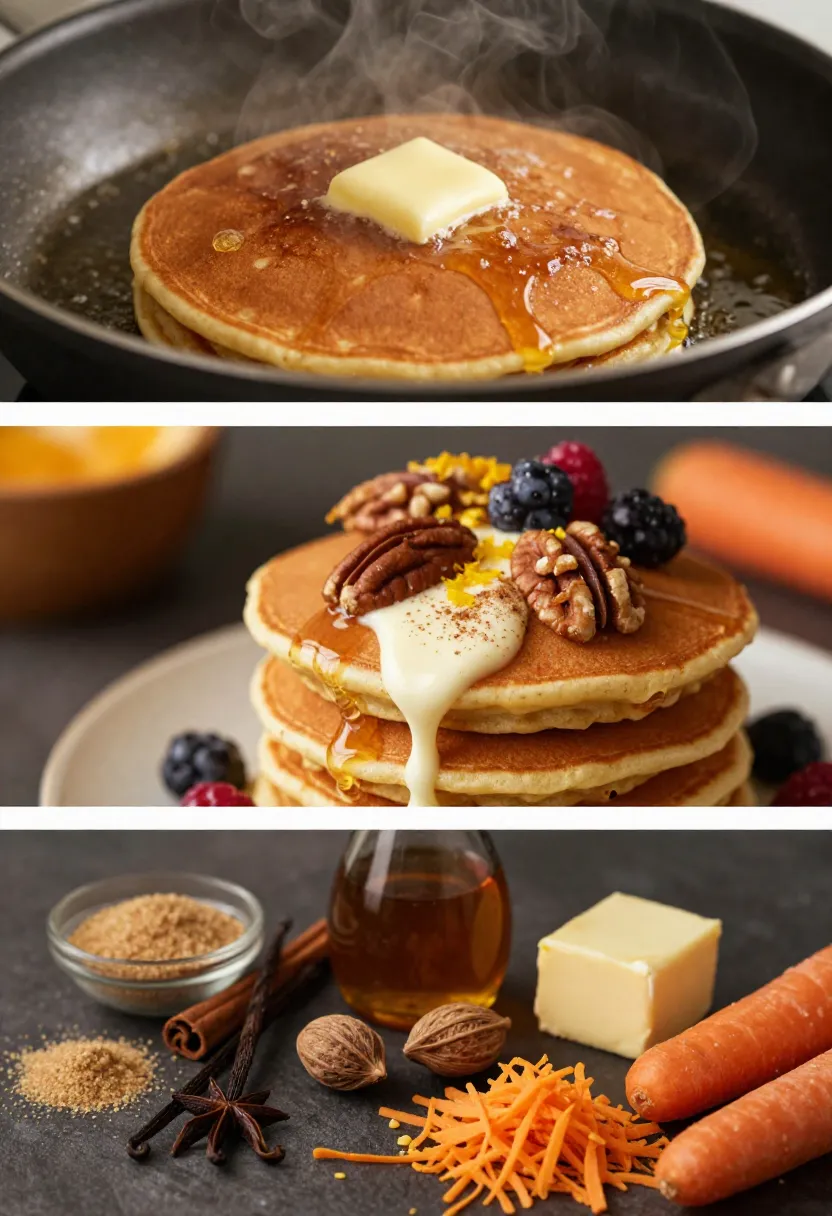
The toppings change the experience more than expected too. Cream cheese topping brings tanginess that cuts through the warm spices and sweetness underneath. Toasted walnuts or pecans add crunch so the pancakes don’t feel soft all the way through. And if maple syrup is warm instead of cold straight from the bottle, everything blends together better on the plate.
Actually, warm syrup makes a bigger difference than most people expect. Cold syrup cools the pancakes down too quickly and sits heavily on top instead of soaking in slightly. Warm syrup disappears into the edges and mixes with the butter and spices almost immediately.
A few ingredients carry most of the flavor and texture work here:
| Ingredient 🥕 | Flavor contribution 🍯 | Texture effect 🧈 | Cooking note 🔥 |
|---|---|---|---|
| Grated carrot | Mild natural sweetness | Keeps pancakes soft and moist | Finely grated works best |
| Cinnamon | Warm classic carrot cake flavor | None | Main spice in the recipe |
| Nutmeg | Adds background warmth | None | Use lightly so it doesn’t dominate |
| Brown sugar | Slight caramel flavor | Helps edges brown nicely | Better flavor than white sugar |
| Butter | Richness and toasted flavor | Crispy golden edges | Best for cooking pancakes |
| Cream cheese | Tangy balance against sweetness | Thick creamy topping | Thin with milk if needed |
| Pecans or walnuts | Nutty toasted flavor | Crunchy contrast | Toast before serving |
| Vanilla extract | Softens spice sharpness | None | Helps round out the batter |
| Maple syrup | Deep sweetness | Adds moisture on top | Warm syrup tastes noticeably better |
Texture contrast matters more than people realize in sweet breakfasts. If everything on the plate is soft, warm, and sweet at the same time, the whole dish becomes tiring halfway through eating it. That’s why toasted nuts help so much here. Same with slightly crisp pancake edges or a little tanginess from the cream cheese topping.
Even small things like cooking temperature change the final flavor. Medium heat works best because the carrots and brown sugar brown faster than plain pancake batter. High heat usually creates pancakes that look done outside while staying too wet in the center.
And one mistake people make constantly: pressing pancakes down with the spatula after flipping them. It feels satisfying for about two seconds and then ruins the texture completely. The air gets pushed out, the middle turns denser, and the pancakes lose that softer cake-like texture that makes them good in the first place.
One small thing that helps a lot: letting the batter rest for five to ten minutes before cooking. The flour hydrates properly, the carrots soften slightly, and the pancakes cook more evenly afterward. Tiny step, noticeable difference.
By the second batch, the kitchen usually smells warm enough that people start wandering in asking when breakfast is ready. That’s usually a pretty reliable sign the recipe is worth keeping.
🥞 Carrot cake pancakes recipe
These carrot cake pancakes taste like the kind of breakfast that belongs to a slow weekend morning when nobody is really in a hurry to leave the kitchen. They’re soft in the middle, lightly golden around the edges, and filled with warm flavors that make the whole apartment smell comforting almost immediately. Cinnamon, vanilla, butter in the pan, maple syrup warming nearby — it all starts smelling more like a bakery than breakfast after the first batch hits the skillet.
What makes them different from regular pancakes is the texture. The grated carrots melt into the batter while cooking and keep everything softer and more tender than standard pancake recipes usually are. They don’t taste strongly like carrots either. Mostly, the carrots add moisture and a natural sweetness that works really well with cinnamon and brown sugar.
The flavor sits somewhere between classic buttermilk pancakes and homemade carrot cake, but without becoming overly sweet or heavy. That balance is what makes them good. A lot of sweet breakfast recipes start feeling like dessert halfway through eating them. These still feel warm and cozy, but believable as an actual breakfast.
The cream cheese topping pulls everything together too. Without it, the pancakes are soft and lightly spiced. With it, they suddenly taste richer, tangier, and much closer to real carrot cake flavor. Add toasted walnuts or pecans on top and the texture gets even better because the crunch breaks up all the softness underneath.
They also work surprisingly well for brunch. Especially during colder months when people naturally stay near the kitchen longer. I made these once during a rainy Sunday morning when friends came over unexpectedly, and by the third batch nobody even waited for plates anymore. People were just grabbing pancakes straight from the cooling rack while coffee kept getting refilled in the background. That usually says more about a recipe than fancy descriptions ever could.🥕
Another thing I like about this recipe is that it feels homemade in the best way possible. The pancakes don’t need to look perfectly round or identical to be good. Slightly uneven edges, extra cream cheese drizzle, a little maple syrup running across the plate — that’s the version that actually feels warm and real instead of overly styled.
And honestly, they somehow taste even better when the weather outside is terrible. Rain, cold mornings, gray skies. These pancakes fit that kind of mood perfectly.
Ingredients
For the pancakes
- 1 cup all-purpose flour
- 1 tablespoon brown sugar
- 1 teaspoon baking powder
- 1/2 teaspoon baking soda
- 1 teaspoon cinnamon
- 1/4 teaspoon nutmeg
- Small pinch of ground ginger
- Pinch of salt
- 1 egg
- 3/4 cup milk
- 1 teaspoon vanilla extract
- 2 tablespoons melted butter
- 1 cup finely grated carrot
For the cream cheese topping
- 100 g cream cheese
- 2 tablespoons maple syrup or powdered sugar
- Small splash of milk
- 1/2 teaspoon vanilla extract
Optional toppings
- Toasted walnuts
- Pecans
- Maple syrup
- Orange zest
- Raisins
- Butter
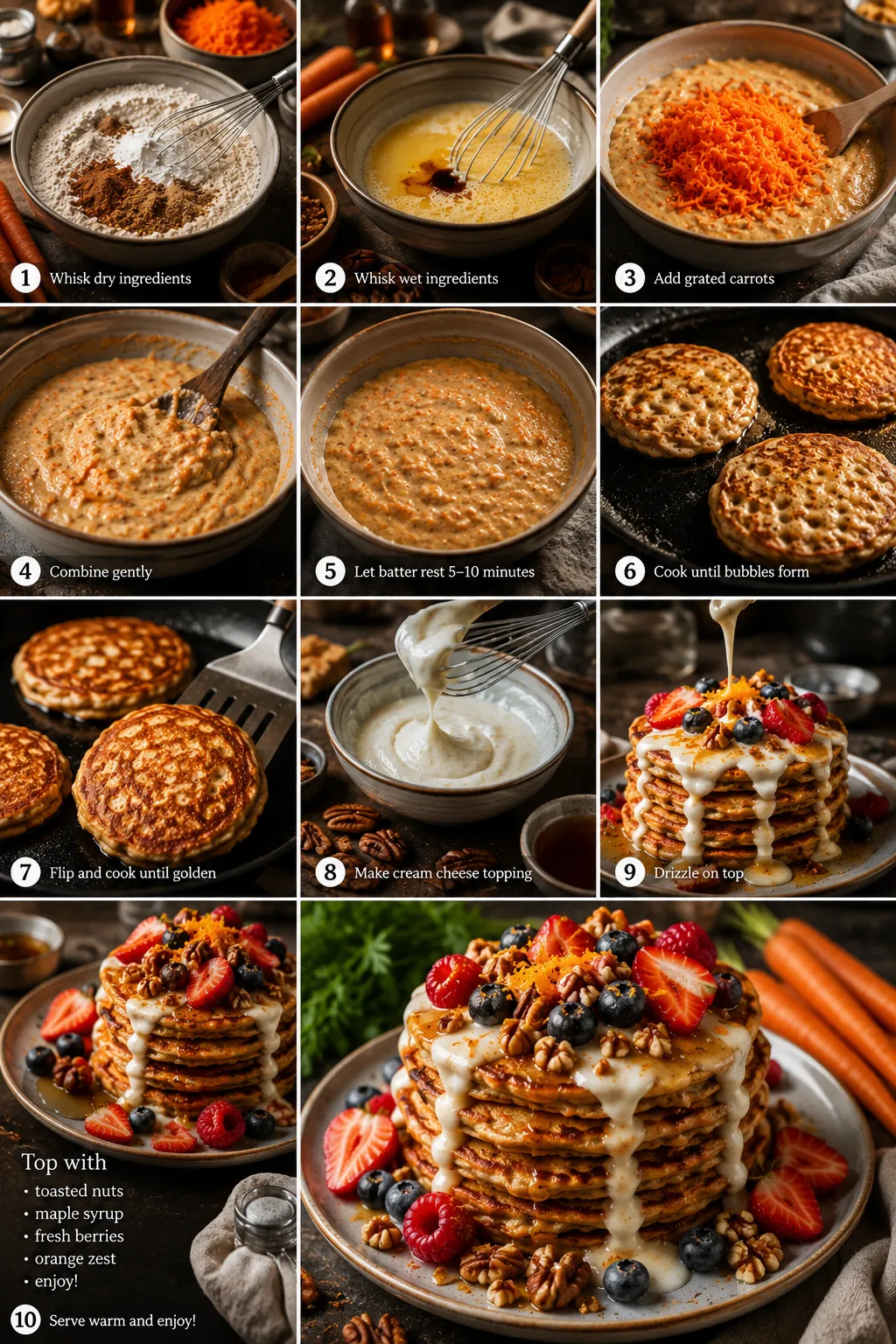
🍳 How to make carrot cake pancakes
- In a medium bowl, whisk together the flour, brown sugar, baking powder, baking soda, cinnamon, nutmeg, ginger, and salt. Make sure the spices are evenly mixed through the flour so the flavor spreads properly across the batter.
- In another bowl, whisk the egg, milk, vanilla extract, and melted butter until smooth. Stir in the grated carrots last. The batter already starts smelling warm and sweet at this stage because of the cinnamon and vanilla together.
- Pour the wet ingredients into the dry ingredients and mix gently until combined. Don’t overmix. A few lumps are completely fine here. Overworked pancake batter usually turns dense and slightly rubbery instead of soft.
- Let the batter rest for about 5–10 minutes before cooking. This gives the flour time to hydrate and helps the carrots soften slightly into the mixture. The batter thickens a little during this step, which is normal.
- Heat a nonstick pan or skillet over medium heat and melt a small piece of butter in the pan. Once the butter starts foaming lightly, spoon portions of batter into the skillet.
- Cook the pancakes until small bubbles appear across the surface and the edges stop looking wet. Flip carefully and cook the second side until golden brown. Try not to press them down with the spatula while cooking or they lose their soft texture.
- For the topping, stir together the cream cheese, maple syrup or powdered sugar, vanilla extract, and a splash of milk until smooth enough to drizzle. Add a little more milk if the mixture feels too thick.
- Stack the pancakes while they’re still warm and spoon the cream cheese topping over the top. Finish with toasted walnuts, pecans, maple syrup, or a little orange zest if you want extra flavor and texture.
Honestly, the orange zest sounds unnecessary at first, but it brightens the whole plate more than expected. Tiny detail. Big difference.
✨ Small tips and kitchen hacks
- Finely grated carrots work much better than thick shreds because they soften faster while cooking.
- Toast the walnuts or pecans before serving. Even two minutes in a dry pan makes them taste richer.
- Medium heat works best. High heat browns the outside too quickly while the middle stays undercooked.
- Warm maple syrup tastes noticeably better than cold syrup straight from the fridge.
- If the batter becomes too thick after resting, add a small splash of milk before cooking.
- Butter gives better flavor than oil for cooking pancakes, especially around the edges.
- Leftover pancakes reheat surprisingly well in a skillet or toaster.
- A pinch of cardamom works really well if you want a slightly warmer spice flavor.
- Cream cheese topping can be made ahead and stored in the fridge for a couple of days.
🧡 What these pancakes actually taste like
The flavor of these carrot cake pancakes lands somewhere between soft spiced pancakes and homemade carrot cake, but less sugary and much calmer than either of those usually are. That balance is probably the reason they work so well for breakfast instead of feeling like dessert pretending to be breakfast food.
The first thing you notice is the warmth from the spices. Cinnamon hits immediately, especially while the pancakes are still hot, but the nutmeg and vanilla sit underneath everything and make the flavor feel rounder and softer instead of sharp. Then the butter starts coming through around the edges where the pancakes brown in the pan. Those slightly crisp golden edges matter more than people think because they keep the pancakes from feeling too soft all the way through.
The carrots themselves almost disappear texture-wise once cooked, but they leave behind moisture and natural sweetness that regular pancakes usually don’t have. Instead of tasting dry after a few bites, these stay tender almost the whole way through the stack. That’s especially noticeable the longer they sit on the plate. Ordinary pancakes cool down quickly and start feeling heavy. These somehow stay softer because of the carrots in the batter.
And honestly, the cream cheese topping changes the entire recipe.
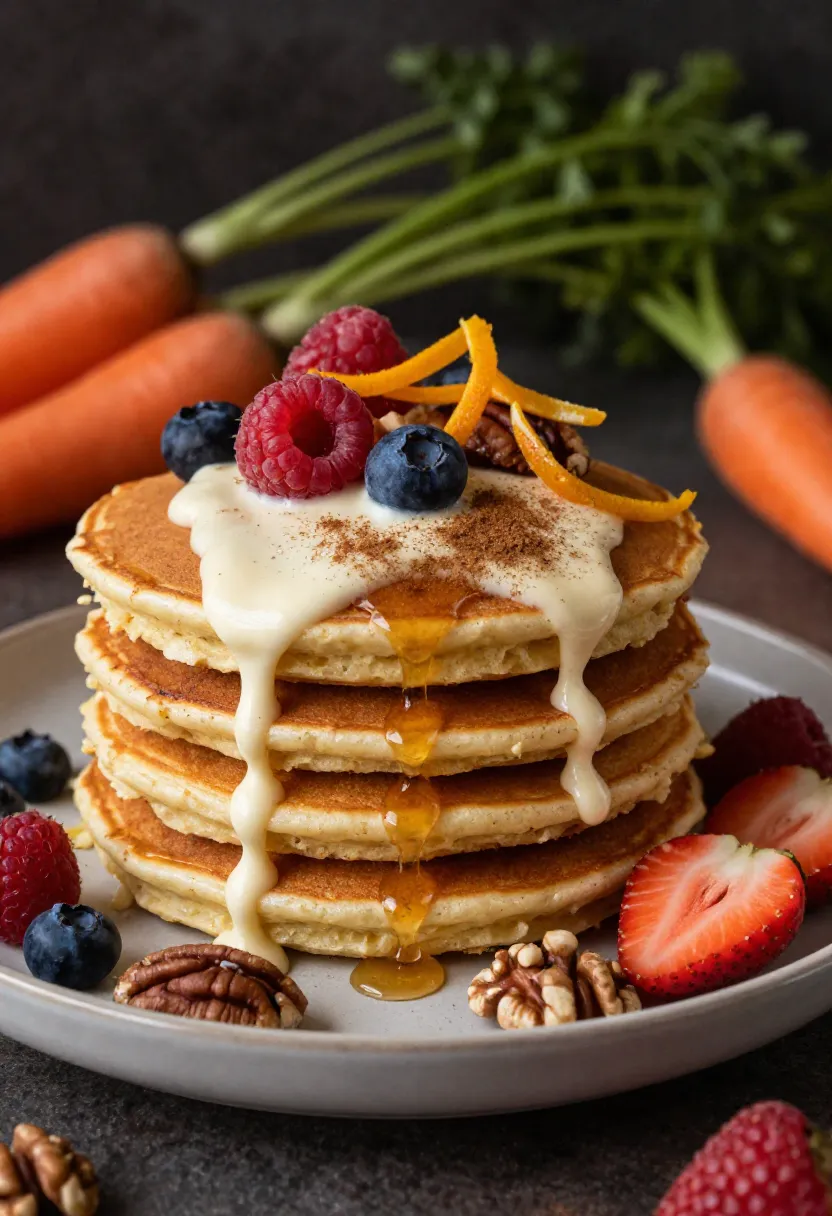
Without it, the pancakes are warm, soft, and comforting.
With it, they suddenly taste complete.
The tanginess cuts through the sweetness and balances the spices in a way plain syrup never fully does on its own. Especially once maple syrup gets involved too. That combination — maple, cinnamon, butter, cream cheese — somehow always tastes nostalgic even if you can’t immediately explain why.
The nuts matter more than expected too. Toasted walnuts or pecans add contrast that keeps the pancakes from becoming too soft and rich at the same time. A little crunch changes the whole texture of the plate and makes everything feel more balanced. Without nuts, the pancakes can lean slightly too soft after a while, especially with extra cream cheese topping.
There’s also something very seasonal about the flavor. These don’t really feel like middle-of-summer pancakes. They belong more to colder weather, slower mornings, oversized sweaters, coffee refills, rainy weekends, and breakfasts that accidentally stretch into late morning because nobody feels like rushing anywhere yet.
The smell does a lot of that work too. Warm butter, cinnamon, vanilla, maple syrup melting into hot pancakes — after a few minutes the kitchen starts smelling closer to a bakery than a normal breakfast setup. It’s one of those recipes where people start wandering into the kitchen asking what smells good before they’re even fully awake yet.
And unlike some heavily frosted carrot cake desserts, these pancakes still feel light enough to keep eating without getting overwhelmed halfway through. The sweetness stays softer and warmer instead of aggressively sugary, which makes a huge difference once syrup and toppings start getting added.
☕ Serving ideas and small cooking tricks that actually help
These pancakes work best when the rest of breakfast stays relatively simple. They already have a lot going on flavor-wise, so overly sweet toppings or heavy side dishes usually make the entire plate feel too rich after a few bites.
Black coffee works especially well because the bitterness balances the sweetness naturally. Chai tea is another good option since the spices match the cinnamon and nutmeg in the pancakes without competing against them. Fresh orange slices also help because the acidity cuts through the richness in a really nice way. Even a little orange zest on top changes the flavor more than expected and makes everything taste brighter.
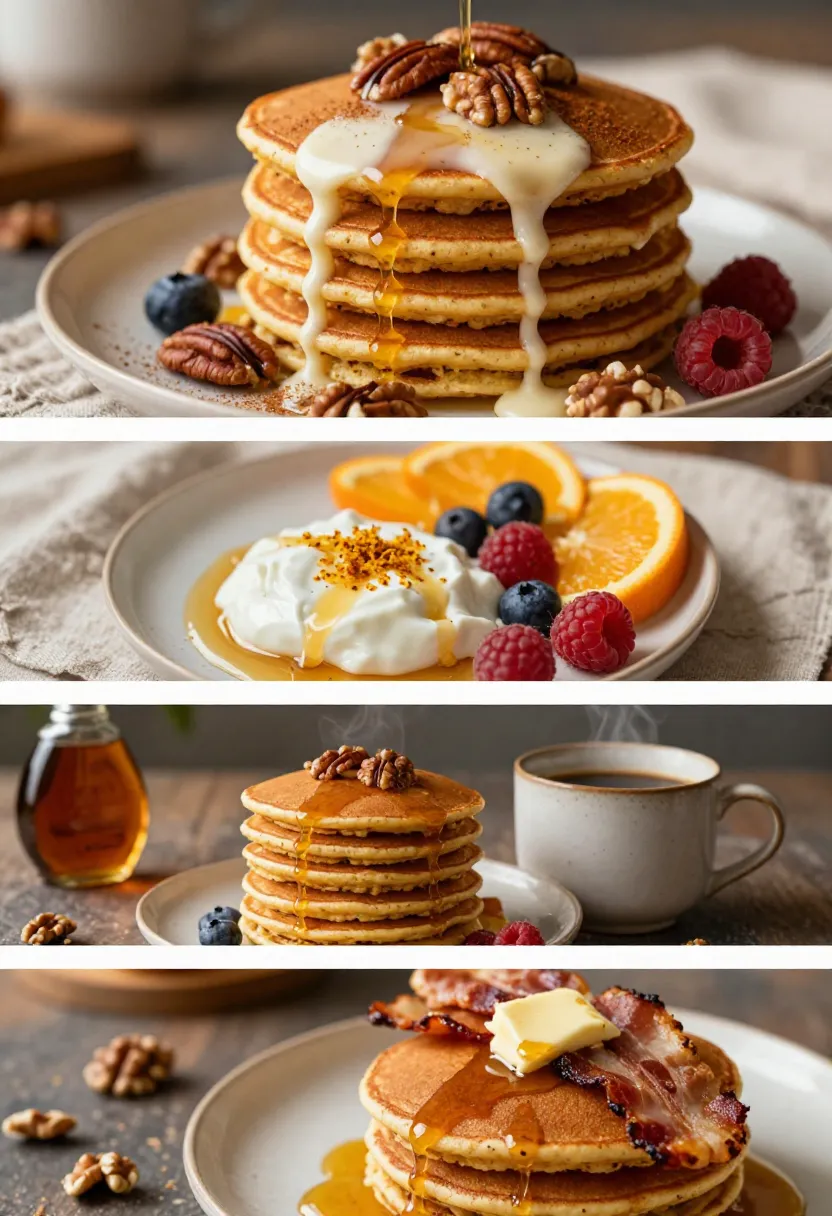
Some combinations work especially well:
- black coffee and toasted pecans ☕
- Greek yogurt with honey and orange slices 🍊
- crispy bacon for sweet-and-salty contrast
- fresh berries and warm maple syrup
- chai tea with extra cinnamon on top 🍂
One thing I probably wouldn’t add is whipped cream. At that point the pancakes drift too far into dessert territory and lose the balance that makes them feel cozy instead of overwhelming. Warm maple syrup and cream cheese topping already bring enough richness on their own.
And real maple syrup honestly makes a noticeable difference here if you can get it. The cheaper pancake syrups usually taste flatter and sweeter without adding much depth. Real maple syrup melts into the pancakes differently too, especially while they’re still warm from the skillet.
Cooking them is pretty straightforward once you know a few small things that make the process easier. The biggest one is temperature control.
Because of the carrots and brown sugar, these pancakes brown faster than regular pancakes. Medium heat gives the inside enough time to cook properly before the outside gets too dark. High heat usually creates pancakes that look ready but still feel slightly undercooked in the center. The smell can fool you too because the cinnamon and butter make everything seem finished earlier than it actually is.
Another small thing that helps a lot is letting the batter rest for five or ten minutes before cooking. The flour hydrates properly, the carrots soften slightly into the batter, and the pancakes cook more evenly afterward. Tiny step, noticeable difference.
Butter in the pan also matters more than people expect. Oil technically works, but butter creates those darker golden edges that taste almost toasted. The flavor becomes warmer and richer overall. Sometimes after two or three batches the butter starts browning too aggressively though, so wiping the pan quickly between rounds helps keep the later pancakes from picking up burnt bits.
Toasting the nuts separately before serving helps too. Even two minutes in a dry pan changes the flavor completely. Walnuts become deeper and slightly buttery, while pecans taste sweeter and warmer afterward. It’s one of those tiny steps that feels unnecessary until you actually compare both versions side by side.
And please don’t press the pancakes down with a spatula while cooking. People do this constantly for some reason. It just pushes air out and makes the pancakes flatter and denser. The softer cake-like texture is part of what makes these good in the first place.
One thing I noticed after making these several times is that the second batch almost always turns out better than the first. The pan temperature stabilizes, the batter thickens slightly while resting, and you stop flipping too early. Pancakes are weirdly forgiving like that.
🌧️ Why these pancakes fit slow mornings so well
Some foods belong to specific moods, and these pancakes definitely fall into that category. They fit rainy Saturdays, cold mornings, late breakfasts, quiet weekends, and those slow days where nobody changes out of comfortable clothes until almost noon.
There’s something about standing near the stove flipping pancakes while coffee brews nearby that naturally slows the pace of the morning down. Maybe it’s because pancakes force you to cook in batches instead of throwing everything together at once. You end up lingering in the kitchen longer without really planning to.
These pancakes also work surprisingly well for casual brunches because they feel homemade without requiring restaurant-level effort. The ingredients are simple, the batter comes together quickly, and the finished stack looks impressive enough once the cream cheese topping starts dripping over the sides and the toasted nuts get scattered on top.
I made a double batch once when friends came over unexpectedly during a rainy Sunday morning, and by the third round nobody even waited for plates anymore. People were just stealing pancakes directly off the cooling rack while coffee kept getting reheated in the background. That usually says more about a recipe than polished food photography ever could.
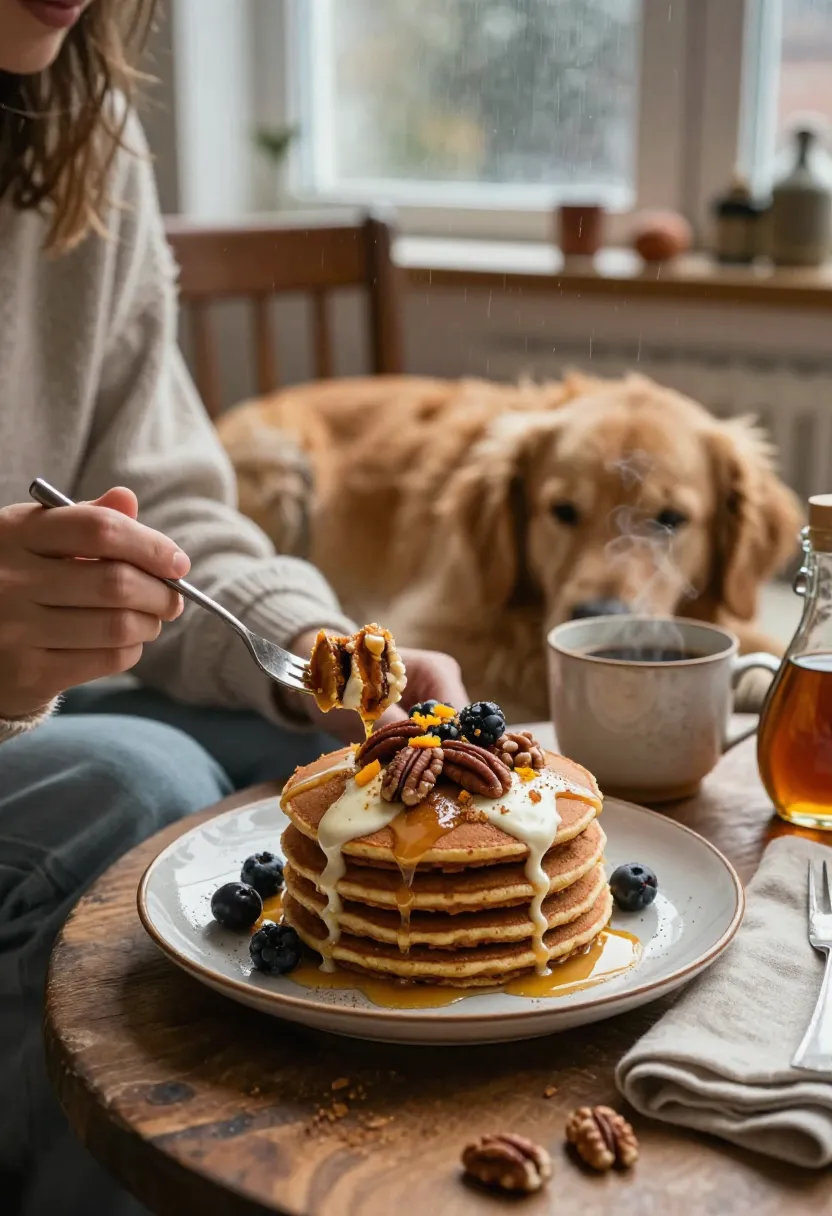
The leftovers hold up surprisingly well too, which honestly isn’t true for a lot of pancakes. Once cooled, they keep their softness because of the carrots in the batter. Reheated in a skillet the next morning, the edges crisp slightly again while the middle stays soft. A toaster works surprisingly well too if you want quicker leftovers without pulling out another pan.
They also become the kind of recipe people start adjusting slightly every time they make them. After the second or third batch, most people end up experimenting a little depending on what’s already sitting in the kitchen.
A few variations that work especially well:
- raisins soaked briefly in warm water
- oats mixed into the batter for extra texture
- crushed pineapple folded into the cream cheese topping
- pecans instead of walnuts
- coconut flakes for a slightly sweeter version
- whole wheat flour for a nuttier flavor
- a tiny pinch of cardamom for extra warmth
One version I didn’t love? Too much carrot.
At some point the pancakes stop feeling fluffy and start feeling damp instead. There’s definitely a limit there. The balance matters more than loading the batter with extra ingredients.
And honestly, that’s probably the reason the recipe works overall. Enough carrot for moisture and sweetness, enough spice for warmth, enough cream cheese topping for richness — but not so much of anything that the pancakes stop feeling relaxed and homemade.
They’re not trying to become restaurant brunch pancakes stacked six layers high with half a candy store poured over the top. They just taste warm, soft, slightly nostalgic, and good enough that people usually reach for another one before they realize they’re already full.