Food trends move much faster than people actually cook.
Every few weeks there seems to be another recipe taking over feeds, group chats, and grocery lists. One dish suddenly appears everywhere, people save it with full confidence that they’ll make it soon, and for a brief moment it feels unavoidable. Then a month passes and nobody talks about it again. The screenshots stay in camera rolls. Ingredients expire in the fridge. The next trend arrives.
But saved recipes are different.
Saving a recipe usually means more than “this looks nice.” It’s a small decision. A quiet thought that says: I could actually see myself making this. Maybe not tonight. Maybe not this weekend. But at some point when dinner feels repetitive, when guests are coming over, or when cooking starts feeling more like a chore than something enjoyable.
And when you look at the kinds of dishes people consistently return to, the pattern becomes surprisingly clear.
The recipes that survive are rarely the flashiest ones.
Most of them are built around familiar ingredients and cooking methods people already trust. Slow roasting. Long simmering. Butter. Bread. Potatoes. Mushrooms. Nothing revolutionary. These recipes don’t promise to change your life or teach some hidden kitchen secret. They simply promise that after an hour or two, your kitchen will smell good and dinner will feel worth sitting down for.
That idea probably explains why comfort food never really disappears.
People experiment. Everyone does. One week you try something ambitious because it looked incredible online. Another week you decide dinner should involve six spices, three sauces, and at least one technique you immediately regret halfway through cooking. But eventually most people circle back to meals that fit into real life.
The recipes people repeat are usually generous rather than impressive.
They leave leftovers you actually want to eat the next day. They don’t punish small mistakes. They allow substitutions. They make ordinary evenings feel a little slower and more enjoyable. And maybe most importantly, they create that specific feeling where dinner feels complete without becoming exhausting to make ✨
That’s the idea behind this collection.
These ten dishes were inspired by the kinds of recipes people kept saving and returning to. Not because they looked dramatic in photos, but because they offered something more useful: comfort, good texture, reliable flavor, and food that still sounds appealing after a long day.
Some of these dishes lean rich and cozy. Others are simpler than they first appear. A few barely look special until they reach the table and suddenly disappear faster than expected.
None of them need a trend cycle to survive.
Why these recipes stayed while hundreds of others disappeared
| People wanted… | They kept coming back because… | Examples | Best moment |
|---|---|---|---|
| Comfort | Warm, familiar, satisfying meals | Potato bake • Roast chicken | Cold evenings 🕯️ |
| Effort that feels rewarding | Big flavor without difficult cooking | Slow beef • Baked dishes | Weekend dinners |
| Leftovers worth keeping | Flavor gets better overnight | Beef stew • Chicken | Meal prep |
| Food that feels impressive | Rustic dishes without pressure | Mushroom toast • Roast chicken | Guests coming |
| Small indulgence | Butter, cream, crispy textures | Biscuits • Potato dishes | Friday night ✨ |
| Better use of simple ingredients | Familiar food cooked with patience | Mushrooms • Stews | Fridge-cleanout cooking |
| Flexibility | Easy to adapt throughout the year | Chicken • Roasted dishes | Any season |
| Atmosphere | The smell becomes part of the experience | Beef • Biscuits • Potatoes | Slow Sundays ☕ |
| Familiar flavors | Classic combinations still work | Most dishes here | Comfort cooking |
| A sense of reward | Dinner feels bigger than the effort | All ten recipes | Long weekdays |
The table makes something interesting stand out.
None of these dishes became popular because they were especially new. In fact, most of them rely on techniques people have been using for decades. Slow cooking concentrates flavor. Roasting creates texture. Butter makes things taste fuller. Resting food before serving improves texture more than people expect. These ideas aren’t exciting on paper, but together they create meals people actually want to repeat.
That’s probably the biggest difference between a recipe people admire and a recipe people save.
Admired recipes often live in tabs that never get opened again. Saved recipes eventually make it to the kitchen.
They become Friday dinners after exhausting weeks. They show up during cold weather. They appear when friends visit. Sometimes they become accidental traditions — the dish someone asks for every time they come over, or the meal you stop measuring because you already know it by memory.
This collection isn’t about the newest food or the most impressive technique.
It’s about recipes that earned something harder to get than attention: a second try 🍷💛
The top 10 dishes people saved — and genuinely wanted to cook later 🍽️
The recipes ahead aren’t connected by cuisine, season, or difficulty level. What connects them is much simpler than that.
Each one offers something people keep coming back for — comfort, texture, practicality, atmosphere, or just the kind of dinner that makes someone ask for the recipe before leaving.
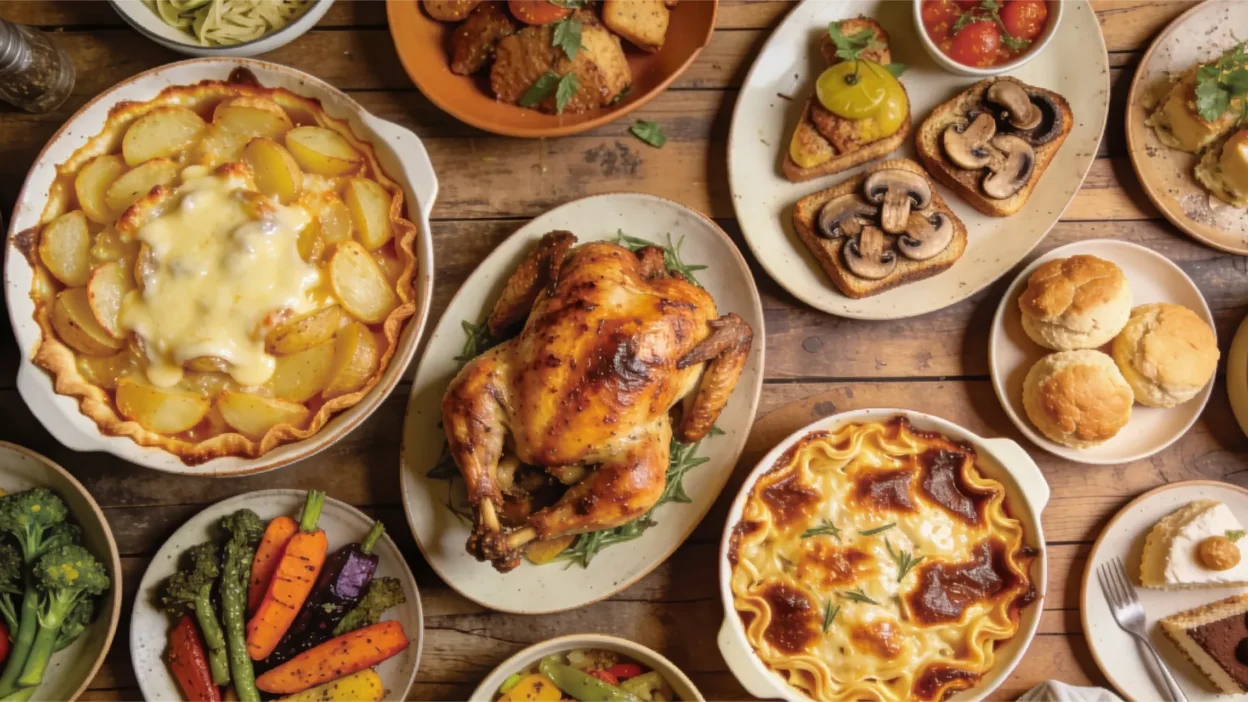
Inside this collection you’ll find rich baked dishes with golden edges, slow-cooked favorites that somehow taste even better the next day, buttery baking projects worth turning the oven on for, and a few unexpectedly simple meals that feel much more expensive than they actually are.
Nothing overly technical.
Nothing built for a trend cycle.
Just food people wanted to save… and eventually wanted to eat.
1. Potato, cheese, and the kind of comfort food nobody regrets 🧀🥔
There’s something almost suspiciously reliable about baked potato dishes. Food trends change constantly, but potatoes seem completely uninterested in participating. Every year new recipes appear promising to become the next weeknight essential, yet dishes built around potatoes continue surviving quietly in the background. They don’t need novelty to stay relevant because they already solve a problem people actually care about: making dinner feel satisfying without becoming complicated.
This dish leans into that idea completely. At first glance there’s nothing especially impressive about the ingredient list. Potatoes, onions, cream, cheese — all familiar things most people already buy without thinking too much about them. But once those ingredients spend enough time together in the oven, they stop tasting separate. The onions soften and become sweeter. The cream thickens and moves between the layers. The cheese melts, then browns, creating deeper flavor across the top. Meanwhile the potatoes absorb everything around them until the whole dish starts feeling richer than the ingredients suggest.
That transformation probably explains why people continue returning to food like this. Comfort food usually isn’t memorable because it surprises people. It works because expectations get rewarded. You already know what a potato bake should feel like before the first bite, but a good version still manages to exceed that expectation a little. The center becomes creamy without turning heavy. The top develops darker golden spots that add texture and slight nuttiness. Even the edges become important because they deliver contrast against the softer middle.
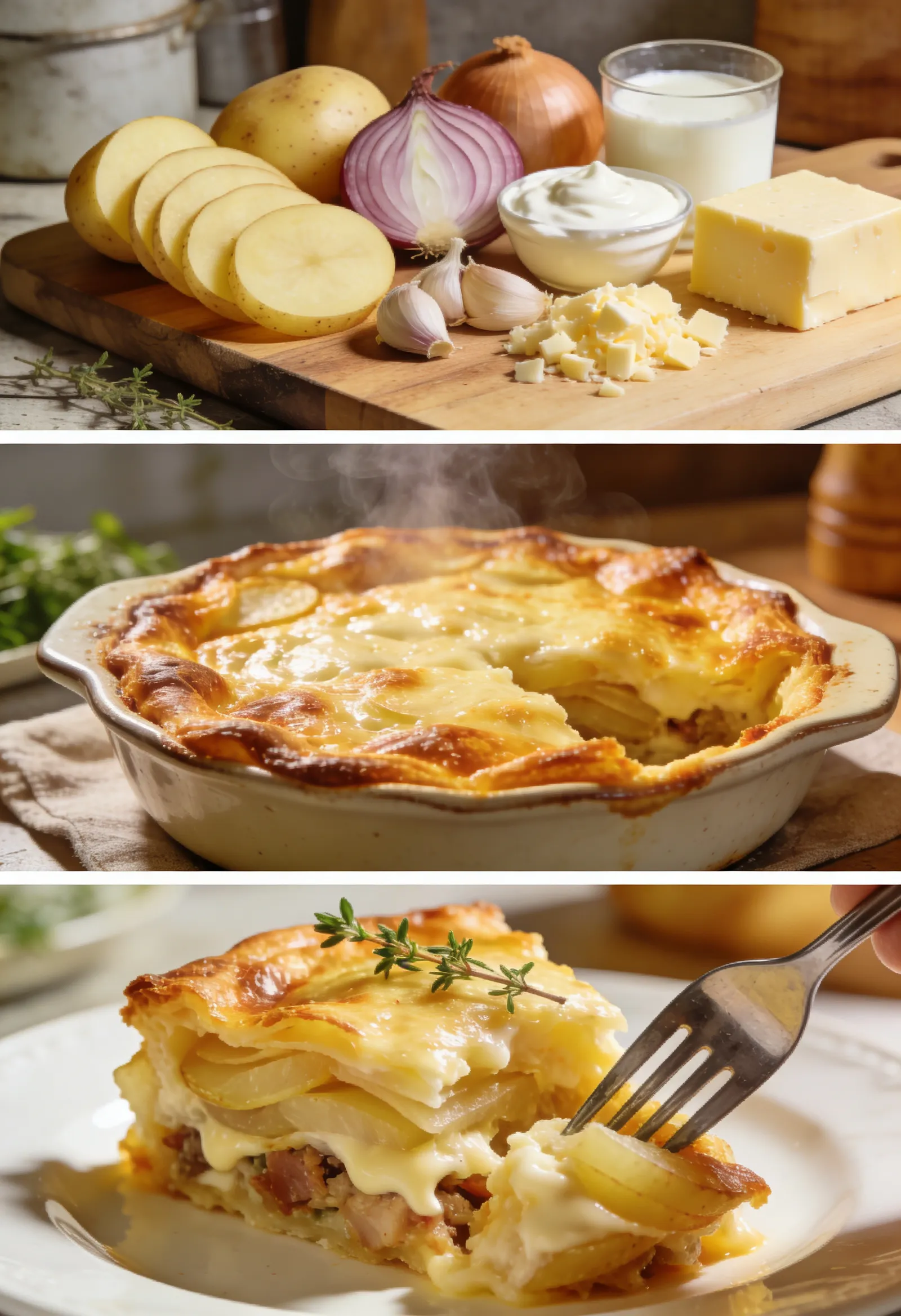
Texture is what separates a decent baked potato dish from one people immediately save to make again later. If everything stays equally soft, the dish feels flat after a few bites. The goal is variation. You want the middle to stay smooth and almost spoon-soft while the surface becomes more structured and slightly crisp. That difference keeps each bite interesting and stops richness from becoming overwhelming.
Another reason recipes like this remain popular is flexibility. They adapt to the moment instead of forcing the moment to adapt to them. Serve this alongside a sharp green salad and dinner feels balanced and relaxed. Add roast meat and suddenly the same dish becomes more substantial and weekend-worthy. Pair it with bread and a bottle of wine and somehow the meal stretches into an evening instead of staying just dinner.
There’s also a small detail that people often skip: resting.
Pulling something bubbling and golden from the oven creates immediate pressure to start serving, but giving the dish ten or fifteen minutes changes more than most people expect. The cream settles, the structure firms up slightly, and the layers stop sliding apart. It becomes easier to serve and noticeably better to eat.
That pause feels unnecessary every single time.
And then you taste the difference and realize why waiting matters.
Serve with:
- crisp green salad 🥗
- roasted chicken 🍗
- pickled vegetables
- simple mustard dressing
- crusty bread
📌 Kitchen note: potato bakes usually taste even better the next day because the starches continue absorbing flavor as everything rests overnight.
2. Slow-cooked beef and why people never stop returning to it 🥘
There’s a reason slow-cooked beef appears in almost every generation’s idea of comfort food. People cook differently now than they did twenty or fifty years ago. Most of us expect faster dinners, fewer dishes to wash, and recipes that fit into ordinary evenings without taking over the whole day. But somehow slow braises keep surviving all of that. Even people who don’t cook often usually have one version they remember — something eaten during colder months, family weekends, holidays, or those slow afternoons when nobody was checking the clock.
Part of the appeal is that slow-cooked beef creates a type of satisfaction that quick recipes rarely manage to recreate. At the beginning, everything feels almost disappointingly ordinary. Raw vegetables. Browned meat. Stock or wine. A heavy pot. Nothing about the process looks impressive. If anything, it can feel slightly underwhelming because the ingredients still seem completely separate from each other.
Then cooking time starts changing the structure of the meal. The onions soften and slowly disappear into the sauce. The vegetables become sweeter and less distinct. Fat and liquid combine into something thicker and smoother. The meat gradually loses resistance until it becomes tender enough that cutting feels unnecessary. Eventually dinner stops tasting like separate components and starts tasting complete.
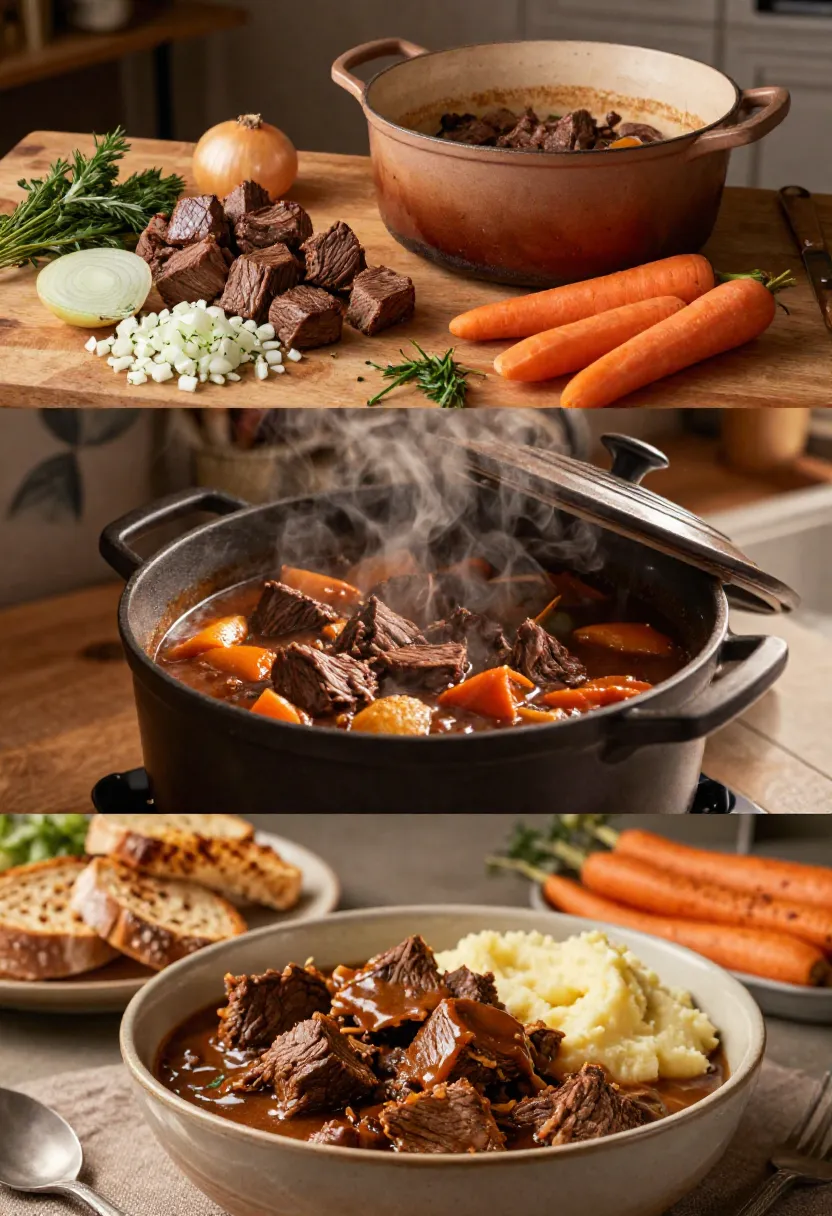
That transformation explains why people continue saving recipes like this even when faster alternatives exist. Slow cooking rewards patience much more than technical skill. You don’t need expensive ingredients or advanced techniques. In fact, some of the cuts people usually avoid for everyday cooking become ideal here because longer cooking breaks them down more effectively and creates a richer texture than quick methods ever could.
There’s also something refreshing about a recipe that doesn’t constantly demand attention. Modern cooking often turns dinner into a sequence of small tasks — stir, adjust, monitor, finish immediately. Slow beef works differently. Once everything is assembled and the heat is right, the best thing you can do is leave it alone for a while. That creates a different mood around cooking. Dinner continues happening in the background while you do other things instead of standing over the stove trying to manage every stage.
This is probably why slow-cooked meals feel tied to atmosphere so easily. They belong to evenings when people stay in the kitchen longer than necessary. The smell starts filling the apartment long before dinner is ready. Someone eventually lifts the lid too early. Bread appears on the table before anything else is finished. The meal becomes part of the evening instead of simply ending it.
And leftovers are part of the experience too. Beef stew is one of the few dishes where people aren’t exaggerating when they say it tastes better the next day. Overnight the sauce thickens slightly, flavors settle into each other, and the meat absorbs even more richness. Sometimes the second dinner becomes the one people remember more.
That’s usually a good sign.
Not that a recipe tasted good once, but that people already know they want to eat it again.
Best alongside:
- mashed potatoes 🥔
- buttered noodles
- toasted country bread
- roasted carrots 🥕
- creamy polenta
📌 Interesting detail: tougher beef cuts often outperform expensive ones because long cooking slowly melts collagen into the sauce and creates a smoother texture.
3. Mushroom toast deserves a promotion from snack to dinner 🍄
Toast has been underestimated for years. People tend to treat it as breakfast, emergency food, or something assembled when there’s nothing else available. But some of the most satisfying meals are built around exactly the same principle: good bread with something cooked properly on top of it.
Mushrooms might be one of the best examples because they completely change character while cooking. On paper the dish sounds almost too simple to deserve attention. Bread, mushrooms, butter, herbs. Maybe cheese. Maybe an egg. Nothing especially ambitious. But simplicity becomes interesting when ingredients are treated with enough patience.
Most disappointing mushroom dishes happen for the same reason: people rush them. Mushrooms release a surprising amount of moisture and for the first few minutes it can feel like the pan is moving in the wrong direction. Instead of browning, everything looks wet. That stage tricks people into turning up the heat or ending early.
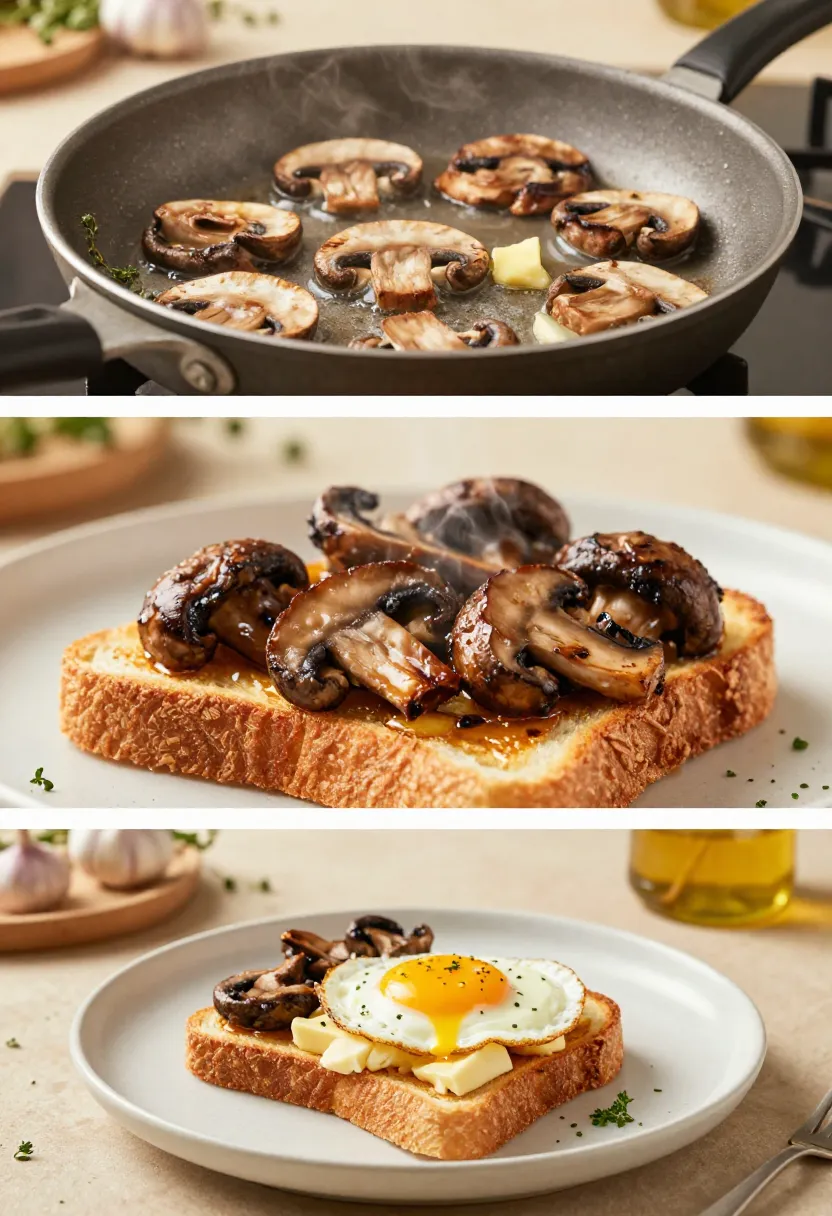
But if you keep going, mushrooms eventually become something completely different.
The moisture cooks away, the edges begin darkening, and the flavor starts concentrating. Mushrooms shrink, become denser, and develop that deeper savory quality that makes them feel more substantial than expected. Suddenly the dish stops feeling like a snack and starts feeling like an actual meal.
The bread matters just as much as the topping. Thick toasted slices hold structure and absorb butter without collapsing. Crisp edges balance the softness above. Herbs brighten everything and stop the richness from becoming too heavy. Even small additions change the mood completely. Soft cheese makes it richer, garlic adds warmth, and one fried egg turns the whole thing into something halfway between breakfast and dinner.
That flexibility is probably why people return to meals like this. Mushroom toast doesn’t feel demanding. It works on evenings when cooking needs to stay simple but still feel intentional. It also adapts easily depending on mood, season, and what happens to already be in the fridge.
Some meals succeed because they impress people.
This one succeeds because it quietly works.
Good additions:
- soft cheese 🧀
- thyme
- garlic butter
- grated hard cheese
- fried egg 🍳
📌 Small trick: mushrooms need more space than most people expect — crowded pans create steam instead of browning.
4. Buttery biscuits and the strange joy of baking something simple ☕🥐
There are recipes people admire and recipes people actually make. Those categories overlap less often than food media likes to admit, and biscuits are probably one of the best examples. Nobody usually opens the oven and announces they’ve created something extraordinary. Nobody photographs biscuits from seven angles before eating them. But somehow trays of warm biscuits continue disappearing faster than more elaborate desserts.
Part of the reason is that biscuits deliver immediate comfort without requiring much ceremony. They don’t ask for complicated ingredients or careful decoration. Most versions are built from things people already have in the kitchen — flour, butter, milk, maybe a little sugar depending on the style. That simplicity sounds ordinary until you remember how many baked recipes ask for far more effort and produce far less satisfaction.
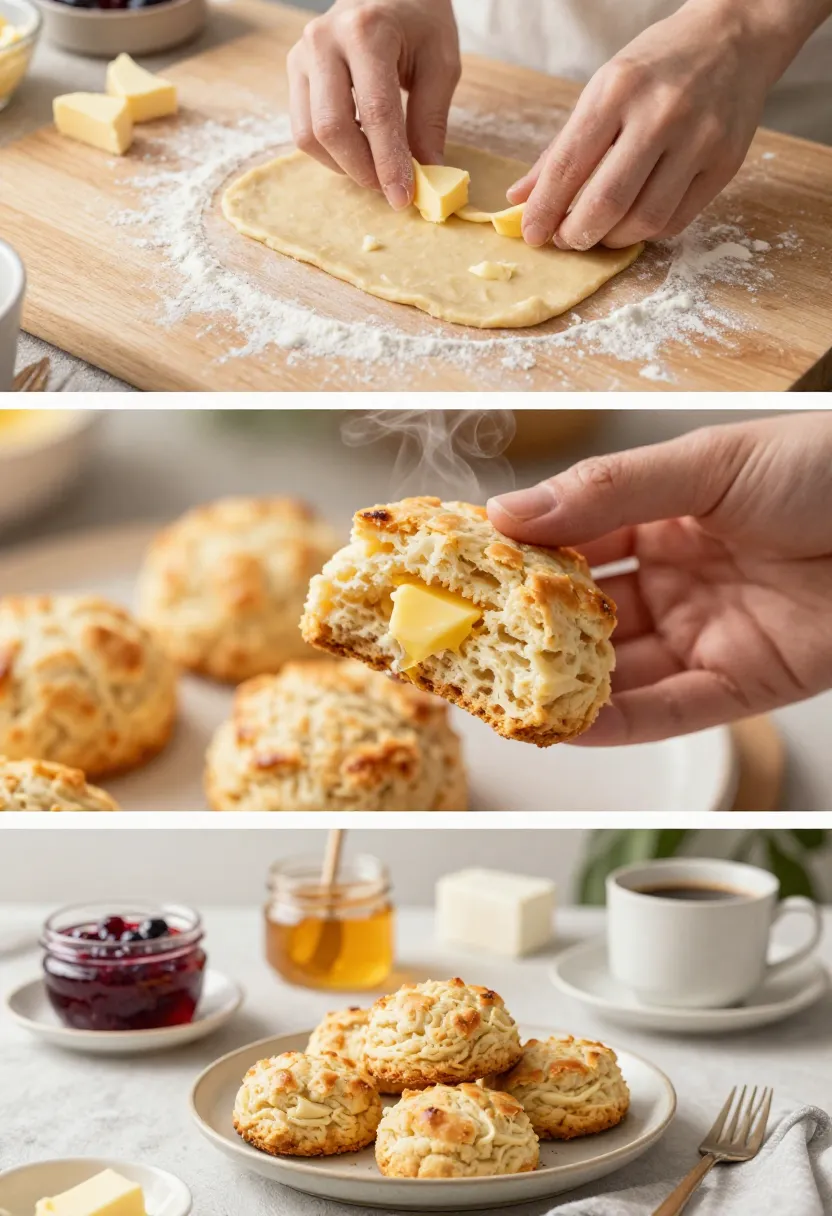
Good biscuits are mostly about texture. People often describe them as soft, but softness alone isn’t enough. The best ones have structure on the outside and visible layers inside. When you pull one apart, there should be a little resistance before the center opens into something warm and tender. Butter should melt immediately after touching the surface. The edges should feel slightly crisp while the inside stays delicate without becoming crumbly.
What surprises a lot of people is how little perfection matters here. Biscuits actually respond badly to overworking. Trying to make them too neat usually creates heavier results. The dough benefits from quick hands and a little confidence. Small irregularities bake beautifully because they create uneven surfaces that brown more naturally in the oven.
That homemade quality is probably part of why people return to recipes like this. Biscuits don’t feel polished in the modern bakery sense. They feel familiar. Slightly uneven tops, deeper color in some places than others, butter escaping at the edges — those details make them feel inviting instead of overly styled.
They also fit into more situations than people expect. Warm biscuits belong with breakfast, but they’re equally good next to soup, served with roast dinners, eaten in the afternoon with coffee, or split open late at night because somebody wanted “just one thing” and accidentally made a whole batch.
Maybe that’s why simple baking survives trends so easily. It doesn’t ask for attention. It simply gives people a reason to turn the oven on.
Perfect companions:
- salted butter 🧈
- berry jam 🍓
- scrambled eggs 🍳
- honey
- soft cheese
📌 Kitchen note: colder dough usually creates better layers because the butter melts later during baking.
5. Roast chicken continues to embarrass complicated recipes 🍗
Every year someone predicts the future of dinner. There’s always a new ingredient, a new technique, or a new idea that supposedly changes the way people cook at home. And every year roast chicken quietly ignores all of it and stays exactly where it has always been.
That’s probably because roast chicken does something many modern recipes struggle to do: it feels rewarding without feeling difficult.
At its core, it’s an uncomplicated idea. A whole chicken, heat, seasoning, and enough time. But the result feels larger than the effort behind it. The smell fills the kitchen long before dinner is ready, people start checking the oven too early, and somehow even a regular evening begins feeling more intentional.
People often overcomplicate roast chicken because they assume something so popular must have hidden techniques behind it. In reality, the biggest improvements usually come from doing simple things properly. Dry skin helps browning. Salt matters more than elaborate marinades. Temperature matters more than ingredient lists. Most of the recipe happens because heat gradually transforms everything instead of because somebody followed twenty detailed steps.

And the transformation really is the interesting part.
As the chicken roasts, the skin tightens and becomes golden while fat slowly renders into the pan. The meat stays protected underneath while vegetables absorb flavor below. Potatoes become richer. Onions soften completely. Carrots become sweeter. Sometimes the vegetables end up being the first thing people reach for.
That’s one of the reasons roast chicken continues surviving trends so easily. It naturally creates a full dinner instead of requiring separate planning for sides, sauces, and extras. One tray can become the entire meal.
There’s also something social about it that smaller meals don’t always create. Roast chicken encourages people to stay at the table longer. Someone asks for crispy skin. Somebody else wants leftovers for tomorrow. Bread appears even though nobody planned bread. It becomes less about serving portions and more about sharing dinner.
And unlike trend recipes that belong to a specific moment, roast chicken adapts almost endlessly. It works for family meals, weekends, guests, meal prep, colder weather, and random evenings when cooking needs to feel slightly more satisfying than usual.
That kind of flexibility is difficult to replace.
Which is probably why roast chicken never actually disappears — people just keep rediscovering it.
Serve with:
- roasted vegetables 🥕
- crusty bread 🍞
- herb sauce 🌿
- fresh greens
- roasted potatoes 🥔
📌 Kitchen note: resting roast chicken before cutting keeps more moisture inside and improves texture noticeably.
6. A baked pasta that somehow tastes better than the effort behind it 🍝🧀
Baked pasta has a strange advantage over a lot of modern comfort food: people rarely expect much from it, which means it gets to surprise them almost every time. Nobody usually starts cooking baked pasta thinking they’re about to create the most memorable meal of the month. It sounds too familiar for that. Pasta feels ordinary. Cheese feels predictable. Tomato sauce stopped being exciting years ago. But once everything goes into the oven and enough time passes, those simple ingredients start behaving differently and the entire dish becomes much more satisfying than the ingredient list suggests.
Part of that transformation comes from the fact that baked pasta changes texture in several directions at once. The sauce reduces and thickens instead of staying loose. Cheese melts into the layers and creates structure instead of acting as decoration. The upper surface slowly develops color while the center stays softer and richer. Some corners become darker and almost crispy, while deeper parts of the dish remain creamy and warm. Those differences matter more than people realize because comfort food only stays enjoyable when there’s contrast inside it. If every bite feels identical, even rich food becomes tiring surprisingly quickly.
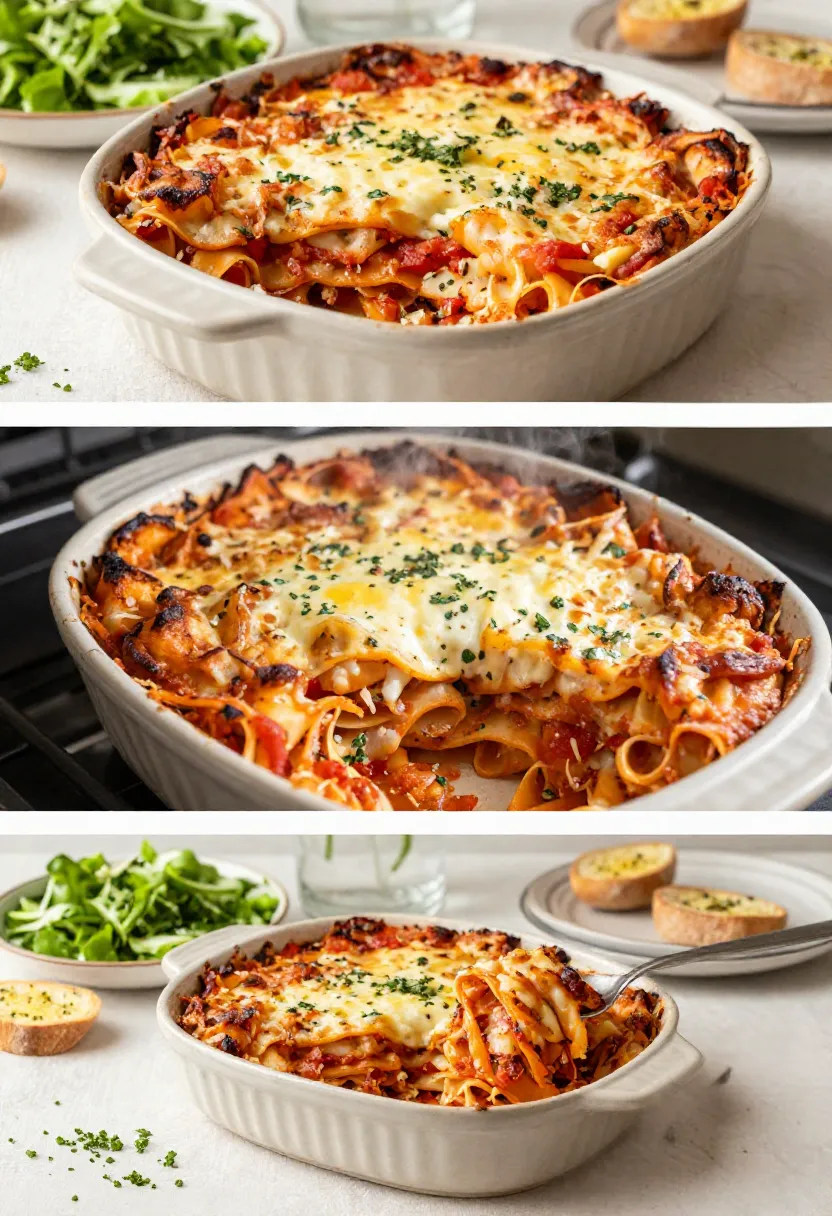
That’s also what makes baked pasta so easy to repeat. It feels forgiving in a way many recipes don’t. Nobody expects mathematical precision from it. Different cheeses behave differently and usually still work. Extra vegetables rarely ruin anything. A richer sauce changes the mood of the meal but doesn’t break it. Even pasta shape becomes more of a preference than a rule. Over time people naturally stop following one exact recipe and begin building their own version without really noticing.
Another reason baked pasta keeps surviving trends is that it fits social cooking unusually well. It doesn’t create pressure. People don’t wait for perfect plating or exact serving sizes. A large baking dish in the middle of the table immediately changes dinner into something more relaxed. Somebody takes more cheese from the top. Somebody prefers softer middle portions. Somebody quietly returns for another spoon before everyone else finishes. These small moments sound unimportant, but they’re usually the reason people remember meals in the first place.
And maybe that’s the real strength of recipes like this. They don’t try to impress through novelty or complexity. They simply create dinners that feel slightly bigger, warmer, and more complete than people expected before turning the oven on.
Serve with:
- green salad 🥗
- garlic bread 🥖
- roasted vegetables
- fresh herbs 🌿
- chili flakes
📌 Kitchen note: letting baked pasta rest before serving helps the sauce settle into the layers and gives noticeably better texture.
7. A fish dinner that feels lighter without feeling less satisfying 🐟🍋
Fish often gets placed into a category that doesn’t really help it. People talk about fish as healthy food, quick food, lighter food — all technically true descriptions, but not necessarily descriptions that make somebody excited to cook dinner. Comfort food usually gets associated with longer cooking, richer ingredients, deeper sauces, and meals that feel heavier and more indulgent. Fish ends up treated as the responsible choice instead of the satisfying one, which is unfortunate because good fish dinners can feel every bit as comforting as slower and richer meals.
The difference is mostly in where the satisfaction comes from. Fish doesn’t usually rely on heaviness to create flavor. Instead, it depends on balance. Properly cooked fish develops a gentle contrast between the outside and the center, with enough color to create texture while keeping the inside soft and delicate. Because the flavors tend to stay cleaner, other parts of the plate become more noticeable too. Vegetables feel brighter, herbs become more important, and acidity starts doing work that cream or butter would normally do in heavier dishes.
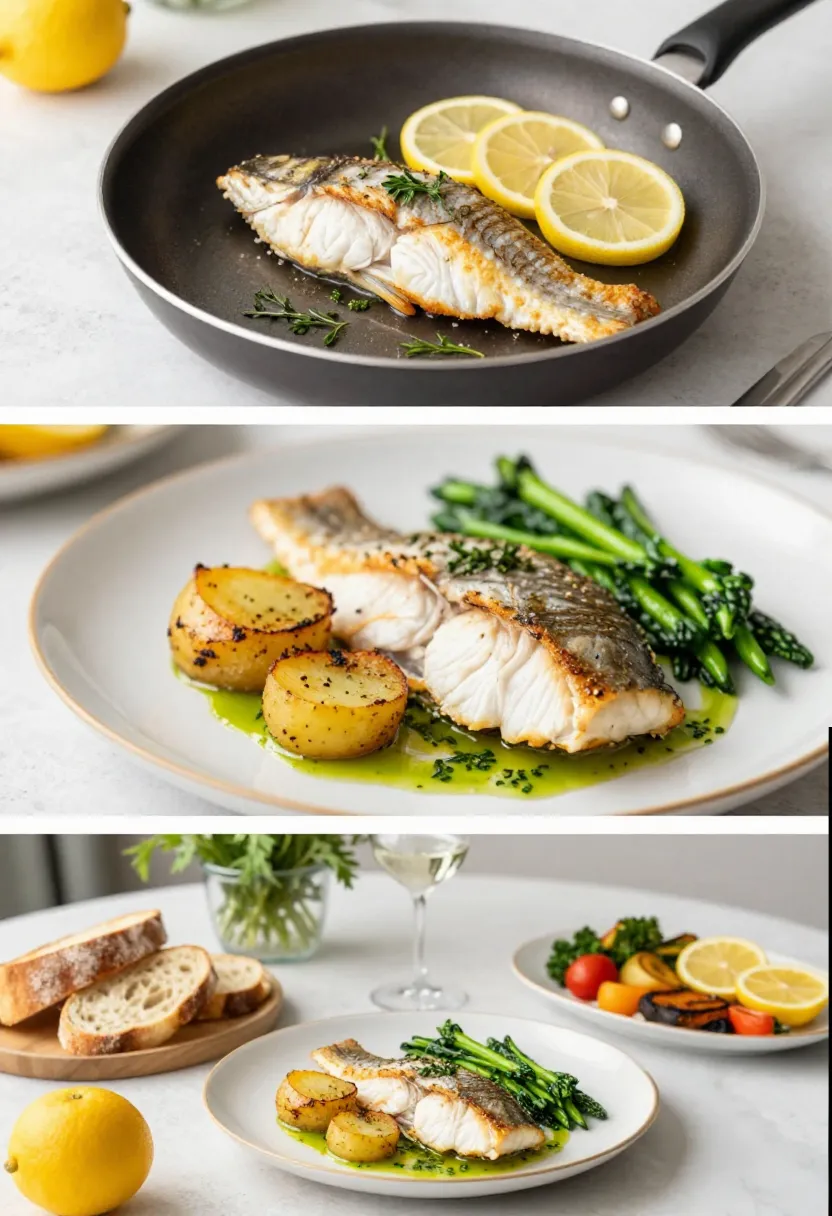
That balance makes fish surprisingly easy to return to. After several days of richer dinners, meals built around fish often feel refreshing without feeling incomplete. There’s still warmth. There’s still structure. There’s still the feeling of sitting down to a proper dinner rather than assembling something practical. Good fish recipes understand that people rarely want food to feel restrictive, even when they want something lighter.
Another reason these dishes stay relevant is that fish changes naturally with the season. During colder months it works beautifully with roasted vegetables, potatoes, butter-based sauces, and warmer flavors that make dinner feel more substantial. During warmer weather, the exact same idea shifts toward citrus, herbs, fresh greens, and lighter textures without feeling like an entirely different meal. That flexibility makes fish unusually practical because the recipe evolves without asking people to learn something new every few months.
Fish also has an advantage that people sometimes underestimate: timing. Unlike longer cooking projects, fish can create the feeling of intentional cooking without taking over the evening. Once people become comfortable with it, fish turns into one of those meals that feels thoughtful while still being realistic for normal life. And recipes that feel realistic tend to stay around longer than recipes that only work under perfect conditions.
Serve with:
- roasted potatoes 🥔
- lemon 🍋
- warm bread
- green vegetables 🥬
- herb sauce 🌿
📌 Kitchen note: fish usually reaches its best texture when removed slightly earlier than expected because residual heat finishes the cooking.
8. The dessert people pretend they’ll share 🍰☕
Every good collection of recipes eventually reaches dessert, and that probably says something interesting about how people actually eat. Dessert rarely exists because somebody needs more food. Most of the time it appears because people want to extend the evening a little. A good dessert changes the pace of dinner. Suddenly nobody is in a hurry to clean the table. Coffee appears. Conversations stretch. People who claimed they weren’t hungry somehow become interested again.
What makes desserts interesting is that the desserts people admire and the desserts people actually bake are often completely different things. Elaborate cakes and dramatic showpieces attract attention online because they look impressive, but when people open their own kitchens, they usually choose something simpler. Recipes that survive in real life tend to be flexible, forgiving, and realistic enough to make without waiting for a special occasion.
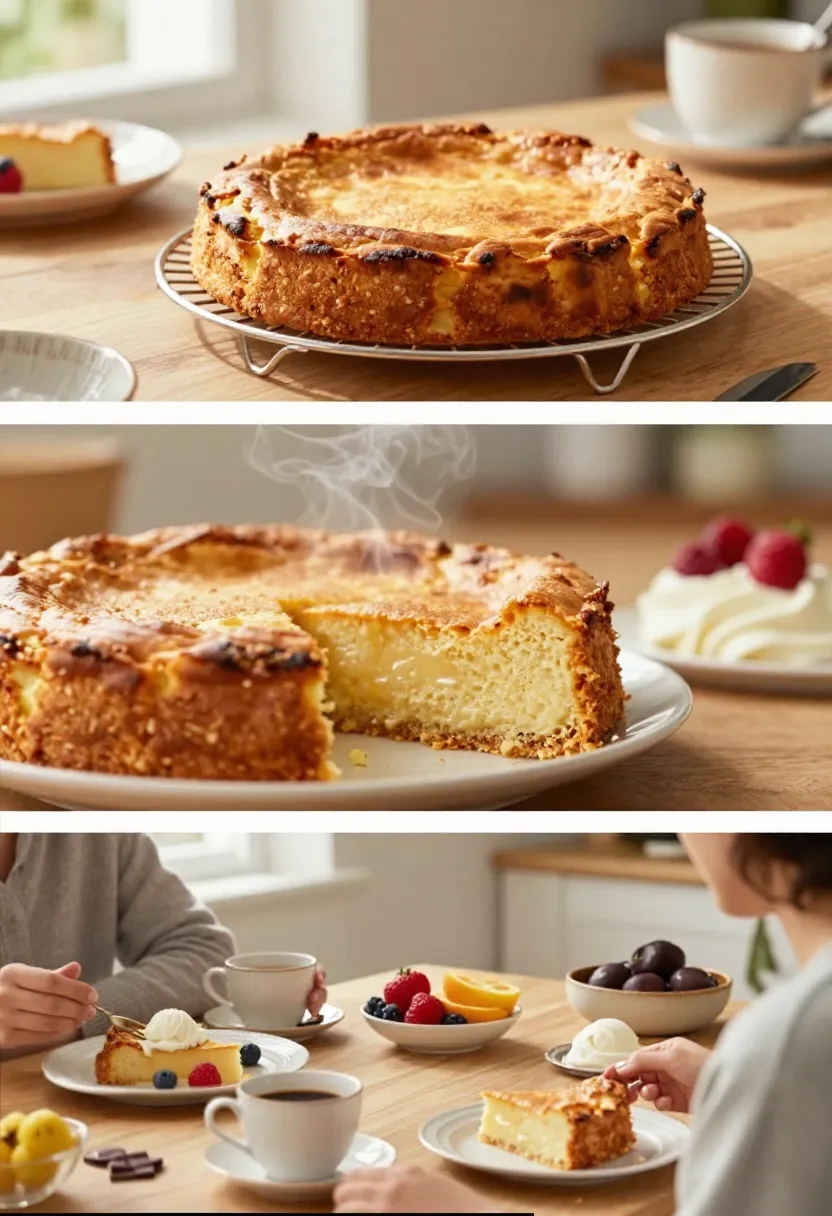
That doesn’t make simple desserts less memorable. In fact, simplicity usually shifts attention toward details that matter more. Texture becomes more important than appearance. Warm interiors feel better than perfect decoration. Slightly crisp tops matter more than symmetry. A dessert with buttery edges and a soft center often creates a stronger memory than something visually flawless.
Homemade desserts also have a habit of changing over time. People rarely make them exactly the same way forever. Somebody adds more fruit. Somebody changes the sweetness. Somebody always serves it warm even when the recipe says otherwise. Gradually the recipe stops feeling borrowed and starts feeling personal. Those small changes are usually a sign that a dessert became part of someone’s routine instead of remaining something interesting they tried once.
And maybe that explains why simple desserts continue surviving trends so well. They don’t ask for a celebration. They create one quietly.
Serve with:
- coffee ☕
- whipped cream
- fresh fruit 🍓
- vanilla ice cream 🍨
- dark chocolate 🍫
📌 Kitchen note: most baked desserts improve after a short cooling period because the texture settles and flavors become easier to notice.
9. The roast vegetables that quietly become everyone’s favorite 🥕🔥
Roasted vegetables rarely get advertised as the main event, which is probably one of the reasons they keep surprising people. They usually appear in recipes as supporting ingredients — something practical added for balance, color, or the vague feeling that dinner should include vegetables. But once vegetables are roasted properly, they stop behaving like a side dish and start competing for attention.
That change happens because roasting does something simple but dramatic: it removes excess moisture and concentrates flavor. Vegetables that taste mild when steamed or raw become sweeter, deeper, and more complex once enough heat reaches them. Edges darken. Surfaces caramelize. Texture changes completely. Even people who claim they aren’t especially interested in vegetables tend to react differently once roasting enters the picture.
What makes roasted vegetables interesting is that they reward patience more than effort. Preparation usually stays simple — cut, season, spread everything out properly — but the oven does most of the work. The difficult part is resisting the temptation to move things around too early. Vegetables need contact with heat long enough to develop color, and that color becomes part of the flavor.
That’s also why not every roasted vegetable tray tastes equally good.
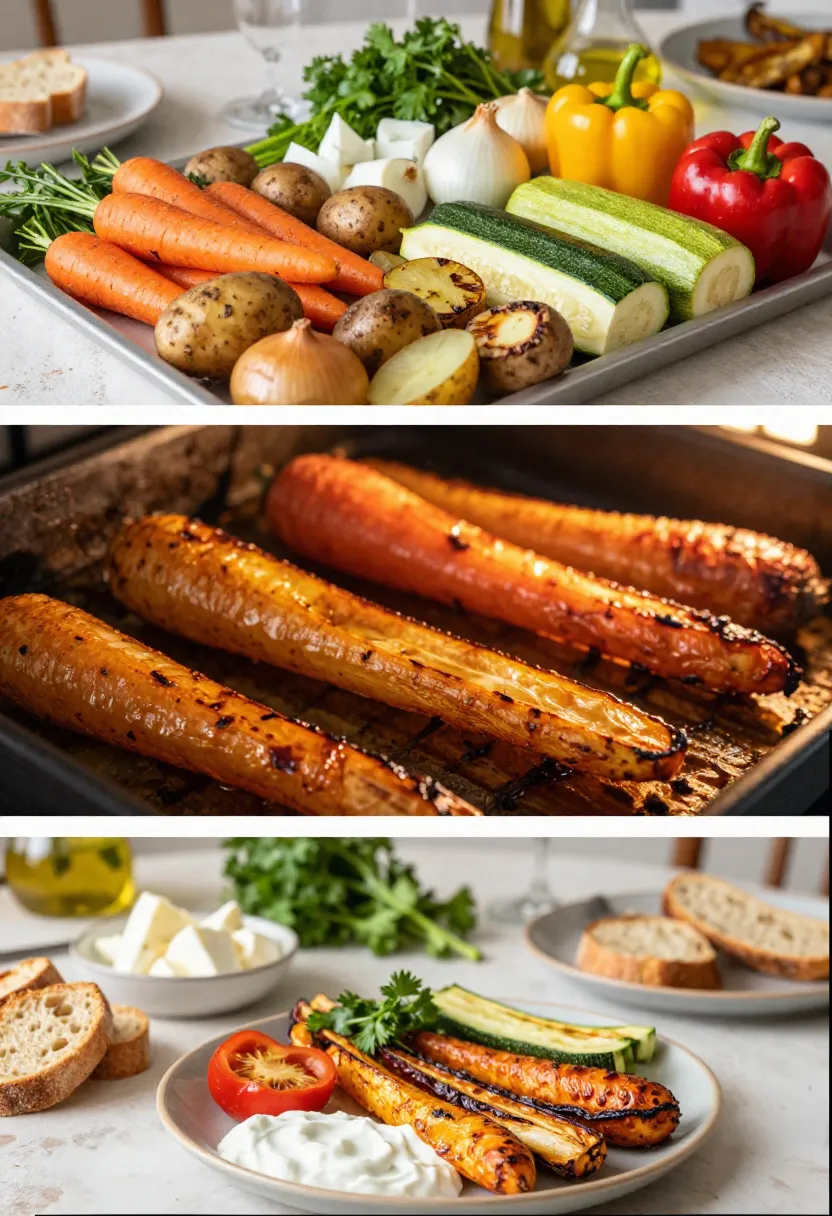
Crowding the pan changes everything. Too many vegetables trap moisture and create steam instead of browning. Suddenly the vegetables soften without developing depth, and the final result feels flatter than expected. Space looks inefficient while cooking but almost always produces better food.
Another reason recipes like this stay popular is adaptability. Roasted vegetables naturally follow the season without demanding new techniques. Colder months lean toward potatoes, carrots, onions, squash, and deeper flavors. Warmer seasons move toward tomatoes, zucchini, peppers, and lighter combinations. The method barely changes even though the final mood of the dish changes completely.
And maybe that flexibility explains why people save recipes built around roasting so often.
They don’t require exact measurements.
They don’t become stressful.
They allow people to cook with what they already have.
Sometimes the best tray ends up happening accidentally because there were a few vegetables left and somebody decided to turn the oven on.
That kind of cooking usually lasts longer than trends.
Serve with:
- yogurt sauce 🥣
- roasted chicken 🍗
- crusty bread 🥖
- fresh herbs 🌿
- soft cheese 🧀
📌 Kitchen note: vegetables brown better when they’re spread wider than feels necessary — space matters more than adding extra oil.
10. The dinner that turns into tomorrow’s favorite leftovers 🍲✨
Some recipes become popular because they create a great first impression. Others become popular because people realize halfway through eating that tomorrow’s lunch is already handled.
This kind of meal belongs firmly in the second category.
Big one-pot dinners have survived every shift in food culture because they solve problems people still have: they reduce effort, create comfort, stretch ingredients, and somehow improve after spending a night in the fridge. That combination is unusually difficult to beat. People might experiment with new recipes all year, but eventually many of them return to food that cooks in one pot and feeds more than one moment.
Part of the appeal comes from how these dishes develop over time. During cooking, ingredients gradually stop competing and begin supporting each other. Broth absorbs seasoning. Vegetables soften into the background. Proteins become more integrated. Small details that seemed separate at the beginning eventually create something that tastes unified instead of assembled.
That process creates a different relationship with leftovers too.
A lot of meals lose energy overnight. Sauces separate, textures soften too much, flavors flatten out. One-pot dinners often do the opposite. Resting gives ingredients more time to absorb each other. Seasoning becomes more balanced. Texture settles. Sometimes people end up liking the second serving even more than the first.
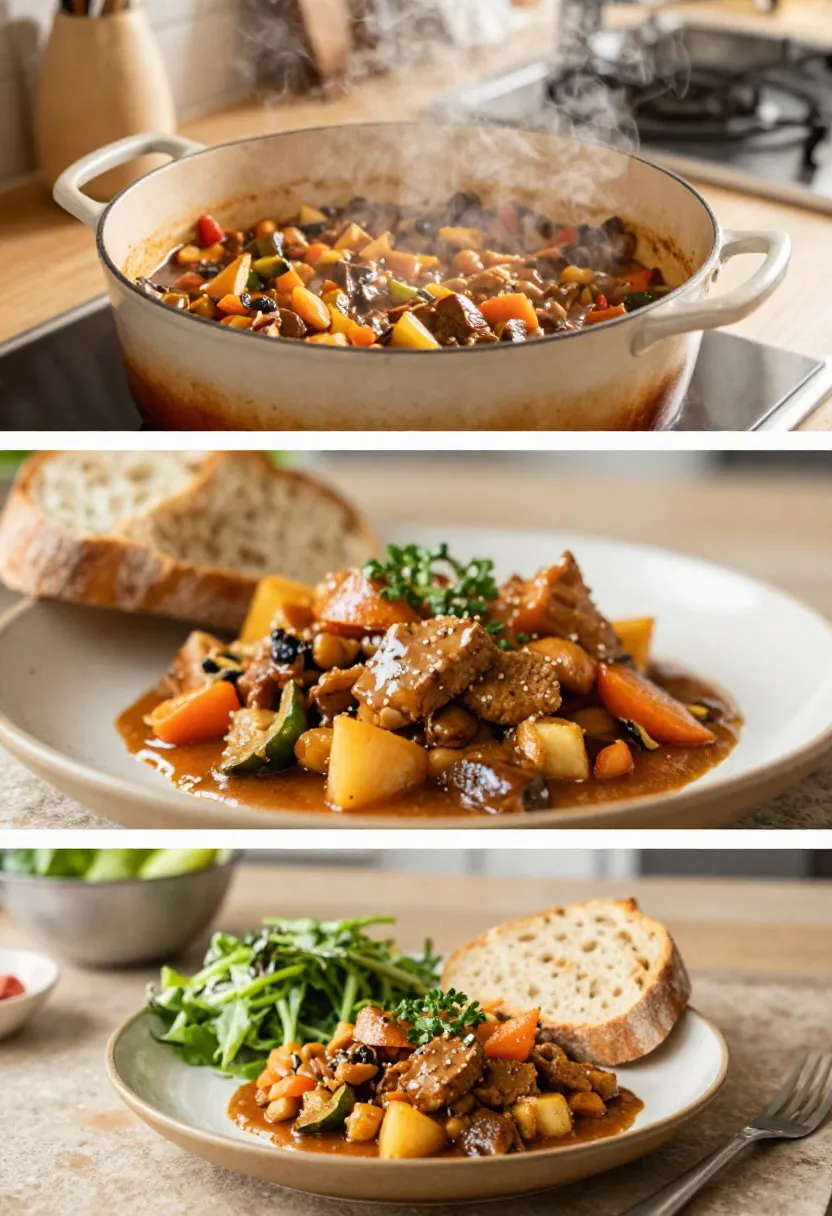
There’s also something comforting about knowing dinner doesn’t disappear after one evening.
Cooking becomes easier to justify when tomorrow already feels partially solved.
That doesn’t necessarily mean meal prep in the organized sense. It simply means the meal leaves something behind. Maybe lunch. Maybe another dinner. Maybe one container forgotten in the fridge that unexpectedly becomes the best thing you eat all week.
Those moments matter more than people think.
Recipes survive because they fit life repeatedly, not because they create one perfect evening.
That’s probably the thread connecting this entire collection.
None of these dishes became memorable because they chased novelty. They stayed because they offered something people quietly want over and over again: food that feels satisfying, flexible, comforting, and worth making again.
And honestly, that’s a better reason to save a recipe than curiosity.
Serve with:
- warm bread 🍞
- fresh herbs 🌿
- green salad 🥗
- roasted vegetables 🥕
- something acidic for balance 🍋
📌 Kitchen note: dishes built around slow cooking and shared sauce almost always become more flavorful after resting overnight.
The recipes worth keeping long after the trend disappears ✨🍽️
After spending time with all ten dishes in this collection, it becomes surprisingly difficult to ignore one simple observation: the recipes people keep returning to are rarely the ones that tried hardest to attract attention in the first place. That feels slightly unexpected because modern food culture usually pushes the opposite idea. New ingredients appear constantly, techniques become trends for a few months, and every season seems to arrive with another promise that cooking is about to change completely. But once the excitement fades and people go back to feeding themselves on ordinary evenings, most of those dramatic predictions become much less important than they seemed.
The recipes that stay usually earn their place differently. They fit into life instead of asking life to rearrange itself around them. They work when people are tired, when guests arrive unexpectedly, when the weather changes, or when dinner simply needs to feel more comforting than efficient. That doesn’t mean they’re boring or predictable. In fact, the dishes that last often contain more personality than trend recipes because people actually live with them long enough to make them their own.
Looking through this collection, there’s a reason certain patterns repeat. Potatoes appear because they make simple meals feel generous. Slow cooking appears because people still enjoy food that changes gradually and rewards patience. Roasted vegetables continue showing up because heat transforms ordinary ingredients more effectively than complicated preparation ever could. Even desserts stay simple because most people don’t want dessert to feel like an event every time — they want something that fits naturally into evenings they were already going to enjoy.
What also becomes clear is that recipes almost never stay exactly as they were written. People adjust them automatically without even thinking about it. Someone adds more garlic because the original never felt like enough. Someone changes the vegetables depending on the season. Someone doubles the cheese and quietly decides the dish improved. Over time those small decisions start accumulating until the recipe stops feeling borrowed and starts feeling personal. Eventually nobody remembers exactly where it came from because the version being cooked no longer matches the original anyway.
That process might be one of the nicest parts of cooking at home. Recipes begin as instructions, but the good ones slowly turn into habits, preferences, shortcuts, and memories. They become attached to certain weekends, certain people, certain weather, or certain periods of life. Years later, people often remember making the dish more clearly than they remember where they first found it.
So instead of thinking about these ten dishes as recipes to complete once and move on from, it probably makes more sense to treat them as possibilities. Some will stay interesting only while reading about them. Some will be enjoyable once and then disappear. But usually one or two end up becoming permanent — the dinner you make when you don’t want to think too much, the thing friends start requesting, or the recipe you eventually stop measuring because you already know how it works.
Those are usually the recipes worth saving 💛