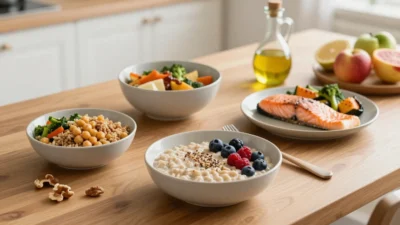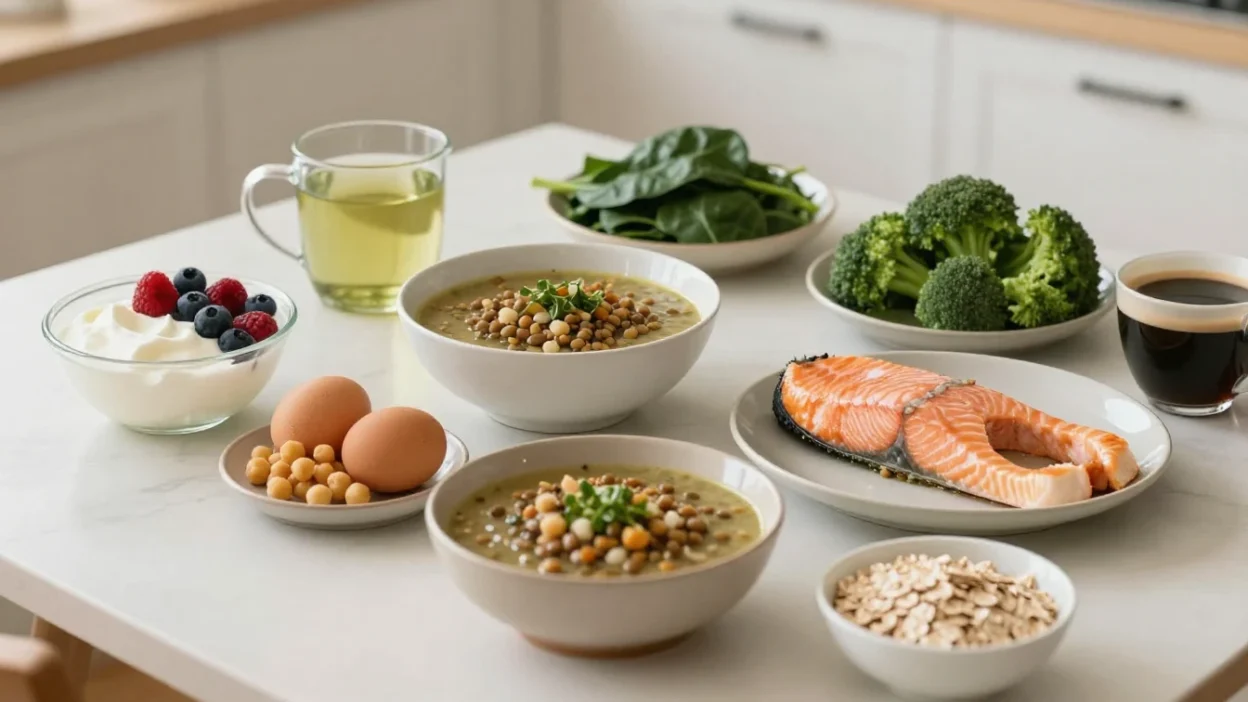
You do not need a pantry full of expensive powders or a strict meal plan to support your metabolism. In most cases, it starts with the food you already know—eggs in the morning, a bowl of lentil soup for lunch, a handful of nuts in the afternoon, a warm cup of tea when your energy dips. Small choices like these may seem ordinary, but over time, they can shape how steady, energized, and satisfied you feel throughout the day.
A lot of people hear the phrase “boost your metabolism” and picture a dramatic fix. Maybe a miracle drink. Maybe a trendy supplement with a bold label and promises that sound a little too good to be true. But your metabolism is not a switch you flip overnight. It is a living process happening in your body every minute, turning food into energy, supporting your organs, and helping you move through daily life.
That is actually good news.
It means you do not need perfection. You need simple, nourishing habits that work in real life. The kind that fit into a busy weekday, a slightly messy kitchen, or a tired evening when you still want to eat something that feels good. Foods rich in protein, fiber, minerals, antioxidants, and natural compounds like caffeine or gentle spices may help support your body’s energy use in practical ways. Not magically. Not instantly. But meaningfully.
In this guide, you will learn which everyday foods may help support a healthy metabolism, why they matter, and how to use them in meals that feel realistic, comforting, and easy to repeat.
Why metabolism matters more than most people think

What metabolism actually is in real life
When people hear the word metabolism, they often think of one thing only: how fast their body burns calories. But metabolism is much bigger than that. It includes the many processes your body uses to convert food into energy and keep you alive and functioning—from breathing and circulating blood to digesting food, controlling body temperature, and powering your brain and muscles. (MedlinePlus)
So yes, metabolism affects weight. But it also affects something you feel much more personally every day: your energy, hunger, steadiness, and how well your body keeps up with life. That is why this topic matters. It is not just about the number on the scale. It is about helping your body do its job well. (MedlinePlus)
The difference between “boosting metabolism” and supporting your body well
This is where a lot of wellness advice gets a little dramatic. The idea of “boosting” metabolism makes it sound like you can press a button and suddenly turn your body into a calorie-burning machine. In reality, reliable medical guidance is much more grounded: while certain habits and foods may have a small effect on energy expenditure, there are many myths around metabolism, and the impact is usually not dramatic on its own. (MedlinePlus)
A better way to think about it is this: you are not trying to force your body into overdrive. You are trying to support it consistently with enough nourishment, balanced meals, movement, rest, and foods that make it easier to feel satisfied and energized. Research supported by NIDDK also points to factors like food choices, diet composition, appetite, satiety, body composition, sedentary behavior, and physical activity as part of the bigger picture of energy regulation. (NIDDK)
Why food alone is not magic, but it does play a role
It helps to be honest here. No single food—not green tea, chili peppers, coffee, or apple cider vinegar—will suddenly transform your metabolism or melt away weight on its own. MedlinePlus notes that foods sometimes promoted for this purpose may offer only a small metabolic lift, not enough by themselves to create major weight changes. (MedlinePlus)
Still, food matters more than people sometimes think. The meals you eat influence how full you feel, how steady your energy is, and how easy it becomes to maintain habits that actually last. A breakfast with protein and fiber feels very different from one that leaves you hungry an hour later. A nourishing lunch can help you feel clear-headed instead of drained. These small everyday experiences are where metabolism-friendly eating becomes real—not flashy, but quietly helpful in ways you can actually live with. (NIDDK)
Can certain foods really help your metabolism?
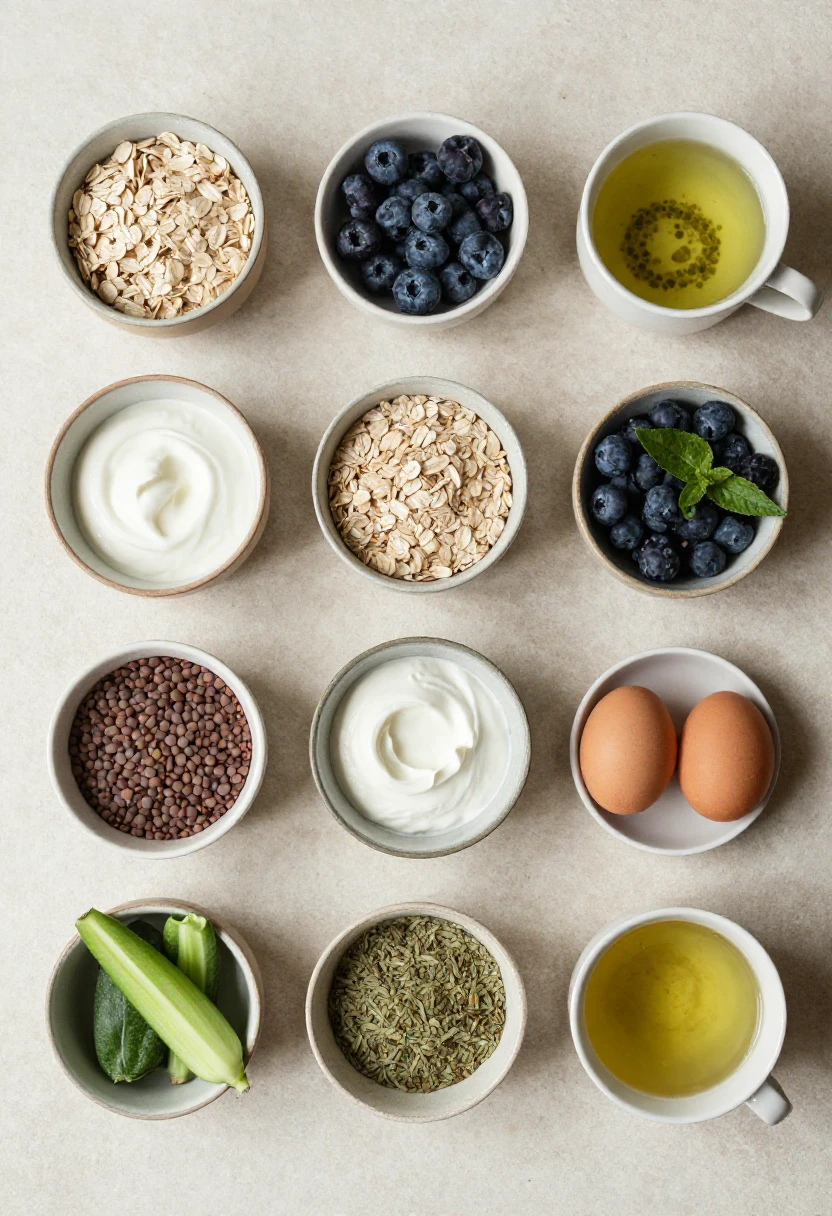
Thermic effect of food and why digestion uses energy
Yes—but the effect is usually modest, not dramatic.
Every time you eat, your body uses energy to digest, absorb, and process that food. Researchers call this diet-induced thermogenesis, or the thermic effect of food. One review published through the NIH’s PubMed Central explains that, in general, a mixed diet accounts for roughly 5% to 15% of daily energy expenditure through this process alone. (PMC)
This is one reason food quality matters. Not all foods ask the same amount of work from your body. Protein tends to require more energy to metabolize than carbohydrates or fat, which is part of why protein-rich meals often feel more satisfying and supportive when you are trying to eat in a steadier, more intentional way. Reviews in the scientific literature note that protein has the highest thermic effect of the three main macronutrients. (PMC)
How protein, caffeine, hydration, and nutrients fit into the picture
When people talk about metabolism-friendly foods, they are usually talking about a few different mechanisms working together.
Protein is one of the most practical places to start. It does not just support muscle and fullness—it also has a higher energy cost during digestion than fat or carbohydrate, which may slightly raise post-meal energy expenditure. Research reviews have consistently found a greater thermic effect from higher-protein meals than from higher-fat or higher-carbohydrate meals. (PubMed)
Caffeine can also play a role, though a smaller one than social media tends to suggest. The NIH Office of Dietary Supplements notes that caffeine can increase energy expenditure and fat oxidation, but it also makes clear that whether this leads to meaningful weight loss is much less certain. In other words, your morning coffee may give you a little lift, but it is not a magic shortcut. (ods.od.nih.gov)
Hydration matters too, although not because water is a miracle metabolism hack. Staying well hydrated supports normal body function and often helps people feel better overall, but the evidence for “water-induced thermogenesis” as a major weight-loss tool is mixed and has been questioned in later reassessments. (PMC)
Then there are the nutrients behind the scenes—things like iron, selenium, zinc, and vitamin D. These do not “speed up” metabolism in a flashy way, but they help support systems connected to energy use and overall metabolic health, especially when your diet is built around whole, nutrient-dense foods rather than extremes. That is one reason everyday basics like eggs, beans, seafood, yogurt, greens, seeds, and legumes show up again and again in smart nutrition advice. (PMC)
A realistic note on expectations
This is the part worth remembering when you are standing in your kitchen, wondering whether cinnamon in your oatmeal or green tea after lunch really matters.
It can matter—but in a supportive way, not a dramatic one.
The most reliable guidance from MedlinePlus is refreshingly honest: many tricks promoted as metabolism boosters have little scientific evidence behind them, and even when certain foods do increase energy expenditure a bit, the effect is usually small. Meal timing myths, for example, are often overstated, and simply eating more often does not automatically make your metabolism faster. (MedlinePlus)
So the real goal is not to chase a “fast metabolism” like it is a prize some people are born with and others missed out on. The goal is to build meals that make it easier for you to feel full, energized, and consistent—because that is where these foods become genuinely useful in everyday life. A bowl of Greek yogurt with berries, a lentil soup with vegetables, salmon with greens, or eggs on whole-grain toast may not feel flashy, but these are the kinds of meals that quietly support your body far better than any trendy quick fix. (PMC)
1. Spices that bring heat and flavor

Ginger, cayenne, black pepper, cinnamon, and mustard
This is usually the first category people get excited about, and honestly, it makes sense. Spices feel active. They warm your mouth, wake up a meal, and make plain food taste more alive. A bowl of roasted vegetables with black pepper tastes different from one without it. Oatmeal with cinnamon feels fuller and cozier. A soup with ginger or a pinch of cayenne seems to have a little more personality. And in some cases, that warming effect is not just in your imagination. Research has linked certain spices—especially capsaicin-containing peppers and ginger—with small increases in thermogenesis, which is the amount of energy your body uses after eating. (PMC)
Cayenne and other chili peppers get the most attention because of capsaicin, the compound that creates heat. Reviews of the research suggest capsaicin may slightly increase energy expenditure and fat oxidation, although the effect is generally modest and may depend on dose, individual tolerance, and how regularly someone consumes spicy foods. (PMC)
Ginger is another one worth keeping in your kitchen. A small human study found that a hot ginger beverage increased the thermic effect of food and also influenced feelings of satiety, which helps explain why ginger keeps showing up in metabolism conversations. That said, it is still best thought of as a supportive ingredient, not a dramatic solution. (PubMed)
Then there are spices like black pepper, cinnamon, and mustard, which are often included in metabolism-friendly eating because they make healthy meals more satisfying and flavorful. The research here is less dramatic than wellness headlines often imply, but that does not make them unimportant. Sometimes the real win is simple: when your food tastes good, it is easier to keep eating in a balanced way instead of chasing extreme fixes. (PubMed)
Why warming spices are often linked with metabolic support
The idea behind warming spices is fairly straightforward. Some spicy compounds appear to stimulate thermogenesis, meaning your body may burn a bit more energy after eating them. Reviews on capsaicin and related compounds suggest this effect is real, but also small enough that it should not be oversold. In other words, sprinkling chili flakes on your eggs is not going to transform your metabolism overnight—but it may be one small helpful piece of a bigger pattern. (PMC)
There is also a practical side that matters just as much. Spices can make simple whole foods feel more interesting. That matters more than it gets credit for. A plate of lentils with cumin and pepper, a stir-fry with ginger, or roasted carrots with cinnamon and paprika can feel comforting and satisfying without needing heavy sauces or ultra-processed extras. Sometimes “supporting your metabolism” looks less like a miracle ingredient and more like making nourishing food taste good enough that you actually want to eat it again tomorrow. This is an inference based on how spices are used in palatable, lower-energy meals and on evidence that spiced foods may increase thermogenesis and, in some cases, satiety. (PubMed)
Easy ways to use them in everyday meals
You do not need to turn every meal into a spicy challenge. A little goes a long way.
Try simple habits like:
- Adding cinnamon to oatmeal, yogurt, baked apples, or chia pudding
- Grating fresh ginger into tea, soups, stir-fries, and salad dressings
- Using black pepper generously on eggs, roasted vegetables, cottage cheese, or avocado toast
- Sprinkling cayenne or chili flakes into soups, bean dishes, scrambled eggs, or roasted chickpeas
- Whisking mustard into vinaigrettes, grain bowls, or marinades for chicken or tofu
This is the kind of change that feels small at first. But it is also the kind that sticks. You start with one warm, peppery bowl of soup on a cold afternoon, and before long your meals taste richer, your food feels less boring, and your healthy routine starts to feel like something you actually enjoy—not something you are forcing.
2. Protein-rich foods that keep you fuller longer
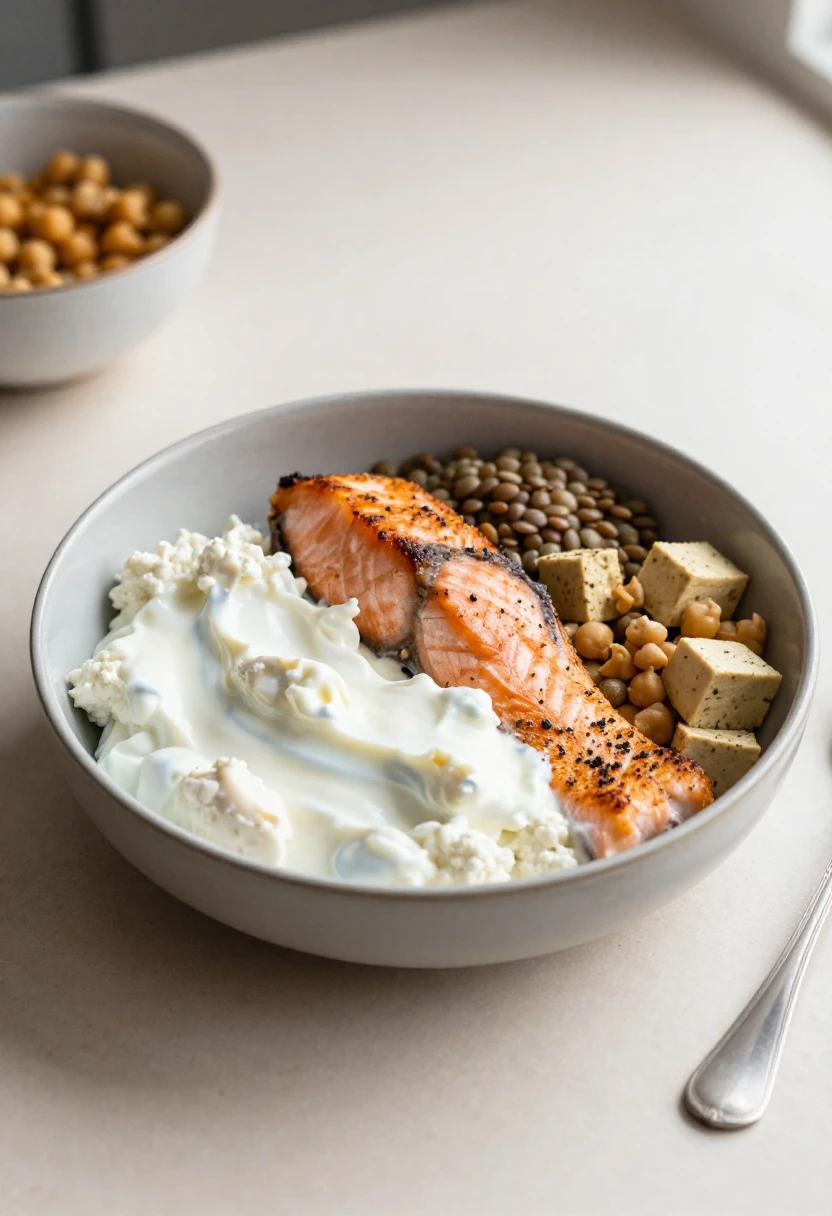
Eggs, fish, Greek yogurt, cottage cheese, chicken, tofu, and beans
If there is one category of food that deserves a permanent spot in this conversation, it is protein.
Not because it is trendy. Not because every wellness headline turns it into a personality trait. But because, in real everyday eating, protein tends to do something incredibly useful: it helps meals feel more grounding. A breakfast with eggs or Greek yogurt usually stays with you longer than a pastry eaten in a rush. A lunch with salmon, chicken, tofu, or lentils often feels steadier than one built mostly around refined carbs. You notice it in small ways—less random snacking, fewer energy dips, less of that restless “I ate, but I’m still not satisfied” feeling. Research reviews consistently show that higher-protein meals can increase satiety and have a greater thermic effect than lower-protein meals. (PubMed)
The best part is that this does not require extreme eating. You do not need to live on shakes or count every gram with military precision. Everyday protein foods already fit naturally into real meals:
- Eggs for a fast breakfast or savory lunch
- Greek yogurt with fruit, nuts, or oats
- Cottage cheese with tomatoes, cucumber, or berries
- Fish like salmon, tuna, or sardines
- Chicken or turkey in soups, salads, or grain bowls
- Tofu or tempeh in stir-fries and noodle dishes
- Beans, lentils, and chickpeas in soups, stews, curries, and salads
These foods do more than support fullness. Protein is also an essential nutrient your body needs every day, and MedlinePlus notes that healthy adults generally get protein as part of a broader balanced diet rather than from one “perfect” source. (MedlinePlus)
Why protein takes more energy to digest
This is one of the main reasons protein gets mentioned so often in metabolism-focused eating.
Your body uses energy to digest all food, but protein requires more energy to process than fat and usually more than carbohydrate. Scientists refer to this as the thermic effect of food or diet-induced thermogenesis. Research reviews have found that protein is the most thermogenic macronutrient, which helps explain why protein-rich meals are often linked with slightly higher post-meal energy expenditure. (PMC)
That does not mean eating chicken breast suddenly turns your kitchen into a fat-burning laboratory. The effect is real, but modest. What makes protein so useful is the combination of benefits: it may slightly increase the energy your body uses after eating, while also helping you feel fuller for longer. That pairing is powerful in everyday life because it can make balanced eating feel easier and less like a constant negotiation with hunger. Higher-protein diets have repeatedly been associated with increased thermogenesis and satiety, especially in the short term. (PubMed)
There is also a very practical side to this. When you build meals around protein, you often end up making better decisions without forcing yourself. You are less likely to circle back to the kitchen 45 minutes later looking for something sweet and crunchy. You are more likely to feel calm and fed instead of mentally bargaining with the snack drawer. That is not glamorous, but it is the kind of quiet advantage that adds up over weeks and months. This is an inference based on evidence that protein slows gastric emptying and tends to improve fullness relative to many lower-protein meals. (The Nutrition Source)
Simple high-protein meal ideas
This is where the topic becomes much more useful than another list of “superfoods.”
You do not need separate metabolism meals. You just need a few reliable combinations you can repeat when life gets busy.
Try ideas like:
- Breakfast: Greek yogurt with berries, oats, and a spoonful of seeds
- Breakfast: Eggs on whole-grain toast with spinach and black pepper
- Lunch: Lentil soup with a side salad and a boiled egg
- Lunch: Grilled chicken or tofu bowl with brown rice, greens, and roasted vegetables
- Snack: Cottage cheese with sliced cucumber and cherry tomatoes
- Snack: Apple slices with a small handful of nuts and a yogurt cup
- Dinner: Baked salmon with broccoli and quinoa
- Dinner: Chickpea and vegetable curry with a dollop of plain yogurt
A meal like this does not scream “metabolism hack.” It just feels satisfying, warm, and normal—which is exactly why it works so well. A bowl of lentil soup on a gray afternoon, eggs in a skillet while coffee brews, a plate of salmon and greens after a long day—these are ordinary moments, but they are often where better energy and steadier eating habits begin.
When people say they want to “eat for a faster metabolism,” this is one of the smartest ways to interpret that goal: eat enough protein to help your body feel supported, your meals feel satisfying, and your routine feel easier to maintain. That is much more realistic than chasing miracle foods, and a lot more comforting too. (MedlinePlus)
3. Coffee for a small but noticeable lift

How caffeine may affect energy expenditure
For many people, coffee is the most familiar “metabolism food” on the list. It is not exotic. It is not trendy. It is just there—hot in your hands on a tired morning, slightly bitter, a little comforting, often tied to routine as much as nutrition.
And yes, caffeine can have a real effect.
The NIH Office of Dietary Supplements notes that caffeine increases energy expenditure and fat oxidation, which helps explain why it is often included in discussions about metabolism and weight management. At the same time, the same source makes an important point: whether that translates into meaningful weight loss is much less clear. In other words, coffee may give your body a small metabolic nudge, but it is not a shortcut or a substitute for balanced eating. (ods.od.nih.gov)
That is probably the healthiest way to think about coffee in this context. A plain cup may offer a modest lift in alertness and energy expenditure, and for some people that feels noticeable. You drink it, your brain wakes up, your walk feels easier, your morning feels less foggy. But the effect is usually modest, and the bigger win is often behavioral: coffee can fit naturally into a morning routine that already includes breakfast, movement, and a more structured start to the day. That last point is an inference, but it matches the broader evidence that caffeine’s direct metabolic effect exists while remaining limited. (ods.od.nih.gov)
Why tolerance and timing matter
Coffee is not one of those foods where “more” automatically means “better.”
The FDA says that for most adults, up to 400 milligrams of caffeine per day is not generally associated with negative effects, though sensitivity varies a lot from person to person. Some people feel perfectly fine after a couple of cups. Others get shaky, anxious, or oddly tired after one strong latte. (U.S. Food and Drug Administration)
Timing matters too. Mayo Clinic notes that caffeine’s stimulating effects can take hours to wear off and may interfere with sleep, while a controlled sleep study found that caffeine taken even 6 hours before bedtime still had important disruptive effects on sleep. That matters because poor sleep can work against the very steady energy and appetite patterns people are usually hoping to improve. (Mayo Clinic)
There is also the simple issue of tolerance. When caffeine becomes an all-day crutch instead of a small support, the benefits can feel less impressive. A morning cup or two may feel pleasant and useful. Five cups and a late-afternoon iced coffee can turn into jitteriness, broken sleep, and that wired-but-tired feeling that never feels as glamorous as it sounds.
The healthiest ways to enjoy coffee
This is where coffee can quietly help—or accidentally become dessert in a cup.
A plain brewed coffee has very few calories, but what you add to it can change the picture fast. Mayo Clinic points out that sugar, syrups, whipped cream, and heavy cream can add a surprising amount of calories to coffee drinks, sometimes enough to undermine the “healthy coffee” idea altogether. (Mayo Clinic)
A simple, metabolism-friendly approach usually looks like this:
- Drink it mostly plain, or with a small splash of milk or an unsweetened plant milk
- Keep sweet syrups and whipped toppings occasional, not everyday
- Pair coffee with real food, especially a breakfast that includes protein or fiber
- Have it earlier in the day if sleep is already a struggle
- Pay attention to your own response, not just general advice
Sometimes the smartest coffee habit is not buying the trendiest drink. It is something much simpler: a warm mug next to a breakfast of eggs and toast, or yogurt with berries, enjoyed before the day gets noisy. That kind of rhythm tends to support you much better than using coffee to patch over skipped meals and exhaustion.
4. Tea that does more than warm your hands

Green tea, oolong tea, and black tea
Tea has a softer reputation than coffee. It feels calmer, gentler, a little more patient. A mug of green tea in the afternoon or a warm cup of black tea on a quiet morning does not usually feel like a “metabolism strategy.” It just feels comforting. But some types of tea, especially green tea and oolong tea, have been studied for their possible effects on energy expenditure and fat oxidation because they naturally contain caffeine and plant compounds called catechins. (ods.od.nih.gov)
Green tea gets the most attention here. Research reviews suggest that green tea catechins, especially when paired with caffeine, may modestly affect fat metabolism and energy use, although the overall effect on body weight is still considered limited and inconsistent. Oolong tea has also shown some interesting results in small human studies, including increased energy expenditure and fat oxidation after consumption. (PMC)
Black tea is usually discussed less dramatically in this area, but it can still be part of the same bigger picture. It contains caffeine too, and for many people it serves as a simple, lower-fuss alternative to sweeter drinks or second and third coffees. Sometimes that matters more than a flashy claim. A habit that feels soothing and easy to keep often does more for your daily rhythm than a so-called miracle product you use for three days and forget about. That last point is an inference, but it fits the evidence that tea’s direct metabolic effects are modest rather than transformative. (ods.od.nih.gov)
Catechins and caffeine in a balanced daily routine
What makes tea interesting is that it is not just about caffeine. Green tea, in particular, contains catechins, and researchers have looked at whether catechins plus caffeine may work together to slightly increase thermogenesis or fat oxidation. Some reviews support that possibility, while also making it clear that the effect is not large enough to think of tea as a weight-loss solution by itself. (PMC)
That is why tea works best when you think of it as a supportive daily habit, not a fix. Maybe it replaces a sugary afternoon drink. Maybe it gives you a gentle reset between lunch and dinner. Maybe it simply becomes one of those quiet rituals that helps you slow down long enough to make a better food choice later. A warm cup of green tea beside a bowl of fruit and yogurt, or oolong tea with a balanced lunch, may not feel dramatic—but this is exactly the kind of ordinary pattern that often supports steadier eating over time. The routine benefit here is an inference; the modest metabolic mechanism is supported by the research. (PMC)
Best times to drink tea for comfort and consistency
Tea does not need a perfect schedule, but timing can make it more enjoyable and more useful.
A few simple ideas help:
- Morning: black tea or green tea if you want a lighter alternative to coffee
- Midday: green tea or oolong tea with lunch or in the early afternoon
- Late afternoon: a gentler tea can feel refreshing, but caffeine-sensitive people may want to stop earlier
- Evening: choose herbal tea instead of caffeinated tea if sleep is easily disturbed
That last point matters. Since green, black, and oolong tea all contain caffeine, drinking them too late can interfere with sleep for some people, and better sleep supports the steady energy patterns most people are really looking for when they talk about metabolism. (ods.od.nih.gov)
In real life, tea often helps not because it is powerful, but because it is pleasant. It gives you a pause. It adds warmth to a routine. It can make a healthy afternoon feel a little more cared for. And sometimes that calm, repeatable feeling is exactly what makes a habit last.
5. Pulses and legumes that work hard behind the scenes
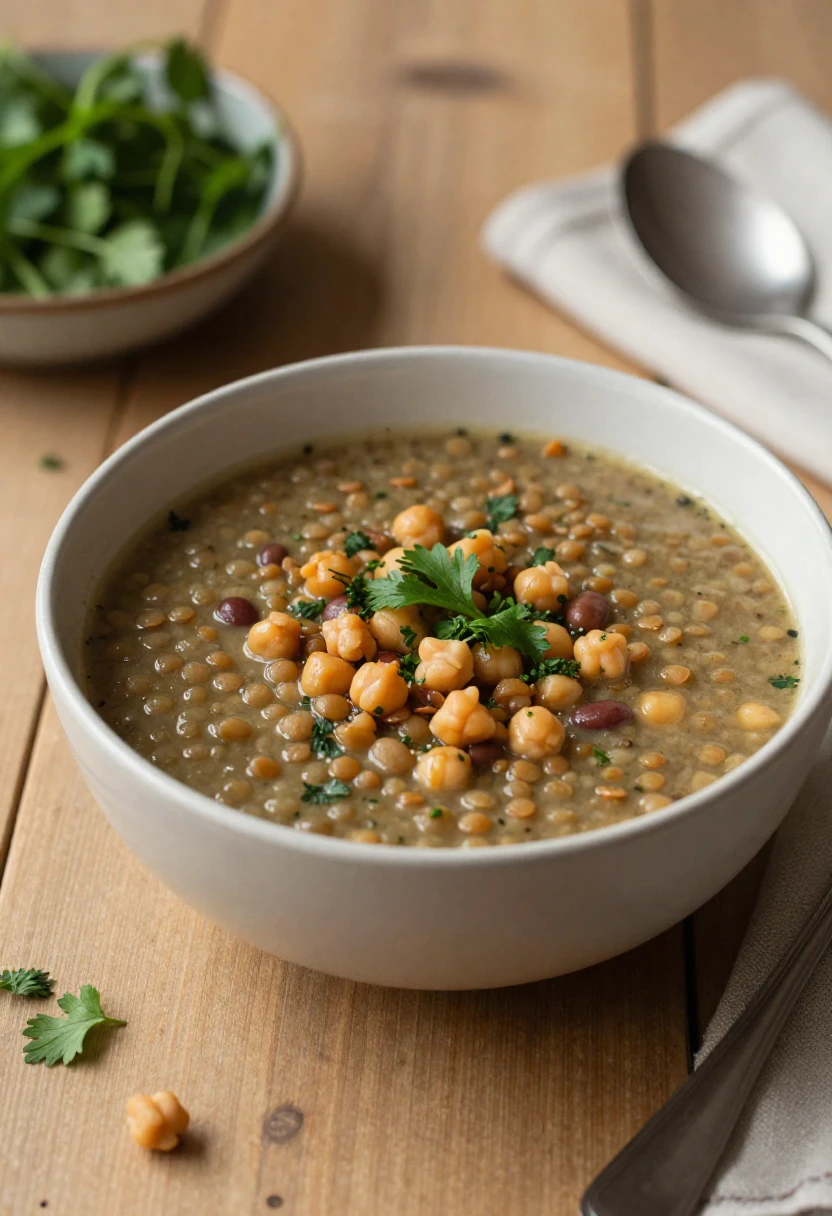
Lentils, chickpeas, beans, and peas
Legumes are not flashy, which may be exactly why they deserve more respect.
They usually sit quietly in the background of a meal—a scoop of lentils in soup, chickpeas tossed into a salad, white beans folded into a warm skillet, peas stirred into rice. Nothing about them screams “metabolism booster.” But they are one of the most practical foods on this list because they bring together several things that support steadier eating at once: plant protein, fiber, minerals, and a satisfying texture. Harvard’s Nutrition Source describes legumes as rich in protein and fiber, low glycemic, and naturally satiating. (nutritionsource.hsph.harvard.edu)
MedlinePlus makes a similar point in more everyday language: beans and legumes are rich in plant protein, fiber, B vitamins, iron, folate, calcium, potassium, phosphorus, and zinc, while most are also low in fat. That combination is one reason they fit so well into meals meant to support energy, fullness, and balance rather than quick spikes and crashes. (medlineplus.gov)
Fiber, plant protein, and blood sugar support
Legumes help from more than one angle.
First, they contain protein, which—as you have already seen—has a higher thermic effect than fat and tends to help meals feel more satisfying. Second, they are naturally high in fiber, and fiber helps regulate how the body uses sugars, which can support steadier hunger and blood sugar patterns. Harvard notes that fiber helps keep hunger and blood sugar in check, while MedlinePlus says both soluble and insoluble fiber can help you feel full and stay at a healthy weight. (The Nutrition Source)
That combination matters in real life. A meal based on legumes often feels calm and steady in a way that highly refined meals sometimes do not. Research has also found that legume-based meals can improve post-meal satiety compared with some animal-based meals, even when energy intake is controlled. In one controlled study, meals based on beans and peas produced higher satiety ratings and lower subsequent energy intake than comparable meat-based meals. (pmc.ncbi.nlm.nih.gov)
This is one of the quiet strengths of legumes: they do not just sit on your plate as “healthy food.” They actually help make a meal feel substantial. A bowl of lentil soup on a cold day, chickpeas roasted with spices, or black beans spooned over rice and vegetables can leave you feeling fed rather than still hunting for something else 30 minutes later. That practical effect is an inference, but it is well supported by the protein-and-fiber profile of legumes and the satiety research behind them. (PMC)
Cozy ways to add more legumes to your week
Legumes work best when they feel normal, not like a project.
A few easy ways to bring them into everyday meals:
- Lentil soup with carrots, onions, garlic, and black pepper
- Chickpea salad with cucumber, olive oil, lemon, and herbs
- Black beans in tacos, grain bowls, or scrambled eggs
- White beans stirred into tomato-based soups or sautéed greens
- Peas added to rice, pasta, or simple vegetable dishes
- Hummus as a snack with carrots, cucumbers, or whole-grain crackers
- Roasted chickpeas with paprika or cayenne for a crunchy, savory bite
You do not need to eat them every single day. But having a few cans or dried lentils in the kitchen makes it much easier to build meals that feel affordable, filling, and balanced. And that may be one of the most useful “metabolism-friendly” habits of all—not chasing rare ingredients, but learning how to turn humble foods into meals you genuinely enjoy.
6. Zinc-, iron-, and selenium-rich foods for metabolic health
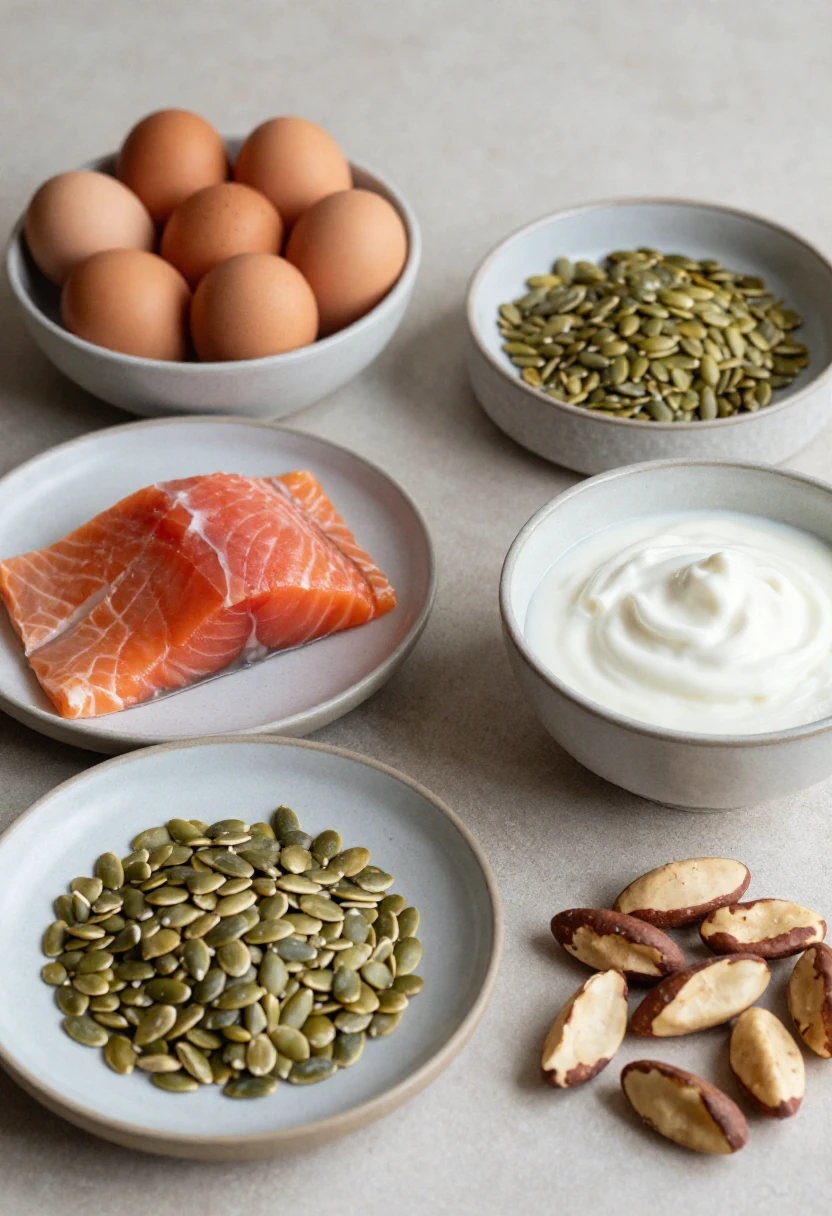
Why these minerals matter for thyroid function
When people talk about metabolism, they often focus on protein, coffee, or spicy foods. But some of the most important support happens more quietly, through minerals your body needs to keep core systems running well. One of those systems is the thyroid, because thyroid hormones help control how your body uses energy and affect nearly every organ in the body. (NIDDK)
This is where minerals like selenium, iron, and zinc come into the picture. Selenium has the clearest direct link here: the NIH Office of Dietary Supplements notes that selenoproteins play critical roles in thyroid hormone metabolism. Iron matters too because it is essential for oxygen transport and also supports muscle metabolism, which makes it part of the broader energy picture. Zinc is needed for protein and DNA synthesis and overall healthy growth and repair, so while it is not a magic “metabolism booster,” it is still part of the nutritional foundation your body depends on every day. (ods.od.nih.gov)
This is one of those topics where it helps to stay grounded. You do not need to obsess over minerals at every meal. But it does help to eat a wide enough range of foods that your body is not constantly running on leftovers, so to speak. A breakfast with eggs, a lunch with beans or lentils, seafood once or twice a week, a handful of seeds or nuts—these ordinary choices can do much more for your long-term nutritional balance than any dramatic supplement trend. That is an inference, but it follows directly from the role these nutrients play and the fact that they are available across many everyday foods. (ods.od.nih.gov)
Foods to focus on: seafood, eggs, beans, seeds, and nuts
The nice thing about this section is that the foods are not exotic. Most of them already belong in a balanced kitchen.
For selenium, some of the richest food sources include seafood, meat, poultry, eggs, dairy, grains, and Brazil nuts. The NIH notes that Brazil nuts are especially concentrated, which is helpful to know—but also a reason not to overdo them. (ods.od.nih.gov)
For zinc, good sources include meat, fish and other seafood, eggs, dairy, beans, nuts, and whole grains. Oysters are especially high in zinc, though most people get it through a mix of more common foods. The NIH also notes that zinc from beans, nuts, and whole grains is less bioavailable than zinc from animal foods because plant foods contain phytates, which can reduce absorption. (ods.od.nih.gov)
For iron, reliable sources include lean meat, seafood, poultry, beans, lentils, peas, spinach, nuts, and iron-fortified cereals and breads. The NIH explains that iron from animal foods includes heme iron, which is generally better absorbed than the nonheme iron found in plant foods and fortified products. That does not make plant foods unhelpful—it just means variety matters, especially if you eat mostly plant-based meals. (ods.od.nih.gov)
In real life, this can look very simple:
- Eggs with whole-grain toast in the morning
- Lentil soup or bean salad for lunch
- Salmon, sardines, or shrimp a few times a week
- Pumpkin seeds or nuts as a snack
- Yogurt, cottage cheese, or fortified cereal as easy pantry staples
None of this feels dramatic, and that is exactly the point. Metabolism-friendly eating is often just good nourishment repeated consistently. A warm bowl of beans on toast, a simple tuna salad, scrambled eggs with spinach—these meals may not sound glamorous, but they help build the kind of dietary pattern your body can actually use. The meal examples here are my practical interpretation of the food-source guidance from NIH. (ods.od.nih.gov)
A gentle reminder about balance, not obsession
This is one of those areas where the internet can make people a little anxious. They read about selenium and thyroid function, or iron and fatigue, and suddenly every symptom feels like a deficiency. But nutrition does not work well when it turns into panic.
A better approach is to remember that these minerals matter, but more is not always better. The NIH warns that Brazil nuts can contain very high amounts of selenium—about 68 to 91 micrograms per nut—so eating too many regularly can push you over the safe upper limit. Zinc supplements can also be harmful in excess, and iron supplements are not something to start casually unless a clinician has advised it. (ods.od.nih.gov)
So this section is not an invitation to micromanage every bite. It is more like a reminder to keep your meals varied, steady, and nutrient-dense. Include seafood sometimes. Keep beans in the pantry. Add eggs, yogurt, seeds, nuts, leafy greens, and fortified grains where they fit naturally. And if you are worried about thyroid issues, low iron, or persistent fatigue, it is worth speaking with a healthcare professional rather than trying to solve everything through internet guesswork. Thyroid problems can slow or speed up how the body uses energy, and proper testing matters. (NIDDK)
That may not be the most exciting advice in the world. But it is solid, comforting, and sustainable—and in a topic as hyped as metabolism, that is worth a lot.
7. Green vegetables that deserve more credit
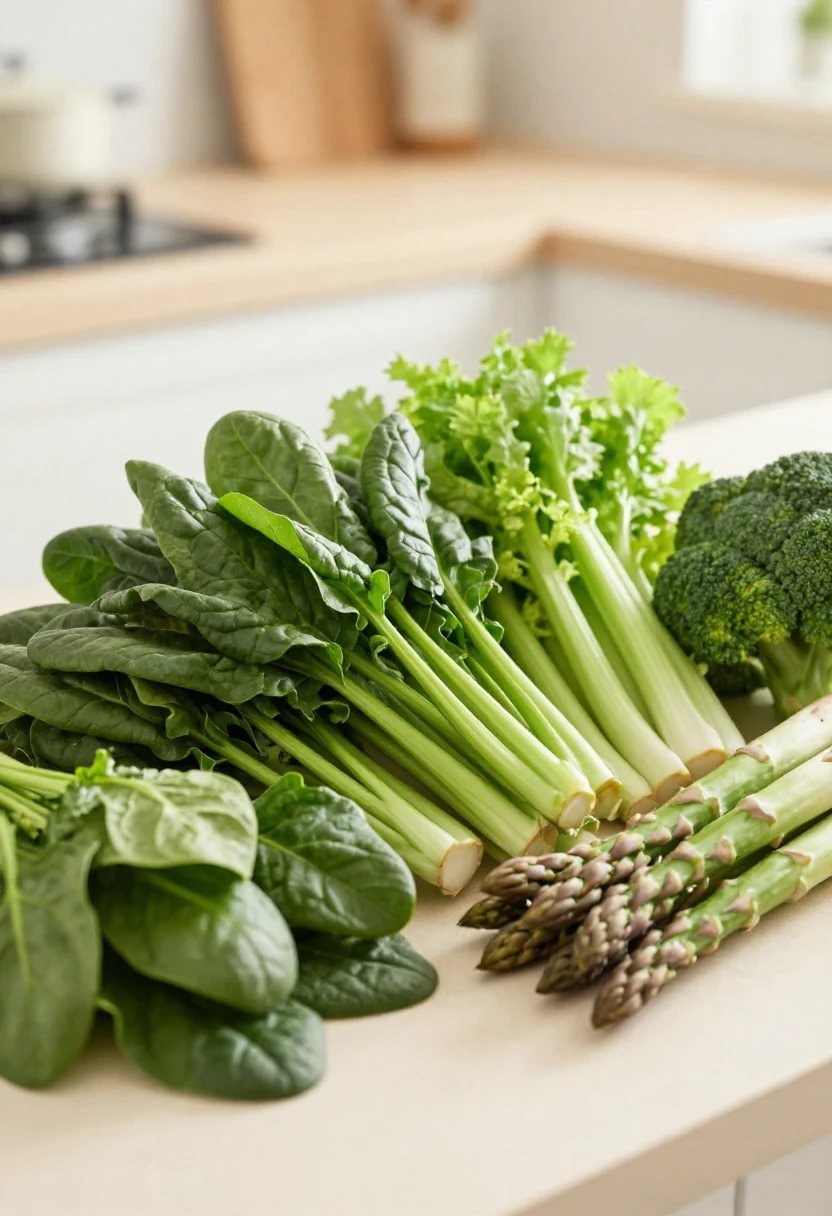
Spinach, broccoli, asparagus, celery, and leafy greens
Green vegetables rarely get the star treatment.
They are usually the supporting cast on the plate—a handful of spinach under eggs, a side of broccoli with dinner, celery tucked into soup, asparagus roasted until the edges turn golden. Quiet foods. Familiar foods. The kind people overlook because they do not sound exciting enough to be called “metabolism foods.”
But they matter more than they seem.
Dark green vegetables are naturally low in calories and rich in fiber, vitamins, minerals, and protective plant compounds. USDA research notes that greens such as spinach, kale, salad greens, broccoli, bok choy, and mustard greens provide vitamins A, C, E, and K, B vitamins, carotenoids, and minerals like magnesium, potassium, calcium, and iron. (ars.usda.gov)
There is also a nice bit of perspective here: the CDC’s nutrient-density research on “powerhouse” fruits and vegetables found that many of the highest-ranking foods were green vegetables, especially leafy greens and cruciferous vegetables. That does not mean you need to live on kale salads. It simply reinforces the idea that these foods give your body a lot of nutritional value for relatively few calories. (CDC)
Low-calorie, nutrient-dense, and easy to build meals around
One reason green vegetables fit so well into metabolism-friendly eating is that they help meals feel bigger, fresher, and more balanced without adding heaviness.
Fiber plays a real role here. MedlinePlus explains that dietary fiber adds bulk, can help you feel full faster and for longer, and can support both healthy weight maintenance and blood sugar control. Since vegetables are one of the main natural sources of fiber, they help create the kind of meals that feel steady instead of leaving you hungry again too soon. (MedlinePlus)
There is also the simple matter of nutrient density. A meal built around greens often gives you more vitamins, minerals, and volume for fewer calories than a meal built mostly around refined foods. That can make healthy eating feel less restrictive and more generous—which is a much nicer feeling, honestly. A bowl piled with sautéed spinach, roasted broccoli, or asparagus beside your protein does not look like “diet food.” It looks like an actual meal.
And that may be the real magic of vegetables in this article: they do not speed up your metabolism in some flashy, dramatic way. They support the bigger picture by helping your meals become more nourishing, more filling, and easier to repeat.
Quick preparation ideas for busy days
Green vegetables help most when they are easy enough to use without thinking too hard.
A few simple ways to make that happen:
- Add spinach to eggs, soups, pasta, or grain bowls right at the end
- Roast broccoli with olive oil, garlic, and black pepper until the edges crisp
- Pan-cook asparagus for a fast side dish that feels a little special
- Stir celery into soups, lentils, and stews for crunch and freshness
- Keep salad greens ready in the fridge so lunch comes together faster
These are not complicated habits, and that is exactly why they work. A tray of roasted broccoli while dinner cooks. Spinach wilting into a warm skillet. A few stalks of asparagus on a weekday when you want something green but do not want to “try hard.” Small choices like these make meals feel alive, and over time they help build the kind of eating pattern your body tends to respond well to.
8. Vitamin D foods that support the bigger picture
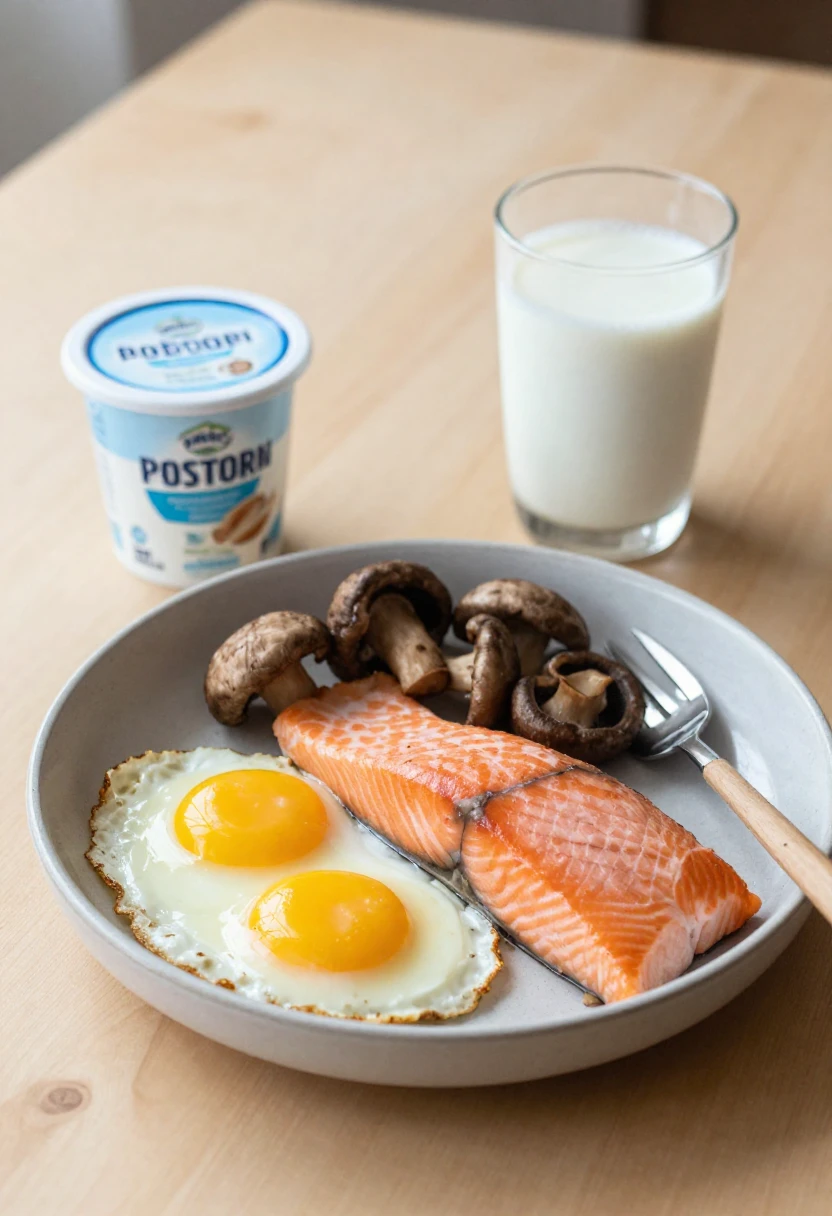
Eggs, mushrooms, fatty fish, and fortified foods
Vitamin D is one of those nutrients people often hear about in passing, usually in connection with bones or sunshine, and then forget about until a blood test says otherwise. But it belongs in this article because it supports some of the basic systems that keep your body functioning well every day. According to the NIH Office of Dietary Supplements, vitamin D helps your body absorb calcium, and it also supports muscle, nerve, and immune function. (ods.od.nih.gov)
Food sources are a little more limited than many people expect. The NIH notes that very few foods naturally contain much vitamin D, which is why fortified foods matter. Some of the most useful options include fatty fish like salmon, trout, tuna, and mackerel, along with egg yolks, certain UV-exposed mushrooms, and fortified foods such as milk, some plant milks, breakfast cereals, yogurt, and some orange juice products. (ods.od.nih.gov)
That makes this section feel refreshingly practical. You do not need a special “vitamin D meal plan.” You just need to notice where these foods already fit into ordinary life: scrambled eggs in the morning, salmon for dinner, fortified yogurt as a snack, mushrooms folded into a warm pan of rice or pasta. This is not a dramatic nutrition trick. It is simply one more way of building meals that support your body more fully. This meal guidance is my practical interpretation of the NIH food-source information. (ods.od.nih.gov)
Why vitamin D status can affect overall wellness
Vitamin D is not a miracle metabolism booster, and it is worth saying that clearly. The NIH consumer fact sheet states that taking vitamin D supplements or eating vitamin D-rich foods does not help with weight loss. So this section is not here to promise anything flashy. It is here because your body still needs vitamin D for normal function, and a lack of it can create problems that make overall wellness feel harder. (ods.od.nih.gov)
MedlinePlus notes that low vitamin D can contribute to bone problems such as osteoporosis and, in adults, deficiency can lead to osteomalacia, which can cause bone pain and muscle weakness. The NIH also lists people with obesity among the groups more likely to have trouble getting enough vitamin D, which is one reason the topic often comes up in broader metabolic-health conversations. (MedlinePlus)
In everyday terms, this means vitamin D matters less as a “fat-burning nutrient” and more as part of the foundation that helps you feel physically supported. When your body has what it needs for bone, muscle, and nerve function, your routines tend to feel more manageable. That is not the kind of claim that goes viral, but it is much closer to how real health usually works. This is an inference based on the established roles of vitamin D in musculoskeletal and nerve function. (ods.od.nih.gov)
Food plus sunlight: a more realistic approach
One of the most helpful things to understand about vitamin D is that food is only part of the story. MedlinePlus and NIH both explain that people get vitamin D in three ways: from sun exposure, from food, and from supplements when needed. Your skin can make vitamin D when exposed to sunlight, but factors such as age, darker skin, limited time outdoors, cloud cover, and sunscreen use can reduce how much your body makes. (ods.od.nih.gov)
That is why a balanced approach makes more sense than obsessing over any one source. A little sensible daylight, vitamin D-containing foods in your weekly routine, and supplements only when appropriate or recommended is a much more realistic way to think about this nutrient than trying to “fix” everything with one capsule or one serving of salmon. The NIH also warns that too much vitamin D from supplements can be harmful, while excess from sunshine is not the usual problem because the skin limits production. (ods.od.nih.gov)
So this section is really a quiet reminder: support your body broadly, not dramatically. Keep eggs in the fridge. Choose fortified foods that fit your routine. Eat fish when you enjoy it. Let sunlight be part of life when you can. And if you are concerned about deficiency, especially with persistent fatigue, bone discomfort, or known risk factors, a clinician can help you sort out whether testing or supplementation actually makes sense. (ods.od.nih.gov)
9. Cooling, hydrating foods that help you feel lighter
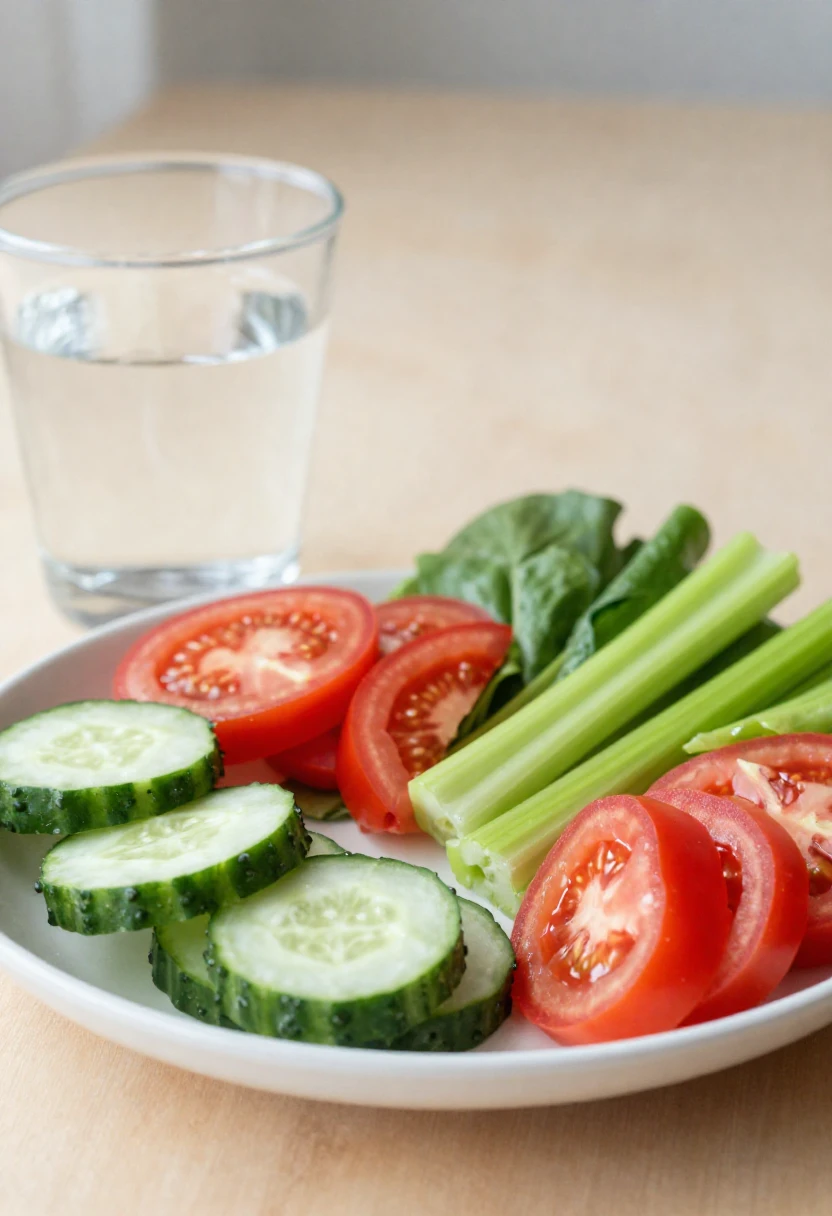
Water-rich produce that refreshes without much effort
Not every metabolism-friendly food needs to be spicy, high-protein, or stimulating. Some of the most helpful foods are the quiet, crisp ones that make a meal feel fresh, light, and easy to eat—especially when you are tired, warm, or simply not in the mood for anything heavy. Harvard’s Healthy Living Guide notes that about 20% of total water intake comes not from beverages, but from water-rich foods such as lettuce, leafy greens, cucumbers, bell peppers, tomatoes, and similar produce. (The Nutrition Source)
That may not sound dramatic, but it matters more than people think. A bowl of cucumber and tomato salad, crunchy celery beside hummus, or a plate built around greens and other fresh vegetables can help a meal feel more satisfying and balanced without adding heaviness. These foods also fit naturally into the kind of eating pattern that supports overall health: more vegetables, more fruit, more water, and fewer sugary drinks. Harvard’s Healthy Eating Plate explicitly recommends water, coffee, or tea as everyday drinks and advises people to avoid sugary drinks. (The Nutrition Source)
Hydration and how it connects to metabolism
Hydration is one of those things people often oversimplify. Water is not a magic metabolism trick, but your body does rely on proper fluid balance to do basic work well. MedlinePlus explains that water and electrolytes help balance fluid levels, move nutrients into cells, move wastes out, support muscle and nerve function, and keep blood pressure and heart rhythm stable. That is a pretty good reminder that hydration belongs in the bigger picture of energy and daily functioning. (MedlinePlus)
You may also see bold claims online about drinking cold water to “burn extra calories.” There has been research on water-induced thermogenesis, but later reviews have questioned how large or reliable that effect really is. In other words, drinking water is helpful, but not because it secretly turns into a dramatic fat-burning tool. Its real value is much less flashy and much more useful: it supports normal body function and can help replace higher-calorie beverages in everyday life. (PMC)
That is the tone worth keeping through this whole article. You do not need to romanticize water or pretend cucumbers have magical powers. But you also do not need to underestimate how much better you may feel when meals include more fresh produce and your day includes enough fluids. Sometimes “eating for a better metabolism” simply means making your routine feel less sluggish, less sugary, and more supported. This is an inference based on the roles of hydration and the dietary guidance above. (MedlinePlus)
Refreshing snack and salad ideas
This is one of the easiest sections in the whole article to put into practice, because the foods are simple and familiar.
Try ideas like:
- Cucumber and tomato salad with olive oil, lemon, and black pepper
- Leafy greens topped with beans, grilled chicken, or boiled eggs
- Bell pepper strips and celery with hummus or cottage cheese
- Tomatoes and cucumbers tucked into wraps, sandwiches, or grain bowls
- A cold side salad next to warm meals like lentil soup or baked fish
These foods may not feel as “powerful” as coffee or spicy peppers, but they do something just as important: they make healthy eating feel easier, fresher, and more comfortable to repeat. On a hot day, a crisp salad can feel more appealing than something heavy. On a busy afternoon, sliced vegetables and a quick dip can keep you going without a crash. Those small moments count more than wellness trends usually admit.
10. Apple cider vinegar and the truth behind the trend
Why people use it for appetite and digestion
Apple cider vinegar has had a long life in wellness culture. It shows up in “morning routine” videos, weight-loss lists, and all kinds of advice that makes it sound like a simple spoonful could somehow reset your body. Usually the promises sound familiar: less hunger, better digestion, more fat burning, faster weight loss. But the real evidence is much less dramatic than the trend suggests. Mayo Clinic says apple cider vinegar isn’t likely to cause weight loss, and that research has not proved it helps people slim down in a meaningful way. (Mayo Clinic)
There is a reason the idea caught on, though. Vinegar contains acetic acid, and some studies have explored whether vinegar or acetic acid might influence appetite or blood sugar responses. But even a 2022 systematic review on vinegar and appetite found the evidence limited and inconsistent, not strong enough to treat vinegar as a reliable hunger-control tool. (PMC)
What it may do and what it definitely will not do
The fairest way to talk about apple cider vinegar is this: it might have small effects in some people or in some short-term studies, but it is not a metabolism shortcut. Mayo Clinic notes that a few small studies suggest some promise, yet experts have not found meaningful weight loss or long-term hunger control from using apple cider vinegar, and many studies have been small or limited in quality. (Mayo Clinic)
That caution matters even more now because one of the more attention-grabbing 2024 studies on apple cider vinegar and weight management was later retracted in September 2025, which is a good reminder not to build big claims on a single headline or one dramatic result. (PMC)
What apple cider vinegar definitely will not do is melt fat, “speed up” your metabolism in any dramatic way, or replace balanced meals and consistent habits. More broadly, Mayo Clinic’s guidance on weight-loss supplements is clear: there is little proof that any supplement can produce healthy, long-term weight loss on its own. (Mayo Clinic)
Safe and sensible ways to include it
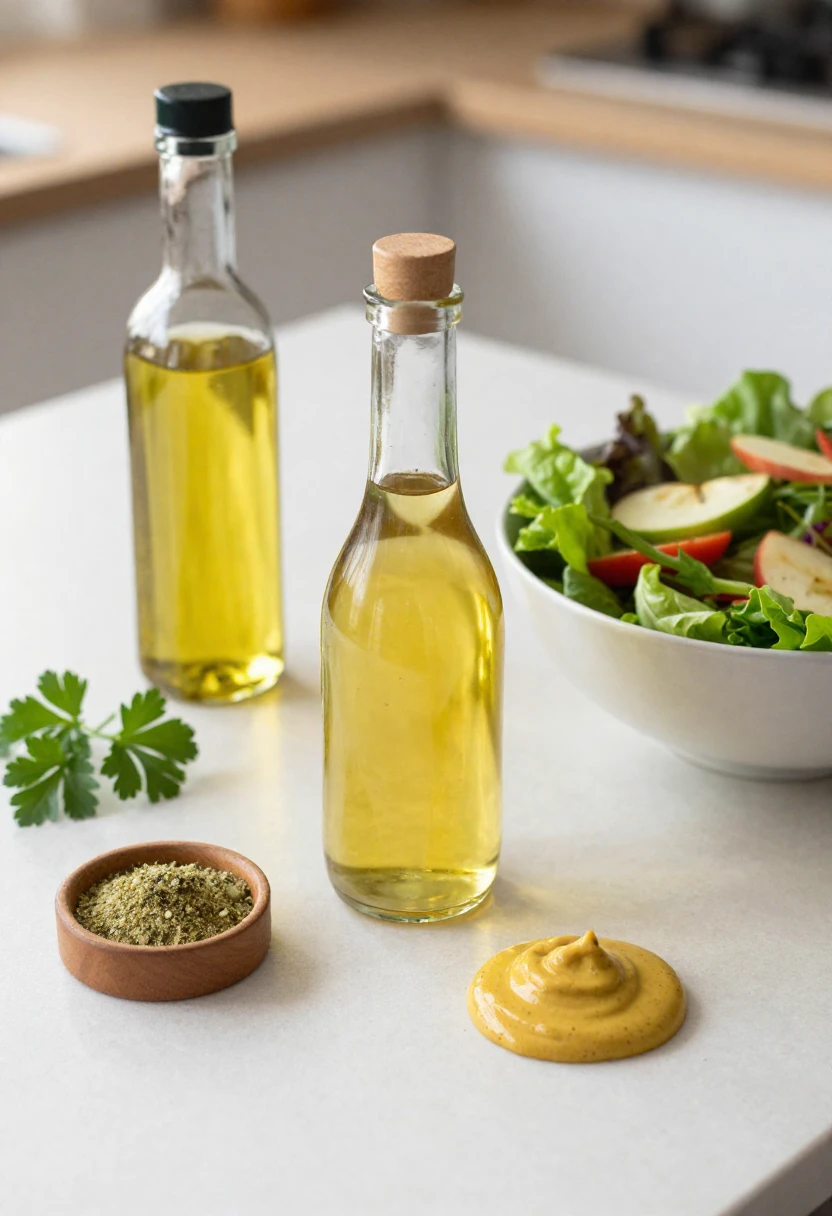
If you enjoy apple cider vinegar, the best way to use it is probably the least glamorous one: as an ingredient, not a ritual. Harvard notes that vinegar is low in calories and works well in dressings, marinades, sauces, and pickled foods, so it can add brightness and flavor without much fuss. (The Nutrition Source)
That approach is also gentler. Mayo Clinic says most people can use commercial apple cider vinegar safely in small amounts, and some studies suggest up to two tablespoons a day has been used safely for up to 12 weeks. Harvard and Mayo both warn that because vinegar is highly acidic, too much can irritate the throat or esophagus, upset the stomach, and erode tooth enamel. Mayo also notes possible interactions with insulin, diuretics, licorice, and horsetail, partly because of the risk of low potassium. (Mayo Clinic)
So in real life, the most sensible uses look like this:
- Whisk it into a salad dressing with olive oil, mustard, and herbs
- Add a little to marinades for chicken, fish, or tofu
- Use it in slaws or bean salads for brightness
- Dilute it well if you choose to drink it, rather than taking straight shots
- Skip it entirely if it worsens reflux, throat irritation, or stomach discomfort (Mayo Clinic)
In other words, apple cider vinegar is fine as a kitchen ingredient. It just does not deserve the magical reputation it has been given. A tangy dressing on a crisp salad can absolutely be part of a metabolism-friendly way of eating. But the real benefits still come from the same unglamorous things that work again and again: balanced meals, enough protein and fiber, plenty of produce, and habits you can actually keep. (Mayo Clinic)
How to build metabolism-friendly meals without overthinking it
A simple plate formula you can actually follow
This is the point where the article stops being a list of “helpful foods” and starts becoming real life.
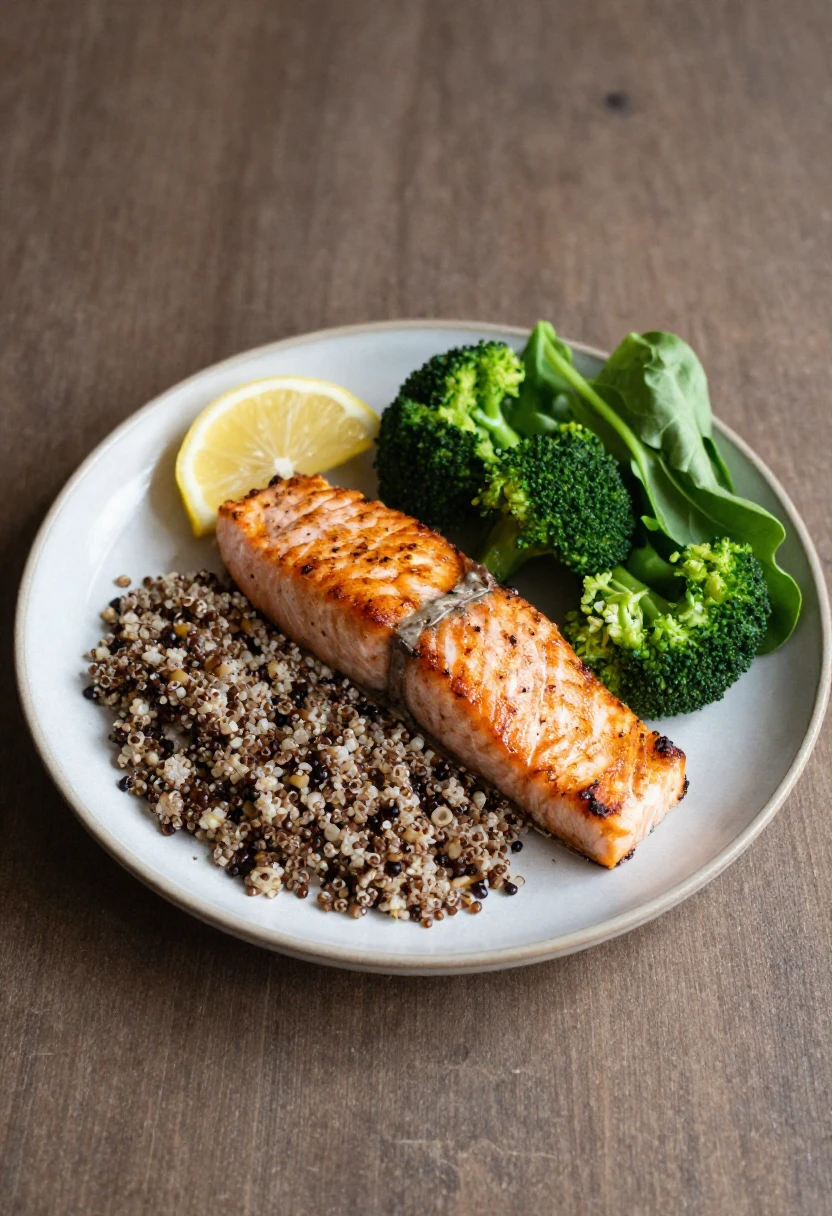
Because most people do not eat single ingredients. You do not sit down to a plate of cinnamon, chickpeas, and spinach and call it dinner. You build meals. And the easiest way to make those meals feel supportive is to keep the structure simple: fill about half your plate with vegetables and fruit, add a source of protein, and include a fiber-rich carbohydrate such as beans, lentils, oats, brown rice, quinoa, or whole-grain bread. Both MyPlate and Harvard’s Healthy Eating Plate use this same big-picture idea, even though they present it a little differently. (MyPlate)
That matters because it takes the pressure off. You do not have to chase a “perfect metabolism meal.” You just need meals that are balanced enough to keep you full, nourished, and steady. Vegetables bring volume and nutrients. Protein helps with satiety and has a higher thermic effect than fat or carbohydrate. Fiber helps meals feel more satisfying and supports steadier blood sugar patterns. (The Nutrition Source)
A simple way to picture it is this:
- Half the plate: vegetables and fruit
- One quarter: protein such as eggs, fish, yogurt, chicken, tofu, beans, or lentils
- One quarter: whole grains or other fiber-rich carbs
- On the side if it fits: water, tea, coffee, yogurt, or a fortified dairy or soy option (MyPlate)
That is not strict. It is just useful. It gives your meals enough structure to feel satisfying without turning every breakfast or lunch into a math problem.
Sample breakfast, lunch, dinner, and snack ideas
Once you have that basic formula, meal ideas become much easier.
Breakfast can be as simple as eggs with whole-grain toast and spinach, or Greek yogurt with berries, oats, and seeds. These meals bring together protein, fiber, and produce in a way that feels grounding rather than heavy. Protein-rich foods and fiber-rich foods are both associated with greater fullness, which is one reason breakfasts like these tend to hold up better than pastries or sugary cereal alone. (The Nutrition Source)
Lunch might look like lentil soup with a side salad, or a grain bowl with chicken or tofu, roasted vegetables, and brown rice. This is where a lot of people start feeling the difference. Instead of a lunch that leaves you sleepy or hungry an hour later, a more balanced plate often feels calmer and more reliable. That is partly because legumes and fiber-rich foods help support satiety and steadier blood sugar control. (MedlinePlus)
Dinner does not need to be complicated either. Think salmon with broccoli and quinoa, chickpea curry with vegetables, or beans and greens on toast with a bowl of soup. The common thread is not perfection. It is simply combining protein, produce, and fiber-rich carbs often enough that your body gets a steady pattern it can work with. MyPlate’s general guidance is built around exactly that kind of variety across vegetables, grains, protein foods, and dairy or fortified soy alternatives. (MyPlate)
For snacks, the same idea still works:
- Apple and yogurt
- Cottage cheese with cucumber
- Hummus with celery and peppers
- A handful of nuts with fruit
- Boiled eggs with cherry tomatoes
These are not trendy snacks, but they are the kind that tend to keep you going without a big crash afterward.
Small habits that matter just as much as food
This is the part people often skip because it sounds too ordinary. But it may be the most important part of all.
Metabolism-friendly eating is rarely about one magical ingredient. It is more often about small, repeatable habits that make your meals more balanced without exhausting you. MyPlate’s own messaging leans into this idea: small changes matter, and healthy eating works best when it is simple enough to keep doing. (MyPlate)
A few habits make a real difference:
- Include protein at meals, especially breakfast and lunch
- Add vegetables or fruit more often, even in small amounts
- Choose whole grains more often than refined grains when you can
- Keep beans, eggs, yogurt, frozen vegetables, and oats around for easy fallback meals
- Drink water, tea, or coffee with little or no sugar more often than sugary drinks (The Nutrition Source)
There is also something comforting about accepting that a good eating routine does not have to look dramatic. Sometimes it is just oatmeal on a weekday morning. A boiled egg added to lunch. Frozen broccoli roasted while dinner cooks. A can of beans turning into soup when the fridge looks empty. These are small choices, but they are often the choices that keep you from swinging between extremes.
And maybe that is the best way to think about this whole topic. Eating for a healthier metabolism is not about chasing a faster body. It is about building meals that help you feel steady, fed, and a little more at ease in your own routine.
Common mistakes people make when trying to “speed up” metabolism
Eating too little
This one surprises a lot of people.
When someone wants to lose weight or “boost” their metabolism, the first instinct is often to eat much less. Skip breakfast. Have something tiny for lunch. Try to “be good” all day. On paper, it can feel disciplined. In real life, it often backfires.
When you do not eat enough, your day can start to feel shaky fast. You get distracted. You think about food constantly. By late afternoon, you are standing in the kitchen eating whatever is quickest, not whatever actually makes you feel good. And even before that happens, under-eating can leave you feeling tired, cold, irritable, and strangely disconnected from your body.
This is one of the biggest misunderstandings around metabolism. Your body needs enough food to function well. Supporting your metabolism does not mean starving yourself into efficiency. It means giving your body regular fuel so it does not have to drag itself through the day on stress and caffeine alone.
A lighter meal now and then is normal. A busy day happens. But turning under-eating into a habit is not a smart metabolism strategy. It is usually just exhausting.
Skipping protein
This is another mistake that seems small but shows up everywhere.
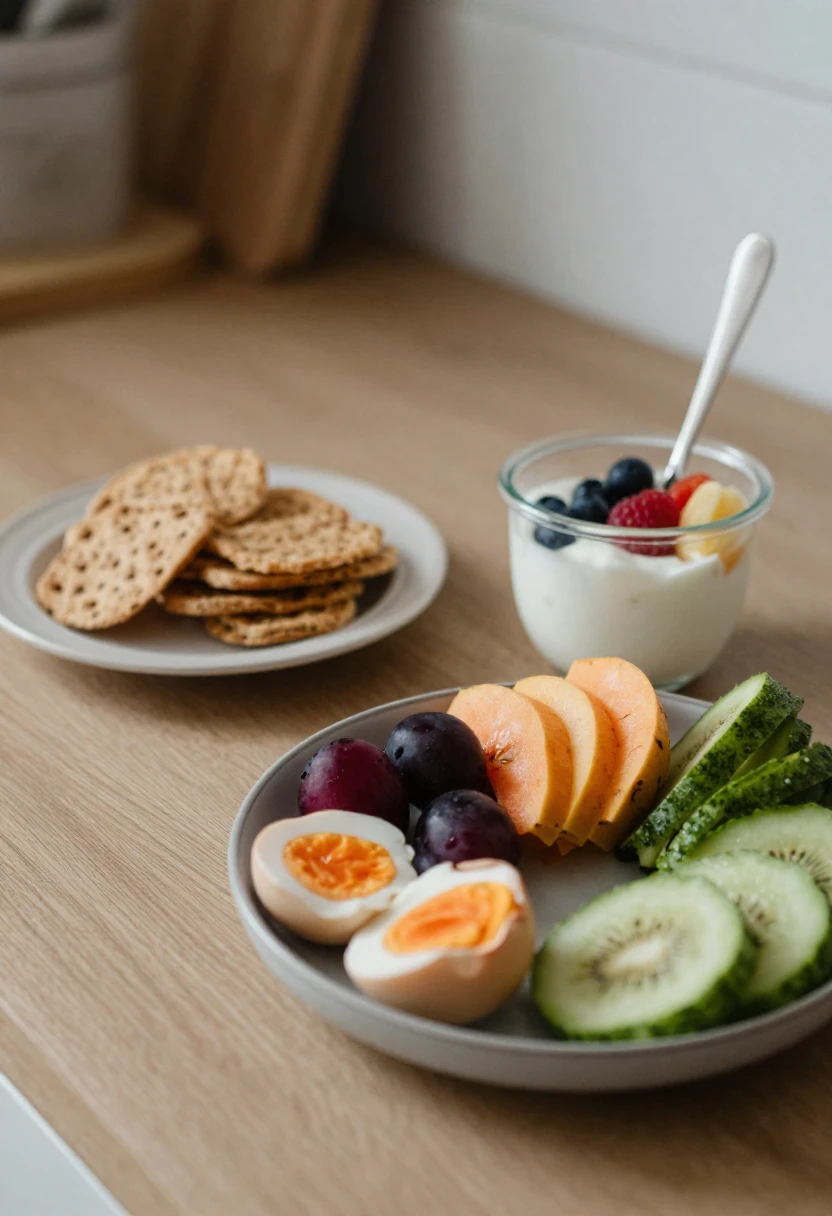
A breakfast of toast alone. A lunch that is mostly crackers or fruit. A snack that is sweet but not very filling. None of these foods are “bad,” but when meals are missing protein, they often do not hold you for very long. You eat, but you do not quite feel fed.
That is when the cycle begins: more cravings, more grazing, more random energy dips, more frustration. Not because you lack willpower, but because your meals were never built to support you in the first place.
Protein helps bring a sense of stability to a meal. It makes breakfast feel more like breakfast. It gives lunch something solid to stand on. It turns a snack from a quick distraction into something that actually carries you to the next meal.
This does not mean every plate needs to be packed with protein powders or giant portions of meat. It just means it helps to ask a simple question more often:
Where is the protein here?
Sometimes the answer is eggs. Sometimes yogurt, beans, lentils, fish, tofu, cottage cheese, chicken, or a handful of nuts next to fruit. Small adjustments like that can change the whole rhythm of your day.
Relying on trendy products instead of consistent habits
This might be the most common mistake of all.
People spend so much time looking for the one thing that will finally change everything—a special tea, a supplement, a shot of vinegar, a powder, a gummy, a metabolism drink in a sleek little bottle. The appeal is understandable. Quick fixes are comforting because they make health sound easy.
But the habits that actually help are usually much less exciting.
It is the bowl of oatmeal you eat before work.
The eggs and greens you make even when you are tired.
The lentil soup you throw together from pantry ingredients.
The roasted broccoli on the side of dinner.
The yogurt in the fridge that saves you from getting ravenous at 4 p.m.
These things do not look dramatic on social media. They do not come with bold promises. But they are the habits that create a steady, well-fed body over time.
A trendy product might give you a brief feeling of control. A consistent routine gives you something much better: trust. You begin to trust that your meals will satisfy you, that your energy will feel steadier, and that you do not need to keep chasing the next “metabolism hack” to take care of yourself.
And honestly, that is a much calmer way to live.
Who should be careful with metabolism-boosting foods?
Caffeine sensitivity
Not every “helpful” food feels helpful to every body.
Coffee, green tea, black tea, and other caffeinated drinks may give some people a pleasant lift, but for others they can bring jitters, restlessness, anxiety, a fast heartbeat, headaches, or trouble sleeping. MedlinePlus notes that some people are simply more sensitive to caffeine than others, and both MedlinePlus and the FDA list side effects such as shakiness, insomnia, anxiety, increased heart rate, and upset stomach when intake is too high for the person. (MedlinePlus)
So if a “metabolism-friendly” drink leaves you feeling wired, shaky, or strangely exhausted later, that is useful information. It does not mean you are doing anything wrong. It just means your body may do better with less caffeine, earlier timing, or a switch to herbal tea instead of trying to force yourself into someone else’s routine. For most adults, up to about 400 mg of caffeine a day is considered safe, but individual tolerance still matters. (Mayo Clinic)
Acid reflux and strong spices
Spicy foods and acidic ingredients can also be tricky for some people.
If you deal with acid reflux or GERD, foods that are often promoted as metabolism helpers—like chili peppers, strong spices, coffee, or even vinegar—may make symptoms worse instead of better. MedlinePlus lists spicy foods and caffeine among common triggers some people with GERD may need to avoid, and NIDDK similarly advises people to avoid foods that worsen their own reflux symptoms. (MedlinePlus)
That does not mean you need to remove every flavorful food forever. It just means this article works best when you read it with a little self-awareness. If cayenne in soup feels fine, great. If coffee on an empty stomach gives you burning discomfort, that matters more than any trendy claim about metabolism. A gentler version of this article might look like ginger instead of chili, herbal tea instead of coffee, and lemon-free or low-acid dressings instead of vinegar-heavy ones. That practical swap is my inference from the reflux guidance above. (NIDDK)
Thyroid concerns and when to speak with a professional
There is also an important difference between a “slow metabolism” and a real thyroid problem.
Thyroid hormones help control how the body uses energy, and thyroid disease can affect weight, digestion, heart rate, mood, and energy levels. MedlinePlus explains that these hormones affect nearly every organ in the body, while NIDDK notes that hypothyroidism can slow down many body functions because the thyroid is not making enough hormone. (MedlinePlus)
So if you are dealing with persistent fatigue, feeling unusually cold, constipation, dry skin, hair changes, or unexplained weight changes, it is worth talking with a healthcare professional rather than assuming you just need more green tea or a different breakfast. Food can support your body, but it cannot diagnose or treat an underlying thyroid condition by itself. (NIDDK)
A smarter way to think about metabolism every day
Focus on support, not shortcuts
By this point, you have probably noticed a pattern.
The foods in this article are not magic. They are not metabolism “cheat codes.” They are simply foods that may help support the way your body uses energy by adding protein, fiber, hydration, useful minerals, or a small thermogenic effect. The most reliable health guidance around metabolism keeps coming back to the same message: beware of myths, keep expectations realistic, and build habits you can actually live with. (MedlinePlus)
That is a much kinder approach, honestly.
It means you do not have to chase dramatic fixes. You do not need to turn breakfast into a science experiment or buy products that promise to “torch fat.” You can just keep returning to the basics: eat enough, include protein, add vegetables, choose fiber-rich foods often, and notice what genuinely makes you feel better. That practical summary is my synthesis of the nutrition and health sources used throughout the article. (NIDDK)
Build meals that feel satisfying, steady, and sustainable
In the end, that may be the real secret to eating for a healthier metabolism: make your meals satisfying enough that your body stops feeling like it has to fight for energy all day.
A bowl of Greek yogurt with berries. Eggs with spinach and toast. Lentil soup with a salad. Salmon with broccoli. A crunchy cucumber snack with hummus. These foods are simple, but they work because they help create rhythm—steady meals, steadier hunger, steadier energy. That connection is an inference, but it fits the broad evidence behind protein, fiber, hydration, and balanced meal structure. (MedlinePlus)
And maybe that is the most comforting part of all. You do not need to eat perfectly. You just need to eat in a way that feels nourishing, repeatable, and realistic for your actual life.
Conclusion
A faster metabolism is not something you build with one miracle ingredient. It is supported, little by little, through meals that are balanced, filling, and kind to your body. Protein-rich foods, legumes, green vegetables, tea, coffee, spices, hydrating produce, and nutrient-dense basics can all play a role—but the real power comes from the pattern, not the hype. That overall takeaway is a reasoned summary of the evidence and guidance used throughout the article. (NIDDK)
So the goal is not to force your body to burn faster. The goal is to support it better. And that usually starts in very ordinary ways: a better breakfast, a more balanced lunch, more vegetables in the pan, beans in the cupboard, and fewer desperate grabs for “quick fixes.” Over time, those small choices often feel a lot more powerful than they first appear.
FAQ
What foods speed up your metabolism the most?
No food dramatically “speeds up” metabolism on its own, but foods with the best evidence for modest support include protein-rich foods, caffeinated drinks like coffee and tea, legumes, and some spicy foods. The effect is usually small, so the bigger benefit comes from using these foods in balanced meals you can keep eating consistently. (Mayo Clinic)
Does drinking water boost metabolism?
Water supports normal body function and can help replace sugary drinks, but it is not a major metabolism hack. Research on “water-induced thermogenesis” has been mixed, so it is better to think of hydration as part of overall wellness rather than a fat-burning trick. (NIDDK)
Is coffee good for metabolism?
Coffee can slightly increase energy expenditure because of its caffeine content, but the effect is modest. It may be useful for some people, but others are more sensitive to caffeine and may feel jittery, anxious, or have trouble sleeping. (Mayo Clinic)
Can apple cider vinegar help you lose weight?
It may have small effects in some studies, but the evidence is not strong enough to treat apple cider vinegar as a reliable weight-loss tool. It is best used as a flavorful ingredient in dressings or marinades, not as a miracle metabolism fix. (NIDDK)