
Some health habits ask a lot from you right away. They want you to count, measure, track, avoid, swap, and second-guess every bite on your plate. After a while, eating can start to feel less like nourishment and more like math.
That is one reason time-restricted eating has caught so much attention. Instead of focusing first on what you eat, it focuses on when you eat. For many people, that feels simpler, calmer, and much more realistic to live with.
Imagine your day with a little more rhythm. Breakfast is not dragged out into an all-day grazing session. Late-night snacking stops being a default habit. Your meals begin to have clearer boundaries, and oddly enough, that structure can feel freeing. You are not chasing perfection. You are just giving your body a more consistent routine.
And that routine may do more than make your schedule feel tidier.

Many people turn to time-restricted eating because they want help with weight management, but they stay with it for other reasons too. They notice steadier energy instead of the usual ups and downs. They feel less overly full at night. Some say their digestion feels more settled, their mornings feel lighter, and their relationship with food becomes less chaotic.
Of course, this is not magic, and it is not a one-size-fits-all solution. But it can be a practical approach that fits into real life without making every meal feel complicated. That is a big part of its appeal. You still sit down to food you enjoy. You still build balanced meals. You are simply creating a daily eating window that supports your body a little differently.
In this article, you will learn how time-restricted eating works, why it may support weight, energy, and gut health, and how to try it in a way that feels sustainable rather than stressful.
What Is Time-Restricted Eating, Really?

At its core, time-restricted eating means you eat your meals within a set window of time each day and leave the rest of the day for fasting. That sounds more dramatic than it usually feels in real life.
For example, you might eat between 8 a.m. and 6 p.m. and then stop eating for the evening and overnight. Or maybe your schedule works better with a 10 a.m. to 8 p.m. eating window. The exact hours can vary. What matters most is the rhythm.
A simple explanation of the eating-window approach
Think of it as giving your meals a clear beginning and end.
Instead of eating from the moment you wake up until the moment you wander into the kitchen at night “just for something small,” you create a daily pattern. During your eating window, you eat normal, satisfying meals. Outside of that window, you stick to non-caloric drinks like:
- Water
- Plain tea
- Black coffee
- Sparkling water without sweeteners
For many people, that one change cuts down on the kind of distracted eating that sneaks in during busy afternoons and quiet evenings.
How it differs from strict dieting and calorie counting
This is where time-restricted eating feels refreshingly different.
A lot of diets hand you a long list of rules. Eat this, never eat that, weigh this portion, avoid that ingredient, and somehow keep smiling through all of it. Time-restricted eating does not usually start there.
Instead, it gives you a framework:
- You eat during a set window
- You stop eating outside of it
- You aim for balanced, nourishing meals within that time
That does not mean food quality stops mattering. It absolutely still matters. A plate of vegetables, protein, healthy fats, and fiber will support you far better than a day built around pastries and chips. But the method itself is often easier to follow because it removes some of the constant decision-making.
You are not negotiating with every snack. You already know the boundary.
Common schedules like 12:12, 14:10, and 16:8
There is no single “correct” schedule. Some people do very well with a gentler approach, especially at the beginning.
Here are a few common formats:
- 12:12 — fast for 12 hours, eat within 12 hours
A simple starting point that often just means finishing dinner earlier and delaying breakfast a little. - 14:10 — fast for 14 hours, eat within 10 hours
A comfortable middle ground for many people. - 16:8 — fast for 16 hours, eat within 8 hours
One of the most popular approaches, often used by people who feel good skipping either early breakfast or late-night eating.
The best schedule is not the most extreme one. It is the one that fits your real life, your hunger cues, and your energy needs.
What counts during the fasting window
This part matters more than many beginners expect.
During the fasting window, the goal is to avoid foods and drinks that contain calories. Even small habits can blur the structure if they happen often enough. That means your fasting window is usually the place for:
- Plain water
- Mineral water
- Unsweetened tea
- Black coffee
Things that can interrupt the fast include:
- Sugary drinks
- Juice
- Milk in large amounts
- Sweetened coffee drinks
- Snacks, even tiny ones grabbed in passing
And yes, that little handful of crackers while cleaning the kitchen still counts. Those tiny moments add up quickly, especially when they happen without much thought.
What makes time-restricted eating so useful is not strict punishment. It is awareness. You begin to notice when you eat, not just what you eat. And once you see your habits more clearly, it becomes much easier to change them with intention.
Why This Eating Style Feels Easier to Stick With
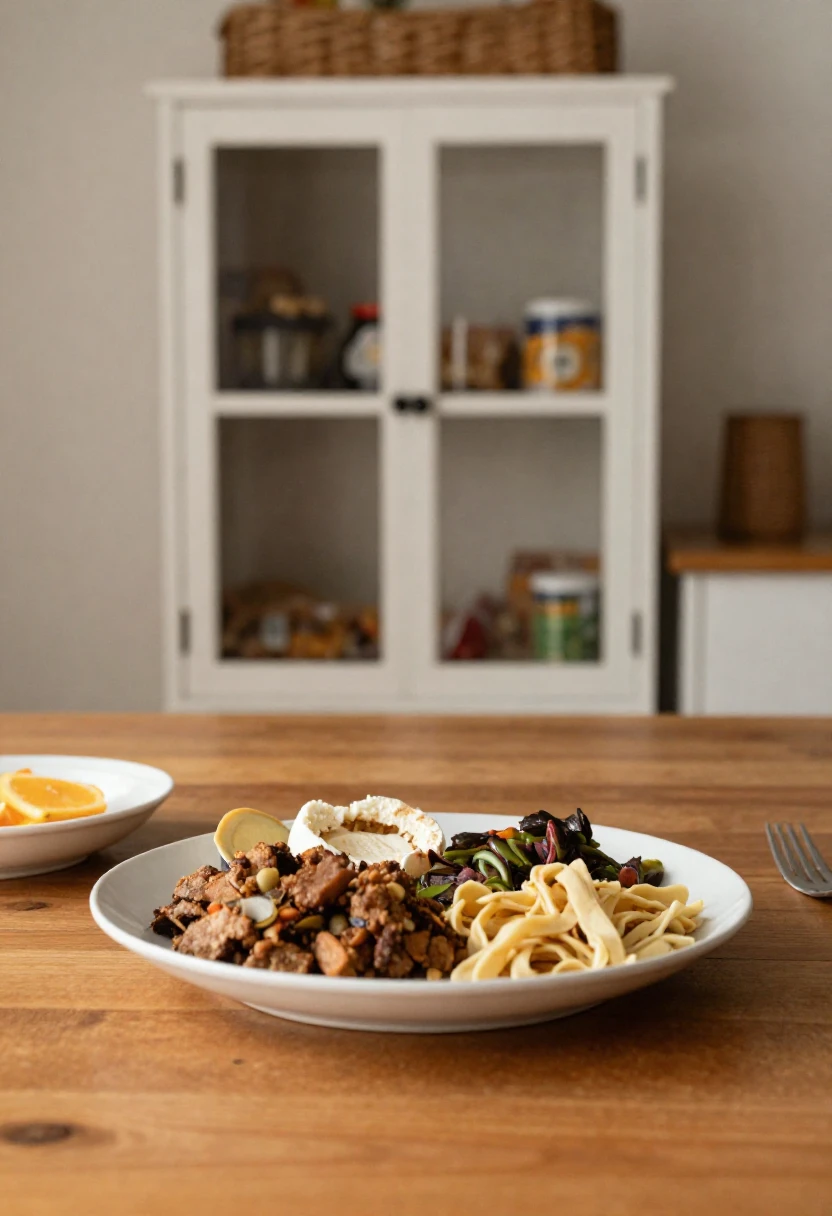
Many healthy habits sound good on paper but fall apart by Thursday afternoon. You start with enthusiasm, a full fridge, and a color-coded plan, and then real life shows up. Meetings run late. You get tired. Someone brings pastries. Dinner happens later than expected. Suddenly the “perfect” plan feels fragile.
That is where time-restricted eating often feels different. It is structured, but not fussy.
Fewer food rules, less mental clutter
One of the biggest reasons people stick with this approach is simple: there is less to think about.
You are not constantly asking yourself:
- Is this allowed?
- How many points is this?
- Should I save this for later?
- Can I fit this into today’s calories?
Instead, the question becomes much more straightforward: Am I eating within my window?
That can feel surprisingly calming. It removes a layer of mental noise that makes healthy eating feel exhausting.
How structure can reduce random snacking
A lot of eating has very little to do with real hunger.
It happens because food is there. Because the afternoon feels long. Because you are standing in the kitchen waiting for the kettle to boil. Because a few bites do not seem like a big deal.
Time-restricted eating helps put gentle guardrails around those moments.
When you know the kitchen is “closed” after a certain hour, it becomes easier to pause before reaching for:
- A few cookies after dinner
- Chips while watching a show
- A second dessert you were not even craving
- The casual handfuls and nibbles that stretch late into the evening
Those small habits often do more damage than people realize, especially when they happen daily.
Why flexibility matters in real daily life
The most sustainable wellness habits are the ones that can survive a normal Tuesday.
That means your eating pattern has to work with:
- Your job
- Your family schedule
- Social dinners
- Morning workouts
- Weekends that look different from weekdays
Time-restricted eating gives you room to adapt. Some days your window might open earlier. On other days, you may shift it later. You are still working within a clear structure, but there is enough flexibility to keep it human.
And that is often the difference between a plan you try for a week and a habit you can actually live with.
Time-Restricted Eating and Weight Management
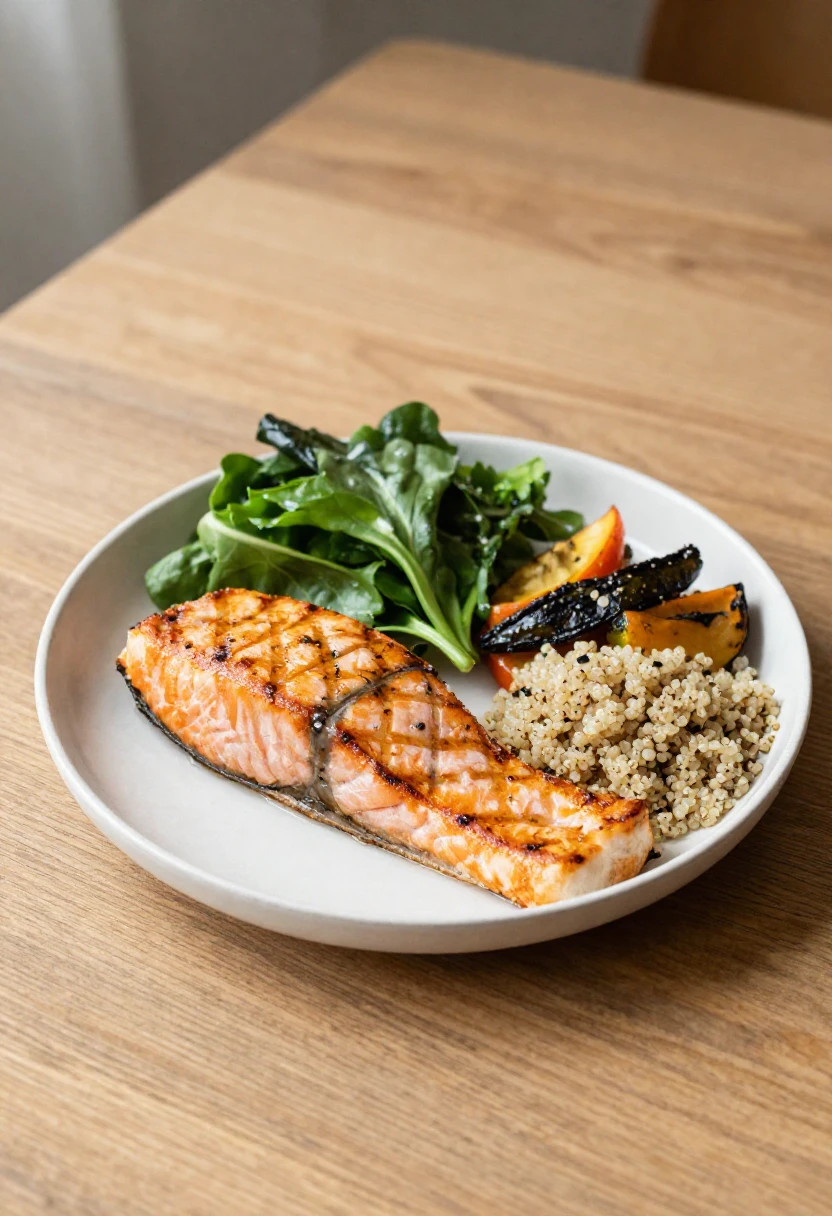
For many people, the first question is simple: can this actually help with weight?
Often, yes — but not because there is anything magical about skipping breakfast or eating lunch later. The real power of time-restricted eating usually comes from the way it creates natural boundaries around your meals and snacks.
When eating stretches across the entire day, it becomes easy to lose track of how often food slips in. A bite here, a sweet coffee there, something crunchy while making dinner, a little dessert even though you were already full. None of it feels dramatic in the moment, but together it can quietly push your daily intake much higher than you realize.
How a shorter eating window may naturally reduce calorie intake
This is one of the main reasons time-restricted eating can support weight management.
When you shorten the number of hours you spend eating, you often end up cutting back on the extra, unplanned foods that tend to pile up around the edges of the day. You are not necessarily forcing yourself to eat tiny meals. You are simply giving yourself fewer opportunities to eat out of boredom, habit, or convenience.
That can lead to a more balanced pattern, especially when your meals include:
- Protein to keep you satisfied
- Fiber-rich foods like vegetables, beans, oats, and fruit
- Healthy fats that make meals feel complete
- Whole foods that give your body more nourishment per bite
In other words, time-restricted eating works best when the meals inside your window actually satisfy you. If your lunch is just a sad granola bar and coffee, the plan will feel miserable very quickly.
The connection between late-night eating and extra calories
Evening is where many people struggle most.
You finish dinner. You are not truly hungry. But the day slows down, the couch looks inviting, and suddenly a snack starts to feel like part of the routine. A little chocolate. A bowl of cereal. Some leftovers straight from the fridge. It can all feel harmless because it happens in such an ordinary moment.
But late-night eating is often where extra calories sneak in most easily.
That is why a defined eating window can help. When you decide that your last meal happens at a certain time, you remove a whole category of mindless eating from the day. That one shift can make a noticeable difference over time.
Why consistency often matters more than perfection
This is the part people need to hear more often: you do not have to do it perfectly for it to help.
A sustainable routine beats a strict routine you abandon.
Maybe you follow a 14:10 schedule most weekdays and loosen it a little on weekends. Maybe one dinner out runs later than planned. Maybe one morning you wake up truly hungry and eat earlier than usual. That does not mean you failed. It means you are a person with a life.
The real benefit comes from keeping a general pattern that supports your goals most of the time.
Weight management is rarely about one heroic day of discipline. It is about small habits repeated often enough that they start to reshape your normal. Time-restricted eating can help with that because it brings a little order to the hours when overeating tends to happen most easily.
Can It Help Reduce Belly Fat?

Belly fat gets talked about constantly, and not always in helpful ways. Sometimes it is framed like a cosmetic problem to “fix” as fast as possible. But for many people, the concern is not just about how their jeans fit. It is also about feeling heavier, more sluggish, and less comfortable in their own body.
That is why this question comes up so often: can time-restricted eating help reduce belly fat?
The honest answer is that it may help, especially when it supports better overall eating habits and gradual weight loss.
Why belly fat gets so much attention
Fat stored around the abdominal area tends to get more focus because it can be particularly stubborn, and people often notice changes there last. You may start eating better, walking more, sleeping a little better — and still feel frustrated because your midsection does not seem eager to cooperate.
That frustration is real.
But belly fat usually responds best to the same things that support overall health:
- A consistent eating pattern
- Balanced meals
- Enough movement
- Better sleep
- Less late-night overeating
- Patience over quick fixes
Time-restricted eating can support several of those habits at once.
How meal timing may support better metabolic habits
You do not need to think of time-restricted eating as a trick for targeting one body part. That is not really how the body works.
What it can do is help improve the daily habits that often contribute to weight gain around the middle. For example, it may help you:
- Cut back on evening snacking
- Reduce constant grazing
- Build more intentional mealtimes
- Give your body longer breaks between eating
When those habits improve, overall weight management becomes easier, and that can include fat loss around the waist over time.
It is less about forcing your body to burn belly fat on command and more about creating a healthier rhythm that supports better metabolic balance.
What realistic results can look like over time
This is where expectations matter.
If you start time-restricted eating on Monday and check your stomach in the mirror on Thursday, you are probably setting yourself up for disappointment. Real results usually come from steady consistency, not dramatic speed.
You might notice these changes first:
- Less bloating by the evening
- Fewer snack cravings at night
- Feeling lighter in the morning
- More control around food
- Gradual changes in body measurements over time
Those are meaningful signs of progress, even before larger physical changes show up.
And sometimes what people describe as “losing belly fat” starts with something simpler: they are less puffy, less uncomfortable after dinner, and no longer ending the day feeling overly stuffed. That may not sound flashy, but it can make a big difference in how your body feels day to day.
How Time-Restricted Eating May Support Gut Health

Your digestive system notices your habits more than you think.
It notices the rushed lunch eaten between emails, the heavy snack right before bed, the all-day nibbling that never really gives digestion a pause. And when your eating pattern feels chaotic, your gut can feel chaotic too.
This is one reason people often say they feel better when they begin time-restricted eating. Not because it “fixes” everything overnight, but because it brings more rhythm to digestion.
Giving your digestive system longer breaks
Your gut does a lot of work. Every meal, snack, creamy coffee, and sweet bite asks your digestive system to start processing again.
When you eat from early morning until late at night, there are fewer real breaks between those tasks. Time-restricted eating creates a longer daily pause, and for some people, that feels like relief.
You may notice:
- Less heaviness after a full day of eating
- Fewer bedtime digestion issues
- More comfort in the morning
- A sense that your body is not constantly “working on food”
That break can feel especially helpful if your usual pattern includes late-night meals or frequent grazing.
Why people often notice less heaviness and bloating
Bloating can have many causes, and time-restricted eating is not a cure-all. But it can help some people simply because they stop eating so close to bedtime and stop stretching meals and snacks across too many hours.
That often means:
- Dinner has more of a stopping point
- The digestive system gets a clearer overnight rest
- You wake up feeling less stuffed from the night before
There is also a practical side to this. When you have a defined eating window, you may become more aware of what makes you feel good and what leaves you uncomfortable. You start noticing patterns. Maybe giant late dinners do not sit well. Maybe afternoon snacks turn into evening overeating. Maybe eating more intentionally helps everything feel calmer.
That awareness is valuable.
The link between routine, digestion, and daily comfort
Bodies tend to like rhythm.
Not rigid perfection. Not obsessive control. Just a reliable pattern.
When your meals happen at roughly similar times, your body can begin to expect them. Hunger cues may feel clearer. Digestion may feel more predictable. You may spend less time swinging between “not hungry at all” and “why am I suddenly starving?”
This kind of routine can support daily comfort in a very simple way: it reduces chaos.
And sometimes that is exactly what your gut has been asking for all along.
Energy, Focus, and the “Lighter” Feeling Many People Notice

One of the most interesting things about time-restricted eating is that people often begin for weight-related reasons, then end up talking about something else entirely.
They say things like:
- “I do not crash as hard in the afternoon.”
- “I feel less foggy in the morning.”
- “I am not thinking about snacks all day.”
- “I just feel lighter.”
That word comes up a lot — lighter. Not only on the scale, but in the body, in the mind, and even in the rhythm of the day.
Why constant grazing can leave you feeling sluggish
When eating becomes a day-long event, your energy can start to feel scattered too.
A pastry at 9, something sweet at 11, a quick lunch at your desk, a snack at 3, a few bites while cooking dinner, dessert at 9. Even if none of those moments feels huge on its own, together they can leave you feeling like your body never really gets a pause.
For some people, that shows up as:
- Afternoon sleepiness
- Heavy, overfull evenings
- Constant cravings
- Feeling mentally distracted by food
Time-restricted eating can help reduce that stop-and-start pattern. With more defined meal timing, your day often feels less like a string of random bites and more like a steady flow.
How a steady routine can support mental clarity
There is something surprisingly calming about knowing when you eat and when you do not.
That structure can reduce the background noise of food decisions. You are not opening the pantry every hour to negotiate with yourself. You are not constantly deciding whether you are hungry enough for a snack or just tired, bored, or procrastinating.
That mental quiet can feel like clarity.
And when your meals are built well — with protein, fiber, healthy fats, and enough food to truly satisfy you — your energy may feel more even through the day. Not perfect, not superhuman, just steadier.
What mornings, afternoons, and evenings may feel like at first
The first week or two can feel a little different, especially if you are used to eating at irregular times.
You might notice:
- Mornings feel easier than expected once your body adjusts
- Afternoons feel more stable when lunch is balanced and filling
- Evenings feel calmer when snacking is no longer stretching late into the night
At first, you may also notice your habits more clearly. That moment when you automatically reach for something sweet at 10 p.m. Suddenly, you see it. Not to shame yourself, but to understand yourself better.
And that awareness is often where real change begins.
The Healthy Aging Conversation Around Fasting

Time-restricted eating often gets pulled into bigger conversations about longevity and healthy aging. That is part of what makes it so intriguing. It is not just presented as a weight-loss tool, but as a daily habit that may support how your body functions over time.
Still, this is an area where balance matters. It is easy for wellness trends to start sounding dramatic, and that does not help anyone.
Why fasting is often discussed alongside cellular repair
You may have heard people say that fasting gives the body time to focus on repair instead of constant digestion. That idea is one reason fasting attracts so much attention in the wellness space.
The general thinking is simple: when you are not eating all the time, your body is not constantly busy processing food, and that may support certain restorative processes. That sounds appealing, and it is one reason many people see time-restricted eating as more than just a meal schedule.
But it is important to keep the conversation grounded. A healthy routine is built from many factors, including:
- Nutritious food
- Good sleep
- Daily movement
- Stress management
- Long-term consistency
Time-restricted eating can be part of that picture, but it is not the whole picture.
What people mean when they talk about “giving the body a break”
This phrase gets used a lot, and while it can sound vague, most people mean something very practical.
They are talking about stepping away from habits like:
- Eating late into the evening
- Snacking without noticing
- Constantly digesting small amounts of food all day
- Living in a cycle of cravings and overfullness
For many people, a set eating window creates a feeling of relief. Meals become more intentional. Evenings feel calmer. Mornings feel cleaner somehow — less weighed down by the leftovers of the day before.
That is often what “giving the body a break” looks like in real life.
A balanced, realistic way to talk about longevity benefits
It is perfectly reasonable to be curious about the long-term wellness side of time-restricted eating. But it is better to think of it as a supportive habit, not a miracle tool.
A pattern you can maintain for years matters much more than a strict plan you cannot sustain for a month.
So rather than asking, “Will this make me live longer?” a more useful question might be:
Does this help me eat in a way that feels more balanced, consistent, and supportive of my overall health?
If the answer is yes, that is already meaningful.
One of the Biggest Benefits: Flexibility

Some healthy eating strategies fall apart the moment real life gets involved. A family dinner runs late, brunch happens on Sunday, work shifts your whole routine, and suddenly the plan no longer fits.
Time-restricted eating can be different. One of its most practical strengths is that it is flexible enough to work with different lifestyles.
How to shape your eating window around your life
There is no prize for choosing the hardest schedule.
The best eating window is the one that feels natural enough to repeat. For example:
- If you love breakfast and prefer lighter dinners, an earlier window may feel best
- If mornings are busy and you are rarely hungry early, a later window may make more sense
- If your routine changes from weekday to weekend, you may need a little room to adjust
This is where time-restricted eating becomes more sustainable than many rigid diets. It can bend without breaking.
Early eaters vs. late eaters
Some people genuinely enjoy eating earlier in the day. They wake up hungry, love breakfast, and feel better when dinner is finished early.
Others do not want food first thing in the morning. They prefer coffee, time to wake up, and a later first meal. That does not make one person healthier than the other. It simply means your schedule should match your body and your life.
A few questions can help:
- When do you naturally feel hungry?
- When are you most likely to snack mindlessly?
- When do social meals usually happen?
- What schedule would feel realistic, not aspirational?
Your answers matter more than following someone else’s perfect-looking routine online.
Why your best schedule is the one you can actually keep
This is worth repeating because it is where so many people go wrong.
A consistent 14:10 routine you can keep for months is often far more useful than a strict 16:8 plan that leaves you cranky, overeating, or giving up every few days.
You want a rhythm that supports you, not one that turns every day into a test of willpower.
When time-restricted eating works well, it starts to feel less like a diet and more like a natural shape for your day.
How to Start Time-Restricted Eating Without Making It Miserable

This is where a lot of people sabotage themselves. They hear about fasting, pick an aggressive schedule, ignore their hunger, and then wonder why the whole thing feels impossible by day three.
You do not need to start hard to start well.
Begin with a gentle eating window
The easiest way in is usually the smartest way in.
Instead of jumping straight into a long fasting window, try something more comfortable, like:
- 12:12 if you are completely new to it
- 13:11 or 14:10 if you want a bit more structure
- Gradually adjusting over time if it feels good
Sometimes the first step is as simple as finishing dinner earlier and giving up random late-night snacks. That alone can change more than you expect.
Build meals that actually satisfy you
A shorter eating window only works if the meals inside it leave you feeling nourished.
Try to include:
- Protein like eggs, yogurt, beans, fish, chicken, or tofu
- Fiber from vegetables, fruit, oats, lentils, or whole grains
- Healthy fats like avocado, nuts, seeds, or olive oil
- Enough food to feel genuinely satisfied
This is not the time for tiny “diet” meals that leave you staring at the fridge an hour later.
Hydration, protein, fiber, and meal timing tips
A few practical habits can make the transition much smoother:
- Drink water regularly, especially in the morning
- Do not let your first meal be all sugar and no substance
- Aim for meals with staying power, not quick energy followed by a crash
- Try to keep your eating window fairly consistent most days
- Notice when hunger is physical and when it is just routine
Sometimes what feels like hunger is really thirst, habit, or fatigue.
What to do if you feel too hungry at first
A little adjustment is normal. Misery is not.
If you feel overly hungry, shaky, irritable, or preoccupied with food all day, it may be a sign to widen your eating window or improve the quality of your meals.
You can also ask yourself:
- Did I eat enough protein?
- Was my last meal balanced?
- Am I sleeping enough?
- Did I start too aggressively?
Time-restricted eating should feel supportive, not punishing.
Common Mistakes That Make Time-Restricted Eating Harder
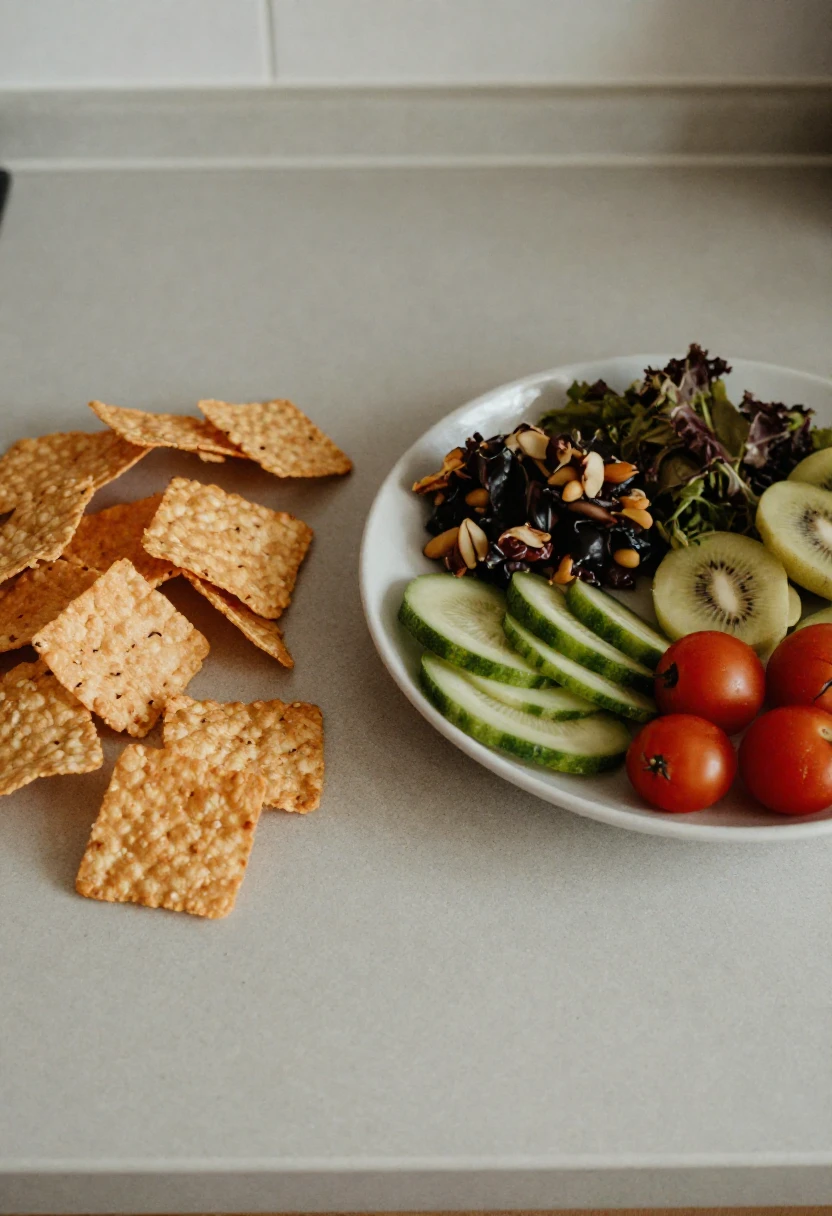
Sometimes the method is not the problem. The setup is.
A few common mistakes can make time-restricted eating feel much harder than it needs to be.
Starting too aggressively
This is probably the biggest one.
Going from all-day grazing to a long fasting window overnight can backfire fast. It can leave you overly hungry, overly focused on food, and tempted to quit before your body has time to adjust.
A gentler start is often more effective because it lets your routine change gradually.
Overeating ultra-processed foods in the eating window
Yes, meal timing matters. But food quality still counts.
If your eating window is packed with:
- Sugary drinks
- Pastries
- Fast food
- Salty packaged snacks
- Desserts that leave you hungry again an hour later
…you may still feel sluggish, unsatisfied, and stuck.
Time-restricted eating works best when it is paired with meals that support real fullness and nourishment.
Ignoring sleep and stress
This is the hidden part of the conversation.
Poor sleep and high stress can make hunger feel louder, cravings stronger, and healthy routines much harder to maintain. If you are running on four hours of sleep and pure irritation, your body is not going to respond the same way it would under calmer conditions.
That does not mean you have to create a perfect life before trying anything. It just means those factors matter.
Expecting instant results
A lot of wellness frustration comes from expecting dramatic changes too fast.
Maybe your body needs time to adjust. Maybe your habits are improving before the scale reflects it. Maybe your biggest early win is better digestion or fewer evening cravings, not immediate weight loss.
Those shifts still count.
Who Should Be Cautious With Time-Restricted Eating

Time-restricted eating can be helpful for many adults, but it is not automatically right for everyone.
That matters, because wellness advice often gets shared as though one habit should work for every body in every season of life. It does not.
When this approach may not be a good fit
Some people should be more cautious or avoid this style of eating unless they have guidance from a qualified professional.
That can include people who:
- Have a history of disordered eating
- Are pregnant or breastfeeding
- Have certain medical conditions
- Take medications that affect blood sugar or require meals at specific times
- Feel worse, not better, when going long periods without food
Your body is not failing if this approach does not suit you. It may simply not be the right tool for your needs.
Why medical conditions and personal history matter
Nutrition advice always sounds simpler until real life enters the room.
Maybe you have digestive issues. Maybe your energy crashes hard if you delay meals. Maybe your relationship with food becomes more obsessive when too many rules get involved.
These details matter more than trends do.
A habit that feels structured and freeing for one person may feel stressful and destabilizing for another. That is why personal history always matters.
When to talk to a healthcare professional first
It is a good idea to get professional guidance before trying time-restricted eating if you:
- Manage diabetes or blood sugar concerns
- Take regular medication that depends on meal timing
- Have ongoing digestive or hormonal issues
- Have been advised to follow a specific eating schedule
- Are unsure whether fasting is safe for you
A supportive approach to health should make you feel more secure, not less.
Is Time-Restricted Eating Right for You?

That depends less on whether it is trendy and more on whether it genuinely supports your life.
For some people, time-restricted eating creates helpful structure. It reduces mindless snacking, makes evenings feel calmer, and helps meals feel more intentional. For others, it feels restrictive, inconvenient, or physically unpleasant.
Both experiences are valid.
Questions to ask yourself before starting
Before trying it, it helps to be honest with yourself.
Ask:
- Do I want more structure around my eating habits?
- Am I often snacking late at night without really being hungry?
- Would a clear eating window feel calming or stressful?
- Can I do this in a flexible way, not an extreme one?
- Am I choosing this to support myself, not punish myself?
Those questions matter because the mindset you bring into a habit often shapes how it feels.
Signs it may fit your lifestyle well
Time-restricted eating may be a good fit if:
- You like simple routines
- You often eat out of habit rather than hunger
- Late-night snacking is one of your biggest struggles
- You prefer structure over detailed tracking
- You want a sustainable approach, not another exhausting food rulebook
When it works, it often feels less dramatic than expected. Just calmer. Clearer. Easier to stay consistent with.
A gentle mindset for experimenting without pressure
You do not have to swear loyalty to a schedule forever.
You can experiment. Notice. Adjust.
Maybe you try a 12-hour fasting window for a week and see how you feel. Maybe you move dinner a little earlier. Maybe you discover that your body loves structure but hates extremes. That is useful information.
The goal is not to become the most disciplined person in the room. The goal is to find a rhythm that helps you feel well, eat more intentionally, and move through your day with a little more ease.
Conclusion
Time-restricted eating appeals to a lot of people for one simple reason: it can make healthy eating feel less chaotic.
Instead of obsessing over every bite, you create a clearer rhythm for your day. That rhythm may help you manage your weight more naturally, feel steadier in your energy, and give your digestion a little more breathing room. For some people, the biggest change is not dramatic at all. It is just the quiet relief of feeling less snacky, less heavy, and more in tune with their body.
The key is to keep it realistic, flexible, and nourishing. You do not need the most extreme fasting window. You need a routine that works with your life and leaves you feeling supported, not stressed.
Done gently, time-restricted eating can become less of a diet and more of a simple daily habit that helps you feel better in your own body.
FAQ
Is time-restricted eating the same as intermittent fasting?
Time-restricted eating is a type of intermittent fasting, but it is usually more focused on eating within a consistent daily window. It is often simpler and easier to follow because the routine stays fairly steady from day to day.
What is the best time-restricted eating schedule for beginners?
A 12:12 or 14:10 schedule is often the easiest place to start. It gives your body time to adjust without making the routine feel too intense right away.
Can I drink coffee during the fasting window?
Yes, black coffee, plain tea, and water are typically fine during the fasting window. Sweetened drinks, juice, and calorie-containing coffee drinks can break the fast.
How long does it take to notice results?
That depends on your body, your habits, and what kind of results you mean. Some people notice less bloating, fewer evening cravings, or steadier energy within days or weeks. Weight-related changes usually take longer and depend on overall consistency.
Is time-restricted eating safe for everyone?
No. It may not be a good fit for everyone, especially people who are pregnant, breastfeeding, managing certain medical conditions, or living with a history of disordered eating. In those cases, it is best to talk with a healthcare professional first.