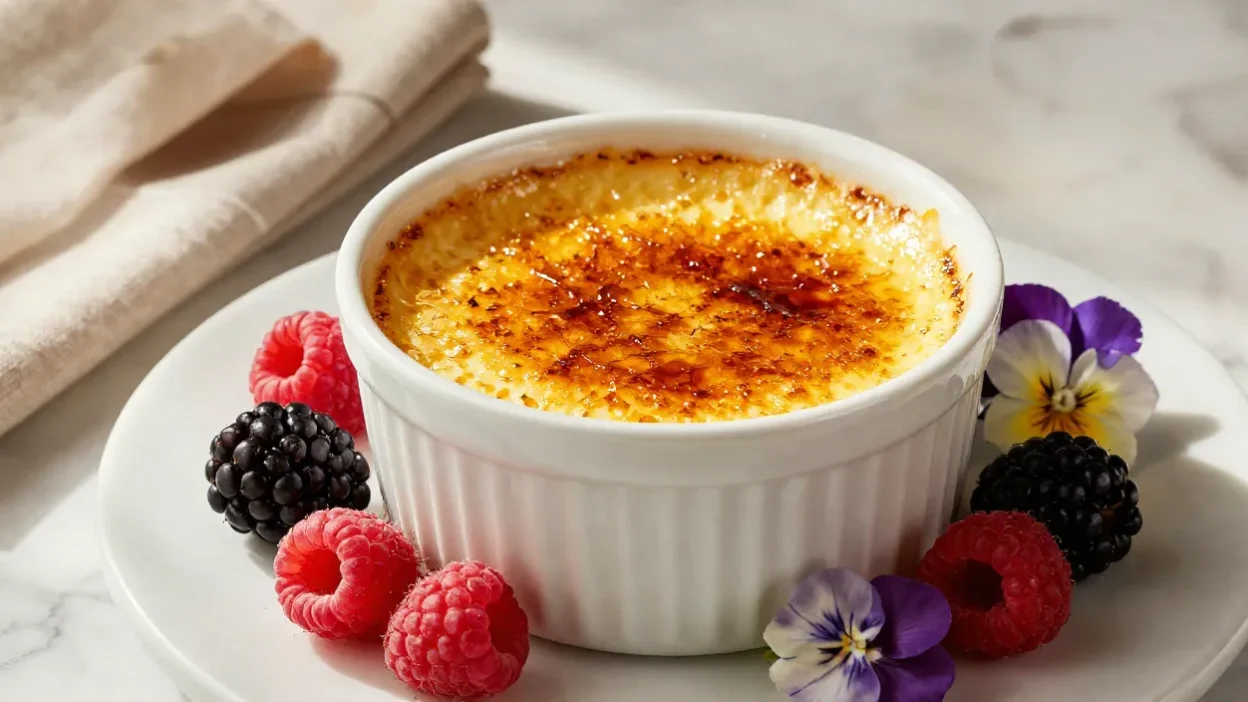
Crème brûlée has a reputation.
Mention it on a restaurant menu and people immediately assume it’s one of those desserts best left to professional pastry chefs. It arrives in a delicate ramekin, often with a perfectly smooth surface hidden beneath a glossy layer of caramelized sugar. Everything about it feels elegant.
And yet, once you understand what’s actually involved, crème brûlée is surprisingly straightforward.
At its core, it’s a simple baked custard made from cream, egg yolks, sugar, and vanilla. That’s it. No complicated layers. No advanced decorating skills. No long list of specialty ingredients hiding in the background.
The beauty of crème brûlée comes from a handful of simple ingredients:
- heavy cream for richness
- egg yolks for a silky texture
- vanilla for warmth and aroma
- sugar for both sweetness and the signature caramelized topping
What makes it feel special isn’t complexity.
It’s restraint.
A good crème brûlée doesn’t try to do too much. The vanilla is gentle rather than overpowering. The custard is silky without being heavy. Even the sugar topping exists for a reason, adding texture rather than overwhelming sweetness.
The first time I made it at home, I expected something far more intimidating. The kind of recipe that would require absolute precision from beginning to end.
Instead, I found myself wondering why I hadn’t tried it sooner.
The ingredients were already familiar. The process felt calm and methodical. Most of the time was spent waiting for the custards to chill rather than actively working in the kitchen.
That’s probably one reason this dessert has remained popular for so long.
It looks impressive without demanding constant attention.
Serve a tray of cookies and people smile.
Serve individual ramekins of crème brûlée and suddenly the entire meal feels a little more special ✨
The dessert creates a sense of occasion before anyone even takes the first bite.
Maybe it’s the individual serving dishes.
Maybe it’s the caramelized sugar.
Or maybe it’s simply because crème brûlée has managed to hold onto a little bit of mystery despite being made from such humble ingredients.
Whatever the reason, it continues to be one of those desserts that feels far more difficult than it actually is.
🔥 The moment that makes crème brûlée unforgettable
Every dessert has something people remember. For chocolate cake, it might be the richness. For cheesecake, it’s often the creamy texture. Crème brûlée, however, tends to be remembered for an entirely different reason: the experience of that very first spoonful.
There’s always a brief moment of hesitation before digging in. The ramekin arrives at the table with its glossy golden surface catching the light, looking almost too perfect to disturb. Everyone knows what’s hiding underneath, yet there’s still a little anticipation. Then the spoon breaks through the caramelized sugar and reveals the silky custard below.
That’s where the real magic begins.
Beneath the crisp topping is a vanilla custard that’s smooth, cool, and incredibly creamy without feeling overly rich. The contrast between the two layers is what makes crème brûlée so memorable. The caramelized sugar brings a delicate crunch and a hint of bitterness, while the custard underneath remains soft, velvety, and comforting.
Neither element would feel quite as special on its own.
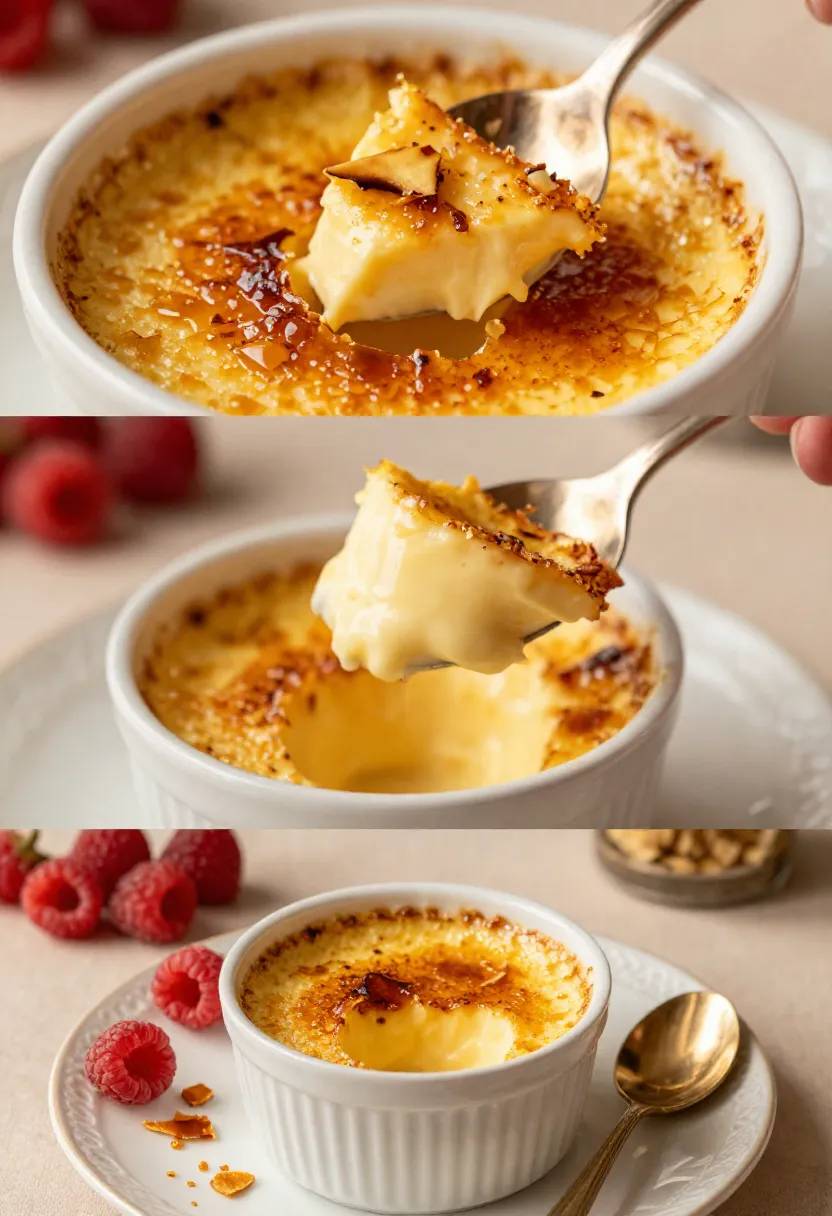
Together, they create a dessert that feels elegant despite being made from a surprisingly short list of ingredients. It’s proof that great desserts don’t always need elaborate decorations or complicated techniques. Sometimes texture alone can make a dish unforgettable.
A well-made crème brûlée is all about balance:
- a thin caramelized sugar topping that cracks easily
- silky vanilla custard with a smooth, velvety texture
- gentle sweetness that never feels overwhelming
- subtle caramel notes that complement the rich cream
One thing that surprises many people is how light the dessert feels. Looking at the cream and egg yolks, you’d expect something quite heavy. Instead, crème brûlée has a delicate quality that makes it surprisingly easy to enjoy, even after a large dinner.
That’s probably one reason it appears so often on restaurant menus. After a filling meal, a towering slice of cake can sometimes feel like too much. Crème brûlée offers something different. It’s rich enough to feel indulgent, yet light enough that most people happily finish every last spoonful.
I’ve also noticed that people rarely rush through it. Unlike cookies or slices of pie that disappear in a few bites, crème brûlée seems to slow everyone down. Each spoonful combines a little of the caramelized topping with the custard underneath, creating slightly different textures as you work your way through the ramekin.
And maybe that’s why this classic dessert has remained popular for generations.
It doesn’t rely on trends, extravagant decorations, or unusual ingredients. Instead, it focuses on a handful of simple elements executed well. A creamy custard. A crisp caramel topping. A contrast of textures that feels just as satisfying today as it did decades ago.
One spoonful is usually all it takes to understand why people keep coming back to it 🍮✨
☕ Perfect for dinner parties, holidays, and quiet evenings
One thing I appreciate about crème brûlée is how easily it adapts to different occasions.
Some desserts feel tied to specific seasons. Others only seem appropriate for large celebrations.
Crème brûlée somehow manages to fit almost anywhere.
I’ve served it at holiday dinners where the table was crowded with elaborate dishes and decorations. I’ve also made it on quiet weekends simply because there was cream in the refrigerator and I felt like baking something comforting.
Both situations felt equally appropriate.
Part of that flexibility comes from its simplicity. The dessert doesn’t compete for attention. It doesn’t arrive covered in frosting or towering layers. Instead, it sits quietly in its ramekin until someone taps the surface with a spoon and hears that familiar crack.
Then everyone notices.
And usually someone immediately asks how you made it 😊

One reason crème brûlée remains such a reliable dessert is that it works in surprisingly different settings.
| Occasion | How to Serve It | Perfect Pairing | Why It Works |
|---|---|---|---|
| Holiday Dinner | Individual ramekins after a large meal | Coffee or espresso | Elegant without feeling overly heavy |
| Dinner Party | Caramelized just before serving | Fresh berries | Creates a memorable finish to the evening |
| Date Night | Served with a small spoon and fresh fruit | Sparkling wine | Feels special without requiring complicated preparation |
| Quiet Weekend | Enjoyed straight from the ramekin | Hot coffee | Simple, comforting, and surprisingly relaxing |
Looking at the different occasions, it’s easy to see why the dessert remains a favorite for so many home cooks. The same recipe can feel sophisticated enough for guests while still being simple enough for an ordinary evening at home.
Another advantage is that most of the work happens ahead of time.
The custards can be baked and chilled hours before serving. In fact, they actually benefit from extra time in the refrigerator. That makes crème brûlée especially useful when you’re hosting guests and don’t want to worry about dessert at the last minute.
All that’s left is sprinkling sugar over the top and caramelizing it shortly before serving.
The result feels far more impressive than the effort involved ✨
Some of my favorite ways to serve crème brûlée include:
- with fresh raspberries or strawberries 🍓
- alongside a cup of espresso ☕
- after a holiday dinner ✨
- as part of a romantic dinner at home ❤️
- with seasonal fruit during warmer months
The beauty of this dessert is that it doesn’t need much help. A few berries, a hot cup of coffee, maybe a small cookie on the side. That’s usually enough.
The custard does most of the work on its own.
And that’s probably part of the reason people keep coming back to it year after year. It feels elegant, familiar, and just a little bit indulgent without ever becoming too much.
Those are the desserts that tend to stay in rotation.
🍮 Crème Brûlée Recipe
There’s a reason crème brûlée has remained one of the world’s most beloved desserts for generations. It manages to feel elegant without being complicated, luxurious without being overwhelming, and impressive without requiring an entire day in the kitchen.
At first glance, it looks like something you’d only order at a fine-dining restaurant. A smooth vanilla custard hidden beneath a perfectly caramelized layer of sugar certainly has a way of stealing attention when it arrives at the table. But once you make it at home, you quickly realize that its charm comes from simplicity rather than complexity.
The custard itself is rich, silky, and delicately flavored with vanilla. The caramelized sugar topping adds just enough crunch and slight bitterness to balance the creamy sweetness underneath. Together, they create a dessert that feels timeless.
And perhaps the best part is that most of the work happens long before serving. The custards can chill in the refrigerator for hours, leaving only the final caramelized topping to finish before guests arrive.
🛒 Ingredients
For the custard
- 2 cups heavy cream
- 1 vanilla bean, split and scraped (or 2 teaspoons pure vanilla extract)
- 5 large egg yolks
- ⅓ cup granulated sugar
- pinch of salt
For the topping
- 4 to 6 tablespoons granulated sugar
👩🍳 Instructions
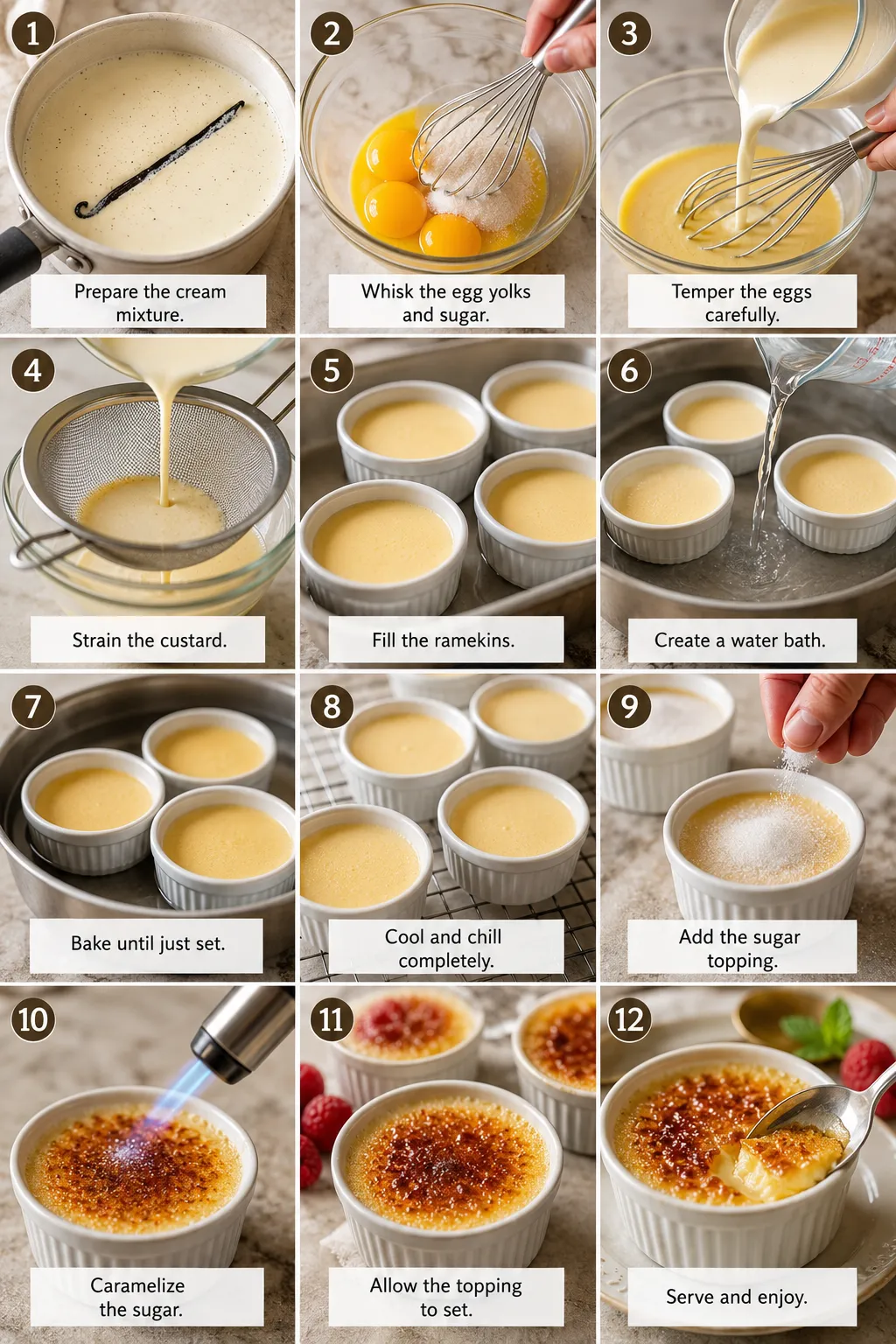
- Prepare the cream mixture.
Pour the heavy cream into a medium saucepan. If using a vanilla bean, add both the seeds and the pod to the cream. Heat gently over medium-low heat until the mixture is steaming and small bubbles begin forming around the edges. Avoid letting it boil. Once heated, remove the saucepan from the heat and allow the vanilla to infuse for about 10 minutes. This extra time helps create a deeper, more developed flavor throughout the custard. - Whisk the egg yolks and sugar.
In a separate mixing bowl, whisk together the egg yolks, granulated sugar, and a pinch of salt until the mixture becomes smooth and slightly lighter in color. There’s no need to whip in lots of air. A gentle whisking motion works best because it helps maintain the silky texture crème brûlée is known for. - Temper the eggs carefully.
Slowly pour a small amount of the warm cream into the egg mixture while whisking constantly. Continue adding the cream in several additions until everything is fully combined. This process gradually raises the temperature of the yolks and prevents them from scrambling. Once incorporated, the mixture should look smooth and glossy. - Strain the custard.
Pour the mixture through a fine-mesh sieve into a large measuring cup or bowl. Straining removes any bits of cooked egg and creates the exceptionally smooth texture that makes crème brûlée feel restaurant-worthy. If any foam forms on top, skim it away with a spoon. - Fill the ramekins.
Arrange 4 to 6 ramekins inside a deep baking dish or roasting pan. Carefully divide the custard mixture among them, filling each ramekin almost to the top. The shallow surface helps the custard bake evenly and creates the perfect area for the caramelized sugar topping later. - Create a water bath.
Place the baking dish on an oven rack and carefully pour hot water into the pan until it reaches about halfway up the sides of the ramekins. This water bath, often called a bain-marie, is one of the secrets to achieving a smooth custard. The gentle heat protects the eggs from cooking too quickly and helps prevent cracks from forming. - Bake until just set.
Bake at 325°F (165°C) for 30 to 40 minutes, depending on the size of your ramekins. The centers should still have a slight wobble when gently shaken. Resist the temptation to overbake. The custards will continue setting as they cool, and a slight jiggle in the center usually leads to the creamiest final texture. - Cool and chill completely.
Carefully remove the ramekins from the water bath and place them on a wire rack. Let them cool to room temperature before transferring them to the refrigerator. Chill for at least 4 hours, although overnight is even better. The extra resting time allows the custard to fully set and develop its signature silky consistency. - Add the sugar topping.
Just before serving, sprinkle a thin, even layer of granulated sugar over each chilled custard. Rotate the ramekin gently to distribute the sugar evenly across the entire surface. A thin layer usually caramelizes more evenly than a thick one. - Caramelize the sugar.
Using a kitchen torch, slowly melt the sugar until it turns deep golden brown and forms a crisp shell across the top. Move the flame continuously to avoid burning any one area. If you don’t have a torch, you can briefly place the ramekins under a very hot broiler, though a torch typically offers better control. - Allow the topping to set.
Let the crème brûlée rest for 1 to 2 minutes after torching. During this time, the sugar hardens into that signature crackly layer everyone loves. The contrast between the cold custard and warm caramelized sugar is part of what makes the dessert so special. - Serve and enjoy.
Serve immediately while the sugar topping is crisp and fresh. Crack through the caramelized surface with a spoon and enjoy the combination of crunchy sugar and silky vanilla custard in every bite.
💡 Helpful Baking Tips
- Use heavy cream for the richest, smoothest texture.
- Don’t let the cream boil, as excessive heat can affect the final custard.
- Straining the mixture is a small step that makes a noticeable difference.
- Bake until the centers still wobble slightly for the creamiest result.
- Caramelize the sugar just before serving for the best crackly topping.
- A kitchen torch provides the most even caramelization and the best visual results.
🍓 Simple ways to serve crème brûlée
One of the reasons crème brûlée has remained a restaurant favorite for decades is that it doesn’t need much to feel complete. Unlike heavily decorated desserts that rely on layers of frosting, sauces, or elaborate garnishes, crème brûlée is perfectly capable of standing on its own.
A smooth vanilla custard and a crisp caramelized topping already provide plenty of flavor and texture.
That said, a few thoughtful additions can make the dessert feel even more special.
Fresh berries are probably the most popular choice, and for good reason. Their natural tartness balances the richness of the custard beautifully. A handful of raspberries, strawberries, or blackberries adds color, freshness, and just enough contrast without distracting from the dessert itself.
Coffee is another classic pairing.
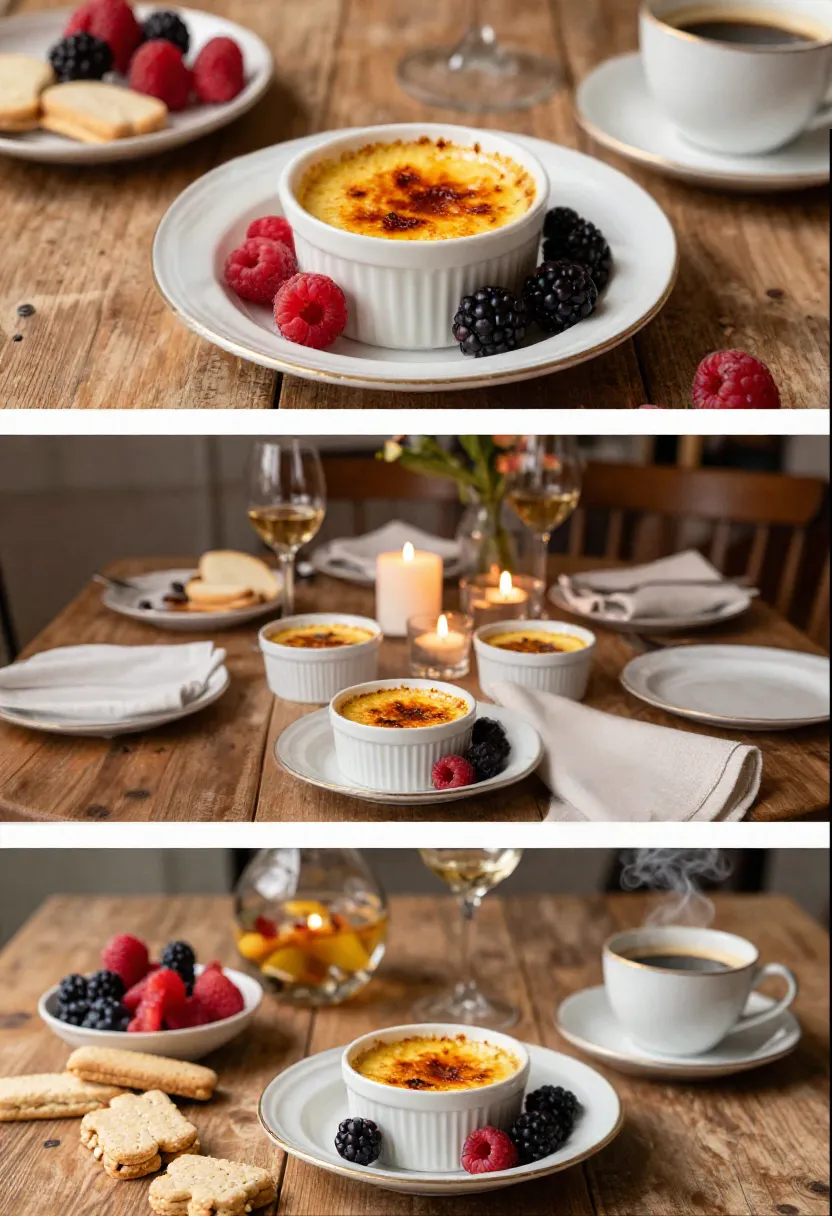
There’s something particularly satisfying about finishing a meal with crème brûlée and a small cup of espresso. The bitterness of the coffee complements the sweetness of the caramelized sugar, creating a combination that feels timeless.
Some of my favorite serving ideas include:
- fresh raspberries or strawberries 🍓
- a shot of espresso or strong coffee ☕
- a few buttery shortbread cookies
- seasonal fruit such as peaches or figs
- a light dusting of powdered sugar for special occasions
One thing I’ve learned over the years is that restraint usually works best. It’s tempting to add lots of toppings, sauces, and decorations, but crème brûlée already has a strong personality. Too many additions can overwhelm the simple elegance that makes it so appealing in the first place.
For dinner parties, I often place the ramekins on small dessert plates with a few fresh berries on the side. That’s usually enough to make the presentation feel polished while keeping the focus exactly where it belongs.
On the custard.
After all, nobody orders crème brûlée because they’re excited about the garnish.
🌿 Easy variations worth trying
Once you’ve mastered a classic crème brûlée, it’s surprisingly fun to experiment with different flavors.
The vanilla version will always be my favorite, but the basic custard provides a wonderful canvas for small adjustments. A subtle flavor change can make the dessert feel completely new while preserving the creamy texture everyone loves.
Some variations are elegant enough for special occasions. Others feel cozy and comforting during colder months. The best part is that most require only a small tweak to the original recipe.
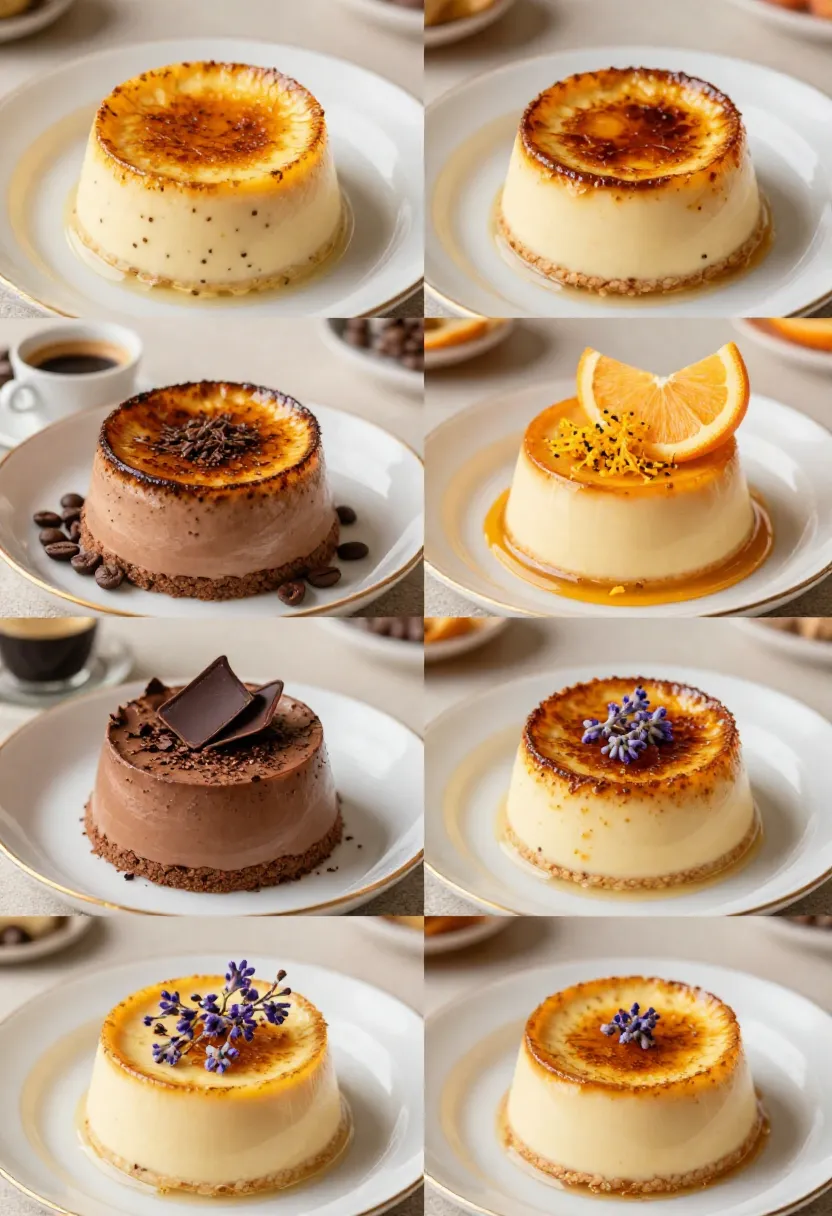
Here are a few ideas worth trying:
| Flavor Style | What to Add | Flavor Profile | Perfect For |
|---|---|---|---|
| Vanilla Bean | Extra vanilla bean seeds | Rich, classic, aromatic | Any occasion |
| Citrus | Orange or lemon zest | Bright and refreshing | Spring and summer |
| Coffee | Espresso powder | Deep and slightly bold | Dinner parties |
| Chocolate | Melted dark chocolate | Rich and indulgent | Holiday desserts |
| Lavender | Culinary lavender | Floral and elegant | Special occasions |
I particularly enjoy citrus versions during warmer months. A little orange zest infused into the cream creates a subtle brightness that pairs beautifully with the caramelized sugar topping.
Coffee crème brûlée is another favorite. The slight bitterness of espresso complements the sweetness of the custard and creates a dessert that feels sophisticated without being overly rich.
And then there’s chocolate.
Not enough to turn the custard into pudding, but just enough to add depth and richness. It feels especially appropriate during the holiday season when people naturally gravitate toward slightly more indulgent desserts.
The beauty of crème brûlée is that even small changes can feel exciting. A touch of citrus, a hint of coffee, or a different garnish can create an entirely new experience while keeping the classic character of the dessert intact.
That’s one reason so many people continue making it year after year.
There’s always another variation to try.
❤️ The kind of dessert people remember
Some desserts are enjoyable in the moment and then quickly forgotten.
Others somehow stay with people long after the plates have been cleared.
Crème brûlée belongs firmly in the second category.
I’ve seen guests finish dinner, lean back in their chairs, and continue talking about the dessert long after the last spoonful disappeared. Not because it was overly complicated or packed with unusual ingredients, but because the experience feels memorable from beginning to end.
Maybe it’s the anticipation of breaking through the caramelized sugar.
Maybe it’s the contrast between the crisp topping and the silky custard beneath.
Or maybe it’s simply because crème brûlée manages to feel luxurious while remaining wonderfully simple.
Whatever the reason, it has a way of turning an ordinary evening into something that feels just a little more special ✨
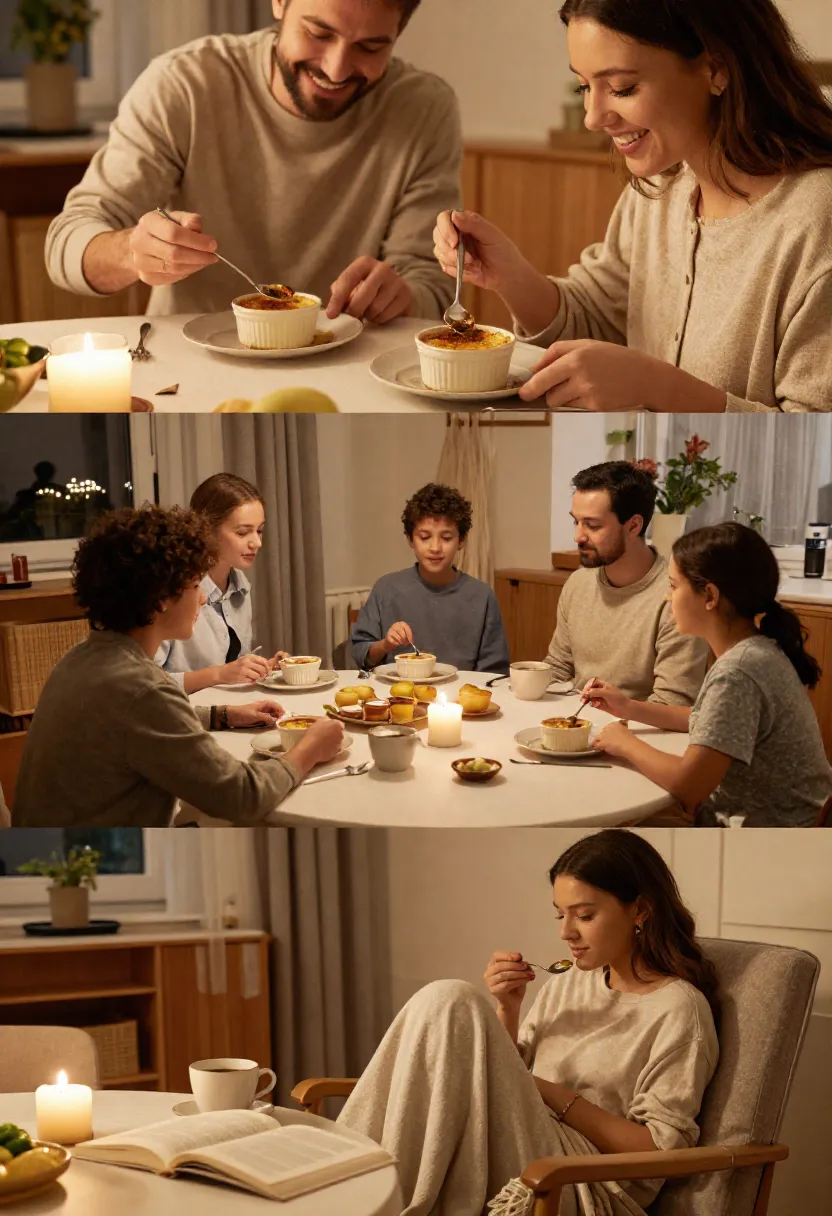
Over the years, I’ve noticed that the recipes people request again and again are rarely the most elaborate ones. They’re usually the recipes that create a moment. The dishes people associate with holidays, celebrations, dinner parties, and quiet weekends spent with family.
Crème brûlée has that kind of staying power.
It’s elegant enough for special occasions, yet approachable enough to make whenever you’re in the mood for something comforting. It doesn’t require fancy decorations or complicated techniques to impress. A few simple ingredients, a little patience, and a caramelized sugar topping are often all it takes.
And honestly, that’s part of its charm.
In a world full of desserts competing for attention with towering layers, extravagant toppings, and social-media-worthy presentations, crème brûlée remains refreshingly understated. It doesn’t need to shout.
It simply arrives at the table, waits for the first crack of the spoon, and lets the custard do the rest.
So if you’ve never made crème brûlée at home before, consider this your invitation.
Take your time. Enjoy the process. Let the custards chill properly and don’t rush the caramelizing step.
Then sit down, crack through that golden sugar topping, and enjoy the first spoonful 🍮
There’s a good chance you’ll understand why this classic dessert has remained beloved for generations.