Peanuts are one of those foods people tend to underestimate.
They sit in a bowl at parties. They hide in lunchboxes as peanut butter sandwiches. They show up in trail mix, noodle bowls, cookies, protein bars, and the spoonful of peanut butter you eat straight from the jar when dinner is taking too long. Simple food. Almost too simple.
But yes, peanuts can be healthy. They are filling, affordable, easy to use, and naturally rich in plant-based protein, fiber, and mostly unsaturated fats. Harvard’s nutrition resources also note that peanuts share many of the same heart-friendly qualities as tree nuts, even though peanuts are technically legumes rather than true nuts. (Harvard Health)
The catch is portion size.
A small handful of peanuts can make a snack feel steady and satisfying. A giant bowl beside your laptop can disappear before you notice. Peanut butter is the same way. One spoonful is useful. Four spoonfuls while standing in the kitchen? Still delicious, but not quite the same thing.
That is why peanuts deserve a more honest look. Not as a miracle food. Not as something to fear because they are calorie-dense. Just as a practical everyday ingredient that can work beautifully when you know how to use it.
In this guide, we’ll look at what peanuts actually offer, how they can support a healthy diet, what to watch out for, and the easiest ways to eat them without turning a smart snack into a mindless habit.
Are peanuts actually healthy?
Peanuts are healthy for most people, as long as you treat them like a concentrated food.
That is the part people forget. Peanuts are small, crunchy, and easy to eat by the handful, but they are not “light” in the way cucumber slices or berries are light. They bring real nutrition, and they also bring real calories. Both things can be true.
I like to think of peanuts as a small-but-useful food. You do not need a huge amount to get something out of them. A modest handful can add protein, fat, fiber, and flavor to a snack or meal. That is why they work so well when you are hungry but do not want to cook anything complicated.
Why peanuts are more than a salty snack
The problem is that many people meet peanuts in their least helpful form: heavily salted, roasted in oil, mixed with candy, or served in a giant bowl where nobody is paying attention to portions.
Plain peanuts are different.
They have a naturally rich, roasted flavor and a little sweetness underneath the crunch. They also contain plant-based protein, unsaturated fats, fiber, and minerals. That combination is why peanuts can feel more satisfying than a snack made mostly from refined carbs.
Think about the difference between eating a handful of peanuts and a handful of crackers. Crackers can taste good, sure. But peanuts usually hold you longer because the protein and fat slow things down. You feel like you actually ate something.
Peanuts are legumes, not true nuts
This always surprises people: peanuts are technically legumes, not tree nuts.
They grow underground, closer to beans and lentils than almonds or walnuts. Still, nutritionally, peanuts behave a lot like nuts in everyday eating. They are rich in healthy fats, fairly high in protein, and often used in the same way: as snacks, spreads, toppings, and ingredients in sauces.
So if you hear someone say, “Peanuts are not real nuts,” they are right botanically. But in the kitchen, they still fit into the same practical category for many recipes.
One important note: peanut allergy is its own serious issue. If you or someone in your home has a peanut allergy, peanuts are not a casual pantry food. Cross-contact matters, labels matter, and even small amounts can be dangerous for some people.
Why portion size matters with peanuts
This is where peanuts get tricky.
They are healthy, but they are also easy to overeat. Not because there is something “bad” about them, but because they are dense. A small amount goes a long way.
A realistic serving is usually about a small handful or one to two tablespoons of peanut butter, depending on the meal. That might not sound like much until you add it to something else.
A spoonful of peanut butter on oatmeal? Great.
A handful of peanuts on a salad? Perfect.
A peanut sauce over vegetables and chicken? Very useful.
But eating straight from the bag is where the portion disappears. I have done it. You start with “just a few,” then suddenly the bag feels suspiciously lighter.
The easiest fix is not to avoid peanuts. Just put them in a small bowl first. It sounds boring, but it works.
Peanut nutrition at a glance
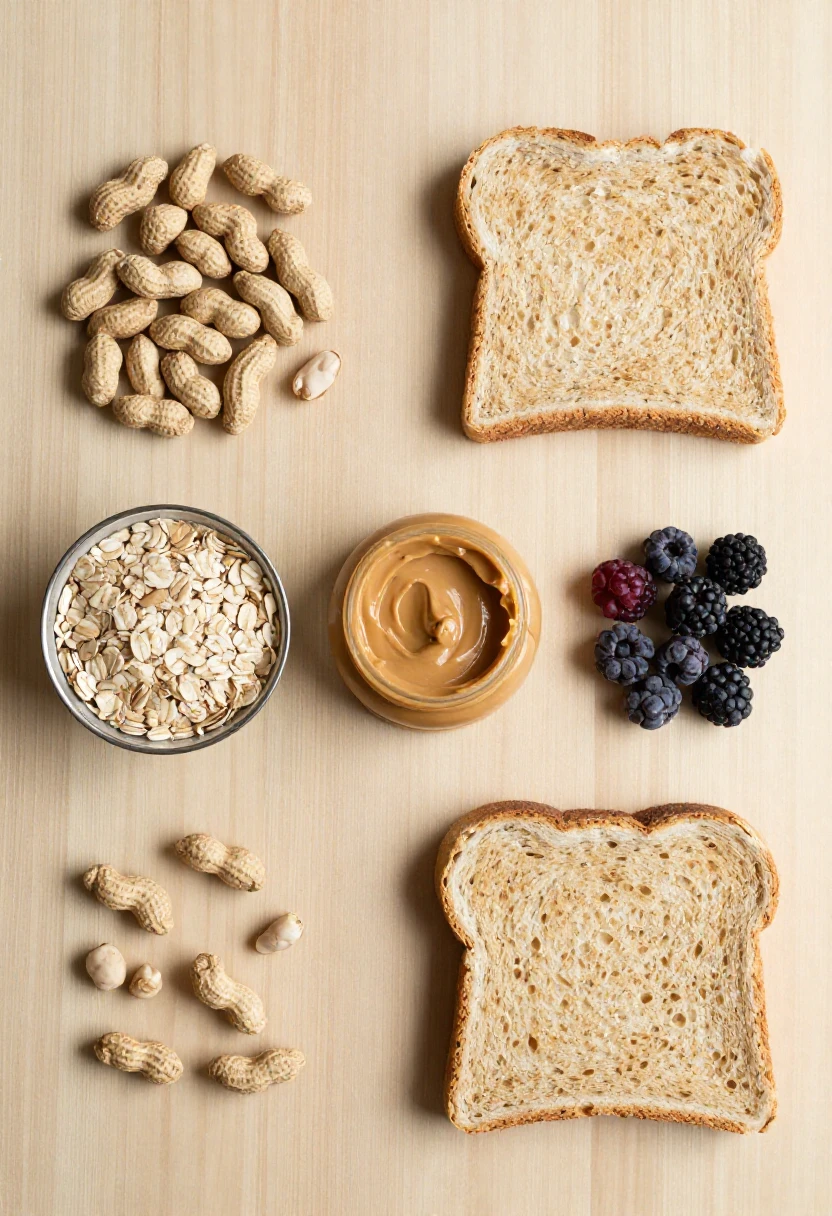
Peanuts look simple, but nutritionally they are quite busy.
A small handful gives you plant-based protein, healthy fats, fiber, and several useful minerals. That is why peanuts can fit into so many different eating styles, from quick snacks to high-protein breakfasts to simple weeknight sauces.
They are not a low-calorie food, and that is fine. Some foods are valuable because they are light and refreshing. Others are valuable because they help make a meal more satisfying. Peanuts fall into the second group.
Protein that helps keep you full
Peanuts are one of the easier plant-based protein foods to use in everyday meals.
You do not have to soak them, cook them, season them, or plan your whole dinner around them. You can sprinkle chopped peanuts over a bowl, spread peanut butter on toast, blend it into a smoothie, or stir it into a sauce.
That protein matters because it helps slow down the meal. A plain apple is refreshing, but an apple with peanut butter feels more like a snack that can carry you to lunch. Oatmeal is warm and cozy, but peanut butter makes it richer and more filling.
It is a small addition, but you feel the difference.
Healthy fats that make peanuts satisfying
A lot of people still hear “fat” and immediately think “bad.” Peanuts are a good reminder that food is not that simple.
Most of the fat in peanuts is unsaturated fat, the kind often associated with heart-friendly eating patterns. This is also what gives peanuts their satisfying texture. That creamy roasted taste in peanut butter? That is the fat doing its job.
The key is not to remove all fat from your meals. The key is to use it well.
A little peanut butter in a breakfast bowl can make it feel complete. A spoonful of peanut sauce can turn plain vegetables into something you actually want to eat. Chopped peanuts over a salad add crunch, richness, and a bit of staying power.
And honestly, healthy eating gets much easier when the food tastes good enough to repeat.
Fiber, minerals, and plant compounds
Peanuts also bring fiber, which helps with fullness and digestion. They are not as fiber-heavy as beans or lentils, but they still add something useful, especially when paired with fruit, oats, whole-grain toast, or vegetables.
They also contain nutrients like:
- Magnesium, which your body uses in many basic functions
- Copper, a mineral involved in energy production and connective tissue health
- Biotin, often linked with hair, skin, and nail health
- Vitamin E, an antioxidant vitamin found in many nuts and seeds
- Niacin, a B vitamin that helps your body use food for energy
Peanuts also contain plant compounds, including antioxidants. You do not need to memorize the names to benefit from them. Just know that peanuts are more than protein and fat.
What to know about calories
Peanuts are calorie-dense, which means a small portion contains a decent amount of energy.
That can be helpful or unhelpful, depending on how you eat them.
If you struggle to stay full between meals, peanuts can be useful. Add them to breakfast, pair them with fruit, or keep a small container in your bag for a snack that does not crumble into sadness by noon.
But if you snack straight from the jar or bag, peanuts can become more than you planned. Peanut butter is especially sneaky because it feels like “just a spoonful,” until the spoon goes back in three more times.
I would not overthink it. Use a small bowl. Use a spoon. Add peanuts to meals instead of grazing from the package.
That one habit does most of the work.
Health benefits of peanuts
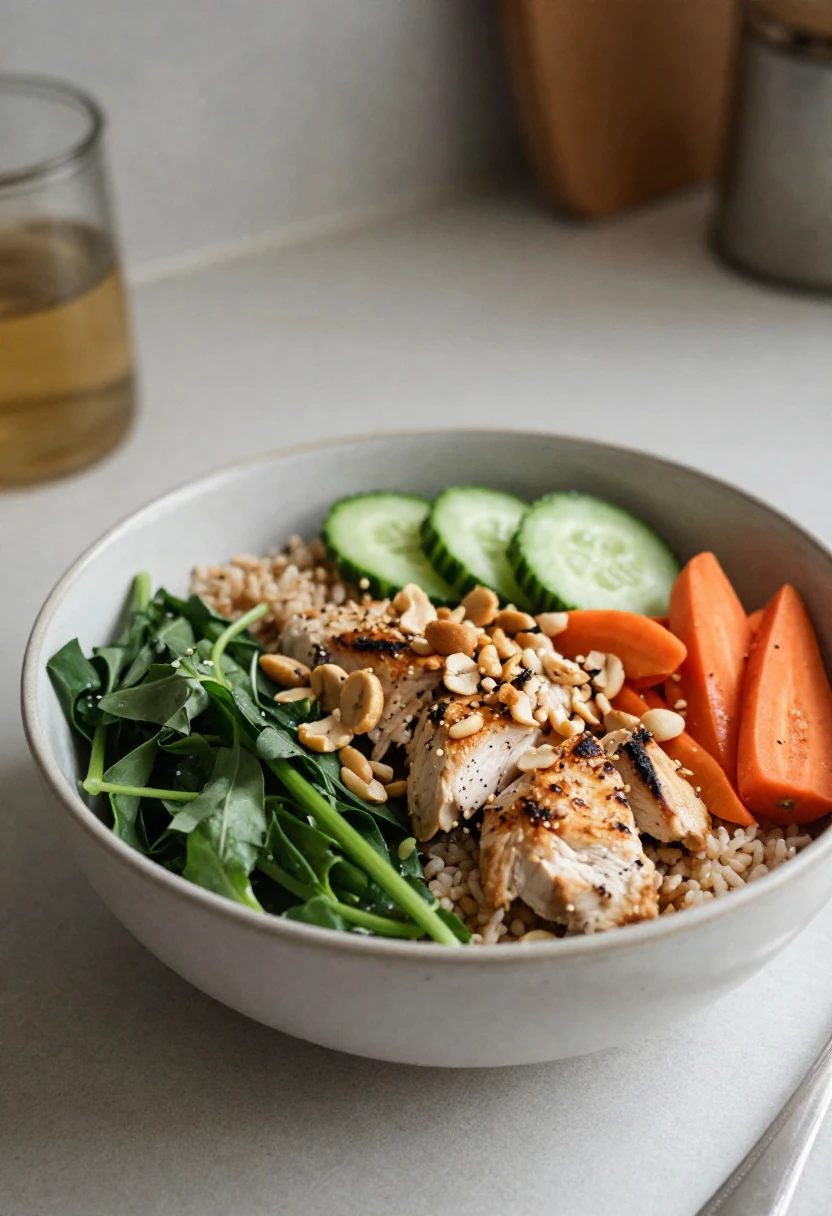
Peanuts are not a magic food, and I would never build a whole “wellness routine” around one ingredient. But they do have a nice mix of nutrients that can support everyday healthy eating.
What I like about peanuts is how practical they are. They are not delicate. They do not spoil in two days. You do not need a recipe every time. They are easy to keep in the pantry, and they can make very ordinary food feel more complete.
Peanuts can support heart-friendly eating
Peanuts contain mostly unsaturated fats, along with fiber and several vitamins and minerals. Harvard Health notes that peanuts and tree nuts are nutritionally similar in many ways, and frequent peanut or nut intake has been linked with lower rates of heart disease in research. (Harvard Health)
That does not mean peanuts “cancel out” an unhealthy diet. I wish food worked that way, but it does not.
Peanuts are most helpful when they replace less useful snacks. A small handful of peanuts instead of chips. Peanut butter on whole-grain toast instead of a sugary pastry. Chopped peanuts on a salad instead of fried croutons. Little swaps like that are where peanuts make sense.
The fat also helps food taste satisfying. A salad with only raw vegetables can feel like punishment by 3 p.m. Add a few chopped peanuts, some chicken or tofu, and a simple dressing, and suddenly it feels like lunch.
They may help with steady energy and fullness
Peanuts have protein, fat, and fiber, which is a useful combination when you want a snack that does not disappear in your body after twenty minutes.
This is why peanuts work so well with fruit.
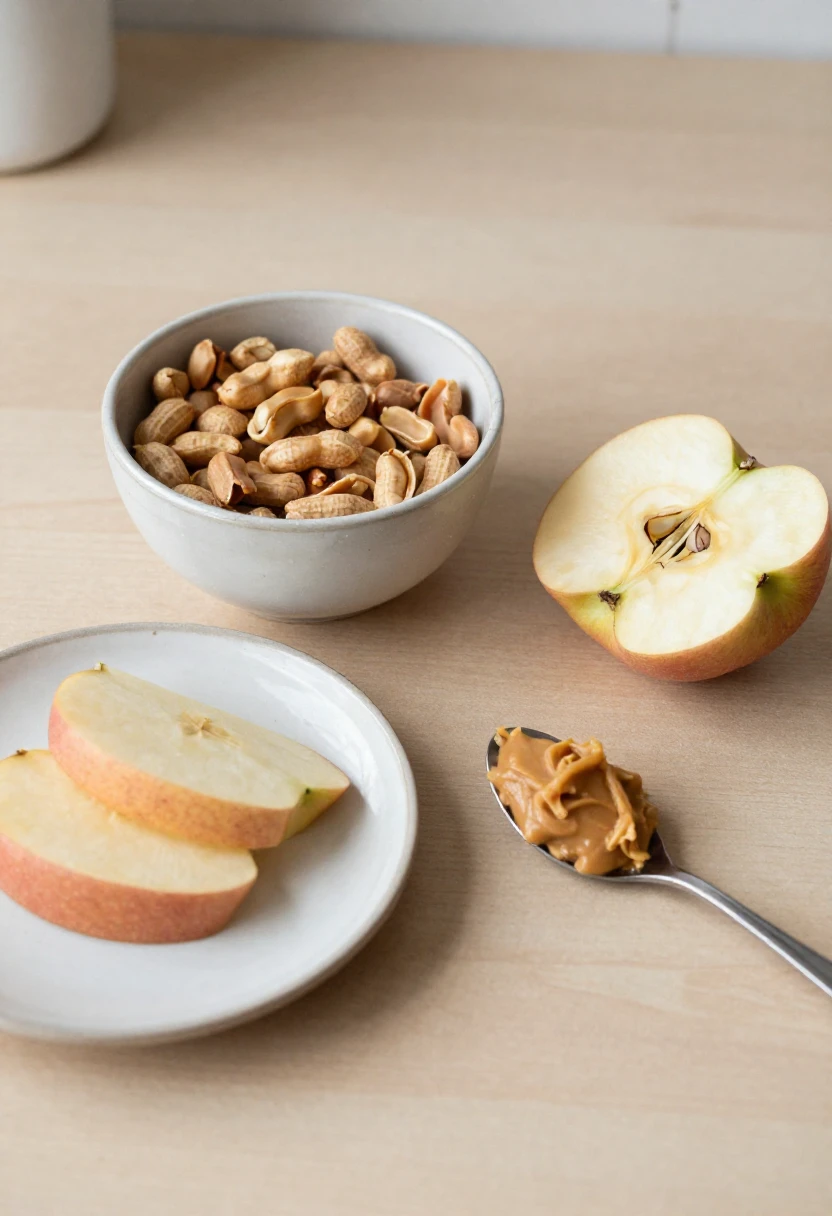
A banana on its own is quick energy. A banana with peanut butter feels slower and more grounded. Apple slices with peanuts are the same. You get sweetness and crunch, but also enough richness to feel like you actually ate something.
This can be especially helpful in that awkward space between lunch and dinner, when you are hungry enough to snack but not hungry enough to cook. A small peanut-based snack can keep you from grabbing random sweet things just because they are nearby.
And yes, I am speaking from experience. The random sweet thing usually wins when there is no better option ready.
Peanuts can fit into a lower-carb diet
Peanuts are not carb-free, but they are lower in carbohydrates than many common snack foods. They also bring protein and fat, which is why they often fit well into lower-carb eating patterns.
That makes them useful when you want something crunchy but do not want crackers, pretzels, or sweet granola.
A few easy ideas:
- A small bowl of roasted peanuts with unsweetened tea
- Celery or apple slices with peanut butter
- Greek yogurt with a spoonful of peanut butter stirred in
- Lettuce cups with chicken, vegetables, and peanut sauce
- Cucumber slices with crushed peanuts and chili-lime seasoning
The important detail is the version you choose. Plain or dry-roasted peanuts are different from honey-roasted peanuts or chocolate-covered peanut clusters. Same base ingredient, completely different snack.
They bring useful minerals and vitamins
Peanuts contain nutrients such as magnesium, copper, niacin, vitamin E, and other plant compounds. USDA FoodData Central lists peanuts as a source of protein, fat, fiber, and multiple micronutrients, which is part of why they are more than just a crunchy topping. (FoodData Central)
You do not need to chase every mineral separately. Most of us do better when we build meals from simple, nutrient-rich foods and repeat them often.
Peanuts can help with that.
Add them to oats. Use peanut butter in a smoothie. Sprinkle crushed peanuts over noodles, vegetables, or rice bowls. You are not turning the meal into a supplement chart. You are just making it more nourishing and more enjoyable.
That is usually the better approach.
Their antioxidants deserve more attention
Peanuts also contain antioxidants and other plant compounds. These are not something you can taste directly, but they are part of the bigger picture of why whole foods tend to offer more than one isolated nutrient.
I would not eat peanuts only because of antioxidants. Berries, herbs, greens, beans, dark chocolate, and many other foods bring their own mix too.
But peanuts can be one more piece of a varied diet. And because they are affordable and easy to use, they may be easier to keep around than more expensive nuts.
That matters. Healthy eating is not only about what looks best in a photo. It is also about what you can buy, store, and actually eat during a normal week.
Peanuts and weight management
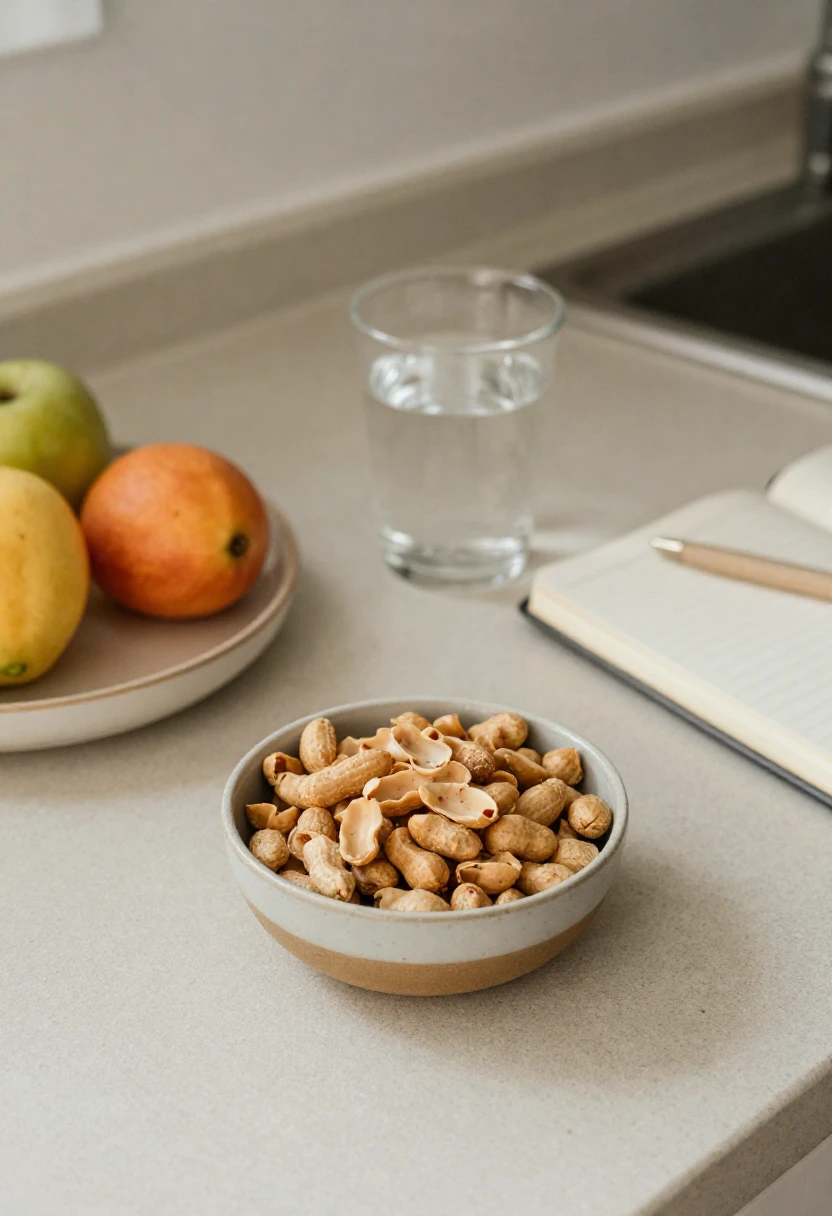
Peanuts can be helpful for weight management, but only when you respect how dense they are.
That sounds less exciting than “peanuts help you lose weight,” but it is much more honest. Peanuts are not a low-calorie snack. They are a filling snack. There is a difference.
A small amount can make food feel more satisfying, which may help you avoid grazing all afternoon. But a large amount can quietly add more calories than you meant to eat. This is why peanuts can be either useful or frustrating, depending on the habit around them.
Why peanuts can be filling even though they are calorie-dense
The filling power of peanuts comes from their mix of protein, fat, and fiber.
That combination takes longer to eat and longer to digest than many crunchy snack foods. Peanuts also have a strong roasted flavor, so you do not need much to make a meal taste richer.
This is where they shine.
A bowl of oatmeal with berries is nice. Add a spoonful of peanut butter, and it feels more like breakfast. A salad with vegetables is fine. Add grilled chicken, a peanut dressing, and a sprinkle of chopped peanuts, and now it feels like something you can actually rely on.
Peanuts help most when they are part of a meal, not just something you keep grabbing because it is there.
The snack mistake that makes portions too easy to overdo
The biggest peanut mistake is eating directly from the container.
The bag is open. You take a few. Then a few more. Then you start reading something, answering a message, watching a video, and your hand keeps doing its own little side project.
Peanuts are dangerous that way because they do not feel heavy while you are eating them. They are small and tidy. No plate, no fork, no cooking. But the calories add up quickly.
Peanut butter is even easier to overdo. A spoonful can turn into “I’ll just even out the top of the jar,” which is how many of us lie to ourselves in the kitchen.
The fix is boring but effective: portion first, eat second.
Put peanuts in a small bowl. Spread peanut butter on toast, apple slices, or oatmeal instead of eating it from the jar. Make the portion visible before you start.
A realistic serving size for everyday eating
For most people, a useful everyday serving looks something like this:
- A small handful of peanuts
- One to two tablespoons of peanut butter
- A sprinkle of chopped peanuts over a meal
- A spoonful of peanut sauce as part of a larger dish
You do not need to measure forever. Measuring once or twice just teaches your eyes what a serving looks like.
After that, you can be more relaxed.
What matters is the pattern. Peanuts work best when they add fullness, crunch, and flavor to food you were already going to eat. They work less well when they become the thing you snack on endlessly because dinner is late and the kitchen is quiet.
Best ways to eat peanuts
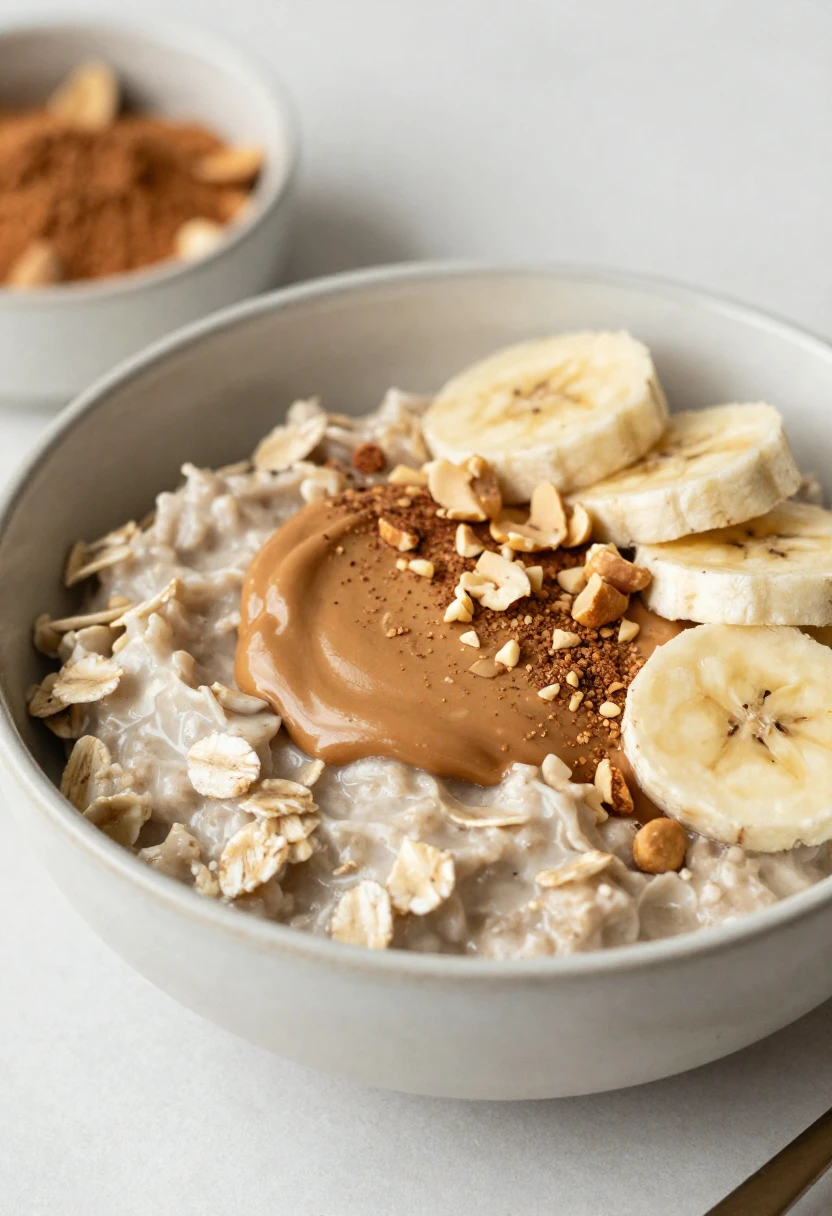
Peanuts are easiest to use when you stop treating them only as a snack.
Yes, a small bowl of roasted peanuts is useful. But peanuts can also make breakfast creamier, salads crunchier, sauces richer, and simple meals more satisfying. They are one of those pantry foods that can rescue something plain.
A bowl of noodles. A sliced apple. A piece of toast. A sad salad that needs help.
Peanuts know what to do.
Plain roasted peanuts as a quick snack
The simplest option is still one of the best: plain roasted peanuts.
I usually prefer dry-roasted or lightly salted peanuts over heavily flavored ones. They taste cleaner, and you can use them in more ways. If they are too salty, they start taking over everything, especially salads and sauces.
A small bowl works well with:
- Fresh fruit
- Greek yogurt
- Unsweetened tea or coffee
- A simple lunchbox meal
- A few squares of dark chocolate, if you want something sweet after
That last one is dangerous in the best way. Peanuts and dark chocolate together taste like dessert, but you can still keep the portion reasonable if you plate it first.
Peanut butter without turning it into dessert
Peanut butter can be healthy, but the label matters.
The best peanut butter is usually boring on purpose: peanuts and maybe salt. That is it. Some brands add sugar, palm oil, hydrogenated oils, or extra sweeteners, and suddenly your peanut butter is closer to frosting than a simple spread.
I am not saying you can never eat sweet peanut butter. Food does not need to be morally perfect. But for everyday use, a simpler jar gives you more flexibility.
Try peanut butter with:
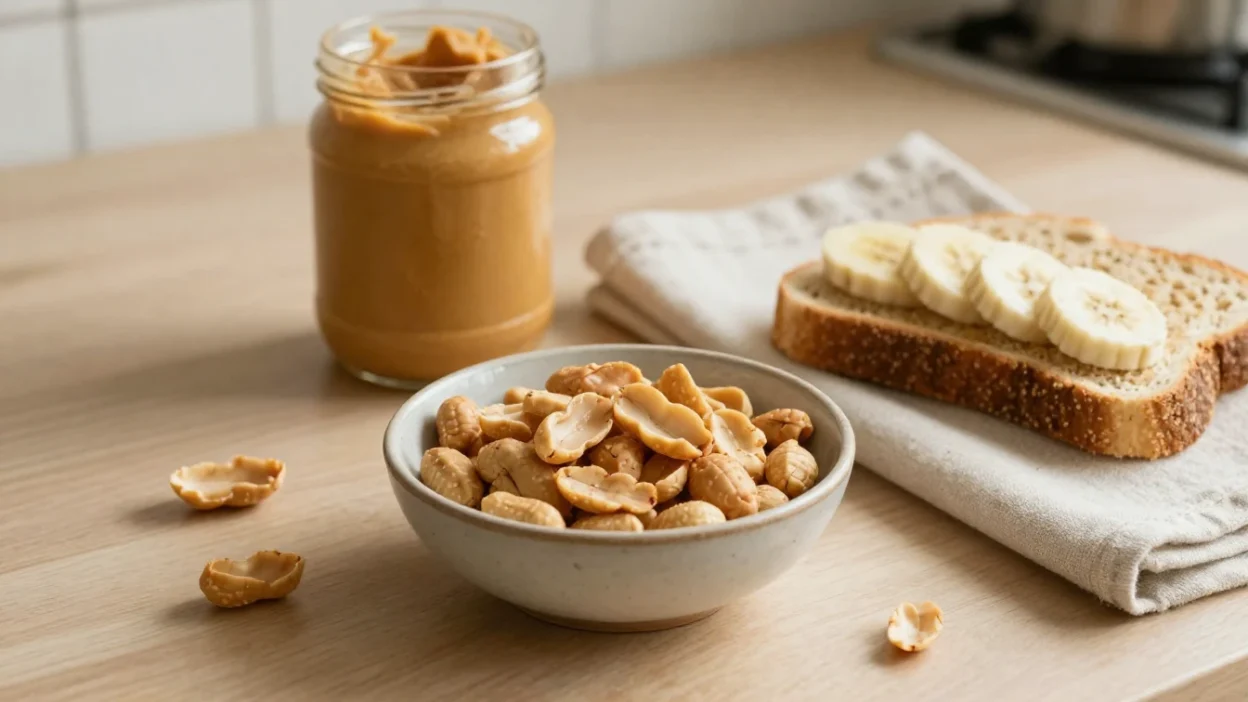
- Whole-grain toast and banana
- Apple slices
- Warm oatmeal
- Greek yogurt
- Smoothies
- Rice cakes
- Celery sticks
- Homemade peanut sauce
One small thing: stir natural peanut butter well when you open it, then store it upside down in the fridge. It helps keep the oil from pooling at the top every time.
Peanuts in oatmeal, yogurt bowls, and smoothies
Breakfast is where peanuts quietly do a lot of work.
Oatmeal can be filling, but peanut butter makes it feel warmer and richer. Add sliced banana, cinnamon, and a spoonful of peanut butter while the oats are still hot. It melts in and turns glossy. Very simple, very good.
For yogurt bowls, chopped peanuts add crunch. I like them with Greek yogurt, berries, a little honey, and maybe chia seeds if they are already in the kitchen. The peanuts keep the bowl from feeling too soft.
Smoothies are another easy place to use peanut butter. Banana, milk, Greek yogurt, peanut butter, and cocoa powder makes a smoothie that tastes almost like a milkshake, but it has enough protein and fat to feel like breakfast.
Just do not keep adding spoon after spoon. Peanut butter has a way of convincing you that more is always better.
Sometimes it is. Usually, one spoonful is enough.
Crunchy toppings for salads, noodles, and rice bowls
Chopped peanuts are one of the fastest ways to make savory food better.
They add crunch, richness, and that roasted flavor that makes a bowl feel finished. This is especially helpful with meals that are soft or saucy.
Use chopped peanuts on:
- Cabbage salads
- Cold noodle bowls
- Chicken lettuce cups
- Vegetable stir-fries
- Rice bowls with tofu or chicken
- Cucumber salads
- Thai-inspired peanut noodles
- Roasted sweet potatoes
The trick is to add peanuts at the end, right before eating. If they sit too long in dressing or sauce, they lose that crisp bite.
And if you have a few extra minutes, toast them in a dry pan first. Not long. Just until they smell warm and nutty. It makes even basic peanuts taste like you tried harder than you did.
What to watch out for
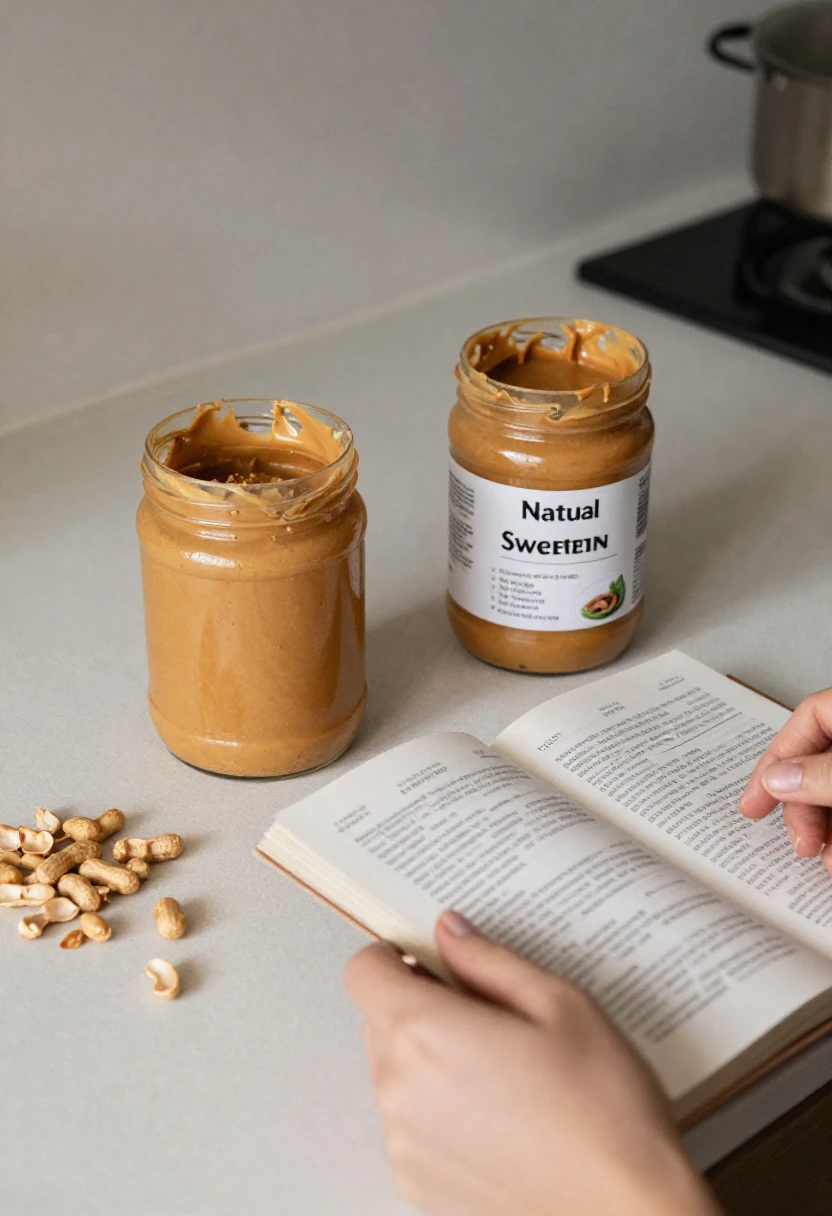
Peanuts are useful, but they are not the right food for every person or every situation.
For most people, the main things to watch are allergies, salt, added sugar, and portions. Nothing dramatic. Just the small label-reading habits that keep peanuts in the “helpful pantry food” category instead of turning them into a snack that works against you.
Peanut allergies and cross-contamination
Peanut allergy is serious. The FDA lists peanuts as one of the major food allergens, and allergy organizations warn that peanut reactions can range from mild symptoms to life-threatening anaphylaxis. (U.S. Food and Drug Administration)
So if peanuts are not safe for you, they are not “healthy” for you. Full stop.
This also matters if you cook for other people. Peanut butter cookies, peanut sauces, trail mix, smoothies, and even shared cutting boards can be a problem for someone with a peanut allergy.
A few basic rules help:
- Read labels every time.
- Ask before serving peanut-based food to guests.
- Keep peanut utensils separate if someone in the home has an allergy.
- Do not assume “natural” or “homemade” means allergy-safe.
Food allergies are one place where casual cooking habits can cause real harm. It is worth being careful.
Salted, honey-roasted, and flavored peanuts
Salted peanuts are not automatically bad, but they can push sodium up quickly, especially if you eat them often.
The American Heart Association recommends no more than 2,300 mg of sodium per day for most adults, with an ideal limit of 1,500 mg for many people. (www.heart.org) That does not mean you need to panic over one salty snack. It does mean the label is worth checking.
Honey-roasted peanuts are another thing. They sound wholesome because of the word “honey,” but many versions are closer to candy than a simple snack. Same with barbecue, chocolate-coated, caramel, and sweet chili peanuts.
They can still be enjoyable. Just treat them like flavored snack food, not like plain peanuts.
For everyday eating, I would choose:
- Unsalted peanuts
- Lightly salted peanuts
- Dry-roasted peanuts
- Plain roasted peanuts with no added sugar
Then add your own seasoning if you want. A little smoked paprika, chili powder, cinnamon, or lime zest can do a lot.
Peanut butter with added sugar and oils
Peanut butter is where labels get interesting.
Some jars are just peanuts and salt. Others include sugar, molasses, palm oil, hydrogenated oils, or extra stabilizers. The American Heart Association suggests comparing labels and choosing nut butters with lower sodium and preferably no added tropical oils or sugars. (www.heart.org)
For daily use, I like the simple kind: peanuts, maybe salt.
It may separate in the jar, which is mildly annoying, but that is also a good sign. Stir it well once, keep it in the fridge, and it behaves much better after that.
The sweet, ultra-smooth peanut butter can still have a place. It spreads beautifully, and yes, it tastes nostalgic. But if you are using peanut butter every morning in oatmeal or smoothies, a simpler version is usually the better habit.
When peanuts may not be the best choice
Peanuts may not be the best choice if you have an allergy, need to closely limit sodium, struggle with portion control around calorie-dense snacks, or simply do not digest them well.
That last one matters too. Healthy food still has to agree with your body.
If peanuts leave you bloated, itchy, uncomfortable, or worried, choose something else. There are plenty of other options: almonds, walnuts, sunflower seed butter, pumpkin seeds, tahini, Greek yogurt, hummus, boiled eggs, cottage cheese, or roasted chickpeas.
No single food needs to carry your whole diet.
Peanuts are helpful when they fit your body, your habits, and your kitchen. That is the point.
Simple peanut meal and snack ideas
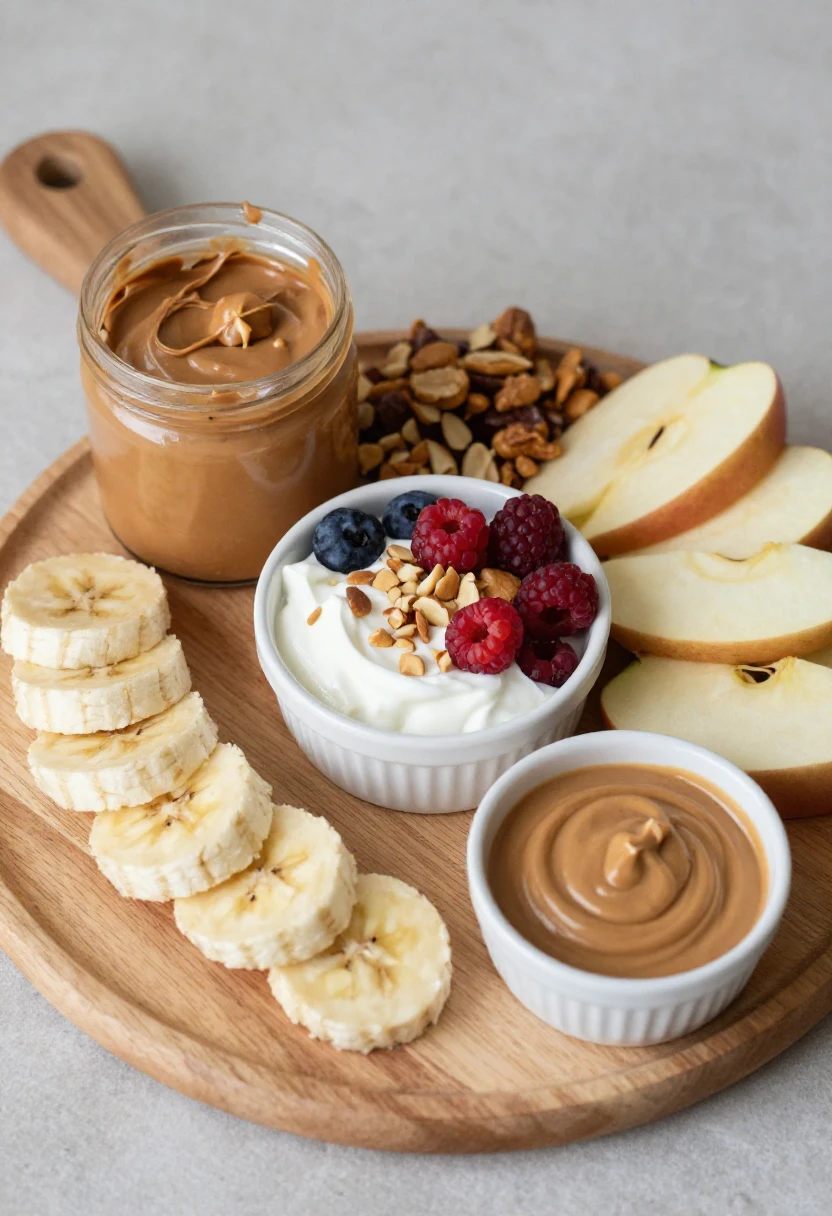
Peanuts are at their best when they make everyday food easier.
Not fancier. Easier.
A spoonful of peanut butter can turn plain toast into breakfast. Chopped peanuts can save a boring salad. A quick peanut sauce can make vegetables, noodles, chicken, or tofu taste like an actual meal instead of “things I found in the fridge.”
Here are a few simple ways to use peanuts without needing a complicated recipe.
Banana with peanut butter
This is probably the easiest peanut snack, and it still works.
Slice a banana, add a spoonful of peanut butter, and sprinkle a little cinnamon on top if you like. The banana gives sweetness, the peanut butter adds richness, and the whole thing takes less than two minutes.
It is especially good before a busy morning, after a workout, or during that late-afternoon snack window when you want something sweet but do not want to crash into a plate of cookies.
A small tip: if the peanut butter is very thick, warm it for a few seconds or stir it with a tiny splash of milk. It becomes easier to drizzle, and suddenly the snack feels more intentional.
Peanut yogurt bowl with berries
Greek yogurt with berries is already a good base, but peanuts make it more satisfying.
Add Greek yogurt to a bowl, then top it with berries, chopped peanuts, and a small drizzle of honey. If you want more texture, add oats, chia seeds, or a little granola.
I like this kind of breakfast because it has contrast. Cold yogurt, juicy berries, crunchy peanuts, a little sweetness. It does not feel like “diet food.” It feels like something you would make again because it tastes good.
Use unsalted or lightly salted peanuts here. Very salty peanuts can be a bit much with yogurt.
Crunchy peanut salad topping
If your salads never keep you full, peanuts can help.
Try chopped peanuts over cabbage salad, cucumber salad, chicken salad, or a simple bowl with greens, carrots, peppers, and rice. They add crunch and a roasted flavor that makes raw vegetables feel less plain.
A quick dressing that works well:
- Lime juice
- Olive oil or sesame oil
- A little soy sauce
- A small spoonful of peanut butter
- Grated ginger or garlic, if you have it
Whisk it together, taste it, then adjust. Too salty? Add lime. Too sharp? Add a little honey. Too thick? Add water.
That is the nice thing about peanut dressing. It forgives you.
Peanut sauce for vegetables, noodles, or chicken
Peanut sauce is one of the best reasons to keep peanut butter in the pantry.
You can make a very simple version with peanut butter, soy sauce, lime juice, warm water, garlic, and a little honey or maple syrup. Stir until it loosens into a creamy sauce.
Use it with:
- Noodles and shredded vegetables
- Grilled chicken
- Tofu bowls
- Roasted broccoli
- Cucumber and carrot sticks
- Rice bowls
- Lettuce wraps
The sauce should be creamy but pourable. If it looks too thick, add warm water one teaspoon at a time. It will look strange for a moment, then smooth out. Keep stirring.
And make extra if you are already making it. Tomorrow’s lunch will thank you.
Trail mix with peanuts, seeds, and dried fruit
Trail mix can be a smart snack, but it depends on what you put in it.
A homemade version lets you control the balance. Start with peanuts, then add pumpkin seeds, sunflower seeds, raisins, dried cranberries, or chopped dried apricots. If you want chocolate, add a small amount of dark chocolate chips.
The goal is not to make candy with a few peanuts hiding inside. The goal is a snack that gives you crunch, chew, sweetness, and enough richness to feel satisfying.
Portion it into small containers or bags. This is one of those snacks that becomes much easier to manage when it is already divided.
A big jar of trail mix on the counter is basically a dare.
Conclusion
Peanuts are healthy when you use them with a little common sense.
They are filling, affordable, and easy to keep in the kitchen. A small handful can make a snack more satisfying. A spoonful of peanut butter can turn oatmeal, toast, yogurt, or a smoothie into something that actually holds you for a while. Chopped peanuts can bring crunch and richness to meals that might otherwise feel too plain.
The main thing is not to treat peanuts like an unlimited snack.
Choose simple versions most of the time, watch the salt and added sugar, and portion them before you start eating. Peanuts do not need to be perfect to be useful. They just need to fit your body, your meals, and the way you actually eat.
FAQ
Are peanuts good for you every day?
Yes, peanuts can fit into an everyday diet for many people, as long as you are not allergic and you keep portions reasonable. Plain or lightly salted peanuts are usually better for daily use than sweet, heavily flavored, or candy-coated versions.
How many peanuts should you eat in a day?
A practical serving is usually a small handful. For peanut butter, one to two tablespoons is a common everyday portion. You do not need to measure forever, but it helps to measure a few times so your eyes learn what a normal serving looks like.
Is peanut butter as healthy as peanuts?
Peanut butter can be just as useful, especially if the label is simple: peanuts and maybe salt. Some peanut butters contain added sugar, palm oil, or hydrogenated oils, so it is worth checking the ingredients.
Are peanuts good for weight loss?
Peanuts can help with weight management because they are filling, but they are also calorie-dense. They work best when you add a measured portion to meals or snacks instead of eating straight from the bag or jar.