You know that little grocery-store moment when you pick up two boxes of strawberries, turn them over, and try to decide whether the organic one is really worth the extra money?
I have stood there too. Sometimes the organic berries look brighter and smell like actual summer. Other times, they look a little sad, cost twice as much, and make the decision feel almost silly.
That is why the question “Is organic food worth it?” needs a more honest answer than “yes, always” or “no, never.”
Organic food can be a smart choice, especially for certain fruits, vegetables, dairy products, and foods you eat every week. But it is not magic. It does not turn cookies into health food. It does not mean the food is automatically fresher. And it definitely should not make you feel bad for buying regular carrots when that is what fits your budget.
A better way to think about organic food is this: where does it actually make a difference in your kitchen, your body, and your grocery bill?
That is the part worth sorting out.
What organic food actually means
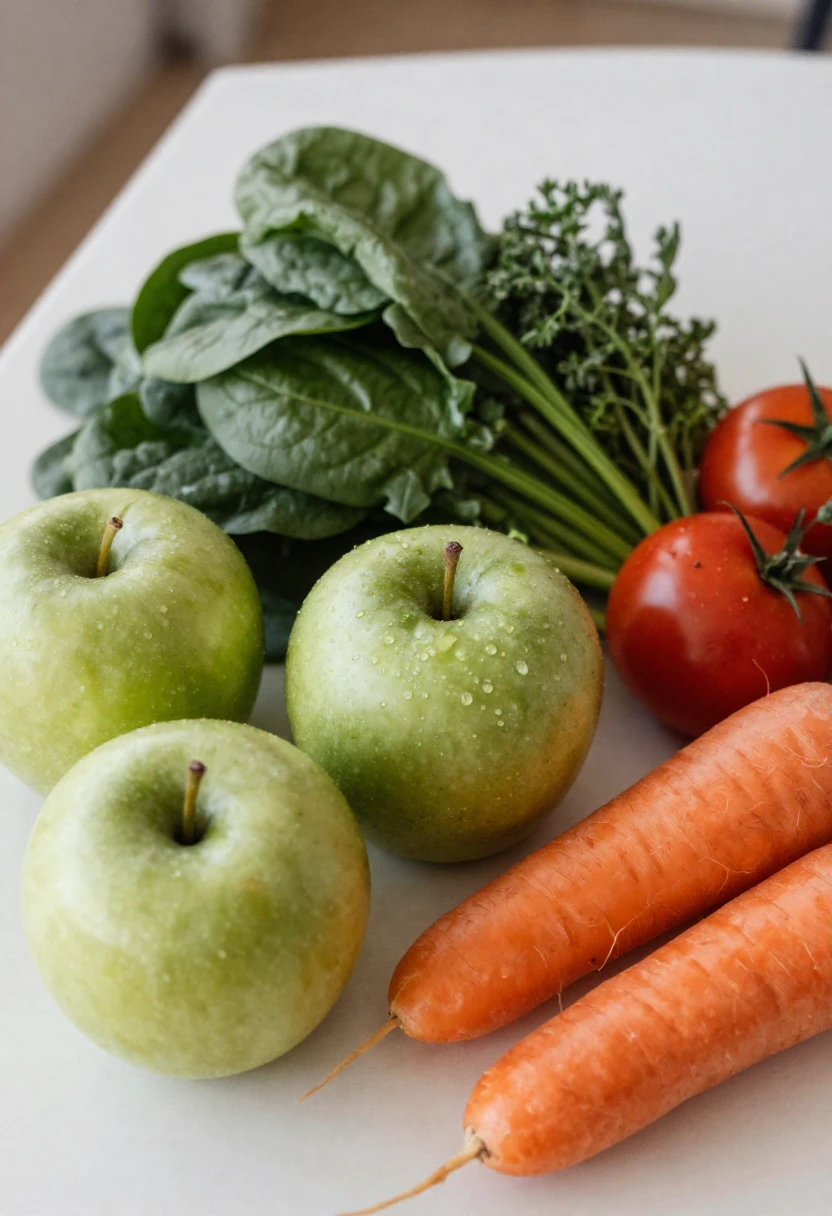
The word “organic” sounds simple, but the label carries a lot of assumptions. Some people hear it and think “clean.” Others think “expensive.” Some imagine small farms, soil-covered carrots, and chickens wandering peacefully in the grass.
The reality is more practical.
In the U.S., certified organic food has to follow federal standards for how it is grown, raised, handled, and processed. These standards cover things like soil quality, pest control, animal-raising practices, and what substances can or cannot be used during production. (usda.gov)
That matters. But it also has limits.
Organic is not the same as perfect
Organic food is not automatically healthier in every situation.
An organic apple is still an apple, which is great. An organic candy bar is still a candy bar, which is fine if you want a treat, but it is not suddenly nourishing because the sugar has a nicer label.
This is where a lot of people get tripped up. They see the word organic and stop reading the rest of the package. I get it. The label feels reassuring. But if you are buying packaged food, the ingredient list still tells the real story.
Organic mac and cheese may use different ingredients than a conventional box. It may avoid certain synthetic additives. But it can still be high in sodium. Organic granola can still be loaded with sugar. Organic juice can still be easy to overdrink.
The label helps, but it does not do your thinking for you.
Why the label matters
The biggest reason many people buy organic food is to reduce exposure to certain pesticide residues.
Mayo Clinic notes that organic food generally exposes people to less pesticide residue than conventionally grown food, though all food sold legally still has to meet safety standards. (Mayo Clinic)
That difference can feel especially relevant with foods you eat often, foods eaten raw, and produce where you eat the skin or the whole plant. Think strawberries, spinach, apples, lettuce, grapes, and herbs.
I notice this most with foods that go straight from the fridge to the plate. A banana gets peeled. An onion gets peeled. But salad greens? Berries? Fresh parsley scattered over eggs? You are eating the delicate outer parts, and those are the foods where organic often feels more worth considering.
What organic does not promise
Organic does not mean pesticide-free in the absolute sense. It means the food was produced under organic rules, which restrict many synthetic pesticides and fertilizers and control which substances are allowed. The USDA’s National List explains which substances may be used in organic crop, livestock, and handling practices. (ams.usda.gov)
Organic also does not guarantee better nutrition every time.
Some studies find small differences in certain nutrients or contaminants, but the bigger picture is less dramatic than marketing makes it sound. Harvard Health has reported that reviews comparing organic and conventional foods have not found strong evidence that organic foods are consistently more nutritious. (Harvard Health)
That may sound disappointing, but I actually find it freeing.
You do not need to buy everything organic to eat well. You need real meals. More vegetables. Enough protein. Food you cook often enough that your fridge does not become a compost bin with a light inside.
Organic food can be part of that. It just does not need to become the whole personality of your grocery cart.
The real benefits of organic food
Organic food gets talked about as if it has one big benefit, but that is not really how it works.
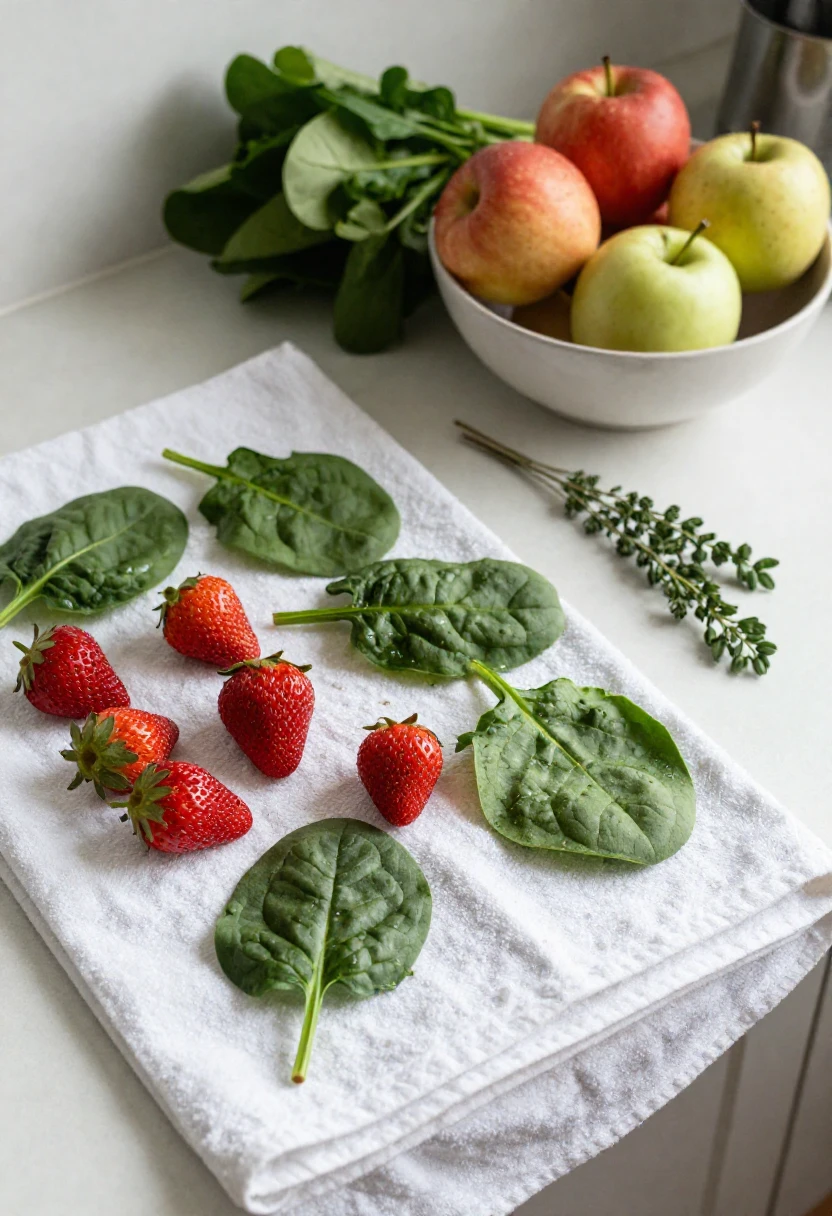
The value depends on the food, how often you eat it, how it was grown, and what you are replacing. Buying organic spinach for your daily smoothie is a different decision from buying organic gummy bears because the package looks healthier.
For me, the most useful way to think about organic food is not, “Is this food good or bad?”
It is, “Does buying this organic version solve a real problem for me?”
Sometimes it does.
Lower pesticide exposure
This is probably the most practical reason to buy organic produce.
If you eat a food often, especially raw, and especially with the skin or leaves exposed, choosing organic may help reduce your overall exposure to certain pesticide residues. That does not mean regular produce is automatically unsafe. It means organic can be a reasonable upgrade for foods that show up in your meals again and again.
The foods I think about first are the ones that are delicate:
strawberries, spinach, lettuce, herbs, apples, grapes, peaches, and tomatoes.
These are the foods you rinse, slice, and eat. No thick peel. No outer layer to remove. Just the fruit or leaf itself.
That is why organic berries make more sense to me than organic bananas. I love bananas, but I peel them. With strawberries, I eat the whole thing.
Fewer unwanted additives in some packaged foods
Organic packaged food can be useful too, but this is where you have to stay awake.
A product can be organic and still be sugary, salty, or not very filling. I have made this mistake with “healthy-looking” snack bars. The box looked earthy and responsible. The ingredients sounded better than the usual candy aisle. But after eating one, I was hungry again in twenty minutes.
Still, organic packaged foods may avoid some artificial colors, preservatives, and synthetic additives that people prefer to limit. That can be helpful if you are buying food for children, packing lunch boxes, or trying to simplify your pantry.
The trick is to read the label like a normal person, not like someone looking for perfection.
Ask:
- Do I recognize most of the ingredients?
- Is this food actually useful in my week?
- Will it keep me full?
- Am I buying this because I need it, or because the package is pretty?
That last question has saved me from many overpriced “wellness” snacks.
Better choices for certain fruits and vegetables
If your budget does not allow a fully organic cart, focus on the produce where organic feels most worth it.
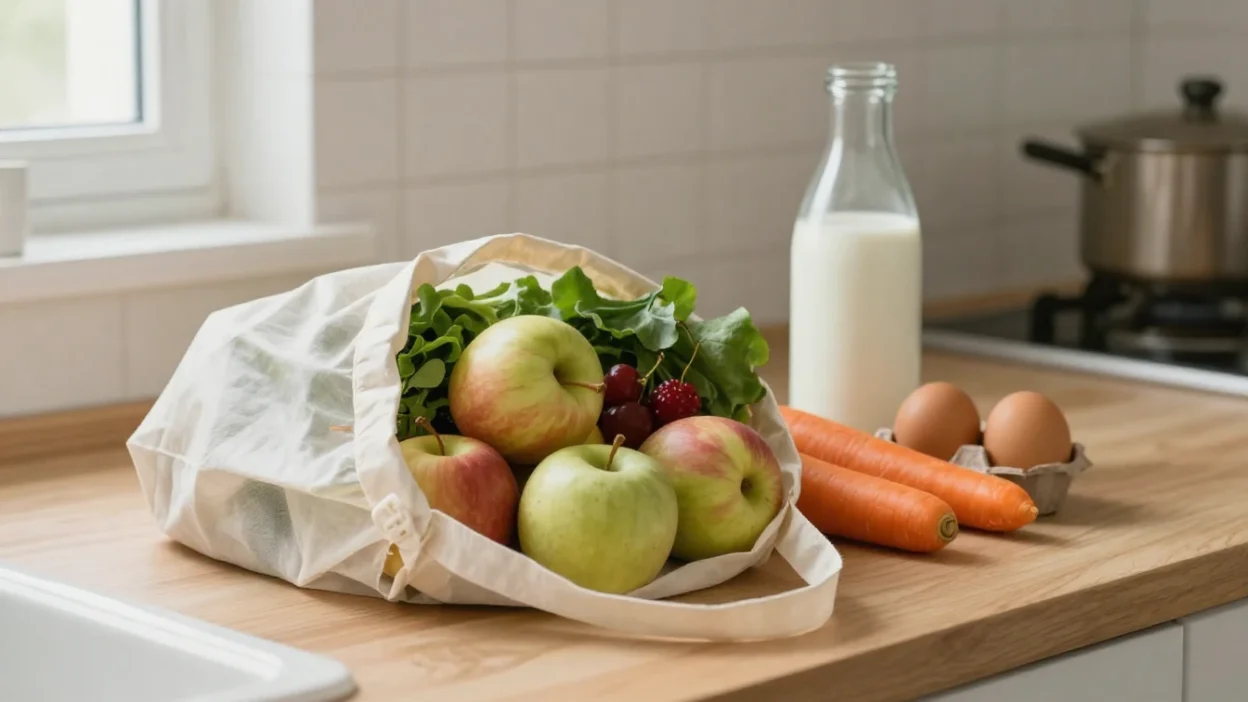
Leafy greens are a good place to start because they are eaten directly and often. Berries are another. Apples can also be worth considering if you eat them with the skin, especially if they are a daily snack in your home.
But you do not need to panic over every item.
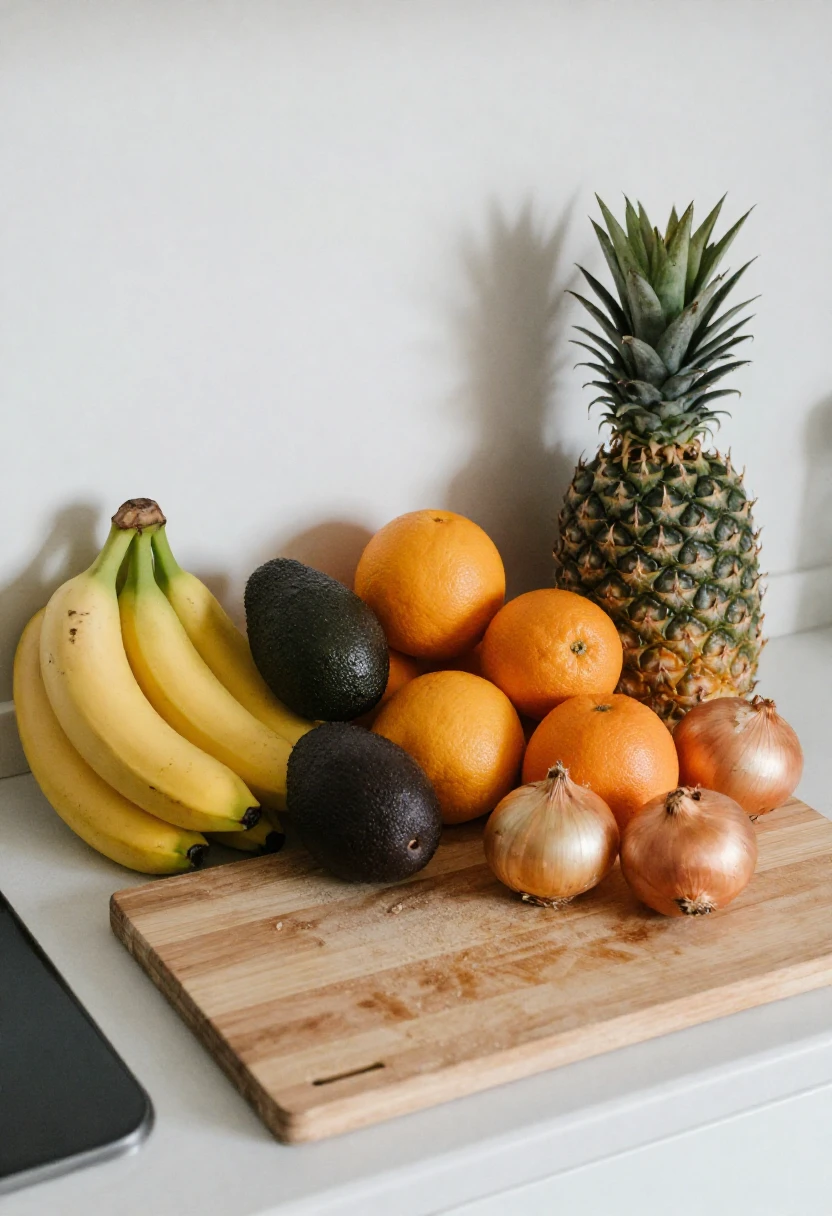
If I am buying onions for soup, I do not stress about organic. Same with avocados, oranges, melons, and bananas. There is a peel, rind, or outer layer that I remove before eating.
This kind of thinking makes organic shopping less dramatic. You are not trying to pass a purity test. You are making small upgrades where they matter most.
A more mindful way to shop
This benefit is harder to measure, but I think it matters.
When people start buying even a few organic foods, they often begin paying closer attention to what they eat. Not in a restrictive way. More like, “Wait, what am I actually putting in my cart every week?”
That awareness can change things.
Maybe you choose fresh apples instead of a box of cookies. Maybe you buy a big tub of yogurt and frozen organic berries because breakfast keeps falling apart. Maybe you cook at home one extra night because the vegetables in the fridge actually look good.
Organic food itself is not the whole answer. But sometimes it nudges you toward better habits.
And honestly, that counts.
Is organic food more nutritious?
This is where the conversation gets messy.
People want a clean answer. Organic is healthier. Regular is worse. Easy.
But food does not work that neatly.
Some research suggests organic foods may have slightly higher levels of certain antioxidants or lower levels of some pesticide residues. Other research finds that the nutrition difference between organic and conventional foods is not huge enough to make organic the main factor in a healthy diet.
So where does that leave you?
Probably here: organic food can be a good choice, but eating enough whole foods matters more than chasing the perfect label.
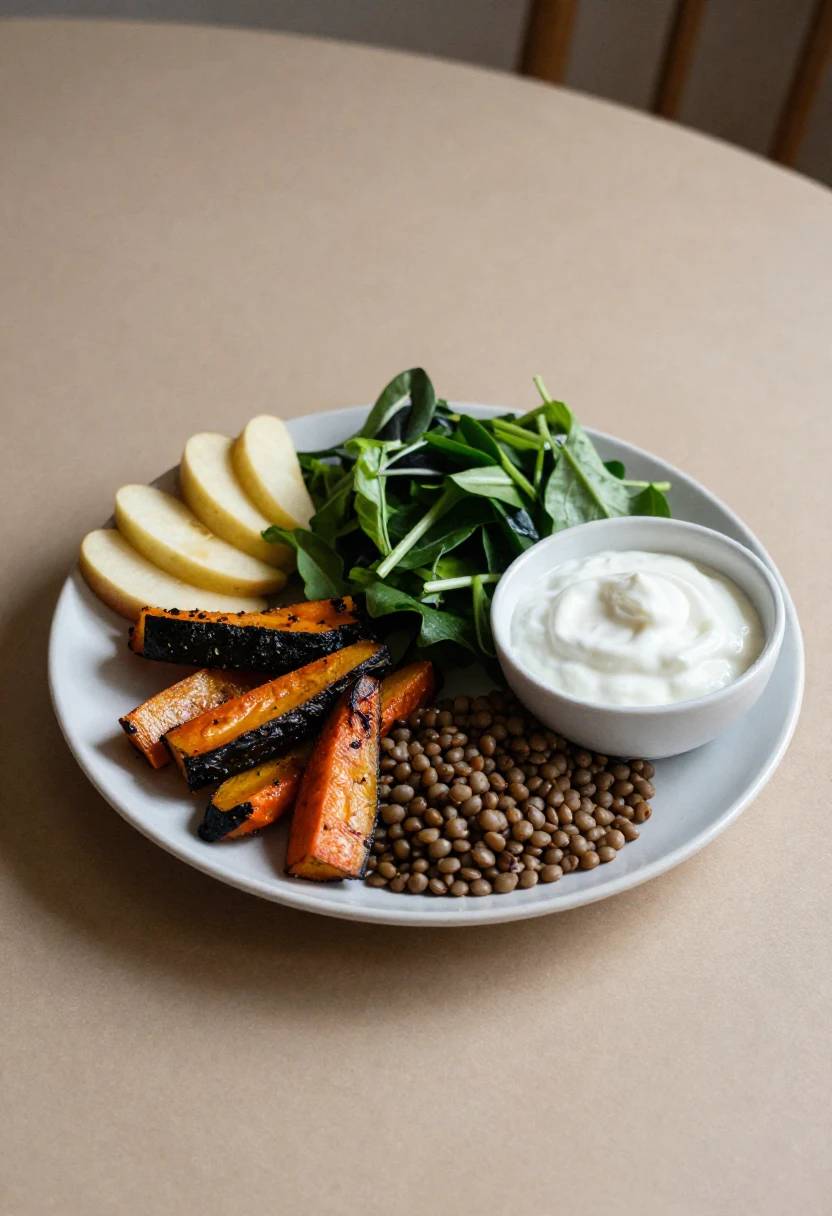
A plate with regular roasted vegetables, lentils, olive oil, and herbs is still a strong meal. An organic frozen pizza is still a frozen pizza.
Freshness may matter more than the label
A fresh, crisp, conventionally grown carrot that you actually eat is more useful than an organic carrot that sits in the fridge until it bends like rubber.
I say this as someone who has absolutely bought beautiful produce with big plans and then watched it slowly fade in the drawer.
Freshness changes the way food tastes. A good tomato smells grassy and sweet before you even cut it. Fresh greens have snap. Herbs wake up a dish immediately. When food tastes better, you are more likely to eat it, and that matters more than people admit.
So yes, choose organic when it makes sense. But also choose food that looks good, smells good, and fits your actual cooking routine.
The organic snack trap
This is one of the biggest myths around organic food.
Organic snacks are not automatically healthy.
Organic cookies can still have plenty of sugar. Organic chips can still be easy to overeat. Organic cereal can still leave you hungry before lunch. The label may tell you something about how the ingredients were produced, but it does not tell you whether the food will support your energy, appetite, or overall diet.
I am not saying do not buy them. Sometimes you want cookies. Buy the cookies.
Just do not buy them because the organic label makes them feel like a wellness decision.
There is a difference between a treat and a health food. Organic marketing likes to blur that line. Your body usually knows the difference.
Organic vs regular food: how to decide what is worth buying
The easiest way to waste money on organic food is to treat every item the same.
A bag of organic spinach you use in smoothies every morning? That might be worth it.
Organic marshmallows for one camping weekend? Probably not where I would spend extra.
Organic shopping works better when you make choices based on your real habits, not on guilt. Open your fridge in your mind for a second. What do you actually eat every week? What do you throw away? What do your kids snack on? What do you add to breakfast without thinking?
That is where your organic budget should go first.
Start with the foods you eat most often
If you eat something every day or several times a week, that food matters more.
For one person, that might be apples. For another, it might be spinach, milk, eggs, berries, or oatmeal toppings. A family with kids may go through grapes and strawberries quickly. Someone who makes a green smoothie every morning may care more about organic kale or frozen spinach.
This is where organic food becomes practical instead of idealistic.
You do not need a perfect grocery cart. You need a better version of the foods you already buy again and again.
A simple starting list might look like this:
- berries
- spinach or salad greens
- apples
- grapes
- fresh herbs
- milk, yogurt, or eggs if you buy them often
That is enough. Really.
You can build from there later, but starting with everything usually turns into an expensive grocery receipt and a lot of pressure.
Think about skin, texture, and how you eat it
One of the most helpful questions is: do I eat the outside of this food?
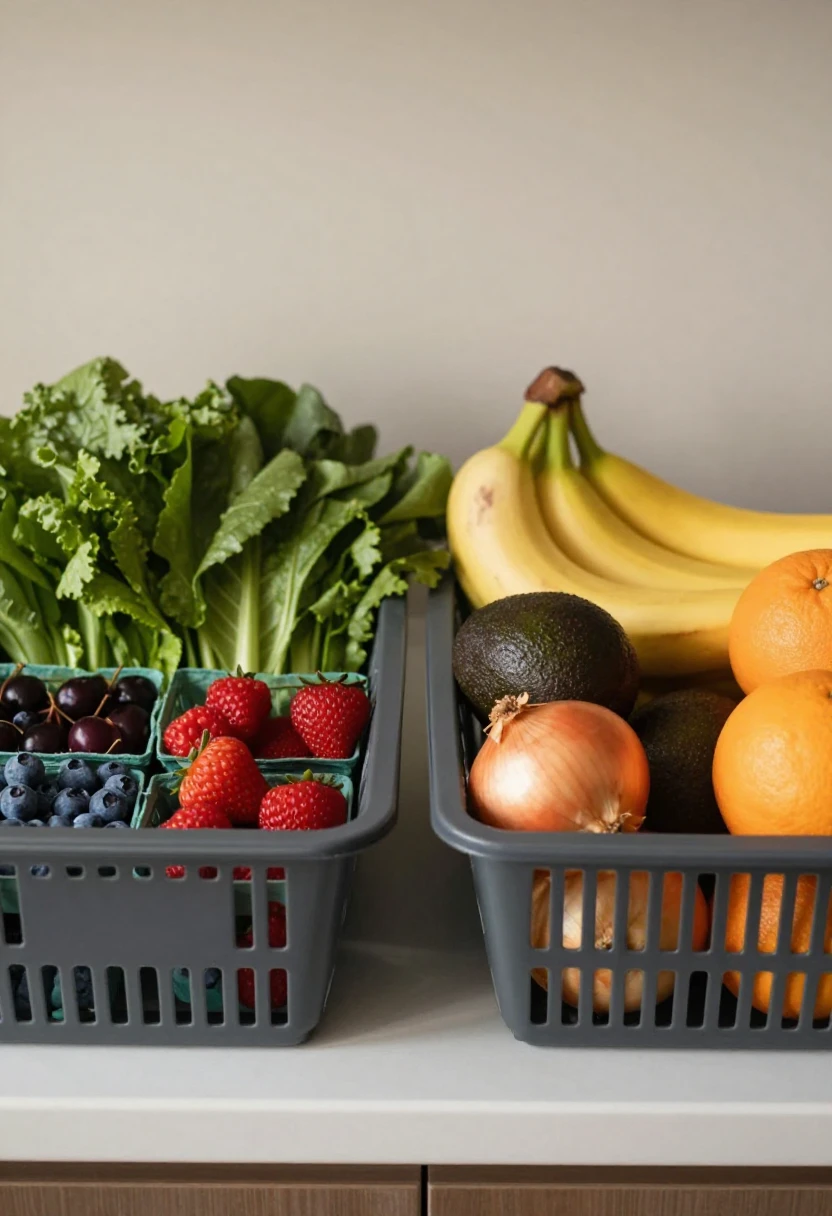
With strawberries, spinach, apples, peaches, tomatoes, and lettuce, the answer is yes. You eat the skin, leaves, or outer surface directly.
With bananas, oranges, onions, avocados, and melons, you remove the peel or rind first. That does not make organic pointless, but it may make those foods less urgent if you are trying to choose carefully.
This is also why leafy greens feel like a good organic upgrade. You do not peel spinach. You rinse it, dry it, and eat it. Same with arugula, spring mix, romaine, and herbs.
I still wash everything, organic or not. But if I am choosing where to spend a little more, the delicate foods usually come first.
Buy organic where it makes sense for your kitchen
The best organic choices are the ones that fit into meals you already make.
If you love smoothies, organic frozen berries and spinach are useful. If you pack lunch boxes, organic apples or grapes might make sense. If you eat yogurt most mornings, organic yogurt could be a reasonable upgrade.
But if you rarely cook with celery, do not buy organic celery just because it sounds responsible. It will sit there, go limp, and make you feel judged every time you open the fridge.
Organic food should support your routine. It should not create a second job.
I like thinking in meals instead of ingredients:
For breakfast, maybe it is organic oats with frozen berries.
For lunch, maybe it is a salad with organic greens.
For snacks, maybe it is apples, yogurt, or boiled eggs.
For dinner, maybe it is regular pasta with a good homemade tomato sauce and whatever vegetables you have.
That kind of mix feels realistic. And realistic is what keeps people eating well longer than one perfect grocery trip ever will.
How to eat organic on a budget
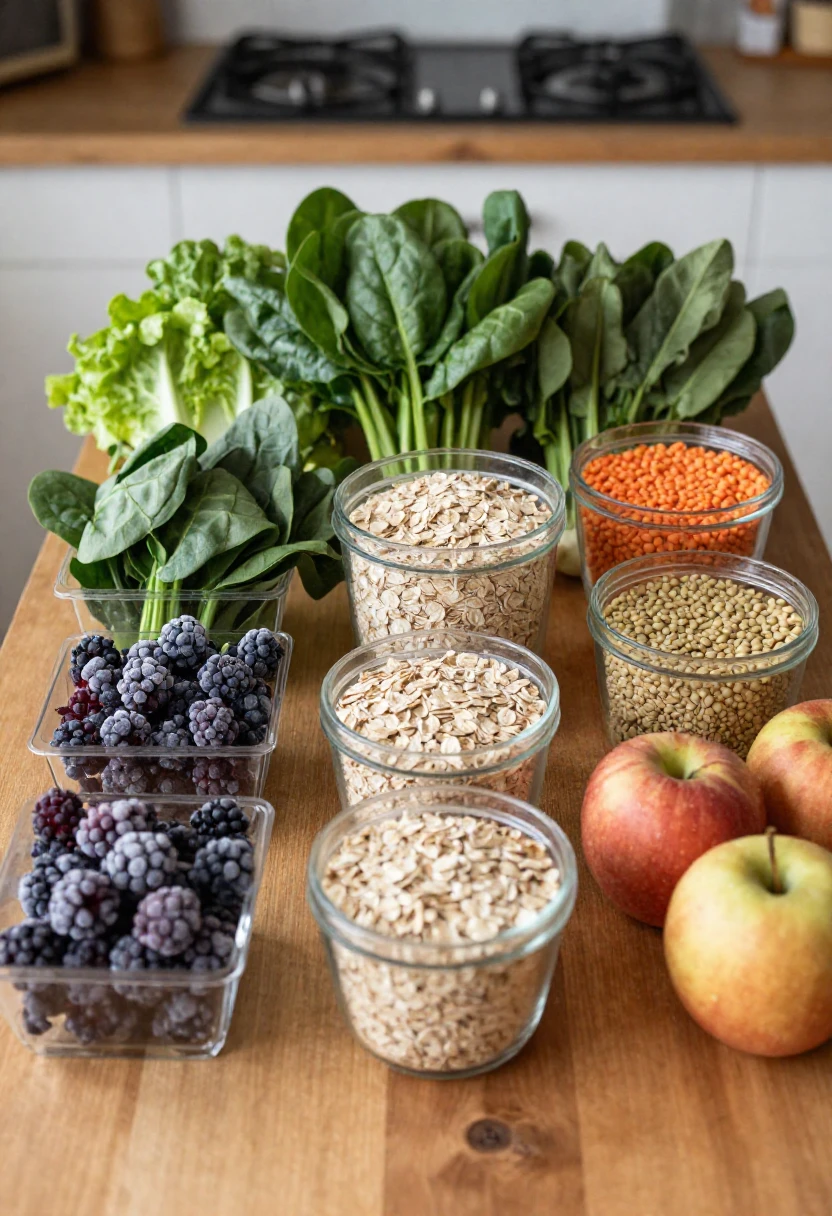
Organic food can get expensive fast. Anyone who says otherwise has not recently stood in front of the berry section doing mental math.
But you do not have to buy everything organic to get some of the benefits.
A few smart swaps can make your grocery cart feel better without turning your food budget into a personal crisis.
Do not switch everything at once
This is the mistake I see most often.
Someone decides they want to eat cleaner, walks into the store, replaces almost everything with organic versions, and then stares at the total like the cashier personally betrayed them.
Do not do that.
Start with two or three foods. Choose the ones you eat often and care about most.
Maybe that means organic spinach, apples, and eggs. Maybe it means organic berries and yogurt. Maybe it is just one thing for now. That still counts.
Small changes are easier to keep. And with food, consistency matters more than the dramatic reset.
Use frozen organic produce
Frozen organic produce is one of the best budget tricks.
It is usually cheaper than fresh organic produce, lasts longer, and saves you from that sad moment when fresh berries grow fuzz before you get to them.
Frozen organic berries are great for smoothies, oatmeal, yogurt bowls, and quick fruit sauces. Frozen spinach can go into soups, eggs, pasta, and rice bowls. Frozen peas, broccoli, and green beans are easy side dishes when dinner needs something green.
And because frozen produce is picked and frozen quickly, it can be surprisingly good.
Not glamorous. Useful.
That is what I want from most weekday food.
Compare price per serving, not just package price
Some organic foods look expensive at first, but they last a long time.
Organic oats, lentils, beans, brown rice, peanut butter, and flour can be better values than organic snack bars, drinks, and tiny packaged treats. A bag of oats may give you breakfast for two weeks. A box of snack bars might disappear in three days.
This is where the grocery store gets sneaky.
The expensive-looking pantry staple may actually be cheaper per meal. The cute little organic snack may be the real budget killer.
Before buying, ask yourself how many times you will actually eat from that package.
If the answer is “once, while standing in the kitchen,” maybe skip it.
Shop seasonal when possible
Seasonal produce usually tastes better, and it can be more affordable.
Organic strawberries in season are a completely different experience from pale, overpriced berries in the middle of winter. Same with tomatoes, peaches, cucumbers, and greens.
When produce is in season, you often need less effort to make it taste good. A ripe tomato needs salt, olive oil, and maybe a piece of toast. Good peaches barely need a recipe. Fresh herbs can make eggs, soup, or roasted vegetables feel more alive in seconds.
This is one reason I do not think organic shopping should be rigid.
Sometimes the best choice is the organic option. Sometimes the best choice is the ripe local option. Sometimes it is frozen. Sometimes it is the regular bag of carrots because you know you will use it.
Food does not need to be perfect to be worth eating.
When organic food may not be necessary
There are times when buying organic makes sense.
And then there are times when it mostly makes your grocery bill heavier.
I do not think organic food should become an all-or-nothing rule. That is how healthy eating turns into another thing to worry about. Most people are already juggling work, family, errands, cooking, and the eternal question of what to make for dinner. Your produce choices should not feel like a moral exam.
Some foods are simply lower-priority organic buys, especially if you are shopping on a budget.
Thick-skinned produce
If you peel the food before eating it, I usually put it lower on the organic priority list.
Bananas are the easy example. You do not eat the peel. Same with oranges, grapefruits, avocados, onions, garlic, and many melons. Pineapple too. I love pineapple, but I am not losing sleep over whether it is organic when that tough outer skin gets cut away.
That does not mean organic versions are pointless. Some people buy organic for environmental reasons, farming practices, or personal preference. Fair enough.
But if your main concern is what ends up on the part you eat, thick-skinned produce is usually not where I would start.
A regular avocado on whole-grain toast is still a good breakfast. A conventional banana in oatmeal is still useful. An onion chopped into soup still counts.
Foods you barely eat
Organic food is not worth much if it sits in your pantry untouched.
This happens with good intentions. You buy the organic quinoa flour, the organic chia crackers, the organic vegetable powder, the organic whatever-it-was because it looked like the kind of thing a healthy person would use.
Then it just stays there.
If you barely eat a food, do not make it one of your first organic upgrades. Start with the everyday stuff. The apples your family finishes in two days. The spinach you put in eggs. The yogurt you eat most mornings.
That is where the difference, if there is one, has a chance to matter.
When the price creates stress
This part matters.
If buying organic makes you anxious at checkout, it may not be the right choice right now. Food should support your life, not make you feel cornered.
There is nothing wrong with buying regular produce. Seriously. A dinner made with conventional vegetables, beans, rice, chicken, eggs, or pasta can still be nourishing, filling, and completely reasonable.
Sometimes the healthiest choice is the one you can afford consistently.
A bag of regular carrots you roast with olive oil and garlic is better than no vegetables because organic felt too expensive. A non-organic apple in your bag is better than skipping fruit because the organic apples were out of budget.
Organic is an option. It is not a requirement for eating well.
Simple organic swaps to try first
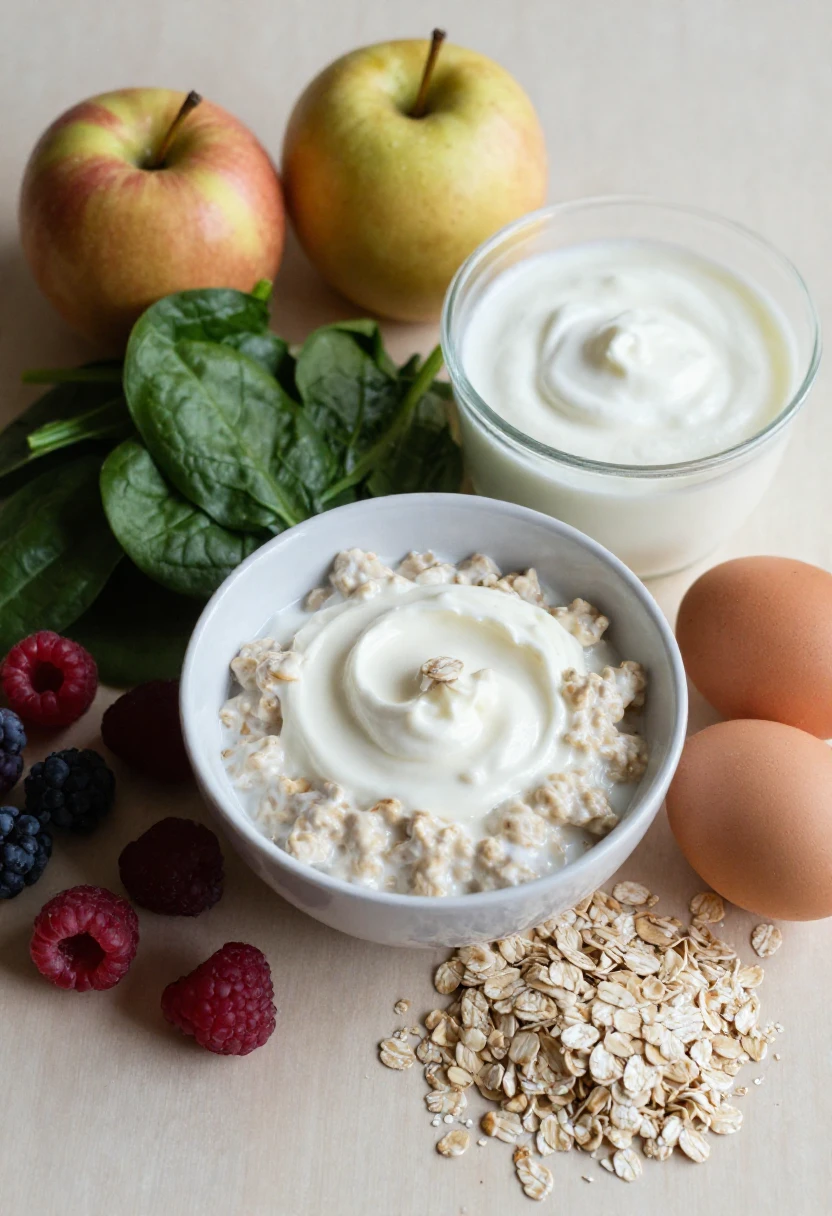
If you want to start buying organic food but do not want to overhaul your whole kitchen, keep it small.
Pick foods you already eat. Not fantasy foods. Not things you think you should become the kind of person who eats. The real stuff.
The cereal your child actually asks for. The berries you add to yogurt. The greens you put in sandwiches. The eggs you buy every week.
That is the sweet spot.
Organic berries for breakfast
Berries are one of my favorite organic swaps because they are easy to use and easy to finish.
Fresh organic strawberries, blueberries, raspberries, or blackberries can go straight into breakfast. Add them to oatmeal, yogurt, pancakes, cottage cheese, or a smoothie. They bring sweetness without needing much else.
Frozen organic berries are even more practical.
I keep them around because they do not spoil in two days, and they rescue boring breakfasts. Warm a handful in a small pan for a few minutes and they turn soft and jammy. Spoon them over oats or yogurt, and suddenly breakfast feels like you tried harder than you did.
Which is exactly the kind of kitchen trick I respect.
Organic leafy greens for salads and smoothies
Leafy greens are another good first swap because you eat the whole leaf.
Spinach, arugula, spring mix, romaine, kale, and fresh herbs are all easy places to start. They work in salads, smoothies, omelets, soups, wraps, and grain bowls.
Organic baby spinach is especially useful because it disappears into almost anything. I add it to scrambled eggs, pasta sauce, lentil soup, and smoothies. It wilts quickly and does not demand a full recipe.
Just do not buy a giant box unless you have a plan.
Greens have a way of looking hopeful on Monday and tragic by Thursday.
Organic apples or pears for everyday snacking
If you eat apples or pears with the skin, organic can be a simple upgrade.
This is especially true if fruit is your default snack. Apples with peanut butter, sliced pears with cheese, chopped apple in oatmeal, or a quick apple in the car before errands. These are ordinary foods, but ordinary foods are the ones that shape your week.
I like organic apples when they are crisp and reasonably priced. But I still check them carefully. Organic does not protect you from mealy apples, bruises, or fruit that tastes like wet cardboard.
Good fruit first. Organic second.
Organic milk, eggs, or yogurt if they fit your budget
Dairy and eggs are personal choices, and the price differences can be big.
If you buy milk, yogurt, or eggs every week, organic versions may be worth trying. Some people prefer the taste. Some choose them because of production standards. Some just like knowing a little more about how the food was raised or handled.
For yogurt, I still care most about the ingredient list.
Plain organic yogurt with live cultures is useful. Sweetened organic yogurt with dessert-level sugar is still sweetened yogurt. It may taste great, but I would treat it differently.
Eggs are similar. Organic eggs can be expensive, so I would not tell anyone they have to buy them. If they fit your budget, great. If not, eggs are still one of the most useful foods in the kitchen.
Boiled eggs, omelets, fried eggs over rice, egg salad, frittatas. Simple, filling, flexible.
How to wash and store produce, organic or not
Organic produce still needs washing.
I know that sounds obvious, but the organic label can make food feel cleaner than it really is. Lettuce still grows near soil. Apples still pass through hands, crates, trucks, and grocery shelves. Herbs still trap little bits of grit in their leaves.
Organic changes how the food is grown and handled. It does not mean you can skip basic kitchen care.
Washing still matters
For most fruits and vegetables, cool running water is enough.
Rub firm produce gently with your hands. Apples, cucumbers, pears, tomatoes, peppers, and citrus all benefit from a quick rinse and rub before cutting or eating. For leafy greens, separate the leaves, rinse them well, and dry them before storing or serving.
I do not use soap on produce. It is not meant for food, and it can leave residue you do not want to eat.
For greens, I like the bowl method. Fill a large bowl with cold water, add the leaves, swish them around, then lift the greens out instead of pouring everything through a strainer right away. Any grit sinks to the bottom. It is weirdly satisfying when you see what was hiding there.
Then dry them well.
That part matters more than people think.
Wet greens get slimy faster. Wet berries spoil faster. Wet herbs collapse into sad little clumps. Water is helpful when you are cleaning food, but it is not your friend once the produce goes back into the fridge.
Store delicate greens properly
Leafy greens need a little breathing room.
If you bring home spinach, spring mix, romaine, or kale, check for wet leaves first. Remove anything already wilted or slimy, because one bad patch can make the whole container go downhill faster.
For boxed greens, I usually tuck a paper towel or clean kitchen towel into the container. It absorbs extra moisture and helps the leaves last longer. If the greens are packed tightly in a plastic bag, move them into a container if you can.
Fresh herbs are a little different.
Parsley and cilantro often keep better if you treat them like flowers. Trim the stems, place them in a jar with a little water, cover loosely with a bag, and keep them in the fridge. Basil is fussier and usually prefers room temperature, but honestly, basil has its own personality. Use it quickly.
Prep only what you will actually eat
Prepping produce can help, but over-prepping can backfire.
If you wash and chop everything the second you get home, some foods will be ready to use. That is great for carrots, celery, bell peppers, melon, and sturdy greens like kale.
But berries, soft herbs, and delicate greens do not always love being washed too early. They can spoil faster if they are stored damp or cut before you need them.
A good middle ground is to prep the foods that slow you down during the week.
Wash and dry lettuce if salads are not happening because the greens feel like work. Slice carrots if you want easy snacks. Chop onion and peppers if you know you will make eggs, soup, or tacos.
But do not turn Sunday into a produce factory unless that actually helps you.
The goal is to make food easier to eat, not to create a beautiful fridge that quietly rots behind the door.
A realistic way to think about organic food
Organic food is useful when it fits your life.
That is the simplest way I know to say it.
It can reduce exposure to certain pesticide residues. It can help you avoid some additives in packaged foods. It can support farming practices you may care about. It can also be expensive, overmarketed, and confusing if you try to buy everything organic all at once.
Both things can be true.
Organic food is a tool, not a rule
I like organic food most when it solves a specific problem.
Organic spinach for daily smoothies? Makes sense.
Organic berries for a child who eats them by the handful? Reasonable.
Organic oats because they last a long time and you eat them every morning? Good choice.
Organic candy because it feels healthier? Maybe just buy the candy you actually like and call it what it is.
That is not judgment. That is clarity.
Food gets easier when you stop asking every ingredient to prove your values. Sometimes dinner is organic salad with lentil soup. Sometimes it is regular pasta with tomato sauce and a handful of spinach. Sometimes it is eggs on toast because everyone is tired.
You can still eat well.
Build a grocery list that fits your habits
Before spending more on organic food, look at your real grocery habits.
What do you buy every week?
What do you finish?
What keeps getting thrown away?
What do you wish you ate more often but never actually cook?
Those questions are more useful than any perfect organic shopping list.
If breakfast is your weak spot, start there. Organic oats, yogurt, frozen berries, or apples might help.
If lunch is where things fall apart, try organic salad greens, hummus, eggs, or a few easy vegetables you can pack quickly.
If dinner is the struggle, do not start with fancy organic ingredients. Start with foods that make dinner easier: frozen vegetables, canned beans, rice, pasta, eggs, potatoes, and one or two fresh vegetables you know how to cook.
Organic can be part of that list. It does not have to own the list.
The best choice is the one you will keep using
A lot of healthy eating advice sounds good for about five minutes.
Then real life shows up.
You forget to thaw the chicken. The avocado is hard as a rock. The organic lettuce turned slimy. Someone eats the berries you needed for breakfast. Suddenly the perfect plan is gone, and you are staring into the fridge like it owes you an explanation.
That is why I care more about repeatable choices than perfect ones.
Buy organic where it makes sense. Buy regular where it makes sense. Wash your produce. Eat more plants when you can. Cook simple meals. Keep frozen vegetables around. Do not let a label decide whether your food is “good enough.”
A regular apple eaten on a busy afternoon is better than an organic apple you never bought because the price annoyed you.
That is the part I keep coming back to.
Conclusion
So, is organic food worth it?
Sometimes, yes. Especially when it comes to foods you eat often, foods with delicate skins or leaves, and simple staples that already fit into your meals.
But organic food is not a magic upgrade for every grocery item. It will not fix a diet built mostly on snacks. It will not make an expensive cart automatically healthier. And it should never make you feel guilty for choosing regular produce when that is what your budget allows.
Start small.
Buy organic berries if you eat them every morning. Try organic spinach if it goes into your smoothies, salads, or eggs. Choose organic apples if they are your everyday snack. Use frozen organic vegetables when fresh ones are too expensive or too easy to waste.
Then stop there for a while.
Healthy eating is built from ordinary choices you repeat: the breakfast you can make half-awake, the lunch that keeps you full, the dinner you can cook without turning the kitchen upside down.
Organic food can help with that.
But the best grocery cart is still the one that feeds you well, fits your life, and does not make you dread the receipt.
FAQ
Is organic food always healthier?
No. Organic food can reduce exposure to certain pesticide residues and may help you avoid some additives, but it is not automatically healthier in every case. An organic apple is a great choice. Organic cookies are still cookies.
What organic foods are most worth buying?
Start with foods you eat often and foods where you eat the skin or leaves. Berries, spinach, lettuce, apples, grapes, herbs, and other delicate produce are good first choices.
Is it okay to buy regular produce?
Yes. Regular fruits and vegetables are still valuable, nourishing foods. If organic produce is too expensive, buy the regular version, wash it well, and keep eating fruits and vegetables.
How can I buy organic food on a budget?
Choose two or three organic staples instead of replacing everything. Frozen organic berries, spinach, peas, and broccoli are often more affordable than fresh. Organic oats, beans, lentils, or rice can also be good value because they last longer.