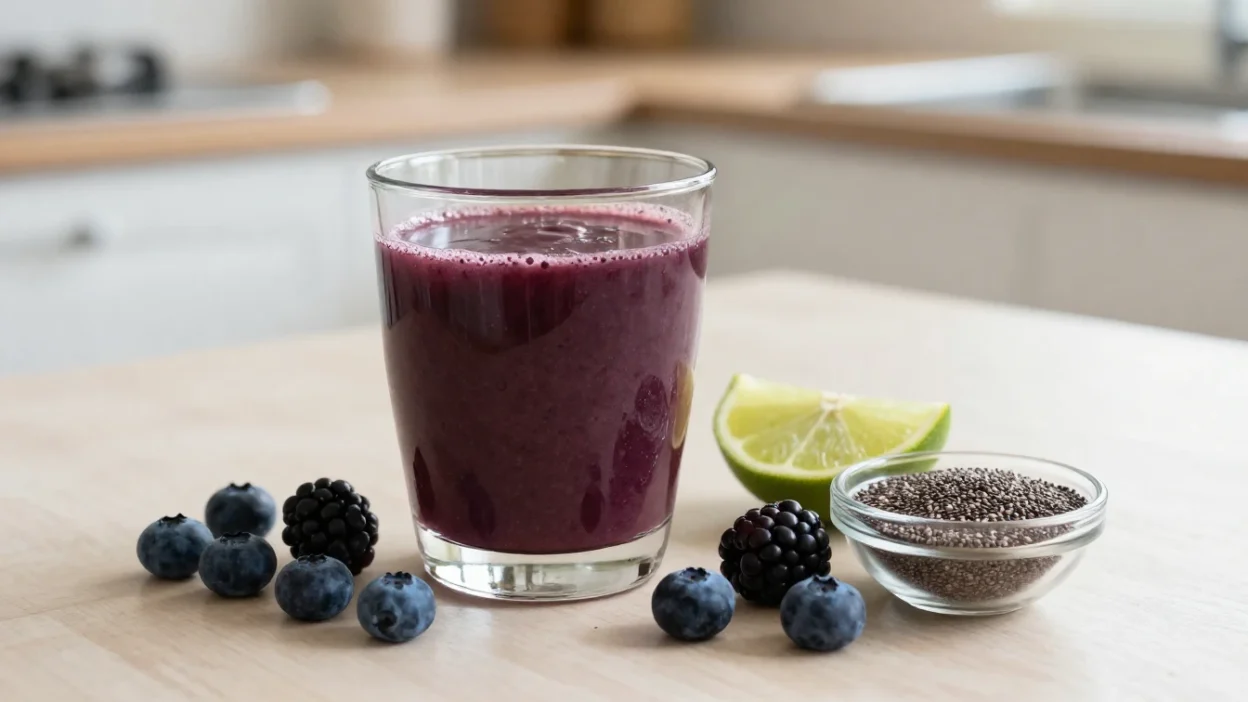
Acai juice has that deep purple color that makes it look healthier before you even taste it. I get why people are curious about it. It feels a little exotic, a little luxurious, and a little like something you would order at a smoothie bar after deciding that this week, finally, you are going to take better care of yourself.
But acai juice is still juice.
That does not make it bad. It just means the details matter. A small glass of good acai juice can be a pleasant way to add more fruit flavor and plant compounds to your day. A large bottle of sweetened acai blend, on the other hand, can end up closer to a dessert drink than a wellness habit.
The tricky part is that acai has been marketed so heavily as a “superfood” that it is easy to expect too much from it. It will not melt fat, cleanse your body, or fix an unbalanced diet. No juice can do that. What acai can do is bring a bold berry-like flavor, a rich color, and some useful nutrients to smoothies, breakfast bowls, chia pudding, or a simple sparkling drink.
So, is acai juice healthy? It can be, if you choose the right kind and drink it in a realistic way.
In this guide, we will look at what acai juice is, what it tastes like, what benefits are actually reasonable, how much sugar to watch for, and the easiest ways to use it at home without turning it into a sugar bomb.
What is acai juice?
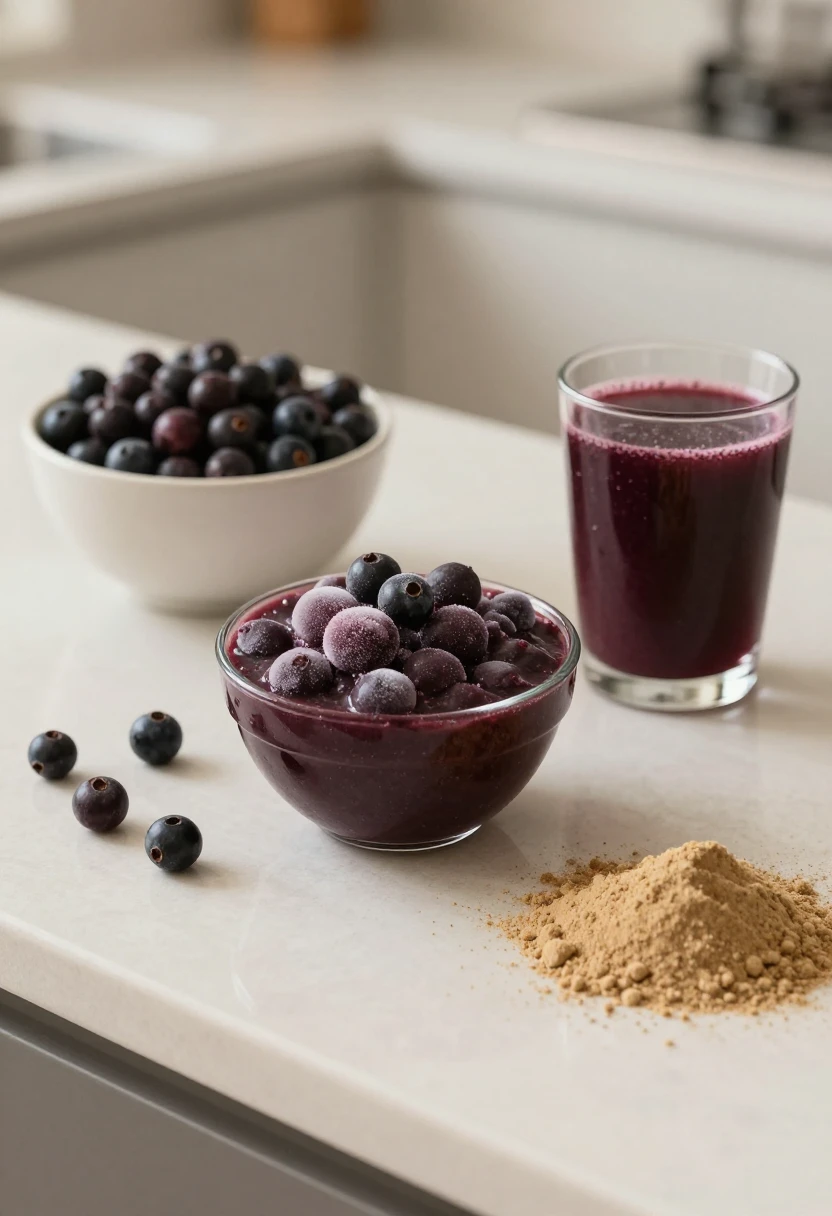
Acai juice is made from acai berries, small dark purple fruits that grow on acai palm trees. They are often linked with Brazil and the Amazon region, where acai has been eaten for a long time, not as a trendy smoothie ingredient, but as an everyday food.
Fresh acai berries are not something most of us can casually buy at the grocery store. They spoil quickly, and the edible part of the fruit is mostly pulp around a large seed. That is why acai usually reaches us as frozen pulp, puree, powder, bottled juice, or smoothie packs.
And this is where the label starts to matter.
Pure acai pulp is usually thicker and less sweet than many people expect. It has an earthy berry flavor, sometimes with a faint cocoa-like note. I would not describe it as bright and juicy like strawberries or raspberries. It is deeper, almost a little dry-tasting, which is why many acai products are blended with sweeter fruits.
Acai juice is usually thinner and easier to drink than acai pulp. Some brands make it with acai puree and water. Others mix acai with apple juice, grape juice, pear juice, or added sugar to make it taste sweeter. That does not automatically make it unhealthy, but it changes what you are drinking.
A bottle that says “acai juice” may contain a lot of acai, or it may be mostly another fruit juice with a small amount of acai added for color and marketing. I always check the ingredient list before trusting the front label.
Acai juice vs acai pulp vs acai powder
Acai comes in a few common forms, and they are not all the same.
Acai juice is the most drinkable version. It is convenient, but it may be sweetened or blended with other juices.
Acai pulp is thicker and usually closer to the original fruit. It works well in smoothies and acai bowls, especially if you want more texture.
Acai powder is made from dried acai. It is easy to store and stir into oatmeal, yogurt, smoothies, or chia pudding, but the flavor can vary a lot from brand to brand.
For everyday use, I like acai pulp or unsweetened smoothie packs best. They give you more control. You can add banana, berries, yogurt, milk, or a little honey if you want sweetness, instead of buying a drink that already made all those choices for you.
Acai juice nutrition: what is inside the glass?
The nutrition in acai juice depends on one boring but very important thing: what is actually in the bottle.
Pure acai is not naturally as sugary as many other fruits. It also has something you may not expect from a berry: a small amount of fat. That is one reason acai pulp tastes richer and heavier than a bright fruit juice like orange or pineapple.
But once acai is turned into a bottled drink, the nutrition can change quickly.
Some acai juices are made with acai puree, water, and maybe a little lemon juice. Others are blended with apple juice, grape juice, pear juice, or cane sugar. Those versions may taste smoother and sweeter, but they can also contain much more sugar than you expected from a “healthy” purple drink.
Antioxidants and plant compounds
Acai is best known for its dark purple color. That color comes from plant compounds, including anthocyanins, the same general family of pigments found in blueberries, blackberries, and purple grapes.
This is one of the reasons acai became popular in the wellness world. Dark fruits often bring useful plant compounds to the diet, and acai fits that pattern nicely.
Still, I would be careful with the word “antioxidant” on a label. It sounds impressive, but it does not mean the drink will suddenly undo a week of poor sleep, stress, and takeout. Food does not work that neatly.
Think of acai juice as one colorful piece of a bigger pattern: berries, vegetables, beans, herbs, nuts, seeds, olive oil, and other everyday foods that add up over time.
Fiber is usually lower in juice
Whole fruit and fruit pulp usually give you more fiber than juice. That matters because fiber helps slow digestion and makes food feel more filling.
Acai pulp can have a thicker texture, especially when it is blended into smoothies or bowls. Bottled acai juice is usually thinner, and depending on how it is made, it may contain much less fiber.
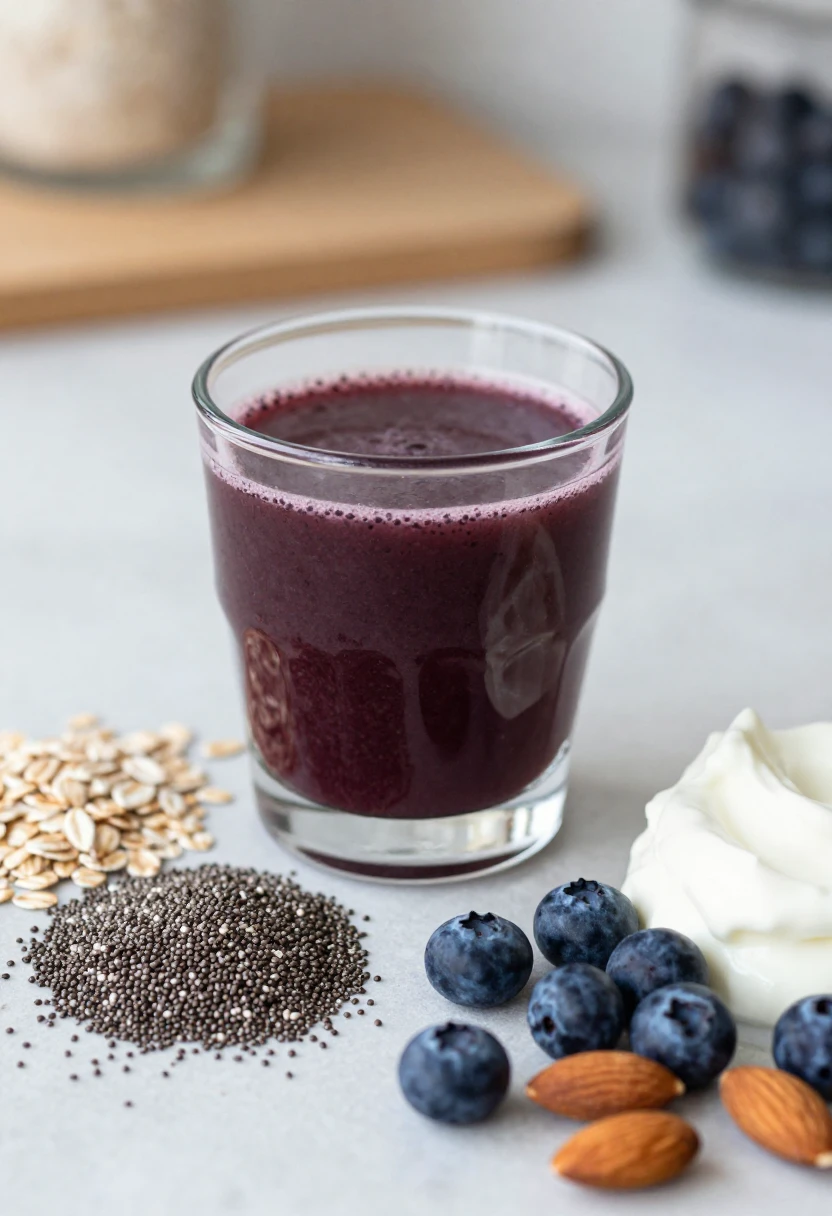
This is why I prefer using acai juice as a flavor ingredient rather than drinking a big glass on its own. A splash in a smoothie with Greek yogurt, chia seeds, oats, or berries gives you a better-balanced drink.
Acai contains some natural fats
Most people do not think of fruit as a source of fat, but acai is a little different. Pure acai pulp naturally contains some fat, which gives it a richer mouthfeel.
That does not make acai “fattening.” It just means it behaves differently from watery fruits. The flavor is deeper, the texture is heavier, and it works especially well with creamy ingredients like yogurt, milk, kefir, or banana.
In a smoothie, that can be a good thing. A little richness makes the drink feel more satisfying, especially when you are not adding a lot of sweetener.
Calories and sugar vary by brand
This is the part I would not guess. I would read the label.
One acai juice may be fairly light and not too sweet. Another may have sugar closer to a regular fruit juice blend. A third may be marketed as acai but mostly made from apple or grape juice.
Before buying, check:
- how much acai is actually listed
- whether the product is sweetened
- how many grams of sugar are in one serving
- whether the serving size is realistic
- whether the first ingredients are juice concentrates
The serving size can be sneaky. A bottle may look like one drink, but the label may count it as two servings. I have made that mistake with juices before, and it is annoying every time.
Added sugar changes the whole drink
Acai juice with a little natural fruit sweetness is one thing. Acai juice with added cane sugar, syrup, or sweet juice concentrates is another.
That does not mean you can never drink it. But it does mean it belongs more in the “sweet drink” category than the “daily wellness habit” category.
For a better everyday choice, look for unsweetened acai juice or use unsweetened acai pulp at home. Then you can control the sweetness yourself with half a banana, a few berries, or a small drizzle of honey if you actually need it.
Possible benefits of acai juice
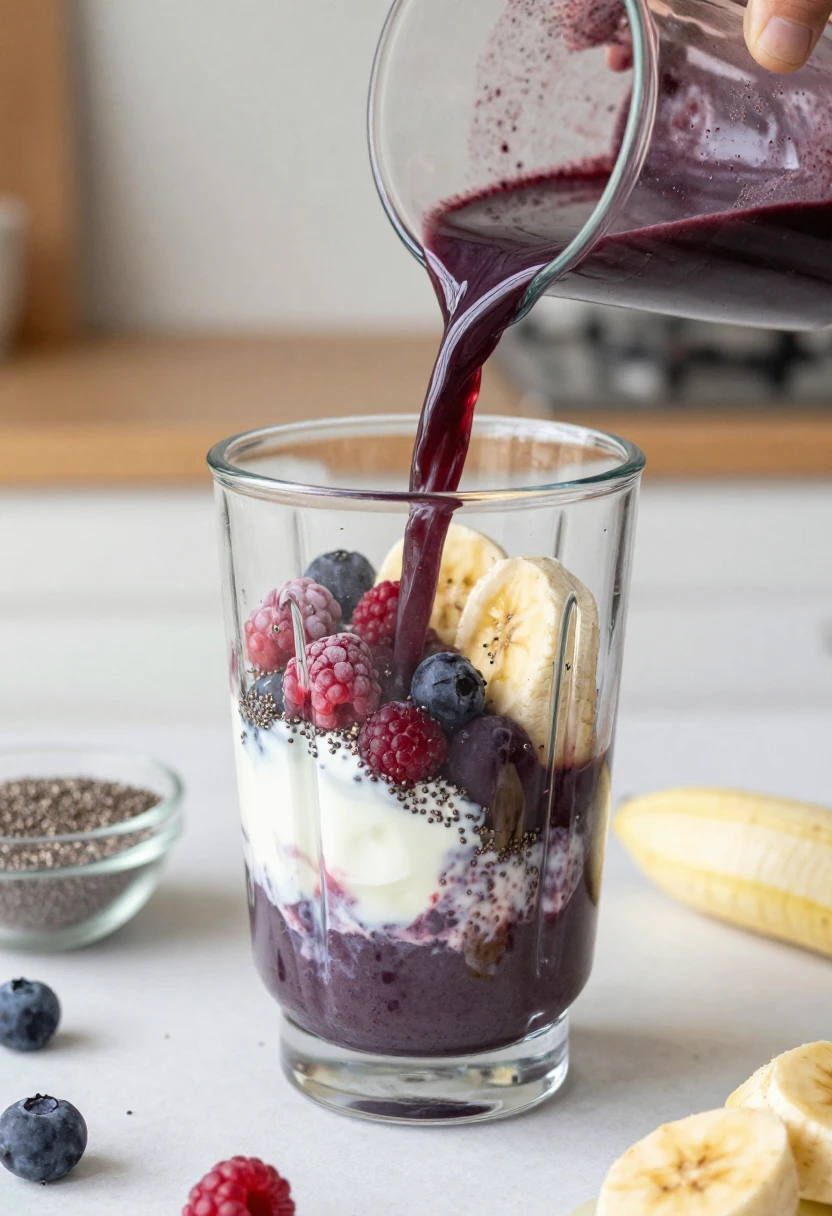
The best way to think about acai juice is simple: it can add color, flavor, and some useful plant compounds to your diet. That is already enough. It does not need to be treated like a magic potion.
A small serving of acai juice can fit nicely into a healthy routine, especially if it helps you drink fewer sweet sodas, build a better smoothie, or enjoy fruit in a way that feels satisfying. The benefits are most realistic when acai juice is part of a meal or snack that also includes protein, fiber, and real food.
It may add more antioxidants to your diet
Acai is naturally rich in dark pigments and plant compounds. That is the main reason people talk about acai and antioxidants in the same sentence.
But I like to keep this grounded. Antioxidants are not tiny housekeepers that run around cleaning your body after every bad meal. Your body already has its own systems for handling oxidative stress. Food supports those systems best when your overall diet is steady and varied.
So yes, acai juice can be one more antioxidant-rich food in your routine. But it should sit next to other colorful foods too: blueberries, blackberries, cherries, spinach, red cabbage, beans, herbs, and even a little dark chocolate.
One purple drink cannot do the work of an entire diet.
It can be a better swap for soda or very sweet drinks
If you usually reach for soda, sweet tea, or syrupy fruit drinks, a lightly sweetened or unsweetened acai juice can feel like a better step. The flavor is bold enough that you do not need a huge amount.
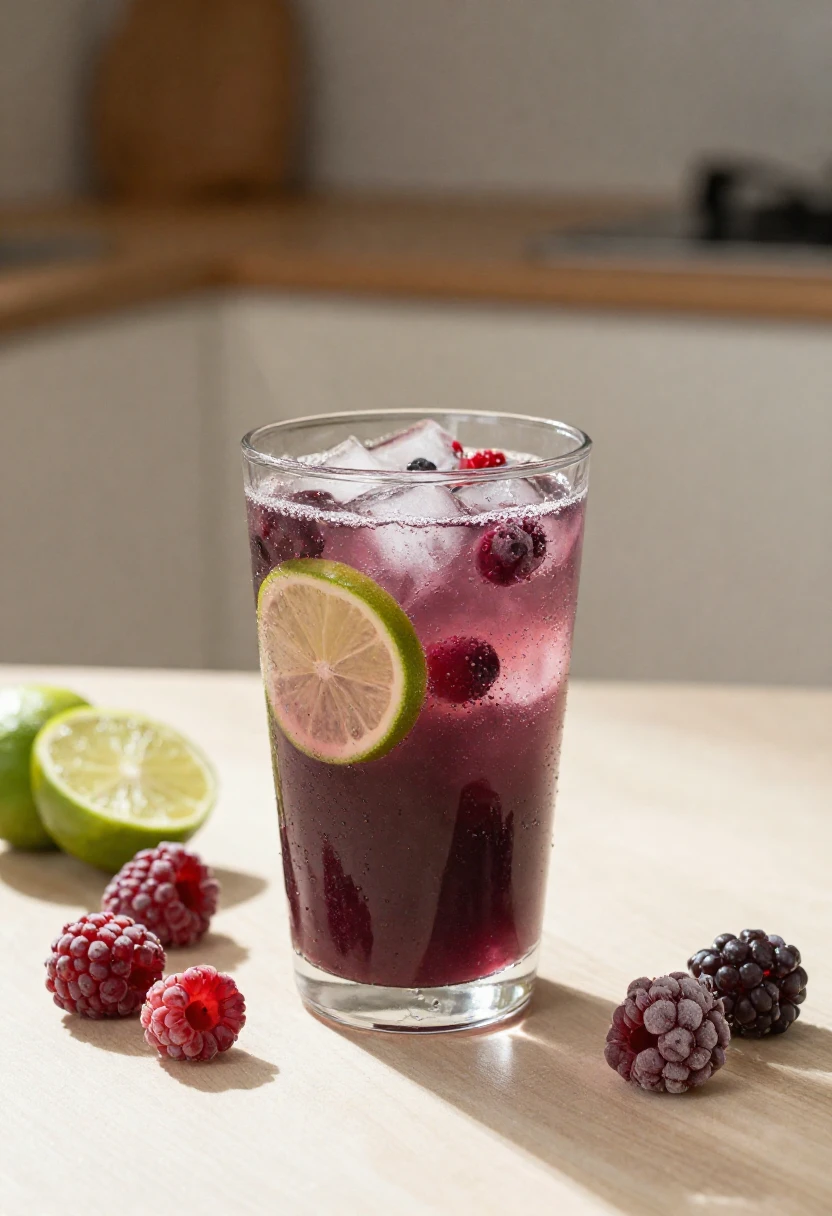
This works especially well when you dilute it a little. I like the idea of mixing a small splash of acai juice with sparkling water and lime. You still get that dark berry flavor, but the drink feels lighter and less sticky-sweet.
That is the kind of wellness habit I actually trust: small, easy, repeatable.
It may help you eat more fruit in a practical way
Some days, fresh fruit is easy. You have berries in the fridge, a ripe banana on the counter, maybe a peach that is finally soft enough to eat.
Other days, not so much.
Acai juice can help bridge that gap when you use it in smoothies, yogurt bowls, or chia pudding. It brings fruit flavor without needing much prep. A little acai juice, frozen berries, Greek yogurt, and a spoonful of oats can turn into a quick breakfast that feels more complete than grabbing a plain piece of toast and calling it a meal.
The key is not to make juice the main event. Use it as one ingredient.
It can make smoothies taste richer
Acai has a deeper flavor than many berries. It is less bright, less sharp, and more earthy. That makes it useful in smoothies that need a little body.
It pairs especially well with:
- banana
- blueberries
- strawberries
- Greek yogurt
- kefir
- almond butter
- chia seeds
- oats
- cocoa powder
A small amount of acai juice can make a smoothie taste more rounded. Add too much, and the drink may become too sweet or too thin, especially if the juice is blended with apple or grape juice.
For a thicker smoothie, I would still choose frozen acai pulp over bottled juice. But if juice is what you have, use less liquid elsewhere.
It can make healthy food feel more enjoyable
This part gets overlooked, but I think it matters.
A healthy diet is easier to keep when the food feels good to eat. Acai juice has color. It has a dramatic, almost inky purple look. It makes a smoothie bowl feel a little more special, even when the rest of the ingredients are basic.
And sometimes that is enough to make breakfast more appealing.
I would never tell someone they need acai juice to be healthy. You do not. But if it helps you build a smoothie with yogurt, berries, seeds, and oats instead of skipping breakfast or reaching for a pastry every morning, that is a useful trade.
The benefits depend on what you add to it
This is where acai juice can go either way.
Blend it with yogurt, berries, chia seeds, and a little nut butter, and it can become part of a filling snack. Mix it with sweetened juice, honey, granola, and a pile of sugary toppings, and suddenly it is less “healthy breakfast” and more “purple dessert.”
Neither one makes you a bad person. Food is not a moral test. But the difference matters if you are drinking acai juice for health.
A good rule: if the acai drink already tastes like candy, treat it like a sweet drink. Enjoy it, but do not build a wellness halo around it.
What acai juice cannot do
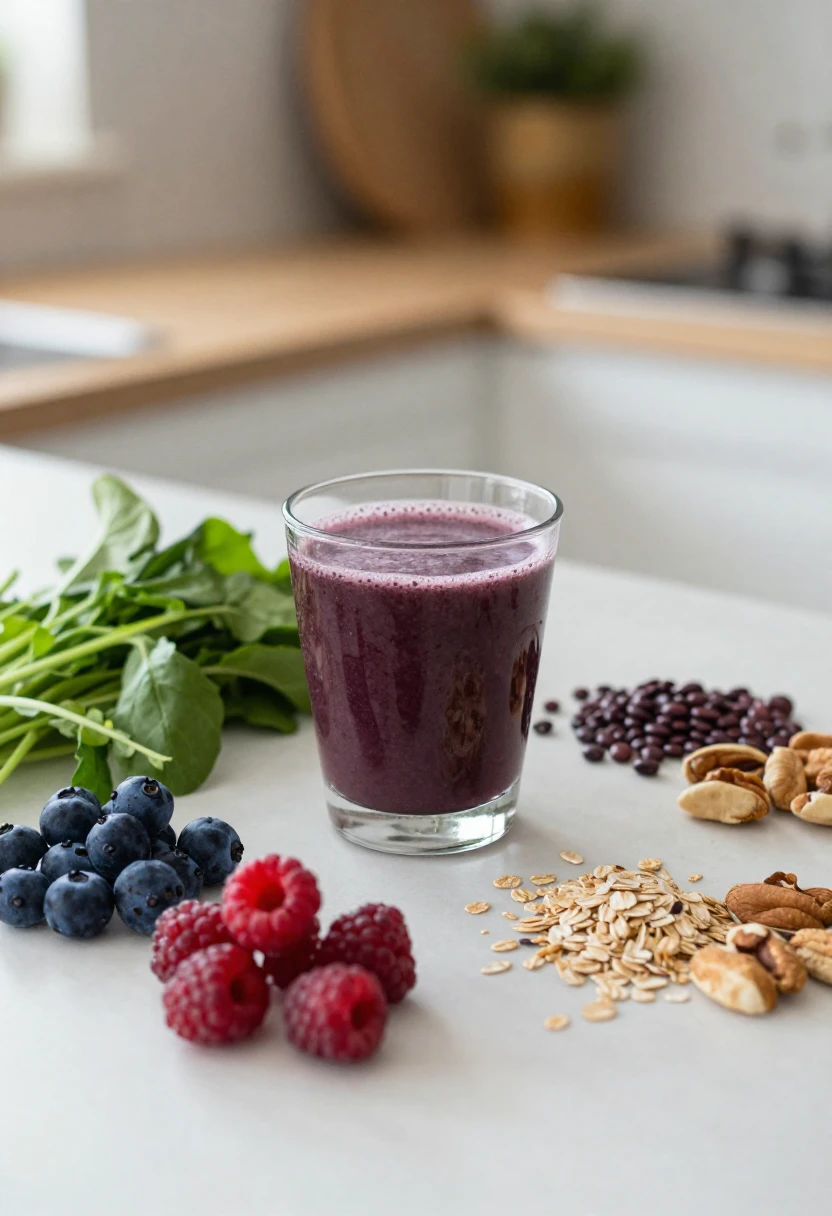
Acai juice can be a nice drink. It can add color to your breakfast, make a smoothie taste richer, and help you use fruit in a way that feels a little more interesting.
But it cannot do the dramatic things that some labels and wellness posts hint at.
This is where I think we need to be honest. A food can be healthy without being magical. Actually, most good foods are like that. Oats are not magical. Lentils are not magical. Blueberries are not magical. They are just useful when you eat them often enough and pair them with the rest of a decent diet.
Acai juice belongs in that same category.
It will not magically burn fat
Acai has been linked to weight loss marketing for years, but drinking acai juice will not make your body burn fat on its own.
Weight loss, when it happens in a healthy way, usually comes from boring but important things: eating enough protein, getting enough fiber, managing portions, sleeping better, moving your body, and not drinking too many calories without noticing.
Juice can be especially tricky here because it goes down fast. You can drink a few hundred calories much quicker than you could eat the same calories from a bowl with yogurt, berries, oats, and seeds.
So if you are using acai juice while trying to lose weight, keep the serving small. Better yet, use it inside a smoothie with something filling instead of drinking it alone.
It is not a detox shortcut
Your body already has organs that handle detox work. Your liver, kidneys, lungs, skin, and digestive system are doing that job every day, whether or not you drink purple juice in the morning.
That does not mean food is irrelevant. A good diet supports your body. Water, fiber-rich foods, enough protein, vegetables, fruit, and regular meals all help you feel better.
But acai juice does not “flush toxins” in some special way.
If a product promises detox results, I would be skeptical. Most of the time, that word is doing more marketing work than nutrition work.
It should not be treated as a disease cure
This is the line I would not cross with acai juice.
Enjoy it as food. Use it in smoothies. Add it to breakfast bowls. Mix it with sparkling water. But do not use it as a treatment for a medical condition, and do not replace medication, medical care, or professional advice with any juice or supplement.
The same goes for acai capsules, powders, and concentrated extracts. They may look natural, but “natural” does not automatically mean safe, effective, or right for your body.
If you have a health condition, take medication, are pregnant, or are planning to use concentrated acai supplements, it is better to ask a healthcare professional first.
“Superfood” does not mean perfect food
I have mixed feelings about the word “superfood.” It can help people get excited about colorful, nutrient-rich ingredients. That part is nice.
But it can also make one ingredient sound more powerful than it is.
Acai is often grouped with blueberries, goji berries, matcha, chia seeds, turmeric, and other foods that got pulled into wellness marketing. Some of them are genuinely nutritious. The problem starts when the marketing becomes louder than the food.
A better question is not “Is acai a superfood?”
A better question is: “Does this acai product fit into the way I actually eat?”
If the answer is yes, great. If the answer is no, you are not missing some secret health trick. You can get plenty of antioxidants and nutrients from ordinary foods too: berries, apples, beans, greens, cabbage, herbs, nuts, and seeds.
Raw acai juice is not worth the risk
This is one place where I would be extra careful.
Fresh, raw, unprocessed juices can sound healthier because they feel closer to nature. But with acai, raw juice has been linked to contamination concerns, so I would choose pasteurized or properly processed products.
That may sound less romantic than “fresh Amazonian juice,” but safe food matters more than a pretty story on a bottle.
For most people, frozen acai pulp, pasteurized acai juice, or a reputable acai powder is the more practical choice.
Acai juice and weight loss: what to know
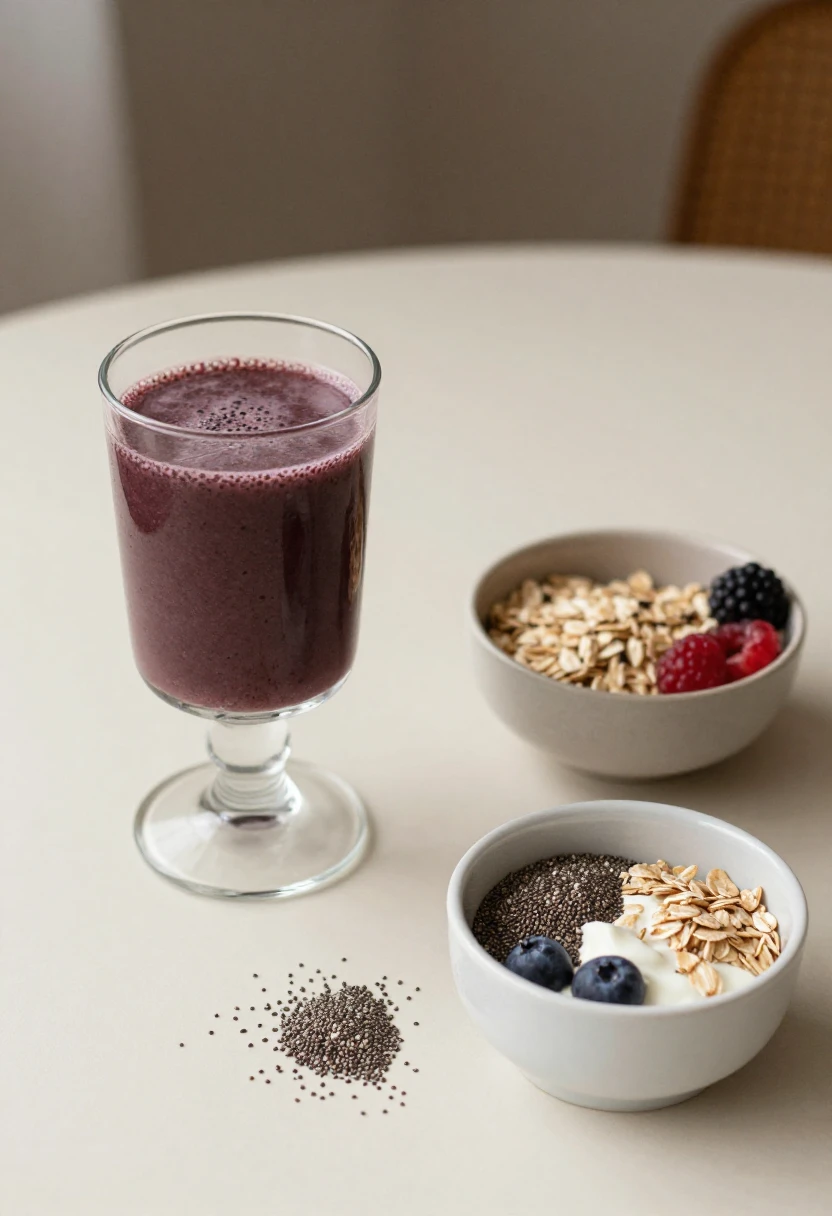
Acai juice often gets pulled into weight loss conversations, mostly because it looks healthy and has been sold that way for years. The color helps. The word “berry” helps. The whole Amazonian superfruit story helps too.
But weight loss does not happen because of one juice.
If acai juice helps you replace soda, reduce dessert-style drinks, or build a more filling breakfast, it may support your routine indirectly. That is different from saying acai juice causes weight loss. It does not work like that.
The real issue is liquid calories
Drinks can be sneaky because they are easy to finish quickly. A sweet acai drink may not feel like a big deal, especially if it comes in a slim bottle with leaves and berries on the label.
But your body may not register liquid calories the same way it registers a full meal. A smoothie bowl with yogurt, berries, seeds, and oats takes time to eat. A bottle of juice can be gone in two minutes, and you may still want breakfast afterward.
That is not a character flaw. It is just how drinks behave.
If you are watching your weight, acai juice works better as a small ingredient than as a large drink.
Check the sugar before you trust the front label
This is where I get a little suspicious of “healthy” juices.
The front of the bottle may say acai, antioxidants, organic, natural, or no artificial flavors. Fine. But the nutrition label tells the more useful story.
Look at:
- serving size
- total sugar
- added sugar
- calories per serving
- whether the bottle contains one serving or more
- whether the first ingredients are apple juice, grape juice, or juice concentrate
A juice blend can look like an acai product but taste sweet because most of the drink comes from cheaper, sweeter juices. That does not make it forbidden. It just means you should count it as a sweet drink, not a weight loss shortcut.
Pair acai with protein and fiber
If you want acai to feel more satisfying, do not drink it alone.
Use a small amount in something that has more structure:
- Greek yogurt
- kefir
- chia seeds
- ground flaxseed
- oats
- cottage cheese
- berries
- nut butter
- protein powder, if you already use it
A smoothie with acai juice, Greek yogurt, frozen berries, and chia seeds will keep you fuller than acai juice on its own. The protein and fiber slow the whole thing down. It feels more like food.
And honestly, that is usually what breakfast needs to be.
Keep the portion boringly small
This is not glamorous advice, but it works: use less.
You do not need a huge glass of acai juice to get the flavor. Start with 1/4 cup to 1/2 cup in a smoothie, then add unsweetened liquid like water, milk, almond milk, or kefir if you need more volume.
For a lighter drink, mix a small splash of acai juice with sparkling water and lime. It gives you the color and berry flavor without turning into a full glass of sweet juice.
If your acai juice is already sweet, treat it more like a flavored ingredient. A little goes a long way.
Be careful with acai bowls too
Acai bowls can be wonderful, but they can also quietly turn into dessert.
The base may start with acai, but then come the sweetened granola, honey, banana, chocolate chips, coconut flakes, nut butter, and maybe another drizzle of syrup because it looks pretty.
I love a good bowl. I really do. But if the goal is weight loss or blood sugar control, the toppings need some restraint.
A more balanced acai bowl might look like this:
- unsweetened acai pulp or a small amount of acai juice
- plain Greek yogurt or kefir
- frozen berries
- chia seeds or ground flaxseed
- a small handful of granola
- a few slices of banana, not the whole banana plus honey
That bowl still feels good. It still looks beautiful. It just does not pretend that six sweet toppings are somehow lighter because they are sitting on purple fruit.
The bottom line on acai juice and weight loss
Acai juice can fit into a weight-conscious diet, but it should not be the center of the plan.
Use it for flavor. Keep the serving modest. Choose unsweetened or low-added-sugar options when you can. Pair it with protein and fiber. And if the drink tastes like candy, enjoy it like candy, not like a health hack.
That one mindset shift makes the whole thing easier.
How to choose a good acai juice
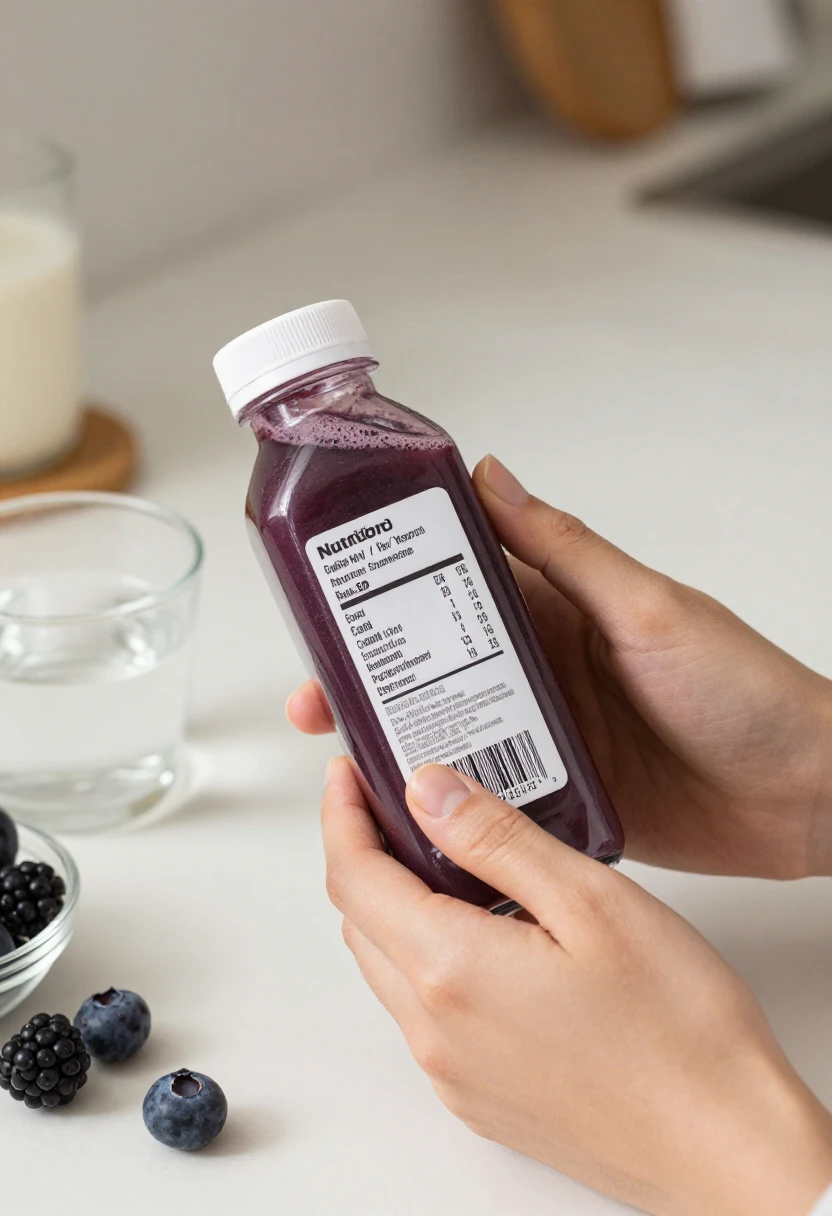
Choosing acai juice is mostly label-reading. Not glamorous, I know. But it is the difference between buying a simple fruit drink and buying a bottle that is mostly sugar with a little purple branding.
The front label will usually be the most dramatic part. It may say acai, antioxidant, organic, superfruit, Amazonian, natural, or cold-pressed. Some of those words can be useful. Some are just decoration.
The back label is where the real story is.
Start with the ingredient list
Turn the bottle around and read the first three ingredients. Ingredients are usually listed by weight, so the first ones matter most.
A better acai juice might list acai puree, acai pulp, water, lemon juice, or another simple ingredient near the top. A less impressive one may start with apple juice, grape juice, pear juice, juice concentrate, or cane sugar.
That does not always mean the product is terrible. Apple and grape juice are common in blends because pure acai can taste earthy and not very sweet. But if you are buying it for acai, you want acai to be more than a tiny splash for color.
I would be especially careful with drinks labeled “acai blend.” That word “blend” can hide a lot. Sometimes it means a thoughtful mix of fruits. Sometimes it means the acai is barely there.
Check added sugar, not only total sugar
Total sugar tells you how much sugar is in the drink overall. Added sugar tells you how much was added during processing.
Both are useful, but added sugar is the one I check first.
If a juice has a lot of added sugar, I would treat it more like a sweet drink than a daily health drink. That does not mean you can never have it. It just means it should not sit in your mind next to water, tea, or a balanced smoothie.
Also check the serving size. Some bottles look like one serving but are labeled as two. That can make the sugar number look smaller at first glance.
A label can be honest and still slightly annoying.
Watch for juice concentrates
Juice concentrates can make a drink sweeter without the label looking like it is packed with table sugar. You might see apple juice concentrate, grape juice concentrate, pear juice concentrate, or “fruit juice concentrate” on the ingredient list.
Again, not forbidden. But it changes the drink.
If your acai juice gets most of its sweetness from concentrates, it may taste smooth and easy to drink, but it is probably closer to a regular fruit juice blend than a low-sugar wellness drink.
For everyday use, I would rather buy unsweetened acai pulp and sweeten it myself with fruit. Half a banana usually does enough.
Choose pasteurized or properly processed acai juice
This is not the place to chase the rawest, most “natural” option.
With acai, raw or unprocessed juice is not worth the food safety risk. Choose pasteurized juice, frozen pulp from a reputable brand, or acai powder from a company that clearly explains how the product is processed.
I know pasteurized does not sound as romantic as fresh juice poured straight from a market stall. But safe food matters more than the image.
Especially with imported products, proper processing and storage are part of quality.
Avoid products with vague miracle claims
Be cautious with acai products that promise fast weight loss, detox results, body cleansing, or dramatic energy changes.
Good food does not need to shout that loudly.
A trustworthy acai juice label should tell you what is in the bottle, how much sugar it contains, how to store it, and whether it has been properly processed. It should not need to sell you a fantasy.
If the marketing sounds like it is trying to solve your entire life with one drink, I would put the bottle back.
Pick the format that matches how you eat
The best acai product is the one you will actually use well.
If you like smoothies, frozen unsweetened acai packs are usually the easiest choice. They give you color, flavor, and thickness without forcing extra sugar into the recipe.
If you want something quick to pour, choose a lower-sugar acai juice and use small servings. I would not build the whole habit around drinking large glasses.
If you like oatmeal, yogurt bowls, or chia pudding, acai powder can be convenient. It stores well and does not take freezer space.
There is no perfect format. There is just the one that fits your kitchen without making healthy eating feel like a project.
My simple acai juice checklist
Before buying acai juice, I would ask:
- Is acai listed near the top of the ingredients?
- Is there added sugar?
- Are juice concentrates doing most of the sweetening?
- Is the serving size realistic?
- Is the product pasteurized or properly processed?
- Does the label make normal food claims, or does it sound too good to be true?
If the answers look reasonable, it can be a good pick. If not, skip it and try frozen acai pulp instead.
How to drink acai juice in a healthy way
The easiest way to drink acai juice in a healthier way is to stop treating it like water.
That sounds obvious, but juice has a way of sneaking into the “healthy drink” category in our minds. You pour a glass, it looks beautiful, it tastes fruity, and it feels lighter than a milkshake or soda. But depending on the brand, acai juice can still bring a lot of sugar in a small amount.
So I like to use it the way I use strong flavor ingredients: a little, with purpose.
Keep the serving small
You do not need a tall glass of acai juice to enjoy it.
Start with a small serving, especially if the juice is sweetened or blended with other fruit juices. Even 1/4 cup to 1/2 cup can add enough color and flavor to a smoothie, sparkling drink, or breakfast bowl.
If you pour a full glass, check the label first. Some bottled juices contain more than one serving, which means the sugar and calories can double before you notice.
A smaller serving also helps the flavor stay special. Acai has that deep, almost wine-dark berry color, and a little goes a long way.
Dilute it for a lighter drink
One of my favorite ways to use acai juice is to dilute it.
Try this:
- a splash of acai juice
- cold sparkling water
- fresh lime juice
- a few frozen berries
- ice
It feels refreshing without being too sweet. The lime sharpens the flavor, the bubbles make it feel like a treat, and you are not drinking a whole glass of juice at once.
This is especially helpful if you are trying to move away from soda or sweet bottled drinks. You still get something colorful and fun, just with less sugar.
Use it in smoothies, not as the whole smoothie
Acai juice works well in smoothies, but I would not let it be the only liquid unless the juice is unsweetened.
Use a small amount for flavor, then add a more balanced base:
- plain Greek yogurt
- kefir
- milk
- unsweetened almond milk
- water
- coconut water, if you like a lighter taste
Then add ingredients that make the smoothie more filling. Frozen berries, chia seeds, oats, nut butter, or protein-rich yogurt can turn the drink into something closer to a real snack.
A smoothie made only from fruit juice and fruit can taste great, but it may not keep you full for long. I have made those. They are delicious for about twenty minutes, then suddenly I am looking for toast.
Pair acai juice with fiber
Fiber is what juice often loses compared with whole fruit or pulp. You can add some of that balance back by pairing acai juice with fiber-rich ingredients.
Good options include:
- chia seeds
- ground flaxseed
- oats
- berries
- avocado
- spinach
- cooked and cooled quinoa, if you like thicker smoothies
Chia seeds are especially easy. Stir acai juice into chia pudding with milk or yogurt, then let it sit until thick. The result feels much more satisfying than drinking juice alone.
It also looks gorgeous, which does not hurt.
Avoid stacking sweet ingredients
This is where acai recipes can accidentally get out of hand.
Acai juice may already be sweet. Then a recipe adds banana, honey, sweetened yogurt, granola, dates, and maybe a drizzle of nut butter. Suddenly the “healthy” breakfast is very sweet, even if every ingredient looks natural.
Natural sweetness is still sweetness.
You do not need to remove all of it. Just avoid stacking too many sweet ingredients in one glass or bowl. If you use sweetened acai juice, skip the honey. If you add banana, use plain yogurt. If your granola is sweet, keep the portion small.
The goal is balance, not punishment.
Drink it with food if it leaves you hungry
Some people feel fine after juice. Others drink it and feel hungry almost immediately.
If that is you, do not force acai juice to be a standalone breakfast. Have it with food, or turn it into something thicker.
A small acai drink with eggs and toast may work better than a large juice by itself. An acai yogurt bowl may work better than a thin smoothie. Acai chia pudding may work better than a bottled juice from the fridge.
Pay attention to how you feel afterward. That tells you more than the front label does.
Use acai juice for flavor, not nutrition insurance
This is probably the most useful mindset.
Acai juice can make healthy food more enjoyable, but it should not be your nutrition backup plan. If the rest of the day is low in protein, low in vegetables, low in fiber, and high in snacks, acai juice will not magically balance that out.
Use it because you like the taste. Use it because it makes a smoothie prettier. Use it because it helps you choose a better drink than soda.
That is enough.
Food does not have to perform miracles to be worth keeping in your kitchen.
Easy acai juice ideas for home
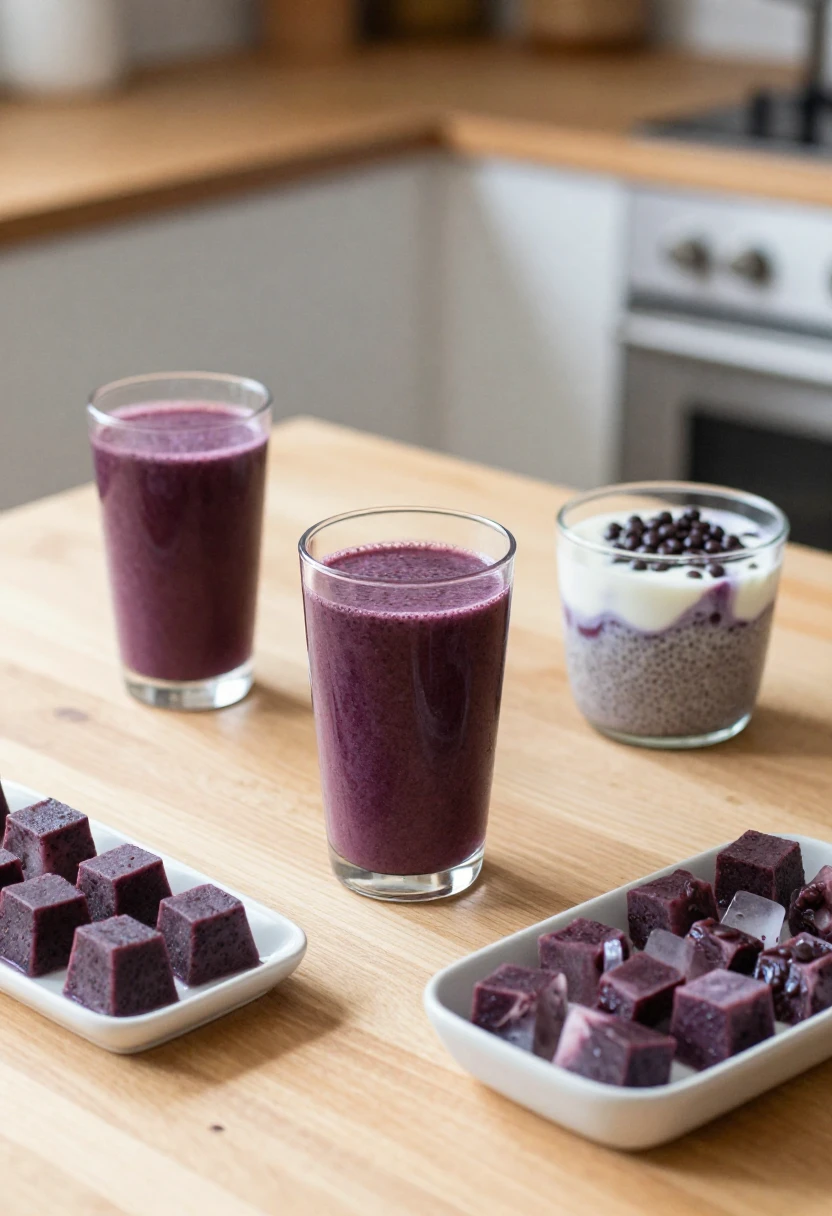
Acai juice is easiest to use when you stop thinking of it as something you need to drink straight from a glass. It works better as a flavor booster.
A splash can make a smoothie darker, a chia pudding fruitier, or a sparkling drink feel like something you would order at a little café with too many plants in the window. And you do not need much.
Here are a few simple ways to use acai juice at home.
Acai berry smoothie with Greek yogurt
This is the easiest place to start.
Blend:
- 1/4 to 1/2 cup acai juice
- 1/2 cup plain Greek yogurt
- 1/2 frozen banana
- 1/2 cup frozen blueberries or strawberries
- 1 tablespoon chia seeds
- a splash of milk or water, if needed
The yogurt makes it creamy, the berries keep the flavor bright, and the chia seeds help it feel more filling. If your acai juice is already sweet, skip honey or maple syrup. You probably will not need it.
This smoothie is good for a quick breakfast, but I like it better as an afternoon snack when I want something cold and fruity without making a full meal.
Acai chia pudding
Chia pudding is one of those foods that sounds fancier than it is. You stir, wait, and let the fridge do most of the work.
Mix:
- 2 tablespoons chia seeds
- 1/4 cup acai juice
- 1/2 cup milk, almond milk, or kefir
- 1/4 cup plain yogurt
- a few crushed berries
- a tiny drizzle of honey, only if needed
Stir everything well, wait 10 minutes, stir again, then refrigerate for at least 2 hours or overnight.
The second stir matters. If you skip it, the chia seeds can clump together at the bottom, and nobody wants to eat a cold spoonful of chia concrete.
Top it with berries, a spoonful of yogurt, or a small handful of granola before serving.
Purple breakfast bowl with oats
This is a nice option when you want something colder than oatmeal but more filling than a smoothie.
In a bowl, stir together:
- 1/2 cup cooked oats or overnight oats
- 2 tablespoons acai juice
- 1/3 cup Greek yogurt
- a handful of berries
- 1 tablespoon ground flaxseed
- 1 teaspoon almond butter or peanut butter
The acai juice turns the oats purple and gives them a berry-like flavor without needing a lot of sweetener. The yogurt adds protein, and the nut butter gives it a little richness.
It is not a dramatic recipe. But it works, especially on mornings when you want breakfast to feel pretty without spending twenty minutes arranging fruit slices.
Acai sparkling mocktail
This is my favorite way to use sweetened acai juice because dilution keeps it from feeling heavy.
Fill a glass with ice, then add:
- 2 to 3 tablespoons acai juice
- sparkling water
- fresh lime juice
- a few frozen berries
- fresh mint, if you have it
Stir gently and taste. Add more lime if it feels too sweet.
This is a good drink for hot afternoons, weekend brunch, or those evenings when you want something more interesting than water but do not want a sugary soda.
If the acai juice is very tart, a tiny splash of orange juice can soften it. If it is already sweet, leave it alone.
Quick frozen acai cubes
This is a small trick, but it makes smoothies easier.
Pour acai juice into an ice cube tray and freeze it. Once frozen, move the cubes into a freezer bag or container.
Add a few cubes to:
- smoothies
- sparkling water
- iced herbal tea
- yogurt bowls
- homemade popsicles
Frozen acai cubes are useful because they add flavor without watering everything down. They also help you control portions. Instead of pouring half the bottle into a smoothie because you were not paying attention, you can add two or three cubes and stop there.
I love little kitchen systems like this. Nothing complicated, just one small thing that saves you from thinking later.
Acai yogurt swirl
This one barely counts as a recipe, but it is good.
Spoon plain Greek yogurt into a bowl, then swirl in 1 or 2 tablespoons of acai juice. Add berries, crushed nuts, or a little granola on top.
That is it.
The trick is to use thick yogurt and not overmix it. The acai makes purple ribbons through the yogurt, which looks beautiful and tastes fruitier than plain yogurt without needing a sweet flavored cup from the store.
If you want it more filling, add chia seeds or oats.
Acai smoothie pops
For a simple frozen snack, blend:
- 1/2 cup acai juice
- 1 cup Greek yogurt
- 1 banana
- 1/2 cup berries
- 1 tablespoon chia seeds
Pour into popsicle molds and freeze.
These taste like a creamy fruit pop, especially if the banana is ripe. They are nice for warm days, and they are also useful if you have kids around who want something sweet from the freezer.
I would still call them a treat, not a health cure. But they are a pretty good treat.
Who should be careful with acai juice?
Most people can enjoy acai juice as a normal food, especially when it is pasteurized, properly processed, and used in modest amounts.
The problem is not usually acai itself. The problem is the form it comes in: sweetened juice blends, large servings, raw products, or concentrated supplements that people treat like medicine.
So no, you do not need to be scared of acai juice. But a few groups should pay closer attention.
People watching blood sugar
If you are managing blood sugar, acai juice deserves the same label check as any other juice.
Even if the front of the bottle looks healthy, the drink may still contain added sugar or sweet fruit juice concentrates. That can matter if you are trying to keep blood sugar steadier throughout the day.
In this case, unsweetened acai pulp may be a better option than bottled juice. You can blend it with Greek yogurt, chia seeds, berries, or nut butter, which makes the final drink or bowl more filling.
A thin glass of sweet juice hits differently than a thick smoothie with protein and fiber. Your body usually notices the difference.
Anyone trying to reduce added sugar
If you are cutting back on added sugar, do not assume acai juice gets a free pass because it is purple and comes from a berry.
Check the “added sugars” line on the Nutrition Facts label. Then check the serving size. I know this sounds repetitive, but with juice, the serving size is where a lot of people get tricked.
A bottle may look like one drink. The label may call it two servings. Suddenly the sugar you thought you were drinking is doubled.
For a lower-sugar habit, use acai juice in small amounts. Add a splash to sparkling water, chia pudding, plain yogurt, or a smoothie instead of pouring a full glass.
People with sensitive stomachs
Acai juice is not usually harsh, but some people notice digestive discomfort with fruit juices, especially if the drink is acidic, sweetened, or mixed with several other juices.
If you have a sensitive stomach, start small. Try a few tablespoons in a smoothie or yogurt bowl before drinking a larger amount.
Also watch what it is blended with. Sometimes it is not the acai causing the issue. It may be apple juice concentrate, grape juice, sugar alcohols, added fiber, or other ingredients in the bottle.
The ingredient list can save you a lot of guessing.
People with allergies or unusual reactions
Allergic reactions to acai are not something most people think about, but any food can cause a reaction in the wrong person.
Be more careful if you already react to certain berries, palm fruits, or products with many blended ingredients. Juice blends can also contain other fruits, preservatives, or added flavors that are easy to miss if you only read the front label.
If something makes your mouth itch, your throat feel tight, your skin react, or your stomach feel very wrong, stop using it and treat that seriously.
Pregnant or breastfeeding people
Food amounts of acai in pasteurized products are different from concentrated supplements.
A small amount of properly processed acai juice or acai pulp in a smoothie is one thing. Acai capsules, extracts, cleanses, and concentrated powders are another.
During pregnancy or breastfeeding, I would keep it simple: choose pasteurized food products, avoid raw juice, skip detox-style products, and ask a healthcare professional before using concentrated supplements.
This is not because acai is automatically dangerous. It is because pregnancy is not the time to experiment with strong supplement routines.
People taking medication
If you are drinking normal amounts of acai juice as food, this is usually not a dramatic issue. But concentrated acai supplements are a different story, especially if you take medication or have a medical condition.
Supplements can be more concentrated than food, and they may include other ingredients besides acai. That makes them harder to judge from the front label alone.
If you take medication regularly, ask your doctor or pharmacist before adding acai capsules, extracts, or “detox” products.
Anyone considering raw or unprocessed acai juice
This is the one I would be firm about.
Do not romanticize raw acai juice.
Fresh and raw can sound healthier, especially in wellness marketing, but acai has a specific food safety concern. Raw acai juice has been linked in rare cases to Chagas disease, a parasitic illness. That is enough reason to choose pasteurized or properly processed products instead.
For home use, I would stick with reputable frozen acai pulp, pasteurized juice, or acai powder from a brand that clearly explains processing and storage.
Safe beats “raw” here. Every time.
Acai juice vs acai bowls
Acai juice and acai bowls start with the same idea, but they behave very differently once you eat or drink them.
Acai juice is quick. You pour it, blend it, dilute it, or add a splash to something else. It is convenient, especially when you want flavor without making a full breakfast.
An acai bowl takes more effort, but it can be much more filling. You eat it with a spoon, add toppings, and usually get more texture. That texture matters. Food that takes longer to eat often feels more satisfying than a drink you finish while standing in the kitchen.
I like both, but I use them for different moments.
Acai juice is better for convenience
Acai juice works well when you want something fast.
You can add it to:
- smoothies
- sparkling water
- chia pudding
- yogurt
- overnight oats
- homemade popsicles
It is also easier to keep in the fridge and pour as needed. If your mornings are rushed, juice feels simpler than breaking apart frozen acai packs or cleaning a blender.
The downside is that juice is easy to overdrink. A small glass can turn into a large glass without much thought, especially if the juice is sweet. That is why I prefer using it as an ingredient instead of the whole drink.
Acai bowls are usually more filling
Acai bowls can be a better choice when you want breakfast or a snack that actually holds you for a while.
The base is usually thicker, especially if you use frozen acai pulp, banana, berries, and yogurt. Then you can add toppings with more texture: granola, nuts, seeds, sliced fruit, coconut, or nut butter.
That kind of bowl gives your mouth more to do. It feels like food.
A good acai bowl can include:
- unsweetened acai pulp
- Greek yogurt or kefir
- frozen berries
- chia seeds or ground flaxseed
- a small amount of granola
- a spoonful of nut butter
That is a very different meal from a thin glass of juice.
Where acai bowls can go wrong
The problem with acai bowls is not the acai. It is usually the toppings.
A bowl can start out balanced, then slowly become a dessert with a health-food costume. Sweetened granola, honey, banana, chocolate chips, coconut flakes, sweetened yogurt, and extra nut butter can add up quickly.
I am not against any of those ingredients. I like most of them. The issue is stacking all of them at once and still thinking of the bowl as light.
If you are building an acai bowl for everyday breakfast, keep it simple. Choose one sweet topping, one crunchy topping, and one ingredient that adds protein or fat.
For example:
- berries for sweetness
- a small handful of granola for crunch
- Greek yogurt or nut butter for staying power
That is enough. The bowl will still taste good.
How to build a better acai bowl at home
A better acai bowl starts with the base.
Use unsweetened acai pulp if you can. Blend it with frozen berries, Greek yogurt, kefir, or a splash of milk. Add banana only if you want sweetness and creaminess. You do not always need a whole banana, either. Half is often enough.
Then keep the toppings controlled.
A balanced bowl might look like this:
- acai and berry base
- plain Greek yogurt
- sliced strawberries
- chia seeds
- a small spoonful of granola
- a few crushed almonds
It still feels colorful and fun, but it is not overloaded.
The goal is not to make the most Instagram-looking bowl possible. The goal is to make one you can eat and still feel good an hour later.
When juice is the better choice
Acai juice makes more sense when you want flavor, color, or a light drink.
Use juice when:
- you do not want a full meal
- you are making a quick mocktail
- you want to brighten plain yogurt
- you need a little liquid for a smoothie
- you want to freeze small cubes for later
A small amount of acai juice can be useful in the kitchen. It just works best when you treat it like a strong fruit ingredient, not a free-flowing health drink.
When a bowl is the better choice
Choose an acai bowl when you are hungry.
That is the simplest rule.
If you need breakfast, post-workout food, or a more filling snack, a bowl gives you more room to add protein, fiber, and healthy fats. You can make it creamy, crunchy, cold, and satisfying in a way juice usually cannot match.
I would choose a bowl over juice on days when I know lunch will be late. A drink will not carry me very far. A bowl with yogurt, berries, chia seeds, and a little granola has a much better chance.
Conclusion
Acai juice can be healthy, but it depends on the bottle, the serving size, and how you use it.
I like acai best when it is treated as a flavorful ingredient instead of a miracle drink. Add a splash to a smoothie. Stir it into chia pudding. Mix it with sparkling water and lime. Use it to make plain yogurt or oats feel a little more special.
The main thing is to read the label. Look for acai near the top of the ingredient list, watch the added sugar, and choose pasteurized or properly processed products. If the juice is very sweet, enjoy it as a sweet drink. No guilt, no drama, just honesty.
Acai does not need to be magical to be worth using. It can simply be a deep purple, berry-rich ingredient that makes healthy food more enjoyable. Sometimes that is exactly what helps a good habit stick.
FAQ
Is acai juice good for you?
Acai juice can be good for you if it is not overloaded with added sugar and you drink it in modest amounts. It contains plant compounds from acai berries and can be a nice addition to smoothies, yogurt bowls, chia pudding, or sparkling drinks.
The healthiest choice is usually unsweetened acai pulp or a lower-sugar acai juice from a reputable brand.
Can acai juice help with weight loss?
Acai juice does not cause weight loss on its own. It may help indirectly if you use it to replace soda, sweet bottled drinks, or dessert-style smoothies.
For better balance, use a small amount of acai juice with protein and fiber. Greek yogurt, chia seeds, oats, berries, and nut butter can make an acai smoothie or bowl more filling.
Is acai juice high in sugar?
Some acai juices are high in sugar, especially juice blends made with apple juice, grape juice, pear juice, juice concentrates, or added cane sugar.
Always check the Nutrition Facts label. Look at total sugar, added sugar, and serving size. A bottle that looks like one serving may actually contain two.
Can you drink acai juice every day?
You can drink acai juice every day if the serving is small, the product is properly processed, and the sugar content fits your overall diet.
Still, I would not rely on it as your main fruit source. Whole fruit, berries, vegetables, beans, nuts, seeds, and other everyday foods matter more than one trendy juice. Use acai juice for flavor and variety, not as nutrition insurance.