I used to think food waste was something that happened only when you bought too much. Then I started noticing the smaller things: the last handful of spinach turning wet in the bag, half a lemon drying out in the fridge door, herbs going dark before I remembered to use them. Nothing dramatic. Just little kitchen losses that added up by the end of the week.
Learning how to store food sustainably is not about turning your kitchen into a perfect zero-waste space. Most of us are not living that way, and honestly, trying to do everything perfectly can make cooking feel heavier than it needs to be. Sustainable food storage is more practical than that. It means keeping your groceries fresh for longer, making leftovers easier to eat, using fewer disposable bags and wraps, and giving yourself a better chance to actually cook the food you already bought.
The nice part is that these habits often make the kitchen calmer too. Clear glass containers help you see what needs to be eaten. A small “use first” spot in the fridge can save those vegetables that are about to give up. A jar of herbs in water on the shelf can remind you to add them to eggs, soup, or a quick sauce. Tiny changes, but they work.
And you do not need to throw away every plastic container, buy a matching set of expensive jars, or start composting overnight. A greener kitchen can begin with what you already have: a clean jar from pasta sauce, a leftover soup portion labeled for tomorrow, berries stored properly instead of left in the original box, and a grocery list that matches your real week.
This guide is about those small, repeatable habits. The kind that help you waste less food without making dinner feel like a project.
Why sustainable food storage matters more than it seems
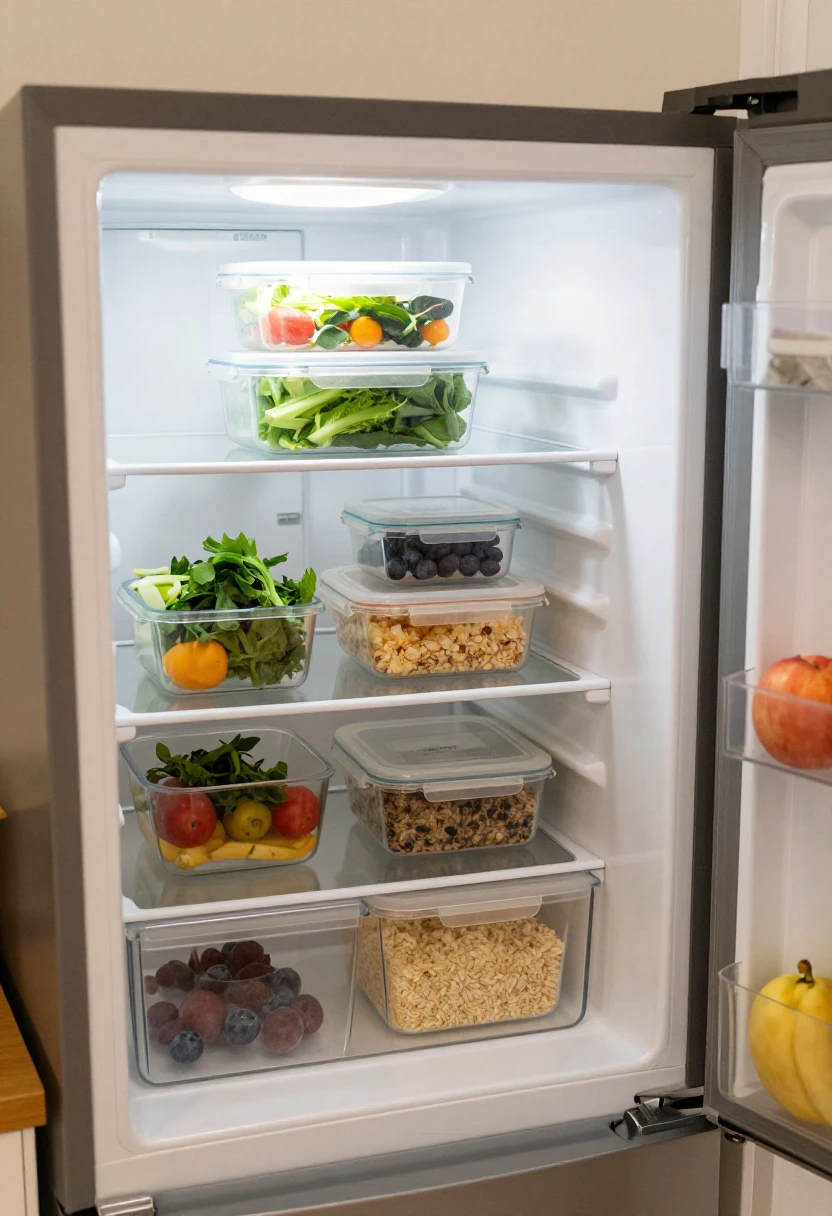
Food waste rarely looks like waste at first. It looks like good intentions.
You buy a big bag of salad because you want easier lunches. You pick up extra fruit because it looks fresh and colorful. You bring home herbs because one recipe needs two tablespoons of parsley, and then the rest of the bunch sits in the fridge like a tiny green deadline.
That is why sustainable food storage matters so much. It is not only about the environment, although that part is important. It is also about making your kitchen work with your real habits instead of against them.
Food waste starts before food goes bad
A lot of food gets wasted before it ever has a chance.
Sometimes we buy too much because we are hungry at the store. Sometimes we buy for the version of ourselves who will cook every night from scratch, even though the actual week has late work, tired evenings, and maybe one night when dinner is just toast with eggs.
The problem is not always laziness. It is often a storage problem.
Fresh food needs a little help:
- Greens need moisture control.
- Herbs need water or wrapping.
- Leftovers need to be visible.
- Cooked food needs to be portioned in a way that makes it easy to grab.
- Pantry items need to be kept dry, sealed, and easy to find.
When food is hidden, messy, or stored badly, it becomes invisible. And invisible food is the food we usually throw away.
I have learned this the annoying way with cucumbers. If I toss them into the fridge drawer and forget them, they soften before I make the salad I had planned. But if I wash them, dry them well, wrap them loosely, and keep them where I can see them, they usually become part of lunch within a day or two. Same cucumber. Different outcome.
A greener kitchen can also be easier to manage
People sometimes make eco-friendly eating sound like a full lifestyle makeover. In real life, the most useful changes are usually small and boring in the best possible way.
A clear container of cooked rice means you can make a quick bowl instead of ordering food. A jar of washed berries near the front of the fridge means someone will actually eat them. A freezer bag of vegetable scraps means carrot peels and onion ends can become broth later instead of going straight into the bin.
These habits reduce waste, but they also reduce decision fatigue.
You do not have to stand in front of the fridge wondering what is still edible. You can see what you have. You know what needs to be eaten first. You are less likely to buy another bunch of cilantro when there is already one slowly wilting behind the yogurt.
Sustainable storage also saves money in a quiet way. Not in a dramatic “change your life” way. More like this: fewer spoiled avocados, fewer forgotten leftovers, fewer half-used ingredients replaced because you could not find them in time.
And honestly, that feels good. A kitchen where food is stored well feels calmer. You open the fridge and see meals, not problems.
Small habits matter more than perfect systems
The goal is not to make your kitchen look like a magazine pantry. Matching jars are nice, but they are not the point.
The point is to build a system you can keep using when the week gets messy.
That might mean:
- keeping a “use first” container for food that needs attention;
- storing leftovers in single portions instead of one huge container;
- washing and drying herbs before they turn limp;
- freezing extra bread before it goes stale;
- using a clean pasta sauce jar for soup, dressing, or chopped fruit.
None of this is glamorous. But it works.
And the more you do it, the more natural it feels. You start noticing which foods spoil fastest in your kitchen. You learn which containers you actually use. You stop buying huge amounts of delicate produce unless you already have a plan for it.
That is where less waste begins: not with a perfect eco-kitchen, but with paying better attention to the food already in front of you.
Start with smarter grocery habits
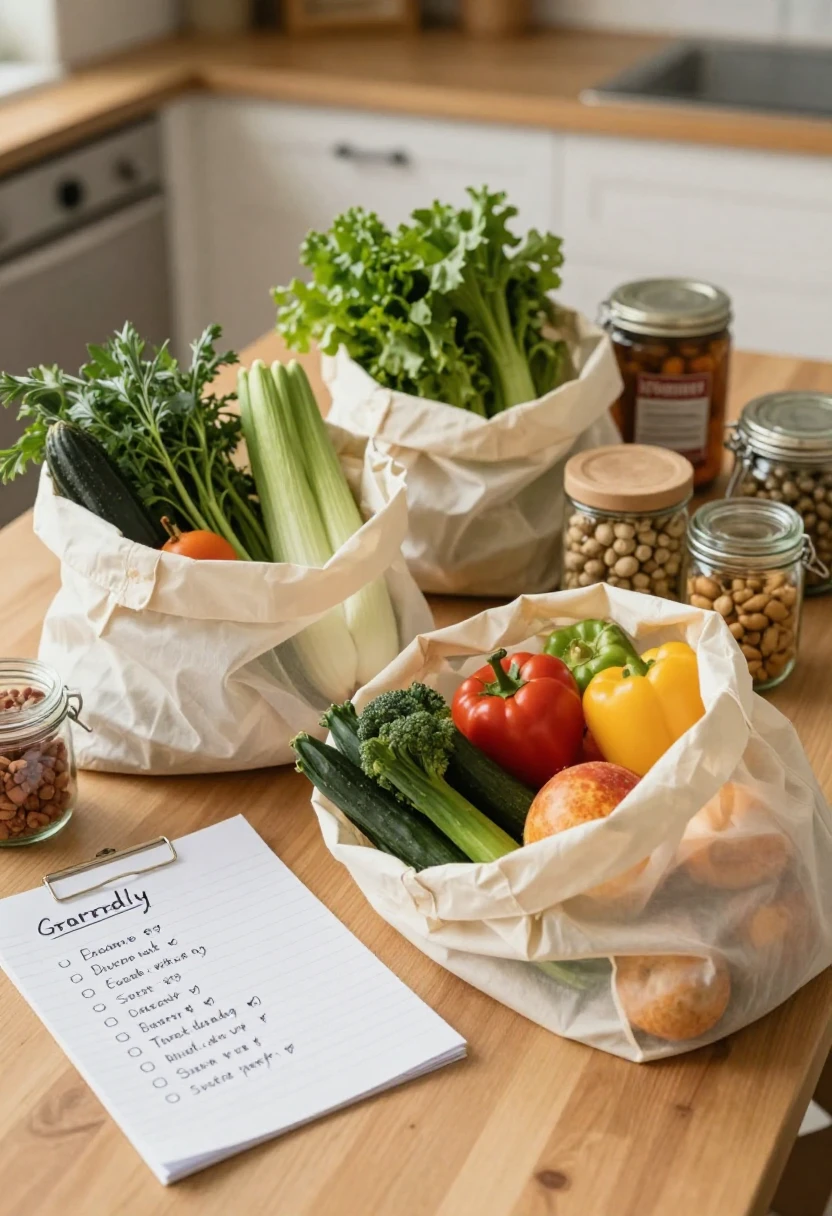
Better food storage starts before the food ever reaches your fridge.
I know that sounds a little unfair, because grocery shopping already takes enough mental energy. But the truth is, the easiest food to store sustainably is the food you actually have a plan for. Not a perfect plan. Just a realistic one.
If you bring home three bags of delicate greens, two bunches of herbs, berries, mushrooms, fresh bread, and five avocados, your fridge is suddenly full of food with a short temper. Everything wants attention at once. And unless you have meals lined up for the next few days, something is probably going to lose.
Buy what you realistically cook
A useful grocery list is not based on the version of you who has endless time and energy. It should match the week you are actually living.
Before shopping, I like to ask a very plain question: What will I really cook before this food goes bad?
Not what looks healthy. Not what I wish I would cook. What will actually happen?
That might mean buying:
- one bunch of herbs instead of three;
- frozen vegetables for backup meals;
- smaller bags of salad greens;
- fruit that ripens at different speeds;
- pantry staples that can turn leftovers into meals.
For example, if you buy fresh spinach, eggs, rice, and chickpeas, you have options. Spinach can go into eggs, soup, pasta, or a quick rice bowl. Chickpeas can become a salad, a snack, or a warm skillet meal with spices. That kind of flexibility helps food get used.
The risky purchases are the ones with only one purpose. A special sauce for one recipe. A huge bunch of dill when you need a spoonful. A delicate vegetable you are not sure how to cook. Those foods are not bad, of course. They just need a plan.
Choose local and seasonal when it makes sense
Local and seasonal food often has one simple advantage: it has usually traveled less and may be fresher when you buy it.
That does not mean every meal has to come from a farmers market. Most people shop at regular grocery stores, and that is fine. But when you can choose seasonal produce, it often tastes better and lasts longer.
Think about summer tomatoes that smell like actual tomatoes. Crisp apples in autumn. Winter squash that can sit on the counter for weeks without causing drama. These foods make sustainable eating easier because they fit the season instead of fighting it.
Seasonal shopping also helps you avoid buying too many fragile ingredients at once. In summer, you might build meals around tomatoes, cucumbers, berries, zucchini, and fresh herbs. In colder months, you might lean more on cabbage, carrots, potatoes, onions, citrus, beans, and grains.
That kind of rhythm makes the kitchen feel less forced.
Bring your own bags and skip extra packaging
Reusable bags are one of those habits that feel tiny until they become automatic.
Keep a few bags where you will actually remember them: near the door, in the car, inside your everyday tote, or folded into your grocery basket. The goal is not to be perfect. The goal is to reduce the number of plastic bags that come home with you every week.
For produce, loose fruits and vegetables are usually better than pre-packed ones when you have the choice. You can buy only what you need, avoid extra plastic, and check the quality more easily.
A few simple swaps help:
- choose loose apples instead of a large plastic bag if you only need four;
- use reusable mesh bags for onions, citrus, and potatoes;
- buy grains, nuts, or dried beans from bulk bins if your store offers them;
- skip pre-cut produce unless it genuinely helps you cook.
That last part matters. Sometimes pre-cut vegetables are useful, especially if they help you eat at home on a busy week. Sustainable eating should not turn into a guilt contest. If a bag of chopped vegetables keeps you from wasting food or ordering takeout, it may still be the better choice for your real life.
Shop your kitchen before shopping the store
This is the habit that saves me from buying duplicates.
Before making a grocery list, open the fridge, freezer, and pantry. Actually look. Move the jars. Check the back shelf. See what is already waiting.
You may find half a cabbage, cooked rice, a jar of olives, frozen peas, lentils, tortillas, or a few carrots that need attention. Suddenly, dinner ideas appear without buying much else.
A half cabbage can become slaw, stir-fry, soup, or taco filling. Cooked rice can become fried rice or a grain bowl. Lentils can turn into a warm salad or a quick soup with carrots and onions.
This is where sustainable food habits become practical. You are not just buying “eco-friendly” products. You are using the food you already paid for.
And honestly, that is where the biggest change happens. Not in the perfect grocery haul, but in the quiet decision to check the fridge first.
Use glass containers for everyday food storage
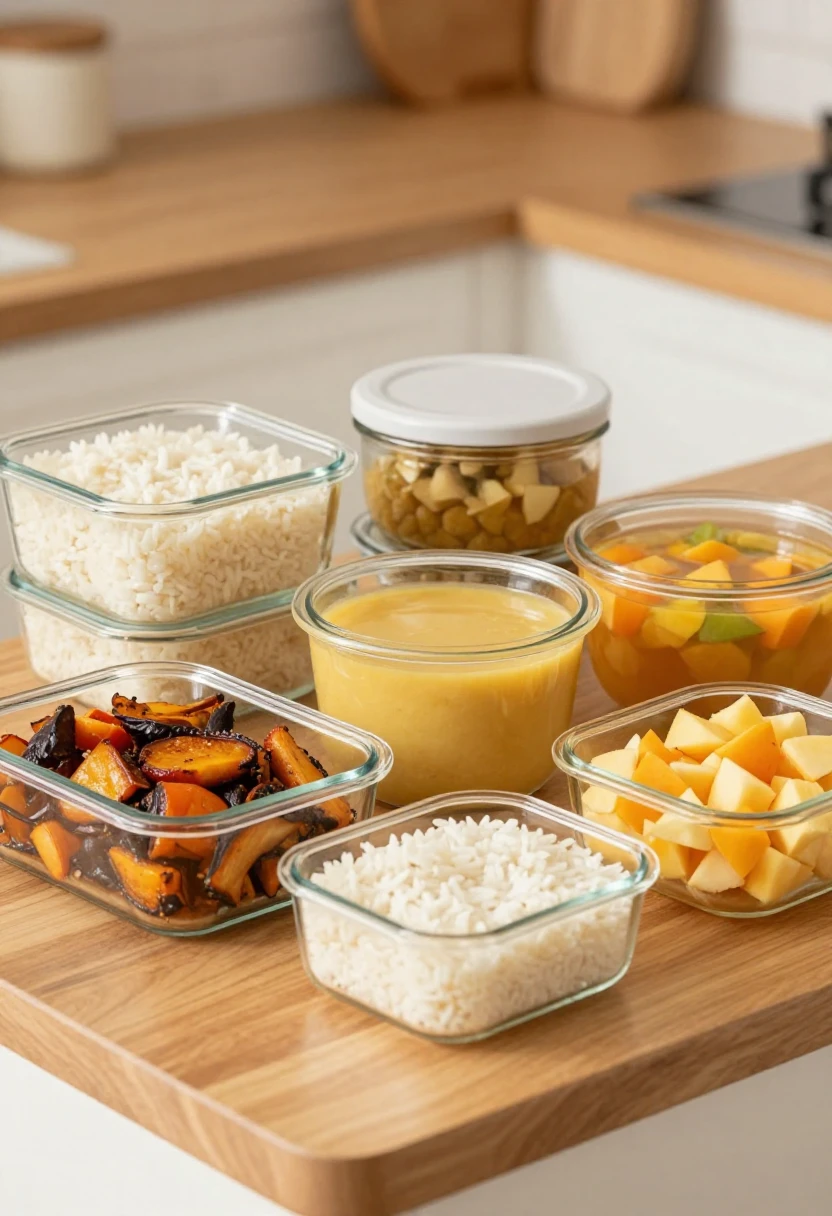
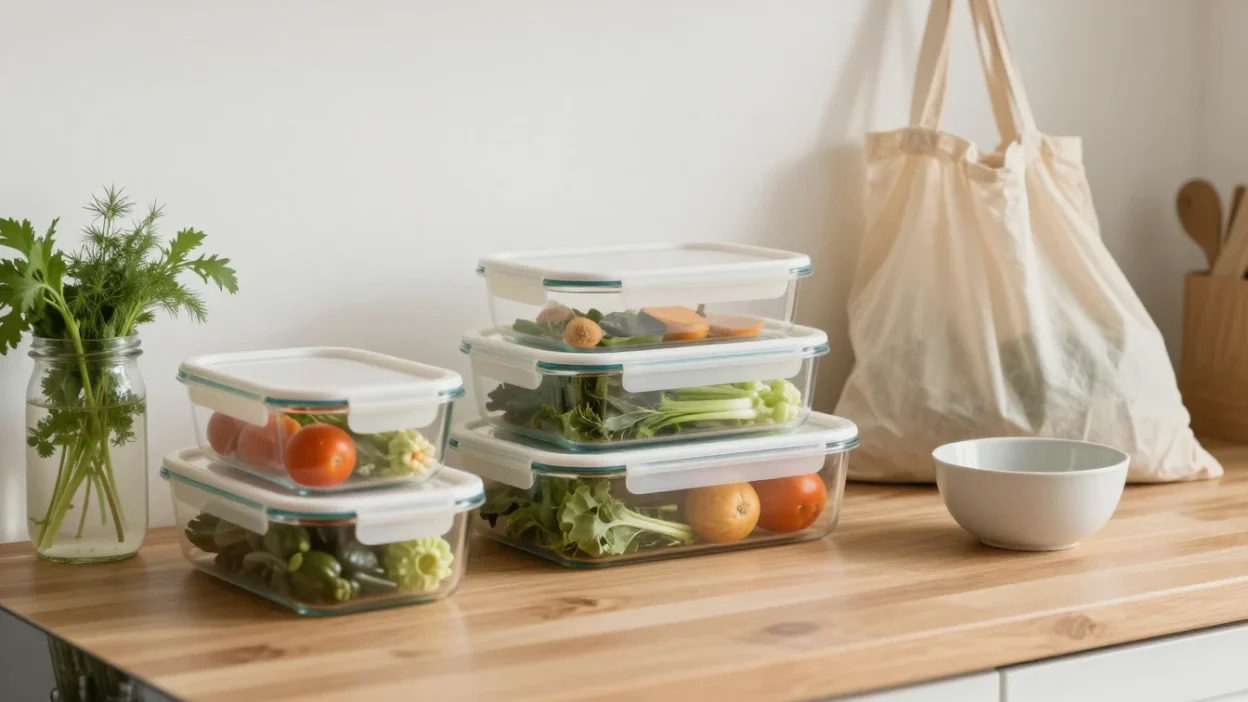
Glass containers are one of the easiest upgrades for a less wasteful kitchen, mostly because they make food harder to ignore.
That sounds too simple, but it matters. When leftovers sit in an opaque tub, they become mystery food. You forget what is inside, push it behind the mustard, and discover it later when nobody wants to open the lid. Clear glass solves part of that problem because you can see the roasted vegetables, cooked pasta, sliced fruit, soup, or grains right away.
And when food stays visible, it gets eaten more often.
Why glass works better for leftovers
Glass is useful because it does not hold smells the way plastic can. Tomato sauce, curry, garlic dressing, roasted onions — they rinse out more cleanly, and the container does not keep reminding you of last Tuesday’s dinner.
It also handles reheating better. If the container is heat-safe, you can move leftovers from fridge to oven or microwave without transferring everything to another dish. That makes eating leftovers feel less like a chore.
For me, that is the whole point. Leftovers should be easy. If I have to move food from one container to another, wash extra dishes, and guess whether the plastic lid is safe near heat, I am already less excited about lunch.
Glass containers also help with portioning. A few smaller containers can turn one big pot of soup into ready lunches. A medium container can hold cooked rice for two bowls. A small jar can keep dressing separate so salad does not turn sad by noon.
The best containers are the ones you reach for without thinking.
How to build a useful container system
You do not need a perfect matching set. Actually, a perfect set is sometimes less useful than a mixed one.
A sustainable storage system should fit the way you cook. If you often make sauces, dips, overnight oats, or chopped fruit, you need jars. If you cook soups and stews, you need deeper containers. If you meal prep roasted vegetables or grains, you need wide containers that let food cool quickly and store evenly.
A simple setup might include:
- small jars for dressings, sauces, nuts, seeds, and leftover lemon juice;
- medium glass containers for lunches, cooked grains, beans, and chopped vegetables;
- larger containers for soups, salads, roasted vegetables, or batch-cooked meals;
- a few freezer-safe containers for bread, broth, berries, or extra portions.
Wide-mouth jars are especially useful. I use them for almost everything: homemade dressing, washed herbs, chia pudding, leftover coconut milk, quick pickles, and little bits of food that would otherwise disappear in the fridge.
The smaller the leftover, the more it needs a clear home. Half an onion, two spoonfuls of pesto, a few olives, a handful of cooked lentils — these are the things that become useful only if you can see them.
Do not throw away every plastic container overnight
There is a funny trap with sustainable living: you decide to be less wasteful, then immediately want to buy a whole new kitchen.
Try not to do that.
If you already have plastic containers, use them while they are still safe and in good condition. Throwing everything away just to replace it with glass does not make much sense. Sustainability should start with using what you already own.
Plastic containers can still be useful for dry pantry items, snacks, freezer storage, or carrying food when glass would be too heavy. Just be careful with heat, scratches, strong smells, and old containers that have started to warp or stain badly.
A slower switch works better:
- keep your best plastic containers for cold or dry foods;
- replace damaged containers first;
- save clean glass jars from sauces, jams, and pickles;
- buy one or two glass containers when you actually need them;
- choose sizes you know you will use often.
I like this approach because it feels less precious. Your kitchen becomes more sustainable gradually, through normal use. One jar saved from recycling. One plastic tub retired because the lid no longer fits. One glass container added because you are tired of losing leftovers.
That is enough.
Make stored food easy to see and easy to eat
The container matters, but the habit matters more.
Before putting food away, ask yourself: How will I want to eat this later?
A huge container of plain roasted vegetables may sit untouched. But if you portion some with rice and chickpeas, tomorrow’s lunch is half done. A whole pot of soup in the fridge can feel annoying. But two smaller containers, ready to reheat, feel like a gift.
This is where sustainable food storage becomes less about jars and more about future-you.
Store food in a way that lowers the effort later:
- slice fruit if that means your family will eat it;
- keep dressing separate from salad;
- portion leftovers into lunch-sized containers;
- freeze extra bread before it gets stale;
- put ready-to-eat food near the front of the fridge.
The easier food is to grab, the less likely it is to become waste.
A good container does not magically make a kitchen sustainable. But it gives your food a better chance. And sometimes that is all dinner needs.
Keep produce fresh for longer
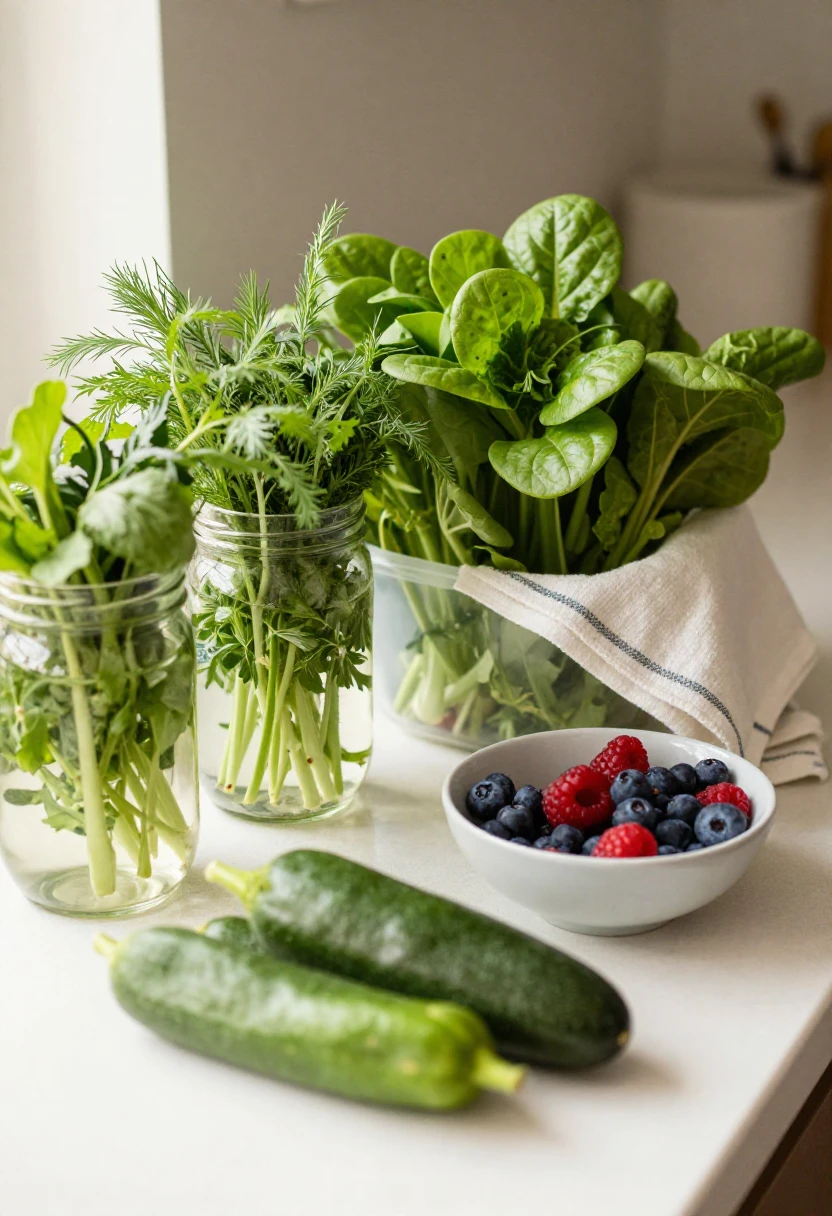
Fresh produce is usually where good intentions go to die.
You buy vegetables because you want crisp salads, colorful bowls, and easy snacks. Then life happens. The berries soften. The lettuce turns wet at the bottom of the bag. The herbs go limp before you use half of them. It feels wasteful because it is wasteful, but it is also fixable.
Most fruits and vegetables do not need complicated storage. They just need the right amount of air, moisture, and visibility.
Store greens, herbs, and berries the right way
Leafy greens are delicate. They hate too much moisture, but they also dry out if you leave them uncovered. That is why the original plastic bag from the store is not always the best place for them.
For spinach, lettuce, arugula, and mixed greens, I like to add a paper towel or clean cloth inside the container or bag. It absorbs extra moisture and slows down that slimy texture that makes you want to throw the whole thing away.
A simple method:
- remove any damaged leaves;
- keep the greens dry, not wet;
- add a paper towel or thin cloth;
- store them in a container or loose bag;
- check them every couple of days.
Herbs need a little more care, especially soft herbs like parsley, cilantro, dill, and basil.
Parsley and cilantro often last longer when you treat them like flowers. Trim the stems, place them in a jar with a little water, cover loosely with a bag, and keep them in the fridge. Dill can be wrapped gently in a slightly damp towel. Basil is trickier because it dislikes cold, so I usually keep it on the counter in a small jar of water if I plan to use it soon.
Berries are another common waste problem. They look perfect at the store, then somehow become suspicious overnight.
Do not wash berries until you are ready to eat them, unless you are doing a vinegar rinse and drying them very well afterward. Moisture is the enemy here. If one berry is moldy, remove it quickly before it ruins the rest.
And do not underestimate the power of visibility. A jar or shallow container of berries near the front of the fridge has a much better chance than a forgotten carton pushed behind the milk.
Separate foods that ripen quickly
Some fruits speed up ripening around them. Bananas, apples, pears, peaches, avocados, and tomatoes release ethylene gas, which can make nearby produce ripen faster.
Sometimes that helps. If you need a hard avocado to soften, place it near bananas or apples for a day or two.
But if you store bananas next to delicate greens or berries, you may shorten their life without meaning to. Same with apples stored too close to vegetables that are already on the edge.
A few easy habits help:
- keep bananas away from delicate produce;
- store apples separately from leafy greens;
- move ripe avocados to the fridge if you are not ready to eat them;
- keep tomatoes on the counter until ripe, then use them soon;
- do not crowd the produce drawer so air can move.
This is one of those small things that feels fussy until you try it. Then you realize your food is lasting a little longer without much effort.
Make a “use first” fridge zone
This may be the most practical habit in the whole kitchen.
Choose one spot in the fridge for food that needs to be eaten soon. It can be a clear container, a small tray, a front shelf, or even a bowl. Nothing fancy. Just a place where the almost-ready-to-waste food goes before it becomes trash.
Put these things there:
- half-used vegetables;
- ripe fruit;
- opened tofu or beans;
- cooked grains;
- leftovers from dinner;
- herbs that are starting to wilt;
- sauces or dips with only a little left.
I like calling it a “use first” zone because it changes the way you look at the fridge. Instead of asking, “What do I feel like eating?” you ask, “What needs help today?”
That question can turn random ingredients into real meals. A soft tomato, leftover rice, and a few herbs can become a quick lunch bowl. Wilted spinach can go into eggs. Half a roasted sweet potato can become toast topping with yogurt and chili flakes. Tired carrots can still work in soup.
Not every ingredient needs to look perfect to be useful.
Prep only what helps, not everything
Some people love washing, chopping, and organizing every vegetable as soon as they get home. I admire that. I am not always that person.
And honestly, not all produce should be prepped too early.
Cut vegetables usually spoil faster than whole ones. Washed berries can soften if they are not dried well. Chopped herbs can darken. So the goal is not to prep everything. The goal is to prep the foods that are more likely to be eaten that way.
For example:
- wash and dry lettuce if salads are part of your week;
- cut carrots and celery if you want easy snacks;
- cook hardy vegetables if you need quick dinner bases;
- leave cucumbers, tomatoes, and berries whole until closer to eating;
- freeze extra herbs in olive oil or water if they are about to fade.
Think of prep as a favor to your future self, not a performance.
If chopped vegetables help you cook after work, do it. If they sit there drying out in containers, stop. Sustainable food storage should follow your habits, not someone else’s fridge routine.
Use the freezer before food crosses the line
The freezer is not only for big batches of soup. It is also a rescue tool.
When food is still good but you know you will not use it in time, freeze it before it becomes a problem. That timing matters. The freezer cannot make sad food fresh again, but it can pause good food before it turns.
Good candidates for freezing:
- sliced bread;
- cooked rice or grains;
- soup and stew;
- ripe bananas for smoothies or baking;
- berries for oatmeal;
- chopped herbs in oil;
- broth or stock;
- extra tomato paste;
- cooked beans or lentils.
I especially like freezing small amounts in useful portions. A whole container of soup is fine, but a single serving is easier. A full can of tomato paste rarely gets used in one meal, so freezing spoonfuls makes more sense.
This is the kind of habit that quietly prevents waste. You are not doing anything dramatic. You are just catching food while it still has another use.
Make leftovers easier to use
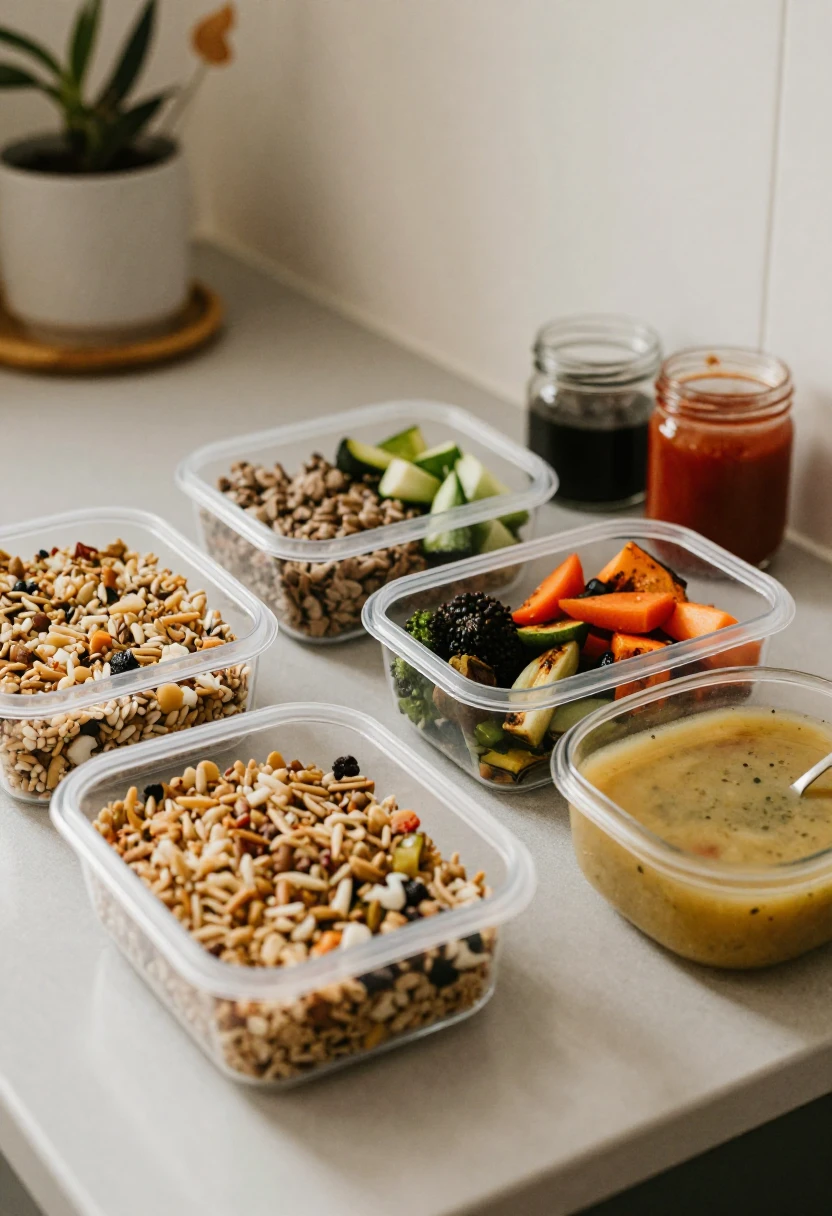
Leftovers are only useful if you actually want to eat them.
That sounds obvious, but it explains why so much cooked food still gets wasted. A big container of plain pasta. Half a tray of roasted vegetables. One lonely chicken breast. Technically, there is food in the fridge. Emotionally, it feels like a problem.
Good leftover storage is about making tomorrow’s meal feel easy, not like a puzzle.
Store leftovers in ready-to-eat portions
A giant container of leftovers can be strangely discouraging. You open the fridge, see the whole thing, and think, “I’ll deal with that later.”
Smaller portions work better.
If you make soup, store some in single servings. If you cook rice, divide part of it into bowl-sized portions. If you roast vegetables, keep some plain for flexible meals and pack some with grains or protein for lunch.
This helps in two ways. First, the food cools faster and stores more evenly. Second, you make the next meal easier before you are tired and hungry.
A simple leftover system might look like this:
- one container for tomorrow’s lunch;
- one small container for sauce or dressing;
- one freezer portion if you know you will not eat everything soon;
- one “use first” container for little extras.
Those little extras matter. A few roasted carrots, half a cup of beans, some chopped herbs, two spoonfuls of hummus. They look too small to save, but they can make a quick meal feel finished.
Label food without making it complicated
You do not need a label maker. You do not need perfect meal prep tape. A piece of masking tape and a pen is enough.
Write the date and, if needed, what the food is. That is it.
This is especially helpful for freezer food, where everything becomes hard, frosty, and impossible to identify after a few weeks. Soup can look like sauce. Broth can look like apple juice. Frozen bananas can hide behind a bag of peas and quietly become ancient.
For fridge leftovers, labeling helps you avoid the guessing game. If you know the lentil soup was made on Monday, you are more likely to eat it by Wednesday. If you have no idea when it appeared, you may avoid it until it becomes obvious waste.
I also like using a small fridge note when the week is busy. Nothing fancy, just a short list:
- rice
- roasted zucchini
- boiled eggs
- opened yogurt
- soup in freezer
It sounds almost too basic, but it works. The fridge is not a search engine. Sometimes you need the reminder.
Turn leftovers into quick meals
The best leftovers are the ones that can become something slightly different the next day.
Not a whole new recipe. Just enough change to make the meal feel fresh.
Roasted vegetables can go into:
- grain bowls with yogurt sauce;
- omelets or scrambled eggs;
- wraps with hummus;
- soup;
- pasta with olive oil and garlic.
Cooked rice can become fried rice, rice pudding, soup filler, or a quick bowl with beans and greens. Stale bread can turn into croutons, breadcrumbs, French toast, or a thickener for soup. Extra herbs can become pesto, chimichurri, herb butter, or a simple green sauce with olive oil and lemon.
This is where a few pantry staples help a lot.
Keep things like canned beans, eggs, tortillas, pasta, tahini, yogurt, mustard, lemon, olive oil, and frozen vegetables around. They make leftovers easier to use because they give you a direction.
Leftover chicken by itself is not exciting. Leftover chicken with tortillas, cabbage, yogurt sauce, and chili flakes becomes lunch. Cooked lentils sitting alone in a container feel plain. Add olive oil, vinegar, cucumber, herbs, and a boiled egg, and now they make sense.
Keep sauces separate when texture matters
Some meals are better when stored separately.
Salads get soggy. Roasted vegetables soften. Noodles absorb too much sauce. Crispy toppings stop being crispy. None of that means the food is ruined, but it does make leftovers less appealing.
When texture matters, store the parts apart:
- dressing away from greens;
- sauce away from noodles;
- nuts and seeds in a dry jar;
- bread or crackers outside the fridge;
- fresh herbs added right before eating.
This small step can save a meal.
A salad with dressing already mixed in may become sad by the next day. But washed greens, cooked grains, chickpeas, and dressing in a small jar can turn into a fresh lunch in two minutes.
Same with bowls. Store rice, vegetables, protein, and sauce separately if you can. Then reheat only what needs heat and add the cold or crunchy parts at the end.
Freeze leftovers before you get bored of them
There is a point where leftovers stop feeling helpful and start feeling like homework.
That is when the freezer should step in.
If you made a big pot of chili, soup, curry, beans, or stew, freeze part of it early. Do not wait until everyone is tired of eating it. Freeze it while it still tastes good and you still like it.
Future-you will be grateful.
Good freezer-friendly leftovers include:
- soup;
- chili;
- cooked beans;
- lentils;
- curry;
- tomato sauce;
- casseroles;
- cooked grains;
- muffins or quick bread;
- pancakes and waffles.
The trick is to freeze food in portions you will actually use. A huge frozen block of soup is not convenient unless you are feeding several people. Smaller containers thaw faster and make better emergency meals.
Also, label them. Please label them. The freezer has a way of turning every container into a mystery.
Compost what you cannot save
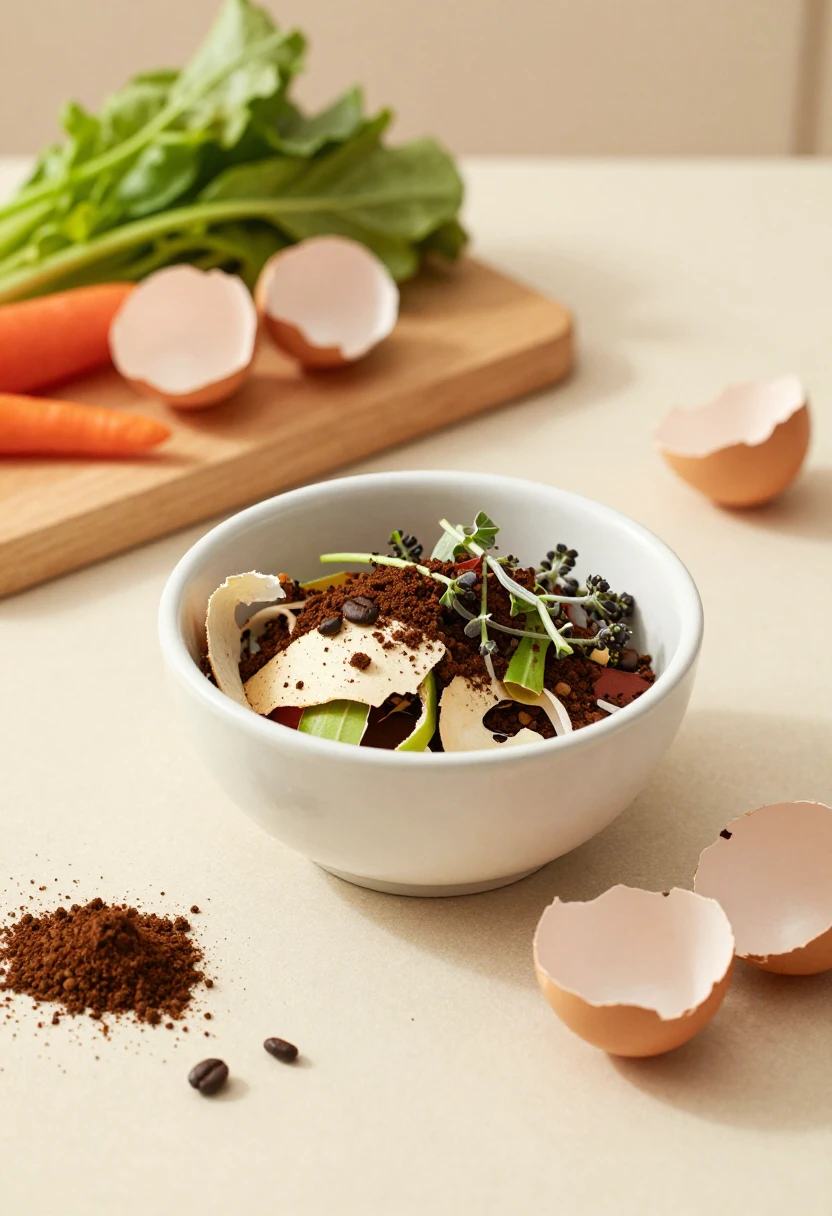
Some food scraps are past the point of saving. That is normal.
You can store food carefully, plan better, freeze leftovers, and still end up with carrot peels, onion skins, apple cores, coffee grounds, or herbs that finally gave up. A sustainable kitchen is not a kitchen with no scraps. It is a kitchen where scraps have somewhere better to go than the trash when possible.
Composting is one of those habits that can sound bigger than it really is. People imagine a garden, a big outdoor bin, and a whole system. But you can start much smaller.
What belongs in a simple home compost routine
Most basic composting starts with everyday plant-based scraps.
Good compost-friendly scraps usually include:
- fruit and vegetable peels;
- apple cores and melon rinds;
- carrot tops and potato skins;
- coffee grounds and paper filters;
- loose tea leaves;
- eggshells;
- wilted herbs;
- plain cooked vegetables;
- dry leaves or small amounts of shredded paper, depending on your setup.
The easiest way to begin is to keep a small scrap container in the kitchen. It can be a countertop compost bin, a lidded bowl, or even a bag in the freezer. I like the freezer method because it keeps smells away and buys you time. Banana peels, onion ends, and coffee grounds can wait there until you are ready to take them out.
If you cook often, you may be surprised by how fast scraps collect. One soup night can leave you with onion skins, celery ends, carrot peels, garlic paper, herb stems, and maybe a few tired vegetables that did not make it into the pot.
That used to feel like trash. Now it feels like material.
What to avoid in most basic compost bins
Not everything belongs in a simple home compost system, especially if you are new to it.
For many basic compost bins, it is better to avoid:
- meat and fish;
- dairy;
- oily foods;
- greasy leftovers;
- heavily salted or sauced food;
- large amounts of cooked grains;
- pet waste;
- glossy or coated paper.
These items can smell, attract pests, or break down poorly depending on the compost setup. Some municipal compost programs accept more than a backyard bin would, so the rules may be different where you live.
This is where I would keep it practical: follow the system you actually have.
If your city compost accepts food scraps, use their guidelines. If you have a small balcony composter, keep it simple and mostly plant-based. If you are just collecting scraps for a community drop-off, check what they accept before filling a whole freezer bag with the wrong things.
No shame in starting small. Even composting coffee grounds and vegetable peels is better than doing nothing.
Composting for people without a garden
You do not need a garden to compost.
That was the thing that stopped me for a long time. I thought composting only made sense if you had raised beds, tomato plants, and a neat little outdoor corner. But there are other ways.
Depending on where you live, you might be able to use:
- a city food scrap collection program;
- a community garden drop-off;
- a farmers market compost station;
- a small balcony composter;
- a worm bin;
- a freezer scrap bag that you empty weekly.
A freezer scrap bag is probably the least intimidating option. Use an old zip-top bag, a container, or a compostable bag if your local program accepts them. Add scraps as you cook. When it is full, take it to your compost bin or drop-off point.
The main trick is to make it easy enough that you do not quit.
If the compost container smells, move it to the freezer. If the countertop bin attracts fruit flies, empty it more often or switch to a tighter lid. If the process feels annoying, simplify it. Composting should not make your kitchen harder to use.
Use scraps before composting them
Before tossing scraps into the compost, check whether they still have one more use.
Some scraps are better than they look.
Vegetable ends can become broth. Herb stems can flavor soup. Citrus peels can add brightness to vinegar for cleaning. Stale bread can become breadcrumbs. Overripe bananas can go into muffins. Soft berries can become sauce for yogurt or oatmeal.
A few easy rescue ideas:
- freeze onion skins, carrot peels, celery ends, and herb stems for vegetable broth;
- blend soft fruit into smoothies;
- roast tired vegetables before they cross the line;
- dry citrus peels for tea or baking;
- turn stale bread into croutons;
- use parmesan rinds in soup if you have them.
This does not mean every scrap needs a second life. Please do not turn your kitchen into a full-time rescue mission. Some things can just be composted.
But when a food still has flavor, use it first. Composting is good. Eating the food is better.
Keep the habit simple enough to repeat
The best compost routine is the one that fits naturally into your kitchen.
Maybe that means a small bin under the sink. Maybe it means a bowl beside the cutting board while you cook. Maybe it means a freezer bag that gets emptied every Saturday. The container matters less than the habit.
I like to think of composting as the final safety net. First, you buy what you can use. Then you store it well. Then you eat the leftovers. Then you freeze what you cannot finish. And after all that, the scraps that remain can go back into the cycle instead of sitting in a landfill.
Reuse jars, bottles, and food containers
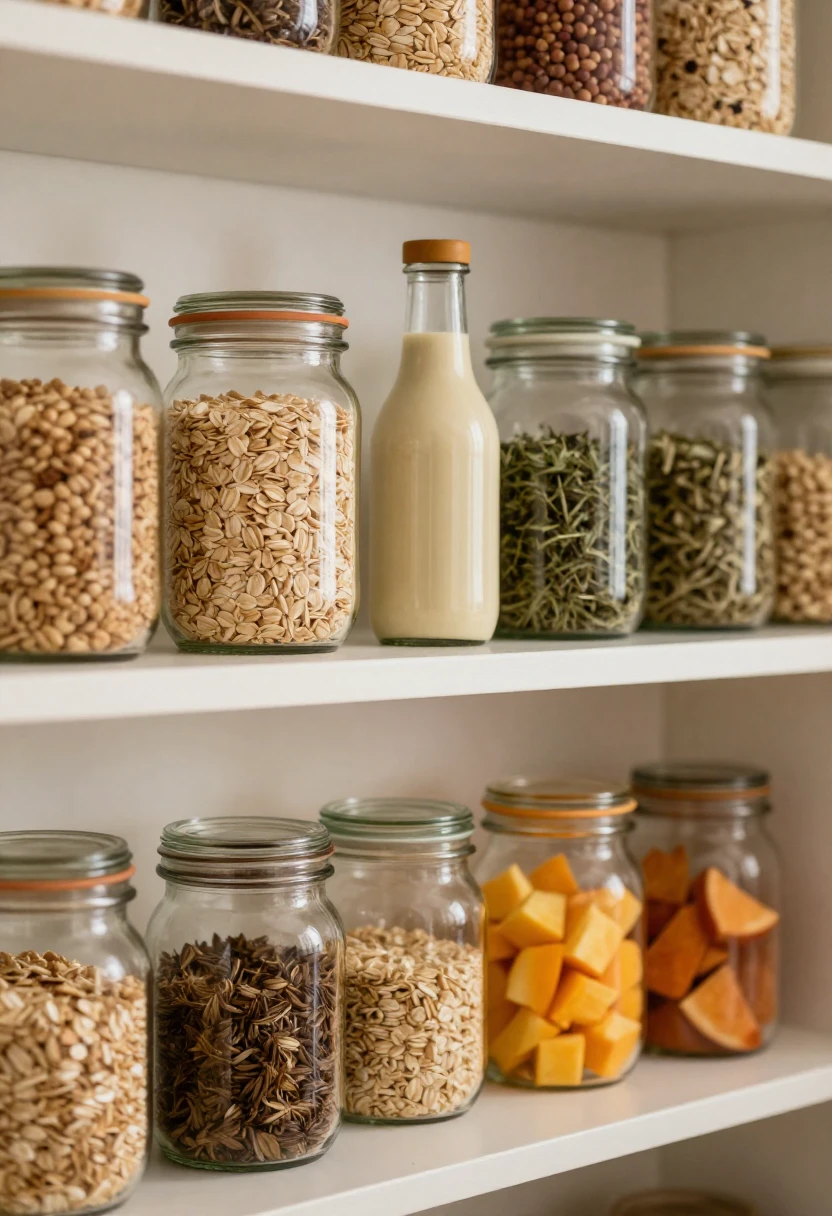
Reusing jars is one of those old-fashioned habits that suddenly makes sense again once you start paying attention to waste.
A clean pasta sauce jar can hold soup. A jam jar can become a dressing shaker. A pickle jar can store beans, oats, chopped fruit, or leftover broth. You do not need a perfect pantry full of matching containers. Sometimes the most useful storage is already sitting in your recycling bin.
And honestly, reused jars have a certain charm. They make the kitchen feel a little more lived-in, less like everything has to be bought new.
Mason jars are useful beyond storage
Mason jars are popular for a reason, but any sturdy glass jar with a tight lid can be useful.
I like jars because they are clear, stackable in their own messy way, and easy to grab from the fridge. They also make small amounts of food feel worth saving. A few spoonfuls of dressing, half a cup of cooked beans, extra lemon juice, a small portion of soup — these things often get wasted because they feel too tiny for a regular container.
A jar gives them a place.
You can use jars for:
- homemade salad dressing;
- overnight oats;
- chia pudding;
- chopped fruit;
- cooked beans or lentils;
- leftover sauces;
- broth or stock;
- dry pantry goods;
- herbs in water;
- quick pickled onions or cucumbers.
My favorite jar use is probably dressing. Add olive oil, vinegar or lemon juice, mustard, salt, pepper, maybe a little honey, then shake. If there is extra, it goes straight into the fridge. No extra bowl, no whisk, no mystery container.
Small things like that make sustainable food storage easier to keep doing.
Pretty bottles and jars can reduce kitchen clutter
Not every reused container needs to be hidden away.
A nice glass bottle can hold homemade iced tea, infused water, or a small batch of cold brew. A wide jar can hold wooden spoons, herb stems, or flowers from the market. Small jars can organize nuts, seeds, dried fruit, or loose tea.
This is not just about aesthetics, although I do like a cozy kitchen shelf with jars lined up in a not-too-perfect way. It also helps you see what you have.
Pantry clutter often leads to duplicate shopping. You buy more sunflower seeds because you did not notice the half bag in the back. You buy another bag of oats because the first one is folded badly and hiding behind flour. Clear jars make those ingredients visible again.
A few good places to reuse jars:
- pantry shelves;
- fridge doors;
- spice drawers;
- lunch boxes;
- freezer storage, if the jar is freezer-safe and not filled too high;
- countertop storage for dry goods you use often.
The freezer note matters. Liquids expand when frozen, so leave space at the top and avoid using narrow-neck jars for soups or broth. I have learned this the hard way. A cracked jar in the freezer is not a sustainable moment. It is just annoying.
Know when reuse is safe
Reusing containers is smart, but not every container should get a second life in the kitchen.
Glass jars are usually easy to clean and reuse, especially for cold or dry foods. Still, check the lid. If it smells strongly of pickles, curry, garlic, or old sauce, that smell may move into whatever you store next. Sometimes the jar is fine, but the lid is done.
Be more careful with plastic containers. Reuse them when they are clean, smooth, and in good condition. Avoid storing food in plastic that is scratched, cloudy, sticky, warped, or badly stained. Also avoid heating food in random takeout containers unless they are clearly marked as safe for that use.
A few simple safety habits help:
- wash jars and lids well before reuse;
- remove old labels if they get sticky or dirty;
- check lids for rust, dents, or strong smells;
- do not pour boiling liquid into thin glass jars;
- leave room when freezing liquids;
- use old plastic containers for non-food storage if they are no longer good for meals.
This is where sustainability should stay practical. Reusing something is only helpful if it stays safe and clean.
Give containers a job
The easiest way to keep reused containers from becoming clutter is to give them a clear purpose.
A few jars are helpful. Thirty jars with no lids are a problem.
Keep the ones you actually use. Recycle the rest. I know it can feel tempting to save every nice jar “just in case,” but at some point you are not reducing waste anymore. You are building a glass collection under the sink.
Try assigning jobs:
- small jars for dressings and sauces;
- medium jars for oats, beans, fruit, and leftovers;
- large jars for pantry staples;
- bottles for drinks or homemade syrups;
- older containers for rubber bands, twist ties, or seed packets.
This keeps the habit useful instead of chaotic.
A sustainable kitchen is not a kitchen where nothing ever leaves. It is a kitchen where things are used well before they move on. Reuse what helps you. Recycle what gets in the way.
Build eco-friendly eating habits one step at a time
A sustainable kitchen does not appear in one weekend.
It usually happens slowly. You start saving jars because they are useful. You move leftovers to the front of the fridge because you are tired of finding them too late. You freeze bread before it turns hard. You stop buying three kinds of greens at once because you know one bag is already ambitious.
That is what makes eco-friendly eating habits last. They need to fit into your real kitchen, with your real schedule, your real appetite, and your real level of energy after a long day.
Cook one low-waste meal each week
If you want to waste less food, start with one meal that uses what you already have.
Not a fancy meal. Not something that needs six new ingredients. Just one reliable recipe that can absorb leftovers, tired vegetables, pantry staples, or bits of food that need attention.
Good low-waste meals include:
- vegetable soup;
- fried rice;
- grain bowls;
- frittata;
- stir-fry;
- pasta with vegetables;
- baked potatoes with toppings;
- wraps with leftover protein and greens.
Frittata is one of the best examples. A few eggs, leftover vegetables, a little cheese, herbs if you have them, and suddenly the fridge looks less crowded. Soup works the same way. Carrots, onions, celery, beans, greens, lentils, rice, noodles — soup is forgiving.
And that is what you want. Forgiving food.
A low-waste meal should make you feel clever, not restricted. It should help you use the half zucchini, the last spoonful of pesto, the cooked potatoes, the bunch of parsley that is starting to look dramatic.
Keep a small “rescue recipe” list
Every kitchen needs a few rescue recipes.
These are the meals you make when food is still edible but not exactly beautiful anymore. The soft tomato. The slightly dry bread. The overripe banana. The herbs that are no longer perky but still smell good.
Write down a short list and keep it somewhere easy to see. On your phone is fine. A note on the fridge is even better.
Here are a few useful rescue ideas:
- overripe bananas → banana bread, pancakes, smoothies, oatmeal;
- stale bread → croutons, breadcrumbs, French toast, panzanella;
- soft tomatoes → sauce, soup, salsa, roasted tomatoes;
- wilted greens → eggs, pasta, soup, stir-fry;
- extra herbs → pesto, herb oil, yogurt sauce, compound butter;
- cooked rice → fried rice, rice bowls, soup, rice pudding;
- tired vegetables → roasted vegetables, broth, soup, frittata.
This habit helps because it removes the decision-making. Instead of staring at wilted spinach and feeling guilty, you already know where it can go.
I like having a few “almost anything works here” recipes. Soup. Eggs. Bowls. Pasta. These meals do not ask for perfection. They just ask for a little heat, seasoning, and common sense.
Make sustainability feel normal, not stressful
There is a point where sustainable living advice can become exhausting.
Use this. Stop using that. Buy these containers. Never waste anything. Compost perfectly. Plan every meal. Save every scrap.
No wonder people give up.
A better approach is to choose one habit and repeat it until it feels normal. Then add another.
Start with something small:
- put a “use first” box in the fridge;
- save clean jars for sauces and leftovers;
- freeze bread before it goes stale;
- store herbs in water;
- label freezer meals;
- check the fridge before grocery shopping;
- keep one rescue meal on your weekly menu.
That is enough to begin.
You do not need a zero-waste kitchen to make a difference. You need a kitchen where food has a better chance of being eaten. Where leftovers are visible. Where produce is stored with a little care. Where grocery shopping matches the week you actually have.
And when something still gets wasted? Notice it without turning it into a personal failure.
If lettuce keeps going bad, buy less lettuce or switch to cabbage. If herbs always wilt, freeze them or buy smaller bunches. If leftovers sit untouched, portion them differently or turn them into lunch right away.
Sustainable eating gets easier when you stop treating it like a rulebook and start treating it like kitchen feedback.
Build habits around foods you already love
The easiest sustainable habits are the ones connected to food you already enjoy.
If you love soup, save vegetable scraps for broth. If you eat salads often, learn how to store greens properly. If you bake, freeze overripe bananas. If you make rice bowls, keep cooked grains and sauces ready. If you love breakfast, reuse jars for overnight oats or chia pudding.
Do not start with someone else’s perfect routine. Start with your own meals.
For example, if you already make pasta once a week, use that meal to clear out vegetables. Mushrooms, spinach, zucchini, tomatoes, peas, roasted peppers, herbs — pasta can take a lot. If you already eat eggs, keep leftover vegetables for omelets or frittatas. If you already snack on fruit, store it where you can see it.
That is how these habits become almost invisible. They attach themselves to what you already do.
And that is the quiet secret of wasting less food every week. You do not need to reinvent your kitchen. You need to help your food move from grocery bag to plate with fewer chances to get lost along the way.
Conclusion
Sustainable food storage is not about running a perfect kitchen. It is about giving your food a better chance to be eaten.
A few clear containers, a small “use first” fridge zone, better produce storage, and a freezer habit can change more than you might expect. You waste less. You shop with more intention. You stop finding sad herbs and forgotten leftovers after it is already too late.
Start with one habit this week. Maybe store your greens with a towel. Maybe freeze bread before it goes stale. Maybe save a clean jar for dressing or leftovers. Small changes are easier to repeat, and repeated changes are what make a kitchen feel calmer, cleaner, and less wasteful.
Food is too good to disappear in the back of the fridge.
FAQ
What is the most sustainable way to store food?
The most sustainable way to store food is to use what you already have well. Clear glass containers, clean reused jars, breathable produce bags, and freezer-safe containers can all help. The key is visibility. If you can see the food and know when it needs to be eaten, you are much less likely to waste it.
Are glass containers better than plastic?
Glass containers are often better for leftovers because they do not hold smells as much, they are easy to clean, and many are safe for reheating. But you do not need to throw away every plastic container at once. Use good plastic containers for cold or dry foods, and replace damaged ones slowly when you actually need to.
How can I stop vegetables from going bad so fast?
Store vegetables based on what they need. Keep greens dry with a paper towel or clean cloth, store herbs in water or a damp towel, separate quick-ripening fruits from delicate produce, and keep a “use first” spot in your fridge. Also, buy smaller amounts of fragile produce if you know your week will be busy.
What are easy eco-friendly eating habits for beginners?
Start with habits that are simple to repeat: bring reusable bags, check your fridge before grocery shopping, save leftovers in clear portions, freeze food before it spoils, reuse clean jars, and compost scraps if you have access to a compost system. One habit done every week is better than ten habits you quit after three days.
Can sustainable food storage save money?
Yes. When food lasts longer and leftovers are easier to eat, you buy fewer duplicates and throw away less. It may not feel dramatic at first, but saving herbs, bread, vegetables, grains, and cooked meals over several weeks can make a real difference in your grocery budget.