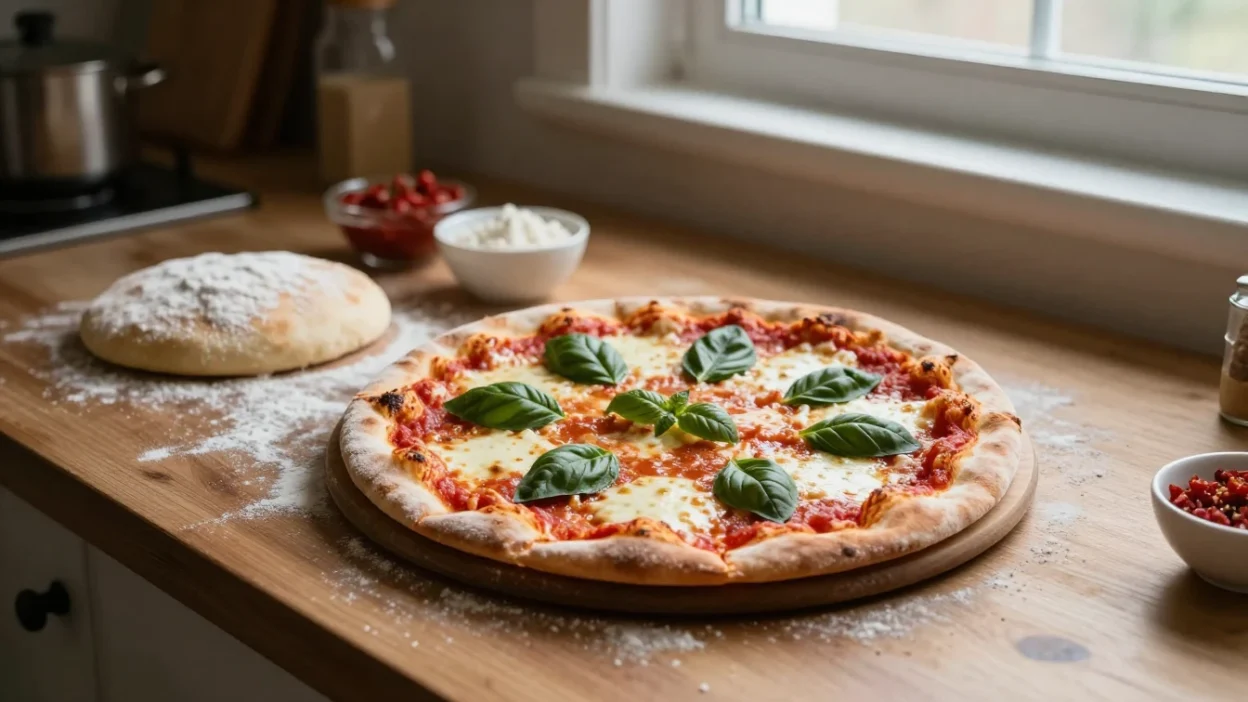
Homemade pizza has a funny way of making the kitchen feel busier than it really is. A little flour on the counter, a spoon sliding through tomato sauce, cheese waiting in a bowl, someone asking if the pizza is ready yet before it has even gone into the oven. It is simple food, but it brings people close to the table fast.
If you enjoy cozy everyday stories around food, family, and small moments that make a regular evening feel better, you may also like chiefstories.com. Pizza night has that same feeling. It does not need to be fancy. It just needs a good crust, a sauce that tastes like something, toppings that make sense together, and enough cheese to make the first slice worth waiting for.
The best homemade pizza usually comes from not trying too hard. You do not need restaurant equipment or a complicated dough recipe to make something delicious. Store-bought dough can work. A simple tomato sauce can work. Even leftover vegetables from the fridge can turn into a pizza you would happily make again.
What matters most is balance. A crust that bakes up crisp instead of soggy. Sauce spread thin enough to support the toppings, not drown them. Cheese that melts without turning the whole pizza greasy. And toppings that feel chosen, not dumped on because they were there.
That is where homemade pizza gets fun. You can keep it classic with tomato, mozzarella, and basil. You can make it hearty with mushrooms, sausage, or roasted peppers. You can go lighter with spinach, ricotta, and a drizzle of olive oil after baking. Once you understand the basics, pizza stops feeling like a recipe and starts feeling like a small kitchen ritual you can repeat any night you want.
Why homemade pizza works so well
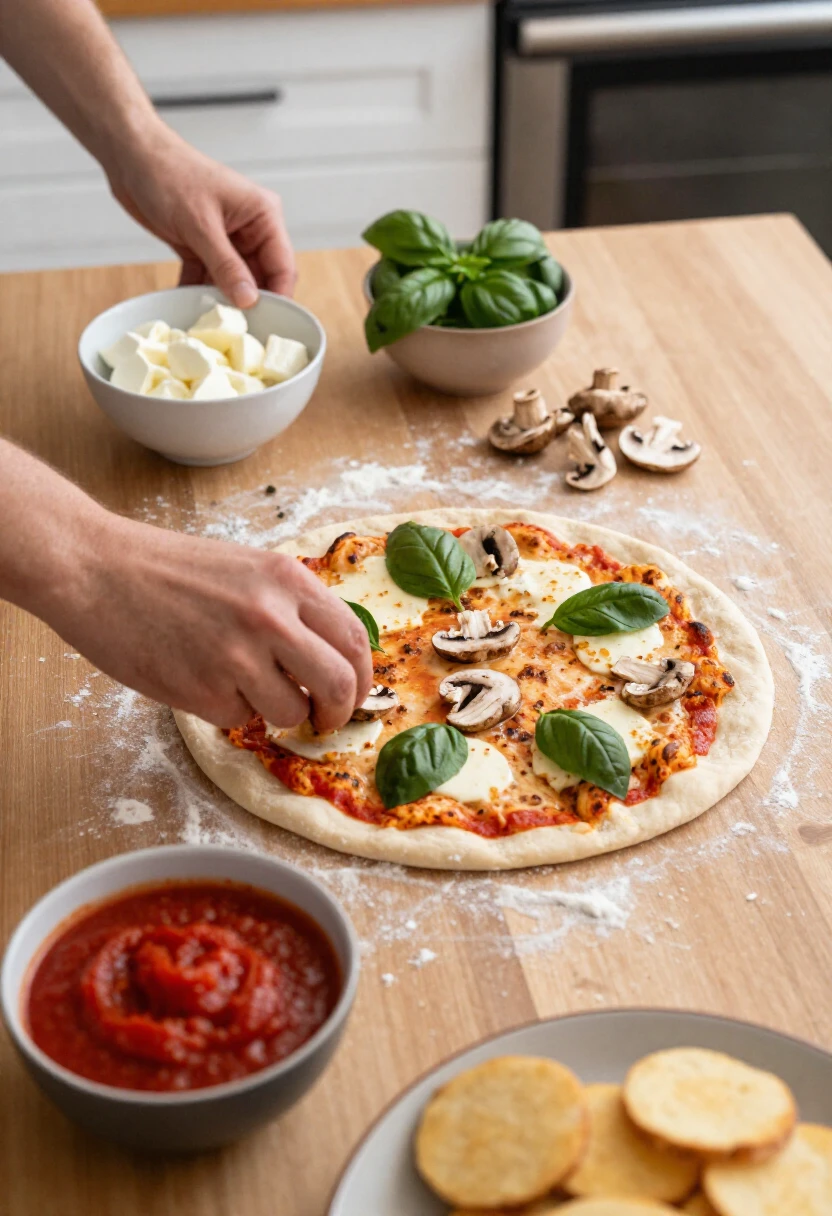
Homemade pizza is forgiving in a way that many dinners are not. If the crust is a little uneven, it still bakes. If the cheese lands heavier on one side, someone will probably ask for that slice first. If the toppings are simple, the pizza can still taste better than delivery because it comes out hot, crisp, and exactly the way you like it.
That is the charm of it. Pizza does not ask for perfection. It asks for heat, a little patience, and ingredients that do not fight each other.
It turns dinner into something people want to join
There are meals you cook alone while everyone waits somewhere else. Pizza is different. Someone can stretch the dough. Someone can tear basil. Someone can grate cheese or sneak a piece of pepperoni from the cutting board.
Even if you are cooking by yourself, pizza still feels active. You are not just stirring a pot and hoping dinner comes together. You are building something layer by layer.
And when the first pizza comes out of the oven, everyone suddenly appears.
It lets everyone have an opinion
One person wants mushrooms. Another wants extra cheese. Someone insists pineapple belongs on pizza, and someone else acts personally offended by that idea. That is part of the fun.
Homemade pizza makes room for all of it. You can divide the dough into smaller pizzas or split one large pizza into sections. Keep one side classic, make another side spicy, leave a corner plain for the picky eater at the table.
This is also why pizza night works well for families. You are not forcing one perfect dinner on everyone. You are giving people a base and letting them make it their own.
It can be as easy or as homemade as you want
Some nights, making dough from scratch feels relaxing. Other nights, it feels like a terrible idea. Both are fine.
You can make a beautiful pizza with:
- store-bought dough
- jarred tomato sauce with a little garlic added
- shredded mozzarella
- leftover roasted vegetables
- a few fresh herbs after baking
The trick is not to apologize for shortcuts. Good pizza is about how the ingredients come together, not whether you made every single part yourself.
Start with a crust that fits your mood
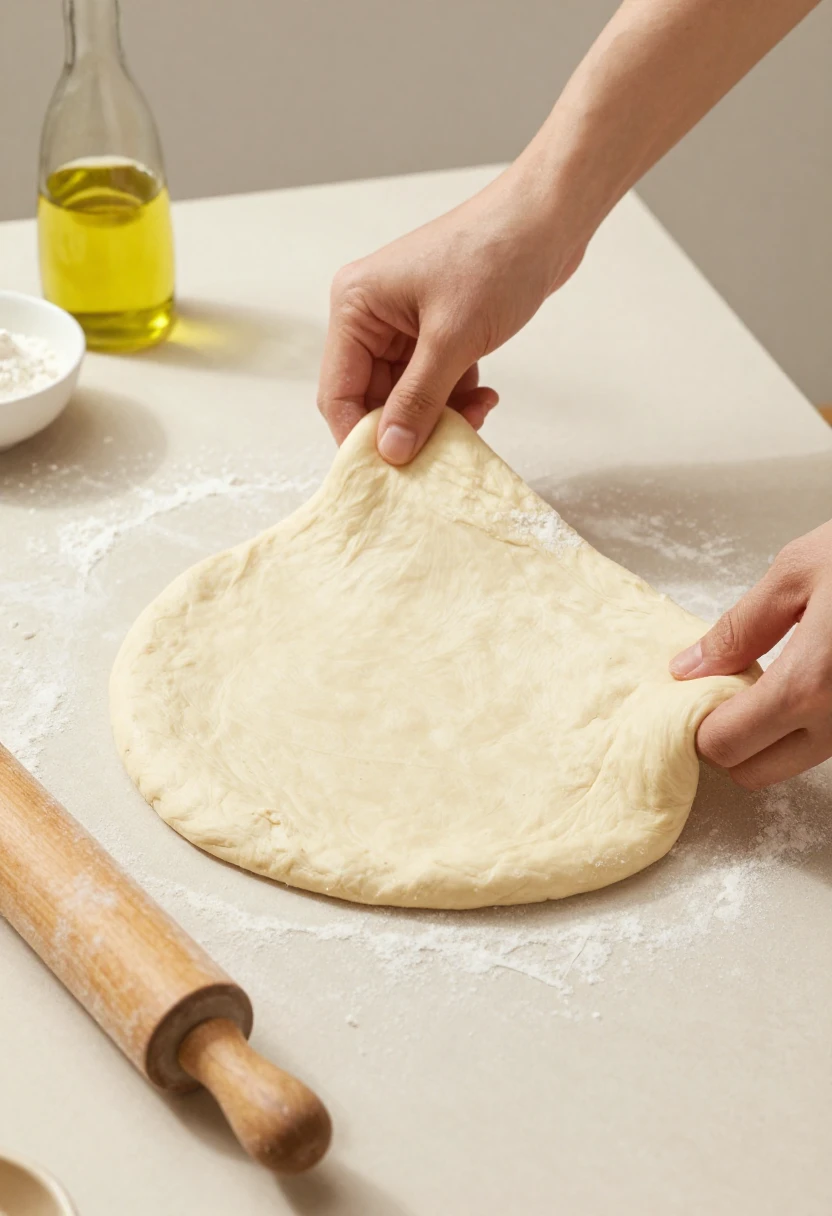
The crust sets the mood for the whole pizza. A thin, crisp crust makes the pizza feel lighter and sharper. A thicker, softer crust turns it into something more comforting, the kind of pizza you eat slowly because the edges are chewy and warm.
You do not have to choose one “right” crust forever. Choose the crust that matches the night.
If dinner needs to happen fast, use store-bought dough. If you have time and want the kitchen to smell like a bakery, make dough from scratch. If you want something crisp, roll it thinner. If you want a soft edge, leave the dough a little thicker and do not press all the air out.
Store-bought dough is not cheating
I actually like store-bought pizza dough for busy nights. It saves time, and most of the work becomes shaping, topping, and baking. That is usually the fun part anyway.
The only mistake is using it straight from the fridge. Cold dough fights back. It shrinks when you stretch it and tears when you push too hard.
Let it sit at room temperature for about 30 minutes before shaping. The dough relaxes, softens, and becomes much easier to work with. Sprinkle a little flour on the counter, use your hands instead of a rolling pin if you want a softer edge, and do not worry if it looks imperfect.
An uneven circle still tastes like pizza.
Thin crust needs less topping
Thin crust is great when you want that crisp bite, but it cannot carry a mountain of sauce, cheese, and vegetables. Too much weight makes the center soft before the edges have time to brown.
For thin crust, keep everything light:
- a thin layer of sauce
- a modest amount of cheese
- toppings sliced small or thin
- no watery vegetables unless they are cooked first
Mushrooms, zucchini, fresh tomatoes, and spinach can release a lot of moisture. If you want to use them, cook them quickly in a pan first or add them sparingly.
Thicker crust needs enough heat
A thicker crust gives you that soft, chewy edge, but it needs strong oven heat so the outside browns before the inside turns heavy. Preheat the oven well. Not for five minutes. Really let it get hot.
If you have a pizza stone or steel, use it. If not, turn a baking sheet upside down and preheat it in the oven. Slide the pizza onto the hot surface, and the bottom will bake faster.
That little step makes a big difference. The crust gets more structure, the bottom browns better, and the pizza feels less like bread with toppings.
How to avoid a soggy base
Soggy pizza usually comes from too much moisture. It is rarely one thing. It is too much sauce, wet toppings, too much cheese, or an oven that was not hot enough.
A few small habits help:
- spread the sauce thinly
- pat wet ingredients dry
- cook mushrooms, spinach, or zucchini before adding them
- use cheese with good melt but not too much moisture
- bake on a hot surface if possible
And do not overload the center. Leave a little breathing room between toppings. Pizza needs heat to move through it, not fight its way through a pile of everything in the fridge.
Make the sauce simple but flavorful
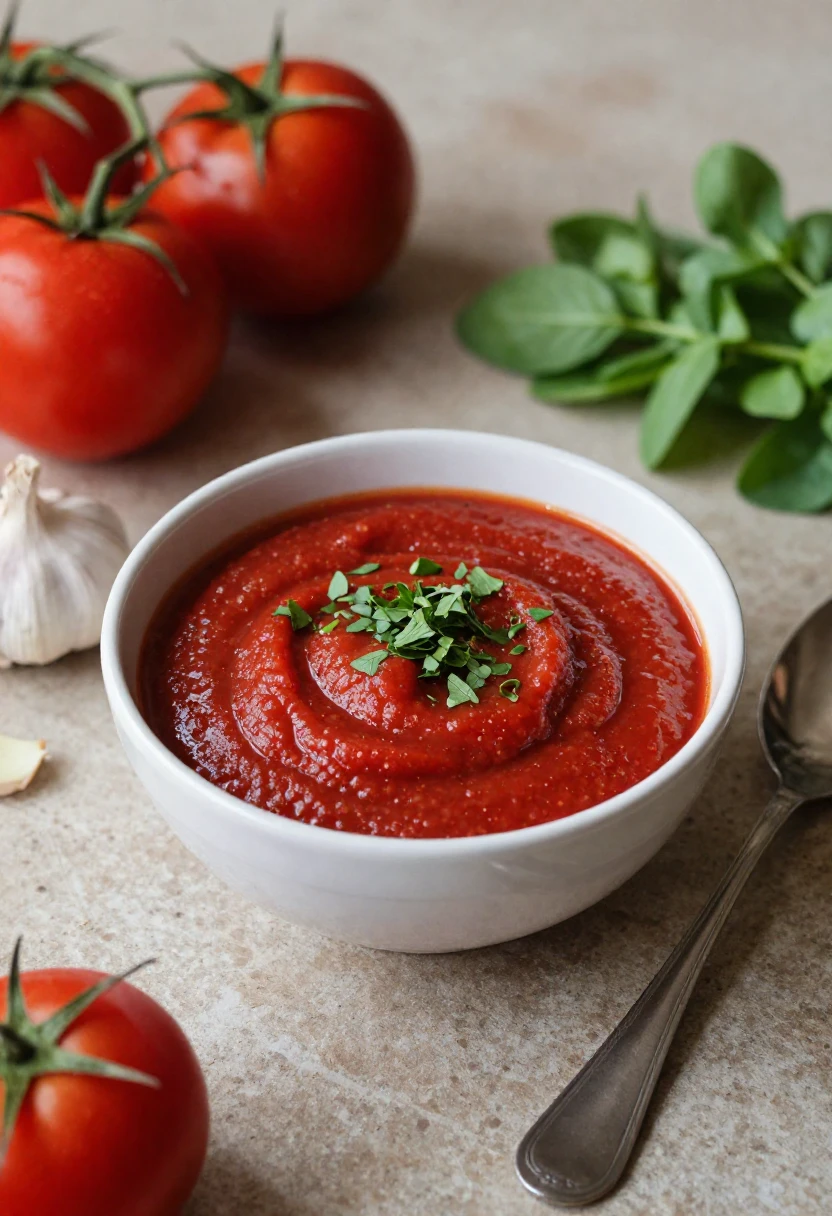
Pizza sauce does not need to simmer all afternoon. Honestly, most homemade pizza tastes better when the sauce stays simple. You want something bright, a little garlicky, and spread thin enough that the crust can still do its job.
A good sauce should support the pizza, not take over the whole thing.
Tomato sauce is the easiest place to start
For a quick red sauce, use crushed tomatoes or passata, then add olive oil, grated garlic, salt, black pepper, and a small pinch of dried oregano. That is enough.
If the tomatoes taste too sharp, add a tiny pinch of sugar. Not enough to make the sauce sweet, just enough to soften the acidity. If the sauce tastes flat, add a few drops of vinegar or a little extra salt.
You do not always need to cook it first. On a hot pizza, a thin raw tomato sauce can bake into the crust and cheese beautifully. It tastes fresher that way, especially with mozzarella and basil.
White sauce makes pizza feel softer and richer
White pizza is what I make when I want something cozy but not too heavy. You can use a thin layer of ricotta, a little cream sauce, or even olive oil with garlic.
Ricotta works especially well because it gives you creamy pockets instead of one heavy layer. Mix it with a little salt, pepper, lemon zest, and grated Parmesan. Then spoon it over the dough in small dots instead of spreading it like frosting.
That way, every bite has a little surprise of creaminess without making the pizza feel soggy.
Pesto adds freshness, but use less than you think
Pesto is strong. Delicious, yes, but strong. If you spread it too thick, it can turn oily and overpower everything else.
Use it lightly under the cheese, or add small spoonfuls after the pizza comes out of the oven. I like it with chicken, cherry tomatoes, roasted zucchini, or fresh mozzarella.
This is also where homemade pizza starts to feel personal. One pizza can remind you of a summer garden. Another can feel like a Friday night with music on and flour on your hands. Those small food moments are exactly the kind of everyday stories that fit naturally with chiefstories.com.
Too much sauce is the quiet pizza mistake
The most common homemade pizza mistake is not bad dough or the wrong cheese. It is too much sauce.
A thick layer of sauce keeps moisture trapped under the toppings. The cheese melts, the vegetables release water, and suddenly the center of the pizza turns soft and heavy.
Use the back of a spoon and spread the sauce almost to the edge, but keep it thin. You should still be able to see a little dough through it in places.
It may look like not enough before baking. After baking, it will be enough.
Choose toppings that actually work together
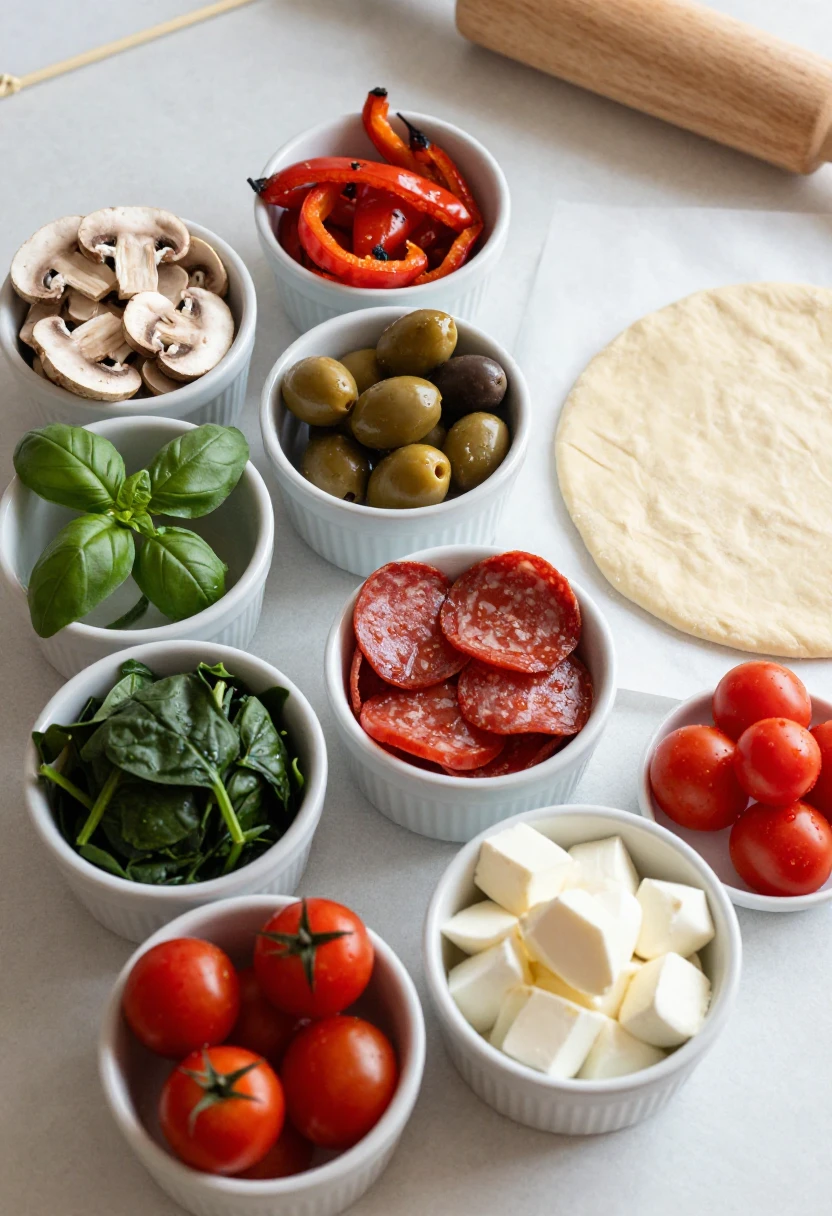
Toppings are where homemade pizza can either become great or turn into a crowded mess. I know the temptation. You see olives, peppers, mushrooms, leftover chicken, onions, spinach, and three cheeses, and suddenly the pizza becomes a refrigerator clean-out project.
Sometimes that works. Usually, it gets heavy.
The best homemade pizza toppings have a little logic behind them. You want contrast: something savory, something fresh, maybe something sweet or spicy, and enough space for the crust and cheese to still matter.
Classic combinations are classic for a reason
Some toppings just make sense together. They do not need much explaining.
Tomato sauce, mozzarella, and basil work because they are clean and balanced. Mushrooms and garlic work because both get deeper and more savory in the oven. Pepperoni and mozzarella work because the fat from the pepperoni seasons the cheese as it bakes.
A few easy combinations to keep in your back pocket:
- mozzarella, tomato sauce, basil
- pepperoni, mozzarella, chili flakes
- mushrooms, garlic, Parmesan
- roasted peppers, onion, olives
- chicken, pesto, cherry tomatoes
- spinach, ricotta, lemon zest
You do not need many toppings. Two or three good ones usually taste better than six random ones.
Cook watery vegetables first
Raw vegetables can be tricky on pizza. Some bake beautifully. Others release water and make the crust sad.
Mushrooms are the biggest example. They taste amazing on pizza, but if you add a thick layer of raw mushrooms, they can steam instead of brown. I prefer cooking them in a dry skillet for a few minutes first, then adding a little olive oil, garlic, and salt once the moisture cooks off.
Do the same with:
- zucchini
- spinach
- eggplant
- fresh tomatoes
- onions, if you want them softer and sweeter
Bell peppers can go on raw if they are sliced thin, but roasted peppers taste richer. It depends on the pizza you want.
Add delicate ingredients after baking
Not everything belongs in the oven. Some ingredients taste better when they hit the hot pizza after it comes out.
Fresh basil is the obvious one. Add it before baking and it turns dark and tired. Add it after baking and it smells bright, almost peppery.
Other good finishing toppings:
- arugula
- fresh herbs
- prosciutto
- lemon zest
- hot honey
- olive oil
- grated Parmesan
- fresh tomatoes
- burrata or extra ricotta
This is one of those small details that makes homemade pizza feel more polished without making it harder.
Keep the center lighter than the edges
The center of the pizza is the most likely place to get soggy. It has less direct heat than the outer crust, and it carries most of the sauce, cheese, and toppings.
So go lighter in the middle. Add a little more cheese near the edges if you want that browned, bubbly look. Keep heavier toppings spread out instead of piled in one spot.
Pizza should look a little imperfect. That is fine. A mushroom here, a piece of pepper there, a few browned cheese spots around the crust. That is the kind of pizza people reach for before you even find the cutter.
Cheese matters more than people think
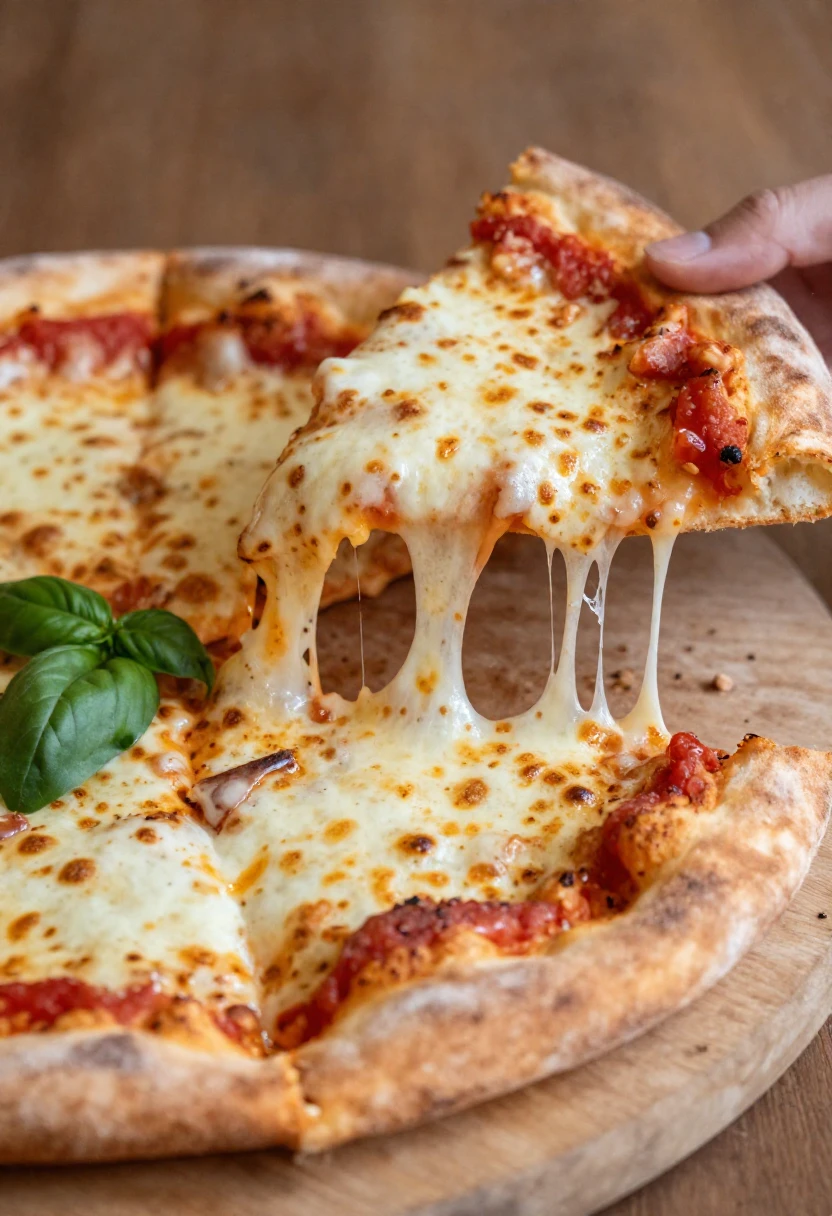
Cheese can make a homemade pizza feel generous, but it can also ruin the texture if you use too much or choose the wrong kind. More cheese does not always mean better pizza. Sometimes it just means a greasy center and toppings that slide off in one heavy sheet.
The goal is melt, flavor, and balance.
Mozzarella gives you that classic stretch
Mozzarella is the cheese most people think of first, and for good reason. It melts well, browns nicely, and gives you that stretchy first slice everyone secretly wants.
Low-moisture mozzarella is the easiest choice for homemade pizza because it melts without releasing too much water. Fresh mozzarella tastes beautiful, but it needs a little care. If you use it, tear it into pieces and pat it dry with a paper towel before adding it to the pizza.
That one step helps keep the crust from turning wet.
Parmesan adds flavor without adding heaviness
Parmesan does not melt like mozzarella, but it brings saltiness and depth. A small handful can make a simple pizza taste more finished.
I like adding Parmesan in two places: a little before baking, so it melts into the sauce and cheese, and a little after baking, while the pizza is still hot. It gives the top a sharper flavor without making the pizza feel overloaded.
You do not need much. Parmesan is loud in the best way.
Ricotta makes soft, creamy pockets
Ricotta works best when you use it in spoonfuls, not as a thick layer. Add small dots across the pizza, especially with spinach, mushrooms, roasted garlic, or white sauce.
Season it first. Plain ricotta can taste flat, so mix it with:
- salt
- black pepper
- lemon zest
- a little grated Parmesan
- a few drops of olive oil
Then spoon it on gently. When the pizza bakes, the ricotta turns warm and creamy without taking over every bite.
Avoid the overloaded cheese blanket
A heavy blanket of cheese might look good before baking, but it often melts into a thick layer that hides the sauce and traps moisture. The pizza becomes rich in a way that feels tiring after two slices.
Use enough cheese to cover most of the surface, but leave small gaps. Those little open spaces let the sauce bubble, the toppings roast, and the crust breathe.
And if you want extra cheese, add it with purpose. A little more mozzarella near the edges. A few dots of ricotta. A final dusting of Parmesan after baking.
That tastes better than dumping everything on at once.
How to make pizza night feel cozy
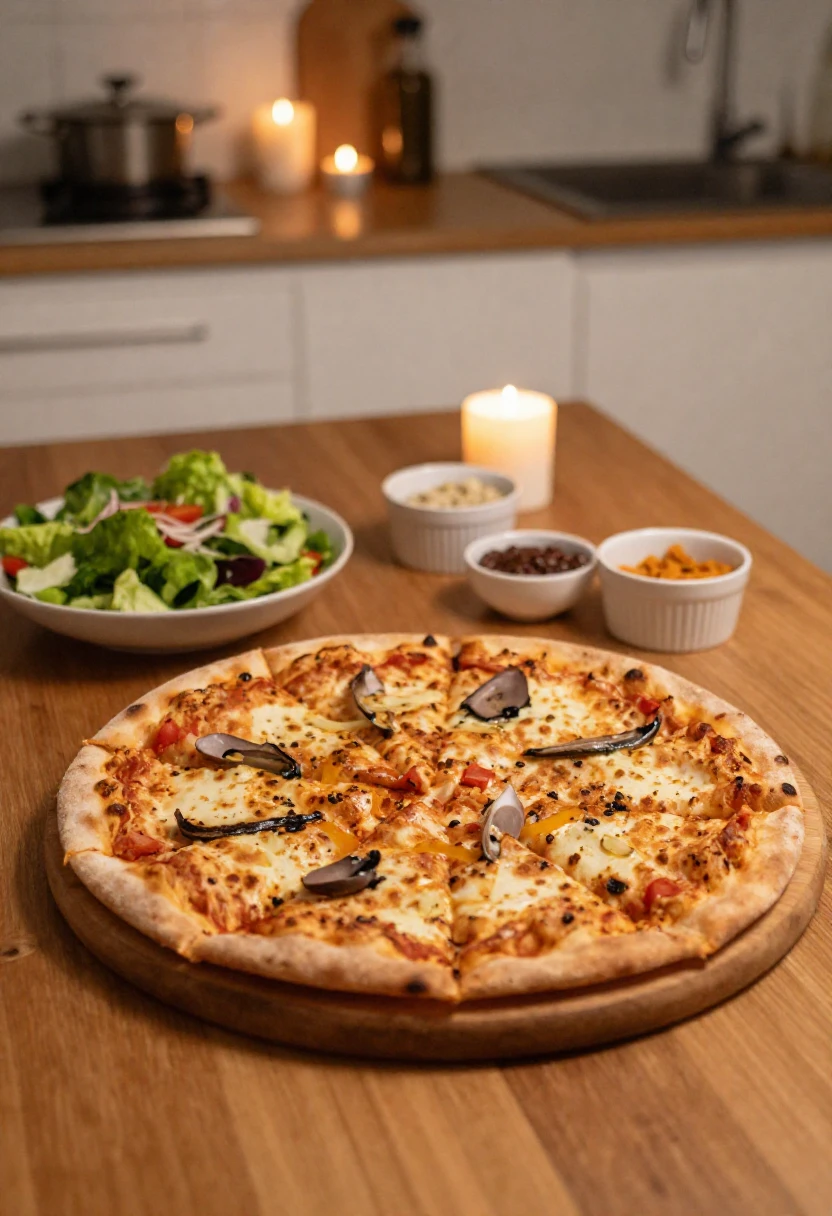
Pizza tastes better when the whole night feels easy. Not styled. Not perfect. Just easy.
You do not need matching plates, a wood-fired oven, or a table that looks like it belongs in a magazine. A cutting board, a few small bowls of toppings, and a hot oven can do more for the mood than anything fancy.
Pizza night should feel like people are allowed to relax.
Set up a small topping station
A topping station sounds more organized than it needs to be. Really, it is just a few bowls on the counter.
You can set out:
- shredded mozzarella
- sliced mushrooms
- pepperoni or cooked chicken
- roasted peppers
- olives
- spinach
- fresh basil
- chili flakes
- grated Parmesan
Keep the choices limited. Too many toppings can make everyone overbuild their pizza, and then the crust suffers. Four or five good options are enough.
This works especially well if you are making smaller pizzas. Everyone gets their own piece of dough and builds what they want. The picky eater stays happy. The mushroom person gets mushrooms. The spicy person can add chili flakes without bothering anyone else.
Bake one pizza at a time
If you are making more than one pizza, bake them one at a time when you can. It keeps the oven hotter and gives each pizza a better chance to brown.
I know it feels slower, but it actually makes the night nicer. One pizza comes out, everyone steals a slice, then the next one goes in. The table keeps filling and emptying in waves.
There is something fun about that. A little waiting. A little talking. Someone standing near the oven pretending they are “just checking.”
Add a simple side
Pizza does not need much next to it. A big salad is usually enough.
I like something crisp and acidic because it cuts through the cheese. Arugula with lemon juice and olive oil. Romaine with a quick vinaigrette. Cucumber and tomato with salt, pepper, and vinegar.
Nothing complicated.
If you want something warmer, roasted vegetables work well too. Just avoid sides that feel as heavy as the pizza itself. Pizza already brings the comfort. The side should freshen things up.
Make it casual, not perfect
The best pizza nights have a little mess to them. Flour on the counter. Cheese on the baking sheet. Someone reaching for a second slice before sitting down properly.
That is not a problem. That is the point.
Homemade pizza is the kind of food that gives you permission to loosen up. The crust may not be round. The cheese may bubble over. One slice may have all the olives because someone was not paying attention.
Still good. Maybe better.
Easy homemade pizza ideas to try
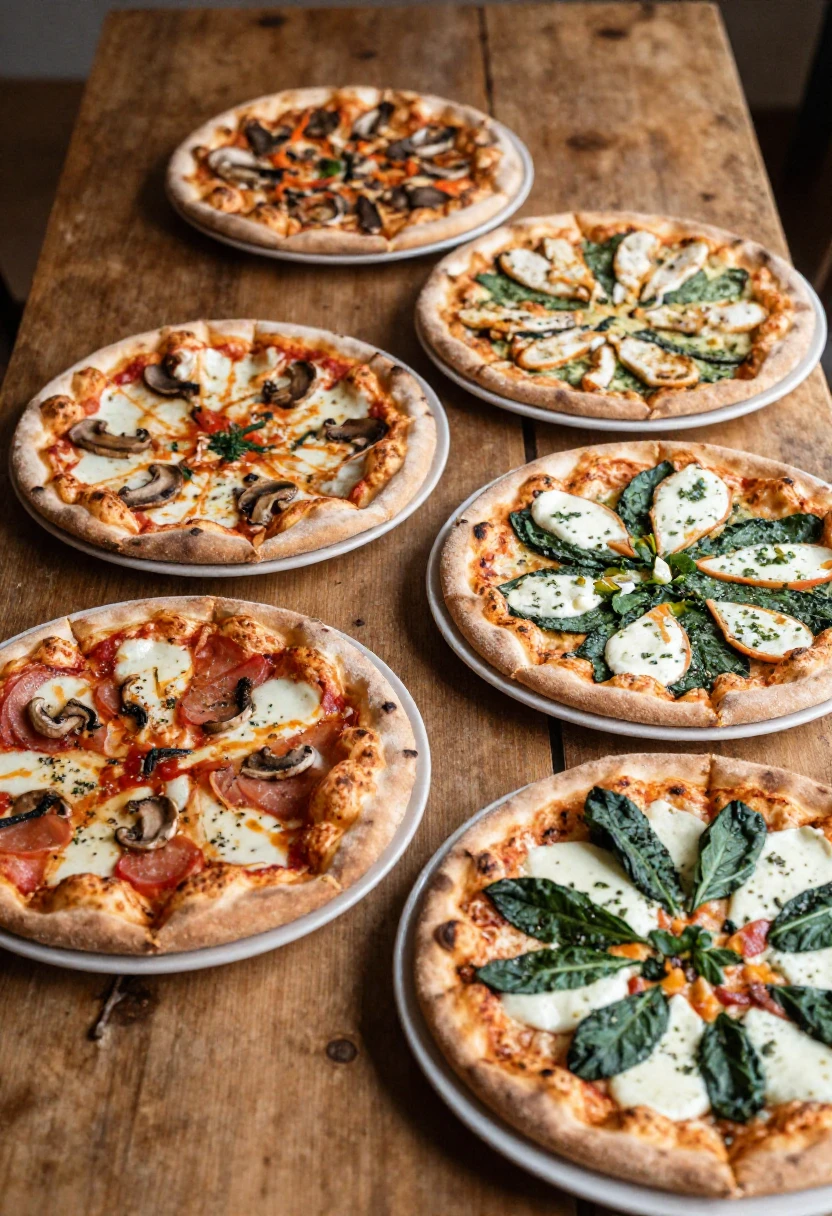
Once you understand the crust, sauce, cheese, and toppings, pizza becomes much easier to play with. You do not need a long recipe every time. You just need a few combinations that work.
These are the kinds of pizzas I would make on a regular night, not for a cooking competition. Simple ingredients, good balance, and enough flavor to make you reach for another slice.
Margherita-style pizza
This is the one to make when you want pizza to feel clean and classic.
Use a thin layer of tomato sauce, low-moisture mozzarella or torn fresh mozzarella, and a little olive oil before baking. After it comes out of the oven, add fresh basil and a small sprinkle of salt.
The key is not overloading it. Margherita-style pizza works because every ingredient has room to show up. The crust gets crisp, the sauce stays bright, and the basil smells fresh instead of cooked down and tired.
Mushroom and garlic pizza
Mushroom pizza tastes best when the mushrooms are cooked first. Slice them, cook them in a skillet until their moisture evaporates, then add olive oil, garlic, salt, and black pepper.
Use tomato sauce or a light white base. Add mozzarella, the cooked mushrooms, and a little Parmesan.
This pizza is cozy without being too heavy. The mushrooms get savory, the garlic warms everything up, and the Parmesan gives the top that salty finish.
Chicken pesto pizza
Chicken pesto pizza is a good choice when you want something filling but still fresh.
Use a light layer of pesto or small spoonfuls of pesto over the dough. Add cooked chicken, mozzarella, and cherry tomatoes. After baking, you can add a few more tiny spoonfuls of pesto or a handful of arugula.
Do not use too much pesto before baking. It can turn oily fast. A little goes a long way, especially with chicken and cheese.
Veggie-loaded pizza
A veggie pizza can be amazing, but only if the vegetables are handled properly. The goal is roasted and flavorful, not wet and crowded.
Good options include:
- roasted peppers
- cooked mushrooms
- thin red onion
- olives
- spinach
- zucchini cooked first
- cherry tomatoes added lightly
Use tomato sauce, mozzarella, and maybe a little feta or Parmesan. Keep the vegetables spread out so the crust still has a chance to bake.
This is a great pizza for using what you already have, but choose with some restraint. Three or four vegetables are usually enough.
White pizza with spinach and ricotta
White pizza feels softer and creamier than a classic red sauce pizza. Start with olive oil, garlic, and a light layer of mozzarella. Add spoonfuls of seasoned ricotta and cooked spinach.
Season the ricotta with salt, pepper, lemon zest, and Parmesan before adding it. That small step makes the whole pizza taste brighter.
After baking, finish it with a little olive oil or extra Parmesan. If you like heat, chili flakes work beautifully here.
This is the pizza I would make when I want something comforting but not too loud. It is simple, creamy, and very easy to love.
Conclusion
The perfect homemade pizza is not about making everything from scratch or copying a restaurant. It is about knowing where to pay attention.
Let the dough relax before shaping. Use less sauce than you think. Choose toppings that make sense together. Cook watery vegetables first. Use enough cheese to melt and brown, but not so much that the pizza turns heavy.
That is really it.
Once you get those basics down, pizza night becomes easy to repeat. Some nights it might be classic tomato and mozzarella. Other nights it might be mushrooms, garlic, pesto, chicken, or whatever is sitting in the fridge waiting to be useful.
And if the crust comes out a little uneven? Good. That is how homemade pizza should look.
FAQ
What is the best cheese for homemade pizza?
Low-moisture mozzarella is the easiest cheese for homemade pizza because it melts well without making the crust too wet. You can also add Parmesan for more flavor or small spoonfuls of ricotta for a creamier pizza.
How do I keep homemade pizza from getting soggy?
Use a thin layer of sauce, avoid too much cheese, and cook watery vegetables like mushrooms, spinach, zucchini, or fresh tomatoes before adding them. A very hot oven and a preheated pizza stone, steel, or baking sheet also help the crust bake faster.
Can I make good pizza with store-bought dough?
Yes. Store-bought dough can make excellent homemade pizza. Let it sit at room temperature for about 30 minutes before shaping so it stretches more easily and does not shrink back on the counter.
What toppings work best for a simple pizza night?
Good simple toppings include mozzarella, basil, pepperoni, cooked mushrooms, roasted peppers, olives, spinach, ricotta, pesto, cooked chicken, and Parmesan. Pick two or three toppings instead of adding everything at once. This keeps the pizza balanced and easier to bake.