Some workdays seem to run on coffee, back-to-back meetings, and the vague promise that you’ll “eat something later.” Then later turns into a pastry from the break room, a handful of crackers at your desk, or a takeout lunch that leaves you sleepy by 3 p.m.
If that sounds familiar, you’re not failing at healthy eating. You’re just trying to eat well in a setting that often makes convenience the loudest option in the room. When your schedule is packed, your inbox is overflowing, and lunch feels like an interruption instead of a pause, food choices become less about nutrition theory and more about what’s fast, easy, and close enough to grab.
The good news is that healthy eating at work does not have to mean meal-prepping perfect containers every Sunday or giving up the foods you genuinely enjoy. In real life, it looks much simpler than that. It can be a breakfast you can eat on the go, a lunch that actually keeps you full, and a few satisfying snacks that stop the afternoon energy crash before it starts.
This guide is here to help you make workday eating feel doable. Not strict. Not complicated. Just practical, nourishing, and realistic for busy weekdays when you still want to feel like yourself by the end of the day.
Why Eating Healthy at Work Feels So Hard
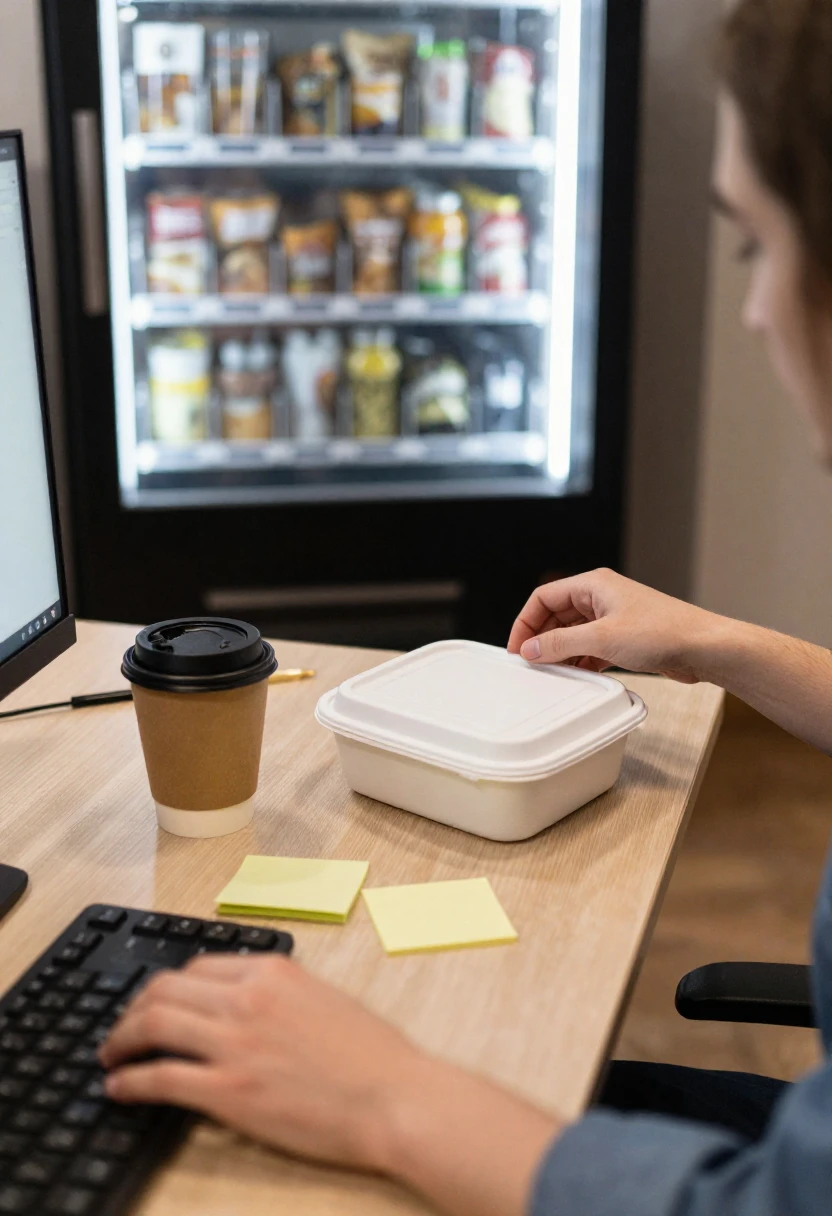
Healthy eating sounds simple when you picture a calm kitchen, plenty of time, and a fridge full of good options. Workdays are usually the opposite. You may be rushing out the door, answering messages before breakfast, or squeezing lunch into a gap that barely feels real.
That is why so many people end up feeling frustrated with themselves. But most of the time, the issue is not a lack of discipline. It is the environment.
The real reasons office eating goes off track
Work has a way of pushing food into the background until hunger becomes impossible to ignore. And by then, you are not usually in the mood to chop vegetables or thoughtfully assemble a balanced meal.
A few common things tend to get in the way:
- You wait too long to eat, then grab whatever is fastest
- Your meals are too light, so you are hungry again an hour later
- You rely on convenience foods that are easy but not very satisfying
- You eat while distracted, which makes it harder to notice fullness
- You keep “emergency” snacks nearby, but they are mostly sweets or chips
It often starts innocently. You skip breakfast because the morning is hectic. Lunch gets delayed because of meetings. By mid-afternoon, you are standing near the vending machine convincing yourself that a chocolate bar counts as a survival strategy.
Honestly, sometimes it does. But when that pattern repeats every day, your energy, mood, and focus begin to feel the difference.
How stress, schedules, and convenience shape your food choices
Stress changes the way you eat. Busy days make quick decisions feel more appealing and thoughtful choices feel like extra work. Even when you know what would help you feel better, convenience often wins because you simply do not have the mental space.
Think about the foods that show up most often in a work setting. Pastries in the meeting room. Leftover candy at reception. A sandwich grabbed in five minutes. Crackers from your desk drawer. None of these foods are “bad,” but when they become the default, you may notice a familiar cycle:
- quick hunger relief
- a short burst of energy
- feeling unsatisfied
- searching for something else soon after
That cycle can make the whole day feel off. You are eating, but not really being nourished.
Why willpower is not the real problem
This part matters. Healthy eating at work is not a character test. You are not supposed to outsmart hunger, ignore stress, and resist every convenient option around you with pure willpower.
What helps more is creating a setup that makes nourishing choices easier. A filling breakfast. A lunch you actually look forward to. Snacks that do more than just keep your hands busy.
When your meals are satisfying and easy to reach for, healthy eating starts to feel less like a daily battle and more like something that fits naturally into your routine.
And that is where everything gets easier: when you stop asking, “Why can’t I be more disciplined?” and start asking, “How can I make good food the easy option during my workday?”
What Healthy Eating at Work Actually Looks Like
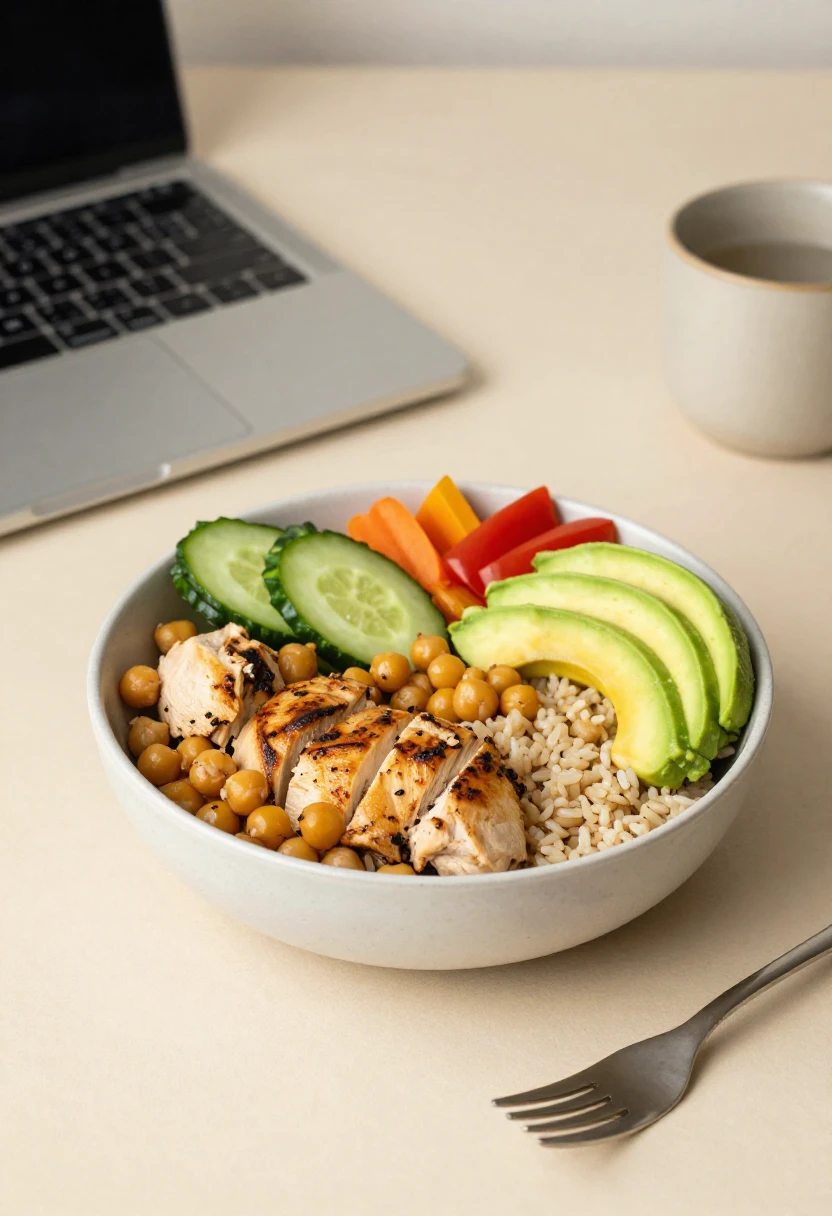
There is a reason workday eating gets confusing. One person says you need high protein. Another says meal timing matters most. Someone else is swearing by green juice and almonds like that is enough to carry a human through eight hours of emails and decision-making.
In reality, healthy eating at work does not need to be trendy to be effective. It just needs to help you feel steady, satisfied, and able to focus without thinking about food every 45 minutes.
A simple definition of a balanced workday meal
A good work meal is not the one that looks the prettiest in a glass container. It is the one that helps you get through your day feeling fed.
Most balanced meals include a mix of:
- Protein to help keep you full
- Fiber-rich carbs for steady energy
- Healthy fats for satisfaction
- Color and texture from fruits or vegetables
That could look like a rice bowl with chicken and roasted vegetables. Or Greek yogurt with berries, oats, and nuts. Or a turkey sandwich with whole grain bread, greens, and sliced avocado. It does not have to be fancy. It just has to work.
A lot of people eat meals that are technically food but not quite enough of a meal. A plain salad with no protein. A granola bar and coffee. Crackers and hummus stretched into lunch because the day got busy. Then they wonder why they are starving an hour later.
Your body is not being dramatic. It is just asking for something more substantial.
How to combine protein, fiber, and healthy fats
If you want your meals and snacks to last, this simple combination helps more than almost anything else: protein + fiber + fat.
Here is why it works so well:
- Protein helps with fullness and supports steady energy
- Fiber slows digestion and helps you stay satisfied longer
- Healthy fats add staying power and make meals feel more complete
You do not need to calculate every bite. Just think in patterns.
For example:
- Apple + peanut butter
- Cottage cheese + fruit + seeds
- Whole grain toast + eggs + avocado
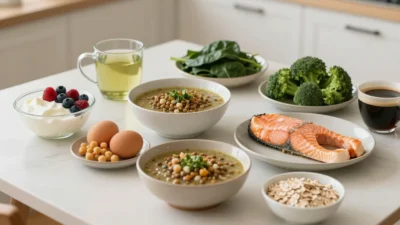
- Brown rice + salmon + vegetables
- Wrap with chicken, greens, and hummus
These are the kinds of combinations that keep you going through a meeting, a commute, or a long afternoon when dinner still feels far away.
Why satisfaction matters just as much as nutrition
This is the part people skip, and it matters more than they think. A meal can be balanced on paper and still leave you unsatisfied if it feels bland, skimpy, or joyless.
Healthy eating works better when your food is also:
- Pleasant to eat
- Comforting in a simple way
- Easy enough to repeat
- Something you actually want
That might mean adding crunchy toppings to a salad, choosing a wrap instead of a grain bowl, or packing fruit that smells fresh when you open your lunch bag. Small details matter. The creaminess of yogurt, the saltiness of feta, the crisp bite of cucumber, the sweetness of a ripe orange at 3 p.m. These things help healthy food feel real and enjoyable, not like a punishment for being busy.
When your meals are balanced and satisfying, you are less likely to spend the rest of the day searching for “a little something” that never quite hits the spot.
The goal is not to eat perfectly at work. It is to eat in a way that helps you feel nourished, clear-headed, and comfortably full.
Start Your Day With a Breakfast That Makes Work Easier
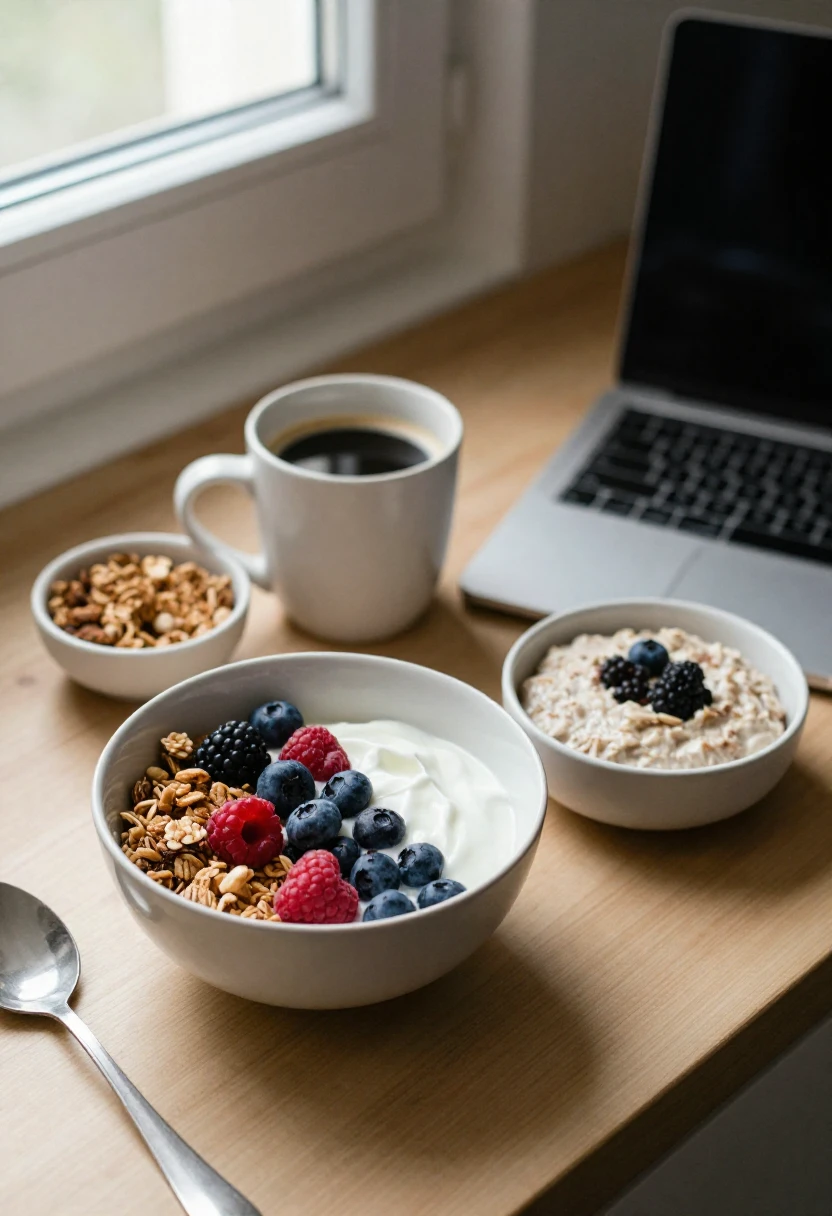
Mornings set the tone for everything that follows. And yet breakfast is often the first thing to disappear when life gets busy. You wake up late, answer one email too early, start getting ready faster than usual, and suddenly breakfast becomes a coffee in one hand and hope in the other.
The problem is that skipped breakfasts tend to show up later. Not always right away, but usually by mid-morning or lunchtime, when your hunger feels louder and your choices feel more rushed.
Why skipping breakfast can backfire
Not everyone needs a huge breakfast, but starting the day with nothing at all can make work feel harder than it needs to.
When you skip breakfast, you may notice:
- Low energy early in the day
- Difficulty focusing
- Stronger cravings later
- Feeling overly hungry by lunch
- Grabbing quick sugary foods to catch up
That pattern can turn the whole day into recovery eating. You are not choosing meals from a calm place. You are trying to fix a growing hunger problem on the go.
Even a simple breakfast can make a difference. It does not need to be elaborate. It just needs to give your body something real to work with.
Easy breakfast ideas for rushed mornings
A work-friendly breakfast should be fast, filling, and easy to repeat. The best ones are the kind you can make half-awake without creating a sink full of dishes.
A few reliable ideas:
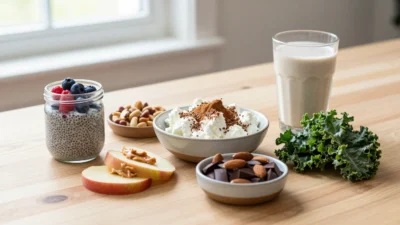
- Greek yogurt with berries and granola
- Overnight oats with chia seeds and banana
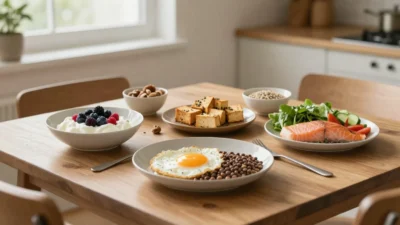
- Eggs on toast with avocado
- Cottage cheese with fruit and nuts
- A smoothie with protein, fruit, and nut butter
- Whole grain toast with peanut butter and sliced apple
The beauty of these breakfasts is that they do not ask much from you. They are simple, familiar, and easy to adjust based on what you like.
On colder mornings, maybe you want warm oatmeal with cinnamon. On a busy Monday, maybe yogurt and fruit is all you can manage. Both can be enough.
Grab-and-go options you can prep ahead
Some mornings are too chaotic for even five extra minutes, and that is where prep helps. Not the kind that takes over your Sunday, just enough to make the next morning easier.
Try keeping a few ready-to-go options on hand:
- Overnight oats in jars
- Hard-boiled eggs in the fridge
- Pre-portioned trail mix
- Bananas, apples, or mandarins near the door
- Homemade breakfast muffins
- Frozen smoothie packs you can blend quickly
A prepared breakfast removes one decision from the morning, and sometimes that is all it takes to make a better choice feel effortless.
When breakfast becomes part of your rhythm instead of an afterthought, the rest of the workday often feels more stable too. You are not starting depleted. You are starting supported.
Pack Lunches You’ll Actually Want to Eat
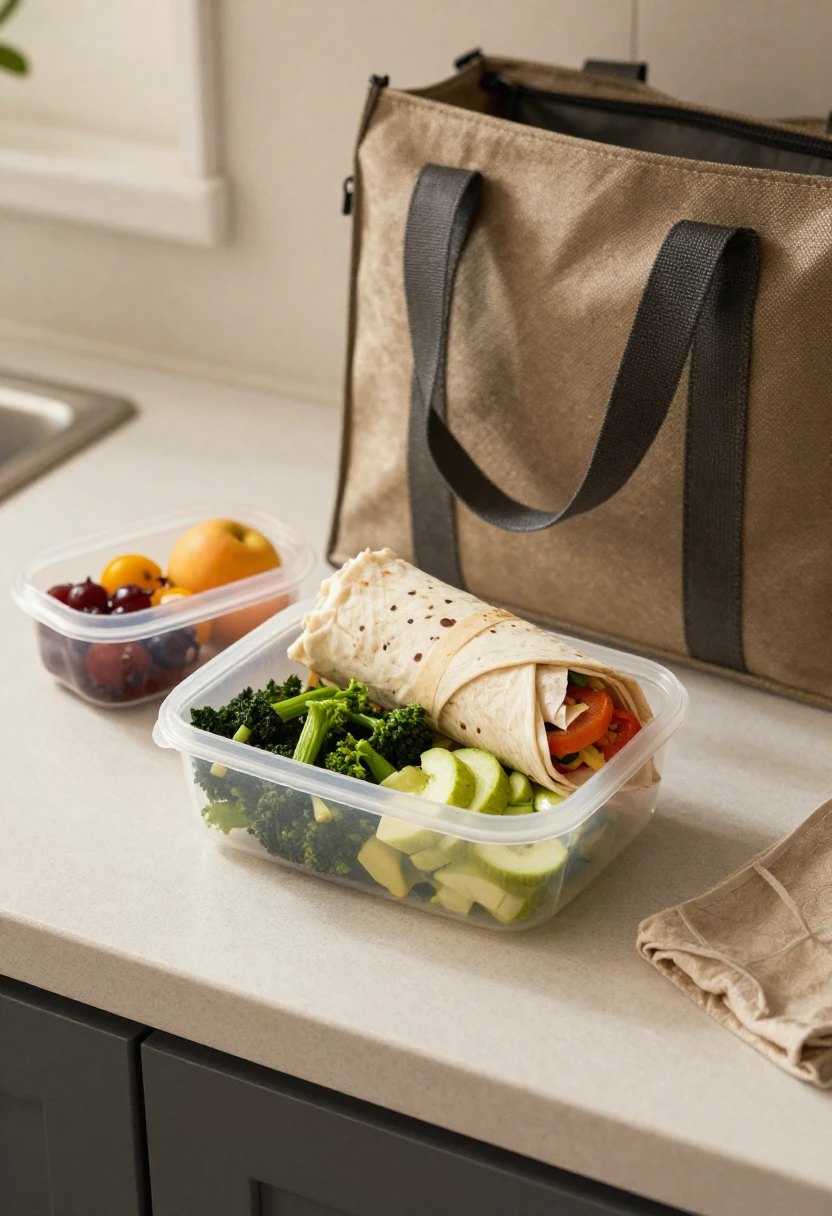
Lunch has a strange way of becoming optional during a busy workday. You tell yourself you will eat after one more task, one more call, one more email. Then suddenly it is 2:17 p.m., you are tired, slightly irritated, and considering whether a bag of pretzels and an iced coffee can count as a proper meal.
This is why lunch matters so much. A good lunch is not just a break in the middle of the day. It is a reset. It gives you enough energy to finish strong without feeling heavy, distracted, or desperate for sugar an hour later.
Why boring lunches lead to takeout
Most people do not abandon packed lunches because they are lazy. They abandon them because the lunch is not appealing enough to compete with everything else around them.
A dry sandwich you barely wanted to make at 10 p.m. is not going to feel exciting by noon. Neither is a sad container of lettuce with a few tomatoes and no real substance. When lunch feels repetitive, skimpy, or joyless, takeout starts looking like self-care.
That does not mean every lunch has to be gourmet. It just needs to have a few things going for it:
- Enough protein to keep you full
- A texture you enjoy
- A flavor that feels satisfying
- Enough substance to count as a real meal
Sometimes the difference is surprisingly small. A spoonful of pesto in pasta salad. Crunchy cucumbers tucked into a wrap. Leftover roasted chicken that makes a grain bowl feel like lunch instead of a side dish. Those little upgrades make packed meals much easier to stick with.
Simple packed lunch formulas that work
If you do better with structure than recipes, lunch formulas can save a lot of mental energy. Instead of wondering what to pack every morning, you build meals from a few simple parts.
Here are a few easy formulas to rotate:
1. Protein + grain + vegetables + sauce
Examples:
- Brown rice + grilled chicken + roasted broccoli + tahini
- Quinoa + chickpeas + cucumber + lemon dressing
- Pasta + tuna + cherry tomatoes + olive oil
2. Wrap or sandwich + produce + side snack
Examples:
- Turkey and avocado wrap + baby carrots + yogurt
- Hummus and veggie sandwich + apple + mixed nuts
- Chicken salad sandwich + grapes + cheese cubes
3. Salad with real staying power
Examples:
- Greens + salmon + farro + cucumber + feta
- Spinach + boiled eggs + potatoes + green beans
- Kale + lentils + roasted vegetables + pumpkin seeds
4. Leftovers turned into lunch
Examples:
- Stir-fry from dinner in a lunch container
- Soup in a thermos with toast or crackers
- Roasted vegetables and chicken folded into a wrap
A formula takes the pressure off. You do not have to be creative every day. You just need enough variety to keep lunch from becoming forgettable.
Easy desk-friendly lunch ideas for busy weekdays
Some lunches are better suited for real life than others. If you are eating at a desk, in a break room, or between tasks, easy matters.
A few work-friendly lunch ideas include:
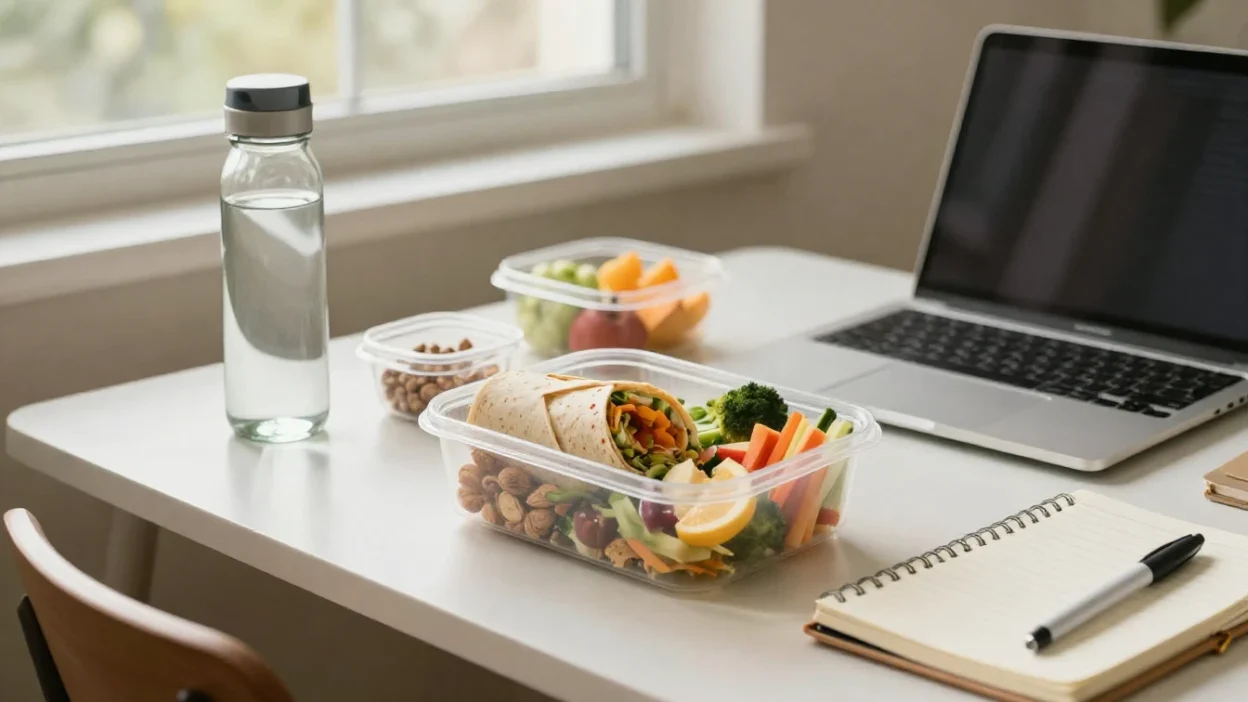
- Chicken and hummus wrap with cucumber and spinach
- Quinoa bowl with black beans, corn, avocado, and salsa
- Greek yogurt bowl with fruit, nuts, and oats for a lighter lunch
- Pasta salad with tuna, olives, tomatoes, and arugula
- Lentil soup with whole grain toast
- Egg salad sandwich with sliced peppers on the side
- Rice bowl with tofu, edamame, shredded carrots, and sesame dressing
These meals are simple, portable, and filling enough to help you avoid the late-afternoon slump. They also leave room for flexibility. Some days you want something fresh and crisp. Other days you want something soft, warm, and comforting. Both can fit into healthy eating.
The best lunch is the one you will gladly reach for at noon instead of ignoring until you are so hungry that anything salty starts to look irresistible.
Keep Smart Snacks Nearby to Avoid the Afternoon Crash
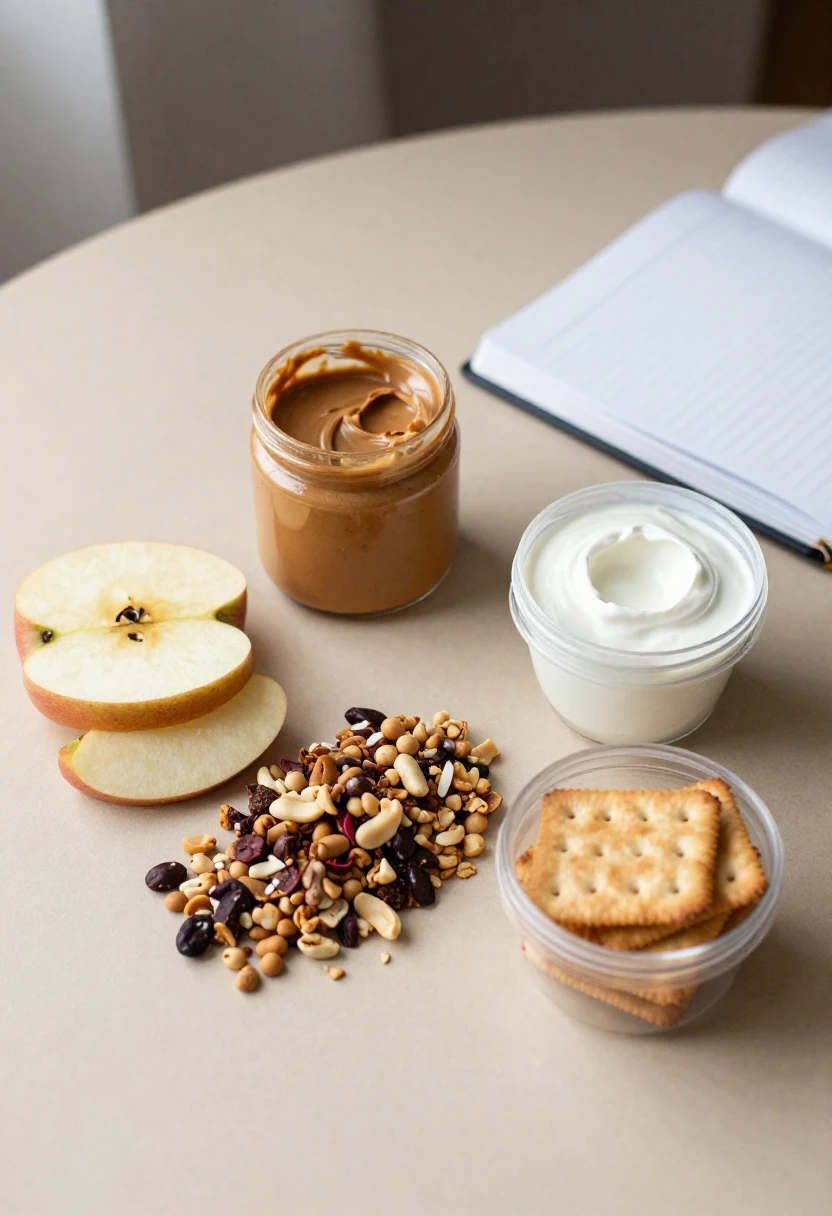
There is a particular kind of hunger that hits in the afternoon and makes every office biscuit suddenly feel deeply personal. It usually arrives when lunch was too small, breakfast was rushed, or the day has been long enough to wear down your good intentions.
That is where snacks can help. Not as random nibbling all day, but as a practical bridge between meals when you genuinely need one.
What makes a snack filling instead of frustrating
A snack should do more than disappear in three bites. The most helpful snacks take the edge off hunger and give you enough energy to keep going without leaving you hungrier than before.
That usually means including at least one of these:
- Protein
- Fiber
- Healthy fat
A snack built around only quick carbs might taste good in the moment, but it often fades fast. You eat it, feel briefly better, and then find yourself looking for something else 30 minutes later.
A more satisfying snack feels steadier. It gives your body something to work with.
Best healthy snack combinations for work
You do not need a long shopping list. A few reliable combinations can cover most workdays.
Try options like:
- Apple slices with peanut butter
- Greek yogurt with berries
- Cheese and whole grain crackers
- A banana with almonds
- Hummus with carrots or cucumber
- Cottage cheese with pineapple
- Trail mix with nuts and dried fruit
- Hard-boiled eggs with cherry tomatoes
These snacks are simple, but that is exactly why they work. You can toss them into a bag, keep them in the office fridge, or stash them in a desk drawer without much effort.
It also helps to think about the kind of hunger you usually get. If you crave something crunchy, roasted chickpeas or crackers with cheese may feel more satisfying than yogurt. If you want something cool and refreshing, fruit and cottage cheese might hit the spot better than a bar.
The more your snack matches what you actually want, the less likely you are to go hunting for a second snack ten minutes later.
How to handle vending machine temptation
Vending machines are not evil. They are just very convincing when you are tired, underfed, and staring at a long afternoon. If the only food available is chips, chocolate, or cookies, most people will eventually choose one of those options. That is not a moral failure. It is hunger meeting convenience.
What helps is planning for that moment before it happens.
A few easy strategies:
- Keep one or two backup snacks at work at all times
- Eat lunch before you get overly hungry
- Pair a less filling snack with something more substantial if you can
- Do not rely on caffeine alone to carry you through
And if you do buy something from the vending machine, that is not the end of the story. You do not need to “start over tomorrow.” You can simply make your next choice a little more balanced.
Healthy workday eating is not built on perfect decisions. It is built on having enough support in place that one hungry moment does not take over the rest of your day.
Create a Workday Eating Routine That Supports Your Energy
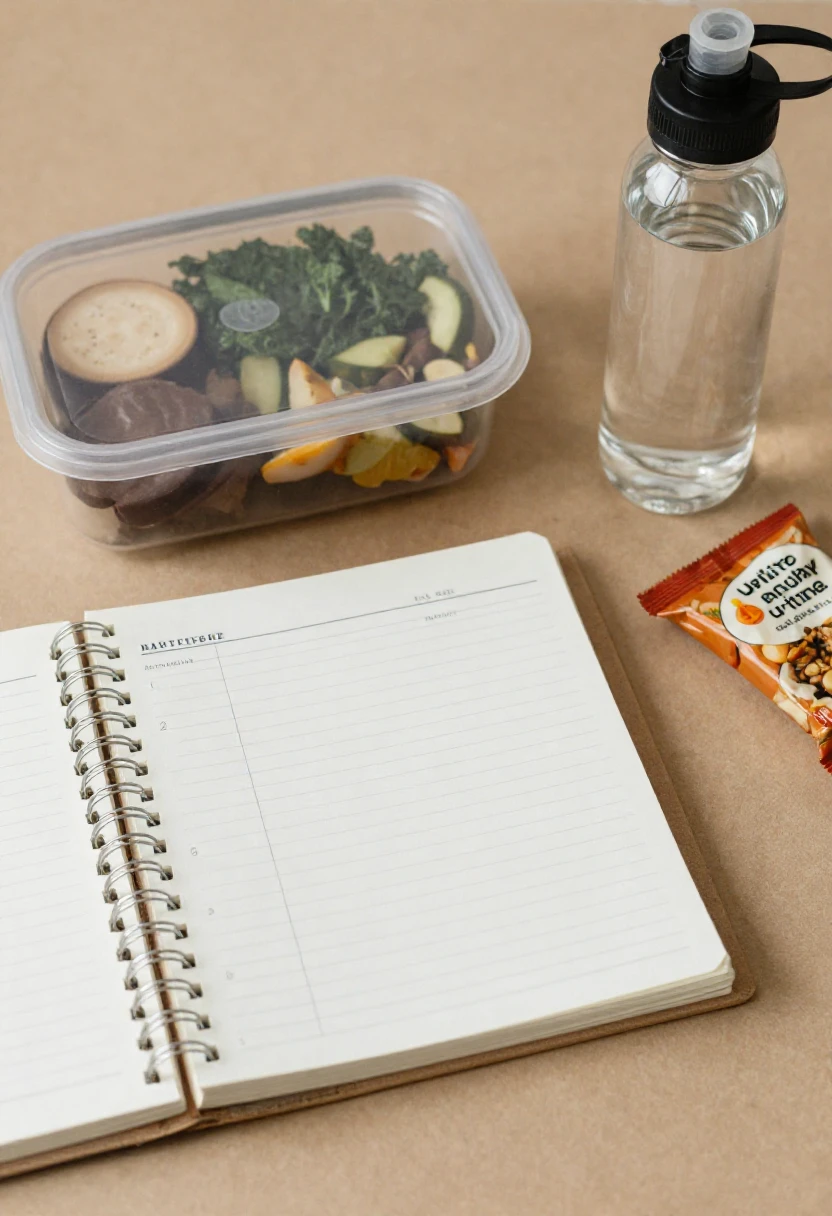
Some days feel chaotic before they even begin. You answer messages while making coffee, forget what time lunch is supposed to happen, and suddenly realize your first real meal is happening far later than your body would prefer.
That is why having a loose eating routine can help so much. Not a rigid schedule with alarms and rules. Just a rhythm that keeps you from drifting too far into the hungry, tired, unfocused part of the day.
The link between meal timing and focus
When you go too long without eating, it becomes harder to concentrate, make decisions, and stay patient. You may feel foggy, restless, or oddly fixated on food even while trying to finish something important.
A steady routine helps prevent that. It gives your body regular opportunities to refuel, which can make your energy feel more even from morning to evening.
That might look like:
- Breakfast within a couple of hours of waking up
- Lunch around the middle of your workday
- A snack in the afternoon if dinner is still far away
- Enough water throughout the day to stay alert
You do not need to eat by the clock with military precision. But having a general pattern can make a busy day feel much easier to manage.
How to avoid long gaps that lead to overeating
One of the biggest reasons workday eating feels messy is that meals get pushed too far apart. Then by the time you finally eat, you are so hungry that slowing down feels impossible.
A few simple habits can help:
- Pack food before you need it
- Keep a backup snack within reach
- Block a rough lunch window in your calendar if needed
- Do not treat hunger like something to “push through”
- Notice when your focus drops, because that can be an early sign you need food
Long gaps often lead to meals that feel frantic rather than satisfying. You eat quickly, keep working, and still feel slightly off afterward. A more regular rhythm helps you meet hunger earlier, when it is easier to respond thoughtfully.
Building a rhythm that feels natural, not strict
The best routine is one that fits your real workday. If your mornings are packed, maybe breakfast needs to be portable. If afternoons are your busiest stretch, maybe that is exactly when a reliable snack matters most.
Try thinking in anchors instead of rules:
- Something nourishing in the morning
- A real lunch, not just random bites
- A planned afternoon snack if needed
That kind of structure gives you support without making food feel complicated. It also leaves room for real life. Some days lunch is earlier. Some days you are hungrier than usual. Some days the snack is essential. That is normal.
A healthy routine should make your day feel steadier, not smaller.
Stop Eating on Autopilot at Your Desk
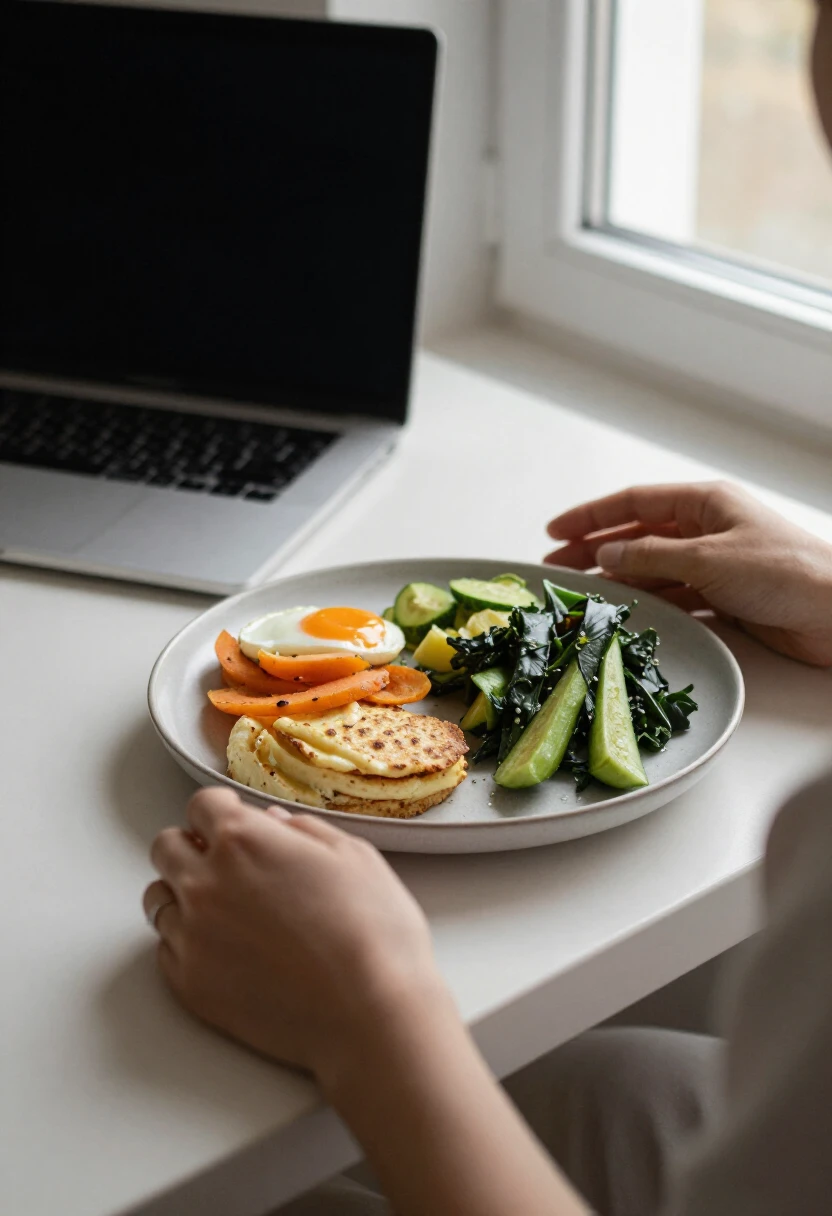
There is a big difference between eating and barely noticing that you ate. Desk lunches often blur into typing, scrolling, replying, and multitasking until the meal is over and somehow not very satisfying.
Then, an hour later, you want something else and cannot quite explain why.
Why distracted eating leaves you unsatisfied
When your attention is split, your meal can feel more like background noise than an actual break. You finish eating, but your brain never really registers the experience.
That can lead to:
- Less satisfaction after meals
- More mindless snacking later
- Missing fullness cues
- Feeling like lunch “didn’t count”
It is not about eating perfectly or turning every lunch into a wellness ritual. It is simply about giving yourself a few minutes to notice your food instead of swallowing it between emails.
Even a small pause can change how a meal feels.
Small ways to make lunch feel like a real break
A real break does not have to be long. Sometimes ten quiet minutes with your lunch is enough to help you reset.
You might try:
- Stepping away from your screen for lunch
- Eating near a window or in a break room
- Taking a few breaths before you start
- Putting your food on a plate instead of eating from packaging
- Chewing more slowly for the first few bites
These are small shifts, but they make eating feel more intentional. A crisp salad tastes fresher when you actually pause long enough to enjoy it. Soup feels more comforting when you are not answering messages with your other hand. Even a simple sandwich becomes more satisfying when it gets your full attention for a few minutes.
How mindful eating helps with portion awareness
Mindful eating does not mean analyzing every bite. It just means being present enough to notice what is happening.
When you pay more attention, it becomes easier to notice:
- when you are truly hungry
- when you are comfortably full
- what foods actually satisfy you
- which meals leave you wanting more
That awareness can make future choices easier. You start to realize that a protein-rich lunch keeps you steadier, or that eating too fast leaves you oddly unsatisfied. You notice that a peaceful ten-minute lunch does more for your afternoon than eating half a wrap while standing by the printer.
Workdays can be noisy and demanding. Letting meals be one of the calmer parts of the day is a small kindness that often pays off more than people expect.
Make Healthy Choices Easier Than Unhealthy Ones
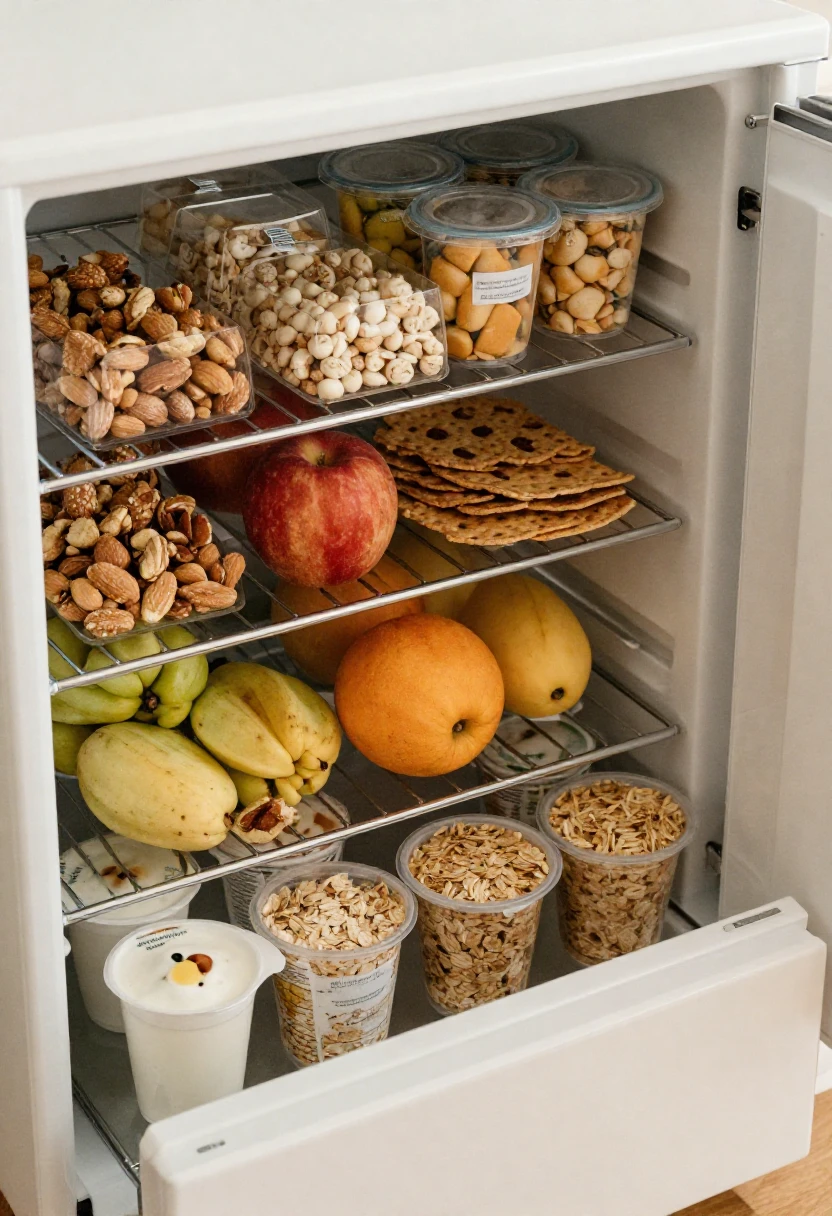
A lot of healthy eating advice sounds good until real life shows up. Then it is 4 p.m., your energy is slipping, and the only thing within arm’s reach is a stale granola bar, office candy, or whatever is left in the vending machine.
That is why one of the smartest things you can do is make nourishing food easier to choose than the less helpful options. Not because you need to control every bite, but because your environment shapes your habits more than motivation does.
Stock your bag, drawer, or office fridge wisely
You do not need a perfectly organized kitchen at work. You just need a few reliable foods that save you on busy days.
A simple work stash might include:
- Nuts or trail mix
- Whole grain crackers
- Nut butter packets
- Protein bars with simple ingredients
- Instant oatmeal
- Roasted chickpeas
- Apples or mandarins
- Greek yogurt or cottage cheese if you have fridge access
These foods are not glamorous, but they are practical. They help you bridge the gap when meetings run long, lunch gets delayed, or your usual plan falls apart.
It also helps to keep foods in more than one place. A snack in your work bag. A backup in your desk drawer. Something in the office fridge. That way, healthy eating does not depend on having a perfect morning.
A simple weekly prep habit that saves you later
You do not need a full meal-prep marathon to eat better at work. Often, a little preparation goes a long way.
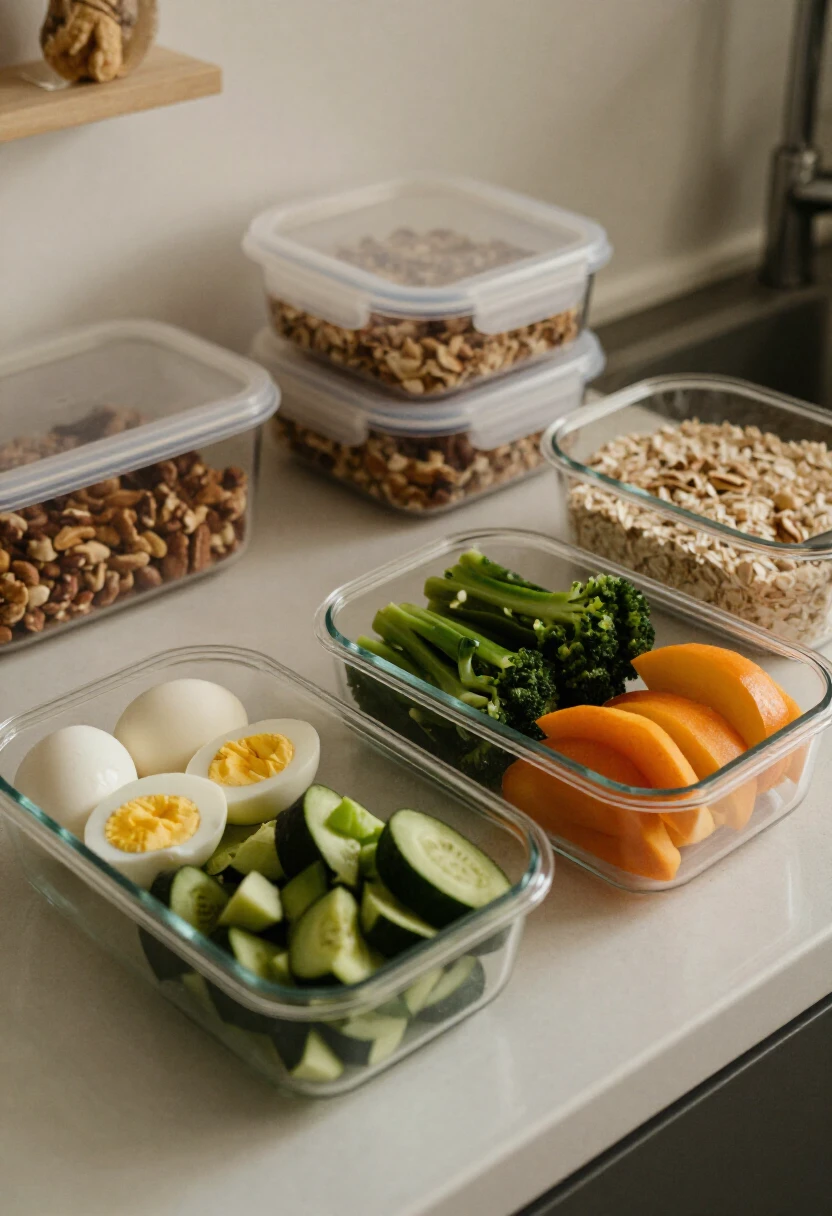
Try picking just one or two small prep tasks each week:
- Wash and portion fruit
- Boil eggs
- Prep overnight oats
- Chop vegetables for snacks
- Cook a grain like rice or quinoa
- Roast a tray of vegetables
- Portion nuts or snack mixes into small containers
That is enough to make weekday choices feel easier. When food is ready to grab, you are much more likely to eat it.
There is also something quietly reassuring about opening the fridge and knowing tomorrow’s breakfast or lunch is already halfway handled. It lowers the mental load, and on busy weeks, that matters.
How to plan for stressful days, meetings, and cravings
Some workdays will not go according to plan. That does not mean your eating has to completely fall apart.
It helps to think ahead for the moments that usually trip you up:
- Long meetings → bring a filling snack beforehand
- Busy afternoons → keep lunch simple and easy to eat
- Stress cravings → pair comfort foods with something more sustaining
- Unexpected overtime → stash an emergency snack in your bag
You are allowed to plan for your human moments. In fact, that is what makes healthy habits more realistic. Maybe you know that by Thursday afternoon you are usually tired and craving something sweet. Great. Pack dark chocolate with almonds, or yogurt with berries, or a banana with peanut butter. Meet the moment instead of pretending it will not happen.
Healthy eating works better when it supports your real day, not an imaginary perfect one.
Healthy Eating at Work for Different Lifestyles
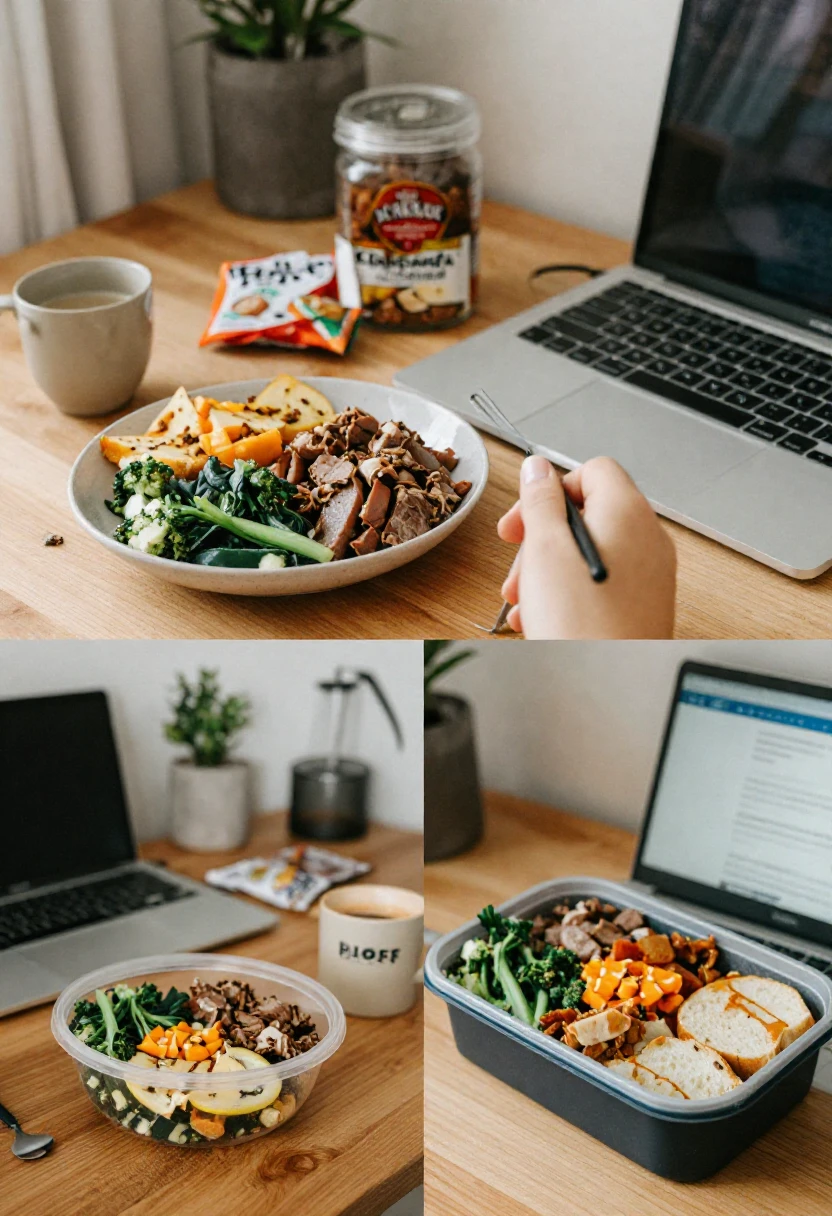
Not everyone’s workday looks the same. Some people are in an office with a lunch break that comes and goes quickly. Some work from home and snack their way through the kitchen. Some are on their feet all day and barely know when the next pause is coming.
That is why workday eating should be flexible. The goal is the same, but the way you get there can look very different.
For office workers
Office life comes with its own food challenges: desk lunches, pastries in meetings, vending machine runs, and that bowl of candy that somehow always appears near reception.
What helps most is having structure and backup options.
A few useful habits:
- Bring a lunch that feels filling and enjoyable
- Keep a snack in your desk for long afternoons
- Step away from your computer when possible
- Drink water regularly, especially if you rely on coffee
- Avoid waiting until you are overly hungry to eat
For office workers, convenience often decides everything. The more you prepare for that, the easier healthy choices become.
For remote workers
Working from home sounds like it should make healthy eating easier, but it comes with its own traps. The kitchen is always there. So are leftovers, random cupboard snacks, and the temptation to eat out of boredom when work feels dull or stressful.
Remote workers often do better with a little intentional structure:
- Set a rough time for lunch
- Prepare your meal before hunger gets intense
- Keep work snacks separate from casual snacks
- Use plates and bowls instead of grazing from packages
- Take a real break, even if it is short
A home workday can blur everything together if you let it. Meals help create small pauses and boundaries. They turn the day into something more grounded and less like one long stretch of sitting and snacking.
For shift workers or people with unpredictable schedules
This is often the hardest group to plan for because the day may not follow a normal rhythm at all. Breaks move. Hunger changes. Sleep patterns can feel upside down. In this kind of schedule, flexibility matters more than perfection.
Helpful strategies include:
- Pack foods that are easy to eat quickly
- Focus on balanced meals whenever you can get them
- Use portable snacks to avoid going too long without food
- Choose meals that feel steadying rather than overly heavy
- Keep hydration in mind, especially during long shifts
Good options might include wraps, pasta salads, yogurt bowls, boiled eggs, fruit, nuts, or hearty soups in a thermos. You may not always eat at the same times, but you can still support your energy with meals and snacks that travel well and satisfy you.
The key is not to force your schedule to look “normal.” It is to create eating habits that work inside the reality of your day.
Small Changes That Make Healthy Eating at Work Stick
The biggest mistake people make with healthy eating at work is trying to change everything at once. A new breakfast, a perfect lunch, better snacks, more water, less sugar, no desk eating, meal prep on Sundays, and somehow all of it starting immediately.
That sounds motivating for about a day and a half.
The habits that last are usually much smaller. They fit into your routine without asking you to become a completely different person by Monday morning.
Start with one meal, not a total overhaul
You do not need to rebuild your entire workweek at once. Start with the part that feels most chaotic.
Maybe that is:
- Breakfast, because mornings are rushed
- Lunch, because you keep skipping it
- Afternoon snacks, because that is when cravings hit hardest
Pick one area and make it easier.
For example:
- Keep yogurt, fruit, and oats ready for breakfast
- Pack lunch the night before instead of in the morning
- Leave almonds and crackers at work for emergencies
When one habit starts feeling natural, you can build from there. That is how routines become sustainable. Not through pressure, but through repetition.
Let convenience work in your favor
Convenience is not the enemy. It is one of your best tools.
A lot of unhealthy choices happen because they are the easiest option in the moment. So the goal is not to become more disciplined than everyone else around you. The goal is to make nourishing food just as easy to grab.
That might mean:
- Buying pre-cut vegetables instead of whole ones
- Choosing rotisserie chicken for quick lunches
- Keeping frozen ingredients for smoothies
- Using leftovers on purpose
- Repeating the same few meals that you genuinely like
There is nothing lazy about making healthy eating simpler. In fact, that is usually what makes it work.
Build habits that fit your real life
This matters more than any meal plan. Your habits have to match the life you actually live.
If you hate waking up early, a complicated breakfast plan will not last. If your workdays are unpredictable, you need portable meals and backup snacks. If you get bored easily, you need variety. If comfort matters to you, your meals should feel comforting.
Healthy eating at work is not about performing wellness. It is about supporting yourself through long mornings, busy afternoons, and all the ordinary moments in between.
A good routine should feel like help.
It should make your workday smoother, your energy steadier, and your food choices less stressful. And once that happens, healthy eating stops feeling like one more task on your list. It just becomes part of how you take care of yourself.
Conclusion
Healthy eating at work does not have to look perfect to make a real difference. It can be as simple as a breakfast that steadies your morning, a lunch you actually look forward to, and a few satisfying snacks that help you avoid the late-day crash.
What matters most is not doing everything at once. It is building a routine that fits your schedule, your appetite, and the way your workdays really unfold. A few small changes can make food feel less like an afterthought and more like reliable support.
When your meals are easy, nourishing, and enjoyable, work feels better too. You have more energy, better focus, and one less thing to struggle with in the middle of a busy day.
FAQ
What are the best healthy snacks to bring to work?
Some of the best work snacks include Greek yogurt, fruit, nuts, trail mix, hummus with vegetables, cheese and whole grain crackers, and hard-boiled eggs. The most helpful snacks combine protein, fiber, or healthy fats so they keep you full longer.
How can I eat healthy at work when I have no time?
Focus on simple, repeatable options. Keep easy breakfasts on hand, pack lunches with a basic formula, and store a few backup snacks at work. Healthy eating gets much easier when your food is already available before you get too hungry.
What should a healthy work lunch include?
A balanced work lunch usually includes protein, fiber-rich carbs, healthy fats, and some fruits or vegetables. For example, a wrap with chicken and avocado, a grain bowl with beans and vegetables, or a salad with eggs, salmon, or lentils can all work well.
Is it okay to snack during the workday?
Yes, especially if there is a long gap between meals. A planned snack can help keep your energy steady and prevent overeating later. The key is choosing snacks that actually satisfy you instead of just giving you a quick burst of energy.