

The Growing Curiosity Around HCG Diet Drops

In the crowded world of weight-loss products, few items generate as much curiosity as HCG diet drops. They appear in online stores, wellness blogs, and social media ads with bold promises of rapid fat loss, reduced appetite, and effortless transformation. For many people searching for a faster path to weight loss, the idea of a few daily drops replacing months of slow dieting can sound almost too good to ignore.
The concept behind these products revolves around human chorionic gonadotropin, commonly known as HCG. This hormone naturally occurs in the body during pregnancy and has legitimate medical uses in certain fertility treatments. Over time, however, it became linked to weight-loss programs that combine HCG supplements with extremely low-calorie diets.
Supporters often claim that HCG drops help the body release stored fat while suppressing hunger. According to promotional materials, this effect supposedly allows individuals to eat far fewer calories while still maintaining energy and avoiding intense cravings. When presented in this way, the approach can feel both scientific and convenient.
Yet the popularity of a product does not always reflect its reliability.
Health experts and regulatory agencies have repeatedly raised concerns about HCG diet products, particularly those sold online as drops or sprays. Questions remain about their effectiveness, their safety, and whether many of these products even contain meaningful amounts of the hormone they advertise.
For someone encountering HCG diet drops for the first time, the mixture of enthusiastic testimonials and medical warnings can be confusing. Are these products a genuine shortcut to weight loss, or simply another example of a trend built on appealing promises rather than strong evidence?
In this guide, we will explore what HCG diet drops actually are, how they are marketed, what science says about their effectiveness, and what important considerations you should keep in mind before deciding whether to buy them. Understanding the full picture can help you approach weight-loss products with greater clarity and confidence.
What Are HCG Diet Drops?

HCG diet drops are products marketed as weight-loss supplements that supposedly contain human chorionic gonadotropin (HCG), a hormone naturally produced during pregnancy. In medical settings, HCG has legitimate uses, particularly in fertility treatments where it helps regulate certain reproductive hormones. However, its connection to weight loss comes from a very different context.
The idea behind HCG dieting dates back to the 1950s, when a physician proposed that injections of the hormone, combined with a very low-calorie diet, could help the body release stored fat while suppressing hunger. Over time, this concept spread beyond medical clinics and eventually entered the commercial wellness market.
Today, many companies sell HCG diet drops, which are usually liquid products taken orally under the tongue several times per day. They are often promoted as a more convenient and accessible alternative to HCG injections.
However, there is an important distinction to understand.
Most HCG drops sold online are labeled as homeopathic products, which means they typically contain extremely diluted substances rather than medically active doses of the hormone. In many cases, independent testing has shown that these products contain little or no measurable HCG at all. Despite this, marketing language frequently implies that they function similarly to medical HCG treatments.
These drops are rarely sold as standalone products. Instead, they are typically part of a structured weight-loss program that requires participants to follow an extremely restrictive diet — often around 500 to 800 calories per day. The program may also include a limited list of approved foods, strict meal timing, and various lifestyle guidelines.
Because the diet itself is so restrictive, people who follow the program often experience rapid weight loss in the short term. This can make it appear as though the drops are responsible for the results, even though the dramatic calorie reduction is the more likely explanation.
Understanding what HCG diet drops actually are — and how they differ from medically prescribed hormone treatments — is an important first step before considering whether to use them.
How HCG Diet Drops Are Supposed to Work

To understand why HCG diet drops attract so much attention, it helps to look at how they are typically presented in marketing materials. Online advertisements, supplement websites, and wellness influencers often describe these products as tools that can help the body lose fat more efficiently while minimizing the discomfort usually associated with dieting.
One of the most common claims is that HCG drops help the body release stored fat for energy. According to this narrative, the hormone signals the body to access stubborn fat deposits, particularly in areas like the abdomen, hips, and thighs. Once released, this stored fat is supposedly used as fuel, allowing individuals to function normally despite consuming very few calories.
Another frequently repeated promise involves appetite control.
Supporters of HCG dieting often say the hormone reduces hunger signals, making it easier to follow an extremely low-calorie eating plan. Because the typical HCG diet protocol limits daily intake to about 500 calories, the ability to avoid strong hunger cravings is presented as one of the program’s main advantages.
Some promotional materials also suggest that HCG can “reset” metabolism.
In this explanation, the hormone is described as influencing the body’s metabolic processes so that fat is burned more efficiently while muscle tissue is preserved. This idea is often framed as a scientific breakthrough that allows rapid weight loss without the muscle loss or metabolic slowdown commonly associated with restrictive dieting.
When these claims are combined, the overall message becomes highly appealing: a small daily dose of HCG drops could supposedly unlock fat stores, reduce hunger, and accelerate weight loss — all while following a structured diet plan.
However, while these explanations sound convincing, they raise an important question.
Do these effects actually occur in the body, or are they simply part of persuasive marketing language designed to make the product more attractive?
The HCG Diet Protocol Often Sold With the Drops

HCG diet drops are rarely marketed as a standalone solution. In most cases, they are paired with a very specific eating plan known as the HCG diet protocol. Understanding this protocol is essential because it explains why many people experience rapid weight loss while following the program.
The typical plan is divided into several phases.
It often begins with a short preparation period sometimes referred to as a “loading phase.” During these first days, participants may be encouraged to eat freely or even increase their calorie intake. This stage is usually presented as a way to prepare the body for the strict diet that follows.
After this brief introduction, the program moves into its most restrictive phase.
During this stage, daily calorie intake is reduced dramatically — often to about 500 calories per day. The list of allowed foods is highly controlled and generally includes small portions of lean protein, limited vegetables, and occasionally fruit. Sugar, fats, most carbohydrates, and processed foods are typically eliminated from the menu.
At the same time, participants are instructed to take HCG drops several times a day according to a specific schedule.
Because the diet allows so few calories, portion sizes are extremely small. A typical day might include a small serving of lean protein, a vegetable portion, and perhaps a piece of fruit. For many people, this represents a drastic shift from their usual eating habits.
This extreme restriction is a key factor behind the rapid weight loss often reported during the program.
When the body receives far less energy than it needs to support normal metabolic functions, it begins using stored energy to compensate. This can lead to quick reductions in body weight, particularly during the early stages of the diet.
However, this rapid change does not necessarily mean the drops themselves are responsible.
In reality, a daily intake of 500 calories is far below what most adults require for basic physiological needs. Under these conditions, weight loss is expected regardless of whether a supplement is involved.
Recognizing how the HCG diet protocol works helps clarify why the program can produce dramatic short-term results. It also raises important questions about whether the hormone component actually contributes anything meaningful.
What Science Actually Says About HCG for Weight Loss

The popularity of HCG diet drops rests largely on the belief that the hormone plays an active role in accelerating fat loss. However, when researchers have examined this claim under controlled scientific conditions, the results have consistently challenged that assumption.
Over the past several decades, multiple clinical studies have compared people following a very low-calorie diet while taking HCG with those following the same diet while receiving a placebo. If the hormone truly influenced fat metabolism or appetite regulation, researchers would expect to see meaningful differences between the two groups.
In most studies, those differences did not appear.
Participants who received HCG did not lose more weight than those who received a placebo while consuming the same number of calories. Hunger levels, body fat distribution, and overall outcomes were also largely similar between the groups. This suggests that the hormone itself does not significantly affect the weight-loss process.
The primary driver of weight reduction in these studies was the extreme calorie restriction used in the diet protocol.
When daily intake drops to around 500 calories, the body must rely on stored energy to function. As a result, weight loss occurs regardless of whether a hormone supplement is present. The drops may be taken alongside the diet, but research indicates they are not responsible for the changes seen on the scale.
Scientists have also examined the claim that HCG helps protect muscle tissue while encouraging the body to burn only fat. Evidence supporting this idea is limited. In very low-calorie diets, the body often uses a combination of fat and lean tissue for energy unless protein intake and overall nutrition are carefully managed.
Because of these findings, many medical experts conclude that HCG provides no measurable benefit for weight loss beyond what is already achieved through severe calorie restriction.
This scientific consensus has also influenced the position taken by regulatory agencies and healthcare organizations. Their responses have shaped how HCG diet products are evaluated and marketed in many countries.
Regulatory Warnings About HCG Diet Products

As HCG-based weight-loss products gained popularity, health authorities began reviewing the evidence behind their claims. Over time, regulatory agencies in several countries concluded that the marketing surrounding HCG diet drops often does not reflect the scientific data available.
One of the most widely cited positions comes from the U.S. Food and Drug Administration (FDA). The FDA has stated clearly that HCG is not approved as a treatment for weight loss. According to the agency, there is no reliable scientific evidence demonstrating that the hormone contributes to fat loss, appetite suppression, or changes in body fat distribution.
Because of these concerns, the FDA has issued warnings about products sold online as HCG drops, sprays, or pellets. Many of these products are labeled as “homeopathic,” which means they contain extremely diluted ingredients rather than medically active doses of the hormone. In some cases, testing has shown that the products contain little or no measurable HCG at all.
The agency has also warned consumers about the diets typically associated with these products.
Most HCG programs require participants to consume extremely low amounts of food, often around 500 calories per day. The FDA has cautioned that such severe calorie restriction can lead to serious health complications, including electrolyte imbalances, heart rhythm problems, and the formation of gallstones.
Medical organizations share similar concerns.
Healthcare professionals often emphasize that the rapid weight loss associated with HCG diet programs is most likely caused by the drastic reduction in calories rather than by the hormone itself. From a clinical perspective, marketing a hormone supplement as a fat-burning solution can create misleading expectations for consumers.
Regulatory warnings are not intended to discourage people from pursuing weight-loss goals. Instead, they aim to help consumers make informed decisions and avoid products that promise results unsupported by evidence.
Understanding these warnings also highlights a broader issue: many weight-loss supplements sold online rely heavily on persuasive marketing rather than strong scientific validation.
Why Online HCG Products Are Often Misleading

One of the biggest challenges with HCG diet drops is the way they are marketed online. The internet has made it easy for companies to sell supplements directly to consumers, often with persuasive language and dramatic testimonials that create a powerful impression of effectiveness.
A common strategy involves labeling products as “homeopathic HCG.”
In homeopathic preparations, ingredients are diluted to extremely small concentrations. In many cases, the dilution is so strong that little or none of the original substance remains. While these products are marketed under the HCG name, they often contain negligible amounts of the hormone itself.
For consumers unfamiliar with how homeopathic labeling works, this distinction can be confusing.
Marketing materials may emphasize the presence of HCG without clearly explaining that the product is highly diluted. As a result, buyers may assume they are receiving the same substance used in medical treatments, even though the formulation may be entirely different.
Another factor that contributes to confusion is the lack of consistent regulation for dietary supplements sold online.
Unlike prescription medications, many supplements are not required to demonstrate effectiveness before reaching the market. This allows companies to promote products using broad or vague claims about metabolism, fat burning, or appetite control, even when strong scientific evidence is lacking.
Testimonials can also play a major role in shaping perceptions.
Before-and-after photos, personal stories, and dramatic success narratives often appear alongside product listings. While these accounts may be genuine experiences, they rarely provide the full context of a person’s diet, lifestyle changes, or calorie intake during the program. The weight loss may result from severe dietary restriction rather than the drops themselves.
Packaging and branding further reinforce the impression of credibility.
Professional-looking websites, scientific terminology, and references to medical research can make a product appear more authoritative than it actually is. Without careful investigation, it can be difficult for consumers to distinguish between legitimate medical guidance and persuasive marketing.
Because of these factors, evaluating HCG diet drops requires a critical approach.
Understanding how these products are marketed helps explain why many experts encourage caution when purchasing weight-loss supplements online.
Potential Risks of Using HCG Drops

While the idea of rapid weight loss can be appealing, the combination of HCG drops and the extremely restrictive diets often recommended alongside them can raise several health concerns. The risks are not always related to the drops themselves, but rather to the broader dieting approach they promote.
One of the most significant concerns is severe calorie restriction.
Many HCG diet programs limit daily intake to around 500 calories. For most adults, this level is far below the amount needed to support normal metabolic activity, physical movement, and basic bodily functions. When the body receives so little energy, it begins breaking down stored reserves to compensate. Although this can produce rapid weight loss in the short term, it can also lead to fatigue, weakness, and difficulty concentrating.
Another issue involves nutritional deficiencies.
A diet with such limited food variety and portion size may not provide enough essential nutrients. Vitamins, minerals, protein, and healthy fats are all required to maintain immune function, muscle tissue, and hormone balance. Over time, inadequate intake can contribute to a range of health problems.
Rapid weight loss may also increase the likelihood of gallstones. When the body loses weight quickly, changes in bile composition can encourage the formation of these small deposits in the gallbladder, which may cause pain or require medical treatment.
Electrolyte imbalances are another potential risk.
Electrolytes such as potassium, sodium, and magnesium play a critical role in maintaining fluid balance and supporting proper heart and nerve function. When calorie intake becomes extremely low, maintaining healthy electrolyte levels can be difficult, particularly without medical supervision.
There are also psychological considerations.
Highly restrictive dieting can create cycles of deprivation and rebound eating. When normal eating patterns resume after a period of severe restriction, the body may regain weight quickly. This pattern can feel discouraging and may lead to repeated attempts at extreme diets.
These risks help explain why many healthcare professionals recommend caution when considering programs like the HCG diet.
Before purchasing any weight-loss supplement, it is important to understand why people are often drawn to such products in the first place. Exploring those motivations can reveal how powerful marketing narratives and personal hopes shape consumer choices.
Why People Still Buy HCG Drops

Even with scientific skepticism and regulatory warnings, HCG diet drops continue to find buyers. Their popularity reflects more than simple curiosity; it reveals how strongly the promise of fast change can influence decision-making when people feel frustrated with slower weight-loss methods.
One reason is the powerful appeal of quick results.
Many individuals begin searching for new solutions after trying multiple diets that produced only gradual progress. When weight loss feels slow or inconsistent, the promise of dramatic results in just a few weeks can feel extremely motivating. HCG diet drops are often marketed precisely around that promise.
Another factor is the persuasive power of testimonials.
Online reviews frequently feature before-and-after photos, personal success stories, and enthusiastic claims about reduced hunger or rapid fat loss. These stories can feel more convincing than scientific studies because they present relatable experiences. For someone who identifies with the challenges described in these testimonials, the product may appear trustworthy and effective.
Social media also amplifies these messages.
Influencers, wellness bloggers, and online communities sometimes promote HCG programs as part of their personal transformation stories. When people see visible changes in others, it becomes easier to believe that the same approach could work for them as well.
There is also a psychological element tied to structure and certainty.
Strict diet programs can feel reassuring because they remove many daily food decisions. A highly controlled plan may seem easier to follow than a flexible approach that requires constant judgment about portions and food choices.
Finally, marketing language often frames HCG drops as a scientific breakthrough.
References to hormones, metabolism, and fat-burning processes can make the product appear more credible than traditional dieting advice. For consumers without a background in nutrition or physiology, these explanations may seem logical and convincing.
Understanding why people buy HCG drops is important because it highlights the emotional side of weight-loss decisions. The desire for progress, clarity, and hope often shapes choices just as strongly as scientific evidence.
Before purchasing any product promising dramatic results, however, it can be helpful to pause and ask a few key questions that reveal whether a weight-loss supplement is trustworthy.
Questions to Ask Before Buying Any Weight-Loss Product

Before purchasing HCG diet drops — or any supplement promising rapid weight loss — it is worth stepping back and asking a few practical questions. These questions can help separate credible health advice from marketing strategies designed to attract attention.
One of the first things to consider is whether strong scientific evidence supports the product’s claims.
Reliable weight-loss solutions are typically backed by controlled clinical studies published in reputable medical or nutrition journals. If a product relies mainly on testimonials, before-and-after photos, or anecdotal success stories, the evidence may not be as strong as it appears.
Another important question involves regulatory approval.
In many countries, prescription medications must undergo strict evaluation before they can be marketed for specific health conditions. If a supplement claims to produce significant weight loss but has not been approved by major regulatory agencies for that purpose, it is worth asking why.
You might also look closely at how the product explains its mechanism.
Marketing language that relies heavily on vague phrases such as “metabolic reset,” “fat-burning hormone activation,” or “secret weight-loss formula” often lacks clear scientific meaning. Genuine medical explanations tend to describe processes in measurable and verifiable terms.
It can also be helpful to examine the diet plan associated with the product.
If the program requires extremely low calorie intake or eliminates most food groups, the results may come from severe restriction rather than from the supplement itself. In such cases, the product may simply be attached to a dieting strategy that would cause weight loss regardless of the supplement involved.
Another useful step is consulting a healthcare professional.
Doctors, registered dietitians, or qualified nutrition specialists can help evaluate whether a product aligns with your health needs and long-term goals. Professional guidance often provides a clearer perspective than promotional material alone.
Ultimately, the goal of asking these questions is not to discourage curiosity about new approaches. Instead, it is to encourage informed decision-making.
When weight-loss products are evaluated carefully, it becomes easier to focus attention on strategies that are both safe and sustainable.
Safer Alternatives for Weight Management
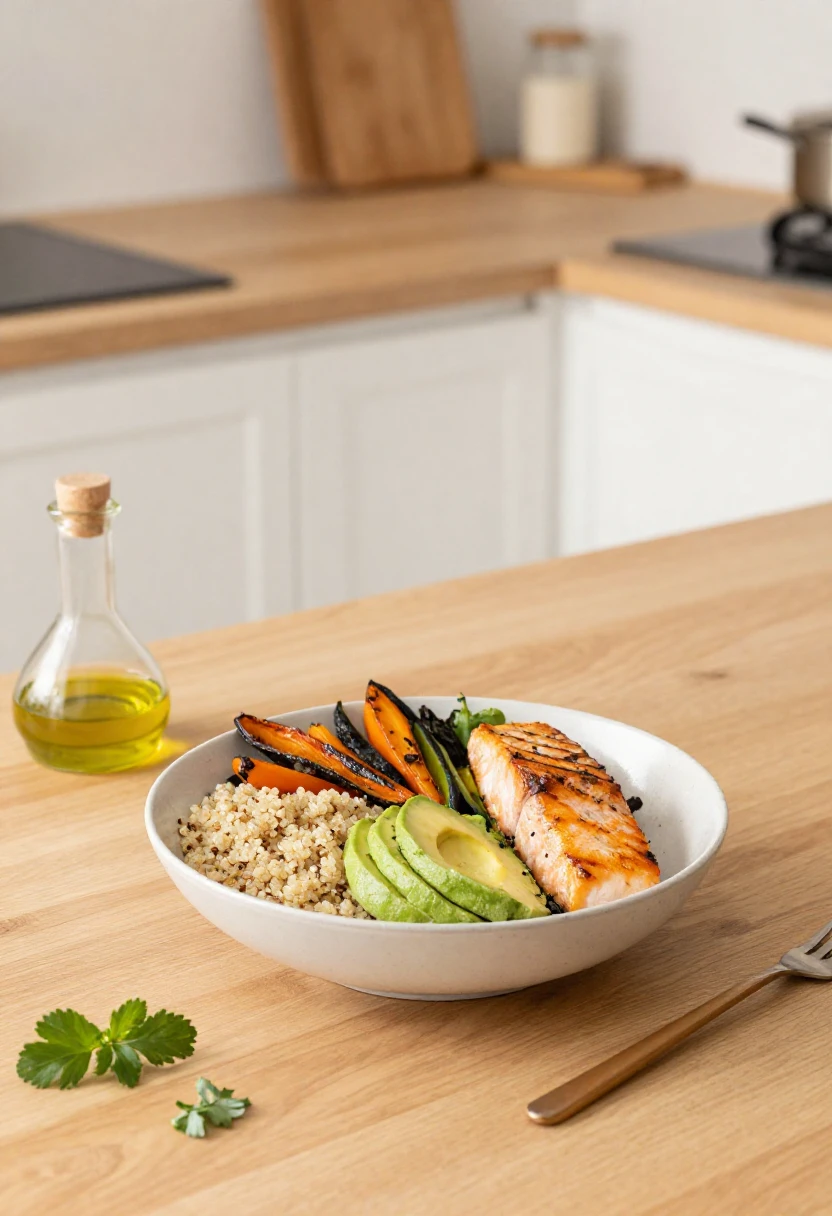
For individuals considering products like HCG diet drops, it can be helpful to step back and look at the broader picture of weight management. While supplements and rapid-fat-loss programs may promise dramatic results, research consistently shows that sustainable progress usually comes from steady, balanced habits rather than extreme interventions.
One of the most reliable strategies is creating a moderate calorie deficit rather than a drastic one.
Gradually reducing calorie intake while maintaining a balanced diet allows the body to lose weight without experiencing the intense stress associated with very low-calorie plans. This approach also makes it easier to maintain energy levels, preserve muscle mass, and continue normal daily activities.
Food quality plays an equally important role.
Meals built around whole foods — such as vegetables, fruits, whole grains, lean proteins, and healthy fats — tend to support satiety and stable blood sugar levels. These foods provide essential nutrients that help maintain metabolic health while reducing the likelihood of overeating later in the day.
Regular physical activity is another key component.
Movement does not need to be extreme to be effective. Consistent activities such as walking, cycling, strength training, or recreational sports help improve cardiovascular health, support muscle maintenance, and increase daily energy expenditure. Over time, these small efforts accumulate and contribute to gradual, sustainable weight changes.
Lifestyle factors also influence long-term results.
Adequate sleep helps regulate hormones that control hunger and satiety, while effective stress management can reduce emotional eating patterns. Practices such as mindful eating, regular meal timing, and paying attention to hunger cues can further support a healthier relationship with food.
Another powerful tool is habit formation.
Instead of attempting to overhaul every aspect of diet and lifestyle at once, focusing on small, repeatable changes can create lasting progress. Adding an extra serving of vegetables to meals, increasing daily steps, or improving sleep routines may seem modest, but these adjustments often build the foundation for sustainable weight management.
Approaches like these may not promise rapid transformation within days or weeks, but they tend to produce results that are easier to maintain over time.
Conclusion — Why Careful Decisions Matter
In the world of weight-loss products, it is easy to be drawn toward solutions that promise fast and dramatic results. HCG diet drops are a clear example of how powerful that promise can be. When advertisements suggest that a simple supplement could unlock fat loss, suppress hunger, and accelerate progress, the idea naturally captures attention.
Yet a closer look reveals a more complicated reality.
Scientific research has not shown that HCG itself contributes meaningfully to weight loss. The rapid results often associated with these programs are largely explained by the extremely low-calorie diets that accompany them. While such restriction can produce quick changes on the scale, it may also place considerable stress on the body and can be difficult to maintain in the long term.
This does not mean that the desire for effective weight management is unrealistic.
On the contrary, many people pursue weight-loss strategies because they want to improve their health, energy levels, and overall well-being. The challenge lies in distinguishing between methods that support sustainable progress and those built primarily on appealing marketing narratives.
Taking time to evaluate weight-loss products carefully can make a meaningful difference. Looking for strong scientific evidence, considering regulatory guidance, and seeking professional advice when needed all help create a clearer picture before making a decision.
In many cases, the most effective strategies are also the most consistent ones. Balanced nutrition, regular movement, sufficient sleep, and gradual habit changes tend to support lasting results far more reliably than extreme dieting or unproven supplements.
HCG diet drops may continue to appear in advertisements and online stores, but understanding how they work — and what evidence actually shows — allows individuals to approach such products with greater awareness.
Ultimately, informed choices are one of the most valuable tools in any health journey. When decisions are guided by reliable information rather than promises alone, it becomes easier to focus on approaches that support both long-term weight management and overall well-being.




This is very interesting, You are a very skilled blogger. I have joined your rss feed and look forward to seeking more of your fantastic post. Also, I have shared your site in my social networks!
I was reading through some of your blog posts on this internet site and I believe this website is rattling informative ! Continue putting up.