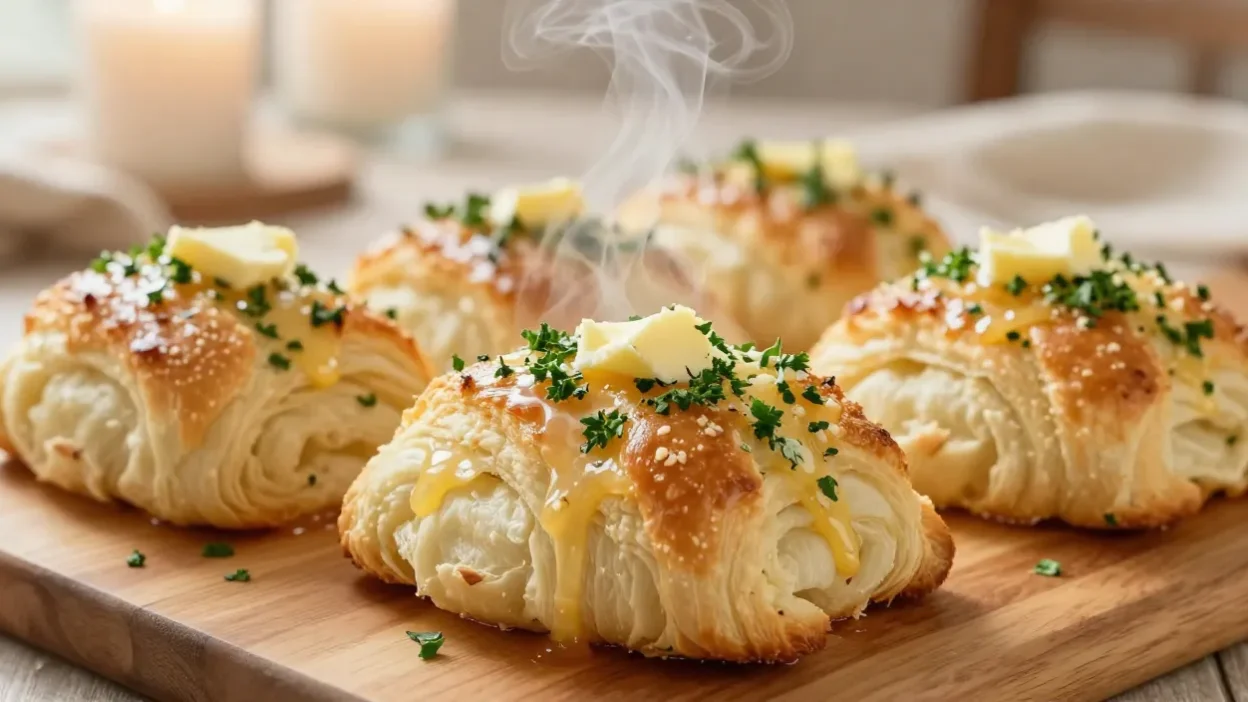
There’s something almost magical about bread rising in a warm kitchen, and I genuinely mean that. If you’ve ever stood near the counter, pretending not to check on your dough every ten minutes while absolutely checking on it every ten minutes, you know the feeling. It isn’t just flour meeting yeast and quietly doing its job. It’s the slow build of anticipation. It’s the way the bowl seems ordinary at first, and then, almost without warning, the dough begins to swell and soften, as if it has decided to trust you.
The room changes with it. The air grows warmer, slightly humid, carrying that faintly sweet, yeasty scent that slowly deepens into something richer. You might not even notice the exact moment it happens, but suddenly the kitchen feels different — calmer, fuller, somehow more alive. 🧄✨ Baking bread asks you to slow down, and in a world that constantly pushes for speed, that feels almost rebellious. You can’t rush yeast. You can’t skip ahead. You prepare, you wait, and you trust.
Garlic Parmesan pull-apart rolls capture that quiet transformation in a way that feels approachable and honest. They don’t require elaborate shaping techniques or intimidating equipment. At their core, they rely on simple, reliable ingredients handled with intention. When you think about it, the foundation is beautifully uncomplicated:
- soft enriched dough made with milk, butter, and egg
- real garlic, freshly minced for sharpness and aroma
- good-quality Parmesan that melts and crisps at the edges
That’s it. No tricks. No shortcuts pretending to be improvements. And yet when these elements come together, the result feels anything but basic. The dough bakes into something pillowy and golden, the butter seeps into its folds, and the cheese forms delicate savory pockets that surprise you in the best way. It’s indulgent, yes, but it’s also familiar — the kind of flavor that feels like it belongs at your table.
Bread has always held a quiet authority during meals. It doesn’t compete for attention, yet everyone notices when it’s especially good. Conversations stretch a little longer when there’s warm bread nearby. People lean in unconsciously. Someone reaches across the table without thinking twice. Pull-apart rolls amplify that feeling because they remove the formalities. There’s no slicing or assigning portions. Just hands, warmth, and soft layers separating gently. It’s relaxed, slightly messy, and undeniably inviting. 💛
A Flavor Combination That Never Fails 🧀🌿
Some pairings don’t need reinvention, and garlic, butter, and Parmesan are firmly in that category. They’ve earned their place over time because they balance each other so naturally. Garlic brings depth and personality; it’s bold but not aggressive when treated well. Butter smooths everything out, adding richness and that unmistakable melt-in-your-mouth texture. Parmesan contributes saltiness and a slightly nutty sharpness that lingers just long enough to make you want another bite.
What makes pull-apart rolls particularly satisfying is how evenly that flavor distributes itself. Instead of brushing garlic butter only on top — where it mostly stays — each small piece of dough is coated before baking. That detail matters more than you might expect. It ensures that every layer carries flavor, not just the surface. As the rolls bake, the butter settles into the folds and the cheese melts between pieces, creating contrast between soft interiors and lightly crisp edges.
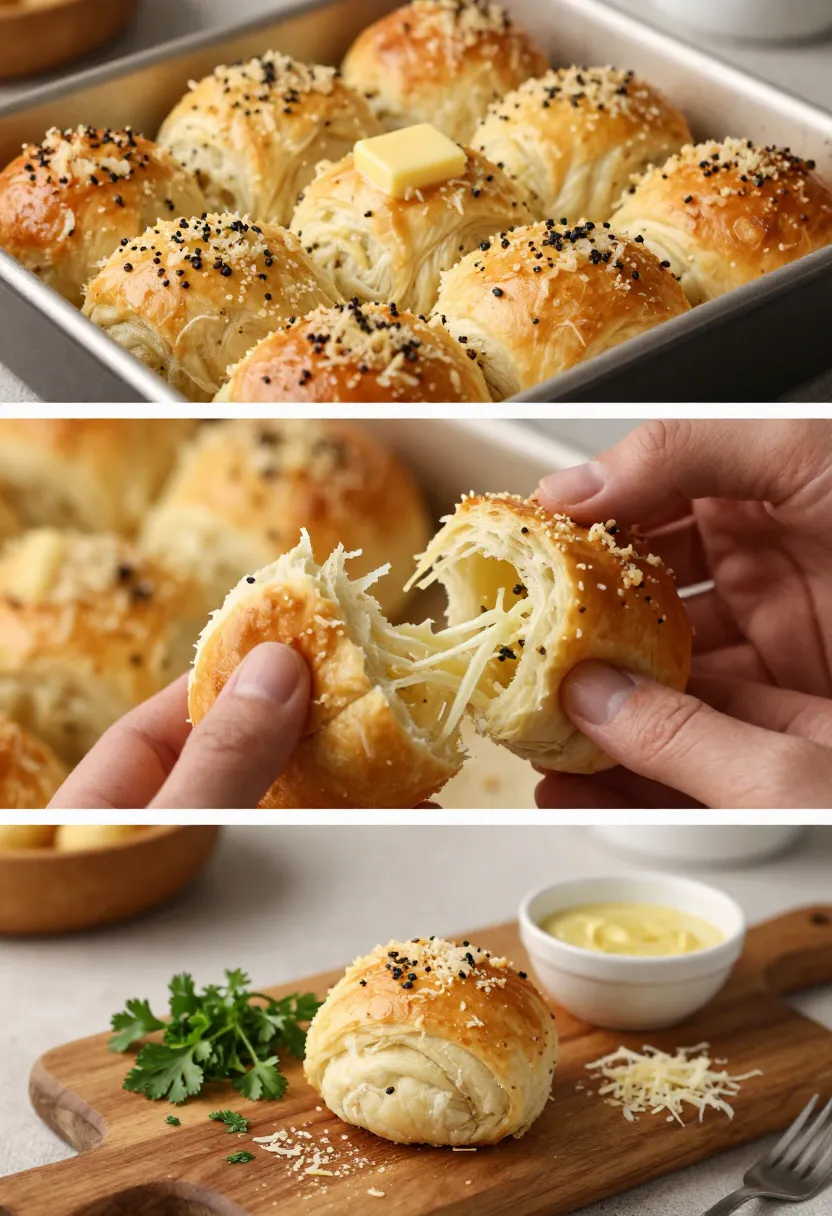
There’s a quiet complexity happening here, even though the ingredient list is short. You get tenderness inside, gentle crispness outside, and savory depth throughout. When you tear one piece away, you see steam rise and delicate layers stretch slightly before separating. It’s a small detail, but one that feels deeply satisfying. The texture tells its own story — golden edges where dough met the pan, airy centers where warmth expanded it just enough.
If you break it down, the reason this trio works so reliably comes down to a few essential qualities:
- balance between boldness and richness
- contrast between soft interior and crisp exterior
- depth of flavor without overwhelming saltiness
These rolls don’t dominate a meal; they support it gracefully. They pair effortlessly with soups, roasted meats, creamy pasta, or even grilled vegetables. And yet, if placed alone at the center of the table, they’re more than capable of becoming the highlight. There’s something comforting about flavors that feel timeless — they don’t need to surprise you to impress you.
Why Pull-Apart Rolls Feel So Inviting 🍞💛
Traditional dinner rolls are lovely, but they’re individual. You take one, it sits neatly on your plate, and that’s the end of the interaction. Pull-apart bread feels different because it encourages movement and connection. Someone reaches in first, someone else follows, and suddenly the table feels a little more alive. There’s a small laugh when a piece tears unevenly or when a bit of cheese stretches farther than expected. It’s informal in the best way.
There’s also a layer of nostalgia woven into the experience. Many of us grew up with bread as a constant presence at meals. Maybe it was homemade, maybe it came from a bakery down the street, but it was there — warm, steady, reliable. Making pull-apart rolls from scratch recreates that feeling in a tangible way. Kneading dough has a rhythm that feels almost meditative: push, fold, turn. After a few minutes, the texture changes beneath your palms, becoming smoother and more elastic. Watching it double in size feels rewarding in a quiet, almost personal way.
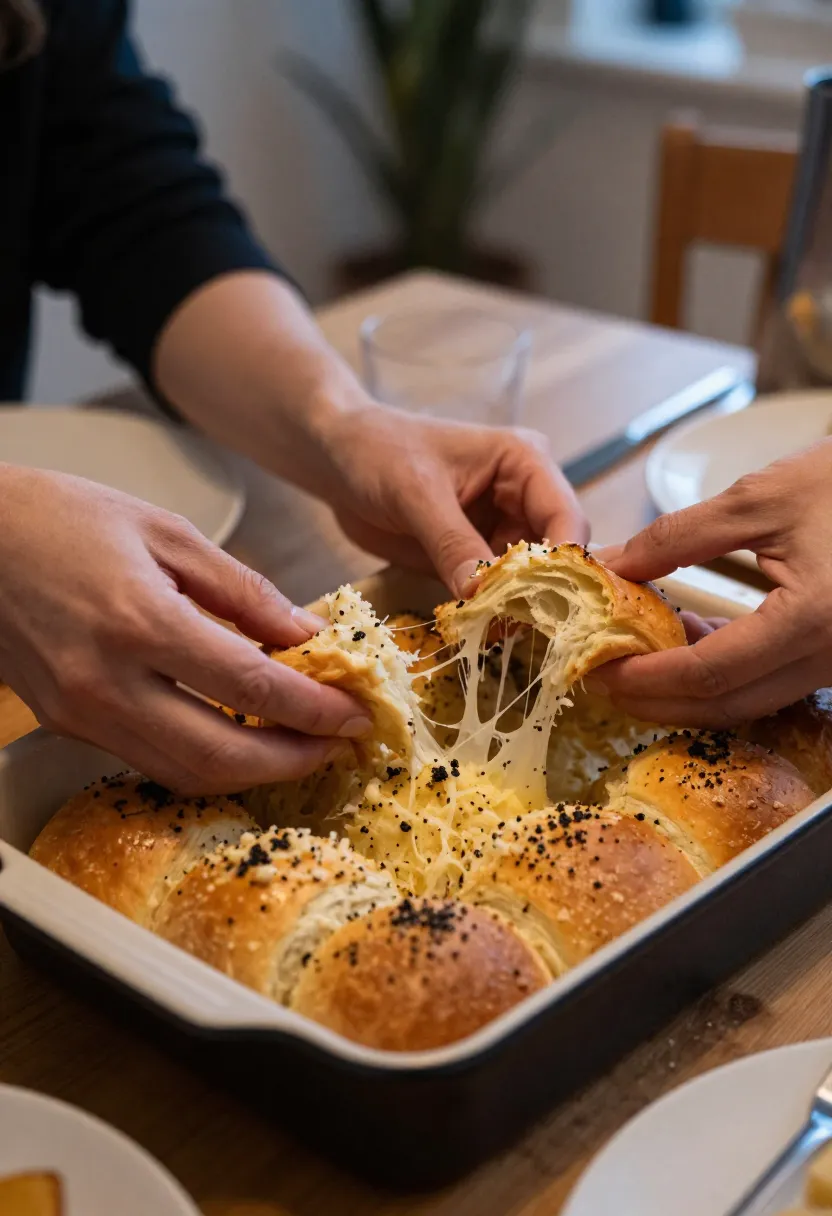
Baking becomes less about precision and more about presence. You notice the scent deepening in the oven. You watch the tops turn golden. You hesitate just slightly before pulling them out, wondering if they need another minute. Those small decisions make the process feel human rather than mechanical.
Pull-apart rolls transform a simple side dish into something memorable because they carry emotion as much as flavor. They remind us that food doesn’t need to be extravagant to matter. Sometimes, what we crave most is warmth, generosity, and the comfort of sharing something made by hand. And when you set a pan of garlic Parmesan rolls at the center of the table, still warm and fragrant, you’re offering more than bread. You’re offering a moment. ✨💛
Garlic Parmesan Pull-Apart Rolls Recipe 🧄🧈🧀
There’s a reason these rolls rarely make it to the next day. They come out of the oven golden and slightly crisp on top, but when you pull one apart, the inside is unbelievably soft — almost cloud-like. The garlic butter seeps into every fold, and the Parmesan melts into delicate savory layers that feel rich without being heavy.
What makes this recipe special isn’t just the flavor (although that part definitely speaks for itself). It’s the texture contrast, the way each piece carries seasoning all the way through, and the simple pleasure of pulling apart warm bread with your hands. It’s the kind of dish that disappears quietly while everyone is still talking. You don’t even notice it’s almost gone until someone says, “Wait… are there any left?” 😄
These rolls are sturdy enough to serve with soups and saucy dishes, yet soft enough to enjoy on their own. They feel homemade in the best way — not overly polished, just honest and comforting.
Ingredients
For the Dough
- 1 cup whole milk, warmed to 105–110°F (40–43°C)
- 2 ¼ teaspoons active dry yeast
- 1 tablespoon sugar
- 1 large egg, room temperature
- ¼ cup unsalted butter, melted
- 3 ½ cups all-purpose flour
- 1 teaspoon salt
For the Garlic Parmesan Coating
- ½ cup unsalted butter, melted
- 4–5 garlic cloves, finely minced
- ½ cup freshly grated Parmesan cheese
- 2 tablespoons fresh parsley, chopped
- ½ teaspoon salt
- ¼ teaspoon black pepper
Optional additions:
- ½ teaspoon Italian seasoning
- Pinch of red pepper flakes
- ½ cup shredded mozzarella for extra cheesiness
Preparation Steps
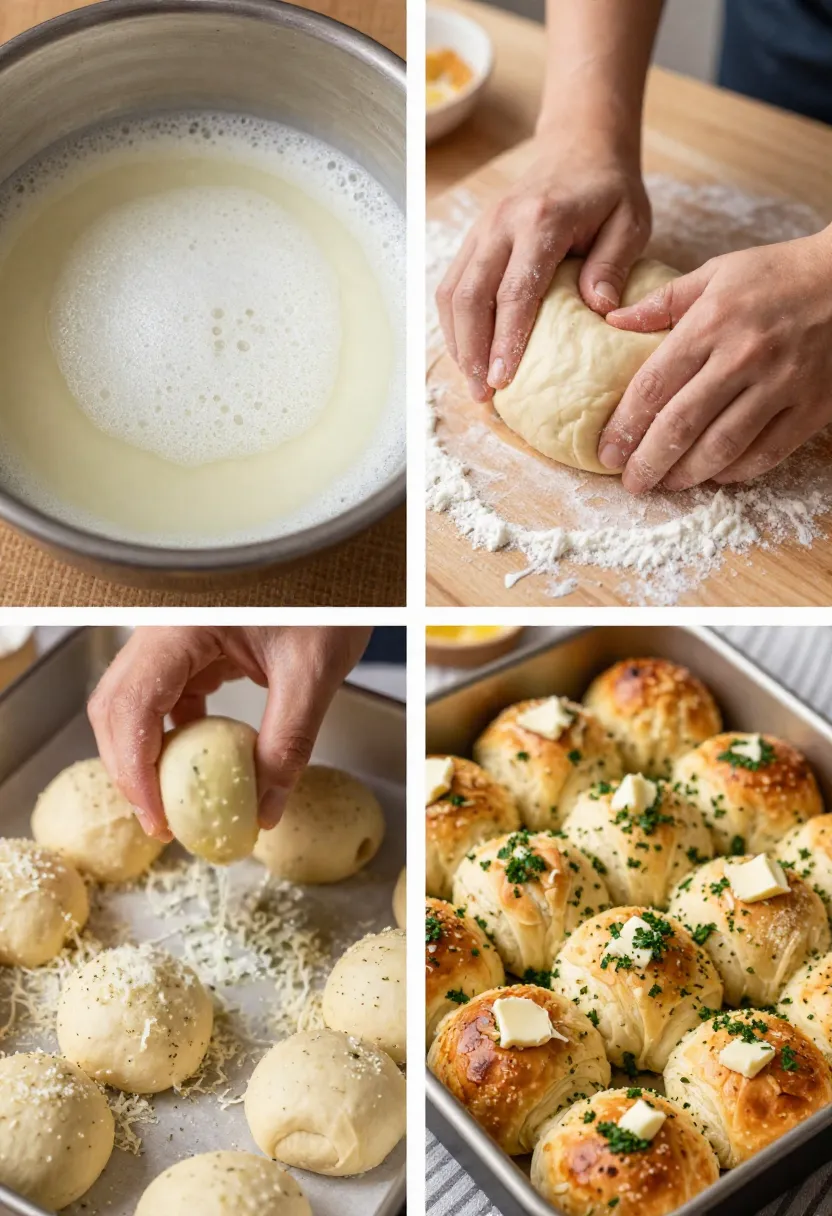
- In a large mixing bowl, combine the warm milk, sugar, and yeast. Stir gently and let the mixture rest for 5–10 minutes. You’re looking for a light foam on top — that’s your sign the yeast is active and ready.
- Add the egg and melted butter to the yeast mixture. Whisk until smooth and fully combined.
- Gradually incorporate the flour and salt, mixing until a soft dough begins to form. Once it pulls away from the sides of the bowl, transfer it to a lightly floured surface and knead for about 7–8 minutes. The dough should feel smooth, elastic, and slightly soft but not sticky.
- Place the dough in a lightly greased bowl, cover with a towel, and let it rise in a warm, draft-free spot for about 1 hour, or until doubled in size.
- While the dough rises, prepare the garlic butter mixture by stirring together melted butter, minced garlic, Parmesan, parsley, salt, and pepper. Let it sit so the flavors blend together.
- Once the dough has risen, gently punch it down to release excess air. Transfer it to a floured surface and shape it into a rough rectangle. Cut into approximately 36–40 small pieces — they don’t need to be perfectly uniform.
- Dip each piece into the garlic butter mixture, making sure it’s well coated. Arrange the coated pieces loosely into a greased loaf pan or square baking dish. Avoid pressing them too tightly; they need room to rise again.
- Cover the pan and allow the dough to rise for another 20–30 minutes, until noticeably puffy.
- Preheat the oven to 375°F (190°C). Bake for 25–30 minutes, or until the top is golden brown and the center is fully cooked. If the top browns too quickly, loosely tent with foil.
- Remove from the oven and brush with any remaining garlic butter. Finish with extra Parmesan and parsley before serving warm.
Small Tips & Kitchen Life Hacks ✨
- If your kitchen is cool, let the dough rise inside the oven with just the light turned on — it creates gentle warmth without overheating.
- Don’t over-flour the dough while kneading; slightly soft dough gives you fluffier rolls.
- Freshly grated Parmesan melts better and tastes noticeably richer than pre-packaged varieties.
- For deeper flavor, sauté the garlic in butter for 30 seconds before mixing — it softens the sharpness slightly.
- If you want extra golden tops, brush lightly with butter again during the last 5 minutes of baking.
These little details may seem small, but they truly make a difference. And once you pull apart that first warm piece, you’ll understand why they’re worth the effort. 💛
Serving Ideas and Presentation Inspiration 🍽️✨
Presentation doesn’t need to be complicated — especially with something as naturally inviting as warm, pull-apart bread. In fact, the simpler it looks, the more comforting it feels. Placing the baking dish directly on the table while the rolls are still warm creates an immediate sense of coziness. Steam rises gently, the garlic aroma lingers in the air, and without anyone announcing it, the bread becomes the quiet center of attention.
A ceramic or cast-iron dish works beautifully because it holds heat and adds that rustic touch without trying too hard. There’s something honest about serving bread straight from the pan. It says, “This was just made. Go ahead.” And people usually do.
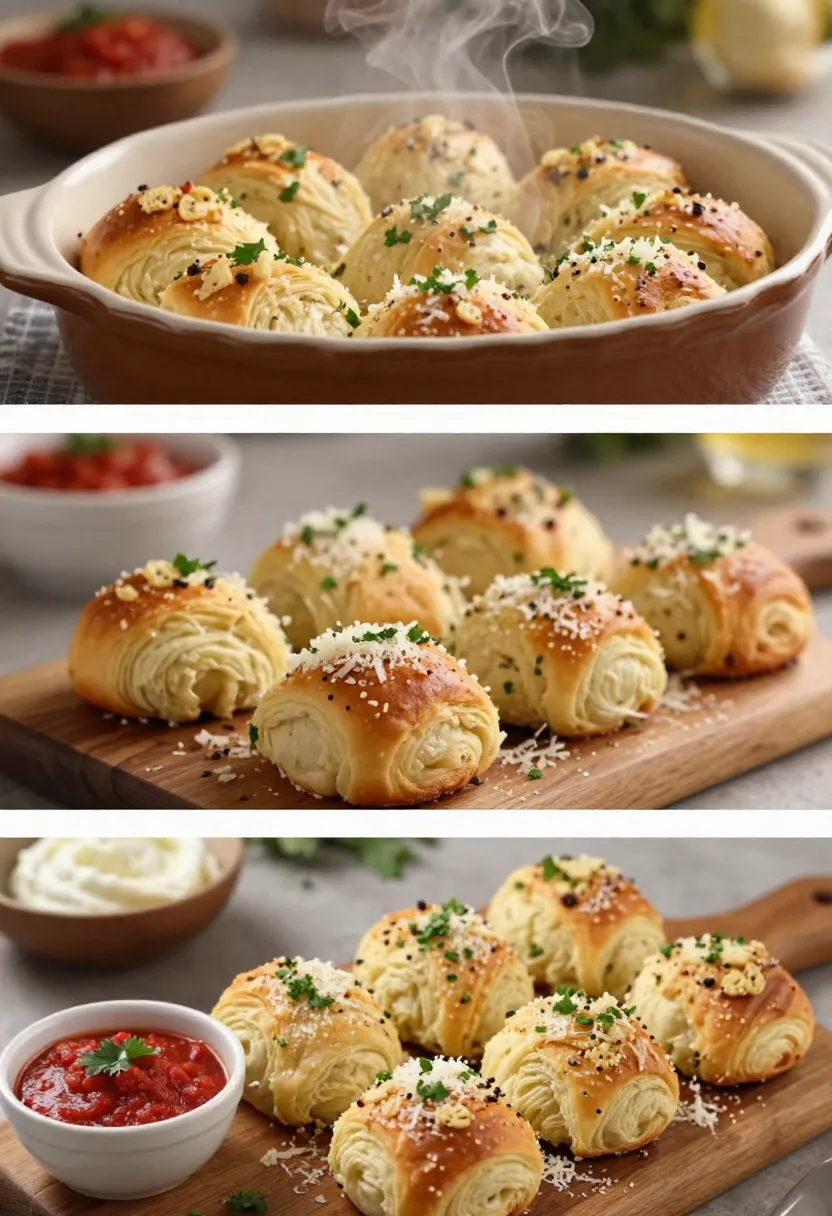
If you’re hosting, you can elevate the look with just a little extra effort. Transfer the rolls onto a wooden board, sprinkle fresh parsley over the top, and finish with a light shower of grated Parmesan. The contrast of green against golden crust instantly makes the dish feel more intentional. It doesn’t have to be perfect — in fact, slightly uneven edges and visible layers make it more appealing. Bread should look handmade.
These rolls pair beautifully with comforting dishes because they’re ideal for soaking up flavor. They complement:
- creamy tomato or roasted vegetable soups
- baked pasta with rich marinara or Alfredo sauce
- roasted chicken, turkey, or beef
- grilled vegetables drizzled with olive oil
For a more indulgent presentation, serve them alongside warm marinara, garlic butter, or a small bowl of aioli for dipping. That extra option makes the experience interactive, and people genuinely enjoy tearing off a piece and dipping it into something flavorful. For holidays, baking them in a round dish creates a centerpiece effect that feels festive without being flashy. The circular shape naturally draws the eye and makes serving easy.
At the end of the day, presentation is less about styling and more about warmth. When bread looks golden, buttery, and ready to be shared, it doesn’t need anything else to feel special.
Tips for Perfect Texture Every Time 🌿
Great texture in bread rarely happens by accident. It’s usually the result of patience and small decisions made along the way. One of the most important things is allowing the dough enough time to rise fully. It can be tempting to shorten the waiting period, especially when you’re hungry or pressed for time, but under-proofed dough often turns out dense. Giving it space to double properly makes a noticeable difference in softness.
Temperature also plays a role. If your kitchen runs cool, placing the bowl in the oven with only the light turned on creates a gentle, consistent warmth that helps the dough rise comfortably. It’s a simple trick, but surprisingly effective.
When kneading, resist the urge to add too much extra flour. The dough may feel slightly sticky at first, but that softness is what leads to fluffy rolls later. Too much flour can make the final result heavier than intended. Trust the process a little.
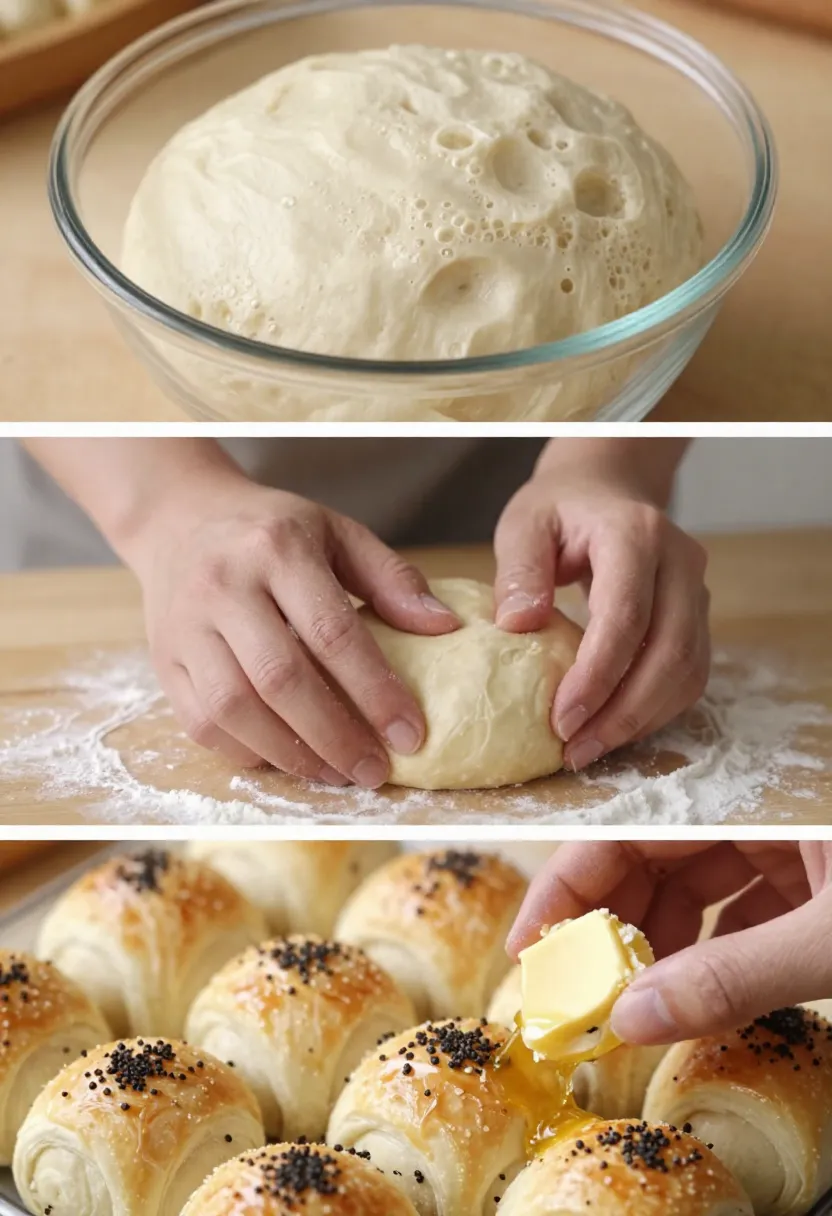
Ingredient quality matters more than many people realize. Fresh garlic offers brightness and depth that pre-minced versions simply don’t match. Freshly grated Parmesan melts more smoothly and distributes better throughout the layers. Pre-packaged grated cheese often contains anti-caking agents that slightly alter melting behavior, which can affect texture.
If you want to fine-tune the outcome, keep these practical details in mind:
- sauté minced garlic briefly in butter for a softer, less sharp flavor
- brush the tops with a small amount of butter during the final minutes of baking for deeper color
- allow the rolls to cool for a few minutes before serving so the layers set properly
None of these adjustments are complicated, but together they create a noticeably better texture and flavor.
Making It Your Own 💛
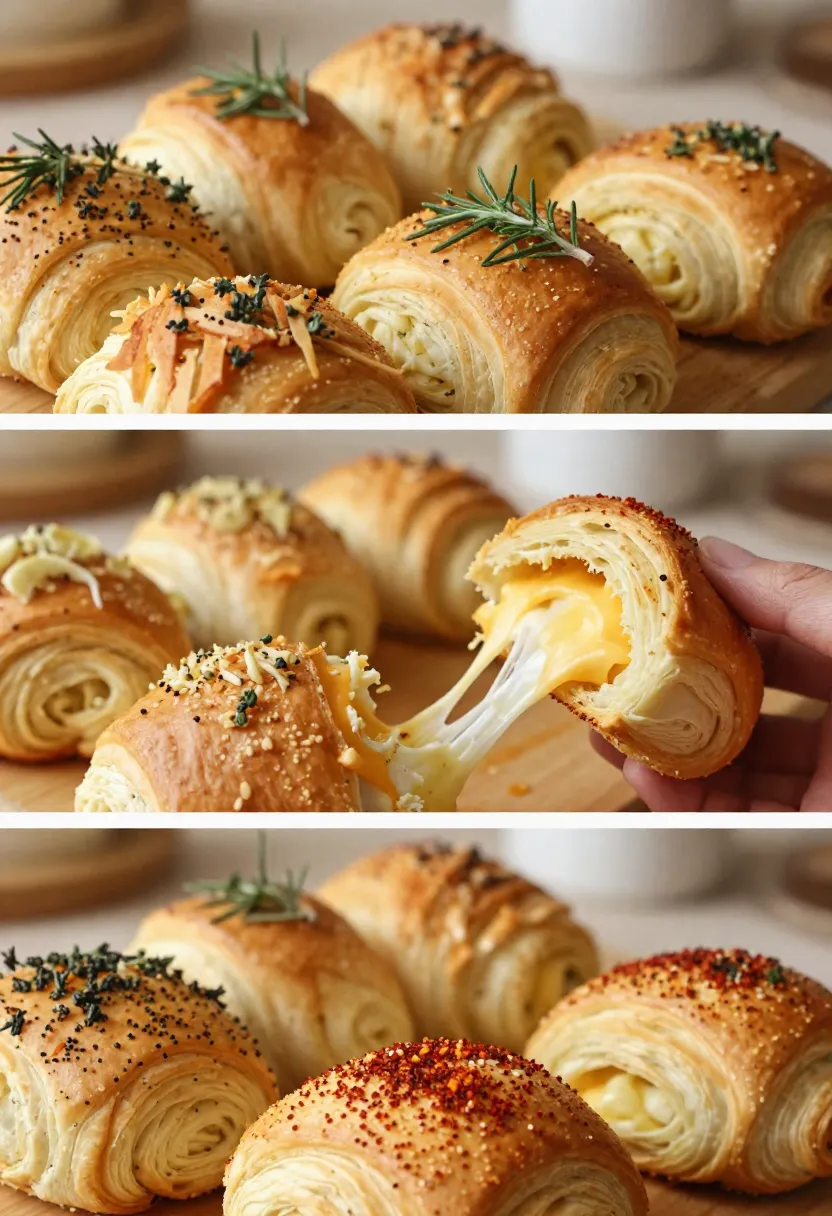
One of the most enjoyable parts of this recipe is how flexible it is. Once you understand the base technique, you can adapt it to your preferences without losing what makes it special. Adding rosemary or thyme introduces herbal warmth that pairs beautifully with roasted meats. Incorporating small cubes of mozzarella between layers creates satisfying cheese pulls when the rolls are torn apart. Using roasted garlic instead of raw garlic results in a milder, slightly sweet flavor profile.
Small changes can shift the character of the rolls entirely. A pinch of red pepper flakes adds subtle heat. A sprinkle of everything bagel seasoning on top creates extra crunch and complexity. Replacing part of the all-purpose flour with whole wheat flour produces a slightly heartier texture that feels rustic and wholesome.
These rolls also fit well into busy schedules. You can assemble them the night before, cover the pan tightly, and refrigerate. The next day, simply let them come back to room temperature before baking. That flexibility makes them ideal for holidays, gatherings, or evenings when timing needs to be predictable.
Ultimately, garlic Parmesan pull-apart rolls are more than just bread. They represent a style of cooking that feels thoughtful without being complicated. Simple ingredients, given time and attention, transformed into something warm and inviting. When a dish like this sits in the center of the table, conversation flows naturally. People reach in without hesitation. And for a little while, everything feels a bit slower and more connected.
Bake them once, and they may quietly become the recipe people associate with you — the one everyone hopes you’ll bring again. 🧄✨💛