Contents
- A Quiet Comeback of a Powerful Bean
- What Is Sustainable Soy?
- Soy as a Complete Plant Protein
- Nutrient Density Beyond Protein
- Soy and Heart Health: What the Science Says
- Gut Health & Fermented Soy Foods
- Blood Sugar Regulation and Soy Foods
- Skin Health & Antioxidant Effects
- Soy, Hormones & Menopause: What You Should Know
- Sustainability & Environmental Impact of Soy
- How to Eat Soy Mindfully: Everyday Tips & Simple Ideas
- FAQ: Sustainable Soy & Health — Common Questions Answered
A Quiet Comeback of a Powerful Bean
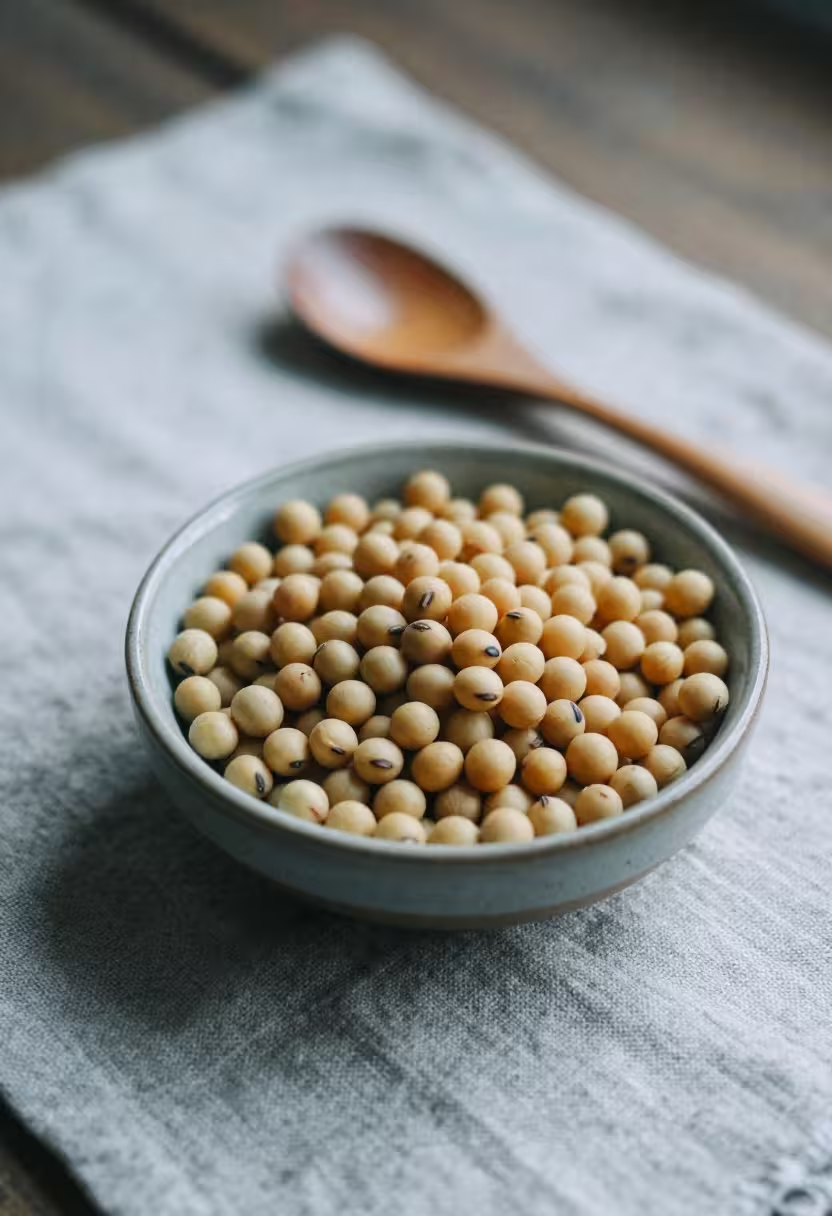
Soy has a complicated reputation. For some, it brings to mind ultra-processed foods or confusing health headlines. For others, it’s a quiet staple — tofu sizzling in a pan, miso stirred into soup, edamame shared at the table. Somewhere between myth and modern science, soy has been misunderstood for years.
But when you look closer — especially at sustainably grown, minimally processed soy foods — a very different story begins to emerge.
Across cultures and centuries, soy has been valued as a nourishing, reliable source of protein. Long before wellness trends and plant-based labels, people relied on fermented soy to support digestion, balance meals, and stretch nutrition thoughtfully. Today, as more of us look for food that supports both personal health and the planet, soy is quietly returning to the conversation — this time with better context and better questions.
What makes sustainable soy especially interesting is not just what it contains, but how it fits into a balanced way of eating. It offers complete plant protein, important micronutrients, and unique compounds that interact gently with the body. When grown responsibly, it also carries a lighter environmental footprint than many animal-based proteins.
This article isn’t about hype or extremes. It’s about understanding soy in a grounded, realistic way — separating fact from fear, and nourishment from noise. We’ll explore how sustainable soy supports nutrition, gut health, heart health, and overall well-being, while also looking honestly at common concerns and how to enjoy it mindfully.
Think of this as a calm, practical guide — the kind you might read while cooking a simple meal or planning your next grocery list. No pressure. Just clarity, context, and a little curiosity.
What Is Sustainable Soy?
Before talking about benefits, it helps to slow down and understand what sustainable soy actually means. Not all soy is the same, and much of the confusion around it comes from lumping very different practices into one category.
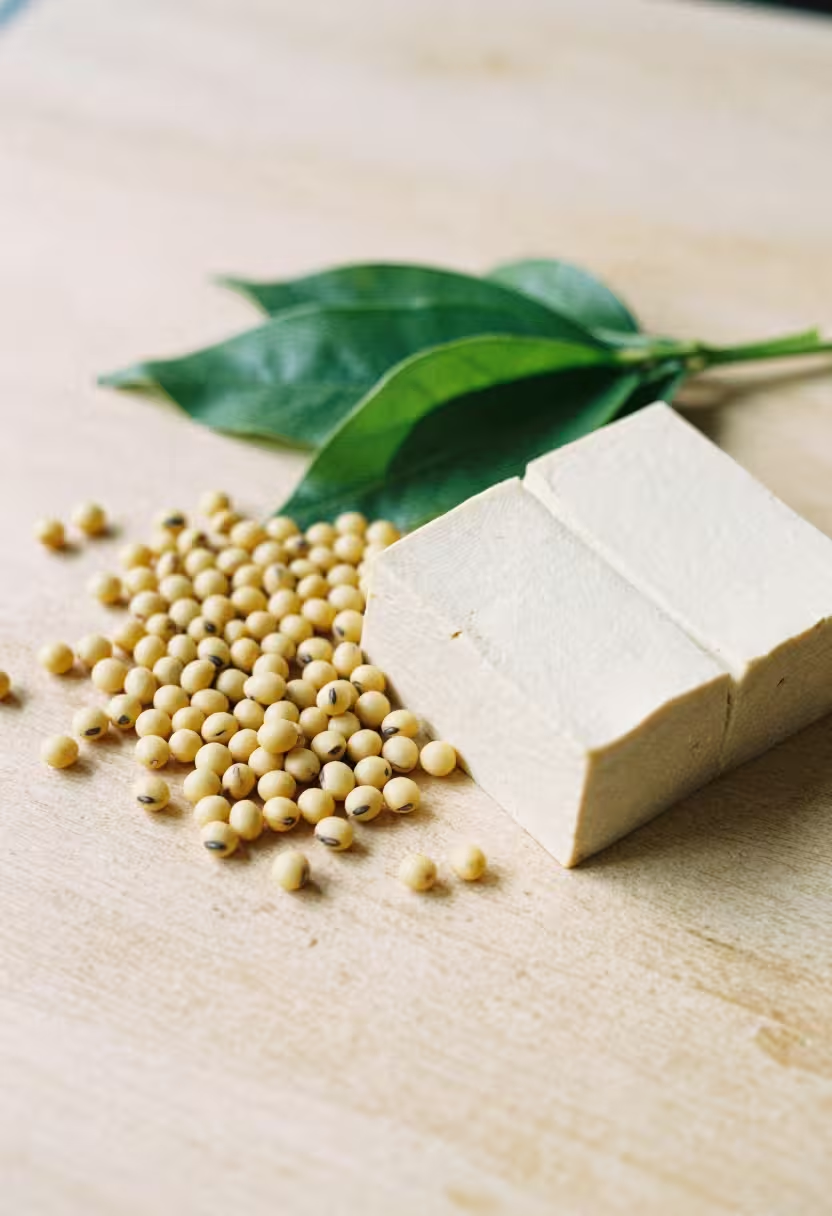
At its core, sustainable soy refers to soybeans grown and processed in ways that respect both people and the planet — focusing on responsible farming, minimal environmental harm, and thoughtful production.
More than just a crop
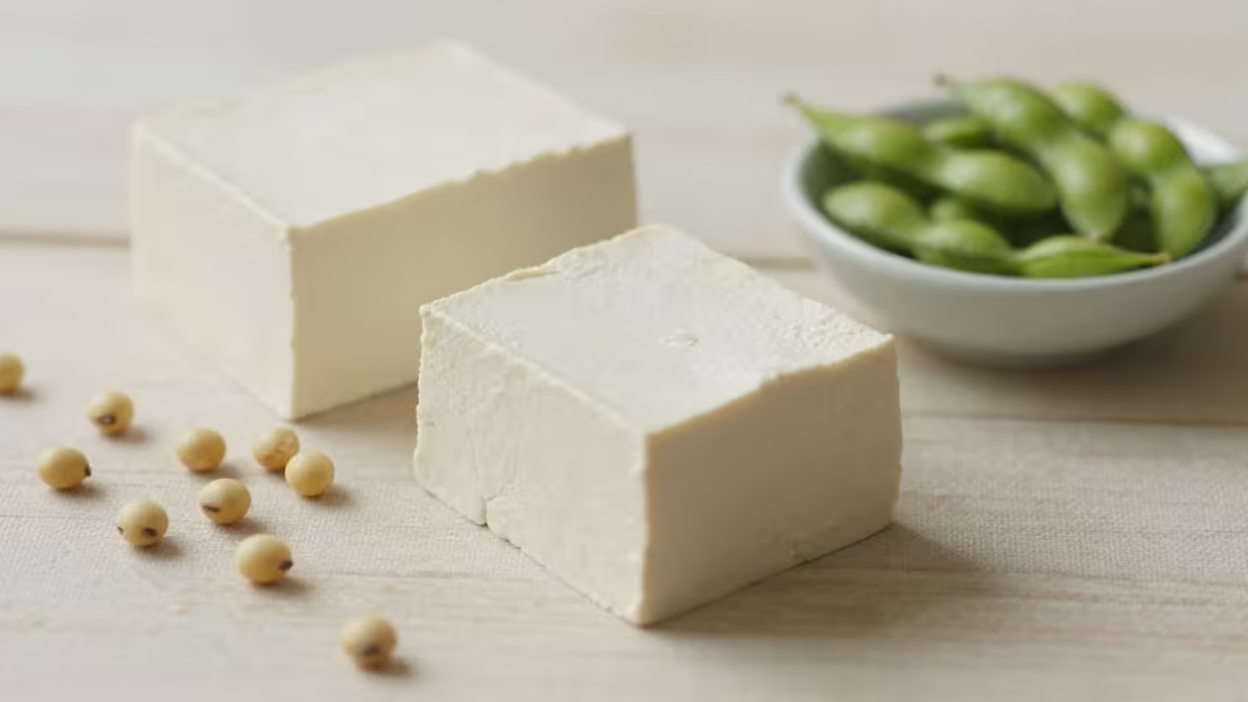
Soy is one of the world’s most versatile legumes. It can become tofu, tempeh, miso, soy milk, edamame, or fermented pastes that have nourished cultures for centuries. But sustainability depends less on the bean itself and more on how it’s grown and used.
Sustainable soy typically emphasizes:
- responsible land use
- reduced deforestation
- efficient water use
- soil health and crop rotation
- lower reliance on chemical inputs
- fair farming practices
In other words, it’s about long-term balance rather than short-term yield.
Food-grade vs. industrial soy
One important distinction often overlooked: most global soy production is not grown for direct human food. A large share is used for animal feed or industrial purposes.
Sustainable soy for human consumption is different. It’s usually:
- grown specifically for food
- carefully processed
- traceable in origin
- often non-GMO or certified
This distinction matters when discussing health, quality, and environmental impact.
Organic, non-GMO, and responsible sourcing
While “sustainable” doesn’t always mean “organic,” many sustainable soy producers follow organic or near-organic principles. These often include:
- avoiding synthetic pesticides
- protecting soil biodiversity
- rotating crops to prevent depletion
- supporting local ecosystems
Non-GMO certification is also common in food-grade soy, especially in regions focused on transparency and export quality.
A plant protein with a lighter footprint
From an environmental perspective, soy stands out because it’s incredibly efficient. Compared to many animal-based protein sources, it requires:
- less land
- less water
- fewer greenhouse gas emissions
When grown responsibly, soy can deliver high-quality nutrition with a significantly lower ecological cost.
A foundation for mindful eating
Sustainable soy isn’t about perfection or restriction. It’s about choosing ingredients that make sense — nutritionally, environmentally, and culturally.
When you choose tofu, tempeh, miso, or edamame from responsible sources, you’re not just choosing a protein. You’re choosing a food with history, adaptability, and a surprisingly gentle relationship with the planet.
Next, we’ll explore one of soy’s most important nutritional qualities — something that sets it apart from many plant foods:
Soy as a Complete Plant Protein
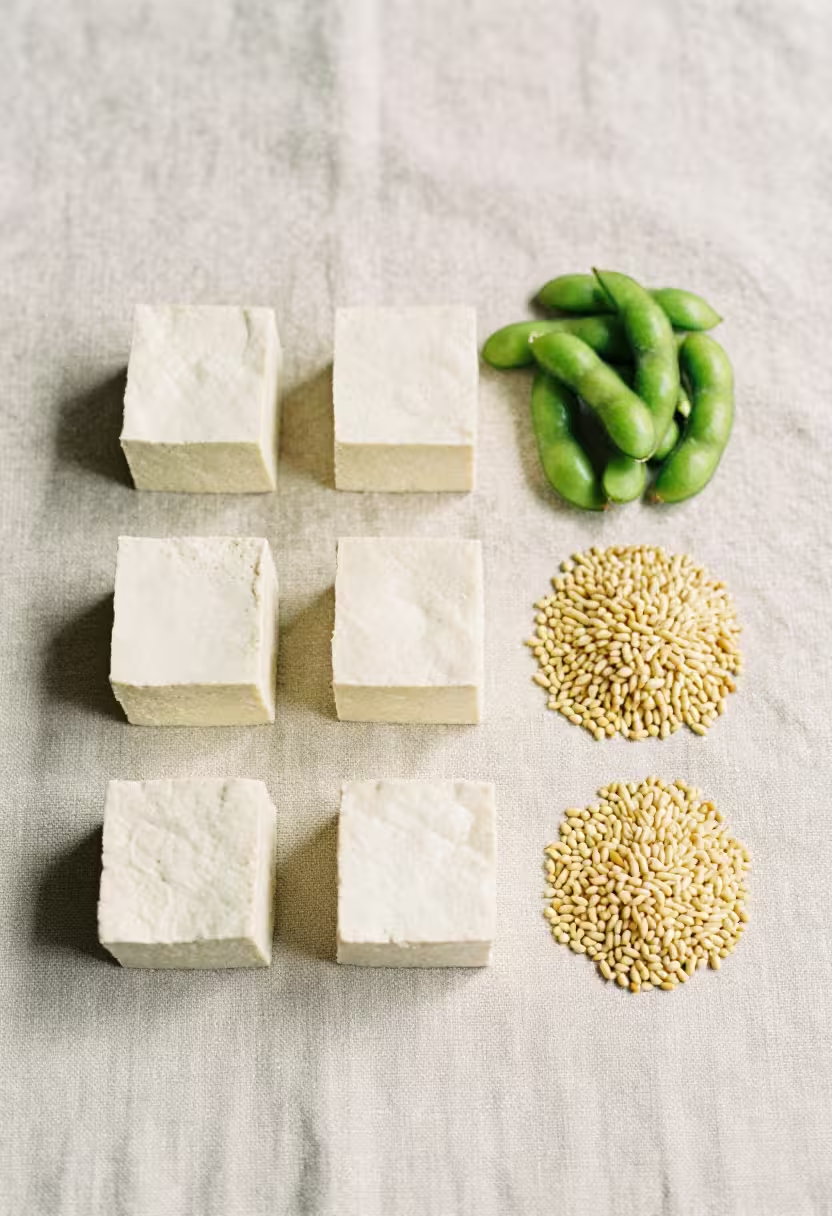
One of the most remarkable things about soy — and one of the reasons it has nourished cultures for centuries — is that it’s a complete protein. That might sound technical, but it has very real, practical meaning for everyday eating.
What “complete protein” actually means
Proteins are built from amino acids. Our bodies need nine essential amino acids, and we must get them from food.
Most plant foods provide only some of them. That’s why people often combine legumes with grains — like beans and rice — to create a complete amino acid profile.
Soy is different.
It naturally contains all nine essential amino acids in balanced amounts, making it one of the few plant foods that can stand on its own nutritionally. This places soy in a rare category alongside animal-based proteins, but with a much lighter environmental footprint.
Why this matters for everyday eating
For people who eat mostly plant-based — or simply want to reduce their intake of animal products — complete proteins make meals simpler and more satisfying.
Soy-based foods can help:
- support muscle maintenance and repair
- promote satiety and fullness
- stabilize energy levels
- contribute to overall nutrient balance
And because soy protein is highly digestible, the body can use it efficiently.
Not just for athletes or vegans
There’s a misconception that protein quality only matters for athletes or people following strict diets. In reality, protein plays a role in everyday wellness — from maintaining muscle mass as we age to supporting metabolism and recovery.
Soy fits naturally into many eating styles:
- flexitarian
- vegetarian
- plant-forward
- Mediterranean-inspired
- dairy-reduced
It doesn’t require dramatic dietary shifts — just thoughtful inclusion.
Whole soy vs. isolated protein
It’s also worth noting the difference between whole soy foods and highly processed protein isolates.
Whole or minimally processed forms — such as tofu, tempeh, edamame, and miso — provide protein alongside fiber, minerals, and beneficial plant compounds. This creates a more balanced nutritional package than isolated powders alone.
When soy is eaten in its whole-food form, it tends to feel more grounding and satisfying — less like a supplement, more like real food.
A quiet nutritional advantage
Soy doesn’t need flashy claims to earn its place. Its strength lies in reliability: consistent nutrition, versatility in cooking, and compatibility with many lifestyles.
In the next section, we’ll look beyond protein and explore the broader nutritional profile of soy, including its vitamins, minerals, and naturally occurring compounds that support overall health.
Nutrient Density Beyond Protein
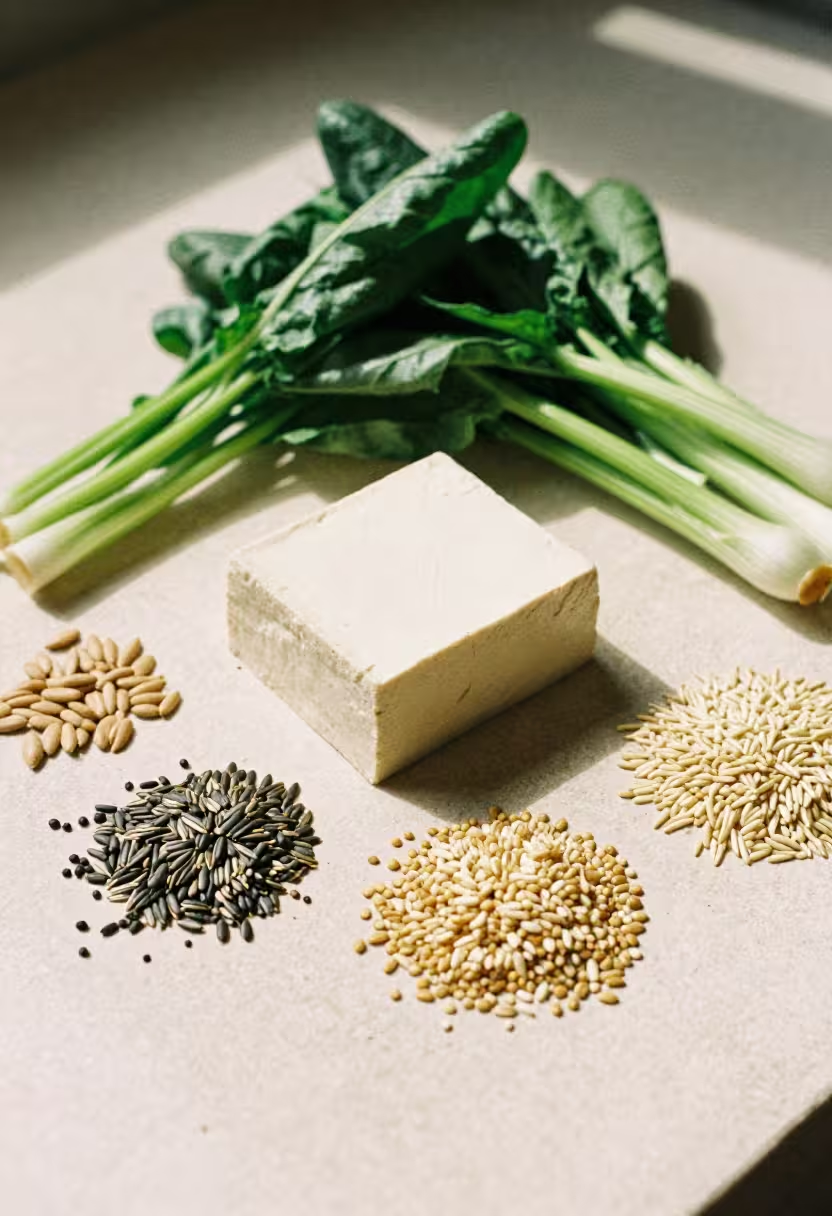
Protein may be what soy is most famous for, but it’s only part of the story. What makes sustainable soy foods especially valuable is the way they bundle multiple nutrients together in a balanced, food-based form. This is nutrition that works quietly in the background — not flashy, but deeply supportive.
A naturally nutrient-rich food
Whole and minimally processed soy products contain a wide range of essential nutrients, including:
- Fiber, which supports digestion and gut balance
- Iron, important for oxygen transport and energy
- Calcium, especially in calcium-set tofu
- Magnesium and potassium, which support muscle and nerve function
- Folate, essential for cell renewal
- Healthy fats, including polyunsaturated fatty acids
Together, these nutrients help make soy a genuinely nourishing foundation rather than a single-purpose ingredient.
Isoflavones: plant compounds with unique roles
Soy naturally contains isoflavones, a type of phytonutrient found almost exclusively in legumes. These compounds are often discussed because of their gentle interaction with estrogen receptors in the body.
Rather than acting like hormones, isoflavones behave more like modulators — sometimes mimicking weak estrogen activity, sometimes blocking stronger effects. This nuanced behavior is one reason soy has been studied in relation to long-term health and aging.
Importantly, these compounds occur naturally in whole soy foods, where they exist in balance with fiber and protein.
Minerals that support everyday function
Sustainable soy foods can quietly contribute to daily mineral needs:
- Iron, particularly helpful in plant-based diets
- Calcium, especially in tofu made with calcium salts
- Potassium, which supports fluid balance and heart rhythm
- Phosphorus, important for bones and energy metabolism
While soy isn’t meant to replace a varied diet, it integrates easily into one — adding nutritional depth without heaviness.
Fiber: often overlooked, quietly powerful
Unlike many animal-based protein sources, soy contains dietary fiber, which plays a role in:
- digestive regularity
- blood sugar balance
- gut microbiome support
- feelings of fullness
Fermented soy foods often feel especially gentle because fermentation partially breaks down complex compounds, making nutrients more accessible.
Nutrition that fits real life
One of soy’s strengths is how easily it fits into everyday meals. It doesn’t require supplements or complicated preparation to deliver its benefits.
A bowl of miso soup.
A few slices of tofu added to a stir-fry.
Edamame as a simple snack.
These small, familiar choices add up — quietly supporting nutrition over time.
Next, we’ll explore how these qualities translate into one of the most discussed areas of health:
Soy and Heart Health: What the Science Says
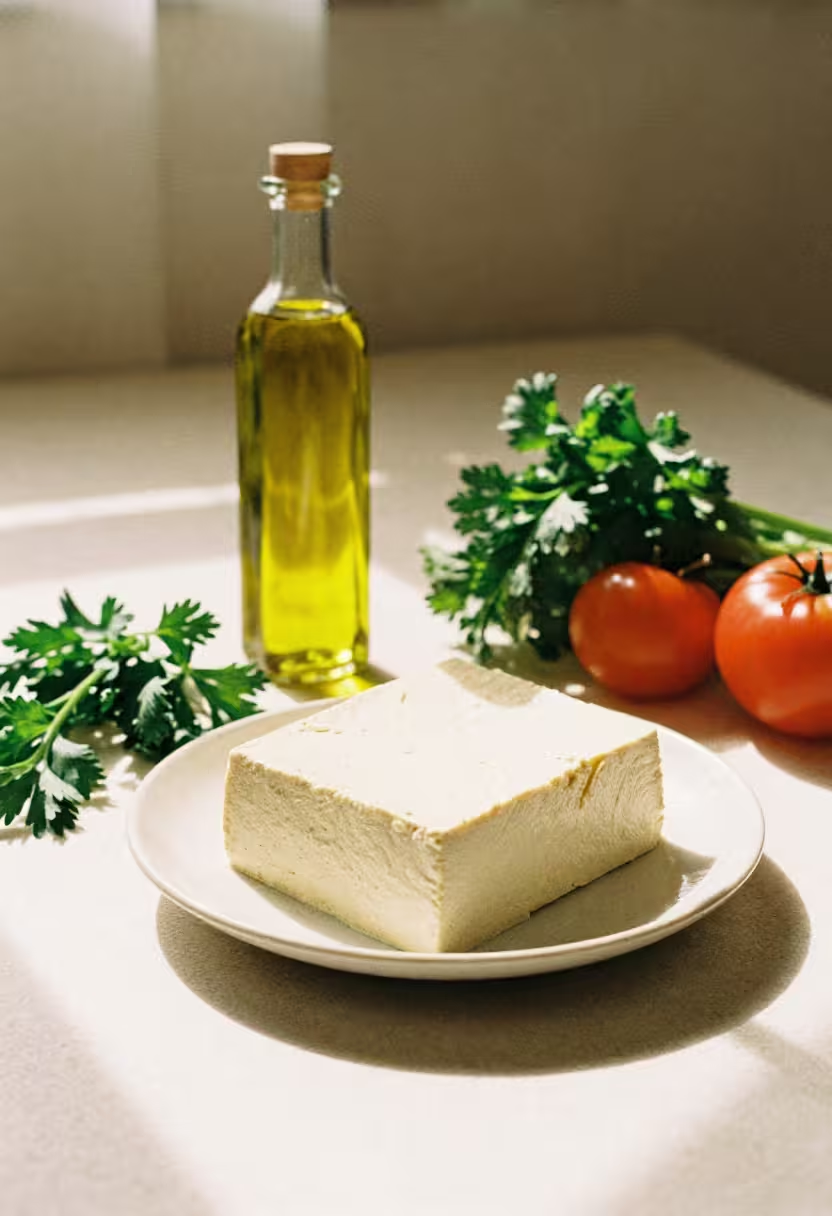
When people talk about food and long-term wellness, heart health is often at the center of the conversation. And this is one area where soy has been studied more carefully — and more consistently — than many other plant foods.
The results are not dramatic or sensational, but they are quietly reassuring.
How soy supports heart health
Research over the years suggests that regular consumption of soy foods may help support healthy cholesterol levels, especially when soy replaces foods high in saturated fat.
This effect comes from a combination of factors working together:
- high-quality plant protein
- naturally occurring fiber
- unsaturated fats
- isoflavones and other phytonutrients
Rather than acting as a “treatment,” soy supports heart health through small, cumulative effects — the kind that matter most over time.
Cholesterol: a gentle shift, not a miracle
Studies have shown that soy protein can help modestly reduce LDL (“bad”) cholesterol when included as part of a balanced diet. The effect isn’t dramatic, but it is meaningful — especially when paired with overall dietary patterns that emphasize plants, whole foods, and variety.
What matters most is substitution:
- replacing some animal proteins with soy
- choosing minimally processed forms
- pairing soy with fiber-rich foods
This quiet swap often leads to better lipid balance without rigid restriction.
Healthy fats, naturally present
Unlike many animal-based proteins, soy contains mostly unsaturated fats, including polyunsaturated fats that support cardiovascular function. These fats help maintain flexibility in blood vessels and support overall metabolic health.
In simple terms, soy offers protein without the heavy load of saturated fat often associated with heart strain.
A pattern, not a prescription
Heart health doesn’t come from a single food — and soy doesn’t need to carry that responsibility alone. Its real strength lies in how easily it fits into heart-supportive eating patterns such as:
- plant-forward or Mediterranean-style diets
- diets rich in vegetables, legumes, and whole grains
- eating styles focused on balance rather than elimination
Soy works best when it’s part of a broader rhythm of nourishing choices.
A calm, realistic takeaway
Soy won’t “fix” the heart on its own. But when eaten regularly and mindfully, especially in whole or fermented forms, it can support cardiovascular health in subtle, meaningful ways.
It’s not about chasing health claims — it’s about choosing foods that work gently with the body over time.
Next, we’ll look at another area where soy often raises curiosity and questions:
Gut Health & Fermented Soy Foods

If there’s one place where traditional soy truly shines, it’s in fermentation. Long before gut health became a modern buzzword, cultures across East Asia were fermenting soy to make it easier to digest, more flavorful, and longer-lasting. Today, those same foods — miso, tempeh, natto, and traditionally brewed soy sauce — are being rediscovered through a wellness lens.
Why fermentation matters
Fermentation is a natural process that transforms food with the help of beneficial microorganisms. During this process:
- complex compounds are broken down
- nutrients become more bioavailable
- digestion becomes easier
- flavor deepens and softens
For soy, fermentation helps reduce compounds that can be harder to digest while enhancing its overall nutritional profile.
Fermented soy and the gut
Fermented soy foods can support gut health in gentle, indirect ways. While not all fermented products contain live probiotics at the time of eating, many still contribute beneficial compounds created during fermentation.
These foods may help:
- support microbial diversity
- improve digestion comfort
- reduce bloating for some people
- encourage regularity
- complement fiber-rich meals
Tempeh, for example, is often easier to digest than unfermented soybeans, while miso provides warmth and depth that naturally encourages slower, more mindful eating.
A softer approach to digestion
One of the reasons fermented soy fits so well into balanced eating is its subtlety. It doesn’t overwhelm the system or promise dramatic results. Instead, it works quietly alongside other whole foods.
Many people notice that:
“Fermented soy just feels easier on my stomach.”
That ease often comes from the way fermentation pre-processes food, making nutrients more accessible and gentle.
Traditional wisdom, modern relevance
Fermented soy has been part of everyday diets in Japan, Korea, China, and Southeast Asia for centuries — not as a superfood, but as a staple. These cultures valued it for its flavor, shelf stability, and digestibility long before science began to explain why it works.
That long history matters. It reminds us that gut-friendly foods don’t have to be new or extreme — just thoughtfully prepared.
Simple ways to include fermented soy
You don’t need to overhaul your meals to benefit. Small, consistent additions are enough:
- a spoon of miso stirred into warm (not boiling) water
- sliced tempeh added to a grain bowl
- a bit of fermented soy alongside vegetables
- using traditionally brewed soy sauce in moderation
These quiet habits support digestion without turning meals into a project.
Next, we’ll explore a topic that often causes confusion and concern:
Blood Sugar Regulation and Soy Foods
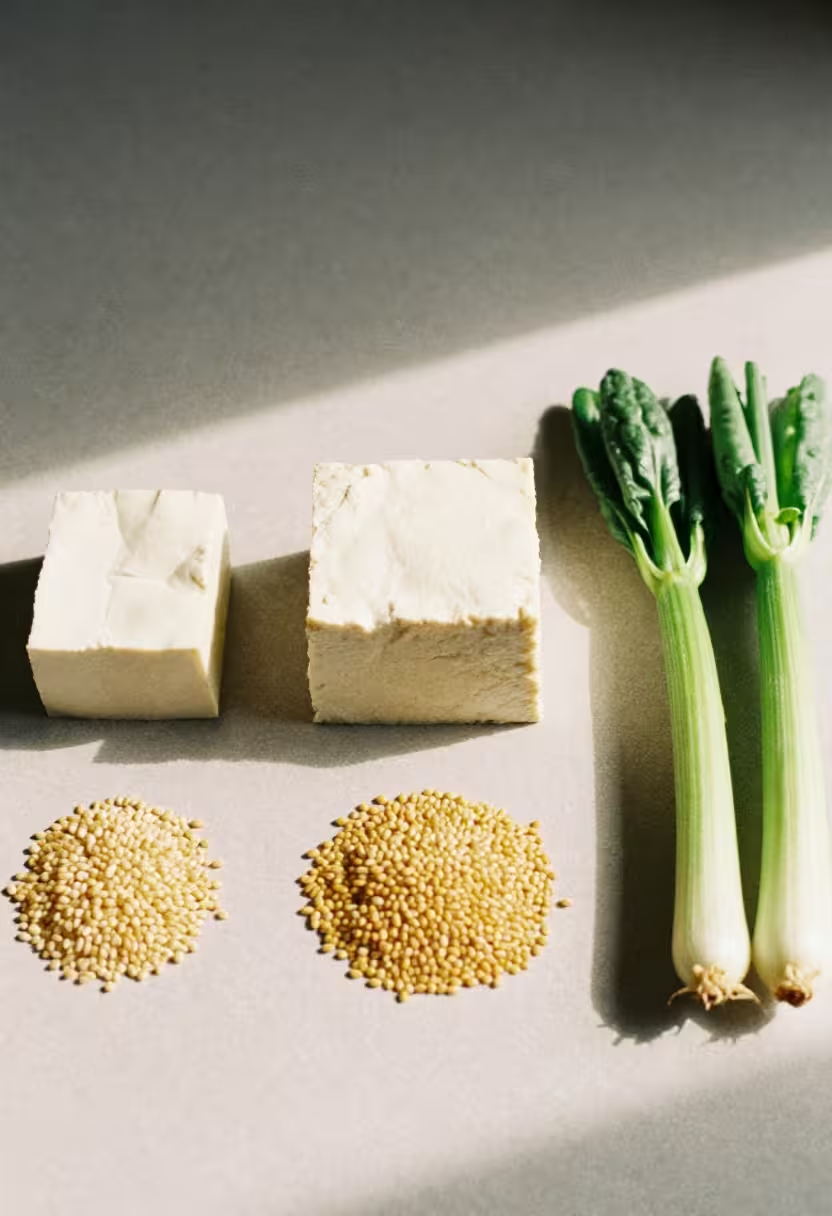
Blood sugar balance is one of those quiet foundations of everyday well-being. When it’s steady, energy feels smoother, cravings soften, and meals feel more satisfying. When it’s not, the body lets us know — often through fatigue, irritability, or sudden hunger. This is where soy can play a surprisingly supportive role.
Why soy affects blood sugar differently
Unlike refined carbohydrates, soy contains a unique combination of protein, fiber, and healthy fats. This trio slows digestion and helps prevent rapid spikes in blood glucose after meals.
In practical terms, that means:
- steadier energy
- fewer sharp highs and crashes
- longer-lasting fullness
Instead of causing quick sugar rises, soy tends to moderate how carbohydrates are absorbed.
A low–glycemic food by nature
Most whole soy foods — such as tofu, tempeh, edamame, and unsweetened soy milk — have a low glycemic index. This means they don’t cause dramatic increases in blood sugar when eaten on their own or as part of a balanced meal.
For people paying attention to metabolic health, this makes soy a gentle, dependable option.
Protein + fiber = balance
One reason soy works so well for blood sugar regulation is the synergy between its nutrients:
- Protein slows digestion and reduces glucose spikes
- Fiber delays carbohydrate absorption
- Healthy fats help extend satiety
Together, they help meals feel more grounding and sustaining — especially when soy replaces refined carbs or highly processed proteins.
Helpful for everyday energy, not just diagnoses
You don’t need to have blood sugar concerns to benefit from balanced meals. Stable glucose levels support:
- mental clarity
- consistent energy
- reduced cravings
- better mood regulation
Adding soy to meals can help create that steady rhythm without strict rules or tracking.
A gentle approach, not a restriction
Soy doesn’t “control” blood sugar — it supports balance when used thoughtfully. It works best when paired with vegetables, whole grains, and healthy fats, rather than consumed in isolation.
A few simple examples:
- tofu with sautéed greens and rice
- tempeh in a grain bowl
- edamame as a protein-rich snack
- miso added to vegetable-based soups
These combinations help meals feel complete, satisfying, and metabolically calm.
Next, we’ll explore a topic that often comes up alongside blood sugar and hormones:
Skin Health & Antioxidant Effects
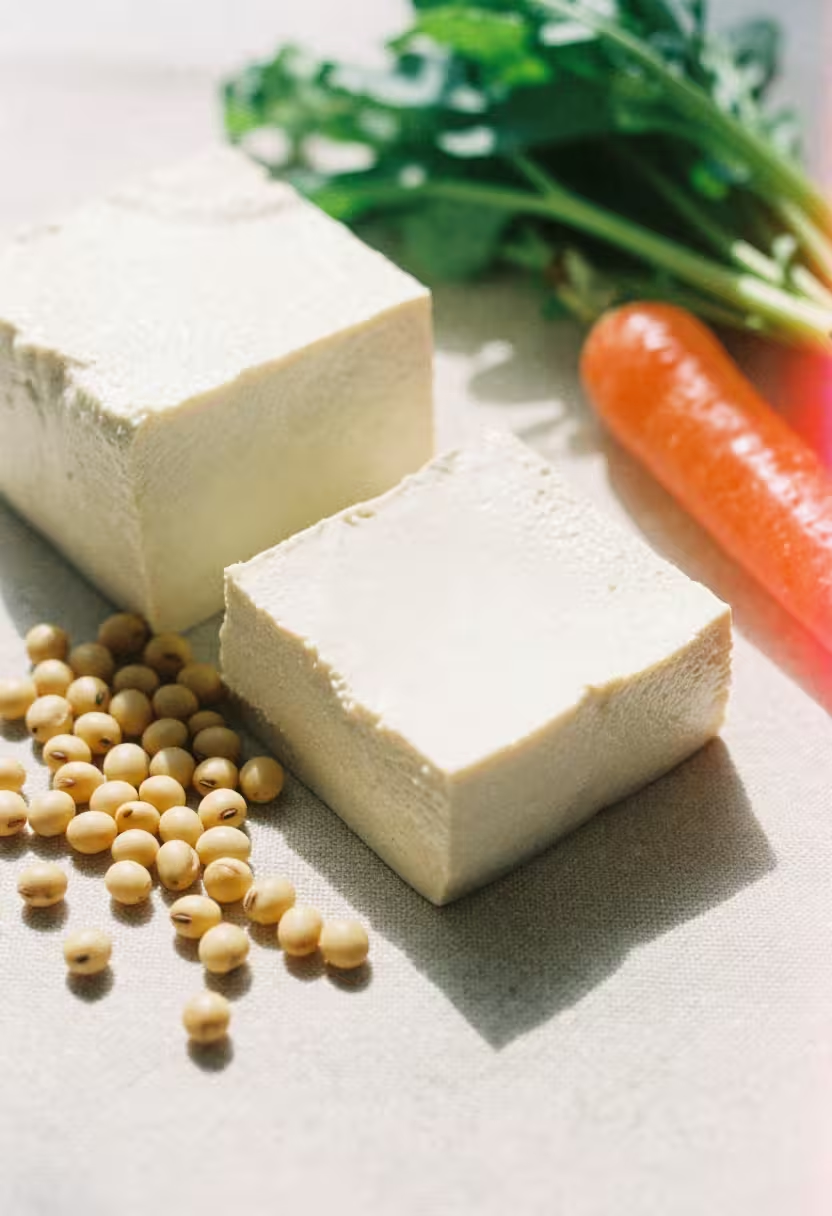
Skin often reflects what’s happening inside the body. Hydration, nourishment, balance — they all leave subtle traces on the surface. That’s why foods rich in antioxidants and supportive nutrients tend to attract attention in conversations about skin health. Soy, quietly and consistently, belongs in that conversation.
The role of antioxidants in skin health
Antioxidants help protect cells from oxidative stress caused by factors like pollution, UV exposure, and everyday metabolism. Over time, this stress contributes to premature aging and loss of elasticity.
Soy contains natural antioxidants, including isoflavones, which have been widely studied for their potential role in supporting skin structure and resilience.
These compounds don’t “reverse aging,” but they may help the skin maintain balance and resilience over time.
Isoflavones and skin support
Isoflavones are especially interesting because of how gently they interact with the body. They can bind to estrogen receptors in a mild way, which may help support skin during periods of hormonal fluctuation — particularly midlife.
Research has linked soy isoflavones with:
- improved skin elasticity
- better moisture retention
- smoother skin texture
- support against oxidative stress
Rather than acting aggressively, they seem to work subtly, over time, as part of a consistent diet.
Nourishment from the inside out
Skin health isn’t about one miracle ingredient — it’s about patterns. Soy contributes to those patterns by offering:
- high-quality plant protein for tissue repair
- essential fatty acids that support the skin barrier
- minerals that assist cellular function
- antioxidants that help counter environmental stress
When paired with fruits, vegetables, healthy fats, and hydration, soy fits naturally into a skin-supportive lifestyle.
A calm, realistic perspective
It’s important to be honest: eating soy won’t suddenly change your skin overnight. But as part of a balanced diet, it may quietly support long-term skin comfort and resilience.
This slower, gentler approach aligns with what sustainable wellness really looks like — consistency, nourishment, and patience rather than quick fixes.
Next, we’ll move into a topic that often raises questions and myths:
Soy, Hormones & Menopause: What You Should Know
Few topics around food create as much confusion as soy and hormones. For years, soy has been surrounded by mixed messages — praised by some, avoided by others. The truth, as usual, is more nuanced, calmer, and far less dramatic than headlines suggest.
Let’s gently unpack what science actually says, especially in the context of hormonal balance and menopause.
Why soy is linked to hormones at all
Soy contains natural compounds called isoflavones, which are classified as phytoestrogens. That word alone can sound alarming, but it helps to understand what it really means.
Phytoestrogens are plant compounds that weakly resemble estrogen, but they act very differently from human hormones. They bind to estrogen receptors in a much milder way and can behave as either gentle supporters or blockers depending on the body’s needs.
Think of them less as “hormones” and more as modulators.
What this means during menopause
During perimenopause and menopause, estrogen levels naturally decline and fluctuate. This shift can bring symptoms such as hot flashes, mood changes, and sleep disruption.
Research suggests that soy isoflavones may help:
- reduce the frequency or intensity of hot flashes
- support hormonal balance gently
- offer a non-pharmaceutical option for some women
- provide nutritional support during midlife
The effects are usually subtle and gradual — not dramatic — but for many people, that’s exactly what feels sustainable.
Not all bodies respond the same way
It’s important to say this clearly: responses to soy vary.
Some people notice benefits. Others feel neutral. A small number may prefer to limit it. Genetics, gut bacteria, overall diet, and hormonal context all play a role in how isoflavones are metabolized.
This is why listening to your own body matters more than following rigid rules.
Fermented soy may be easier to tolerate
Fermented soy foods like miso, tempeh, and natto are often better tolerated and more bioavailable. Fermentation changes how isoflavones are structured, which may make them easier for the body to use.
These foods have been part of traditional diets for centuries — long before hormone supplements or modern nutrition debates existed.
Clearing up a common myth
One of the most persistent myths is that soy “raises estrogen too much” or disrupts hormones in a harmful way. Large bodies of research do not support this fear when soy is eaten in normal dietary amounts.
For most people, moderate intake of whole soy foods is considered safe and potentially beneficial — especially compared to highly processed alternatives.
A grounded takeaway
Soy doesn’t override your hormones. It doesn’t hijack your system. It simply offers plant compounds that interact gently with the body’s existing balance.
When eaten as part of a varied, whole-food diet, sustainable soy can be a supportive ally — especially during life stages where balance and nourishment matter more than ever.
Next, we’ll step back and look at the bigger picture:
Sustainability & Environmental Impact of Soy

When conversations about soy turn toward the environment, they can quickly become confusing. Headlines often paint soy as harmful — but the reality is far more nuanced. Much depends on how soy is grown, where it’s used, and who it’s grown for.
When we talk about sustainable soy for human consumption, the picture looks very different from industrial monoculture narratives.
Not all soy is the same
A key distinction often gets lost:
most of the world’s soy production is used for animal feed, not for tofu, tempeh, or soy milk eaten directly by people.
Food-grade, sustainably sourced soy represents only a small portion of global soy farming — and it usually follows very different practices.
Sustainable soy focuses on:
- responsible land management
- reduced deforestation
- crop rotation
- soil regeneration
- efficient use of water
- lower chemical inputs
These practices help protect ecosystems rather than deplete them.
Why soy can be environmentally efficient
From a resource perspective, soy is one of the most efficient protein sources available.
Compared with animal-based proteins, sustainably grown soy generally requires:
- significantly less land
- far less water
- lower greenhouse gas emissions
- fewer overall resources per gram of protein
This efficiency matters as food systems face increasing pressure from climate change and population growth.
Soil health and regenerative practices
When grown responsibly, soy can actually support soil health. Many sustainable farming systems use soy as part of crop rotation, helping to:
- fix nitrogen naturally in the soil
- reduce the need for synthetic fertilizers
- improve long-term soil structure
Healthier soil leads to more resilient farms — and more resilient food systems.
Biodiversity and farming balance
Sustainable soy production often encourages biodiversity through:
- diversified crop systems
- buffer zones
- reduced pesticide use
- protection of surrounding ecosystems
This contrasts sharply with large-scale monocultures that prioritize yield over balance.
Choosing soy with intention
For consumers, sustainability often comes down to sourcing. Choosing:
- organic or certified sustainable soy
- clearly labeled food-grade products
- brands transparent about origin
helps support better agricultural practices.
It’s not about perfection — it’s about direction.
A bigger picture of responsibility
Sustainable soy fits naturally into a broader idea of mindful eating: choosing foods that nourish us while placing less strain on the planet. When consumed thoughtfully, soy can be part of a food system that values renewal over extraction.
Next, we’ll bring the focus back to everyday life with something very practical and friendly:
How to Eat Soy Mindfully: Everyday Tips & Simple Ideas
Knowing that soy can be nourishing and sustainable is one thing. Actually enjoying it in daily life is another. The good news? You don’t need complicated recipes or strict rules. Soy works best when it’s treated like any other whole ingredient — used gently, intuitively, and in ways that fit your routine.
Start simple and familiar
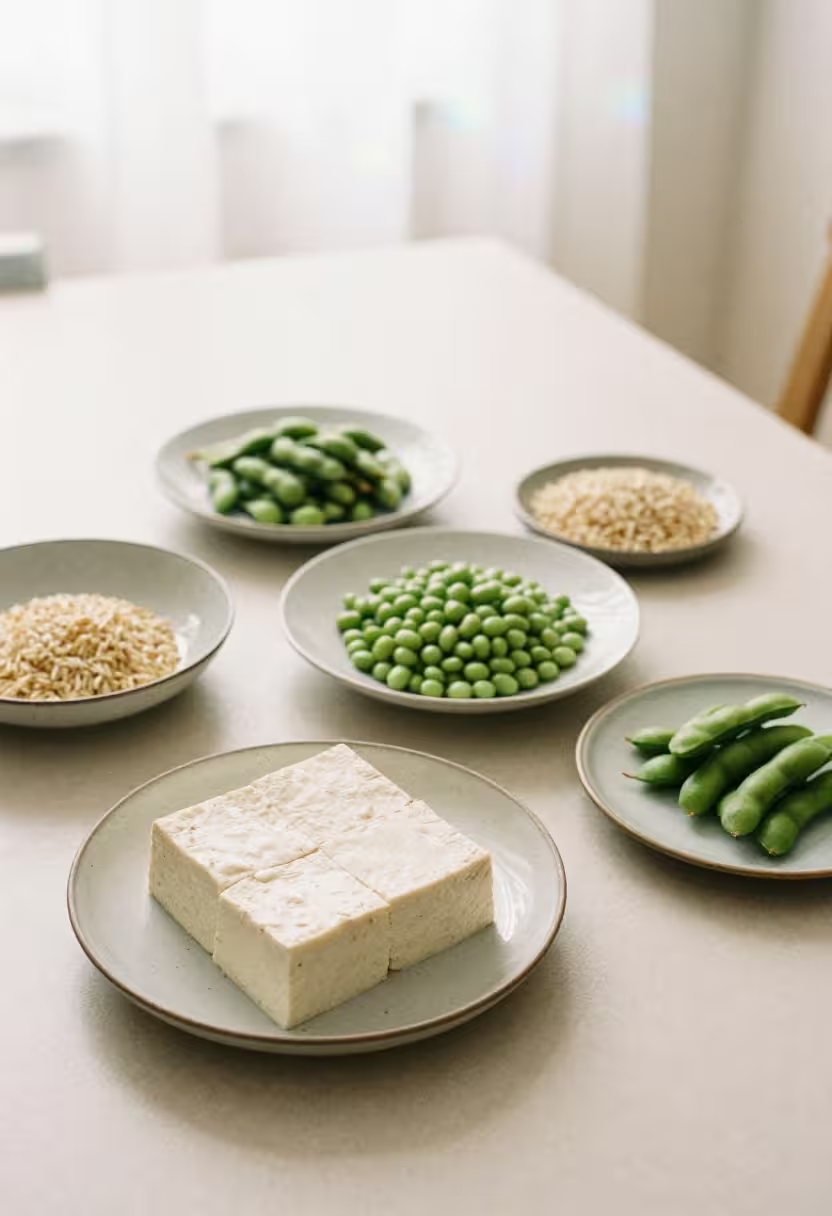
If soy feels new or confusing, begin with forms that are easy to recognize and prepare:
- Edamame as a snack or salad topping
- Tofu added to stir-fries, soups, or roasted dishes
- Tempeh sliced and pan-seared
- Miso stirred into warm water or soups
- Unsweetened soy milk in coffee or cooking
These basics allow you to experience soy without overthinking it.
Choose quality over quantity
Mindful eating isn’t about eating more — it’s about choosing better. A small amount of well-made soy can go a long way when it’s part of a balanced plate.
Look for:
- organic or sustainably sourced labels
- minimal ingredient lists
- traditionally fermented products
- non-GMO options when available
These small choices often translate to better taste and better digestion.
Pair soy with whole foods
Soy tends to shine when paired with vegetables, grains, and healthy fats. These combinations help slow digestion and create satisfying meals.
Simple pairings might include:
- tofu with sautéed greens and olive oil
- tempeh with roasted vegetables
- miso with seaweed and root vegetables
- edamame with lemon and herbs
Balanced plates support energy and comfort more than isolated ingredients ever could.
Listen to your body
One of the most important parts of mindful eating is observation. Everyone responds differently to foods — and soy is no exception.
Notice how you feel after eating it:
- Are you satisfied?
- Energized?
- Comfortable?
Adjust portions, forms, or frequency based on your own experience. There’s no universal rule to follow.
Make it a habit, not a rule
Soy doesn’t need to be eaten daily or in large amounts to be beneficial. Think of it as one option among many — a flexible tool in your kitchen rather than a dietary identity.
When food feels approachable and adaptable, it becomes easier to sustain.
FAQ: Sustainable Soy & Health — Common Questions Answered

Is soy actually healthy to eat regularly?
Yes, for most people, moderate consumption of whole or minimally processed soy foods is considered safe and nutritious. Soy provides complete plant protein, fiber, and beneficial compounds that support overall health when eaten as part of a balanced diet.
Is sustainable soy different from regular soy?
Yes. Sustainable soy is typically grown with more responsible farming practices, such as reduced chemical use, better soil management, and lower environmental impact. It’s often intended for direct human consumption, not animal feed, and is usually more carefully processed and traceable.
Does soy affect hormones negatively?
This is a common concern, but research does not support the idea that normal amounts of soy disrupt human hormones. Soy contains isoflavones, which act as mild plant compounds, not hormones. For most people, they do not cause hormonal imbalance and may even support balance during menopause.
Can men eat soy safely?
Yes. Studies consistently show that soy does not lower testosterone or cause feminizing effects in men when consumed in normal dietary amounts. Soy can be part of a healthy, balanced diet for all genders.
Is soy good for gut health?
Many people find soy — especially fermented forms like miso or tempeh — easier to digest. Fermentation helps break down complex compounds and may support a more comfortable digestive experience when eaten as part of a varied diet.
Is soy safe if I have thyroid issues?
In most cases, moderate soy intake is safe for people with thyroid conditions, especially when iodine intake is adequate. If you take thyroid medication, it’s usually recommended to consume soy foods a few hours apart from medication. Personal medical guidance is always best for individual conditions.
How much soy is considered “moderate”?
There’s no strict rule, but commonly studied amounts equal to:
- 1–2 servings per day
Examples include a serving of tofu, a cup of soy milk, or a portion of edamame.
This amount fits comfortably within a balanced eating pattern.
Are all soy products equally healthy?
Not exactly. Whole or minimally processed soy foods tend to offer the most benefits. These include:
- tofu
- tempeh
- edamame
- miso
- unsweetened soy milk
Highly processed soy snacks or sugary products don’t offer the same nutritional value.
Is soy environmentally friendly?
When grown responsibly, soy can be one of the most resource-efficient protein sources available. Sustainable soy uses less land and water than animal protein and can support soil health when farmed properly.
What’s the best way to start eating more soy?
Start small and simple:
- add edamame to salads
- try tofu in familiar dishes
- use miso in soups
- swap dairy milk for soy milk occasionally
There’s no need to change everything at once.
Final thought
Soy doesn’t need to be perfect to be valuable. When chosen thoughtfully and enjoyed in moderation, sustainable soy can be a nourishing, flexible part of a balanced lifestyle — one that supports both personal health and the planet.