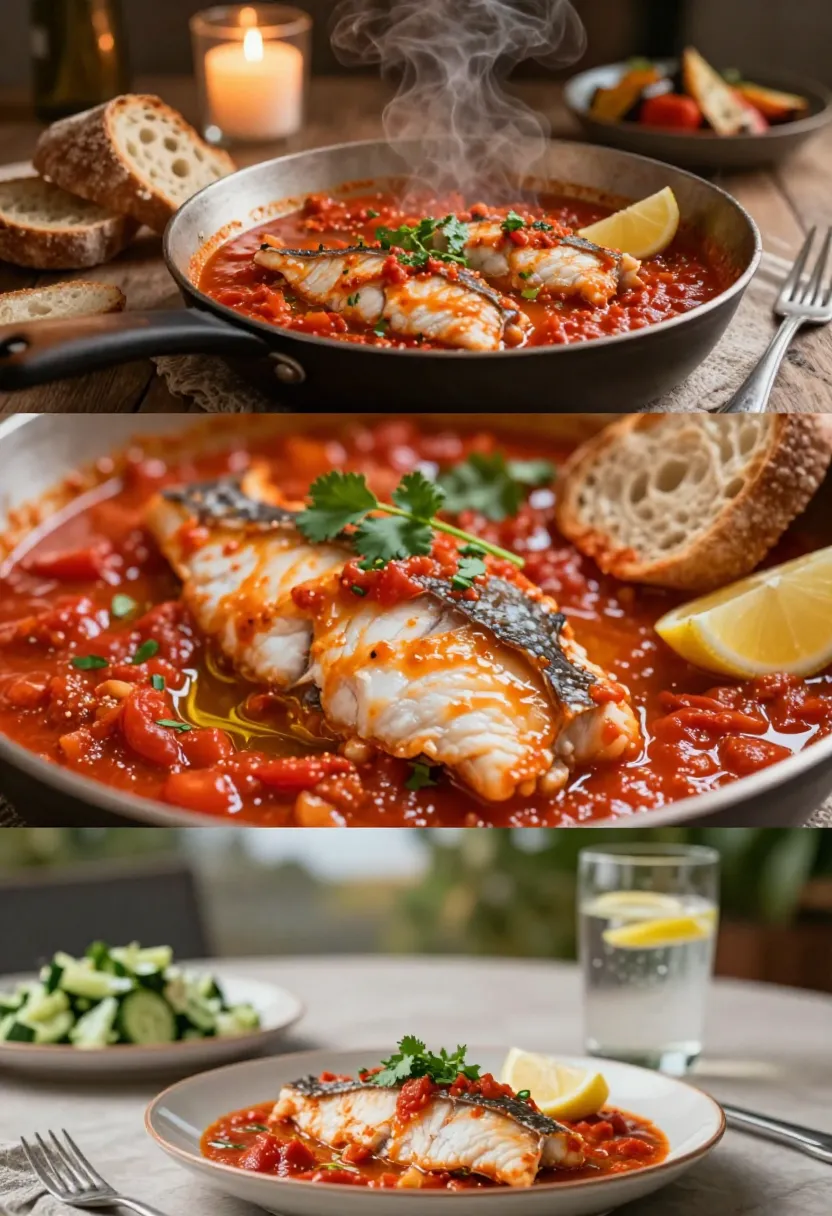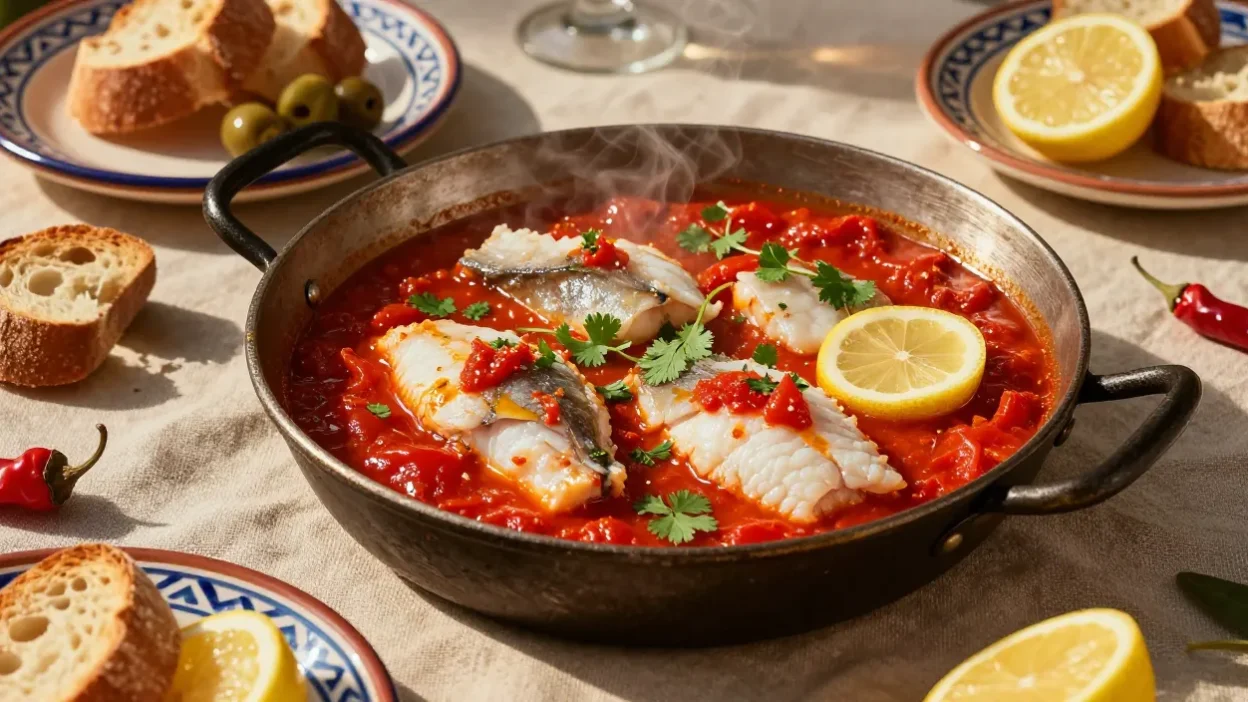
Some recipes feel polished from the beginning. Chraime isn’t one of them. It starts loud. Garlic hitting hot oil. Paprika blooming into the pan almost immediately. Tomatoes splattering slightly while the sauce thickens faster than expected. By the time the fish goes in, the kitchen already smells like dinner happened an hour ago.
That’s part of why I like it. 🍲
Chraime sits somewhere between a fish stew and a skillet braise, though neither description fully works. The sauce is too intense to feel delicate, but the fish still stays soft if you cook it carefully. You get heat from chili, sweetness from tomatoes, depth from garlic and olive oil, and that smoky paprika flavor that settles into everything after a few minutes on the stove.
And honestly, the bread matters almost as much as the fish. 🥖
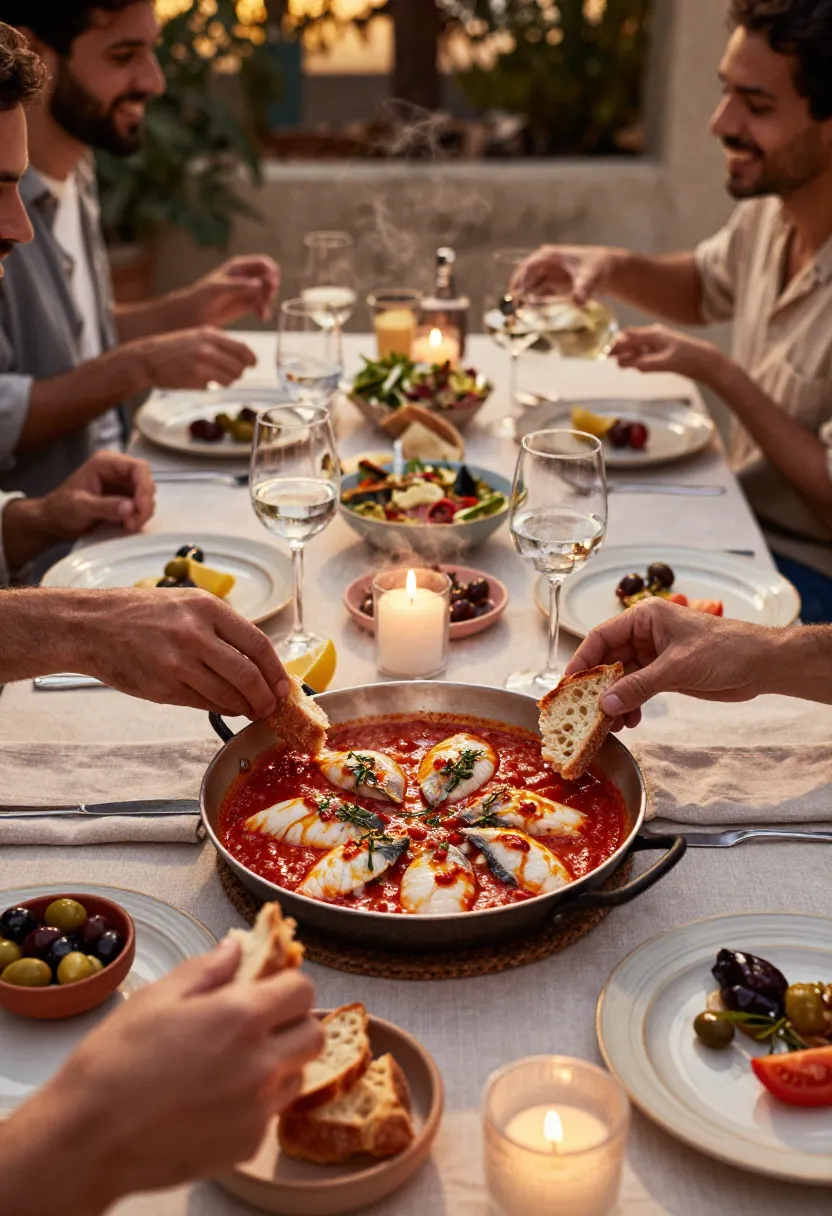
The first time I ate chraime properly, someone set down a basket of warm challah before the skillet even reached the table. People immediately started tearing pieces off while the sauce was still bubbling. No waiting for photos. No careful plating. That feels true to the dish somehow. Chraime doesn’t belong to a dinner where everyone politely waits.
Versions of this recipe exist across North African Jewish cooking, especially in Libyan, Tunisian, and Moroccan kitchens. Some families make it fiery enough to clear your sinuses. Others lean harder into paprika and garlic without overwhelming heat. Potatoes appear in some versions. Preserved lemon in others. Nobody fully agrees on the “correct” version, which usually means the recipe has lived through generations of home kitchens.
The structure stays mostly the same though: fish simmered gently in deeply seasoned tomato sauce until everything tastes connected.
Simple idea. Huge flavor.
🔥 Why chraime tastes bigger than the ingredient list suggests
At first glance, the ingredient list doesn’t look dramatic. Tomatoes. Garlic. Olive oil. Chili. Fish. A few spices. Nothing expensive or complicated.
But this is one of those recipes where timing changes everything.
Garlic cooked too fast turns bitter. Paprika burned for even thirty extra seconds starts tasting dusty instead of smoky. Tomatoes need enough simmering time to lose that raw canned acidity before the fish goes in. And fish itself changes quickly depending on heat level. One aggressive boil and delicate fillets start splitting apart inside the sauce.
The trick is patience in the early stages.
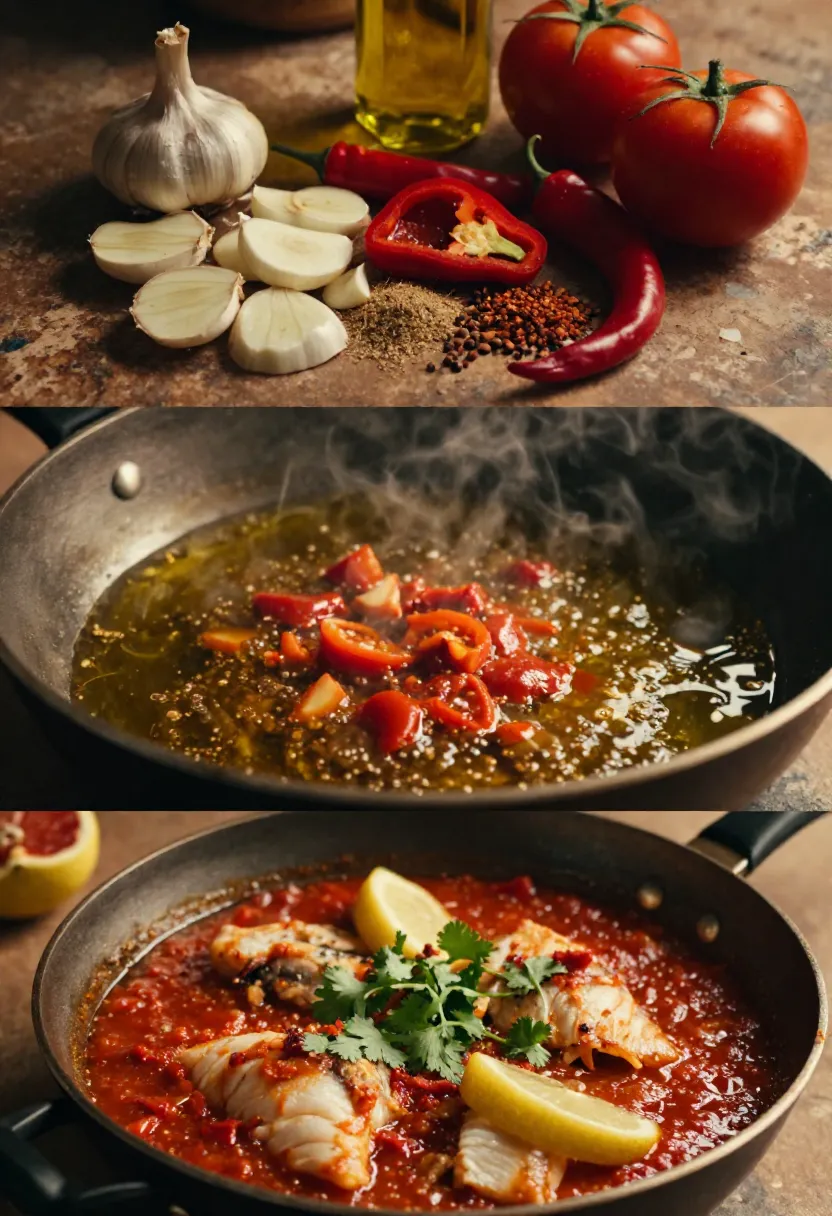
Once the garlic softens slowly in olive oil, the sauce starts building differently. The oil absorbs flavor first. Then the spices open up. Then tomatoes mellow into everything else. The fish arrives almost at the very end like a finishing ingredient instead of the foundation of the dish.
That order matters more than fancy ingredients.
🧄 Core ingredients and what they actually do
| Ingredient | Flavor contribution | Texture impact | Cooking role | Notes |
|---|---|---|---|---|
| Garlic | Sharp, savory depth | Softens into sauce | Builds the flavor base | Slice instead of mince for gentler flavor |
| Olive oil | Richness and balance | Makes sauce smoother | Carries spice flavor | Too little oil makes the sauce taste harsh |
| Sweet paprika | Warm sweetness | Thickens sauce slightly | Gives color and body | Good paprika changes the entire dish |
| Smoked paprika | Smoky finish | No major texture change | Adds depth | Optional but worth it |
| Chili peppers | Fresh heat | Slight bite | Brightens the sauce | Fresh chili tastes cleaner than flakes |
| Tomatoes | Sweet-acid balance | Main sauce texture | Forms the sauce base | Canned tomatoes work beautifully here |
| Cumin | Earthy warmth | None | Adds background depth | Easy to overdo |
| White fish | Mild richness | Tender flakes | Absorbs sauce flavor | Firm fish holds together better |
| Fresh herbs | Fresh finish | Light contrast | Brightens final dish | Cilantro works especially well |
| Lemon | Sharp acidity | None | Balances richness | Add at the very end |
One thing that surprised me the first few times I made chraime was how much olive oil the sauce actually needs. If you reduce it too much trying to make the dish “lighter,” the tomatoes can taste aggressive instead of rich. The sauce should feel glossy. Not greasy. Just full.
People also overthink the fish itself. You do not need expensive seafood here. Firm white fish usually works best because it stays intact while absorbing flavor. Cod is probably the easiest option. Halibut works beautifully if you want something meatier. Sea bass gives a softer texture. Snapper holds together nicely too.
I’ve even seen salmon used, though it changes the balance quite a bit. Rich fish creates a heavier final dish. Not bad. Just different.
A few things help when choosing fish for chraime:
- thicker fillets stay together better
- frozen fish works if thawed properly first
- mild fish lets the sauce shine more
- oily fish creates a richer final flavor
- skinless fillets are easier to serve casually
And avoid very thin fillets if possible. They cook before the sauce fully settles around them.
🍅 Why the sauce matters more than the seafood
This might sound strange in a fish recipe, but the sauce carries most of the emotional weight here.
You remember the sauce first.
The fish mostly absorbs flavor and softens inside it. That’s why bread becomes almost mandatory. Nobody wants leftover sauce sitting abandoned in the skillet.
A good chraime sauce should taste slightly too strong before the fish cooks. Stronger than feels comfortable. Extra garlic. Extra spice. A little more salt than expected.
Then the fish enters and balances everything automatically.
The tomatoes matter a lot too. Good canned tomatoes create deeper flavor than pale supermarket fresh tomatoes out of season. During summer, fresh tomatoes can work beautifully, but canned tomatoes honestly make better chraime most of the year.
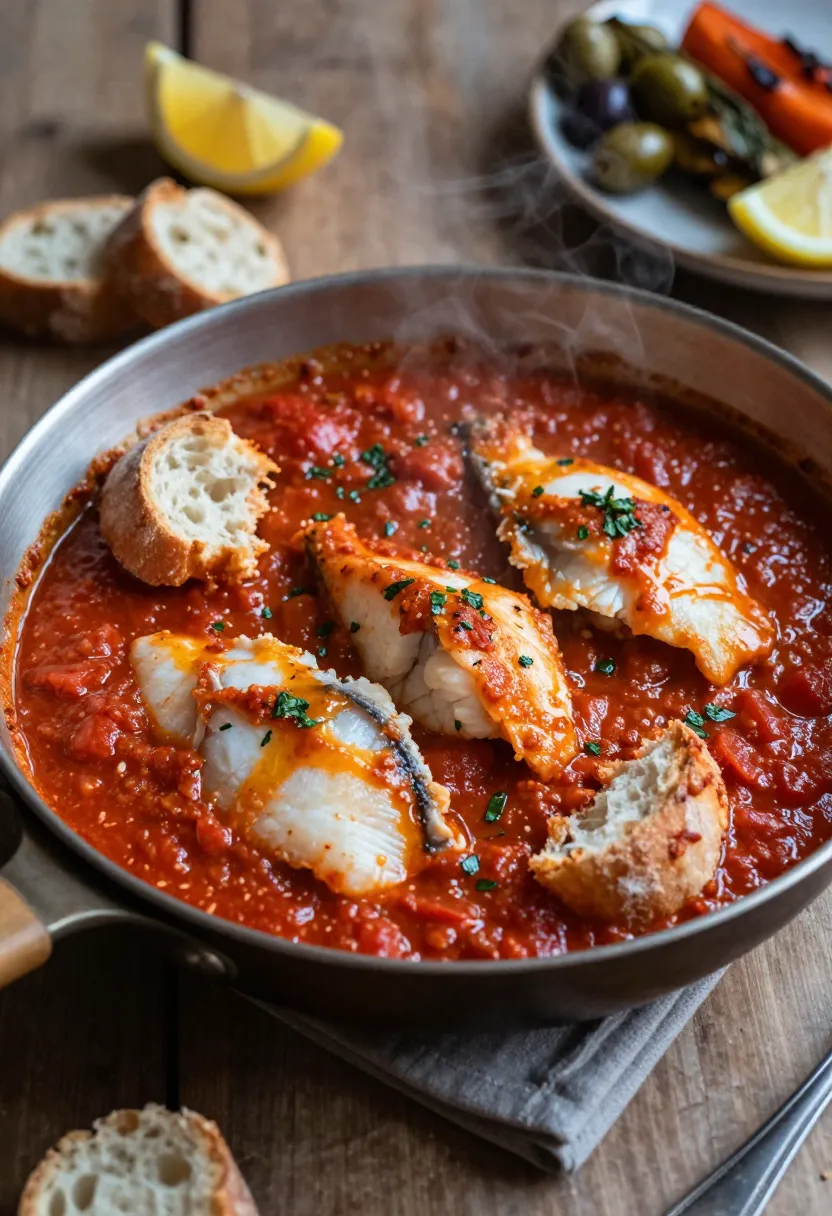
Texture matters too. Some people leave the sauce thinner and brothy. Others simmer until thick and concentrated. I lean toward thicker sauce because it clings to the fish better and tastes incredible with bread.
And resting the dish for ten minutes before serving changes more than people realize. The sauce settles. The fish relaxes slightly. Everything tastes more connected.
There’s also something deeply comforting about how informal the whole meal feels. Chraime doesn’t ask for perfect plating or careful presentation. You bring the skillet straight to the table while the sauce still bubbles around the edges. Somebody reaches for bread too early. Someone else spoons extra sauce over their fish before sitting down properly.
That atmosphere becomes part of the recipe too.
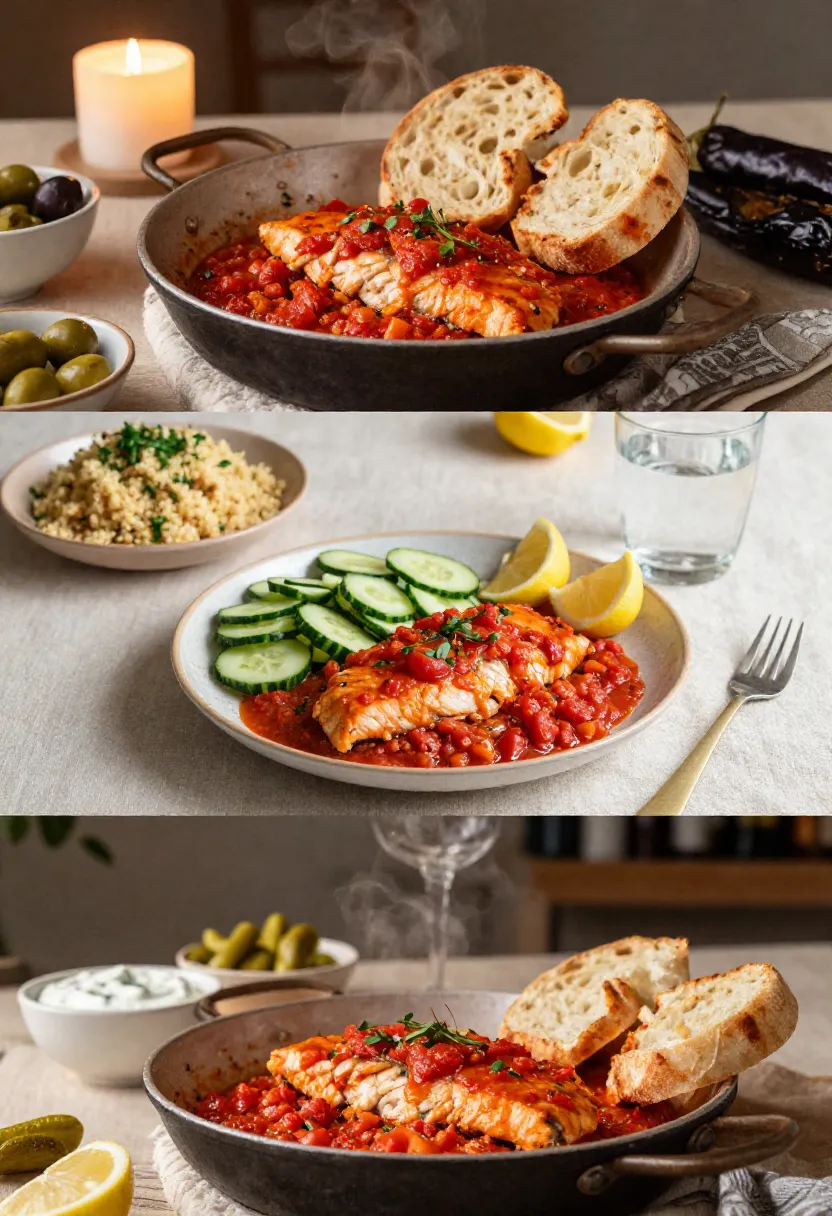
The dish changes depending on the season as well. In colder months, chraime feels rich and warming, especially with thick bread and roasted vegetables nearby. During warmer evenings, it somehow becomes lighter with cucumber salad, herbs, and sparkling water with lemon. Same skillet. Completely different mood.
And leftovers might honestly be even better. Overnight, the garlic softens deeper into the tomatoes, the spice settles, and the fish absorbs even more flavor from the sauce. Cold chraime with bread straight from the fridge late at night? Surprisingly good. 🌙
That’s probably why people keep making this dish for decades without fully agreeing on one exact version. The structure stays recognizable, but the personality changes from kitchen to kitchen.
Which feels exactly right for a recipe like this.
🍽️ Chraime fish in spicy tomato sauce recipe
Chraime is one of those dishes that smells intense long before it’s ready. Garlic, paprika, chili, olive oil — everything hits the pan at once and suddenly the whole kitchen feels warmer. The fish cooks directly inside the spicy tomato sauce, soaking up all that smoky heat while still staying soft and delicate.
The dish comes from North African Jewish cooking and is especially popular in Libyan, Tunisian, and Moroccan kitchens. In many homes, chraime is traditionally served on Friday nights or during family gatherings with lots of warm bread nearby. And honestly, that part makes sense immediately after the first bite. The sauce alone practically demands bread. 🥖
What makes chraime different from a regular tomato fish stew is the balance. The sauce is bold, deeply seasoned, a little spicy, slightly sweet from tomatoes, and rich from olive oil. But the fish keeps everything from feeling too heavy.
And the best versions rarely look perfect. A little messy around the skillet edges usually means it turned out well. 🍅🔥
Ingredients
For the sauce
- 3 tablespoons olive oil
- 6 garlic cloves, sliced
- 1 red chili, finely chopped
- 1 tablespoon sweet paprika
- 1 teaspoon smoked paprika
- 1 teaspoon ground cumin
- 2 tablespoons tomato paste
- 1 can crushed tomatoes
- 1 teaspoon salt
- 1 teaspoon sugar
- black pepper to taste
- 1/2 cup water
For the fish
- 4 white fish fillets
- salt
- black pepper
- small drizzle olive oil
For serving
- chopped cilantro or parsley 🌿
- lemon wedges 🍋
- warm challah, pita, or crusty bread 🥖
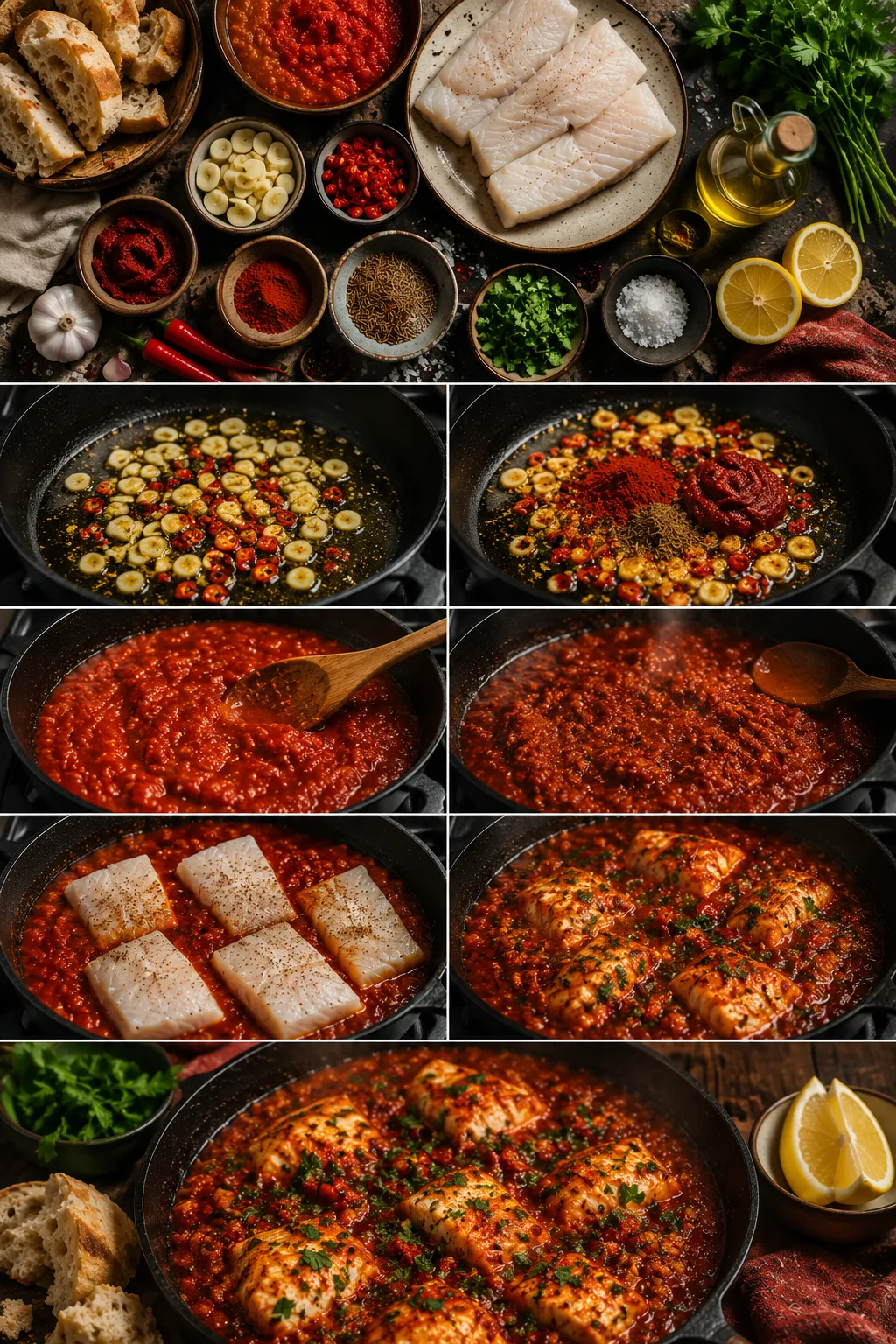
👩🍳 Instructions
Prepare the fish
Pat the fish dry using paper towels. This step sounds small, but it helps the sauce cling properly later instead of sliding off watery fillets.Season both sides lightly with salt and black pepper, then leave the fish aside while you start the sauce.
If the fish still feels icy or wet at all, dry it again before cooking.
Start the garlic base
Heat olive oil in a large skillet over medium-low heat.Add sliced garlic and chopped chili, then let them cook slowly for several minutes. You’re not trying to aggressively brown the garlic here. The goal is softer, sweeter garlic that melts into the sauce later.
If the garlic darkens too quickly, lower the heat immediately.
At this stage, the kitchen should already smell warm, smoky, and slightly spicy. 🔥
Bloom the spices
Add sweet paprika, smoked paprika, cumin, and tomato paste directly into the oil.Stir continuously for about 30 seconds to one minute. The mixture darkens slightly and becomes deeply fragrant.
This step changes the entire sauce. Spices cooked directly in oil taste richer and rounder than spices added later into liquid.
And don’t walk away here. Paprika burns fast.
Build the tomato sauce
Pour in crushed tomatoes and water. Stir until everything combines into a thick red sauce.Add salt, sugar, and black pepper.
Let the sauce simmer uncovered for about 15–20 minutes, stirring occasionally. It should reduce slightly and become glossy instead of watery.
If it thickens too much, add a splash of water.
Taste the sauce during this stage because chraime develops gradually. At first it might taste sharp or too spicy. Give it time.
Adjust the balance
Before adding the fish, taste the sauce carefully.- Too acidic? Add a little more olive oil or a pinch of sugar.
- Too flat? Add more salt.
- Too heavy? Lemon juice later will brighten everything.
The sauce should taste bold. Slightly stronger than comfortable even. Once the fish cooks inside it, the flavors settle naturally.
Add the fish
Lower the heat slightly and nestle the fish fillets directly into the sauce.Spoon sauce gently over the top. Avoid stirring once the fish is inside because delicate fillets break apart surprisingly fast.
Cover loosely with a lid and simmer gently for around 8–12 minutes depending on thickness.
The fish should flake easily while still holding its shape.
Finish and serve
Scatter chopped herbs over the skillet and squeeze fresh lemon juice lightly across the top. 🍋Bring the entire pan straight to the table if possible. Chraime feels better served casually from the skillet instead of plated too carefully.
And serve bread immediately because people start reaching into the sauce very fast.
💡 Small cooking tips that actually matter
- Use medium-low heat for most of the cooking process. Fast boiling ruins fish texture surprisingly quickly.
- If the sauce tastes sharp, add olive oil before adding more sugar.
- Let the dish rest for 5–10 minutes before serving so the flavors settle properly.
- Fresh chili gives cleaner heat than dried chili flakes.
- Taste the sauce several times while cooking instead of seasoning only once.
- Slightly stale bread actually works beautifully because it absorbs the sauce better.
- If reheating leftovers, warm everything gently over low heat.
- Cilantro gives the most traditional flavor, but parsley creates a softer finish.
- A cast-iron skillet holds heat especially well for serving. 🍳