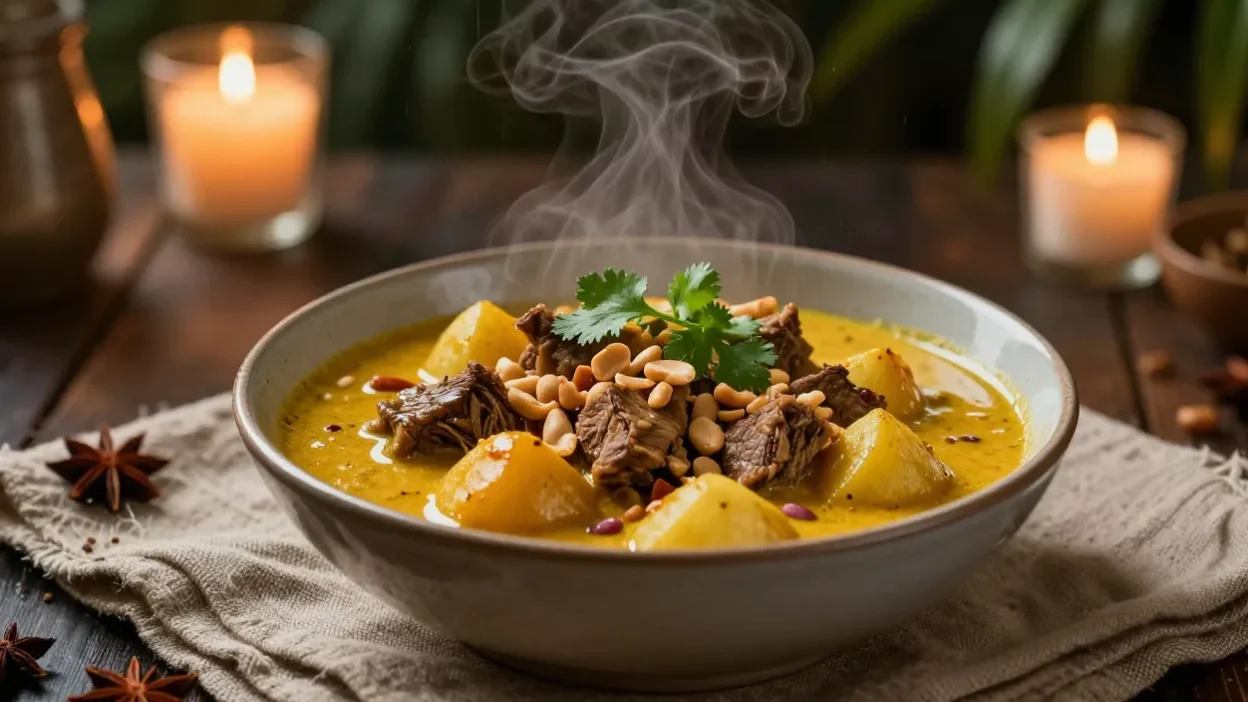
Massaman beef curry is one of those dishes that changes the mood in the kitchen before dinner is even ready. The smell hits first. Cinnamon, toasted spices, coconut milk, beef slowly softening in the pot. Then the potatoes start soaking up the sauce and everything gets thicker, deeper, warmer.
There is something unusually comforting about the way this curry cooks. It never feels rushed or loud. The pot just sits there quietly simmering while the sauce slowly develops layer after layer of flavor. After an hour or two, even the air in the kitchen feels different somehow. Richer. Softer. Like the whole evening has slowed down a little.
I started making this curry years ago after ordering it too many times at small Thai restaurants where the sauce always tasted slightly different depending on who cooked it. Some versions leaned sweeter. Others were heavy on cardamom or peanuts. One place near the beach used whole shallots and chunks of beef so soft they barely needed chewing. That was the version I kept thinking about. 🍲
The thing about massaman curry is that it never feels sharp or aggressive. Even when the spice list looks long, the final dish stays mellow and round. Coconut milk softens everything. Palm sugar gives the sauce a dark caramel edge. Tamarind cuts through the richness without making the curry sour.
And honestly, this is not quick food. You cannot rush beef through a curry like this. It needs time. Low heat. A little patience. But once the pot is simmering, the work mostly disappears and the kitchen does the rest.
There is also something practical about it. Massaman beef curry reheats beautifully. Sometimes better than the first night. The potatoes absorb more flavor overnight, the sauce thickens slightly in the fridge, and the beef settles into the spices in a way that feels calmer and more complete the next day.
That second-day curry has a different personality entirely. The flavors feel deeper and more blended together, almost like the sauce finally had enough time to settle properly. I have honestly made this dish before specifically because I wanted leftovers the next day.
If I am cooking for friends on a rainy weekend, this is usually the kind of food I want on the table. Rice steaming in the corner. Bowls scattered everywhere. Someone opening another drink while the curry bubbles away in the background.
And unlike lighter curries that disappear quickly from memory, massaman tends to linger a little. People keep talking about it after dinner. Usually while spooning extra sauce over leftover rice.
🌶️ Why massaman curry tastes different from other Thai curries
A lot of Thai curries hit you immediately with fresh herbs and sharp heat. Massaman moves differently. It is richer and slower because the spice profile pulls from several culinary traditions at once. You taste influences from Thai cooking, Indian spice blends, and old trading routes that brought cardamom, cinnamon, cloves, and nutmeg into Southeast Asian kitchens.
That combination is what makes the curry feel heavier in the best possible way. Not heavy like cream sauce. More like stew weather food. Something you want when the weather cools down or when dinner needs to feel comforting instead of fast.
The peanuts matter too. They bring softness and body to the sauce instead of heat. Potatoes do something similar. They stretch the curry, absorb the liquid, and make it feel like a full dinner rather than just meat in sauce.
Most Thai curries lean brighter and fresher because of herbs, lime leaves, and sharper chili heat. Massaman is quieter. The warmth builds slowly instead of arriving all at once. That is why people who normally avoid spicy food still tend to enjoy this curry. The flavor feels layered rather than overwhelming.
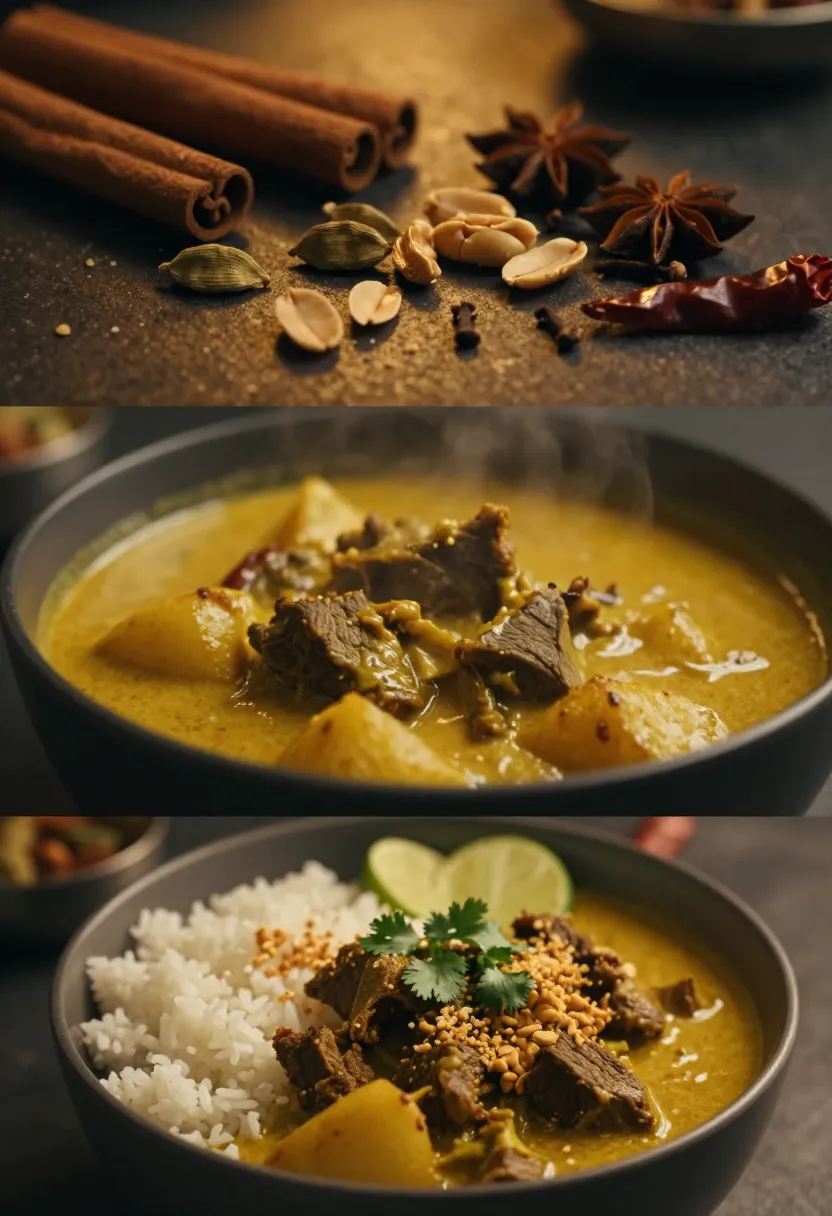
A few ingredients quietly shape the entire character of the dish:
- Coconut milk keeps the sauce smooth and mellow
- Tamarind balances the richness with gentle acidity
- Warm spices create depth instead of direct heat
- Potatoes soften the stronger flavors while thickening the curry
- Roasted peanuts add body and a subtle nutty finish
Here is the part people often overlook though: balance matters more than spice quantity. Too much cinnamon and the curry drifts into dessert territory. Too much fish sauce and the richness disappears. The best versions stay controlled.
I learned that the hard way once after adding extra star anise because I thought more spice would automatically mean more flavor. It tasted like Christmas candles floating in coconut milk. Not ideal.
Ingredients that shape the flavor
| Ingredient | Role in the curry | Flavor notes |
|---|---|---|
| Coconut milk | Creates the creamy sauce base | Smooth, rich, slightly sweet |
| Beef chuck | Adds deep savory flavor | Tender after slow cooking |
| Potatoes | Absorb the curry sauce | Soft, mild, comforting |
| Massaman curry paste | Builds the main flavor | Warm spices and chili |
| Tamarind paste | Balances the richness | Tangy and slightly sour |
| Fish sauce | Adds depth and saltiness | Savory umami flavor |
| Palm sugar | Softens the spices | Gentle caramel sweetness |
| Roasted peanuts | Add nuttiness and texture | Warm and toasted flavor |
| Cinnamon stick | Builds aroma while simmering | Warm and slightly sweet |
| Cardamom pods | Add fragrant spice notes | Floral and earthy |
| Star anise | Gives extra depth | Subtle licorice flavor |
| Onion | Forms the flavor base | Sweet and savory |
| Lime wedges | Brighten the final dish | Fresh citrus finish |
| Fresh coriander | Adds freshness on top | Light herbal flavor |
| Jasmine rice | Balances the rich sauce | Soft and neutral |
The curry paste is where most of the flavor starts. Store-bought versions are completely fine for home cooking, especially on weeknights, but I still like adjusting the final pot myself. Usually more tamarind. Sometimes more fish sauce. Occasionally a little brown sugar if the coconut milk tastes flat.
Because that is the thing about curry. Recipes give you structure, but the final balance still depends on the ingredients sitting in your kitchen.
And honestly, that unpredictability is part of the charm. Coconut milk changes from brand to brand. Tamarind can taste sharper one week and softer the next. Even the potatoes affect how the sauce settles by the end.
That is why homemade curry always feels slightly personal, even when two people follow the same recipe.
🏡 The kind of dish that fills the whole house
Slow-cooked curries change the atmosphere of a home in a way quick dinners never really do. You notice it after about an hour. The windows fog slightly. Someone walks into the kitchen asking what smells so good. Even the sound changes because the curry settles into that quiet simmer instead of aggressive frying or boiling.
Massaman beef curry works especially well in colder weather, but I still make it during summer storms when the air suddenly cools down and everyone wants something comforting.
There is also a reason people love serving this for casual hosting. You can make most of it ahead. No frantic last-minute cooking. Just reheat gently, cook rice, maybe slice cucumbers or steam green beans for freshness.
And unlike some slow-cooked dishes, it still feels relaxed instead of formal.
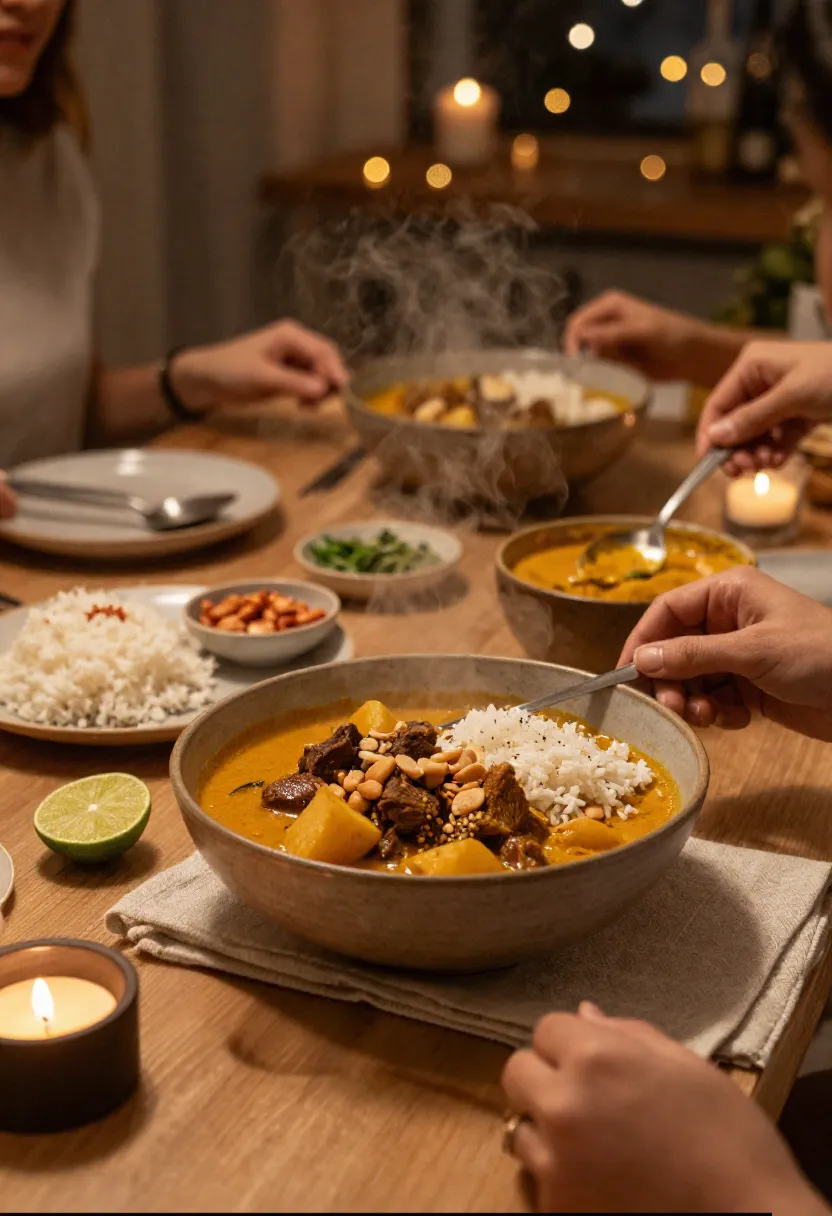
I usually serve it in wide bowls with jasmine rice and a spoonful of crushed peanuts over the top. Fresh coriander helps, but I know plenty of people who skip it entirely.
Sometimes I add quick side dishes to make the table feel fuller without creating extra work:
- Cucumber salad with lime and chili
- Steamed green beans or broccolini
- Crispy shallots for texture
- Lime wedges for extra freshness
- Extra roasted peanuts scattered over the rice
Actually, the leftovers might be my favorite part.
Cold curry straight from the fridge at midnight with leftover rice? Not glamorous, but weirdly satisfying.
And reheated slowly the next day, the sauce somehow tastes even deeper. The potatoes absorb more flavor overnight, the beef softens further, and the spices settle into something warmer and rounder than they were the first evening.
Some meals are best fresh off the stove.
Massaman curry somehow gets better after resting a while.
🥥 Massaman beef curry recipe
Massaman beef curry is the kind of slow-cooked dish that completely changes the atmosphere of a kitchen while it cooks. The sauce turns rich and velvety from coconut milk, the beef slowly softens until it almost falls apart, and the warm spices settle into every part of the curry instead of sitting on top of it. Cinnamon, cardamom, peanuts, tamarind, and curry paste all move together quietly in the background. Nothing feels overly spicy or sharp. The flavor is deep, mellow, and comforting in a way that makes you want another spoonful before you even finish the first bowl.
What makes this curry different from many other Thai dishes is the balance between richness and warmth. The coconut milk gives the sauce a smooth texture, but tamarind and fish sauce stop it from becoming too heavy. Potatoes absorb the curry while cooking and almost melt around the edges, thickening the sauce naturally without needing anything extra added to the pot.
The beef is just as important here. After a long simmer, the pieces become tender enough to break apart easily with a spoon, while still holding their shape in the curry. That slow cooking time matters. You cannot really rush a dish like this without losing part of what makes it satisfying in the first place.
I also like that massaman curry feels relaxed rather than complicated. It looks impressive on the table, especially with rice, herbs, peanuts, and lime on the side, but most of the cooking is simply letting the pot simmer quietly while the flavors build on their own.
And honestly, this is one of those meals that somehow tastes even better the next day. The sauce thickens slightly in the fridge, the potatoes soak up more flavor overnight, and the spices settle into the beef in a deeper way. Leftovers rarely last long in my kitchen for that reason alone.
Serve it on cold evenings, rainy weekends, or anytime you want dinner to feel slower and more comforting than usual. A big bowl of massaman curry, hot jasmine rice, and a quiet evening at home is hard to beat.
Ingredients
For the curry
- 1.5 kg beef chuck, cut into large chunks
- 2 tablespoons neutral oil
- 1 large onion, sliced
- 3 tablespoons massaman curry paste
- 400 mL coconut cream
- 400 mL coconut milk
- 2 cups beef stock
- 3 medium potatoes, peeled and cut into chunks
- 1 cinnamon stick
- 3 cardamom pods
- 2 star anise
- 2 tablespoons fish sauce
- 1 tablespoon tamarind paste
- 2 tablespoons palm sugar or brown sugar
- 1/2 cup roasted peanuts
- 2 small shallots, sliced thinly
- Fresh coriander for serving
To serve
- Steamed jasmine rice
- Lime wedges
- Steamed green beans or broccolini
Method
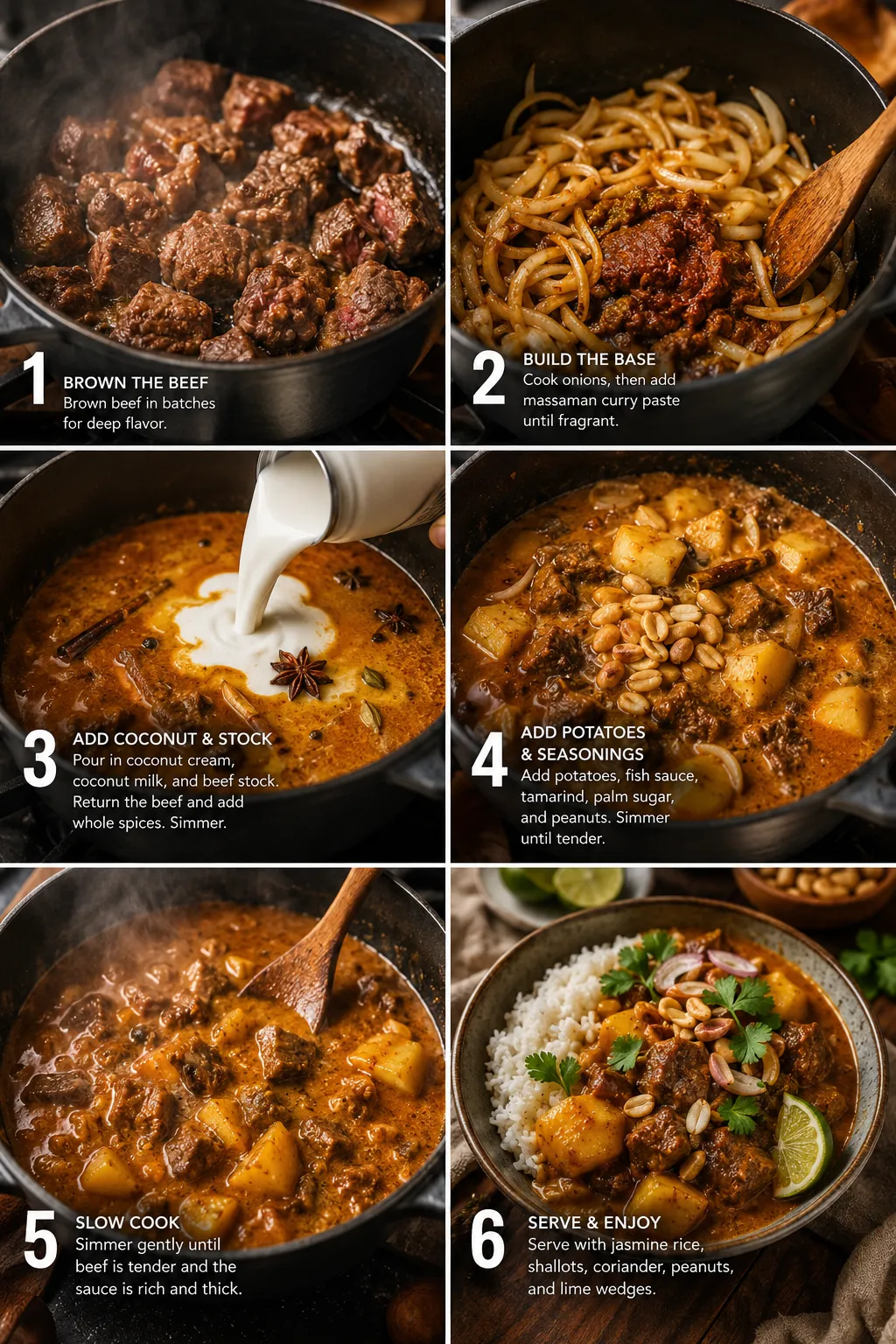
Brown the beef properly
Heat the oil in a heavy pot over medium-high heat. Brown the beef in batches instead of crowding the pan. It takes a little longer, but those caramelized edges give the curry a much deeper flavor later on.Some pieces will stick slightly to the bottom, and that is completely fine. Leave them alone for a minute instead of moving them constantly. Once the liquid goes in, those dark bits melt into the sauce and add richness.
Transfer the browned beef to a plate and set it aside.
Build the curry base
Lower the heat slightly and cook the onion until soft and lightly golden. Stir in the massaman curry paste and cook for another minute or two until fragrant.This is usually the moment when the kitchen starts smelling incredible — warm spices, onions, coconut, everything mixing together. The paste should darken slightly and become glossy.
Pour in the coconut cream first and stir well. Let it bubble gently before adding the coconut milk and beef stock.
Slow cook the curry
Return the beef to the pot along with the cinnamon stick, cardamom pods, and star anise.Let the curry simmer gently for about 1½ hours with the lid slightly open. Stir every now and then so nothing catches at the bottom of the pot.
The goal is slow cooking, not aggressive boiling. The beef should gradually soften and absorb the flavor of the sauce.
Add the potatoes and seasonings
Stir in the potatoes, fish sauce, tamarind paste, palm sugar, and roasted peanuts.Continue cooking for another 45 minutes to 1 hour until the potatoes are tender and the beef easily pulls apart with a spoon.
If the sauce becomes too thick, add a splash of stock or water. If it still looks thin near the end, leave the lid off for the final 15 minutes so the sauce can reduce naturally.
Taste before serving. Sometimes the curry needs a little more fish sauce for saltiness or extra tamarind for balance. Trust your palate more than exact measurements.
Serve the curry
Spoon the massaman beef curry over hot jasmine rice and finish with sliced shallots, fresh coriander, and extra peanuts for texture.A squeeze of lime right before eating brightens the whole dish and cuts through the richness of the coconut sauce.
👨🍳 Small cooking tips that actually matter
- Do not boil the coconut milk too hard
A gentle simmer keeps the sauce smooth and creamy. If the curry boils aggressively, the coconut milk can split and turn oily. - Cut the beef into larger chunks
Bigger pieces stay tender during long cooking. Small cubes tend to dry out and disappear into the sauce. - Remember that potatoes absorb salt
The curry might taste slightly salty before the potatoes go in, and that is normal. As they cook, they soak up part of the seasoning and balance the sauce. - Let the curry rest before serving
If you can, leave it for 15–20 minutes after cooking. The sauce thickens slightly, and the flavors settle into the beef and potatoes much better.
🌿 Easy ways to adjust the flavor at home
One of the reasons massaman beef curry stays popular in so many kitchens is because the recipe leaves room for personal taste. Even when two people follow the same ingredient list, the final curry can end up feeling completely different depending on how they balance the sauce. Some cooks want deeper spice and richness. Others prefer more acidity and freshness. That flexibility is part of what makes the dish feel comforting rather than rigid.
After making this curry a few times, most people naturally start adjusting small things without even thinking about it. Maybe the weather changes and you suddenly want something heavier and richer. Maybe you taste the sauce halfway through cooking and realize it needs more sharpness to cut through the coconut milk. The curry slowly becomes your version instead of just a recipe copied from a page.
During winter, I usually make the sauce thicker and darker. Extra coconut cream helps create a softer, heavier texture that feels perfect on cold evenings. Sometimes I let the curry reduce a little longer than necessary just because I like the sauce when it clings heavily to the rice instead of spreading across the bowl.
But warmer evenings change the way the dish tastes too. On humid nights or during summer storms, I prefer adding more lime juice and fresh herbs near the end. The curry still feels rich, but the brightness keeps it from becoming overwhelming.
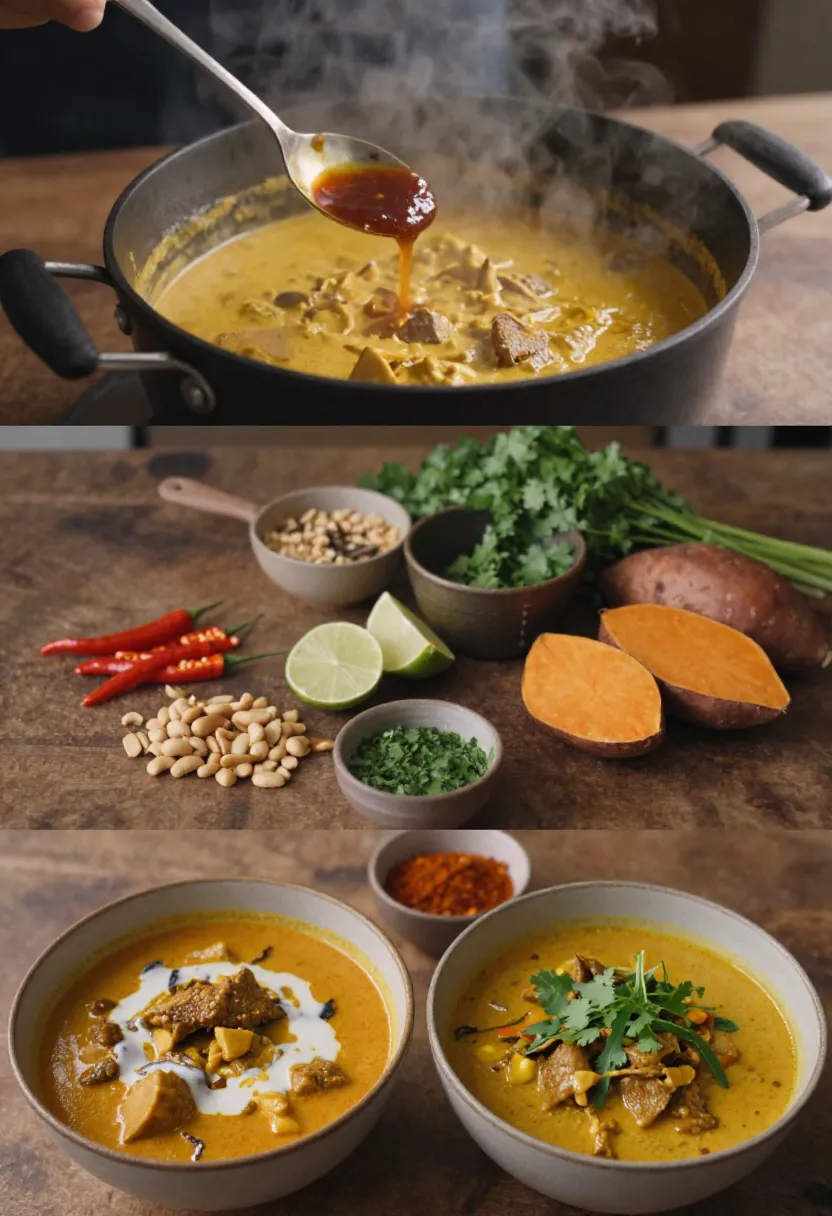
There are also smaller adjustments that quietly change the overall mood of the dish:
- Add extra tamarind if the curry feels too sweet
- Stir in fresh chili slices for more heat and sharper spice
- Swap regular potatoes for sweet potatoes if you want softer sweetness
- Add roasted cashews or extra peanuts for more texture
- Finish with fresh lime juice to brighten the sauce
- Add a spoonful of fish sauce at the end if the curry tastes flat
The interesting part is that none of these changes ruin the dish. Massaman curry is surprisingly forgiving as long as the balance stays intact.
And honestly, some of the best versions happen accidentally. Maybe the sauce reduces more than expected. Maybe you add extra peanuts because that is all you have left in the pantry. Maybe the curry sits on the stove longer while everyone gets distracted talking in the kitchen.
That slightly imperfect feeling actually suits this kind of food.
I also think this is why massaman curry works so well for home cooking. It feels adaptable. You can make it richer for a dinner party, lighter for a weeknight, spicier for friends who love heat, or softer and milder for a family-style meal with rice in the middle of the table.
The recipe gives you structure, but the final version still feels personal.
And after a while, you stop measuring everything exactly anyway.
🕯️ The atmosphere around a slow-cooked curry night
Some recipes exist mainly to solve dinner quickly. You cook them, eat them, clean the kitchen, and move on with the evening. Massaman beef curry creates a completely different kind of atmosphere.
The process itself slows the night down.
It starts with the smell. Warm spices heating in oil. Curry paste mixing with onions. Coconut cream bubbling gently in the pot. Then the beef starts simmering and the whole kitchen gradually fills with that deep, mellow aroma that makes people wander in asking what is cooking.
That slow transformation is part of the experience. The curry changes hour by hour instead of minute by minute.
And maybe that sounds overly romantic for a pot of beef curry, but honestly, certain foods really do shape the mood of a house while they cook. Slow dishes especially. Soups, stews, braised meat, curries like this. They create background warmth long before anyone sits down at the table.
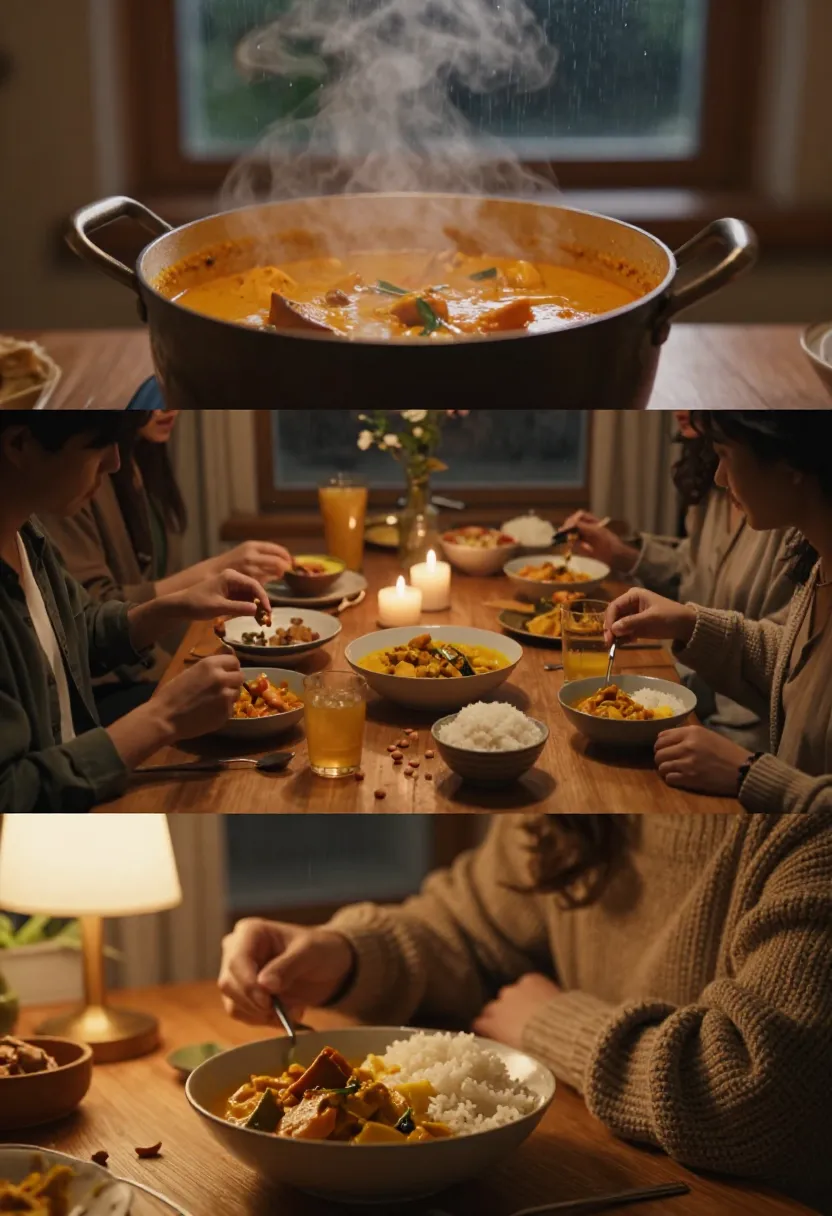
I notice it most on rainy evenings. Windows slightly fogged from the stove. Music low in the background. Someone rinsing rice while another person opens drinks nearby. The curry quietly bubbling without needing much attention anymore.
That is probably why massaman curry works so well for relaxed hosting. Once the hardest part is done, the dish mostly takes care of itself. There is no frantic last-minute cooking. No stress about timing five different pans at once. The curry sits patiently on low heat while the evening unfolds around it.
And when dinner finally starts, the food feels generous almost immediately. Large spoonfuls of sauce over rice. Potatoes soft around the edges. Tender beef breaking apart with barely any effort.
People usually slow down while eating it too.
Not because the dish is fancy. Actually, the opposite. It feels comforting enough that nobody rushes through the meal. Conversations stretch longer. Someone goes back for extra rice. Another person spoons more sauce over everything even though they are technically already full.
The leftovers become part of the atmosphere as well.
Massaman curry might honestly be better the next day. Overnight, the potatoes absorb even more flavor and the sauce thickens slightly in the fridge. Reheated slowly, the whole dish somehow tastes calmer and deeper than it did the first night.
Cold weather makes that second-day bowl even better.
Especially when dinner the next evening requires almost no effort besides warming rice and reheating the pot gently on the stove.
🍛 A slow dinner worth making again
Massaman beef curry is one of those dishes that reminds you why slow cooking still matters. Not everything needs to be fast. Not every dinner has to be finished in thirty minutes with minimal cleanup and perfect efficiency.
Some meals are worth letting simmer slowly for an afternoon.
This curry rewards patience in small ways the entire time it cooks. The beef gradually softens instead of tightening. The spices mellow and blend together. The potatoes absorb the sauce until they almost become part of it. Even the smell changes as the hours pass, becoming deeper and warmer the longer the pot stays on the stove.
And unlike complicated restaurant-style recipes, massaman curry still feels approachable at home. The ingredients are simple enough to find, the cooking process is forgiving, and the final result feels far more impressive than the actual effort involved.
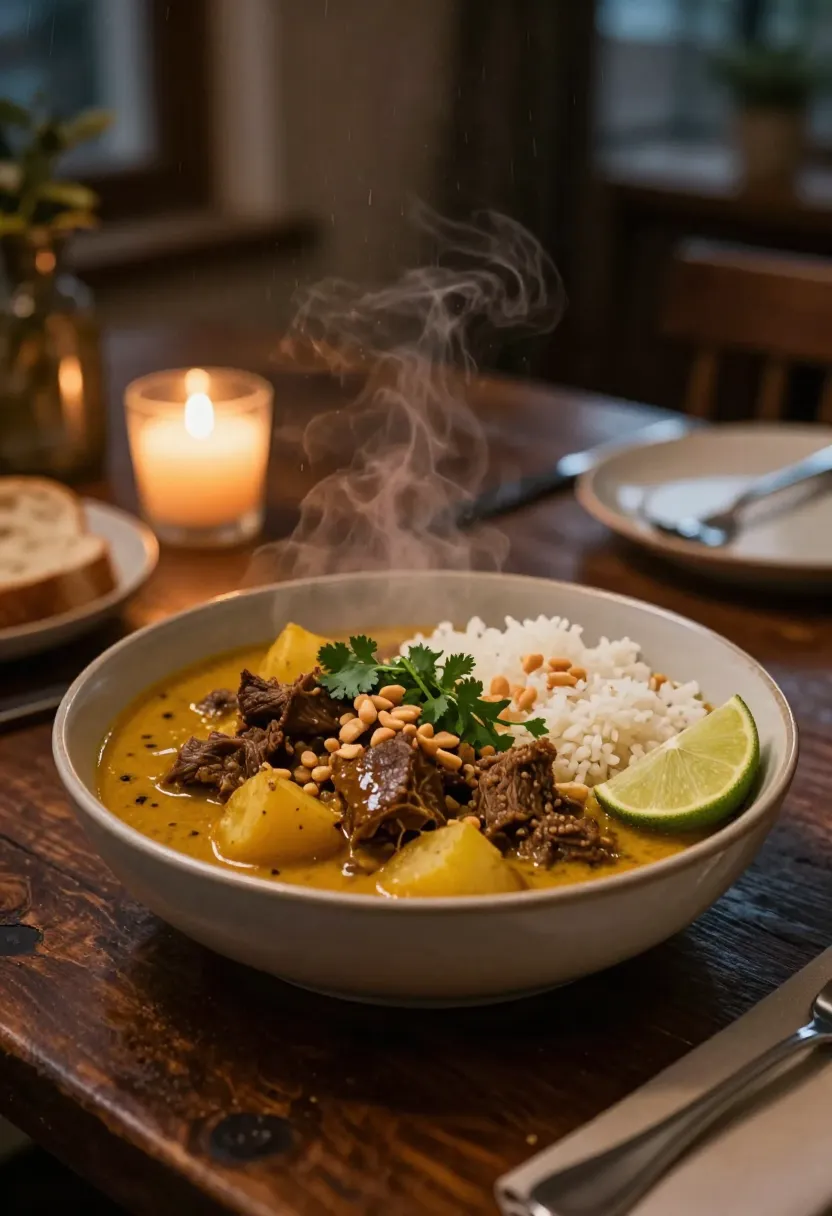
That balance is probably why the dish survives trends so easily. It does not rely on novelty. It is just deeply satisfying food.
If you are making it for the first time, give yourself extra time and do not rush the process. Let the beef brown properly. Taste the sauce near the end instead of relying only on measurements. Adjust the balance until it tastes right to you personally.
Maybe your version ends up slightly sweeter. Maybe you add more tamarind or extra chili. Maybe you load the top with herbs and peanuts right before serving. Those details are part of what makes homemade curry feel alive instead of standardized.
Serve it in deep bowls with hot jasmine rice and plenty of sauce spooned over the top. Add lime wedges on the side. Let people help themselves.
Then just let the evening slow down naturally around the food.
Because honestly, that might be the best part of massaman beef curry in the first place. Not only the flavor. The pace it creates around dinner.