Contents
- A Natural Approach to Balanced Blood Sugar
- What Is Gymnema Sylvestre?
- A Brief History — From Ancient Traditions to Modern Research
- How Gymnema Works in the Body — Mechanisms Explained
- Scientific Evidence — What Research Shows
- Gymnema vs. Cinnamon and Other Herbs
- Practical Uses and Dosage — How People Use It
- Who Might Benefit — Realistic Expectations
- Potential Risks and Interactions
- Integrating Gymnema Into Daily Life — Simple and Sustainable Approaches
- Wellness Beyond One Herb — Why Lifestyle Still Matters
- A Balanced Perspective on Herbal Support
A Natural Approach to Balanced Blood Sugar

In recent years, conversations about health have shifted noticeably toward prevention, balance, and long-term well-being rather than quick fixes and temporary solutions. More people are beginning to ask not only how to manage symptoms, but how to support their bodies in working more efficiently and sustainably from the inside.
Blood sugar regulation sits at the center of many of these discussions.
Energy levels, mood stability, hunger patterns, sleep quality, and even mental clarity are closely connected to how the body processes glucose. When this system works well, daily life feels smoother and more predictable. When it becomes imbalanced, fatigue, cravings, and frustration often follow.
It is therefore not surprising that interest in natural approaches to blood sugar support continues to grow.
Alongside modern medical treatments and nutritional science, many individuals are turning their attention toward traditional plants and herbal remedies that have been used for centuries in different cultures. These herbs are not viewed as replacements for medical care, but as complementary tools that may offer gentle, long-term support when used responsibly.
Among these plants, Gymnema sylvestre has attracted increasing attention.
Often referred to in traditional medicine as the “sugar destroyer,” this leafy vine has a long history in Ayurvedic practice, particularly in regions of India and Southeast Asia. For generations, it has been used to support metabolic balance and reduce excessive sweetness cravings, long before modern laboratories began studying its chemical properties.
What makes gymnema especially fascinating is the way ancient observation and modern research are beginning to align. Contemporary studies are exploring how compounds within the plant may influence taste perception, glucose absorption, and insulin activity, offering scientific context to traditional knowledge.
At the same time, interest in gymnema reflects a broader cultural movement.
People are seeking slower, more mindful ways to care for their health. They are learning to listen to their bodies, to value consistency over extremes, and to recognize that sustainable wellness rarely comes from a single supplement or trend. Instead, it grows from daily habits supported by thoughtful tools.
In this article, we will explore Gymnema sylvestre from multiple perspectives, including its history, biological mechanisms, scientific evidence, practical uses, and safety considerations. The goal is not to promote it as a miracle solution, but to understand where it fits within a balanced and informed approach to metabolic health.
Because when it comes to blood sugar, true support is built on knowledge, patience, and respect for the body’s remarkable ability to heal and adapt.
What Is Gymnema Sylvestre?
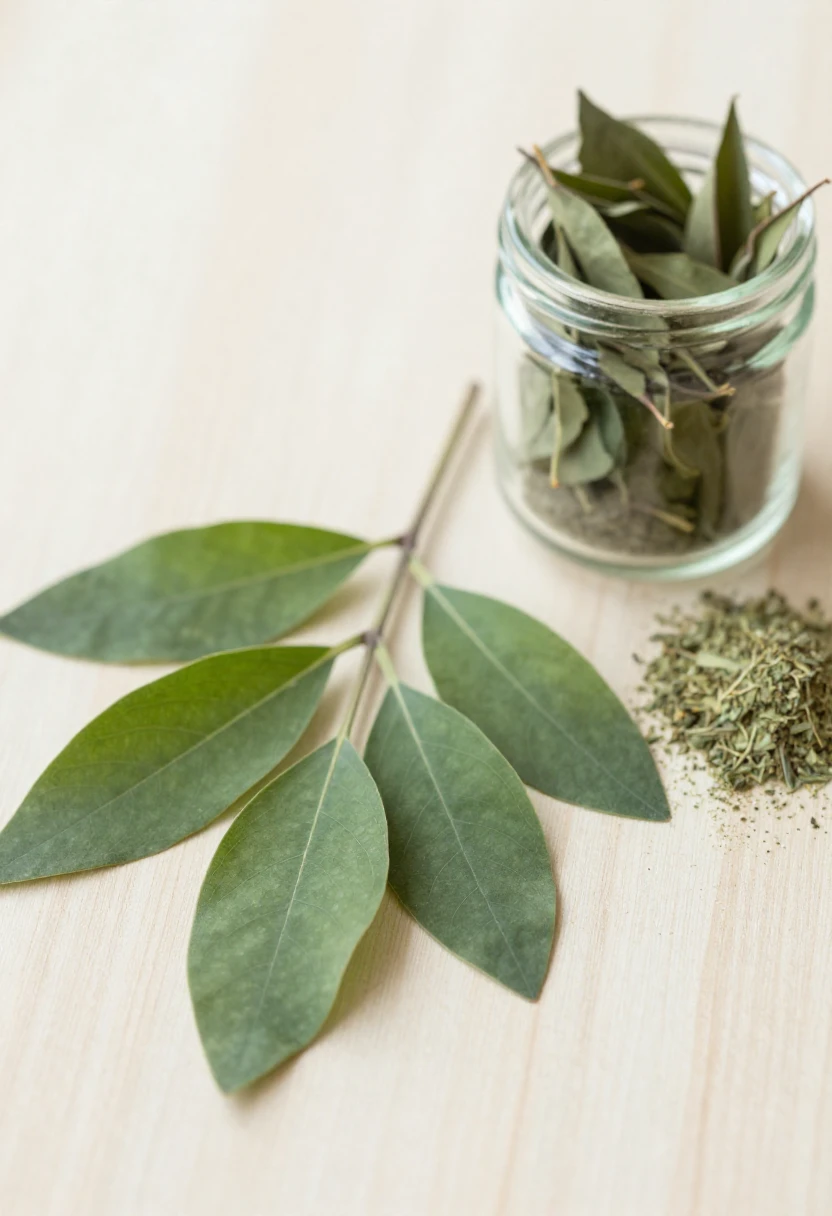
Gymnema sylvestre is a woody climbing vine native to the tropical forests of India, Africa, and parts of Southeast Asia. It has been used for centuries in traditional Ayurvedic medicine, where it earned the name gurmar, which translates to “sugar destroyer.” This name reflects one of its most well-known properties: its ability to temporarily reduce the perception of sweetness.
The plant itself is not particularly dramatic in appearance. It grows as a vine with small, oval leaves and delicate yellow flowers. Yet within those leaves lie biologically active compounds known as gymnemic acids, which are responsible for many of its unique effects.
In Ayurvedic practice, gymnema has long been used to support metabolic balance and digestive health. Traditional healers often recommended chewing fresh leaves to help manage excessive sugar cravings and support individuals experiencing symptoms associated with high blood sugar. These practices developed long before glucose meters and laboratory testing existed, relying instead on observation and experiential knowledge passed down through generations.
Modern interest in gymnema began to grow as researchers sought to understand how certain plants might influence metabolic processes. Scientists discovered that gymnemic acids have a structure somewhat similar to glucose molecules. Because of this similarity, they can interact with taste receptors on the tongue and glucose receptors in the intestines.
When gymnema comes into contact with the taste buds, it can temporarily block sweet receptors, making sugary foods taste bland or less appealing. This effect typically lasts for a short period and has been studied for its potential role in reducing sugar consumption. In the digestive system, gymnemic acids may also influence the absorption of glucose, though the exact mechanisms continue to be researched.
Today, gymnema is available in several forms, including capsules, powders, teas, and concentrated extracts. While traditional use involved chewing fresh leaves, modern supplements aim to standardize active compounds to ensure more consistent dosing.
Despite growing popularity, it is important to understand that gymnema is not a replacement for medical treatment. Rather, it is being explored as a complementary herbal support for individuals interested in metabolic wellness.
Understanding what gymnema is, where it comes from, and how it has been used historically provides a foundation for evaluating its potential benefits in a balanced and informed way.
A Brief History — From Ancient Traditions to Modern Research

The story of Gymnema sylvestre begins long before modern medicine developed tools to measure blood sugar or analyze chemical compounds. Its roots lie in the ancient healing traditions of India, where plants were studied through careful observation, experience, and centuries of shared knowledge.
In Ayurvedic medicine, gymnema was valued for its ability to support balance within the body, particularly in relation to digestion, metabolism, and energy regulation. Practitioners believed that health depended on harmony between internal systems, and herbs were selected to restore that equilibrium when it was disrupted. Gymnema became one of the plants associated with managing excessive sweetness in both diet and bodily function.
Historical texts describe the use of its leaves for individuals who experienced frequent thirst, fatigue, and other symptoms that modern medicine would now associate with blood sugar imbalance. Rather than focusing on isolated symptoms, traditional healers viewed these signs as interconnected signals of systemic imbalance.
For centuries, gymnema remained largely confined to regional medical practices. Knowledge about its properties was passed down through apprenticeships and family traditions rather than written scientific journals. Its use was embedded in daily life, often combined with other herbs, dietary adjustments, and lifestyle guidance.
Western scientific interest in gymnema began to emerge in the nineteenth and early twentieth centuries, when researchers and botanists started documenting medicinal plants from Asia. Early studies focused on identifying active compounds and observing their effects in laboratory settings. One of the most intriguing discoveries was the plant’s ability to suppress sweet taste perception, which attracted attention from both scientists and nutrition researchers.
As laboratory techniques improved, researchers began isolating gymnemic acids and studying their interaction with human physiology. Animal experiments and small human trials explored how these compounds might influence glucose metabolism, insulin activity, and pancreatic function. While early results were promising, scientists also recognized the need for larger, more rigorous studies.
In recent decades, interest in gymnema has grown alongside the global rise in metabolic disorders and diabetes. As healthcare systems face increasing challenges related to lifestyle-related illnesses, researchers have expanded their focus to include complementary and integrative approaches. Gymnema has become part of this broader investigation into how traditional remedies might support modern treatment strategies.
Today, gymnema stands at the intersection of ancient wisdom and contemporary science. It represents a bridge between cultural heritage and evidence-based research, reminding us that many modern discoveries are rooted in long-standing human experience.
Understanding this historical context helps frame gymnema not as a sudden trend, but as a plant whose reputation has been shaped over centuries of careful use and ongoing study.
How Gymnema Works in the Body — Mechanisms Explained

One of the most fascinating aspects of Gymnema sylvestre is the way it interacts with the body on multiple levels at once. Unlike many supplements that act through a single pathway, gymnema appears to influence taste perception, digestion, and metabolic regulation simultaneously.
The most immediately noticeable effect occurs in the mouth.
Compounds known as gymnemic acids bind temporarily to sweet taste receptors on the tongue. These receptors are responsible for detecting sugars and signaling sweetness to the brain. When gymnemic acids occupy these receptors, they prevent sugar molecules from activating them. As a result, sweet foods and drinks may taste significantly less sweet or even bland for a short period of time.
This effect can last from several minutes to over an hour, depending on dosage and individual sensitivity. During this time, many people report reduced desire for sugary snacks, desserts, and sweetened beverages. From a behavioral perspective, this temporary change may support more mindful eating choices.
Beyond taste perception, gymnema also appears to influence glucose absorption in the digestive system.
Research suggests that gymnemic acids may compete with glucose molecules in the intestinal lining, partially limiting how much sugar enters the bloodstream after a meal. By slowing or reducing absorption, gymnema may help moderate post-meal blood sugar spikes, which are linked to insulin resistance and metabolic stress over time.
Another area of interest involves insulin activity and pancreatic function. Some studies indicate that gymnema may support the regeneration or improved function of insulin-producing beta cells in the pancreas. These cells play a central role in regulating blood glucose by releasing insulin in response to rising sugar levels.
While this potential effect is still being investigated, preliminary findings suggest that gymnema could contribute to improved insulin sensitivity and glucose utilization when used consistently under medical supervision.
Gymnema may also influence enzymes involved in carbohydrate metabolism. By affecting how starches and sugars are broken down, it may contribute further to slower glucose release into the bloodstream. This multi-layered action distinguishes it from supplements that focus only on absorption or insulin signaling.
It is important to note that these mechanisms do not operate in isolation.
They interact with diet, physical activity, stress levels, sleep patterns, and genetic factors. Gymnema does not override unhealthy habits, nor does it function independently of lifestyle context. Its effects are subtle and supportive rather than dramatic.
Understanding how gymnema works helps clarify why it is often described as a complementary tool rather than a primary treatment. It gently influences several metabolic pathways, offering potential assistance to the body’s existing regulatory systems.
Scientific Evidence — What Research Shows

As interest in Gymnema sylvestre has grown, researchers have sought to evaluate its traditional claims through controlled scientific studies. While research is still developing, existing evidence provides useful insight into how the plant may influence metabolic health.
Early laboratory and animal studies offered the first clues. Experiments on diabetic rats demonstrated that gymnema extracts could reduce blood glucose levels, improve insulin sensitivity, and support pancreatic function. These findings suggested that the plant’s active compounds were not merely affecting taste perception, but were also interacting with deeper metabolic processes.
Human studies followed, although on a smaller scale.
Several clinical trials have examined the effects of gymnema supplementation in individuals with type 2 diabetes or impaired glucose tolerance. In some of these studies, participants who took standardized gymnema extracts alongside conventional treatment showed improvements in fasting blood sugar, post-meal glucose levels, and long-term markers such as HbA1c.
In certain cases, participants were able to reduce their reliance on medication under medical supervision. However, researchers consistently emphasize that these outcomes occurred in carefully monitored settings and cannot be generalized without caution.
Other studies have focused on appetite and sugar cravings. Participants who used gymnema before meals reported reduced preference for sweet foods and lower overall sugar intake. This behavioral effect may indirectly support metabolic health by encouraging healthier dietary patterns.
Systematic reviews of herbal supplements for diabetes management often include gymnema among the more promising candidates. However, they also highlight important limitations. Many studies involve small sample sizes, short durations, and varying dosages, which makes comparison difficult.
Standardization remains a challenge.
Different supplements contain different concentrations of gymnemic acids. Extraction methods vary. Product quality is inconsistent across manufacturers. These factors influence outcomes and complicate research interpretation.
Safety data from studies generally indicate that gymnema is well tolerated when used appropriately. Mild digestive discomfort has been reported in some cases, but serious adverse effects appear rare when dosages follow recommended guidelines.
It is also important to recognize that most studies examine gymnema as part of a broader treatment plan rather than as a standalone solution. Participants typically follow dietary guidelines and medical supervision alongside supplementation.
From a scientific standpoint, the evidence suggests that gymnema may offer meaningful support for blood sugar management in certain contexts. However, it does not replace established medical therapies, nor does it eliminate the need for lifestyle modification.
Researchers continue to call for larger, long-term trials to clarify optimal dosing, long-term safety, and interactions with medications. Until such data are available, gymnema is best viewed as a supportive option rather than a definitive treatment.
Gymnema vs. Cinnamon and Other Herbs
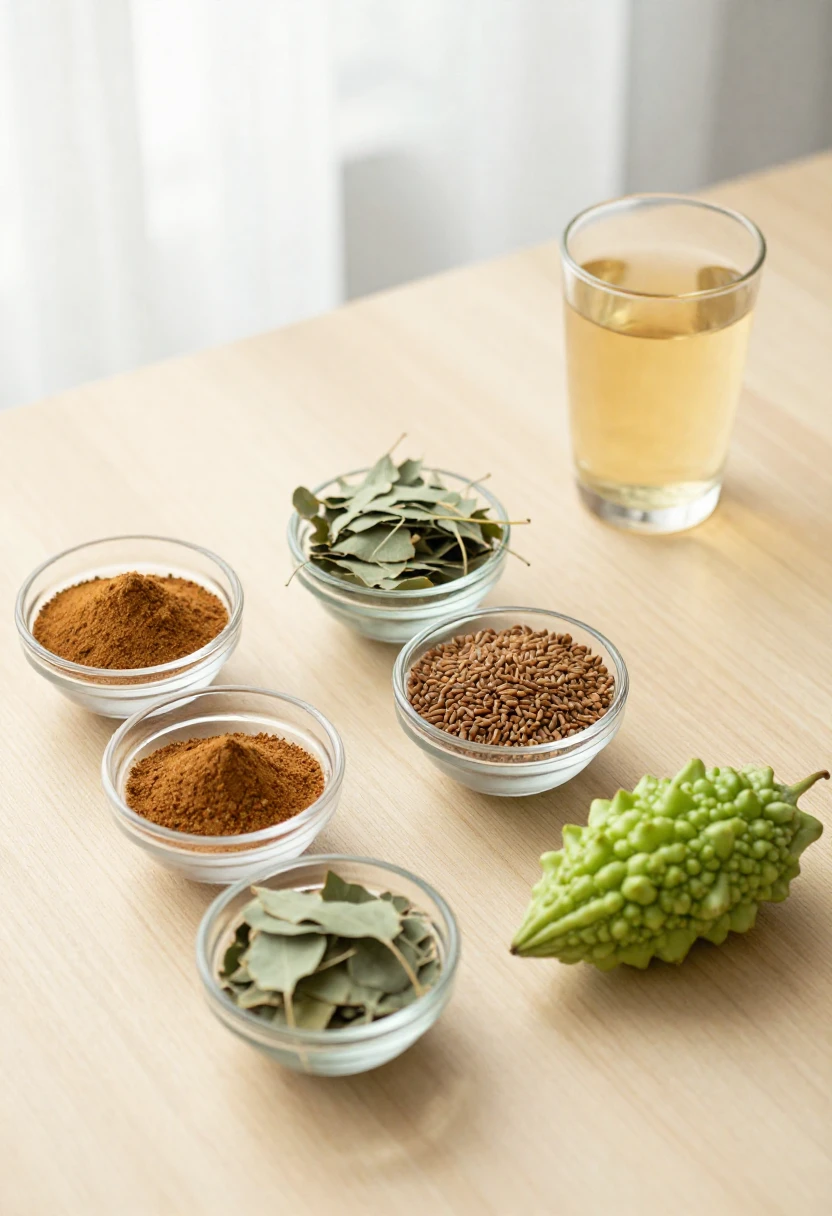
When people explore natural approaches to blood sugar support, gymnema is rarely the first plant they encounter. More commonly, they hear about cinnamon, fenugreek, bitter melon, berberine, or chromium supplements. Each of these has gained popularity for its potential role in metabolic health, and each works through slightly different mechanisms.
Cinnamon is perhaps the most widely recognized. Research suggests that certain compounds in cinnamon may improve insulin sensitivity and slow gastric emptying, which can help moderate post-meal glucose spikes. Some studies show modest benefits, while others find minimal effects, indicating that results depend on dosage, form, and individual response. Cinnamon is also easy to incorporate into daily meals, which contributes to its appeal.
Gymnema differs in an important way.
While cinnamon primarily influences insulin function and glucose metabolism, gymnema also affects taste perception. Its ability to reduce sweetness sensitivity gives it a unique behavioral dimension. By making sugary foods less appealing, it may indirectly support healthier eating patterns in addition to its physiological effects.
Fenugreek seeds contain soluble fiber that slows carbohydrate absorption and supports satiety. Bitter melon contains compounds that mimic insulin activity. Berberine influences glucose metabolism at the cellular level and has shown strong effects in some studies, though it may also cause digestive side effects. Chromium plays a role in insulin signaling but is only effective in individuals with specific deficiencies.
Compared to these options, gymnema occupies a middle ground.
It offers moderate metabolic support.
It influences appetite and cravings.
It tends to be well tolerated when used responsibly.
Rather than outperforming all other herbs, gymnema complements them. In integrative health settings, practitioners sometimes combine multiple plant compounds in carefully balanced formulas to address different aspects of glucose regulation.
However, combining supplements should never be done casually. Interactions can occur, and excessive supplementation may strain the liver or interfere with medications. Professional guidance is essential when using multiple herbal products.
Another important distinction is cultural context. Cinnamon is widely used as a culinary spice. Fenugreek and bitter melon appear in traditional cuisines. Gymnema, by contrast, is rarely consumed as food and is primarily taken as a supplement. This influences how easily it fits into daily routines.
Ultimately, no single herb functions as a universal solution. Individual physiology, diet, activity level, and medical history shape how any supplement works.
Gymnema’s strength lies in its dual influence on metabolism and taste, making it particularly relevant for individuals who struggle with sugar cravings alongside blood sugar instability.
Practical Uses and Dosage — How People Use It
As Gymnema sylvestre has become more widely available, many people encounter it in supplement form rather than through traditional preparations. Understanding how it is commonly used helps ensure that interest is translated into safe and informed practice.
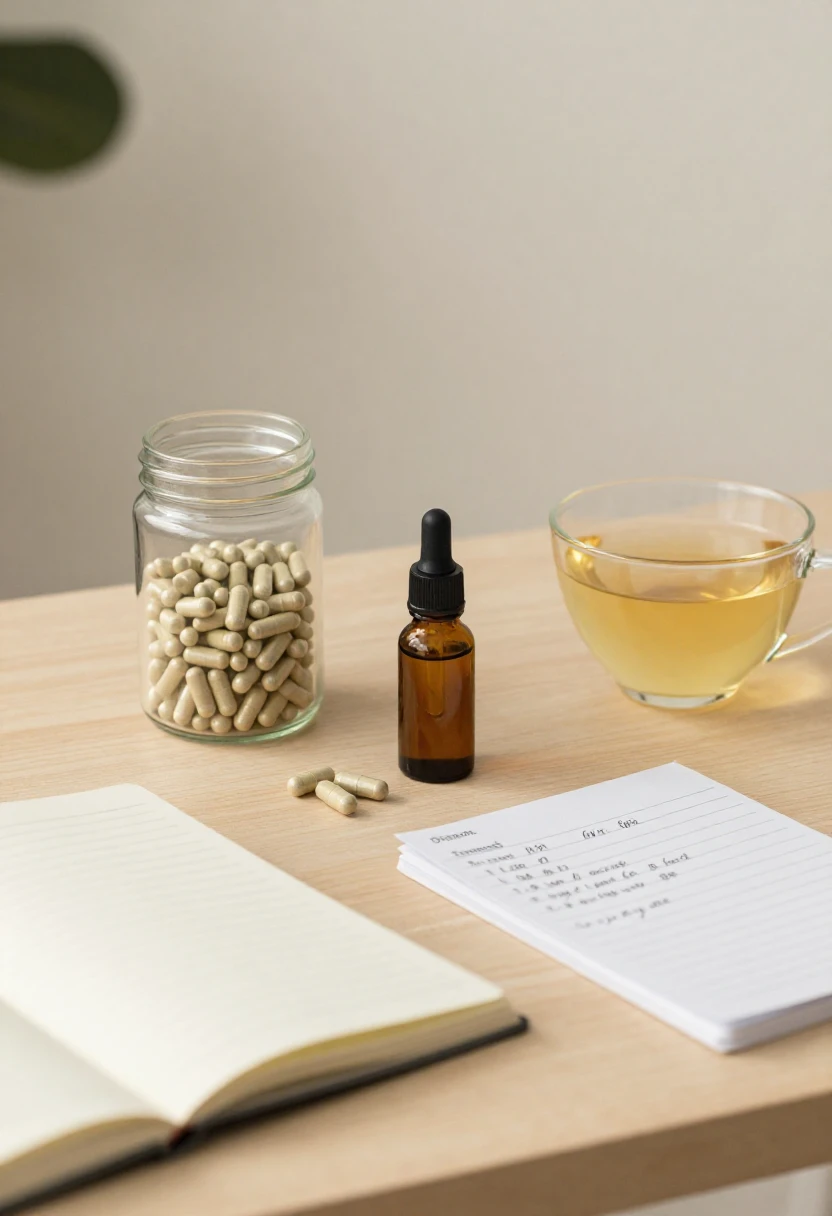
Today, gymnema is most often sold as capsules, tablets, powdered extracts, liquid tinctures, and herbal teas. Among these options, standardized capsules and extracts are the most popular because they offer consistent concentrations of active compounds, particularly gymnemic acids. This consistency makes dosing more predictable and easier to monitor.
Capsules are typically taken once or twice daily, often before meals. Some protocols recommend consuming gymnema shortly before eating, especially before meals that may contain higher amounts of carbohydrates. This timing aligns with its potential effects on taste receptors and glucose absorption.
Liquid extracts and tinctures are absorbed more quickly and allow for flexible dosing. They are usually diluted in water and taken in small amounts. Herbal teas made from dried gymnema leaves are less concentrated and provide a gentler introduction for those who prefer traditional preparations.
Dosage recommendations vary depending on extract strength and formulation. Many commercial supplements provide between 200 and 400 milligrams of standardized extract per serving, taken one to two times daily. Some clinical studies have used higher amounts under medical supervision, but such doses are not recommended for unsupervised use.
It is essential to follow manufacturer instructions and professional guidance rather than assuming that higher doses will produce stronger benefits. With herbal supplements, more is not necessarily better, and excessive intake may increase the risk of side effects.
Consistency matters more than intensity.
Gymnema’s effects are subtle and tend to develop gradually over time. Most users who report benefits describe changes emerging after several weeks of regular use rather than immediately. This reflects the plant’s supportive role within metabolic systems rather than a rapid pharmacological impact.
Many practitioners recommend combining gymnema with balanced meals rich in fiber, protein, and healthy fats. This dietary context enhances blood sugar stability and reduces reliance on supplementation alone. Regular physical activity and stress management further strengthen its potential impact.
It is also advisable to keep a simple health journal when starting any new supplement. Tracking energy levels, appetite, digestion, and mood can help identify individual responses and guide adjustments.
Most importantly, individuals taking medication for diabetes or related conditions should consult a healthcare professional before using gymnema. Because it may lower blood sugar, combining it with pharmaceutical treatments without supervision can increase the risk of hypoglycemia.
Used thoughtfully, gymnema can become part of a broader wellness strategy rather than a standalone solution.
Who Might Benefit — Realistic Expectations

Gymnema sylvestre is often discussed in enthusiastic terms, especially in online wellness communities where natural remedies are sometimes presented as universal solutions. In reality, its potential benefits depend greatly on individual circumstances, health status, and overall lifestyle patterns.
One group that may find gymnema particularly helpful includes individuals who struggle with frequent sugar cravings. For people who feel caught in cycles of sweet snacking and energy crashes, the plant’s ability to reduce sweetness perception may support greater awareness and moderation. By making sugary foods less appealing, gymnema can create space for more intentional choices.
Individuals with early signs of blood sugar imbalance, such as prediabetes or mild insulin resistance, may also explore gymnema as part of a broader wellness plan. When combined with dietary improvements, physical activity, and medical guidance, it may contribute to better glucose regulation over time.
Some people with type 2 diabetes use gymnema under professional supervision as a complementary tool alongside prescribed treatments. In these cases, careful monitoring is essential, as blood sugar levels may change and medication dosages may require adjustment.
Gymnema may also appeal to those seeking preventive support. People with family histories of metabolic disorders or those entering midlife often become more attentive to long-term health markers. For them, gymnema may serve as one component of a proactive strategy focused on stability rather than crisis management.
However, it is equally important to recognize who may not benefit.
Individuals expecting rapid weight loss, immediate blood sugar normalization, or dramatic physical transformation are likely to be disappointed. Gymnema works gradually and subtly. It does not override poor dietary habits, chronic stress, or sleep deprivation.
People who are unwilling or unable to modify lifestyle patterns may see minimal results, regardless of supplementation. Herbs cannot compensate for persistent imbalances in nutrition, activity, and recovery.
There are also individuals for whom gymnema is inappropriate, including those with unstable medical conditions, complex medication regimens, or a history of disordered eating. In these cases, focusing on comprehensive medical and nutritional care is far more beneficial.
Setting realistic expectations protects both physical and emotional well-being.
Gymnema may support.
It does not replace.
It does not cure.
When approached as a supportive ally within a thoughtful health plan, it can offer meaningful assistance. When approached as a shortcut, it often leads to frustration.
Understanding one’s personal context is therefore the most important step in deciding whether gymnema fits into an individual wellness journey.
Potential Risks and Interactions

Although Gymnema sylvestre is generally considered safe when used appropriately, it is still a biologically active plant with measurable effects on the body. Any substance that influences glucose metabolism and insulin activity must be approached with care, especially in individuals managing chronic health conditions.
One of the primary concerns is hypoglycemia, or blood sugar that drops too low. Because gymnema may enhance insulin activity or reduce glucose absorption, combining it with diabetes medications such as insulin or oral hypoglycemic drugs can amplify their effects. Without careful monitoring, this combination may lead to dizziness, shakiness, confusion, or fainting.
For this reason, individuals taking prescription medications for diabetes should consult a healthcare provider before beginning supplementation. Blood sugar levels may need to be monitored more closely, and medication dosages may require adjustment.
Mild digestive discomfort has been reported in some users, particularly when starting supplementation. Symptoms may include nausea, bloating, or stomach upset. These effects are usually temporary and may lessen when the supplement is taken with food or at a lower dose.
Another consideration involves allergies or plant sensitivities. Although uncommon, individuals with sensitivities to certain herbal compounds may experience mild reactions. Beginning with a conservative dose allows the body’s response to be evaluated safely.
Pregnant and breastfeeding individuals should avoid gymnema unless specifically advised by a qualified healthcare professional. Because research in these populations is limited, safety cannot be confidently established.
Children and adolescents should also avoid unsupervised use. Developing bodies require consistent nutrient intake and stable metabolic regulation, and supplementation should not replace balanced dietary foundations.
There is limited research on long-term continuous use. While short- to medium-term studies suggest good tolerability, extended supplementation without periodic reassessment may not be advisable. Periodic breaks and professional oversight can help ensure safety.
It is also worth noting that supplement quality varies widely. Not all products contain standardized amounts of gymnemic acids, and contamination or inaccurate labeling can occur in poorly regulated markets. Choosing reputable manufacturers that provide third-party testing reduces this risk.
Herbal medicine can be powerful, but power requires responsibility.
Gymnema’s potential benefits exist alongside meaningful physiological effects. Respecting those effects allows the herb to be used wisely rather than casually.
Integrating Gymnema Into Daily Life — Simple and Sustainable Approaches

For most people, the true value of Gymnema sylvestre does not lie in taking it occasionally or impulsively, but in learning how to integrate it gently into a balanced and realistic lifestyle. When used thoughtfully, it can become part of a supportive routine rather than a temporary experiment.
One of the most effective ways to begin is by pairing gymnema with consistent, nourishing meals. Supplements tend to work best when the body is already receiving adequate protein, fiber, healthy fats, and micronutrients. Whole grains, legumes, vegetables, fruits, and lean proteins provide the foundation that allows any herbal support to function more effectively.
Many people choose to take gymnema shortly before meals, especially those that contain carbohydrates. This timing aligns with its potential effects on taste perception and glucose absorption. When combined with mindful eating practices, it can encourage slower consumption and greater awareness of hunger and fullness cues.
Beverage routines also offer opportunities for gentle integration. Some individuals enjoy gymnema tea in the afternoon or early evening as part of a calming ritual. This practice can replace sugary snacks or desserts while supporting hydration and relaxation. When paired with quiet activities such as reading or walking, it reinforces healthy habits without feeling restrictive.
Smoothies and light wellness drinks can also incorporate gymnema powder in small amounts, blended with berries, leafy greens, yogurt, or plant-based milk. This approach combines herbal support with fiber, antioxidants, and protein, creating a more complete nutritional profile.
Daily movement enhances gymnema’s potential benefits. Regular walking, stretching, strength training, or yoga improves insulin sensitivity and circulation, allowing metabolic systems to function more efficiently. When physical activity and supplementation work together, results tend to be more stable and meaningful.
Stress management is equally important. Chronic stress elevates cortisol levels, which can interfere with blood sugar regulation. Practices such as meditation, breathing exercises, journaling, or spending time in nature complement metabolic support strategies and strengthen long-term outcomes.
Sleep quality should never be overlooked. Poor sleep disrupts glucose metabolism and appetite regulation, often increasing cravings for high-sugar foods. Prioritizing rest amplifies the benefits of any nutritional or herbal approach.
Perhaps most importantly, integration requires patience.
Gymnema does not produce dramatic overnight changes. Its effects unfold gradually, in combination with daily choices and habits. Viewing it as part of a long-term wellness system rather than a short-term solution fosters healthier expectations and greater satisfaction.
When embedded within nourishing routines, gymnema becomes what it is meant to be: a quiet ally that supports the body’s natural balance rather than attempting to override it.
Wellness Beyond One Herb — Why Lifestyle Still Matters

In the search for better health, it is natural to hope that one plant, supplement, or discovery might offer a simple solution. Gymnema sylvestre, with its long history and growing scientific support, can easily appear to fill that role. However, lasting metabolic wellness has never depended on a single ingredient.
Blood sugar regulation is shaped by a complex network of factors that interact continuously. Nutrition, physical activity, sleep, stress levels, emotional health, and genetics all contribute to how the body processes glucose. When one element is neglected, no supplement can fully compensate for the imbalance.
Nutrition remains the cornerstone.
Meals rich in fiber slow glucose absorption. Adequate protein supports muscle mass and insulin sensitivity. Healthy fats stabilize energy levels. Whole, minimally processed foods provide micronutrients that enable metabolic pathways to function properly. Without these foundations, herbal support becomes far less effective.
Movement is equally essential. Muscles are major consumers of glucose, and regular physical activity improves their ability to use sugar efficiently. Even moderate daily walking can significantly enhance insulin responsiveness. Strength training further supports long-term metabolic resilience by preserving muscle tissue.
Sleep quality plays a surprisingly powerful role. Inadequate or inconsistent sleep disrupts hormonal regulation, increases appetite for sugary foods, and reduces insulin sensitivity. Many people seeking metabolic improvement overlook sleep, yet it often determines whether other efforts succeed.
Stress management deserves similar attention. Chronic psychological stress raises cortisol levels, which interfere with glucose metabolism and promote fat storage. Practices that encourage relaxation and emotional regulation therefore support physical health as well.
Social and environmental factors also matter. Access to nutritious food, supportive relationships, safe spaces for movement, and time for rest shape daily choices in subtle but persistent ways. Wellness is rarely achieved in isolation.
Within this broader context, gymnema functions best as a supportive element rather than a central strategy. It may help reduce cravings, encourage mindful eating, and complement healthy routines, but it cannot replace them.
Relying on a single herb creates fragility. Building a network of supportive habits creates resilience.
True metabolic health develops through consistency rather than intensity. It grows from repeated small choices made over months and years. These choices compound quietly, shaping energy, mood, and vitality in ways that no short-term intervention can replicate.
When gymnema is used within this holistic framework, it enhances what is already working. When it is used in isolation, its potential remains limited.
A Balanced Perspective on Herbal Support

Gymnema sylvestre offers a compelling example of how traditional knowledge and modern science can intersect in meaningful ways. Its long history of use, combined with growing research interest, highlights the potential of plants to support human health when approached with respect and understanding.
At the same time, its story reminds us of an essential truth: no herb exists in isolation from the body, the mind, or daily life. Supplements do not operate independently of nutrition, movement, sleep, and emotional well-being. They function within systems that are shaped by habits, environments, and personal histories.
When gymnema is viewed as a supportive ally rather than a solution, its value becomes clearer. It may help reduce sugar cravings, encourage mindful eating, and complement medical or nutritional strategies aimed at improving metabolic balance. These contributions, though subtle, can accumulate over time when paired with consistent self-care.
Approaching herbal support with curiosity rather than urgency fosters healthier relationships with wellness practices. Instead of asking how quickly results can be achieved, it becomes more meaningful to ask how sustainably changes can be maintained. Instead of searching for shortcuts, individuals begin investing in routines that respect their bodies’ natural rhythms.
This perspective protects against disappointment and burnout.
It allows room for experimentation without pressure.
It encourages learning rather than perfection.
It promotes patience over extremes.
Gymnema’s greatest contribution may not lie in any single measurable outcome, but in the awareness it inspires. By drawing attention to sugar intake, metabolic patterns, and personal habits, it invites deeper engagement with health choices.
In this way, the plant becomes part of a broader conversation about responsibility, balance, and long-term vitality.
True wellness does not arrive through dramatic interventions. It grows quietly through informed decisions, compassionate self-observation, and steady commitment to nourishing both body and mind.
When herbal tools are used in this spirit, they enrich the journey rather than define it.