Contents
- Where This Dish Really Comes From 🇫🇷
- Why Croque Madame Feels So Comforting 🧡
- The Ingredients Matter, But Not in a Precious Way 🧀🍞
- Making Croque Madame at Home (Without Turning It into a Project)
- How It Comes Together🍳✨
- A Few Things That Usually Go Wrong (And Why It’s Fine)
- How to Serve It Without Overdoing It 🥗
- Why This Dish Still Makes Sense Today 💛
- Final Thoughts 🍽️
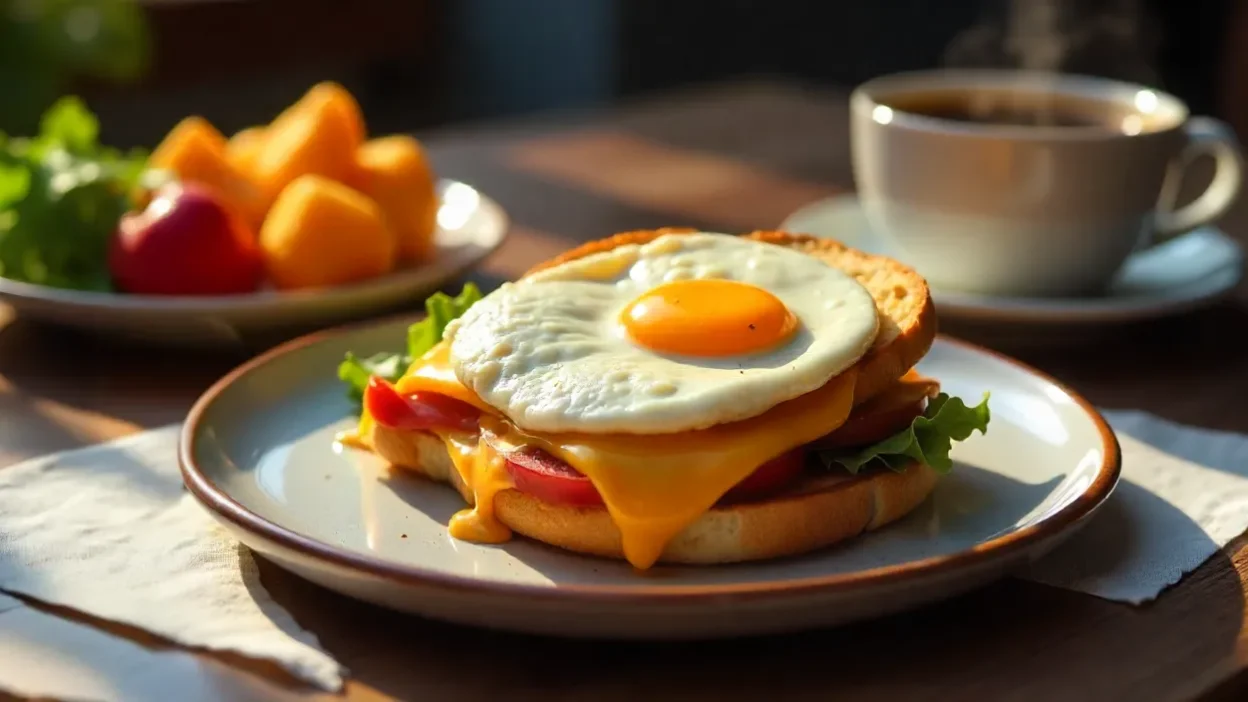
Croque Madame is one of those dishes that, at first glance, looks deceptively simple. You might have seen it on a café menu and thought, Oh, it’s just a ham and cheese sandwich with an egg. Technically, that’s correct. Practically, though, it misses the point entirely 🍳. There’s a depth to it that isn’t obvious until you actually taste it, and even then, it’s not just the ingredients — it’s the way they interact, the textures, the warmth, and the sense that this is a meal meant to be noticed rather than inhaled on the way out the door.
This is definitely not a sandwich you eat standing at the kitchen counter while scrolling through your phone or checking emails. It’s rich, slightly messy, warm in a comforting way, and unapologetically indulgent, the kind of food that quietly demands a bit of your time — both to make and to eat. The moment it lands on your plate, there’s an almost instinctive pause. You set aside distractions, grab a fork and knife, and realize that rushing would be a mistake. Something about it whispers that you deserve a proper, mindful bite. Croque Madame doesn’t shout for attention; it doesn’t need to. It just assumes that you’ll give it some, and most of the time, you do.
Where This Dish Really Comes From 🇫🇷
Croque Madame didn’t originate as a carefully designed “concept” or trendy recipe. Instead, it grew organically out of Parisian café culture, where meals were meant to be satisfying, reliable, and comforting, not flashy or complex. These cafés served as social hubs where people lingered over newspapers, conversations, and small plates that felt thoughtful without being showy.
Early versions of the croque sandwich were simple:
- Toasted bread
- Ham
- Cheese
- Heat
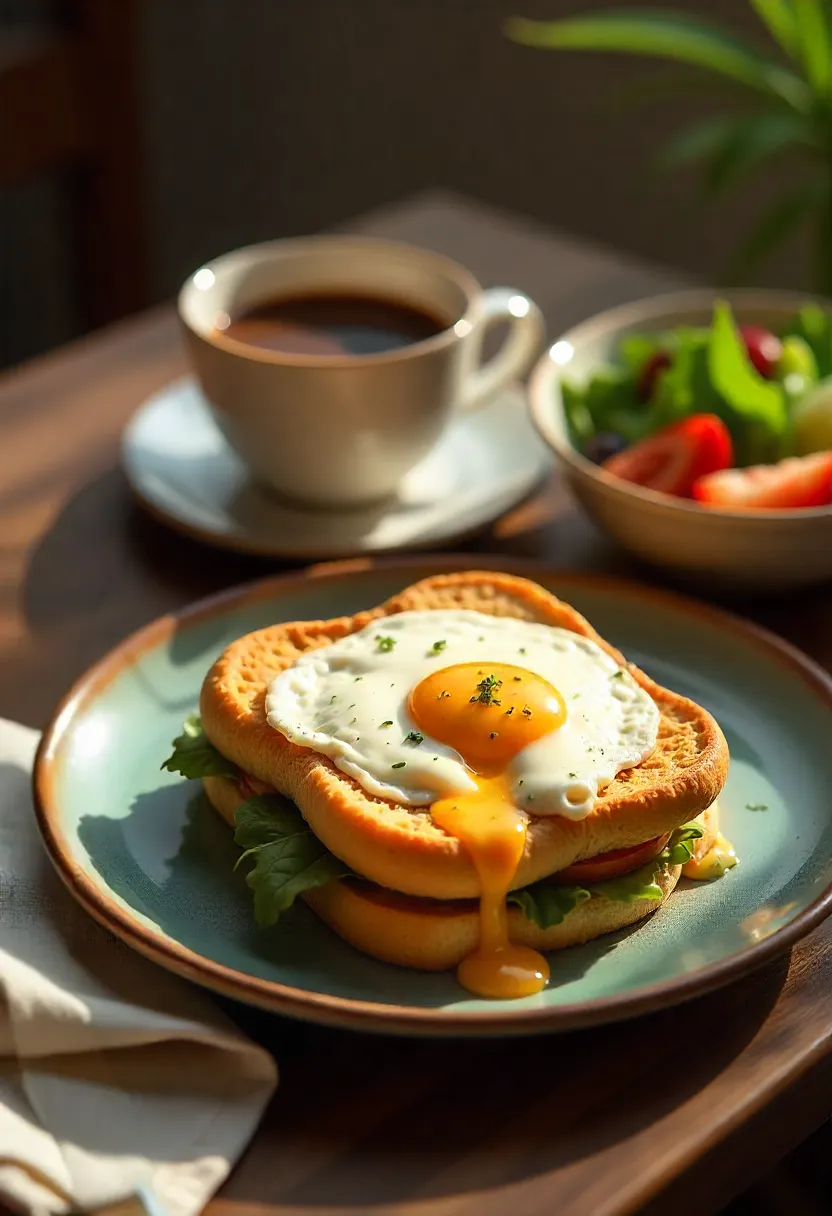
The name croque literally means “crunch,” referring to that satisfying first bite. Over time, cooks started adding a creamy sauce — partly to make the sandwich richer, partly because it made sense with the ingredients on hand. Then came the defining addition: the egg.
Adding an egg transformed the sandwich entirely. It turned what had been a quick snack into a full meal, giving it personality and presence. The yolk softened the edges of the dish, both literally and figuratively, creating richness that brought all the other elements together. It’s probably why the sandwich earned the distinctly feminine name Croque Madame: it felt gentler, more complete, and something you wanted to sit down and enjoy.
Why Croque Madame Feels So Comforting 🧡
There isn’t a single reason this dish has endured for generations, which is probably why it works so well.
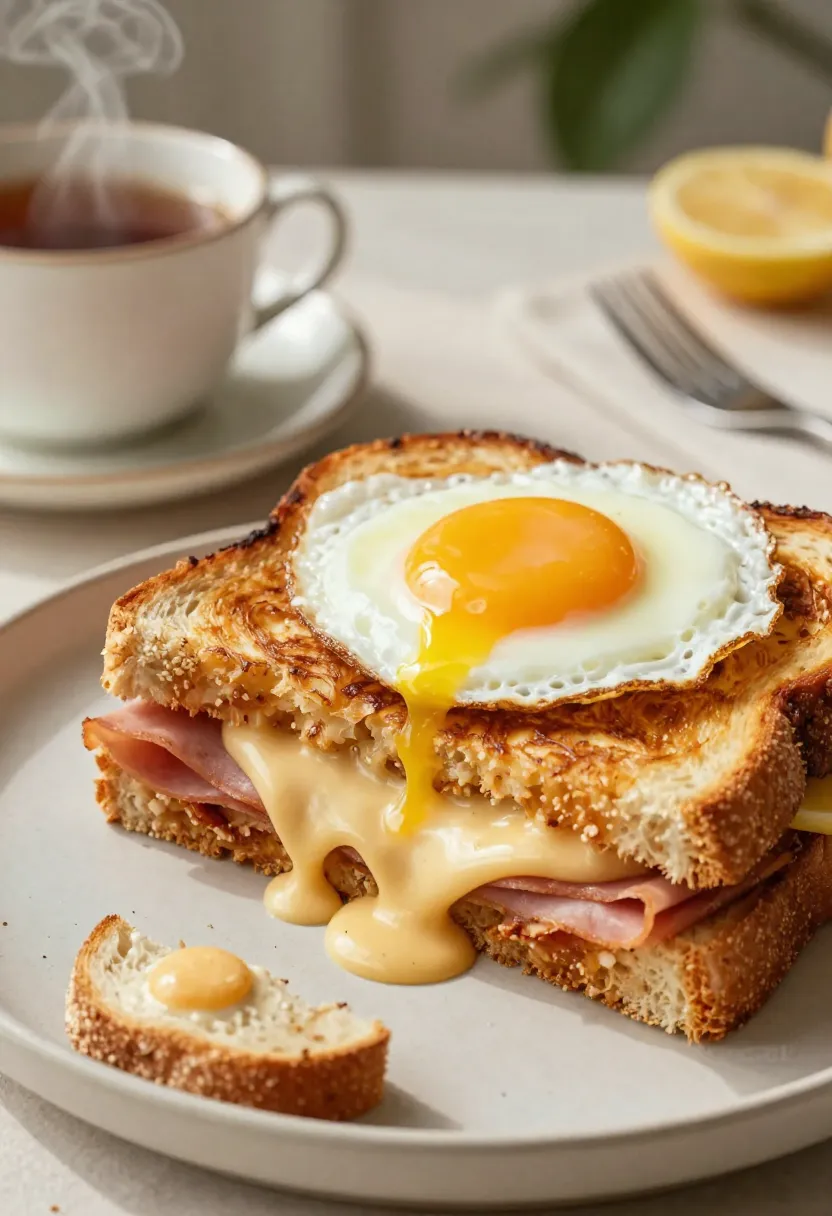
A big part of its appeal is contrast:
- Crisp, lightly toasted bread paired with a soft, gooey interior
- Salty ham balanced by smooth, creamy sauce
- Melted cheese that stretches and binds everything together
- A warm egg on top, adding richness without needing any other embellishment
Another key element is familiarity. Even if it’s your first time tasting Croque Madame, nothing about it feels foreign or intimidating. The flavors just make sense together in a way that’s instinctive, comforting, and immediately satisfying.
And then there’s the pace it imposes. This is not fast food. Even if it’s made quickly, it naturally slows you down. You slice, lift, and savor each bite. You notice the way the yolk mixes with the sauce, how the cheese pulls apart, and the gentle crunch of the bread. Most breakfasts today don’t manage this — they’re meant to be eaten standing up or on the go. Croque Madame asks for a moment, and that pause makes all the difference.
The Ingredients Matter, But Not in a Precious Way 🧀🍞
Croque Madame doesn’t need rare ingredients or perfect measurements, but it does benefit from a bit of thought.
The bread needs to be sturdy enough to hold sauce and egg without falling apart, but not so tough that it turns chewy. Brioche is great if you like a richer result. Sourdough works if you prefer structure. Even good-quality sandwich bread is fine — this dish is forgiving.
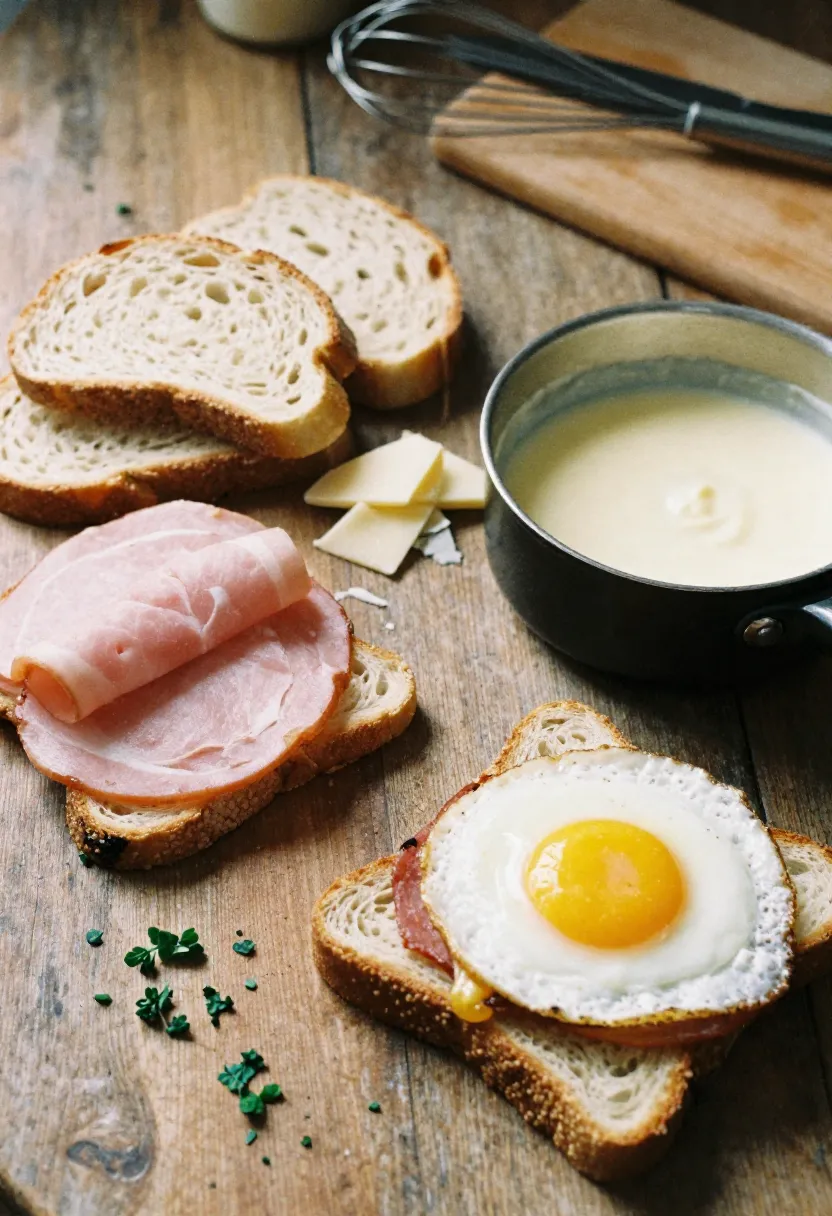
Ham should be thinly sliced and not too aggressive. Lightly smoked or classic cooked ham works best. If it’s too salty or too thick, it can take over the entire sandwich, which isn’t what you want.
Cheese is where people tend to overthink things. Gruyère is traditional because it melts beautifully and has enough flavor without being sharp. Swiss-style cheeses work just as well. What matters most is melt, not prestige.
The sauce doesn’t need to be complicated either. A basic béchamel does the job, especially if you season it properly. It’s there to add softness and bring everything together, not to announce itself.
And the egg — the egg just needs attention. Not perfection, just care 🍳
Making Croque Madame at Home (Without Turning It into a Project)
This is how Croque Madame fits into real life, not a test kitchen.
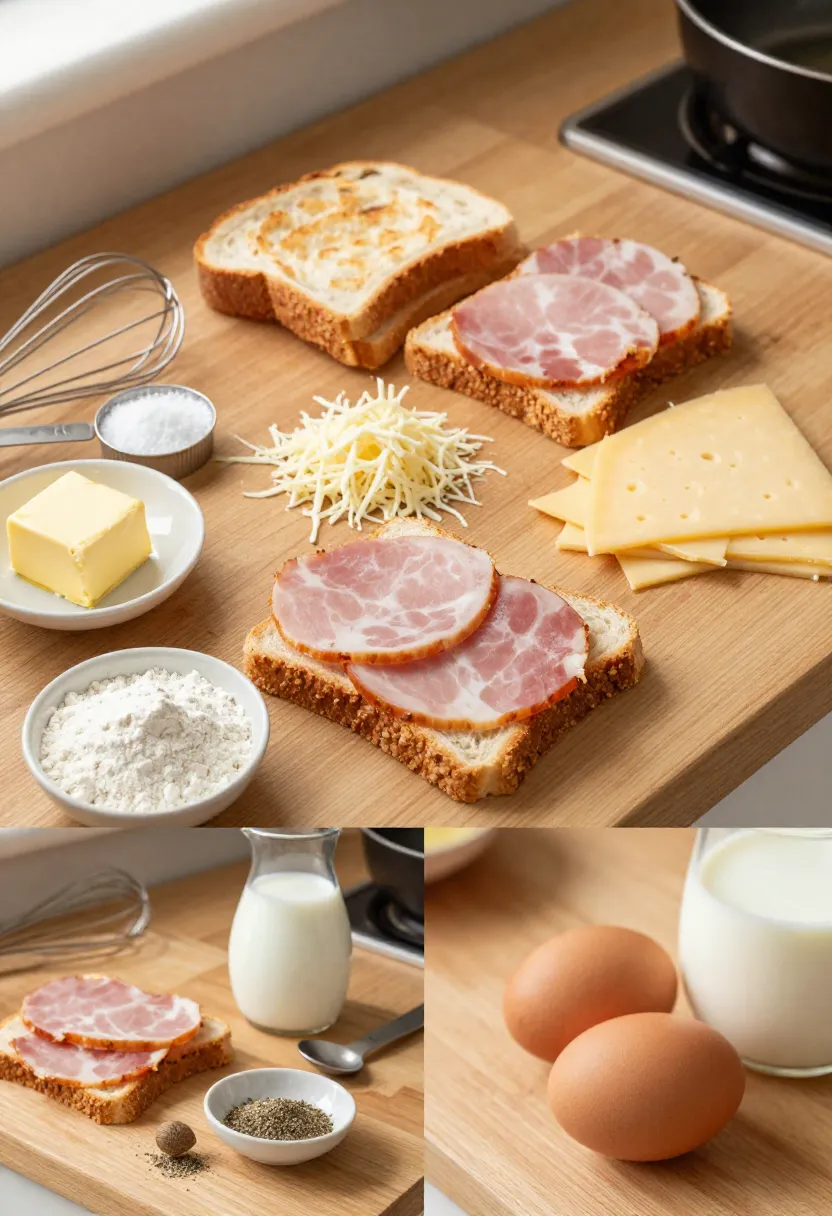
Ingredients (for 2 sandwiches)
For the sandwiches
- 4 slices of bread
- 4 slices of ham
- About 1½ cups grated cheese
- Butter for toasting
For the sauce
- 2 tablespoons butter
- 2 tablespoons flour
- About 1¼ cups milk
- Salt and black pepper
- A small pinch of nutmeg (optional)
For the eggs
- 2 eggs
- A little butter or oil
How It Comes Together🍳✨
Let’s start with the sauce, because in my experience, getting this right first makes the rest of the process much smoother and less stressful. Place a small saucepan on medium heat and melt the butter, letting it foam gently, then whisk in the flour until it forms a smooth paste. Cook it just for a minute or so — not long enough to brown, but enough to eliminate any raw flour taste. Then, gradually pour in the milk while whisking constantly; this is where patience pays off because adding it slowly prevents lumps, and if it thickens unevenly, just keep whisking — it usually smooths out after a minute or two. Once the sauce is velvety and coats the back of a spoon, season it with salt, pepper, and a pinch of nutmeg if you feel fancy. Set it aside for a moment and enjoy the little sense of accomplishment — making the sauce is honestly half the fun.
Next, the bread. This is more important than people often realize because it’s the foundation of the dish. Lightly toast the slices until they are dry enough to hold the layers without collapsing, but not so crisp that they break when you add the sauce. Lay two slices on a baking tray, toasted side down, and resist the urge to snack on them — it’s tempting, I know 😅.
Now it’s time to assemble the sandwich. Here’s a simple way to think about it:

- Layer 1: Toasted bread slices
- Layer 2: Ham, evenly spread so each bite has flavor
- Layer 3: Generous amount of grated cheese — don’t be stingy, the more the merrier 🧀
- Layer 4: Top with remaining bread slices
- Layer 5: Spoon the sauce over the sandwiches, spreading gently to cover the edges
- Layer 6: Sprinkle extra cheese on top to get that golden, bubbly finish
Once the sandwiches are ready, slide the tray under a broiler or into a very hot oven. Keep a close eye on them because the cheese can go from perfectly golden to burnt surprisingly fast. You’re looking for bubbly, lightly browned cheese — that’s your cue to take it out.
While the sandwiches finish, cook the eggs. Heat a small pan with a bit of butter or oil over medium heat, then gently crack in the eggs. The goal is whites fully set but yolks still soft and slightly runny. If a yolk breaks a little early, don’t panic — it just mixes with the sauce, adding extra creaminess. Once cooked, place one egg on top of each sandwich and serve immediately. Timing is everything here; Croque Madame doesn’t wait, and it’s best enjoyed while everything is still warm and melty.
A Few Things That Usually Go Wrong (And Why It’s Fine)
Even when you follow the steps carefully, small things can go wrong, and that’s okay. Croque Madame is forgiving and surprisingly resilient. Here are a few examples:
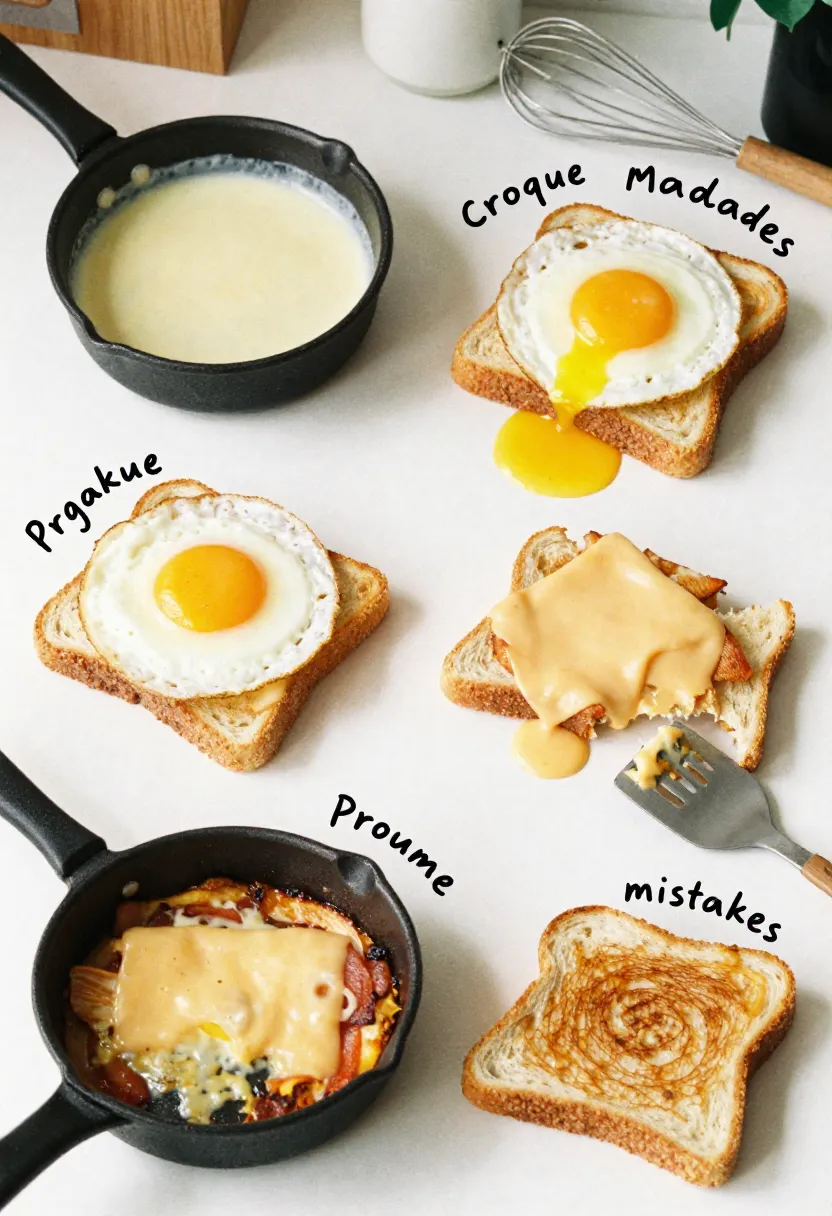
- If the sauce is too thick → thin it with a splash of milk.
- If the sauce is too thin → cook a little longer until it thickens.
- If the egg yolk breaks early → let it mix with the sauce, it’s delicious.
- If your cheese or bread isn’t exactly what the recipe calls for → the sandwich will still work.
The point is, nothing has to be perfect for Croque Madame to taste amazing. This is a dish designed for real kitchens, where mess and improvisation are part of the process, and that’s one of its biggest charms ✨.
How to Serve It Without Overdoing It 🥗
Because this dish is rich, the sides should be light and complementary. Here are some simple ideas:

- A small green salad with a bright, acidic vinaigrette 🥬
- Fresh fruit slices, like orange or pear, for a touch of sweetness 🍐
- A hot cup of coffee or tea ☕
The real trick is to sit down, plate in front of you, and eat while it’s hot. Croque Madame loses a lot of its magic as it cools, so don’t leave it waiting. Take a moment, enjoy the aroma, and dig in without distractions.
Why This Dish Still Makes Sense Today 💛
Croque Madame has this quiet way of reminding us what it means to really engage with a meal, and it’s not just about the flavor — although, of course, the combination of crisp bread, melted cheese, warm ham, and that runny egg is irresistible. It’s more about the experience it creates: the way it asks you to slow down, put your phone aside, and actually pay attention to what you’re eating, even if it’s just for a few minutes. That sense of pause is something increasingly rare in a world built around speed, efficiency, and constant multitasking, where meals are often grabbed on the go or eaten while scrolling through emails.

This sandwich quietly insists that you respect it. It assumes that you’ll sit down at a proper plate rather than balancing it on your lap, that you’ll take the time to cut through it carefully, letting the cheese stretch and the yolk mix with the sauce in its own slow, satisfying way. It doesn’t need you to impress anyone, but it benefits from your attention, and that little ritual — preparing it, assembling it, watching the cheese melt, cracking the egg just right — is part of the joy.
It’s also remarkably adaptable, which is another reason it has lasted. You can tweak the bread, swap the ham for something smoked or sweet, experiment with different cheeses, or add a pinch of spice to the sauce, and it still works. It’s forgiving in the best possible way, rewarding care and creativity but never punishing a small mistake.
In a way, Croque Madame is like a gentle nudge to reclaim a bit of patience, presence, and care in our daily routines. It asks for nothing extravagant, only that you notice it, treat it well, and enjoy it while it’s warm and comforting. That insistence on presence, combined with its reliability and deliciousness, is probably why it has endured for so long — across generations, countries, and kitchens big and small.
Final Thoughts 🍽️
Croque Madame isn’t impressive because it’s complicated, or because it follows the latest food trend, or because it looks like it belongs in a food magazine. Its charm lies in its honesty, its balance, and its ability to deliver comfort and satisfaction in every bite. It’s rich enough to feel indulgent without being overwhelming, warm enough to feel like a hug on a plate, and simple enough that anyone can make it at home without stress.
Whether you enjoy it in a bustling café, with the aroma of coffee in the air, or in your own kitchen while the morning sun spills onto the counter, it sends the same quiet message: some meals are meant to be slow, thoughtful, and savored, and that’s not a flaw — it’s exactly what makes them worth it. And in a world where so much is rushed, that little lesson is worth every bite 🍳💛