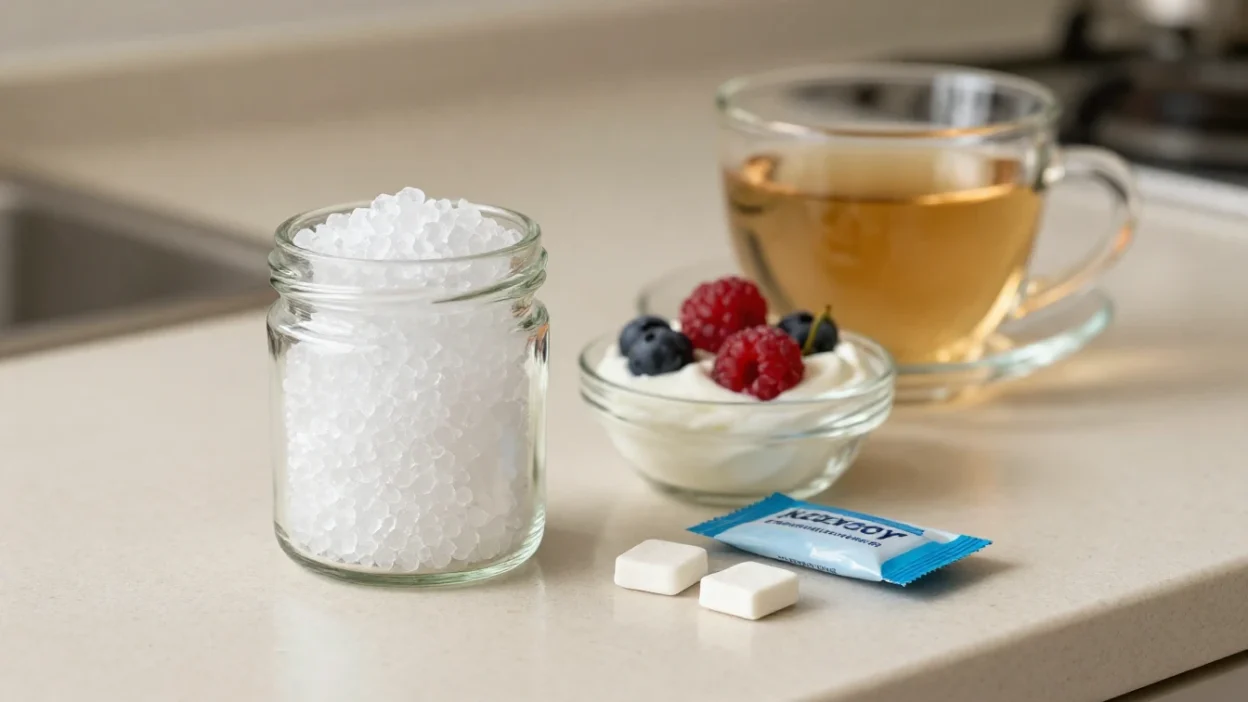
Xylitol is one of those sweeteners that sounds almost too convenient at first. It tastes sweet, has fewer calories than sugar, shows up in a lot of sugar-free gum, and gets talked about for dental health. So it is easy to see why people look at it and think: “Great, maybe this is the smarter sugar.”
And sometimes, it can be useful.
But xylitol is not magic. It is not a free pass to eat unlimited “sugar-free” snacks, and it is definitely not something to keep casually on the counter if you have a dog at home. Like many sweeteners, it sits in that slightly messy middle place: helpful in the right amount, uncomfortable if you overdo it, and worth understanding before you start using it every day.
I think that is the best way to approach xylitol. Not with fear, but not with blind trust either.
In this guide, we will look at what xylitol actually is, how it compares with sugar, why it is often used in chewing gum and dental products, what it may do to your digestion, and how to use it safely in real life. Coffee, yogurt bowls, homemade sauces, low-sugar desserts, label reading — the practical stuff.
Because the real question is not whether xylitol is “good” or “bad.” It is whether it makes sense for your kitchen, your body, and your habits.
What is xylitol?
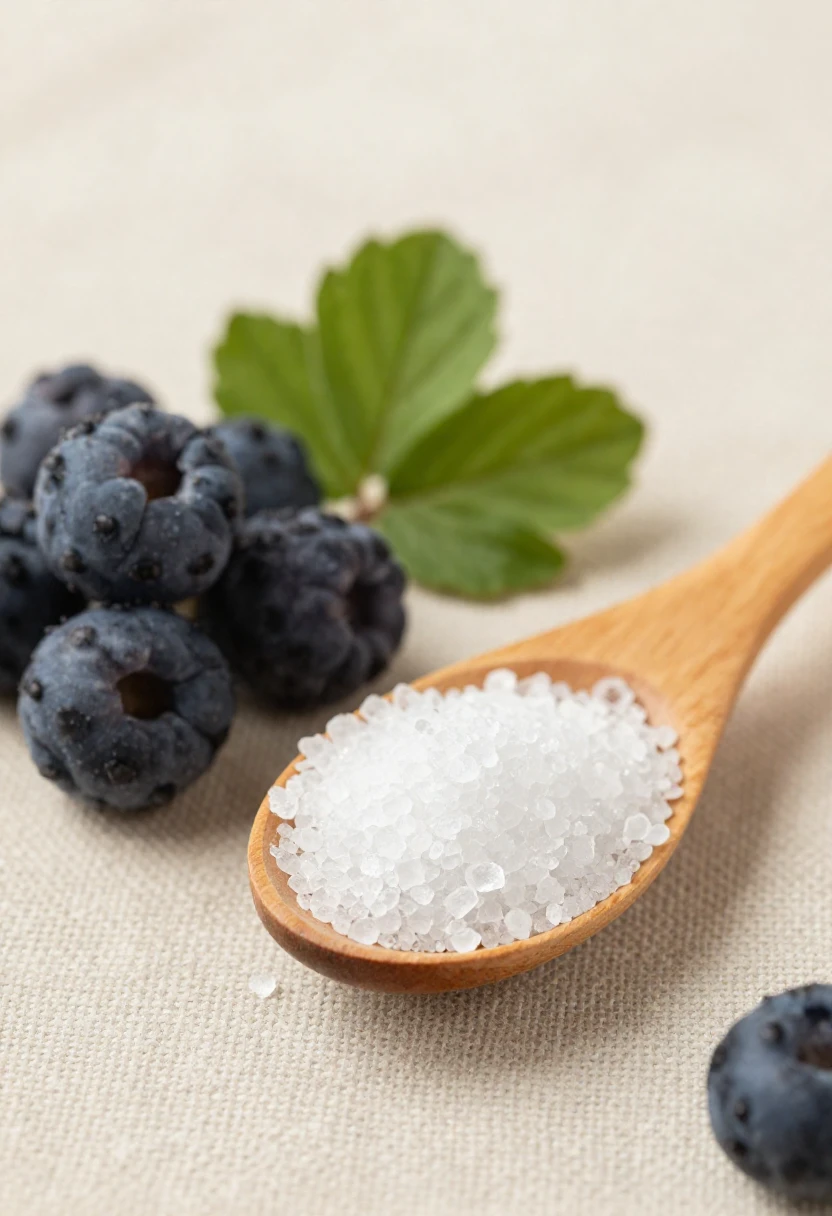
Xylitol is a type of carbohydrate called a sugar alcohol. That name sounds a little confusing, because xylitol is not sugar in the usual table-sugar sense, and it is not alcohol like wine or vodka. It sits somewhere in between, chemically speaking.
You may see it listed on labels as:
- xylitol
- birch sugar
- sugar alcohol
- sweetener in sugar-free gum, mints, candy, or toothpaste
It occurs naturally in tiny amounts in some fruits and vegetables, but the xylitol used in food products is usually made from plant materials such as birch wood or corn cobs. That does not automatically make it “natural” in the cozy farmers-market way people sometimes imagine. It still goes through processing before it becomes the white, sweet crystals you can spoon into coffee.
And honestly, that is fine. Plenty of useful kitchen ingredients are processed. The better question is how your body handles it.
Why it is called a sugar alcohol
Sugar alcohols are sweeteners that taste sweet but are digested differently from regular sugar. Your body does not absorb xylitol in the same fast, direct way it absorbs table sugar, which is one reason it has less impact on blood sugar for many people.
That is why xylitol often shows up in “sugar-free” or “no added sugar” products. Food brands use it because it gives sweetness without behaving exactly like regular sugar.
But there is a trade-off.
Because xylitol is only partly absorbed in the small intestine, some of it can move into the large intestine, where gut bacteria ferment it. For some people, that is no big deal. For others, especially if they eat too much at once, it can mean gas, bloating, cramps, or a sudden need to stay close to the bathroom.
Not glamorous. Very real.
Where you usually find xylitol
Most people do not meet xylitol through a bag of sweetener. They meet it through gum.
Xylitol is common in:
- sugar-free chewing gum
- breath mints
- toothpaste
- mouthwash
- “keto” snacks
- low-sugar chocolate
- protein bars
- sugar-free candy
- some baked goods
- powdered sweetener blends
This is why reading labels matters. You might not think you eat xylitol, but if you chew sugar-free gum every day or buy low-sugar snacks, it may already be part of your routine.
I always think of xylitol as a “small amount” ingredient. A stick of gum after lunch? Reasonable for many people. A whole bowl of homemade dessert sweetened heavily with xylitol? That is where your stomach may start negotiating with you.
How xylitol tastes and behaves in food
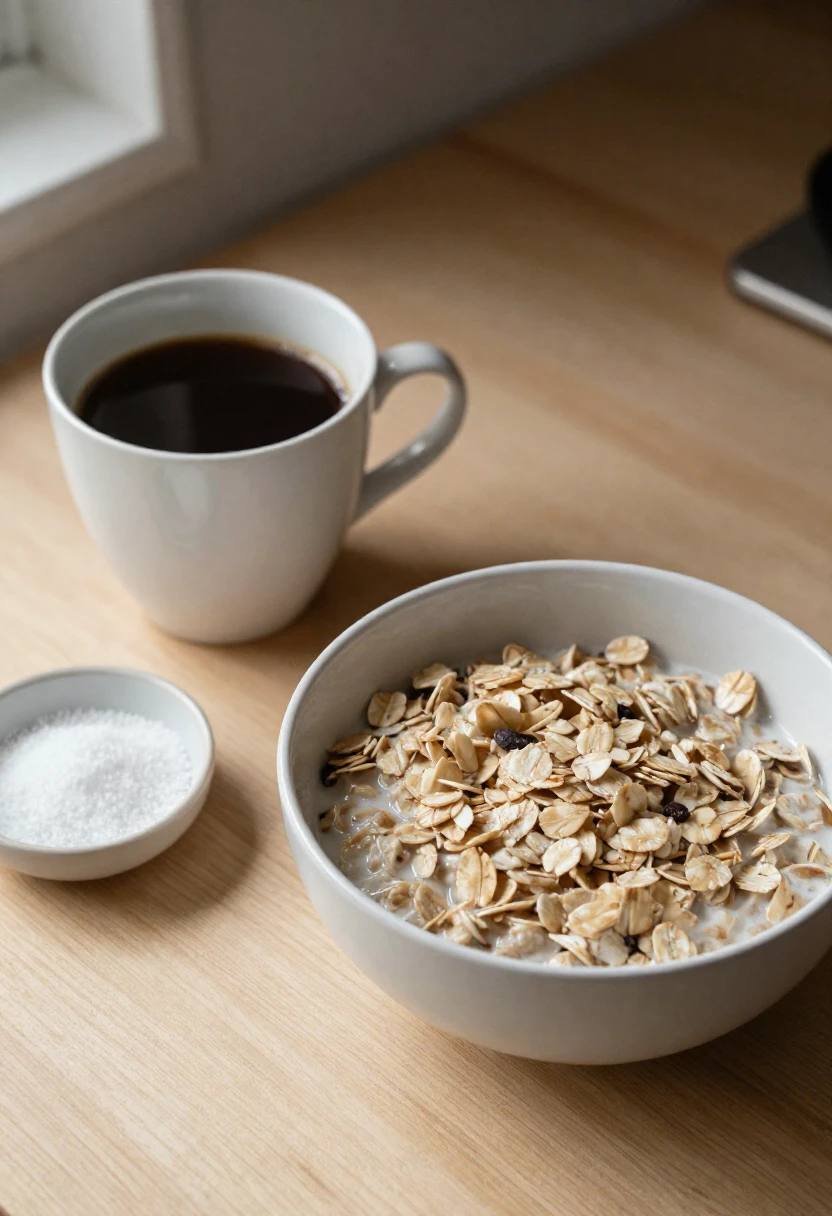
Xylitol tastes surprisingly close to regular sugar. That is one reason people like it. It does not have the same bitter edge that some sweeteners leave behind, and it does not taste herbal like stevia can.
If you put a small spoonful into coffee or tea, the difference may be subtle. The sweetness is clean, mild, and familiar. There is also a slight cooling feeling on the tongue, especially if you taste it straight from the spoon. You may notice the same effect in sugar-free mints or chewing gum.
That cooling sensation can be pleasant in some foods. In others, it feels a little odd.
Sweetness compared with sugar
Xylitol is usually described as being about as sweet as table sugar, which makes it easier to use than sweeteners that require tiny measurements. You do not need a complicated conversion chart for every small thing.
For simple uses, you can often treat it like sugar:
- Stir it into coffee or tea
- Sprinkle a little over plain yogurt
- Add it to oatmeal
- Use it in some sauces or dressings
- Sweeten no-bake snacks in small amounts
But “about as sweet as sugar” does not mean it acts exactly like sugar in every recipe. Taste is only one part of cooking. Sugar also affects texture, browning, moisture, and fermentation.
That is where xylitol starts to behave differently.
Where xylitol works well
Xylitol works best in foods where sweetness matters more than structure.
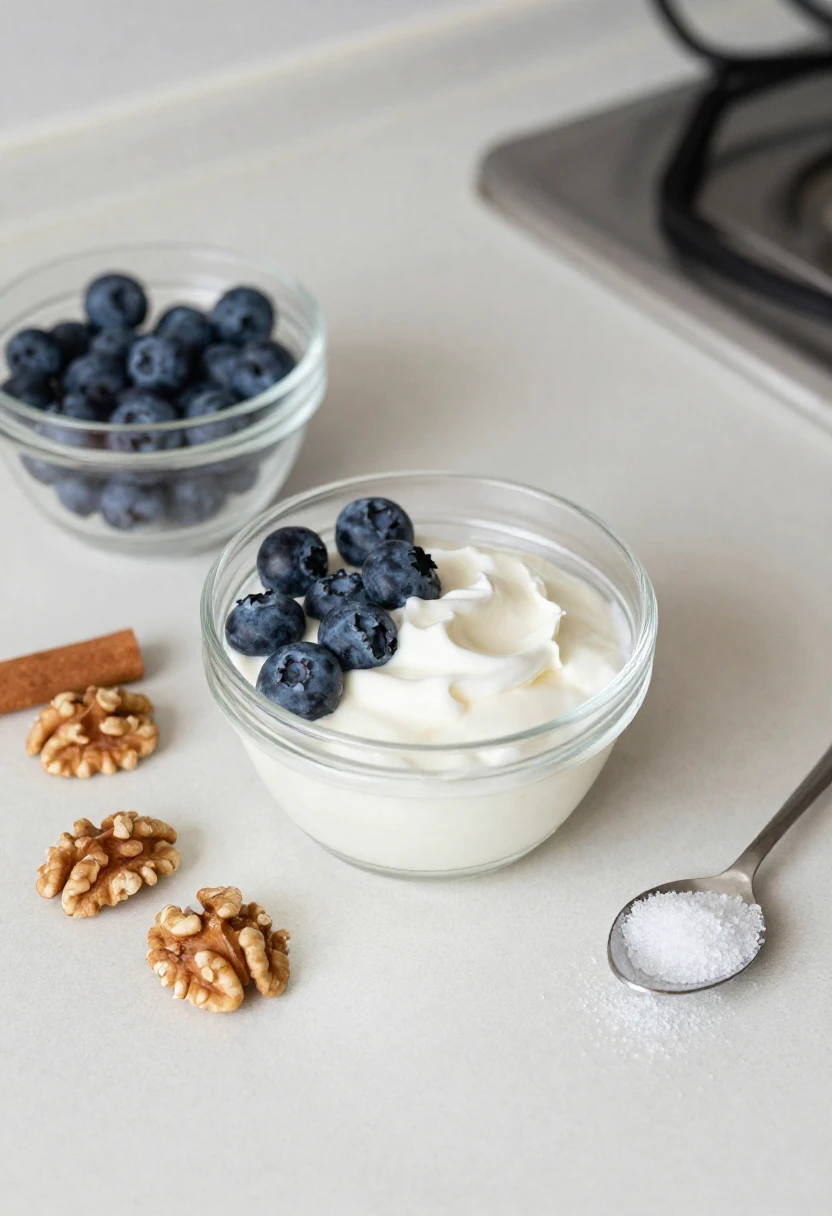
Think of simple things: a cup of coffee, a bowl of Greek yogurt with berries, a quick cocoa drink, a chia pudding, or a small batch of homemade chocolate sauce. In these foods, xylitol does not have to help dough rise or create a chewy cookie texture. It only needs to dissolve and taste sweet.
I like it most in creamy foods because the texture softens that slightly cool finish. Stirred into yogurt with cinnamon and chopped walnuts, it feels more natural than it does in a dry baked good.
It can also work in sauces, especially when you need just a little sweetness to balance acidity. Tomato sauce, salad dressing, cranberry sauce, or a quick glaze can handle a small amount.
The key word is small.
Why baking with xylitol can be tricky
Baking is where xylitol gets less predictable.
Regular sugar does more than sweeten a cake. It helps hold moisture, supports browning, gives cookies crisp edges, and feeds yeast in bread dough. Xylitol does not do all of those jobs in the same way.
You may notice that baked goods made with xylitol:
- Brown less deeply
- Feel a little drier
- Have a slightly different crumb
- Taste cooler on the tongue
- Do not spread like regular sugar cookies
This does not mean xylitol cannot be used in baking. It can. But it works better in some recipes than others. Muffins, quick breads, simple cakes, and no-bake desserts are usually more forgiving than delicate cookies or yeast breads.
Why it does not work well in yeast bread
This is one place where xylitol is not a good sugar swap.
Yeast needs fermentable sugar to grow and produce gas. That gas helps bread rise. Since xylitol does not feed yeast the same way regular sugar does, it can leave you with dough that sits there looking tired and stubborn.
I would not use xylitol as the main sweetener in yeast bread. If you are making sandwich bread, cinnamon rolls, brioche, or anything that depends on yeast, regular sugar, honey, or another fermentable sweetener will give you better results.
For everyday cooking, keep xylitol in the “sweetener for simple things” category. Coffee, yogurt, sauces, maybe a forgiving muffin. Not every sugar job belongs to it.
Xylitol and blood sugar
One of the main reasons people look at xylitol is blood sugar. Regular table sugar breaks down quickly into glucose and fructose, which can raise blood sugar more directly. Xylitol is handled differently.
Your body absorbs only part of it, and it does not create the same quick sugar hit that regular sugar can. That is why xylitol often appears in products made for people who are trying to reduce sugar: gum, candies, chocolate, protein bars, and low-carb desserts.
This does not make it a perfect sweetener. It just means it behaves differently.
Why xylitol affects blood sugar differently from sugar
When you eat regular sugar, your body has a clear job: break it down, absorb it, and use or store the energy. With xylitol, the process is less direct. Some of it is absorbed slowly, and some continues through the digestive system.
That slower, partial absorption is why xylitol has a lower effect on blood glucose compared with regular sugar.
For someone who is trying to cut down on sugar, that can be helpful. A cup of tea sweetened with a little xylitol may be easier on blood sugar than the same cup sweetened with two teaspoons of sugar.
But I would be careful with the word “safe” here. A sweetener can be lower in sugar and still not be something you want to use without thinking.
Why people with diabetes often look at xylitol
If you manage diabetes or prediabetes, the appeal is obvious. You still want your coffee to taste good. You still want a dessert now and then. You may not want every sweet bite to come with a sharp sugar spike.
Xylitol can fit into that picture for some people, especially in small amounts.
It may be useful for:
- Sweetening coffee or tea
- Making plain yogurt taste less sour
- Reducing sugar in homemade sauces
- Choosing sugar-free gum instead of sugary candy
- Cutting back on regular sugar in simple desserts
But packaged “sugar-free” foods can be sneaky. A cookie made with xylitol may still contain refined flour, fat, and plenty of calories. A chocolate bar with no added sugar can still be easy to overeat. And if your stomach reacts badly to sugar alcohols, the blood sugar advantage will not feel like much of a win.
That is the part labels do not say loudly enough.
Lower sugar does not mean unlimited
This is where I think people get trapped by sugar substitutes.
A food says “sugar-free,” so it feels harmless. Then one piece turns into five pieces. Then your stomach starts making noises you did not invite. Xylitol is one of those ingredients where the dose matters a lot.
If you are using it at home, start small. Try half a teaspoon in coffee or a little stirred into yogurt. See how your body handles it before using it in a full dessert recipe.
And if you are managing diabetes, it is still smart to look at the whole food, not just the sweetener. The flour, portion size, fat, fiber, and protein all matter.
A low-sugar muffin is still a muffin. Maybe a better muffin for your needs, sure. But still not something your body reads as “free food.”
Xylitol and dental health
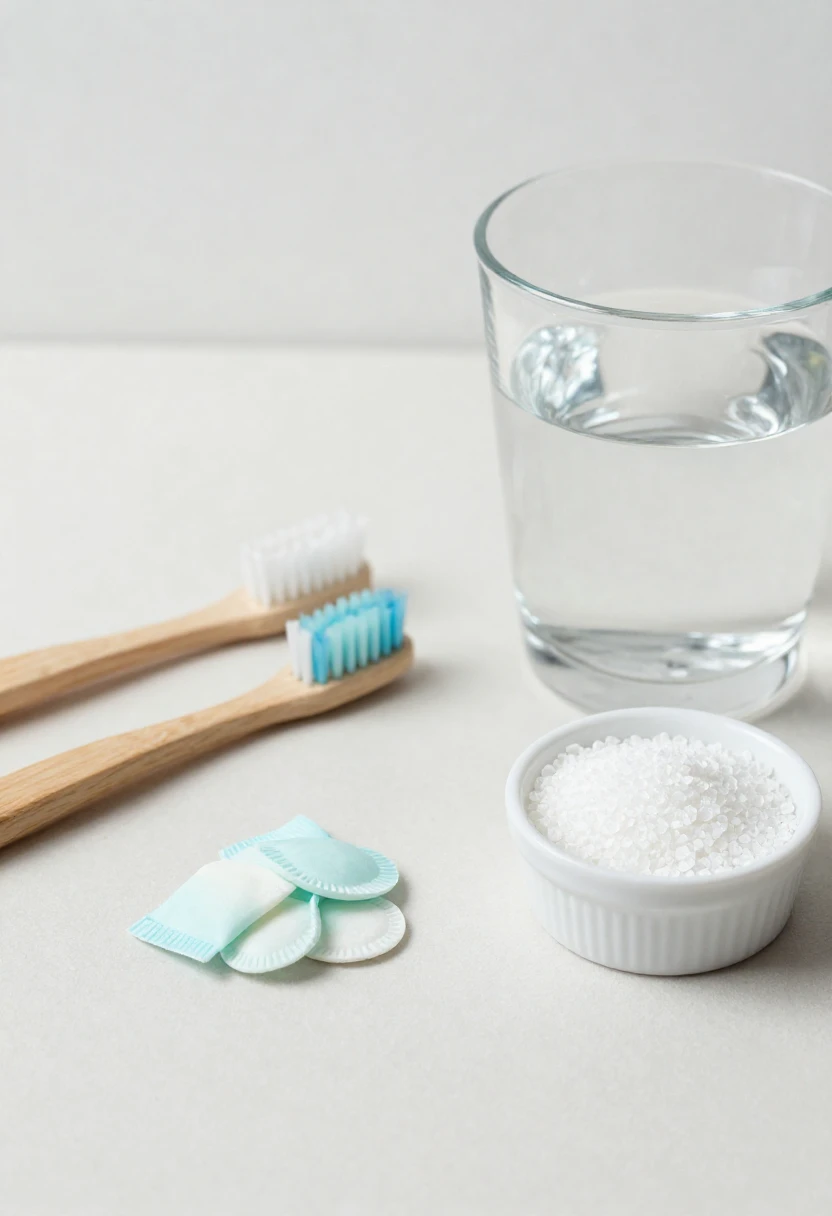
This is probably the strongest reason xylitol became popular in the first place. Long before people were stirring it into coffee or baking with it, xylitol was already showing up in chewing gum, mints, toothpaste, and mouthwash.
And for once, the connection is not just marketing fluff.
Xylitol is interesting for oral health because the bacteria in your mouth do not use it the same way they use regular sugar. With sugar, certain mouth bacteria can feed on it and produce acids that wear down tooth enamel. Xylitol does not feed those bacteria in the same easy way.
That is why you see it so often in sugar-free gum after meals.
Why xylitol is used in chewing gum
Chewing gum does two useful things at once.
First, the gum itself makes you produce more saliva. That matters because saliva helps rinse away food particles, neutralize acids, and keep your mouth from feeling dry and sticky after eating.
Second, when the gum contains xylitol instead of sugar, you get sweetness without giving cavity-causing bacteria their favorite fuel.
This is where xylitol makes the most sense to me. Not as a “health dessert” ingredient. Not as an excuse to eat candy all day. Just as a small, practical habit after lunch when brushing your teeth is not realistic.
A piece of xylitol gum after coffee or a meal can feel simple and clean. Your mouth feels fresher, and you are not adding more sugar to the situation.
How it may help reduce cavity risk
Xylitol may help reduce cavity risk when it is used regularly in the right form, especially as gum or mints that stay in the mouth for a while.
The idea is simple: xylitol changes the environment in your mouth. It does not get fermented by certain oral bacteria the way sugar does, and it may make it harder for those bacteria to keep producing acid.
But the form matters.
There is a big difference between:
- chewing xylitol gum after meals
- using xylitol toothpaste
- eating a low-sugar brownie made with xylitol
Only the first two keep xylitol directly in contact with your teeth for oral care purposes. A dessert sweetened with xylitol may have less sugar, but that does not turn it into dental care.
That distinction is worth keeping clear.
Xylitol, saliva, and dry mouth
Dry mouth is one of those small problems that can make your whole day feel annoying. Coffee tastes harsher. Your breath feels stale faster. Food sticks around in your mouth longer than it should.
Xylitol gum or mints may help because they encourage saliva flow. That extra saliva can make your mouth feel more comfortable and help wash away acids after eating.
I would still treat dry mouth as something to pay attention to, especially if it happens often. It can come from medications, dehydration, mouth breathing, or other health issues. Xylitol gum can help with the feeling, but it does not always solve the reason behind it.
Gum is not a replacement for brushing
This is the part that sounds obvious, but it needs to be said.
Xylitol gum is not a toothbrush. It is not floss. It will not rescue a diet full of sticky sweets, soda, and constant snacking. If you chew xylitol gum but never clean between your teeth, your dentist will still know.
Use it as an extra tool, not the whole plan.
Brush your teeth, floss, drink water, and keep sugary snacks from turning into an all-day grazing habit. Then xylitol gum can fit nicely on top of that routine, especially after meals when you want a cleaner mouth but cannot brush right away.
Digestive side effects of xylitol
Xylitol can be gentle for some people and very rude to others.
That is the honest version.
Because your body does not fully absorb xylitol in the same way it absorbs regular sugar, part of it can travel farther through your digestive system. Once it reaches the large intestine, gut bacteria may ferment it. Depending on your body and the amount you ate, that can lead to gas, bloating, cramps, loose stools, or diarrhea.
This is why someone can chew a piece of xylitol gum and feel completely fine, then eat a few sugar-free candies and suddenly regret every decision that led to that moment.
Why xylitol can cause bloating or diarrhea
Sugar alcohols pull water into the intestines and can be fermented by gut bacteria. That combination is the reason they sometimes cause digestive trouble.
You may notice symptoms like:
- gas
- bloating
- stomach rumbling
- cramps
- loose stools
- diarrhea
The reaction is usually dose-related. A tiny amount in gum may not bother you. A large serving in candy, chocolate, baked goods, or homemade desserts can be a different story.
And the annoying part is that the limit is personal. One person can handle xylitol without thinking about it. Another person feels bloated after a small amount. Your gut gets a vote here.
Start small if you are new to it
If you have never used xylitol before, do not start with a full batch of cookies.
Start with something boringly small, like half a teaspoon in coffee or tea. Try that a few times and see what happens. If your stomach stays calm, you can decide whether to use a little more.
This is especially important with packaged sugar-free foods. The serving size on the label may look reasonable, but it is easy to eat more than one serving. Sugar-free mints and candies are the classic trap because they feel tiny and harmless.
Then suddenly your stomach is hosting a protest.
Who may need to be more careful
Some people are more likely to react badly to xylitol, especially if their digestion is already sensitive.
You may want to be cautious if you:
- have IBS
- follow a low-FODMAP diet
- often react to sugar alcohols
- get bloated easily
- have a sensitive stomach after certain fruits, sweeteners, or high-fiber foods
- are using xylitol in larger amounts for baking
If you already know that erythritol, sorbitol, maltitol, or other sugar alcohols bother you, xylitol may do the same. Not always, but it is worth assuming your body might have an opinion.
The “sugar-free” label can be misleading
A product can be sugar-free and still be hard on your stomach.
This matters because sugar-free foods often feel like a safer choice. Sometimes they are useful. But if the sweetness comes from a large amount of sugar alcohols, your digestive system may not love the trade.
A good habit is to check the ingredient list, not just the front of the package. Look for xylitol, sorbitol, maltitol, erythritol, isomalt, or “sugar alcohols” in the nutrition panel.
If you want to use xylitol, treat it like a strong ingredient. A little can be helpful. Too much can turn a nice low-sugar dessert into a very long afternoon.
Possible heart health concerns
This is the part of the xylitol conversation that has become more complicated.
For years, xylitol was mostly discussed as a dental-friendly sweetener with a lower effect on blood sugar than regular sugar. Then newer research started raising questions about whether high levels of xylitol in the blood might be linked with a higher risk of certain cardiovascular problems.
That does not mean a stick of xylitol gum is suddenly dangerous. It also does not mean everyone needs to panic and throw away every sugar-free product in the house.
But it does mean xylitol deserves a little more respect than “healthy sugar swap.”
What recent research has suggested
Some recent research has looked at xylitol levels in the blood and possible links with cardiovascular events, such as heart attack and stroke. The concern is that xylitol may affect how platelets behave. Platelets are tiny blood cells that help with clotting, which is useful when you cut yourself, but not something you want to overstimulate inside blood vessels.
This area is still being studied. A link in research is not the same as proof that xylitol directly causes heart problems in everyday use.
Still, I would not ignore it completely.
The tricky thing with sweeteners is that people often use them because they are trying to make a healthier choice. That can create a false sense of safety. If something says “sugar-free,” it may feel like the decision is already made for you.
It is not.
Why the evidence is not the same as proof
Nutrition research is messy. People eat different diets, have different health histories, take different medications, and use sweeteners in different amounts. It is hard to isolate one ingredient and say, with total confidence, “This is the cause.”
So I would read the heart-health concern as a caution sign, not a final verdict.
A small amount of xylitol in gum or toothpaste is different from using large spoonfuls every day in drinks, baked goods, desserts, and snacks. Your overall diet also matters. So does your personal risk: blood pressure, cholesterol, diabetes, smoking, family history, and how much ultra-processed food you already eat.
Context changes the answer.
A practical way to think about moderation
My personal rule with xylitol is simple: use it like a tool, not a lifestyle.
That means it may make sense in small, specific ways:
- A piece of xylitol gum after meals
- A little in coffee instead of several teaspoons of sugar
- A small amount in plain yogurt
- An occasional low-sugar dessert
- Dental products that contain xylitol
What I would avoid is building your whole “healthy eating” routine around sugar-free sweets. If you are eating xylitol candy every day, baking with it constantly, and using it in every drink, that is probably too much dependence on one sweetener.
A better goal is to slowly lower how much sweetness you need overall.
That sounds less exciting than discovering the perfect sugar substitute, I know. But it works better. Your coffee can be a little less sweet. Your yogurt can get sweetness from berries. Your sauces can lean on spices, acidity, and texture instead of always needing a sweetener to fix the flavor.
Xylitol can help you reduce sugar. It should not become another thing you overuse.
Xylitol and pets: the safety warning you should not skip
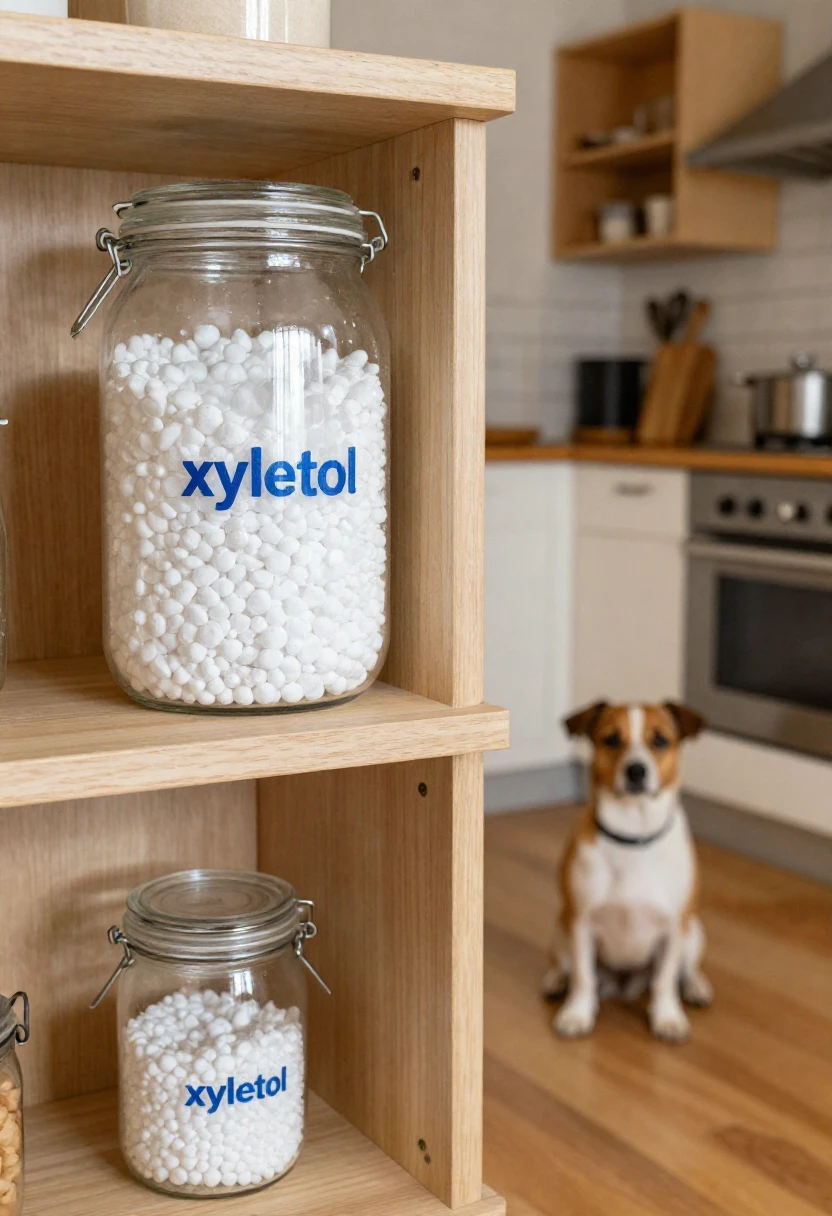
If you have a dog at home, xylitol is not just another sweetener in the pantry. It is something you need to treat carefully.
Xylitol can be extremely dangerous for dogs, even in amounts that may look small to a person. This is the one part of the xylitol conversation where I would not be relaxed or casual. Keep it away from dogs. Check labels. Store it like you would store something toxic.
A human can chew xylitol gum and feel fine. A dog can eat that same gum and need emergency care.
Why xylitol is dangerous for dogs
Dogs process xylitol very differently from humans.
In dogs, xylitol can trigger a strong insulin release. That can cause blood sugar to drop quickly, sometimes within a short time after eating it. Low blood sugar can lead to weakness, vomiting, shaking, poor coordination, collapse, seizures, and in severe cases, death.
Some dogs may also develop liver problems after xylitol exposure.
This is why xylitol should never be used in homemade dog treats, and it should never be left where a dog can reach it. Not on a coffee table. Not in a purse. Not in a gym bag with a pack of gum inside.
Dogs are talented thieves when food is involved.
Common products that may contain xylitol
Xylitol can hide in products that do not look dangerous at first glance. The big one is sugar-free gum, but it is not the only one.
Check labels on:
- sugar-free chewing gum
- breath mints
- sugar-free candy
- some peanut butter brands
- toothpaste
- mouthwash
- chewable vitamins
- cough drops
- protein bars
- keto snacks
- low-sugar baked goods
- powdered sweeteners
Peanut butter is especially worth checking if you use it to give your dog medicine or fill a treat toy. Most peanut butter does not contain xylitol, but some “no sugar added” or specialty versions may.
Do not guess. Read the ingredient list.
What to do if your dog eats xylitol
If your dog eats something with xylitol, contact a veterinarian or animal poison control service right away. Do not wait to “see what happens,” because symptoms can develop quickly.
Try to keep the package with you so you can tell the vet:
- what product your dog ate
- how much may be missing
- when it happened
- your dog’s weight
- whether your dog has symptoms
This is not the moment for home remedies. Do not try to make your dog vomit unless a vet tells you to do it.
I know this sounds intense, but it matters. Xylitol is one of those ingredients that can be perfectly normal in human food and still be a serious pet hazard.
How to store xylitol safely at home
If you keep xylitol in the house, store it high up or behind a closed cabinet door. The same goes for gum, mints, and sugar-free snacks.
A few simple habits help:
- Keep purses and backpacks off the floor
- Do not leave gum on a nightstand
- Store xylitol sweetener in a sealed container
- Check peanut butter labels before sharing with dogs
- Tell family members and guests about the risk
This is especially important if you have children in the house. A child may not know that a sugar-free mint or piece of gum is dangerous for the dog.
For people, xylitol is a sweetener to use thoughtfully. For dogs, it belongs in the “keep far away” category.
How to use xylitol safely in your kitchen
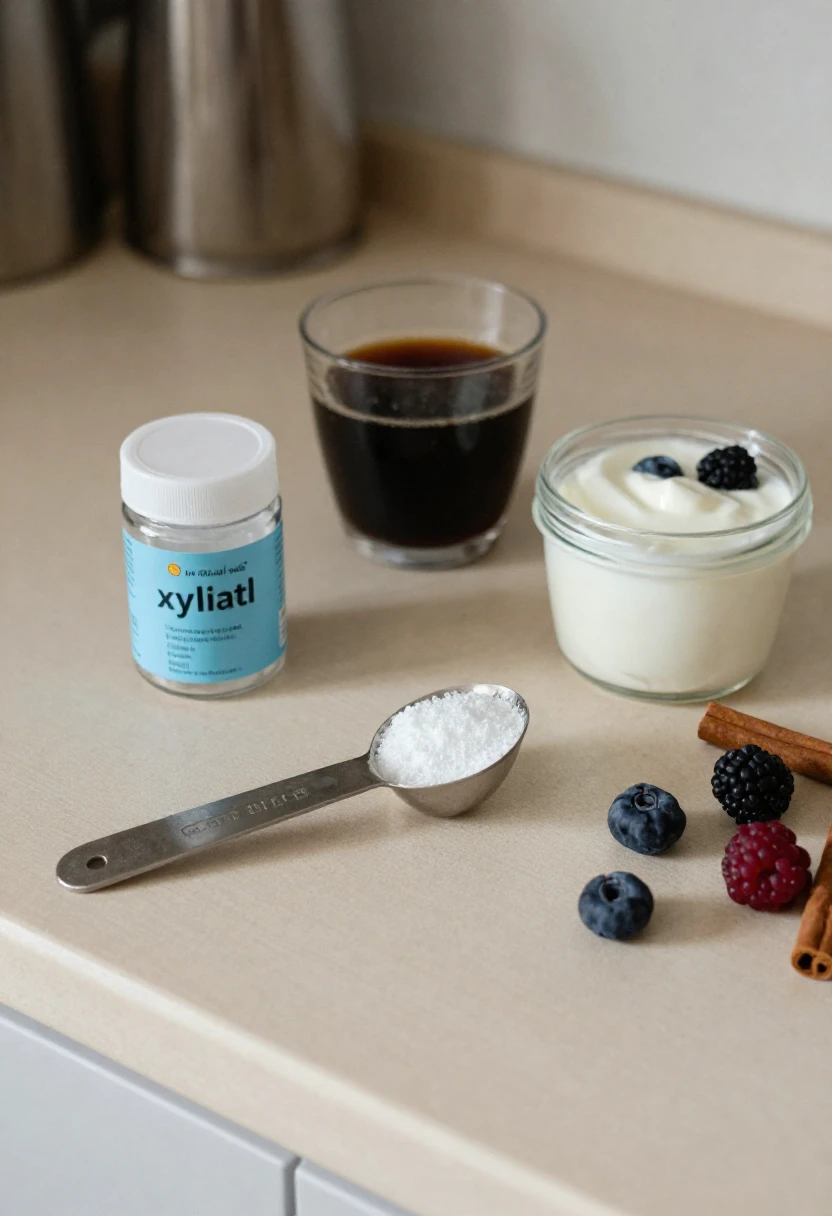
Xylitol works best when you use it with a light hand.
That may sound boring, but it is the most practical advice. You do not need to replace every spoonful of sugar in your kitchen with xylitol overnight. In fact, I would not. Your taste buds, digestion, recipes, and pets all need to be part of the decision.
Start with small swaps. A little in coffee. A little in plain yogurt. Maybe a small batch of sauce where you only need a touch of sweetness. See how your body reacts before you use it in a whole dessert.
Start with small amounts
If xylitol is new to you, begin with less than you think you need.
Try:
- 1/2 teaspoon in coffee or tea
- a small sprinkle over oatmeal
- a little stirred into Greek yogurt
- a small amount in homemade cranberry sauce
- one piece of xylitol gum after a meal
Then wait and notice. Not in an obsessive way. Just pay attention to your stomach.
If you feel fine, you can adjust slowly. If you notice bloating, cramps, or loose stools, your body may not like xylitol very much. That does not mean you did anything wrong. Some people simply handle sugar alcohols better than others.
Use it where it makes sense
Xylitol is most useful in foods where sugar is there mainly for sweetness.
It can work nicely in:
- coffee
- tea
- plain yogurt
- chia pudding
- smoothies
- homemade cocoa
- simple sauces
- low-sugar no-bake treats
- small batches of fruit compote
I would be more careful with recipes where sugar affects the structure. Cookies, caramel, yeast bread, and delicate cakes may not behave the way you expect if you swap sugar for xylitol.
A good rule: if the recipe depends on sugar for browning, chewiness, rise, or crisp edges, xylitol may disappoint you.
Do not treat xylitol like a health food
This is where people get a little too comfortable with sweeteners.
Xylitol can help reduce regular sugar, but it is not a vegetable. It is not a superfood. It does not turn candy, brownies, or protein bars into something your body automatically needs.
I would rather use xylitol to make a good habit easier than use it to justify a habit that is not really working.
For example, if it helps you move from very sweet coffee to lightly sweet coffee, useful. If it helps you enjoy plain yogurt instead of a sugary flavored one, also useful. But if it leads to eating a lot of sugar-free candy every night, that is not much of a win.
Your stomach may remind you of that quickly.
Check labels on sugar-free products
The front of a package can be loud. The ingredient list tells the quieter truth.
When you buy sugar-free gum, mints, chocolate, candy, or keto snacks, check what sweeteners are actually inside. You may see xylitol, erythritol, sorbitol, maltitol, stevia, sucralose, or a blend.
This matters for two reasons.
First, your digestion may react differently to different sweeteners. Maltitol, for example, is famous for causing stomach trouble in some people. Xylitol can do it too, especially in larger amounts.
Second, if you have a dog, xylitol-containing products need to be stored safely. A pack of gum in a purse can become a problem if your dog finds it.
Keep your sweetness habits flexible
The goal is not to find one perfect sweetener and use it forever.
Some days you may use a little xylitol. Some days you may use sugar. Sometimes honey or maple syrup makes more sense because the flavor belongs in the recipe. Other times, fruit gives enough sweetness on its own.
That flexibility makes eating feel less rigid.
If xylitol helps you cut back on sugar without upsetting your stomach, it can have a place in your kitchen. Just keep it as one option, not the whole strategy.
Xylitol vs other sweeteners
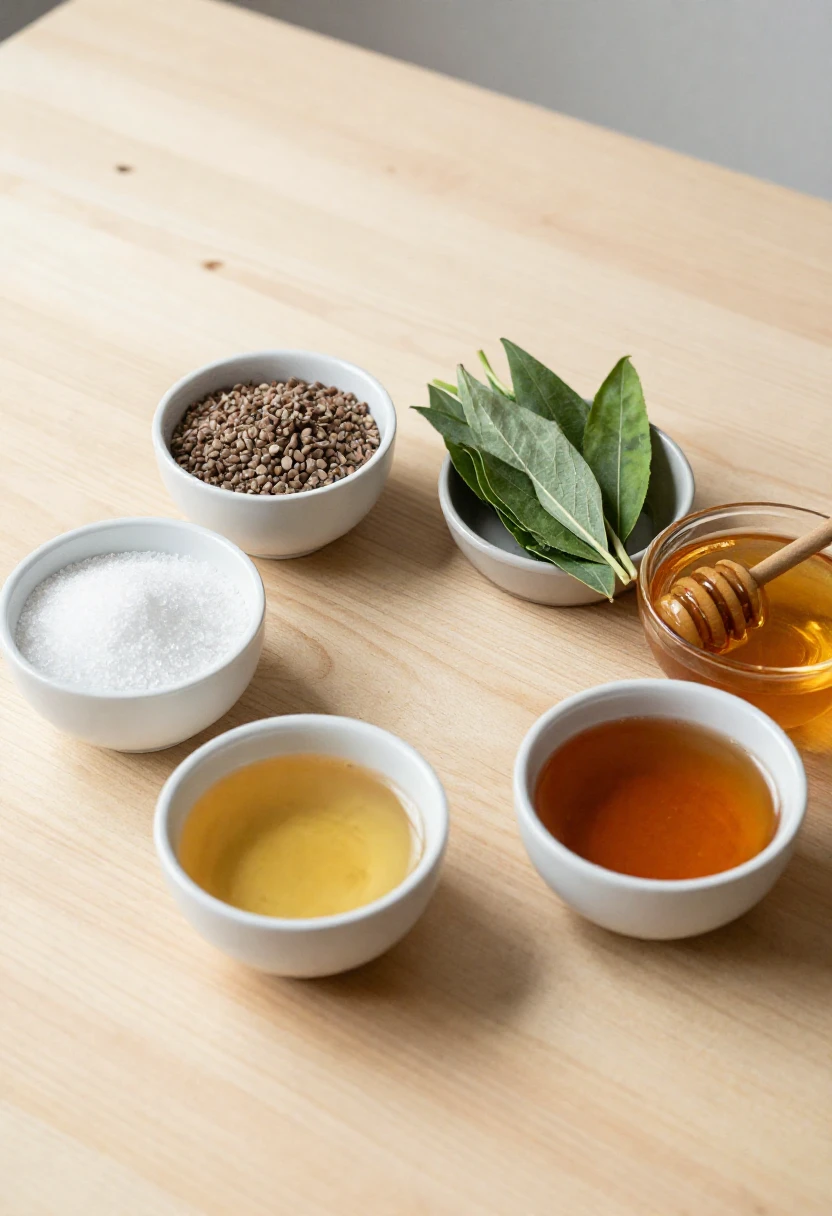
Xylitol is only one option in a very crowded sweetener aisle. And honestly, that aisle can get annoying fast.
One package says “natural.” Another says “zero sugar.” Another promises “keto-friendly,” “diabetic-friendly,” or “no calories.” Then you turn the bag around and find five ingredients you barely recognize.
So it helps to compare xylitol with sweeteners you may already know: sugar, erythritol, stevia, honey, and maple syrup.
None of them is perfect. They just behave differently.
Xylitol vs sugar
Sugar tastes familiar because most of us grew up with it. It browns beautifully, feeds yeast, gives cookies crisp edges, and helps cakes stay soft. From a cooking point of view, sugar is useful.
The downside is obvious: regular sugar can raise blood sugar more directly, adds calories quickly, and is easy to overeat in drinks, snacks, and desserts.
Xylitol has fewer calories than sugar and usually has less impact on blood sugar. It also has the dental-health advantage, especially in gum or mints.
But sugar is easier on digestion for many people, at least in small amounts. Xylitol can cause bloating or diarrhea if you use too much. It also does not behave exactly like sugar in baking.
So the choice depends on the job.
Use sugar when the recipe needs browning, rise, caramelization, or classic texture. Use xylitol when you mainly need sweetness and want to reduce regular sugar.
Xylitol vs erythritol
Erythritol is another sugar alcohol, and it is common in keto sweetener blends. It has fewer calories than xylitol and is often marketed as a very low-calorie sugar substitute.
Taste-wise, erythritol can have a stronger cooling effect than xylitol. Some people barely notice it. Others taste it immediately, especially in chocolate, frosting, or baked goods.
For digestion, erythritol may be easier for some people because much of it is absorbed before reaching the large intestine. But that does not mean everyone tolerates it perfectly. Sweetener tolerance is personal.
Both xylitol and erythritol have also been discussed in newer heart-health research, so I would avoid using large amounts of either every day.
My practical take: if you already use erythritol and like it, there may be no reason to switch. If you prefer a taste closer to sugar and use small amounts, xylitol may feel nicer. Just remember the dog safety issue. Erythritol is not the same pet emergency concern, while xylitol absolutely is.
Xylitol vs stevia
Stevia comes from the stevia plant, but the sweetener you buy is usually a purified extract or a blend. It is much sweeter than sugar, so you need only a tiny amount.
That is useful in drinks, but tricky in recipes.
A few drops or a pinch of stevia can sweeten tea, coffee, smoothies, or yogurt. But stevia does not add bulk, moisture, or texture. If you remove a cup of sugar from a cake and replace it with a tiny amount of stevia, the recipe will not act the same.
Stevia can also have a bitter or licorice-like aftertaste, especially if you use too much. Some people love it. I have never fully warmed up to it in coffee, but I do not mind it in a smoothie where fruit covers the edges.
Xylitol tastes more like sugar and measures more like sugar. Stevia is more concentrated and better when you only need a small sweetness boost.
Xylitol vs honey and maple syrup
Honey and maple syrup feel more “real food” than xylitol because they have flavor. Honey is floral and thick. Maple syrup is warm, woodsy, and perfect with oats, pancakes, roasted carrots, or yogurt.
But they are still sweeteners.
Honey and maple syrup contain sugar and can affect blood sugar. They also add calories. Their advantage is not that they are magically healthy; it is that they bring flavor, so you may be satisfied with a smaller amount.
That is why I still like them in certain recipes. A teaspoon of maple syrup in oatmeal tastes better to me than a larger amount of a neutral sweetener. Honey in a lemon dressing makes sense. Maple in baked apples makes sense.
Xylitol is different. It gives sweetness without that same flavor. That can be helpful in coffee or gum, but less interesting in recipes where the sweetener is part of the taste.
The best sweetener depends on what you are making
There is no single best sweetener for everything.
For dental care, xylitol gum makes sense.
For yeast bread, sugar or honey works better.
For a tiny sweetness boost in tea, stevia may be enough.
For oatmeal or roasted fruit, maple syrup tastes better.
For low-sugar yogurt, xylitol can work nicely if your stomach tolerates it.
The better question is not “Which sweetener is healthiest?” It is “What am I using this for, and how much do I actually need?”
That question usually leads to a smarter answer.
Who should avoid or limit xylitol?
Xylitol is safe for many adults in small amounts, but it is not the right sweetener for everyone.
That is not meant to sound dramatic. It is just how food works. Some ingredients look fine on paper and still do not feel good in your body. Xylitol is especially like that because the difference between “this works for me” and “never again” can be a few extra pieces of candy.
If you are curious about xylitol, use it carefully at first. If you already know your digestion is sensitive, be even more cautious.
People with digestive sensitivity
If you have IBS, frequent bloating, or a sensitive stomach, xylitol may be hard to tolerate.
Sugar alcohols can ferment in the gut, and that fermentation can create gas, cramps, and diarrhea. Some people can handle a small amount in gum, but not a full serving of sugar-free candy or dessert.
I would be especially careful with:
- sugar-free candies
- low-carb chocolate
- keto cookies
- protein bars
- large homemade desserts sweetened with xylitol
- several servings of xylitol gum or mints in one day
The problem is not always one tiny serving. It is the stacking. A piece of gum, then a sugar-free mint, then a protein bar, then a dessert after dinner. By the end of the day, your gut has had more xylitol than you realized.
People following a low-FODMAP diet
Xylitol is usually not a good fit for a strict low-FODMAP diet.
Sugar alcohols can be poorly absorbed and may trigger symptoms in people who are sensitive to fermentable carbohydrates. If you are using low-FODMAP eating to manage IBS symptoms, xylitol is one of those ingredients you should check carefully instead of assuming it is fine because it is “sugar-free.”
This is also where packaged foods can get frustrating. A snack may look low-sugar and healthy, but the sweetener blend may include xylitol, sorbitol, maltitol, or other sugar alcohols that your stomach does not tolerate well.
The front label rarely tells the whole story.
People with dogs at home
This one deserves repeating.
If you have a dog, xylitol needs special storage. It should not sit loose in a pantry, purse, backpack, gym bag, or bedside drawer. Even a pack of sugar-free gum can become dangerous if a dog gets into it.
You do not necessarily have to avoid xylitol completely if you have a dog, but you do need to treat it like a pet hazard.
That means:
- keep xylitol products in closed cabinets
- do not leave gum or mints in open bags
- check peanut butter labels before sharing with your dog
- tell guests not to leave sugar-free gum where pets can reach it
- avoid using xylitol in any homemade dog treats
I know this sounds fussy, but dogs are quick. One quiet minute is enough for them to find something they should not eat.
People who may be concerned about heart risk
Because newer research has raised questions about xylitol and cardiovascular health, some people may prefer to limit it until more is known.
That does not mean you need to panic over occasional xylitol gum. But if you already have a higher risk of heart disease, a history of clotting issues, or you simply prefer a cautious approach, it makes sense not to use large amounts of xylitol every day.
For most people, moderation is the sensible middle ground.
Use xylitol occasionally if it helps you reduce sugar. Do not turn it into the main sweetener in every drink, snack, sauce, and dessert.
Anyone who tends to overuse sugar-free foods
This might be the most common issue.
Sugar-free foods can make portions feel blurry. A regular candy might make you pause because you know it is candy. A sugar-free candy can sneak past that mental checkpoint. Suddenly you have eaten half the bag because it felt like a “better choice.”
Xylitol can be useful, but it does not remove the need for portion awareness.
If sugar-free foods make you eat more sweets overall, they may not be helping as much as you hoped. Sometimes the better move is to slowly reduce sweetness in everyday foods instead of constantly replacing sugar with another sweetener.
Your taste buds can adjust. Not overnight, and not perfectly, but they can.
Less sweet coffee. Plain yogurt with berries. Oatmeal with cinnamon and a small drizzle of maple syrup. Dark chocolate that actually tastes like chocolate instead of dessert pretending to be a health strategy.
Xylitol can fit into that kind of routine. It just should not run the whole routine.
Conclusion
Xylitol can be a useful sweetener, especially if you are trying to cut back on regular sugar or want a dental-friendly option in gum or mints. It tastes close to sugar, works well in simple foods, and may be easier on blood sugar than table sugar.
But it is not something I would treat casually.
Too much xylitol can upset your stomach. Newer heart-health questions are worth watching. And if you have a dog, xylitol needs to be stored with real care, because it can be dangerous for pets even in small amounts.
So is xylitol healthy? It depends on how you use it.
A piece of xylitol gum after lunch, a little in coffee, or a small amount stirred into plain yogurt can make sense for many people. A pantry full of sugar-free candy and desserts built around xylitol is a different story.
Use it as a small tool, not a daily shortcut. That is where xylitol fits best.
FAQ
Is xylitol better than sugar?
Xylitol has fewer calories than sugar and usually has less impact on blood sugar. It may also be better for dental health, especially when used in gum or mints. But sugar works better in many baking recipes, and xylitol can cause digestive side effects if you eat too much.
Can xylitol help prevent cavities?
Xylitol may help reduce cavity risk when used regularly in chewing gum, mints, toothpaste, or mouthwash. It does not feed certain mouth bacteria the same way sugar does, and chewing gum also increases saliva. Still, xylitol is not a replacement for brushing, flossing, and regular dental care.
Can you bake with xylitol?
You can bake with xylitol in some recipes, but it does not behave exactly like sugar. It may not brown as well, and it does not feed yeast properly. It works better in muffins, quick breads, simple cakes, and no-bake desserts than in yeast bread, caramel, or delicate cookies.
Is xylitol safe for dogs?
No. Xylitol is dangerous for dogs and can cause a rapid drop in blood sugar, seizures, liver problems, and even death. Keep xylitol gum, mints, peanut butter, toothpaste, baked goods, and sweetener bags away from dogs. If your dog eats xylitol, contact a veterinarian immediately.