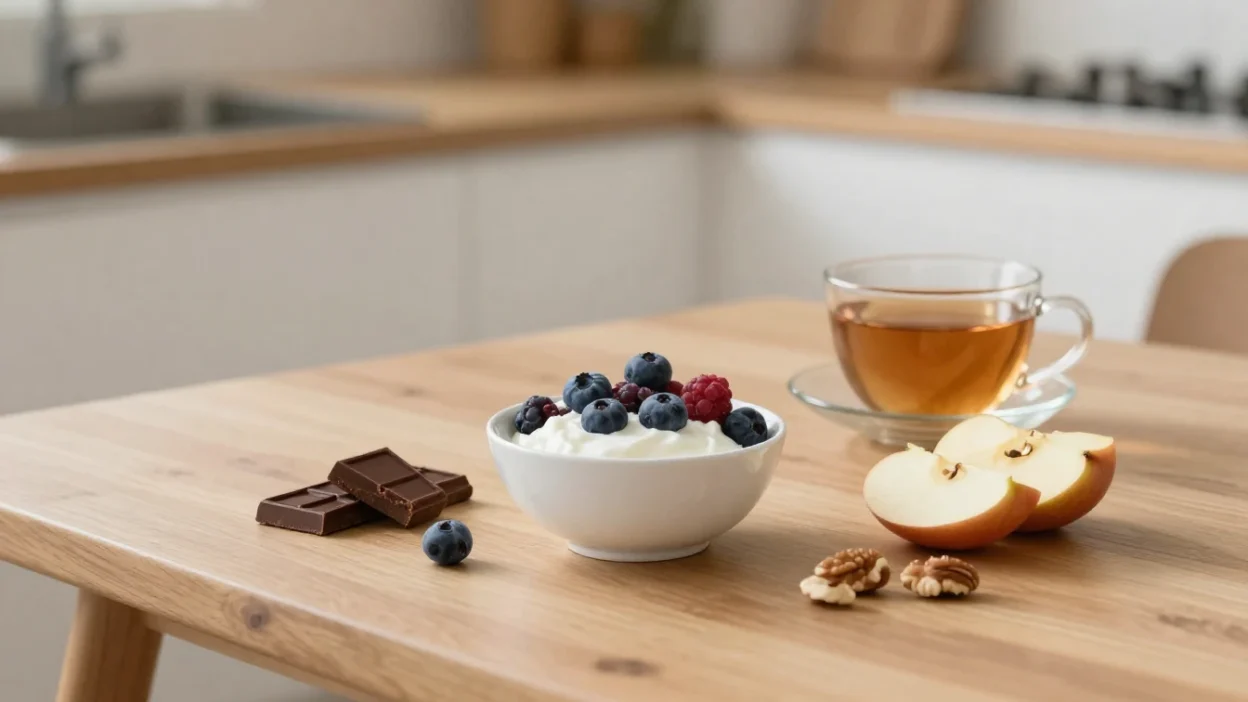
You know that very specific kind of craving.
It is not exactly hunger. Dinner may already be over. You may have eaten enough. The kitchen may even be clean, which makes the whole thing slightly more annoying. And still, something in your brain whispers: just a little chocolate. Maybe a cookie. Maybe that sweet coffee drink you promised yourself you would stop buying so often.
Sugar cravings can feel weirdly powerful, especially when they show up at the same time every day. After lunch. Around 3 p.m. When you are tired. When you are stressed. When you finally sit down at night and your body seems to ask for a reward.
The good news is that craving sugar does not mean you have no discipline. It usually means something much more practical is happening. Your meals may not be filling enough. Your blood sugar may be rising and dropping quickly. You may be sleeping poorly, skipping protein, drinking more sweetness than you realize, or simply repeating a habit your brain has learned to expect.
This article is not about quitting every sweet food and pretending fruit is birthday cake. I do not think that works for most people. It is about understanding why you crave sugar and finding simple ways to eat less of it without turning your day into a strict food rulebook.
What sugar cravings really feel like
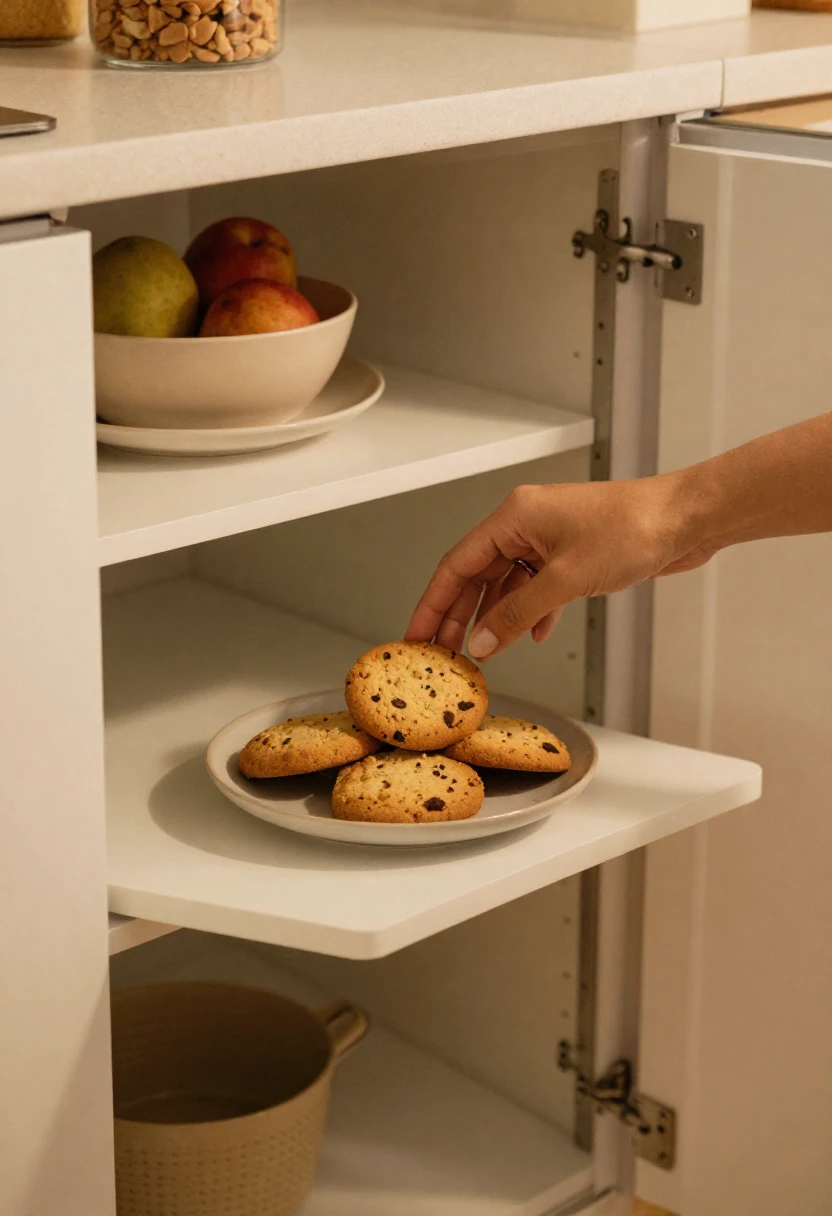
Sugar cravings are easy to joke about, but when you are in the middle of one, they can feel loud.
You may open the pantry without knowing what you are looking for. You may walk past the office snack table once, then circle back five minutes later. You may tell yourself you only want one small piece, then realize the sweet taste made you want more, not less.
That does not make you weak. It makes you human.
Sweet foods are quick, comforting, and easy to reach for. They do not ask you to chop vegetables, cook chicken, or wash a pan. A cookie is ready now. A soda is ready now. A spoonful of ice cream is cold, creamy, and emotionally convincing after a long day.
The “I just need something sweet” moment
For many people, sugar cravings have a rhythm.
Maybe you want something sweet after every meal. Maybe you crave candy when work gets stressful. Maybe you feel fine all morning, then suddenly hit that afternoon slump where coffee and something sugary feel like the only reasonable answer.
These moments matter because they show you the pattern behind the craving.
A craving after lunch may mean your meal was too light. A craving at night may be tied to routine or comfort. A craving during stress may have less to do with sugar itself and more to do with wanting a quick break from how your body feels.
I think this is where people often make the mistake of treating every craving as a moral problem. They say, “I need more willpower,” when the better question is usually, “What keeps setting this craving up?”
Craving, habit, or addiction?
People often use the phrase “sugar addiction” because cravings can feel intense. I understand why. If you keep reaching for sweets even when you planned not to, the word addiction can feel like the only one strong enough.
Still, for everyday eating, it helps to separate a few things.
A craving is a strong desire for a specific food. A habit is a repeated pattern, like wanting dessert after dinner because that is what your brain expects. A blood sugar crash can make you feel tired, shaky, irritable, and hungry again soon after eating something sweet or very refined.
Those things can overlap. They often do.
But calling every sugar craving an addiction can make the problem feel bigger and scarier than it needs to be. Sometimes the fix is not dramatic. Sometimes it is adding eggs or Greek yogurt to breakfast. Sometimes it is eating a real lunch instead of grazing. Sometimes it is making your coffee a little less sweet, slowly, so your taste buds have time to adjust.
Why shame makes cravings worse
The more forbidden sugar feels, the more powerful it can become.
You know how it goes. You decide you are “done with sugar.” You throw away the sweets, promise yourself a clean start, and then spend the next few days thinking about brownies with the focus of a detective. Eventually you eat something sweet, feel guilty, and decide the day is ruined.
That cycle is exhausting.
A calmer approach works better. Instead of asking, “How do I never eat sugar again?” ask, “How can I make sweet foods less automatic?” That one question changes everything. It gives you room to build better meals, adjust your habits, and still enjoy dessert when it is actually worth it.
How sugar affects your brain and appetite
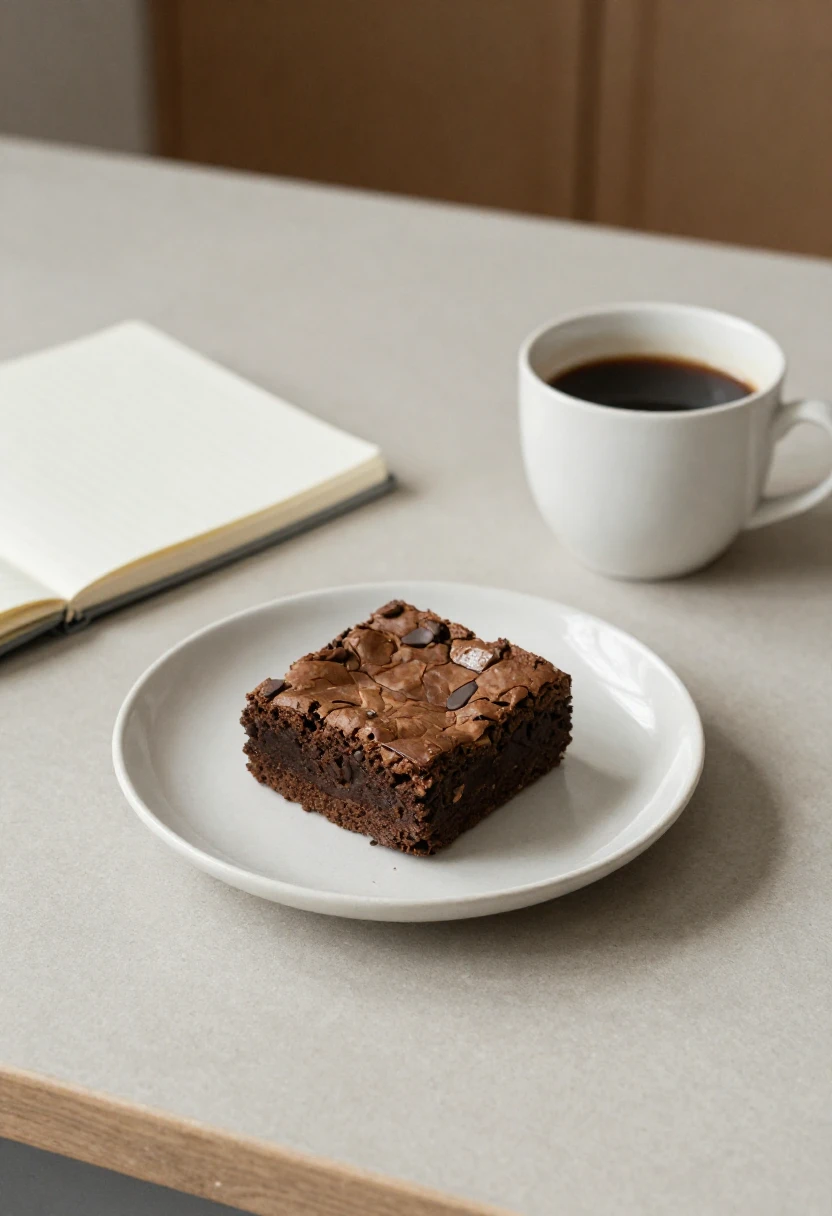
Sugar has a way of feeling useful in the moment.
It gives you quick pleasure. It can make a tired afternoon feel a little softer. It can turn a boring coffee into something that feels like a treat. And because sweet foods are easy to eat quickly, your brain learns the connection fast: sugar means comfort, energy, reward.
That does not mean sugar is evil. It means your brain is doing what brains do. It remembers what feels good.
The problem starts when sweet foods become the quickest answer to everything. Tired? Sugar. Stressed? Sugar. Bored? Sugar. Need a break from work? Sugar again. After a while, the craving is not only about taste. It is about the little ritual around it.
Why sweet foods feel rewarding
Sweet foods are enjoyable for a reason. Your brain responds to them as rewarding, especially when sugar comes with fat, salt, or a soft texture.
Think about chocolate, cake, donuts, sweet cereal, or cookies. They are not just sweet. They are creamy, crispy, buttery, fluffy, or crunchy. That combination makes them much harder to ignore than a plain spoonful of sugar.
This is why cravings often focus on specific foods. You may not want “sugar” in a general sense. You want the brownie with the chewy edge. The cold soda. The frosted pastry. The sweet latte with foam on top.
And honestly, that makes sense. Food is not just fuel. It is texture, smell, memory, habit, and comfort all mixed together.
Why cravings can become a loop
The more often you answer a craving with the same sweet food, the more your brain expects that pattern.
If you eat candy every afternoon at your desk, your body may start asking for it before you even feel hungry. If you always have dessert right after dinner, the meal can feel unfinished without something sweet. If you buy a sweet drink every time you run errands, the craving may start as soon as you get in the car.
This is not a personal failure. It is repetition.
The useful part is that habits can be changed, but they usually change better when you work with the pattern instead of attacking it. If your afternoon craving is really about needing a break, then replacing candy with nothing may feel miserable. But replacing it with Greek yogurt and berries, a short walk, tea, or a smaller planned sweet can feel much more realistic.
You are not only removing sugar. You are giving your brain a new routine.
The role of stress, sleep, and routine
Sugar cravings often get louder when life gets messy.
Poor sleep can make you hungrier the next day. Stress can make quick comfort foods more tempting. A rushed morning can lead to a weak breakfast, which turns into stronger cravings later. By the time you finally get a quiet moment, your body may be asking for the fastest comfort it knows.
This is why “just stop eating sugar” is such unhelpful advice.
If you are tired, underfed, and stressed, a bowl of candy on the counter is going to look very convincing. A better plan is to make the rest of your day more supportive. Eat meals that actually fill you. Keep easy snacks around that do not leave you crashing. Get sweetness from foods that bring more with them, like fruit, yogurt, oats, or a smoothie with protein.
And when you do eat dessert, eat it like you mean it. Put it on a plate. Sit down. Taste it. The goal is not to be perfect around sugar. The goal is to stop feeling pulled around by it all day.
Blood sugar spikes and crashes
One of the sneakiest things about sugar cravings is how quickly they can repeat.
You eat something sweet because you feel tired or snacky. For a little while, it works. You feel better. More awake. Maybe even calmer. Then an hour later, the tired feeling creeps back in, and somehow you want another sweet thing.
That second craving can feel confusing. Didn’t you just eat?
Often, this is where blood sugar comes in.
When you eat a lot of sugar by itself, especially in a drink or a low-fiber snack, it can move into your bloodstream quickly. Your body handles it, but the rise and fall can leave you feeling hungry again sooner than you expected.
What happens after eating sweets alone
A sweet snack on its own is usually easy to digest.
Candy, soda, sweet coffee, pastries, white toast with jam, or a bowl of sugary cereal can give you quick energy because there is not much protein, fiber, or fat to slow things down. The food tastes good, but it does not always stay with you.
That is why a muffin and coffee may feel like breakfast at 8 a.m. and feel like a mistake by 10:30.
Your body is not being dramatic. It just did not get much lasting fuel. A sweet breakfast can be enjoyable, but if it is mostly refined flour and sugar, it may not carry you through the morning.
This is one reason I like pairing sweet foods with something more filling. If I want toast with honey, I would rather add peanut butter or Greek yogurt on the side than pretend honey toast alone is going to keep me steady.
Why the crash makes you hungry again
A blood sugar crash does not always feel like obvious hunger.
Sometimes it feels like brain fog. Sometimes it feels like irritation. Sometimes you just feel strangely empty, even if you ate not long ago. And sometimes it shows up as a very specific thought: I need sugar now.
This is where the loop becomes frustrating.
The fastest thing to fix a low-energy feeling is often another sweet food. So you eat it, feel better for a short time, and then the same pattern can start again. It is not because you are failing. It is because your body is chasing quick fuel.
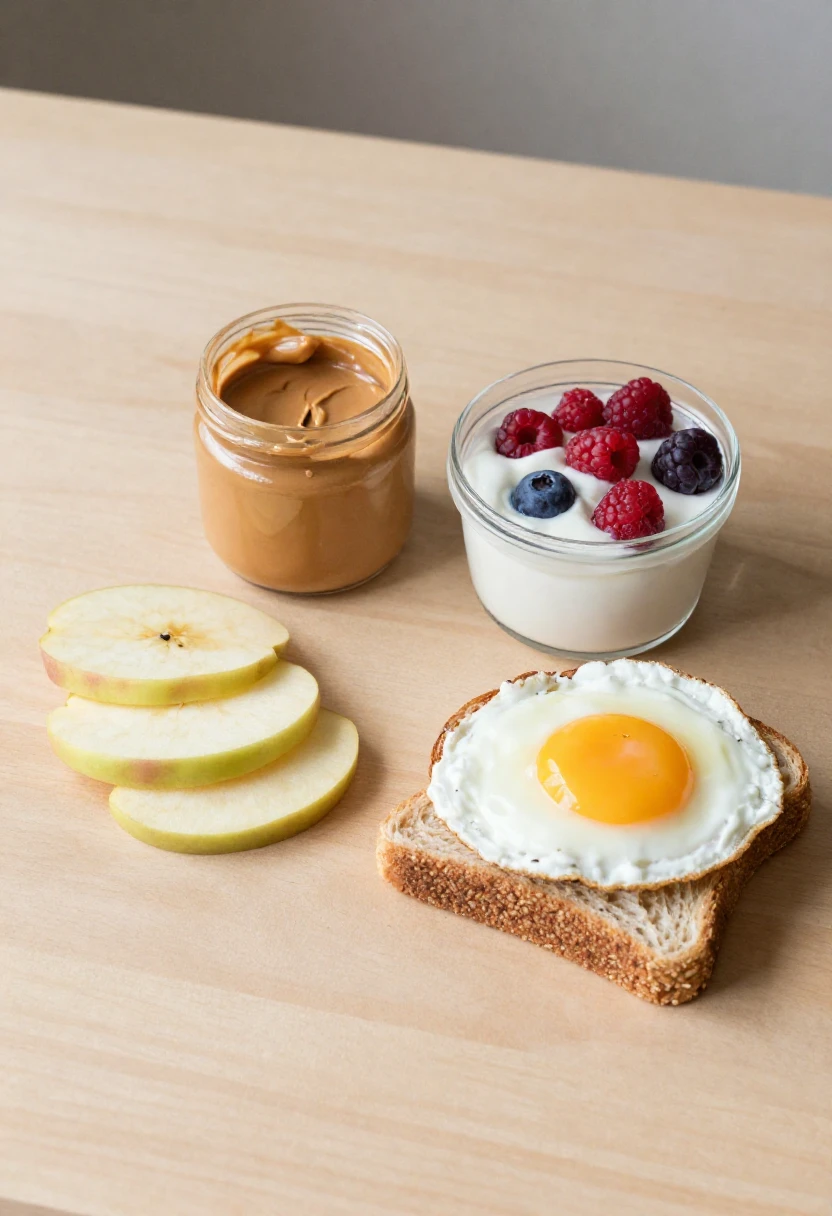
A steadier meal works differently. Protein, fiber, and fat slow digestion and help the meal last longer. That does not mean every snack needs to look perfect. Even small changes help.
Try:
- an apple with peanut butter
- Greek yogurt with berries
- cottage cheese with fruit
- oatmeal with nuts
- whole grain toast with eggs
- dates with walnuts
- hummus with whole grain crackers
These foods still give you something satisfying, but they are less likely to send you straight back to the pantry an hour later.
Why simple carbs can act like sugar
Not all sugar cravings start with candy.
Sometimes they come after a meal built mostly from refined carbohydrates: white bread, white pasta, crackers, pastries, sweet cereal, or chips. These foods are not all “bad,” and you do not need to fear them. But when they show up without enough protein or fiber, they can leave you hungry faster.
A big bowl of plain pasta may taste comforting, but pasta with chicken, lentils, vegetables, olive oil, and a little cheese will usually feel more satisfying. White toast alone disappears quickly. Toast with eggs or avocado has more staying power.
The point is not to remove every simple carb from your life. That gets boring fast.
The better move is to build around them. Add protein. Add fiber. Add fat. Give your body more to work with, and sugar cravings often become less urgent on their own.
Hidden reasons you may crave sugar
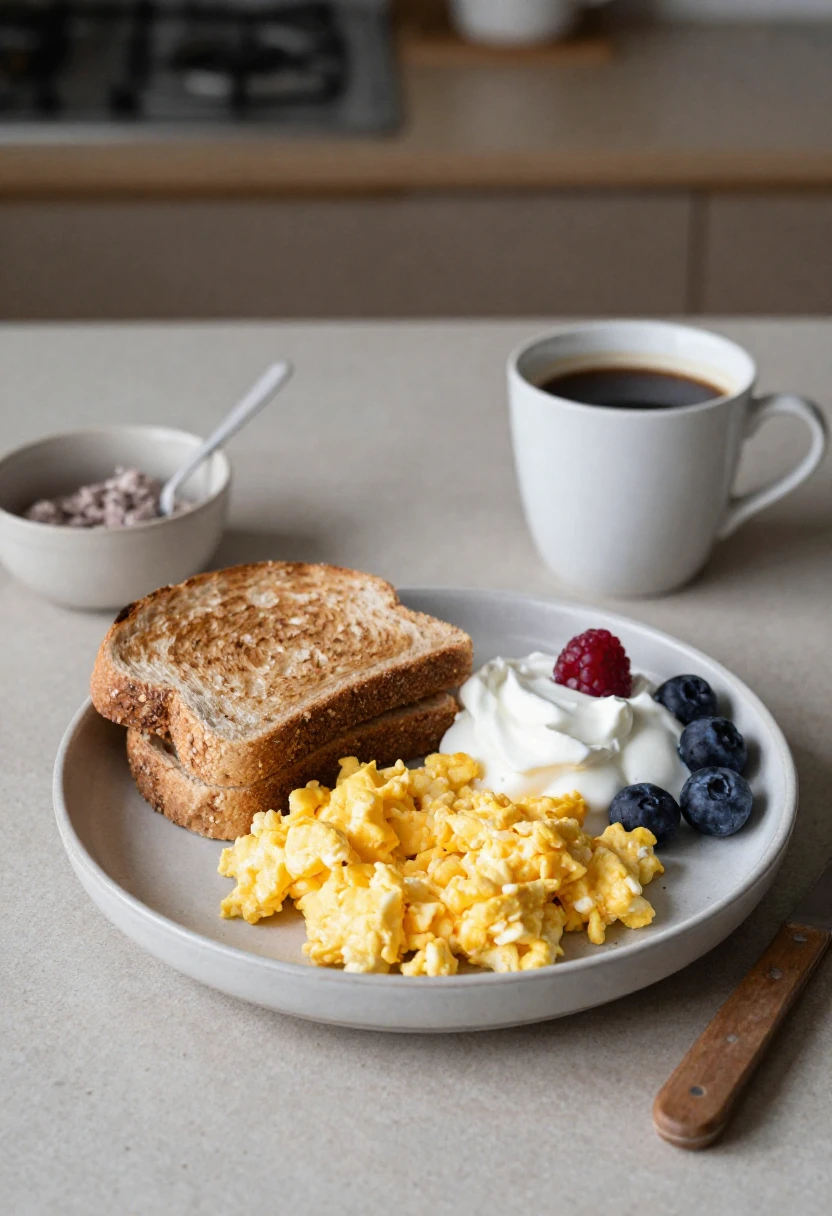
Sugar cravings are not always about sugar.
Sometimes they are your body’s very blunt way of saying, “This meal was not enough.” Or, “You waited too long to eat.” Or, “That sweet drink gave me energy for twenty minutes, and now I want another one.”
This is why cutting sugar without looking at the rest of your food can feel so hard. You can remove cookies from the house, but if breakfast is tiny and lunch is rushed, your cravings will probably come back with a louder voice.
Before blaming yourself, look at the basics.
You are not eating enough protein
Protein is one of the first things I look at when sugar cravings feel constant.
A breakfast of coffee and toast may taste fine, but it often does not hold you for long. A salad with only vegetables may look healthy, yet leave you hunting for chocolate an hour later. Even a smoothie can be too light if it is mostly fruit juice and frozen berries.
Protein helps meals feel more complete. It gives your body something slower and steadier to use.
That does not mean you need a huge steak at every meal. Small, practical additions work well:
- eggs with breakfast
- Greek yogurt with fruit
- cottage cheese on toast
- chicken or tuna in a lunch bowl
- beans or lentils in soup
- tofu or tempeh in stir-fry
- nut butter with fruit
- hummus with vegetables or crackers
I like this approach because it does not start with taking things away. You add something useful first. A more filling breakfast can make the afternoon cookie feel less urgent. A better lunch can make the vending machine less interesting.
Your meals are low in fiber
Fiber is not glamorous, but it does a lot of quiet work.
It slows digestion, helps meals feel fuller, and gives your plate more texture. You get it from foods like vegetables, fruit, beans, lentils, oats, barley, brown rice, whole grain bread, nuts, and seeds.
A low-fiber day can sneak up on you. White toast for breakfast, plain pasta for lunch, a sweet coffee in the afternoon, and then by evening your body is asking for something. Loudly.
Adding fiber does not have to mean eating a sad bowl of raw vegetables. It can be much more normal than that.
Add berries to yogurt. Stir lentils into soup. Put beans in a rice bowl. Choose oats instead of sweet cereal a few mornings a week. Add roasted vegetables to pasta. Keep apples, pears, or oranges around for snacks that actually take a little time to eat.
The goal is not to turn every meal into a wellness poster. It is to give your body more staying power.
You are skipping meals or eating too little
This one sounds obvious, but it is easy to miss.
Many people try to “be good” during the day, then wonder why they feel out of control around sugar at night. But if you under-eat for hours, your body will usually ask for fast energy later. Sugar is fast. So the craving makes sense.
Skipping breakfast may work for some people, but for others it turns into stronger afternoon cravings. A very light lunch can do the same. So can eating “clean” meals that do not have enough calories, carbs, or fat to feel satisfying.
And yes, sometimes the healthy-looking meal is the problem.
A bowl of greens with cucumber and lemon juice may look disciplined, but it is not much of a lunch. Add chicken, beans, tofu, eggs, avocado, olive oil, rice, quinoa, or whole grain bread, and suddenly your body has a reason to calm down.
If your sugar cravings always hit at night, look backward. Did you eat enough earlier? Did lunch have protein? Did you avoid carbs all day and then crave cookies after dinner? Your cravings may be less mysterious than they feel.
Your drinks are sweeter than you think
Sweet drinks can quietly train your taste buds to expect sugar all day.
Soda is the obvious one, but it is not the only one. Flavored coffee drinks, bottled teas, juices, lemonades, sports drinks, smoothies, and even some “healthy” bottled beverages can carry a lot of sweetness.
The tricky part is that drinks do not always feel like food. You may not count them as a snack, but your body still gets the sugar. And because liquid calories are easy to drink quickly, they may not keep you full the way solid food does.
You do not have to switch from caramel lattes to plain black coffee overnight. That sounds miserable if you genuinely enjoy sweet coffee.
Start smaller. Ask for one less pump of syrup. Choose a smaller size. Mix juice with sparkling water. Drink sweet tea less often, not never. Try cinnamon, vanilla, or milk foam for flavor without making everything taste like dessert.
Taste buds adjust, but they need time. Give them that time.
How to reduce sugar without quitting everything
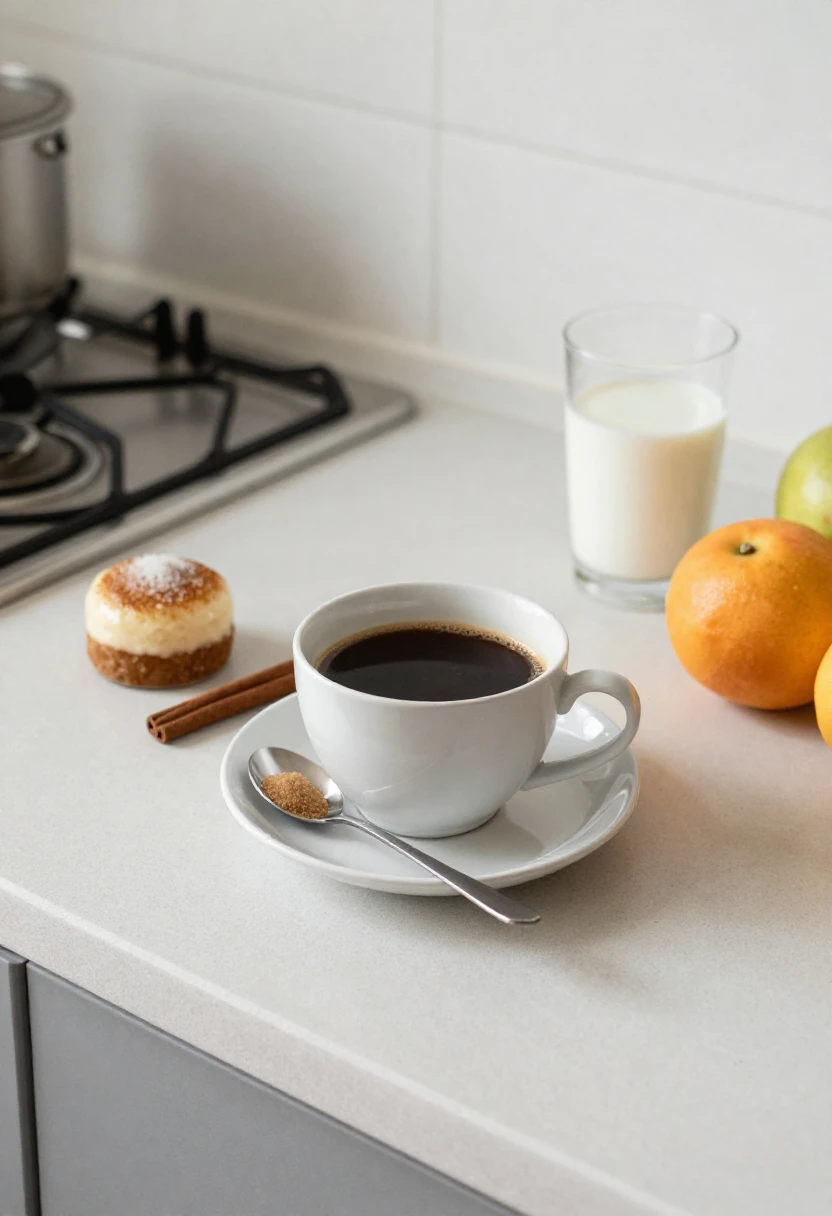
The fastest way to make sugar feel more powerful is to ban it completely.
Some people do well with strict rules. Most people, in my experience, do not. They white-knuckle their way through a few clean days, then eat one cookie and feel like they failed. After that, the whole plan falls apart.
A better approach is quieter. Less dramatic. You change the habits around sugar before you try to change your whole personality around dessert.
You do not need to go from sweet coffee, afternoon snacks, and nightly dessert to plain oatmeal and herbal tea by Monday. Start with the sugar habit that shows up most often, then make that one easier to manage.
Start with one sugar habit
Pick one place where sugar has become automatic.
Not the place where you enjoy it most. The place where you barely notice it anymore.
Maybe it is the spoonfuls of sugar in your morning coffee. Maybe it is the soda you drink with lunch. Maybe it is grabbing candy every afternoon because it sits near your desk. Maybe it is dessert after dinner, even when you are not really in the mood.
That automatic sugar is the easiest place to begin because you are not removing a special moment. You are interrupting a habit.
Try asking yourself:
- Do I actually enjoy this, or is it just routine?
- Would I miss it if it were smaller?
- Is this craving about sweetness, hunger, stress, or needing a break?
- What would make this moment feel satisfying with less sugar?
Sometimes the answer is simple. Move the candy bowl out of sight. Buy the small chocolate bar instead of the family-size bag. Drink water before the soda. Add a real snack at 3 p.m. so you are not trying to solve hunger with sugar alone.
Small changes count here. They count more than people give them credit for.
Reduce sweetness slowly
Your taste buds can adjust, but they rarely enjoy being shocked.
If you usually drink very sweet coffee, switching to black coffee overnight may make you hate everyone for three days. Not worth it. Reduce the sweetness gradually instead.
Use a little less sugar this week. Then a little less next week. Ask for fewer pumps of syrup. Mix sweetened yogurt with plain yogurt. Dilute juice with sparkling water. Choose cereal that is less sweet, then add fruit so breakfast still tastes good.
This slow approach may not sound exciting, but it works because it does not make your brain panic.
Over time, foods that used to taste normal can start tasting too sweet. That is a strange little victory. You notice the frosting is heavier than you remembered. The soda tastes almost syrupy. The coffee shop drink that once felt necessary now feels like dessert in a cup.
That shift does not happen because you punished yourself. It happens because you gave your palate a chance to reset.
Keep the foods you truly enjoy
This part matters.
Do not waste your sugar budget on sweets you barely like.
If you love homemade apple pie, enjoy the apple pie. Sit down, eat it slowly, and let it be good. But maybe skip the random office cookie that tastes like cardboard. Maybe do not keep candy around just because it was on sale. Maybe stop drinking sweet beverages you do not even notice after the first few sips.
I like thinking of this as choosing the sweets that are worth it.
A warm brownie with a crisp edge? Worth it sometimes. A stale packaged donut eaten while standing over the sink? Usually not. A scoop of good ice cream after dinner with friends? Lovely. Three handfuls of candy because you skipped lunch? That is not really pleasure. That is your body trying to recover.
The goal is not to become the person who says no to cake forever. The goal is to stop saying yes to sugar you do not even enjoy.
Make your environment easier
Willpower gets tired. Your kitchen can help.
If sweets are visible, easy to grab, and available in large portions, you will think about them more often. That does not mean you can never keep dessert at home, but it does mean the setup matters.
Keep fruit where you can see it. Put yogurt, cottage cheese, boiled eggs, hummus, or cut vegetables in easy reach. Buy smaller portions of sweets if large packages are hard for you to stop eating. Keep dessert in a cabinet instead of on the counter. Do not store your biggest trigger food at home “just in case” if the case happens every night.
And make better snacks almost too easy.
Wash the berries. Portion the nuts. Keep apples in a bowl. Make overnight oats. Put sparkling water in the fridge if it helps you drink less soda. These are not glamorous changes, but they remove friction.
When your environment supports you, eating less sugar stops feeling like a daily negotiation.
Better sweet choices that still feel satisfying
Eating less sugar does not mean your snacks need to become joyless.
I know the usual advice: “Just eat fruit.” And yes, fruit is great. But if you are craving a creamy dessert or a chewy cookie, a plain apple may not feel like a fair trade. It might be healthy, but it may not answer the craving.
The trick is to build sweet snacks that feel satisfying in more than one way. Sweetness helps, but texture matters too. Creamy, crunchy, cold, warm, chewy, salty, rich. Those little details make a snack feel finished.
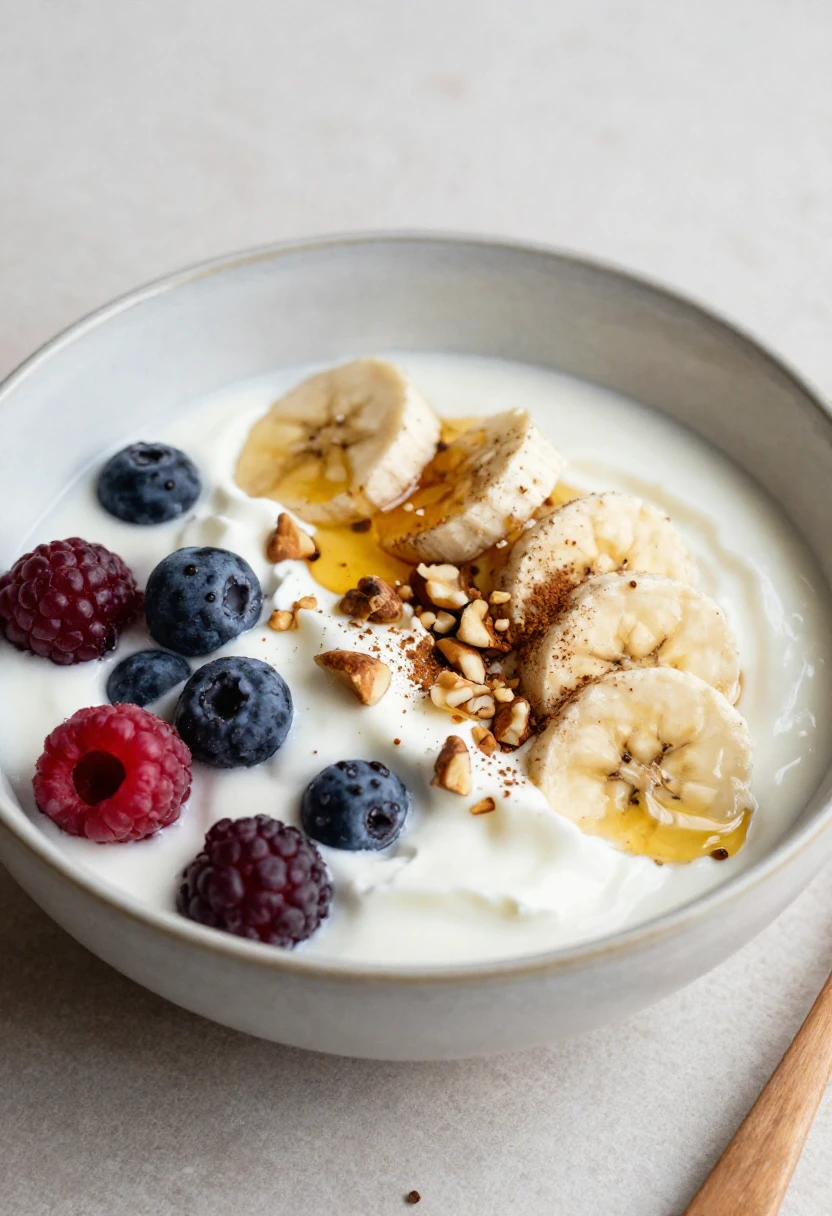
A bowl of berries is nice. Berries with thick Greek yogurt, a few chopped nuts, and a drizzle of honey? Much better. Still simple, still sweet, but it gives your body more to work with.
Fruit with protein or fat
Fruit is one of the easiest ways to keep sweetness in your day while getting fiber, water, and a slower eating experience.
But fruit works even better when you pair it with protein or fat. That pairing makes the snack more filling and less likely to leave you looking for something else ten minutes later.
Try combinations like:
- apple slices with peanut butter
- banana with walnuts
- berries with Greek yogurt
- pear with cottage cheese
- orange slices with a handful of almonds
- dates stuffed with nut butter
- grapes with cheese
- peach slices with plain yogurt and cinnamon
These snacks still taste sweet, but they do not feel as flimsy as candy on an empty stomach.
One of my favorite easy snacks is Greek yogurt with berries and a few crushed nuts on top. It takes about two minutes, but it feels like something you actually made. The yogurt is cold and creamy, the berries give you that sweet-tart bite, and the nuts make it more filling.
That is the kind of snack that can calm a craving instead of feeding the next one.
Oatmeal, yogurt, and simple homemade snacks
Some sweet foods become much better when you make them slightly more balanced.
Oatmeal is a good example. Plain oatmeal can feel boring. Very sweet instant oatmeal can taste good for a moment but may not hold you long. Somewhere in the middle is the useful version: oats cooked with milk, cinnamon, banana, and a spoonful of peanut butter. Sweet, warm, filling.
Yogurt works the same way. Instead of buying only very sweet flavored yogurt, try mixing half plain yogurt with half flavored yogurt. Or use plain Greek yogurt and add berries, vanilla, cinnamon, or a small drizzle of maple syrup. You still get sweetness, but you control how much.
A few easy homemade options:
- overnight oats with berries and chia seeds
- banana oat muffins with less added sugar
- plain yogurt with fruit and granola
- apple slices baked with cinnamon
- chia pudding with cocoa and berries
- smoothie with fruit, milk, and protein-rich yogurt
- whole grain toast with ricotta, berries, and honey
None of these need to be perfect “healthy desserts.” They just need to help you feel satisfied without leaning on sugar alone.
Dark chocolate, dates, and baked fruit
Some sweet choices feel more like dessert, and that is useful too.
Dark chocolate can work well because the flavor is stronger, so a smaller amount may feel satisfying. Dates are very sweet, but they also have a chewy texture that makes them feel more substantial than candy. Baked fruit, especially apples, pears, peaches, or berries, can taste cozy and dessert-like without needing much added sugar.
Try:
- dark chocolate with almonds
- dates with peanut butter
- baked apple with cinnamon and Greek yogurt
- warm berries over oatmeal
- pear slices with ricotta
- frozen banana blended into a creamy dessert
- cocoa yogurt with berries
I would not pretend these foods are magic. A date is still sweet. Chocolate is still chocolate. That is fine.
The point is not to trick yourself. The point is to choose sweet foods that bring something else to the table: fiber, protein, fat, texture, or a slower way of eating.
When dessert is simply dessert
Sometimes the best sweet choice is the real dessert.
Not a “healthy version.” Not a sad substitute. Just the slice of cake, the scoop of ice cream, the cookie from the bakery, the warm brownie you have been thinking about since lunch.
There is nothing wrong with that.
What matters is how often sugar becomes automatic and how often it leaves you feeling worse. A dessert you genuinely enjoy, eaten slowly after a balanced meal, is very different from eating random sweets all afternoon because you are tired and underfed.
I would rather see someone enjoy dessert a few times a week than spend every night grazing through “healthy” substitutes that never quite satisfy them.
So eat the dessert when it is worth it. Put it on a plate. Taste it properly. Then move on with your life. No drama, no food guilt, no promise that tomorrow you will become a completely different person.
Build meals that calm cravings
If sugar cravings keep showing up, I would look at your regular meals before blaming dessert.
A lot of cravings begin hours earlier. Breakfast was too small. Lunch had almost no protein. Dinner was mostly refined carbs. You did eat, technically, but your body did not get enough of what helps it feel steady.
This is where balanced meals make a real difference. Not perfect meals. Not beautiful meal-prep containers. Just meals that have enough protein, fiber, and fat to keep you from feeling like you need sugar every two hours.
Protein at breakfast
Breakfast sets the tone for a lot of people.
A sweet coffee and a piece of toast may feel enough at first, but it can leave you chasing energy by mid-morning. The same thing can happen with a bowl of sugary cereal, a pastry, or a fruit-only smoothie.
Adding protein makes breakfast more useful.
Try:
- scrambled eggs with whole grain toast
- Greek yogurt with berries and nuts
- cottage cheese with fruit
- oatmeal with milk, chia seeds, and peanut butter
- tofu scramble with vegetables
- whole grain toast with avocado and eggs
- a smoothie with Greek yogurt or protein-rich milk
You do not need to eat a huge breakfast if that does not feel good to you. Even a small protein upgrade can help. Add yogurt next to your fruit. Add eggs next to your toast. Add peanut butter to oatmeal. Make the meal a little sturdier.
A sturdier breakfast often means fewer “why am I craving cookies before lunch?” moments.
Fiber at lunch and dinner
Fiber helps meals last longer, and it makes your plate more interesting.
The easiest way to add more fiber is not to overhaul everything. Keep the meal you already like, then add one fiber-rich food.
If you are making pasta, add vegetables or lentils. If you are making rice, add beans, roasted vegetables, or a side salad. If you are making a sandwich, use whole grain bread and add tomato, greens, or avocado. If you are making soup, add barley, beans, split peas, or extra vegetables.
Good fiber-rich foods include:
- beans
- lentils
- chickpeas
- oats
- barley
- berries
- apples and pears
- vegetables
- potatoes with the skin
- brown rice
- quinoa
- whole grain bread
- nuts and seeds
Fiber does not need to be complicated. A handful of spinach in eggs counts. Beans in a bowl count. Frozen vegetables stirred into soup count. This is regular food doing regular work.
Healthy fats for staying full
Fat helps meals feel satisfying.
That does not mean every meal needs to be heavy. It means a little fat can make food taste better and help you feel more finished after eating. This matters because unsatisfying meals often lead to snack hunting.
Think olive oil on roasted vegetables. Avocado in a bowl. Nuts on yogurt. Seeds in oatmeal. Salmon for dinner. A little cheese in a salad. Peanut butter with an apple.
These foods add flavor and texture, not just calories.
A plain bowl of vegetables and rice may leave you wanting something else. Add chicken, olive oil, avocado, or tahini sauce, and suddenly it feels like a meal. That difference matters.
The simple plate formula
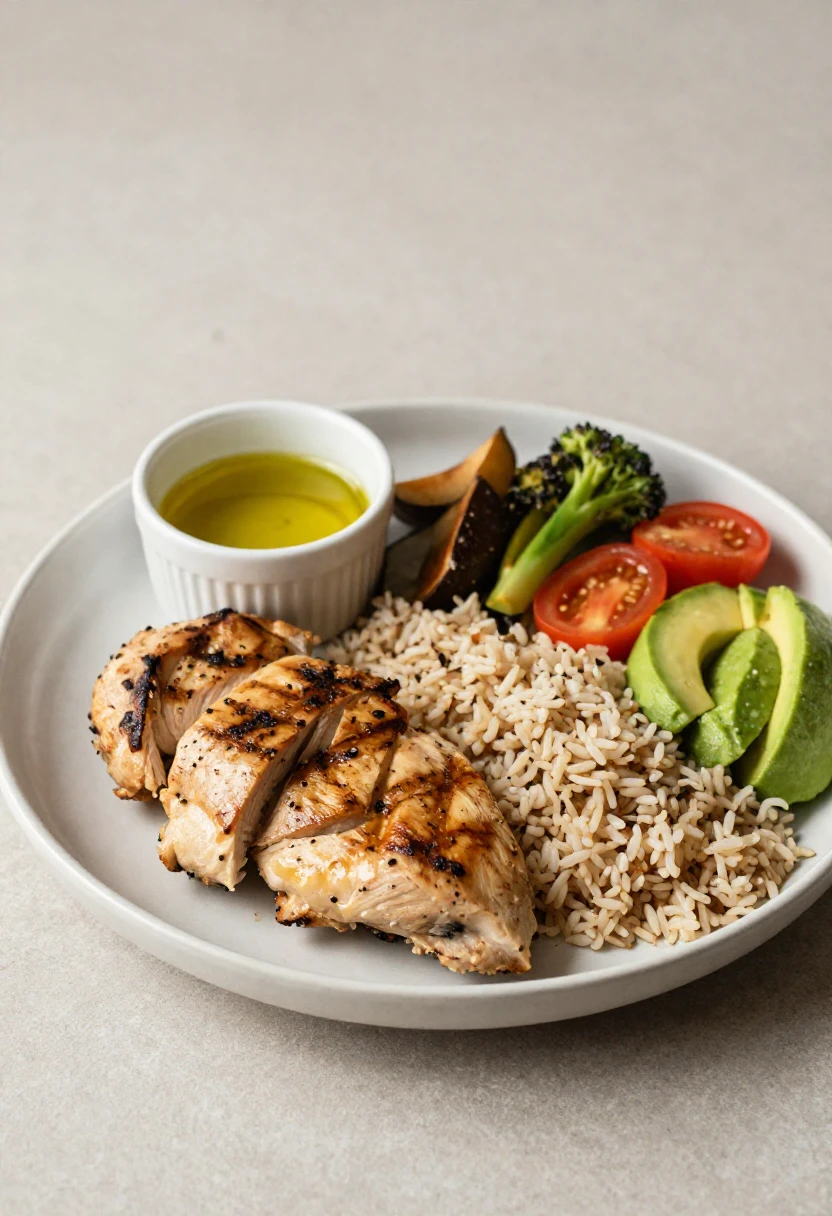
When you do not know what to eat, use a simple plate formula:
- protein
- fiber-rich carb
- vegetables or fruit
- fat
That might look like eggs, whole grain toast, berries, and avocado at breakfast. Or chicken, brown rice, roasted vegetables, and olive oil at lunch. Or lentil soup with whole grain bread and a side salad for dinner.
It does not need to be exact. It just gives you a way to check the meal.
If your plate is only carbs, add protein. If it is only protein and vegetables, add a fiber-rich carb so you do not feel deprived later. If it tastes flat and leaves you unsatisfied, add a little fat or sauce.
This is one of the simplest ways to eat less sugar without constantly thinking about sugar. You build meals that make cravings quieter.
Lifestyle habits that help with sugar cravings
Food matters, but cravings do not live only in your kitchen.
They also show up when you are tired, stressed, bored, rushed, or running on too little sleep. That is why sugar cravings can feel worse during busy weeks, even if you are eating the same way you usually do.
Your body does not separate everything into neat little boxes. Sleep affects hunger. Stress affects appetite. Movement affects energy. Routine affects what you reach for without thinking.
So yes, add protein. Eat more fiber. Make your snacks more filling. But also look at the way your day is built, because sometimes sugar is the thing you use to survive a schedule that is asking too much from you.
Sleep changes cravings more than people expect
Bad sleep can make sugar cravings louder.
You may notice it after a short night. The next day, coffee sounds more necessary. Sweet snacks look more interesting. A normal lunch may not feel satisfying. By late afternoon, your brain starts asking for fast energy, and sugar is the fastest answer it knows.
This does not mean you need perfect sleep before you can eat well. Nobody needs another impossible standard.
But if your cravings feel intense and random, look at your sleep for a week. Are you staying up too late? Waking often? Scrolling in bed until your brain feels fried? Sleeping five or six hours and expecting your appetite to behave normally?
A better bedtime will not magically remove every craving, but it can lower the volume.
Try making the evening slightly easier on your future self. Set a rough cutoff for caffeine. Keep dinner satisfying enough that you are not grazing all night. Move your phone away from the bed if you keep falling into the same scroll trap. Even thirty extra minutes of sleep can make the next day feel less snack-driven.
Movement helps reset the pattern
Movement can help with sugar cravings, but not as punishment.
I really do not like the idea of “earning” food with exercise. That turns eating into accounting, and most people already have enough guilt around sugar.
Think of movement as a pattern break instead.
A short walk after lunch can help you get out of the sleepy desk slump. Stretching in the evening can replace the automatic trip to the pantry. A quick workout can improve your mood enough that you do not need to hunt for comfort in the snack cabinet quite as often.
It does not have to be intense. In fact, when cravings are tied to stress, gentle movement may work better than pushing yourself hard.
Try:
- a ten-minute walk after meals
- stretching while tea brews
- light strength training a few times a week
- walking during phone calls
- dancing in the kitchen while dinner cooks
- taking the stairs when it feels reasonable
Small movement gives your body a different signal. You are not stuck. You are not only tired and reaching for sugar. You are changing the moment before the craving takes over.
Stress snacks need better replacements
Stress cravings are tricky because they are not always about hunger.
Sometimes you need food. Sometimes you need rest. Sometimes you need five quiet minutes where nobody asks you a question. Sugar gets pulled into this because it is quick and comforting, and because it gives you a small pause in the middle of a messy day.
That pause is real. Do not ignore it.
If your stress snack is the only break you get, removing it without replacing the break will feel awful. So keep the break. Change what happens inside it.
Make tea and sit down for five minutes. Step outside. Eat a real snack with protein. Put a square of chocolate on a plate with fruit instead of eating straight from the bag. Text a friend. Breathe for a minute before opening the pantry. It may sound too simple, but that tiny pause can help you decide what you actually need.
Sometimes you will still choose the cookie. Fine. Eat the cookie.
But when stress is the trigger, the long-term goal is to build more ways to feel soothed, not to prove you can live without dessert.
What not to do when cutting back on sugar
Trying to eat less sugar can bring out the dramatic side of people.
One day you are just adding less sugar to your coffee. The next day you are reading every label, swearing off birthday cake, and wondering if a banana is “too much.” That kind of panic does not help. It usually makes food feel smaller, stricter, and more stressful than it needs to be.
Eating less sugar works better when it feels normal enough to keep doing.
You are not trying to win a purity contest. You are trying to feel steadier, reduce automatic cravings, and make sweet foods less controlling. That takes patience. And a little common sense.
Do not go extreme overnight
A sudden sugar ban can feel motivating at first.
You clear the pantry. You skip dessert. You drink unsweetened everything. You tell yourself this is the new you.
Then life happens. Someone brings cupcakes. You sleep badly. Work runs late. You get hungry and tired, and suddenly the plan feels impossible. One sweet food turns into a “well, I already ruined it” moment.
That all-or-nothing thinking is the part I would avoid.
Instead of quitting sugar overnight, reduce the easiest sources first. Sweet drinks are a good place to start. So are snacks you eat out of habit rather than enjoyment. Make your breakfast more filling. Add protein to lunch. Eat dessert less automatically, not never.
Slow progress can feel less impressive, but it is usually more useful.
Do not replace every sweet with artificial sweetness
Sugar substitutes can help some people. I do not think they need to be treated like villains.
But there is a difference between using a little sweetener and keeping everything intensely sweet all day. If every drink, yogurt, snack, protein bar, and dessert replacement tastes very sweet, your taste buds may never get a real break.
That can make naturally sweet foods taste less satisfying.
Fruit may seem boring. Plain yogurt may taste impossible. Oatmeal may need a mountain of syrup before it feels good. The sweetness level stays high, even if the sugar number on the label is lower.
If you use sugar-free products, pay attention to how they affect your cravings. Do they help you feel satisfied? Or do they keep you looking for more sweet food?
There is no single answer for everyone. Just be honest with yourself. If diet soda helps you stop drinking regular soda, that may be a useful step. If it makes you crave candy every afternoon, it may not be helping as much as it seems.
Do not ignore hunger
This is the big one.
A lot of sugar cravings are hunger wearing a costume.
You may call it a sweet tooth, but your body may simply need lunch. Or more protein. Or enough carbs. Or a snack that is not just coffee and hope.
If you are trying to reduce sugar while also eating too little, the cravings will probably get stronger. Your body is practical. When energy feels low, it asks for fast fuel. Sugar is fast fuel.
So before fighting a craving, check the basics:
- Did I eat a real meal today?
- Did that meal have protein?
- Did I include fiber-rich carbs or vegetables?
- Have I gone too long without eating?
- Am I tired, thirsty, or stressed?
- Would a proper snack help more than another sweet drink?
Sometimes the answer is dessert. Sometimes the answer is dinner.
And sometimes the most effective way to eat less sugar is to stop underfeeding yourself during the day.
A simple 7-day plan to reduce sugar cravings
You do not need a perfect sugar detox.
Actually, I would avoid anything that sounds like a detox. It usually turns eating into a short-term challenge, and then everyone acts surprised when old habits come back the next week.
A better plan is slower and more honest. For one week, pay attention to the sugar habits that repeat, then change one or two of them in a way you can actually keep.
This 7-day plan is not about being strict. It is about making sugar less automatic.
Day 1–2: notice your main sugar trigger
For the first two days, do not change much.
Just watch.
When do you crave sugar most? Is it after lunch? Before dinner? Late at night? When you are tired? When you are working? When you feel annoyed, bored, lonely, or overwhelmed?
Write it down if that helps. Nothing fancy. A few notes on your phone is enough.
Try noticing:
- the time of day
- what you ate before the craving
- how hungry you felt
- how tired you felt
- what sweet food you wanted
- whether the craving was physical, emotional, or just routine
This step can feel almost too simple, but it matters. Once you see the pattern, you stop treating cravings like random attacks. You start seeing the setup.
Maybe your afternoon craving always follows a low-protein lunch. Maybe your late-night craving happens when dinner is too light. Maybe your strongest craving is not hunger at all. It is your brain asking for a break.
That is useful information.
Day 3–4: add protein and fiber first
Before removing sugar, add better food support.
This is the part people skip because it sounds less exciting than a big clean start. But it works. If your body feels better fed, cravings often become easier to handle.
For two days, focus on adding protein and fiber to the meals you already eat.
Breakfast could be Greek yogurt with berries and nuts instead of only coffee and toast. Lunch could be a rice bowl with chicken, beans, vegetables, and avocado. Dinner could be pasta with lentils, vegetables, olive oil, and a little cheese instead of plain noodles and sauce.
You can also make tiny upgrades:
- add eggs to toast
- add beans to soup
- add chia seeds to oatmeal
- add hummus to a snack plate
- add vegetables to pasta
- add nuts to yogurt
- add peanut butter to fruit
Notice how your cravings feel on those days. Are they still there? Are they less urgent? Do they come later? Do you feel calmer around snacks?
You are not trying to be perfect. You are testing what your body does when it gets more steady fuel.
Day 5–6: reduce one sweet habit
Now choose one sugar habit to adjust.
Just one.
This is where people often try to fix everything at once. They cut dessert, sweet coffee, soda, candy, cereal, and snacks in the same week. Then they feel punished by their own plan. No thanks.
Pick the habit that feels most automatic, not the one you love most.
If sweet coffee is the daily habit, use a little less sugar or ask for fewer pumps of syrup. If soda is the habit, switch one serving to sparkling water or drink a smaller size. If afternoon candy is the habit, eat a more filling snack first, then decide if you still want it. If dessert after dinner is automatic, try having it on a plate instead of grazing from the package.
The goal is not to remove sweetness from your life. The goal is to stop letting sugar make every decision for you.
A few realistic swaps:
- sweet coffee with one less pump of syrup
- soda replaced by sparkling water a few days a week
- flavored yogurt mixed with plain Greek yogurt
- candy after lunch replaced with fruit and nuts
- dessert eaten after a proper meal, not instead of one
- juice diluted with sparkling water
- cereal mixed with oats or topped with nuts
Small reductions may look boring from the outside. But boring changes are often the ones that stay.
Day 7: choose what stays
On the last day, do a quick review.
What helped? What felt annoying? What made cravings worse? What felt easy enough to repeat next week?
Keep the changes that felt realistic. Drop the ones that made you feel deprived or overly focused on food.
Maybe you learned that protein at breakfast makes a huge difference. Maybe you realized your “sugar addiction” is mostly a 3 p.m. energy crash. Maybe you found that you do not miss soda when sparkling water is cold and ready in the fridge. Maybe you discovered that you still want dessert, but you enjoy it more when you stop eating random sweets all day.
That is progress.
Choose one sweet ritual to keep on purpose. Maybe Friday dessert. Maybe dark chocolate after dinner. Maybe a sweet coffee once or twice a week. Keeping something you genuinely enjoy makes the rest of the changes feel less like punishment.
Then choose one automatic sugar habit to keep reducing.
That is enough for one week. Really.
Conclusion
Sugar cravings are not a character flaw.
Most of the time, they make sense once you look at the full picture: what you ate earlier, how much protein and fiber you got, how well you slept, how stressed you feel, and which sweet habits have become automatic.
You do not have to quit sugar completely to feel better around it. Start by building meals that keep you full. Reduce one sweet habit at a time. Keep the desserts you truly enjoy, and stop wasting sweetness on foods you barely notice.
That is how sugar becomes less loud.
Not forbidden. Not scary. Just one part of your diet, instead of the part that keeps pulling you back into the kitchen.
FAQ
Is sugar addiction real?
Sugar cravings can feel intense, and some people use the phrase “sugar addiction” because it describes how hard the pattern feels to break. For everyday eating, though, it is often more useful to look at habits, blood sugar swings, stress, sleep, and meal balance.
If you feel out of control around food often, or if eating patterns cause distress, it is worth speaking with a qualified healthcare professional or registered dietitian.
How long does it take to stop craving sugar?
It depends on your habits and how much added sugar you usually eat. Some people notice cravings feel less intense after a couple of weeks of eating more protein, adding fiber, and reducing sweet drinks or snacks gradually.
The key word is gradually. Sudden restriction can make cravings feel stronger, while small changes give your taste buds and routines time to adjust.
What should I eat when I crave sugar?
Start by asking whether you are actually hungry. If you are, choose something sweet but more filling, like Greek yogurt with berries, an apple with peanut butter, cottage cheese with fruit, oatmeal with banana and nuts, or dates with walnuts.
If you are not hungry, the craving may be about stress, boredom, or routine. In that case, take a short pause first. Make tea, walk for five minutes, or plate a small dessert instead of eating straight from the package.
Is fruit okay if I am cutting back on sugar?
Yes, whole fruit can absolutely fit into a lower-sugar routine. Fruit contains natural sugar, but it also brings fiber, water, texture, and nutrients. That makes it very different from candy, soda, or sweet drinks.
If fruit alone does not keep you full, pair it with protein or fat. Try berries with Greek yogurt, an apple with peanut butter, or pear slices with cottage cheese.