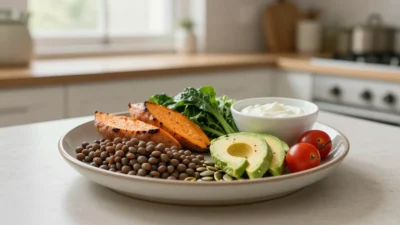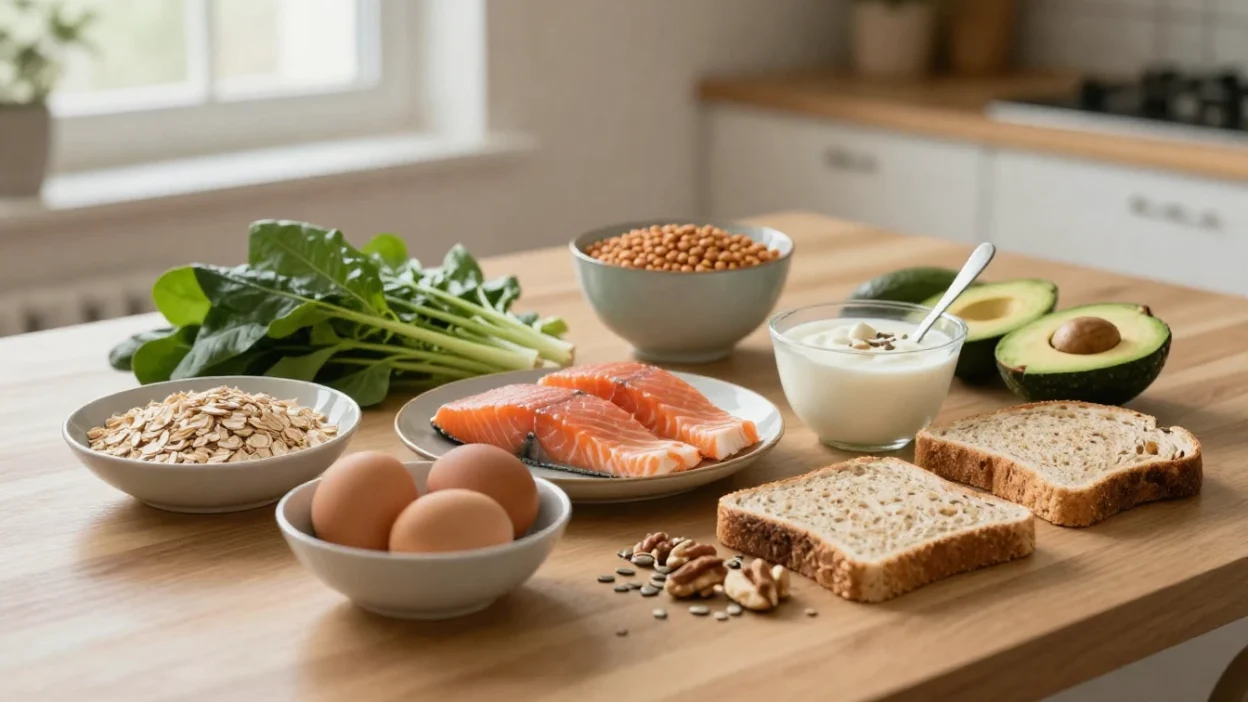
Some days, “tired” feels bigger than needing one more cup of coffee.
You wake up heavy. Your brain feels slow. Food sounds uninteresting, or you keep reaching for quick snacks because your energy drops before lunch. It is easy to blame sleep, stress, weather, work, hormones, or just being busy. And sometimes, yes, it is one of those things.
But food can be part of the story too.
B vitamins are a family of nutrients your body uses every day to help turn food into energy, support your nervous system, make red blood cells, and keep normal body functions running in the background. The group includes thiamin, riboflavin, niacin, pantothenic acid, vitamin B6, biotin, folate, and vitamin B12. Most of them are water-soluble, which means your body does not store them the same way it stores fat-soluble vitamins, so regular intake matters. (ods.od.nih.gov)
That does not mean you need to panic-buy a giant B-complex supplement. For many people, enough B vitamins can come from ordinary meals: eggs, fish, dairy, beans, lentils, oats, whole grains, leafy greens, nuts, seeds, and fortified foods. The tricky part is that some B vitamins are easier to miss than others. Vitamin B12, for example, deserves extra attention if you avoid animal products, because it is naturally found mainly in animal-based foods. (The Nutrition Source)
So this guide keeps things practical.
We will look at what each B vitamin does, which foods help you get more of them, what low levels can feel like, and when a supplement might actually make sense. No fear, no miracle claims, no “take this and become a new person by Monday.”
What are B vitamins?
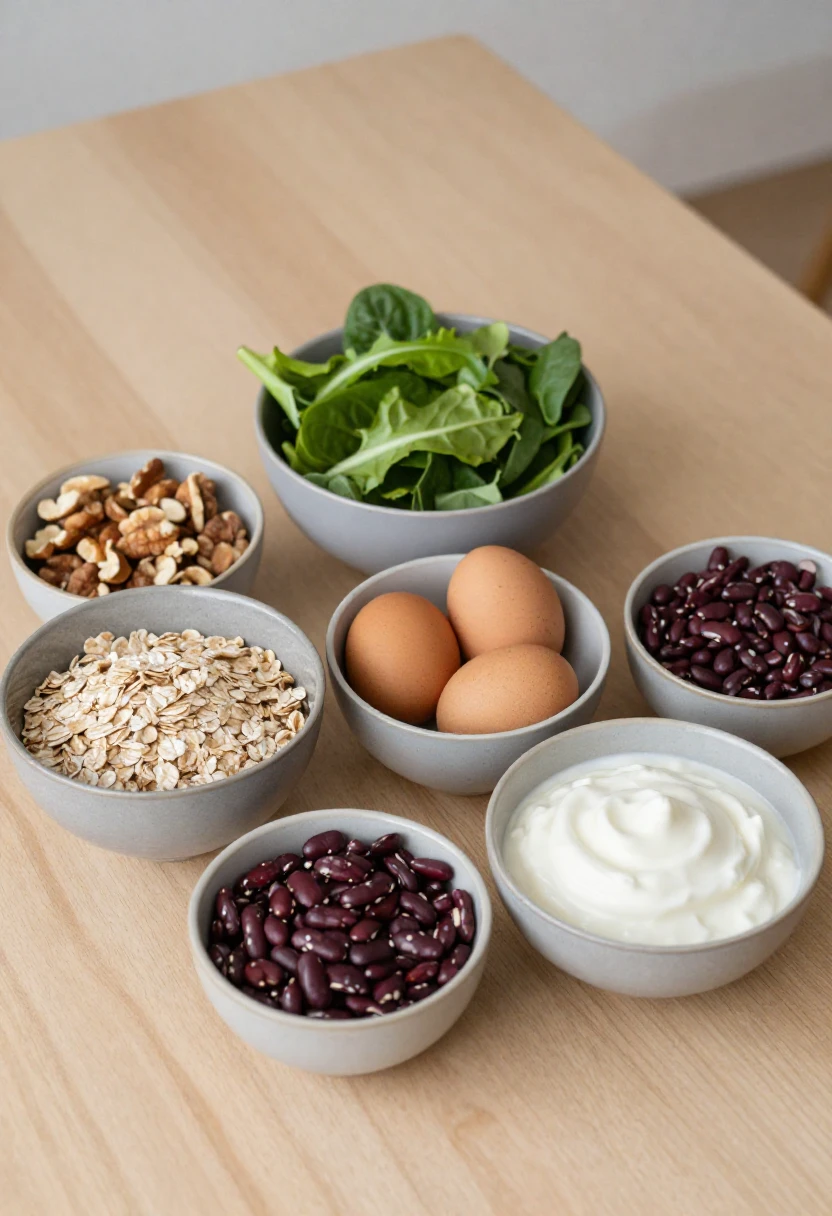
B vitamins are not one vitamin. They are a group of eight nutrients that often work near each other in the body, especially when it comes to using food for energy.
That is why you usually hear them talked about as a “B-complex.” Not because they are fancy. Just because the body uses them together in a lot of ordinary, behind-the-scenes jobs.
The B vitamin family includes:
- B1: thiamine
- B2: riboflavin
- B3: niacin
- B5: pantothenic acid
- B6: pyridoxine
- B7: biotin
- B9: folate
- B12: cobalamin
MedlinePlus explains that B vitamins help the body get or make energy from food and also help form red blood cells. You can get them from foods like fish, poultry, meat, eggs, dairy, leafy greens, beans, peas, and fortified grains. (MedlinePlus)
They are water-soluble, with one important exception
Most B vitamins are water-soluble, which means they dissolve in water and your body does not store large amounts of them for long. Once your body uses what it needs, extra amounts usually leave through urine.
That is why regular intake matters. Not in a stressful way. Just in the same way brushing your teeth matters: small, repeated habits do more than one dramatic effort once in a while.
Vitamin B12 is the exception people should remember. It is water-soluble too, but the body can store it in the liver for years, according to MedlinePlus. (MedlinePlus)
This is helpful, but also a little sneaky. A person can be low in B12 for a while before symptoms become obvious, especially if their diet changed slowly or absorption became weaker over time.
Why B vitamins work as a team
B vitamins show up in many of the same body systems: energy metabolism, nerves, brain function, skin, digestion, red blood cells, and DNA production.
That does not mean they all do the exact same thing. They have different jobs. But they often overlap.
Think of making dinner. One person chops vegetables. Someone else cooks the rice. Someone else watches the pan so the garlic does not burn. Different tasks, same meal.
B vitamins are like that. If one is missing, the whole process may feel less smooth.
Why “more” is not always better
This is where supplement marketing gets a little too loud.
Because B vitamins help with energy, it is easy to assume that more B vitamins mean more energy. But if you already get enough, taking a high-dose B-complex may not make you feel more awake. It is not coffee. It does not replace sleep. It does not fix a breakfast made of crumbs and panic.
The goal is enough, not extreme.
A varied diet can cover many B vitamins. Supplements can be useful in specific cases, especially for B12, folate during pregnancy planning, diagnosed deficiencies, or absorption issues. But taking large doses just because you feel tired is not the best first step.
A better first step is to look at your meals, your symptoms, and whether there is a real reason to check your levels.
The 8 B vitamins and what they do
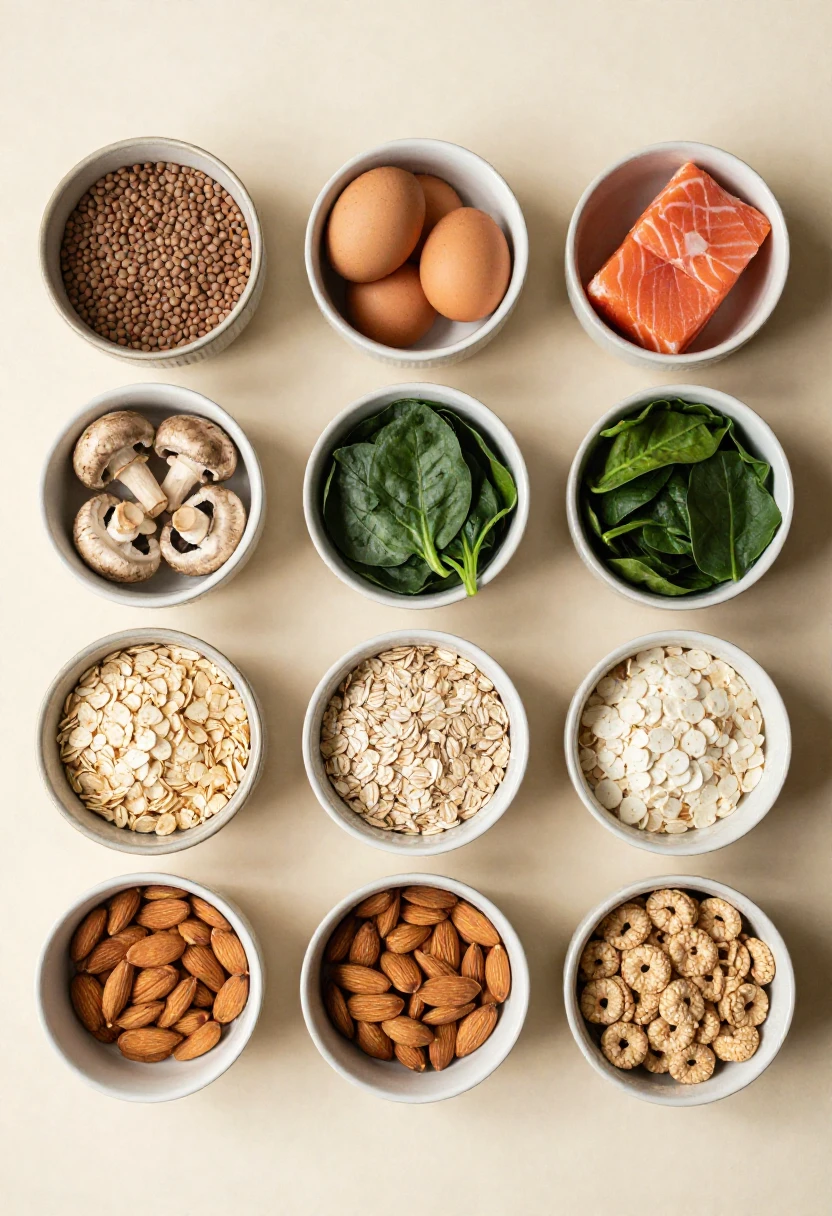
Each B vitamin has its own job, but they often show up in the same conversations: energy, nerves, blood cells, skin, metabolism, and pregnancy health. That is why “B vitamins” can feel like one big blur.
So let’s make them less annoying.
Vitamin B1: thiamine
Thiamine helps your body use carbohydrates for energy. It also supports normal nerve and muscle function.
You can find it in foods like pork, whole grains, legumes, nuts, seeds, and fortified breads or cereals. MedlinePlus lists pork, fish, beans, peas, enriched breads, and fortified cereals among common B vitamin sources. (MedlinePlus)
A simple way to get more thiamine? Keep oats, beans, lentils, sunflower seeds, or whole-grain toast in your regular rotation. Nothing dramatic. Just normal food.
Vitamin B2: riboflavin
Riboflavin helps your body break down fats, proteins, and carbohydrates. It also supports skin, eyes, and normal cell function.
Good sources include milk, yogurt, eggs, lean meats, almonds, mushrooms, and fortified grains.
One small kitchen tip: riboflavin is sensitive to light. That is one reason milk is often sold in opaque containers instead of clear glass. You do not need to obsess over it, but it is a nice reminder that how food is stored can matter.
Vitamin B3: niacin
Niacin helps the body turn food into energy and supports the skin, nerves, and digestive system.
You can get it from poultry, fish, meat, peanuts, mushrooms, brown rice, and fortified grains. A tuna sandwich, chicken with rice, or peanut butter on whole-grain toast can all help cover everyday niacin needs.
High-dose niacin supplements are a different story. They can cause side effects and should not be treated like a casual energy pill. Food sources are the safer place to start unless a healthcare professional tells you otherwise.
Vitamin B5: pantothenic acid
Pantothenic acid helps your body process carbohydrates, fats, and proteins. It is found in many foods, which is why deficiency is uncommon when someone eats enough overall.
You can find it in chicken, beef, eggs, dairy, mushrooms, avocados, potatoes, lentils, and whole grains.
I think of B5 as one of those quiet nutrients. Nobody is usually making viral videos about it, but your body still uses it all the time.
Vitamin B6: pyridoxine
Vitamin B6 supports protein metabolism, brain function, immune function, and red blood cell production. The NIH Office of Dietary Supplements notes that vitamin B6 is involved in more than 100 enzyme reactions, mostly related to protein metabolism. (Office of Dietary Supplements)
Food sources include chickpeas, fish, poultry, potatoes, bananas, and fortified cereals.
This is one of the B vitamins where more is definitely not always better. Very high supplemental doses of B6 taken over time can cause nerve problems, including numbness and tingling. So if you are taking a B-complex, it is worth checking the label instead of assuming every dose is harmless.
Vitamin B7: biotin
Biotin helps with the metabolism of fats, carbohydrates, and proteins. It is also famous for hair, skin, and nails, mostly because supplement marketing grabbed onto it and never let go.
Food sources include eggs, salmon, pork, sunflower seeds, sweet potatoes, almonds, and some vegetables.
Biotin supplements may help if someone is truly deficient, but that is not the same as saying biotin makes everyone’s hair thicker. Also, high-dose biotin can interfere with certain lab tests, which is important to mention to your doctor if you take it regularly.
Vitamin B9: folate
Folate helps the body make DNA and red blood cells. It is especially important before and during pregnancy because adequate folate helps reduce the risk of neural tube defects.
Food sources include leafy greens, lentils, beans, asparagus, avocado, oranges, and fortified grains. “Folate” is the natural form found in foods, while “folic acid” is the form often used in supplements and fortified foods.
Even if pregnancy is not part of your life, folate still matters. A bowl of lentil soup with spinach is a very ordinary way to get more of it, and it is also cozy enough to feel like dinner instead of nutrition homework.
Vitamin B12: cobalamin
Vitamin B12 supports nerve health, red blood cell formation, and DNA production. It is the B vitamin that deserves the most attention if you eat little or no animal-based food.
Natural B12 sources are mostly animal-based: fish, meat, poultry, eggs, milk, and dairy. Harvard’s Nutrition Source notes that people who follow a strict vegan diet are at greater risk of B12 deficiency unless they use fortified foods or supplements. (Office of Dietary Supplements)
That does not mean plant-based eating is a problem. It just means B12 needs a plan.
Fortified nutritional yeast, fortified plant milks, fortified breakfast cereals, and B12 supplements can help. But because B12 deficiency can affect nerves and blood cells, this is one place where guessing is not ideal. If you are vegan, older, or dealing with absorption issues, it is worth discussing B12 testing or supplementation with a healthcare professional.
Signs you may not be getting enough B vitamins

Low B vitamins do not always announce themselves clearly. They can feel like everyday life being slightly harder than usual: tired mornings, weak focus, a sore mouth, low appetite, or that strange “pins and needles” feeling in your hands or feet.
The frustrating part is that these symptoms can overlap with a lot of other things. Poor sleep. Stress. Low iron. Thyroid issues. Eating too little. Too much alcohol. A rough week.
So this section is not meant to help you diagnose yourself over breakfast. It is meant to help you notice patterns.
Everyday symptoms that can overlap
Different B vitamins can cause different problems when levels are low, but a few symptoms come up often enough to pay attention to.
You may notice:
- unusual fatigue or weakness
- pale skin
- mouth cracks, mouth ulcers, or a sore tongue
- low appetite
- nausea or digestive discomfort
- mood changes
- brain fog or poor concentration
- numbness, tingling, or “pins and needles”
- balance problems
- shortness of breath or heart palpitations
Vitamin B12 deficiency, in particular, can cause fatigue, megaloblastic anemia, glossitis, palpitations, and neurological changes such as numbness and tingling in the hands and feet. The NIH also notes that B12 deficiency symptoms can take several years to appear, which is why it can be sneaky. (Office of Dietary Supplements)
That slow timeline is important. You may not feel anything dramatic at first. You may just feel off.
Mouth symptoms are easy to miss
A sore tongue sounds like such a small thing, but it can be a useful clue.
Cracks at the corners of the mouth, swollen tongue, scaly lips, mouth ulcers, or a burning feeling can show up with some B vitamin deficiencies. MedlinePlus lists symptoms such as itchy rashes, cracks at the corners of the mouth, scaly lips, and swollen tongue as possible signs linked with low vitamin B6. (MedlinePlus)
Of course, mouth symptoms can come from other causes too: dehydration, irritation, dental issues, spicy foods, infections, or toothpaste sensitivity. But if mouth changes appear together with fatigue, weakness, or nerve symptoms, it is worth paying attention.
Numbness and tingling deserve extra attention
A little tingling after sitting weirdly is one thing. Tingling that keeps returning is different.
B12 is especially important here because low B12 can affect nerves. The NIH notes that neurological symptoms from B12 deficiency can occur even without anemia, and early diagnosis matters because nerve damage can become irreversible. (Office of Dietary Supplements)
That is not something to ignore or “fix” with random supplements from the internet.
If you have persistent numbness, tingling, balance issues, weakness, memory changes, or confusion, talk with a healthcare professional. A blood test can help clarify what is going on.
Why symptoms alone are not enough
Fatigue is not a diagnosis. Neither is brain fog.
This is where people often get pulled into supplement guessing. They feel tired, see a video about B vitamins, buy a B-complex, and hope the problem disappears. Sometimes it helps because there was a real gap. Sometimes nothing changes because the issue was sleep, stress, iron, blood sugar, medication, thyroid, depression, or something else entirely.
MedlinePlus notes that vitamin B tests may be used when symptoms suggest a possible deficiency, but it also advises talking with a healthcare provider before taking B supplements because large amounts of some B vitamins can cause problems and some may interact with medicines. (MedlinePlus)
That is the boring advice, I know. But it is the advice that protects you from wasting months guessing.
When to ask for a blood test
Consider asking about testing if symptoms are persistent, getting worse, or paired with risk factors.
That is especially true if you:
- eat a vegan or mostly plant-based diet
- are pregnant or planning pregnancy
- are an older adult
- have digestive conditions or a history of bariatric surgery
- take medications that may affect B12 absorption
- drink alcohol often
- have numbness, tingling, balance issues, or anemia symptoms
A good meal routine can cover a lot. But if your body is not absorbing a nutrient well, or if your diet leaves out major sources, food alone may not solve the problem quickly enough.
And there is no shame in checking. Sometimes the most practical health step is not buying a new supplement. It is getting a number on paper.
Who is more likely to need extra attention?
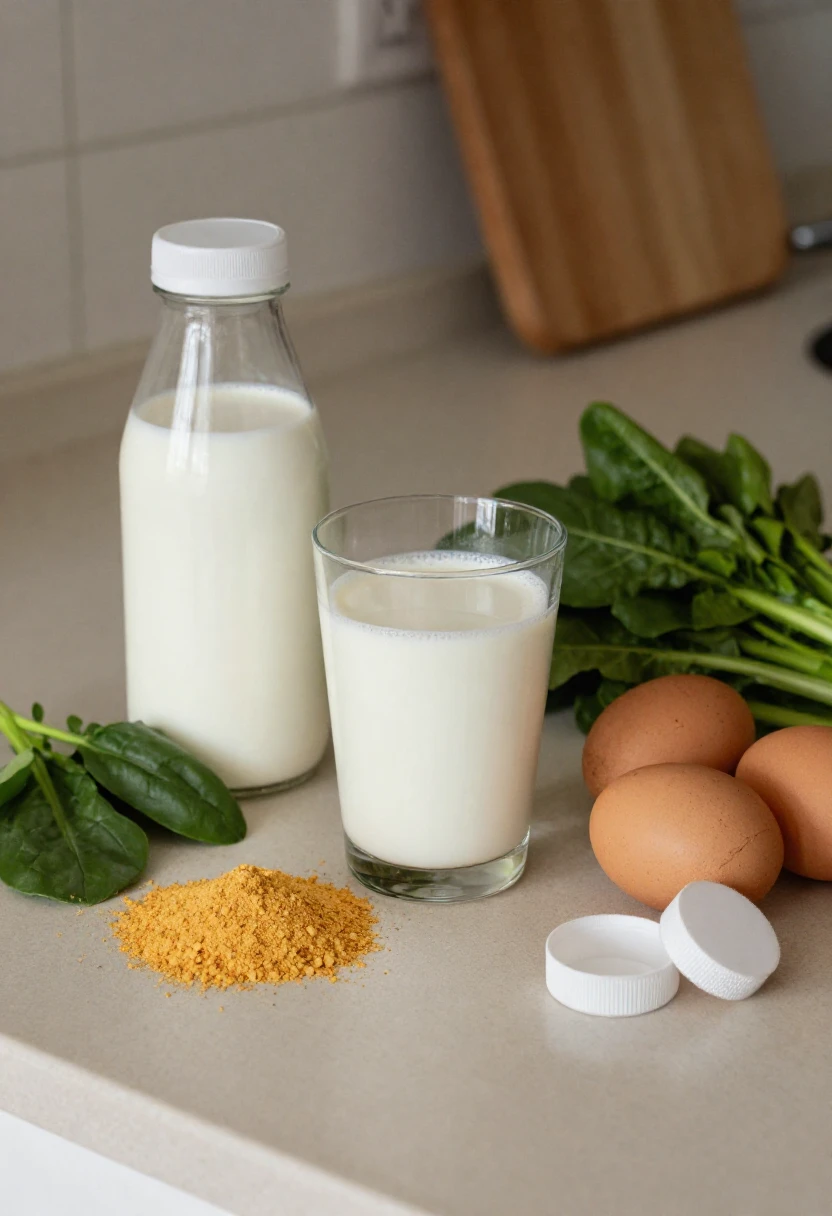
Some people can get enough B vitamins with a normal, varied diet and never think about them again. Lucky them.
Other people need a little more awareness, either because they do not eat certain foods, they absorb nutrients less efficiently, or their body needs more during a specific life stage.
This does not automatically mean something is wrong. It just means your “enough” may not look exactly like someone else’s.
Vegans and vegetarians
Vitamin B12 is the big one here.
Most natural sources of B12 are animal-based foods, including fish, meat, poultry, eggs, milk, and other dairy products. The NIH notes that dietary deficiency can happen when someone does not consume enough B12-containing foods, and strict plant-based diets usually need fortified foods or supplements to cover B12 reliably. (ods.od.nih.gov)
That does not make vegan or vegetarian eating unhealthy. It just means B12 needs a plan.
Good options can include:
- fortified nutritional yeast
- fortified plant milk
- fortified breakfast cereal
- B12 supplements, if needed
- regular blood testing if your doctor recommends it
I would not leave B12 to chance on a fully vegan diet. It is too important for nerves and red blood cells.
Older adults
As people get older, vitamin B12 can become harder to absorb from food. The issue is not always intake. Someone may eat meat, eggs, and dairy but still have lower B12 status because stomach acid and absorption change with age.
The NIH notes that B12 deficiency can happen even when intake is adequate, due to trouble absorbing B12 from food, lack of intrinsic factor, gastrointestinal surgery, or long-term use of certain medications such as metformin or proton pump inhibitors. (ods.od.nih.gov)
This is one reason older adults may be told to check B12 levels, especially if fatigue, anemia, numbness, tingling, memory changes, or balance issues appear.
Pregnant people or those planning pregnancy
Folate matters for everyone, but it becomes especially important before and during early pregnancy.
Folic acid is the supplement form of folate, a B vitamin that helps the body make new cells. The CDC recommends that all women capable of becoming pregnant get 400 micrograms of folic acid every day, because it can help prevent neural tube defects. (CDC)
This is one of those cases where food alone may not be the whole plan. Leafy greens, lentils, beans, asparagus, oranges, and avocado are great folate foods, but pregnancy planning often includes a prenatal vitamin or folic acid supplement because timing matters early.
If pregnancy is possible, it is worth discussing folate with a healthcare professional before you actually need it.
People with digestive conditions or surgery history
B vitamins have to be absorbed. That sounds obvious, but it is easy to forget.
If someone has celiac disease, Crohn’s disease, ulcerative colitis, chronic digestive problems, or a history of bariatric surgery, nutrient absorption can become more complicated. B12 is especially sensitive because it depends on several steps: stomach acid, intrinsic factor, and absorption in the small intestine.
The NIH lists gastrointestinal surgery and conditions that cause malabsorption among causes of B12 deficiency. (ods.od.nih.gov)
In this situation, eating “the right foods” may not be enough by itself. Testing and targeted supplementation may be needed.
People who drink alcohol often
Alcohol can interfere with eating patterns and nutrient status, especially when intake is heavy or frequent. Thiamine, vitamin B1, is one of the biggest concerns.
MedlinePlus explains that Wernicke-Korsakoff syndrome is a brain disorder caused by vitamin B1 deficiency, and thiamine is used to treat or prevent this condition. (medlineplus.gov)
This is not about judging anyone’s glass of wine with dinner. It is about the bigger pattern. If alcohol often replaces meals, reduces appetite, affects digestion, or becomes a daily heavy habit, B vitamin status can suffer.
People taking certain medications
Some medications can affect B vitamin levels or absorption over time. B12 is a common example.
The NIH mentions prolonged use of metformin and proton pump inhibitors as factors linked with B12 deficiency risk. (ods.od.nih.gov)
Do not stop a medication because of this. Just ask your healthcare provider whether testing makes sense, especially if you have symptoms like fatigue, anemia, numbness, tingling, or balance changes.
A supplement is easiest to use well when you know what you are trying to fix.
Best food sources of B vitamins
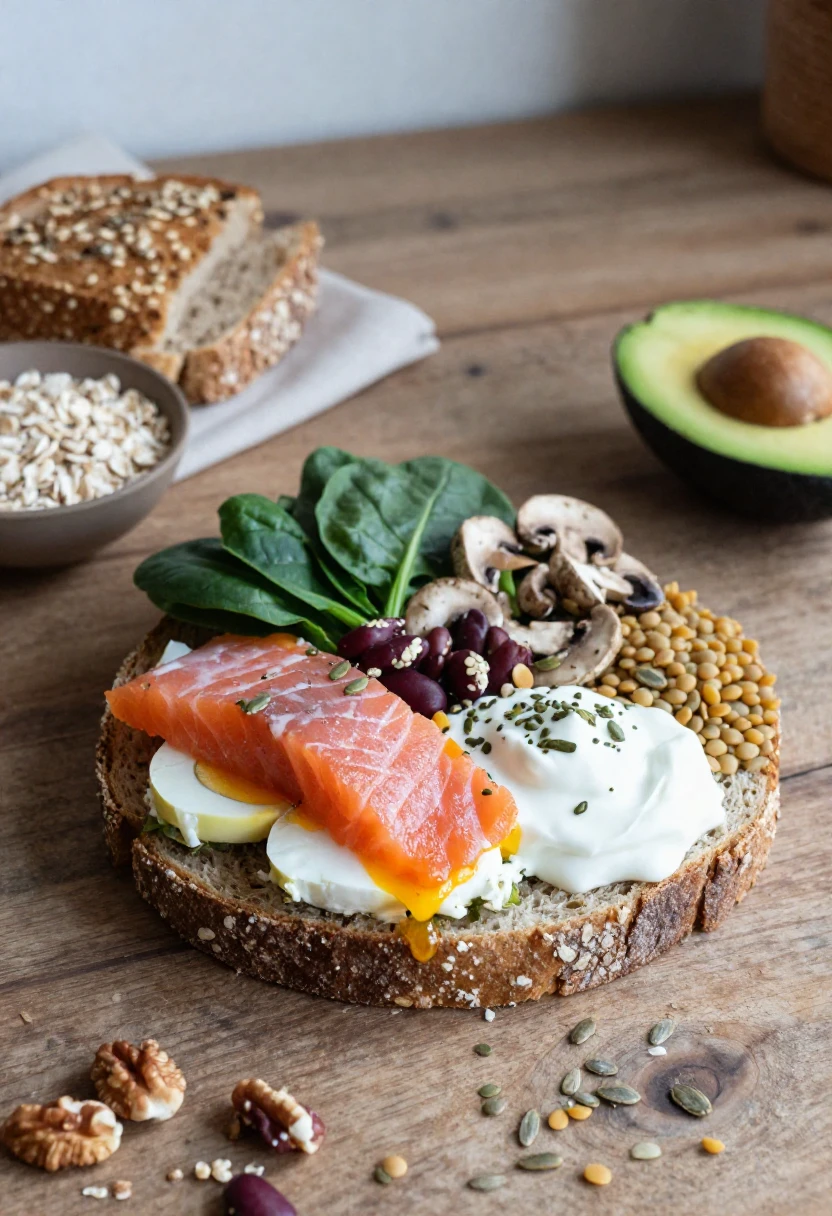
The easiest way to get B vitamins is not to chase one perfect food. It is to build meals from a mix of ordinary ingredients.
That is good news, because B vitamins are spread across a lot of foods: animal proteins, dairy, eggs, legumes, whole grains, leafy greens, nuts, seeds, mushrooms, and fortified products. MedlinePlus lists fish, poultry, meat, eggs, dairy, leafy green vegetables, beans, peas, fortified cereals, and some breads as common sources. (MedlinePlus)
Animal-based sources
Animal foods are especially useful for vitamin B12, because B12 is naturally found in animal-based foods and is not naturally present in plant foods unless they are fortified. MedlinePlus lists fish, meat, poultry, eggs, milk, and milk products as natural B12 sources. (MedlinePlus)
Good animal-based options include:
- eggs
- milk, yogurt, and cheese
- salmon, tuna, trout, sardines, and shellfish
- chicken and turkey
- beef and pork
- liver, if you like it
You do not need to eat all of these. A simple breakfast with eggs and yogurt, or a dinner with salmon and brown rice, already brings several B vitamins to the table.
Plant-based sources
Plant foods can be rich in many B vitamins, especially folate, thiamine, niacin, and vitamin B6. They also bring fiber, minerals, and slow-digesting carbohydrates, which makes them useful beyond the vitamin list.
Good plant-based options include:
- lentils
- black beans, chickpeas, peas, and kidney beans
- oats, brown rice, quinoa, and whole-grain bread
- spinach, kale, asparagus, and other leafy greens
- mushrooms
- sunflower seeds, peanuts, almonds, and walnuts
- avocado
- bananas
- potatoes and sweet potatoes
A lentil soup with greens is a very B-vitamin-friendly meal. So is oatmeal with nuts and banana. So is a bean bowl with avocado and brown rice.
Nothing trendy. Just food that actually fills you up.
Fortified foods
Fortified foods matter because some B vitamins, especially B12 and folic acid, are often added to foods people eat regularly.
Common fortified options include:
- breakfast cereals
- some breads and grain products
- fortified plant milks
- fortified nutritional yeast
This is especially helpful for people who eat fully plant-based. The NIH notes that foods from animals, but not plants, naturally contain vitamin B12, so fortified foods and supplements can be important B12 sources for people avoiding animal products. (Office of Dietary Supplements)
Just read the label. Not every nutritional yeast has B12. Not every plant milk is fortified. And not every cereal is something you want to eat every morning just because it has vitamins added.
Simple meal ideas
If you want B vitamins from food without turning lunch into a spreadsheet, start with meals like these:
- oatmeal with milk or fortified plant milk, banana, and walnuts
- eggs with spinach and whole-grain toast
- Greek yogurt with nuts, seeds, and berries
- tuna or salmon salad with whole-grain crackers
- lentil soup with carrots, greens, and a slice of bread
- chicken with brown rice and roasted vegetables
- chickpea bowl with avocado, greens, and tahini
- fortified nutritional yeast sprinkled over popcorn, pasta, or roasted potatoes
The pattern matters more than any single meal. If your week includes whole grains, beans or lentils, eggs or fortified foods, vegetables, nuts, seeds, and some quality protein, you are already covering a lot of ground.
How to get enough B vitamins without overthinking it
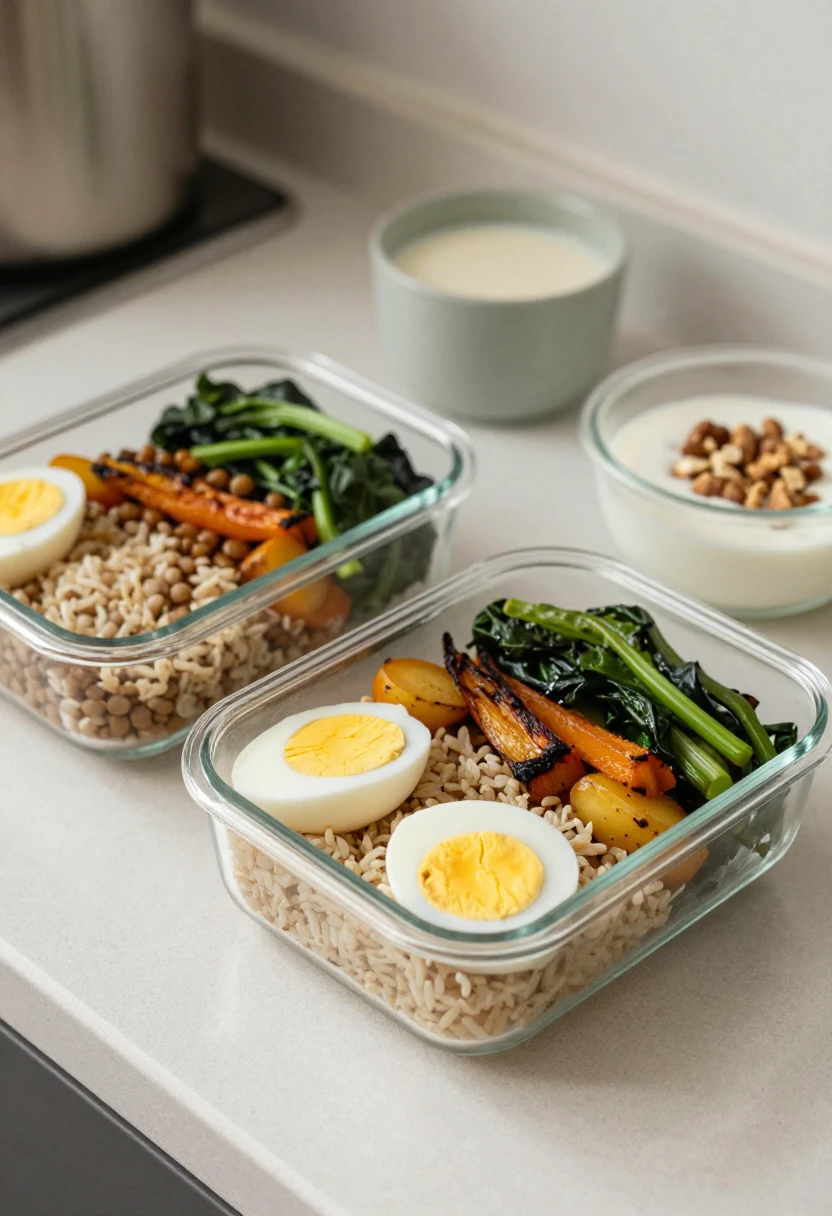
You do not need to memorize every B vitamin to eat well.
Most of the time, the better question is simpler: Does your week include enough variety? If your meals rotate through proteins, whole grains, legumes, vegetables, nuts, seeds, dairy or fortified alternatives, you are already covering a lot of B vitamin ground.
MedlinePlus lists common B vitamin sources as fish, poultry, meat, eggs, dairy, leafy green vegetables, beans, peas, fortified cereals, and some breads. That is a pretty normal grocery list, not a specialty health plan. (MedlinePlus)
Build meals around variety
B vitamins are scattered across different foods, so variety does more work than perfection.
A simple plate might look like this:
- eggs with spinach and whole-grain toast
- lentils with brown rice and avocado
- salmon with roasted potatoes and greens
- yogurt with oats, nuts, and banana
- chickpeas with quinoa, vegetables, and tahini
- tuna with whole-grain crackers and a side salad
None of this has to be complicated. You are just giving your body more chances to pick up different nutrients during the week.
If breakfast is always coffee and nothing else, start there. Add yogurt. Add toast with peanut butter. Add eggs. Add oats. A better breakfast can change the whole day more than another supplement bottle in the cabinet.
Do not rely on one “superfood”
There is no single B vitamin food that solves everything.
Eggs are useful. Lentils are useful. Salmon is useful. Oats are useful. But no one food covers every need for every person.
That is why I like thinking in small food “anchors”:
- one protein: eggs, fish, chicken, yogurt, tofu, beans, lentils
- one grain or starch: oats, brown rice, potatoes, whole-grain bread, quinoa
- one plant add-on: leafy greens, mushrooms, avocado, peas, banana, nuts, seeds
- one fortified food when needed: plant milk, cereal, nutritional yeast
You can mix those in dozens of ways without needing a perfect meal plan.
Keep a few easy B vitamin foods at home
Healthy eating gets much easier when the useful foods are already in your kitchen.
Good staples to keep around:
- oats
- eggs
- Greek yogurt or fortified plant yogurt
- canned tuna or salmon
- lentils and beans
- brown rice or whole-grain bread
- spinach or frozen greens
- mushrooms
- potatoes
- bananas
- sunflower seeds, peanuts, or almonds
- fortified nutritional yeast, especially for plant-based meals
Frozen and canned foods count. I will defend this forever. A can of beans and a bag of frozen spinach can save dinner when fresh groceries are looking sad.
Make plant-based eating B12-aware
A plant-based diet can be full of B vitamins from beans, grains, nuts, seeds, greens, and vegetables. But B12 is different.
Vitamin B12 is naturally found in animal foods such as fish, meat, poultry, eggs, milk, and milk products, and it is not present in plant foods unless they are fortified. MedlinePlus notes that fortified breakfast cereals and some nutritional yeast products can provide B12 for vegetarians. (MedlinePlus)
So if you eat fully vegan, do not guess. Check labels on fortified foods and talk with a healthcare professional about whether a B12 supplement or testing makes sense.
That is not overthinking. That is just having a plan.
Use the “weekly rotation” method
Instead of trying to make every meal perfect, look at the week.
A decent B vitamin week might include:
- oats or whole-grain toast a few mornings
- eggs, dairy, fish, meat, or fortified foods
- beans or lentils at least once or twice
- leafy greens or mushrooms
- nuts or seeds
- a fortified food if your diet needs it
This works because nutrition is not judged one meal at a time. One plain lunch does not ruin anything. One busy day with toast and leftovers does not mean you failed.
What matters is the pattern you return to most often.
Do you need a B-complex supplement?
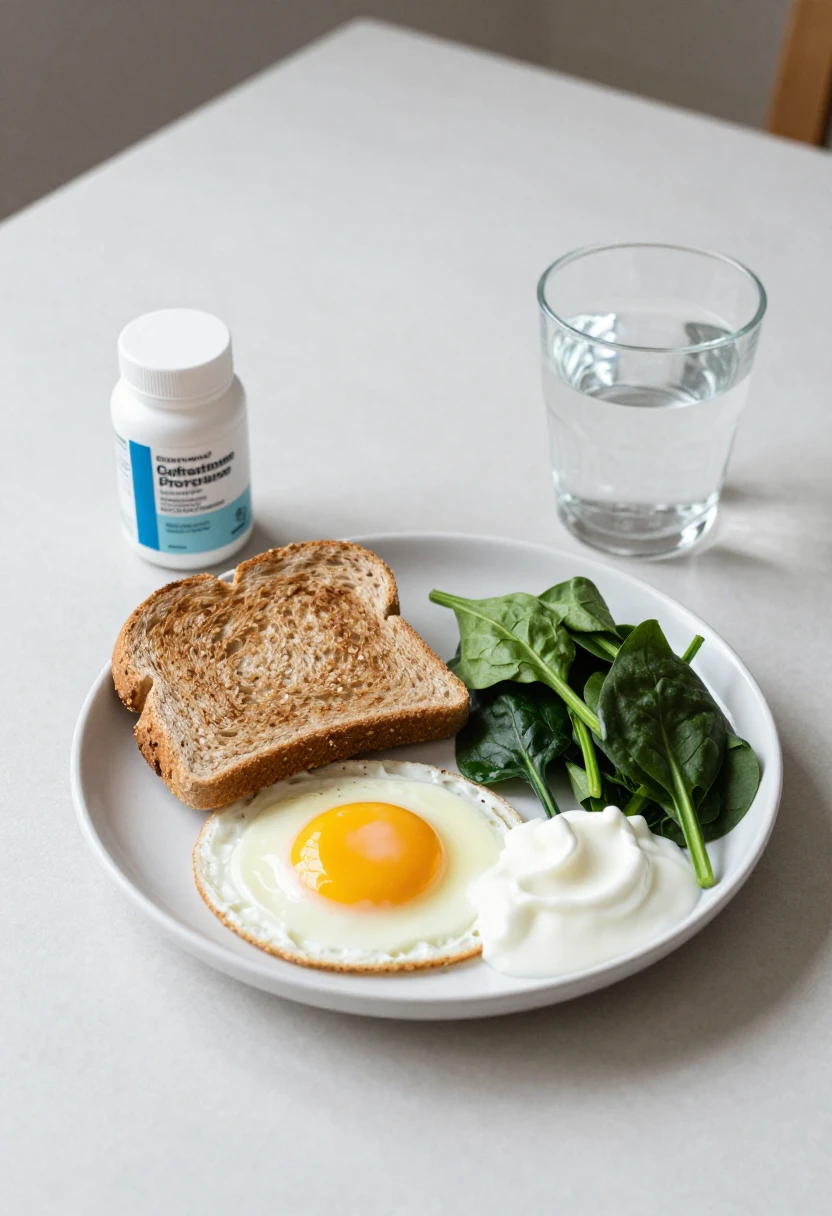
A B-complex supplement can be useful, but it is not something everyone needs by default.
This is the part where supplement marketing gets loud. “Energy support” sounds tempting when you are tired, especially if you have been dragging yourself through the day with coffee and a half-eaten breakfast. But B vitamins do not work like caffeine. They help your body use energy from food. If you already get enough, taking more may not make you feel more energetic.
That does not mean supplements are pointless. It means they work best when there is a real reason for them.
When a supplement can make sense
A B-complex, or a specific B vitamin supplement, may be helpful if your diet, life stage, or health situation makes deficiency more likely.
This can include:
- a vegan or fully plant-based diet, especially for B12
- pregnancy planning or early pregnancy, especially for folic acid
- older age, when B12 absorption can become harder
- digestive conditions or surgery that affect absorption
- diagnosed deficiency on a blood test
- certain medications that may affect B12 levels
- heavy alcohol use or very limited eating patterns
Vitamin B12 is the clearest example. The NIH notes that B12 deficiency can happen from low intake, difficulty absorbing B12 from food, lack of intrinsic factor, gastrointestinal surgery, or long-term use of some medications, including metformin and proton pump inhibitors. (Office of Dietary Supplements)
When a supplement may be unnecessary
If you eat a varied diet and do not have risk factors, you may already get enough of most B vitamins from food.
That might look like eggs or yogurt, beans or lentils, whole grains, fish or poultry, leafy greens, nuts, seeds, and fortified foods. Not every day has to be perfect. The weekly pattern matters more.
A supplement is not a shortcut around meals. If breakfast is only coffee, lunch is whatever you can grab, and dinner is random snacks at 10 p.m., a B-complex will not fix the whole routine. Start with food first, then check whether a supplement is still needed.
Why dosage matters
More is not always harmless.
Some B vitamins are water-soluble, so people assume extra amounts simply leave the body. Often, yes. But high-dose supplements can still cause problems, especially when taken for a long time.
Vitamin B6 is the one I would watch closely on labels. The NIH notes that chronic high-dose pyridoxine supplementation can cause severe sensory neuropathy, with symptoms such as loss of control of bodily movements, and symptoms are dose-dependent. (Office of Dietary Supplements)
This does not mean you should fear normal food sources of B6. Food is not the problem here. The concern is high-dose supplements stacked on top of multivitamins, energy drinks, powders, or “nerve support” blends.
Be careful with biotin before lab tests
Biotin is often sold for hair, skin, and nails. It sounds harmless, and in normal food amounts it usually is.
But high-dose biotin supplements can interfere with some lab tests. The FDA warns that biotin may interfere with certain laboratory tests, including troponin tests used in heart-related care. (U.S. Food and Drug Administration)
So if you take biotin, tell your doctor before blood work. Do not assume it is too minor to mention.
Folate is different if pregnancy is possible
Folate is one place where official advice is more direct.
The CDC recommends that all women capable of becoming pregnant get 400 micrograms of folic acid daily, because it can help prevent neural tube defects early in pregnancy. (CDC)
This is not the same as randomly taking a huge B-complex. It is a specific recommendation for a specific reason, and timing matters because neural tube defects can happen very early.
Food first, testing when needed
For most people, the best order is simple:
- improve the food pattern
- look at risk factors
- test if symptoms or risk factors point that way
- supplement based on need, not fear
If you do use a B-complex, choose one with reasonable doses close to daily values unless your healthcare provider recommends otherwise. Mega-dose formulas are not automatically better. Sometimes they are just louder on the label.
The goal is not to collect supplements. The goal is to give your body what it actually needs.
Common myths about B vitamins
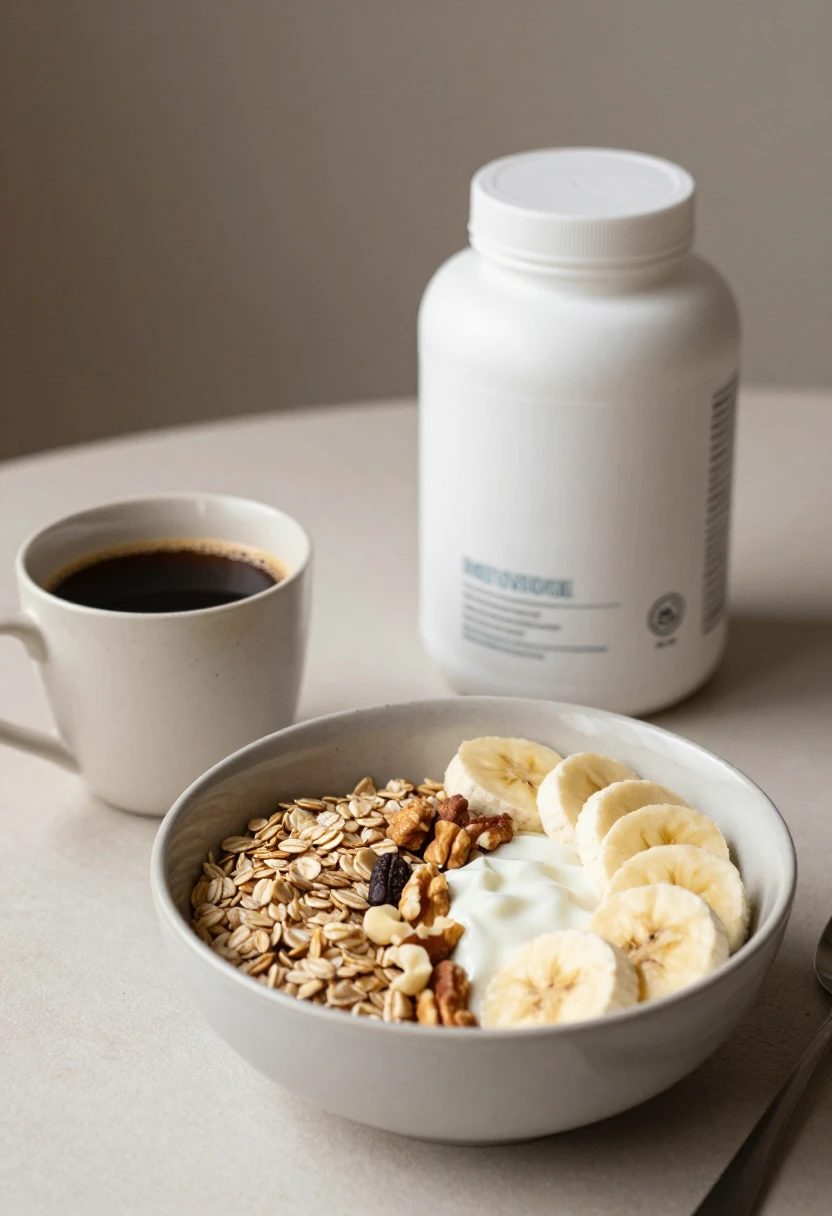
B vitamins have a strange reputation.
They are normal nutrients found in normal foods, but they also get marketed like tiny energy buttons. Take this capsule, feel alive again. Take this gummy, fix your hair. Take this drink, power through the afternoon.
I get why it is tempting. Everyone wants a simple answer when they feel tired. But B vitamins are not magic. They are useful, necessary, and sometimes very important to supplement. That is different.
“B vitamins give everyone more energy”
B vitamins help your body get or make energy from the food you eat. They also help form red blood cells. That part is true. (MedlinePlus)
But that does not mean a B-complex supplement will make every tired person feel energized.
If you are low in a B vitamin, fixing that gap can make a real difference. If you already get enough, extra B vitamins are unlikely to feel like a strong energy boost. They do not work like caffeine. They do not replace sleep, calories, hydration, iron, thyroid health, or a less chaotic morning.
Sometimes the most “energizing” breakfast is not a supplement. It is eggs with toast, yogurt with oats, or leftovers that actually keep you full.
“Biotin always improves hair and nails”
Biotin is important for normal metabolism, and true biotin deficiency can affect hair, skin, and nails. But that does not mean everyone with thin hair or weak nails needs a high-dose biotin supplement.
Hair changes can come from stress, low iron, thyroid issues, postpartum shifts, aging, low protein intake, medications, or plain genetics. Annoying, but true.
There is also a practical safety note: the FDA warns that biotin, often found in supplements, can significantly interfere with certain lab tests and cause incorrect results that may go unnoticed. (U.S. Food and Drug Administration)
So if you take biotin, tell your doctor before blood work. It may feel like a harmless beauty vitamin, but your lab results do not always see it that way.
“You can fix fatigue with a supplement”
Maybe. But not always.
Fatigue can happen when you are low in B12, folate, or other nutrients. It can also come from poor sleep, stress, low iron, dehydration, eating too little, blood sugar swings, thyroid issues, depression, infections, medication side effects, or just trying to live like a phone with 4% battery.
Vitamin B12 deficiency, for example, can cause fatigue, megaloblastic anemia, neurological changes, glossitis, palpitations, and other symptoms. It can also happen even when someone eats enough B12, if they have trouble absorbing it from food. (Office of Dietary Supplements)
That is why guessing is frustrating. A supplement might help if deficiency is the issue. If not, you can spend months taking pills while the real cause sits there untouched.
Persistent fatigue deserves more than a random bottle from the pharmacy shelf.
“Natural food sources are always enough”
Food first is a good rule. It is not the only rule.
Most people can get many B vitamins from a varied diet with proteins, whole grains, beans, peas, leafy greens, dairy, eggs, meat, fish, or fortified foods. (MedlinePlus)
But some situations need more planning. A fully vegan diet needs reliable B12 from fortified foods or supplements. Pregnancy planning usually includes folic acid. Older adults or people with digestive conditions may not absorb B12 well from food. Certain medications can also affect B12 status. (Office of Dietary Supplements)
So yes, eat the lentils, eggs, oats, greens, yogurt, fish, beans, and fortified foods. Build the base with meals.
But when your diet, symptoms, or health situation points to a real risk, do not turn “food first” into “never supplement.” The smart answer is the one that fits your body.
A simple one-day B vitamin meal example
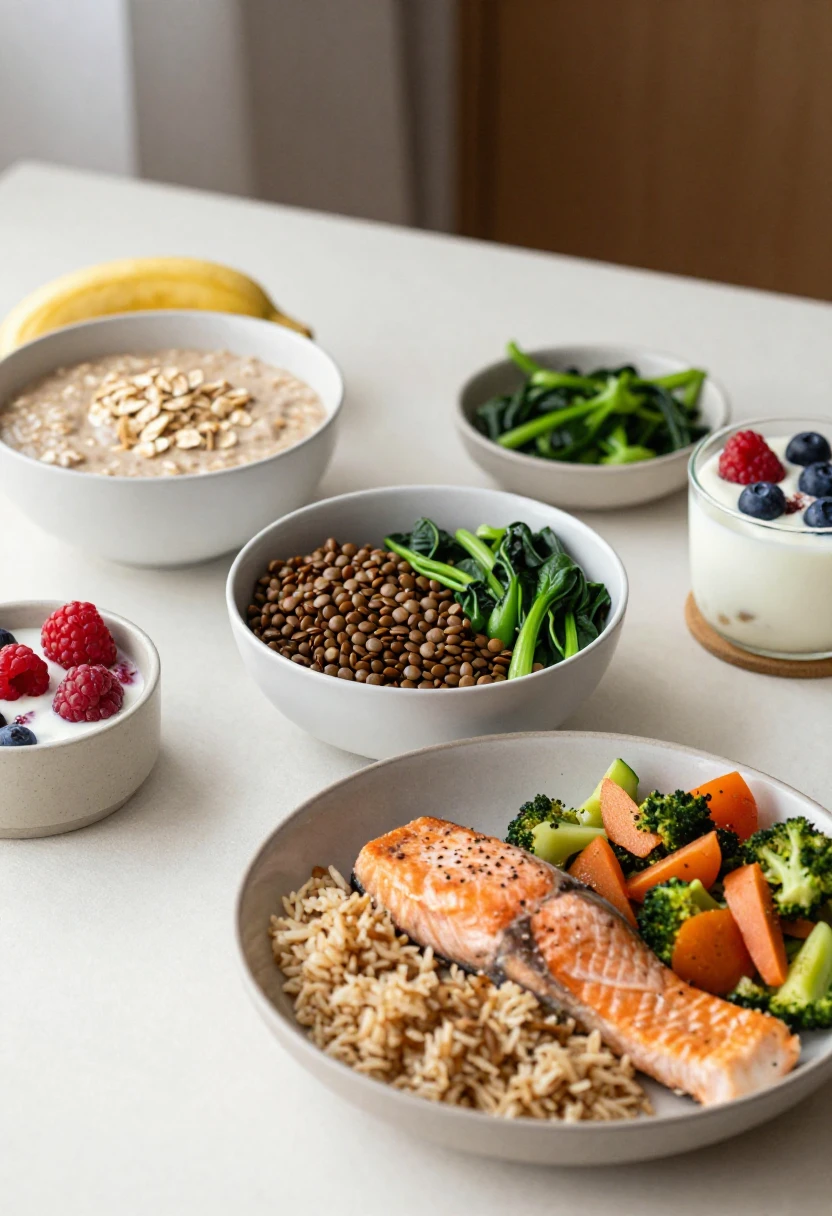
A B-vitamin-friendly day does not need to look like a diet plan from a clinic wall.
It can look like oats, eggs, beans, greens, fish, yogurt, whole grains, and fortified foods, depending on how you eat. MedlinePlus lists common B vitamin sources as fish, poultry, meat, eggs, dairy, leafy greens, beans, peas, fortified cereals, and some breads, which is basically a practical grocery list. (MedlinePlus)
Breakfast
Start with something that gives you more than caffeine.
A good breakfast could be:
- oatmeal cooked with milk or fortified plant milk
- banana slices
- walnuts or sunflower seeds
- Greek yogurt on the side
This gives you whole grains, nuts or seeds, fruit, and dairy or fortified food. It is simple, filling, and easy to repeat on busy mornings.
If you prefer savory breakfast, try eggs with spinach and whole-grain toast. Add mushrooms if you have them. That kind of breakfast feels small on paper, but it can carry you much better than a sweet coffee and nothing else.
Lunch
For lunch, go for a bowl that has beans or lentils, greens, and a grain.
Try:
- lentils or chickpeas
- brown rice, quinoa, or whole-grain bread
- spinach, kale, or arugula
- avocado
- olive oil and lemon dressing
- pumpkin seeds or sunflower seeds on top
This is the kind of meal that does not scream “vitamins,” which I like. It just tastes like lunch. The lentils bring comfort, the greens keep it fresh, and the avocado makes everything feel less dry.
If you eat animal products, you could add tuna, chicken, egg, or a little cheese. If you eat plant-based, check whether your plant milk, nutritional yeast, or cereal is fortified with B12, because plant foods do not naturally contain vitamin B12 unless fortified. (Office of Dietary Supplements)
Dinner
Dinner can be cozy and still nutrient-dense.
A strong option:
- salmon, trout, eggs, chicken, or tofu
- roasted potatoes or brown rice
- sautéed greens
- mushrooms
- a spoonful of yogurt sauce, tahini, or lemony dressing
If you eat fish, salmon with brown rice and greens is an easy win. If you do not, try a tofu and mushroom rice bowl with fortified nutritional yeast sprinkled on top. The point is not to copy one perfect plate. The point is to build a dinner that has protein, plants, and something filling.
Snack
A snack can help fill little gaps without turning into a second dessert.
Try one of these:
- Greek yogurt with berries and seeds
- whole-grain toast with peanut butter
- fruit with a handful of nuts
- popcorn with fortified nutritional yeast
- boiled egg with a few crackers
- cottage cheese with fruit
- hummus with whole-grain pita or vegetables
I especially like nutritional yeast popcorn for plant-based eaters, but only if the label says it is fortified. Some brands are, some are not.
A quick note for pregnancy planning
If pregnancy is possible, folate deserves separate attention. The CDC recommends that all women capable of becoming pregnant get 400 micrograms of folic acid daily, because it can help prevent neural tube defects. (CDC)
Food sources like leafy greens, lentils, beans, avocado, and oranges are still useful. But folic acid advice is specific enough that it should not be left to “I probably eat enough greens.”
The meal example above is just a starting point. Your version might be more Mediterranean, more vegetarian, more budget-friendly, or more leftovers-based. That is fine. A good B-vitamin routine is not fancy. It is repeatable.
Final practical takeaway
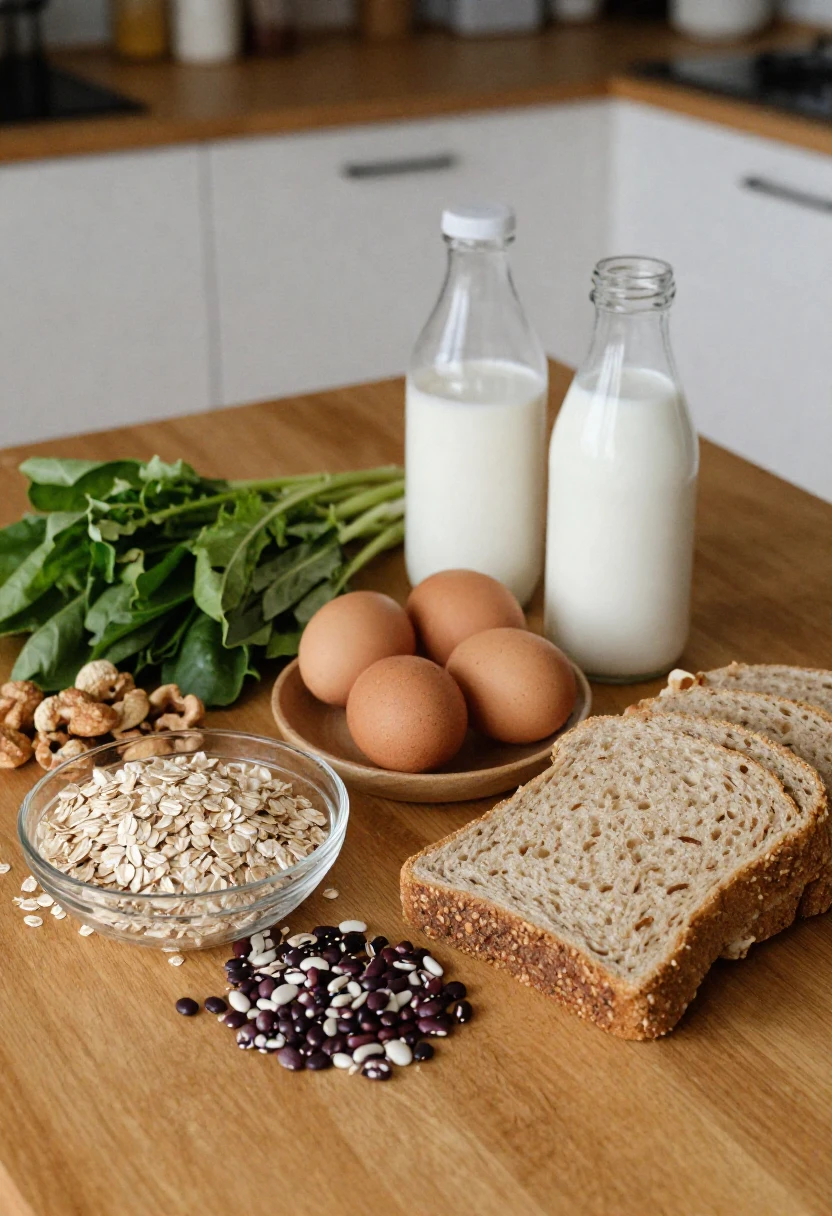
B vitamins are not trendy in the way protein powders, greens powders, or collagen drinks are trendy. They are quieter than that.
They sit inside everyday foods and help your body do ordinary but important work: use energy from meals, form red blood cells, support nerves, make new cells, and keep metabolism running. MedlinePlus describes B vitamins as nutrients that help the body get or make energy from food and help form red blood cells. (MedlinePlus)
That is why the best approach is not dramatic. It is steady.
Eat a mix of foods across the week. Include beans, lentils, whole grains, eggs, dairy or fortified alternatives, fish, poultry, meat if you eat it, leafy greens, nuts, seeds, and mushrooms. Use fortified foods when they make sense. Pay special attention to B12 if you eat plant-based, are older, have absorption issues, or take medications that may affect B12 status. The NIH notes that B12 deficiency can happen not only from low intake, but also from absorption problems, gastrointestinal surgery, and long-term use of some medications. (Office of Dietary Supplements)
And if pregnancy is possible, folic acid deserves its own plan. The CDC recommends 400 mcg of folic acid daily for all women capable of becoming pregnant because it can help prevent neural tube defects. (CDC)
The simple version looks like this:
- eat varied meals most days
- do not skip B12 planning on a vegan diet
- do not use supplements as a substitute for food
- do not ignore persistent fatigue, numbness, tingling, mouth changes, or anemia symptoms
- test when symptoms or risk factors point that way
Most people do not need to make B vitamins complicated. But they do need to take them seriously enough to notice the gaps.
Start with your plate. Then use testing or supplements when there is a real reason.
Conclusion
B vitamins are easy to overlook because they do not feel glamorous. They are not the food trend everyone is photographing, and they do not promise an overnight transformation.
But they matter.
They help your body use the energy from food, form red blood cells, and support normal body functions that you only notice when something starts feeling off. MedlinePlus describes B vitamins as nutrients that help the body get or make energy from food and help form red blood cells. (MedlinePlus)
The good news is that many B vitamins come from simple, familiar foods: eggs, dairy, fish, meat, beans, peas, leafy greens, fortified cereals, and some breads. You do not need a perfect diet. You need a repeatable one with enough variety. (MedlinePlus)
Still, some nutrients deserve extra attention. Vitamin B12 is especially important for vegans, older adults, and people with absorption issues, because deficiency can come from low intake, digestive surgery, certain medications, or trouble absorbing B12 from food. (Office of Dietary Supplements)
So start with meals. Add the oats, eggs, lentils, greens, yogurt, fish, beans, seeds, and fortified foods that fit your life. Then use supplements or testing when there is a real reason, not because a label promised “energy.”
Quiet nutrients can still do important work.
FAQ
What are B vitamins good for?
B vitamins help your body use energy from food and support red blood cell formation. Different B vitamins also help with nerves, DNA production, metabolism, skin, and brain function. (MedlinePlus)
What foods are high in B vitamins?
Good sources include fish, poultry, meat, eggs, dairy, leafy greens, beans, peas, fortified cereals, and some breads. Plant-based foods like lentils, oats, nuts, seeds, mushrooms, avocado, and greens can help too, but vitamin B12 usually needs animal foods, fortified foods, or supplements. (MedlinePlus)
How do I know if I need more B vitamins?
Possible signs can include fatigue, weakness, mouth changes, poor concentration, numbness, tingling, or anemia symptoms. These symptoms can come from many causes, so persistent symptoms are worth discussing with a healthcare professional instead of guessing with supplements.
Do vegans need vitamin B12?
Yes, vegans need a reliable B12 plan. Vitamin B12 is naturally found mainly in animal-based foods, so people who avoid animal products usually need fortified foods or a B12 supplement. (MedlinePlus)
Should I take a B-complex supplement every day?
Not automatically. A B-complex can help if you have a diagnosed deficiency, a restricted diet, pregnancy-related needs, absorption issues, or a healthcare provider recommends it. If you already get enough from food, taking more may not give you extra energy.