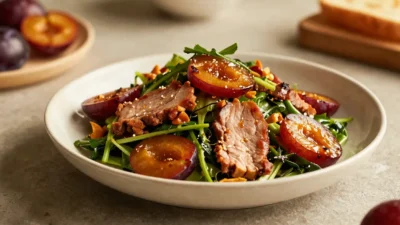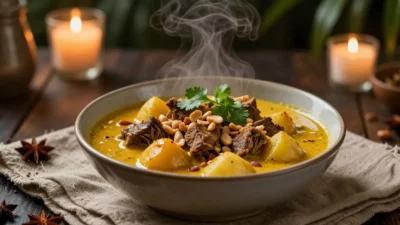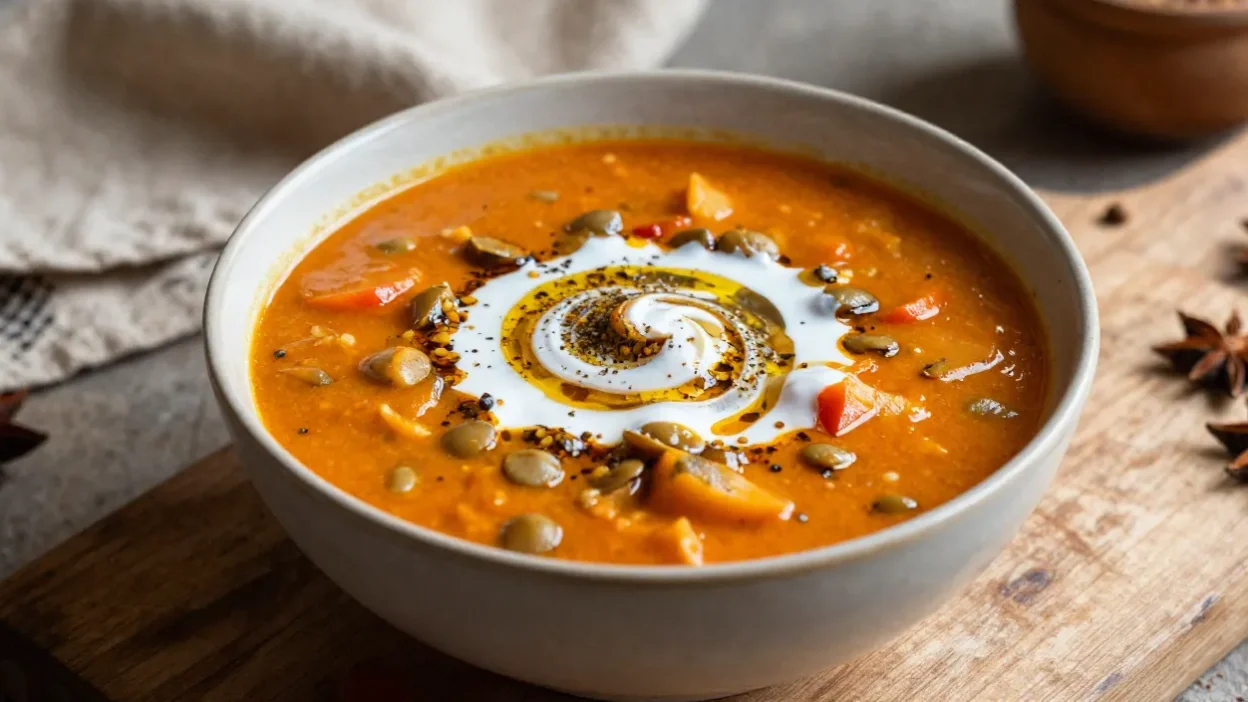
Some dishes feel locked to a place. You taste them and immediately know where they belong. Mulligatawny isn’t really like that. It’s one of those recipes that moved around, changed shape, and quietly adapted depending on who was making it.
And you can feel that when you look at it.
Originally, it came from South India, and it was much simpler than what most people expect now. Not thick, not creamy—more like a light, peppery broth. Something you’d have with a meal, not build the whole meal around. It was practical, straightforward, not trying to be anything more than that.
Then it started to shift.
When the British got hold of it, they didn’t copy it—they adjusted it. Made it heavier, more filling, closer to what they were used to eating. The broth thickened, more ingredients showed up—vegetables, lentils, sometimes meat. In some versions, even a bit of sweetness crept in.
But it didn’t happen all at once.
It changed slowly, over time, in small steps. And somehow, even with all those changes, it still feels like the same dish at its core.
That’s probably what makes it interesting.
It’s not “authentic” in the strict sense, but it doesn’t need to be. It’s always been flexible. That’s kind of built into it.
If you lay it out side by side, you can see how it evolved:
| Aspect | Early Version (South India) | Transitional Versions | Modern Mulligatawny Today |
|---|---|---|---|
| Texture | Light, broth-like | Slightly thickened | Thick, creamy, sometimes blended |
| Flavor profile | Peppery, sharp | More rounded, less intense | Balanced: warm, slightly sweet, rich |
| Ingredients | Minimal, spice-focused | Added vegetables, lentils | Highly flexible, includes fruit, dairy or coconut |
| Role in a meal | Side or accompaniment | More substantial | Often served as a main dish |
| Cooking approach | Quick, straightforward | More steps introduced | Layered cooking with finishing touches |
| Cultural context | Local and traditional | Colonial adaptation | Global, widely reinterpreted |
So when you make mulligatawny now, you’re not really following a fixed version.
You’re working with something that’s always been changing anyway.
And that’s probably why it still makes sense today. You can make it lighter if you want, or richer if that’s what you’re in the mood for. You can adjust it without feeling like you’re “breaking” the recipe.
It’s less about getting it exactly right—and more about making it work for you.
And honestly, that’s what keeps it interesting 🌍
🔥 The Quiet Power of Tadka
At first, tadka feels like the kind of step you could skip. The soup is already done, it tastes fine—why bother?
And then you try it once, and it’s hard to ignore the difference.
The process itself is simple. Heat the oil, wait until it’s properly hot, throw in the spices and aromatics, and within seconds everything starts to crackle and release that aroma. It takes maybe a minute or two, but it completely changes how the dish comes across.
What’s interesting is that it doesn’t just affect one thing.
You notice it in the smell right away—that hit of spices as soon as the bowl is in front of you. Then in the texture, where you suddenly get those little pockets of crunch or intensity. And in the flavor, which stops feeling flat and starts moving a bit more.
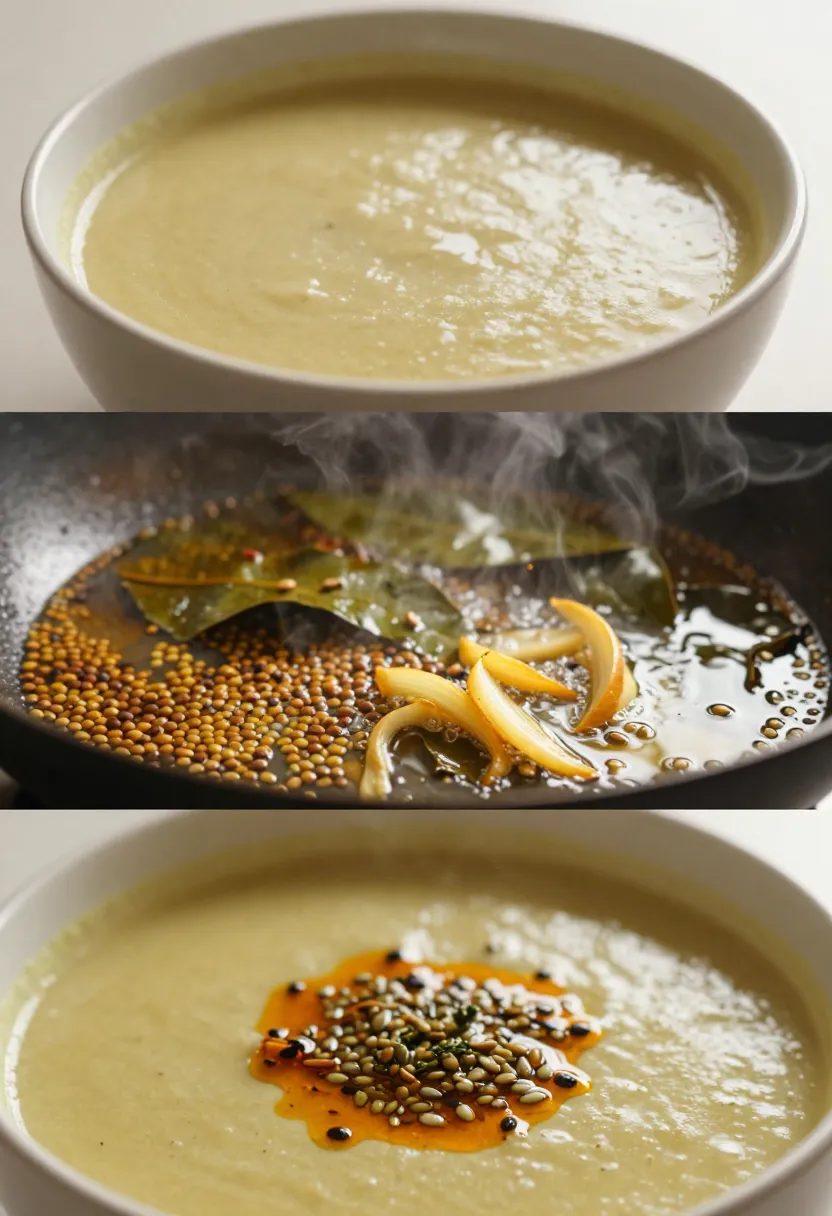
If you compare it side by side, it’s pretty obvious:
- the aroma hits immediately instead of staying in the background
- the surface isn’t uniform anymore—you get small bursts of stronger flavor
- there’s a bit of texture from the fried spices and shallots
- the whole thing feels more layered, less predictable
Timing is what makes it work.
Because you add it at the end, nothing has time to mellow out. The spices stay “alive,” in a way. You can still pick them out instead of everything dissolving into one flavor.
It also changes how you read the dish.
The base might be exactly the same, but with tadka it feels more complex. Not because you added more ingredients, but because you changed how they show up.
And honestly, it’s one of the few steps that feels more instinctive than precise.
You hear the crackle, you smell it almost instantly, and you just know it’s ready. No measuring, no timing down to the second—just paying attention.
In a practical sense, it works like a final tweak.
If the soup feels a bit too mellow, it wakes it up. If everything tastes the same, it adds contrast.
It’s a small thing—but it’s the difference between something that’s just good… and something that actually feels finished.
🍏 Where Comfort Meets Complexity
At first, tadka feels like the kind of step you could skip. The soup is already done, it tastes fine, and nothing seems to be missing. But once you try it, you realize pretty quickly that it’s not just an extra — it actually changes how the whole dish comes across.
The process itself is simple: heat the oil, wait until it’s properly hot, then add the spices and aromatics. Within seconds they start to crackle and release that strong, immediate aroma. It takes almost no time, but the effect is noticeable straight away.
What’s interesting is that tadka doesn’t just affect one thing. You notice it in the smell first — that sharper, more immediate hit when the bowl lands in front of you. Then in the texture, where you get small bits of crispness from the fried spices or shallots. And finally in the flavor, which stops feeling flat and starts to move a bit more from bite to bite.
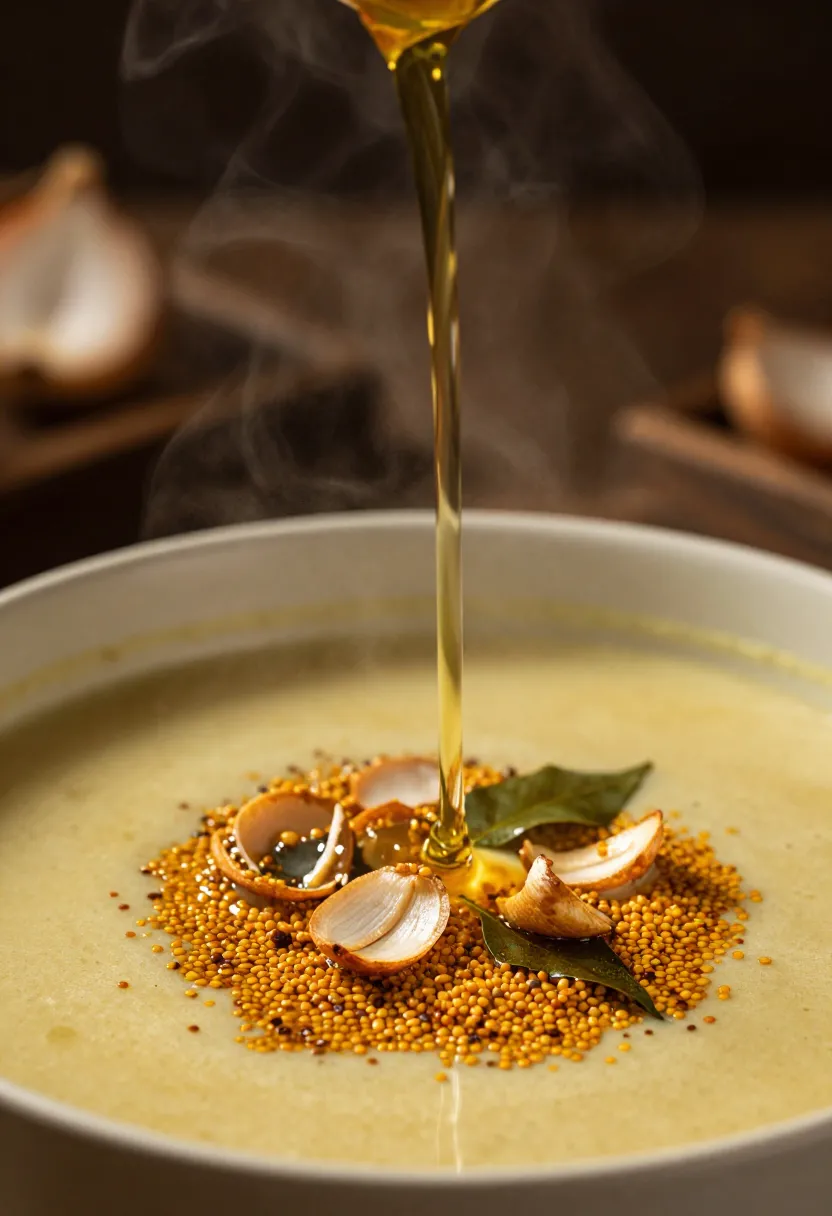
If you compare it directly, the shift is pretty obvious:
- the aroma comes forward instead of staying in the background
- the surface isn’t uniform anymore — you get small bursts of stronger flavor
- there’s a bit of texture from the fried elements
- the flavor feels less “blended” and more layered
Timing is a big part of why this works. Because tadka is added at the very end, nothing has time to mellow out. The spices stay distinct — you can still pick them out instead of everything turning into one smooth taste.
It also changes how you read the dish. The base might be exactly the same, but with tadka it feels more complete. Not because there’s more in it, but because what’s already there becomes more noticeable.
And honestly, it’s one of the few steps that feels more instinctive than technical. You hear the crackling, you smell it almost immediately, and you just know when it’s ready. There’s no real need to overthink it.
In practical terms, it works like a final adjustment. If the soup feels a bit too mellow, it brings back some edge. If everything tastes the same, it adds contrast. It doesn’t change the dish completely — it just makes it more interesting.
And that’s really the difference. Without it, the soup works. With it, it feels finished.
🍲 Recipe: Tadka Mulligatawny Soup
This version of mulligatawny doesn’t really feel like following a strict recipe. It’s more like building something gradually. You start with onions, garlic, ginger — they soften, the smell shifts — and from there everything just layers on top of that. All the way to the end, when you add the hot tadka and it feels like the final step that pulls it together.
The result is a soup that’s warm but not heavy, spiced but not overwhelming. It has depth, but it doesn’t feel like too much. Everything comes together in a way that feels smooth, without sharp edges or anything sticking out too much.
What really makes this version work is the balance. On one side, you’ve got those familiar, comforting elements — lentils, coconut milk, soft vegetables. On the other, there are small things that keep it from getting boring. A bit of sweetness from the apple, something slightly earthy from the sweet potato, and then that final lift from the tadka at the end.
It’s also not the kind of dish you want to rush.
If you do, it’ll still be fine — but just fine. If you let it sit, simmer properly, let the kitchen fill with that smell for a while, it turns into something more put together. Not more complicated, just more complete.
If you had to sum it up, it’s pretty simple: a soup that feels calm, but never flat 🥣
🧾 Ingredients
For the soup:
- 2 tablespoons coconut oil
- 1 large onion, finely chopped
- 3 garlic cloves, minced
- 1 small piece of ginger, thinly sliced
- 1 teaspoon turmeric powder
- 1 tablespoon curry powder
- 1 teaspoon garam masala
- Salt, to taste
- 1 carrot, diced
- 400 g canned chopped tomatoes
- 1 liter vegetable stock
- 1 cup chana dal (split chickpeas, soaked for 20–30 minutes)
- 1 green apple, peeled and chopped
- 1 small sweet potato, cubed
- 200 ml coconut milk
For the tadka:
- 3 tablespoons coconut oil
- 2 shallots, thinly sliced
- 1 teaspoon mustard seeds
- 8–10 curry leaves
- ½ teaspoon chili powder
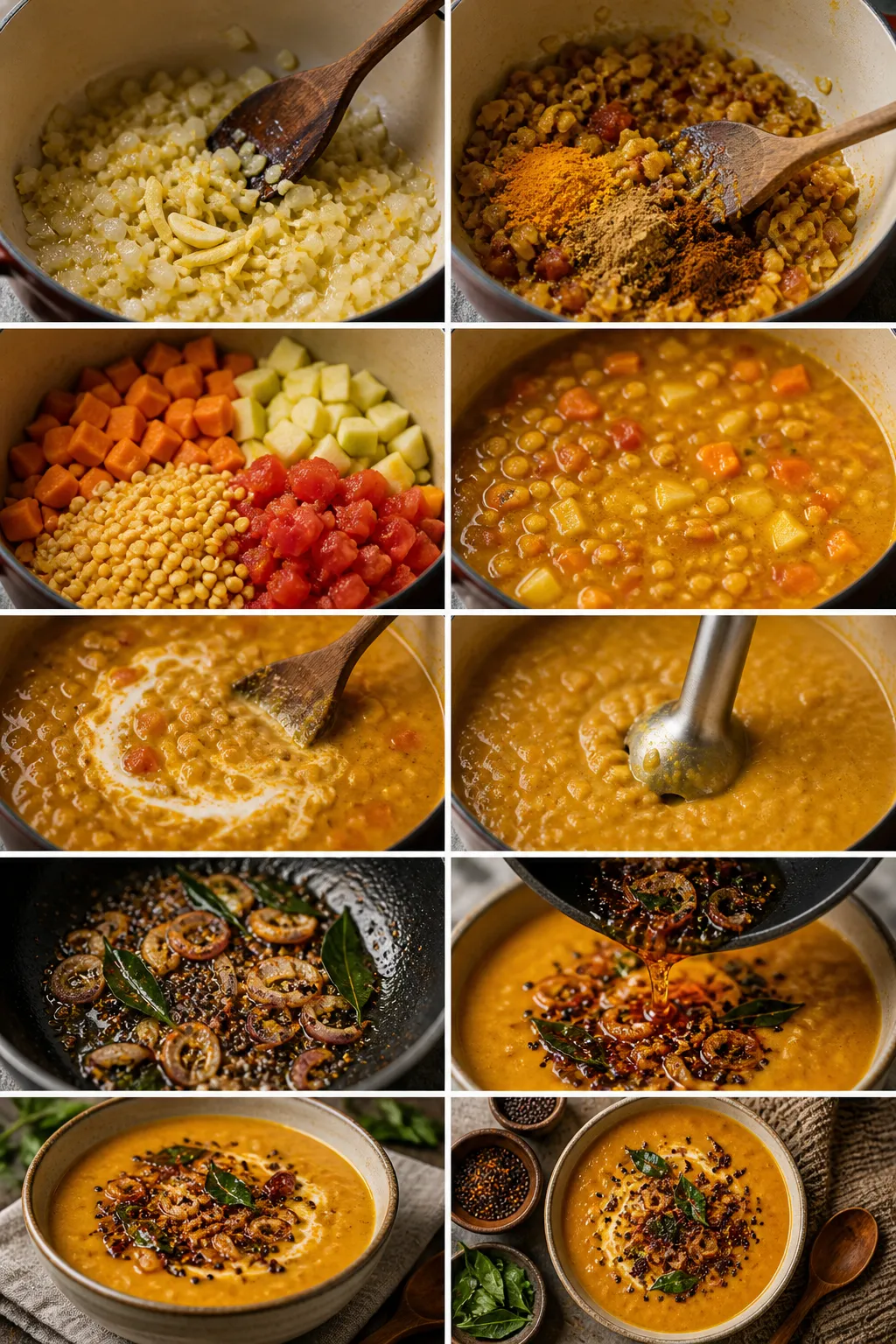
👨🍳 Instructions
- Heat the coconut oil in a large pot over medium heat. Add the onion, garlic, and ginger. Cook slowly, stirring occasionally, until everything softens and becomes fragrant.
- Stir in turmeric, curry powder, and garam masala. Let the spices cook for a short moment in the oil — this step really helps them open up and become more aromatic.
- Add the diced carrot, chopped apple, sweet potato, tomatoes, soaked lentils, and vegetable stock. Mix everything gently so the ingredients are evenly distributed.
- Bring the soup to a gentle simmer. Keep the heat moderate — you don’t want it aggressively boiling. Let it cook for about 30 minutes, or until the lentils are soft and the vegetables are fully tender.
- Pour in the coconut milk and continue cooking for another 10 minutes. At this stage, the soup starts to feel more cohesive and rounded.
- Use a blender to partially blend the soup. You’re aiming for a thick consistency, but not completely smooth — leaving a bit of texture makes it more satisfying to eat.
- In a separate pan, heat the coconut oil for the tadka. Add the sliced shallots and cook until they turn golden and slightly crisp.
- Add the mustard seeds and wait for them to start popping. Then add curry leaves and chili powder. Remove from heat almost immediately to avoid burning the spices.
- Pour the hot tadka over the soup just before serving. Let it sit on top for a moment — you’ll notice how the aroma changes instantly.
💡 Small Tips & Kitchen Tricks
- If the soup feels too thick, just add a bit more stock or hot water — it loosens up easily
- If it tastes slightly flat, it usually needs a pinch of salt or a small acidity (a squeeze of lime works really well)
- Don’t over-blend — texture is part of what makes this dish interesting
- The soup almost always tastes better after a few hours (or even the next day)
- When making tadka, keep an eye on the heat — spices can burn quickly, and that changes the flavor a lot
✨ Letting the Flavors Settle
There’s something about this soup that doesn’t fully show up right away. And it’s easy to miss, especially if you’re already hungry and ready to eat the moment it’s done.
Fresh mulligatawny is good — no question. It’s warm, aromatic, everything feels in place. You taste it and nothing stands out as wrong. The spices are there, the texture works, and it’s balanced enough that you wouldn’t hesitate to serve it immediately.
But if you leave it alone for a while, even just a couple of hours, something shifts.
Not in a dramatic way. It doesn’t turn into a different dish. It just… settles. The sharper edges soften a bit. The ingredients stop feeling separate and start working more as one thing.
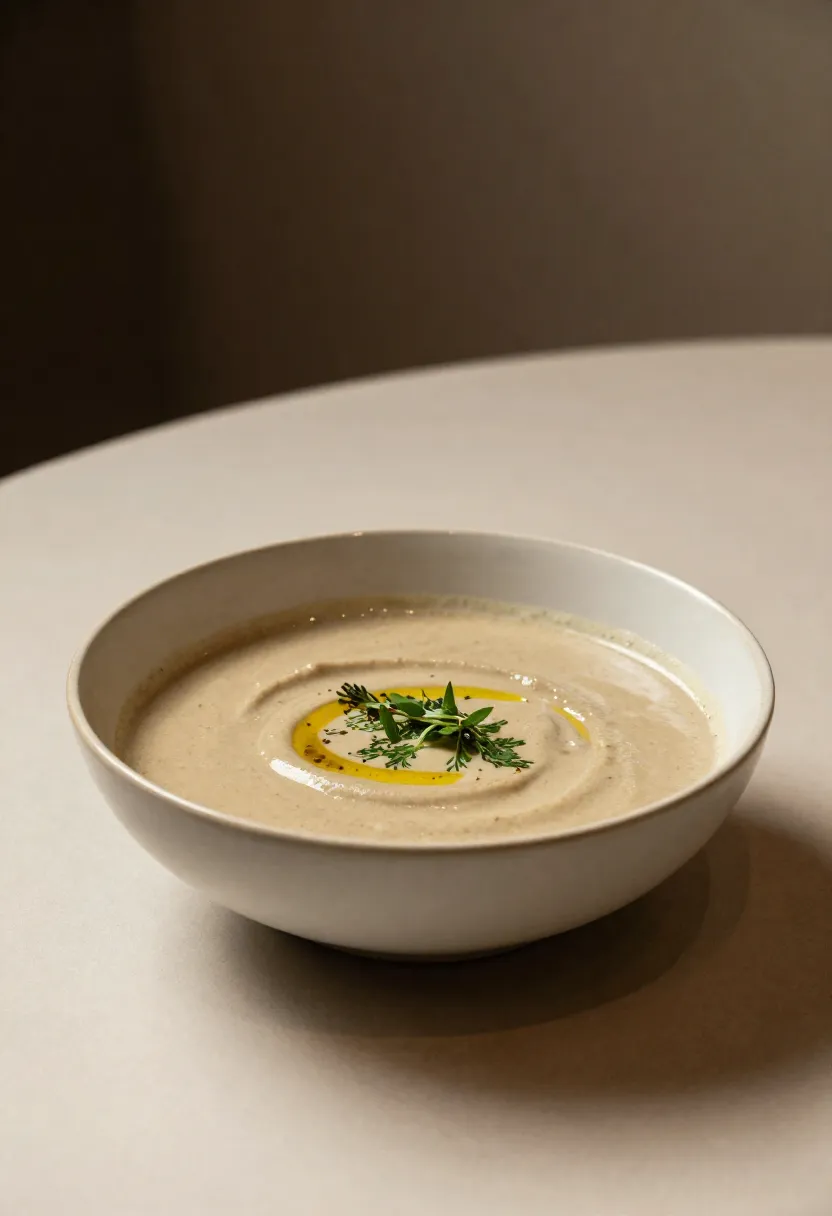
The spices are a good example. At first, you can kind of pick them out individually. Later, they blend in more naturally. The sweetness from the apple and sweet potato stops standing out and instead becomes part of the background. Even the coconut milk, which can feel slightly noticeable right after cooking, smooths itself into everything else.
If you pay attention, you start to notice small changes:
- the aroma feels deeper and less sharp
- the flavors come together instead of sitting side by side
- the texture thickens slightly as it rests
- the overall taste feels more balanced without needing to adjust anything
Leaving it overnight takes this a step further. The difference isn’t huge, but it’s enough that a lot of people end up liking it more the next day. It feels more settled, more complete — like everything had time to come to an agreement.
And the best part is that this doesn’t require anything extra. You’re not adding ingredients or changing the process. You’re just letting time do what it does.
In a way, this is one of those dishes that rewards a bit of patience. You don’t have to wait — but if you do, it quietly gets better.
🍽️ Serving It Just Right
Serving mulligatawny doesn’t need to be complicated, but a little attention goes a long way. The soup already carries a lot of flavor on its own, so it’s less about adding things and more about not getting in the way of what’s already working.
A few small additions can change the experience more than you’d expect.
Fresh herbs are usually the first thing people go for, and they make sense here. They bring a bit of brightness that cuts through the richness, especially if the soup has been sitting for a while. A squeeze of lime does something similar — it lifts everything slightly and keeps the flavors from feeling too heavy.
Texture is another thing that’s easy to overlook. On its own, the soup is soft and smooth, so having something alongside it makes a difference. It doesn’t need to be anything complicated, just something that adds a bit of contrast.
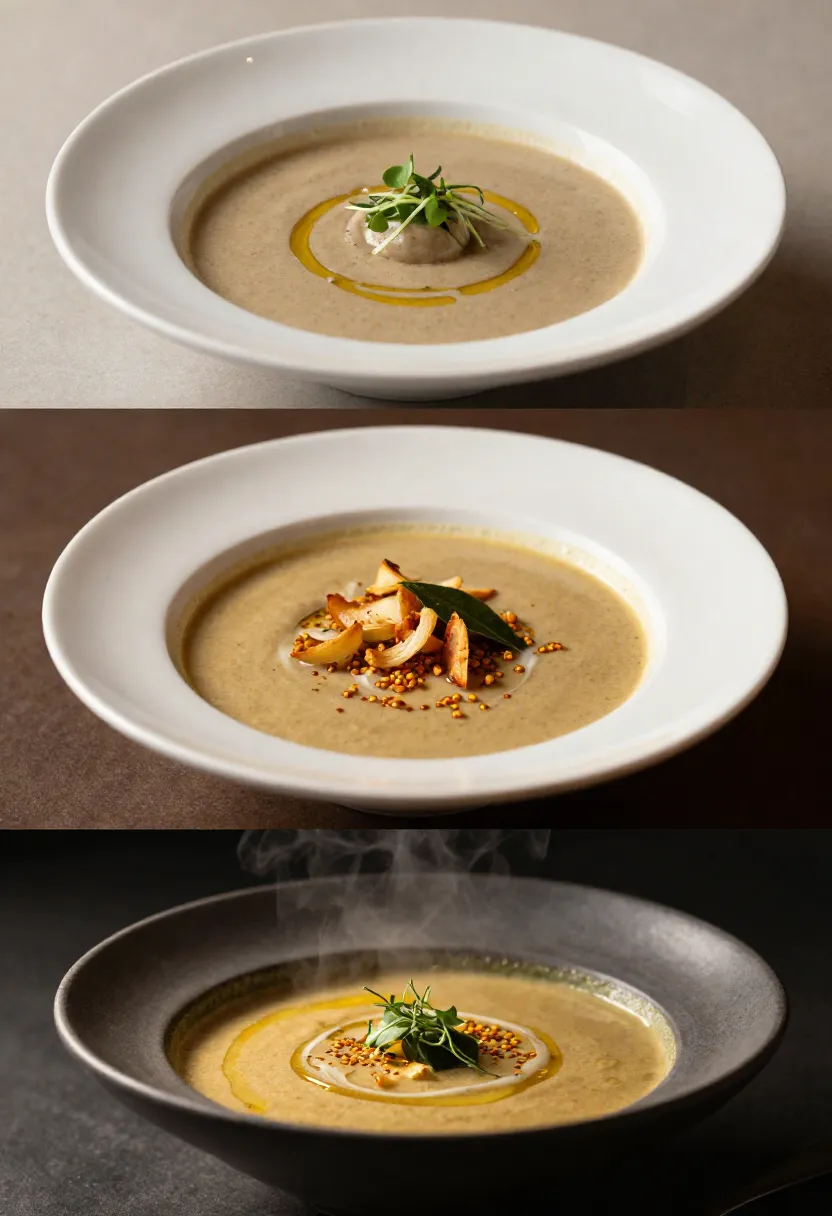
Some simple additions that actually work:
- fresh coriander or parsley for a bit of lift
- a wedge of lime to balance the richness
- warm flatbread for dipping
- a small portion of rice if you want it to feel more like a full meal
That said, how you eat it matters just as much as what you serve with it.
This isn’t really something you rush. It works better if you slow down a bit — sit with it, take a few spoonfuls, let the flavors come through gradually. Even letting it cool slightly before eating helps. When it’s not too hot, everything is easier to taste.
There’s also something about the setting. It fits better in quieter moments, when you’re not trying to multitask or eat quickly. It’s the kind of dish you spend a little time with.
And honestly, sometimes the best version is the simplest one.
No extras, no adjustments — just a bowl of soup, as it is.
💡 Making It Truly Yours
One of the best things about mulligatawny is how easy it is to adapt. There isn’t a single “correct” version you have to follow, and that’s what makes it something you can keep coming back to without getting tired of it.
After you make it once, you almost automatically start adjusting things. Maybe you want it a bit thicker next time. Maybe you push the spices a little more, or instead make it softer and milder. None of that breaks the dish — it all still works within the same idea.
That flexibility is what keeps it from feeling repetitive.
There are a few obvious ways people tend to tweak it:
- blending more of the soup for a smoother, creamier texture
- leaving it a bit rougher if you prefer something more rustic
- increasing the spice if you want it warmer and more pronounced
- adding more coconut milk to mellow everything out
- throwing in something like chicken or chickpeas to make it more filling
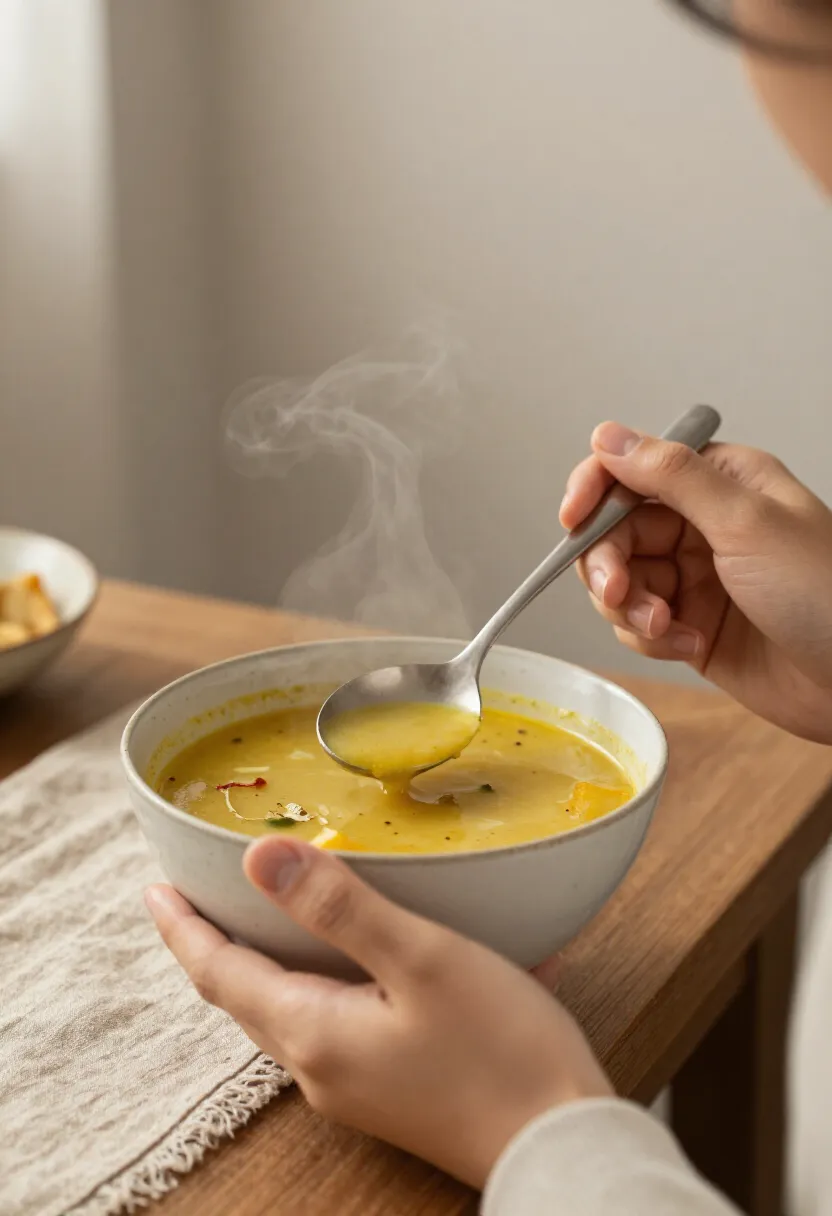
And the thing is, none of these versions are more “right” than the others. They’re just different directions you can take depending on what you feel like eating.
After a couple of times, you stop treating it like a strict recipe.
You don’t measure everything as carefully. You adjust based on what you have in the kitchen. You taste as you go and fix things on the spot. It becomes less about following steps and more about knowing how it should feel.
At some point, you just know:
how thick you like it,
how much spice works for you,
when it’s ready without needing to check anything.
And that’s usually where it shifts.
It stops being something you “cook from a recipe” and turns into something you just make.
And honestly, that’s why it sticks. Not because it’s perfect, but because it’s easy to make it yours. ❤️