Contents
There are dishes you try once and forget almost immediately, and then there are those that stay somewhere in the back of your mind for a long time. Not in an obvious way—you don’t necessarily think about them every day—but when the topic comes up, you remember exactly how they felt. Ribs almost always fall into that second category.
They don’t rely on presentation or precision. You don’t sit down with ribs expecting a clean, structured dining experience. In fact, you already know the opposite is coming. They’re messy, slightly unpredictable, and not something you eat in a controlled way. Sauce ends up on your fingers, maybe even on your sleeves if you’re not paying attention, and at some point you stop trying to keep things tidy altogether. Strangely enough, that’s part of what makes the whole experience enjoyable.
Ribs change the rhythm of a meal. Instead of eating quickly and moving on, you slow down without really thinking about it. You take a bite, pause, maybe reach for a napkin, continue the conversation, then go back for another piece. It becomes less about finishing the plate and more about staying in the moment a little longer. That shift is subtle, but noticeable.
There’s also something about the way ribs bring people together. They’re rarely served in isolation. More often, they’re part of a shared setting—something placed in the center of the table, where people reach in, comment on the flavor, compare pieces, maybe even argue a little about which part is better. It creates interaction without forcing it.
To make that clearer, here’s how ribs tend to influence the overall dining experience:
| Element of the Experience | What It Adds |
|---|---|
| Eating with your hands | Removes formality, makes the meal feel more relaxed |
| Sticky texture | Adds a sense of indulgence and involvement |
| Slower pace | Encourages longer conversations and less rushing |
| Shared serving style | Naturally brings people into the same moment |
Uncle Reo’s ribs fit directly into this kind of experience. They don’t try to stand out through complexity or unusual techniques. Instead, they focus on consistency and balance. Everything about them feels intentional, but not overworked. You can tell the recipe wasn’t built to impress—it was built to work, again and again, without failing.
And in a way, that’s harder to achieve than something flashy. It requires understanding where to stop, what to leave simple, and how to let the ingredients do their job without interference.
Why Slow-Cooked Ribs Always Taste Better ⏳
If you look at most well-known rib recipes, they all tend to agree on one thing: you can’t rush the process. You might adjust spices, sauces, or cooking methods, but the idea of cooking ribs slowly at a lower temperature almost always stays the same.
The reason for that becomes clearer once you look at how the meat actually behaves during cooking. Ribs contain a fair amount of connective tissue, which doesn’t respond well to high heat over a short period of time. If you try to speed things up, the result is usually tougher, less cohesive, and noticeably drier.
When you cook them slowly, though, the structure begins to change. The connective tissue gradually softens, the fat renders more evenly, and the meat starts to loosen without falling apart too quickly. It’s not an instant transformation—it happens step by step, which is why timing matters so much.
At the same time, flavor develops differently under these conditions. Instead of sharp, surface-level seasoning, you get something more integrated. The spices don’t just sit on the outside—they become part of the overall taste. That’s why slow-cooked ribs often feel more “complete,” even when the ingredient list is relatively simple.
There’s also a practical side to this method that people don’t always talk about. Once the ribs are in the oven, the process becomes fairly low-maintenance. You’re not constantly adjusting heat, flipping meat, or checking for doneness every few minutes. It’s more of a set-and-wait approach, which makes it easier to manage, especially if you’re cooking for more than just yourself.
A few key changes happen during this process that are worth keeping in mind:
- The meat gradually softens without losing moisture
- Fat distributes more evenly, improving both texture and flavor
- Seasoning has time to settle and develop instead of staying on the surface
Another thing that stands out is the moment you check on them after a few hours. There’s a noticeable shift—not just visually, but in the smell as well. It’s deeper, more developed, and usually enough to tell you things are going in the right direction.
By the time the ribs are done, they don’t feel like something that was simply cooked. They feel like something that was given time, and that difference is hard to ignore once you’ve experienced it.
The Balance of Flavor That Makes It Work 🍯🌶️
Even perfectly cooked ribs can fall short if the flavor isn’t balanced. Tenderness alone isn’t enough to carry the dish. What really determines whether the ribs are memorable or just “fine” is how well the different elements come together.
At the base, you have the natural richness of the meat. That’s the foundation, and it’s already quite strong on its own. On top of that, you add seasoning—usually something that brings warmth rather than sharp heat. Then comes the sauce, which introduces sweetness and a bit of depth. Finally, a small amount of acidity is often included to prevent the overall flavor from becoming too heavy.
The interesting part is that none of these elements are supposed to dominate. If one stands out too much, the balance shifts and the dish starts to feel uneven. Too much sweetness, for example, can make the ribs difficult to enjoy after a few bites. Too much spice can mask everything else. And if there’s no acidity at all, the richness can become overwhelming surprisingly quickly.
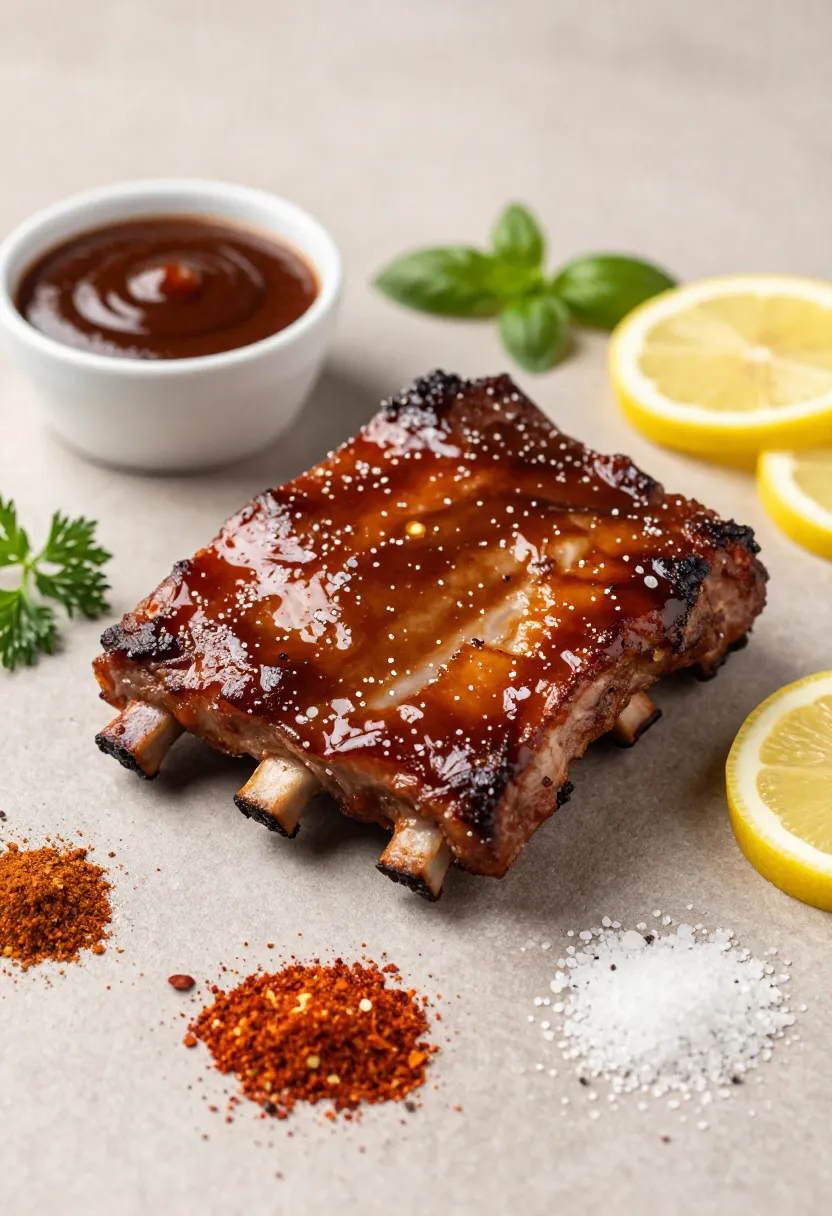
That’s why small adjustments matter more than people expect. Even slight changes can affect the overall perception of the dish:
- Increasing sweetness too much makes the flavor feel heavy and one-dimensional
- Overusing spice can reduce the depth instead of enhancing it
- Skipping acidity removes contrast and makes the dish less dynamic
When everything is in the right proportion, though, the result feels balanced without being complicated. You’re not analyzing the flavors while eating—you just notice that nothing feels out of place.
Another important detail is how the sauce interacts with the meat. It shouldn’t just sit on top as a separate layer. Ideally, it blends slightly with the surface, adding to the texture as well as the taste. That’s why finishing the ribs with sauce toward the end of cooking often works better—it allows everything to come together rather than stay separate.
In the end, what makes this style of ribs work isn’t intensity or boldness. It’s consistency. Each bite feels similar to the last in a good way—reliable, balanced, and easy to enjoy without thinking too much about it.
And once you get used to that kind of balance, anything less tends to feel just a little off.
🍖 Uncle Reo’s Ribs Recipe: Simple, Bold, and Worth Every Minute
At first glance, this recipe might seem almost too simple. No long list of exotic ingredients, no complicated prep, nothing that feels intimidating. But that’s actually the whole point.
These ribs rely on a very straightforward idea: if you start with good meat and treat it properly, you don’t need to overcomplicate anything. A few well-chosen spices, a balanced sauce, and—probably the most important part—time. That’s really it.
What makes this dish stand out isn’t just the tenderness (although yes, the meat does get incredibly soft). It’s the way everything comes together in the end. The seasoning builds a base that feels warm and slightly smoky, while the sauce adds that familiar mix of sweetness and tang. Not too sharp, not too heavy—just enough to keep each bite interesting.
And then there’s the texture. That’s something people often underestimate. The inside stays juicy and soft, while the outside, especially after the final step in the oven or under the broiler, gets that slightly sticky, caramelized finish. It’s not crunchy, not dry—just a thin layer that holds everything together.
Another thing worth mentioning is how adaptable this recipe is. You can follow it exactly and get great results, but at the same time, it doesn’t fall apart if you tweak it a bit. Maybe you like your sauce a little sweeter, or with more heat. Maybe you cook the ribs a bit longer because you prefer them extra tender. It still works.
In a way, this is one of those recipes that feels more like a foundation than a strict set of rules. Once you’ve made it once, you start adjusting things without even thinking about it.
Ingredients 🧂
For the ribs:
- 1–1.5 kg pork ribs
- 1 tablespoon salt
- 1 teaspoon black pepper
- 1 teaspoon paprika
- 1 teaspoon chili powder
For the BBQ sauce:
- 1 small onion (finely chopped)
- 1 cup ketchup
- 2 tablespoons brown sugar
- 2 tablespoons apple cider vinegar
- 1 teaspoon cumin
- 1 teaspoon chili sauce (optional, for heat)
- 1 tablespoon olive oil
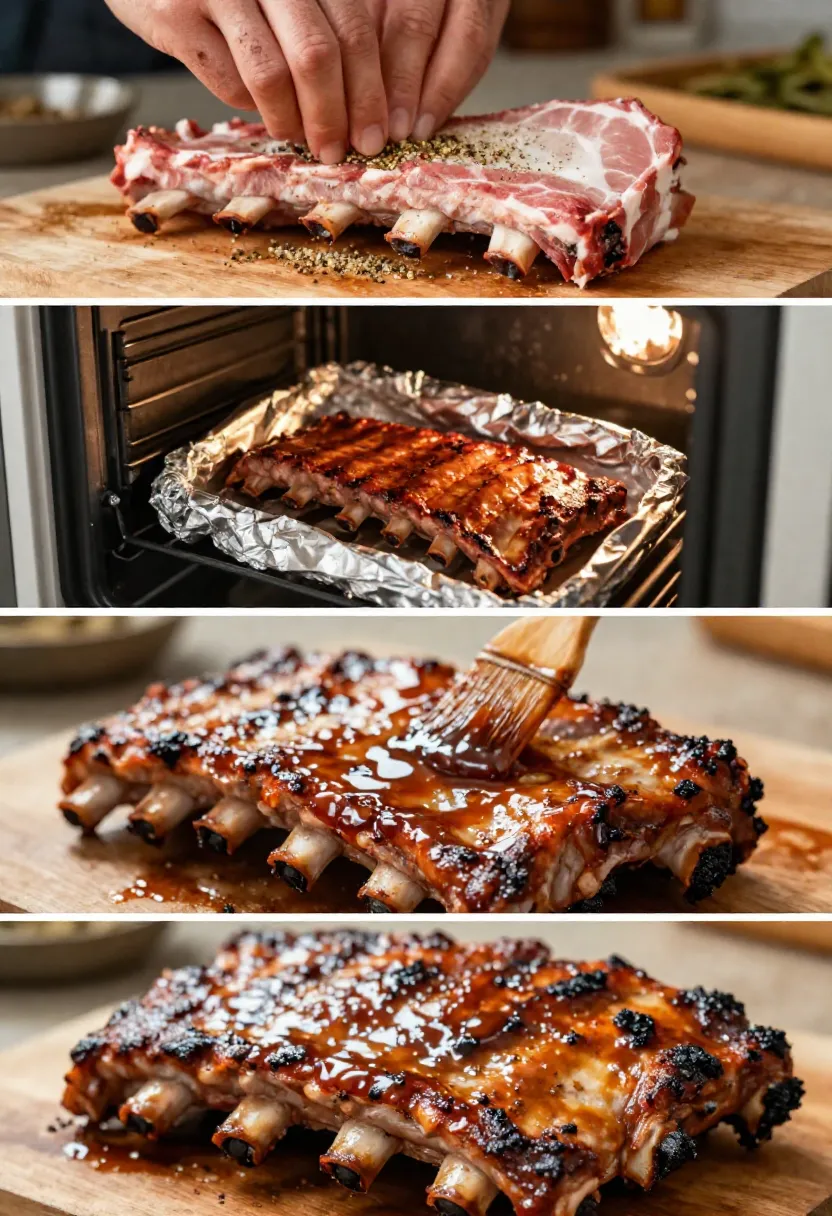
Step-by-Step Cooking Instructions 👨🍳
- Prepare the ribs
Remove the thin membrane from the back of the ribs. It might feel like a small step, but it really affects the final texture—without it, the ribs turn out noticeably more tender. - Season generously
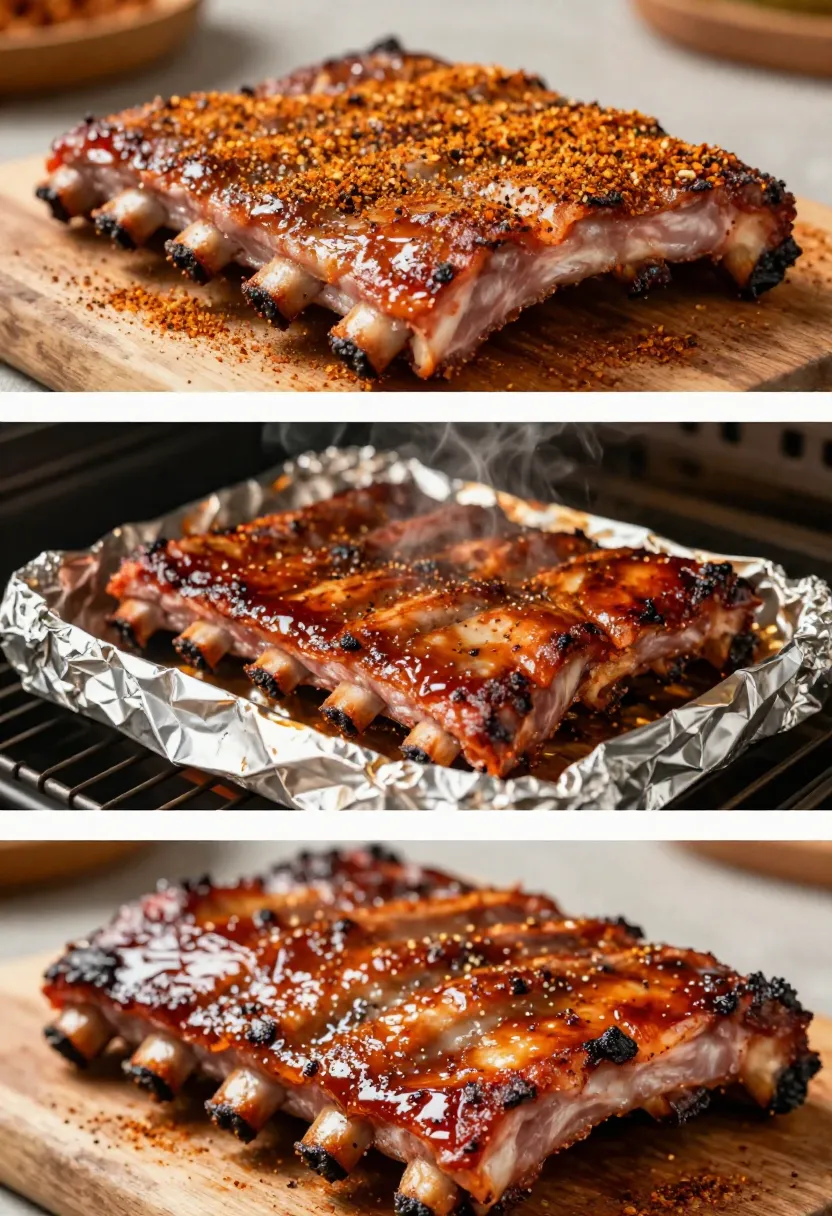
Mix salt, pepper, paprika, and chili powder. Rub the mixture evenly over the ribs, pressing it in slightly so it sticks better. Don’t rush this part—coverage matters more than you think. - Wrap and bake
Wrap the ribs tightly in foil and place them in a preheated oven at 135°C (275°F). Let them cook slowly for about 2.5 to 3 hours. At this stage, you’re not aiming for color—you’re building tenderness. - Make the sauce
While the ribs are cooking, heat olive oil in a pan. Add the chopped onion and cook until soft and slightly translucent. Stir in ketchup, brown sugar, vinegar, cumin, and chili sauce. Let everything simmer gently for 10–15 minutes, stirring occasionally. - Unwrap and coat
Remove the ribs from the oven and carefully unwrap them. At this point, they should already be quite soft. Brush a generous layer of BBQ sauce over the surface. - Finish for texture
Place the ribs back in the oven (uncovered) for another 10–15 minutes, or under a broiler for a few minutes. This helps the sauce thicken slightly and creates that sticky, glazed finish. - Rest and serve
Let the ribs rest for a few minutes before cutting. It might be tempting to dive in immediately, but this short pause helps keep the juices inside the meat.
Quick Tips & Small Tricks That Actually Help 🧠
- If the membrane is hard to remove, use a paper towel—it gives you a better grip
- Don’t skip the resting step, even 5 minutes makes a difference
- Add a splash of water or broth inside the foil if you’re worried about dryness
- Taste the sauce before using it—you can always adjust it slightly
- If you want extra caramelization, brush on a second layer of sauce before the final bake
🍽️ How to Serve Ribs So They Actually Shine
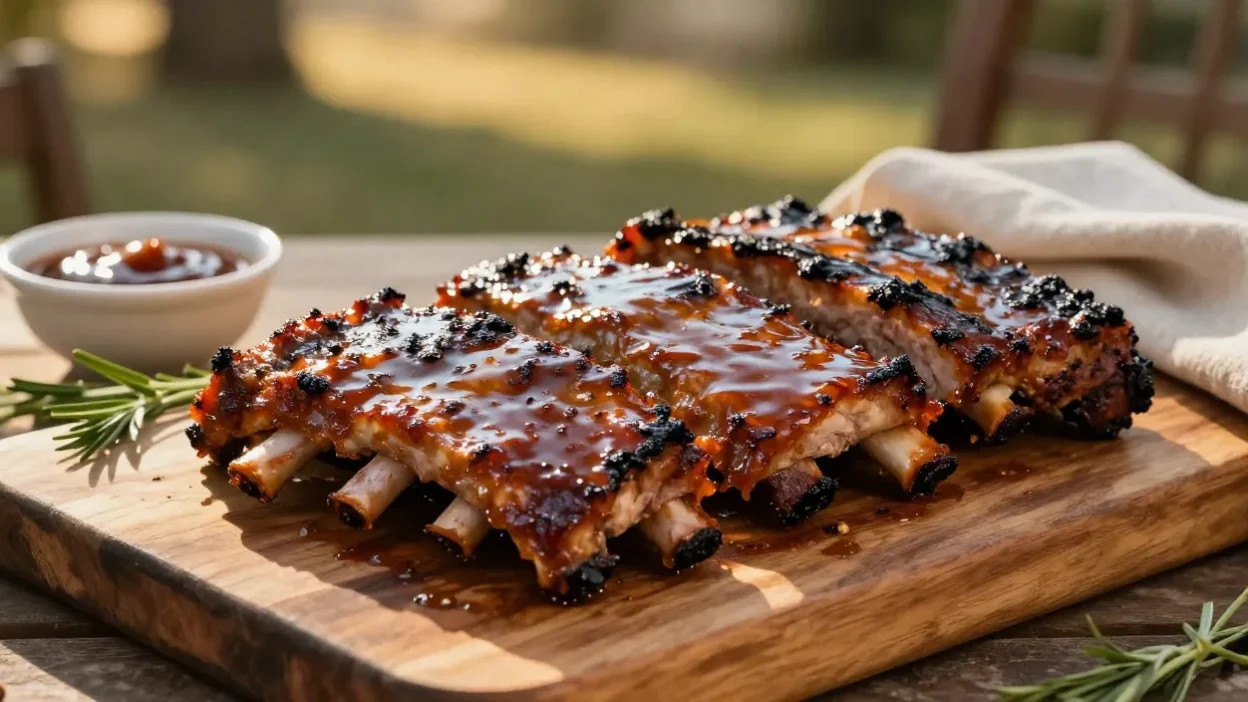
Ribs don’t need complicated presentation to make an impression. In fact, when they’re done right, they already look exactly how they should—slightly glossy, rich in color, and just a bit imperfect. Trying to make them look too neat or “restaurant-perfect” can actually take away from their character.
A more relaxed approach works better here.
Serving them on a large plate or a wooden board is usually the easiest and most natural option. You don’t need to arrange them too carefully—just place them in a way that feels effortless. A slight stack, a bit of overlap, maybe a few visible brush strokes of sauce on top. That’s enough. It should look like something you want to reach for immediately, not something you’re afraid to touch.
What really makes a difference, though, is what you serve around the ribs.
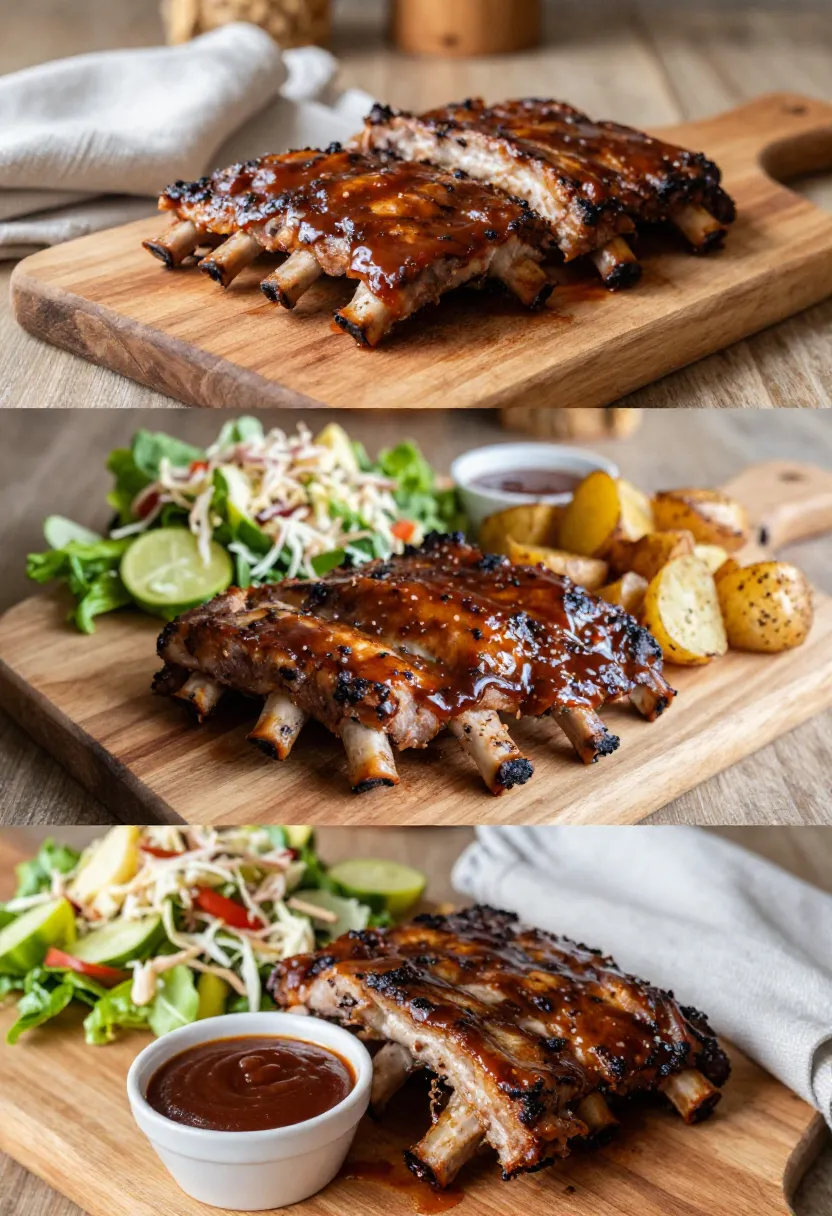
Because ribs are rich. They’re heavy in a good way, but still—after a few bites, you start to notice that you need something to balance that intensity. That’s where side dishes come in. Not as the main focus, but as support.
A good combination usually includes something fresh, something slightly crunchy, and optionally something more filling if you’re making a full meal out of it:
- Fresh salads with a light dressing (vinegar or lemon-based works especially well)
- Coleslaw for texture and a bit of sweetness to contrast the sauce
- Light pickled vegetables to cut through the richness
- Roasted potatoes or fries if you want a more classic, hearty setup
- Corn on the cob, especially if you’re going for that BBQ-style feel
Another detail that often gets overlooked is how you serve the sauce. Even if the ribs are already coated, having extra sauce on the side changes the experience. Some people like just a hint of it, others want every bite fully covered. Giving that option makes the meal feel more flexible and, honestly, more enjoyable.
And then there’s the practical side of things—napkins. It sounds obvious, but it’s one of those small details that can actually affect how comfortable people feel while eating. Ribs are messy by nature. There’s no clean way around it, so it’s better to lean into that instead of trying to avoid it.
Put enough napkins on the table so no one has to ask for them. It’s a small thing, but it makes the whole experience feel more relaxed.
🧠 Small Tips That Make a Big Difference
Ribs don’t require complicated techniques, but they do reward attention to small details. These are the kinds of things that don’t seem critical at first—but once you notice the difference, you don’t really go back.
One of the biggest factors is time. It’s very tempting to think the ribs are ready once they look done. And sometimes they are close—but giving them just a bit longer often changes the texture in a noticeable way. The meat becomes softer, more cohesive, easier to pull apart. It’s not about overcooking—it’s about letting the process fully finish.
Another thing that matters more than expected is tasting along the way, especially when it comes to the sauce. Recipes give you a starting point, but ingredients vary. One ketchup might be sweeter than another, vinegar can be sharper or milder, spices can behave differently. Taking a moment to taste and adjust gives you control over the final result.
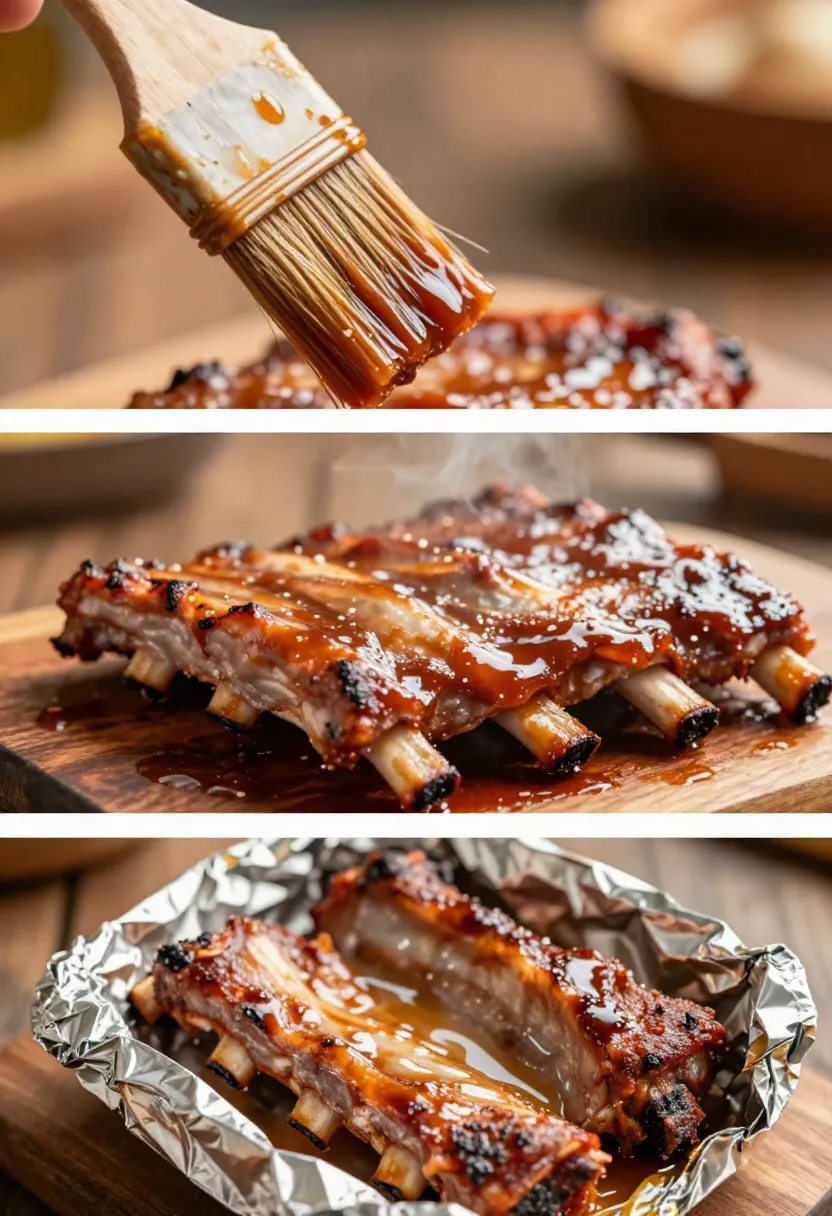
The resting step is also easy to underestimate. After spending hours cooking, it feels unnecessary to wait even a few more minutes. But during that short time, the juices redistribute inside the meat instead of running out when you cut into it. It’s a small pause that protects everything you just worked on.
There are also a few less obvious things that can help:
- If the ribs seem dry after baking, adding a small amount of liquid (like water or broth) inside the foil during cooking can help retain moisture
- Applying sauce in layers instead of all at once creates a better texture and a deeper flavor
- Letting the ribs sit uncovered for a minute before serving helps the surface settle instead of feeling too wet
None of these steps are complicated, and that’s kind of the point. You don’t need to change the recipe—you just need to handle it with a bit more awareness.
❤️ Why You’ll Probably Come Back to This Recipe
Some recipes are interesting, but temporary. You try them, maybe enjoy them, and then move on without thinking too much about them later.
Others don’t stand out immediately in a dramatic way—but they stay in your mind. And this is very much that kind of recipe.
It’s not trying to surprise you with something unusual. There are no unexpected ingredients or techniques. Everything about it feels familiar. And yet, when it’s done properly, the result feels better than you expected.
Part of that comes from how reliable it is. Once you understand the basic process, it’s hard to mess it up. You don’t need perfect timing down to the minute, you don’t need advanced skills. It gives you a bit of room to relax while cooking, which is not something every recipe allows.
But there’s also something else.
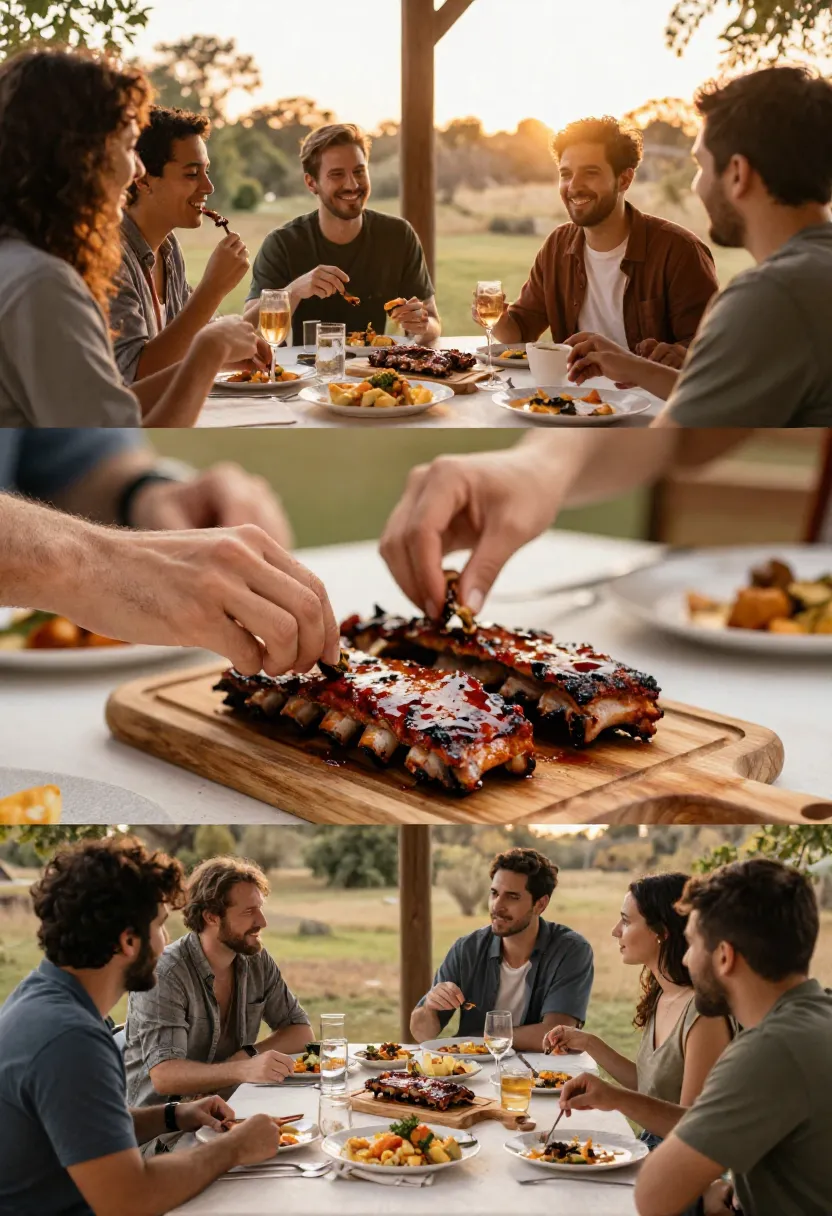
It creates a certain kind of atmosphere without trying to. You start cooking, and for a while nothing much happens. Then the smell slowly builds. People notice it. Someone asks how long is left. You check, maybe open the oven briefly, then close it again.
And when it’s finally ready, there’s always that small moment before anyone starts eating. Not planned, just natural. Then someone takes the first bite—and usually, that’s when you get the reaction. Not over the top, just a simple “yeah, this is really good.”
After that, things move quickly.
People reach for more. Conversations pick up again, but now with food in between. And without realizing it, the whole thing becomes less about the recipe and more about the moment it created.
That’s probably the real reason why this dish sticks.
It’s not just about how it tastes—although that definitely matters. It’s about how easy it is to come back to it. No pressure, no complexity, no need for a special occasion.
Just something you know will work.
And once you have a recipe like that, you don’t really let it go. 🍖